Showing Posts From
Crime
Author: Ken BallenPage Count: UnknownPublication Date: Expected publication 2026-11-10 APL The coffee is cold again. Staring at the glowing screen while the laundry sits damp in the machine, I find myself looking at Ken Ballen’s upcoming The Better Animal and wondering if we really need another speculative warning about the collapse of democracy in the year 2040. Because nothing screams subtle political commentary quite like an authoritarian regime brought down by an election candidate who is literally a dog. Yes, you read that correctly. A canine politician, brought to us via artificial intelligence, leading the bruised souls of a fractured nation toward redemption. It sounds like a satirical column from The Onion that accidentally got stretched out into a full-length novel, yet here we are, pretending this is high-concept literature for fans of political fiction and LGBTQ stories. Barking Up the Wrong Ballot Box The premise hinges on a future America caught in the ruthless grip of corruption, where two men—Wing, a brilliant young scientist, and Jake, a hardened former presidential advisor—find themselves orbiting Kit the dog's revolutionary campaign while nursing their own profound personal trauma. Actually, let me rephrase that entirely. Perhaps reducing a sprawling political allegory to a gimmick about a presidential pooch is missing the point. Perhaps the talking point about a canine candidate is genius. Or maybe it is just utterly absurd. Who knows. Not my cup of tea. The synopsis leans heavily on buzzwords like "redemption," "love," and "truth," which usually means the prose will either soar with poetic grace or drown in unearned sentimentality. We are promised a world where a non-human voice cuts through the noise of prejudice and hatred, offering a language humanity has never heard before. That is a heavy lift for a book that has yet to hit the shelves. Ballen wants to channel the biting dystopian bite of Margaret Atwood or perhaps the tender speculative humanism of Becky Chambers, yet the tightrope walk between political satire and earnest emotional healing looks precarious at best. Waiting for the Howl Can a story about a dog running for president truly capture the crushing weight of grief and political despair, or will it collapse under the sheer weight of its own conceit? The emotional architecture relies on Wing and Jake overcoming their respective pasts alongside their furry leader, which feels like a narrative choice designed to bypass human complexity through the emotional shortcut of an animal. We crave stories that help us make sense of the heavy, suffocating silence left behind by loss, and I am deeply skeptical that a canine AI savior is going to fill that specific void in my chest. Literally. Hard pass. The shouting just escalated past the hallway landing, so I have to go pry two small bodies apart before someone loses an eye over who gets to play with the plastic dinosaur. #TheBetterAnimal #BookTwitter #SpeculativeFiction #DogPresident
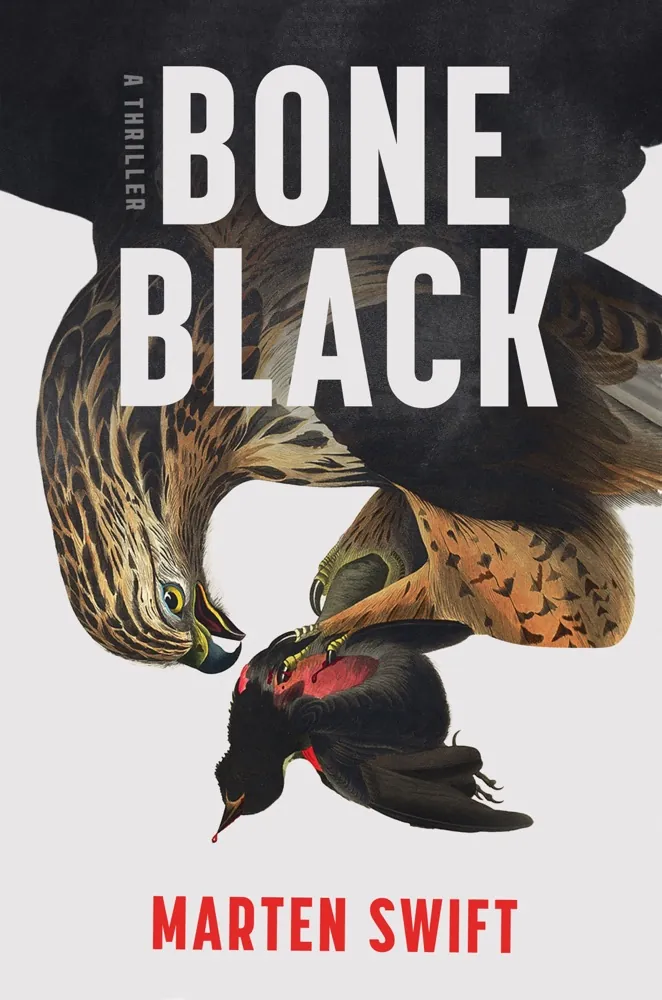
Author: Marten SwiftPage Count: UnknownPublication Date: Expected publication 2026 APL The synopsis for Bone Black is a glittering, half-buried corpse of a premise—just enough to make you lean in, but not enough to stop you from wondering if the author’s own forensic artist would’ve drawn a better sketch. The idea of a forensic artist investigating a murder is so obviously ripe for psychological unraveling that it feels like a gimmick before it’s even fully formed. But then again, gimmicks are what sell books these days, aren’t they? The real question is whether Swift can turn this into something sharper than a scalpel left in a morgue drawer. The ornithologist angle is the most intriguing—because birds, like all great metaphors, are either beautiful or terrifying, depending on who’s watching. The synopsis leans into the uncanny brilliance of the killer, which is a trope as old as The Silence of the Lambs, but the way it’s framed here feels like it’s trying to be something more. The birding club as a nest? That’s a lovely image, but nests are usually warm, safe places—unless you’re a mouse. The synopsis doesn’t say whether the killer’s obsession is romantic, scientific, or something far more primal. That’s the kind of ambiguity that could make or break this book. If Swift treats it like a puzzle, it’ll feel like a clever game. If she treats it like a metaphor, it might feel like a stretched-out metaphor. And then there’s the forensic artist herself—Cassie Stefanidis. The synopsis hints at her limitations: she draws doubles, not originals. That’s a fascinating constraint, one that could mirror the unreliable nature of memory itself. But the way it’s phrased—“at her best, she can draw only doubles”—sounds like a backhanded compliment. Is she good at her job, or is she just good at imitating? That’s the kind of tension that could make her compelling, but it also risks making her feel like a plot device rather than a fully realized character. The synopsis doesn’t tell us if she’s haunted by her own failures, or if she’s just another woman in a city that doesn’t care about her art. The ex-husband, Del Gutierrez, is introduced as a grudging ally, which is a classic thriller move—because nothing says “romantic tension” like a detective who’s also your ex. But the synopsis doesn’t say whether their relationship is still smoldering or just simmering. Is he the one who’s keeping secrets? Is she the one who’s still in love? Or is this just another way to keep the reader guessing? The way it’s written, it feels like a convenience rather than a character beat. But then again, convenience is what sells thrillers. The Jamaica Bay setting is a great choice—it’s eerie, isolated, and full of the kind of decay that makes a murder feel inevitable. But the synopsis doesn’t tell us if the killer’s connection to the location is personal or just opportunistic. Is this a crime of passion, or a crime of obsession? That’s the kind of detail that could make the book feel like more than just a series of clues. Right now, it feels like a checklist: murder, forensic artist, ornithologist, ex-husband. But the best thrillers don’t just check boxes—they make you feel like you’re in the room with the killer. The comparison to Thomas Harris and David Fincher is a bold one, and not just because it’s a name-drop. Harris’s Hannibal Lecter is a master of psychological manipulation, and Fincher’s Zodiac is a masterclass in atmospheric dread. But Bone Black isn’t Red Dragon—it’s not even The Girl with the Dragon Tattoo. It’s something else entirely, and the synopsis doesn’t tell us what. Is it a neo-noir? A gothic horror? A psychological thriller? Or is it just a really good murder mystery with a few pretty birds thrown in? The vagueness is frustrating, but it’s also intriguing. Because the best books leave you wanting more, not just more information, but more feeling. The synopsis doesn’t tell us if the killer’s obsession is with birds, or with Cassie, or with Ginny. It doesn’t tell us if the forensic artist’s drawings are just a front, or if they’re the key to solving the crime. It doesn’t tell us if the ornithologist is a villain, or a victim, or something in between. But then again, maybe that’s the point. Maybe the book is about the gaps, the things that aren’t said, the things that are left to the reader’s imagination. That’s the kind of ambiguity that could make this book stand out in a genre that’s often too eager to spell everything out. Yet—what if the ornithologist isn’t the killer? What if the killer is someone else entirely, and the ornithologist is just another pawn in a much larger game? The synopsis doesn’t say. And that’s the kind of question that could make this book feel like more than just a thriller—it could make it feel like a mystery. But I’m getting ahead of myself. The synopsis is just a synopsis, and it’s not enough. It’s not even close. It’s like looking at a painting and being told it’s a landscape, but not knowing if it’s a storm or a sunset. It’s not enough to make me care, but it’s enough to make me curious. Literally. I have to argue with my landlord about the leak in the ceiling. Again. Related InsightsClarity Book Review and Summary Listeners Book Review and Summary Disturbing the Dead Book Review and Summary{ "@context": "https://schema.org", "@type": "FAQPage", "mainEntity": [ { "@type": "Question", "name": "What is the main focus of Bone Black Book Review and Summary?", "acceptedAnswer": { "@type": "Answer", "text": "Everything you need to know about Bone Black with our detailed review." } }, { "@type": "Question", "name": "Who authored the comprehensive guide on Bone Black Book Review and Summary?", "acceptedAnswer": { "@type": "Answer", "text": "This detailed article and its insights were carefully researched and authored by Victoria Smith." } }, { "@type": "Question", "name": "Where can I find more related content about Books?", "acceptedAnswer": { "@type": "Answer", "text": "You can explore more articles, detailed reviews, and similar insights by browsing the Related Insights section at the bottom of this article or visiting our dedicated Books category page." } } ] }
Author: A.L. JacksonPage Count: UnknownPublication Date: Expected publication 2026 APL There is a very specific kind of silence that settles into a house after the tiny shoes are finally kicked off by the door, when the frantic demands for juice and lost plastic dinosaurs have melted into the heavy, thrumming dark, leaving you staring at the kitchen wall wondering how your entire identity got hollowed out and replaced by a vending machine for snacks and comfort. A.L. Jackson’s upcoming Carved in the Shadows somehow manages to tap directly into that quiet, suffocating terror of guarding the perimeter while your own internal foundation is crumbling away to dust. And honestly, looking at the premise, I am already exhausted. Mary patrolling her little Midwestern town while wrestling with recent tragedy feels uncomfortably close to the bone—not because of the supernatural window-knockers or vanishing livestock, but because every single mother reading this knows the exact weight of trying to keep the wolves from the door when you can barely keep your own eyelids open past nine o'clock. Speaking of animals disappearing and small-town dread, my toddler has been utterly obsessed with a cartoon about singing blue dogs for the past six months, and if I have to hear that relentlessly cheerful theme song one more time while folding tiny socks that will somehow lose their matches by tomorrow morning, I am going to march right outside and start carving strange symbols into the neighbor's prize-winning petunias myself just to feel something other than the soul-crushing monotony of domestic survival. Edna. We need to talk about Edna—the one-woman neighborhood watchman—because every community has one, and they are either your absolute salvation or the reason you drink boxed Pinot Grigio at four in the afternoon on a Tuesday. Jackson is stepping away from typical contemporary romance here and dipping toes into eerie, unexplainable phenomena, bringing to mind the creeping, atmospheric dread of a Stephen King or a sharper, more exhausted Shirley Jackson. Webb. Suspicious. The synopsis leans heavily on tropes we have seen a thousand times—the haunted law enforcement officer, the ominous stranger with a past, the mysterious carvings that mean trouble—and yet, the psychological undercurrent of maternal protection and lingering grief carries an undeniable pull for anyone whose brain is currently split between analyzing literary subtext and remembering to schedule the dentist appointment. Groceries. Right. Will the town ever be the same? Probably not. Nothing ever is once the kids start waking up at five in the morning for no discernible reason. I am hiding in the pantry for five minutes of peace. Related InsightsRaw Deal Book Review and Summary History's Greatest Drinking Games: From the Notorious to the Wisely Forgotten Book Review and Summary Catching Feelings Book Review and Summary{ "@context": "https://schema.org", "@type": "FAQPage", "mainEntity": [ { "@type": "Question", "name": "What is the main focus of Carved in the Shadows Book Review and Summary?", "acceptedAnswer": { "@type": "Answer", "text": "Everything you need to know about Carved in the Shadows with our detailed review." } }, { "@type": "Question", "name": "Who authored the comprehensive guide on Carved in the Shadows Book Review and Summary?", "acceptedAnswer": { "@type": "Answer", "text": "This detailed article and its insights were carefully researched and authored by Victoria Smith." } }, { "@type": "Question", "name": "Where can I find more related content about Books?", "acceptedAnswer": { "@type": "Answer", "text": "You can explore more articles, detailed reviews, and similar insights by browsing the Related Insights section at the bottom of this article or visiting our dedicated Books category page." } } ] }
-
 Victoria Smith
 - 09 Sep, 2026 12:59
Animals of the French Species (Lina Connerly, #2) Book Review and Summary
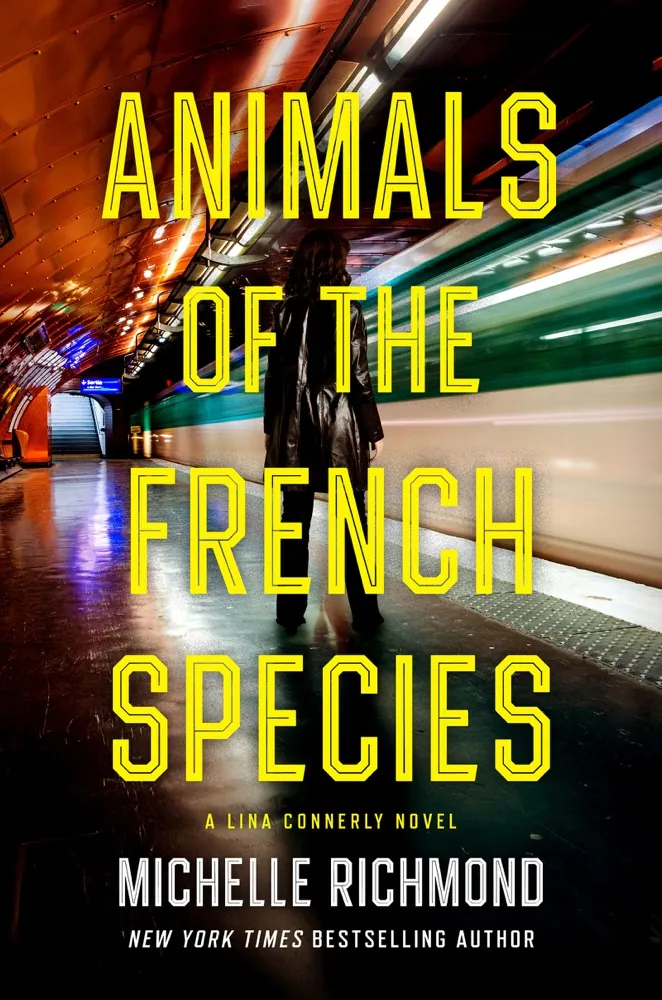
Author: Michelle RichmondPage Count: UnknownPublication Date: Expected publication 2026 APL Sometimes you just need to stare at a completely different country for three hundred pages while your own laundry mocks you from the corner of the bedroom. Michelle Richmond is tossing us right back into the fray with Animals of the French Species, and frankly, I am ready to pack my bags. We are following Lina Connerly from the damp, bureaucratic trenches of the FBI straight into the intoxicating, overpriced haze of Paris. Oh, to be an expat dodging international fugitives instead of wondering if my nine-year-old actually ate a vegetable today. My brain is actively melting. Let us talk about the absolute exhaustion of carrying a dead spouse around like an extra piece of heavy luggage. Grief is not a polite little floral arrangement on a mantelpiece; it is an uninvited houseguest who tracks mud on the white rugs. Richmond understands this visceral ache. Or at least, she did in the first book. But honestly, why must every female protagonist in a thriller be mourning someone? Can she not just wake up and choose violence because she is bored of bureaucracy? Give us a spy who is simply irritable. Yet here we are. A dead husband, a teenager in tow, and a rogue intelligence officer named Calvin Cook leaking secrets like a faulty radiator. And what on earth is happening with the children in modern fiction? Every time I open a novel featuring a teenager—whether it is The Silent Patient or whatever overly hyped suburban drama is currently clogging the front table at Barnes & Noble—I am forced to endure pages of brooding dialogue about high school transitions. Rory gets a new school and some crêpes, great. Meanwhile, mother dearest is hunting a traitor and dodging a cold case called the Train Fantôme. Twenty years of dead bodies in a Métro car. Now that is my kind of Tuesday. The Aesthetics of Paranoia Paris is usually sold to us as a pastel dreamscape of macarons and accordions. Not here. Richmond strips away the gloss. She uses the labyrinthine bowels of the embassy and shadowy city tunnels to mirror Lina’s fractured psyche. Every shadow holds a leaked identity. Every pastry chef might be an informant. It is suffocating, brilliant paranoia. The plot mechanics outlined in this synopsis are deliciously convoluted. Assets turning up dead. Headquarters paralyzed by internal politics—because of course the higher-ups are utterly useless when actual stakes are involved, much like the school board committee handling the middle school fundraiser debacle. A looming world leaders' summit. A ticking clock. It borrows heavily from the classic spy playbook of Olen Steinhauer and early le Carré, but filtered through the frantic lens of single motherhood. I demand absolute perfection from this release. Do not squander the Métro mystery, Richmond. If the Train Fantôme turns out to be a boring gas leak, I am throwing the hardcover directly into the recycling bin. The youngest has just discovered the permanent markers. Related InsightsAnna and the French Kiss Book Review and Summary The Hunger Games Trilogy Boxset Book Review and Summary Lonesome Dove Book Review and Summary{ "@context": "https://schema.org", "@type": "FAQPage", "mainEntity": [ { "@type": "Question", "name": "What is the main focus of Animals of the French Species (Lina Connerly, #2) Book Review and Summary?", "acceptedAnswer": { "@type": "Answer", "text": "Everything you need to know about Animals of the French Species (Lina Connerly, #2) with our detailed review." } }, { "@type": "Question", "name": "Who authored the comprehensive guide on Animals of the French Species (Lina Connerly, #2) Book Review and Summary?", "acceptedAnswer": { "@type": "Answer", "text": "This detailed article and its insights were carefully researched and authored by Victoria Smith." } }, { "@type": "Question", "name": "Where can I find more related content about Books?", "acceptedAnswer": { "@type": "Answer", "text": "You can explore more articles, detailed reviews, and similar insights by browsing the Related Insights section at the bottom of this article or visiting our dedicated Books category page." } } ] }
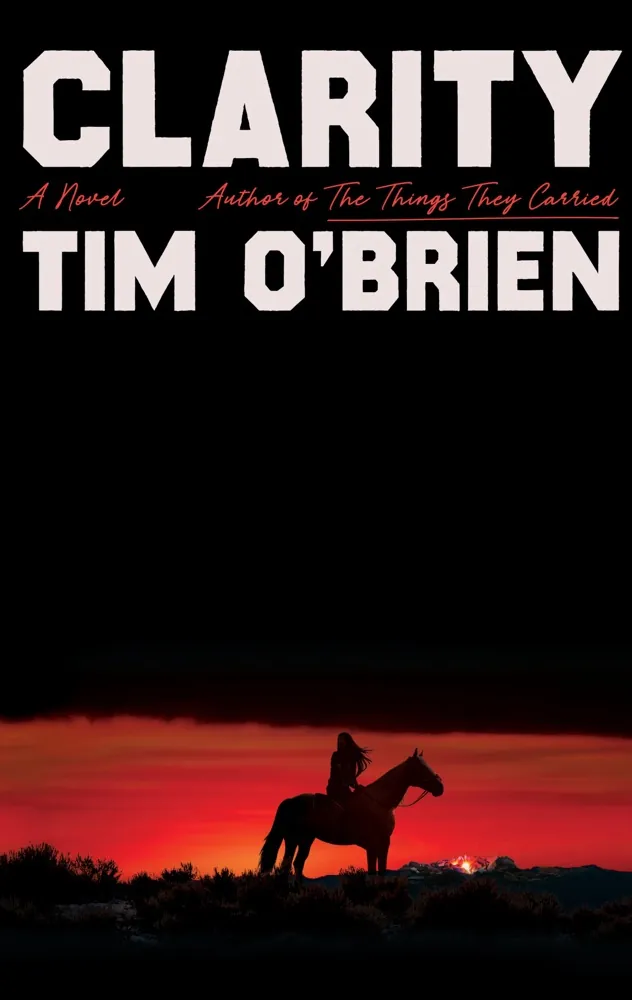
Author: Tim O'BrienPage Count: UnknownPublication Date: Expected publication 2026 APL Promises of "clarity" are the first thing a liar offers you. They dangle it like a bright, plastic charm in front of a child who just wants to know why the light went out, why the chair is empty, why the silence is so heavy it leaves bruises. Tim O’Brien has spent a career excavating the debris of war and the fiction we build to survive it, but this new premise—a lie about a dead baby acting as the engine for a decades-long pursuit—feels less like a search for truth and more like a cruel, drawn-out punishment. A Theology of Deceit Why must we insist on redemption? Tom Barrie, our wayward shepherd in St. Paul, isn’t looking for God; he’s looking for a way to rewrite a singular, wretched moment of cowardice. The synopsis suggests a collision between the orderly, static world of the pulpit and the chaotic, kinetic sprawl of a girl who has nothing to lose. It’s a classic setup for a heavy-handed meditation on the lies we tell to keep our own ghosts fed. I suspect O’Brien is baiting us into wanting a catharsis that he has no intention of providing. If The Things They Carried taught us anything, it’s that the truth is a shifty, unreliable witness. The Geography of Regret And speaking of shifting, why are we still pretending that cross-country odysseys equate to emotional growth? It’s the literary equivalent of a temper tantrum. It reminds me of that insipid preschool show where the characters run through a magical forest to find a lost toy, only to realize the "real treasure" was the friends they ignored along the way. I spent three hours last Tuesday watching a cartoon hedgehog talk to a sentient rock while my own floor felt like it was tilting toward oblivion, and frankly, the narrative arc of that animation had more structural integrity than this trope of the "delinquent fleeing a traumatic past." Ruby Stjern sounds like a construct—the Manic Pixie Dream Fugitive—designed solely to force a man who has lost his faith to finally feel something. It’s exhausting. It’s predictable. I suspect the prose will be gorgeous, because it’s O’Brien, but the emotional manipulation feels as transparent as a window pane in a gale. The Myth of the Answer O’Brien hints that "people who know all the answers are fucking fools," which is a convenient way for an author to sidestep the messy business of resolving his own plot. He’s setting the stage for a bleak, open-ended wander through the wreckage of 2003. Will he finally drop the pretension that trauma is a puzzle to be solved rather than a slow rot? Probably not. We will likely be treated to a series of vignettes that lean heavily into the "philosophical" at the expense of anything resembling a human heartbeat. Ouch. I just stepped on a rogue building block. I need a moment to recover. #litcrit #timobrien #bookreview Related InsightsReturn to Breakneck Island (The Treasure Hunters Club #2) Book Review and Summary Live Laugh Love: The Secret History of White Christian Women and the World They Made Book Review and Summary Carrying Book Review and Summary{ "@context": "https://schema.org", "@type": "FAQPage", "mainEntity": [ { "@type": "Question", "name": "What is the main focus of Clarity Book Review and Summary?", "acceptedAnswer": { "@type": "Answer", "text": "Everything you need to know about Clarity with our detailed review." } }, { "@type": "Question", "name": "Who authored the comprehensive guide on Clarity Book Review and Summary?", "acceptedAnswer": { "@type": "Answer", "text": "This detailed article and its insights were carefully researched and authored by Victoria Smith." } }, { "@type": "Question", "name": "Where can I find more related content about Books?", "acceptedAnswer": { "@type": "Answer", "text": "You can explore more articles, detailed reviews, and similar insights by browsing the Related Insights section at the bottom of this article or visiting our dedicated Books category page." } } ] }

Author: Camila Sosa VilladaPage Count: UnknownPublication Date: Expected publication 2026-09-04 APL My heart is still hammering against my ribs—that wonderful, terrifying hum of pure caffeine and eight straight hours of staring at corporate spreadsheets while keeping three hundred rogue inventory line items from descending into absolute administrative chaos. God, I love the absolute rush of closing a quarter out. Yet here I am, staring down the barrel of Camila Sosa Villada’s upcoming novel, A Domestication, through the haze of a publisher's breathless French synopsis. And honestly? I am ready to fight anyone who dismisses it. The Illusion of the Stage and the Trap of Blood We get it. The world loves an archetype. An actress—specifically the most famous trans actress on the planet—is someone the public invents, consumes, and discards. But what happens when the illusion demands a domestic reality? The synopsis tells us she decides to build a family against all common sense. Good. Fiction needs more terrible, beautiful, irrational decisions. Wait. Let me rephrase that entirely. Actually, scratch the praise about irrationality—the synopsis is frustratingly cagey. It relies on that tired French literary trope of throwing a bunch of high-concept ingredients into a bowl and calling it art. Jean Cocteau? A perilous return to the natal village? Violent, tearing love? It sounds like a checklist generated by an algorithm designed to win European literary prizes. Yet I am fiercely, irrationally loyal to Sosa Villada’s prose. After The Bad Girls, which punched me directly in the gut with its feral, unapologetic brilliance, she can write a grocery list and I will call it a masterwork. Dismantling the Myth of the Hearth The core of this book—or at least what the marketing copy promises us between breathless bouts of praise—is a direct assault on the sanctity of the traditional family. And thank heavens for that. We are drowning in domestic misery memoirs written by people who think putting a microwave on the counter is a rebellion. Sosa Villada is different. She slices open the anatomy of an atypical couple with the precision of a surgeon who lost her license years ago and doesn't care. Except the synopsis also tries to claim this is "deeply universal." No. Stop right there. The moment a brilliant, transgressive writer gets labeled as "universal," the publishing industry is trying to sand down her edges for the suburban book clubs. I refuse to accept it. This book better not be universal. It better be violently specific, jagged, and entirely unpalatable to anyone who hasn't survived the margins. If it smells even faintly of Elizabeth Strout comfort food, I am throwing it across the room. It needs to read like a knife fight in the dark, closer to My Work by Olga Ravn or the raw fury of Virginie Despentes, rather than some cozy meditation on parenthood. I don't need another tender story about finding oneself. I want the wreckage. I have to close this document right now because I promised my daughter I would bake three dozen cupcakes for the school bake sale by tomorrow morning and the oven is currently cold. #ADomestication #CamilaSosaVillada #ContemporaryFiction #TransLiterature Related InsightsNever Greater Slaughter Book Review and Summary Rubinrot Book Review and Summary The Woman with One Hundred Faces: The Lives and Legacy of Anaïs Nin Book Review and Summary{ "@context": "https://schema.org", "@type": "FAQPage", "mainEntity": [ { "@type": "Question", "name": "What is the main focus of A Domestication: A Novel Book Review and Summary?", "acceptedAnswer": { "@type": "Answer", "text": "Everything you need to know about A Domestication: A Novel with our detailed review." } }, { "@type": "Question", "name": "Who authored the comprehensive guide on A Domestication: A Novel Book Review and Summary?", "acceptedAnswer": { "@type": "Answer", "text": "This detailed article and its insights were carefully researched and authored by Victoria Smith." } }, { "@type": "Question", "name": "Where can I find more related content about Books?", "acceptedAnswer": { "@type": "Answer", "text": "You can explore more articles, detailed reviews, and similar insights by browsing the Related Insights section at the bottom of this article or visiting our dedicated Books category page." } } ] }
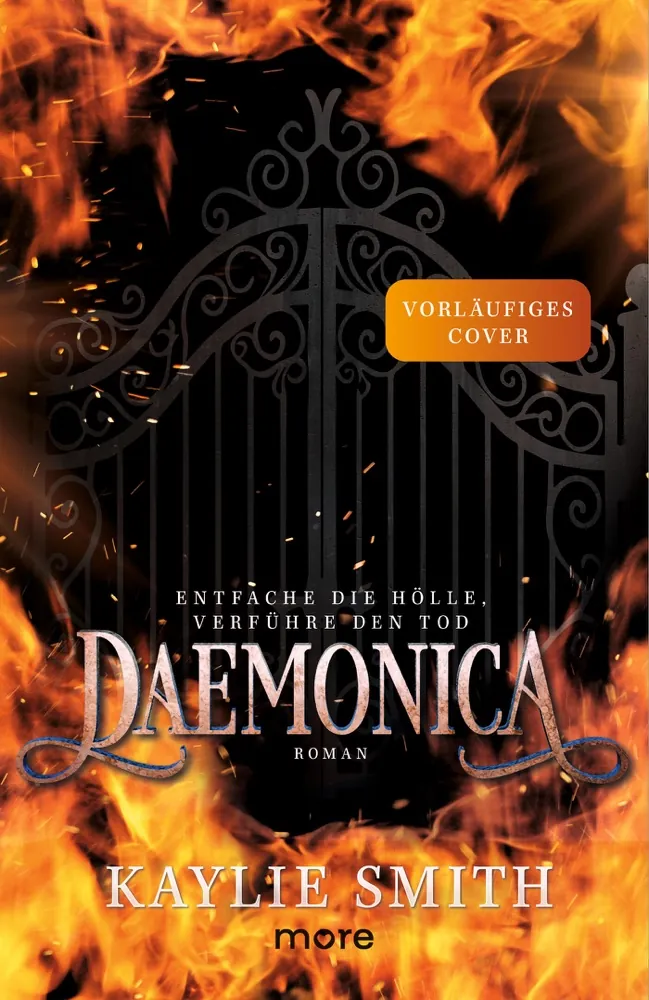
Author: Kaylie SmithPage Count: UnknownPublication Date: Expected publication 2026 APL Grief is not a neat little package you set on the mantelpiece; it is a rotting floorboard you step through when you are least expecting it, plunging your whole leg into the dark while the rest of the room goes on drinking tea. And yet, the publishing industry insists on dressing this agony up in leather corsets and hellfire, as if losing a brother can be solved by winning a bloody tournament against a secret society of demons. Kaylie Smith is bringing us Daemonica, the next installment in a series that evidently requires teenagers to survive mortal combat just to reclaim their own ancestral property, and I find myself staring at the synopsis with a cold, heavy ache in my chest that has nothing to do with fantasy and everything to do with the quiet shattering of a household. Gwendolyn loses her brother, which should be the emotional anchor of the entire narrative—an anchor heavy enough to drag the reader down into genuine, suffocating sorrow—yet we are immediately hurdled into a ridiculous bureaucratic hostage situation where the dead boy gambled away the family estate to hell's most exclusive fraternity. Death is final. It leaves a dinner chair permanently empty. It does not leave behind a real estate dispute. And then, of course, enters Sevin Silver—because what is a grief-stricken sister to do without her gorgeous, annoying first love showing up to complicate the blood-soaked games with his own secret agenda involving a dying mother? Wait. Actually, let me walk that back for a second. Perhaps the ridiculousness of the premise is precisely the point, a garish neon distraction from the unbearable weight of mourning, because when your heart is broken into jagged pieces, sometimes you just want to read about attractive people trading witty banter while dodging literal hellfire. Or perhaps I am simply projecting my own exhaustion onto a plot that refuses to sit still with its own wounds. Smith is leaning hard into the modern romantic fantasy playbook—think Tracy Wolff or Jennifer L. Armentrout dialed up to a frantic, neon-lit pitch—where high-stakes competition serves as a flimsy excuse for forced proximity and unresolved sexual tension. Yet underneath the marketing gloss about ruthless rules and merciless games, a more interesting anxiety pulses through the premise: the terror of losing everything your family built, of watching your lineage vanish because the people you loved made catastrophic, irreversible mistakes. Gwen is not just fighting for a house; she is fighting for the last physical remnants of a brother who left her stranded in the wreckage of his absence. She wants the walls that remember him, the floors that still echo with his footsteps, even if those walls now belong to the damned. And Sevin, with his desperate quest for a magical cure, mirrors that exact same frantic refusal to accept loss, turning the arena into a pathetic, beautiful collision of two people who do not know how to say goodbye. We read these books because we want to see people fight death and win, even when we know damn well that in the real world, no amount of dark magic or bargain-bin deals will ever bring back what was stolen from us in the quiet hours of the night. The baby monitor just illuminated with terrifying activity. Related InsightsLast Lady B Book Review and Summary Wicked and the wallflower Book Review and Summary New Harry Bosch and Renée Ballard Novel Book Review and Summary{ "@context": "https://schema.org", "@type": "FAQPage", "mainEntity": [ { "@type": "Question", "name": "What is the main focus of Daemonica (Wicked Games, #3) Book Review and Summary?", "acceptedAnswer": { "@type": "Answer", "text": "Everything you need to know about Daemonica (Wicked Games, #3) with our detailed review." } }, { "@type": "Question", "name": "Who authored the comprehensive guide on Daemonica (Wicked Games, #3) Book Review and Summary?", "acceptedAnswer": { "@type": "Answer", "text": "This detailed article and its insights were carefully researched and authored by Victoria Smith." } }, { "@type": "Question", "name": "Where can I find more related content about Books?", "acceptedAnswer": { "@type": "Answer", "text": "You can explore more articles, detailed reviews, and similar insights by browsing the Related Insights section at the bottom of this article or visiting our dedicated Books category page." } } ] }
- Victoria Smith
- 29 Aug, 2026 01:34
Bride of the Wicked (The Wicked Trilogy, 3) Book Review and Summary
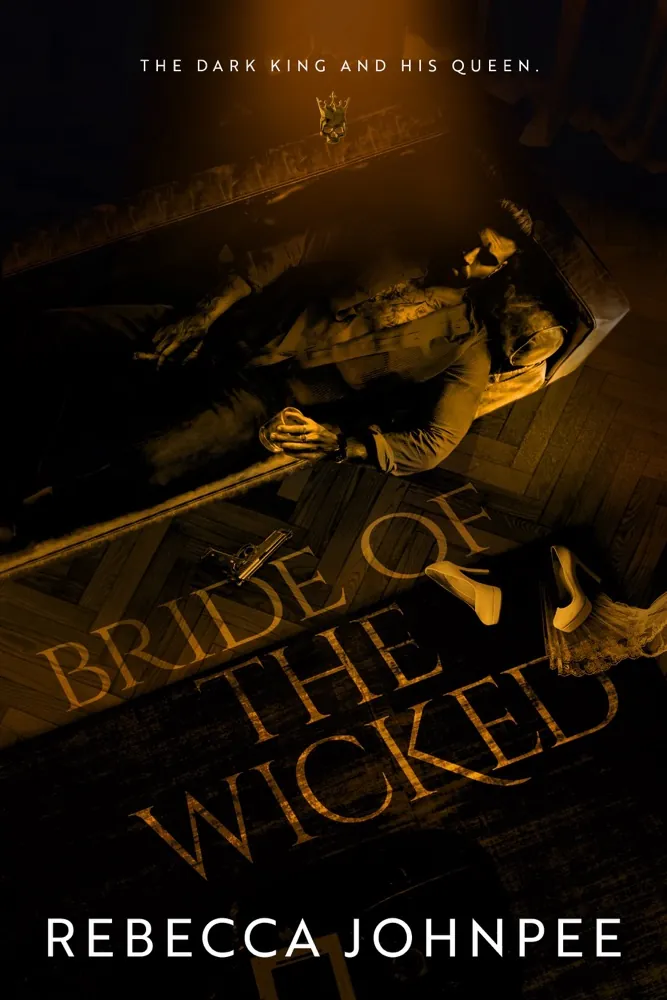
Author: Rebecca JohnpeePage Count: UnknownPublication Date: Expected publication 2026-12-01 APL The synopsis for Bride of the Wicked arrives like a poorly sealed letter—ink bleeding at the edges, the paper already yellowing with anticipation. It’s the kind of prose that makes you wonder if the author has ever read The Godfather without falling asleep, or if they’ve just binge-watched Peaky Blinders while nursing a whiskey neat. The language here is the kind of bold, unapologetic bravado that suggests either genius or a severe case of overconfidence. Elio’s opening lines—"They say there’s no rest for the wicked. For me, it’s a vow."—are so deliberately cinematic they might as well be a trailer for a Tarantino film. But then, the synopsis stumbles. It’s not that it’s vague—it’s that it’s too specific in its vagueness. We know Elio is chasing Zahra, that she’s running, that he’s taking her back. But what does that even mean? Is this a love story? A revenge tale? A heist flick with emotional baggage? The synopsis doesn’t care. It just throws everything at the wall and hopes something sticks. The thematic bones of this book are laid out with the precision of a butcher’s knife—enemies to lovers, second chance, who did this to you?—but the meat is still raw. The trope list alone reads like a grocery list for a romance novel with a side of mafia violence: Touch her/him and die, morally gray MMCs, blackmail. It’s the kind of checklist that makes you wonder if Johnpee has ever read a book that didn’t fit neatly into a genre box. Yet, there’s something undeniably compelling in the way the synopsis leans into the darkness. The mention of Zahra’s "life that doesn’t feel like mine" and the "monsters who made me" suggests a psychological depth that could elevate this beyond the usual mafia romance formula. But then again, the synopsis also drops the line "I’m trapped in a life that doesn’t feel like mine" like it’s a Shakespearean soliloquy, when really, it sounds like something straight out of a YA novel about a girl who’s too in love with her trauma. The real question is whether this book will have the guts to match its synopsis. Because here’s the thing about mafia romances—especially the heist variety—they either deliver on the tension or they collapse under the weight of their own clichés. Gone Girl did it. The Girl on the Train did it. But most of them? They just end up feeling like The Sopranos if Tony and Carmela had a threesome. The synopsis here has the potential to be something more, but it’s also the kind of writing that makes you suspect the author is more interested in shock value than substance. The "final heist" line is particularly telling—it’s the kind of phrasing that makes you think of Ocean’s Eleven, but with less charm and more body count. And then there’s the matter of the characters. Elio’s vow to "take her back… for good" is the kind of line that makes you want to scream at the page—for good?! After what?!—but the synopsis doesn’t bother to explain. Zahra’s "final job" is just as vague, which is either brilliant or lazy, depending on whether you believe in the power of ambiguity. The synopsis seems to think the reader will fill in the blanks with their own fantasies, which is either a sign of confidence or a sign that Johnpee has never had to defend her work to anyone who actually cares. But here’s where I pivot—because I’ve been wrong before. Maybe this is exactly what the market wants. Maybe readers are tired of slow-burn romances that take three books to get to the good stuff and instead crave the kind of explosive, no-holds-barred storytelling that Bride of the Wicked promises. Maybe the synopsis is deliberately cryptic, a way to hook readers who want to believe in the myth of the mafia romance as both art and entertainment. After all, we’ve seen it before—The Devil’s Hand by Farah Heron, The Love Hypothesis by Ali Hazelwood, even The Hating Game by Sally Thorne—books that play with tropes and expectations. But those books had something more. They had heart. This synopsis? It’s all teeth. The final heist, the final game—it’s the kind of phrasing that makes you think of No Country for Old Men, but with more kissing. And that’s the problem. The synopsis doesn’t know whether it’s a thriller, a romance, or a revenge story. It just knows it wants to be all three, and that’s a recipe for disappointment unless the execution is flawless. But then again, maybe that’s the point. Maybe Bride of the Wicked is supposed to be a mess, a chaotic, unapologetic explosion of mafia drama and forbidden love. And if so, then I’ll reserve judgment until I see how it holds up under the weight of its own hype. But right now? It’s just a synopsis. And synopses are like promises—easy to make, hard to keep. I need to go help with math homework. I don’t understand it, but someone has to try. #MafiaRomance #TooMuchCoffee #FinalHeist #EnemiesToLovers #WhyIsThisSoHard Related InsightsSmall Gods Book Review and Summary The Blood Queen Book Review and Summary Winnie-the-Pooh Book Review and Summary{ "@context": "https://schema.org", "@type": "FAQPage", "mainEntity": [ { "@type": "Question", "name": "What is the main focus of Bride of the Wicked (The Wicked Trilogy, 3) Book Review and Summary?", "acceptedAnswer": { "@type": "Answer", "text": "Everything you need to know about Bride of the Wicked (The Wicked Trilogy, 3) with our detailed review." } }, { "@type": "Question", "name": "Who authored the comprehensive guide on Bride of the Wicked (The Wicked Trilogy, 3) Book Review and Summary?", "acceptedAnswer": { "@type": "Answer", "text": "This detailed article and its insights were carefully researched and authored by Victoria Smith." } }, { "@type": "Question", "name": "Where can I find more related content about Books?", "acceptedAnswer": { "@type": "Answer", "text": "You can explore more articles, detailed reviews, and similar insights by browsing the Related Insights section at the bottom of this article or visiting our dedicated Books category page." } } ] }
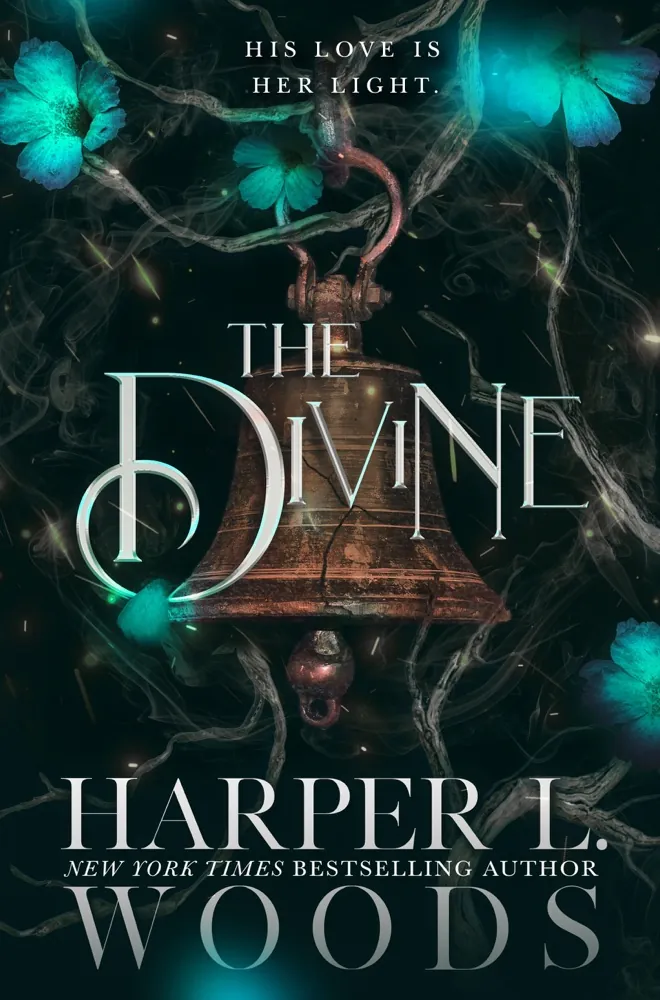
Author: Harper L. WoodsPage Count: UnknownPublication Date: Expected publication 2026-12-29 APL The synopsis for The Divine is so deliberately opaque it might as well be a love letter to the kind of storytelling that thrives on implication rather than exposition—like a haiku written in blood. Margot’s bargain with death is the kind of tragic, Faustian deal that feels ripped straight from a gothic romance where the only currency is suffering and the only reward is a hollow victory. But here’s the problem: the synopsis doesn’t tell us why she made the deal. Was it desperation? Love? A misplaced sense of martyrdom? The phrasing—"She succumbed to death to save his life"—suggests a passive, almost resigned act, like a character in a Greek tragedy accepting her fate without question. And yet, the line "A soul for a soul. A price to pay for her love" implies something far more intimate, something that could lean into the kind of emotional brutality found in The Raven Boys or the slow-burn tragedy of The Shadow of the Wind. The tension between these two interpretations is delicious—it’s the kind of ambiguity that makes a reader lean in, fingers curled around the spine, wondering if the love here is noble or self-destructive. But then—after all, death is only the beginning—the synopsis pivots into something far more unsettling. It’s not just about Margot’s bargain; it’s about the voice of death itself becoming the only thing that can undo it. This reads like the setup for a horror-lite twist, the kind where the supernatural isn’t just a backdrop but an active, malevolent participant. Think Mexican Gothic meets The Last House on Needless Street, where the dead aren’t just ghosts but something far more insidious, something that might have been waiting for Margot to make her deal. The synopsis doesn’t name the stakes—is this about redemption? About power? About the cost of love when the only currency is mortality?—but the implication is that Margot’s soul isn’t just hers to give. It’s a hostage. And now, the thing that took it is the only one who can get it back. And yet—here’s where the synopsis fails spectacularly. It doesn’t show us the weight of Margot’s bargain. It doesn’t tell us whether she regrets it. It doesn’t even tell us if she’s still alive, or if she’s already become something else entirely. The phrasing is so abstract it could apply to any number of tropes: the doomed lover, the cursed protagonist, the woman who trades her humanity for something she can’t name. It’s the kind of vagueness that makes you wonder if Harper L. Woods is playing with expectations, or if she’s just too busy with the next big idea to flesh out the details. Either way, it’s a risk. Because when a synopsis reads like a series of post-it notes slapped onto a whiteboard—"Margot," "Death," "Love," "Redemption?"—it’s hard not to feel like you’re being handed a puzzle with half the pieces missing. But then—Literally. The real question is whether The Divine will deliver on the kind of emotional gut-punch that makes a reader forget they’re just turning pages. The Coven of Bones series has a history of blending supernatural intrigue with deeply personal stakes, and if this book leans into the kind of psychological horror that makes The Silent Patient feel like a warm-up act, it could be something special. But if it’s just another installment in the "soul-deal gone wrong" genre—think The Graveyard Book meets The Lovely Bones—then it risks feeling like a retread, a rehash of stories we’ve already seen told better by others. The synopsis doesn’t give us enough to say whether this will be a fresh take or just another entry in the "tragic love, supernatural consequences" canon. And then—Hard pass. Wait, no. That’s not right. The synopsis is too tantalizing to dismiss outright. It’s the kind of setup that makes you want to believe in the worst possible version of Margot’s story, the kind where love isn’t a salvation but a sentence. The fact that the voice of death is the only thing that can save her—save them—suggests a dynamic that could be as complex as it is brutal. Is this about two people trapped in a cycle of sacrifice? Is it about the cost of immortality, or the price of being loved by something that isn’t human? The synopsis doesn’t say, but the questions it leaves unanswered are the ones that keep you reading. But then—the toddler is screaming. I have to convince her that bath time isn’t a punishment, and the only way to do that is to distract her with the promise of a story. Maybe The Divine will be that story—sharp, dark, and impossible to look away from. Or maybe it’ll just be another book where the synopsis sells the idea better than the execution. Either way, I’m holding out hope that Harper L. Woods will surprise me, that she’ll take this vague, haunting setup and turn it into something that feels as inevitable as it does inevitable. Because right now, the synopsis is just a tease, a whisper in the dark. And whispers, as we all know, are the most dangerous kind of promise. #BookTok #SupernaturalRomance #SoulDeals #HarperLWoods #GothicFiction Related InsightsBefore I Fall Book Review and Summary Memory's Legion Book Review and Summary L'Encre Interdite : Quand le Rideau de Fer S'abattait sur les Pages{ "@context": "https://schema.org", "@type": "FAQPage", "mainEntity": [ { "@type": "Question", "name": "What is the main focus of The Divine (Coven of Bones, 4) Book Review and Summary?", "acceptedAnswer": { "@type": "Answer", "text": "Everything you need to know about The Divine (Coven of Bones, 4) with our detailed review." } }, { "@type": "Question", "name": "Who authored the comprehensive guide on The Divine (Coven of Bones, 4) Book Review and Summary?", "acceptedAnswer": { "@type": "Answer", "text": "This detailed article and its insights were carefully researched and authored by Victoria Smith." } }, { "@type": "Question", "name": "Where can I find more related content about Books?", "acceptedAnswer": { "@type": "Answer", "text": "You can explore more articles, detailed reviews, and similar insights by browsing the Related Insights section at the bottom of this article or visiting our dedicated Books category page." } } ] }
Author: Emilia RossiPage Count: UnknownPublication Date: Expected publication 2026-03-11 APL In the dark, foreboding world of Her Angel, we're presented with Sofiya, a fragile, Ehlers-Danlos afflicted princess of the Bratva, and Matteo, the ruthless, unyielding leader of the Five Families. What draws me in, like a moth to a flame, is the promise of a twisted, all-consuming love story, forged in the depths of a world where loyalty is a luxury and survival is the only currency that matters. I can almost smell the smoke, feel the weight of their desperation, as they're forced into a union that will either be their salvation or their downfall. But, I must confess, the synopsis is maddeningly vague. We're given mere whispers of the characters' motivations, their desires, their fears. It's like trying to grasp a handful of sand - the harder I squeeze, the more it slips through my fingers. And yet, this very vagueness is what draws me in, like a siren's call. I'm reminded of the works of Pepper Winters, of her Tears of Tess, where the lines between love and hate, captor and captive, are expertly blurred. Will Her Angel follow in her footsteps, or will it forge its own path, like a razor-sharp knife cutting through the darkness? As I sit here, my mind racing with possibilities, I'm suddenly transported to my childhood, watching cartoons like He-Man and the Masters of the Universe. Do you remember that infamous episode where He-Man is forced to confront his own darkness, to face the evil that lurks within? It's a powerful metaphor, one that I believe Her Angel will explore, albeit in a much more sinister, adult context. The idea of Sofiya and Matteo being forced to confront their own demons, to find solace in each other's darkness, is a tantalizing one, like a forbidden fruit that's just out of reach. And yet, as I read the synopsis, I'm struck by the feeling that we're being sold a romance, a fairy tale, when in reality, Her Angel might be something far more sinister. Will it be a commentary on the toxicity of arranged marriages, of the ways in which women are used as pawns in a game of power and control? Or will it be a sweeping epic, a tale of love and redemption, of two broken souls finding each other in the darkness? But I digress. The real question is, will Her Angel live up to its promise? Will it be a masterpiece, a work of art that will leave me breathless and wanting more? Or will it be a disappointment, a shallow, formulaic romance that fails to deliver on its promises? I, for one, am eager to find out. Literally. As I sit here, surrounded by the chaos of my household, I'm reminded that even in the darkest of worlds, there is always beauty to be found. My youngest, bless their little heart, has just painted the family cat blue. Related InsightsRequiem for a Dream Book Review and Summary Fetal Position Book Review and Summary Colleen Hoover Ebook Boxed Set Maybe Someday Series Book Review and Summary{ "@context": "https://schema.org", "@type": "FAQPage", "mainEntity": [ { "@type": "Question", "name": "What is the main focus of Her Angel (Empire of Royals #4) Book Review and Summary?", "acceptedAnswer": { "@type": "Answer", "text": "Everything you need to know about Her Angel (Empire of Royals #4) with our detailed review." } }, { "@type": "Question", "name": "Who authored the comprehensive guide on Her Angel (Empire of Royals #4) Book Review and Summary?", "acceptedAnswer": { "@type": "Answer", "text": "This detailed article and its insights were carefully researched and authored by Victoria Smith." } }, { "@type": "Question", "name": "Where can I find more related content about Books?", "acceptedAnswer": { "@type": "Answer", "text": "You can explore more articles, detailed reviews, and similar insights by browsing the Related Insights section at the bottom of this article or visiting our dedicated Books category page." } } ] }
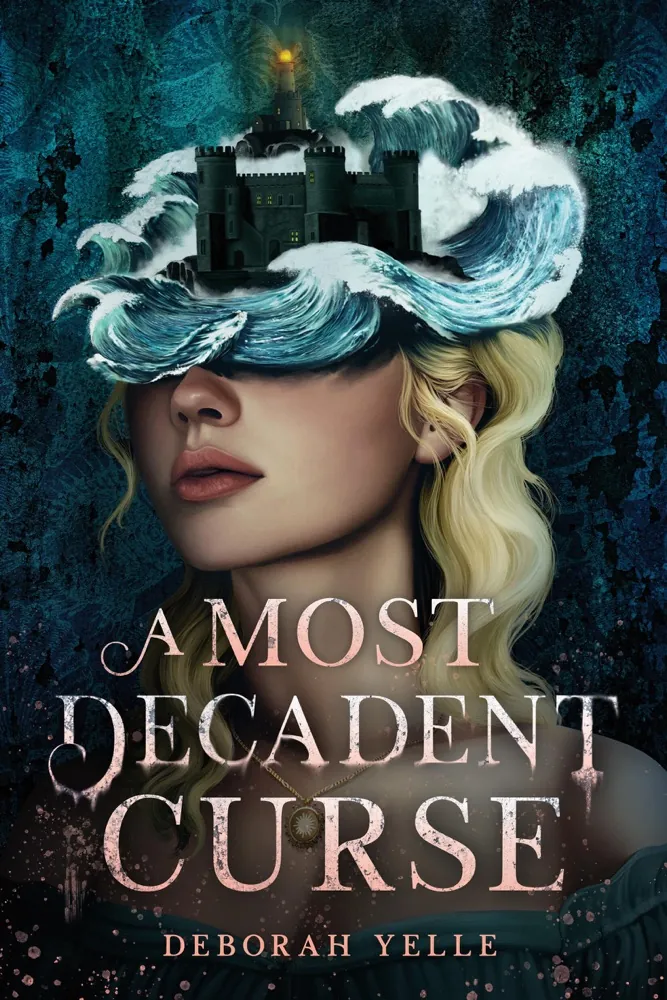
Author: Deborah YellePage Count: UnknownPublication Date: Expected publication 2026 APL A Most Decadent Curse: An Invitation to the Haunted Ball In the midst of this sweltering summer, as I sit surrounded by dusty tomes and the faint scent of decay, I find myself drawn to the promise of A Most Decadent Curse. Deborah Yelle's debut novel, with its whispers of Edgar Allan Poe and the faint rustle of decaying ballgowns, beckons me to enter a world of atmospheric gothic fantasy. And I, ever the willing participant, shall don the mask of curiosity and indulge in this dance of darkness. A Study in Shadows Loosely inspired by the poetry of Edgar Allan Poe, A Most Decadent Curse promises to weave a narrative that is at once a tender exploration of grief and a heart-pounding game of life and death. Estranged sisters Annabel Lee and Lenore, bound by a shared fate and a crumbling family legacy, must navigate the treacherous landscape of their past in order to secure a suitor and escape the curse that threatens to consume them. But as the shadows deepen and the ghosts of their family's history begin to stir, the sisters must confront the darkness that has long divided them – and learn to trust each other once more. And here, I must confess, lies the true allure of A Most Decadent Curse: its willingness to delve into the complexities of sisterly love and the haunted legacy of family tragedy. For in the world of gothic fantasy, where the lines between reality and madness are ever-blurred, it is the bonds of family that prove the most formidable curse of all. Think House of Salt and Sorrows, with its eerie atmosphere and its exploration of the darker aspects of love and family – and you shall begin to grasp the scope of Yelle's ambition. But, I must caution, the synopsis is tantalizingly vague. We are promised a world of "decadent ballgowns and decaying castles," yet the specifics of the narrative remain shrouded in mystery. Will A Most Decadent Curse prove a worthy successor to the likes of A Study in Drowning, with its masterful blend of atmospheric horror and literary flair? Or shall it succumb to the pitfalls of over-ambition, its narrative fragmented by the weight of its own Gothic aspirations? And yet, I find myself drawn to the promise of this debut novel, with its whispered secrets and its haunted landscapes. For in the world of A Most Decadent Curse, it is not the ghosts that prove the most terrifying – but the darkness that lies within. But, I digress. My daughter has just informed me that her science fair is tomorrow, not next week. #GothicFantasy #DebutNovel #BookLovers #NewRelease #ReadingIsMySuperpower Related InsightsIt Ends with Us Book Review and Summary Cherry: A Novel Book Review and Summary Murder Under the Mistletoe (Cleopatra Fox Mysteries Book 13) Book Review and Summary{ "@context": "https://schema.org", "@type": "FAQPage", "mainEntity": [ { "@type": "Question", "name": "What is the main focus of A Most Decadent Curse Book Review and Summary?", "acceptedAnswer": { "@type": "Answer", "text": "Everything you need to know about A Most Decadent Curse with our detailed review." } }, { "@type": "Question", "name": "Who authored the comprehensive guide on A Most Decadent Curse Book Review and Summary?", "acceptedAnswer": { "@type": "Answer", "text": "This detailed article and its insights were carefully researched and authored by Victoria Smith." } }, { "@type": "Question", "name": "Where can I find more related content about Books?", "acceptedAnswer": { "@type": "Answer", "text": "You can explore more articles, detailed reviews, and similar insights by browsing the Related Insights section at the bottom of this article or visiting our dedicated Books category page." } } ] }
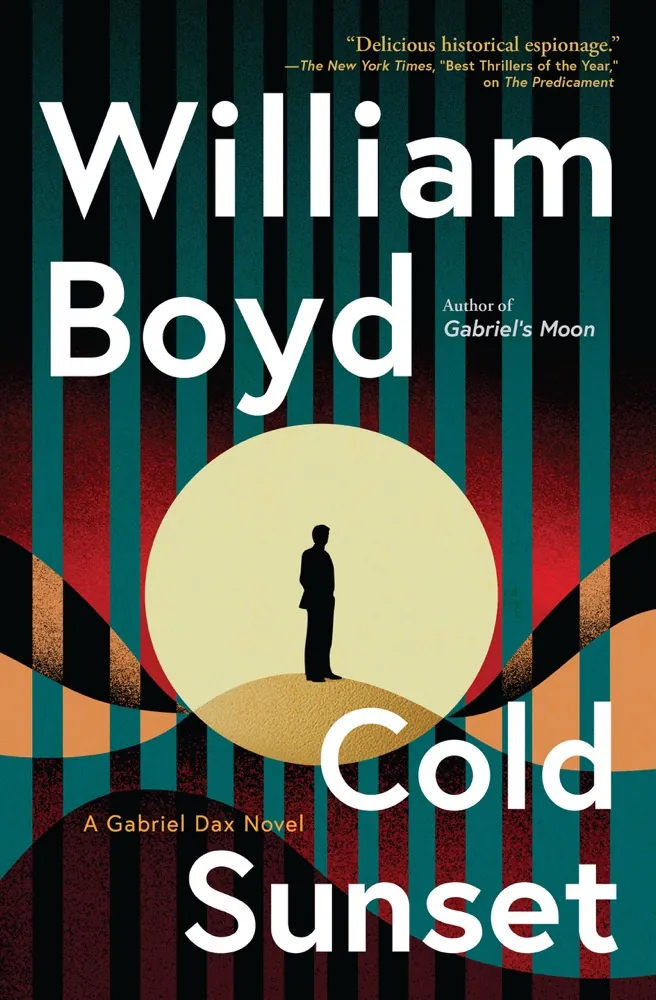
Author: William BoydPage Count: UnknownPublication Date: Expected publication 2026-11-03 APL A spy novel that promises to deliver the 'brilliant fun' of a genre expert like William Boyd - I should be thrilled, right? Yet, something about this official synopsis for Cold Sunset: A Gabriel Dax Novel leaves me underwhelmed. Perhaps it's the overly familiar setup - a reluctant spy, a mysterious drawing, a triple agent with a Hero of the Soviet Union facade - all set against the smoldering backdrop of Cold War Moscow. I've seen this before, and I'm not convinced that Boyd's 'particular storytelling genius' can elevate this narrative beyond the realm of predictability. And what's with the vagueness of the plot? We're told that Gabriel Dax is tasked with delivering a mysterious drawing to Kit Caldwell, but what's the significance of this drawing? Is it a MacGuffin, a mere plot device to propel the story forward, or does it hold some deeper meaning? The synopsis doesn't say, and that lack of clarity is frustrating. I'm reminded of John le Carré's The Spy Who Came in from the Cold, where the plot twists and turns like a snake through the shadows of Cold War Berlin. Now, that's a spy novel that knows how to keep you on the edge of your seat. But I digress. Cold Sunset seems to be more focused on the character dynamics between Gabriel and Kit, as well as Gabriel's enigmatic handler, Faith Green. The synopsis hints at a web of shifting loyalties and trust fractures, which could be interesting if executed well. I'm thinking of Robert Harris's Fatherland, where the protagonist's loyalty is tested to the limit in a dystopian Nazi regime. Now, that's a novel that knows how to create tension and moral complexity. Yet, I remain skeptical about Cold Sunset. The synopsis feels like a checklist of spy novel tropes, rather than a genuine attempt to subvert or innovate the genre. And what's with the title? Cold Sunset sounds like a cliché, a phrase that's been used countless times in literature and poetry. Where's the originality? The flair? I suppose only time will tell if Cold Sunset lives up to its promise. Perhaps Boyd's prose will be so masterful, so evocative of the era, that I'll be swept up in the story despite my reservations. But for now, I remain unconvinced. Literally. The thing that really gets my goat, though, is that this synopsis is so focused on the plot and characters that it forgets to tell us what the novel is really about. What themes will it explore? What commentary will it offer on the human condition? I'm reminded of Don DeLillo's Underworld, which uses the Cold War as a backdrop to explore the fragmentation of American society. Now, that's a novel that knows how to tackle the big questions. But I suppose I'll just have to wait and see if Cold Sunset can deliver on its promise. Until then, I'll remain skeptical, my mind wandering back to the toddler who's hidden my favorite fountain pen again. Where did she put it this time? #ColdWarFiction #SpyNovels #WilliamBoyd Related InsightsThe Traveler's Atlas of the World Book Review and Summary Greywaren Book Review and Summary Crime and Punishment Book Review and Summary{ "@context": "https://schema.org", "@type": "FAQPage", "mainEntity": [ { "@type": "Question", "name": "What is the main focus of Cold Sunset: A Gabriel Dax Novel Book Review and Summary?", "acceptedAnswer": { "@type": "Answer", "text": "Everything you need to know about Cold Sunset: A Gabriel Dax Novel with our detailed review." } }, { "@type": "Question", "name": "Who authored the comprehensive guide on Cold Sunset: A Gabriel Dax Novel Book Review and Summary?", "acceptedAnswer": { "@type": "Answer", "text": "This detailed article and its insights were carefully researched and authored by Victoria Smith." } }, { "@type": "Question", "name": "Where can I find more related content about Books?", "acceptedAnswer": { "@type": "Answer", "text": "You can explore more articles, detailed reviews, and similar insights by browsing the Related Insights section at the bottom of this article or visiting our dedicated Books category page." } } ] }
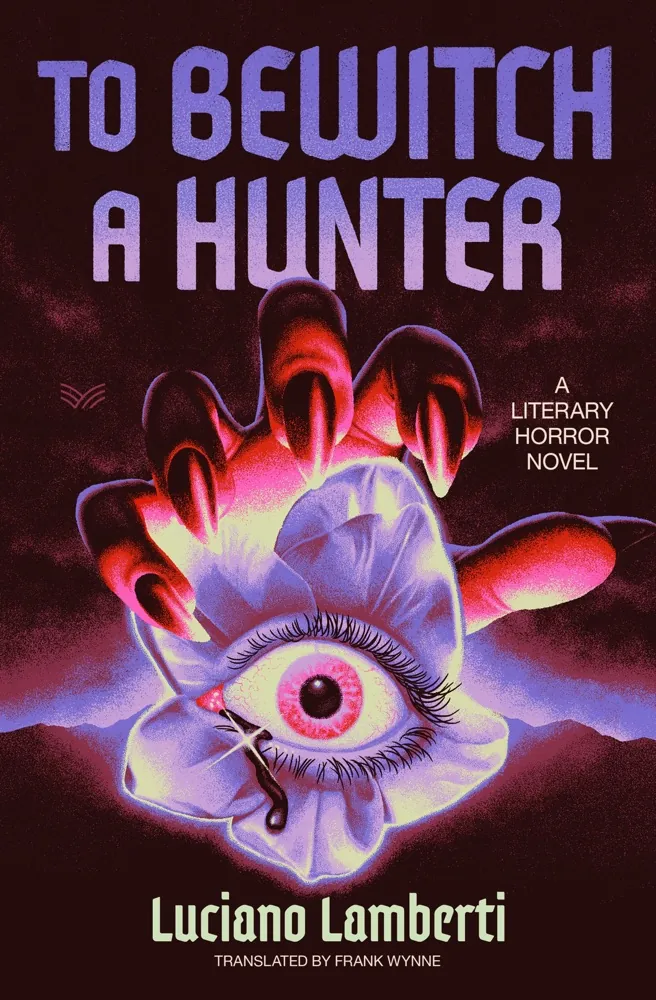
Author: Luciano LambertiPage Count: UnknownPublication Date: Expected publication 2026-10-13 APL The exhausting world outside my window seems to be suffocating me today, its bleakness seeping into my pores, weighing me down. And yet, it's on days like these that I find solace in the darker corners of literature. To Bewitch a Hunter, Luciano Lamberti's latest offering, seems to be just the thing to match my somber mood. This Argentinean novel, winner of the prestigious Premio Clarín, promises a terrifying odyssey into the dark years of dictatorship and a family's descent into the depths of human depravity. As I read through the synopsis, I'm struck by the eerie echoes of Pet Sematary and Tender is the Flesh, two books that expertly wove together the threads of psychological horror and the supernatural. Lamberti's work, too, appears to be a masterful exploration of the darkest recesses of the human heart. The story begins with Julia Ruiz, an adopted woman whose life is turned upside down by the enigmatic Griselda, who claims to be her real grandmother. The encounter sets off a chain reaction of events that hurtles Julia into a world of hallucinations, blood sacrifice, and unspeakable terror. But what draws me to this book is not just its promise of a spine-tingling narrative; it's the way it seems to tap into the collective psyche of a nation still reeling from the aftermath of dictatorship. The dark years of Argentina's history, with their attendant disappearances and bloodshed, are a fertile ground for horror, and Lamberti appears to have cultivated this soil with a deft hand. The character of Griselda, in particular, fascinates me – a woman driven by love and desperation to make a pact with a terror beyond comprehension. Her story, intertwined with that of the Lara family, seems to be a powerful exploration of the human condition, with all its attendant complexities and contradictions. And yet, as I read through the synopsis, I find myself wondering – what lies at the heart of this novel? Is it a straightforward tale of horror, or is there something more nuanced at play? The vagueness of the synopsis is both intriguing and frustrating, leaving me with more questions than answers. But perhaps that's the point – to draw me in, to make me want to unravel the mystery that lies at the heart of To Bewitch a Hunter. The Unraveling But, I must confess, my initial enthusiasm is tempered by a growing sense of unease. As I think about it more, I realize that my earlier comparison to Pet Sematary and Tender is the Flesh might be a bit of a stretch. Lamberti's work, after all, is a product of a different cultural context, one that is uniquely Argentinean. Perhaps, I'm projecting my own expectations onto the book, rather than allowing it to speak for itself. Literally. The more I think about it, the more I'm convinced that To Bewitch a Hunter is going to be a game-changer. It's a book that will push the boundaries of horror, that will challenge my assumptions and leave me breathless. Or, it could be a crushing disappointment, a book that fails to live up to its promise. Either way, I'm willing to take the risk. Ugh, I have to go – my teenage son's driving lesson awaits. #horrorfiction #argentineanliterature #darkfantasy
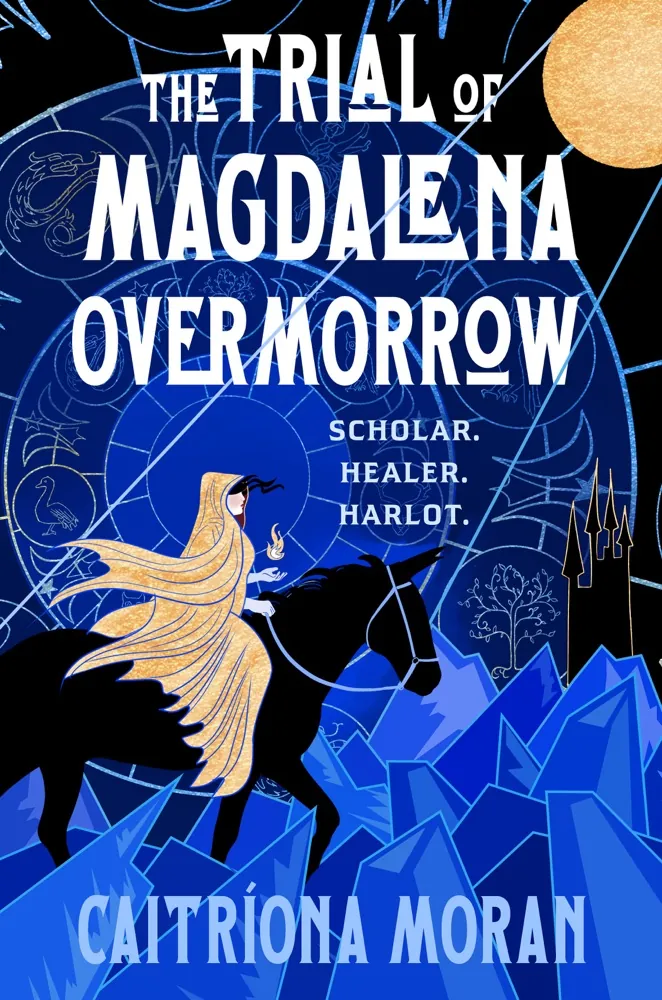
Author: Caitríona MoranPage Count: UnknownPublication Date: Expected publication 2026-11-03 APL The laundry basket has been staring me down since Tuesday morning like a monument to my personal failures, its plastic rim bowed outward under the sheer, bruising weight of wet towels and muddy socks that smell faintly of decomposing leaves and wet dog. But let us talk about The Trial of Magdalena Overmorrow instead, because Caitríona Moran understands something fundamental about the ache of holding space for a breaking heart—specifically the kind of institutionalized cruelty that forces women to hide in the dark just to offer basic, desperate mercy to one another. The Architecture of Quiet Suffering Scholar. Healer. Harlot. Three words stitched onto a human being like a scarlet letter designed to erase everything else she actually is. Moran’s debut positions its protagonist squarely in the crosshairs of patriarchal panic, trading in the kind of slow-burn agony that makes you want to throw your mug across the kitchen. And honestly, if the publishing industry tries to market one more "enemies-to-lovers" book where the man is just slightly moody and owns a nice horse, I am going to lose my remaining sanity. Give me a pious, humorless Lord Proctor who looks like a winter gale and harbors actual lethal secrets—now that is a Tuesday night indulgence I can get behind. The Geography of Isolation There is a profound, suffocating beauty in the promise of a desolate northernmost city serving as the backdrop for institutional gaslighting and forced proximity. It mirrors the exact feeling of standing in an empty hallway at three in the morning, holding a cold cup of tea, wondering how the domestic architecture of your life narrowed down to four walls and the phantom echo of small footsteps that have finally, mercifully, gone to sleep. We crave stories about impossible trials because our own private trials—the ones fought in silence over spilled milk and crushing, suffocating grief—rarely come with a handsome antagonist or an epic decree. Yet the comparison to Naomi Novik and Katherine Arden feels almost too safe, too neat for a premise that deals so viscerally with bodily autonomy, clandestine medical care, and the terrifying weaponization of piety. Moran is stepping into a crowded room of atmospheric fantasy, but if she leans into the political claustrophobia hinted at in this synopsis, she might actually carve out something sharp. I predict this will either be the most devastating slow-burn of late 2026 or a complete narrative disaster smothered under layers of purple prose about mountain cairns. There is no middle ground. I have to go convince a toddler that taking a bath is not a punishment designed by the state to break his spirit. Related InsightsThe Lies of Locke Lamora Book Review and Summary City of Last Chances Book Review and Summary Cyrano de Bergerac Book Review and Summary{ "@context": "https://schema.org", "@type": "FAQPage", "mainEntity": [ { "@type": "Question", "name": "What is the main focus of The Trial of Magdalena Overmorrow Book Review and Summary?", "acceptedAnswer": { "@type": "Answer", "text": "Everything you need to know about The Trial of Magdalena Overmorrow with our detailed review." } }, { "@type": "Question", "name": "Who authored the comprehensive guide on The Trial of Magdalena Overmorrow Book Review and Summary?", "acceptedAnswer": { "@type": "Answer", "text": "This detailed article and its insights were carefully researched and authored by Victoria Smith." } }, { "@type": "Question", "name": "Where can I find more related content about Books?", "acceptedAnswer": { "@type": "Answer", "text": "You can explore more articles, detailed reviews, and similar insights by browsing the Related Insights section at the bottom of this article or visiting our dedicated Books category page." } } ] }
- Victoria Smith
- 19 Aug, 2026 08:02
East of Envy (The Great and Terrible Land, #2) Book Review and Summary
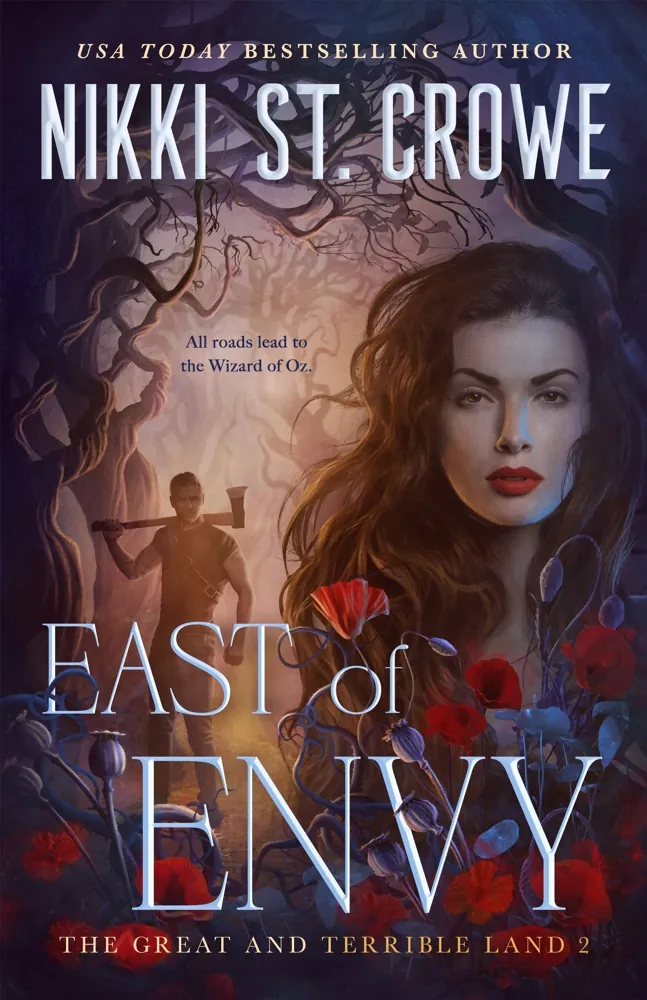
Author: Nikki St. CrowePage Count: UnknownPublication Date: Expected publication 2026-11-03 APL Darkness sells. We all know this, don't we? When a publisher drops a pitch like East of Envy—relying entirely on the tired, bruised tropes of fairy tales stripped of their innocence and rolled in metaphorical mud—I have to wonder if we have collectively forgotten how to stomach anything resembling genuine human emotion, opting instead for a diet of cynical, hyper-sexualized retellings where every beloved childhood icon is violently retrofitted into a brooding, morally bankrupt mercenary with a tragic backstory involving a stolen relative and a smoldering glare that apparently defies both physics and basic narrative logic. Sigh. The premise leans heavily on the tired archetype of forced proximity between a betrayed protagonist and a supposedly lethal companion named, of all things, the Tin Woodman—a moniker that immediately evokes a clunky Saturday morning cartoon rather than a compelling piece of dark fantasy, though Nikki St. Crowe clearly banks on the intoxicating cocktail of violence and suppressed yearning to carry an entire manuscript built on a remarkably thin foundation of recycled Oz lore. And the synopsis itself? It practically groans under the weight of its own dramatic posturing, breathlessly informing us that the Wizard’s magic coils through every whisper while simultaneously undermining its own villain by asking whether he actually holds any power at all, which is the exact kind of lazy rhetorical hand-waving that leaves readers adrift in a sea of empty promises about awakening memories and dormant magical bloodlines that feel less like a groundbreaking narrative arc and more like a poorly formatted checklist pulled straight from a viral BookTok aesthetic board. Predictable. Give me sincerity. Give me a narrative that doesn't rely on the cheap crutch of a glowing blade or an internal fire ignited by a man whose heart was supposedly stolen, because frankly, reading through these marketing bullet points feels entirely exhausting when you have spent your entire afternoon wiping muddy paw prints off the kitchen floor and trying to explain to a sixteen-year-old why leaving his wet towel on the walnut dining table is a complete violation of basic domestic courtesy, leaving me with precisely zero patience for hollow prose about yellow brick roads and magic that hums beneath the floorboards. Exhausting. My teenager’s driving lesson awaits in the driveway, and the engine is already idling. Related InsightsThe Divide Book Review and Summary Cozy Little Christmas Book Review and Summary Long range Book Review and Summary{ "@context": "https://schema.org", "@type": "FAQPage", "mainEntity": [ { "@type": "Question", "name": "What is the main focus of East of Envy (The Great and Terrible Land, #2) Book Review and Summary?", "acceptedAnswer": { "@type": "Answer", "text": "Everything you need to know about East of Envy (The Great and Terrible Land, #2) with our detailed review." } }, { "@type": "Question", "name": "Who authored the comprehensive guide on East of Envy (The Great and Terrible Land, #2) Book Review and Summary?", "acceptedAnswer": { "@type": "Answer", "text": "This detailed article and its insights were carefully researched and authored by Victoria Smith." } }, { "@type": "Question", "name": "Where can I find more related content about Books?", "acceptedAnswer": { "@type": "Answer", "text": "You can explore more articles, detailed reviews, and similar insights by browsing the Related Insights section at the bottom of this article or visiting our dedicated Books category page." } } ] }
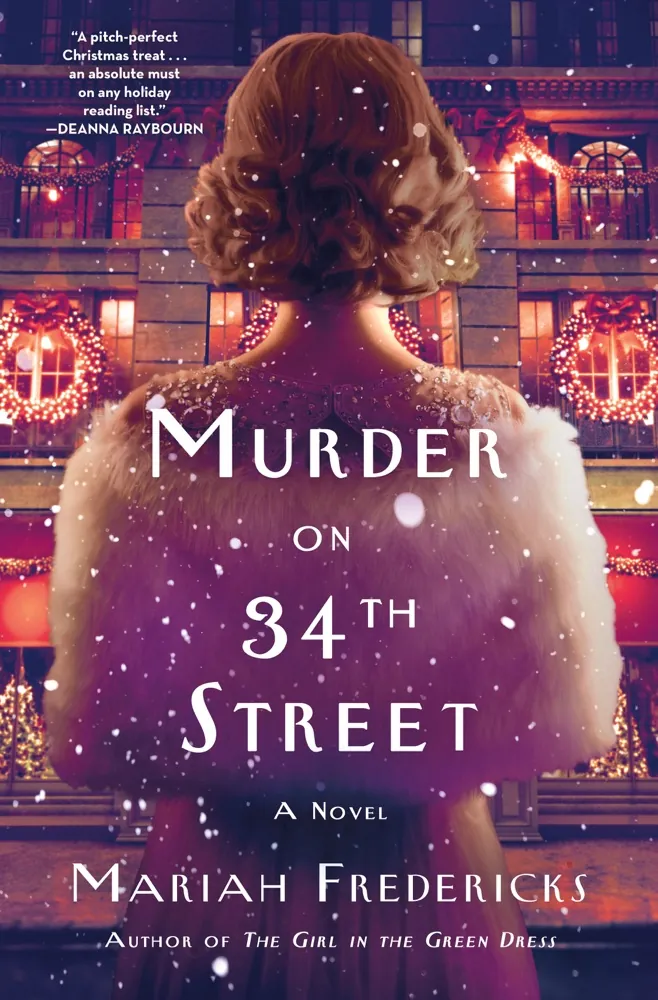
Author: Mariah FredericksPage Count: UnknownPublication Date: Expected publication 2026-10-06 APL There is a special, agonizing weight that settles into your chest when you lose a child, a crushing physical hollowness that makes you look at cheerful historical cozies about department store holiday parades with a mixture of profound exhaustion and quiet fury. People keep handing me books about clever detectives and bustling festive streets, as if a cozy little murder mystery involving a corpse on a Thanksgiving float is somehow going to stitch back together the shredded pieces of a mother's heart, or provide some neat, tidy cinematic answer to the chaotic, senseless permanence of death. Grace Verlander is supposed to be the "secret beating heart" of Macy’s—oh, how that phrase alone makes my stomach turn, because hearts aren't supposed to be secret little cogs keeping retail operations running smoothly, they are supposed to beat loudly inside the chests of children who grow up to go to college and walk through the front door. Yet here we are, looking at a 1932 period piece where a death threat from Santa Claus is treated like a quirky precursor to a delightful holiday romp, completely bypassing the actual, jagged devastation of losing someone you love. Let’s unpack this absolute trainwreck. Mariah Fredericks is trading in the atmospheric grit of The Girl in the Green Dress for what appears to be a sanitized, nostalgia-soaked romp through Depression-era New York, as if financial ruin and murder can somehow be brushed away by the glittering magic of a department store display. I am so intensely tired of authors treating human mortality as a clever parlor game for middle-class readers to puzzle over while they drink tea by the radiator. Real grief doesn't get solved by using your wits and a deep knowledge of retail logistics. Real grief just sits in the dark room, heavy and absolute, wondering why the world keeps spinning and organizing parades while your own personal universe has completely burned to the ground. If I have to read one more synopsis where a plucky female protagonist uses her cheerful competence to "save the reputation of an iconic store from ruin," I might genuinely lose whatever fragile grip I have left on my sanity. Who cares about the department store's reputation? What about the person who died? What about the mother who raised him? No, we don't get answers to those questions in a book slated for an October release, because books like this aren't actually interested in the profound, agonizing architecture of loss—they just want to use a corpse as cheap set dressing for a holiday window display. Empty. My daughter just informed me her science fair is tomorrow, not next week. Related InsightsStoneslayer: Book One Scandal Book Review and Summary Casa de flama y sombra / House of Flame and Shadow Book Review and Summary Just in Time Book Review and Summary{ "@context": "https://schema.org", "@type": "FAQPage", "mainEntity": [ { "@type": "Question", "name": "What is the main focus of Murder on 34th Street: A Novel Book Review and Summary?", "acceptedAnswer": { "@type": "Answer", "text": "Everything you need to know about Murder on 34th Street: A Novel with our detailed review." } }, { "@type": "Question", "name": "Who authored the comprehensive guide on Murder on 34th Street: A Novel Book Review and Summary?", "acceptedAnswer": { "@type": "Answer", "text": "This detailed article and its insights were carefully researched and authored by Victoria Smith." } }, { "@type": "Question", "name": "Where can I find more related content about Books?", "acceptedAnswer": { "@type": "Answer", "text": "You can explore more articles, detailed reviews, and similar insights by browsing the Related Insights section at the bottom of this article or visiting our dedicated Books category page." } } ] }
- Victoria Smith
- 17 Aug, 2026 17:07
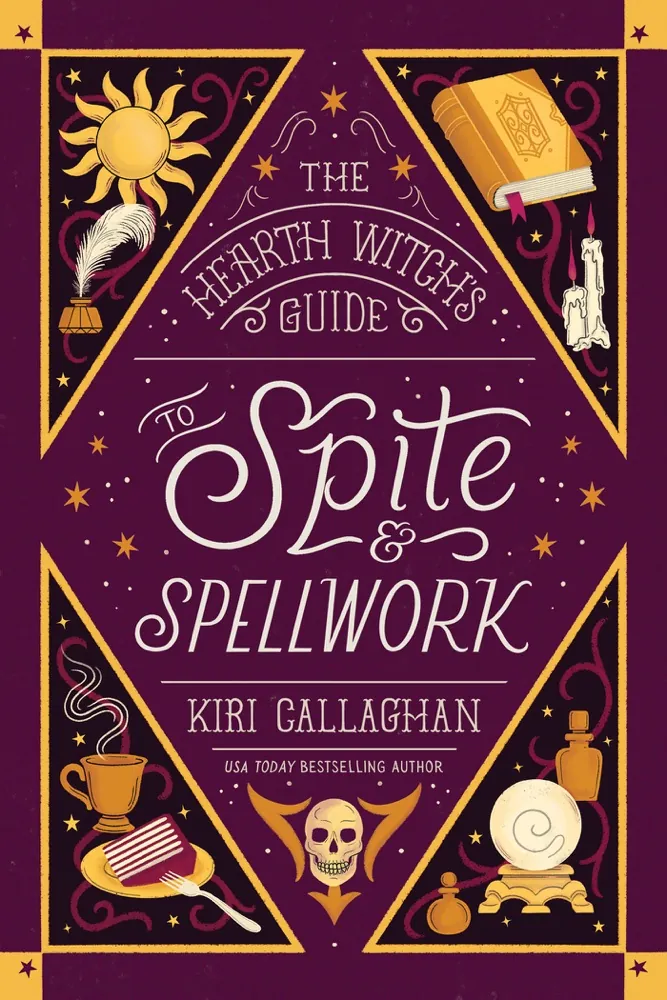
The Hearth Witch's Guide to Spite & Spellwork (Deluxe Edition) (The Hemlock Saga, 2) Book Review and Summary
Author: Kiri CallaghanPage Count: UnknownPublication Date: Expected publication 2026-10-06 APL Stir up the tea leaves and clear off the kitchen table because Kiri Callaghan is threatening to drag us back into the absolute mess that is The Hearth Witch's Guide to Spite & Spellwork. And honestly? I am here for the chaos. We are looking at an October 2026 release date, which feels roughly four hundred years away when you are sitting here staring at a synopsis that promises two stubborn idiots keeping apart for "safety" before a dead witch inevitably forces them back into the exact same room. Classic trope execution. Or perhaps lazy. Let me reconsider that stance—actually, no, we love a good forced-proximity magical murder mystery, even if the premise smells faintly of every urban fantasy paperback crowding the shelves since Holly Black and Sarah J. Maas decided to make fey politics aggressively sexy. Let us dissect the bones of this thing. Avery Hemlock—what a wonderfully melodramatic detective surname, right out of a Victorian penny dreadful—is brooding in mandatory isolation because loving people is dangerous. Groundbreaking. Saga Trygg, possessing the best possible witchy grandmother name ever printed, is trying to heal while aggressively minding her own business. Except a local witch gets murdered via a vicious revenge hex. Because of course she does. This is the literary equivalent of a neon sign flashing get back together, you cowards. Callaghan leans heavily into the institutional corruption angle, dangling the Winter Council like a shiny key just out of reach. Secrets! Lies! Bureaucratic magical red tape! I am physically pacing my room right now just thinking about the inevitable slow-burn betrayal arcs. Except I might be entirely wrong about the pacing. On second thought, romantic fantasy sequels notoriously trip over their own world-building shoelaces, bloating themselves with eighty pages of Council tax law before anyone actually casts a decent curse. Boring. Spite is a vastly underutilized emotion in modern fiction, usually sanded down into sassy quips rather than genuine, petty, soul-deep malice. Callaghan has a real chance here to deliver something delightfully wicked, provided she does not get bogged down in the tragic longing. Give us more hexes. Give us petty magical warfare. Keep the emotional healing to a minimum and let the detectives throw magical tea saucers at each other's heads. #fantasybooks #witchcraft #booktok #readinglife Related InsightsPrudence Marsh Is Not a Nobody Anymore Book Review and Summary Caraval Book Review and Summary Cassini's Mission: A Spacecraft, a Tiny Moon, and the Search for Life Beyond Earth Book Review and Summary{ "@context": "https://schema.org", "@type": "FAQPage", "mainEntity": [ { "@type": "Question", "name": "What is the main focus of The Hearth Witch's Guide to Spite & Spellwork (Deluxe Edition) (The Hemlock Saga, 2) Book Review and Summary?", "acceptedAnswer": { "@type": "Answer", "text": "Everything you need to know about The Hearth Witch's Guide to Spite & Spellwork (Deluxe Edition) (The Hemlock Saga, 2) with our detailed review." } }, { "@type": "Question", "name": "Who authored the comprehensive guide on The Hearth Witch's Guide to Spite & Spellwork (Deluxe Edition) (The Hemlock Saga, 2) Book Review and Summary?", "acceptedAnswer": { "@type": "Answer", "text": "This detailed article and its insights were carefully researched and authored by Victoria Smith." } }, { "@type": "Question", "name": "Where can I find more related content about Books?", "acceptedAnswer": { "@type": "Answer", "text": "You can explore more articles, detailed reviews, and similar insights by browsing the Related Insights section at the bottom of this article or visiting our dedicated Books category page." } } ] }
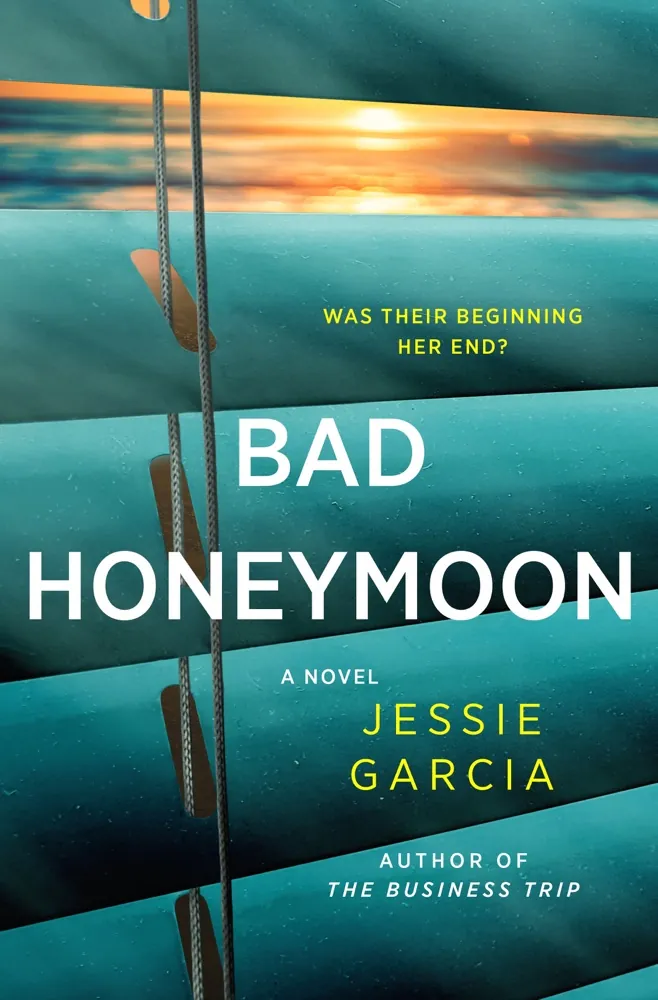
Author: Jessie GarciaPage Count: UnknownPublication Date: Expected publication 2026 APL Sitting here folding another tiny pair of socks while the news drones on about another missing person, another tragedy reduced to a soundbite, I keep thinking about how easily a human life becomes content. Jessie Garcia is giving us Bad Honeymoon in 2026, and based strictly on the premise, it feels like a sharp, cynical mirror held up to our desperate need for a ratings bump and a good scare before bedtime, echoing the brisk, commercial paranoia of Freida McFadden or Mary Kubica, though I honestly suspect Garcia's multi-POV framing will rely too heavily on withholding simple timeline facts just to trick us. And yet, looking at Becca Larson packing her bags for Florida to exploit a stranger's ruined vacation, I find myself strangely exhausted by the sheer machinery of modern storytelling where every single marriage must strain under doubt and every career must unravel because of a missing source. Actually, wait. Maybe the marriage isn't the point at all. Maybe Garcia is trying to say something much darker about the way grief and tragedy are commodified by people who claim to be looking for the truth, even if I complained a second ago about cheap narrative tricks. The synopsis tells us the story starts with a compelling, disturbing interview and ends with a corpse and a vanishing act, which sounds less like a deeply moving exploration of human loss and more like a slick, disposable beach read that forgot how to feel like anything real. The Currency of Despair We consume horror and sudden death like candy because we are desperately trying to inoculate ourselves against the quiet terror of losing someone we love, hoping that if we watch enough fictional reporters get framed for enough fictional murders, we might somehow understand how a life can vanish into thin air between one phone call and the next. Predictable. The smoke detector in the hallway is shrieking because my daughter decided to microwave a potato wrapped entirely in aluminum foil for her science project. Related InsightsLove, Death + Robots Book Review and Summary Once in a Timeline Book Review and Summary La llama en la niebla Book Review and Summary{ "@context": "https://schema.org", "@type": "FAQPage", "mainEntity": [ { "@type": "Question", "name": "What is the main focus of Bad Honeymoon Book Review and Summary?", "acceptedAnswer": { "@type": "Answer", "text": "Everything you need to know about Bad Honeymoon with our detailed review." } }, { "@type": "Question", "name": "Who authored the comprehensive guide on Bad Honeymoon Book Review and Summary?", "acceptedAnswer": { "@type": "Answer", "text": "This detailed article and its insights were carefully researched and authored by Victoria Smith." } }, { "@type": "Question", "name": "Where can I find more related content about Books?", "acceptedAnswer": { "@type": "Answer", "text": "You can explore more articles, detailed reviews, and similar insights by browsing the Related Insights section at the bottom of this article or visiting our dedicated Books category page." } } ] }
- Victoria Smith
- 15 Aug, 2026 10:18
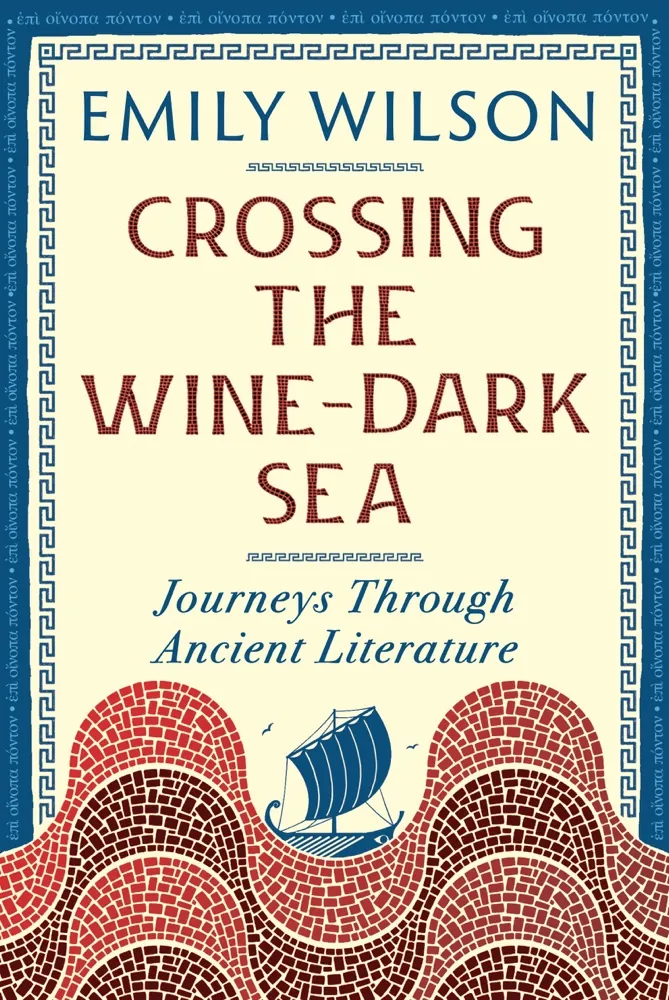
Crossing the Wine-Dark Sea: Journeys Through Ancient Literature Book Review and Summary
Author: Emily WilsonPage Count: UnknownPublication Date: Expected publication 2026-09-01 APL The ceiling fan hums a rhythmic, irritating drone against the heavy August heat, while down the hall, the chaotic clatter of plastic toys reminds me entirely too much of how fragile things are when you drop them on a hard kitchen floor. Dust on the Iliad Emily Wilson is coming for our tidy modern illusions with Crossing the Wine-Dark Sea, and honestly, I am here for the wreckage. Because everyone pretends we can just open up a Penguin classic and ingest antiquity like a clean, pure glass of spring water, forgetting completely that language is a messy crime scene where meanings bleed out in transit. We want our ancient heroes to neatly align with contemporary etiquette, forgetting that the past is a foreign country that would probably despise us. Or worse, laugh at us. Wilson spends two decades in the trenches of translation—wrestling with Homeric monsters, Aristophanic vulgarity, and the slippery politics of Helen—only to tell us the truth we desperately avoid: that trying to capture the dead is like holding water in your bare hands. Salman Rushdie and Madeline Miller are already swooning over it, which naturally makes me suspicious, because whenever the literati unanimously adore something about the ancient Greeks, I assume someone is about to sanitize the blood and the raw, howling grief just to make it palatable for a book club in Connecticut. No. The Mechanics of Loss We read backwards through our own private catastrophes, projecting our broken hearts onto ancient lines that were probably just about slaughter or agricultural tax yields, and yet Wilson promises an exploration of those frustrating, beautiful choices translators make when the original text refuses to behave. And maybe that is why this book matters right now, sitting here amid the sticky humidity and the lingering crumbs of a Sunday afternoon—we are all just desperately trying to find the right words for things that have already been shattered beyond repair. Unsurprising. I have to go explain to a very small, very loud person why we cannot eat vanilla ice cream for dinner. #EmilyWilson #Classics #Translation #AncientLiterature Related InsightsProtector Book Review and Summary Breakfast at Tiffany’s and Three Stories Book Review and Summary Cyrano de Bergerac Book Review and Summary{ "@context": "https://schema.org", "@type": "FAQPage", "mainEntity": [ { "@type": "Question", "name": "What is the main focus of Crossing the Wine-Dark Sea: Journeys Through Ancient Literature Book Review and Summary?", "acceptedAnswer": { "@type": "Answer", "text": "Everything you need to know about Crossing the Wine-Dark Sea: Journeys Through Ancient Literature with our detailed review." } }, { "@type": "Question", "name": "Who authored the comprehensive guide on Crossing the Wine-Dark Sea: Journeys Through Ancient Literature Book Review and Summary?", "acceptedAnswer": { "@type": "Answer", "text": "This detailed article and its insights were carefully researched and authored by Victoria Smith." } }, { "@type": "Question", "name": "Where can I find more related content about Books?", "acceptedAnswer": { "@type": "Answer", "text": "You can explore more articles, detailed reviews, and similar insights by browsing the Related Insights section at the bottom of this article or visiting our dedicated Books category page." } } ] }
- Victoria Smith
- 14 Aug, 2026 02:24
An Edge Sharp Enough (An Edge Sharp Enough, #1) Book Review and Summary
Author: Jesse Q. SutantoPage Count: UnknownPublication Date: Expected publication 2026-11-17 APL Grief is a peculiar thing, a shadow that follows us everywhere, like a lingering stench on our skin. I've lost count of the number of novels that attempt to capture its essence – a symphony of tears and regret, each one more cacophonous than the last. But this An Edge Sharp Enough promises to be different, to cut through the noise with an edge so sharp it'll leave us bleeding. The synopsis reads like a patchwork quilt, with disparate threads stitched together in a haphazard manner. Mara, an assassin, is the linchpin – her sole purpose is to resist the Divine Empress's plans, but what, exactly, does that mean? Is it a rebellion, a revolution, or just a desperate attempt to cling to a fading dream? The vagueness is palpable, a nagging itch I just can't scratch. But what I do know is that authors like Jesse Q. Sutanto have a knack for crafting worlds that feel lived-in, like dusty old armchairs creaking with the weight of history. Dial A for Aunties, their earlier novel, was a masterclass in subverting expectations – who knew that Taiwanese culture would be the key to unlocking a truly unique narrative? I'm not holding my breath for An Edge Sharp Enough to be a game-changer, but I do have a feeling it'll be a wild ride. Livya, the privileged daughter of a scientist, seems like the perfect foil to Mara's stoic assassin. There's something undeniably compelling about the intersection of duty and desire, of the suffocating weight of obligation versus the primal urge to break free. But what I find truly intriguing is the concept of the "indestructible" metal – is it a metaphor for something greater, or just a clever plot device? I suppose we'll have to wait and see. Fractured Identities & False Paradigms Grief, to me, is not just about loss – it's about the fragmented selves we leave behind, the personas we put on like a mask to hide the void within. These characters – Mara, Livya, the enigmatic Kaian, and Captain Fonde – are all walking contradictions, their identities frayed at the seams, begging to be rewoven. The question, of course, is whether author Sutanto will be able to do justice to this complex tapestry. Will the world-building be as immersive as, say, N.K. Jemisin's Broken Earth trilogy? Or will it falter, like a house of cards built on quicksand? Only time (and the book itself) will tell. But for now, I remain agnostic – a blank slate waiting to be etched by the author's words. Inconsistencies, Assumptions & The Pivot Mara's backstory seems like a jumbled mess of contradictions – five years old, behind fortress-like walls, dedicated to resisting the Divine Empress? It's a recipe for disaster, or a carefully crafted plot device. I'm inclined to believe the latter, but what if I'm wrong? And what's this about "a great revolution"? A revolution implies a sea change, a paradigm shift. But the mention of an "indestructible metal" suggests something far more... complicated. Wait, what was I saying? Ah yes, the metal. I think. The Unpredictable Nature of Trauma Grief, again, is a cruel mistress – it refuses to be tamed, to be wrapped neatly in a bow and presented as a gift. These characters will no doubt face their own share of trauma, their psyches frayed by the harsh realities of their world. And yet, somehow, they'll find a way to persevere. I suppose that's the true power of storytelling – to capture the human condition in all its messy, glorious complexity. Can An Edge Sharp Enough deliver on this promise? I'm not sure, but I'm willing to bet it'll be an intriguing ride. Just as I was about to finish this review, I stepped on a rogue building block. Related InsightsThe Perks of Being a Wallflower Book Review and Summary Dark Tides Book Review and Summary Far Sector Book Review and Summary{ "@context": "https://schema.org", "@type": "FAQPage", "mainEntity": [ { "@type": "Question", "name": "What is the main focus of An Edge Sharp Enough (An Edge Sharp Enough, #1) Book Review and Summary?", "acceptedAnswer": { "@type": "Answer", "text": "Everything you need to know about An Edge Sharp Enough (An Edge Sharp Enough, #1) with our detailed review." } }, { "@type": "Question", "name": "Who authored the comprehensive guide on An Edge Sharp Enough (An Edge Sharp Enough, #1) Book Review and Summary?", "acceptedAnswer": { "@type": "Answer", "text": "This detailed article and its insights were carefully researched and authored by Victoria Smith." } }, { "@type": "Question", "name": "Where can I find more related content about Books?", "acceptedAnswer": { "@type": "Answer", "text": "You can explore more articles, detailed reviews, and similar insights by browsing the Related Insights section at the bottom of this article or visiting our dedicated Books category page." } } ] }
Author: Megan Mostyn-BrownPage Count: UnknownPublication Date: Expected publication 2026-09-22 APL The quiet weight of a completed spreadsheet and the steady hum of an empty office lingering in the back of my mind leave me uniquely unbothered by the prospect of reading a horror novel about hereditary cannibalism. Yet the premise of Megan Mostyn-Brown’s upcoming The Need manages to spark something far more interesting than mere dread: a profound exhaustion regarding how contemporary fiction insists on dressing up domestic dysfunction in monstrous literalism. We are told this electric debut features a rare genetic disorder where individuals must consume human flesh to survive, splitting families into those who view it as a curse and those—like the haute couture Armstrong dynasty of New York City—who treat their apex-predator status with fashionable pride, all while a protective mother flees across the map with a son who cannot resist his bloody impulses and a daughter who simply wants a normal high school existence, complete with TikTok and homecoming dances, which honestly sounds like standard teenage rebellion even without the dietary restrictions. Teens wanting a normal life while their mother harbours dark secrets feels aggressively well-trodden. Inheritance as an Entree One can already trace the lineage of this narrative back through Paul Tremblay’s quiet family terrors and the slick, high-society savagery found in Bret Easton Ellis or modern prestige television, leaning heavily on the metaphor of generational trauma as something literally passed down in the blood like a cursed heirloom. But the synopsis trades in a certain kind of high-concept gloss that leaves the actual texture of the prose entirely hidden behind blurb quotes from Joe Hill and S.A. Cosby, forcing us to wonder if the book will rely on genuine psychological friction or just lean entirely on the shock value of its central conceit. Boring. My daughter just informed me her science fair is tomorrow, not next week. Related InsightsFrom Whispers to Worlds: Charting the Timeless Odyssey of Children's Literature Return to the Shack: A Journey into Redemption Book Review and Summary Clara Poole and the Long Way Round Book Review and Summary{ "@context": "https://schema.org", "@type": "FAQPage", "mainEntity": [ { "@type": "Question", "name": "What is the main focus of The Need Book Review and Summary?", "acceptedAnswer": { "@type": "Answer", "text": "Everything you need to know about The Need with our detailed review." } }, { "@type": "Question", "name": "Who authored the comprehensive guide on The Need Book Review and Summary?", "acceptedAnswer": { "@type": "Answer", "text": "This detailed article and its insights were carefully researched and authored by Victoria Smith." } }, { "@type": "Question", "name": "Where can I find more related content about Books?", "acceptedAnswer": { "@type": "Answer", "text": "You can explore more articles, detailed reviews, and similar insights by browsing the Related Insights section at the bottom of this article or visiting our dedicated Books category page." } } ] }