Showing Posts From
Crime
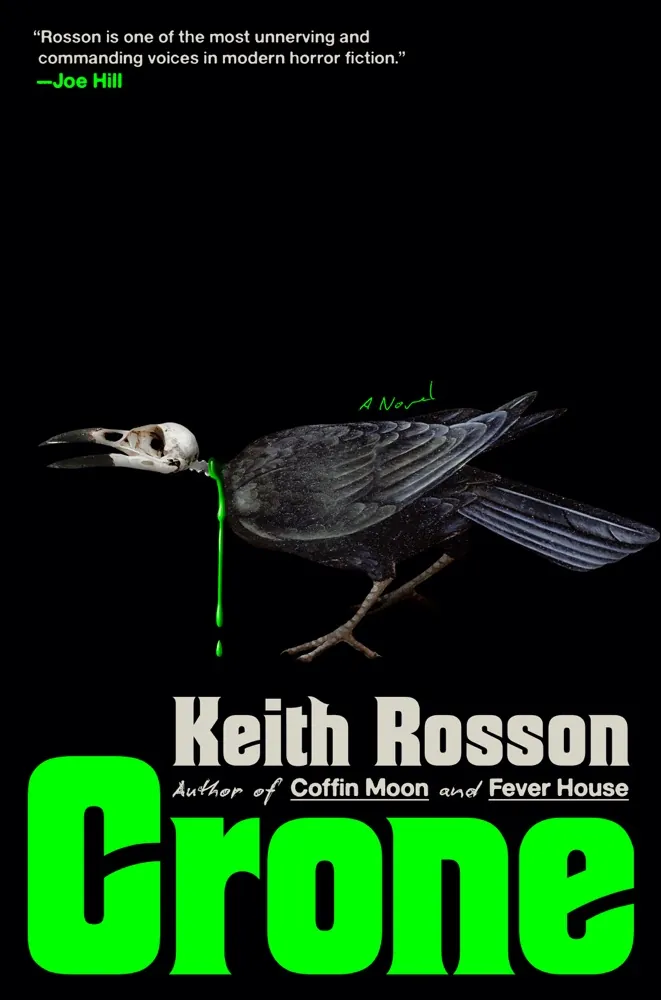
Author: Keith RossonPage Count: UnknownPublication Date: Expected publication 2026-09-22 APL People still want neat little bows on everything. They crave tidy resolutions where the missing child walks through the front door, homework in hand, and the parents weep tears of sweet redemption under a porch light that actually works. It is pathetic. Life does not hand out clean closes, and yet we shovel money at authors who promise that trauma can be neatly metabolized in three hundred pages. Eli Lamp is an ex-detective, ex-addict, and a father whose daughter vanished a decade ago. He lives in a rotting trailer, drowning in debt to a local drug gang called the Crooked Wheel, preserving a shrine to a child who is likely dust. Naturally, a convenient murder drops in his lap. Solve it, and the debt vanishes. It is the oldest, dustiest trope in the noir playbook. My ten-year-old has been obsessed with this animated series about a magical blue dog for months, and I am losing my mind. Every single episode wraps up with a gentle life lesson, soft acoustic strumming, and a warm parental hug that solves systemic emotional ruin in seven minutes flat. Why do we feed children this absolute poison? Life is a slow bleed of unreturned text messages and accumulating debt, not an afternoon cartoon where daddy learns how to communicate his feelings. If only real grief could be resolved by playing pretend in the backyard. Keith Rosson—fresh off Coffin Moon and Fever House—seems poised to drag us through the mud again. Clay McLeod Chapman calls him the reigning champ of horror noir, which usually means a lot of gratuitous violence masking a hollow character arc. Yet there is a distinct grit here that appeals to my current cynicism. Rotting Trailers and Broken Pledges The synopsis leans heavily on familiar genre machinery. An investigation spanning decades. A shady conspiracy linking current bloodshed to past sorrows. And, of course, the obligatory boogeyman in the woods. Is it a literal monster, or a manifestation of shared guilt? The synopsis refuses to commit, dangling the w-word—witch—like cheap bait. Add it to your TBR, or don't. It will likely sell a million copies to people who think a happy ending is just a tragedy you stopped reading five minutes early. I refuse to buy into the hype of miraculous healing. The woods do not give back what they take. They just wait for the next broken person to wander off the asphalt and into the dark. I have to go untangle the dog's leash from the dining table. Related InsightsBirth of the Witch (A Coven of Three Trilogy, #1) Book Review and Summary Snow Falling on Cedars Book Review and Summary Zero Days Book Review and Summary{ "@context": "https://schema.org", "@type": "FAQPage", "mainEntity": [ { "@type": "Question", "name": "What is the main focus of Crone Book Review and Summary?", "acceptedAnswer": { "@type": "Answer", "text": "Everything you need to know about Crone with our detailed review." } }, { "@type": "Question", "name": "Who authored the comprehensive guide on Crone Book Review and Summary?", "acceptedAnswer": { "@type": "Answer", "text": "This detailed article and its insights were carefully researched and authored by Victoria Smith." } }, { "@type": "Question", "name": "Where can I find more related content about Books?", "acceptedAnswer": { "@type": "Answer", "text": "You can explore more articles, detailed reviews, and similar insights by browsing the Related Insights section at the bottom of this article or visiting our dedicated Books category page." } } ] }
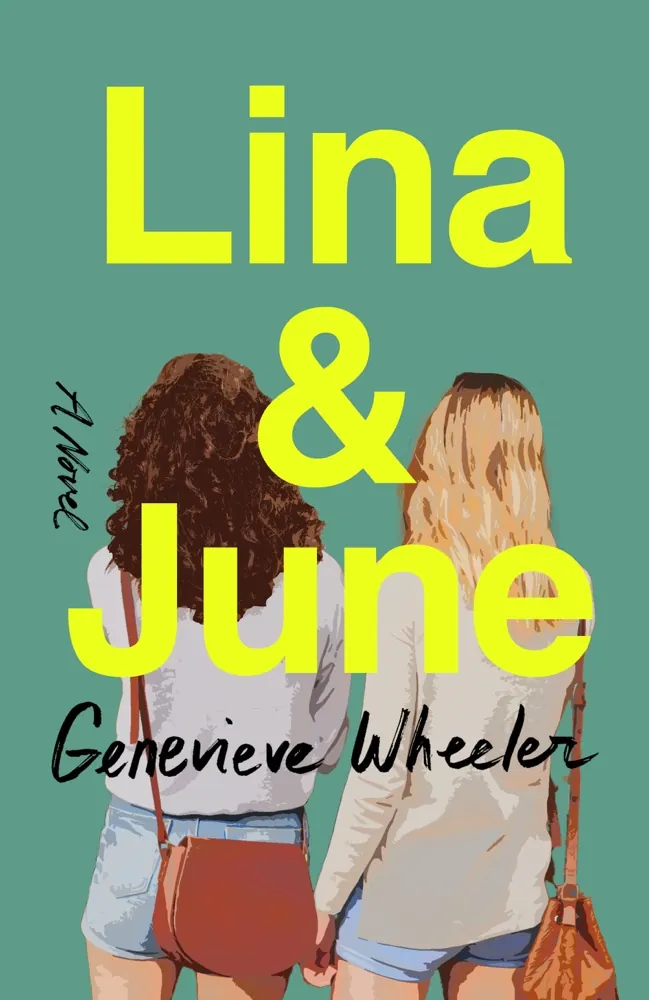
Author: Genevieve WheelerPage Count: UnknownPublication Date: Expected publication 2026-12-08 APL As I sit here on this sweltering August afternoon, sipping sweet tea on the porch, I find myself pondering the complexities of female friendships — and the heart-wrenching consequences of their unraveling. Genevieve Wheeler's upcoming novel, Lina & June, promises to be a poignant exploration of this very theme, one that resonates deeply with me as a mother who's witnessed her own daughter navigate the treacherous waters of adolescence. But, I must admit, the official synopsis leaves me with more questions than answers — what, exactly, is the nature of June's health issues? And how does Lina's decision to jet off to Paris affect their relationship? The vagueness is almost frustrating, like trying to grasp a handful of sand — the harder I squeeze, the more it slips through my fingers. And yet, despite the lack of concrete details, I'm drawn to the emotional resonance of this story. The contrast between Lina's carefree spirit and June's meticulous planning is a fascinating dynamic, one that reminds me of the push-and-pull relationships found in the works of authors like Celeste Ng or Emily St. John Mandel. But, as the synopsis suggests, this bond is put to the test when June's health takes a turn for the worse — and Lina's decision to leave her behind raises questions about the very fabric of their friendship. Is it a case of abandonment, or simply a necessary act of self-preservation? The ambiguity is almost palpable, like the heavy air that clings to my skin on a summer day. Fractured Bonds As I consider the themes of Lina & June, I'm struck by the ways in which female friendships can be both a source of strength and a catalyst for pain. The severing of a close bond can be a devastating experience, one that leaves both parties reeling — and wondering if the relationship is even worth repairing. It's a question that echoes through the works of authors like Elena Ferrante, who's explored the complexities of female relationships with unflinching honesty. But, I must wonder, will Lina & June offer a similarly nuanced exploration of this theme, or will it succumb to sentimental clichés? The synopsis suggests a deeply felt story, but I remain skeptical — after all, it's easy to reduce complex emotions to trite platitudes. But, as I ponder the psychology of Lina and June, I'm reminded of the ways in which our relationships are shaped by our individual experiences and personalities. Lina's spontaneity and June's planning are not just opposing traits — they're also coping mechanisms, ways of navigating the uncertainties of life. And when June's health issues arise, these mechanisms are put to the test — forcing both women to confront the fragility of their bond. It's a moment of reckoning, one that raises questions about the nature of loyalty, commitment, and the human capacity for forgiveness. Can Lina and June find a way to repair their fractured bond, or will the wounds of their past prove too deep to heal? The uncertainty is almost unbearable, like the wait for a summer storm to break. As the sun begins to set on this August evening, casting a golden glow over the landscape, I'm left with a sense of anticipation — and trepidation. Will Lina & June live up to its promise, or will it falter under the weight of its own emotional ambitions? I predict that this novel will be a haunting, deeply felt exploration of female friendship — one that will resonate with readers who've experienced the pain of a fractured bond. But, for now, I'm left to ponder the possibilities — and the vagueness of the synopsis. And, as I rise from my porch chair, I'm distracted by a strange noise coming from the kitchen — the dishwasher, it seems, is making a weird grinding sound. #booklovers #femalefriendship #newreleases Related InsightsSweet Pea Book Review and Summary Shadows Reel Book Review and Summary Reaper at the Gates Book Review and Summary{ "@context": "https://schema.org", "@type": "FAQPage", "mainEntity": [ { "@type": "Question", "name": "What is the main focus of Lina & June Book Review and Summary?", "acceptedAnswer": { "@type": "Answer", "text": "Everything you need to know about Lina & June with our detailed review." } }, { "@type": "Question", "name": "Who authored the comprehensive guide on Lina & June Book Review and Summary?", "acceptedAnswer": { "@type": "Answer", "text": "This detailed article and its insights were carefully researched and authored by Victoria Smith." } }, { "@type": "Question", "name": "Where can I find more related content about Books?", "acceptedAnswer": { "@type": "Answer", "text": "You can explore more articles, detailed reviews, and similar insights by browsing the Related Insights section at the bottom of this article or visiting our dedicated Books category page." } } ] }
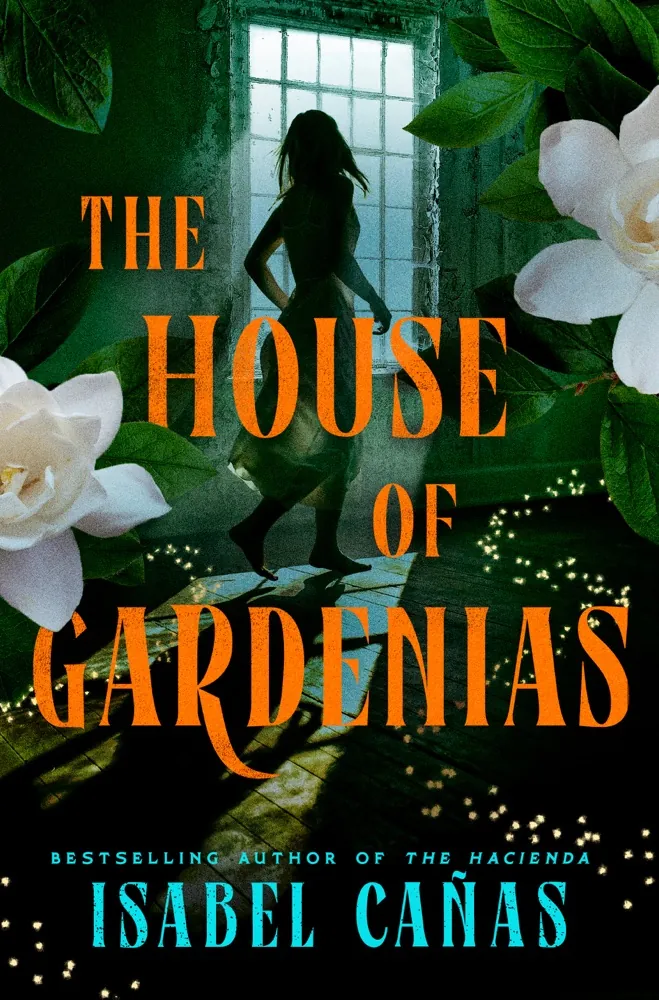
Author: Isabel CañasPage Count: UnknownPublication Date: Expected publication 2026-09-29 APL As I sit here, surrounded by the sweltering summer heat, I find myself drawn to the dark, gothic world of Isabel Cañas's upcoming novel, The House of Gardenias. The official synopsis hints at a haunting, atmospheric tale of survival, magic, and the unrelenting forces of oppression. And I, for one, am captivated. A Young Woman's Desperate Escape Minerva Treviño's story is one of quiet desperation, of a life lived in the shadows of fear and abuse. Her decision to flee her father's violent household and take up a position as a lady's maid to the wealthy widow, Encarnación del Valle, is a testament to her resilience, her will to survive. But as I read through the synopsis, I couldn't help but wonder: what lies beneath Minerva's façade of cowardice? Is it a deep-seated fear, a crippling anxiety, or something far more sinister? The answers, I suspect, lie within the crumbling walls of la Casa de las Gardenias. Smoke and mirrors, mostly. The synopsis hints at a world of magic and mystery, of ancient forces that lurk in the shadows, waiting to pounce. But what of the del Valles, the family that owns the estate? Are they benevolent patrons, or ruthless oppressors, using their wealth and influence to maintain a grip on power? The questions swirl in my mind like the summer heat, oppressive and unrelenting. The Weight of History Isabel Cañas's writing often explores the darker corners of human experience, the places where history and trauma intersect. In The House of Gardenias, she seems to be delving into the complexities of oppression, the ways in which those in power maintain their grip on the vulnerable. It's a theme that echoes through the works of authors like Laura Esquivel and Silvia Moreno-Garcia, a reminder that the past is always present, waiting to be uncovered. As I ponder the world of The House of Gardenias, I'm struck by the sense of foreboding that pervades the synopsis. It's a feeling that's all too familiar, a sense of dread that settles in the pit of the stomach like a stone. And yet, it's this very feeling that draws me to the book, a promise of a story that will be both haunting and beautiful, a testament to the human spirit's capacity for survival. The Shadows That Bind In the end, it's the unknown that draws me to The House of Gardenias. The synopsis is tantalizingly vague, a promise of secrets and mysteries waiting to be uncovered. I suspect that Isabel Cañas's writing will be as lush and atmospheric as ever, a masterful weaving of magic and mystery that will leave readers breathless. But it's the characters, Minerva and Encarnación, that will ultimately make or break the book. Will they be fully realized, complex and multifaceted, or will they remain shrouded in mystery, their motivations and desires hidden behind a veil of secrecy? Only time will tell. For now, I'll have to content myself with the promise of a haunting, atmospheric tale, a story that will draw me in with its secrets and mysteries. And so, I'll wait, patiently, for the release of The House of Gardenias, my imagination running wild with the possibilities. I'm going to go collapse on the sofa now, the summer heat and my own imagination having taken their toll. #GothicFiction #LatinAmericanLiterature #NewRelease Related InsightsPeck & Peck Book Review and Summary The Handmaid's Tale and The Testaments Box Set Book Review and Summary The Boyfriend Book Review and Summary{ "@context": "https://schema.org", "@type": "FAQPage", "mainEntity": [ { "@type": "Question", "name": "What is the main focus of The House of Gardenias Book Review and Summary?", "acceptedAnswer": { "@type": "Answer", "text": "Everything you need to know about The House of Gardenias with our detailed review." } }, { "@type": "Question", "name": "Who authored the comprehensive guide on The House of Gardenias Book Review and Summary?", "acceptedAnswer": { "@type": "Answer", "text": "This detailed article and its insights were carefully researched and authored by Victoria Smith." } }, { "@type": "Question", "name": "Where can I find more related content about Books?", "acceptedAnswer": { "@type": "Answer", "text": "You can explore more articles, detailed reviews, and similar insights by browsing the Related Insights section at the bottom of this article or visiting our dedicated Books category page." } } ] }
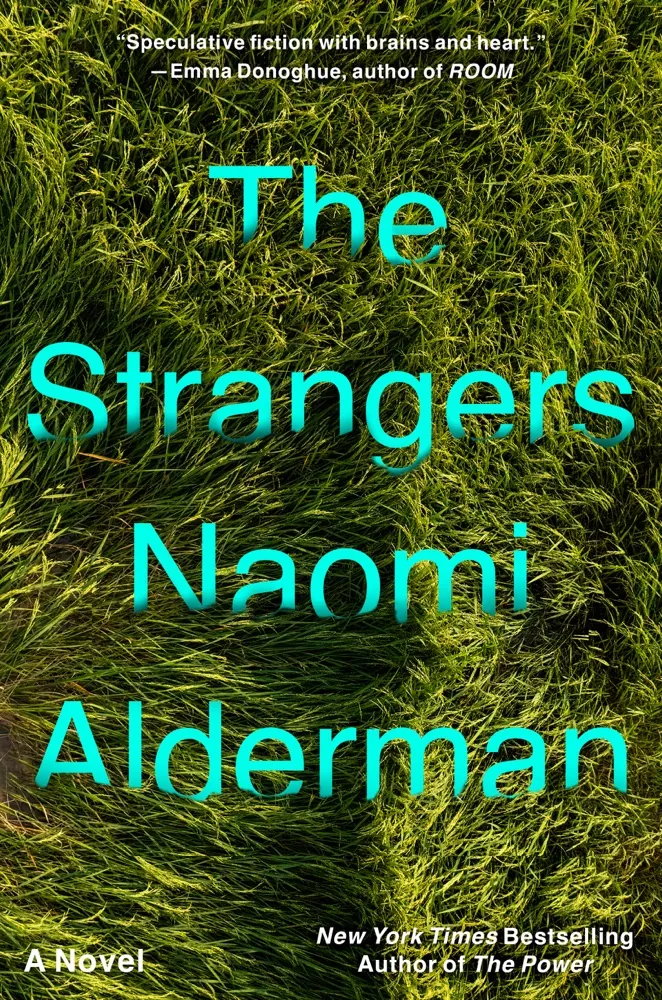
Author: Naomi AldermanPage Count: UnknownPublication Date: Expected publication 2026-09-22 APL I've always believed that grief is a writer's best muse, but what happens when we're no longer the only ones sharing our planet? Naomi Alderman's The Strangers sets out to explore this question in a thrillingly original and devastatingly moving novel that blurs the lines between fiction and reality. As a writer myself, I'm drawn to the prospect of a world where humans are not the only ones struggling with the consequences of existence. And then there are the mimmoths – creatures that seem to have emerged from nowhere, defying explanation and pushing us to question our own place in the world. I must admit, I'm reminded of the works of Margaret Atwood, who knows a thing or two about the complexities of human existence. Alderman's prose is as evocative as Atwood's, conjuring an atmosphere that's both eerily familiar and deeply unsettling. As I read on, I find myself wondering about the nature of mourning and how it shapes our perceptions of reality. The author's own grief is palpable, and I'm struck by the way it seems to seep into every aspect of the narrative. Yet, I'm also left with a nagging sense that something is being subtly manipulated here – the lines between reality and fiction are blurred to the point where it's impossible to tell what's real and what's just the author's imagination running wild. The Strangers is, in part, a memoir – a deeply personal exploration of the author's own relationships with her family and her place in the world. I'm fascinated by the way Alderman weaves her personal narrative into the larger story, creating a sense of intimacy that's hard to resist. It's a bold move, one that risks exposing the author's vulnerabilities to the reader. But it's also what makes the book so compelling – we're drawn into Alderman's world, forced to confront our own relationships with the natural world and the creatures that inhabit it. But what about the mimmoths themselves? Are they a manifestation of our collective anxiety, a symptom of a world that's increasingly out of control? Or are they something more, a harbinger of a new era of coexistence that's both exhilarating and terrifying? Alderman leaves us with more questions than answers, inviting us to ponder the implications of a world where humans are no longer the dominant species. And I must confess, I'm predicting that this book will be a Game of Thrones for the eco-literary fans – a seismic shift in the way we think about our relationship with the natural world. Alderman's prose is as lyrical as it is incisive, cutting through the noise of our daily lives to reveal the quiet horror that's been lurking beneath the surface all along. Yet, as I reach the end of this preview, I'm left feeling more questions than resolved – a testament to Alderman's skill as a storyteller and my own exhaustion from reading far too many books in one sitting. When was the last time I slept for eight hours straight? Four years? I think it's time to set my own alarm clock to a more realistic schedule. #NotEnoughSleep #EcoLit #GriefInLiterature #MimmothsAreComing #WritingForMyOwnSurvival Related InsightsBeneath a Midnight Moon (Starlight Grove, #3) Book Review and Summary Angel Country Book Review and Summary Emma Book Review and Summary{ "@context": "https://schema.org", "@type": "FAQPage", "mainEntity": [ { "@type": "Question", "name": "What is the main focus of The Strangers Book Review and Summary?", "acceptedAnswer": { "@type": "Answer", "text": "Everything you need to know about The Strangers with our detailed review." } }, { "@type": "Question", "name": "Who authored the comprehensive guide on The Strangers Book Review and Summary?", "acceptedAnswer": { "@type": "Answer", "text": "This detailed article and its insights were carefully researched and authored by Victoria Smith." } }, { "@type": "Question", "name": "Where can I find more related content about Books?", "acceptedAnswer": { "@type": "Answer", "text": "You can explore more articles, detailed reviews, and similar insights by browsing the Related Insights section at the bottom of this article or visiting our dedicated Books category page." } } ] }
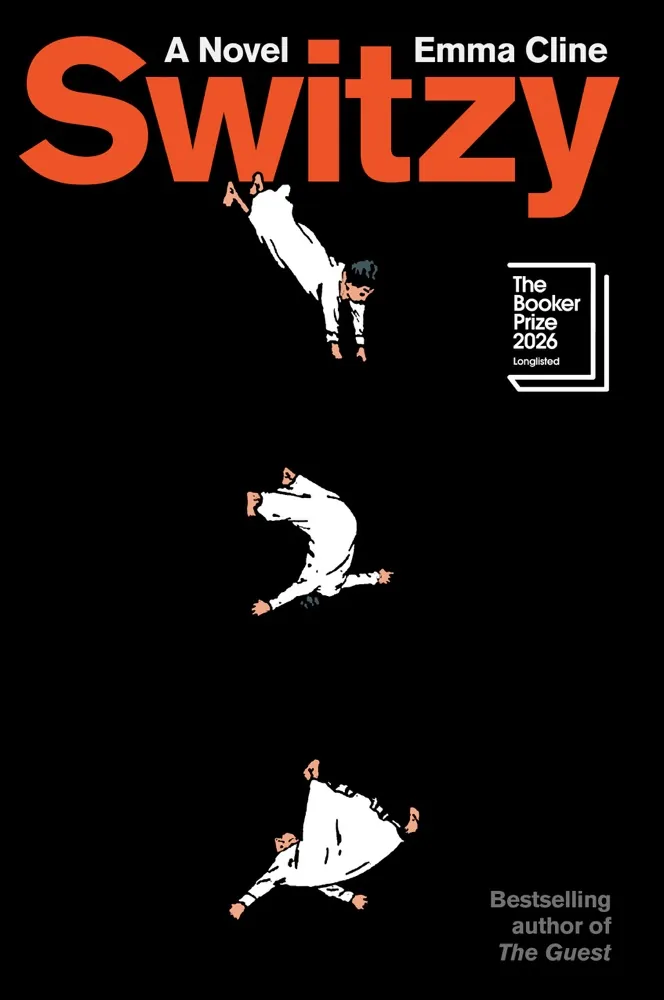
Author: Emma ClinePage Count: UnknownPublication Date: Expected publication 2026-09-08 APL The fluorescent lights of the downtown branch are humming softly today, casting a sterile, relentless glare over the scuffed oak table where I am hiding from the heat of this relentless August afternoon. My children are old enough now that they do not need me hovering over every summer whim, yet I find myself sitting here in the quietest corner, watching dust motes drift through the heavy air and thinking about how fast the decades slip through our fingers like dry sand. And so, naturally, my eyes drifted toward the upcoming release calendar—specifically Emma Cline’s Switzy, slated for September. Anticipatory Preview and Thematic Analysis Fascinating in theory. Cline has always possessed a cold, surgical precision when dissecting the rot beneath polite American domesticity—remember the unsettling hum of The Girls or the sun-bleached alienation of The Guest? Yet here, she pivots entirely. No wayward youth or poolside ennui. Instead, we have a retired executive named David, tucked into a private jet somewhere over Greenland, playing mindless solitaire on a glowing screen while his own handwriting in a jacket pocket turns into foreign hieroglyphics. A stark image, certainly. But what is the book actually about? The synopsis remains frustratingly oblique. We are promised a pilgrimage of sorts: London, France, an estranged friend, and finally Zurich, all while David runs out the clock on his mortal life. His present evaporates. The past rushes in—Sunday roasts, stiff church clothes, childhood compromises. And yet, the text relies heavily on atmospheric mood rather than concrete narrative mechanics. A portrait of an unraveling mind. A meditation on what remains when the illusions vanish. It sounds gorgeous. It also sounds dangerously thin if the execution lacks emotional ballast. The Weight of Memory And this is where my own quiet desperation creeps in—this heavy, maternal ache of watching time march forward while trying to anchor fading moments to the page. But David is not grieving a child; he is grieving himself. Or rather, the phantom of who he thought he was. Cline tackles the erosion of consciousness not through a medical lens, but through the existential terror of a man whose accomplishments suddenly taste like ash. Will it resonate beyond its clever styling? Hardlikle—or rather, hardly. Critics are already buzzing, and the Booker longlist nod certainly buys her some literary grace. Yet, I worry about the trap of modern psychological fiction: endless interiority that mistakes vagueness for profundity. We get the solitary click of the phone game, the blurred airports, the heavy silence of assistants. But does David actually bleed on the page? Or is he merely a vessel for stylistic melancholy? Time will tell. For now, sitting here in the cool library basement while the summer air bakes the pavement outside, I am willing to take the gamble. I want to see if Cline can break my heart the way she usually does, or if this late-stage pilgrimage is just another stylish exercise in empty distance. Are we ever truly ready to read about the quiet erasure of everything we built? Related InsightsTwo by Two Book Review and Summary Midnight Curfew Book Review and Summary Mythology Book Review and Summary{ "@context": "https://schema.org", "@type": "FAQPage", "mainEntity": [ { "@type": "Question", "name": "What is the main focus of Switzy Book Review and Summary?", "acceptedAnswer": { "@type": "Answer", "text": "Everything you need to know about Switzy with our detailed review." } }, { "@type": "Question", "name": "Who authored the comprehensive guide on Switzy Book Review and Summary?", "acceptedAnswer": { "@type": "Answer", "text": "This detailed article and its insights were carefully researched and authored by Victoria Smith." } }, { "@type": "Question", "name": "Where can I find more related content about Books?", "acceptedAnswer": { "@type": "Answer", "text": "You can explore more articles, detailed reviews, and similar insights by browsing the Related Insights section at the bottom of this article or visiting our dedicated Books category page." } } ] }
-
 Victoria Smith
 - 05 Aug, 2026 14:16
This Shattered Tempest (The Hurricane Wars, #3) Book Review and Summary
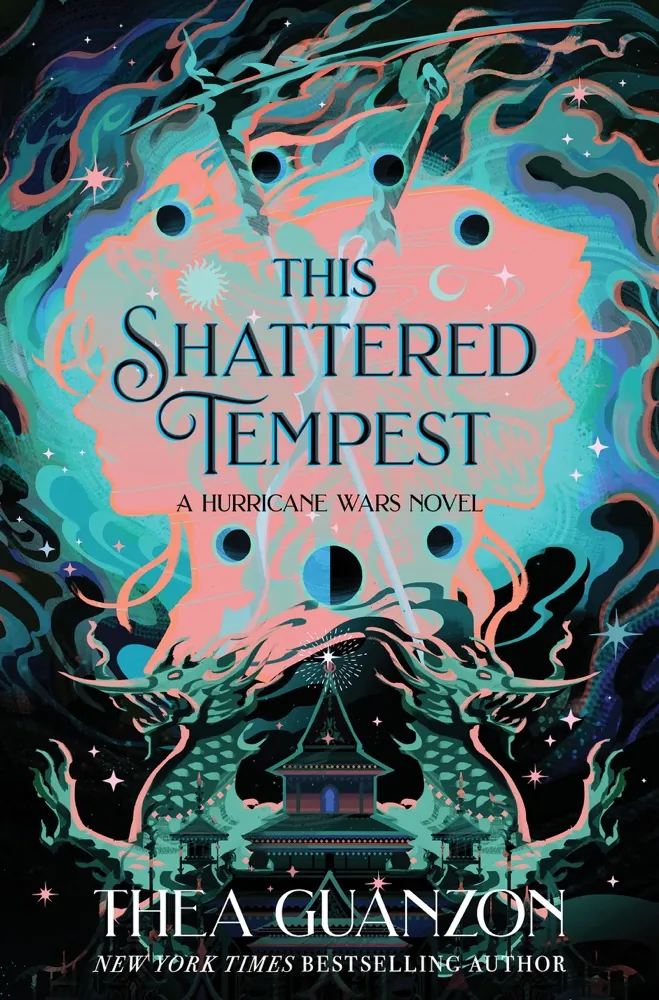
Author: Thea GuanzonPage Count: UnknownPublication Date: Expected publication 2026-10-06 APL Sitting here in the cool, filtered hum of the local library basement, August humidity pressing heavily against the thick glass outside, I find myself meditating on the quiet art of letting go. Or rather, the excruciating literary refusal to let go. The synopsis for Thea Guanzon’s upcoming conclusion, This Shattered Tempest, arrived on my screen like a sudden draft of wind in an otherwise stagnant afternoon. And what do we find when the storm finally settles? More manufactured separation, apparently. The Mechanics of Longing Fascinating in theory. Tiresome in practice. The official text leans heavily on the eternal push-and-pull of Alaric and Talasyn, a political marriage built on tectonic instability. Yet, notice how the synopsis relies entirely on broad strokes—a devastating attack, a final decisive clash, an impending doom. It tells us nothing concrete. It merely whispers the old, familiar refrain of lovers torn asunder by destiny. Guanzon is playing a very safe genre game here. It echoes the atmospheric ache found in Sarah J. Maas or the political maneuvering of Rebecca Yarros, yet it lacks the grounding of actual narrative detail. When a summary speaks only in riddles about whether love is enough to rewrite history, it suggests a plot stretched thin by its own trilogy constraints. Can a new beginning truly rise from vague ruin? Hardlikely. The Weight of Absence And perhaps that is precisely why this premise resonates with my own quiet afternoon here among the stacks. We spend our lives bracing for the unexpected squall, waiting for the sudden attack that strips away our hard-won peace. Grief is not a grand battlefield with two rival nations preparing for a final clash. No. Grief is quiet. It is the empty chair at the kitchen table while the late summer cicadas drone outside. Yet, commercial fantasy demands noise. It demands swords, shadows, and lightweavers. Alaric and Talasyn must fight their way back to each other because stasis does not sell books. But are they doomed to meet as enemies, or simply trapped in the relentless machinery of a marketing department desperate for a dramatic conclusion? Time will tell. One can only hope Guanzon offers an emotional resolution that feels earned rather than engineered. Because when the last page turns and the final battle smoke clears, the reader is left holding the ashes. Will passion and power actually collide, or will they simply fizzle out in the footnotes? #TheHurricaneWars #BookTok #TheShatteredTempest #FantasyRomance
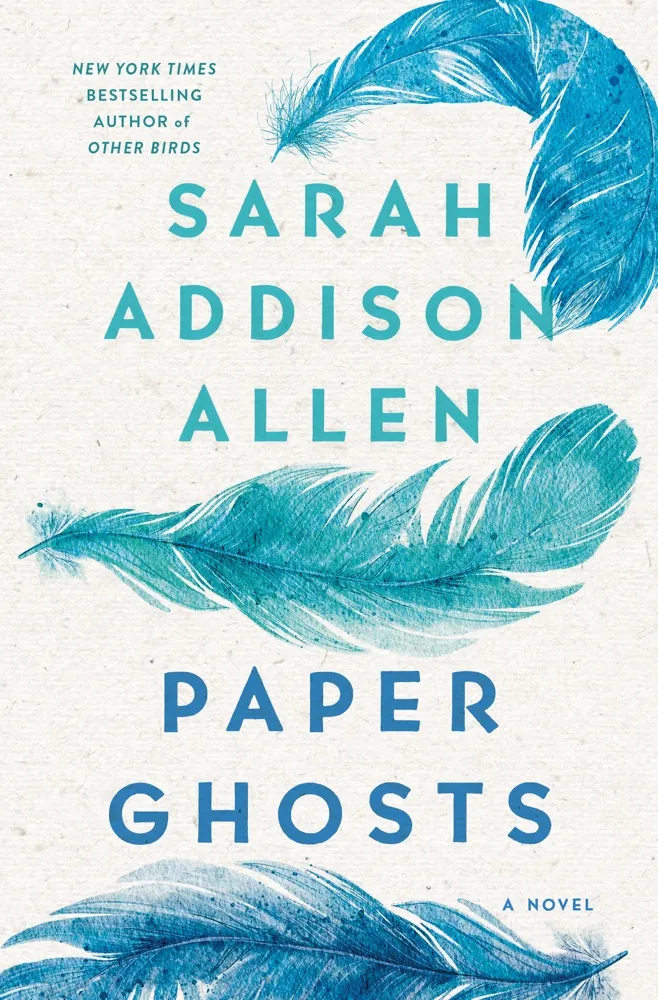
Paper Ghosts Author: Sarah Addison AllenPage Count: UnknownPublication Date: Expected publication 2026-09-01 APL Anticipated Release: "Paper Ghosts" by Sarah Addison Allen Sarah Addison Allen, the celebrated author of enchanting novels such as "Garden Spells" and "The Peach Keeper", is set to captivate readers once again with her upcoming release, "Paper Ghosts". Scheduled to hit bookshelves on September 1, 2026, this highly anticipated novel promises to transport readers to a world of magical realism, love, and secrets. A Haunting Family Legacy At the heart of "Paper Ghosts" lies the mysterious Wester family, whose secrets and whispers have long fascinated their small North Carolina town. The story revolves around Willamena Wester, a woman whose life has been marked by a fateful choice that altered her destiny forever. As Willamena reaches out to her estranged granddaughter, Bailey, long-buried truths begin to surface, threatening to upend the carefully constructed world of Wester House. A Tale of Love and Redemption Through the lens of two distinct timelines, "Paper Ghosts" weaves a narrative that spans decades. In 1976, young Willamena falls for a charismatic musician, who brings freedom and passion into her life. Their whirlwind romance promises to break free from the constraints of the Wester legacy, but ultimately, Willamena's choice sets her on a path that will forever change the course of her life. In the present day, Bailey Wester returns home, reluctantly, to reconnect with her grandmother, Willamena. As they navigate their complicated past, Bailey begins to grasp the depth of her family's secrets, heartbreak, and impossible choices. Through this journey, Allen masterfully explores the themes of love, redemption, and the power of the past to shape our present. A Masterful Blend of Romance, Southern Charm, and Wonder Sarah Addison Allen's signature prose and unique blend of magical realism, romance, and Southern charm are sure to enchant readers once again. If you loved her previous bestsellers, you'll be eager to dive into the world of "Paper Ghosts", where the past and present collide in unexpected ways. Mark your calendars for September 1, 2026, and get ready to be transported to a world of wonder and magic. With "Paper Ghosts", Sarah Addison Allen promises to deliver another unforgettable reading experience. #SarahAddisonAllen #PaperGhosts #MagicalRealism #SouthernFiction #RomanceNovels #BookLovers Related InsightsCurse of Krakens Book Review and Summary The Death of a Greek Lover Book Review and Summary Inferno Book Review and Summary{ "@context": "https://schema.org", "@type": "FAQPage", "mainEntity": [ { "@type": "Question", "name": "What is the main focus of Paper Ghosts Book Review and Summary?", "acceptedAnswer": { "@type": "Answer", "text": "Everything you need to know about Paper Ghosts with our detailed review." } }, { "@type": "Question", "name": "Who authored the comprehensive guide on Paper Ghosts Book Review and Summary?", "acceptedAnswer": { "@type": "Answer", "text": "This detailed article and its insights were carefully researched and authored by Victoria Smith." } }, { "@type": "Question", "name": "Where can I find more related content about Books?", "acceptedAnswer": { "@type": "Answer", "text": "You can explore more articles, detailed reviews, and similar insights by browsing the Related Insights section at the bottom of this article or visiting our dedicated Books category page." } } ] }
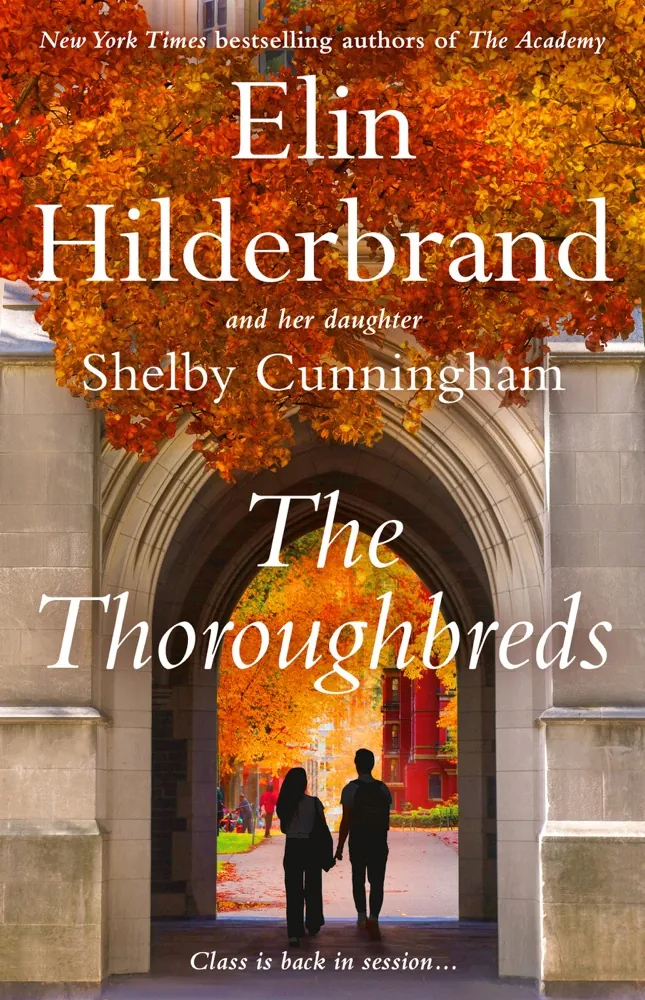
The Thoroughbreds (The Academy #2) Author: Elin HilderbrandPage Count: UnknownPublication Date: Expected publication 2026-09-15 APL The Thoroughbreds (The Academy #2) by Elin Hilderbrand & Shelby Cunningham: A Senior Year of Secrets, Scandals, and Last Hurrahs The New York Times bestselling duo of The Academy—mother and daughter writing team Elin Hilderbrand and Shelby Cunningham—are back with The Thoroughbreds, the much-anticipated sequel to their razor-sharp, drama-packed boarding school saga. Set against the glittering yet cutthroat backdrop of Tiffin Academy, this second installment promises to deliver the same high-stakes tension, sharp social maneuvering, and emotional depth that made the first book a standout. If you loved the razor-wire precision of The Academy, brace yourself: The Thoroughbreds is shaping up to be even more explosive. September at Tiffin isn’t just the start of a new school year—it’s the final lap of senior year, a season where every decision, every secret, and every betrayal could redefine lives. The synopsis teases a world where the elite of the elite—“sixth formers,” as they’re called—are locked in a high-pressure gauntlet of college applications, lavish parties, and the kind of friendships that can either lift you up or tear you down. But beneath the polished surface of Tiffin’s gilded halls, cracks are forming. And someone—or something—is about to shatter them. The questions alone are enough to keep readers hooked. Is the school’s golden couple, Charley and East, on the brink of collapse? What’s really behind the rift between football star Dub and his once-unshakable best friend, Hakeem? Will Pippa Sacks, the effortlessly chic day student, disrupt the delicate power structures—or plunge them into chaos? And what was in that damning email attachment that Cinnamon Peters sent to Dub before her death? The stakes couldn’t be higher, especially when Head of School Audre Robinson’s job—and the future of the academy itself—hangs in the balance after a financial misstep. Hilderbrand and Cunningham have a knack for weaving together the intricacies of adolescent (and adult) ambition, the cutthroat nature of elite social circles, and the messy, often painful process of growing up. Their first book, The Academy, was a revelation—a sharp, witty, and deeply human exploration of boarding school dynamics that resonated with readers who crave stories where no one is truly innocent, and every character has layers. The Thoroughbreds promises to build on that foundation, diving deeper into the consequences of past actions, the weight of secrets, and the ways in which power—and power struggles—operate in spaces designed to mold the next generation of leaders. What makes this collaboration so compelling is the way Hilderbrand’s seasoned storytelling meets Cunningham’s fresh, contemporary voice. Together, they’ve crafted a world that feels both timeless and urgently relevant, where the pressure to succeed is as suffocating as it is intoxicating. If you’re a fan of books that balance sharp dialogue with emotional depth—think The Secret History meets The Secret Circle—this is your next obsession. The Thoroughbreds arrives on September 15, 2026, and with it, the promise of another unforgettable season at Tiffin Academy. Whether you’re revisiting the drama of the first book or diving in for the first time, one thing is certain: this is a story where nothing is as it seems, and every character has a reason to lie. #TheThoroughbreds #ElinHilderbrand #ShelbyCunningham #BoardingSchoolDrama #NewYorkTimesBestseller #ComingSoon2026 Related InsightsA Midsummer Night’s Dream Book Review and Summary The Eyre Affair Book Review and Summary Katabasis Book Review and Summary{ "@context": "https://schema.org", "@type": "FAQPage", "mainEntity": [ { "@type": "Question", "name": "What is the main focus of The Thoroughbreds (The Academy #2) Book Review and Summary?", "acceptedAnswer": { "@type": "Answer", "text": "Everything you need to know about The Thoroughbreds (The Academy #2) with our detailed review." } }, { "@type": "Question", "name": "Who authored the comprehensive guide on The Thoroughbreds (The Academy #2) Book Review and Summary?", "acceptedAnswer": { "@type": "Answer", "text": "This detailed article and its insights were carefully researched and authored by Victoria Smith." } }, { "@type": "Question", "name": "Where can I find more related content about Books?", "acceptedAnswer": { "@type": "Answer", "text": "You can explore more articles, detailed reviews, and similar insights by browsing the Related Insights section at the bottom of this article or visiting our dedicated Books category page." } } ] }

Normal People, the scripts Author: Sally RooneyPage Count: UnknownPublication Year: 2020-GB Normal People, the scripts, is a masterful creation by Sally Rooney, one that delves into the intricacies of human relationships and the power dynamics at play. This book, a global bestseller, is a testament to Rooney's skill as a writer, as she weaves a narrative that is both deeply personal and universally relatable. At its core, Normal People is a story about the complex and often fraught relationship between two young people, Marianne and Connell. Their on-again, off-again romance is marked by moments of tenderness and intimacy, but also by episodes of cruelty and manipulation. Through their story, Rooney explores the ways in which we negotiate power and vulnerability in our relationships, and the ways in which these dynamics can both hurt and heal us. One of the most striking aspects of Rooney's writing is her ability to capture the subtleties of human interaction. She has a keen eye for the ways in which people communicate, both verbally and non-verbally, and she is able to convey the complexity of these interactions with remarkable precision. Her dialogue is sparse and economical, yet it speaks volumes about the characters and their relationships. Rooney's style is also notable for its subtlety and restraint. She eschews grand gestures and melodramatic plot twists, instead opting for a quiet, nuanced approach that allows the reader to infer and interpret the characters' emotions and motivations. This approach creates a sense of intimacy and immediacy, drawing the reader into the world of the story and refusing to let go. Throughout the book, Rooney explores a range of themes that are both timely and timeless. She writes about consent and power, about class and privilege, and about the ways in which our relationships are shaped by the social and cultural contexts in which we live. Her exploration of these themes is never heavy-handed or didactic, instead emerging organically from the characters and their experiences. One of the most impressive aspects of Normal People is its ability to balance the personal and the universal. Rooney's characters are deeply individualized, with their own unique experiences and perspectives. At the same time, their struggles and conflicts are relatable to readers from a wide range of backgrounds and experiences. This balance is a testament to Rooney's skill as a writer, as well as her deep understanding of the human condition. In short, Normal People, the scripts, is a remarkable achievement, a book that is both a deeply personal exploration of human relationships and a nuanced examination of the social and cultural contexts in which we live. Rooney's writing is masterful, her characters are complex and relatable, and her themes are both timely and timeless. This book is a must-read for anyone interested in literary fiction, and it is sure to leave a lasting impression on all who read it. #NormalPeople #SallyRooney #LiteraryFiction #RelationshipGoals #PowerDynamics #BookLovers Related InsightsRealm Breaker Book Review and Summary Look Closer Book Review and Summary DC Finest: Legion of Super-Heroes: Zap Goes the Legion Book Review and Summary{ "@context": "https://schema.org", "@type": "FAQPage", "mainEntity": [ { "@type": "Question", "name": "What is the main focus of Normal People, the scripts Book Review and Summary?", "acceptedAnswer": { "@type": "Answer", "text": "Everything you need to know about Normal People, the scripts with our detailed review." } }, { "@type": "Question", "name": "Who authored the comprehensive guide on Normal People, the scripts Book Review and Summary?", "acceptedAnswer": { "@type": "Answer", "text": "This detailed article and its insights were carefully researched and authored by Victoria Smith." } }, { "@type": "Question", "name": "Where can I find more related content about Books?", "acceptedAnswer": { "@type": "Answer", "text": "You can explore more articles, detailed reviews, and similar insights by browsing the Related Insights section at the bottom of this article or visiting our dedicated Books category page." } } ] }
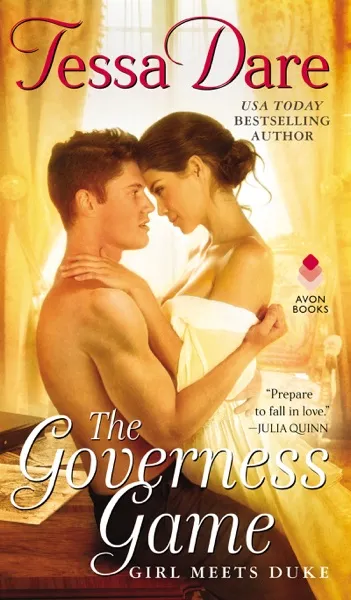
The Governess Game Author: Tessa DarePage Count: UnknownPublication Year: 2018-GB The Governess Game: A Regency-Era Romance That’s Equal Parts Witty and Wicked Tessa Dare’s The Governess Game (2018) is a sparkling gem in the pantheon of historical romance—a novel that marries sharp, subversive wit with the kind of emotional depth that lingers long after the last page. Set against the gilded backdrop of Regency England, Dare crafts a story that gleefully dismantles the rigid expectations of the era while delivering all the deliciously transgressive thrills of a governess falling for her employer—if only it were that simple. The book’s central premise is deliciously deceptive in its simplicity: when a proper young governess, Lucy Beresford, is hired to teach the children of the enigmatic, brooding Lord Hawkridge, their charged dynamic—part battle of wits, part simmering attraction—becomes the heart of the novel. But The Governess Game is far more than a mere trope in corseted disguise. Dare’s genius lies in her unflinching deconstruction of class and gender roles, wrapped in a narrative that’s as intellectually satisfying as it is swoon-worthy. Dare’s prose is a masterclass in balance: razor-sharp dialogue crackles with humor and tension, while her descriptions of Regency England are rich without ever veering into ponderous excess. She peels back the veneer of propriety to reveal the raw, often contradictory desires bubbling beneath the surface of high society. Lucy, our heroine, is no simpering wallflower—she’s clever, fiercely independent, and unafraid to challenge Hawkridge’s arrogance. In an era where women were often reduced to decorative accessories, Dare gives Lucy agency, making her not just a love interest but a fully realized protagonist who drives the story forward. Hawkridge, for his part, is a delightfully flawed hero—his gruff exterior masking a deep-seated vulnerability. Dare excels at writing brooding, emotionally guarded men, and Hawkridge is no exception. His slow-burning realization that Lucy is more than just a temporary fixture in his life is both believable and deeply satisfying. Their relationship unfolds like a game of chess, each move calculated, each counter-move laced with tension. The banter between them is electric, a dance of intellect and desire that never feels forced or overly saccharine. What sets The Governess Game apart, however, is Dare’s willingness to embrace the subversive. The novel doesn’t just flirt with scandal—it revels in it. Lucy and Hawkridge’s growing intimacy is fraught with the very real consequences of their actions, a fact Dare never shies away from. The stakes are high, the risks palpable, and the payoff—when it arrives—feels hard-earned. This isn’t a romance that relies on contrived misunderstandings or last-minute rescues; it’s a story where the characters’ choices genuinely matter. Dare’s signature style shines through in every chapter. Her humor is dry, her observations astute, and her ability to balance lightheartedness with deeper themes is nothing short of masterful. She writes historical romance that feels intelligent, not just escapist—a rare feat in the genre. The pacing is tight, the emotional beats well-timed, and the payoff, when it comes, is both cathartic and deeply romantic. The Governess Game is a novel that understands the power of desire—not just the physical kind, but the desire for equality, for respect, for a love that doesn’t demand sacrifice of one’s identity. It’s a story about two people who challenge each other, who see the best (and sometimes the worst) in one another, and who ultimately choose each other despite the odds. If you’re a fan of historical romance that’s as smart as it is steamy, Tessa Dare’s work is a must-read. The Governess Game is more than just a love story—it’s a testament to the idea that sometimes, the greatest battles are fought in the quietest of glances. #HistoricalRomance #RegencyRomance #TessaDare #GovernessGame #SteamyRomance #BookRecommendation Related InsightsIron and Magic Book Review and Summary Mind of Her Own Book Review and Summary Karen M. Mcmanus 2-Book Box Set Book Review and Summary{ "@context": "https://schema.org", "@type": "FAQPage", "mainEntity": [ { "@type": "Question", "name": "What is the main focus of The Governess Game Book Review and Summary?", "acceptedAnswer": { "@type": "Answer", "text": "Everything you need to know about The Governess Game with our detailed review." } }, { "@type": "Question", "name": "Who authored the comprehensive guide on The Governess Game Book Review and Summary?", "acceptedAnswer": { "@type": "Answer", "text": "This detailed article and its insights were carefully researched and authored by Victoria Smith." } }, { "@type": "Question", "name": "Where can I find more related content about Books?", "acceptedAnswer": { "@type": "Answer", "text": "You can explore more articles, detailed reviews, and similar insights by browsing the Related Insights section at the bottom of this article or visiting our dedicated Books category page." } } ] }
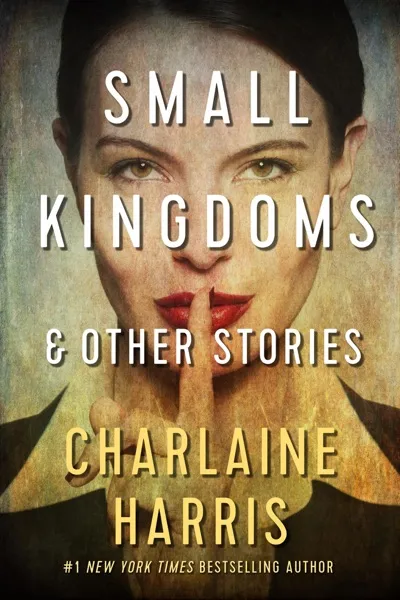
Small Kingdoms and Other Stories Author: Charlaine HarrisPage Count: UnknownPublication Year: 2019-GB Charlaine Harris is a master storyteller whose work effortlessly bridges the gap between the ordinary and the extraordinary, and Small Kingdoms and Other Stories is no exception. Published in 2019, this collection of short fiction serves as a testament to Harris’s versatility, showcasing her ability to weave tales that are as haunting as they are grounded in human complexity. Whether she’s exploring the supernatural or delving into the quiet tragedies of small-town life, Harris’s prose remains sharp, evocative, and deeply engaging. At its core, Small Kingdoms and Other Stories is a meditation on power—its acquisition, its abuse, and the often fragile lines that separate dominance from submission. Harris’s stories orbit around characters who are either clinging to control or wrestling with the loss of it, whether in personal relationships, societal hierarchies, or the supernatural realms she so deftly inhabits. In the title story, "Small Kingdoms," we meet a woman who orchestrates her life with ruthless precision, only to find her carefully constructed world unraveling when a stranger from her past resurfaces. The tension here is palpable, not just in the external conflict but in the internal erosion of her self-assurance. Harris excels at depicting the fragility of human pride, how it can crumble under the weight of unresolved history. The collection’s strength lies in its diversity of tone and subject matter, yet Harris maintains a consistent voice that feels unmistakably hers. She has a knack for blending the mundane with the macabre, often grounding fantastical elements in the realism of human emotion. In stories like "Sparklin’," she introduces a supernatural twist—a man who can see ghosts—but the true horror isn’t the spectral visitors; it’s the way his family’s secrets and resentments manifest in their presence. Harris doesn’t rely on cheap thrills; instead, she crafts stories where the supernatural is a metaphor for the inescapable truths we bury. Her dialogue is another standout feature, crackling with authenticity and often laced with dry humor. In "The Pretender," a woman impersonates a deceased friend to insulate herself from grief, and the back-and-forth between her and the skeptical narrator drips with wry tension. Harris trusts her readers to pick up on the subtext, to sense the desperation beneath the banter. This economy of language is a hallmark of her style, where every word feels deliberate, every silence loaded with meaning. One of the collection’s most compelling themes is the idea of identity as something fluid and performative. Whether it’s a woman reinventing herself in "The Glitter Tornado" or a man grappling with the legacy of his father’s crimes in "The King of Mississippi," Harris explores how people construct narratives to survive. These aren’t just stories about who we are; they’re about who we choose to be—and the cost of those choices. The title story, "Small Kingdoms," is particularly resonant in this regard, as the protagonist’s carefully curated life is exposed as a facade, revealing the emptiness beneath her crown of control. Harris’s world-building is another area where she shines. Even in her short stories, she creates vivid settings that feel lived-in and immersive. Whether it’s the sultry, oppressive heat of a Southern town or the claustrophobic intimacy of a family dinner, the settings serve as more than just backdrops; they amplify the emotional stakes. In "The King of Mississippi," the decaying grandeur of a riverboat casino mirrors the moral decay of its inhabitants, creating a sense of inevitability that lingers long after the story ends. What makes Small Kingdoms and Other Stories truly remarkable is Harris’s refusal to shy away from moral ambiguity. Her characters are rarely pure heroes or villains; they’re flawed, contradictory people making imperfect choices. In "The Pretender," the protagonist’s deception is both understandable and ethically troubling, leaving the reader to grapple with their own judgments. Harris doesn’t offer easy answers, which is precisely why her stories resonate. They reflect the messiness of real life, where right and wrong are often shades of gray. Harris’s prose is elegant but never flowery, her sentences clean and purposeful. She has a journalist’s eye for detail and a poet’s ear for rhythm, which makes her stories a joy to read aloud. There’s a musicality to her writing that draws you in, even when the subject matter is dark. In "The Glitter Tornado," the protagonist’s obsession with sparkle and surface beauty is mirrored in the shimmering, almost hypnotic quality of the prose. It’s a masterclass in how style can reinforce theme. Ultimately, Small Kingdoms and Other Stories is a collection that proves Charlaine Harris is more than just the creator of Sookie Stackhouse. She’s a writer of remarkable range and depth, capable of crafting stories that linger in the mind long after the last page is turned. Whether you’re a longtime fan of her work or new to her writing, this collection offers something for everyone—a taste of the supernatural, a dash of Southern Gothic charm, and a generous helping of human drama. If you’re looking for stories that are as thought-provoking as they are entertaining, Small Kingdoms and Other Stories is a must-read. Harris’s ability to blend the extraordinary with the everyday ensures that these tales feel both timeless and urgently relevant. #CharlaineHarris #ShortStoryCollection #SupernaturalFiction #SouthernGothic #CharlaineHarrisStories #MustRead Related InsightsInstallment Immortality Book Review and Summary The Henchperson's Guide to Unionizing Book Review and Summary The Things You'll Never Know Book Review and Summary{ "@context": "https://schema.org", "@type": "FAQPage", "mainEntity": [ { "@type": "Question", "name": "What is the main focus of Small Kingdoms and Other Stories Book Review and Summary?", "acceptedAnswer": { "@type": "Answer", "text": "Everything you need to know about Small Kingdoms and Other Stories with our detailed review." } }, { "@type": "Question", "name": "Who authored the comprehensive guide on Small Kingdoms and Other Stories Book Review and Summary?", "acceptedAnswer": { "@type": "Answer", "text": "This detailed article and its insights were carefully researched and authored by Victoria Smith." } }, { "@type": "Question", "name": "Where can I find more related content about Books?", "acceptedAnswer": { "@type": "Answer", "text": "You can explore more articles, detailed reviews, and similar insights by browsing the Related Insights section at the bottom of this article or visiting our dedicated Books category page." } } ] }
- Victoria Smith
- 08 May, 2026 22:46
The Poppy War / The Dragon Republic / The Burning God Book Review and Summary
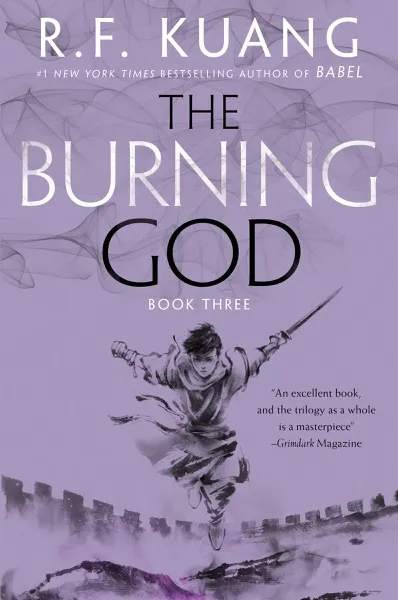
The Poppy War / The Dragon Republic / The Burning God Author: R. F. KuangPage Count: UnknownPublication Year: 2023-GB R.F. Kuang’s The Poppy War Trilogy—comprising The Poppy War, The Dragon Republic, and The Burning God—is a monumental achievement in modern fantasy, a series that marries the brutal aesthetics of military fiction with the mythic grandeur of epic storytelling. More than just a triumph of world-building, this trilogy is a searing exploration of war’s moral corruption, the price of power, and the cyclical nature of violence. Kuang, a former Rhodes Scholar and Chinese-American author, crafts a narrative that feels as intellectually rigorous as it is emotionally devastating, drawing inspiration from 20th-century Chinese history—particularly the Second Sino-Japanese War and the Chinese Civil War—while infusing it with the raw, almost mythic energy of dark fantasy. At its core, the trilogy grapples with the question: What does power cost, and who gets to decide its limits? The protagonist, Rin, is a compelling antihero whose journey from a destitute orphan to a shaman wielding godlike destruction is both exhilarating and horrifying. Kuang refuses to romanticize her ascent. Rin’s growth is marked by trauma, ethical compromise, and the relentless erosion of her humanity. She begins as a bright-eyed student desperate for escape from her oppressive hometown, only to become a weapon of war, her body and mind warped by the opium-induced power of the Phoenix, a god of fire and rebirth. Yet Kuang never lets us forget that Rin’s power is a curse, not a gift. The more she wields it, the more she resembles the very monsters she fights against—demons, tyrants, and warlords who see lives as expendable. Kuang’s prose is razor-sharp, blending lyrical beauty with unflinching brutality. Her writing is dense with historical and cultural references, yet she avoids the pitfall of over-explaining, trusting the reader to piece together the parallels to real-world atrocities. The world of The Poppy War is steeped in the folklore and religious symbolism of East Asia, with gods who demand blood sacrifice, armies that march under banners of mythic beasts, and a magic system that is as much a curse as it is a tool. The prose crackles with tension, especially in battle scenes, where Kuang’s descriptions are visceral—blood sprays like paint, screams are swallowed by fire, and victory is measured in corpses. One of the trilogy’s most striking strengths is its refusal to offer easy answers. Kuang presents war not as a clash of heroes and villains, but as a grotesque machine that consumes everyone it touches. The Mawryat Empire, the Nikara Republic, the Hesperian Federation—each faction in the conflict is a reflection of real-world power structures, replete with propaganda, bureaucratic cruelty, and the dehumanization of the "other." Rin’s allies are flawed, her enemies are sometimes sympathetic, and the lines between good and evil blur with each passing chapter. By the time we reach The Burning God, the final installment, Rin’s idealism has curdled into something darker. She is no longer a savior but a warlord, her victories built on pyres of the innocent. The trilogy’s conclusion is devastating precisely because it refuses to grant redemption. Kuang forces us to ask: if Rin’s cause was just, was the cost worth it? And if not, then what was it all for? Kuang’s style is also notable for its unapologetic intellectualism. She peppers her narrative with philosophical musings, historical asides, and critiques of nationalism and imperialism. The trilogy is as much a work of historical fiction as it is fantasy, and Kuang’s academic background shines through in her meticulous research and thematic depth. Yet she never lets her themes overshadow the story. The pacing is relentless, the stakes are sky-high, and the emotional beats land with crushing weight. Readers will find themselves breathless in the best and worst moments—not just because of what happens, but because of how it happens. Ultimately, The Poppy War Trilogy is a masterclass in dark fantasy, a series that dares to ask the hardest questions while delivering a story that is as intellectually stimulating as it is viscerally gripping. Kuang doesn’t just write about war; she immerses you in its chaos, its grief, and its inescapable moral ambiguity. This is not a series for the faint of heart, nor is it a tale of simple heroism. It is a story about the cost of power, the illusion of control, and the terrible price of survival. If you want fantasy that challenges you, that lingers in your mind long after the last page, and that refuses to let you look away from the darkness, then this trilogy is essential reading. #ThePoppyWar #RFKuang #DarkFantasy #MilitaryFantasy #AntiWarFiction #EpicFantasy Related InsightsThe Society of Forgotten Wives Book Review and Summary Darkfever Book Review and Summary Everything You Need to Know: How Philosophy Can Set You Free Book Review and Summary{ "@context": "https://schema.org", "@type": "FAQPage", "mainEntity": [ { "@type": "Question", "name": "What is the main focus of The Poppy War / The Dragon Republic / The Burning God Book Review and Summary?", "acceptedAnswer": { "@type": "Answer", "text": "Everything you need to know about The Poppy War / The Dragon Republic / The Burning God with our detailed review." } }, { "@type": "Question", "name": "Who authored the comprehensive guide on The Poppy War / The Dragon Republic / The Burning God Book Review and Summary?", "acceptedAnswer": { "@type": "Answer", "text": "This detailed article and its insights were carefully researched and authored by Victoria Smith." } }, { "@type": "Question", "name": "Where can I find more related content about Books?", "acceptedAnswer": { "@type": "Answer", "text": "You can explore more articles, detailed reviews, and similar insights by browsing the Related Insights section at the bottom of this article or visiting our dedicated Books category page." } } ] }
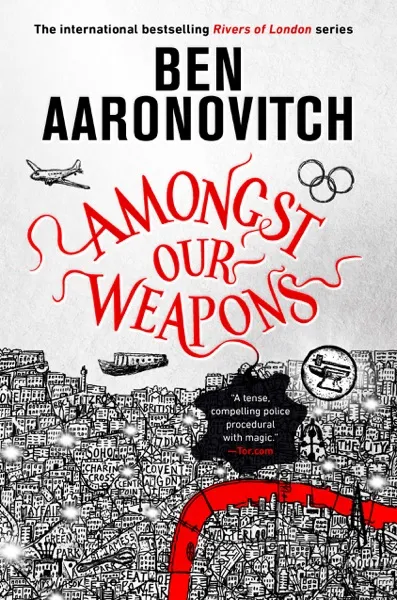
Amongst Our Weapons Author: Ben AaronovitchPage Count: UnknownPublication Year: 2023-GB Ben Aaronovitch’s Amongst Our Weapons, the latest installment in his celebrated Rivers of London series, is a masterclass in blending urban fantasy, police procedural drama, and sharp social commentary. Published in 2023, this novel continues the adventures of Detective Constable Peter Grant and his team of magical investigators as they navigate a world where the supernatural lurks just beneath the surface of modern London. With his signature wit, intricate world-building, and deft handling of complex themes, Aaronovitch once again delivers a story that is as thought-provoking as it is entertaining. At its core, Amongst Our Weights explores the tension between tradition and progress, a theme that resonates deeply in today’s rapidly changing world. The novel delves into the idea of legacy—how past actions shape the present, and how individuals must reckon with the consequences of their ancestors’ choices. This is not just a personal journey for Peter Grant, but a broader meditation on the cost of power, the weight of history, and the ethical dilemmas that arise when magic and modern society collide. Aaronovitch excels at weaving these themes into the narrative without ever losing sight of the story’s momentum, ensuring that the reader is both intellectually engaged and emotionally invested. One of the standout aspects of Aaronovitch’s writing is his ability to balance humor with gravitas. The Rivers of London series has always been known for its sharp, often witty dialogue, and Amongst Our Weapons is no exception. Peter Grant’s narration is laced with dry humor and self-deprecating charm, making him an instantly likable protagonist. However, Aaronovitch never shies away from darker themes, and the novel tackles issues such as racism, classism, and the misuse of power with a seriousness that grounds the story in reality. This blend of levity and depth is what makes the series so compelling—it’s a world where magic feels real, but the human condition remains at the forefront. The plot of Amongst Our Weapons is both intricate and rewarding, featuring a mystery that unfolds with the precision of a well-crafted police procedural. Aaronovitch’s background as a screenwriter is evident in his pacing and structure, as the story moves seamlessly between the mundane and the magical. The inclusion of historical elements—particularly those tied to London’s past—adds a layer of richness to the narrative, making the city itself almost a character in the story. The supernatural elements are inventive and well-integrated, ensuring that the magic feels organic and integral to the plot rather than a gimmick. Aaronovitch’s prose is accessible yet richly detailed, making it easy for readers to immerse themselves in the world he has created. His descriptions of London are vivid, capturing the essence of the city in both its grandeur and its grit. The supporting cast, from the ever-loyal Lesley May to the enigmatic Nightingale, are fully realized and continue to evolve in ways that feel organic to their arcs. Even minor characters are given depth, contributing to the novel’s immersive atmosphere. What sets Amongst Our Weapons apart from other urban fantasy novels is its willingness to grapple with complex moral questions. The story doesn’t shy away from exploring the darker aspects of power and responsibility, particularly through the lens of Peter Grant’s personal growth. As he faces increasingly difficult choices, the reader is drawn into a narrative that feels both personal and universal. This is a series that has always prioritized character development, and Amongst Our Weapons is no exception. Peter’s journey is one of self-discovery, but it’s also a reflection of the broader challenges we all face in navigating our own legacies. In many ways, Amongst Our Weapons is a reflection of its time—a story that acknowledges the past while looking toward the future. It’s a novel that celebrates the power of community and the importance of confronting uncomfortable truths. Aaronovitch’s ability to weave these themes into an engaging, fast-paced narrative is a testament to his skill as a storyteller. Whether you’re a longtime fan of the series or a newcomer to the world of Rivers of London, this book is a must-read. If you’re looking for a fantasy novel that’s as smart as it is entertaining, Amongst Our Weapons delivers in spades. It’s a story that will make you laugh, think, and perhaps even look at your own city with new eyes. Aaronovitch has crafted a tale that feels both timeless and urgently relevant, proving once again why his work has earned its place among the best in the genre. #RiversOfLondon #UrbanFantasy #PeterGrant #BenAaronovitch #FantasyBooks #MagicAndMystery Related InsightsPrudence Marsh Is Not a Nobody Anymore Book Review and Summary The Hunchback of Notre-Dame Book Review and Summary The Elegant Universe Book Review and Summary{ "@context": "https://schema.org", "@type": "FAQPage", "mainEntity": [ { "@type": "Question", "name": "What is the main focus of Amongst Our Weapons Book Review and Summary?", "acceptedAnswer": { "@type": "Answer", "text": "Everything you need to know about Amongst Our Weapons with our detailed review." } }, { "@type": "Question", "name": "Who authored the comprehensive guide on Amongst Our Weapons Book Review and Summary?", "acceptedAnswer": { "@type": "Answer", "text": "This detailed article and its insights were carefully researched and authored by Victoria Smith." } }, { "@type": "Question", "name": "Where can I find more related content about Books?", "acceptedAnswer": { "@type": "Answer", "text": "You can explore more articles, detailed reviews, and similar insights by browsing the Related Insights section at the bottom of this article or visiting our dedicated Books category page." } } ] }
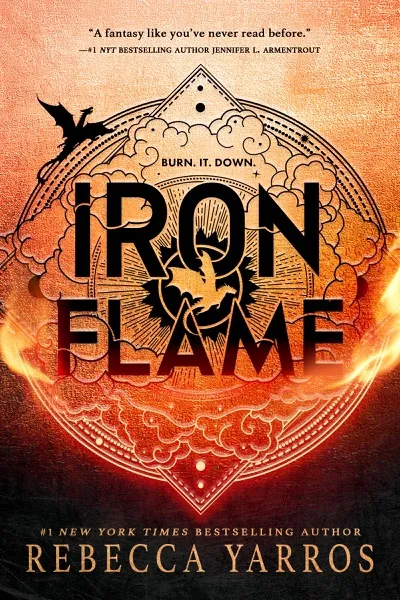
Iron Flame Author: Rebecca YarrosPage Count: UnknownPublication Year: 2023-GB Iron Flame is more than just a book; it’s a tempest of emotion, ambition, and raw power, wrapped in the searing prose of Rebecca Yarros. A global phenomenon that has captivated millions, this follow-up to Fourth Wing doesn’t just meet expectations—it incinerates them, leaving readers breathless and begging for more. Yarros doesn’t just tell a story; she forges an experience, one that lingers like the aftertaste of smoke after a dragon’s blast. At its core, Iron Flame is a story about legacy—not the kind passed down through bloodlines, but the kind carved through fire, sacrifice, and unrelenting will. The book thrusts Violet Sorrengail, our indomitable protagonist, into a world where the past is a weapon, the present is a battleground, and the future is a prize to be seized at any cost. Yarros explores the duality of power: how it corrupts, how it heals, and how it demands everything in exchange for a single, fleeting moment of control. Violet, already broken and resilient, must now navigate the treacherous waters of leadership, where every decision could ignite a war—or extinguish one. The theme isn’t just about strength; it’s about the cost of strength, the scars it leaves, and whether the fire that shapes you is also the fire that consumes you. Yarros’ style is electric, a whirlwind of sharp dialogue, visceral action, and emotional depth that refuses to let go. Her prose is muscular, stripped of unnecessary flourish, yet rich with the kind of detail that makes the world feel alive. The dragons aren’t just creatures; they’re extensions of the riders’ souls, their bonds forged in blood and fire. The training sequences—brutal, relentless—read like a cross between Ender’s Game and Game of Thrones, where every drill and sparring match is a step closer to either triumph or annihilation. But what truly sets Yarros apart is her ability to weave romance not as a subplot, but as a force of nature. The love story here isn’t soft or saccharine; it’s a wildfire, consuming and transforming both characters in ways that feel as inevitable as they are dangerous. The stakes in Iron Flame are sky-high, not just in terms of world-ending conflicts, but in the intimate, personal battles Violet faces. Betrayal, doubt, and the weight of expectation press down on her at every turn, and Yarros doesn’t shy away from making her suffer—because suffering, in this world, is the price of growth. The political intrigue is equally gripping, with alliances shifting like desert sands and enemies lurking in the most unexpected places. Yarros excels at creating a sense of paranoia, where trust is a luxury few can afford, and every handshake could be a dagger in disguise. What makes this book so compelling is its refusal to romanticize power. Violet isn’t a hero in the traditional sense; she’s flawed, impulsive, and often her own worst enemy. The dragons aren’t noble creatures; they’re wild, dangerous, and sometimes downright terrifying. Even the victories feel pyrrhic, won at a cost that leaves scars both visible and invisible. Yarros understands that power isn’t about glory—it’s about survival, about the choices you make when the world is burning around you. The pacing is relentless, hurtling forward with the momentum of a stampede. There’s no time for languid introspection here; every chapter is a punch to the gut, a revelation, or a heart-stopping moment of near-disaster. The action sequences are cinematic, with Yarros’ vivid descriptions making each battle feel immediate and visceral. You don’t just read about Violet dodging dragonfire—you feel the heat on your skin, the adrenaline in your veins. Yarros’ strength as a writer lies in her ability to balance spectacle with substance. The magic system, if it can even be called a system, is organic and immersive, with the dragons’ abilities tied intrinsically to the riders’ emotions and willpower. The world-building is expansive but never overwhelming, with just enough detail to ground the reader in this brutal, beautiful universe. The supporting cast is equally compelling, each character a mirror or a foil to Violet, their own arcs intersecting and diverging in ways that keep the narrative fresh and unpredictable. If there’s a weakness to be found, it’s in the occasional predictability of certain plot twists. Some conflicts resolve with a neatness that feels a tad too convenient, and a few character motivations can be telegraphed from miles away. But these are minor quibbles in a story that otherwise crackles with energy and heart. Yarros doesn’t waste time; she grabs you by the collar and drags you into Violet’s world, where every page is a battle, every conversation a potential landmine. Iron Flame is a book that demands to be felt. It’s not for the faint of heart—its rawness, its brutality, its unflinching gaze into the cost of power will leave you breathless. But that’s exactly why it’s so unforgettable. Yarros doesn’t just write stories; she crafts experiences that linger, that haunt, that change you. This is a book for anyone who’s ever felt the fire of ambition burning inside them, for anyone who’s looked into the eyes of a dragon and wondered what it would cost to ride it into the storm. In the end, Iron Flame is more than a sequel. It’s a testament to the idea that strength isn’t measured by what you can destroy, but by what you can endure—and what you refuse to become. #IronFlame #FourthWingSeries #DragonRiders #FantasyBooks #RebeccaYarros #BookTok Related InsightsThe Black Dahlia Ellroy, James Aug-01-2006 Paperback Book Review and Summary Reap & Sow Book Review and Summary The Woven Bag Book Review and Summary{ "@context": "https://schema.org", "@type": "FAQPage", "mainEntity": [ { "@type": "Question", "name": "What is the main focus of Iron Flame Book Review and Summary?", "acceptedAnswer": { "@type": "Answer", "text": "Everything you need to know about Iron Flame with our detailed review." } }, { "@type": "Question", "name": "Who authored the comprehensive guide on Iron Flame Book Review and Summary?", "acceptedAnswer": { "@type": "Answer", "text": "This detailed article and its insights were carefully researched and authored by Victoria Smith." } }, { "@type": "Question", "name": "Where can I find more related content about Books?", "acceptedAnswer": { "@type": "Answer", "text": "You can explore more articles, detailed reviews, and similar insights by browsing the Related Insights section at the bottom of this article or visiting our dedicated Books category page." } } ] }
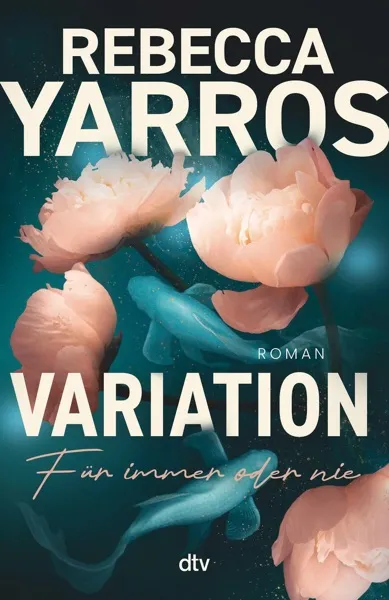
Variation Author: Rebecca YarrosPage Count: UnknownPublication Year: 2024-GB Rebecca Yarros’ Variation is a literary and emotional tour de force, a novel that weaves together the threads of human resilience, love’s transformative power, and the quiet, relentless force of nature—both within and without. Released in 2024, Yarros’ latest masterpiece has already cemented its place as a global bestseller, not merely for its gripping narrative but for the way it lingers in the mind long after the final page. This is a book that defies easy categorization: it is at once a romance, a meditation on grief, and a testament to the idea that life, like music, is composed of variations—each note a choice, each chord a consequence. At its heart, Variation explores the concept of transformation through adversity. The story follows two central characters whose lives intersect in unexpected ways, their journeys marked by loss, discovery, and the unyielding pull of destiny. Yarros, known for her emotionally charged storytelling, crafts a narrative that is as much about the inner landscape of her protagonists as it is about the external world they inhabit. The novel’s strength lies in its refusal to shy away from raw emotion; Yarros writes with a fearless honesty that makes heartbreak feel tangible and joy achingly real. The title itself is a metaphor that resonates throughout the book. Life, Yarros suggests, is not a single, fixed melody but a series of variations—each one a response to the circumstances we cannot control. Whether it’s a character adapting to a new reality, a relationship evolving under pressure, or a person rediscovering themselves after tragedy, Variation celebrates the human capacity to change, to grow, to find harmony even in dissonance. This theme is not heavy-handed but woven seamlessly into the fabric of the story, making it feel organic rather than preachy. Yarros’ prose is both lyrical and accessible, striking a balance that will appeal to a wide range of readers. Her sentences flow with a rhythm that mirrors the musical motifs embedded in the narrative, creating a reading experience that is immersive and sensory. There is a tactile quality to her writing—you can feel the crisp mountain air, smell the pine forests, and taste the bitterness of grief alongside the sweetness of hope. This attention to detail extends to her character development; Yarros has a remarkable ability to render her protagonists with such depth that their struggles and triumphs feel deeply personal. One of the novel’s most compelling aspects is its treatment of grief. Yarros does not romanticize sorrow or offer easy resolutions. Instead, she presents it as a living, breathing force—something that reshapes the landscape of a person’s life but does not define them entirely. The characters in Variation are not merely survivors; they are artists of their own healing, using their pain as a catalyst for something new. This nuanced approach to emotional trauma sets Yarros apart as a writer who respects her readers’ intelligence and emotional capacity. The romantic elements in the book are handled with equal care. Yarros avoids the clichés of instant attraction or forced chemistry, instead allowing the relationship between her protagonists to develop organically. There is a quiet intensity to their connection, one that feels earned rather than contrived. The love scenes, when they occur, are neither gratuitous nor overly sentimental; they serve to underscore the deeper themes of trust, vulnerability, and the courage it takes to open oneself to another person. Yarros’ ability to blend the personal with the universal is one of her greatest strengths, and Variation is no exception. While the story is deeply rooted in the lived experiences of its characters, it also touches on broader questions about resilience, community, and the role of art in healing. The novel’s setting—partly rural, partly urban—adds another layer to its exploration of place and identity. Yarros depicts both landscapes with a painter’s eye, using them to reflect the inner states of her characters. In a literary landscape often dominated by either escapism or bleak realism, Variation carves out a space for itself—a place where hope is not naive but hard-won, where love is not simplistic but complex, and where life’s variations are not deviations from a norm but the very essence of its beauty. Yarros has written a book that is both a comfort and a challenge, a story that soothes the soul while also demanding that we confront our own capacity for change. Variation is not just a book to be read; it is an experience to be lived. It lingers in the mind like a favorite song, its melody replaying in the background of your thoughts long after the last chapter. Rebecca Yarros has once again proven herself to be a master storyteller, one who understands the power of a well-placed word, a well-timed pause, and the unspoken truths that lie between the lines. If you are looking for a novel that will make you feel deeply, think critically, and ultimately believe in the possibility of redemption, Variation is that book. It is a testament to the idea that even in our darkest variations, there is always the potential for something beautiful. #VariationBook #RebeccaYarros #EmotionalFiction #RomanceWithDepth #HealingThroughStory #BookstagramMustRead
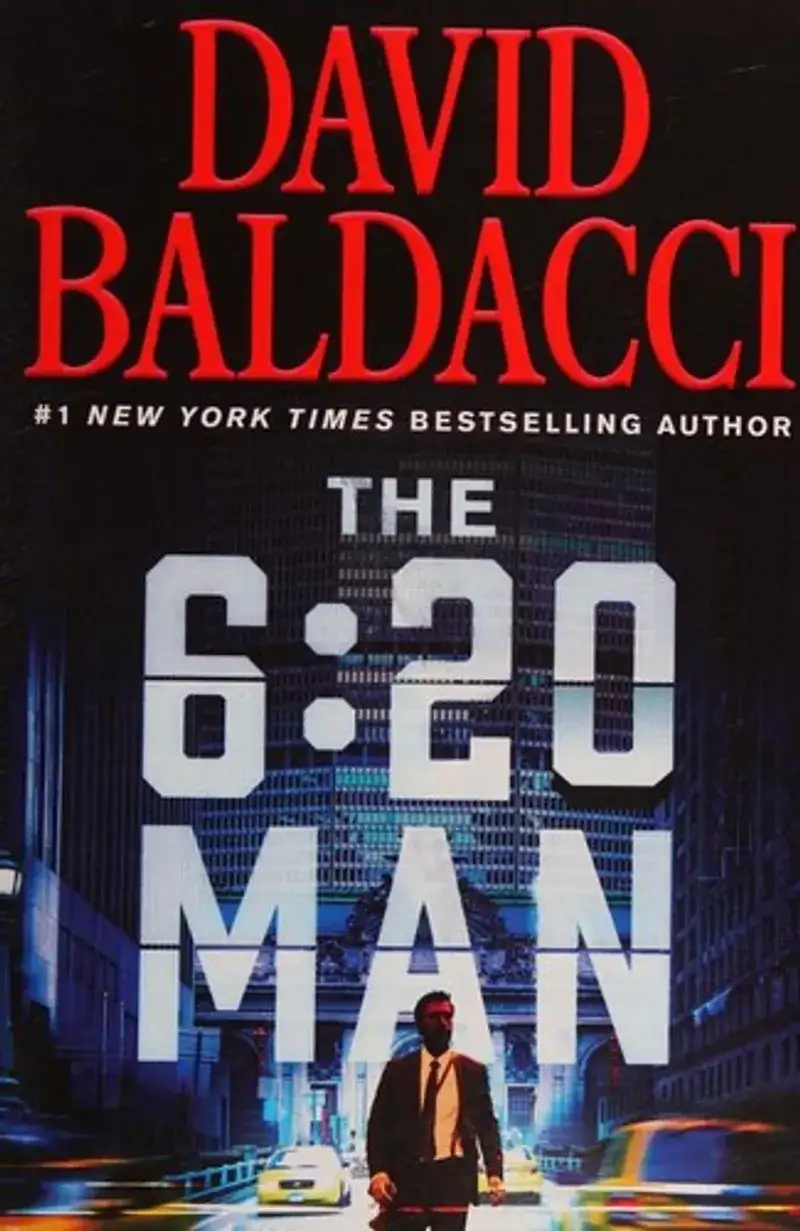
The 6:20 Man Author: David BaldacciPage Count: UnknownPublication Date: 2022-OL In the realm of thriller novels, few authors have managed to capture the essence of suspense and intrigue as masterfully as David Baldacci. His latest offering, "The 6:20 Man", is a gripping tale that delves into the darker corners of human nature, exploring the complexities of morality and the blurred lines between right and wrong. The story follows a former soldier, Travis Devine, who finds himself embroiled in a world of high-stakes finance and corruption. As he navigates this treacherous landscape, Devine must confront his own demons and make difficult choices that will test his character and challenge his very sense of self. Through Devine's journey, Baldacci expertly weaves a narrative that is both a scathing critique of the financial industry and a thought-provoking exploration of the human condition. One of the standout features of "The 6:20 Man" is Baldacci's masterful use of pacing. The author's writing is taut and economical, with a keen sense of rhythm that propels the reader forward at breakneck speed. The action is relentless, with twists and turns that will keep even the most seasoned thriller fan guessing until the very end. But what truly sets "The 6:20 Man" apart is its thought-provoking themes. Baldacci is not afraid to tackle the big questions, and his exploration of morality, loyalty, and the true cost of success is both nuanced and unsettling. Through Devine's struggles, the author raises important questions about the nature of right and wrong, and the difficult choices we must make in order to survive in a world that often seems determined to destroy us. Baldacci's writing style is, as always, impeccable. His prose is lean and mean, with a keen sense of observation that brings the world of high finance to vivid life. The characters are well-drawn and complex, with Devine being a particularly compelling protagonist. His struggles are deeply human, and his ultimate triumph is both satisfying and hard-won. If there is a criticism to be made, it is that the supporting cast is somewhat one-dimensional. The villains are cartoonishly evil, and the heroes are largely saintly. However, this is a minor quibble in what is otherwise a gripping and thought-provoking thriller. In conclusion, "The 6:20 Man" is a gripping and unputdownable thriller that will appeal to fans of David Baldacci and the genre as a whole. With its breakneck pacing, thought-provoking themes, and masterful writing, it is a must-read for anyone looking for a compelling and suspenseful tale. #The620Man #DavidBaldacci #ThrillerNovels #FinancialThriller #MoralityTales #SuspenseFiction Related InsightsJames and the Giant Peach Book Review and Summary A Canticle for Leibowitz Book Review and Summary Come Rain or Come Shine Book Review and Summary{ "@context": "https://schema.org", "@type": "FAQPage", "mainEntity": [ { "@type": "Question", "name": "What is the main focus of The 6:20 Man Book Review and Summary?", "acceptedAnswer": { "@type": "Answer", "text": "Everything you need to know about The 6:20 Man with our detailed review." } }, { "@type": "Question", "name": "Who authored the comprehensive guide on The 6:20 Man Book Review and Summary?", "acceptedAnswer": { "@type": "Answer", "text": "This detailed article and its insights were carefully researched and authored by Victoria Smith." } }, { "@type": "Question", "name": "Where can I find more related content about Books?", "acceptedAnswer": { "@type": "Answer", "text": "You can explore more articles, detailed reviews, and similar insights by browsing the Related Insights section at the bottom of this article or visiting our dedicated Books category page." } } ] }
Electric Idol Author: Katee RobertPage Count: UnknownPublication Year: 2022-GB Electric Idol by Katee Robert is a dark, seductive dive into the underbelly of fame, power, and the cost of adoration. Published in 2022, this novel quickly cemented itself as a global bestseller, not just for its gripping narrative but for its unflinching exploration of what happens when a person becomes an object of obsession. Robert, known for her bold reimaginings of myths and modern retellings, delivers here a tale that feels both timeless and urgently contemporary—a story about worship, manipulation, and the fine line between love and destruction. At its core, Electric Idol is a modern myth retold, blending elements of psychological thriller, romance, and social commentary. The story revolves around Talia, a young woman whose life changes forever when she becomes the face of a global phenomenon—a cult-like celebrity phenomenon that seems to have sprung from nowhere. She is adored, feared, and ultimately consumed by the machine of fame, which Robert portrays as a living, breathing entity. The novel asks: What does it mean to be worshipped? And at what point does adoration become a cage? Robert’s prose is sharp, electrifying, and laced with a kind of decadent darkness. She writes with a cinematic intensity, each scene crackling with tension and emotional weight. Her sentences are lean and precise, cutting to the emotional truth of every moment without unnecessary embellishment. This makes the book compulsively readable—you don’t just read Electric Idol, you experience it. The dialogue is snappy, often laced with biting wit or raw vulnerability, and the pacing never lags, even as the story delves into deeper themes of identity, power, and control. One of the most compelling aspects of the novel is its treatment of celebrity as a modern religion. Talia isn’t just a star; she’s a deity, her every move dissected, her every word immortalized. Robert explores how this kind of worship warps not just the public’s perception but the celebrity’s self-perception. Talia begins to question whether she is loved for who she is or for the persona she’s forced to maintain. It’s a chilling reflection on the commodification of identity in the age of social media, where authenticity is both currency and myth. The romance in the story is equally intense and fraught with danger. Robert doesn’t shy away from exploring the darker side of desire—the way power can be eroticized, how obsession can masquerade as devotion. The love interests in the novel are complex, morally ambiguous figures who challenge Talia’s understanding of herself and her place in the world. Their relationships are not just about attraction but about the push and pull of control, the way love can be both a sanctuary and a weapon. Robert’s world-building is another standout. The setting feels like a twisted reflection of our own celebrity-obsessed culture, with paparazzi, underground fan clubs, and a media ecosystem that thrives on drama and scandal. Yet she adds a layer of the surreal—almost supernatural—where fame itself begins to feel like a curse. The atmosphere is thick with paranoia and glamour, a world where every glance is a judgment, every whisper a potential threat. What makes Electric Idol so gripping is its refusal to offer easy answers. Is Talia a victim or a willing participant in her own myth? Are her admirers truly devoted, or are they just hungry for the next thrill? Robert leaves room for ambiguity, making the reader question their own complicity in the cult of celebrity. The novel doesn’t just critique fame—it implicates all of us who consume it. Katee Robert’s style is unmistakable in its boldness. She writes with a fearlessness that allows her to explore taboo subjects—power dynamics, the cost of ambition, the way love can be a form of control. Her characters are flawed, often morally gray, but always compelling. She doesn’t just tell a story; she crafts an experience that lingers long after the last page. Electric Idol is more than just a bestseller; it’s a cultural commentary disguised as a page-turner. It’s a book that will make you question how much you’ve bought into the idea of fame, how much you’ve sacrificed to be seen. And in a world where every moment can be captured and curated, that question feels more relevant than ever. #ElectricIdol #KateeRobert #DarkRomance #CelebrityCulture #PsychologicalThriller #ModernMyth Related InsightsDisturbing the Dead Book Review and Summary Onyx Storm Book Review and Summary Middlemarch Book Review and Summary{ "@context": "https://schema.org", "@type": "FAQPage", "mainEntity": [ { "@type": "Question", "name": "What is the main focus of Electric Idol Book Review and Summary?", "acceptedAnswer": { "@type": "Answer", "text": "Everything you need to know about Electric Idol with our detailed review." } }, { "@type": "Question", "name": "Who authored the comprehensive guide on Electric Idol Book Review and Summary?", "acceptedAnswer": { "@type": "Answer", "text": "This detailed article and its insights were carefully researched and authored by Victoria Smith." } }, { "@type": "Question", "name": "Where can I find more related content about Books?", "acceptedAnswer": { "@type": "Answer", "text": "You can explore more articles, detailed reviews, and similar insights by browsing the Related Insights section at the bottom of this article or visiting our dedicated Books category page." } } ] }
It Girl Author: Allison PatakiPage Count: UnknownPublication Date: 2026-PRH It Girl, the latest novel from Allison Pataki, is a mesmerizing exploration of identity, ambition, and the enduring power of women's voices. Released in 2026, this book marks a significant milestone in Pataki's career, showcasing her mastery of storytelling and character development. Although the page count remains unknown, one thing is clear: Pataki has woven a narrative that will captivate readers from start to finish. At the heart of It Girl lies a profound examination of the human experience, delving into themes that resonate deeply with contemporary audiences. Pataki's writing is a testament to her skill as a wordsmith, navigating complex emotions and relationships with the ease of a seasoned expert. Her characters are multidimensional and relatable, embodying the contradictions and nuances that make us human. Throughout the book, Pataki employs a lyrical prose that is both evocative and economical. Her descriptions are vivid and immersive, painting a picture of the world that is at once familiar and fresh. The author's use of language is deliberate and calculated, every word and phrase carefully chosen to convey the depths of her characters' inner lives. One of the most striking aspects of It Girl is its thoughtful exploration of the female experience. Pataki sheds light on the intricate web of relationships, desires, and societal expectations that shape women's lives. Her characters are strong and flawed, navigating the challenges of their worlds with courage, wit, and vulnerability. As they struggle to find their place in the world, they embody the contradictions and paradoxes that define modern womanhood. Pataki's writing is also notable for its nuance and subtlety. She approaches her themes with a thoughtful sensitivity, recognizing the complexity of human emotions and the fragility of relationships. Her characters are never reduced to simplistic archetypes or stereotypes; instead, they are fully realized individuals with their own distinct voices and perspectives. It Girl is a testament to Allison Pataki's growth as a writer and her ability to craft compelling narratives that resonate with readers. Her writing is a masterclass in subtlety and restraint, conveying the depths of human emotion through the simplest of gestures and words. As we delve into the world of It Girl, we are reminded of the power of storytelling to transform and uplift us, to challenge our assumptions and broaden our understanding of the world. In short, It Girl is a triumph, a novel that will linger in readers' minds long after they finish the final page. With its thoughtful exploration of identity, ambition, and the human experience, it is a must-read for anyone looking for a compelling and emotionally resonant story. Allison Pataki has outdone herself with this latest offering, cementing her position as one of the most exciting and innovative writers of our time. #ItGirl #AllisonPataki #WomenInLiterature #NewRelease #BookLovers #FeministFiction Related InsightsKing of Envy Book Review and Summary The Soul Mate Book Review and Summary Brideshead Revisited Book Review and Summary{ "@context": "https://schema.org", "@type": "FAQPage", "mainEntity": [ { "@type": "Question", "name": "What is the main focus of It Girl Book Review and Summary?", "acceptedAnswer": { "@type": "Answer", "text": "Everything you need to know about It Girl with our detailed review." } }, { "@type": "Question", "name": "Who authored the comprehensive guide on It Girl Book Review and Summary?", "acceptedAnswer": { "@type": "Answer", "text": "This detailed article and its insights were carefully researched and authored by Victoria Smith." } }, { "@type": "Question", "name": "Where can I find more related content about Books?", "acceptedAnswer": { "@type": "Answer", "text": "You can explore more articles, detailed reviews, and similar insights by browsing the Related Insights section at the bottom of this article or visiting our dedicated Books category page." } } ] }
El canto del cuco / The Cuckoo’s Calling Author: Robert GalbraithPage Count: UnknownPublication Date: 2021-PRH A Dark Symphony of London’s Underbelly: Robert Galbraith’s The Cuckoo’s Calling Robert Galbraith’s The Cuckoo’s Calling is more than just a detective novel—it’s a meticulously crafted dissection of wealth, grief, and the cracks beneath glamour’s gleaming surface. Published under the pseudonym J.K. Rowling (a revelation that sparked global fascination), this debut in the Cormoran Strike series is a masterclass in atmospheric storytelling, blending razor-sharp prose with the gritty realism of London’s high and low life. At its heart, the novel is a classic whodunit with a modern edge. The premise is deceptively simple: supermodel Lula Landry, known as "The Cuckoo" for her unpredictable nature, plummets to her death from her Mayfair balcony. The police call it suicide; her adopted brother, John Bristow, insists it was murder. Enter Cormoran Strike, a war-veteran-turned-private-investigator with a missing leg, a failing business, and a heart recently broken by his longtime girlfriend. Strike’s physical and emotional vulnerabilities make him an unlikely but compelling hero—one whose sheer determination and keen intellect drive the investigation forward. Galbraith’s genius lies in his ability to weave multiple layers of intrigue. The case isn’t just about uncovering a killer; it’s about peeling back the layers of Lula’s world—a world of paparazzi, designer drugs, toxic relationships, and the suffocating pressure of fame. Strike navigates this labyrinth with the patience of a surgeon, dissecting alibis, motives, and secrets with surgical precision. The supporting cast is a gallery of flawed, fascinating characters: the fiercely loyal flatmate, the manipulative best friend, the enigmatic ex-boyfriend, and the coterie of hangers-on who orbit wealth like moths to a flame. What sets The Cuckoo’s Calling apart is its unflinching portrayal of London itself. Galbraith doesn’t just describe the city—he immerses the reader in it. From the opulent drawing rooms of Mayfair to the dimly lit pubs of the East End, Strike’s investigation takes us through neighborhoods where poverty and privilege coexist in uneasy tension. The prose is rich with sensory detail, from the cloying scent of perfume in Lula’s bedroom to the damp chill of a London winter night. The city becomes a character in its own right, its mood shifting with Strike’s discoveries. Galbraith’s writing is both elegant and muscular. He balances sharp dialogue with introspective monologues, giving Strike a voice that’s both wry and deeply human. The detective’s dry humor—his dismissive take on celebrity culture, his deadpan observations about the absurdities of the rich—adds levity without undermining the novel’s darker themes. Meanwhile, the pacing is relentless. The mystery unfolds like a coiled spring, with revelations landing with the precision of a well-aimed bullet. Yet, for all its high-stakes drama, The Cuckoo’s Calling is also a deeply personal story. Strike’s own struggles—his prosthetic leg, his financial woes, his lingering heartbreak—ground the narrative in emotional realism. His relationship with Robin, his temporary secretary (and future partner in the series), crackles with tension and mutual respect, hinting at the complex dynamic that will define their future. Their chemistry is one of the novel’s greatest strengths, offering a counterpoint to the moral decay surrounding Lula’s death. Thematically, the book explores the illusion of perfection. Lula Landry was a woman who had everything—beauty, fame, wealth—but her life was a house of cards, held together by drugs, manipulation, and the desperate need to please. Strike, by contrast, is a man who has lost everything and is forced to confront his own vulnerabilities. The contrast between the two is stark and thought-provoking, asking whether happiness is even possible in a world where image is everything. Galbraith’s prose is also noteworthy for its authenticity. Having served in the military (as Strike did), the author brings a level of detail to Strike’s physical and psychological experiences that feels lived-in. The depiction of Afghanistan—its horrors and aftermath—is visceral without being gratuitous, grounding Strike’s character in a way that makes his present struggles more poignant. In the end, The Cuckoo’s Calling is a triumph of suspense and substance. It’s a novel that keeps you guessing, not just about who killed Lula, but about the kind of person who could commit such an act—and the systems that enabled it. It’s a story about the masks people wear, the lies they tell, and the truths they bury. And it’s a testament to Galbraith’s skill that by the final page, Strike and Robin feel like old friends, their next case already calling. If this is the beginning of a series, then readers are in for a treat. Because The Cuckoo’s Calling isn’t just a great mystery—it’s a great novel, full stop. #CormoranStrike #RobertGalbraith #TheCuckoosCalling #MysteryNovel #LondonNoir #CrimeFiction Related InsightsKurtulan Kizlar Book Review and Summary L'Odyssée de l'Âme : Plongée Abyssale dans la Comédie Divine de Dante Alighieri Interview with the Vampire Book Review and Summary{ "@context": "https://schema.org", "@type": "FAQPage", "mainEntity": [ { "@type": "Question", "name": "What is the main focus of El canto del cuco / The Cuckoo’s Calling Book Review and Summary?", "acceptedAnswer": { "@type": "Answer", "text": "Everything you need to know about El canto del cuco / The Cuckoo’s Calling with our detailed review." } }, { "@type": "Question", "name": "Who authored the comprehensive guide on El canto del cuco / The Cuckoo’s Calling Book Review and Summary?", "acceptedAnswer": { "@type": "Answer", "text": "This detailed article and its insights were carefully researched and authored by Victoria Smith." } }, { "@type": "Question", "name": "Where can I find more related content about Books?", "acceptedAnswer": { "@type": "Answer", "text": "You can explore more articles, detailed reviews, and similar insights by browsing the Related Insights section at the bottom of this article or visiting our dedicated Books category page." } } ] }
El padrino / The Godfather Author: Mario PuzoPage Count: UnknownPublication Date: 2023-PRH The Godfather: A Mafia Epic That Redefined Literature and Culture Mario Puzo’s The Godfather is more than just a novel—it is a cultural earthquake. First published in 1969, it shattered the boundaries of crime fiction by transforming the Mafia from a faceless menace into a tragic, almost noble dynasty. Puzo didn’t just write about gangsters; he crafted a saga of power, family, and the corrupting allure of the American Dream, all wrapped in the velvet glove of honor and the iron fist of vengeance. Over half a century later, the Corleone family remains the most indelible crime dynasty in fiction, and their story endures because it is, at its core, a deeply human drama. The genius of The Godfather lies in its ability to humanize its antagonists. Vito Corleone, the aging patriarch, is not a cartoon villain but a man of contradictions—a man who controls an empire of vice yet clings to a strict moral code. He is both a ruthless crime lord and a devoted father, a man who dispenses justice with a cold smile while insisting, "I’m a businessman. Blood is a big expense." Puzo’s genius is in making us understand, if not condone, the logic of his world. The Mafia, in his telling, is not just a criminal enterprise but a twisted reflection of traditional society, with its own rituals, hierarchies, and twisted sense of loyalty. Puzo’s prose is deceptively simple, yet it carries the weight of a Shakespearean tragedy. His dialogue crackles with tension—whether it’s Don Corleone’s measured words in his study or Michael’s brutal transformation from war hero to cold-blooded killer. The novel’s pacing is masterful: it unfolds like a slow-burning fuse, with moments of shocking violence erupting unexpectedly, leaving the reader breathless. The infamous restaurant scene, where Michael calmly assassinates Sollozzo and McCluskey, is one of the most chilling sequences in literature—not just for its brutality, but for the way it marks Michael’s irreversible descent into darkness. Yet The Godfather is not merely a story of crime; it is a story of family. The Corleones are bound by blood, tradition, and an unbreakable code, yet their love is as destructive as it is protective. Sonny’s explosive temper, Fredo’s tragic incompetence, Kay’s quiet resilience—each character embodies a different facet of the family’s soul. And then there is Michael, the reluctant heir, whose journey from reluctant outsider to ruthless don is one of the most compelling character arcs in modern literature. His famous line—"It’s not personal, it’s strictly business"—is both a justification and an indictment, capturing the cold efficiency of power. Puzo’s depiction of the Mafia as a parallel society is what makes The Godfather timeless. The Corleones operate outside the law, yet they adhere to their own rigid rules. They are outsiders in America, yet they embody its capitalist ethos—success through any means necessary. The novel’s exploration of power, corruption, and the cost of ambition resonates far beyond the world of organized crime. It asks whether morality is a luxury when survival is at stake, and whether a man can remain pure in a world that demands bloodshed. Perhaps what makes The Godfather immortal is its ambivalence. Puzo never glorifies the Mafia, yet he doesn’t entirely condemn it either. The Corleones are both monsters and men, and that duality is what lingers. The novel is a cautionary tale, but it’s also a seductive fantasy—a world where loyalty is rewarded, where power is earned through respect rather than democracy, and where a man’s word is his bond. Francis Ford Coppola’s film adaptation elevated Puzo’s work to mythic status, but the novel stands on its own as a literary achievement. Its influence is everywhere—in crime fiction, in cinema, even in the way we romanticize (or demonize) organized crime. Yet no adaptation, no imitation, has ever captured the raw, unfiltered power of Puzo’s original. The Godfather is not just a great crime novel; it is a great American novel, a dark mirror held up to society’s contradictions. For anyone who has ever wondered what it truly means to be a king—or what it costs to wear the crown—The Godfather remains essential reading. It is a story that haunts you, not just for its violence, but for its haunting truth: that power, no matter how corrupt, is still power, and that in its pursuit, we lose more than we gain. #TheGodfather #MarioPuzo #MafiaSaga #CrimeFiction #ClassicNovel #DarkLiterature Related InsightsZen and the Art of Motorcycle Maintenance: An Inquiry Into Values Book Review and Summary Heartstopper #1-3 Book Review and Summary Dreamland Book Review and Summary{ "@context": "https://schema.org", "@type": "FAQPage", "mainEntity": [ { "@type": "Question", "name": "What is the main focus of El padrino / The Godfather Book Review and Summary?", "acceptedAnswer": { "@type": "Answer", "text": "Everything you need to know about El padrino / The Godfather with our detailed review." } }, { "@type": "Question", "name": "Who authored the comprehensive guide on El padrino / The Godfather Book Review and Summary?", "acceptedAnswer": { "@type": "Answer", "text": "This detailed article and its insights were carefully researched and authored by Victoria Smith." } }, { "@type": "Question", "name": "Where can I find more related content about Books?", "acceptedAnswer": { "@type": "Answer", "text": "You can explore more articles, detailed reviews, and similar insights by browsing the Related Insights section at the bottom of this article or visiting our dedicated Books category page." } } ] }
The Mercy of Gods Author: James S. A. CoreyPage Count: UnknownPublication Year: 2024-GB James S. A. Corey’s The Mercy of Gods arrives like a supernova in the vast expanse of science fiction—a book that doesn’t just illuminate the darkness between stars but forces us to stare into the heart of what it means to rule, to rebel, and to be human when the universe itself seems indifferent. With the weight of a global bestseller behind it, this novel doesn’t merely entertain; it haunts, challenges, and ultimately redefines the boundaries of epic storytelling. At its core, The Mercy of Gods is a meditation on empire—not as a distant political construct, but as a living, breathing entity that breathes through its people. Corey, the nom de plume of the duo Daniel Abraham and Ty Franck, is no stranger to grand-scale sci-fi, having crafted the sprawling Expanse series with meticulous world-building and emotional depth. Here, they scale their ambition even further, envisioning a galaxy-spanning civilization where the concept of "mercy" is both a tool of control and a desperate plea for humanity. The story unfolds in a society where the ruling elite—descendants of an ancient, near-mythical lineage—govern with an iron fist veiled in religious dogma and brute force. The protagonist, a young woman named Elvi Okoye, is a scientist caught in the gears of this machine, her intellect both a weapon and a liability. Her journey is not just one of survival but of awakening: a quiet revolution against the idea that some lives are meant to be sacrifices for the greater glory of the state. What sets The Mercy of Gods apart is its refusal to glorify revolution. Corey doesn’t offer easy answers. The empire in these pages is not a cartoon villain; it is sophisticated, seductive, and terrifyingly efficient. The ruling class doesn’t just oppress—they civilize, they elevate, they make their subjects believe that their suffering is part of a grander design. This ambiguity is where the novel’s power lies. Elvi’s awakening is not the triumphant arc of a chosen one but the slow, painful realization that the system she once served is rotten to its core. Her rebellion is not about overthrowing a tyrant; it’s about dismantling an ideology that has convinced generations that tyranny is divine will. Corey’s prose is as precise as it is immersive. They balance technical detail with emotional resonance, ensuring that the science—whether it’s the mechanics of interstellar travel or the biology of alien life—feels tangible without overwhelming the narrative. The dialogue crackles with tension, each line serving a dual purpose: advancing the plot while revealing character. Elvi’s voice, in particular, is a triumph—intelligent yet vulnerable, cynical yet hopeful. The prose never pretends to be elegant for its own sake; it’s a tool, sharp and purposeful, cutting to the bone of its themes. The novel’s structure mirrors its themes: sprawling but not bloated, intimate but not insular. Corey weaves multiple perspectives with a deft hand, each character a cog in the machine, each perspective a shard of a broken mirror reflecting the empire’s cruelty and the flickers of resistance. The pacing is relentless, not in the sense of non-stop action, but in the way it drives the reader forward, demanding engagement with every page. There are no cheap thrills here—just the slow, inexorable tightening of a noose around the reader’s mind. At its heart, The Mercy of Gods is a story about the cost of empire and the quiet courage it takes to defy it. It asks whether mercy can exist in a universe built on suffering, and whether the gods of power will ever show their faces to the oppressed. Elvi’s struggle is not just against her rulers but against the idea that she might be complicit in her own oppression. Corey forces the reader to confront the same question: In a world where power is eternal, what does it mean to be merciful? This is not a book for those who seek simple escapism. It is for readers who crave stories that linger, that challenge, that refuse to let them look away from the darkness. The Mercy of Gods is a masterclass in sci-fi storytelling—ambitious, morally complex, and utterly unforgettable. #SciFiRevolution #SpaceOperaEpic #EmpireAndRebellion #JamesSCorey #SciFiThatMatters #TheExpanseUniverse Related InsightsThe Brothers Karamazov Book Review and Summary A Little Princess Book Review and Summary Hopeless Book Review and Summary{ "@context": "https://schema.org", "@type": "FAQPage", "mainEntity": [ { "@type": "Question", "name": "What is the main focus of The Mercy of Gods Book Review and Summary?", "acceptedAnswer": { "@type": "Answer", "text": "Everything you need to know about The Mercy of Gods with our detailed review." } }, { "@type": "Question", "name": "Who authored the comprehensive guide on The Mercy of Gods Book Review and Summary?", "acceptedAnswer": { "@type": "Answer", "text": "This detailed article and its insights were carefully researched and authored by Victoria Smith." } }, { "@type": "Question", "name": "Where can I find more related content about Books?", "acceptedAnswer": { "@type": "Answer", "text": "You can explore more articles, detailed reviews, and similar insights by browsing the Related Insights section at the bottom of this article or visiting our dedicated Books category page." } } ] }