Showing Posts From
Cuban cuisine
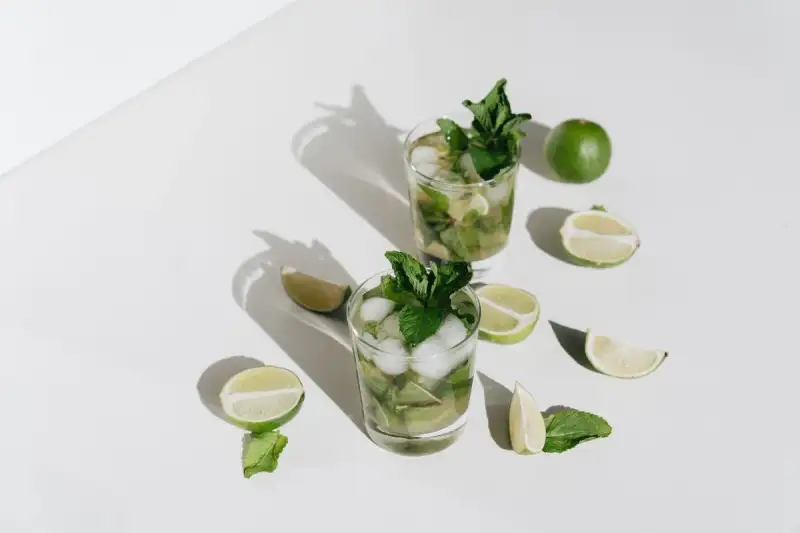
Few drinks capture the essence of the Caribbean like the Cuban Mojito. With its vibrant blend of rum, lime, mint, sugar, and soda water, this iconic cocktail is more than just a refreshing beverage—it’s a cultural artifact, a symbol of Cuban hospitality, and a testament to the island’s rich history. But where did the Mojito originate? How did it evolve from a simple medicinal tonic to a global phenomenon? And what makes the Cuban version so distinct from its variations around the world? The Mojito’s story is intertwined with the history of Cuba itself. Born in the bustling streets of Havana, this cocktail has weathered revolutions, economic embargoes, and the passage of time to become one of the most beloved drinks in the world. Its journey reflects the resilience and creativity of the Cuban people, who transformed humble ingredients into a drink that now graces bars from Miami to Tokyo. Whether sipped under the shade of a palm tree or enjoyed in a high-end cocktail lounge, the Mojito remains a timeless emblem of Caribbean culture. In this article, we’ll explore the fascinating history of the Cuban Mojito, from its indigenous roots to its modern-day variations. We’ll delve into the ingredients that define its character, uncover the secrets behind its preparation, and examine its global influence. By the end, you’ll not only appreciate the Mojito as a drink but also understand why it holds a special place in the heart of Cuban identity.The Indigenous Roots: How the Mojito’s Ancestors Shaped Cuban Culture The story of the Mojito begins long before the arrival of European colonizers in the Caribbean. Indigenous peoples, including the Taíno, who inhabited Cuba and other islands, had long used natural ingredients like mint, lime, and honey for both medicinal and culinary purposes. The Taíno word "mojo" referred to a concoction made from fermented cassava juice, which was often mixed with herbs and citrus to create a refreshing drink. This early form of a "mojito" was not a cocktail in the modern sense but rather a functional beverage designed to quench thirst and aid digestion in the tropical climate. When Spanish conquistadors arrived in Cuba in the 15th century, they encountered these indigenous practices and began to adapt them. The Spanish introduced sugarcane, which thrived in Cuba’s fertile soil, and distillation techniques that would later give rise to rum. The fusion of indigenous ingredients with European techniques laid the groundwork for what would eventually become the Cuban Mojito. By the 16th century, the island’s sugar plantations were booming, and rum production was becoming a cornerstone of Cuban economy. This agricultural revolution provided the raw materials—sugar, lime, and mint—that would define the Mojito. The drink’s evolution was also influenced by African traditions. Enslaved Africans brought to Cuba during the transatlantic slave trade brought their own culinary and medicinal knowledge, including the use of herbs and citrus in beverages. The combination of African, indigenous, and European influences created a uniquely Cuban identity, reflected in the Mojito’s ingredients and preparation. By the 18th century, the Mojito as we know it was beginning to take shape, though it would still undergo significant changes before achieving its modern form. Historical records from the colonial era suggest that early versions of the Mojito were consumed by laborers and soldiers for their energizing and hydrating properties. The drink was often prepared in large batches and shared among communities, reinforcing its role as a social lubricant. This communal aspect remains a defining feature of the Mojito, which is still enjoyed in gatherings across Cuba today.The Birth of the Modern Mojito: Havana’s Golden Age The late 19th and early 20th centuries marked Havana’s golden age, a period of cultural and economic prosperity that would cement the Mojito’s place in history. During this time, Cuba became a playground for the wealthy, attracting tourists from the United States and Europe who were drawn to the island’s vibrant nightlife, music, and, of course, its cocktails. The Mojito, with its refreshing blend of rum, lime, and mint, became a favorite among visitors and locals alike. One of the most famous figures associated with the Mojito’s rise to fame is the American writer Ernest Hemingway. Hemingway lived in Havana during the 1930s and 1940s, and he was a regular at the legendary bar La Bodeguita del Medio, often credited with popularizing the Mojito. While there’s some debate about whether Hemingway actually invented the drink (he famously claimed to have done so), his patronage certainly helped elevate the Mojito’s status. The bar’s walls are adorned with quotes from Hemingway and other celebrities, including a famous line that reads, "My mojito in La Bodeguita, my daiquiri in El Floridita." The Mojito’s popularity during this era was also tied to the rise of rum as Cuba’s national spirit. Cuban rum, produced by distilleries like Havana Club and Bacardí, was gaining international acclaim for its smooth, rich flavor. The combination of high-quality rum with fresh lime, mint, and sugar created a drink that was both sophisticated and accessible. Bartenders in Havana began experimenting with variations, adding ingredients like bitters or different types of rum to create unique twists on the classic recipe. By the 1950s, the Mojito had become a staple of Cuban nightlife, enjoyed in bars, restaurants, and private homes. The drink’s simplicity and versatility made it easy to prepare, and its refreshing taste made it a hit in the tropical climate. However, the Cuban Revolution in 1959 would bring significant changes to the country, including an economic embargo that would impact the production and export of Cuban rum and other goods. Despite these challenges, the Mojito endured, becoming a symbol of Cuban resilience and creativity.The Mojito’s Global Journey: From Cuba to the World The Mojito’s journey beyond Cuba’s shores began in earnest in the mid-20th century, as travelers and expatriates brought the drink to new audiences. By the 1960s and 1970s, the Mojito had gained popularity in the United States, particularly in cities with large Cuban communities, such as Miami and New York. Cuban-American bartenders played a key role in introducing the Mojito to American audiences, often adapting the recipe to suit local tastes. For example, some versions included additional fruits like strawberries or pineapple, while others used different types of rum to cater to regional preferences. The Mojito’s global expansion accelerated in the 1990s and 2000s, thanks in part to the rise of cocktail culture and the popularity of "tiki" and tropical-themed bars. The drink became a staple in resorts, cruise ships, and beachside bars, where its refreshing taste made it a favorite among tourists. International bartenders began experimenting with the Mojito, creating variations that incorporated local ingredients and flavors. In Japan, for example, some versions included yuzu or matcha, while in Europe, bartenders experimented with different types of mint and citrus. Despite its global popularity, the Cuban Mojito remained a point of pride for Cubans, who viewed it as a symbol of their national identity. The economic embargo imposed by the United States in 1960 made it difficult for Cuban rum to be exported to the U.S., but the embargo also fueled a sense of defiance and creativity among Cuban bartenders. They continued to refine the Mojito, ensuring that it remained true to its roots while adapting to changing tastes. Today, the Mojito is enjoyed in virtually every corner of the world, from high-end cocktail bars in London to beach shacks in Thailand. Its versatility and refreshing taste have made it a timeless classic, while its Cuban heritage ensures that it remains a cultural touchstone. The Mojito’s global journey is a testament to the power of cultural exchange and the enduring appeal of Cuban hospitality.The Art of the Cuban Mojito: Ingredients, Techniques, and Secrets At its core, the Cuban Mojito is a study in simplicity and balance. The drink’s magic lies in the harmony of its ingredients: white rum, fresh lime juice, sugar, mint, and soda water. Each component plays a crucial role in creating the Mojito’s signature taste and texture. Let’s break down the ingredients and techniques that define an authentic Cuban Mojito. The Essential IngredientsWhite Rum: The backbone of the Mojito, white rum is light, crisp, and slightly sweet, allowing the other flavors to shine. Cuban rums like Havana Club 3 Años or Bacardí Superior are traditional choices, though other light rums can be used in a pinch. Fresh Lime Juice: The tartness of fresh lime juice is essential for balancing the sweetness of the sugar and rum. Bottled lime juice lacks the brightness and complexity of fresh lime, so always use fresh if possible. Sugar: Traditional Cuban Mojitos use white granulated sugar, which dissolves easily and blends seamlessly with the other ingredients. Some variations use demerara or piloncillo (unrefined cane sugar) for a deeper flavor. Mint Leaves: Fresh mint is non-negotiable. The leaves should be muddled gently to release their oils without bruising them, which can make the drink bitter. Soda Water: A splash of soda water adds effervescence and lightens the drink, making it refreshing and easy to sip.👉 Continue Reading: Cuban Mojito: The Refreshing History of a Caribbean Classic (Part 2)#CubanHeritage #CocktailCulture #CaribbeanFlavors #RumLovers #TropicalVibes Related InsightsFul Medames: The Ancient Fava Bean Breakfast Portuguese Pastéis de Nata: The Custard Tart's Sweet History (Part 2) The Antioxidant Powerhouse: Quinoa Salad with Roasted Sweet Potatoes and Kale{ "@context": "https://schema.org", "@type": "FAQPage", "mainEntity": [ { "@type": "Question", "name": "What is the main focus of Cuban Mojito: The Refreshing History of a Caribbean Classic?", "acceptedAnswer": { "@type": "Answer", "text": "Discover the rich origins and cultural significance of the Cuban Mojito, a refreshing cocktail that embodies the spirit of the Caribbean." } }, { "@type": "Question", "name": "Who authored the comprehensive guide on Cuban Mojito: The Refreshing History of a Caribbean Classic?", "acceptedAnswer": { "@type": "Answer", "text": "This detailed article and its insights were carefully researched and authored by Isabella Rossi." } }, { "@type": "Question", "name": "Where can I find more related content about Food?", "acceptedAnswer": { "@type": "Answer", "text": "You can explore more articles, detailed reviews, and similar insights by browsing the Related Insights section at the bottom of this article or visiting our dedicated Food category page." } } ] }
-
 Isabella Rossi
 - 21 Jul, 2026 03:57
Cuban Mojito: The Refreshing History of a Caribbean Classic (Part 2)
This is Part 2 of the series. Read Part 1 here.The Step-by-Step TechniqueMuddle the Mint: In a sturdy glass (traditionally a highball or Collins glass), place 6-8 fresh mint leaves. Add 2 teaspoons of sugar and 1/2 ounce of lime juice. Gently muddle the mint with a muddler or the back of a spoon, pressing just enough to release the oils without crushing the leaves. Add Lime and Sugar: Pour in another 1/2 ounce of lime juice and 1 teaspoon of sugar. Stir to dissolve the sugar completely. Fill with Ice: Add crushed ice to the glass, filling it about halfway. Pour the Rum: Add 2 ounces of white rum to the glass. Top with Soda Water: Fill the glass with soda water, leaving a little room at the top for stirring. Garnish and Serve: Stir gently to combine the ingredients, then garnish with a sprig of mint and a lime wedge. Serve immediately with a straw.Common Mistakes to AvoidOver-muddling the Mint: This can release bitter compounds from the stems and make the drink unpleasantly grassy. Using Bottled Lime Juice: Fresh lime juice is essential for the bright, tangy flavor that defines a good Mojito. Skipping the Sugar: Sugar is not just for sweetness; it also helps to balance the acidity of the lime and the strength of the rum. Using the Wrong Rum: Dark or aged rums can overpower the drink, making it too heavy. Stick to white rum for authenticity.Variations and Modern Twists While the classic Cuban Mojito remains a favorite, modern bartenders have created countless variations. Some popular twists include:Strawberry Mojito: Fresh strawberries are muddled with the mint for a fruity, vibrant version. Pineapple Mojito: Pineapple juice or muddled pineapple adds a tropical sweetness. Coconut Mojito: Coconut water or cream of coconut gives the drink a creamy, tropical flavor. Spicy Mojito: A slice of jalapeño or a dash of hot sauce adds a kick for those who like heat.Despite these variations, purists argue that the Cuban Mojito should always stay true to its roots. The key is to maintain the balance of sweet, sour, and refreshing elements that make the drink so iconic.The Mojito’s Cultural Legacy: More Than Just a Drink The Cuban Mojito is more than just a cocktail—it’s a cultural icon that embodies the spirit of Cuba. From its indigenous roots to its modern-day global popularity, the Mojito has played a role in shaping Cuba’s identity and its relationship with the world. Let’s explore the deeper cultural significance of this beloved drink. A Symbol of Cuban Hospitality In Cuba, hospitality is a point of national pride. The Mojito, with its refreshing and communal nature, is a perfect embodiment of this ethos. It’s a drink meant to be shared, whether among family, friends, or even strangers in a bustling Havana bar. The act of preparing and serving a Mojito is often a social ritual, with bartenders taking pride in crafting the perfect drink for their guests. A Drink of Revolution and Resilience The Mojito’s history is intertwined with Cuba’s turbulent political landscape. During the Cuban Revolution in the 1950s and 1960s, the drink became a symbol of resistance and resilience. Despite the economic embargo and the challenges faced by the Cuban people, the Mojito endured as a reminder of the island’s rich cultural heritage. Even today, it serves as a point of pride for Cubans, who view it as a testament to their ability to thrive in the face of adversity. A Global Ambassador for Cuban Culture The Mojito’s journey from Cuba to the world has made it a global ambassador for Cuban culture. In cities like Miami, New York, and London, the Mojito is often one of the first Cuban drinks people encounter, serving as an introduction to the island’s vibrant music, dance, and cuisine. The drink’s popularity has also helped to promote Cuban rum, which is now enjoyed worldwide. A Drink of Celebration and Joy At its heart, the Mojito is a drink of celebration. Whether enjoyed at a family gathering, a beach party, or a night out on the town, it brings people together and creates moments of joy. Its refreshing taste and vibrant colors make it a favorite for celebrations, from weddings to New Year’s Eve parties. The Mojito in Popular Culture The Mojito’s cultural impact extends beyond Cuba’s shores. It has been featured in countless films, TV shows, and songs, further cementing its place in global pop culture. From James Bond sipping a Mojito in Die Another Day to countless references in music and literature, the drink has become a symbol of tropical escapism and carefree living.The Mojito’s Nutritional Profile: What’s Really in Your Glass? While the Mojito is undeniably delicious, it’s also worth considering its nutritional profile. Like many cocktails, the Mojito is a mix of sweet, sour, and alcoholic elements, which can have both positive and negative health implications. Let’s break down the macronutrients and calories in a classic Cuban Mojito, as well as some healthier alternatives. Nutritional Breakdown (Per Serving)Ingredient Amount Calories Carbohydrates (g) Sugar (g) Fat (g) Protein (g)White Rum (2 oz) 2 oz 140 0 0 0 0Fresh Lime Juice 1 oz 4 1.3 0.5 0 0.1Sugar 1 tsp 16 4.2 4.2 0 0Mint Leaves 6-8 leaves 2 0.4 0 0 0.1Soda Water 3 oz 0 0 0 0 0Total162 5.9 4.7 0 0.2Health ConsiderationsCalories: At around 162 calories per serving, the Mojito is a relatively low-calorie cocktail compared to others like margaritas or piña coladas. However, the sugar content (4.7 grams) can add up if multiple drinks are consumed. Alcohol Content: The Mojito typically contains about 15-20% alcohol by volume (ABV), depending on the rum used. This makes it a moderate-strength cocktail. Hydration: The soda water in the Mojito can help with hydration, especially in hot climates, but the alcohol content can have a dehydrating effect if consumed in excess. Antioxidants: Lime juice is rich in vitamin C and antioxidants, which can provide some health benefits. Mint also has anti-inflammatory properties.Healthier Alternatives For those looking to enjoy a Mojito without the excess sugar or calories, there are several healthier alternatives:Use a Sugar Substitute: Replace the sugar with a natural sweetener like stevia or monk fruit. Add More Lime: Increase the lime juice to enhance the tartness and reduce the need for sugar. Use Diet Soda Water: Opt for sugar-free soda water to cut down on calories. Infuse with Herbs: Add other herbs like basil or cilantro for additional flavor without extra sugar.While the Mojito may not be a health food, it’s a drink that can be enjoyed in moderation as part of a balanced lifestyle.Conclusion & Sign-off The Cuban Mojito is far more than just a refreshing cocktail—it’s a living testament to Cuba’s rich history, vibrant culture, and unyielding spirit. From its indigenous roots to its modern-day global fame, the Mojito has evolved alongside the island itself, adapting to changing times while remaining true to its core identity. Whether enjoyed in a bustling Havana bar, a tropical resort, or a backyard gathering, the Mojito brings people together, fostering connection and celebration. As we’ve explored, the Mojito’s story is one of fusion and resilience. It reflects the blending of indigenous, African, and European influences that define Cuban culture, as well as the island’s ability to thrive despite economic and political challenges. The drink’s simplicity and versatility have allowed it to transcend borders, becoming a global ambassador for Cuban hospitality and creativity. For those who love the Mojito, there’s always more to discover. Experiment with different rums, herbs, or fruits to create your own signature twist. Visit Cuba and experience the drink in its birthplace, where the air is thick with the scent of mint and the sound of salsa music. Or simply raise a glass at home, toasting to the timeless appeal of this Caribbean classic. So the next time you sip a Mojito, take a moment to appreciate the history in your glass. From the Taíno people who first mixed mint and lime to the bartenders of Havana who perfected the recipe, the Mojito is a drink with soul. And like all great stories, its tale is far from over. Cheers to the Cuban Mojito—the drink that captures the essence of the Caribbean in every sip!#CubanHeritage #CocktailCulture #CaribbeanFlavors #RumLovers #TropicalVibes Related InsightsHot, Tempting and Delicious Pad Thai: The World's Most Unique Noodles French Lentil Soup with Kale and Dijon: A High Protein Delight Mafe: The Rich Peanut Stew of West Africa{ "@context": "https://schema.org", "@type": "FAQPage", "mainEntity": [ { "@type": "Question", "name": "What is the main focus of Cuban Mojito: The Refreshing History of a Caribbean Classic (Part 2)?", "acceptedAnswer": { "@type": "Answer", "text": "Discover the rich origins and cultural significance of the Cuban Mojito, a refreshing cocktail that embodies the spirit of the Caribbean." } }, { "@type": "Question", "name": "Who authored the comprehensive guide on Cuban Mojito: The Refreshing History of a Caribbean Classic (Part 2)?", "acceptedAnswer": { "@type": "Answer", "text": "This detailed article and its insights were carefully researched and authored by Isabella Rossi." } }, { "@type": "Question", "name": "Where can I find more related content about Food?", "acceptedAnswer": { "@type": "Answer", "text": "You can explore more articles, detailed reviews, and similar insights by browsing the Related Insights section at the bottom of this article or visiting our dedicated Food category page." } } ] }