Cuban Mojito: The Refreshing History of a Caribbean Classic
-
 Isabella Rossi
 - 21 Jul, 2026 03:57
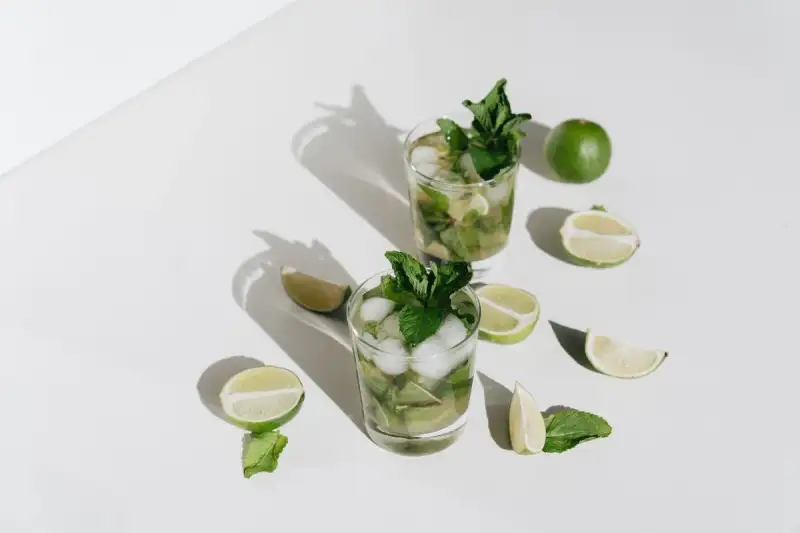
Few drinks capture the essence of the Caribbean like the Cuban Mojito. With its vibrant blend of rum, lime, mint, sugar, and soda water, this iconic cocktail is more than just a refreshing beverage—it’s a cultural artifact, a symbol of Cuban hospitality, and a testament to the island’s rich history. But where did the Mojito originate? How did it evolve from a simple medicinal tonic to a global phenomenon? And what makes the Cuban version so distinct from its variations around the world?
The Mojito’s story is intertwined with the history of Cuba itself. Born in the bustling streets of Havana, this cocktail has weathered revolutions, economic embargoes, and the passage of time to become one of the most beloved drinks in the world. Its journey reflects the resilience and creativity of the Cuban people, who transformed humble ingredients into a drink that now graces bars from Miami to Tokyo. Whether sipped under the shade of a palm tree or enjoyed in a high-end cocktail lounge, the Mojito remains a timeless emblem of Caribbean culture.
In this article, we’ll explore the fascinating history of the Cuban Mojito, from its indigenous roots to its modern-day variations. We’ll delve into the ingredients that define its character, uncover the secrets behind its preparation, and examine its global influence. By the end, you’ll not only appreciate the Mojito as a drink but also understand why it holds a special place in the heart of Cuban identity.
The Indigenous Roots: How the Mojito’s Ancestors Shaped Cuban Culture
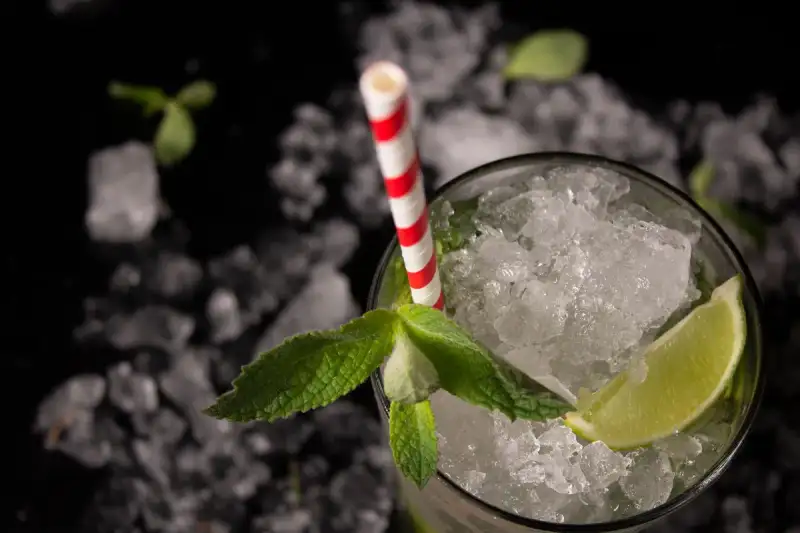
The story of the Mojito begins long before the arrival of European colonizers in the Caribbean. Indigenous peoples, including the Taíno, who inhabited Cuba and other islands, had long used natural ingredients like mint, lime, and honey for both medicinal and culinary purposes. The Taíno word “mojo” referred to a concoction made from fermented cassava juice, which was often mixed with herbs and citrus to create a refreshing drink. This early form of a “mojito” was not a cocktail in the modern sense but rather a functional beverage designed to quench thirst and aid digestion in the tropical climate.
When Spanish conquistadors arrived in Cuba in the 15th century, they encountered these indigenous practices and began to adapt them. The Spanish introduced sugarcane, which thrived in Cuba’s fertile soil, and distillation techniques that would later give rise to rum. The fusion of indigenous ingredients with European techniques laid the groundwork for what would eventually become the Cuban Mojito. By the 16th century, the island’s sugar plantations were booming, and rum production was becoming a cornerstone of Cuban economy. This agricultural revolution provided the raw materials—sugar, lime, and mint—that would define the Mojito.
The drink’s evolution was also influenced by African traditions. Enslaved Africans brought to Cuba during the transatlantic slave trade brought their own culinary and medicinal knowledge, including the use of herbs and citrus in beverages. The combination of African, indigenous, and European influences created a uniquely Cuban identity, reflected in the Mojito’s ingredients and preparation. By the 18th century, the Mojito as we know it was beginning to take shape, though it would still undergo significant changes before achieving its modern form.
Historical records from the colonial era suggest that early versions of the Mojito were consumed by laborers and soldiers for their energizing and hydrating properties. The drink was often prepared in large batches and shared among communities, reinforcing its role as a social lubricant. This communal aspect remains a defining feature of the Mojito, which is still enjoyed in gatherings across Cuba today.
The Birth of the Modern Mojito: Havana’s Golden Age
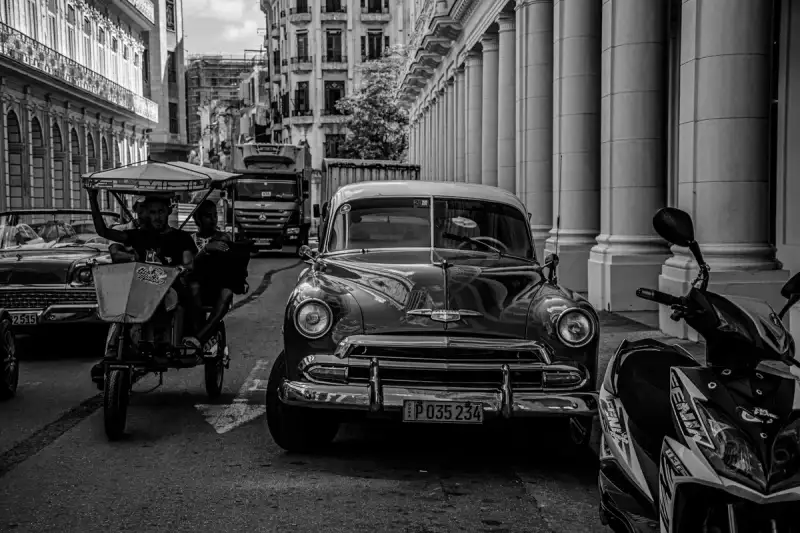
The late 19th and early 20th centuries marked Havana’s golden age, a period of cultural and economic prosperity that would cement the Mojito’s place in history. During this time, Cuba became a playground for the wealthy, attracting tourists from the United States and Europe who were drawn to the island’s vibrant nightlife, music, and, of course, its cocktails. The Mojito, with its refreshing blend of rum, lime, and mint, became a favorite among visitors and locals alike.
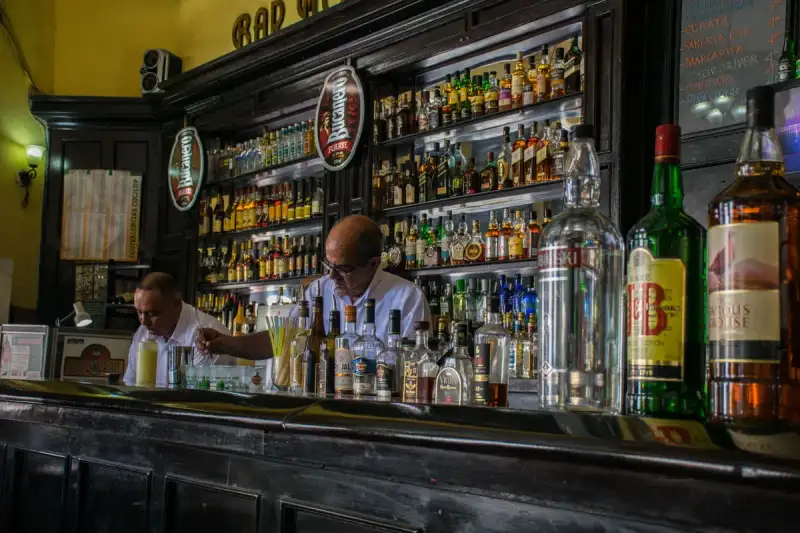
One of the most famous figures associated with the Mojito’s rise to fame is the American writer Ernest Hemingway. Hemingway lived in Havana during the 1930s and 1940s, and he was a regular at the legendary bar La Bodeguita del Medio, often credited with popularizing the Mojito. While there’s some debate about whether Hemingway actually invented the drink (he famously claimed to have done so), his patronage certainly helped elevate the Mojito’s status. The bar’s walls are adorned with quotes from Hemingway and other celebrities, including a famous line that reads, “My mojito in La Bodeguita, my daiquiri in El Floridita.”
The Mojito’s popularity during this era was also tied to the rise of rum as Cuba’s national spirit. Cuban rum, produced by distilleries like Havana Club and Bacardí, was gaining international acclaim for its smooth, rich flavor. The combination of high-quality rum with fresh lime, mint, and sugar created a drink that was both sophisticated and accessible. Bartenders in Havana began experimenting with variations, adding ingredients like bitters or different types of rum to create unique twists on the classic recipe.
By the 1950s, the Mojito had become a staple of Cuban nightlife, enjoyed in bars, restaurants, and private homes. The drink’s simplicity and versatility made it easy to prepare, and its refreshing taste made it a hit in the tropical climate. However, the Cuban Revolution in 1959 would bring significant changes to the country, including an economic embargo that would impact the production and export of Cuban rum and other goods. Despite these challenges, the Mojito endured, becoming a symbol of Cuban resilience and creativity.
The Mojito’s Global Journey: From Cuba to the World
The Mojito’s journey beyond Cuba’s shores began in earnest in the mid-20th century, as travelers and expatriates brought the drink to new audiences. By the 1960s and 1970s, the Mojito had gained popularity in the United States, particularly in cities with large Cuban communities, such as Miami and New York. Cuban-American bartenders played a key role in introducing the Mojito to American audiences, often adapting the recipe to suit local tastes. For example, some versions included additional fruits like strawberries or pineapple, while others used different types of rum to cater to regional preferences.
The Mojito’s global expansion accelerated in the 1990s and 2000s, thanks in part to the rise of cocktail culture and the popularity of “tiki” and tropical-themed bars. The drink became a staple in resorts, cruise ships, and beachside bars, where its refreshing taste made it a favorite among tourists. International bartenders began experimenting with the Mojito, creating variations that incorporated local ingredients and flavors. In Japan, for example, some versions included yuzu or matcha, while in Europe, bartenders experimented with different types of mint and citrus.
Despite its global popularity, the Cuban Mojito remained a point of pride for Cubans, who viewed it as a symbol of their national identity. The economic embargo imposed by the United States in 1960 made it difficult for Cuban rum to be exported to the U.S., but the embargo also fueled a sense of defiance and creativity among Cuban bartenders. They continued to refine the Mojito, ensuring that it remained true to its roots while adapting to changing tastes.
Today, the Mojito is enjoyed in virtually every corner of the world, from high-end cocktail bars in London to beach shacks in Thailand. Its versatility and refreshing taste have made it a timeless classic, while its Cuban heritage ensures that it remains a cultural touchstone. The Mojito’s global journey is a testament to the power of cultural exchange and the enduring appeal of Cuban hospitality.
The Art of the Cuban Mojito: Ingredients, Techniques, and Secrets
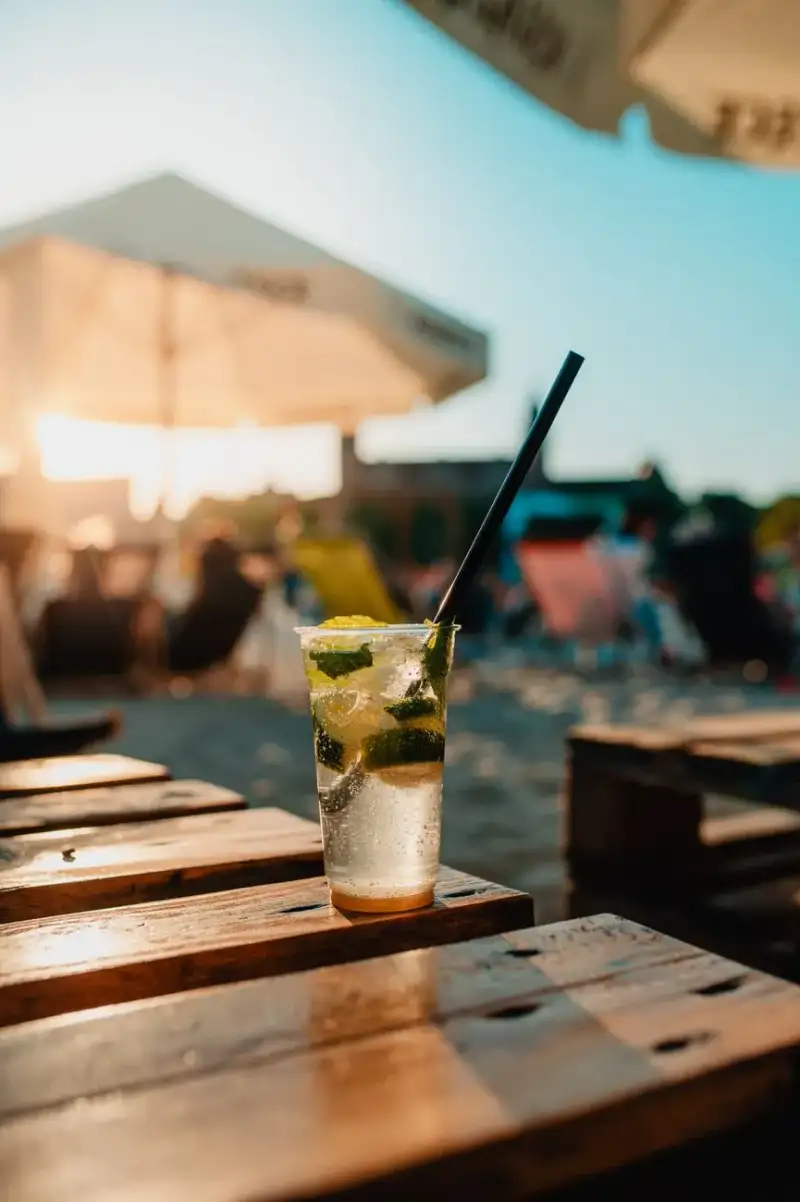
At its core, the Cuban Mojito is a study in simplicity and balance. The drink’s magic lies in the harmony of its ingredients: white rum, fresh lime juice, sugar, mint, and soda water. Each component plays a crucial role in creating the Mojito’s signature taste and texture. Let’s break down the ingredients and techniques that define an authentic Cuban Mojito.
The Essential Ingredients
- White Rum: The backbone of the Mojito, white rum is light, crisp, and slightly sweet, allowing the other flavors to shine. Cuban rums like Havana Club 3 Años or Bacardí Superior are traditional choices, though other light rums can be used in a pinch.
- Fresh Lime Juice: The tartness of fresh lime juice is essential for balancing the sweetness of the sugar and rum. Bottled lime juice lacks the brightness and complexity of fresh lime, so always use fresh if possible.
- Sugar: Traditional Cuban Mojitos use white granulated sugar, which dissolves easily and blends seamlessly with the other ingredients. Some variations use demerara or piloncillo (unrefined cane sugar) for a deeper flavor.
- Mint Leaves: Fresh mint is non-negotiable. The leaves should be muddled gently to release their oils without bruising them, which can make the drink bitter.
- Soda Water: A splash of soda water adds effervescence and lightens the drink, making it refreshing and easy to sip.
👉 Continue Reading: Cuban Mojito: The Refreshing History of a Caribbean Classic (Part 2)
#CubanHeritage #CocktailCulture #CaribbeanFlavors #RumLovers #TropicalVibes