Showing Posts From
Cultural heritage


Morning Light Over the High Pass The first sip of butter tea arrives before the sun kisses the snow‑capped ridges of the Himalaya. In villages perched above 3,500 meters, the day begins with a steaming bowl that fuels both body and spirit. Research on traditional socio‑cultural practices in Himalayan food systems for climate adaptation highlights how subsistence agriculture and food sovereignty shape every culinary decision, and butter tea sits at the heart of that adaptive strategy. The beverage is not merely a drink; it is a portable calorie reservoir, a source of essential fats, and a communal ritual that reinforces social bonds in an environment where isolation can be lethal. Families gather around a low wooden table, the clang of a metal churn echoing against stone walls. The preparation follows a rhythm passed down through generations: coarse brick tea is boiled for hours until it turns a deep amber, then strained into a wooden churn called a chaku. Yak butter, harvested from the high‑altitude herds that graze on alpine meadows, is added in generous chunks. A pinch of salt — often sourced from ancient salt lakes — completes the trio. The mixture is vigorously churned until a frothy emulsion forms, a process that can take ten to fifteen minutes of steady, rhythmic motion. This labor‑intensive method ensures the fat globules are finely dispersed, creating a stable, energy‑dense liquid that resists separation even in sub‑zero temperatures. The cultural significance extends beyond nutrition. In the symbolic framework explored in studies of yak butter tea in Tibet, the drink functions as a psychological anchor, representing hospitality, resilience, and the interdependence of humans and their livestock. Offering a bowl to a traveler is an act of trust; refusing it can be perceived as a breach of social contract. The tea ceremony also marks life events — births, marriages, and monastic ordinations — where the shared bowl becomes a conduit for collective memory. As climate pressures shift pasture availability, the continuity of this practice underscores a community’s capacity to negotiate food sovereignty while honoring ancestral knowledge. The Churning Rhythm of Yak Butter The churn itself is a marvel of low‑tech engineering, crafted from a single piece of seasoned cedar or juniper, its interior polished by years of butterfat. The handle, often wrapped in yak hide for grip, allows the operator to apply a steady torque without slipping, even when hands are numb from cold. The physics of emulsification is intuitive: the mechanical shear forces break the butter into micron‑sized droplets, which are then stabilized by phospholipids naturally present in the tea’s tannins. This creates a colloid that remains homogeneous for hours, a crucial attribute when the bowl must travel on a yak‑back caravan across wind‑scoured passes. In monastic kitchens, the churn takes on a meditative quality. Monks rotate the handle in sync with mantra recitation, turning the act of preparation into a moving prayer. The rhythmic sound — thwack, thwack, thwack — becomes a sonic backdrop for contemplation, linking the physical labor to spiritual discipline. Anthropologists note that this integration of work and worship exemplifies the symbolic psychology of the beverage: the tea is both sustenance and sacrament. The butter, a product of the yak that itself is revered as a manifestation of the mountain’s generosity, carries layers of meaning. Each churning session reaffirms the reciprocal relationship between people, animals, and the high‑altitude ecosystem. Modern adaptations have introduced electric blenders in some urban tea houses, yet purists argue that the mechanical shear of a hand‑churn yields a texture impossible to replicate. The difference is palpable: hand‑churned tea exhibits a silky mouthfeel with a lingering buttery finish, while machine‑blended versions can feel thin and overly aerated. This debate mirrors broader tensions in Himalayan food systems, where technological convenience clashes with the preservation of embodied knowledge. The churn, therefore, stands as a tangible symbol of cultural continuity, a tool that resists obsolescence because its operation encodes a worldview. Salt, Tea, and the Spirit of Hospitality Salt is the silent architect of flavor balance in butter tea. In the high valleys, rock salt is harvested from ancient evaporite deposits, its mineral profile enriched with trace elements like magnesium and potassium. A mere pinch — roughly two grams per liter — transforms the astringent tea base into a savory broth that replenishes electrolytes lost through respiration at altitude. The interplay of salt, fat, and tannin creates a flavor profile that is simultaneously bitter, salty, and umami, a combination that satisfies the heightened caloric and mineral demands of high‑altitude metabolism. Hospitality rituals revolve around the offering of this bowl. When a guest arrives, the host pours tea from a height, allowing the liquid to cascade into the cup, a gesture that aerates the brew and signals generosity. The guest receives the bowl with both hands, a sign of respect, and takes three sips before setting it down. This triad of sips mirrors the Buddhist concept of the Three Jewels — Buddha, Dharma, Sangha — embedding spiritual symbolism into a quotidian act. Refusing the tea, or drinking it too quickly, can be read as a lack of appreciation for the host’s labor and the yak’s sacrifice. The socio‑cultural meanings documented in recent scholarship emphasize that butter tea functions as a “social glue” in communities where formal institutions are sparse. It mediates negotiations, seals agreements, and provides a neutral ground for conflict resolution. In seasonal migrations, herders share a communal pot at high pastures, reinforcing collective identity against the backdrop of a changing climate. The tea’s preparation and consumption thus become a living archive of adaptive strategies, encoding knowledge about resource management, animal husbandry, and communal ethics in every frothy sip. Seasonal Shifts in the Mountain Kitchen The composition of butter tea subtly shifts with the seasons, reflecting the availability of ingredients and the physiological needs of the body. In the harsh winter months, the tea is richer: more butter, a heavier hand with salt, and sometimes a handful of roasted barley flour (tsampa) stirred in for extra calories. This “winter blend” can deliver upwards of 350 kilocalories per serving, a vital buffer against the metabolic cost of thermogenesis. Spring brings a lighter version — less butter, a splash of fresh yak milk, and occasionally a pinch of wild herbs like juniper or rhododendron for their antioxidant properties. Summer, when pastures are lush, sees the addition of fresh yak yogurt, lending a tangy probiotic boost that supports gut health during periods of increased physical activity. These seasonal variations are not arbitrary; they are calibrated to the rhythms of subsistence agriculture documented in climate‑adaptation research. The timing of butter production aligns with the yak’s lactation cycle, which peaks after the monsoon when forage is abundant. Salt procurement follows the caravan routes that open only when mountain passes clear of snow. The integration of wild herbs reflects an ethnobotanical knowledge base that has been orally transmitted for centuries. Each adjustment is a data point in a sophisticated, place‑based food system that balances nutrition, flavor, and ecological stewardship. Moreover, the seasonal tea serves as a barometer of environmental health. A decline in butter quality — signaled by a rancid odor or pale color — can indicate overgrazing or pasture degradation. Elders monitor these cues and adjust herd movements accordingly, embodying a feedback loop between diet and landscape management. This dynamic interplay underscores the concept of food sovereignty: communities retain control over their food pathways, making decisions rooted in long‑term ecological observation rather than external market forces. From Monastery to Market: Modern Echoes In the past two decades, butter tea has migrated from remote monastic kitchens to boutique cafés in Kathmandu, Lhasa, and even international cities like New York and London. Entrepreneurs package instant “butter tea mixes” that promise the authentic taste with a sachet of powdered tea, dehydrated butter, and salt. While these products expand access, they also raise questions about authenticity and the erosion of the communal choreography that defines the traditional experience. The symbolic weight of the churn, the shared bowl, and the spoken blessings cannot be compressed into a single‑serve packet. Academic work on the symbolic and socio‑cultural meanings of yak butter tea in Tibet warns that commodification can strip the beverage of its psychological anchoring function. When the ritual is reduced to a transaction, the reciprocal obligations — host to guest, herder to yak, community to ecosystem — risk dissolution. Yet, some innovators strive to preserve the essence by offering “experience kits” that include a miniature wooden churn, a measured portion of high‑altitude brick tea, and a guide to the traditional churning technique. These kits aim to educate consumers about the cultural context while providing a tactile connection to the practice. Policy makers and NGOs are beginning to recognize butter tea as a lever for sustainable development. By supporting yak herding cooperatives, protecting high‑altitude pastures, and promoting fair‑trade butter, they help maintain the supply chain that underpins the tradition. Simultaneously, culinary tourism programs invite visitors to participate in a morning churning session, fostering cross‑cultural appreciation and Related InsightsLa Symphonie des Saveurs : Une Odyssée Culinaire au Cœur de la France Éternelle Il Macco di Fave Secche: Un Viaggio Nel Cuore Pulsante e Dimenticato Della Gastronomia Siciliana Hannah Weber's Guide to Delicious and Healthy Sprouted Grain Bread with Avocado and Radish (Vegan){ "@context": "https://schema.org", "@type": "FAQPage", "mainEntity": [ { "@type": "Question", "name": "What is the main focus of Summit Sips: Unveiling the Soul of Himalayan Butter Tea?", "acceptedAnswer": { "@type": "Answer", "text": "Explore the centuries‑old ritual of yak butter tea, its cultural roots, and the precise steps that turn simple ingredients into a lifeline on the roof of the world." } }, { "@type": "Question", "name": "Who authored the comprehensive guide on Summit Sips: Unveiling the Soul of Himalayan Butter Tea?", "acceptedAnswer": { "@type": "Answer", "text": "This detailed article and its insights were carefully researched and authored by Isabella Rossi." } }, { "@type": "Question", "name": "Where can I find more related content about Food?", "acceptedAnswer": { "@type": "Answer", "text": "You can explore more articles, detailed reviews, and similar insights by browsing the Related Insights section at the bottom of this article or visiting our dedicated Food category page." } } ] }
-
 Lucas Martin
 - 15 Jul, 2026 09:00
The Invention That Shook the World: The Gutenberg Bible and the Dawn of the Printed Era
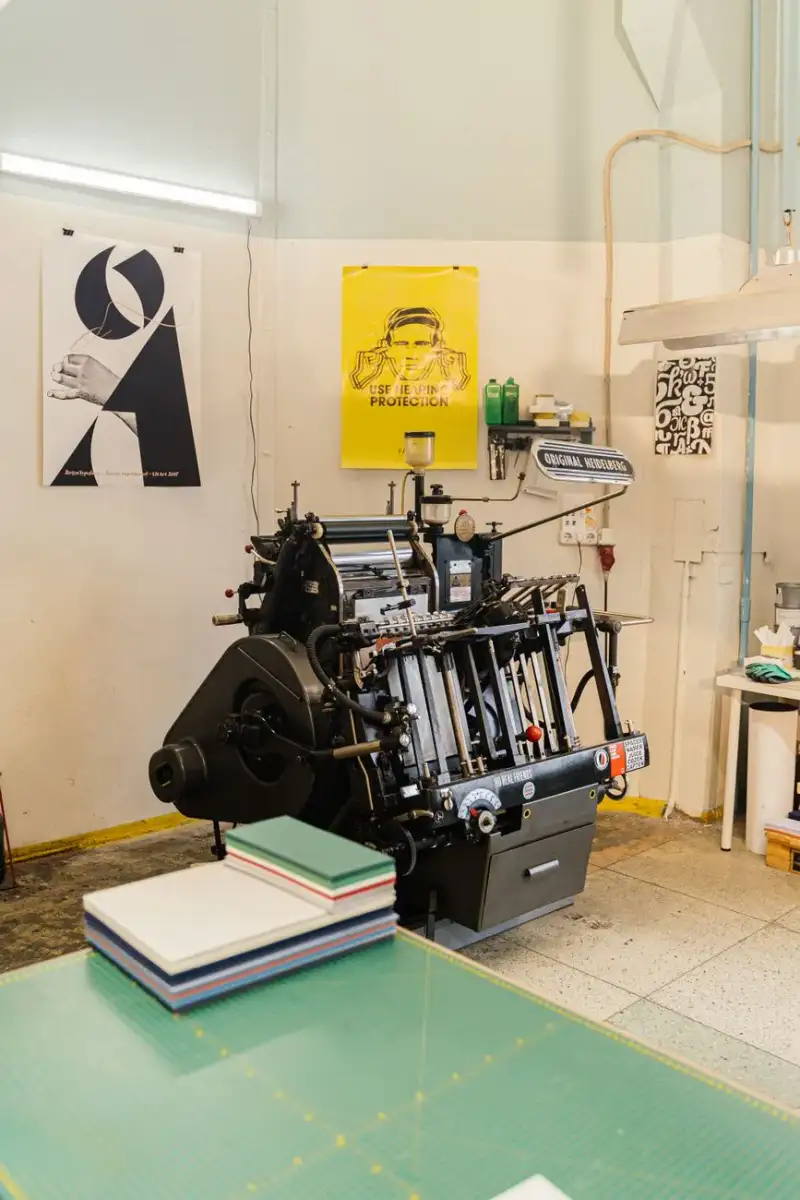
The Echo of Movable Type: When Gutenberg Made Silence Speak The history of humanity is punctuated by moments when a single invention is enough to redefine the course of civilizations. Among them, the invention of movable type printing by Johannes Gutenberg in the 15th century stands as a beacon, illuminating Europe with a new light. The Gutenberg Bible, or 42-line Bible, is not simply a book: it is the first printed monument of the modern era, a masterpiece where technical genius, artisanal rigor, and spiritual ambition intersect. Between 1452 and 1455, in the shadow of the Mainz workshops, an object was born that would forever transform the dissemination of knowledge, shake the foundations of the Church, and lay the groundwork for the Renaissance. But what does this tome of leather and paper contain, whose surviving copies are worth fortunes today? How did a simple Latin Bible become the symbol of a revolution? And above all, what mystery still surrounds these pages printed over five centuries ago, where every letter seems to whisper the future of a changing world?A Work of Books: Gutenberg's Genius and the Alchemy of Printing In a legal document written after the completion of his project, Johannes Gutenberg modestly evokes Das Werk der Bücher – "The Work of Books". However, behind this phrase lies a titanic undertaking, the result of years of research and colossal investments. Contrary to popular belief, Gutenberg did not immediately jump into printing the Bible. The first projects of his workshop, financed by loans and partnerships, were much more modest: papal indulgences, German poems, and especially editions of Aelius Donatus's Ars Grammatica, an essential Latin grammar manual in medieval schools. The idea of producing an entire Bible probably germinated around 1450, when Gutenberg perfected his system of metal movable type, a radical innovation. Unlike xylography (woodcuts) used until then, where each page had to be carved by hand, his characters made of a lead, tin, and antimony alloy could be reused infinitely. But the invention didn't stop there: to ensure clear and durable printing, Gutenberg developed an oil-based ink, much more resistant than the water-based inks used by copyists. This ink, rich in metallic particles (copper, lead), penetrated deeply into the paper, ensuring exceptional readability.What If Gutenberg Had Failed? A World Without Printing Imagine for a moment a world where printing had never seen the light of day. Without the Gutenberg Bible, the dissemination of texts would have depended on copyists, drastically limiting access to knowledge. Universities would have remained bastions reserved for an elite, and the Protestant Reformation might never have taken place. Science, too, would have progressed at a much slower pace due to the lack of massive dissemination of discoveries. Gutenberg didn't just invent a machine: he gave birth to a new form of power – that of information. And we are still the heirs to this power today, in the digital age.Conclusion: A Book That Changed History, and Continues to Speak to Us The Gutenberg Bible is not just a museum object. It is a symbol of human ingenuity, a bridge between the Middle Ages and modernity. In its pages, one can guess the anxiety of the copyists facing the end of an era, but also the excitement of the first readers discovering identical, perfect texts at their fingertips. Five centuries later, as we hold a book in our hands or scroll on a screen, we sometimes forget the miracle that each printed page represents. The Gutenberg Bible reminds us that behind every word, every letter, hides a story – that of men and women who dared to defy the limits of their time. So the next time you open a book, remember: it all started here, in the smoky workshop of Mainz, where a visionary goldsmith made silence speak.#HistoryOfTheBook #MedievalInnovation #GutenbergBible #AncientPrinting #CulturalHeritage #History #Books #Reading Related InsightsThe White Tiger Book Review and Summary The Lies of Locke Lamora Book Review and Summary The Match Book Review and Summary{ "@context": "https://schema.org", "@type": "FAQPage", "mainEntity": [ { "@type": "Question", "name": "What is the main focus of The Invention That Shook the World: The Gutenberg Bible and the Dawn of the Printed Era?", "acceptedAnswer": { "@type": "Answer", "text": "Discover how the Gutenberg Bible, the first mass-printed book in Europe, marked a turning point in cultural and religious history." } }, { "@type": "Question", "name": "Who authored the comprehensive guide on The Invention That Shook the World: The Gutenberg Bible and the Dawn of the Printed Era?", "acceptedAnswer": { "@type": "Answer", "text": "This detailed article and its insights were carefully researched and authored by Lucas Martin." } }, { "@type": "Question", "name": "Where can I find more related content about Books?", "acceptedAnswer": { "@type": "Answer", "text": "You can explore more articles, detailed reviews, and similar insights by browsing the Related Insights section at the bottom of this article or visiting our dedicated Books category page." } } ] }