Showing Posts From
Cultural tourism
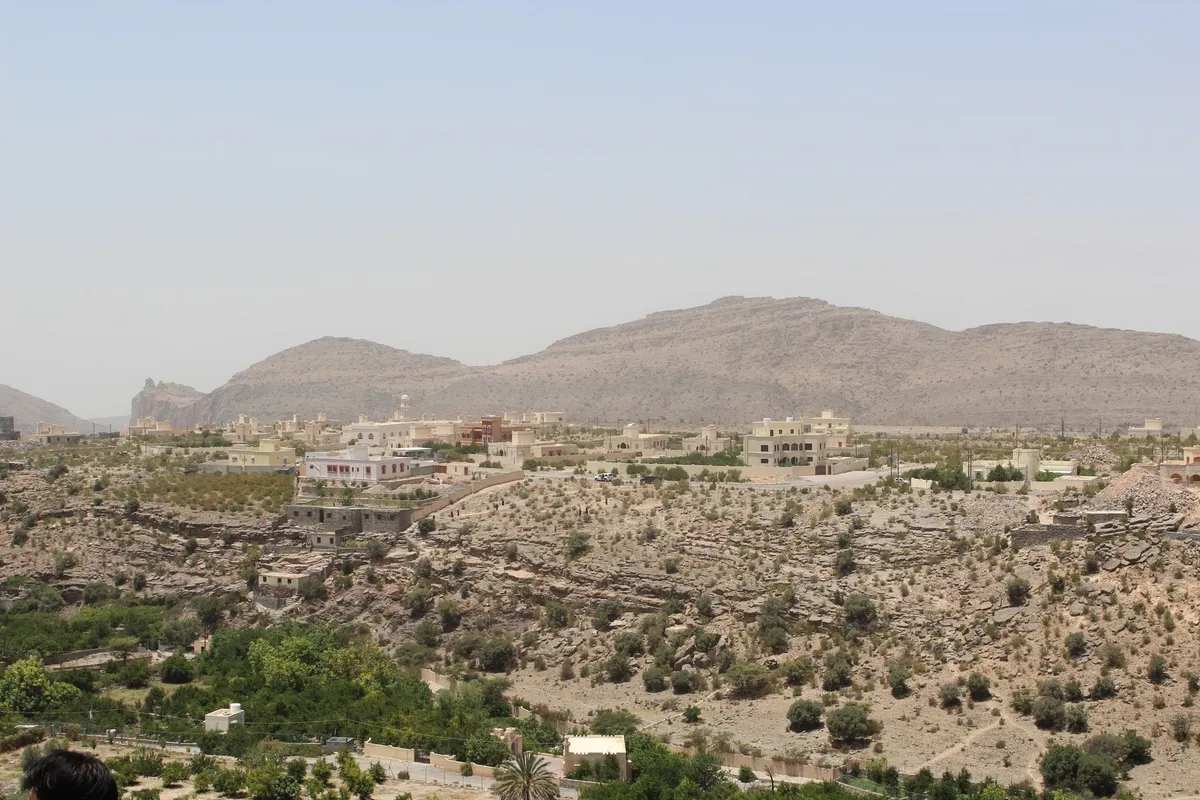

A Desert Rose Blooms – The Rise of Oman’s Tourist Flow The Arabian Peninsula’s jewel, Oman, has transformed its visitor numbers into a soaring arc. From 3.1 million guests in 2017 to 4.1 million in 2019, the nation’s tourism sector has become a cornerstone of the economy, a trajectory first forecast in a 2013 report that foresaw it becoming one of the country’s largest industries. Muscat, the capital, earned worldwide acclaim when Lonely Planet crowned it the best city to visit in 2012, and the same year it was named Capital of Arab Tourism. These accolades echo a strategic blend of natural splendor, cultural depth, and modern hospitality that draws explorers from every corner of the globe.Seamless Entry – Visa Essentials for the Global Traveller Oman welcomes visitors with a clear visa framework. Citizens of the Gulf Cooperation Council travel visa‑free, while 69 other nationalities can secure a 30‑day e‑visa online. The only prerequisite for all guests is a passport valid for at least six months. This streamlined process removes barriers, letting travelers focus on the adventure that awaits.Sun‑Kissed Shores – Beach Activities Along Oman’s Coast Stretching along the Arabian Sea, Oman’s coastline offers a playground for water lovers. Resort hotels dot the western and eastern fringes of Muscat, providing immediate access to a menu of activities:Sunbathing and swimming on pristine sands Kitesurfing, powered by a reliable daily sea breeze—popular spots include Muscat, Al Sawadi Beach, Alzaiba Beach, and Masirah Island Diving and snorkeling amid vibrant marine life Boating, water scooters, and surfing for the thrill‑seekers Beach combing, shell collecting, and fishing excursions for the contemplative explorerWhispering Dunes – Desert Safaris in the Sharqiya Sands Formerly known as Wahiba Sands, the Sharqiya Sands present a dramatic canvas of golden dunes. Visitors can embark on camelback rides or four‑wheel‑drive journeys that culminate in authentic desert experiences:Overnight stays in traditional Barsti huts Barbecues under a starlit sky Sandboarding and camel racing Visits to Bedouin communities, offering a glimpse into nomadic lifeThese safaris combine adrenaline with cultural immersion, showcasing the resilience and hospitality of Oman’s desert heritage.Hidden Underworlds – Caving Adventures in Limestone Mountains Oman’s rugged mountains harbor a labyrinth of limestone caves, many formed by centuries of sedimentary activity. The Ministry of Tourism unveiled a development plan in 2008 to showcase Majlis al Jinn, the world’s second‑largest cavern, as a show cave. The earlier success of Al Hoota Cave—drawing 75 000 visitors in its inaugural year—demonstrates the public’s appetite for subterranean wonder. For the adventurous, amateur‑friendly sites such as Muqal Cave in Wadi Bani Khalid and caves in Baydiah (Ash Sharqiyah) offer accessible exploration, while more demanding chambers require specialized equipment and expertise.Market Mazes – Souqs That Pulse With Omani Craft Every Omani town boasts a souq, but the Ruwi and Muttrah markets in Muscat stand out as bustling hubs of tradition. Stalls overflow with silver and gold artefacts, hand‑woven textiles, and other handcrafted treasures. These markets serve not only as shopping destinations but also as living museums of Omani artisanal skill.Stone Sentinels – Forts Guarding History Nearly every Omani settlement is crowned by a fort, many erected or expanded during the Al‑Yarubi dynasty (1624‑1744). Designed as refuges, these fortifications feature water wells, food stores, and secret tunnels extending kilometers beyond their walls. In peace, they have functioned as administrative centers, schools, and community spaces, embodying a seamless blend of defense and daily life.UNESCO Treasures – World Heritage Sites That Define Oman Four cultural sites in Oman have earned UNESCO recognition, each narrating a distinct chapter of the nation’s past:Bahla Fort – The stronghold of the Nabhani dynasty, a medieval power that prospered across the Arabian Peninsula. Archaeological Sites of Bat, Al‑Khutm, and Al‑Ayn – Settlements and necropolises dating to the 3rd millennium BCE, with Bat’s necropolis illustrating early Bronze Age funeral customs. Land of Frankincense – A network of ancient ports (Khor Rori, Al‑Baleed) and caravan oases (Shisr, Wadi Dawkah) that once fueled a global luxury trade in fragrant resin. Falaj Irrigation Systems – Five ingeniously engineered water‑distribution networks, inscribed in 2006, that harness gravity to sustain Omani agriculture since at least 500 CE.These sites weave together commerce, spirituality, and engineering, offering travelers a tangible link to millennia of human ingenuity.Festive Rhythms – Cultural Events That Light Up the Calendar Oman’s cultural calendar is a vibrant tapestry of festivals and performances:Muscat Festival (January–February) – International exhibits paired with displays of traditional Omani lifestyle, art, and circus street theatre. Salalah Festival (July–August) – A family‑focused celebration in the cooler southern region, showcasing cultural, traditional, and modern artistic shows. Cultural Theatre Program (December–March) – Staged at historic venues such as Al Flayj Castle and Al Morooj theatres, featuring global groups in a series of evening performances.These events invite visitors to engage directly with Omani heritage, from music and dance to craft and cuisine.Racing the Horizon – Sporting and Adventure Events Oman’s love of speed and stamina is evident in a suite of high‑profile competitions:Horse and Camel Racing (September–June) – Races at Seeb’s royal stables and across Al Kamil/Al Wafi, with long‑distance camel sprints on public holidays and National Day. Dubai–Muscat Offshore Sailing Race (January) – A grueling regatta that navigates the Straits of Hormuz before docking at Bandar Al‑Rawdah Marina. Sinbad Classic (April) – An international deep‑sea fishing contest serving as an IGFA World Championships qualifier. Oman Adventure (November) – A five‑day endurance challenge pairing a runner and a cyclist, demanding self‑sufficient planning for food, water, and gear. Oman International Rally (March) – A cornerstone of the Middle East Rally Championship. Bidiyah Challenge (February) – A daring dune‑scale race in Bidiya, Sharqiyah Region. Tour of Oman (since 2010) – A professional road‑cycling stage race on the UCI Asia Tour, designed to promote cycling, showcase Oman’s scenery, and stimulate trade.These events draw athletes and spectators worldwide, reinforcing Oman’s reputation as an adventure destination.Crafting Your Oman Itinerary – Practical TipsVisa Planning – Secure an e‑visa if you’re among the 69 eligible nations; ensure your passport’s six‑month validity. Seasonal Choices – The Salalah Festival offers cooler weather in July–August, while the Muscat Festival shines in winter months. Activity Pairing – Combine a desert safari in Sharqiya Sands with a night at a Barsti hut, then head to the coast for kitesurfing at Al Sawadi. Cultural Respect – Visit souqs early to avoid crowds, and dress modestly when exploring forts and museums.The Road Ahead – Why Oman Remains a Must‑Visit Oman’s tourism story is one of purposeful growth anchored in authentic experiences. From the rhythmic chants of camel races to the silent awe of Majlis al Jinn, the country offers a spectrum of attractions that satisfy both the casual traveler and the intrepid explorer. Its strategic visa policies, diverse natural playgrounds, and UNESCO‑listed heritage sites position Oman as a destination that not only welcomes visitors but invites them to become part of its living narrative. As the numbers rise and global recognition expands, Oman stands ready to share its sands, seas, and stories with the world—one unforgettable journey at a time.#Travel #Oman #Adventure #CulturalHeritage #Explore Related Insights>- Damned If I Do Book Review and Summary Counting Down to You Book Review and Summary
-
 Zola Ndlovu
 - 04 Oct, 2026 21:51
Mud‑Brick Horizons: Documenting the Architectural Soul of Djenné and Timbuktu
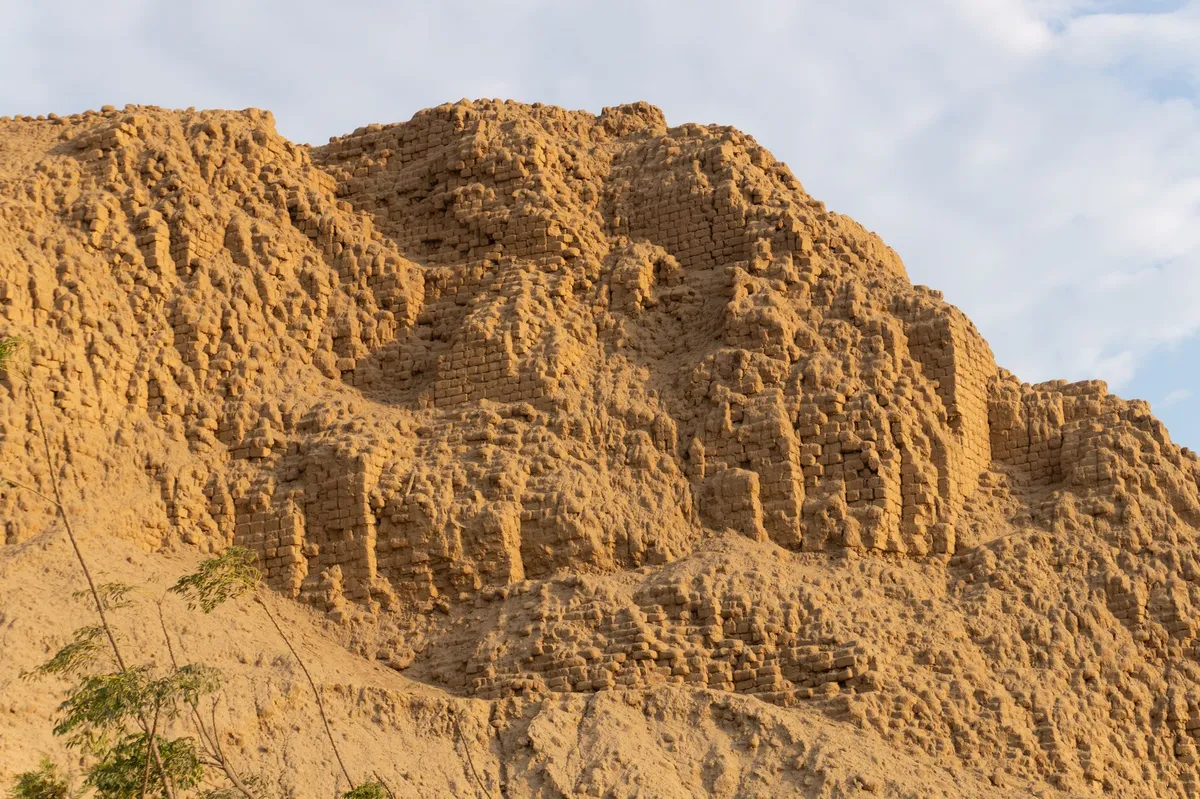
Foundations of Earth: The Mud‑Brick Mastery of Djenné Djenné rises from the floodplain of the Bani River like a mirage sculpted from sun‑baked clay. Its crown jewel, the Great Mosque, is the largest mud‑brick structure on the planet and a living testament to the Sudano‑Sahelian building tradition that has endured for over a millennium. Each year, after the rainy season, the community gathers for the Crepissage – a collective re‑plastering ritual where men, women, and children smear fresh banco (a mixture of mud, rice husks, and water) onto the mosque’s façade. This ceremony is not merely maintenance; it is a social contract that binds generations to the same earth that formed their ancestors’ homes. The architecture here follows a strict grammar: thick load‑bearing walls, tapered buttresses, and protruding toron (palm‑wood beams) that serve both as scaffolding for future repairs and as decorative rhythm across the façade. Roofs are flat, accessed by internal staircases, and often crowned with conical pinnacles that channel the rare but intense Sahelian rains away from the vulnerable mud. Inside, the prayer hall spans 75 metres by 30 metres, supported by a forest of 90 massive columns, each carved from a single trunk of Borassus aethiopum palm. The acoustic quality is remarkable – a whisper at the mihrab can be heard at the far end, a design feature that predates modern sound engineering by centuries. Beyond the mosque, the old town’s labyrinthine alleys reveal a domestic architecture that mirrors the public monuments. Courtyard houses, known locally as gueltas, are organized around a central open space that provides ventilation, light, and a private sanctuary from the scorching sun. Walls are typically 60–80 centimetres thick, offering thermal mass that keeps interiors cool by day and warm by night. Decorative motifs – geometric patterns, stylized lizards, and Quranic calligraphy – are incised into the wet plaster before it hardens, turning each façade into a page of communal memory. Visitors who wish to document this heritage should arrive early, when the low sun casts long shadows that accentuate the texture of the banco. A wide‑angle lens captures the mosque’s monumental scale, while a macro setting reveals the fingerprints of the artisans embedded in the plaster. Permission to photograph the interior during prayer times is granted only through the local Imam and the Association pour la Sauvegarde de Djenné; a respectful request, accompanied by a modest donation to the mosque’s maintenance fund, opens doors that remain closed to casual tourists. Timeless Scholars: Walking the Sandy Streets of Timbuktu Three hundred kilometres north‑west, Timbuktu sits on the southern fringe of the Sahara, its name synonymous with the quest for knowledge. The city’s three historic mosques – Sankore, Djinguereber, and Sidi Yahya – form a triangular nucleus of Islamic scholarship that once attracted students from Andalusia to the Swahili coast. Unlike Djenné’s monolithic mosque, Timbuktu’s sanctuaries are modest in scale but rich in intellectual legacy. Their walls, built from the same banco technique, hide libraries that once housed hundreds of thousands of manuscripts covering astronomy, law, medicine, and poetry. The Djinguereber Mosque, commissioned by Mansa Musa in 1327, showcases a distinctive sudano‑sahelian silhouette: a series of tiered minarets topped with ostrich‑egg finials, a motif that signals both spiritual aspiration and practical ventilation. Inside, the prayer hall is supported by rows of slender columns made from Acacia trunks, their surfaces smoothed by centuries of hands. The Sankore Mosque, originally a madrasa, features a courtyard lined with riwaqs (arcades) where scholars once debated theology under the shade of date palms. The Sidi Yahya Mosque, the smallest of the trio, is famed for its sealed door – a legend claims it will only open on the Day of Judgment. Walking the sand‑covered streets today, one encounters a city that has survived invasions, droughts, and the 2012‑2013 occupation that threatened its manuscript collections. Thanks to the Timbuktu Manuscripts Project and the UNESCO Emergency Safeguarding Programme, over 300,000 codices have been digitized, relocated, or restored. Local custodians, many of whom are descendants of the original ulama families, now guide visitors through climate‑controlled vaults where the fragile folios rest under low‑light LED panels. For the architectural documentarian, Timbuktu offers a study in adaptation. The mosques have been repeatedly repaired using locally sourced banco, yet each restoration respects the original qibla orientation and the spatial hierarchy established centuries ago. The toron beams protruding from the façades serve as permanent scaffolding, a design foresight that eliminates the need for external steel structures. Photographers should note the interplay of light through the mashrabiya‑style wooden screens – these lattice windows filter the harsh midday glare while allowing airflow, a passive cooling strategy that modern green architects are only now rediscovering. Navigating the Sahel: Logistics, Visas, and Real‑World Costs Reaching the twin jewels of Mali’s mud‑brick heritage demands careful planning. International flights land in Bamako, the capital, where most travelers secure a visa on arrival (valid for 30 days) or obtain an e‑visa through the Malian diplomatic portal before departure. A yellow‑fever vaccination certificate is mandatory, and the World Health Organization recommends prophylaxis for malaria, meningitis, and cholera. From Bamako, the journey to Djenné unfolds over a 12‑hour road trip (≈ 650 km) on the RN6, a paved highway that deteriorates into laterite tracks after Mopti. Shared bush taxis (minibuses) run daily, but a private 4×4 with a knowledgeable driver reduces travel time to nine hours and allows stops at the Mopti Grand Marché for supplies. The final leg to Timbuktu is either a 14‑hour overland trek via the RN15 (often impassable in the rainy season) or a 1‑hour charter flight from Mopti on a small turboprop operated by Air Mali or Sky Mali. Charter costs fluctuate; a round‑trip for four passengers typically ranges between US $1,200 and $1,800, depending on fuel surcharges. Accommodation options are modest but authentic. In Djenné, the Hotel Djenné and Auberge du Fleuve offer rooms with courtyard views for US $30–$45 per night, including breakfast. Timbuktu’s Hotel Azalaï and Campement de l’Amitié provide similar rates, though electricity can be intermittent; most lodges run on solar arrays backed by generators. Meals centered on tô (millet porridge), riz au gras, and grilled fish from the Niger River cost US $5–$10 per serving. According to Numbeo, Bamako’s cost‑of‑living index sits in the lower‑mid range for West African capitals, with a safety index reflecting the typical Sahelian environment – travelers should exercise standard precautions, avoid night travel outside major towns, and register with their embassy. Local guides, essential for navigating restricted manuscript sites and for cultural etiquette, charge US $50–$80 per day, inclusive of transport within the city. A concise budget for a seven‑day, two‑city itinerary (including flights, visas, ground transport, lodging, meals, guide fees, and a contingency) is presented below. Item Unit Cost (USD) Quantity Subtotal (USD)International flight (round‑trip) 1,200 1 1,200Visa (on arrival) 50 1 50Yellow‑fever certificate 30 1 30Bamako‑Djenné 4×4 (round‑trip) 350 1 350Mopti‑Timbuktu charter (round‑trip) 1,500 1 1,500Accommodation (7 nights) 40 7 280Meals (3 per day) 8 21 168Local guide (7 days) 65 7 455Manuscript site permits 20 3 60Contingency (10 %) — — 410Total Approx.4,603Seasonal Rhythms: When the Desert Breathes Life into Architecture The Sahel’s climate dictates every aspect of mud‑brick preservation and visitor experience. The harmattan (November–February) brings dry, dusty winds that strip moisture from the banco, causing surface cracking if not regularly re‑plastered. Conversely, the rainy season (June–September) delivers torrential downpours that can erode unprotected walls within hours. The optimal window for architectural documentation is the shoulder months of March–May and October–November, when temperatures hover between 28 °C and 35 °C, humidity is moderate, and the light is soft enough to reveal surface relief without harsh shadows. During the Crepissage in late April, Djenné’s entire population participates in a week‑long re‑plastering festival. This event offers a rare chance to witness the living tradition in action: scaffolding made from toron poles is erected, buckets of fresh banco are passed hand‑to‑hand, and chants in Bamanankan accompany the work. Photographers gain access to the mosque’s roof, normally off‑limits, and can capture the communal rhythm that has sustained the structure for centuries. In Timbuktu, the Festival au Désert (usually held in January) transforms the dunes surrounding the city into a stage for Tuareg music, poetry, and camel races. While the festival draws international crowds, it also strains local infrastructure; early booking of lodging and guides is essential. The cooler evenings provide ideal conditions for night‑time architectural photography – the mosques’ silhouettes against a star‑filled sky create a visual narrative that bridges ancient scholarship and contemporary cultural revival. Travelers should monitor the Mali Meteorological Agency alerts and the UN Office for the Coordination of Humanitarian Affairs (OCHA) security bulletins, as seasonal flooding can render the RN6 and RN15 impassable. Flexible itineraries, with buffer days built into the schedule, mitigate the risk of being stranded. Carrying a satellite messenger (e.g., Garmin inReach) ensures communication in areas where mobile coverage is non‑existent. Preserving the Past: Community Stewardship and Sustainable Tourism The longevity of Djenné and Timbuktu’s mud‑brick heritage rests on a delicate balance between conservation science and living culture. UNESCO’s World Heritage Committee mandates that any intervention respect the authenticity of materials, techniques, and social functions. In practice, this means that repairs must use locally sourced banco, traditional toron scaffolding, and the same hand‑troweling methods passed down through koranic apprenticeship systems. Modern cement, waterproof coatings Related InsightsWhispers of the Altai: Tracing Mongolia's Last Nomadic Trails – Part Two The Azores: Europe’s Hidden Paradise Where Wild Volcanoes Meet Turquoise Oceans (Part 2) Palacio de la Aljafería: Joya de Zaragoza{ "@context": "https://schema.org", "@type": "FAQPage", "mainEntity": [ { "@type": "Question", "name": "What is the main focus of Mud‑Brick Horizons: Documenting the Architectural Soul of Djenné and Timbuktu?", "acceptedAnswer": { "@type": "Answer", "text": "Explore the UNESCO‑listed mud‑brick heritage of Mali’s legendary cities, with practical logistics, seasonal insights, and community‑driven preservation." } }, { "@type": "Question", "name": "Who authored the comprehensive guide on Mud‑Brick Horizons: Documenting the Architectural Soul of Djenné and Timbuktu?", "acceptedAnswer": { "@type": "Answer", "text": "This detailed article and its insights were carefully researched and authored by Zola Ndlovu." } }, { "@type": "Question", "name": "Where can I find more related content about Travel?", "acceptedAnswer": { "@type": "Answer", "text": "You can explore more articles, detailed reviews, and similar insights by browsing the Related Insights section at the bottom of this article or visiting our dedicated Travel category page." } } ] }
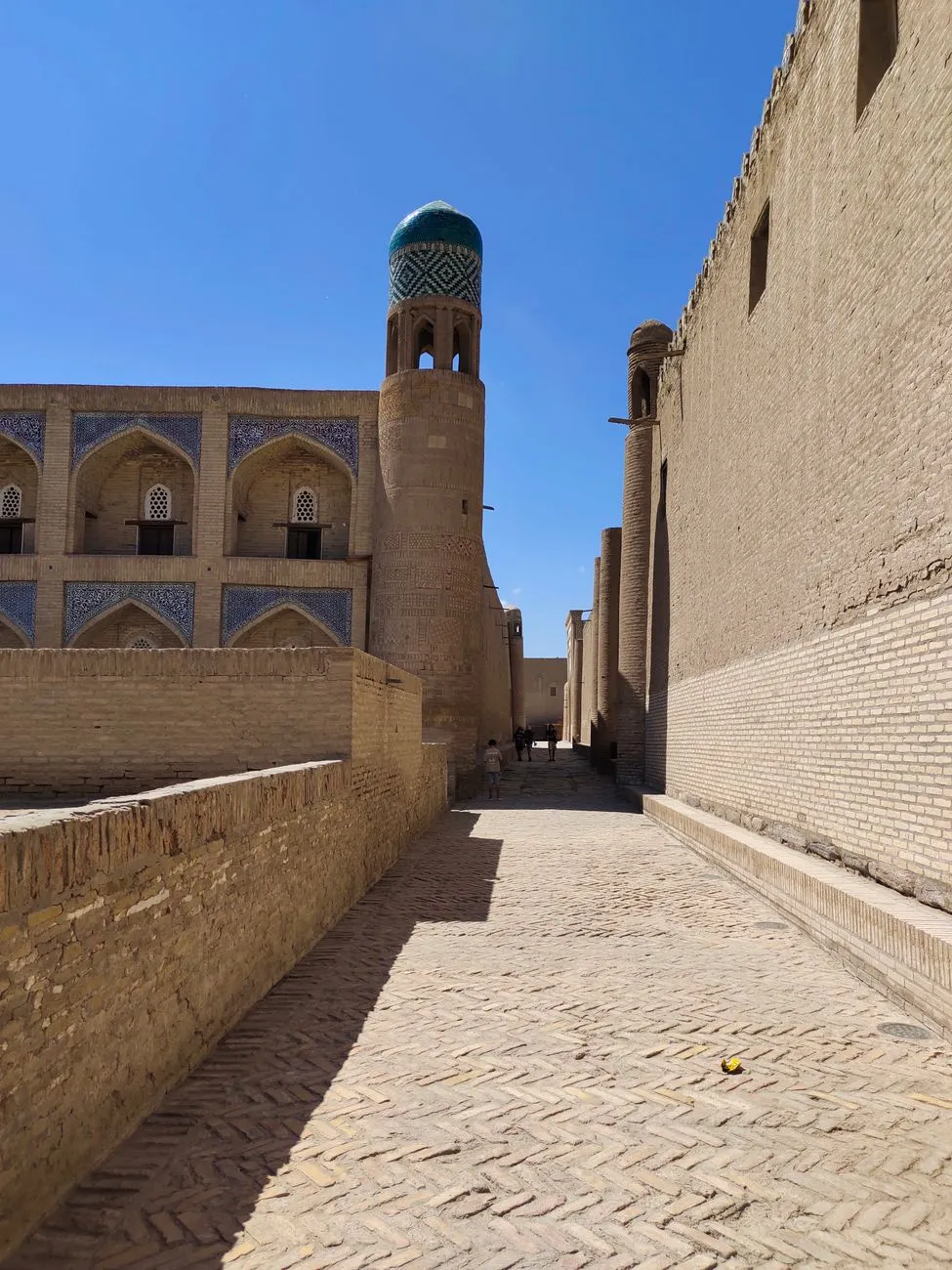

This is Part 2 of the series. Read Part 1 here.The Desert Caravanserai: A Rest Stop for Travelers Khiva’s caravanserais, like the Kutlug Murad Inak Madrasa, were once bustling rest stops for Silk Road travelers and their camels. Today, they house artisan workshops and guesthouses, where visitors can experience traditional Uzbek hospitality. The Khan’s Bathhouse, a 19th-century hammam, offers a chance to relax in a setting that has remained unchanged for centuries. Khiva’s Modern Face: A Hub for Art and Culture While Khiva’s ancient sites are its main attraction, the city is also embracing modernity. The Khiva Silk Carpet Museum showcases the artistry of Uzbek weavers, while the Khiva Art Gallery features contemporary works inspired by the city’s history. For digital nomads, guesthouses like Orient Star Khiva offer reliable Wi-Fi and a quiet workspace, making it easy to explore the city’s wonders while staying connected. Khiva is a place where time seems to have stopped. It’s a city where the desert wind whispers stories of caravans and kings, where every brick holds a secret, and where the spirit of the Silk Road lives on in the most unexpected ways.4. Tashkent: Uzbekistan’s Cosmopolitan Capital While Samarkand, Bukhara, and Khiva dazzle with their ancient charm, Tashkent is Uzbekistan’s modern face—a bustling metropolis where Soviet-era grandeur meets Central Asian tradition. With a population of over 3 million, Tashkent is the country’s cultural, economic, and political heart. It’s a city of wide boulevards, green parks, and futuristic architecture, where the past and future coexist in harmony. Chorsu Bazaar: The Soul of Tashkent Chorsu Bazaar is one of the largest and oldest markets in Central Asia, a labyrinth of stalls selling everything from fresh produce to handmade ceramics. The bazaar’s iconic blue dome, supported by 12 massive columns, is a landmark of Tashkent. Here, you can sample non (Uzbek flatbread), samsa (meat pies), and choy (tea) while bargaining with friendly vendors. The market is a sensory overload—colors, smells, and sounds collide in a symphony of Uzbek life. Khast Imam Complex: A Treasure Trove of Islamic Art The Khast Imam Complex is a spiritual and cultural hub, home to the Uthman Quran, one of the oldest and most revered copies of the Quran in the world. The complex includes the Barak-Khan Madrasa, the Tilla Sheikh Mosque, and the Muyi Muborak Library, which houses rare manuscripts and artifacts. The intricate tilework and calligraphy of the complex are a testament to Uzbekistan’s deep Islamic heritage. Amir Timur Square: A Monument to a Conqueror Amir Timur Square is the heart of Tashkent, a vast plaza dominated by a towering statue of the legendary conqueror. The square is surrounded by government buildings, museums, and the Navruz Palace, a modern structure that hosts cultural events. The Amir Timur Museum offers a deep dive into the life and legacy of Timur, while the Fine Arts Museum of Uzbekistan showcases the country’s rich artistic traditions. Tashkent’s Modern Wonders Tashkent is also a city of innovation. The Tashkent Metro, with its marble stations and Soviet-era mosaics, is a marvel of engineering and design. The Tashkent Tower, one of the tallest structures in Central Asia, offers panoramic views of the city. For digital nomads, co-working spaces like Smart Point provide high-speed internet and a community of like-minded professionals. Cafés like Café Loft serve up artisanal coffee and Uzbek fusion dishes, while the Tashkent City business district is a hub of modern commerce. Green Spaces and Urban Oases Despite its urban sprawl, Tashkent is a green city, with parks like Bog’i Erkinlik and Alisher Navoi Park offering a respite from the hustle and bustle. The Tashkent Botanical Garden is a haven for nature lovers, with over 3,000 species of plants from around the world. The city’s wide boulevards, lined with trees and fountains, make it easy to explore on foot or by bike. Tashkent is a city of contrasts—where Soviet-era buildings stand alongside modern skyscrapers, where ancient traditions meet cutting-edge innovation. It’s a place where the past and future collide, and where the spirit of Uzbekistan’s resilience and creativity shines through.5. Practical Travel Guide: Budget, Visa, and Digital Nomad Life in Uzbekistan Uzbekistan is not just a destination for history lovers—it’s also a paradise for budget travelers and digital nomads. With its ultra-affordable cost of living, fast-growing visa program, and modern infrastructure, the country is quickly becoming a hotspot for remote workers and explorers alike. Here’s everything you need to know to plan your trip, from visas to budgets, healthcare, and beyond. Visa Requirements: Easy Entry for Most Travelers Uzbekistan has made significant strides in simplifying its visa process. As of 2026, citizens of over 80 countries, including the US, UK, EU, Canada, Australia, and Japan, can enter Uzbekistan visa-free for up to 30 days. For longer stays, a tourist visa (valid for up to 30 days) can be obtained online via the e-Visa portal, with processing taking just 3 business days. For digital nomads, a 1-year multiple-entry visa is available for those who can prove remote work or business ties in Uzbekistan. Cost of Living: Affordable Luxury Uzbekistan is one of the most affordable destinations in the world, with a cost of living significantly lower than in Western Europe or North America. According to Numbeo, a single person can live comfortably in Tashkent or Samarkand on $800–$1,200 per month, while a couple can manage on $1,200–$1,800. Here’s a breakdown of typical expenses:Expense Category Cost (USD)Rent (1-bed apartment) $200–$400/monthUtilities (electricity, water, gas) $50–$100/monthGroceries $100–$200/monthDining out (mid-range restaurant) $5–$15/mealPublic transport (monthly pass) $10–$20SIM card (1 month, unlimited data) $5–$10Coworking space (monthly membership) $50–$150Accommodation: From Guesthouses to Boutique Hotels Uzbekistan offers a range of accommodation options to suit every budget:Guesthouses (1–2 stars): $15–$30/night – A great way to experience Uzbek hospitality, often run by local families. Boutique hotels (3–4 stars): $50–$100/night – Stylish, centrally located, and often housed in historic buildings. Modern apartments (Airbnb): $30–$80/night – Ideal for digital nomads seeking privacy and comfort. Luxury hotels (5 stars): $150–$300/night – For those seeking high-end amenities, like the Hyatt Regency Tashkent or Lotte City Hotel Samarkand.Healthcare: Reliable and Affordable Uzbekistan’s healthcare system has improved significantly in recent years, with modern hospitals and clinics in major cities. For digital nomads, international health insurance is highly recommended. The cost of a doctor’s visit ranges from $10–$30, while a night in a private hospital is around $50–$100. Pharmacies are widely available, and medications are generally affordable. Transportation: Getting Around Easily Uzbekistan’s transportation network is efficient and affordable:Domestic flights: Tashkent to Samarkand or Bukhara costs $50–$100 one-way. High-speed train (Afrosiyob): Tashkent to Samarkand in 2 hours for $25–$40. Marshrutkas (shared minivans): $2–$5 for short trips between cities. Taxis (Yandex.Taxi): $5–$15 for city rides. Bicycle rentals: $5–$10/day – A great way to explore cities like Bukhara and Khiva.Digital Nomad Life: Work, Wi-Fi, and Community Uzbekistan is rapidly becoming a digital nomad hotspot, thanks to its digital nomad visa, affordable cost of living, and growing community of remote workers. Here’s what to expect:Internet: Uzbekistan has 4G coverage across the country, with speeds averaging 20–50 Mbps. Major cities like Tashkent, Samarkand, and Bukhara have fiber-optic internet in most cafes and co-working spaces. Co-working spaces: Impact Hub Samarkand – $10/day or $100/month. Smart Point Tashkent – $8/day or $80/month. Coworking.uz Bukhara – $5/day or $50/month.Community: Facebook groups like Digital Nomads Uzbekistan and Expat Tashkent are great for networking and tips.Safety and Cultural TipsSafety: Uzbekistan is generally safe, with low crime rates. Petty theft can occur in tourist areas, so keep an eye on your belongings. Dress code: Uzbekistan is a Muslim-majority country, but it’s relatively liberal. Dress modestly in religious sites (cover shoulders and knees), but Western clothing is fine in cities. Language: Uzbek and Russian are the main languages, but English is spoken in tourist areas and by younger generations. Currency: The Uzbek som (UZS) is the local currency. $1 USD ≈ 12,500 UZS (as of 2026). Credit cards are accepted in major hotels and restaurants, but cash is king in markets and small shops.Uzbekistan is a destination that rewards curiosity, patience, and an open mind. Whether you’re exploring ancient cities, working remotely in a cozy café, or bargaining in a bustling bazaar, the country offers an experience that is as enriching as it is affordable.The Silk Road is not just a relic of the past—it’s a living, breathing thread that connects Uzbekistan’s ancient cities to a vibrant present. From the turquoise domes of Samarkand to the labyrinthine alleys of Bukhara, the desert jewel of Khiva, and the cosmopolitan energy of Tashkent, this country is a testament to the enduring power of history, culture, and human connection. Uzbekistan is more than a destination; it’s an invitation to step into a world where the past and future coexist, where every brick tells a story, and where the spirit of the Silk Road lives on in the most unexpected ways. Whether you’re a history buff, a digital nomad, a foodie, or simply someone seeking beauty in the unexpected, Uzbekistan offers a journey that will leave you inspired, enriched, and longing to return. So pack your bags, grab your passport, and set out on the adventure of a lifetime. The Silk Road is waiting.#SilkRoadRevival #UzbekistanTravel #CentralAsiaAdventure #CulturalJourney #DigitalNomadLife Related InsightsIceland's Golden Circle: Unveiling the Land of Fire and Ice Arctic Circle Digital Nomadism: Building Connectivity in Greenland's Remote Towns Fairy Tale Châteaux: A Journey Through the Loire Valley{ "@context": "https://schema.org", "@type": "FAQPage", "mainEntity": [ { "@type": "Question", "name": "What is the main focus of The Silk Road Revival: Uzbekistan’s Ancient Cities and Modern Wonders (Part 2)?", "acceptedAnswer": { "@type": "Answer", "text": "Step into the heart of Central Asia and rediscover the Silk Road through Uzbekistan’s breathtaking cities, where 3,000 years of history meet vibrant modernity and ultra-affordable living." } }, { "@type": "Question", "name": "Who authored the comprehensive guide on The Silk Road Revival: Uzbekistan’s Ancient Cities and Modern Wonders (Part 2)?", "acceptedAnswer": { "@type": "Answer", "text": "This detailed article and its insights were carefully researched and authored by Wei Chen." } }, { "@type": "Question", "name": "Where can I find more related content about Travel?", "acceptedAnswer": { "@type": "Answer", "text": "You can explore more articles, detailed reviews, and similar insights by browsing the Related Insights section at the bottom of this article or visiting our dedicated Travel category page." } } ] }