Showing Posts From
Epic
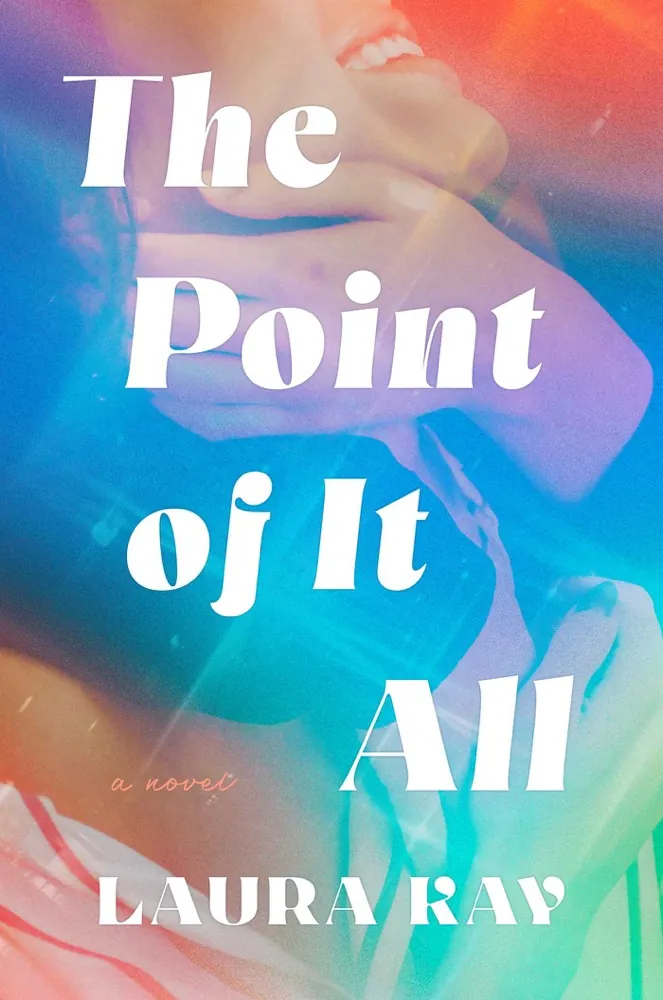
Author: Laura KayPage Count: UnknownPublication Date: Expected publication 2026 APL My bones are vibrating at the frequency of caffeine and fluorescent light, dragging myself through the final grueling hours of a third consecutive night shift while my brain desperately tries to eject the ghost of the five-hundred-page epic I finished at dawn, which completely destroyed my circadian rhythm and left no crumbs. Now I am staring at the promotional copy for The Point of It All by Laura Kay, and my sleep-deprived eyes are crossing at yet another promise of a decades-long queer romance featuring the eternal, agonizing tango of two women who simply cannot get their timing right. The Chronology of Compulsion We get the standard setup. Hotel room. Wedding dress. Cold feet. The specter of the first great love lurking in the margins of a sanctioned, respectable future. It is a premise as old as narrative fiction itself—Sally Rooney and Marian Keyes have practically built entire literary empires on the exquisite agony of missed connections and institutionalized domestic dread. And yet, Laura Kay leans hard into the geography of longing, stretching this emotional rubber band across cities, continents, and the messy detritus of other relationships. Wait. Let me rephrase that. I shouldn't be so dismissive of the geographical scope just because I am currently trapped within four sterile cinderblock walls watching the tractor diagnostics blink red on my tablet screen. Distance matters in these books. It functions as a third character. The synopsis promises an orbit, which implies gravitational pull, physics, and inevitable collisions. Kay clearly wants to dissect whether growing up means growing apart, a tired thematic inquiry that usually devolves into sentimental pummelling. But the blurb from Tegan Quin offers a flicker of hope—suggesting a narrative that avoids the frictionless straight line of traditional rom-com resolutions in favor of something much messier. Brutal. The structural danger here lies in the sheer vagueness of the synopsis, which relies entirely on atmospheric mood-board phrasing like "private griefs" and "public reinventions" without giving us a single concrete anchor to hold onto while the tractor outside leaks hydraulic fluid into the drainage basin. The Weight of Chronological Baggage Writing a multi-decade span requires structural discipline that many contemporary romance authors entirely abandon in favor of emotional shorthand. If Holland and Ros are going to circle each other through years of professional highs and private losses, the pacing needs to bleed on the page. It cannot just be a greatest-hits compilation of breakup scenes in various European capitals. Still. The promise of sharp humor usually saves these projects from drowning in their own earnestness. If Kay balances the crushing weight of queer yearning with actual wit—the kind that cuts through the suffocating nostalgia—this might actually survive the comparison pile-up it is currently careening toward. I need to go fix the leaky faucet in the guest bathroom.
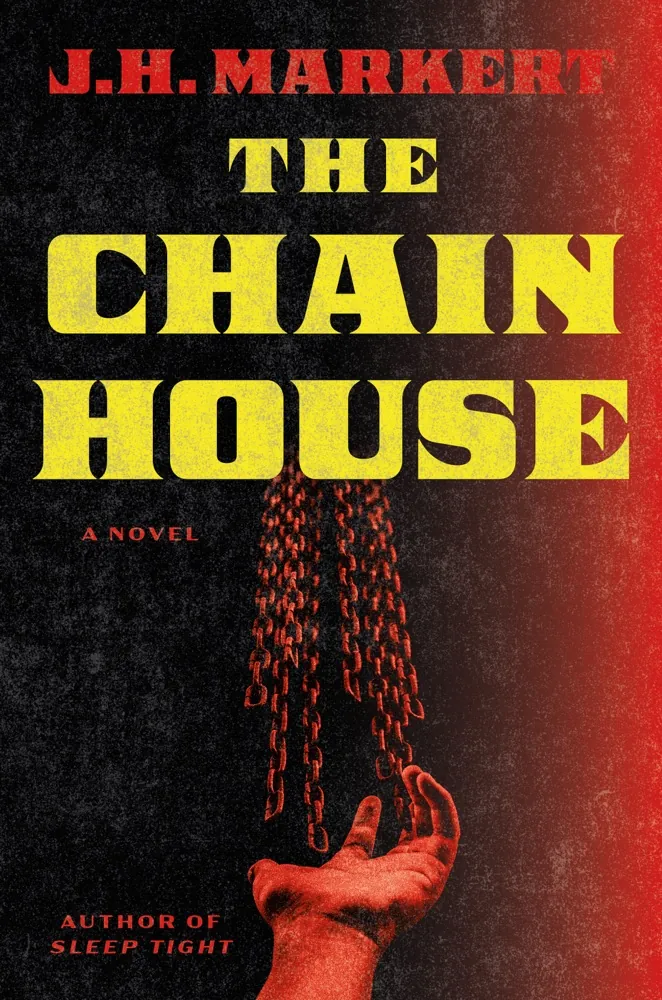
Author: J.H. MarkertPage Count: UnknownPublication Date: Expected publication 2026-10-06 APL The soil out back is practically soup today, heavy with water and smelling of rotting compost that refuses to break down properly under this endless gray soup of a sky, which brings me directly to the tired marketing machinery behind The Chain House and its desperate parade of imprisoned monsters and live-television ransom demands. And look, I have seen this exact cinematic circus a thousand times before—give me Cormac McCarthy or the grit of Ron Rash over another slick, commercialized serial killer thriller that thinks dropping a manuscript into the mix elevates its tired, asphalt-poured-over-meadows plotting. Wait. Let me rephrase that entirely because I am being too harsh on the premise before the ink even hits the pulp. Or perhaps the manuscript gimmick is genuinely brilliant. Actually, no. It feels like an artificial fertilizer designed to force a harvest from exhausted land. We are expected to believe that a mass murderer styling himself after agricultural hardware—the Breaker of Chains, no less—is secretly some literary mastermind hiding victims' bodies within the margins of a blockbuster franchise, as if human lives are merely misplaced gardening tools left out in the rain to rust. Heavy. Muddy. Because when fiction and reality collide in these high-concept thrillers, they usually just leave a messy sinkhole of implausibility where a nuanced exploration of trauma ought to be, trading the quiet, slow-burning rot of real systemic evil for a flashy, prime-time spectacle that satisfies nobody except the publishers pushing units before Q4. Rubbish. My favorite fountain pen has leaked all over my only clean shirt. Related InsightsLeft Behind Book Review and Summary The Thrice-Bound Fool (Blacktongue #2) Book Review and Summary A Feast for Crows Book Review and Summary{ "@context": "https://schema.org", "@type": "FAQPage", "mainEntity": [ { "@type": "Question", "name": "What is the main focus of The Chain House Book Review and Summary?", "acceptedAnswer": { "@type": "Answer", "text": "Everything you need to know about The Chain House with our detailed review." } }, { "@type": "Question", "name": "Who authored the comprehensive guide on The Chain House Book Review and Summary?", "acceptedAnswer": { "@type": "Answer", "text": "This detailed article and its insights were carefully researched and authored by William Clark." } }, { "@type": "Question", "name": "Where can I find more related content about Books?", "acceptedAnswer": { "@type": "Answer", "text": "You can explore more articles, detailed reviews, and similar insights by browsing the Related Insights section at the bottom of this article or visiting our dedicated Books category page." } } ] }
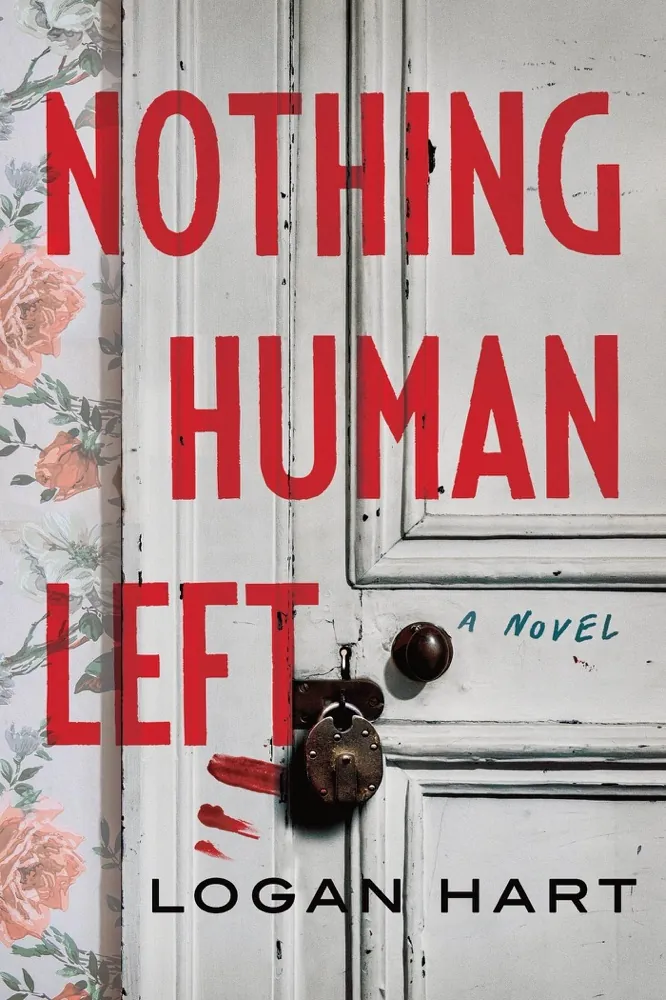
Author: Logan HartPage Count: UnknownPublication Date: Expected publication 2026 APL The soil out by the south pasture is heavy with wet clay today, clinging to my boots like a stubborn memory as I watch the autumn cabbage leaves curl against the frost. It makes a person soft, almost—willing to forgive the world its sharp edges and bitter weather. Yet Logan Hart’s upcoming Nothing Human Left promises no such gentle mercy in its pages. We are dragged straight back into the dirt of a Pennsylvania coal mining town, where the earth itself feels claustrophobic and the human mind decays right alongside the industrial ruin. The Weight of Rotten Roots Consider the psychological landscape sketched in this synopsis. A mother claiming her victims wore "People Faces"—an eerie echo of ecological estrangement, of humanity divorcing itself from its biological skin and pretending to be something monstrously artificial. It reminds me of the utter dreck churned out by corporate publishing houses last year, those bloated climate-dystopian thrillers where every tree has a serial number and characters lecture you about carbon footprints for four hundred pages straight while the plot flatlines into a predictable slog. Give me a Gothic farmhouse and a fractured memory over didactic eco-parables any day of the week. Fractured Mirrors in the Coal Dust Memory is notoriously unreliable fertilizer. It rots. It shifts. Hart leans hard into the epistemology of doubt—how can we trust the ghost of our own childhood when the landscape that forged it has been hollowed out by industry and trauma? The synopsis positions Grace as a social worker drowning in professional disaster, returning to Fallen Rock to unearth ghosts that should have stayed buried deep in the shale. And honestly, if this book does not lean heavily into the uncanny rot of isolated American backwaters, I will eat my favorite gardening shears. Fans of Paul Tremblay or Catriona Ward will recognize the scent of gaslit recollections immediately. The prose will likely hum with that specific brand of rural dread. A predictable slog. No, wait—that fear belongs to the lesser writers of our generation, the ones who rely on cheap jump scares instead of lingering, damp atmosphere. Hart has a razor-sharp premise here, provided the execution avoids the trap of neat, tidy resolutions. Life in the dirt does not tie itself up with a polite little bow. I really must go rescue my favorite vintage Waterman fountain pen before my grandson uses it to sketch dinosaurs across the kitchen wallpaper again. Related InsightsThe Little House Collection Book Review and Summary Rebel Book Review and Summary She's a Doll Book Review and Summary{ "@context": "https://schema.org", "@type": "FAQPage", "mainEntity": [ { "@type": "Question", "name": "What is the main focus of Nothing Human Left Book Review and Summary?", "acceptedAnswer": { "@type": "Answer", "text": "Everything you need to know about Nothing Human Left with our detailed review." } }, { "@type": "Question", "name": "Who authored the comprehensive guide on Nothing Human Left Book Review and Summary?", "acceptedAnswer": { "@type": "Answer", "text": "This detailed article and its insights were carefully researched and authored by William Clark." } }, { "@type": "Question", "name": "Where can I find more related content about Books?", "acceptedAnswer": { "@type": "Answer", "text": "You can explore more articles, detailed reviews, and similar insights by browsing the Related Insights section at the bottom of this article or visiting our dedicated Books category page." } } ] }
-
 William Clark
 - 09 Sep, 2026 17:57
One Killing Frost (Mercy & Elvis Mysteries, #8) Book Review and Summary
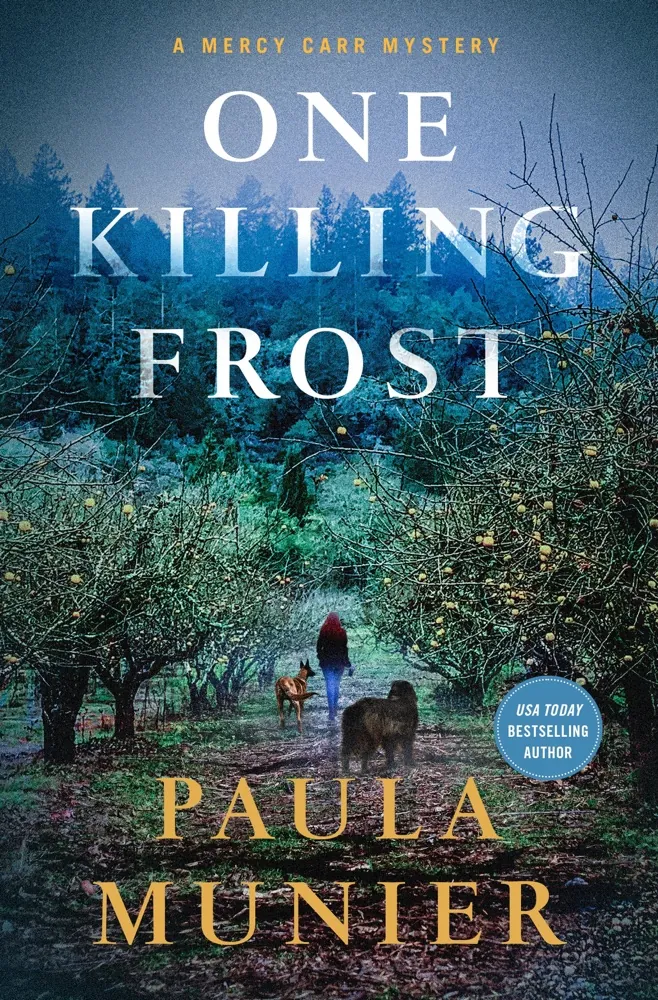
Author: Paula MunierPage Count: UnknownPublication Date: Expected publication 2026 APL Mud is drying on the porch steps. The chickens are scratching up the mulch around the newly pruned heirloom grafts, and the wind is carrying the rotten-sweet stench of dropped fruit from the back pasture—yet another year where the late frost got the early blossoms before the bees even woke up. People love to romanticize agrarian life from their air-conditioned apartments in Boston or Brooklyn, painting rural existence as some pastoral idyll where we all just sit around basket-weaving and sipping sweet cider while the leaves turn amber. But dirt gets under your fingernails. The soil demands blood, sweat, and a terrifying amount of fossil fuels just to keep a few rare rootstocks alive against the onslaught of blight and corporate agribusiness. Naturally, Paula Munier's One Killing Frost leans right into this blood-soaked orchard fantasy, dragging poor Mercy Carr and her exceedingly busy household out into the Vermont woods to hunt for rare apples while a body rots in a cider vat. Corporate greed meets botanical hubris. Grafting Corporate Greed Onto Gnarled Wood Apples are big business now. Who knew. The synopsis reads like a cross between a seed-catalog fever dream and a turf war over botanical patents—because God forbid we just let a McIntosh be a McIntosh without someone trying to engineer a rare Black Diamond of Tibet hybrid that requires three pesticides and a patent lawyer just to look at it. We see the commodification of nature pushed to its logical, homicidal extreme here. The author takes the quiet devastation of monoculture and agricultural gentrification and turns it into a literal whodunit where movers and shakers get stabbed under gnarled boughs. It is a tired thriller trope, really—taking something organic and innocent like a heritage orchard and dragging it through the mud of capitalistic murder, echoing the heavy-handed rural noir of C.J. Box or Nevada Barr, where nature is just a scenic backdrop for human malice. Unoriginal. The Dog and Pony Show of Botanical Murder And of course, there are the dogs. Always the dogs. Elvis and Susie Bear are out there sniffing out bad apples while toddlers tag along in the leaf litter because apparently rural crime-solving is now a family-friendly weekend excursion. Give me a break. If I have to dodge one more cozy mystery protagonist who juggles parenthood, canine companions, and a localized homicide epidemic without getting mud on their L.L. Bean boots, I am going to throw my pruning shears right through the window. The synopsis leans heavily on the gimmick of the rare apple, dangling the Black Oxford and Himalayan imports like shiny lures for readers who prefer their ecological anxieties neatly wrapped in a standard police procedural format. Predictable. I am going to collapse in my recliner and attempt to ignore the household chaos. Related InsightsDark Places Book Review and Summary The Light We Carry Book Review and Summary Sweet Obsession Book Review and Summary{ "@context": "https://schema.org", "@type": "FAQPage", "mainEntity": [ { "@type": "Question", "name": "What is the main focus of One Killing Frost (Mercy & Elvis Mysteries, #8) Book Review and Summary?", "acceptedAnswer": { "@type": "Answer", "text": "Everything you need to know about One Killing Frost (Mercy & Elvis Mysteries, #8) with our detailed review." } }, { "@type": "Question", "name": "Who authored the comprehensive guide on One Killing Frost (Mercy & Elvis Mysteries, #8) Book Review and Summary?", "acceptedAnswer": { "@type": "Answer", "text": "This detailed article and its insights were carefully researched and authored by William Clark." } }, { "@type": "Question", "name": "Where can I find more related content about Books?", "acceptedAnswer": { "@type": "Answer", "text": "You can explore more articles, detailed reviews, and similar insights by browsing the Related Insights section at the bottom of this article or visiting our dedicated Books category page." } } ] }
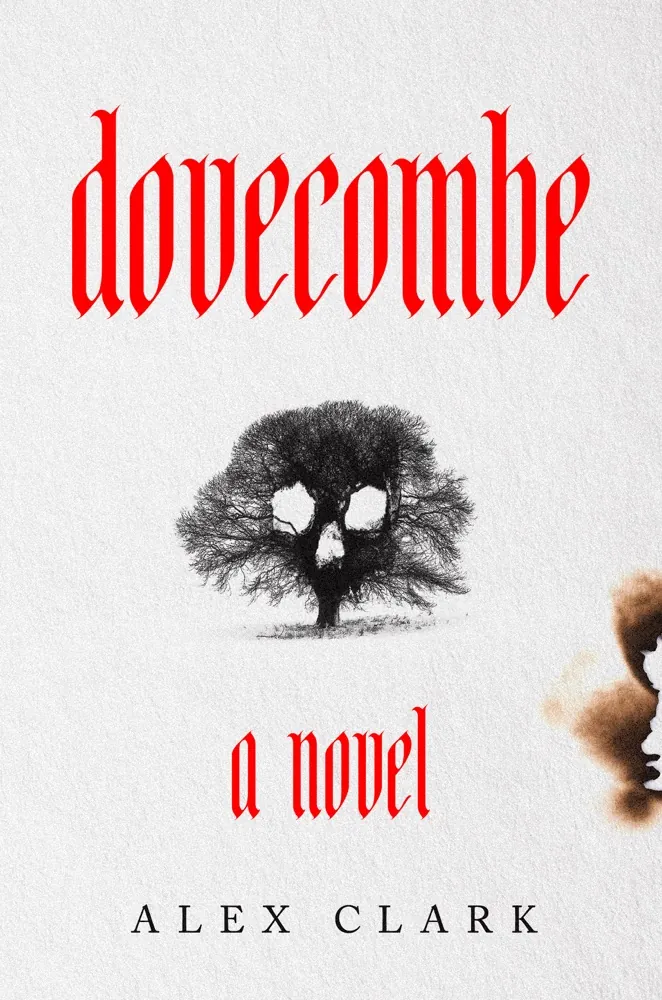
Author: Alex ClarkPage Count: UnknownPublication Date: Expected publication 2026 APL The light is failing, casting long, bruised shadows across the rows of late-season kale, and the frost hasn’t quite bitten yet, though the wind has that sharp, metallic tang of early September. I sit here with a damp galley of Dovecombe on my lap, wondering why we remain so obsessed with the idea that the natural world is out to punish our domestic failures. The synopsis promises a crumbling manor, which is a tired trope, yet Clark seems intent on weaponizing the landscape itself. If the oaks are truly sentient, they are likely just annoyed by the human noise pollution. There is a tiresome recurrence in the genre where woodland—traditionally a source of biological complexity and resilience—is reduced to a prop, a jagged set piece for Victorian-adjacent melodrama. We want the trees to be malignant because it is easier to fear an angry forest than it is to admit that our own patterns of obsession and erasure are what ruin the soil. The prose reportedly leans into the evocative, which usually translates to an over-reliance on adjectives that describe dampness, but I suspect the actual mechanics of the story will be brittle, prone to cracking under the weight of its own gothic posturing. It’s the sort of book that wants to be the next Rebecca or perhaps something from the Sarah Waters back-catalog, yet it risks losing itself in the fog of its own vagueness. Is the arson a structural mystery or just a pathetic fallacy draped in kerosene? I’m leaning toward the latter. I suppose I should admire the commitment to the bit—the brooding groundskeeper, the ruthless matriarch, the whole gothic apparatus. Actually, forget that. The atmospheric tension might be the only thing holding this narrative together, and perhaps the deliberate opacity is exactly what modern readers crave in a market flooded with overly-explicated thrillers. Sentient trees. The premise hinges on the idea that the land remembers, a conceit I find deeply romantic and entirely scientifically illiterate, though it certainly makes for an arresting metaphor in a fiction setting. If the house is truly a character, I hope Clark avoids the trap of making it merely a vessel for human secrets; I want the rot to be structural, caused by actual neglect rather than some ethereal curse. Then again, if the protagonist is the most dangerous element, as the blurb suggests, the gothic setting is just a mirror, not a participant. It’s an interesting pivot, moving from a hauntological mystery to a character-driven thriller, though I worry the shift will leave the environmental themes feeling abandoned in the shrubbery. The industry loves a “twisted” mystery, but I’m tired of the twisting. Give me something rooted. Give me something that understands the difference between a forest and a backdrop. Must get the charcoal going before the neighbors arrive and the backyard turns into a chaotic mess of over-seasoned meat and loud opinions. #gothicfiction #bookreview #naturewriting #literarycritique Related InsightsDoctor Zhivago Book Review and Summary Heartstopper, Volume 1 Book Review and Summary Love, Death + Robots Book Review and Summary{ "@context": "https://schema.org", "@type": "FAQPage", "mainEntity": [ { "@type": "Question", "name": "What is the main focus of Dovecombe: A Novel Book Review and Summary?", "acceptedAnswer": { "@type": "Answer", "text": "Everything you need to know about Dovecombe: A Novel with our detailed review." } }, { "@type": "Question", "name": "Who authored the comprehensive guide on Dovecombe: A Novel Book Review and Summary?", "acceptedAnswer": { "@type": "Answer", "text": "This detailed article and its insights were carefully researched and authored by William Clark." } }, { "@type": "Question", "name": "Where can I find more related content about Books?", "acceptedAnswer": { "@type": "Answer", "text": "You can explore more articles, detailed reviews, and similar insights by browsing the Related Insights section at the bottom of this article or visiting our dedicated Books category page." } } ] }
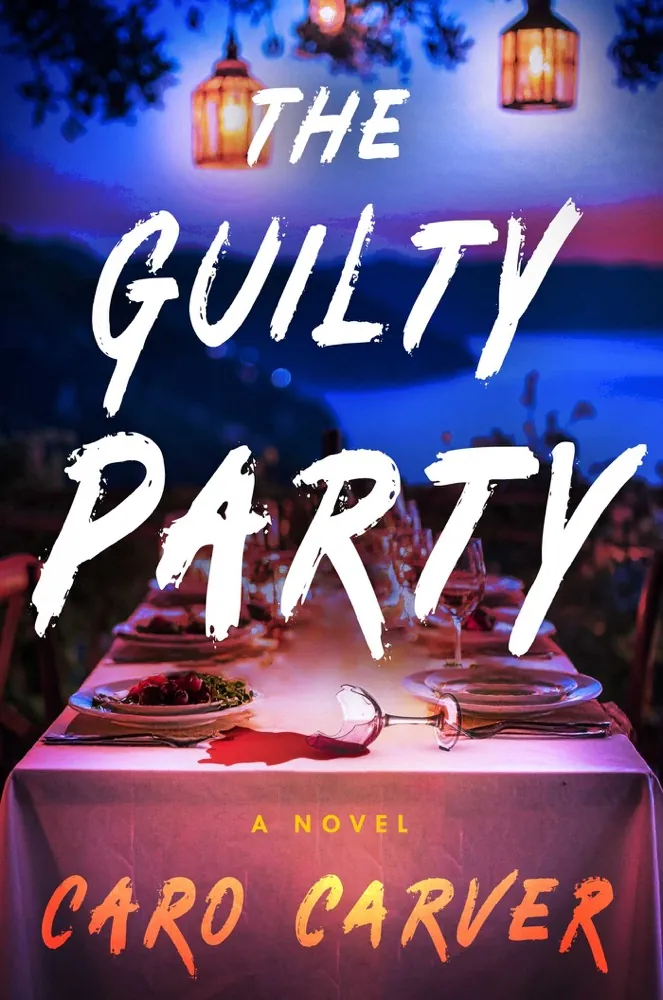
Author: Caro CarverPage Count: UnknownPublication Date: Expected publication 2026 APL The synopsis for The Guilty Party reads like a fever dream written by someone who’s been staring too long at the neon signs of The Girl with the Dragon Tattoo meets Big Little Lies—but with the kind of lazy, sun-drenched fatalism that makes you wonder if the author’s ever actually been to Capri beyond the postcard version. And yet, there’s something deliciously unhinged about it, like a murder mystery where the killer is just as bored as the guests. Because let’s face it, if you’re inviting a group of people who’ve spent the last quarter-century being publicly dissected, why wouldn’t one of them snap? The real crime here isn’t the murder—it’s the setup. A cult film reunion? Check. A villa that’s now a luxury hotel? Check. Twenty-five years of unpaid emotional debts? Obviously. But where’s the tension? Where’s the meat? The synopsis leans so hard into the "glamour-drenched weekend" that it risks becoming a parody of its own genre—like if Knives Out had a sequel where everyone just chatted about their therapy sessions instead of stabbing each other. And don’t even get me started on the "some things never die" line—because in this case, it’s not secrets or grudges, it’s the vagueness. Where’s the specificity? Where’s the bite? It’s like reading a True Detective synopsis that only mentions the "darkness" and not the actual bodies. But here’s the thing—this is exactly the kind of book that will sell like wildfire. Because in 2026, we’re all exhausted by the idea of precision. We want the messy, the vague, the glamorous murder where the real villain is the passage of time. And let’s be honest, this reads like a love letter to the kind of stories that get adapted into Sharp Objects-style TV shows—where the real horror isn’t the crime, but the fact that everyone’s still here, still breathing, still performing. It’s the kind of thing that would make Gillian Flynn nod approvingly before immediately getting distracted by her next project. Yet—and here’s where the bias kicks in—I can’t help but think this is just another iteration of the "artists in paradise" trope, dressed up in a little Italian sunshine. It’s the same old story: a group of people who were once close, now forced to confront the fact that they’re just a bunch of strangers pretending to be family. And while I’ll admit, the idea of a murder at a luxury hotel is deliciously ironic—like if The Shining had been filmed in a five-star resort instead of an old ski lodge—it still feels like it’s missing something. Maybe a little more dirt. Maybe a little less glamour. And speaking of dirt—why am I even thinking about this? Because right now, I’m sitting in my kitchen, staring at the same three eggs I’ve been staring at for the last twenty minutes, wondering why I bother. The world is full of books that promise drama and deliver dust, and this one feels like it’s going to be one of them. But then again, maybe that’s the point. Maybe the real crime isn’t the murder—it’s the fact that we’re all just waiting for someone to finally do something. I’m going to go stare blankly into the open refrigerator for inspiration. Maybe the milk will have answers. Or at least a little more edge. #BookTok #MurderMystery #CapriVibes #EcoCriticRants #WhyBother Related InsightsBark Humbug: An Andy Carpenter Mystery (An Andy Carpenter Novel, 34) Book Review and Summary The Lost Life of Sylvia Song Book Review and Summary The Cider House Rules Book Review and Summary{ "@context": "https://schema.org", "@type": "FAQPage", "mainEntity": [ { "@type": "Question", "name": "What is the main focus of The Guilty Party Book Review and Summary?", "acceptedAnswer": { "@type": "Answer", "text": "Everything you need to know about The Guilty Party with our detailed review." } }, { "@type": "Question", "name": "Who authored the comprehensive guide on The Guilty Party Book Review and Summary?", "acceptedAnswer": { "@type": "Answer", "text": "This detailed article and its insights were carefully researched and authored by William Clark." } }, { "@type": "Question", "name": "Where can I find more related content about Books?", "acceptedAnswer": { "@type": "Answer", "text": "You can explore more articles, detailed reviews, and similar insights by browsing the Related Insights section at the bottom of this article or visiting our dedicated Books category page." } } ] }
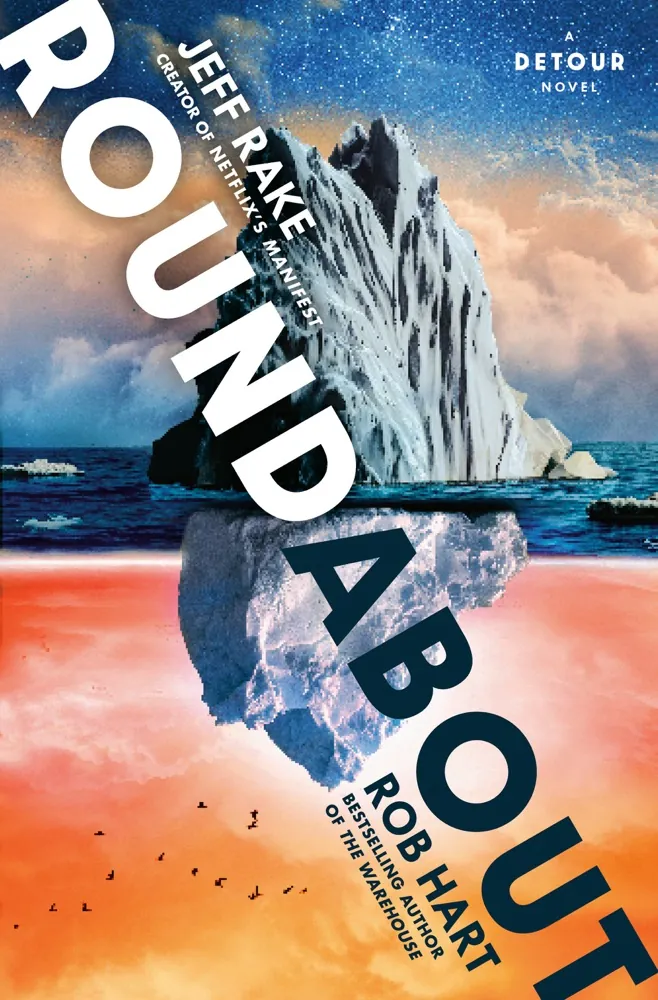
Author: Jeff RakePage Count: UnknownPublication Date: Expected publication 2026 APL The rain is pooling right along the northern fence line again, threatening to wash out the newly planted winter kale before the taproots even stand a chance against the clay. Yet I am supposed to care about six stranded astronauts leaping across parallel versions of a dirt ball they apparently ruined to begin with. Jeff Rake is bringing us Roundabout, the second installment of his Detour series, and the premise reads like someone threw a sci-fi blender at a corporate board meeting. A power-hungry billionaire? Branding the spacefarers as traitors because they accidentally landed on the wrong planetary twin? Groundbreaking stuff. Truly. We have never, not once, encountered the trope of the mustache-twirling billionaire industrialist exploiting catastrophic systemic failure for private gain while the actual laborers of the cosmos scramble for scraps in the mud. It feels less like an ambitious speculative thriller and more like watching a tractor rust in real-time, heavy and predictable under a gray sky. And don’t even get me started on the absolute disaster that was last season’s third-grade school board budget meeting where Mrs. Gable tried to convince us that composting cafeteria napkins would somehow solve the district's structural deficit, completely ignoring the fact that the actual roof leaks every time the wind blows out of the east—much like how this synopsis glosses over actual planetary physics to shove a nationwide manhunt into a narrative that should be meditating on the sheer, crushing loneliness of deep space. Atmosphere? Ignored. Ecological consequence? Merely a backdrop for a high-speed chase involving guys in jumpsuits and a tech mogul with too much venture capital. Uninspired. The synopsis leans heavily on the safety net of mass-market panic—unexplained phenomena happening all over the globe, because nothing says high art quite like an amorphous green-screen catastrophe threatening both Earth prime and Earth backup. It lacks the quiet devastation of Kim Stanley Robinson or the sharp, biting social commentary of early Margaret Atwood. Instead, we get a breathless sprint from two captured crew members to a desperate race to save two worlds at once, as if saving one is too pedestrian for a creator whose previous credits include airplane mysteries and high-concept warehouses. I can already smell the stale popcorn and see the Netflix adaptation greenlit before the ink on the manuscript dries. Now, if you will excuse me, I have to go out into the drizzle and assemble a profoundly confusing piece of Swedish furniture that currently consists of thirty-two identical dowels and a hex wrench made of cheese-grade metal. #Roundabout #JeffRake #SciFiBooks #BookTwitter Related InsightsCosmos Book Review and Summary The Quiet Tenant Book Review and Summary A Separate Peace Book Review and Summary{ "@context": "https://schema.org", "@type": "FAQPage", "mainEntity": [ { "@type": "Question", "name": "What is the main focus of Roundabout (Detour, #2) Book Review and Summary?", "acceptedAnswer": { "@type": "Answer", "text": "Everything you need to know about Roundabout (Detour, #2) with our detailed review." } }, { "@type": "Question", "name": "Who authored the comprehensive guide on Roundabout (Detour, #2) Book Review and Summary?", "acceptedAnswer": { "@type": "Answer", "text": "This detailed article and its insights were carefully researched and authored by William Clark." } }, { "@type": "Question", "name": "Where can I find more related content about Books?", "acceptedAnswer": { "@type": "Answer", "text": "You can explore more articles, detailed reviews, and similar insights by browsing the Related Insights section at the bottom of this article or visiting our dedicated Books category page." } } ] }
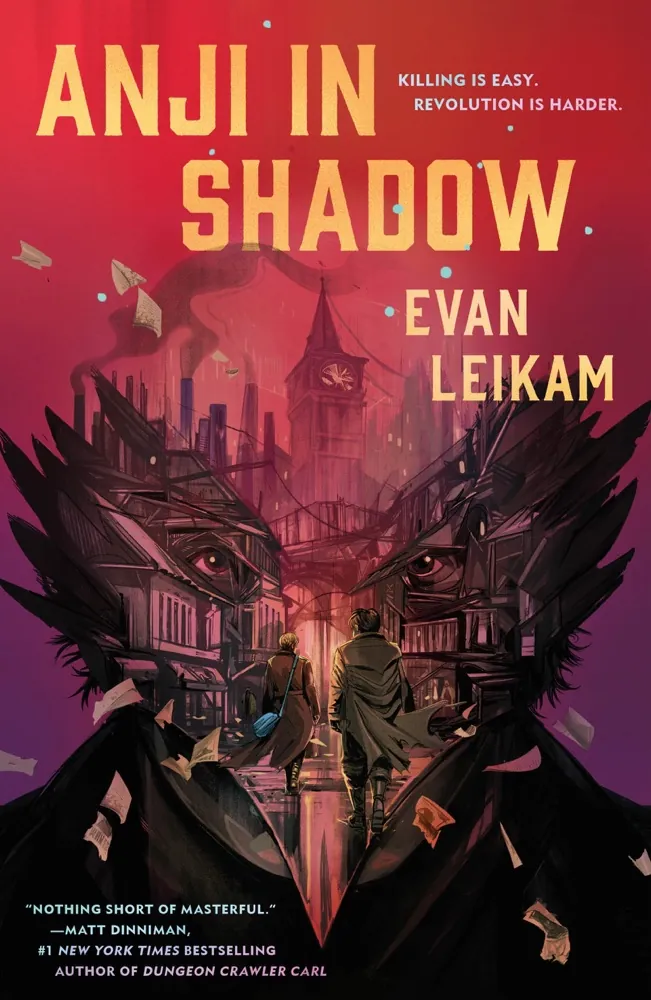
Author: Evan LeikamPage Count: UnknownPublication Date: Expected publication 2026 APL Mud caked beneath my fingernails after clearing the irrigation ditch, I stare at the freshly printed publisher's blurb for Anji in Shadow and wonder why contemporary fantasy insists on treating political collapse as a ledger of cash transactions where dead monarchs and jingling coins somehow equate to actual systemic change, completely ignoring the fundamental material reality that no amount of stolen gold or tavern-brawling revenge can ever replace a slaughtered ecosystem, fix poisoned topsoil, or heal the rotting foundational roots of a society that has spent generations devouring its own commons. Spare me. Because according to the promotional text for Evan Leikam’s upcoming sequel to Anji Kills a King, we are supposed to believe that tossing a sack of blood-money into a muddy camp on some riverbank will magically jump-start a glorious worker's revolution, as if structural oppression is just a poorly maintained tractor waiting for a sudden influx of spare change rather than a deep, systemic rot requiring actual, exhausting, generational cultivation of the land and community. Give me a break. We get it—the king is rotting in the dirt, the edgy mercenaries are conveniently butchered to clear the narrative chessboard, and our protagonist is left hoarding her pocket change in a soot-stained metropolis of dark alleys and desperate cliches that smells entirely too much of Joe Abercrombie fan fiction crossed with the cynical posturing of modern grimdark trends. Trite. Real power doesn't grow from a severed throat or a mercenary's purse. It grows from the stubborn persistence of clover breaking through asphalt, from composting the debris of the old, corrupt guard instead of recycling their tired tropes into yet another sprawling trilogy about gloomy assassins stumbling through the dark. Leikam clearly wants us to marvel at the grit of it all—the constant surviving of a dozen different deaths, the edgy nihilism of a character who treats mass slaughter like a minor inconvenience—while completely missing the irony that a revolution funded by stolen assassination money is just a lateral move for the ruling class. Preposterous. I have seventy tomato plants currently fighting a losing battle against late blight out in the north bed, and I guarantee there is more authentic tension, desperate struggle, and genuine systemic collapse happening in that single patch of damp earth than in the entirety of this upcoming urban wasteland where nobody ever stops to consider where their grain comes from or who cleans the blood off the cobblestones. Barnaby is stuck in the branches of the ancient white oak by the chicken coop again. Related InsightsLes Misérables Book Review and Summary I Know Why the Caged Bird Sings Book Review and Summary Green Eggs and Ham Book Review and Summary{ "@context": "https://schema.org", "@type": "FAQPage", "mainEntity": [ { "@type": "Question", "name": "What is the main focus of Anji in Shadow (The Rising Tide, #2) Book Review and Summary?", "acceptedAnswer": { "@type": "Answer", "text": "Everything you need to know about Anji in Shadow (The Rising Tide, #2) with our detailed review." } }, { "@type": "Question", "name": "Who authored the comprehensive guide on Anji in Shadow (The Rising Tide, #2) Book Review and Summary?", "acceptedAnswer": { "@type": "Answer", "text": "This detailed article and its insights were carefully researched and authored by William Clark." } }, { "@type": "Question", "name": "Where can I find more related content about Books?", "acceptedAnswer": { "@type": "Answer", "text": "You can explore more articles, detailed reviews, and similar insights by browsing the Related Insights section at the bottom of this article or visiting our dedicated Books category page." } } ] }
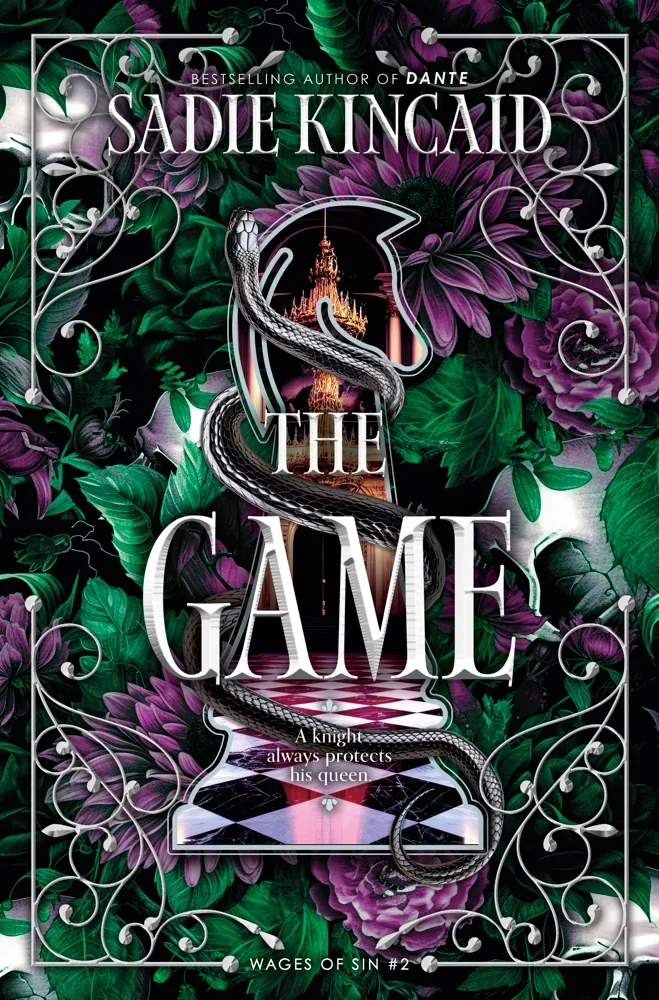
Author: Sadie KincaidPage Count: UnknownPublication Date: Expected publication 2026-11-03 APL The tantalizing dance of deception and desire - it's a potent cocktail, indeed. Sadie Kincaid's The Game promises to be a sultry, suspenseful ride, but one can't help but wonder: will it be more than just a rehashed Beauty and the Beast retelling with a dark mafia twist? Imogen Demotta's world is turned upside down when she discovers Lincoln Knight's darkest secret - a revelation that shatters the carefully constructed illusion of her 'tortured hero'. The lines between savior and villain are blurred, and Imogen is left questioning everything. It's a classic trope, to be sure, but one that can be executed with devastating effect. The key to success lies in Kincaid's ability to balance the slow-burn romance with the thrill of the unknown, all while maintaining a sense of tension that's as much about the characters' inner turmoil as it is about the external danger lurking in the shadows. But what of Imogen herself? Is she merely a damsel in distress, or will she prove to be a determined heroine, capable of uncovering the truth and taking control of her own destiny? The synopsis suggests a certain level of agency, but one can't help but feel that her character arc will be heavily influenced by the men in her life. The 'morally grey alpha hero' is a staple of the genre, after all, and it's often the female lead who must navigate the treacherous waters of their affections. And then, of course, there's the elephant in the room: the Brotherhood. A shadowy organization with a penchant for manipulation and control - it's a familiar trope, to be sure, but one that can be used to great effect in exploring themes of power, corruption, and the blurred lines between good and evil. Speaking of which, have you ever noticed how often the 'dark mafia romance' genre relies on the 'tortured hero' trope? It's a tired cliché, if you ask me - a lazy way to excuse questionable behavior and create a sense of 'depth' where none truly exists. I mean, take God of Malice, for example. The 'hero' of that particular tale is little more than a cardboard cutout, a shallow excuse for a character with all the depth and complexity of a kiddie pool. But I digress. The Game promises to be a scorching hot, suspenseful ride, full of twists and turns that will keep readers on the edge of their seats. Will it live up to its promise? Only time will tell. One thing's for sure, however: Sadie Kincaid's latest offering will be a must-read for fans of the genre. And now, if you'll excuse me, I really must put up the holiday decorations. My spouse is growing impatient, and I fear for my sanity if I don't get the lights up soon. #DarkMafiaRomance #BeautyAndTheBeastRetelling #SlowBurnSuspense Related InsightsCheshire Crossing Book Review and Summary Spirited Engagement Book Review and Summary Finally Mine Book Review and Summary{ "@context": "https://schema.org", "@type": "FAQPage", "mainEntity": [ { "@type": "Question", "name": "What is the main focus of The Game (Wages of Sin, #2) Book Review and Summary?", "acceptedAnswer": { "@type": "Answer", "text": "Everything you need to know about The Game (Wages of Sin, #2) with our detailed review." } }, { "@type": "Question", "name": "Who authored the comprehensive guide on The Game (Wages of Sin, #2) Book Review and Summary?", "acceptedAnswer": { "@type": "Answer", "text": "This detailed article and its insights were carefully researched and authored by William Clark." } }, { "@type": "Question", "name": "Where can I find more related content about Books?", "acceptedAnswer": { "@type": "Answer", "text": "You can explore more articles, detailed reviews, and similar insights by browsing the Related Insights section at the bottom of this article or visiting our dedicated Books category page." } } ] }

Author: Zakiya N. JamalPage Count: UnknownPublication Date: Expected publication 2026-11-17 APL The compost tumbler has been throwing a metallic screech for three days straight, sounding suspiciously like a dying lawnmower, while the late blight has officially claimed half the heirloom tomatoes I spent six months tending from seed. Yet here I am, glaring at the latest publishing industry artifact to cross my desk: Two Can Play That Game. Zakiya N. Jamal wants us to consume a narrative about a rising influencer and a WNBA star manufacturing affection for corporate sponsors. The Commodification of Intimacy in the Acrylic Greenhouse We are looking at a transactional landscape. Everything has a yield. Even romance must now produce quantifiable metrics for brands that care about carbon footprints only when it boosts quarterly earnings. AD Daniels needs brand deals before retirement, and Chelsea needs platform growth. How quaint. We are bartering authenticity under fluorescent arena lights while my winter kale freezes solid in the damp earth outside. Give me Casey McQuiston or Alexandria Bellefleur any day of the week over this manufactured PR machinery. At least their corporate-adjacent romances don't read quite so much like a pitch deck for a multinational conglomerate selling biodegradable yoga mats. My brain is officially fried. Marketing the Roots The synopsis leans heavily on the fake-dating trope, that tired old fertilizer of contemporary fiction. We get it. Proximity breeds longing. But when did our emotional landscapes become sterile factory farms where feelings are grown strictly for market share? The characters are planting seeds in concrete and expecting an organic harvest. Sponsors are hovering like pesticide dusters, ready to ruin whatever genuine root system might dare to push through the pavement. Corporate America loves a sanitized sapphic narrative. It plays well on the quarterly ESG report. AD is a Black, nonbinary lesbian facing sponsorship hesitation because of a messy dating history—because heaven forbid an athlete have a pulse outside of game day—while Chelsea commodifies her own sex-positive platform. They deserve each other, honestly. Two professionals of the attention economy trading heartbeats for impressions. I refuse to believe this dynamic yields genuine emotional growth. You cannot till the soil with a press release. Jamal is playing a very specific game here, catering to a readership addicted to high-stakes influencer culture, but I would trade every courtside seat in Manhattan for one good wheelbarrow load of rotted manure that actually feeds something real. I have to go string up the outdoor LED icicle lights before my spouse loses patience and unplugs my entire life.

Author: Brittanee NicolePage Count: UnknownPublication Date: Expected publication 2026-08-11 APL Sweat is currently pasting my shirt to my back while the humidity outside this farmhouse hits roughly ninety-eight percent, making it nearly impossible to focus on anything except the relentless buzzing of cicadas in the scorched cornfields and the absolute absurdity of marketers trying to cram autumn aesthetics down our throats while the sun is literally baking the topsoil into concrete. Yet here sits Down Bad, an upcoming volume that apparently refuses to acknowledge the climate reality of August, opting instead for a cozy sweater-weather fantasy featuring apple orchards and falling leaves because reality is entirely too inconvenient for contemporary romance authors who would rather manufacture a frictionless pastoral escape than acknowledge what it actually feels like to exist in a dried-up rural landscape where the well is practically empty and the local economy died somewhere around 2004. Let us dissect the premise of this supposed literary triumph, which relies on the tired, endlessly recycled tropes of a public scandal driving a woman back to her bookstore—because every single romance heroine nowadays apparently owns an impossibly charming independent shop stocked exclusively with atmospheric props rather than real financial ruin—and the mandatory return of a brooding high school best friend complete with the obligatory inked forearms and green eyes that every algorithm demands for maximum digital engagement. Oh, wait. Let me backtrack on that cynicism for just a second. Maybe the bookstore setting offers a genuinely compelling anchor for a story about local commerce and community survival in a dying town—though let us be completely honest, nobody buying this book cares about zoning laws or municipal water management. They want fake dating. They want the forced proximity of the apple orchard. They want the transactional agreement where the struggling author teaches the bookish recluse about life while she teaches him about narrative structure, a meta-textual gimmick that feels exhausting and utterly derivative of every Emily Henry or Ali Hazelwood clone currently flooding the bestseller lists. Predictable. The thematic core here is supposedly about tearing down the barrier between fiction and reality, except the entire enterprise is so aggressively synthetic that it smells less like a crackling autumn bonfire and more like a corporate boardroom brainstorming session designed to maximize pre-orders before the end of the third fiscal quarter. Penny Darling and her mysterious Monty are just chess pieces moving across a glossy board of manufactured longing, engineered specifically to satisfy readers who consume content through screens while ignoring the literal dust storms blowing past their windows. I need to fire whoever in the PR department thought mailing this galley during a punishing heatwave while the irrigation lines are bursting was a clever thematic marketing strategy. #booktok #romancebooks #agony Related InsightsThe Dark Calling Book Review and Summary Anne of Green Gables Book Review and Summary Black Cake Book Review and Summary{ "@context": "https://schema.org", "@type": "FAQPage", "mainEntity": [ { "@type": "Question", "name": "What is the main focus of Down Bad (The New Romantics, #2) Book Review and Summary?", "acceptedAnswer": { "@type": "Answer", "text": "Everything you need to know about Down Bad (The New Romantics, #2) with our detailed review." } }, { "@type": "Question", "name": "Who authored the comprehensive guide on Down Bad (The New Romantics, #2) Book Review and Summary?", "acceptedAnswer": { "@type": "Answer", "text": "This detailed article and its insights were carefully researched and authored by William Clark." } }, { "@type": "Question", "name": "Where can I find more related content about Books?", "acceptedAnswer": { "@type": "Answer", "text": "You can explore more articles, detailed reviews, and similar insights by browsing the Related Insights section at the bottom of this article or visiting our dedicated Books category page." } } ] }
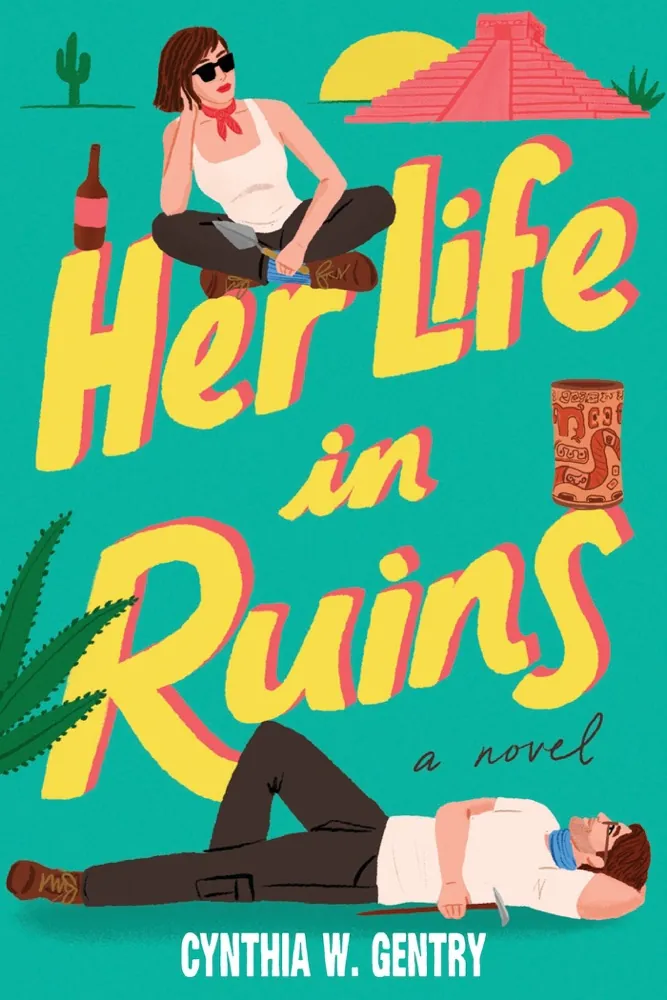
Author: Cynthia W. GentryPage Count: UnknownPublication Date: Expected publication 2026 APL The synopsis for Her Life in Ruins is the kind of thing that makes you want to both cheer and groan in unison—like watching a friend attempt a backflip off a trampoline. It’s the kind of premise that could either be a razor-sharp satire of academic ambition and Silicon Valley excess or a glorified rom-com with a side of cultural appropriation anxiety, depending on how much the author trusts her readers to laugh at themselves. The fact that it’s being marketed to fans of The Love Hypothesis and Really Good, Actually is either a bold move or a desperate attempt to ride the coattails of books that, while charming, often feel like they were written by people who’ve never actually had to pay rent. The Yucatán setting is a nice touch—it’s not just a backdrop but a character in itself, dripping with the kind of exoticism that could either be handled with the precision of a trained archaeologist or reduced to a series of clichés about "spicy" locals and "mysterious" ruins. The synopsis leans heavily into the "reckless, overly ambitious, desperately horny glory of womanhood" angle, which is fine if you’re going for a Bridesmaids-level of cringe comedy, but it risks feeling like a gimmick if the execution isn’t sharp. The idea of a grad student turning to theft to save her career is a trope as old as Ocean’s Eleven, but the twist here is that she’s not a master thief—she’s a woman who’s spent the last six years either digging in the rain or trying to hook up with her professors. The question isn’t whether this will work, but whether it will feel fresh or just another iteration of the "smart but messy woman" narrative that’s been mined for all it’s worth. And let’s be real—if this is just another book where the love interest is the only person who actually believes in her, then it’s not just a heist gone wrong, it’s a narrative choice that’s been made a thousand times before. The synopsis also does a great job of selling the vibe—laugh-out-loud, wry, propulsive—but it’s frustratingly vague on the actual stakes beyond "her academic career." Is this about the ethics of looting? The absurdity of academic gatekeeping? The way Silicon Valley types treat ancient artifacts like NFTs? Or is it just a rom-com where the heist is a metaphor for dating? The synopsis doesn’t say, and that’s the problem. It’s like being handed a menu where every dish is described as "delicious" but you have no idea what’s in it. You can guess it’s going to be messy, but will it be good messy or just sloppy? Nailed it. The real test will be whether Gentry can balance the humor with something more substantial—because right now, this reads like a book that’s afraid to take itself too seriously, which is fine if you’re going for a Legally Blonde vibe, but it also risks feeling like it’s not taking its own themes seriously enough. The Yucatán setting is a goldmine for cultural critique, but if it’s just a place where the characters drink tequila and get lost, then it’s not just a missed opportunity—it’s a betrayal of the real history and people who live there. And the fact that the synopsis mentions "pampered tourists and greedy collectors" is both a nod to the real issues at play and a warning that this could easily devolve into a caricature. But here’s the thing—if this is as sharp as the marketing suggests, it could be a lot of fun. The synopsis has the energy of a book that knows it’s playing with fire, and if Gentry can keep the tone consistent—equal parts irreverent and incisive—it might just work. The problem isn’t the premise; the problem is whether the execution will live up to the hype. And right now, I’m not sure it will. I need to go fix the leaky faucet in the guest bathroom. Related InsightsTears of Tess Book Review and Summary Seven and the Swift (Shield of Sparrows, #3) Book Review and Summary The Inmate Book Review and Summary{ "@context": "https://schema.org", "@type": "FAQPage", "mainEntity": [ { "@type": "Question", "name": "What is the main focus of Her Life in Ruins Book Review and Summary?", "acceptedAnswer": { "@type": "Answer", "text": "Everything you need to know about Her Life in Ruins with our detailed review." } }, { "@type": "Question", "name": "Who authored the comprehensive guide on Her Life in Ruins Book Review and Summary?", "acceptedAnswer": { "@type": "Answer", "text": "This detailed article and its insights were carefully researched and authored by William Clark." } }, { "@type": "Question", "name": "Where can I find more related content about Books?", "acceptedAnswer": { "@type": "Answer", "text": "You can explore more articles, detailed reviews, and similar insights by browsing the Related Insights section at the bottom of this article or visiting our dedicated Books category page." } } ] }
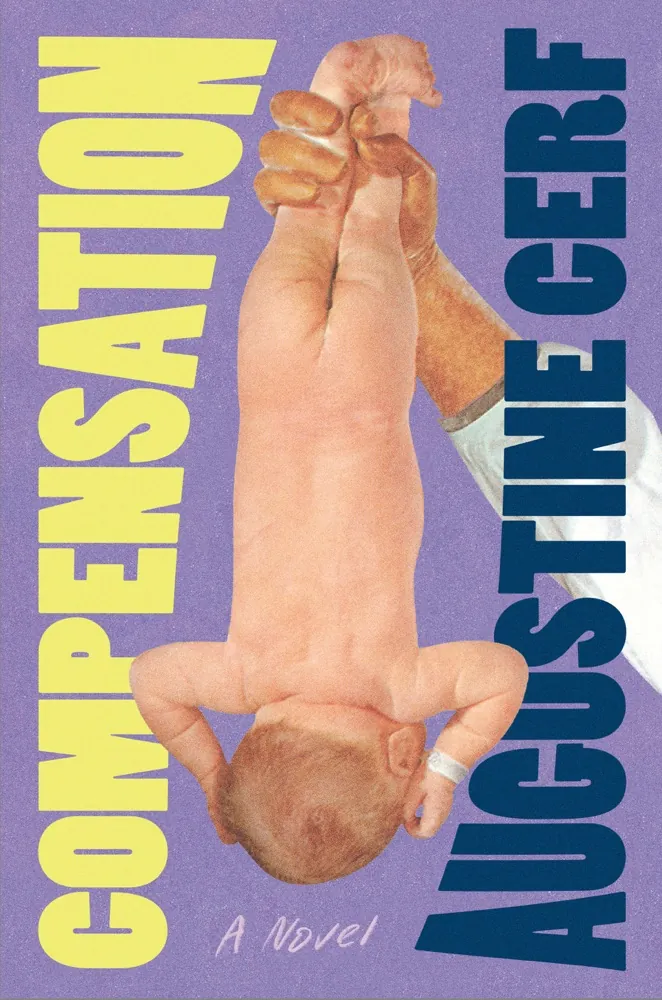
Author: Augustine CerfPage Count: UnknownPublication Date: Expected publication 2026 APL The synth bassline of this thing is so 2010s, isn’t it? Like someone took a Frankenstein synopsis, microwaved it with a House of Leaves vibe, and then served it to you with a side of The End of the F*ing World’s existential dread—only to realize halfway through that the real kicker was missing. The problem? It’s not enough. Not dark enough. Not twisted enough. Not unsettling enough to justify the hype that’s already being doled out like free samples at a cult book fair. The premise—surrogate motherhood as a grotesque act of maternal compensation—isn’t new. It’s been mined by The Handmaid’s Tale’s dystopian desperation, by The Vegetarian’s bodily horror, by The Emigrants’ quiet, seething rage. But here, it’s being sold as provocative, which is either a sign of literary ambition or a desperate bid for attention in a market that’s already glutted on "transgressive" narratives that feel like they were written by committee. The synopsis leans hard into the darkly funny angle—Erik, the surgeon-adulterer, poring over spam mail and porn like a man who’s already emotionally checked out—but the real punchline is missing. Where’s the real edge? Where’s the moment where the reader’s stomach drops so hard they question their own morality? This feels like a Black Mirror episode that forgot to add the algorithm. And the power dynamics—oh, the power dynamics. The synopsis hints at them like a bad horror movie trailer, promising a slow unraveling of control, but it’s all so vague. Is Charlotte’s desperation going to be the kind of thing that makes you wince, or is it going to be the kind of thing that makes you roll your eyes because it’s been done before? The mention of the surrogate being "invited into her home" is so 2019, when the trend was to make domestic spaces the battleground for feminist horror. But where’s the subversion? Where’s the moment where the reader realizes they’ve been played? Right now, it’s just a setup for a very predictable descent into madness. I am unwell. The comparison to Frankenstein is the real giveaway here. It’s not just a nod to the themes of creation and consequence—it’s a marketing move, pure and simple. But Frankenstein isn’t just about grief and ambition; it’s about the monstrosity of human hubris. Where’s the monster in this? Where’s the thing that’s actually unraveling? The synopsis makes it sound like this is going to be a psychological thriller, but it’s already teetering on the edge of being too on-the-nose. The way it describes Charlotte’s plan as "unorthodox" is so 2015, when the literary world was obsessed with "unreliable narrators" and "disturbed protagonists." But where’s the twist? Where’s the moment where the reader goes, "Oh. That’s not what I thought."? The real problem is that this synopsis feels like it’s been curated for maximum shock value, not for maximum art. It’s the kind of thing that would make a New York Times reviewer reach for the "most disturbing books of the year" list, but it’s not the kind of thing that’s going to linger in your mind like The Stranger or American Psycho. It’s too focused on the idea of transgression, not the execution of it. And that’s the difference between a book that’s going to be talked about in literary circles and one that’s going to be forgotten by next week’s bestseller list. The bodega’s run out of my cigarettes. Related InsightsSpirit Bound Book Review and Summary As I Lay Dying Book Review and Summary It Happened One Summer Book Review and Summary{ "@context": "https://schema.org", "@type": "FAQPage", "mainEntity": [ { "@type": "Question", "name": "What is the main focus of Compensation Book Review and Summary?", "acceptedAnswer": { "@type": "Answer", "text": "Everything you need to know about Compensation with our detailed review." } }, { "@type": "Question", "name": "Who authored the comprehensive guide on Compensation Book Review and Summary?", "acceptedAnswer": { "@type": "Answer", "text": "This detailed article and its insights were carefully researched and authored by William Clark." } }, { "@type": "Question", "name": "Where can I find more related content about Books?", "acceptedAnswer": { "@type": "Answer", "text": "You can explore more articles, detailed reviews, and similar insights by browsing the Related Insights section at the bottom of this article or visiting our dedicated Books category page." } } ] }
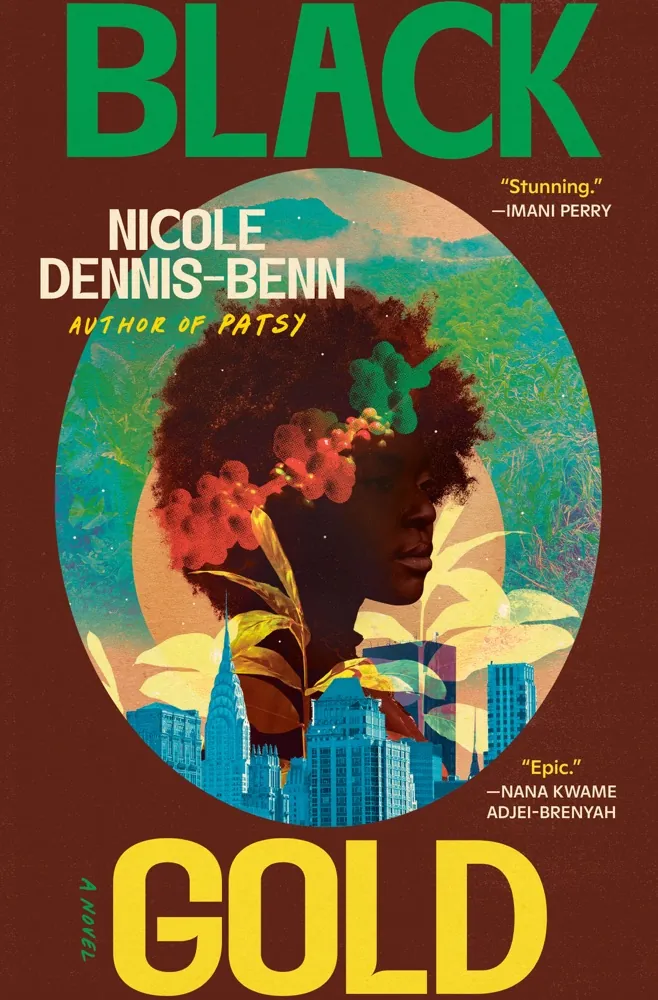
Author: Nicole Dennis-BennPage Count: UnknownPublication Date: Expected publication 2026 APL Dirt under the fingernails teaches you real quick about what stays and what washes away. Nicole Dennis-Benn is back with Black Gold, and the soil of Jamaica’s Blue Mountains is crying out before the first page is even turned. Look, I am already exhausted by the gloss. We get it. Another rural soul yanked from the ancestral dirt and tossed into the blinding, superficial flashbulbs of high fashion. It is the literary equivalent of a pesticide-heavy monoculture crop. Give me something native. Give me the grit of Homestead or the stubborn roots in Land of Milk and Honey instead of yet another predictable sprint toward glossy runways. Why must every contemporary protagonist escape the actual earth to find herself? Faye has the weight of Grandy Henrietta and generations of Maroons on her shoulders, and naturally, a convenient modeling scout swoops in like a corporate developer clearing a historic homestead for luxury extraction. Speaking of unnatural land development, the local township council has been dragging their feet for three weeks on the zoning permits for the north pasture, meaning my irrigation lines are currently sitting exposed to the frost while a bunch of bureaucrats argue about property lines over bad coffee. It infuriates me. Just like these pristine synopses pretending that a whirlwind journey of luxury, excess, and deception is somehow a revelation about human freedom. Dennis-Benn proved she can write with teeth in Patsy and Here Comes the Sun. But I am deeply suspicious of this setup. The Commodification of Mud Land and river. Myth and history. The buzzwords pile up like rotting mulch. The synopsis leans hard on the friction between traditional coffee-farming and the glittering deceit of the global elite. But trading a generational plot of land for a modeling contract is a tired transaction. Faye wants to escape the old ways. Yet the synopsis reduces her ancestral inheritance to a mere financial band-aid when mother falls ill. Capitalism always comes for the soil in the end. And that is the real tragedy here. The prose will likely be gorgeous. Dennis-Benn does not write flat sentences. But I fear the plot will flatten the complex ecological and historical weight of the Blue Mountains into a predictable parable about the price of ambition. We are supposed to gasp when the luxury world reveals its greed. As if we did not already know that global fashion thrives on stripping bare the resources of the Global South. Faye is destined to learn hard lessons about survival. I just hope the narrative allows her to stay angry at the machinery that dug her up by the roots. I have to go coach a little league game where none of the children understand the rules. Related InsightsThe Girl With the Dragon Tattoo Book Review and Summary Me Talk Pretty One Day Book Review and Summary Amarilla Book Review and Summary{ "@context": "https://schema.org", "@type": "FAQPage", "mainEntity": [ { "@type": "Question", "name": "What is the main focus of Black Gold Book Review and Summary?", "acceptedAnswer": { "@type": "Answer", "text": "Everything you need to know about Black Gold with our detailed review." } }, { "@type": "Question", "name": "Who authored the comprehensive guide on Black Gold Book Review and Summary?", "acceptedAnswer": { "@type": "Answer", "text": "This detailed article and its insights were carefully researched and authored by William Clark." } }, { "@type": "Question", "name": "Where can I find more related content about Books?", "acceptedAnswer": { "@type": "Answer", "text": "You can explore more articles, detailed reviews, and similar insights by browsing the Related Insights section at the bottom of this article or visiting our dedicated Books category page." } } ] }
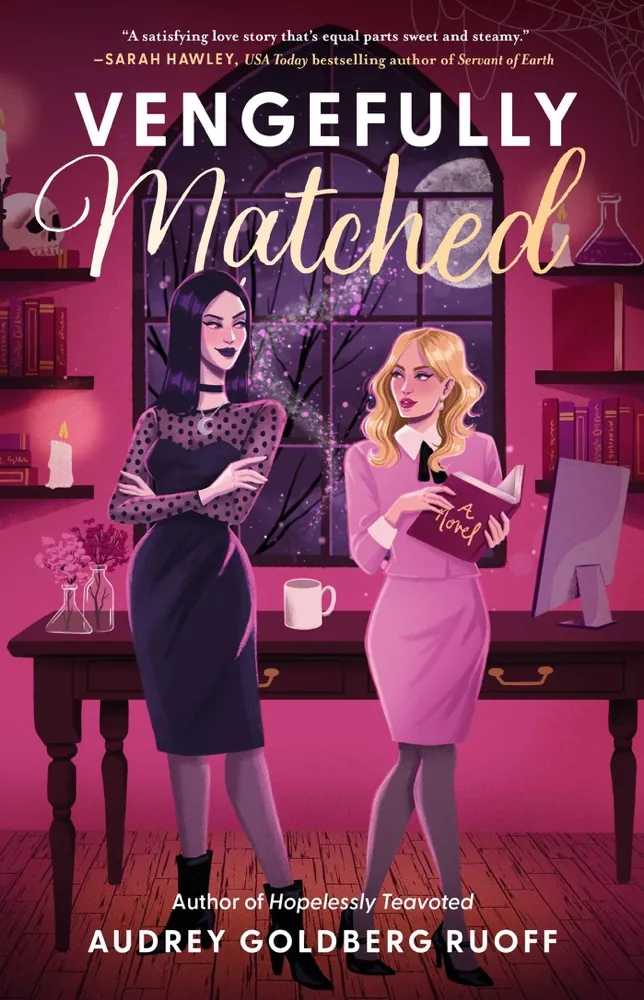
Author: Audrey Goldberg RuoffPage Count: UnknownPublication Date: Expected publication 2026-10-06 APL The synopsis for Vengefully Matched arrives like a poorly sealed jar of pickles—bright, tangy, and immediately suspicious of what’s been left out. The premise is a classic rom-com setup, the kind that thrives on opposites attracting, but the execution risks collapsing under the weight of its own contradictions. Priscilla Hart, the runaway bride, is framed as a chaotic force of nature—mischievous, magical, and draped in designer heels—while Agatha Vanderbilt Voisin is the polar opposite, a prim, proper witchery council president who, by all accounts, should find Priscilla’s antics infuriating. Yet the synopsis doesn’t linger on the tension between them; it skips past the friction like a bad plot twist, assuming the reader will accept that two such polar opposites can coexist in the same sentence, let alone the same plot. The idea of a fake dating scheme to clear Priscilla’s name is a trope so well-worn it’s practically a spell itself—think The Hating Game meets Bridgerton, but with more hexes and fewer historical costumes. The problem isn’t the premise; it’s the vagueness. Where’s the chemistry? Where’s the real conflict? The synopsis mentions "late-night arguments" and "slow-burn attraction," but it doesn’t tell us what those arguments are about—just that they exist. Is this a battle of wills, or a battle of wits? Is Agatha’s patience a facade, or is Priscilla’s chaos actually charming? The synopsis doesn’t say. It just assumes we’ll believe that two people who can’t stand each other will somehow fall in love, which is the kind of lazy storytelling that makes me want to throw a spell of my own—preferably one that erases the entire book from existence. And let’s talk about the villain. The synopsis drops a cryptic line about "something wicked brewing in Hallowcross," but it doesn’t specify what that something is. Is it a rogue witch? A cursed artifact? A political conspiracy within the Witchery Council? The lack of detail is frustrating, like reading a Studio Ghibli script where the villain’s backstory is left to the imagination—except in Ghibli, the ambiguity is part of the magic. Here, it feels like a cop-out, a way to avoid committing to a real threat. If the book is going to lean into the witchy rom-com genre, it needs to give us something more than a placeholder for danger. I respectfully disagree with the publisher’s hype. The synopsis also hints at a thematic tension between reputation and redemption, but it doesn’t explore how that plays out. Priscilla wants to rebuild her reputation, but is she doing it for herself, or is she trying to prove something to Agatha? Agatha, meanwhile, is the council president—does she have her own reasons for helping Priscilla, or is this just a PR move? The synopsis doesn’t answer these questions, and without them, the emotional core of the story feels thin. It’s like reading a Jane Austen novel where the love triangle is never actually fleshed out—you know it’s there, but you can’t quite see the strings pulling it. The ADHD tangent: I can’t even. Why does every sapphic rom-com these days have to be about witches? It’s like the genre is stuck in a loop of The Craft nostalgia, where every magical girl is either a rebel or a victim, and the only way to resolve the conflict is through a grand gesture of love. Where’s the nuance? Where’s the messiness? Vengefully Matched seems determined to be another entry in this trend, but without the depth of something like The Song of Achilles or the subversion of The House in the Cerulean Sea. It’s not that the premise is bad—it’s that it’s been done before, and done better. Literally. The book’s release date is 2026, which means it’s either a masterstroke of timing or a desperate gamble. If the trend for witchy sapphic rom-coms is still hot, this could be a sleeper hit. If not, it might get lost in the shuffle like another BookTok fad that fizzled out faster than a cursed candle. The synopsis doesn’t give us enough to care, but then again, neither does most of the genre these days. Now, if you’ll excuse me, I need to unclog the shower drain before the entire second floor floods. #BookTok #WitchyRomCom #FakeDatingTrope #SapphicFiction #ChaoticEnergy
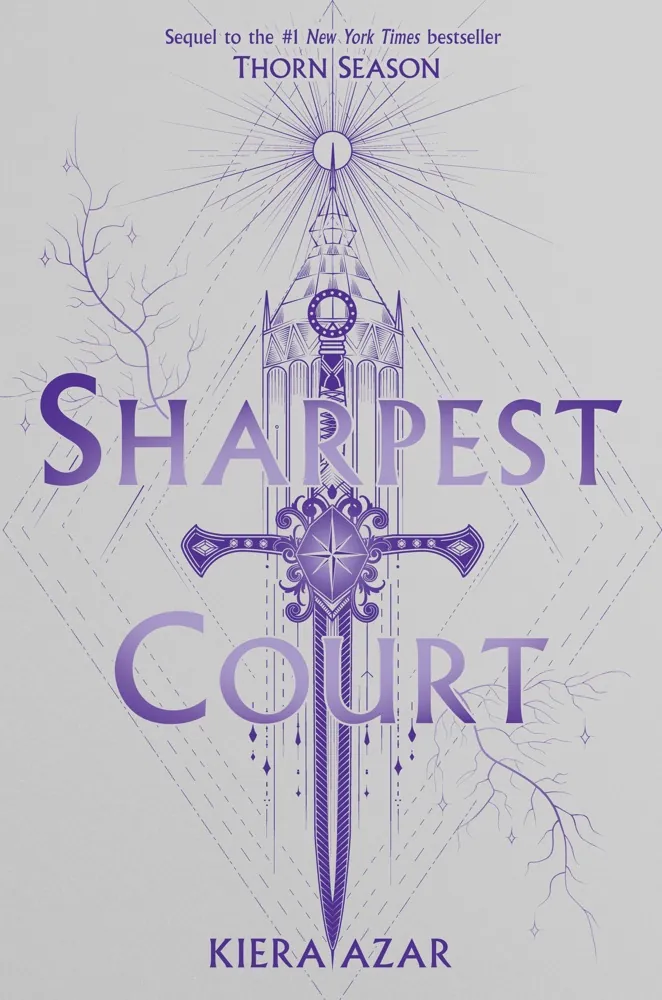
Author: Kiera AzarPage Count: UnknownPublication Date: Expected publication 2026-11-03 APL August heat is baking the tomatoes into dry husks out by the south pasture, and the irrigation pump is rattling its casing loose again. Perfect. Just the soundtrack needed for evaluating Kiera Azar’s upcoming Sharpest Court. Because what the literary market desperately demands right now is yet another hardcover about teenagers wearing elaborate ballgowns while overthrowing monarchies that clearly never learned basic crop rotation. Gilded Cages and Compasses Alissa is back, running from King Erik with a magical compass that sounds suspiciously like every single artifact lost in every YA fantasy written since Sarah J. Maas figured out how to brand a fae cheekbone. Yet the synopsis wants us to gasp at the high stakes of a courtier's mask. Oh, the glamour. Oh, the peril. Honestly, why do these rebels always trade their muddy boots for satin slippers the second a throne room gets mentioned? Give me a protagonist who understands soil compaction instead of court politics. My cousin’s teenager tried to explain the first book's lore last month while I was trying to fix a rusted tractor manifold with a bent coat hanger and half a prayer. That’s certainly an opinion. Kids today consume this relentless machinery of royal romance like cheap candy, ignoring the systemic failures of an agrarian economy entirely dependent on magical contraband. The Cost of Glitter Azar leans hard into the standard formula of hunted magic users dodging tyrannical sovereigns. Ansora offers protection at a steep price. Of course it does. Nothing in these kingdoms is free, unlike the weeds choking my zucchini patch right now. But will Alissa actually face real structural consequences, or will she just spend three hundred pages brooding over a boy named Keil while wearing a vicious mask? Predicting a predictable mess. Readers will eat it up because they crave shiny objects over narrative substance, much like magpies drawn to a gleaming piece of tinsel left on a fence post. Speaking of expensive distractions, the orthodontist bill arrived this morning for the middle kid's overbite. The absurd cost of braces these days is giving me a massive headache. #KieraAzar #SharpestCourt #BookTwitter #Romantasy Related InsightsMatar un ruiseñor / To Kill a Mockingbird Book Review and Summary Paper and Blood Book Review and Summary Heartless Book Review and Summary{ "@context": "https://schema.org", "@type": "FAQPage", "mainEntity": [ { "@type": "Question", "name": "What is the main focus of Sharpest Court (Thorn Season #2) Book Review and Summary?", "acceptedAnswer": { "@type": "Answer", "text": "Everything you need to know about Sharpest Court (Thorn Season #2) with our detailed review." } }, { "@type": "Question", "name": "Who authored the comprehensive guide on Sharpest Court (Thorn Season #2) Book Review and Summary?", "acceptedAnswer": { "@type": "Answer", "text": "This detailed article and its insights were carefully researched and authored by William Clark." } }, { "@type": "Question", "name": "Where can I find more related content about Books?", "acceptedAnswer": { "@type": "Answer", "text": "You can explore more articles, detailed reviews, and similar insights by browsing the Related Insights section at the bottom of this article or visiting our dedicated Books category page." } } ] }
- William Clark
- 17 Aug, 2026 13:23
Styx - The River (Goddesses of the Underworld, #2) Book Review and Summary
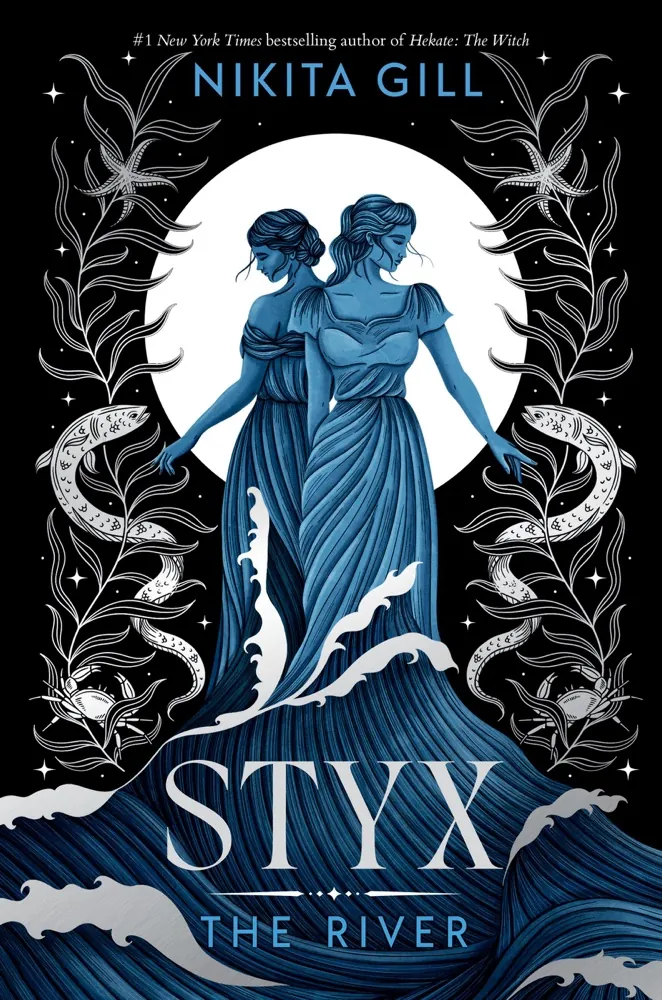
Author: Nikita GillPage Count: UnknownPublication Date: Expected publication 2026-09-15 APL The synopsis for Styx: The River reads like a carefully curated mythos—polished, but still clinging to the ghost of its own ambition. There’s a certain Madeline Miller sheen to it, that same reverent, almost academic reverence for ancient stories, but where Miller’s work often feels like a love letter to the past, this one seems to be drafting a résumé for a goddess who hasn’t yet been given a voice. The problem isn’t that the premise is weak—it’s that it’s too neat. The Titanomachy, the coming-of-age arc, the sisterhood trope—it’s all there, but the synopsis doesn’t so much reveal as it promises, and promises are the first currency to fail in this industry. And yet—where’s the friction? Where’s the moment where Styx isn’t just disillusioned but actively dangerous? The synopsis frames her rage as something contained, something she learns to "conceal." But concealment is a passive verb. What if she unleashes it? What if her disillusionment isn’t just personal but ecological—a river goddess in a world where her waters are being hoarded, dammed, or polluted by the very gods who claim to revere her? The synopsis doesn’t even hint at that kind of environmental allegory, and it’s a shame, because Gill’s poetry often thrives on the tension between the mythic and the modern. Consider The Blackthorn Key—how Gill wove folklore into a critique of colonialism and land theft. Here, the potential for a similar depth feels like it’s been boxed up and labeled "For Later." But let’s talk about the form. The synopsis mentions it’s a "novel-in-verse," which is either a bold choice or a gimmick, depending on how it’s executed. Gill’s previous work, like Hekate: The Witch, proved she could handle lyrical prose with a sharp edge, but verse requires a different kind of precision. The risk isn’t just that it’ll feel like a watered-down The Song of Achilles—it’s that it’ll feel like a Twilight fanfic, where the poetry is so dense it becomes its own kind of suffocation. And speaking of suffocation—why does every goddamn retelling of Greek myth these days have to be a war story? The Titanomachy is ancient, but the synopsis treats it like it’s the latest Marvel crossover, with "divine purpose" and "motherhood as resilience" thrown in like mandatory plot armor. Where’s the boredom? Where’s the moment where Styx just sits by her river and doesn’t do anything heroic? The synopsis also drops names like they’re awards—Alexandra Bracken, Madeline Miller—as if the mere association will sell it. But Bracken’s The Pirate Queen is a swashbuckling adventure, and Miller’s Circe is a psychological unraveling. This feels like it’s trying to be both, and that’s a recipe for dilution. The synopsis doesn’t even mention the sequel, Nyx: The Night, which is odd because the way these books are marketed suggests they’re part of a larger, interconnected mythos. But if Styx is just another "firstborn child of Titans" story, it risks becoming one more entry in the "divine women who fight back" trend—think The Song of Achilles meets Red Queen, but without the originality. And don’t even get me started on the Asteria subplot. The synopsis treats their relationship like it’s a given—"sisterhood," "true love," "motherhood"—but what if it’s something messier? What if Asteria isn’t just a love interest but a rival, or a mirror, or someone who betrays Styx in a way that forces her to confront her own complicity? The synopsis doesn’t even ask the question. It just assumes the happy ending. Literally. The garbage truck is coming. Related InsightsMidsummer Delights Book Review and Summary A Most Decadent Curse Book Review and Summary And Then There Were None Book Review and Summary{ "@context": "https://schema.org", "@type": "FAQPage", "mainEntity": [ { "@type": "Question", "name": "What is the main focus of Styx - The River (Goddesses of the Underworld, #2) Book Review and Summary?", "acceptedAnswer": { "@type": "Answer", "text": "Everything you need to know about Styx - The River (Goddesses of the Underworld, #2) with our detailed review." } }, { "@type": "Question", "name": "Who authored the comprehensive guide on Styx - The River (Goddesses of the Underworld, #2) Book Review and Summary?", "acceptedAnswer": { "@type": "Answer", "text": "This detailed article and its insights were carefully researched and authored by William Clark." } }, { "@type": "Question", "name": "Where can I find more related content about Books?", "acceptedAnswer": { "@type": "Answer", "text": "You can explore more articles, detailed reviews, and similar insights by browsing the Related Insights section at the bottom of this article or visiting our dedicated Books category page." } } ] }
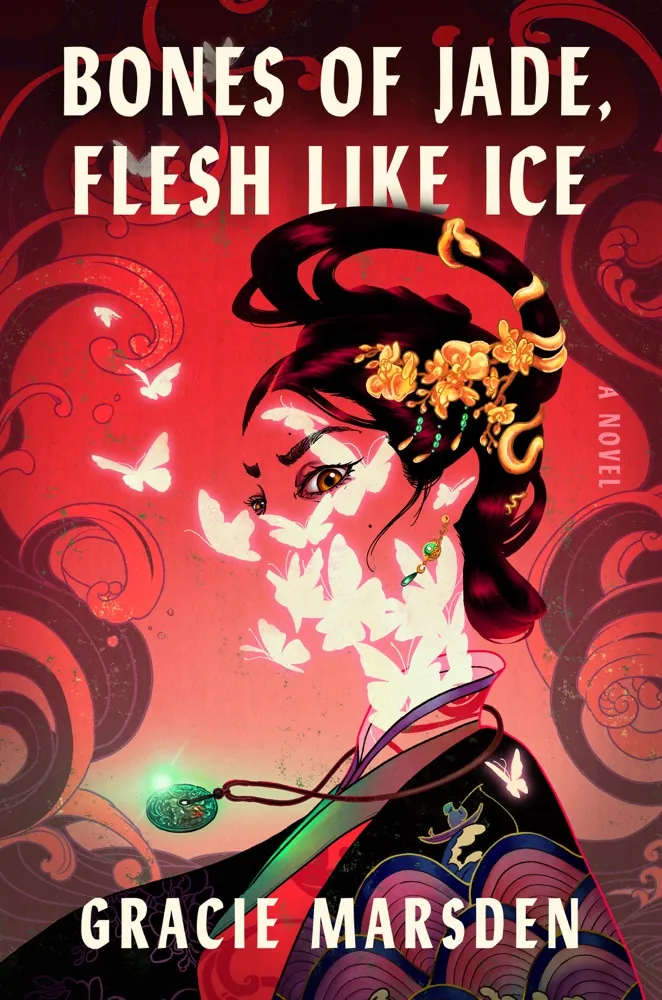
Author: Gracie MarsdenPage Count: UnknownPublication Date: Expected publication 2026-11-10 APL Look at this red clay caked onto my boots. It is three days past the equinox, the soil is still too stubbornly sodden to turn with a spade, and I am supposed to sit here parsing promotional blurbs about Eleventh-century demons. People think working the earth is a romantic exercise in mindfulness. It is actually just a relentless war against mud, bureaucratic water restrictions, and crows that have somehow evolved an immunity to every scarecrow design invented since the Bronze Age. And then a publisher sends over a synopsis for Bones of Jade, Flesh Like Ice. The Transactional Cost of Soil and Soul Gracie Marsden wants us to look at an eleventh-century Kangzhu where youth is bartered away to shapeshifting entities like sacks of grain. A girl named Yu’er gets sold off because a demon promised her parents unearned wealth. Naturally. Because nothing says domestic stability quite like economic mobility founded on supernatural extortion. Shelley Parker-Chan compares the construction to a finger trap. A clever blurb. But let us be entirely honest about what a finger trap actually requires. You pull away in a panic, and the weave tightens. You submit, and you are stuck. Or maybe the real tragedy here isn't the demon bargain at all. Maybe the tragedy is the sheer predictability of humans trading love for autonomy the second the floorboards start rotting. We pretend we are different from our medieval ancestors just because our exploitation comes with a corporate retirement plan. Actually, scratch that entire line of reasoning. The demon bargains are obviously just clever metaphors for predatory lending practices in contemporary housing markets. No, wait. That is completely absurd and pretentious. It is a historical fantasy with mythical beasts, not a seminar on municipal zoning laws. I am just projecting my sheer exhaustion with the local county council denying my permit for a rainwater catchment tank onto a book about dynastic court politics. Speaking of infuriating things, has anyone forced themselves to read the latest climate-apocalypse YA trilogy currently dominating every bestseller list? It is four hundred pages of privileged teenagers complaining about melting glaciers while sipping synthetic oat lattes in a glass-domed biodome, completely ignoring the fundamental physics of soil microbiome collapse. Every single page reads like a McKinsey report written by a depressed seventeen-year-old who just discovered Marx on TikTok. At least Marsden has the decency to set her devastation in a historical past where people actually had to bleed for their firewood, instead of just crying into an iPad about carbon footprints. The Royal Court and the Rot Yu’er leaves her husband, leaves her home, and trades her domestic sanctuary for absolute power in the royal court. A classic literary trajectory. Power always demands the shedding of one's softer edges—the bones of jade, the flesh like ice. It is a striking aesthetic paradox. Jade is brittle if struck incorrectly. Ice melts the moment the temperature shifts. Expect this book to sell a million copies to people who have never had to shovel muck in the freezing rain at dawn. They will read about Yu’er sacrificing her humanity for agency, sigh deeply into their designer throw pillows, and order takeout. The draft coming through the ill-fitted seal on the north window is currently slicing straight through my flannel shirt like a rusty saw blade, and I am entirely done pretending this wind is going to drop before sundown. Related InsightsThe consuming fire Book Review and Summary It's a Prince Thing (the Princess Rules) Book Review and Summary A Court of Wings and Ruin Book Review and Summary{ "@context": "https://schema.org", "@type": "FAQPage", "mainEntity": [ { "@type": "Question", "name": "What is the main focus of Bones of Jade, Flesh Like Ice Book Review and Summary?", "acceptedAnswer": { "@type": "Answer", "text": "Everything you need to know about Bones of Jade, Flesh Like Ice with our detailed review." } }, { "@type": "Question", "name": "Who authored the comprehensive guide on Bones of Jade, Flesh Like Ice Book Review and Summary?", "acceptedAnswer": { "@type": "Answer", "text": "This detailed article and its insights were carefully researched and authored by William Clark." } }, { "@type": "Question", "name": "Where can I find more related content about Books?", "acceptedAnswer": { "@type": "Answer", "text": "You can explore more articles, detailed reviews, and similar insights by browsing the Related Insights section at the bottom of this article or visiting our dedicated Books category page." } } ] }
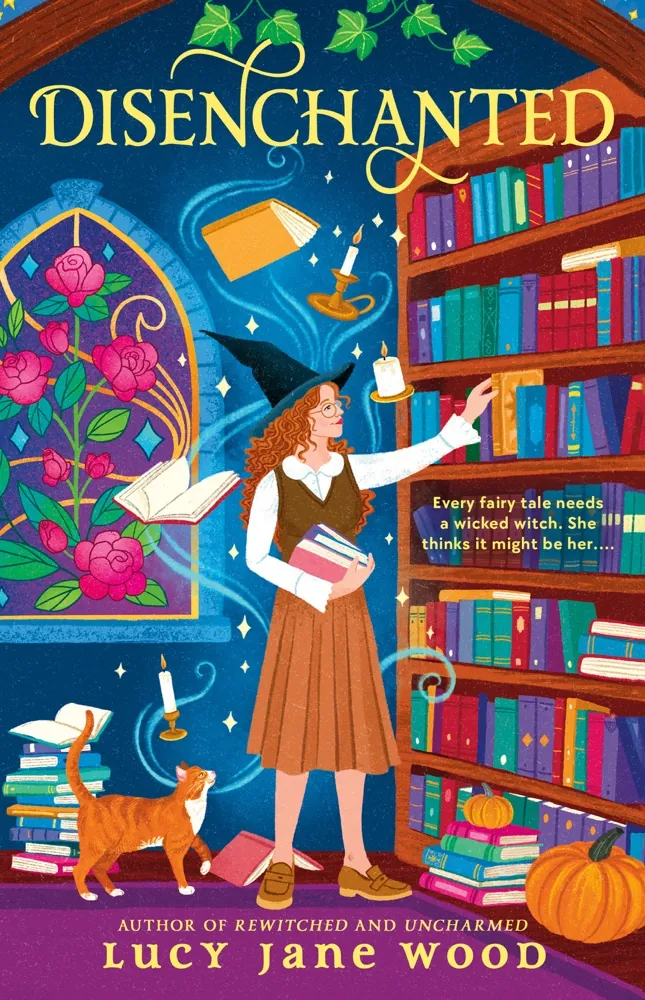
Author: Lucy Jane WoodPage Count: UnknownPublication Date: Expected publication 2026-09-08 APL The garden hose hisses like a disgruntled old woman at a bad haircut, and the kids are already tangled in the sprinkler’s web, their laughter the kind that makes you want to both join in and demand they turn it off immediately. Meanwhile, Disenchanted—the third book in Lucy Jane Wood’s Rewitched series—promises to be the kind of cozy fantasy that either soothes or infuriates, depending on whether you’ve already surrendered to its charm or are still holding out for something with a little more bite. Because let’s be honest, the synopsis reads like a fairy tale itself, the kind that starts with “once upon a time” and ends with “and they lived happily ever after”—except in this case, the happily ever after is a curse, and the witch in question has spent her whole life trying to outrun it. Sage Hemlock is the kind of protagonist who makes you root for her precisely because she’s so stubbornly unromantic. She’s not a reluctant witch because she’s afraid of her powers—she’s afraid of them. The way the synopsis frames her rejection of magic as a refusal to be “betrayed” again is telling. It’s the same logic that makes people avoid love after a bad breakup, or avoid commitment after a string of disappointments. But here’s the thing: magic, like love, doesn’t care about your boundaries. And that’s the crux of the tension. The curse isn’t just a plot device; it’s a metaphor for the inescapable nature of fate, or destiny, or whatever you want to call it. Wood, who already nailed this dynamic in Uncharmed, seems to understand that the most compelling conflicts aren’t the ones we choose—they’re the ones that choose us. Yet—and here’s where the synopsis starts to feel a little too neat—there’s no real ambiguity about Sage’s arc. She’s either going to embrace her magic or she’s not. There’s no middle ground, no gray area, no moment where she might almost accept it and then pull back. That’s not to say it’s a bad thing—The Cruel Prince made its money on clear-cut moral lines, and The Priory of the Orange Tree thrived on its own brand of black-and-white heroism—but it does make me wonder if Wood is leaning too hard into the “cozy” label. Cozy fantasy is supposed to be escapist, yes, but it also needs a little edge, a little something that makes it feel like more than just a warm blanket wrapped around a predictable story. Speaking of predictable—why does every fantasy series these days have to involve a cursed book? It’s like the publishing industry has a collective unconscious that says, “If we include a book, we can guarantee a plot.” The Name of the Wind had it. The Lies of Locke Lamora had it. Now Disenchanted is going to have it. That is certainly a choice. Maybe it’s a safe one, but safe doesn’t always mean bad. Still, I can’t help but think that if Wood wanted to subvert the trope, she could’ve done something more interesting than just… well, a cursed book. But then again, maybe that’s the point. Maybe the whole thing is about the inevitability of fairy tales, the way they seep into our lives whether we want them to or not. And then there’s the matter of Casimir. Oh, Casimir. The synopsis drops him into the mix like a plot device with a side of “cute,” and I can already see the problem. He’s either going to be a love interest who exists solely to make Sage question her denial of magic, or he’s going to be a distraction, a fairy-tale prince who doesn’t actually add anything to the story beyond “look at how handsome he is.” Either way, it feels like a missed opportunity. What if he were more than just a walking cliché? What if he were a character with his own agency, his own flaws, his own reasons for being there? But no—it’s easier to lean into the trope than to actually develop a person. And that’s where Disenchanted risks falling flat. But let’s talk about the real issue here: the synopsis is too vague. It doesn’t tell us enough about the curse, or how it works, or what Sage’s relationship with the coven is beyond “they’re on her tail.” It doesn’t even give us a clear sense of the stakes beyond “save everyone from being lost to a fairy tale forever.” That’s not a bad thing—it’s just lazy. Readers deserve more than a tease. They deserve a hint of the world-building, a sense of the magic system, something to make them care. Because right now, it all feels like it could be any other cozy fantasy, and that’s not enough to set it apart. I mean, come on—how many times have we seen this exact setup? A reluctant heroine, a magical mishap, a love interest who’s either a prince or a grumpy witch, and a race against time to fix whatever she’s broken. It’s the fantasy equivalent of a rom-com where the only thing that changes is the setting. And yet, Wood has a knack for making these stories feel fresh, so I’m holding out hope that Disenchanted will do something unexpected. Maybe the curse isn’t what it seems. Maybe Sage’s denial isn’t the only thing standing in her way. Maybe—just maybe—she’ll find a way to embrace her magic without losing herself in the process. But then again, maybe not. Maybe it’s all just going to be a neat little package, wrapped up in a bow, with a happy ending that feels a little too easy. And that’s fine. Cozy fantasy isn’t supposed to be hard. It’s supposed to be comforting. But if Wood wants to make this more than just another entry in the “reluctant witch saves the day” genre, she’s going to have to do more than just drop a cursed book into the mix. I need to explain to the teenager why the Wi-Fi is down again. Apparently, the router is “being stubborn,” which is just another way of saying it’s broken, and we’re all going to have to deal with it. Just like Sage is going to have to deal with her magic, whether she likes it or not. #FantasyBooks #CozyMagic #WitchyVibes #BookTok #CursedBooks Related InsightsPositively Green Greeting Cards: Birthday - Wishing You Joy and More Joy, from Sunrise to Sunset (Pack of 6) Book Review and Summary Shatter Me Book Review and Summary Wicked and the wallflower Book Review and Summary{ "@context": "https://schema.org", "@type": "FAQPage", "mainEntity": [ { "@type": "Question", "name": "What is the main focus of Disenchanted (Rewitched, #3) Book Review and Summary?", "acceptedAnswer": { "@type": "Answer", "text": "Everything you need to know about Disenchanted (Rewitched, #3) with our detailed review." } }, { "@type": "Question", "name": "Who authored the comprehensive guide on Disenchanted (Rewitched, #3) Book Review and Summary?", "acceptedAnswer": { "@type": "Answer", "text": "This detailed article and its insights were carefully researched and authored by William Clark." } }, { "@type": "Question", "name": "Where can I find more related content about Books?", "acceptedAnswer": { "@type": "Answer", "text": "You can explore more articles, detailed reviews, and similar insights by browsing the Related Insights section at the bottom of this article or visiting our dedicated Books category page." } } ] }
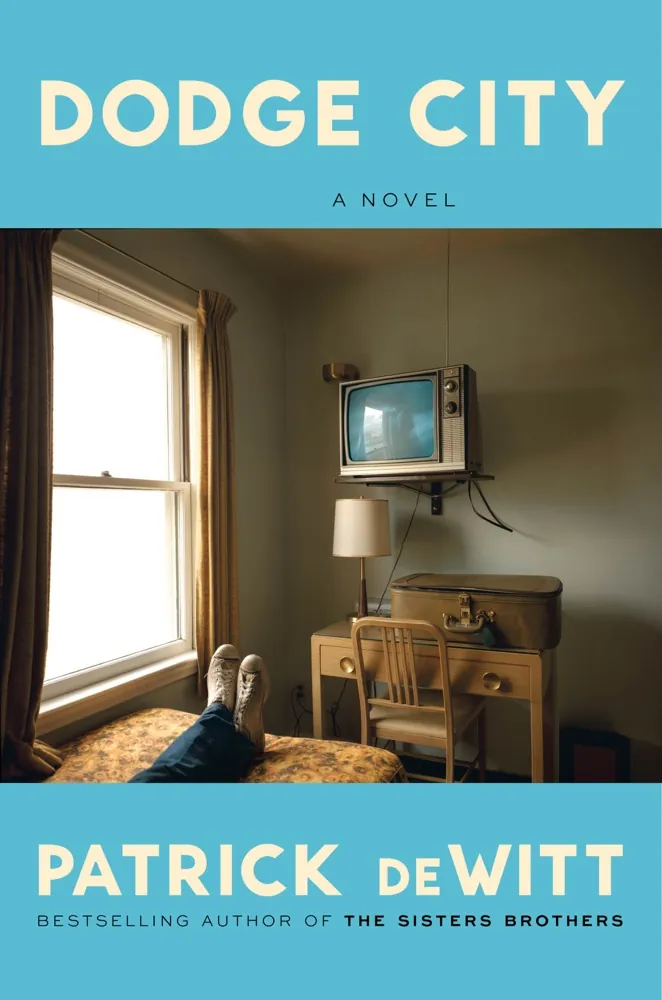
Author: Patrick deWittPage Count: UnknownPublication Date: Expected publication 2026-09-29 APL The soil out by the south pasture is holding onto too much water this spring, smelling wonderfully of damp clay and decaying root systems as the earth finally warms up under my old boots. Speaking of things stuck in the mud, Patrick deWitt is back with Dodge City, a novel that sounds suspiciously like every single movie plot forced upon us during the nineteen-nineties indie cinema boom where young men drove fast cars and made poor life choices while avoiding responsibility. Does the world truly need another pill-popping protagonist fleeing the Vietnam draft in a showroom-new Jaguar? Probably not. We already endured hundreds of pages of tedious masculine angst back when Denis Johnson published Jesus' Son, and quite frankly, the amphetamine-fueled road trip trope smells about as fresh as three-week-old compost sitting in a bucket by the kitchen sink. The Geography of Avoidance Our apolitical hero Lee Clarke decides to dodge the draft by driving eastward away from Canada—wait, the synopsis says he is heading for the border, yet he picks up a car bound for the East Coast. Geography clearly abandoned this boy before his UCLA expulsion did. He stops along the northern United States to visit a gallery of grotesque relatives, including a degraded veteran father and a manic mother. It is a portrait of a country in flux, or so the jacket copy desperately insists. Why must every novel about the sixties rely on the exact same checklist of familial dysfunction? Give me a good, hardy perennial weed over this tired literary landscape any day of the week. Dandelions have more backbone than these paper-thin relatives strung out across the northern states. DeWitt writes with a certain comic crispness, sure, but this premise feels recycled from a cynical screenwriter's discarded pitch book. My goats have managed to escape their pen yet again and are currently headbutting the compost bins with alarming enthusiasm. That behavior makes infinitely more sense than driving a stolen Jaguar across a continent with a bag of speed just because you got into a fistfight over a library book or whatever happened at UCLA. At least the goats understand the basic concept of boundaries, unlike Lee Clarke. I predict this book will win awards simply because literary critics possess the attention spans of distracted hummingbirds and adore anything involving vintage cars and historical trauma. It will sit on the bestseller lists alongside endless memoirs about growing vegetables in gravel. Wait. The teenager just handed me a loose-leaf paper covered in trigonometric identities and limits, demanding immediate assistance with a calculus homework problem involving logarithmic decay. I have no earthly idea what a derivative is supposed to represent when the only thing decaying around here is last autumn's leaf mulch. #DodgeCity #PatrickDeWitt #LiteraryGrumpiness Related InsightsThe Color of Magic Book Review and Summary Foundation Book Review and Summary Domain Adaptation for Visual Understanding Book Review and Summary{ "@context": "https://schema.org", "@type": "FAQPage", "mainEntity": [ { "@type": "Question", "name": "What is the main focus of Dodge City Book Review and Summary?", "acceptedAnswer": { "@type": "Answer", "text": "Everything you need to know about Dodge City with our detailed review." } }, { "@type": "Question", "name": "Who authored the comprehensive guide on Dodge City Book Review and Summary?", "acceptedAnswer": { "@type": "Answer", "text": "This detailed article and its insights were carefully researched and authored by William Clark." } }, { "@type": "Question", "name": "Where can I find more related content about Books?", "acceptedAnswer": { "@type": "Answer", "text": "You can explore more articles, detailed reviews, and similar insights by browsing the Related Insights section at the bottom of this article or visiting our dedicated Books category page." } } ] }
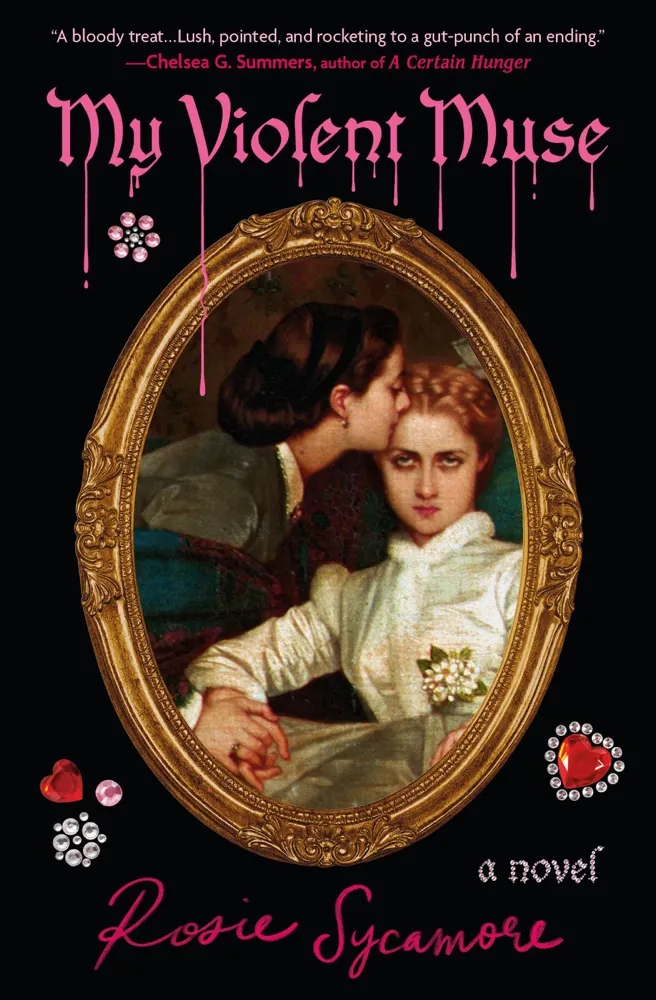
Author: Rosie SycamorePage Count: UnknownPublication Date: Expected publication 2026-10-06 APL The official synopsis of My Violent Muse is a perplexing, albeit intriguing, blend of art, violence, and the blurred lines between reality and performance — a theme that has been explored by authors like Gillian Flynn and Ottessa Moshfegh, who have a knack for crafting complex, dark female protagonists. But, as I sit here pondering the plot, I find myself wondering: what lies beneath the surface of this twisted narrative? Is it a scathing critique of the art world's predatory nature, or merely a gratuitous exploration of violence and exploitation? The fact that Morello, the protagonist, is a starving artist who becomes embroiled in a life of murder and manipulation raises questions about the cost of ambition and the true price of success — a theme that echoes the works of Donna Tartt and her exploration of the darker aspects of human nature. And yet, the more I read about My Violent Muse, the more I'm struck by the vagueness of its synopsis, which seems to hint at deeper themes and motifs without fully revealing them — a tactic that may either pay off in the form of a thought-provoking thriller or fall flat as a shallow exercise in style over substance. But what's truly fascinating about My Violent Muse is its apparent deconstruction of the muse trope, where the line between inspiration and exploitation is constantly blurred — a theme that has been explored in various forms of art, from literature to music to visual art. Morello's relationship with Florence, her enigmatic and dangerous mentor, raises questions about the nature of creativity and the role of the muse in the artistic process. Is Florence a symbol of Morello's own darker impulses, or a manifestation of the societal pressures that shape her desires and aspirations? The fact that Morello's reality begins to unravel when she falls for Jude, a wealthy art student, suggests that her feelings of guilt and unease may be rooted in the contradictions between her creative ambitions and her moral compass — a tension that has been explored in the works of authors like Deborah Levy and her nuanced portrayals of female desire and identity. And yet, as I ponder the psychological dynamics at play, I find myself wondering: can we truly separate the artist from their art, or are they inextricably linked in a dance of creation and destruction? Literally. And yet, the more I think about My Violent Muse, the more I'm convinced that it will be a game-changer in the literary world — a bold, unapologetic exploration of the darker aspects of human nature that will leave readers questioning their assumptions about art, violence, and the human condition. But, I must admit, my initial skepticism about the book's potential to tackle such complex themes has given way to a growing sense of excitement and anticipation — a feeling that may be rooted in my own fascination with the works of authors like Ottessa Moshfegh and her unflinching portrayals of the human psyche. Or, perhaps, it's simply a result of my own biases and prejudices, which may be influencing my perception of the book's potential. But, as I sit here, pondering the possibilities, I'm reminded of the power of literature to challenge our assumptions and push us out of our comfort zones — a power that My Violent Muse may wield with devastating effect. But, as the sun begins to set, casting a golden glow over the landscape, I find myself growing restless — eager to put aside my thoughts about My Violent Muse and indulge in a cold beer on the porch, where I can stare at the lawn and let my mind wander. #literaryfiction #bookreview #thriller Related InsightsThe Home Within: Design a Life You Love from the Inside Out Book Review and Summary The Big Sleep Book Review and Summary Snowed Inn (Honeycrisp Orchard, #2) Book Review and Summary{ "@context": "https://schema.org", "@type": "FAQPage", "mainEntity": [ { "@type": "Question", "name": "What is the main focus of My Violent Muse Book Review and Summary?", "acceptedAnswer": { "@type": "Answer", "text": "Everything you need to know about My Violent Muse with our detailed review." } }, { "@type": "Question", "name": "Who authored the comprehensive guide on My Violent Muse Book Review and Summary?", "acceptedAnswer": { "@type": "Answer", "text": "This detailed article and its insights were carefully researched and authored by William Clark." } }, { "@type": "Question", "name": "Where can I find more related content about Books?", "acceptedAnswer": { "@type": "Answer", "text": "You can explore more articles, detailed reviews, and similar insights by browsing the Related Insights section at the bottom of this article or visiting our dedicated Books category page." } } ] }