Showing Posts From
Epic
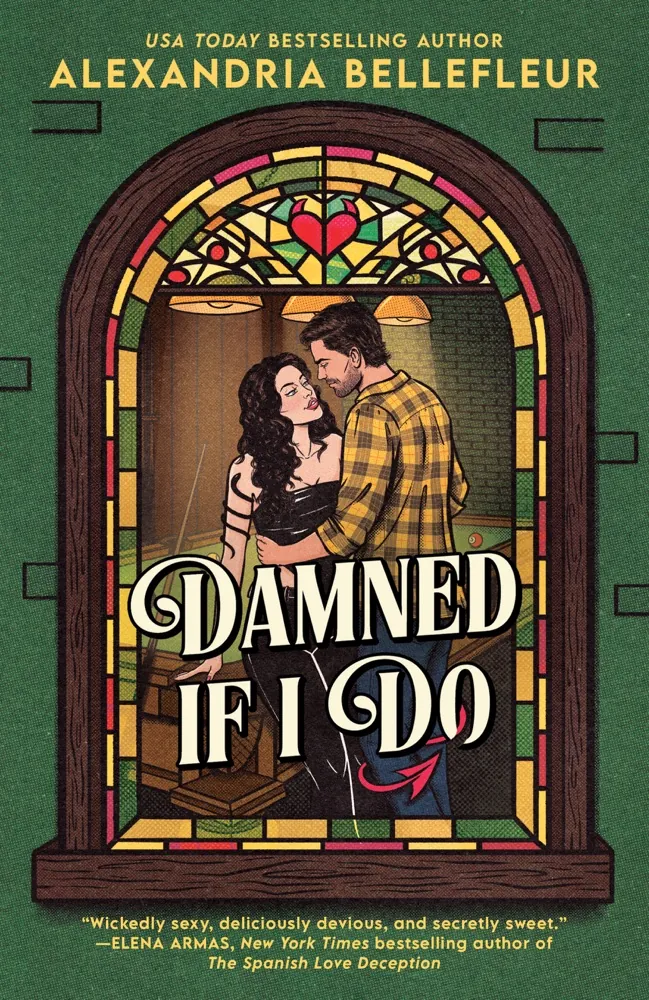
Author: Alexandria BellefleurPage Count: UnknownPublication Date: Expected publication 2026-09-22 APL Damned If I Do, a book that promises to bring us the most predictable yet tantalizing tale of a devil's right-hand woman and her marital entanglements. And why not? After all, the devil is in the details. Or should I say, the devil is in the vows – vows that Effie MacLeod, the demon, shares with her long-lost human husband Finn. How's that for a recipe for drama? A bit like watching a train wreck, you can't help but stare at Damned If I Do – a story that's all about marriage, soul-sacrificing, and, of course, Lucifer's involvement. But let's be honest, how original is this setup? It's as if someone took the basic premise of The Hallowe'en Tree by Ray Bradbury, mixed it with the marriage woes of a modern rom-com, and seasoned it with a dash of Lolita's dark, gothic undertones. And that's just the beginning – the actual story is supposed to be Effie's attempt to convince Finn to renounce their vows. A bit of an uphill battle, don't you think? But then, that's what happens when you get caught in a centuries-long cycle of love and hate. Yet, this narrative thread feels a bit too loose, a bit too predictable. It's as if Damned If I Do is setting itself up for an emotional tug-of-war between its two main characters, and I'm not sure if it's going to deliver on its promise of high drama. Then again, I may be underestimating the author's capabilities. Alexandria Bellefleur might surprise me with a story that defies conventions. Which, now that I think about it, reminds me of how the new season of Dragon Ball Z completely threw me off by introducing a character who could teleport – it's like, what's the point of having the power of teleportation if it doesn't have any limitations or consequences? Anyway, back to Damned If I Do: what strikes me most is the vague notion of Effie's soul-sacrificing – it raises the question of what exactly she might have to give up in exchange for this 'deal' with Lucifer. But perhaps that's the point, to leave the reader wondering. The marriage between Effie and Finn feels like the central conflict of the story – their inability to recall memories from past lives making it difficult for them to part ways. And here we get to the crux of the matter: can you truly be with someone when you're bound to their memories? In a way, it brings to mind the notion of the "multiple selves" proposed by psychoanalysts like Donald Winnicott – where our various personas are constantly vying for attention, making it hard to settle on a single, cohesive identity. Now, where could Alexandria Bellefleur be taking this? Is she going to explore the concept of shared trauma through their entwined pasts, or perhaps the fluidity of their identities? The possibilities are endless, and I find myself torn between a mix of excitement and trepidation. It's a gamble the author is willing to take, and who knows, it might just pay off in spectacular fashion. But then, I may be reading too much into it. I'm not buying it, folks – this is a story that screams 'paradigm-shifting romance' yet may ultimately settle for something far more conventional. Still, I wouldn't count it out just yet. Maybe it's a clever ruse, designed to lull us into a false sense of security before hitting us with something altogether different. As I sit here, sweating profusely, the AC groaning in the background, my mind begins to meander. You know what would be nice right about now? A nice, cold glass of lemonade on the patio. Or better yet, a good story to get lost in. And speaking of which, have you seen the new season of She-Ra and the Princesses of Power? It's like they took every trope from Star Wars and mashed them into a sugary sweet bowl of mess. But I digress – Damned If I Do might just be my guilty pleasure. We'll see. In the meantime, I have to go rescue the vinyl records from the damp basement. Related InsightsWild Sign Book Review and Summary Clockwork Angel Book Review and Summary Heartbreaker Book Review and Summary{ "@context": "https://schema.org", "@type": "FAQPage", "mainEntity": [ { "@type": "Question", "name": "What is the main focus of Damned If I Do Book Review and Summary?", "acceptedAnswer": { "@type": "Answer", "text": "Everything you need to know about Damned If I Do with our detailed review." } }, { "@type": "Question", "name": "Who authored the comprehensive guide on Damned If I Do Book Review and Summary?", "acceptedAnswer": { "@type": "Answer", "text": "This detailed article and its insights were carefully researched and authored by William Clark." } }, { "@type": "Question", "name": "Where can I find more related content about Books?", "acceptedAnswer": { "@type": "Answer", "text": "You can explore more articles, detailed reviews, and similar insights by browsing the Related Insights section at the bottom of this article or visiting our dedicated Books category page." } } ] }
-
 William Clark
 - 10 Aug, 2026 07:30
A Map to Murder: A Serial Killer Guide to San Francisco Mystery Book Review and Summary
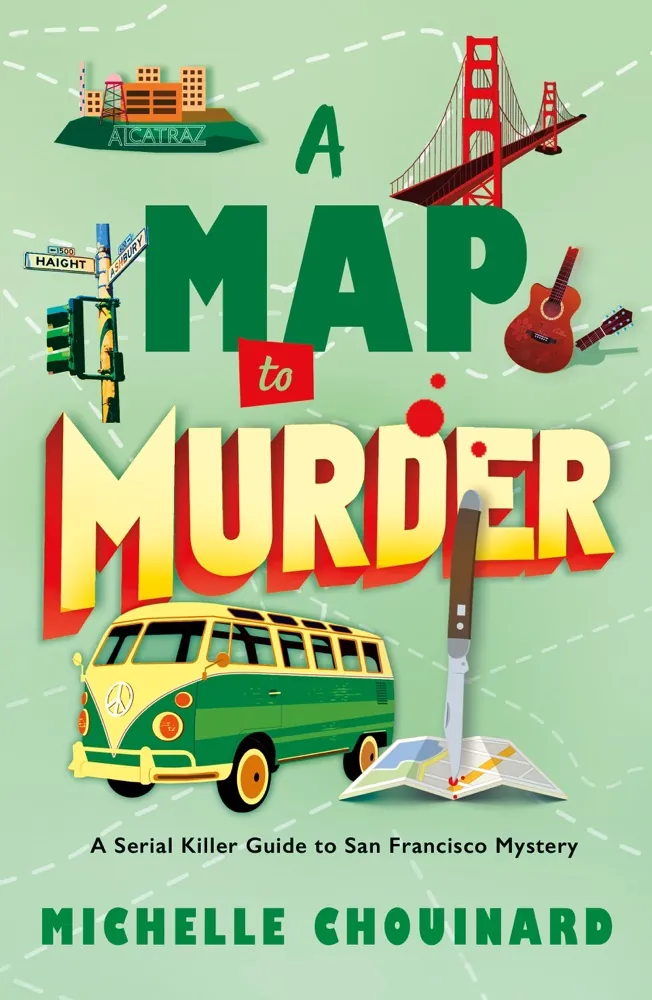
Author: Michelle ChouinardPage Count: UnknownPublication Date: Expected publication 2026-09-22 APL The synopsis of A Map to Murder arrives like a ripe peach—sweet on the surface, but you know the pit’s still there, waiting to split open. Michelle Chouinard’s latest isn’t just another serial killer romp; it’s a haunted love letter to San Francisco’s contradictions, the kind of book that’ll make you wince at the irony of a true crime guide who’s also a tourist in her own city’s shadows. Capri Sanzio isn’t just a guide—she’s a cultivator of urban myth, someone who till the soil of the Haight-Ashbury’s past with both reverence and a scalpel. And yet—here she is, forced to confront the fact that the revolution she’s been romanticizing might’ve been fed to the same monsters it tried to liberate. The synopsis leans hard into the Summer of Love as a pressure cooker of ideals—flower children, counterculture, the kind of utopian fantasy that always collapses under its own weight. But Chouinard’s genius (and the book’s potential) lies in how she’ll likely unpack that collapse. Think of it like a compost pile: the stench of decay beneath the mulch of nostalgia. The missing woman’s quest to solve her aunt’s cold case isn’t just a plot device—it’s a mirror. Capri sees herself in her, just as she once saw herself in the ghosts of the past. And that’s the real tension: the way trauma replants itself in the next generation. It’s the same cycle that’s been haunting True Detective’s S1, only here, it’s wrapped in tie-dye and bad acid trips. But where the synopsis stumbles is in its vagueness—or rather, its willful ambiguity. We’re told Capri’s drawn into a case, but we’re not told how the killer’s connected to the Summer of Love, or why the Haight’s flower-power footprints have turned to blood. Is this a killer who’s been dormant, waiting for the next wave of idealists to show up? Or is it someone who became a killer during that era, and now the city’s gentrification is forcing them back into the light? Chouinard’s last book in this series (The Serial Killer Guide to San Francisco Mysteries) had the same kind of tease—just enough to make you crave the full meal. And that’s the problem: the synopsis here feels like a menu without the ingredients. We’re promised a trail of "flower-power footprints turned deadly," but we’re not told if those footprints are literal, metaphorical, or just another layer of Chouinard’s layered prose. Yet—and this is where the book’s potential lies—Chouinard’s strength is in her character psychology. Capri’s conflicted relationship with the Summer of Love isn’t just about nostalgia; it’s about ownership. She’s a guide who’s been commodified the city’s pain, turning it into a spectacle. And now, a real crisis forces her to ask: Can she separate the art from the atrocity? This is the kind of moral grappling that makes books like The Girl on the Train feel like watered-down tea compared to black coffee. But will Chouinard deliver? The synopsis hints at a killer who’s personal, who’s targeting Capri specifically—because she’s the one who’s been exposing the city’s wounds. That’s a bold move, the kind that could make this book stand out in a genre that’s starting to feel like a fast-food chain of predictable twists. And then there’s the environmental subtext—because of course there is. San Francisco’s gentrification isn’t just about real estate; it’s about erasure. The Summer of Love’s legacy is being bulldozed for condos, and the killer—if they’re tied to that era—might be a ghost of what the city used to be. Or maybe they’re a parasite, feeding on the new wave of idealists who’ve moved in, only to realize the city’s rot runs deeper than they thought. Chouinard’s not a nature writer, but she’s got the rhythm of one—she knows how to make the land itself feel like a character. And if she leans into that, A Map to Murder could be more than just another serial killer story. It could be a landscaped one. But here’s the thing: I won’t read it until it’s out. Because I’ve got a farm to tend, and the last time I tried to binge a true crime novel, I fell asleep five pages into chapter three—the chapter with the murder. And that’s not a reflection on the book. That’s just how my brain works when it’s been out in the sun too long. #BookTok #TrueCrime #SanFrancisco #MichelleChouinard #HaightAshbury Related InsightsThe Return Book Review and Summary Small Odysseys Book Review and Summary The Gods Will Sing Our Song Book Review and Summary{ "@context": "https://schema.org", "@type": "FAQPage", "mainEntity": [ { "@type": "Question", "name": "What is the main focus of A Map to Murder: A Serial Killer Guide to San Francisco Mystery Book Review and Summary?", "acceptedAnswer": { "@type": "Answer", "text": "Everything you need to know about A Map to Murder: A Serial Killer Guide to San Francisco Mystery with our detailed review." } }, { "@type": "Question", "name": "Who authored the comprehensive guide on A Map to Murder: A Serial Killer Guide to San Francisco Mystery Book Review and Summary?", "acceptedAnswer": { "@type": "Answer", "text": "This detailed article and its insights were carefully researched and authored by William Clark." } }, { "@type": "Question", "name": "Where can I find more related content about Books?", "acceptedAnswer": { "@type": "Answer", "text": "You can explore more articles, detailed reviews, and similar insights by browsing the Related Insights section at the bottom of this article or visiting our dedicated Books category page." } } ] }
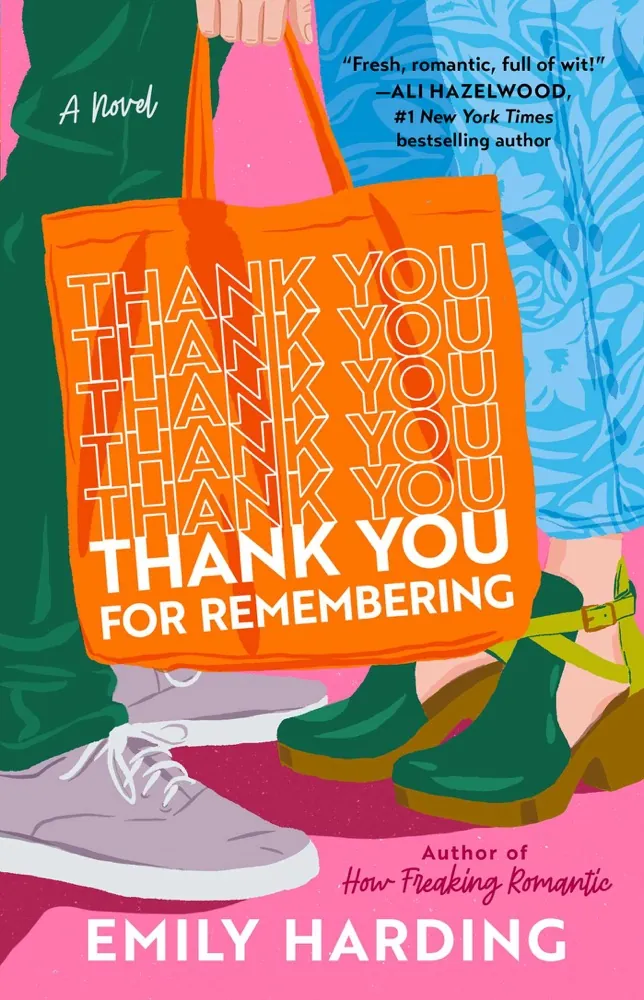
Author: Emily HardingPage Count: UnknownPublication Date: Expected publication 2026-09-15 APL The vagueness of some book synopses still manages to perplex me. Yet, the official blurb for Emily Harding's Thank You for Remembering: A Novel has piqued my interest, but mostly due to its intriguing juxtaposition of amnesia, fresh starts, and romance. As a grounded eco-critic analyzing environmental themes on my farm, I'm more inclined to scrutinize the novel's thematic undertones than its narrative trajectory. The premise revolves around Marnie Stephens, a thirty-year-old who awakens in a hospital with no recollection of the past year. Her life's been reduced to fragmented memories, and she's forced to navigate the remnants of her existence. The narrative then unfolds with Marnie's interactions with her grumpy yet attractive neighbor, Ben Morgan, who may or may not be the harbinger of her future. And here's the thing: romance novels often serve as escapist literature, allowing readers to momentarily disengage from their own existential crises. Thank You for Remembering seems to tap into this trend, capitalizing on the idea that our memories, be they painful or joyful, shape us into the individuals we become. Or do they? Harding's exploration of this concept is reminiscent of authors like Celeste Ng or Elizabeth Strout, who have successfully woven together narratives that probe the intricacies of human relationships and the fragility of memory. But the vagueness of Thank You for Remembering's synopsis also irks me. Are Marnie's memories gradually recovered through her interactions with Ben? Is her past a jumbled mess of love, loss, and trauma? Or is the narrative a cleverly constructed puzzle, gradually piecing together fragments of a life that's been irreparably altered? I worry that the novel might succumb to the pitfalls of 'convenient amnesia,' where the protagonist's memory loss becomes an excuse to explore 'what if' scenarios rather than genuinely grappling with the complexities of human experience. As I ponder these questions, I'm reminded of the environmental themes that often underpin my criticism. You see, memory, just like the natural world, is fragile and susceptible to erosion. We're constantly reminded of the importance of preserving our memories, of holding onto the past, lest we lose ourselves in the process. Harding's narrative might be an allegory for this very notion, exploring the interconnectedness of human relationships and the environment we inhabit. My prediction is that Thank You for Remembering will be a thought-provoking exploration of memory, identity, and the human experience. While I'm drawn to its narrative potential, I'm equally concerned about its potential to oversimplify the complexities of human relationships. Only time will tell if Harding's novel will be a resounding success or a disappointing mess. For now, I'll leave you with this: what is the true cost of forgetting our past? Is it merely a minor inconvenience or a profound reshaping of our identities? As I struggle to complete this review on my increasingly unreliable Wi-Fi connection, I'm reminded of the ephemeral nature of both human memory and the digital realm. #1BookstagrammersUnite Related InsightsBeneath Waves and Shadows: The Sinking of the Steamship Valencia Book Review and Summary The 1619 Project Book Review and Summary Island of the Blue Dolphins Book Review and Summary{ "@context": "https://schema.org", "@type": "FAQPage", "mainEntity": [ { "@type": "Question", "name": "What is the main focus of Thank You for Remembering: A Novel Book Review and Summary?", "acceptedAnswer": { "@type": "Answer", "text": "Everything you need to know about Thank You for Remembering: A Novel with our detailed review." } }, { "@type": "Question", "name": "Who authored the comprehensive guide on Thank You for Remembering: A Novel Book Review and Summary?", "acceptedAnswer": { "@type": "Answer", "text": "This detailed article and its insights were carefully researched and authored by William Clark." } }, { "@type": "Question", "name": "Where can I find more related content about Books?", "acceptedAnswer": { "@type": "Answer", "text": "You can explore more articles, detailed reviews, and similar insights by browsing the Related Insights section at the bottom of this article or visiting our dedicated Books category page." } } ] }

Author: Ellen O'CloverPage Count: UnknownPublication Date: Expected publication 2026-09-15 APL Sweat is dripping down the back of my neck while I prune these late-summer tomato vines in the sticky August heat, and frankly, I am wondering why two rival copywriters need a whole month of travel just to pitch a luxury resort account. Does the modern advertising industry really operate on such bloated carbon footprints? Ellen O'Clover's upcoming If Not You drops this September, right as we harvest our root vegetables and wind down the growing season. And yet, I am sitting here on the porch, staring at a premise that feels distinctly manufactured. Enemies-to-lovers. Office rivalry. Forced proximity on the open road. We have seen this blueprint a thousand times. Emily Henry built an empire on it; Ali Hazelwood practically patents the academic variant every six months. But O'Clover steps into the ring with a corporate sheen—swapping rural charm or dusty labs for sleek Chicago agencies and luxury hospitality accounts. The Concrete Jungle Meets the Open Highway Let us look at the mechanics of the pitch. Mattie French is the scrappy underdog from an independent shop. Campbell Porter is the golden-boy heavyweight from slicker pastures. A classic David versus Goliath dynamic, except Goliath has a smirk and a tailored suit. Yet, I find myself squinting at the synopsis with the same skepticism I reserve for a bag of pesticide-laden fertilizer. What are they actually selling on this four-week road trip? The synopsis remains frustratingly vague about the physical journey itself. Are they driving fuel-guzzling SUVs across interstate highways? Stopping at neon-lit motels? O'Clover leaves the geography blank, leaning entirely on the psychological crutch of "hidden wounds and softest parts." The Artifice of the Corporate Pitch Here is my core critique from the dirt rows: the book treats capitalism's luxury marketing arm as a backdrop for emotional healing. Irony, thy name is modern romance. Mattie wants to beat Campbell to earn a promotion, but the prize is landing a resort account—presumably paving over some pristine coastal ecosystem or cutting down old-growth trees for cabanas. Does the narrative care about the ecological absurdity of luxury resorts? Unlikely. O'Clover is interested in the tight, claustrophobic space of a shared itinerary. The forced proximity trope relies on stripping away urban distractions until only the two combatants remain. Still, O'Clover possesses sharp prose. If her previous work is any indicator, the dialogue will crackle with enough kinetic energy to power my homestead for a week. I just hope the resolution avoids the tired trope of abandoning one's career ambitions for a country house. Some of us actually like the soil under our fingernails. Hold on. Do you smell that? Damn it, I left the hickory wood chips too close to the direct flame on the smoker. If I do not go flip those beef briskets right now, our entire Friday night dinner is going to turn into charcoal. #BookTwitter #RomanceBooks #EllenOClover #IfNotYou Related InsightsRequiem for a Dream Book Review and Summary Harry Potter y la cámara secreta (Edición con ilustraciones de Xavier Bonet) / Harry Potter and the Chamber of Secrets Book Review and Summary Lanetli Kral [HC] Book Review and Summary{ "@context": "https://schema.org", "@type": "FAQPage", "mainEntity": [ { "@type": "Question", "name": "What is the main focus of If Not You Book Review and Summary?", "acceptedAnswer": { "@type": "Answer", "text": "Everything you need to know about If Not You with our detailed review." } }, { "@type": "Question", "name": "Who authored the comprehensive guide on If Not You Book Review and Summary?", "acceptedAnswer": { "@type": "Answer", "text": "This detailed article and its insights were carefully researched and authored by William Clark." } }, { "@type": "Question", "name": "Where can I find more related content about Books?", "acceptedAnswer": { "@type": "Answer", "text": "You can explore more articles, detailed reviews, and similar insights by browsing the Related Insights section at the bottom of this article or visiting our dedicated Books category page." } } ] }
- William Clark
- 04 Aug, 2026 10:21
Life Out of Order (The Time Traveler's Wife, #2) Book Review and Summary
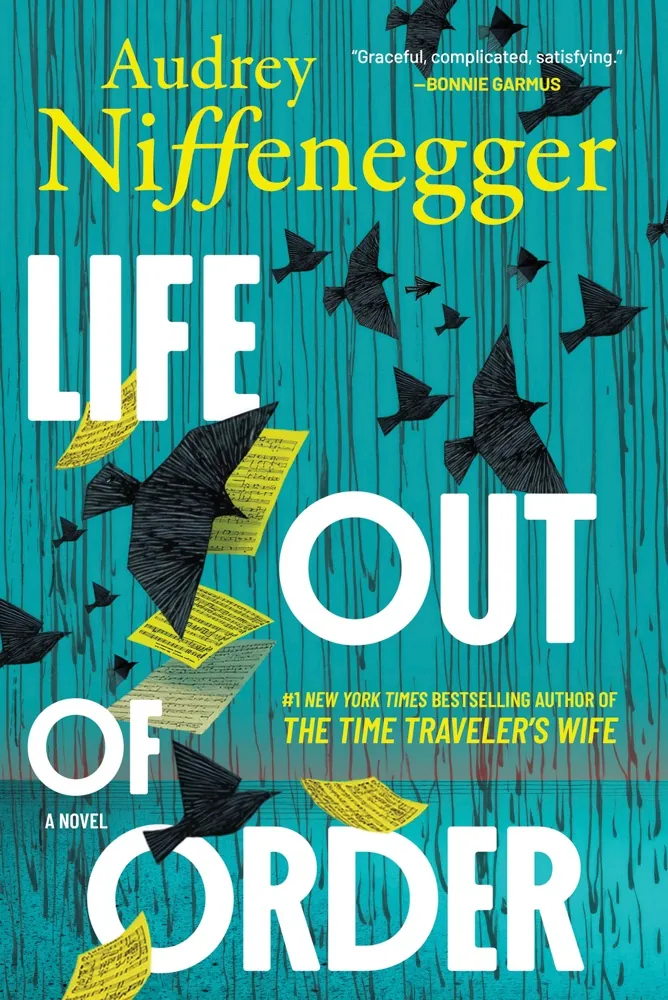
Author: Audrey NiffeneggerPage Count: UnknownPublication Date: Expected publication 2026-10-06 APL Pouring another mug of my favorite pine-needle and chamomile infusion while the autumn rain taps a gentle rhythm against the kitchen window—truly, there are few pleasures quite this grounding. But my mind is currently miles away, wandering the cobblestone streets of Audrey Niffenegger's imagination. Or rather, slipping unpredictably through the decades. And honestly? My tea is getting cold. Life Out of Order arrives this autumn as the long-awaited companion to The Time Traveler's Wife. Fascinating in theory. Yet I harbor the usual skepticisms reserved for sequels born decades after the source magic. Can lightning strike the same chronologically challenged household twice? Bonnie Garmus calls it graceful and complicated. I call it a narrative tightrope walk over a chasm of temporal paradoxes. The Ecological Metaphor of Chrono-Displacement Nature abhors a vacuum. Does chronology abhor a straight line? Alba DeTamble—daughter of our original displaced romantic—inherits the genetic quirk that turns her life into a scattered jigsaw puzzle. But what catches my botanical eye here is the setting. Riot-torn Chicago contrasted with the eerie, timeless "Yellow House" and a digital sanctuary called the Museum of Lost Souls. A digital archive for lost memories? In a world hyper-obsessed with cloud storage and endless server farms consuming staggering amounts of energy, placing forgotten artifacts in a virtual ether feels oddly modern, if slightly oxymoronic for a story rooted in tactile human yearning. Thematic Analysis: Music, Anchors, and Digital Corridors Alba finds refuge in her violin. A wise choice. Wood, horsehair, and resin offer a tangible connection to the physical earth that time-skipping simply cannot erode. Yet she relies on Zach—her safe anchor—and contends with Isadora, a mysterious stepsister guarding family secrets. Isadora sounds wonderfully unsettling. A jagged thorn on an otherwise cultivated stem. Niffenegger attempts to marry organic human resilience with digital preservation in an unstable world. Will the prose maintain the poetic weight of her debut, or will the virtual museum elements feel like an awkward technological shoehorn? Critics are already drawing comparisons to magical realism by authors like Erin Morgenstern or ghostly contemporary dramas by Kazuo Ishiguro. Personally, I suspect the pacing might wobble like a poorly pruned sapling. Time will tell. But can you ever truly belong to the present when your digital footprint and your chronologically displaced foot-steps are constantly out of sync? Related InsightsLife Impossible Book Review and Summary Funny Story Book Review and Summary Scarlet Circus Book Review and Summary{ "@context": "https://schema.org", "@type": "FAQPage", "mainEntity": [ { "@type": "Question", "name": "What is the main focus of Life Out of Order (The Time Traveler's Wife, #2) Book Review and Summary?", "acceptedAnswer": { "@type": "Answer", "text": "Everything you need to know about Life Out of Order (The Time Traveler's Wife, #2) with our detailed review." } }, { "@type": "Question", "name": "Who authored the comprehensive guide on Life Out of Order (The Time Traveler's Wife, #2) Book Review and Summary?", "acceptedAnswer": { "@type": "Answer", "text": "This detailed article and its insights were carefully researched and authored by William Clark." } }, { "@type": "Question", "name": "Where can I find more related content about Books?", "acceptedAnswer": { "@type": "Answer", "text": "You can explore more articles, detailed reviews, and similar insights by browsing the Related Insights section at the bottom of this article or visiting our dedicated Books category page." } } ] }
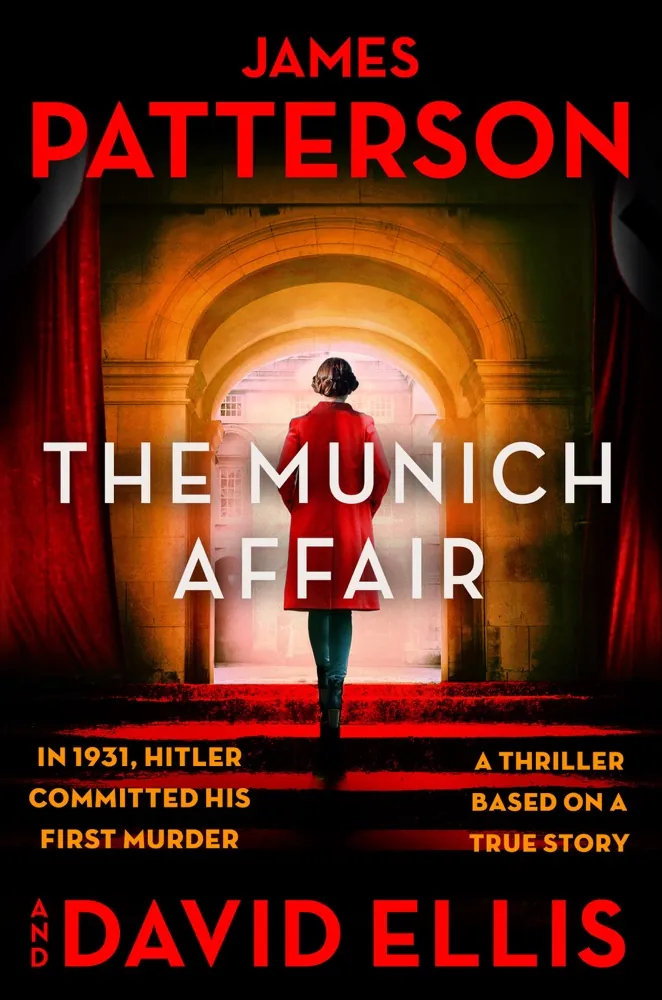
The Munich Affair Author: James PattersonPage Count: UnknownPublication Date: Expected publication 2026-09-21 APL Exclusive Preview: "The Munich Affair" by James Patterson Get ready for the latest thriller from the world's #1 bestselling author, James Patterson. Scheduled for release on September 21, 2026, "The Munich Affair" is a historical thriller that promises to deliver a masterclass in tension and suspense. According to the early reviews, "The Munich Affair" is "a perfect historical thriller" that feels "startlingly modern and essential." The story spans a century, set in motion by the murder of Adolf Hitler's young lover by his own hand. This gripping tale follows a determined detective, Thomas Bauer, a courageous journalist, Fritz Gerlich, and an American professor, Eleanor Robbins, as they each become embroiled in a web of secrets and lies. As a fan of James Patterson's previous bestsellers, you can expect the same level of expertly crafted suspense and intrigue that has become a hallmark of his writing style. With a proven track record of delivering thrilling stories that captivate readers worldwide, Patterson is sure to deliver another page-turner with "The Munich Affair". The early reviews are already generating buzz, with bestselling authors Martha Hall Kelly and Brad Meltzer praising the book's modern take on historical events and its ability to craft pure suspense. Steve Berry, another New York Times bestselling author, notes that the story is "much more than a historical murder mystery" and serves as a reminder of the importance of remembering the past. With its release just around the corner, "The Munich Affair" is shaping up to be one of the most anticipated thrillers of the year. Mark your calendars for September 21, 2026, and get ready to dive into a world of historical intrigue and suspense. #TheMunichAffair #JamesPatterson #HistoricalThriller #Suspense #WorldWarII #NewRelease Related InsightsLife After Life Book Review and Summary The Thief and the Traitor Bride (The Hand and the Heart, #2) Book Review and Summary Home Before Dark Book Review and Summary{ "@context": "https://schema.org", "@type": "FAQPage", "mainEntity": [ { "@type": "Question", "name": "What is the main focus of The Munich Affair Book Review and Summary?", "acceptedAnswer": { "@type": "Answer", "text": "Everything you need to know about The Munich Affair with our detailed review." } }, { "@type": "Question", "name": "Who authored the comprehensive guide on The Munich Affair Book Review and Summary?", "acceptedAnswer": { "@type": "Answer", "text": "This detailed article and its insights were carefully researched and authored by William Clark." } }, { "@type": "Question", "name": "Where can I find more related content about Books?", "acceptedAnswer": { "@type": "Answer", "text": "You can explore more articles, detailed reviews, and similar insights by browsing the Related Insights section at the bottom of this article or visiting our dedicated Books category page." } } ] }
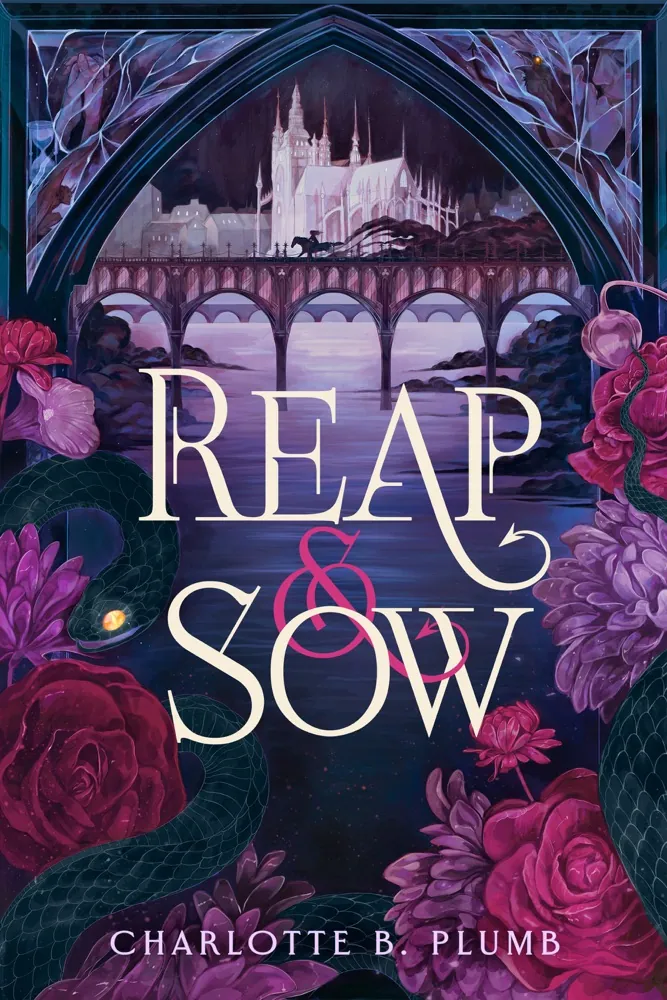
Reap & Sow Author: Charlotte B. PlumbPage Count: UnknownPublication Date: Expected publication 2026-10-06 APL Exclusive Preview: "Reap & Sow" by Charlotte B. Plumb - A Dark and Alluring Romantasy Debut Get ready to immerse yourself in a world of dark magic, unlikely love, and the imperfect beauty of mortality as Charlotte B. Plumb's highly anticipated debut novel, "Reap & Sow," is set to hit shelves on October 6, 2026. This stunning hardcover edition promises to be a feast for the eyes, featuring deluxe embellishments, including a dazzling metallic jacket, full-color printed edges, patterned endpapers, and a specially designed case. In the gritty city of Blackbridge, the penniless are forced to make a choice: sell their body or sell their soul. Eda Shaw, indentured to the capricious demon Mr. Night, arranges illicit Pacts on his behalf, luring the desperate into trading years of their lives for their deepest desires. When a Pact goes awry, and her brothers are arrested, Eda must turn to an unlikely ally: Kit'rath, an infuriating demon with a curious penchant for humanity. As Eda and Kit'rath navigate the treacherous world of Blackbridge, a slow-burn romance simmers between them, threatening to consume Eda's heart. But Kit's help comes at a steep price, and Eda must confront the ultimate cost of saving herself. Will she be able to outwit the demons and save her family, or will she succumb to the darkness that surrounds her? Fans of Rachel Gillig, Hannah Whitten, and Heather Fawcett will devour this gothic, atmospheric tale of love, magic, and mortality. With its sharp wit, simmering romantic tension, and rich world-building, "Reap & Sow" promises to be a fantasy debut that will leave readers breathless. Mark your calendars for October 6, 2026, and get ready to be swept away by this stunning new voice in the genre. #ReapAndSow #FantasyDebut #Romantasy #DarkMagic #NewRelease #BookLovers Related InsightsPan Book Review and Summary ALIEN STAGE: The Art Book (Deluxe Edition) Book Review and Summary Hazlo por un día: Cómo crear o romper cualquier hábito en 30 días / Do It For A Day: How to Make or Break Any Habit in 30 Days Book Review and Summary{ "@context": "https://schema.org", "@type": "FAQPage", "mainEntity": [ { "@type": "Question", "name": "What is the main focus of Reap & Sow Book Review and Summary?", "acceptedAnswer": { "@type": "Answer", "text": "Everything you need to know about Reap & Sow with our detailed review." } }, { "@type": "Question", "name": "Who authored the comprehensive guide on Reap & Sow Book Review and Summary?", "acceptedAnswer": { "@type": "Answer", "text": "This detailed article and its insights were carefully researched and authored by William Clark." } }, { "@type": "Question", "name": "Where can I find more related content about Books?", "acceptedAnswer": { "@type": "Answer", "text": "You can explore more articles, detailed reviews, and similar insights by browsing the Related Insights section at the bottom of this article or visiting our dedicated Books category page." } } ] }
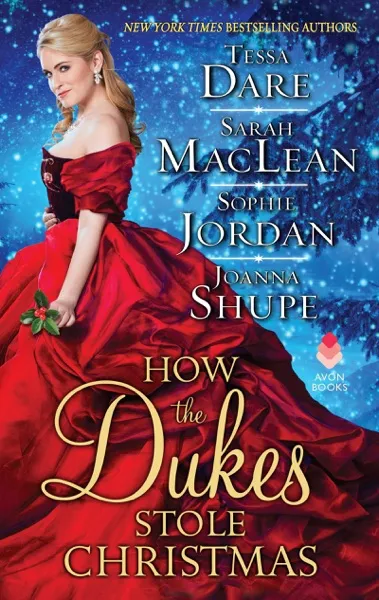
How the Dukes Stole Christmas Author: Sarah MacLeanPage Count: UnknownPublication Year: 2018-GB Sarah MacLean’s How the Dukes Stole Christmas is a dazzling holiday confection—a spirited romp through Regency-era England where laughter, scandal, and romance collide under the mistletoe. Published in 2018, this novel is less a quiet Yuletide tale and more a glittering, irreverent celebration of love’s chaotic, sometimes reckless, charm. A global bestseller, the book cements MacLean’s reputation as a master of witty, emotionally rich historical romance, weaving together the festive spirit with the kind of sharp dialogue and sweeping passion that keeps readers glued to the page. At its heart, How the Dukes Stole Christmas explores the idea of found family and the redemptive power of love—especially when it crashes into your life like an unexpected snowball. The story follows three estranged sisters, each caught in a web of societal expectations, broken promises, and the suffocating weight of their family’s scandalous past. Christmas, with its emphasis on generosity and togetherness, becomes the perfect backdrop for their reckonings. MacLean uses the holiday not just as a setting but as a metaphor: a season where walls crumble, secrets surface, and hearts thaw. The title itself—a playful twist on How the Grinch Stole Christmas—hints at the novel’s mischievous undercurrent, where the real thieves aren’t stealing presents but stealing away old grudges and embracing new beginnings. What makes MacLean’s work so compelling is her ability to balance humor and heartache with effortless grace. Her prose sparkles with wit, her characters leap off the page with their quirks and flaws, and her dialogue crackles with the kind of banter that makes readers laugh out loud. There’s a delicious irreverence to her storytelling; she doesn’t just romanticize the past but confronts its hypocrisies with a knowing smirk. The Dukes of the title—three rakish, morally ambiguous brothers—are not your typical heroes. They’re flawed, sometimes infuriating, and utterly human, making their journeys toward redemption all the more satisfying. MacLean’s genius lies in making even the most outrageous situations feel grounded in emotion, so by the time the mistletoe hangs heavy and the confessions fly, readers aren’t just invested—they’re rooting for these characters with every fiber of their being. The novel’s structure is another of its strengths. Rather than following a single protagonist, MacLean weaves together the stories of three sisters, each grappling with her own demons amid the chaos of the season. This ensemble approach gives the book a rich, dynamic feel, as if you’re flipping between three different holiday romances—each with its own flavor of drama and desire. The pacing is brisk, the tension never lets up, and the emotional payoffs are as satisfying as a well-timed Christmas feast. MacLean also excels at creating a sense of place; the snowy, candlelit grandeur of the aristocratic Christmas balls contrasts beautifully with the grittier, more intimate moments where the sisters confront their pasts. It’s a world where opulence and vulnerability exist side by side, and MacLean navigates it with a deft hand. One of the book’s most striking themes is the idea of legacy—not just the burdens we inherit, but the ones we choose to shed. The dukes and their sisters are all products of a family name that has brought them more shame than pride, and the novel asks: Can you rewrite your story when the past is written in ink? MacLean’s answer is a resounding yes, delivered with warmth and conviction. The romance in How the Dukes Stole Christmas isn’t just about falling in love; it’s about rediscovering yourself in the process. There’s a quiet feminism to the way MacLean portrays her heroines—they’re not passive damsels waiting for rescue but women who demand agency, even in a world that tries to box them in. MacLean’s style is a masterclass in blending humor, heart, and historical detail without ever feeling weighed down by research. Her writing is playful, her metaphors fresh, and her ability to balance raunchy humor with genuine emotion is nothing short of impressive. She doesn’t shy away from the messiness of life or love, and that’s what makes her work so resonant. This isn’t a sanitized, sugar-coated Christmas tale; it’s a story where characters stumble, laugh, cry, and ultimately find their way to each other—messy, imperfect, and all the more beautiful for it. If you’re looking for a holiday read that’s equal parts escapism and emotional depth, How the Dukes Stole Christmas delivers in spades. It’s a book that will make you believe in second chances, laugh until your sides ache, and maybe, just maybe, look at mistletoe in a whole new light. MacLean has crafted something special here—a novel that feels like a warm hug, a sharp retort, and a grand gesture all at once. #HowTheDukesStoleChristmas #SarahMacLean #HistoricalRomance #HolidayRomance #RegencyEra #RomanceReads Related InsightsCrown of Midnight Book Review and Summary Rabbit Rabbit Book Review and Summary Betrayed Book Review and Summary{ "@context": "https://schema.org", "@type": "FAQPage", "mainEntity": [ { "@type": "Question", "name": "What is the main focus of How the Dukes Stole Christmas Book Review and Summary?", "acceptedAnswer": { "@type": "Answer", "text": "Everything you need to know about How the Dukes Stole Christmas with our detailed review." } }, { "@type": "Question", "name": "Who authored the comprehensive guide on How the Dukes Stole Christmas Book Review and Summary?", "acceptedAnswer": { "@type": "Answer", "text": "This detailed article and its insights were carefully researched and authored by William Clark." } }, { "@type": "Question", "name": "Where can I find more related content about Books?", "acceptedAnswer": { "@type": "Answer", "text": "You can explore more articles, detailed reviews, and similar insights by browsing the Related Insights section at the bottom of this article or visiting our dedicated Books category page." } } ] }
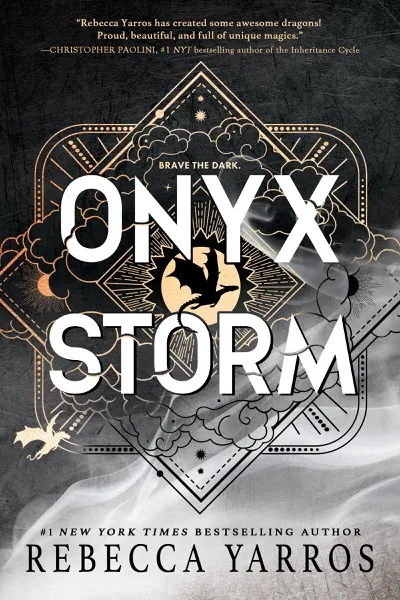
Onyx Storm Author: Rebecca YarrosPage Count: UnknownPublication Year: 2025-GB Rebecca Yarros’ Onyx Storm isn’t just another romance—it’s a tempest of emotion, resilience, and raw human connection, set against the backdrop of a world that feels as vivid as the characters who inhabit it. As a global bestseller, Yarros has once again proven her mastery of blending high-stakes drama with the kind of emotional intimacy that lingers long after the final page. But what makes Onyx Storm more than just a fleeting sensation is its unflinching exploration of survival, love, and the storms we weather when life refuses to bow to our plans. At its core, Onyx Storm is a story about reinvention. Yarros, known for her ability to craft characters who are as flawed as they are fiercely determined, delivers another protagonist who refuses to be defined by her past. The novel’s unnamed narrator (or perhaps we should say narrators—plural, as the story unfolds in layers) is a woman who has spent years building walls around herself, only to find them crumbling when the unexpected arrives. It’s a theme that resonates deeply in a world where reinvention is often marketed as a luxury rather than a necessity. Yarros doesn’t shy away from the messiness of it—the guilt of leaving things behind, the fear of never being enough in a new place, the quiet triumph of realizing that growth isn’t linear. The storm in the title isn’t just a metaphor; it’s the inevitable chaos that forces us to adapt, to shed old skins, and to discover who we are when the familiar is stripped away. What elevates this novel beyond the ordinary is Yarros’ signature style: a blend of lyrical prose and unvarnished realism. Her writing is like a storm itself—sometimes gentle, sometimes brutal, but always compelling. She has a gift for making the mundane feel extraordinary, whether she’s describing the quiet rhythm of a morning routine or the overwhelming weight of a single decision. The dialogue crackles with authenticity, and the emotional beats land with precision, never veering into melodrama despite the high stakes. Yarros doesn’t just tell you how a character feels; she makes you feel it, in a way that lingers like the aftershocks of a real-life crisis. The romance in Onyx Storm is neither predictable nor saccharine. Yarros understands that love isn’t always a soft landing—sometimes it’s the thing that knocks you off your feet when you least expect it. The relationship at the heart of the novel is built on mutual respect, shared pain, and an unspoken understanding that both parties are still learning to stand on their own. There’s a delicious tension in the way Yarros teases out the push-and-pull between independence and vulnerability, making the eventual resolution feel earned rather than contrived. But perhaps the most striking aspect of Onyx Storm is its refusal to offer easy answers. Life, Yarros seems to say, isn’t about neatly tying up loose ends. It’s about learning to dance in the rain, even when the forecast is uncertain. The novel’s ending is bittersweet, a reflection of real life where not every story has a perfect resolution, but where every moment—even the painful ones—contributes to the person we become. Yarros’ ability to weave such a rich, immersive narrative while keeping the emotional core so tightly focused is a testament to her skill as a storyteller. Onyx Storm isn’t just a book you read; it’s an experience you live through, one that lingers in your thoughts long after you’ve turned the last page. If you’re looking for a romance that challenges as much as it comforts, or a story that reminds you that sometimes the greatest storms lead to the clearest skies, then Onyx Storm is your next must-read. #OnyxStorm #RebeccaYarros #NewAdultRomance #BookTokMustRead #StormyRomance #LoveInTheRain Related InsightsThe Hiding Place: The Triumphant True Story of Corrie Ten Boom Book Review and Summary Queen of Lombard Street Book Review and Summary Running Man Book Review and Summary{ "@context": "https://schema.org", "@type": "FAQPage", "mainEntity": [ { "@type": "Question", "name": "What is the main focus of Onyx Storm Book Review and Summary?", "acceptedAnswer": { "@type": "Answer", "text": "Everything you need to know about Onyx Storm with our detailed review." } }, { "@type": "Question", "name": "Who authored the comprehensive guide on Onyx Storm Book Review and Summary?", "acceptedAnswer": { "@type": "Answer", "text": "This detailed article and its insights were carefully researched and authored by William Clark." } }, { "@type": "Question", "name": "Where can I find more related content about Books?", "acceptedAnswer": { "@type": "Answer", "text": "You can explore more articles, detailed reviews, and similar insights by browsing the Related Insights section at the bottom of this article or visiting our dedicated Books category page." } } ] }
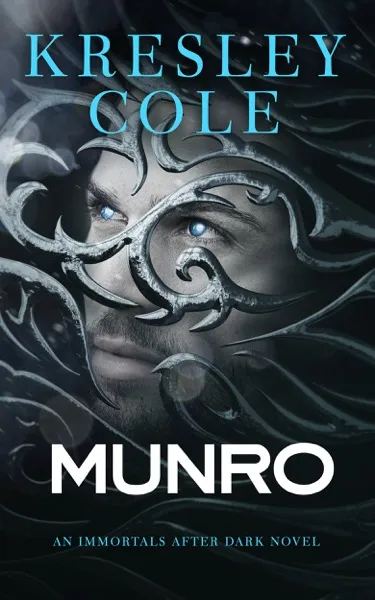
Munro Author: Kresley ColePage Count: UnknownPublication Year: 2022-GB Kresley Cole’s Munro is a masterclass in blending raw emotion with relentless action, a signature of her paranormal romance oeuvre but elevated to new heights in this 2022 release. At its core, the novel is a love story—one that dares to ask what happens when the boundaries between duty and desire, instinct and choice, are shattered by forces beyond mortal comprehension. Cole, a titan in the genre, crafts a narrative that is as much about the unraveling of a warrior’s discipline as it is about the awakening of a soul long thought lost to war. Munro isn’t just another steamy, supernatural romance; it’s a visceral exploration of identity, legacy, and the unspoken wars raged within the heart. The story follows Lachlain Munro, a Highland vampire lord bound by ancient oaths to protect the mortal realm from the encroaching darkness of the Arcadian demons. But Cole flips the script on the classic warrior-with-a-secret trope by making Lachlain’s greatest enemy not the demons at his doorstep, but the very nature of his own bloodline. His lineage, a cursed blend of vampire and something older, darker, threatens to consume him from within, turning his legendary strength into a liability. The tension isn’t merely external—it’s a slow, simmering dread that permeates every page, a reminder that the most dangerous battles are often the ones we fight in the mirror. Cole’s prose is a weapon in itself. She wields language with the precision of a seasoned warrior, each sentence a strike meant to resonate. Her dialogue crackles with wit and tension, particularly in the exchanges between Lachlain and his mate, Isobel. Their banter is electric, a dance of insults and intimacies that feels organic rather than forced. Isobel, a mortal woman with a sharp tongue and a stubborn streak, is Cole’s most compelling heroine yet. She’s not just a damsel in distress waiting for rescue; she’s a storm that Lachlain must either weather or be destroyed by. Their dynamic is the beating heart of the novel, a push-and-pull of power that challenges both characters to grow beyond their limitations. What sets Munro apart is Cole’s fearless approach to genre conventions. She doesn’t just subvert expectations—she obliterates them. The romance isn’t sanitized or safe; it’s primal, almost feral in its intensity. The physical and emotional stakes are sky-high, and Cole doesn’t shy away from the consequences. Lachlain’s struggle with his demonic heritage is visceral, his body and mind at war with each other. The sex scenes, while undeniably scorching, are secondary to the emotional weight of what’s at stake. This isn’t erotica disguised as romance; it’s a full-bodied story where desire and danger are two sides of the same coin. The world-building is another standout. Cole’s Highland-inspired setting is rich with detail, from the mist-shrouded glens to the ancient castles that serve as both refuge and prison. The lore is expansive, but never overwhelming, seamlessly woven into the narrative so that the supernatural elements feel like a natural extension of the world rather than a gimmick. The Arcadian demons are more than just villains; they’re a looming threat that embodies Lachlain’s internal conflict, a manifestation of the darkness he fights both inside and out. At its heart, Munro is a story about redemption. Lachlain is a hero who has spent centuries believing he was saving the world, only to realize he might have been its greatest destroyer. Isobel, in turn, is a woman who has spent her life fearing her own power, only to discover that it’s the very thing that can save him. Their journey isn’t just about falling in love; it’s about reclaiming what they’ve lost, not just to each other, but to themselves. Cole doesn’t offer easy answers. The road to redemption is paved with blood, sacrifice, and hard choices, but it’s all the more satisfying for it. For fans of paranormal romance, Munro is a must-read. It’s Cole at her most daring, blending action, emotion, and unapologetic heat into a story that lingers long after the last page. For those new to her work, it’s the perfect introduction to her signature style—a masterful mix of the epic and the intimate, the sensual and the savage. #KresleyCole #ParanormalRomance #VampireRomance #HighlandVampire #MunroBook #LachlainAndIsobel Related InsightsThe Match Book Review and Summary Illicit Temptations Book Review and Summary Last Sacrifice Book Review and Summary{ "@context": "https://schema.org", "@type": "FAQPage", "mainEntity": [ { "@type": "Question", "name": "What is the main focus of Munro Book Review and Summary?", "acceptedAnswer": { "@type": "Answer", "text": "Everything you need to know about Munro with our detailed review." } }, { "@type": "Question", "name": "Who authored the comprehensive guide on Munro Book Review and Summary?", "acceptedAnswer": { "@type": "Answer", "text": "This detailed article and its insights were carefully researched and authored by William Clark." } }, { "@type": "Question", "name": "Where can I find more related content about Books?", "acceptedAnswer": { "@type": "Answer", "text": "You can explore more articles, detailed reviews, and similar insights by browsing the Related Insights section at the bottom of this article or visiting our dedicated Books category page." } } ] }
- William Clark
- 23 Apr, 2026 18:49
From Shore to Ocean Floor: The Human Journey to the Deep Book Review and Summary
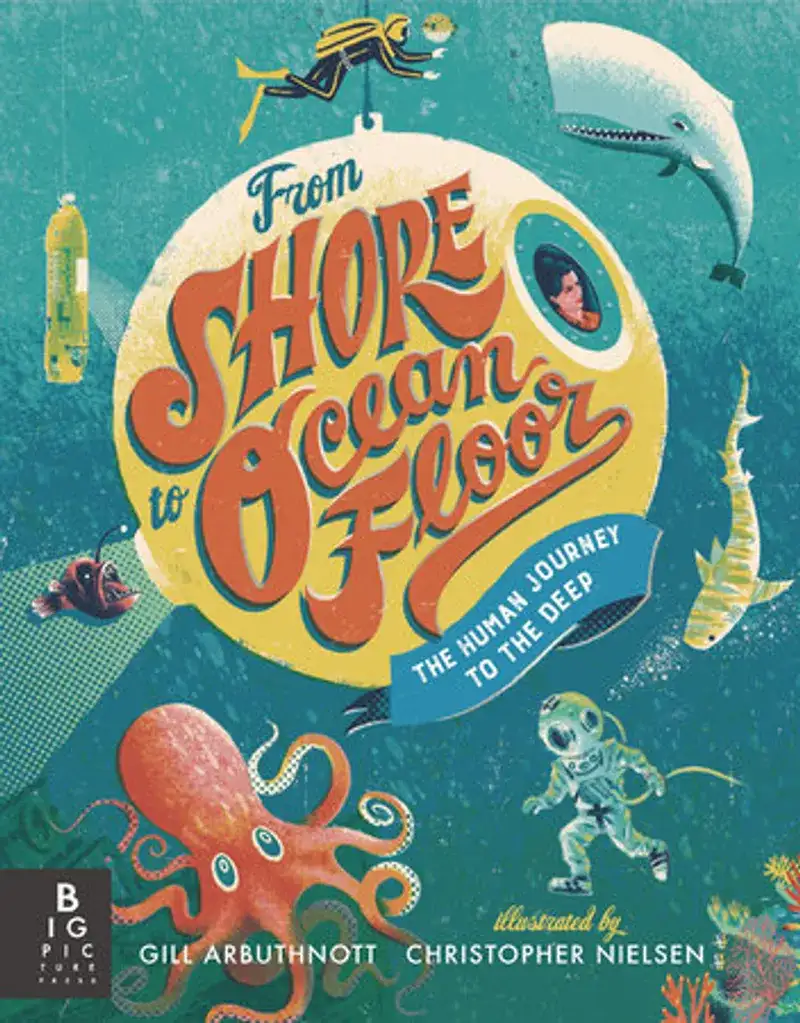
From Shore to Ocean Floor: The Human Journey to the Deep Author: Gill ArbuthnottPage Count: UnknownPublication Date: 2025-PRH From Shore to Ocean Floor: The Human Journey to the Deep, written by Gill Arbuthnott, is an immersive and engaging book that delves into the fascinating world of oceans and human exploration. As the Kirkus Reviews aptly puts it, this book is an invitation to "dive in" and explore the uncharted territories of our planet. With its unique blend of informative text and dynamic graphics, Arbuthnott's work is sure to captivate readers of all ages and backgrounds. The book takes us on a journey from the surface of the ocean to its deepest, most unexplored regions. We learn about the incredible scientific discoveries that have been made, the new species that have been discovered, and the remarkable individuals who have braved the unknown to explore the ocean's depths. Arbuthnott's writing style is engaging and accessible, making complex scientific concepts easy to understand and relatable to a broad audience. One of the most striking aspects of the book is its ability to convey the sheer scale and importance of the ocean. As we are reminded, the ocean covers 70 percent of the Earth's surface, yet it remains the most unexplored region of our planet. This paradox is a recurring theme throughout the book, as Arbuthnott highlights the many mysteries that still surround the ocean and the need for continued exploration and discovery. Throughout the book, Arbuthnott's passion for the ocean and its exploration is evident. Her writing is infused with a sense of wonder and awe, as she recounts the stories of scientists, explorers, and researchers who have dedicated their lives to understanding the ocean and its many secrets. The book is also filled with stunning graphics and illustrations, which help to bring the story to life and make the subject matter even more engaging and accessible. One of the key strengths of the book is its ability to balance scientific information with storytelling. Arbuthnott has a talent for crafting compelling narratives that draw the reader in and keep them engaged. The book is full of fascinating stories and anecdotes, from the development of early boats to the latest discoveries in deep-sea exploration. These stories are woven together with scientific information, creating a rich tapestry that is both informative and entertaining. Overall, From Shore to Ocean Floor is a captivating and inspiring book that is sure to delight readers of all ages. Arbuthnott's writing style is engaging, accessible, and passionate, making the book a joy to read. The subject matter is timely and important, highlighting the need for continued exploration and discovery of the ocean and its many secrets. With its unique blend of science, storytelling, and stunning graphics, this book is a must-read for anyone interested in the ocean and its many wonders. From Shore to Ocean Floor is a book that will leave readers with a newfound appreciation for the ocean and its importance in our lives. It is a call to action, encouraging us to learn more about the ocean and its many secrets, and to take steps to protect and conserve this vital resource. As we continue to explore and discover the wonders of the ocean, Arbuthnott's book is a reminder of the incredible journey that has brought us to where we are today, and the many exciting discoveries that still await us. #OceanConservation #MarineBiology #DeepSeaExploration #Oceanography #EnvironmentalScience #MarineScience Related InsightsDark Reading Matter (Thursday Next, #8) Book Review and Summary 2001: A Space Odyssey Book Review and Summary Free Falling (Sweetwater Peak #2) Book Review and Summary{ "@context": "https://schema.org", "@type": "FAQPage", "mainEntity": [ { "@type": "Question", "name": "What is the main focus of From Shore to Ocean Floor: The Human Journey to the Deep Book Review and Summary?", "acceptedAnswer": { "@type": "Answer", "text": "Everything you need to know about From Shore to Ocean Floor: The Human Journey to the Deep with our detailed review." } }, { "@type": "Question", "name": "Who authored the comprehensive guide on From Shore to Ocean Floor: The Human Journey to the Deep Book Review and Summary?", "acceptedAnswer": { "@type": "Answer", "text": "This detailed article and its insights were carefully researched and authored by William Clark." } }, { "@type": "Question", "name": "Where can I find more related content about Books?", "acceptedAnswer": { "@type": "Answer", "text": "You can explore more articles, detailed reviews, and similar insights by browsing the Related Insights section at the bottom of this article or visiting our dedicated Books category page." } } ] }
Mokradla Author: Philippa GregoryPage Count: UnknownPublication Year: 2020-GB Philippa Gregory’s Mokradla is a mesmerizing blend of historical depth and emotional resonance, a novel that confirms her mastery of storytelling while venturing into fresh, untamed territory. Set in the wild, lawless marshlands of 16th-century Poland, the book transcends the conventional bounds of historical fiction, weaving a tale of survival, betrayal, and the relentless power of nature itself. Gregory’s signature ability to transport readers into another era is on full display here, but Mokradla—Polish for "swamp"—is not just a setting; it becomes a character, a living, breathing entity that shapes destinies and demands respect. At its core, Mokradla is a story of resistance. The protagonist, a young woman named Hanna, flees her village after a violent attack, seeking refuge in the vast, unforgiving wetlands where outcasts and fugitives carve out fragile existences. The marshes are a place of both sanctuary and peril, where the law of the land is supplanted by the law of the wild. Hanna’s journey is one of transformation—from victim to survivor, from outsider to a woman who learns to navigate the treacherous currents of both human and natural worlds. Gregory explores themes of autonomy and agency with a raw, unflinching honesty, reminding us that freedom often comes at a cost, and that the path to self-determination is rarely smooth. What makes Mokradla stand out is Gregory’s refusal to romanticize its setting. The swamp is not a picturesque backdrop but a merciless force, teeming with danger in every rustling reed and murky pool. The author’s meticulous research shines through in the vivid, almost tactile descriptions of the landscape—its smells, its sounds, its deceptive tranquility that can erupt into chaos without warning. This is not the Poland of castles and courts, but of mud and mist, where survival is a daily battle and trust is a luxury few can afford. The marsh, in Gregory’s hands, becomes a metaphor for the human condition: a place where only the resilient thrive, where the weak are consumed, and where the very act of existing is an act of defiance. Gregory’s prose is as evocative as ever, balancing lyrical beauty with gritty realism. Her sentences flow like the slow, meandering rivers of the swamp, pulling the reader deeper into Hanna’s world with each page. There’s a starkness to her writing here that feels intentional—a reflection of the harshness of the environment and the harshness of the choices Hanna must make. Yet, within this bleakness, there’s also a thread of hope, a quiet insistence that even in the darkest places, life persists. The novel’s emotional core lies in Hanna’s relationships—with the land, with her fellow outcasts, and ultimately, with herself. Gregory avoids easy resolutions, instead crafting a narrative that feels earned, where growth is hard-won and redemption is never guaranteed. The historical backdrop is richly detailed but never overwhelming. Gregory grounds the story in the politics and social hierarchies of the time—the feudal strife, the religious tensions, the rigid expectations placed on women—without allowing them to overshadow Hanna’s personal odyssey. This is a testament to Gregory’s skill; she never loses sight of her protagonist’s humanity, even amid the grand sweep of history. Hanna is a heroine for our times: flawed, resilient, and fiercely independent, she challenges the expectations of the era even as she navigates its dangers. Her voice is the heart of the book, a steady, compelling presence that anchors the story in emotional truth. One of the most striking aspects of Mokradla is its exploration of identity and belonging. Hanna is an outsider in every sense—not just in the swamp, but in the world beyond it. Her struggle to define who she is outside of the roles imposed on her (daughter, victim, fugitive) resonates deeply in an era where self-discovery is often fraught with external judgments. Gregory doesn’t shy away from depicting the brutal realities women faced in the 16th century, but she also infuses Hanna’s journey with a quiet defiance. There’s a feminist undercurrent to the novel that feels both timeless and urgent, a reminder that the fight for autonomy is not a modern concern but a timeless one. The novel’s pacing is deliberate, mirroring the unhurried yet unpredictable rhythm of the swamp. There are moments of stillness, where the tension builds almost imperceptibly, and sudden bursts of action that leave the reader breathless. Gregory’s ability to sustain suspense without resorting to melodrama is commendable, and the payoff is a story that lingers long after the final page. This is a book that demands to be read slowly, savored for its atmosphere as much as its plot, and appreciated for the way it refuses to simplify the complexities of its themes. Philippa Gregory has long been celebrated for her ability to bring history to life, but Mokradla feels like a departure—a bold, almost daring experiment that stretches her talents in new directions. It’s a novel that will appeal to fans of historical fiction who crave authenticity and depth, as well as readers who appreciate stories of resilience and the indomitable human spirit. Gregory proves once again that she is not just a chronicler of the past, but a weaver of tales that transcend time. In Mokradla, the swamp is more than a setting; it’s a mirror. It reflects the darkness within humanity but also the light—the stubborn will to survive, to change, to claim one’s own life on one’s own terms. Hanna’s story is a testament to the power of transformation, and in a world that often feels as uncertain and treacherous as a marsh at night, that message is both timely and timeless. #HistoricalFiction #PhilippaGregory #Mokradla #SwampMystery #FeministHistoricalFiction #SurvivalStory Related InsightsI Will Find You Book Review and Summary The Crossroads Book Review and Summary Sussurri Proibiti e Voci Che Non Muoiono: L'Eterno Viaggio dei Libri Banditi{ "@context": "https://schema.org", "@type": "FAQPage", "mainEntity": [ { "@type": "Question", "name": "What is the main focus of Mokradla Book Review and Summary?", "acceptedAnswer": { "@type": "Answer", "text": "Everything you need to know about Mokradla with our detailed review." } }, { "@type": "Question", "name": "Who authored the comprehensive guide on Mokradla Book Review and Summary?", "acceptedAnswer": { "@type": "Answer", "text": "This detailed article and its insights were carefully researched and authored by William Clark." } }, { "@type": "Question", "name": "Where can I find more related content about Books?", "acceptedAnswer": { "@type": "Answer", "text": "You can explore more articles, detailed reviews, and similar insights by browsing the Related Insights section at the bottom of this article or visiting our dedicated Books category page." } } ] }
The Lord of the Rings Author: J.R.R. TolkienPage Count: UnknownPublication Date: 1954-OL -OL In the realm of epic fantasy, few works have left an indelible mark as profound as J.R.R. Tolkien's "The Lord of the Rings." This high fantasy novel, originally published in three volumes between 1954 and 1956, has not only captivated readers for generations but has also redefined the boundaries of the genre. As a seminal work of fantasy literature, it has been hailed as "the most influential fantasy novel ever written" by "The Encyclopedia of Fantasy." At its core, "The Lord of the Rings" is a tale of the eternal struggle between good and evil, as embodied by the unyielding resolve of the hobbit Frodo Baggins and the unrelenting malevolence of the Dark Lord Sauron. The narrative unfolds as a richly textured tapestry, woven from the threads of Middle-earth's intricate history, cultures, and languages. Tolkien's masterful world-building is a testament to his philological expertise and his boundless imagination. The story begins innocently enough, with Bilbo Baggins' discovery of the One Ring, a deceptively simple gold band imbued with Sauron's dark magic. As the Dark Lord's power grows, Frodo inherits the burden of destroying the Ring in the fires of Mount Doom, a perilous quest that will take him across treacherous landscapes and pit him against formidable foes. Along the way, he is joined by a fellowship of disparate characters, each with their own motivations and conflicts, forging a sense of camaraderie and shared purpose that becomes the emotional heart of the novel. Tolkien's prose is characterized by its lyricism, depth, and complexity. His writing is redolent with the poetry of Old English and the grandeur of Norse mythology, evoking a sense of timelessness and antiquity. The narrative is punctuated by songs, poems, and riddles, which add to the novel's sense of depth and history. The author's use of language is deliberate and measured, conjuring a world that is at once familiar and strange, inviting readers to immerse themselves in its wonders. One of the most striking aspects of "The Lord of the Rings" is its exploration of the human condition. Through the characters' struggles and triumphs, Tolkien examines the nature of courage, sacrifice, and friendship. The novel is also notable for its nuanced portrayal of morality, where the lines between good and evil are often blurred, and the motivations of even the most well-intentioned characters are subject to doubt. In conclusion, "The Lord of the Rings" is a work of breathtaking scope and imagination, a testament to the power of storytelling and the human spirit. Tolkien's masterpiece has captivated readers for generations, and its influence can be seen in countless works of fantasy literature, art, and film. As a work of epic fantasy, it remains unparalleled, a must-read for anyone who has ever been enchanted by the magic of Middle-earth. #TheLordOfTheRings #JRR Tolkien #EpicFantasy #MiddleEarth #OneRing #FantasyClassic Related InsightsWeak Side (D.C. Stars, #7) Book Review and Summary How to Be Less Useful: The Joy of Inefficiency Book Review and Summary A Court of Splintered Harmony (A Court of Thorns and Roses, #6) Book Review and Summary{ "@context": "https://schema.org", "@type": "FAQPage", "mainEntity": [ { "@type": "Question", "name": "What is the main focus of The Lord of the Rings Book Review and Summary?", "acceptedAnswer": { "@type": "Answer", "text": "Everything you need to know about The Lord of the Rings with our detailed review." } }, { "@type": "Question", "name": "Who authored the comprehensive guide on The Lord of the Rings Book Review and Summary?", "acceptedAnswer": { "@type": "Answer", "text": "This detailed article and its insights were carefully researched and authored by William Clark." } }, { "@type": "Question", "name": "Where can I find more related content about Books?", "acceptedAnswer": { "@type": "Answer", "text": "You can explore more articles, detailed reviews, and similar insights by browsing the Related Insights section at the bottom of this article or visiting our dedicated Books category page." } } ] }
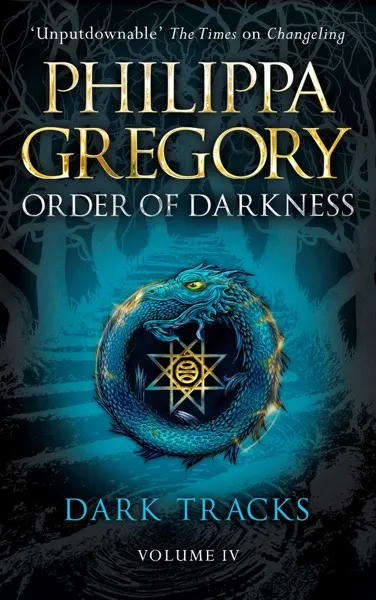
Dark Tracks Author: Philippa GregoryPage Count: UnknownPublication Year: 2018-GB Philippa Gregory’s Dark Tracks (2018) is a masterful blend of historical intrigue and supernatural suspense, a novel that cements her reputation as a writer who can weave the past and the uncanny into a tapestry both rich and unsettling. Gregory, best known for her Tudor-era sagas, here shifts her lens to a darker, more mystical corner of history—one where folklore and fact collide, and where the line between memory and myth blurs dangerously. The book is less a standalone thriller and more a continuation of her Order of Darkness series, a quartet that explores the superstitions and terrors of 15th-century Europe. Yet Dark Tracks stands apart for its haunting atmosphere and Gregory’s evolving craft, proving that she is not content to rest on the laurels of her earlier successes. At its core, Dark Tracks is a meditation on the power of stories—how they shape our fears, justify our prejudices, and, ultimately, how they can be weaponized. Set against the backdrop of a plague-ravaged England and a Europe teetering on the edge of the Renaissance, the novel follows Luca Vero, a young inquisitor tasked with rooting out heresy, and his companion, the sharp-witted Isolde, as they investigate a series of bizarre and violent events. The crimes seem supernatural in nature: a woman found drained of blood, a child who speaks in tongues before dying, livestock mutilated in ways that defy explanation. Yet Luca, a man of science and reason, refuses to believe in the occult—until the evidence becomes impossible to ignore. Gregory’s genius lies in her ability to ground the fantastical in the historical. The plague, religious fervor, and the rise of early modern skepticism are not mere backdrops but active forces shaping the narrative. The fear of witchcraft, for instance, is not a relic of the past but a living, breathing threat, one that Luca’s own institution—an early form of the Inquisition—both exploits and fears. Gregory doesn’t shy away from the brutality of the era; the violence is visceral, the superstitions visceral, and the moral dilemmas just as sharp. The reader is left questioning: Is the supernatural real, or is it a construct of a society primed to see evil in every shadow? Gregory refuses to give easy answers, instead letting the tension simmer until it boils over in a climax that is as shocking as it is inevitable. What sets Dark Tracks apart from Gregory’s other works is her willingness to embrace ambiguity. Where her Tudor novels often thrived on the drama of courtly intrigue and clear moral lines, here the lines are deliberately muddy. Isolde, for example, is a woman of science and faith, but her rationality is tested by the unexplained. Luca, meanwhile, is a man of the Church who begins to doubt the very institution he serves. Their partnership is the heart of the novel, a dance of intellect and intuition that makes even the most outlandish events feel grounded. Gregory’s prose is economical but evocative, her descriptions of medieval landscapes—whether the cobbled streets of London or the mist-shrouded forests of Germany—immersive without overwhelming. The novel’s title, Dark Tracks, is a metaphor that runs deep. These “tracks” are not just footprints in the mud but the lingering traces of the past, both personal and collective. Gregory suggests that history is not a linear path but a labyrinth, where every turn reveals another layer of fear, another story waiting to be misinterpreted. The plague, the witch hunts, the political machinations of the Church—all are part of this dark tapestry, and the characters must navigate it with the same caution they would a physical maze. The result is a book that is as much about the stories we tell ourselves as it is about the horrors we create. Gregory’s style here is more introspective than in her earlier works, reflecting a maturity in her storytelling. She trusts the reader to sit with the unease, to question alongside her characters, and to find horror not just in the supernatural but in the very human capacity for cruelty. The supernatural elements, when they arrive, are not cheap thrills but revelations—moments where the veil between reason and belief is torn away, often violently. And yet, even in these moments, Gregory refuses to offer catharsis. The ending is bittersweet, leaving the reader with more questions than answers, a hallmark of her most compelling work. Dark Tracks is not a book for those seeking a neat resolution or a hero’s triumph. It is a book for those who appreciate the weight of history, the fragility of truth, and the way fear can shape a society. Gregory has crafted a novel that lingers, that haunts, and that forces us to confront the darkness not just in the past but in ourselves. It is a testament to her skill as a storyteller that she can make the medieval world feel so immediate, and that she can make the supernatural feel like an extension of the very real terrors of the human experience. For fans of historical fiction with a twist, or readers who enjoy their thrills seasoned with a dash of the macabre, Dark Tracks is a must-read. It is a book that will leave you looking over your shoulder—not just for ghosts, but for the stories we tell to explain them. #DarkTracks #PhilippaGregory #HistoricalFiction #SupernaturalThriller #MedievalHorror #DarkFantasy Related InsightsThe Bronze Horseman Book Review and Summary Best American Science Fiction and Fantasy 2023 Book Review and Summary David Baldacci November 2024 Book Review and Summary{ "@context": "https://schema.org", "@type": "FAQPage", "mainEntity": [ { "@type": "Question", "name": "What is the main focus of Dark Tracks Book Review and Summary?", "acceptedAnswer": { "@type": "Answer", "text": "Everything you need to know about Dark Tracks with our detailed review." } }, { "@type": "Question", "name": "Who authored the comprehensive guide on Dark Tracks Book Review and Summary?", "acceptedAnswer": { "@type": "Answer", "text": "This detailed article and its insights were carefully researched and authored by William Clark." } }, { "@type": "Question", "name": "Where can I find more related content about Books?", "acceptedAnswer": { "@type": "Answer", "text": "You can explore more articles, detailed reviews, and similar insights by browsing the Related Insights section at the bottom of this article or visiting our dedicated Books category page." } } ] }
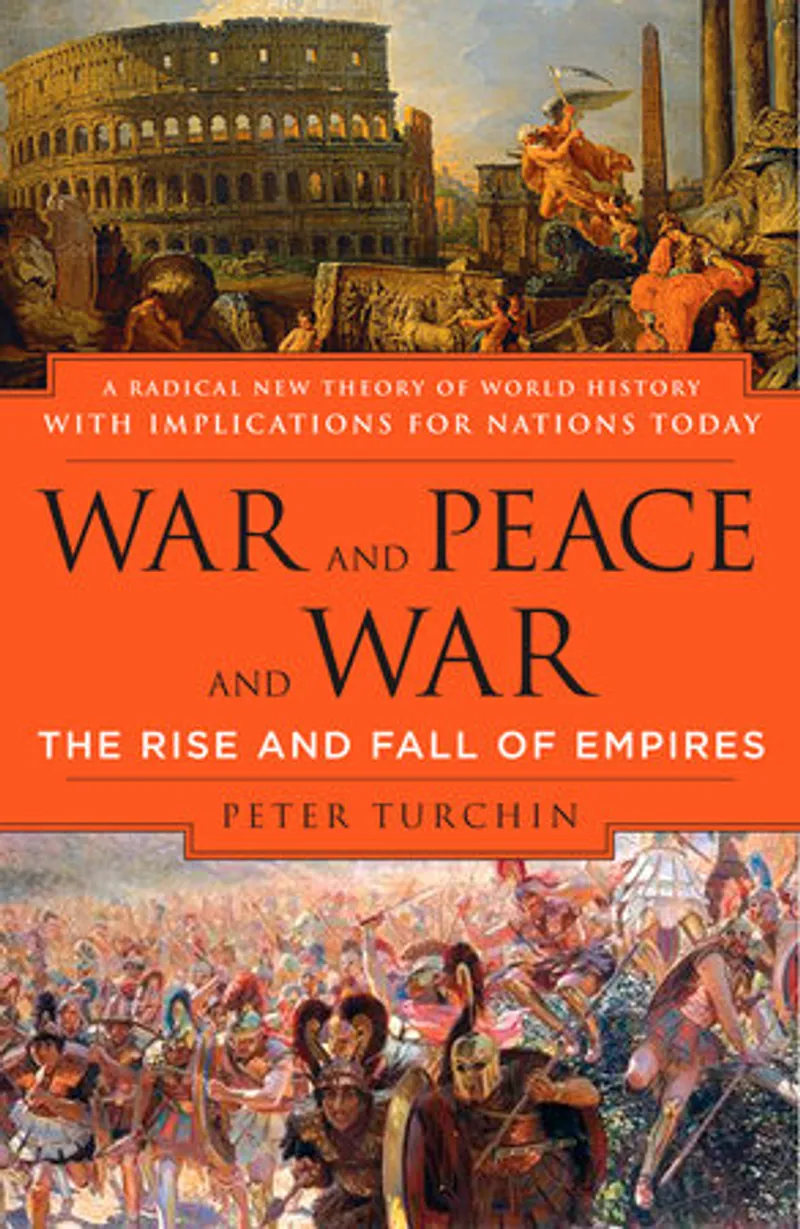
War and Peace and War Author: Peter TurchinPage Count: UnknownPublication Date: 2007-PRH War and Peace and War by Peter Turchin is a thought-provoking and insightful exploration of the dynamics that shape the rise and fall of empires throughout history. As an evolutionary biologist, Turchin brings a unique perspective to the study of human societies, and his bold new theory about the course of world history is both compelling and unsettling. At its core, Turchin's argument is that the capacity for collective action is the key to the formation of an empire. He demonstrates that when people are faced with a common enemy, they are able to put aside their differences and work together to achieve a common goal. This high level of cooperation is what allows empires to rise and flourish, as evidenced by the examples of the Roman and Russian empires, and the United States. However, as empires grow and become more complex, the dynamics that drove their initial success begin to shift. The rich get richer, the poor get poorer, and conflict replaces cooperation. This, in turn, leads to the inevitable dissolution of the empire. Turchin's theory is elegantly simple, yet it has profound implications for our understanding of the course of world history. One of the strengths of Turchin's book is his use of historical examples to illustrate his theory. He draws on a wide range of sources, from ancient Rome to modern-day America, to demonstrate the ways in which collective action has shaped the rise and fall of empires. His writing is clear and engaging, making the book accessible to readers who may not have a background in evolutionary biology or history. Turchin's style is also noteworthy. He writes with a sense of passion and conviction, and his arguments are clearly and persuasively presented. At times, his writing can be quite lyrical, and he has a talent for finding vivid and memorable examples to illustrate his points. If there is a criticism to be made, it is that Turchin's theory can be somewhat reductionist. He acknowledges that there are many factors that contribute to the rise and fall of empires, but his focus on collective action can sometimes make it seem as though this is the only factor at play. Additionally, some readers may find his use of evolutionary biology to explain human societies to be a bit too simplistic. Overall, however, War and Peace and War is a fascinating and thought-provoking book that is sure to appeal to readers with an interest in history, sociology, and evolutionary biology. Turchin's theory is bold and provocative, and his writing is engaging and accessible. Whether or not one agrees with his arguments, the book is sure to stimulate discussion and debate. #WarAndPeaceAndWar #EmpiresRiseAndFall #CollectiveAction #EvolutionaryBiology #WorldHistory #SocietalDynamics

For the Wolf Author: Hannah WhittenPage Count: UnknownPublication Date: 2021-OL Hannah Whitten’s For the Wolf is a dark, intoxicating reimagining of fairy tales that strips away the sanitized gloss of childhood stories and exposes the raw, primal heart beneath. At its core, the novel is a feminist retelling of Little Red Riding Hood and The Wolf and the Seven Young Kids, but it’s so much more than a simple inversion of tropes. Whitten crafts a world where the line between predator and prey is blurred, where survival demands cunning, and where the real monsters—both human and beast—are far more insidious than the ones lurking in the woods. The story follows Red, the youngest of three sisters in the isolated kingdom of the Wilderwood, a place steeped in superstition and fear. The Wilderwood is a sentient forest that hungers for human flesh, and its wolves are no mere animals—they are cunning, magical creatures who strike bargains with desperate people. When Red’s sisters are taken by the wolf king, she volunteers to be sacrificed in their place, believing she’s doomed anyway. But the wolf king, known as the Shadow, is no mindless beast. He offers her a deal: if she can outwit him in a game of riddles and challenges, he’ll return her sisters unharmed. If she fails, she’ll belong to him forever. What unfolds is a battle of wits, wills, and desires. Red is sharp, stubborn, and morally gray—far from the innocent girl of the original tale. She’s a survivor who learns that the world outside the Wilderwood is just as cruel, if not more so. The Shadow, meanwhile, is a tragic figure, a king cursed to wear the skin of a wolf, trapped by his own nature and the expectations of his kind. Their dynamic is electric, a push-and-pull of distrust and reluctant attraction that never falls into the trap of easy romance. Whitten’s prose is lush and evocative, dripping with the kind of sensory detail that makes the Wilderwood feel like a living, breathing entity. The forest isn’t just a setting; it’s a character, a force that watches, waits, and hungers. Her writing has a mythic quality, as if she’s channeling some ancient oral tradition where stories are meant to be felt as much as heard. There’s a stark, almost brutal honesty in her approach to fairy tales, stripping away the romance of the originals to reveal something far more complex and unsettling. One of the novel’s greatest strengths is its refusal to romanticize power dynamics. Red and the Shadow are equals in their games, but their equality doesn’t come from some magical equality of circumstances—it comes from their shared understanding of the rules of a world that wants to break them. Whitten doesn’t shy away from the uglier aspects of survival, whether it’s the way people exploit each other or the way society preys on the vulnerable. The book is unflinching in its portrayal of hunger, both literal and metaphorical, and how it shapes people. The pacing is relentless, with a sense of impending doom that never lets up. Whitten balances high-stakes tension with moments of dark humor and quiet introspection, making Red’s journey feel both epic and deeply personal. The riddle games, the shifting alliances, and the ever-present threat of the Wilderwood’s wrath keep the story moving at a breakneck speed, while the deeper themes linger long after the last page. If For the Wolf has a weakness, it’s that its world-building, while rich, sometimes feels under-explored. The rules of the Wilderwood and its magic are intriguing but not fully fleshed out, leaving some questions unanswered. However, this ambiguity only adds to the novel’s mythic feel, as if the story itself is a fragment of a larger legend we’re only catching glimpses of. Ultimately, For the Wolf is a book that demands to be read in one sitting. It’s a story about power, sacrifice, and the stories we tell ourselves to survive. Whitten takes familiar fairy tales and twists them into something dark, visceral, and utterly unforgettable. It’s not a book for those who prefer their fairy tales sweet and tidy—this is for readers who crave the kind of stories that linger in the back of your mind like a half-remembered dream, the kind that make you question who the real monsters are. #ForTheWolf #DarkFantasy #FairyTaleRetelling #WolvesOfTwitter #FeministFantasy #HannahWhitten Related InsightsWorks of Edgar Allan Poe; Volume 5 Book Review and Summary Club Dead Book Review and Summary Mind Games Book Review and Summary{ "@context": "https://schema.org", "@type": "FAQPage", "mainEntity": [ { "@type": "Question", "name": "What is the main focus of For the Wolf Book Review and Summary?", "acceptedAnswer": { "@type": "Answer", "text": "Everything you need to know about For the Wolf with our detailed review." } }, { "@type": "Question", "name": "Who authored the comprehensive guide on For the Wolf Book Review and Summary?", "acceptedAnswer": { "@type": "Answer", "text": "This detailed article and its insights were carefully researched and authored by William Clark." } }, { "@type": "Question", "name": "Where can I find more related content about Books?", "acceptedAnswer": { "@type": "Answer", "text": "You can explore more articles, detailed reviews, and similar insights by browsing the Related Insights section at the bottom of this article or visiting our dedicated Books category page." } } ] }
Memory's Legion Author: James S. A. CoreyPage Count: UnknownPublication Year: 2022-GB Memory’s Legion is not just another space opera—it’s a sprawling, emotionally charged conclusion to one of the most beloved science fiction sagas of the 21st century. James S. A. Corey, the pen name for collaborators Daniel Abraham and Ty Franck, has crafted a narrative that is as intellectually rich as it is viscerally thrilling, weaving together the fractured threads of human ambition, memory, and legacy across the stars. This final installment, the ninth in The Expanse series, doesn’t just resolve conflicts; it interrogates them, leaving readers with a bittersweet clarity about what it means to endure. At its heart, Memory’s Legion grapples with the weight of history—not just the grand, galaxy-shaping events of wars and revolutions, but the intimate, personal histories we carry within us. The novel’s title itself is a clue: a "legion" implies an army, a collective force, but "memory’s" suggests something more fragile and personal. The story revolves around characters who are haunted by their pasts, whether through trauma, guilt, or the inescapable pull of legacy. James Holden, the series’ everyman-turned-prophet, is no longer the idealistic captain of the Canterbury; he’s a man burdened by the lives he’s lost and the futures he’s failed to secure. His journey in this final arc is less about saving the universe and more about reckoning with the cost of his choices. Corey’s style is deft, balancing rapid-fire action with introspective depth. The prose is lean and propulsive, yet it never sacrifices nuance for speed. The authors excel at depicting the sheer vastness of space not just as a backdrop, but as a character in itself—a silent, indifferent force that humbles human arrogance. Their dialogue crackles with realism, whether it’s the banter of the Rocinante crew or the terse exchanges between political enemies. What sets Corey apart is their ability to make even the most abstract concepts—like the protomolecule’s incomprehensible motives or the political machinations of the Belt—feel tangible through the lens of human experience. The novel’s structure mirrors its thematic concerns. Memory’s Legion is fragmented, jumping between perspectives and timelines, much like the fractured memories of its characters. This isn’t a gimmick; it’s a necessity. The past and present collide in ways that force the characters—and the reader—to confront how little control they truly have over their own narratives. The protomolecule, that omnipresent antagonist, is less a villain and more a mirror, reflecting the chaos and potential of existence itself. Its incomprehensible plans force the characters to confront their own limited understanding of the universe, and by extension, their own legacies. One of the most striking aspects of the book is its treatment of memory as both a prison and a weapon. Characters like Clarissa Mao, whose arc has been one of redemption and reinvention, grapple with the ghosts of her family’s name and her own past mistakes. Her journey is a microcosm of the series’ larger themes: can you outrun your history, or do you have to embrace it to move forward? Similarly, Amos Burton’s quiet, devastating moments of reflection reveal a depth to his character that’s been hinted at but never fully explored until now. His loyalty to Holden is unshakable, but Corey doesn’t romanticize it; instead, they show how devotion can be both a strength and a cage. The book’s emotional climax arrives not with a triumphant battle or a sweeping political victory, but with a series of quiet, personal reckonings. The characters face the consequences of their actions, not just in the grand scheme of the solar system, but in the quiet, unquantifiable weight of lives lived. It’s a testament to Corey’s skill that a story set against the backdrop of interplanetary war can feel so deeply intimate. The ending is ambiguous, not in the sense of being unresolved, but in the way real life is ambiguous—messy, bittersweet, and open-ended. If Memory’s Legion has a flaw, it’s that its scope can feel overwhelming at times. With so many characters, planets, and subplots to juggle, some threads risk getting lost in the fray. Yet even this feels intentional—a reflection of how overwhelming memory itself can be. The past is never neatly packaged; it’s a labyrinth, and Corey invites the reader to get lost in it with them. In the end, Memory’s Legion is a story about endings, but not in the way one might expect. It’s not about the end of the universe or the defeat of a final villain. It’s about the end of certainty, the end of youthful idealism, and the beginning of something far more complicated: adulthood, in all its messy, human glory. James S. A. Corey has given us a finale that is as thought-provoking as it is heart-pounding, a testament to the power of storytelling to make the incomprehensible feel deeply, achingly real. #TheExpanse #MemorysLegion #JamesSACorey #SciFiFinales #ScienceFiction #SpaceOpera Related InsightsMisery Book Review and Summary Babel Book Review and Summary Condición artificial Book Review and Summary{ "@context": "https://schema.org", "@type": "FAQPage", "mainEntity": [ { "@type": "Question", "name": "What is the main focus of Memory's Legion Book Review and Summary?", "acceptedAnswer": { "@type": "Answer", "text": "Everything you need to know about Memory's Legion with our detailed review." } }, { "@type": "Question", "name": "Who authored the comprehensive guide on Memory's Legion Book Review and Summary?", "acceptedAnswer": { "@type": "Answer", "text": "This detailed article and its insights were carefully researched and authored by William Clark." } }, { "@type": "Question", "name": "Where can I find more related content about Books?", "acceptedAnswer": { "@type": "Answer", "text": "You can explore more articles, detailed reviews, and similar insights by browsing the Related Insights section at the bottom of this article or visiting our dedicated Books category page." } } ] }
- William Clark
- 16 Dec, 2025 01:26
El problema de los tres cuerpos (Edición ilustrada) / The Three-Body Problem (Illustrated Edition) Book Review and Summary
El problema de los tres cuerpos (Edición ilustrada) / The Three-Body Problem (Illustrated Edition) Author: Marc SimonettiPage Count: UnknownPublication Date: 2024-PRH "The Three-Body Problem" by Liu Cixin is a thought-provoking science fiction novel that delves into the complexities of first contact with an alien civilization. Set against the backdrop of China's tumultuous Cultural Revolution, the story follows a secret military project that sends signals into space, inadvertently alerting an alien civilization on the brink of destruction to Earth's presence. This civilization, known as the Trisolarans, plan to invade Earth, sparking a chain reaction of events that divides humanity into factions with differing agendas. What sets this novel apart is its unique blend of science fiction and Chinese culture, providing a fresh perspective on the genre. Liu Cixin's writing style is both poetic and precise, weaving together complex scientific concepts and philosophical ideas with a narrative that is both engaging and thought-provoking. The author's use of science fiction as a lens to examine the intricacies of human nature, politics, and culture is a testament to his skill as a storyteller. One of the most striking aspects of "The Three-Body Problem" is its exploration of the Fermi Paradox. The novel offers a compelling explanation for the paradox, suggesting that advanced civilizations may be aware of the risks of making contact with other civilizations, and therefore, remain silent. This idea is expertly woven into the narrative, adding depth and complexity to the story. Liu Cixin's writing is also notable for its ability to balance science fiction tropes with a nuanced exploration of human nature. The characters in the novel are multidimensional and relatable, with motivations that are both understandable and flawed. The author's portrayal of the scientists, politicians, and military personnel involved in the first contact is particularly well-done, highlighting the complexities of decision-making in the face of uncertainty. The novel's themes of science, technology, and humanity's place in the universe are timely and thought-provoking. Liu Cixin's exploration of the consequences of advanced technology and the risks of playing with forces beyond human control is a warning that resonates deeply in today's world. In short, "The Three-Body Problem" is a masterpiece of science fiction that is both a compelling narrative and a thought-provoking exploration of humanity's place in the universe. Liu Cixin's unique blend of science fiction and Chinese culture, combined with his skillful storytelling and nuanced characterization, make this novel a must-read for fans of the genre. #TheThreeBodyProblem #ScienceFiction #LiuCixin #ChineseScienceFiction #FirstContact #FermiParadox Related InsightsThe Hound of the Baskervilles Book Review and Summary Trigger Happy Book Review and Summary White Fang Book Review and Summary{ "@context": "https://schema.org", "@type": "FAQPage", "mainEntity": [ { "@type": "Question", "name": "What is the main focus of El problema de los tres cuerpos (Edición ilustrada) / The Three-Body Problem (Illustrated Edition) Book Review and Summary?", "acceptedAnswer": { "@type": "Answer", "text": "Everything you need to know about El problema de los tres cuerpos (Edición ilustrada) / The Three-Body Problem (Illustrated Edition) with our detailed review." } }, { "@type": "Question", "name": "Who authored the comprehensive guide on El problema de los tres cuerpos (Edición ilustrada) / The Three-Body Problem (Illustrated Edition) Book Review and Summary?", "acceptedAnswer": { "@type": "Answer", "text": "This detailed article and its insights were carefully researched and authored by William Clark." } }, { "@type": "Question", "name": "Where can I find more related content about Books?", "acceptedAnswer": { "@type": "Answer", "text": "You can explore more articles, detailed reviews, and similar insights by browsing the Related Insights section at the bottom of this article or visiting our dedicated Books category page." } } ] }
Still Me Author: Jojo MoyesPage Count: UnknownPublication Year: 2018-GB Jojo Moyes’ Still Me is a poignant, uplifting novel that cements her place as a master storyteller of emotional resilience and second chances. The third and final installment in the Me Before You trilogy, it follows Louisa Clark—now living in New York—as she navigates love, loss, and the quiet courage of rebuilding a life on her own terms. What makes this book so compelling isn’t just its heartfelt narrative, but Moyes’ ability to weave deeply human experiences with a lightness that never undercuts their weight. It’s a story about starting over, embracing imperfection, and discovering that the truest version of yourself often emerges from the ashes of what you once thought you needed. At its core, Still Me is a meditation on reinvention. Louisa, once the quirky caretaker who defied expectations, now finds herself in a foreign city, working a job she never imagined, and grappling with the ghost of a love that once defined her. Moyes excels at exploring the messy, uncertain process of forging a new identity when the old one has been stripped away. Louisa’s journey is one of small, incremental steps—fumbling through subway rides, making awkward friends, and learning to stand on her own—rather than dramatic leaps. This grounded approach makes her struggles feel achingly real. Moyes doesn’t shy away from the mundane; she finds poetry in the ordinary, whether it’s Louisa burning her toast in a tiny apartment kitchen or the way she navigates the labyrinthine bureaucracy of New York’s social services. It’s a testament to the author’s skill that these seemingly minor details accumulate into a vivid, immersive world. Moyes’ prose is warm and inviting, blending humor with deep empathy. She has a knack for capturing the quirks of human behavior, from the way people talk too much when they’re nervous to the unspoken tensions between characters. Louisa’s narration is wry and self-deprecating, yet never cynical, offering a refreshing contrast to the relentless optimism of some contemporary fiction. There’s a levity to her voice that keeps the heavier themes from feeling oppressive. For instance, her interactions with Agnes, her precocious young charge, are hilarious yet tender, showcasing Moyes’ ability to balance comedy and pathos effortlessly. The book’s emotional power lies in its treatment of grief—not as a linear process with neat resolutions, but as something cyclical and unpredictable. Louisa’s grief for Will isn’t neatly contained in the past; it resurfaces in quiet moments, like when she sees a couple holding hands or hears a song that reminds her of him. Moyes handles these scenes with a delicate touch, avoiding melodrama while still conveying the rawness of Louisa’s emotions. There’s a scene where Louisa visits a memorial for 9/11 victims, reflecting on the fragility of life, that serves as a powerful metaphor for her own journey. It’s a moment where the personal and the historical intertwine, underscoring the novel’s themes of resilience in the face of loss. Another standout aspect of Still Me is its exploration of class and belonging. Louisa, who grew up working-class in England, finds herself in a world of wealth and privilege in New York. The contrast is both humorous and poignant, as she grapples with the unfamiliarity of high-end restaurants, corporate jargon, and the unspoken rules of a new social circle. Moyes doesn’t preach about inequality; she lets Louisa’s observations—like her confusion over why someone would spend hundreds of dollars on a single dinner—speak volumes. These moments highlight the quiet indignities of navigating a foreign landscape, both literal and metaphorical. Moyes also deserves praise for her supporting cast, each of whom feels fully realized. Agnes, the wealthy but neglected child Louisa cares for, is a standout—a mischievous, intelligent girl who challenges Louisa in ways she never expected. The dynamic between the two is one of the book’s most rewarding relationships, filled with bickering, affection, and mutual growth. Even minor characters, like Louisa’s eccentric coworker at the hotel or her gruff but kind-hearted neighbor, add depth to the story without feeling like caricatures. Ultimately, Still Me is a book about the messy, beautiful process of becoming who you are meant to be. It’s not a story of instant transformation or fairy-tale endings, but one of small victories and hard-won self-acceptance. Moyes’ writing reminds us that life doesn’t follow a script; it’s the detours, the stumbles, and the quiet moments of courage that shape us. Louisa’s journey is a testament to the idea that sometimes, the bravest thing you can do is to keep going, even when the path isn’t clear. In a world that often glorifies grand gestures and instant success, Still Me is a refreshing counterpoint—a story that celebrates the power of ordinary people to change, to love, and to find their place in the world. It’s a novel that lingers with you, not because of its dramatic twists, but because of its honesty and heart. #StillMe #JojoMoyes #LouisaClark #SecondChances #EmotionalJourney #BookRecommendation Related InsightsBirth of the Witch (A Coven of Three Trilogy, #1) Book Review and Summary We Have Always Lived in the Castle Book Review and Summary The Steel Prince Book Review and Summary{ "@context": "https://schema.org", "@type": "FAQPage", "mainEntity": [ { "@type": "Question", "name": "What is the main focus of Still Me Book Review and Summary?", "acceptedAnswer": { "@type": "Answer", "text": "Everything you need to know about Still Me with our detailed review." } }, { "@type": "Question", "name": "Who authored the comprehensive guide on Still Me Book Review and Summary?", "acceptedAnswer": { "@type": "Answer", "text": "This detailed article and its insights were carefully researched and authored by William Clark." } }, { "@type": "Question", "name": "Where can I find more related content about Books?", "acceptedAnswer": { "@type": "Answer", "text": "You can explore more articles, detailed reviews, and similar insights by browsing the Related Insights section at the bottom of this article or visiting our dedicated Books category page." } } ] }
Every Spiral of Fate Author: Tahereh MafiPage Count: UnknownPublication Year: 2025-GB Tahereh Mafi’s Every Spiral of Fate is a literary meteor—brilliant, dazzling, and impossible to look away from. Slated for release in 2025, this highly anticipated novel has already earned whispers of being a global bestseller, and after diving into its pages, it’s easy to see why. Mafi, best known for her Shatter Me series and emotionally raw storytelling, once again proves herself a master of weaving raw emotion, high-stakes tension, and poetic prose into a narrative that lingers long after the final page. At its heart, Every Spiral of Fate is a story about time—not just as a linear force, but as a living, breathing entity that bends, breaks, and reshapes lives. Mafi crafts a world where fate is not a straight path, but a spiral, looping back on itself in ways that defy logic yet feel profoundly human. The novel follows a protagonist caught in a paradox: they are both the architect and prisoner of their own destiny, forced to confront the echoes of choices they never made, futures they never lived, and identities they never claimed. It’s a meditation on free will and determinism, wrapped in a cloak of lyrical intensity and emotional brutality. What sets Mafi apart is her ability to infuse philosophical depth with unrelenting intimacy. Her prose isn’t just descriptive—it’s visceral. She doesn’t just tell you a character feels trapped; she makes you feel the walls closing in on them with every sentence. Her sentences often spiral themselves, mirroring the book’s central metaphor. Short, jagged clauses sit beside long, meandering streams of consciousness, creating a rhythm that feels like breathing in and out of control. This stylistic choice isn’t merely aesthetic—it’s essential. It mirrors the protagonist’s fractured sense of self and the disorienting nature of their reality. Mafi’s genius lies in her refusal to simplify. In Every Spiral of Fate, there are no clear villains or saviors—only people navigating the weight of their own existence. The antagonist, if one can call it that, is time itself. A haunting, almost mythic force that watches, waits, and judges. The novel asks: Can we ever truly escape our past? Can we rewrite our fate, or are we doomed to relive it in endless loops? These questions aren’t posed in abstraction; they’re lived, suffered, and celebrated through Mafi’s deeply human characters. Her protagonist—unnamed in the preview, a deliberate choice to emphasize universality—is a study in vulnerability and resilience. They are flawed, contradictory, and deeply relatable. One moment, they rage against the inevitability of their fate; the next, they cling to hope like a lifeline. Mafi doesn’t shy away from depicting emotional extremes, and it’s this unflinching honesty that makes the story so compelling. The reader doesn’t just witness the spiral of fate—they feel each twist, each fall, each fragile attempt to climb back up. The supporting cast is equally rich. Mafi excels at crafting characters who are morally ambiguous and emotionally complex. Friends become foes in the blink of an eye; strangers become the only ones who understand. The relationships in this book aren’t just subplots—they are the very fabric of the narrative. Love, betrayal, loyalty, and loss are all tangled up in the protagonist’s journey, each emotion rendered with surgical precision. What elevates Every Spiral of Fate beyond being just another time-bending novel is Mafi’s refusal to offer easy answers. She doesn’t resolve the paradox of fate with a neat bow. Instead, she leaves the spiral open-ended, inviting readers to sit with the discomfort, to question, to wonder. It’s a bold narrative choice that mirrors real life—where growth often comes not from resolution, but from sitting in the uncertainty. Mafi’s writing style evolves with the story. The beginning is a whisper—soft, tentative, almost hesitant. But as the spiral tightens, so does the prose. It becomes denser, more urgent, mirroring the protagonist’s descent into chaos and the slow, painful climb toward self-acceptance. The climax is a symphony of fragmented thoughts, raw emotion, and cathartic release. It’s not a clean resolution, but it is a satisfying one—because it feels true. Every Spiral of Fate is more than a book about time. It’s a book about identity, memory, and the quiet courage it takes to keep moving forward even when every step feels like a step backward. It’s about the stories we tell ourselves to survive, and the ones we have to unlearn to truly live. Tahereh Mafi has once again proven herself as a literary alchemist—turning pain into art, chaos into rhythm, and fate into a story that demands to be read, re-read, and remembered. This isn’t just a novel for 2025. It’s a story for the ages. #SpiralOfFate #TimeBendingNarrative #TaherehMafiMasterpiece #FateAndFreeWill #EmotionalLiteraryFiction #MustRead2025 Related InsightsWatch Me Book Review and Summary Pretties Book Review and Summary The Art of Rivalry Book Review and Summary{ "@context": "https://schema.org", "@type": "FAQPage", "mainEntity": [ { "@type": "Question", "name": "What is the main focus of Every Spiral of Fate Book Review and Summary?", "acceptedAnswer": { "@type": "Answer", "text": "Everything you need to know about Every Spiral of Fate with our detailed review." } }, { "@type": "Question", "name": "Who authored the comprehensive guide on Every Spiral of Fate Book Review and Summary?", "acceptedAnswer": { "@type": "Answer", "text": "This detailed article and its insights were carefully researched and authored by William Clark." } }, { "@type": "Question", "name": "Where can I find more related content about Books?", "acceptedAnswer": { "@type": "Answer", "text": "You can explore more articles, detailed reviews, and similar insights by browsing the Related Insights section at the bottom of this article or visiting our dedicated Books category page." } } ] }
- William Clark
- 09 Nov, 2025 16:32
Revelando el Apocalipsis / Revealing Revelation. How God's Plans for the Future Can Change Your Life Now Book Review and Summary
Revelando el Apocalipsis / Revealing Revelation. How God's Plans for the Future Can Change Your Life Now Author: Amir TsarfatiPage Count: UnknownPublication Date: 2023-PRH In "Revealing Revelation," bestselling author Amir Tsarfati delves into the mysteries of the Bible's final book, offering a compelling and insightful exploration of the end times and beyond. With his characteristic clarity and accessibility, Tsarfati guides readers through the prophetic truths of Revelation, providing wisdom, reassurance, and discernment for Christians, while issuing a poignant plea to unbelievers to receive God's grace before it's too late. One of the standout features of Tsarfati's approach is his commitment to letting Scripture speak for itself. Rather than imposing his own interpretations or biases, he allows the text to shine through, providing a rich tapestry of biblical insights that are both informative and thought-provoking. This approach makes "Revealing Revelation" an invaluable resource for anyone seeking to deepen their understanding of the Bible's most enigmatic book. Throughout the book, Tsarfati examines the timeline of events that will unfold before, during, and after the tribulation, offering a nuanced and detailed analysis of the experiences that await both believers and nonbelievers. He also explores the specific plan that the Lord has prepared for the people of Israel in the end times, shedding light on a topic that is often shrouded in mystery. One of the most striking aspects of "Revealing Revelation" is its emphasis on the practical applications of biblical prophecy. Tsarfati is not content to simply expound on the theoretical aspects of Revelation; instead, he seeks to equip readers with the knowledge and wisdom they need to navigate the challenges of the end times. This is particularly evident in his examination of the encouragements, challenges, and warnings that Jesus Himself gave to prepare us for His return. As Tsarfati so eloquently puts it, "There's no time like right now to start preparing for your everlasting future." This sense of urgency permeates every page of "Revealing Revelation," making it a must-read for anyone who is serious about understanding the Bible's teachings on the end times. Whether you're a seasoned scholar or a curious newcomer to the world of biblical prophecy, Tsarfati's book is sure to inspire, educate, and challenge you in equal measure. In short, "Revealing Revelation" is a masterpiece of biblical exposition, a book that will leave you with a deeper understanding of the end times and a renewed sense of purpose in the face of an uncertain future. So, are you prepared for what is to come? Let Amir Tsarfati be your guide on this journey into the heart of Revelation. #RevealingRevelation #AmirTsarfati #BiblicalProphecy #EndTimes #ChristianNonFiction #BookReview Related InsightsThe Power of Myth Book Review and Summary Heir of Fire Book Review and Summary Network Effect Book Review and Summary{ "@context": "https://schema.org", "@type": "FAQPage", "mainEntity": [ { "@type": "Question", "name": "What is the main focus of Revelando el Apocalipsis / Revealing Revelation. How God's Plans for the Future Can Change Your Life Now Book Review and Summary?", "acceptedAnswer": { "@type": "Answer", "text": "Everything you need to know about Revelando el Apocalipsis / Revealing Revelation. How God's Plans for the Future Can Change Your Life Now with our detailed review." } }, { "@type": "Question", "name": "Who authored the comprehensive guide on Revelando el Apocalipsis / Revealing Revelation. How God's Plans for the Future Can Change Your Life Now Book Review and Summary?", "acceptedAnswer": { "@type": "Answer", "text": "This detailed article and its insights were carefully researched and authored by William Clark." } }, { "@type": "Question", "name": "Where can I find more related content about Books?", "acceptedAnswer": { "@type": "Answer", "text": "You can explore more articles, detailed reviews, and similar insights by browsing the Related Insights section at the bottom of this article or visiting our dedicated Books category page." } } ] }