Showing Posts From
Ethiopiasdanakildepressionthehottestplaceonearthsalienlandscapes
-
 Chloe Tremblay
 - 16 Jul, 2026 14:48
Ethiopia's Danakil Depression: The Hottest Place on Earth's Alien Landscapes (Part 2)
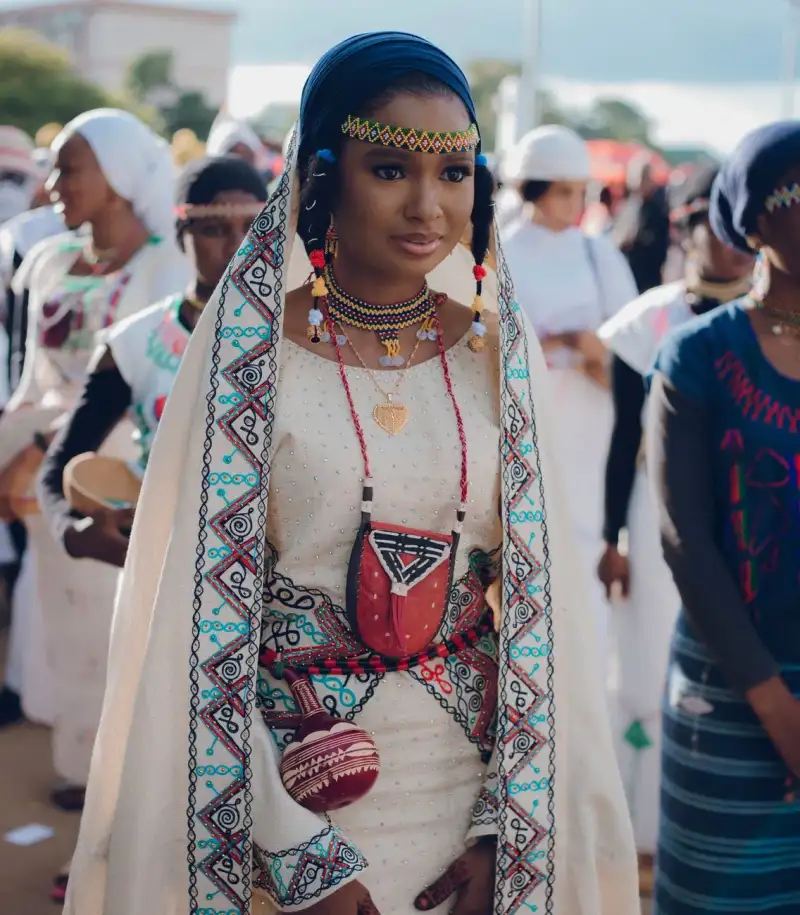
This is Part 2 of the series. Read Part 1 here.The Afar People: Surviving in Earth’s Most Harsh Environment The Afar people are the true survivors of the Danakil Depression. For centuries, they have called this hellish landscape home, adapting to its extreme conditions with remarkable ingenuity and resilience. The Afar, also known as the Danakil, are a nomadic pastoralist people who have traditionally relied on camel herding, salt mining, and trade to sustain their communities. Their way of life is a testament to human adaptability, offering a glimpse into how life can thrive even in the most inhospitable environments. The Afar people live in small, scattered settlements across the Danakil Depression, often in temporary huts made of palm fronds and animal hides. Their diet consists primarily of milk, meat, and flatbread, supplemented by dates and wild plants when available. Water is a precious resource, and the Afar have developed ingenious methods for collecting and storing it. They dig shallow wells in dry riverbeds, relying on the seasonal rains to replenish their supplies. In times of drought, they may travel hundreds of kilometers in search of water, following ancient trade routes that have been used for generations. Salt is the lifeblood of the Afar economy. The Danakil Salt Plain is one of the richest sources of salt in the world, and the Afar have mined it for centuries. The process is labor-intensive and dangerous, with workers cutting blocks of salt from the crust of the plain and loading them onto camel caravans for transport. These caravans, known as azibo, can stretch for miles, with hundreds of camels carrying salt to markets in Mekelle and other Ethiopian cities. The salt is not just a commodity—it’s a currency, used in trade and barter across the region. Despite the harsh conditions, the Afar people have a rich cultural heritage. Their society is matrilineal, with women playing a central role in decision-making and trade. Music and dance are integral parts of their culture, with traditional instruments like the tanbura (a lyre-like instrument) and the krar (a five-stringed lyre) accompanying celebrations and rituals. The Afar are also known for their elaborate body adornments, including beaded necklaces, brass arm rings, and intricate hairstyles, which serve as markers of identity and status. Yet, life in the Danakil Depression is not without its challenges. The region is chronically underdeveloped, with limited access to healthcare, education, and clean water. Droughts, famine, and conflict are constant threats, and many Afar people live in poverty, relying on subsistence farming and seasonal labor. The extreme heat and lack of infrastructure make it difficult to attract investment or development, leaving the Afar people to fend for themselves in one of the most extreme environments on Earth. For travelers who visit the Danakil Depression, interacting with the Afar people is a humbling experience. Their warmth, hospitality, and resilience are unforgettable, and their knowledge of the land is invaluable for navigating the region. Many guided tours include cultural exchanges, allowing visitors to learn about the Afar way of life, sample traditional foods, and even participate in salt mining or camel caravans. These interactions are not just educational—they’re a reminder of the universal human spirit that thrives even in the most challenging circumstances. The Afar people are guardians of a disappearing way of life. As climate change and modernization encroach on their traditional lands, their culture and livelihoods are under threat. For those who visit the Danakil Depression, supporting the Afar people—whether through fair trade, responsible tourism, or donations to local organizations—is a way to ensure that their story continues to be told.The Science Behind the Danakil Depression: A Window into Earth’s Violent Past The Danakil Depression is more than just a tourist destination—it’s a scientific goldmine. Geologists, volcanologists, and astrobiologists flock to this region to study its unique geological features, which offer insights into the early Earth, the origins of life, and even the potential for life on other planets. The depression is a natural laboratory, where the forces that shape our planet are on full display. At the heart of the Danakil Depression’s scientific significance is its tectonic activity. The region sits at the Afar Triple Junction, where three tectonic plates are pulling apart. This rifting process is creating a new ocean basin, a phenomenon that has occurred only a handful of times in Earth’s history. By studying the Danakil Depression, scientists can gain a better understanding of continental drift, seafloor spreading, and the formation of new crust. The Erta Ale volcano, with its continuous lava lake, is a prime example of this process in action, offering a glimpse into the mechanisms of volcanic activity that shape our planet. The hydrothermal systems of the Danakil Depression are another area of intense scientific interest. These acidic, mineral-rich pools are home to extremophiles—microorganisms that thrive in conditions that would be lethal to most life forms. The Dallol hydrothermal field, in particular, is one of the most acidic and saline environments on Earth, with pH levels as low as -1.6 and temperatures exceeding 100°C (212°F). These conditions are similar to those that may have existed on early Earth, or even on Mars, making the Danakil Depression a key site for astrobiological research.Scientists believe that the extremophiles found in the Danakil Depression could provide clues about the origins of life on Earth. These microorganisms, which survive in extreme heat, acidity, and salinity, may represent some of the earliest forms of life on our planet. By studying their metabolic processes and genetic makeup, researchers hope to gain insights into how life could have emerged in the hostile conditions of the early Earth—or even on other planets. The Danakil Depression is also a window into the future. As climate change accelerates, the region’s extreme conditions are becoming more pronounced. The rising temperatures, prolonged droughts, and increased volcanic activity are all signs of a changing planet. By studying the Danakil Depression, scientists can better understand how Earth’s systems respond to stress, and what the future may hold for other extreme environments around the world. For volcanologists, the Danakil Depression is a living textbook. The Erta Ale lava lake is one of the few places on Earth where a continuous lava lake can be observed, providing a rare opportunity to study magma dynamics, gas emissions, and volcanic hazards. The frequent earthquakes in the region are another area of focus, as they offer insights into the tectonic forces that shape the Earth’s crust. The scientific community is not the only group interested in the Danakil Depression. Space agencies, including NASA and ESA, have taken note of the region’s Mars-like landscapes, using it as a testing ground for equipment and experiments intended for future missions to the Red Planet. The acidic, mineral-rich terrain of Dallol, in particular, has been compared to Martian landscapes, making it an ideal site for rover testing and astrobiological research. The Danakil Depression is a reminder of Earth’s violent past—a place where the planet’s inner forces are laid bare. It’s a testament to the power of geology, and a window into the origins of life. For scientists, it’s a dream destination. For the rest of us, it’s a humbling reminder of the forces that shape our world—and the resilience of life in even the most extreme environments.The Danakil Depression on a Budget: How to Experience the Extreme Without Breaking the Bank The Danakil Depression is often dismissed as a luxury adventure, reserved for those with deep pockets and a taste for the extreme. But with the right planning, it’s possible to experience this otherworldly landscape without spending a fortune. While guided tours from Addis Ababa can cost $1,000 to $2,500 USD, there are budget-friendly alternatives for those willing to put in the effort. Here’s how to explore the Danakil Depression on a shoestring budget. 1. Travel Independently (But Safely) The most cost-effective way to visit the Danakil Depression is to organize your own trip, rather than booking a guided tour. This requires more planning and risk tolerance, but it can save you hundreds, if not thousands, of dollars. The key is to hire a local guide and driver in Mekelle, who can navigate the region’s treacherous roads and political sensitivities.Transportation: Rent a 4x4 vehicle with a driver in Mekelle. Prices vary, but you can expect to pay $100 to $150 USD per day for the vehicle and driver. Splitting costs with other travelers can reduce the price significantly. Accommodation: Camping is the cheapest option, with basic campsites available near Erta Ale and Dallol. Bring your own tent, sleeping bag, and cooking supplies to save money. Alternatively, some local guides offer homestays with Afar families, which can cost as little as $10 to $20 USD per night. Food: Pack non-perishable meals (e.g., rice, pasta, canned goods) and a portable stove to cook your own food. Local guides can also arrange meals, but they may charge extra.2. Join a Group Tour (But Choose Wisely) If you prefer the safety and convenience of a guided tour but want to save money, consider joining a group tour rather than booking a private one. Group tours are cheaper per person and often include shared transportation, accommodation, and meals.Cost: Group tours typically cost $500 to $1,500 USD per person, depending on the length of the trip and the level of comfort. Where to Book: Look for local tour operators in Addis Ababa or Mekelle, rather than international companies. Websites like Ethiopia Travel, Tour Ethiopia, or local Facebook groups can help you find reputable guides. What’s Included: Most group tours cover transportation, accommodation, meals, and a local guide. Some may also include park fees and camping equipment.👉 Continue Reading: Ethiopia's Danakil Depression: The Hottest Place on Earth's Alien Landscapes (Part 3)#EthiopiaTravel #ExtremeAdventure #VolcanicExploration #DanakilDepression #AfarRegion Related InsightsAustralia Unveiled: Where Sun-Kissed Shores Meet Ancient Souls and Modern Marvels (Part 2) Whispers in Sandstone: Unearthing the Enduring Enigma of Petra, The Rose City Il Faro di Ercole e i Giganti Luminosi Dimenticati dell'Oceano: Un Viaggio Tra i Guardiani Romani dell'Infinito Atlantico{ "@context": "https://schema.org", "@type": "FAQPage", "mainEntity": [ { "@type": "Question", "name": "What is the main focus of Ethiopia's Danakil Depression: The Hottest Place on Earth's Alien Landscapes (Part 2)?", "acceptedAnswer": { "@type": "Answer", "text": "Ethiopia's Danakil Depression: The Hottest Place on Earth's Alien Landscapes hakkinda bilmeniz gereken her sey." } }, { "@type": "Question", "name": "Who authored the comprehensive guide on Ethiopia's Danakil Depression: The Hottest Place on Earth's Alien Landscapes (Part 2)?", "acceptedAnswer": { "@type": "Answer", "text": "This detailed article and its insights were carefully researched and authored by Chloe Tremblay." } }, { "@type": "Question", "name": "Where can I find more related content about Travel?", "acceptedAnswer": { "@type": "Answer", "text": "You can explore more articles, detailed reviews, and similar insights by browsing the Related Insights section at the bottom of this article or visiting our dedicated Travel category page." } } ] }

- Chloe Tremblay
- 16 Jul, 2026 14:48
Ethiopia's Danakil Depression: The Hottest Place on Earth's Alien Landscapes (Part 3)
This is Part 3 of the series. Read Part 2 here.3. Travel During the Off-Season The best time to visit the Danakil Depression is during the dry season (October to March), when temperatures are slightly cooler and the roads are more passable. However, this is also peak tourist season, meaning prices are higher. If you’re on a budget, consider traveling during the shoulder seasons (April to May or September to October), when crowds are smaller and prices are lower.Temperatures: Even during the off-season, temperatures in the Danakil Depression can exceed 40°C (104°F). Pack lightweight, breathable clothing, a wide-brimmed hat, and plenty of sunscreen. Road Conditions: The rainy season (June to September) makes the roads impassable, so avoid traveling during this time unless you’re prepared for extreme conditions.4. Pack Smart to Save Money One of the biggest expenses of traveling to the Danakil Depression is gear and supplies. To save money, rent or borrow equipment rather than buying it new.Camping Gear: If you don’t own a tent, sleeping bag, or camping stove, consider renting from a local outdoor shop in Addis Ababa or Mekelle. Prices are typically $10 to $30 USD per item. Water: Bring a reusable water bottle and a water purification system (e.g., a LifeStraw or SteriPen) to avoid buying expensive bottled water. Food: Pack high-calorie, non-perishable snacks (e.g., nuts, dried fruit, energy bars) to keep costs down.5. Work with Local Guides Hiring a local guide is essential for navigating the Danakil Depression safely, but it doesn’t have to break the bank. Local guides are cheaper than international tour operators and often have deep knowledge of the region.Cost: A local guide typically costs $50 to $100 USD per day, depending on their experience and the length of the trip. Where to Find Them: Ask at hostels, guesthouses, or travel agencies in Addis Ababa or Mekelle. Alternatively, post in Facebook groups like Ethiopia Travel or Backpacking Ethiopia to find a guide. Negotiate: Don’t be afraid to bargain—many guides are willing to lower their prices for longer trips or group bookings.6. Budget Breakdown: How Much Will It Really Cost? Here’s a rough estimate of what it costs to visit the Danakil Depression on a budget:Expense Budget Option Mid-Range Option NotesTransportation (4x4 + Driver) $500 - $800 USD $1,000 - $1,500 USD Includes fuel, driver, and vehicle rentalAccommodation $50 - $100 USD $200 - $500 USD Camping vs. homestays or basic guesthousesFood $50 - $100 USD $150 - $300 USD Self-cooked vs. meals provided by guideGuide $150 - $300 USD $400 - $600 USD Local guide vs. international tour operatorGear Rental $20 - $50 USD $100 - $200 USD Tent, sleeping bag, stove, etc.Miscellaneous $50 - $100 USD $100 - $200 USD Permits, tips, unexpected expensesTotal $820 - $1,450 USD $1,950 - $3,300 USD Varies based on group size and trip lengthWhile the Danakil Depression is not a cheap destination, it’s possible to experience its otherworldly beauty without spending a fortune. The key is to plan ahead, travel with a group, and embrace the simplicity of life in one of Earth’s most extreme environments.The Danakil Depression: A Reality Check—Is It Worth the Risk? The Danakil Depression is not for everyone. It’s a place of extreme heat, isolation, and danger, where the line between adventure and peril is thin. Before you book your ticket, it’s important to ask: Is this trip really worth the risk? The Allure of the Extreme For adrenaline junkies, geology enthusiasts, and intrepid travelers, the Danakil Depression is a bucket-list destination. The chance to stand on the edge of a lava lake, walk across acidic hydrothermal vents, and explore a landscape that looks like another planet is an experience that few places on Earth can match. The sheer otherworldliness of the region is its biggest draw—it’s a place where you can feel the raw power of nature in a way that few other destinations allow. But the Danakil Depression is more than just a photographic opportunity. It’s a test of human endurance, a chance to push your limits and see what you’re truly capable of. For those who make the journey, the memories are unforgettable—the glow of the lava lake at night, the crunch of salt underfoot, the smell of sulfur in the air. It’s a place that changes you, leaving you with a newfound appreciation for the power and beauty of our planet. The Risks: What You Need to Know Of course, the Danakil Depression is not without its dangers. The extreme heat, lack of water, and rugged terrain pose significant risks, and the region’s political instability adds another layer of complexity.Heatstroke and Dehydration: Temperatures in the Danakil Depression can exceed 50°C (122°F), making heatstroke a real and life-threatening risk. Without proper hydration and sun protection, the consequences can be fatal. Volcanic Activity: The Erta Ale volcano is continuously active, and the risk of lava flows, gas emissions, and sudden eruptions is always present. The hydrothermal vents in Dallol are also highly acidic, posing a risk of chemical burns if you get too close. Political Instability: The Afar region has a history of conflict and unrest, and travelers are advised to check travel advisories before planning their trip. The Ethiopian government has a strong presence in the area, but local tensions can flare up unexpectedly. Limited Medical Care: There are no hospitals or clinics in the Danakil Depression. In the event of an emergency, evacuation to Mekelle or Addis Ababa could take days, and medical care is rudimentary at best.Who Should (and Shouldn’t) Visit? The Danakil Depression is not a destination for casual travelers. It’s a place for those who are physically fit, mentally prepared, and willing to take risks. Here’s a quick breakdown of who should—and shouldn’t—consider this trip:Who Should Go? Who Should Avoid It?Adventure seekers who crave extreme experiences Those with health conditions (e.g., heart problems, respiratory issues)Geology and volcanology enthusiasts Pregnant women or young childrenPhotographers and filmmakers looking for unique landscapes Travelers uncomfortable with extreme heat and isolationCultural explorers interested in the Afar people’s way of life Those unwilling to hire a local guideExtreme sports athletes (e.g., ultramarathon runners, mountaineers) Budget travelers unwilling to rough itAlternatives to the Danakil Depression If the Danakil Depression sounds too extreme, there are safer (but still incredible) alternatives in Ethiopia that offer a taste of its geological wonders without the same level of risk:Erta Ale (from a distance): If you’re not ready to hike to the summit, you can view the lava lake from a distance with a guided tour that stops at viewpoints along the way. Dallol (day trip): Some tours offer shorter trips to Dallol that don’t require an overnight stay, reducing the risk of heat exhaustion. Simien Mountains: For a less extreme but equally stunning adventure, consider trekking in the Simien Mountains, a UNESCO World Heritage Site known for its breathtaking landscapes and wildlife. Danakil Salt Plain (from Afdera): If you want to see the salt flats without venturing too deep into the depression, you can visit the town of Afdera, where salt mining is still a major industry.Final Verdict: Is It Worth It? For those who make the journey, the Danakil Depression is more than worth the risk. It’s a place that challenges you, humbles you, and leaves you in awe of the natural world. The otherworldly landscapes, the raw power of the volcanoes, and the resilience of the Afar people create an experience that is unlike anything else on Earth. But it’s also a trip that demands respect. The Danakil Depression is not a place to be taken lightly. It requires preparation, caution, and a willingness to push your limits. If you go in with the right mindset—respecting the environment, listening to your guide, and prioritizing safety—you’ll return with a story that few can match. For the rest, the Danakil Depression will remain a distant dream, a place of myth and legend that they’ll never dare to visit. But for those who do, it’s a once-in-a-lifetime adventure that will change the way you see the world.Ethiopia’s Danakil Depression: A Journey to the Edge of the Earth The Danakil Depression is Earth’s hellscape made real—a place where fire and salt collide, where the ground trembles with volcanic fury, and where the air shimmers with heat. It’s a destination that defies logic, a realm of extremes that pushes the boundaries of human endurance. For those who venture here, it’s more than a trip—it’s a pilgrimage to the heart of our planet’s most violent forces. From the glowing lava lake of Erta Ale to the acidic pools of Dallol, the Danakil Depression is a living testament to Earth’s raw power. It’s a place where geology, climate, and human resilience intersect in the most dramatic way possible. For geologists, it’s a dream come true. For adventurers, it’s the ultimate challenge. For the Afar people, it’s home. But the Danakil Depression is also a reminder of our place in the universe. It’s a place where life thrives in the most inhospitable conditions, where extremophiles hint at the origins of life, and where Earth’s inner fury is laid bare. It’s a destination that demands respect, that tests your limits, and that leaves you forever changed. If you’re ready to face the heat, to walk where few dare, and to see a landscape that looks like another planet, then the Danakil Depression awaits. But be warned: this is not a journey for the faint of heart. It’s a trip that will push you to your limits, that will test your endurance, and that will leave you with memories that will last a lifetime. So pack your bags, brace yourself for the heat, and get ready to explore the hottest place on Earth. The Danakil Depression is calling—and it’s not for the weak.#EthiopiaTravel #ExtremeAdventure #VolcanicExploration #DanakilDepression #AfarRegion Related InsightsHidden Gems of Eastern Anatolia Southeast Asia’s Best-Kept Secrets: Uncharted Adventures and Untouched Wonders in 2026 The Azores: Europe’s Hidden Paradise Where Wild Volcanoes Meet Turquoise Oceans{ "@context": "https://schema.org", "@type": "FAQPage", "mainEntity": [ { "@type": "Question", "name": "What is the main focus of Ethiopia's Danakil Depression: The Hottest Place on Earth's Alien Landscapes (Part 3)?", "acceptedAnswer": { "@type": "Answer", "text": "Ethiopia's Danakil Depression: The Hottest Place on Earth's Alien Landscapes hakkinda bilmeniz gereken her sey." } }, { "@type": "Question", "name": "Who authored the comprehensive guide on Ethiopia's Danakil Depression: The Hottest Place on Earth's Alien Landscapes (Part 3)?", "acceptedAnswer": { "@type": "Answer", "text": "This detailed article and its insights were carefully researched and authored by Chloe Tremblay." } }, { "@type": "Question", "name": "Where can I find more related content about Travel?", "acceptedAnswer": { "@type": "Answer", "text": "You can explore more articles, detailed reviews, and similar insights by browsing the Related Insights section at the bottom of this article or visiting our dedicated Travel category page." } } ] }