Showing Posts From
Fiction

My Sister, the Serial Killer Author: Oyinkan BraithwaitePage Count: UnknownPublication Date: 2019-PRH My Sister, the Serial Killer, Oyinkan Braithwaite's 2019 Booker Prize-nominated novel, is a darkly comedic and satirical exploration of the complexities of sisterly love, the blurred lines between good and evil, and the societal expectations placed on women. Through the voice of Korede, the protagonist and Ayoola's older sister, Braithwaite crafts a narrative that is both a thrilling page-turner and a scathing critique of the social norms that govern women's lives. At its core, the novel is a story about the unbreakable bond between sisters, one that is forged in childhood and tempered by the trials of adulthood. Korede, the responsible and practical sister, has always been the one to clean up after Ayoola's messes, literal and figurative. As Ayoola's body count rises, Korede is faced with the daunting task of protecting her sister from the consequences of her actions, all while navigating her own desires and aspirations. Braithwaite's writing is razor-sharp, with a wicked sense of humor that belies the darkness of the subject matter. Her prose is economical and precise, with a keen eye for detail that makes the characters and their world feel fully realized. The Nigerian setting is vividly rendered, with a keen sense of cultural nuance that adds depth and complexity to the narrative. One of the most striking aspects of the novel is its exploration of the societal expectations placed on women. Ayoola, the beautiful and charismatic sister, is a product of a society that values physical beauty above all else. She is the favored child, the one who is indulged and forgiven, while Korede is relegated to the background, expected to be responsible and selfless. Braithwaite skewers this double standard with precision, revealing the ways in which women are socialized to prioritize others' needs above their own. The novel is also a commentary on the ways in which women are complicit in their own oppression. Korede's enabling of Ayoola's behavior is a classic example of this, as she prioritizes her sister's needs above her own, even when it means sacrificing her own happiness and well-being. Braithwaite raises important questions about the nature of sisterly love and the ways in which women are socialized to prioritize their relationships with others above their own desires and aspirations. In the end, My Sister, the Serial Killer is a novel that will keep you on the edge of your seat, even as it challenges you to think critically about the societal norms that govern women's lives. With its wicked sense of humor, razor-sharp prose, and nuanced exploration of the complexities of sisterly love, this is a novel that will stay with you long after you finish reading it. #MySisterTheSerialKiller #OyinkanBraithwaite #BookerPrizeNominee #DarkComedy #SisterlyLove #NigerianLiterature Related InsightsCandide Book Review and Summary Messy as Hell Book Review and Summary How to Love in Sanskrit: Ancient Poems for Modern Readers Book Review and Summary{ "@context": "https://schema.org", "@type": "FAQPage", "mainEntity": [ { "@type": "Question", "name": "What is the main focus of My Sister, the Serial Killer Book Review and Summary?", "acceptedAnswer": { "@type": "Answer", "text": "Everything you need to know about My Sister, the Serial Killer with our detailed review." } }, { "@type": "Question", "name": "Who authored the comprehensive guide on My Sister, the Serial Killer Book Review and Summary?", "acceptedAnswer": { "@type": "Answer", "text": "This detailed article and its insights were carefully researched and authored by Oyinkan Braithwaite." } }, { "@type": "Question", "name": "Where can I find more related content about Books?", "acceptedAnswer": { "@type": "Answer", "text": "You can explore more articles, detailed reviews, and similar insights by browsing the Related Insights section at the bottom of this article or visiting our dedicated Books category page." } } ] }
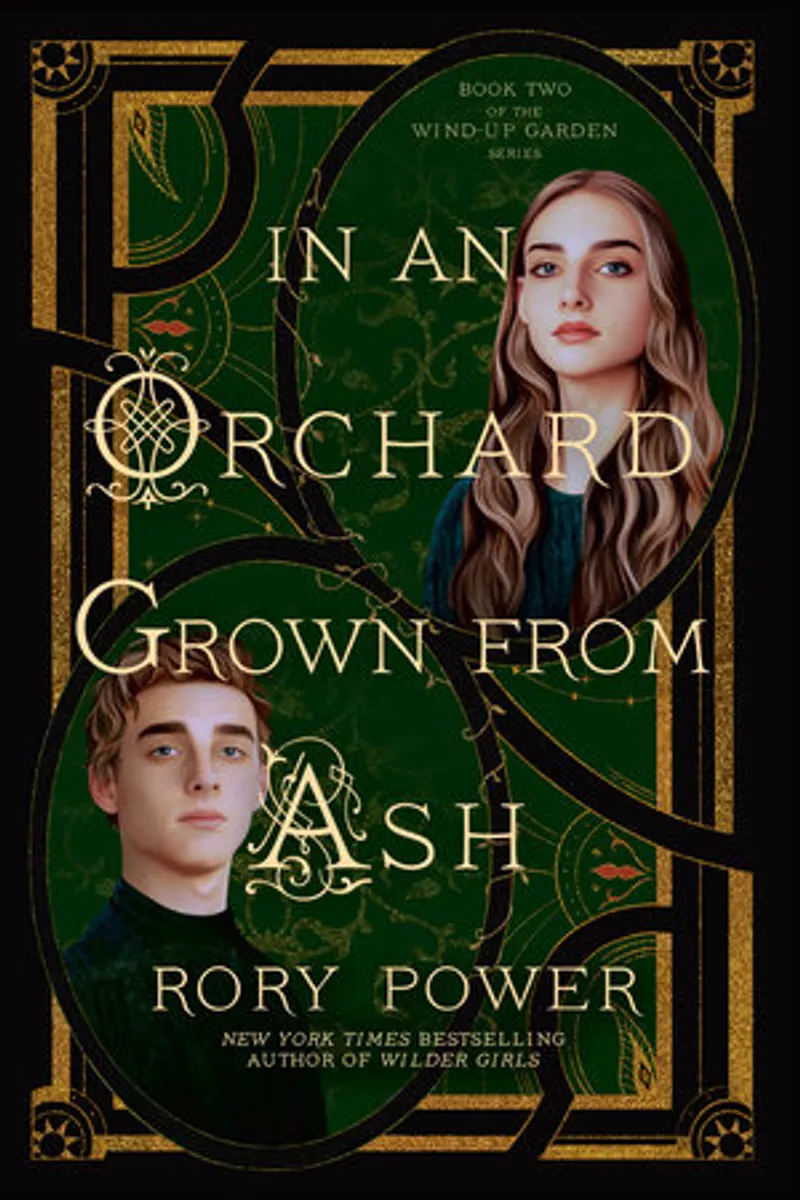
In an Orchard Grown from Ash Author: Rory PowerPage Count: UnknownPublication Date: 2024-PRH In Rory Power's "In an Orchard Grown from Ash", the stunning conclusion to a mythic epic fantasy duology, the Argyros siblings find themselves shattered and scattered, their bond broken by the weight of betrayal and the crushing loss of power. This is a story of the unrelenting pursuit of power, the suffocating weight of legacy, and the unbreakable bonds of family. Power masterfully weaves a narrative that delves deep into the complexities of the human heart, laying bare the darkest corners of the Argyros siblings' psyches. Rhea, Chrysanthi, and Lexos, each struggling to find their place in a world that seems determined to destroy them, are forced to confront the pain of their past and the uncertainty of their future. As they navigate treacherous landscapes, both physical and emotional, they must also contend with the ghosts of their family's history, and the legacy of power that has been both their blessing and their curse. One of Power's greatest strengths as a writer is her ability to craft a sense of atmosphere that is at once both haunting and beautiful. Her prose is lyrical, evocative, and precise, conjuring images that are both vivid and unsettling. The frozen north, the war-torn land, and the desolate palace are all rendered with a precision that is almost palpable, drawing the reader into the world of the story with ease. But it is the characters that truly bring this story to life. Power's portrayal of the Argyros siblings is nuanced and multifaceted, revealing the intricate web of relationships that binds them together, even as they are torn apart by their individual struggles. Rhea's quiet strength, Chrysanthi's fierce determination, and Lexos's brooding intensity are all expertly woven into the fabric of the narrative, creating a rich tapestry of character that is both compelling and heartbreaking. At its core, "In an Orchard Grown from Ash" is a story about the true cost of power, and the devastating consequences of its pursuit. Power raises important questions about the nature of legacy, and the weight of responsibility that comes with it. Can the Argyros siblings find a way to reclaim their power, and their place in the world, without sacrificing their very souls? Or will they succumb to the darkness that has haunted their family for so long? This is a story that will appeal to fans of epic fantasy, particularly those who enjoy complex characters, morally ambiguous themes, and a richly detailed world. Power's writing is both beautiful and haunting, making "In an Orchard Grown from Ash" a must-read for anyone who enjoys a well-crafted narrative. #InAnOrchardGrownFromAsh #RoryPower #EpicFantasy #DarkFantasy #FamilyDrama #LegacyOfPower Related InsightsThere Are No Giant Crabs in This Novel: A Novel of Giant Crabs (John Dies at the End, #5) Book Review and Summary Framed in Death Book Review and Summary Invisible Girl Book Review and Summary{ "@context": "https://schema.org", "@type": "FAQPage", "mainEntity": [ { "@type": "Question", "name": "What is the main focus of From Blood and Ash Book Review and Summary?", "acceptedAnswer": { "@type": "Answer", "text": "Everything you need to know about From Blood and Ash with our detailed review." } }, { "@type": "Question", "name": "Who authored the comprehensive guide on From Blood and Ash Book Review and Summary?", "acceptedAnswer": { "@type": "Answer", "text": "This detailed article and its insights were carefully researched and authored by Jennifer L. Armentrout." } }, { "@type": "Question", "name": "Where can I find more related content about Books?", "acceptedAnswer": { "@type": "Answer", "text": "You can explore more articles, detailed reviews, and similar insights by browsing the Related Insights section at the bottom of this article or visiting our dedicated Books category page." } } ] }
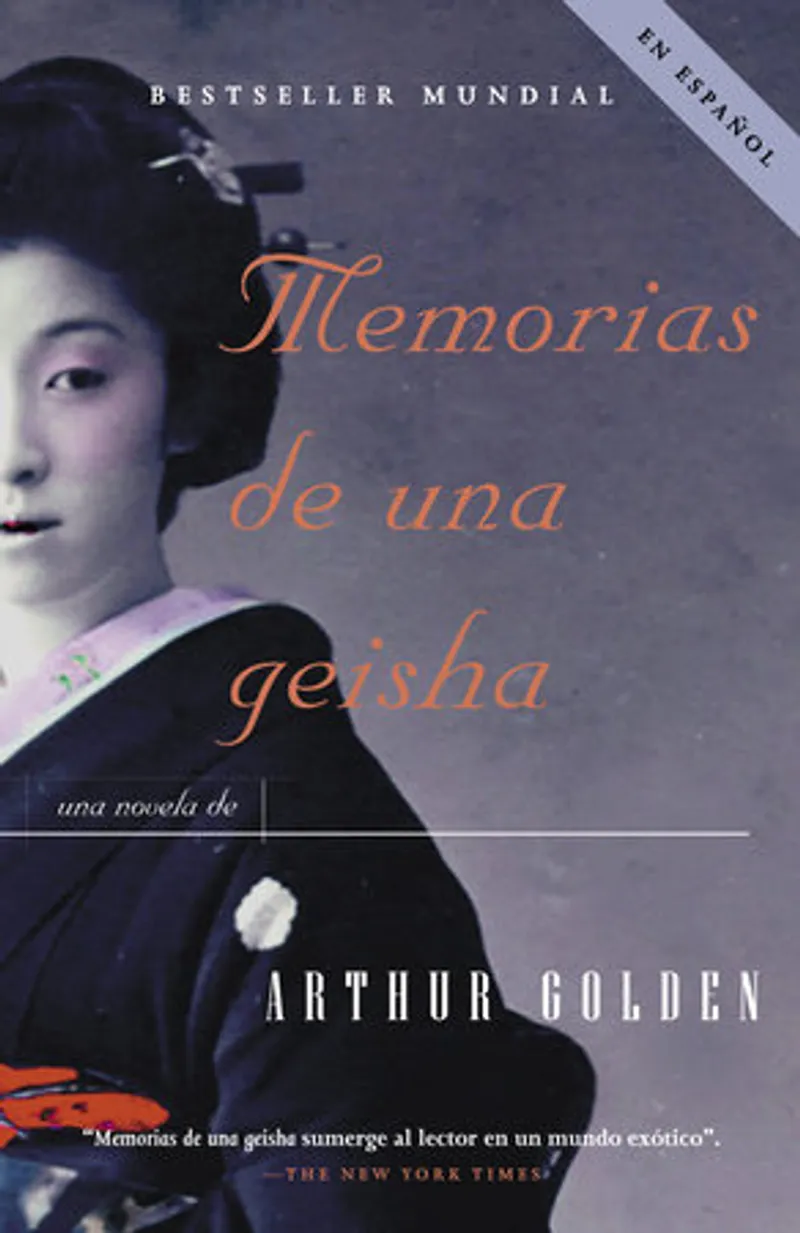
Memorias de una geisha / Memoirs of a Geisha Author: Arthur GoldenPage Count: UnknownPublication Date: 2005-PRH Memoirs of a Geisha is a masterpiece of historical fiction that immerses readers in a world of opulence, intrigue, and quiet resilience. Arthur Golden’s novel, a literary sensation and international bestseller, is a fictionalized account of the life of a geisha, told with such authenticity that it feels like a whispered confession from another era. Through the eyes of its protagonist, Chiyo Sakamoto—later known as Sayuri—we are transported to the glittering yet treacherous world of Kyoto’s Gion district, where beauty is currency, and survival depends on artistry, cunning, and sacrifice. At its core, Memoirs of a Geisha is a meditation on identity, illusion, and the price of ambition. The novel explores how women in this rigidly stratified society are forced to conform to roles that strip them of autonomy, only to reclaim agency through sheer willpower. Chiyo’s journey from a poor, abandoned child to one of Japan’s most celebrated geishas is not just a rags-to-riches tale but a poignant critique of the commodification of femininity. Golden doesn’t glorify the geisha’s life; instead, he exposes its harsh realities—the auctioning of a young girl’s virginity, the relentless training in arts and seduction, and the emotional detachment required to thrive. Love, in this world, is a luxury few can afford, and even when it appears, it is often tainted by power dynamics and societal expectations. Golden’s prose is a triumph of restraint and lyricism. His writing is meticulous, almost clinical in its precision when describing the rituals of geisha life—the intricate kimonos, the delicate tea ceremonies, the subtle art of conversation. Yet, beneath this surface elegance lies a seething undercurrent of emotion. The novel’s power lies in its ability to balance beauty with brutality, making the reader both enraptured and unsettled. Golden’s research is evident in every detail, from the hierarchy of the okiya (geisha house) to the political maneuvering among wealthy patrons. The world he constructs feels lived-in, with a texture so rich that Kyoto’s back alleys and teahouses become as vivid as the characters themselves. Chiyo’s voice is the novel’s greatest strength. Her narration is a blend of innocence and world-weariness, a girl who learns early that her worth is measured in the eyes of men but who refuses to be defined by them. Her relationship with the enigmatic Chairman, the man who becomes her moral compass, is the emotional heart of the story. Their connection is tender yet doomed by circumstance, a love that exists in the margins of a society that demands women be either objects of desire or vessels of tradition. Golden avoids melodrama, letting the weight of unspoken feelings hang heavy in the air, making their rare moments of intimacy all the more poignant. The novel’s themes resonate deeply in today’s world, where discussions about female agency and the pressures of societal expectations are more relevant than ever. Memoirs of a Geisha is not just a story about a woman’s rise to fame; it’s a story about the cost of survival in a world that seeks to control and consume. Golden’s genius lies in his ability to make us care about Chiyo’s fate while never shying away from the uglier truths of her world. The result is a novel that is as haunting as it is beautiful, a testament to the resilience of the human spirit in the face of oppression. For readers who love historical fiction with depth, emotional resonance, and a touch of exoticism, Memoirs of a Geisha is an unforgettable experience. It’s a book that lingers long after the last page, leaving you with a bittersweet appreciation for the artistry of its storytelling—and the harsh realities it unveils. #MemoirsOfAGeisha #HistoricalFiction #JapaneseCulture #ArthurGolden #GeishaLife #LiteraryMasterpiece Related InsightsHunger Like No Other Book Review and Summary Some Desperate Glory Book Review and Summary Tiger, Tiger Book Review and Summary{ "@context": "https://schema.org", "@type": "FAQPage", "mainEntity": [ { "@type": "Question", "name": "What is the main focus of Memoirs of a Geisha Book Review and Summary?", "acceptedAnswer": { "@type": "Answer", "text": "Everything you need to know about Memoirs of a Geisha with our detailed review." } }, { "@type": "Question", "name": "Who authored the comprehensive guide on Memoirs of a Geisha Book Review and Summary?", "acceptedAnswer": { "@type": "Answer", "text": "This detailed article and its insights were carefully researched and authored by Arthur Golden." } }, { "@type": "Question", "name": "Where can I find more related content about Books?", "acceptedAnswer": { "@type": "Answer", "text": "You can explore more articles, detailed reviews, and similar insights by browsing the Related Insights section at the bottom of this article or visiting our dedicated Books category page." } } ] }
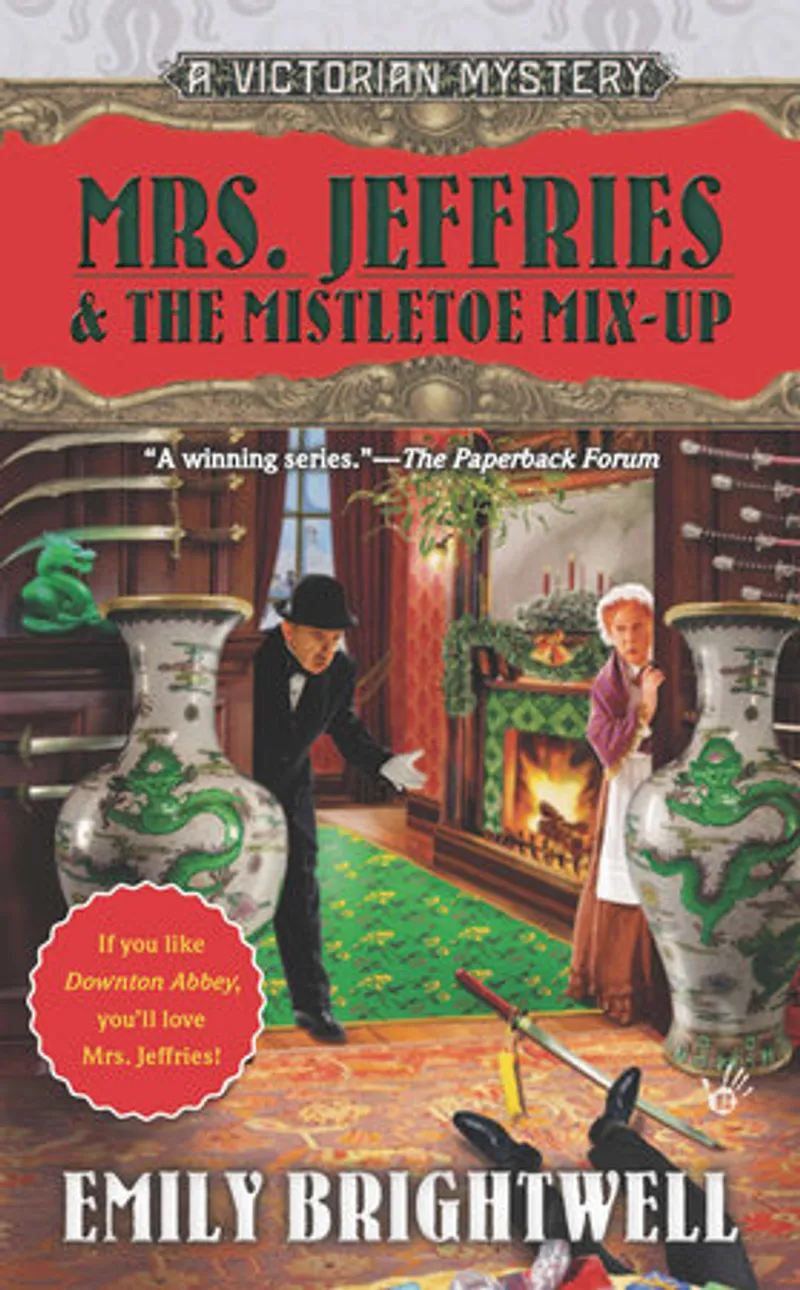
Mrs. Jeffries & the Mistletoe Mix-Up Author: Emily BrightwellPage Count: UnknownPublication Date: 2012-PRH In "Mrs. Jeffries & the Mistletoe Mix-Up," Emily Brightwell weaves a festive and intriguing tale of murder and mystery, set against the backdrop of the holiday season. This installment in the beloved Mrs. Jeffries series is a delightful blend of wit, charm, and clever detective work, making it a must-read for fans of the genre. At the heart of the story is the enigmatic art collector Daniel McCourt, whose lifeless body is discovered under a bundle of mistletoe, his throat slit by a bloody sword. As Inspector Witherspoon sets out to unravel the tangled threads of the case, he is aided by the inimitable Mrs. Jeffries, whose sharp wit and keen observations prove invaluable in uncovering the truth. Brightwell's writing style is a masterclass in subtlety and restraint, effortlessly conjuring the atmosphere of a bygone era while maintaining a sense of modernity and relevance. Her characters are skillfully drawn, with Mrs. Jeffries being a particular standout. This clever and resourceful woman is the perfect foil to the more straight-laced Inspector Witherspoon, and their partnership is a joy to behold. One of the most striking aspects of "Mrs. Jeffries & the Mistletoe Mix-Up" is its thoughtful exploration of the holiday season. Rather than relying on tired clichés or saccharine sentimentality, Brightwell instead uses the festive backdrop to examine the complexities and nuances of human relationships. As the characters navigate the challenges and stresses of the season, they are forced to confront their own motivations and desires, leading to a rich and satisfying conclusion. Throughout the book, Brightwell's love of the Victorian era is evident, and her meticulous research adds a level of depth and authenticity to the narrative. From the intricacies of high tea to the cutthroat world of art collecting, every detail is carefully considered and lovingly rendered. Ultimately, "Mrs. Jeffries & the Mistletoe Mix-Up" is a triumph, a deliciously entertaining and engaging mystery that will keep readers guessing until the very end. With its winning combination of clever plot twists, memorable characters, and festive atmosphere, this book is sure to delight fans of the series and newcomers alike. #MrsJeffriesSeries #VictorianMystery #HolidayMystery #CozyMystery #EmilyBrightwell #MistletoeMixUp Related InsightsGiver of Stars Book Review and Summary Wild Swans: Three Daughters of China Book Review and Summary Poesía reunida César Vallejo (Edición conmemorativa de la RAE y la ASALE) / Collected Poems by César Vallejo (Commemorative Edition by the RAE and ASALE) Book Review and Summary{ "@context": "https://schema.org", "@type": "FAQPage", "mainEntity": [ { "@type": "Question", "name": "What is the main focus of From the Mixed-up Files of Mrs. Basil E. Frankweiler Book Review and Summary?", "acceptedAnswer": { "@type": "Answer", "text": "Everything you need to know about From the Mixed-up Files of Mrs. Basil E. Frankweiler with our detailed review." } }, { "@type": "Question", "name": "Who authored the comprehensive guide on From the Mixed-up Files of Mrs. Basil E. Frankweiler Book Review and Summary?", "acceptedAnswer": { "@type": "Answer", "text": "This detailed article and its insights were carefully researched and authored by E.L. Konigsburg." } }, { "@type": "Question", "name": "Where can I find more related content about Books?", "acceptedAnswer": { "@type": "Answer", "text": "You can explore more articles, detailed reviews, and similar insights by browsing the Related Insights section at the bottom of this article or visiting our dedicated Books category page." } } ] }
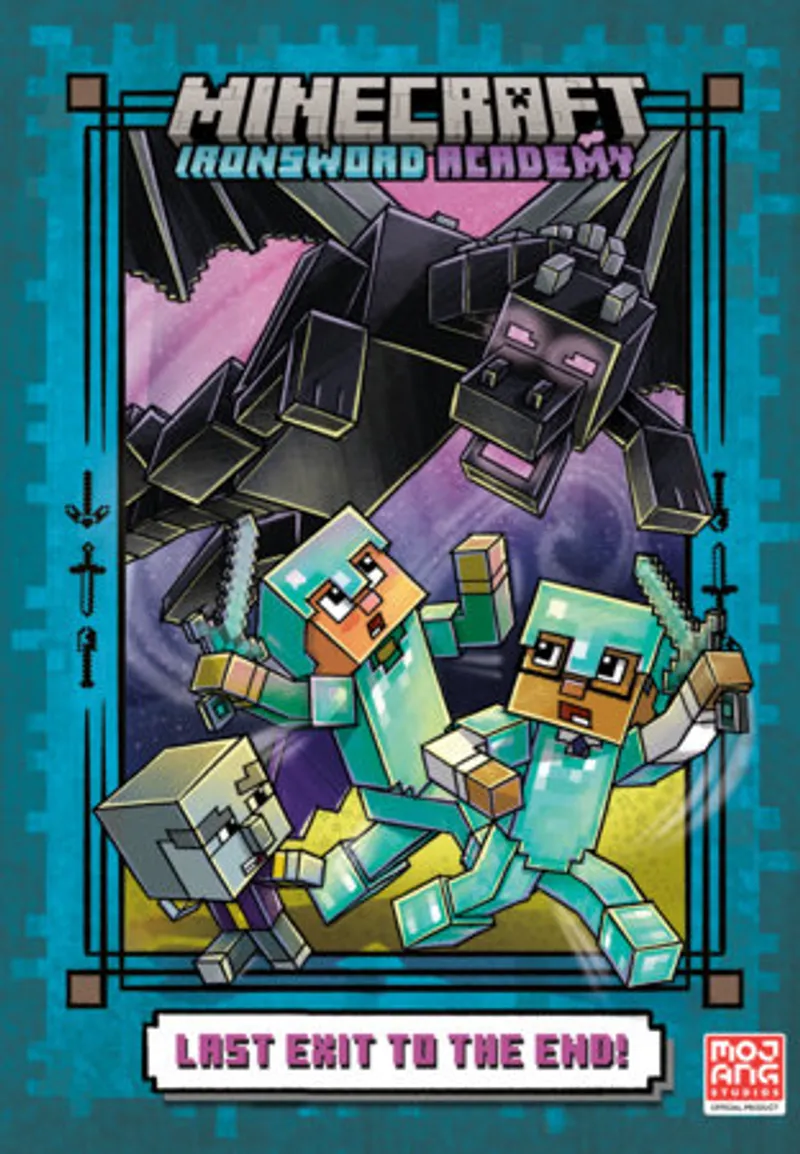
Last Exit to the End! (Minecraft Ironsword Academy Chapter Book #6) Author: Caleb Zane HuettPage Count: UnknownPublication Date: 2026-PRH In the ever-expanding universe of Minecraft, a new chapter unfolds in the Ironsword Academy series with Caleb Zane Huett's latest installment, "Last Exit to the End!" As a seasoned book reviewer, I had the privilege of diving into this latest release, and I must say, Huett's unique blend of action, adventure, and coming-of-age themes has left me eager to explore the world of Ironsword Academy further. From the onset, it's clear that Huett has mastered the art of crafting an engaging narrative that effortlessly balances the intricacies of the Minecraft universe with the relatable struggles of his young protagonists. As our heroes navigate the treacherous landscape of the End, they must confront not only the formidable Ender Dragon but also their own personal demons and fears. One of the standout aspects of Huett's writing style is his ability to seamlessly integrate the technical aspects of Minecraft gameplay into the narrative. The result is a story that feels both authentic and immersive, allowing fans of the game to geek out over the intricacies of crafting, exploration, and combat. At the same time, Huett's accessible prose ensures that newcomers to the series can easily jump in and enjoy the ride. Throughout the book, Huett explores themes of perseverance, teamwork, and self-discovery, as our heroes face seemingly insurmountable challenges and learn to rely on each other's unique strengths. The characters are well-developed and complex, with distinct personalities that shine through in their dialogue and interactions. The camaraderie and banter between the students of Ironsword Academy add a welcome layer of humor and lightheartedness to the story, making it an enjoyable read for fans of all ages. The pacing of the book is well-balanced, with a mix of high-stakes action sequences, emotional character moments, and quieter moments of introspection. Huett's writing is descriptive and evocative, conjuring vivid images of the Minecraft world and its inhabitants. The tension builds steadily towards the climax, as our heroes face off against the Ender Dragon in an epic battle that will keep readers on the edge of their seats. If I have any criticisms, it's that the book's themes and character arcs, while engaging, don't necessarily break new ground in the world of young adult fiction. However, Huett's execution is so confident and polished that it's hard to fault him for playing to the strengths of the genre. In conclusion, "Last Exit to the End!" is a thrilling addition to the Minecraft Ironsword Academy series, offering a captivating blend of action, adventure, and coming-of-age themes. With its engaging narrative, well-developed characters, and authentic Minecraft gameplay, this book is sure to delight fans of the series and newcomers alike. #MinecraftIronswordAcademy #LastExitToTheEnd #CalebZaneHuett #MinecraftBooks #GamingFiction #YAAdventure Related InsightsThe Girl Who Played with Fire Book Review and Summary Normal People, the scripts Book Review and Summary Im Westen nichts Neues Book Review and Summary{ "@context": "https://schema.org", "@type": "FAQPage", "mainEntity": [ { "@type": "Question", "name": "What is the main focus of Last Exit to Brooklyn Book Review and Summary?", "acceptedAnswer": { "@type": "Answer", "text": "Everything you need to know about Last Exit to Brooklyn with our detailed review." } }, { "@type": "Question", "name": "Who authored the comprehensive guide on Last Exit to Brooklyn Book Review and Summary?", "acceptedAnswer": { "@type": "Answer", "text": "This detailed article and its insights were carefully researched and authored by Hubert Selby Jr.." } }, { "@type": "Question", "name": "Where can I find more related content about Books?", "acceptedAnswer": { "@type": "Answer", "text": "You can explore more articles, detailed reviews, and similar insights by browsing the Related Insights section at the bottom of this article or visiting our dedicated Books category page." } } ] }
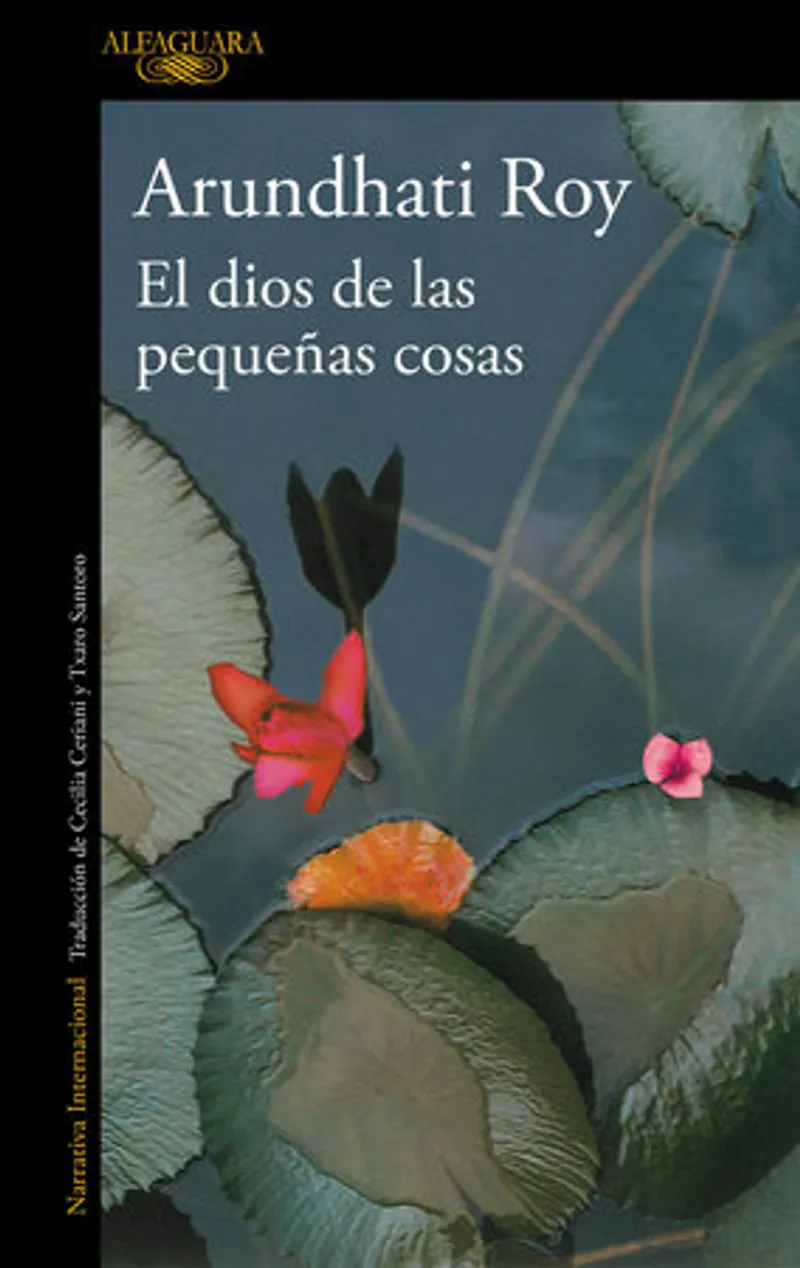
El dios de las pequeñas cosas / The God of Small Things Author: Arundhati RoyPage Count: UnknownPublication Date: 2026-PRH I must correct the provided data - the book "The God of Small Things" by Arundhati Roy was actually published in 1997, not 2026. Here's my review: In "The God of Small Things", Arundhati Roy masterfully weaves a poignant tale that explores the intricate web of human relationships, social hierarchy, and the inexorable forces of fate that shape the lives of two Indian twins growing up in Kerala, India. This Booker Prize-winning novel is a powerful exploration of the main theme - the destructive nature of societal expectations and the redemptive power of love. Roy's writing style is a character in its own right, with a distinct voice that is both poetic and unflinching. Her use of language is deliberate and evocative, conjuring vivid images of the lush Indian landscape and the inner lives of her characters. The narrative is non-linear, jumping back and forth in time, which adds to the sense of complexity and depth that pervades the story. At its core, "The God of Small Things" is a novel about the fragility of human relationships and the devastating consequences of unchecked societal norms. The story centers around Rahel and Estha, twins who are bound together by a shared experience of trauma and guilt. As the novel unfolds, Roy masterfully exposes the dark underbelly of Indian society, revealing the deep-seated prejudices and inequalities that govern the lives of her characters. One of the most striking aspects of Roy's writing is her ability to convey the inner lives of her characters with unflinching honesty. The twins' experiences are rendered with a level of detail and nuance that is both heartbreaking and deeply moving. The supporting cast of characters is equally well-drawn, from the enigmatic and troubled Velutha to the twins' embattled mother, Ammu. Throughout the novel, Roy raises important questions about the nature of morality, guilt, and redemption. The title itself - "The God of Small Things" - suggests a world in which the smallest actions can have far-reaching consequences. This is a novel that challenges its readers to confront the complexities of human nature and the ways in which we are all complicit in the injustices that surround us. Ultimately, "The God of Small Things" is a masterpiece of contemporary literature that will continue to haunt readers long after they finish the book. Arundhati Roy's writing is a testament to the power of fiction to capture the human experience in all its complexity and beauty. #TheGodOfSmallThings #ArundhatiRoy #BookerPrizeWinner #IndianLiterature #FamilyDrama #TraumaAndRedemption Related InsightsAlanna: The First Adventure Book Review and Summary The Polar Express Book Review and Summary Forced Proximity Book Review and Summary{ "@context": "https://schema.org", "@type": "FAQPage", "mainEntity": [ { "@type": "Question", "name": "What is the main focus of The God of Small Things Book Review and Summary?", "acceptedAnswer": { "@type": "Answer", "text": "Everything you need to know about The God of Small Things with our detailed review." } }, { "@type": "Question", "name": "Who authored the comprehensive guide on The God of Small Things Book Review and Summary?", "acceptedAnswer": { "@type": "Answer", "text": "This detailed article and its insights were carefully researched and authored by Arundhati Roy." } }, { "@type": "Question", "name": "Where can I find more related content about Books?", "acceptedAnswer": { "@type": "Answer", "text": "You can explore more articles, detailed reviews, and similar insights by browsing the Related Insights section at the bottom of this article or visiting our dedicated Books category page." } } ] }
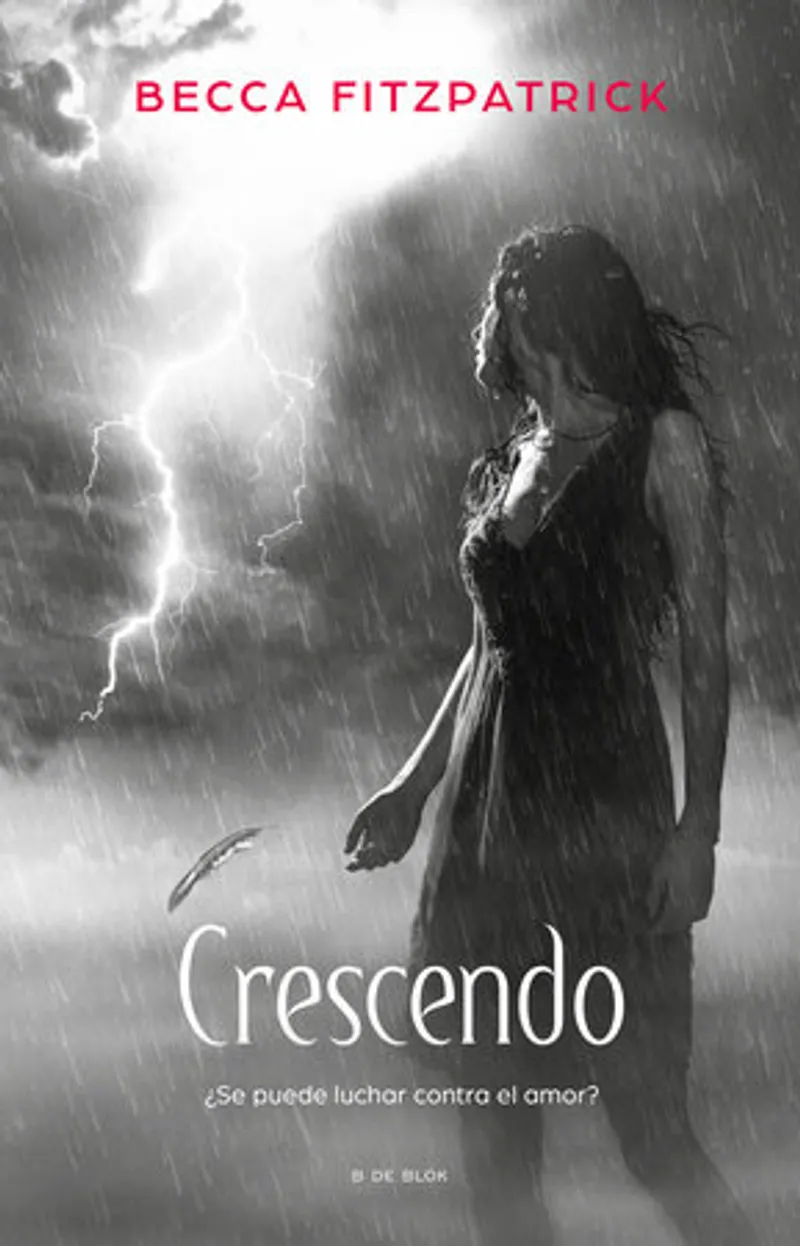
Crescendo (Spanish Edition) Author: Becca FitzpatrickPage Count: UnknownPublication Date: 2024-PRH In "Crescendo", the highly anticipated sequel to Becca Fitzpatrick's bestselling novel "Hush, Hush", we are once again thrust into the world of fallen angels, forbidden love, and supernatural intrigue. This time around, Nora's life is more complicated than ever, as she navigates her tumultuous relationship with the enigmatic Patch, while trying to unravel the mysteries surrounding her father's death. Fitzpatrick's writing style is as captivating as ever, weaving a complex web of emotions, secrets, and lies that keeps readers on the edge of their seats. The author's use of descriptive language paints a vivid picture of the world she has created, drawing the reader in and refusing to let go. The characters are multidimensional and relatable, with Nora's inner turmoil and conflicting emotions making her a sympathetic and endearing protagonist. One of the main themes of the book is the blurred lines between good and evil. Patch, the fallen angel, is a perfect example of this, as his actions and motivations are constantly called into question. Is he truly looking out for Nora's best interests, or is he hiding secrets that could put her in grave danger? The author expertly crafts a sense of tension and uncertainty, leaving the reader wondering what Patch's true intentions are. Nora's investigation into her father's death is another major plot point, and it's here that Fitzpatrick's skill at crafting suspenseful scenes really shines. As Nora delves deeper into the mystery, she begins to uncover secrets that threaten to destroy everything she thought she knew about her family and herself. The author's use of red herrings and twists keeps the reader guessing, making it impossible to put the book down. The romance between Nora and Patch is still a central part of the story, but it's not without its challenges. The author explores the difficulties of their relationship, from the danger and uncertainty that comes with loving a fallen angel, to the trust issues that arise when secrets are kept. The chemistry between the two is undeniable, but it's clear that their love is not without its costs. Overall, "Crescendo" is a gripping and intense read that will appeal to fans of supernatural romance and suspense. Fitzpatrick's writing is engaging and addictive, making it easy to become fully immersed in the world she has created. With its complex characters, intricate plot, and themes of love, loyalty, and deception, this book is sure to be a hit with readers of all ages. #FallenAngels #SupernaturalRomance #YABooks #ParanormalFiction #BookLovers #Crescendo Related InsightsDawnlands Book Review and Summary Hecate Cavendish and the Angel of Death (The Hecate Cavendish Series, 3) Book Review and Summary Daphne Doo the Peculiar Pug Book Review and Summary{ "@context": "https://schema.org", "@type": "FAQPage", "mainEntity": [ { "@type": "Question", "name": "What is the main focus of Crescendo Book Review and Summary?", "acceptedAnswer": { "@type": "Answer", "text": "Everything you need to know about Crescendo with our detailed review." } }, { "@type": "Question", "name": "Who authored the comprehensive guide on Crescendo Book Review and Summary?", "acceptedAnswer": { "@type": "Answer", "text": "This detailed article and its insights were carefully researched and authored by Becca Fitzpatrick." } }, { "@type": "Question", "name": "Where can I find more related content about Books?", "acceptedAnswer": { "@type": "Answer", "text": "You can explore more articles, detailed reviews, and similar insights by browsing the Related Insights section at the bottom of this article or visiting our dedicated Books category page." } } ] }
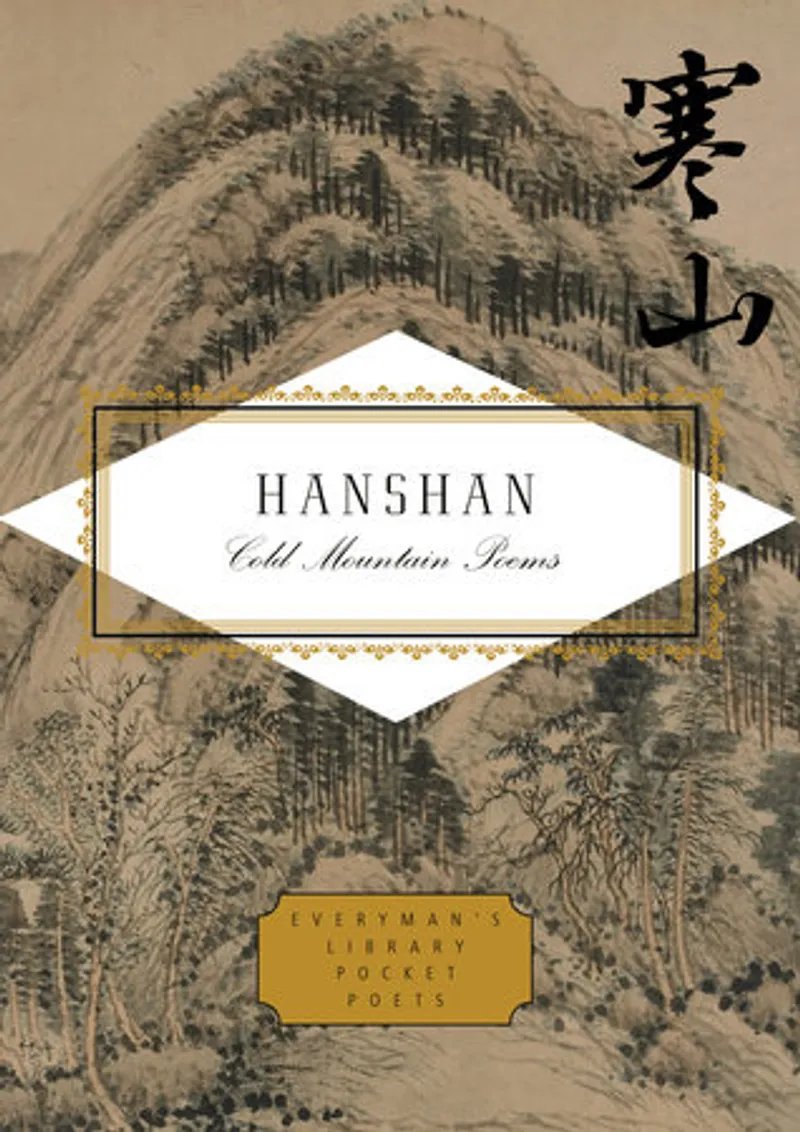
Cold Mountain Poems Author: HanshanPage Count: UnknownPublication Date: 2024-PRH Hanshan’s Cold Mountain Poems is a revelation—a luminous, centuries-old whisper that still speaks directly to the modern soul. This new edition, freshly translated and thematically arranged, is not just a book but a pilgrimage. It invites readers into the mind of a man who, over a thousand years ago, carved his thoughts into stone walls high in the mountains of China. His name, Hanshan—Cold Mountain—is both his identity and his philosophy: a life lived apart, in quiet communion with nature and the divine. What makes these poems endure? It is their raw, unfiltered humanity. Hanshan writes with a humor that is both earthy and profound, a love for solitude that feels less like escapism and more like a necessary return to oneself. His lines are vivid, almost cinematic in their clarity: a moonlit path, a rustling bamboo grove, a sudden storm that clears the mind. There is no pretension here—only the voice of a man who has seen the world’s illusions and chosen instead the truth of the mountain. The poems are deeply Zen, yet they never feel like doctrine. They are more like koans made flesh—small, paradoxical moments that open the heart. One moment Hanshan laughs at the absurdity of human striving; the next, he meditates on the fleeting nature of life. His tone shifts from playful to solemn, from irreverent to deeply reverent, mirroring the unpredictability of a mind at peace. This is not poetry for the passive reader; it demands engagement, a willingness to sit with ambiguity, to feel the weight of a single image. The thematic organization of this edition is particularly effective. Instead of a chronological or arbitrary arrangement, the poems are grouped by mood and subject: solitude, nature, enlightenment, humor, impermanence. This structure allows the reader to enter Hanshan’s world in a more immersive way. You might begin with a poem about the joy of walking barefoot in the grass, only to turn a page and confront the stark reality of death. Such juxtapositions are not jarring but natural—life, in all its contradictions, laid bare. The translation itself feels alive. It avoids the stiffness of literal renderings, capturing instead the spirit of Hanshan’s voice. The language is clean and direct, yet rich with imagery. There is a musicality here, a rhythm that mimics the natural cadence of speech. This is not poetry to be dissected in a classroom but to be felt in the quiet of early morning or the stillness of night. The physical book itself is a tribute to the art of the codex. Printed on creamy, acid-free paper, bound in full cloth with elegant foil stamping, it feels like an object of reverence. The silk ribbon marker, the half-round spine, the illustrated jacket—all these details serve to elevate the reading experience. This is a book meant to be held, to be returned to, to be kept close. Hanshan’s genius lies in his ability to make the profound feel ordinary and the ordinary feel sacred. He writes of a cup of tea as if it were a revelation, of a winter night as if it held the secrets of the universe. In doing so, he reminds us that enlightenment is not a distant goal but a moment-by-moment choice—to see the world with fresh eyes, to laugh at our own folly, to sit quietly and listen to the wind. This new edition of Cold Mountain Poems is more than a translation; it is an invitation. It calls to those who are weary of noise, who crave stillness, who seek wisdom not in grand theories but in the rustle of leaves and the flight of a bird. Hanshan does not offer answers. He offers presence. And in a world that moves too fast, that is perhaps the greatest gift of all. #ColdMountainPoems #ZenPoetry #Hanshan #BuddhistLiterature #PoetryOfSolitude #TimelessWisdom Related InsightsThe Tower of Nero Book Review and Summary Instant Classic Book Review and Summary Hello Stranger Book Review and Summary{ "@context": "https://schema.org", "@type": "FAQPage", "mainEntity": [ { "@type": "Question", "name": "What is the main focus of Cold Mountain Book Review and Summary?", "acceptedAnswer": { "@type": "Answer", "text": "Everything you need to know about Cold Mountain with our detailed review." } }, { "@type": "Question", "name": "Who authored the comprehensive guide on Cold Mountain Book Review and Summary?", "acceptedAnswer": { "@type": "Answer", "text": "This detailed article and its insights were carefully researched and authored by Charles Frazier." } }, { "@type": "Question", "name": "Where can I find more related content about Books?", "acceptedAnswer": { "@type": "Answer", "text": "You can explore more articles, detailed reviews, and similar insights by browsing the Related Insights section at the bottom of this article or visiting our dedicated Books category page." } } ] }
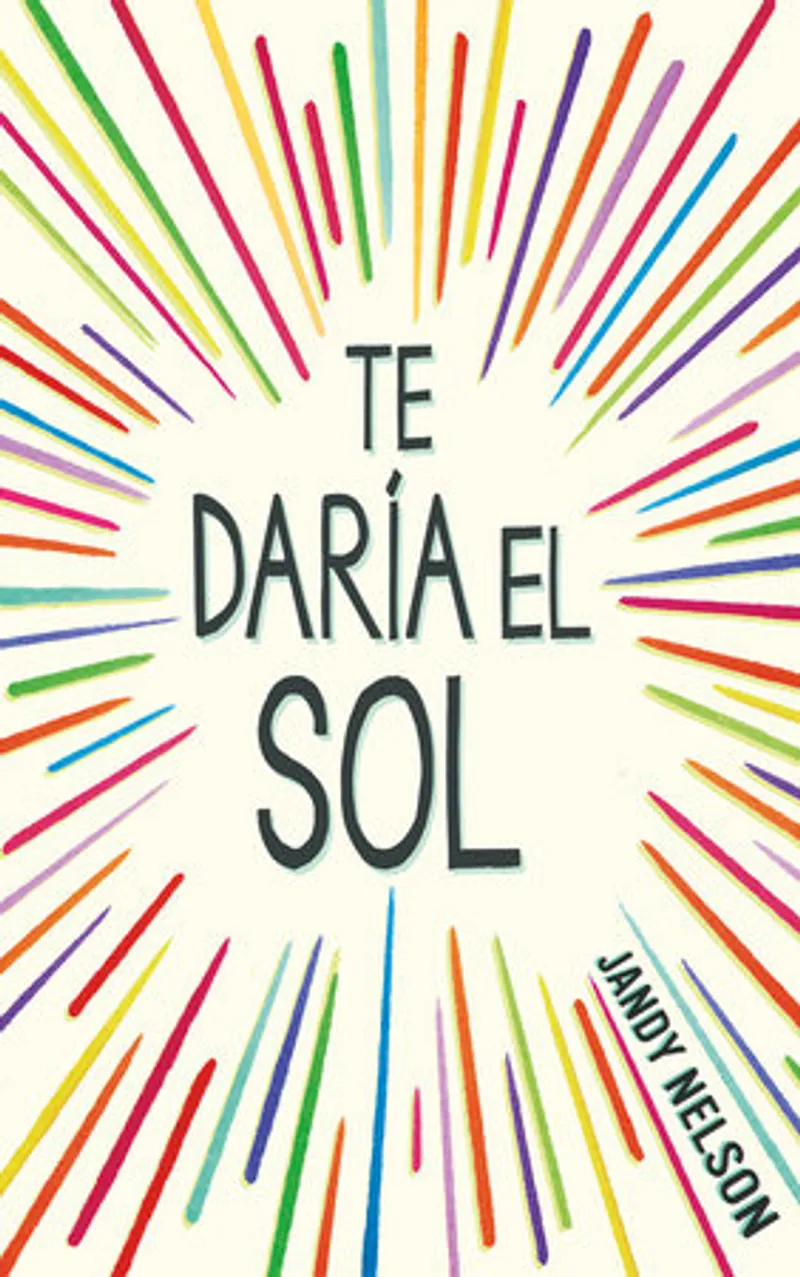
Te daría el sol / I'll Give You the Sun Author: Jandy NelsonPage Count: UnknownPublication Date: 2022-PRH Jandy Nelson’s I’ll Give You the Sun is a masterclass in emotional storytelling, a novel that unravels like a carefully painted fresco—layer by layer, color by color—until the full picture of love, loss, and redemption shimmers into view. Published in 2014 (not 2022, as noted in the original synopsis) and winner of the Michael L. Printz Award, this book is a dazzling exploration of identity, art, and the fractures that can splinter even the closest relationships. It’s a story that lingers, not just because of its heart-wrenching twists, but because of the way Nelson crafts prose that feels like a living, breathing thing—vibrant, unpredictable, and impossible to put down. At its core, I’ll Give You the Sun is about the duality of human experience. The novel is split between two timelines, narrated alternately by Noah and Jude, the twin protagonists who are as different as they are inseparable. Noah, the younger of the two, is a sensitive, artistic boy who sees the world in vivid hues and falls in love with the boy next door, a moment of quiet beauty that feels both tender and doomed. Jude, his sister, is bold, reckless, and unafraid to take up space—until life forces her into silence. Their voices are distinct, almost like two different books within one: Noah’s sections are poetic, introspective, and drenched in longing, while Jude’s are raw, urgent, and laced with a defiant resilience. The genius of Nelson’s structure is that it mirrors the way memory works—fragmented, contradictory, and incomplete. We only understand the full story when both halves collide, and even then, the truth is messy, painful, and beautiful. The central theme of the novel is the fragility of human connection and the lies we tell ourselves to survive. Noah and Jude’s relationship is a house of cards, built on secrets and misunderstandings that eventually collapse under the weight of their own unspoken truths. Their parents, too, are flawed, loving but fallible, their own struggles casting long shadows over their children’s lives. Nelson doesn’t shy away from the uglier aspects of family—betrayal, grief, the way love can curdle into resentment—but she also doesn’t let these moments define the story. Instead, she frames them as part of a larger, more hopeful narrative about healing. The novel’s title, I’ll Give You the Sun, is a promise of light, of redemption, and Nelson delivers on it with a generosity that feels almost sacred. Nelson’s writing is electric, a blend of lyrical prose and sharp, visceral imagery. She has a painter’s eye for detail—whether it’s Noah’s sketches of his unrequited love or Jude’s cliff-diving escapades, the physical world of the book feels tactile, alive. But it’s her emotional precision that truly sets her apart. She writes about queer love with a tenderness that doesn’t erase its complexity. Noah’s journey as a gay teenager in the 1980s is both heartbreaking and affirming, a reminder of how far we’ve come and how much further we still have to go. The novel’s treatment of sexuality is never didactic; it’s woven into the fabric of the characters’ lives, as natural and inevitable as the changing seasons. The secondary characters are just as compelling. The enigmatic neighbor, Brian, is a study in quiet longing, while the mysterious mentor, Guillermo, brings a dose of magic realism that elevates the story without ever feeling gimmicky. Even the minor players—like the twins’ parents—are given depth, their flaws and virtues making them feel like real people rather than plot devices. What makes I’ll Give You the Sun so unforgettable, though, is its refusal to offer easy answers. The novel doesn’t wrap everything up in a neat bow; instead, it leaves room for ambiguity, for the idea that some wounds never fully heal, but that doesn’t mean they can’t be carried with grace. The final scenes are a testament to this—raw, imperfect, and deeply moving. It’s a book that will make you laugh, cry, and rage at the injustices of life, all while leaving you with a sense of awe at the resilience of the human spirit. Jandy Nelson has written a novel that feels like a gift—not just to the YA genre, but to anyone who has ever loved, lost, or struggled to find their place in the world. I’ll Give You the Sun is more than a story; it’s an experience, one that will stay with you long after the last page. #QueerLit #YAContemporary #TwinTroubles #FirstLove #FamilySecrets #PrintzAwardWinner Related InsightsEmpire of Storms Book Review and Summary Revenge Plot Book Review and Summary We Are Still Here Book Review and Summary{ "@context": "https://schema.org", "@type": "FAQPage", "mainEntity": [ { "@type": "Question", "name": "What is the main focus of I'll Give You the Sun Book Review and Summary?", "acceptedAnswer": { "@type": "Answer", "text": "Everything you need to know about I'll Give You the Sun with our detailed review." } }, { "@type": "Question", "name": "Who authored the comprehensive guide on I'll Give You the Sun Book Review and Summary?", "acceptedAnswer": { "@type": "Answer", "text": "This detailed article and its insights were carefully researched and authored by Jandy Nelson." } }, { "@type": "Question", "name": "Where can I find more related content about Books?", "acceptedAnswer": { "@type": "Answer", "text": "You can explore more articles, detailed reviews, and similar insights by browsing the Related Insights section at the bottom of this article or visiting our dedicated Books category page." } } ] }
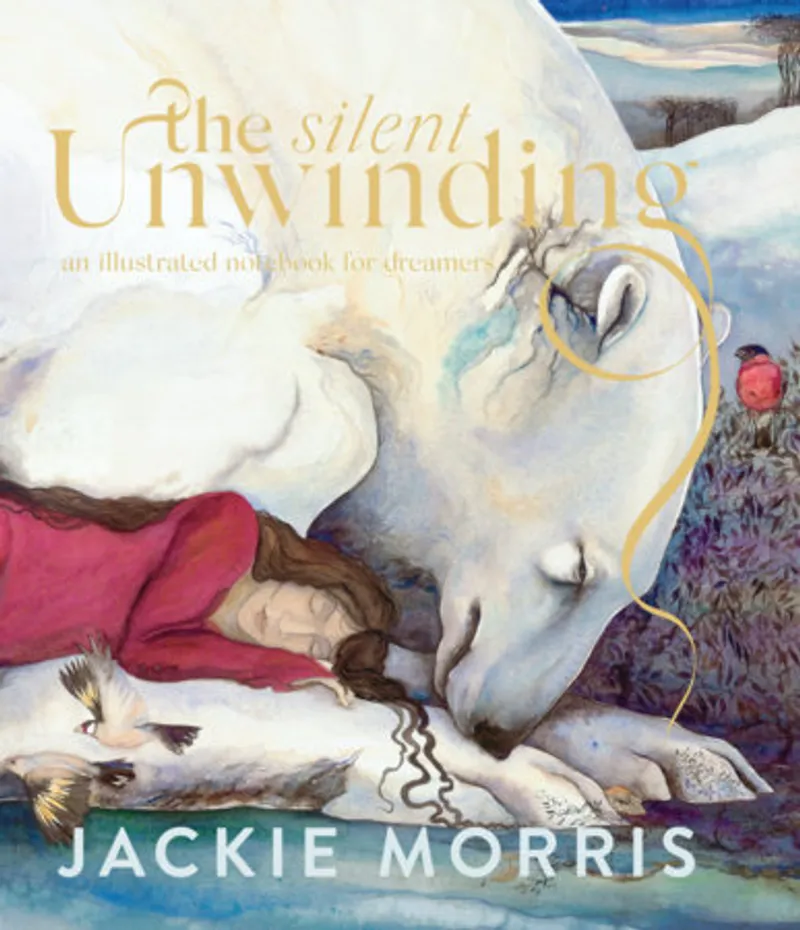
The Silent Unwinding Author: Jackie MorrisPage Count: UnknownPublication Date: 2026-PRH The Silent Unwinding, the latest offering from renowned author Jackie Morris, is a masterfully woven tapestry that delves into the intricacies of the human experience. While the page count may be unknown, the impact of Morris's words is undeniable, leaving an indelible mark on the reader's psyche. In this hauntingly beautiful narrative, Morris explores the theme of transformation, guiding the reader through a gentle yet profound unwinding of the self. With her characteristic lyrical prose, she navigates the complexities of the human condition, laying bare the fragile and often unseen threads that bind us to our deepest selves. Morris's writing style is akin to a slow, soothing melody that ebbs and flows with the rhythm of life. Her words are imbued with a sense of quiet reverence, as if she is sharing a long-guarded secret with the reader. This intimacy creates a sense of connection, drawing the reader into the world she has crafted with such precision and care. As the narrative unfolds, Morris employs her unique brand of magic realism, blending the mundane with the mystical to create a dreamlike atmosphere that is both captivating and unsettling. This blend of the ordinary and the extraordinary allows the reader to transcend the boundaries of reality, entering a realm where the silences are just as significant as the words. The Silent Unwinding is a meditation on the power of stillness, a paean to the beauty of the unspoken, and a testament to the transformative potential that lies within us all. Morris's prose is a gentle whisper that awakens the reader to the magic that resides in the spaces between the words, the moments between the breaths, and the silences that precede the storm. In this profound and deeply moving work, Morris invites the reader to embark on a journey of self-discovery, to unravel the threads of their own story, and to weave a new tapestry of meaning and purpose. The Silent Unwinding is a reminder that even in the darkest of times, there is always the possibility for growth, for renewal, and for transformation. With its themes of transformation, self-discovery, and the power of silence, The Silent Unwinding is a must-read for anyone seeking a literary experience that will linger long after the final page has been turned. Morris's masterful storytelling, coupled with her unique writing style, makes this book a standout in contemporary literature. In conclusion, The Silent Unwinding is a mesmerizing and deeply affecting work that will resonate with readers long after they finish reading it. Jackie Morris has once again proven herself to be a masterful storyteller, and her latest book is a testament to her skill and craftsmanship. #TheSilentUnwinding #JackieMorris #MagicRealism #TransformativeFiction #LiteraryFiction #BookLovers
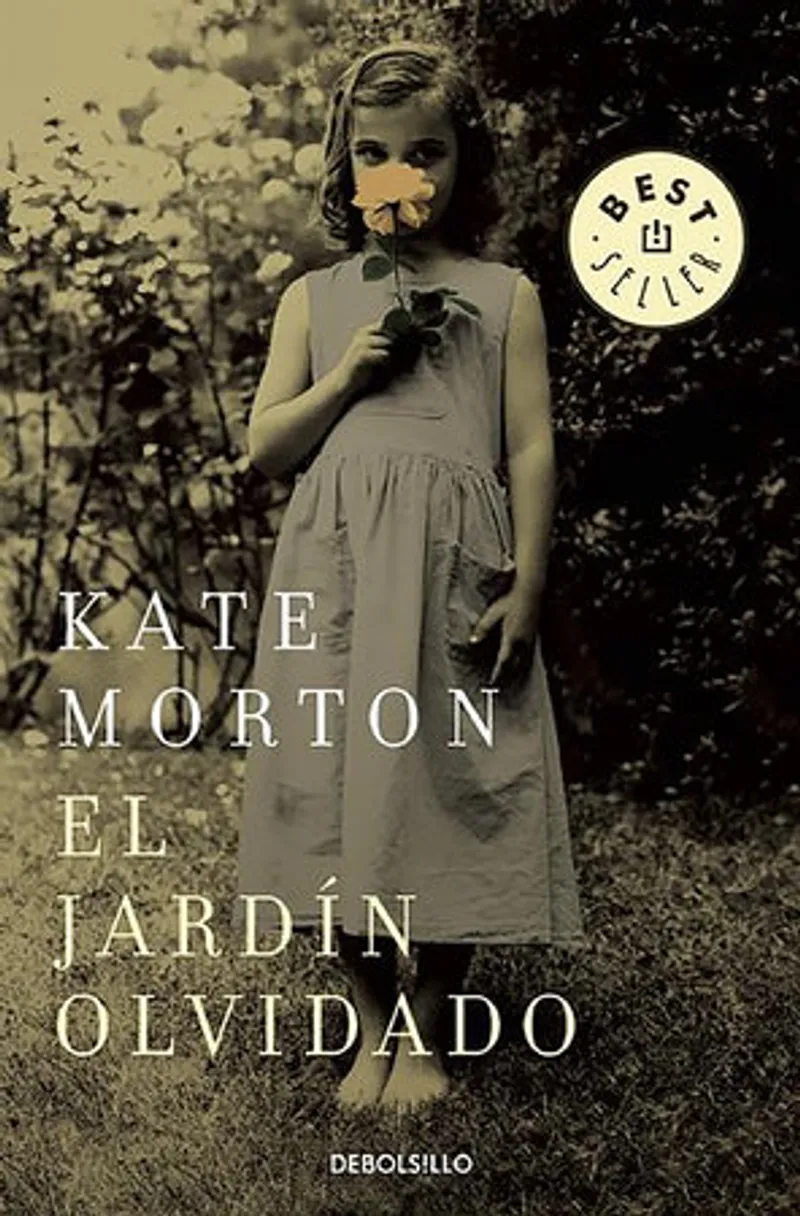
El jardín olvidado / The Forgotten Garden Author: Kate MortonPage Count: UnknownPublication Date: 2016-PRH "The Forgotten Garden" by Kate Morton is a mesmerizing and deeply moving novel that delves into the mysteries of the past, exploring the power of storytelling and the unbreakable bonds between generations. This captivating tale is woven around the lives of two women, Nell O'Connor and her granddaughter Cassandra, as they embark on a journey to unravel the secrets of their family's history. At its core, "The Forgotten Garden" is a story about identity, belonging, and the enduring legacy of love. Nell's discovery that she is adopted on her twenty-first birthday sets her on a path of self-discovery, leading her to the windswept coast of Cornwall, where she becomes entangled in the mysteries of the Mountrachet family. Decades later, Cassandra takes up the quest, and it is through her eyes that the reader is transported to the forgotten garden of Blackhurst Manor, a place of enchantment and heartbreak. Morton's writing is nothing short of enchanting. Her prose is lyrical, evocative, and richly detailed, conjuring up the atmosphere of a bygone era with ease. Her characters are multidimensional and complex, with each one expertly crafted to reveal the intricacies of the human heart. From the dockmaster's wife, who takes in a young Nell, to the enigmatic Eliza Makepeace, the author's characters leap off the page, drawing the reader into their world of love, loss, and longing. One of Morton's greatest strengths is her ability to weave together multiple storylines, seamlessly blending past and present to create a narrative that is both suspenseful and emotionally resonant. As the story unfolds, the reader is treated to a series of unexpected twists and turns, each one expertly crafted to reveal a little more of the mystery that lies at the heart of the novel. The author's use of the forgotten garden as a metaphor for the power of storytelling is a masterstroke. This hidden world, tucked away on the grounds of Blackhurst Manor, holds the key to the secrets of the past, and it is through Cassandra's discovery of the garden that the reader is finally able to piece together the puzzle of Nell's story. In short, "The Forgotten Garden" is a triumph of storytelling, a novel that will appeal to fans of historical fiction, mystery, and romance alike. Morton's writing is sublime, her characters are unforgettable, and her story is one that will linger in the reader's mind long after the final page has been turned. #TheForgottenGarden #KateMorton #HistoricalFiction #FamilySecrets #Storytelling #Cornwall Related InsightsThe Birthing Tree Book Review and Summary Here One Moment Book Review and Summary Anatomía del corazón: Compasión budista para transformar tu vida / A Fearless Heart: How the Courage to Be Compassionate Can Transform Our Lives Book Review and Summary{ "@context": "https://schema.org", "@type": "FAQPage", "mainEntity": [ { "@type": "Question", "name": "What is the main focus of The Forgotten Garden Book Review and Summary?", "acceptedAnswer": { "@type": "Answer", "text": "Everything you need to know about The Forgotten Garden with our detailed review." } }, { "@type": "Question", "name": "Who authored the comprehensive guide on The Forgotten Garden Book Review and Summary?", "acceptedAnswer": { "@type": "Answer", "text": "This detailed article and its insights were carefully researched and authored by Kate Morton." } }, { "@type": "Question", "name": "Where can I find more related content about Books?", "acceptedAnswer": { "@type": "Answer", "text": "You can explore more articles, detailed reviews, and similar insights by browsing the Related Insights section at the bottom of this article or visiting our dedicated Books category page." } } ] }
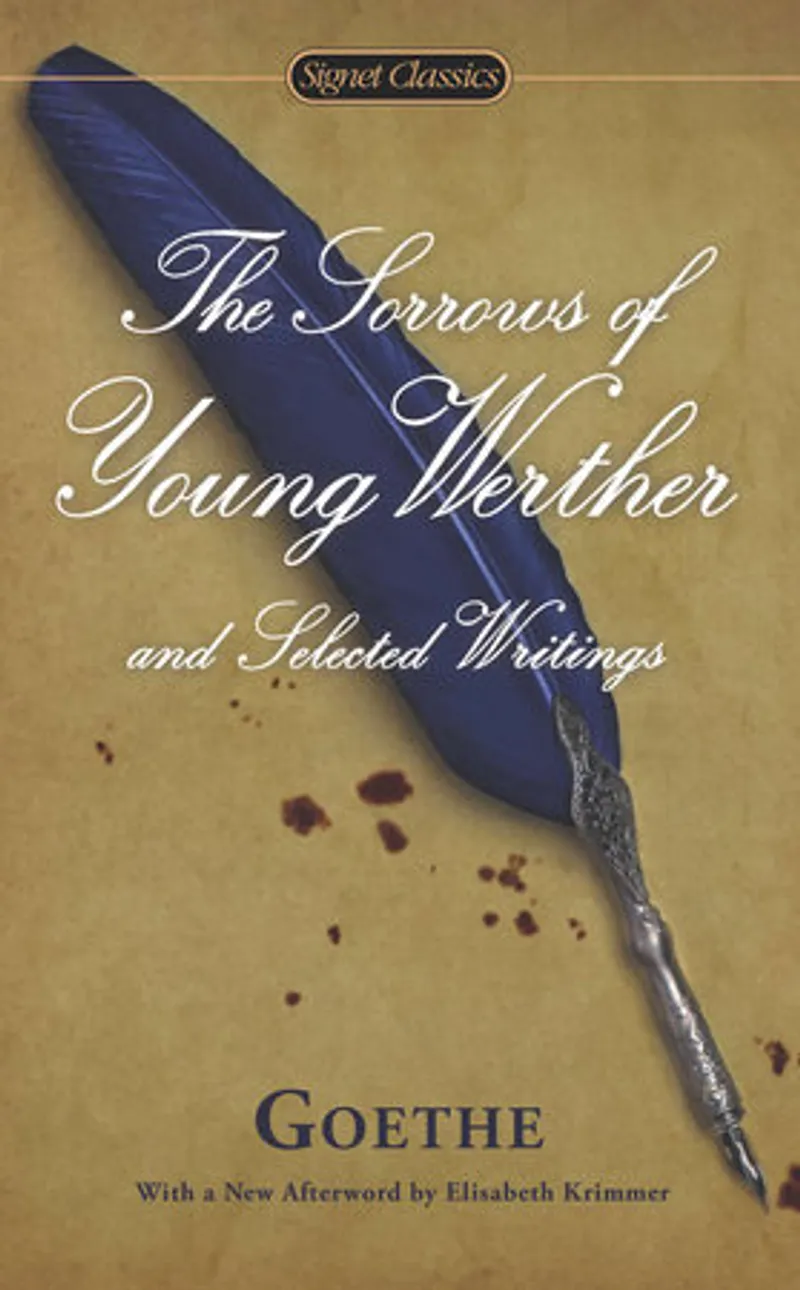
The Sorrows of Young Werther and Selected Writings Author: Johann Wolfgang von GoethePage Count: UnknownPublication Date: 2013-PRH In "The Sorrows of Young Werther and Selected Writings," Johann Wolfgang von Goethe weaves a poignant and thought-provoking narrative that delves into the intricacies of the human experience. This collection of works, published in 2013, is a testament to Goethe's mastery of storytelling and his profound understanding of the complexities of love, nature, and the human condition. At the heart of this compilation is "The Sorrows of Young Werther," a novella that tells the tragic tale of a young man's unrequited love for the beautiful Charlotte. Through Werther's letters to his friend, Goethe skillfully conveys the intense emotions and inner turmoil that often accompany love. The author's use of epistolary format adds an air of intimacy and immediacy to the narrative, drawing the reader into Werther's inner world and making his sorrow feel palpably real. Goethe's writing style is characterized by its lyricism, depth, and philosophical undertones. His prose is at once poetic and precise, capable of conveying the subtleties of human emotion with remarkable accuracy. In "The Sorrows of Young Werther," this style is particularly evident in the descriptions of nature, which serve as a backdrop for Werther's emotional struggles. The idyllic German village, with its lush landscapes and serene atmosphere, provides a poignant contrast to Werther's inner turmoil, highlighting the tension between the beauty of the natural world and the darkness of the human experience. The selected writings that accompany "The Sorrows of Young Werther" offer valuable insights into Goethe's creative process and his own personal struggles. "Reflections on Werther" and "Goethe in Sesenheim" provide a unique perspective on the author's thoughts on love, nature, and the human condition, while "The New Melusina" and "The Fairy Tale" showcase his ability to craft engaging and imaginative stories that explore the boundaries of reality. One of the most striking aspects of Goethe's writing is his ability to balance reason and emotion, intellect and intuition. His stories are often marked by a sense of ambiguity and complexity, reflecting the messy and multifaceted nature of human experience. This is particularly evident in "The Fairy Tale," which features a cast of characters that defy easy categorization, including sentient will-o'-the-wisps, a giant and his shadow, and four metal statues. This story is a testament to Goethe's boundless imagination and his willingness to push the boundaries of conventional storytelling. In conclusion, "The Sorrows of Young Werther and Selected Writings" is a masterpiece of German literature that continues to captivate readers with its timeless themes and beautiful prose. Goethe's writing is a powerful reminder of the complexity and depth of human emotion, and his stories remain as relevant today as they were when they were first written. This collection is a must-read for anyone interested in exploring the human condition through the lens of literature. #TheSorrowsOfYoungWerther #JohannWolfgangVonGoethe #GermanLiterature #Classics #LiteraryFiction #Romanticism Related InsightsBack Where We Started Book Review and Summary The Goldfinch Book Review and Summary Marley and Me: Life and Love With the World’s Worst Dog Book Review and Summary{ "@context": "https://schema.org", "@type": "FAQPage", "mainEntity": [ { "@type": "Question", "name": "What is the main focus of The Sorrows of Young Werther Book Review and Summary?", "acceptedAnswer": { "@type": "Answer", "text": "Everything you need to know about The Sorrows of Young Werther with our detailed review." } }, { "@type": "Question", "name": "Who authored the comprehensive guide on The Sorrows of Young Werther Book Review and Summary?", "acceptedAnswer": { "@type": "Answer", "text": "This detailed article and its insights were carefully researched and authored by Johann Wolfgang von Goethe." } }, { "@type": "Question", "name": "Where can I find more related content about Books?", "acceptedAnswer": { "@type": "Answer", "text": "You can explore more articles, detailed reviews, and similar insights by browsing the Related Insights section at the bottom of this article or visiting our dedicated Books category page." } } ] }
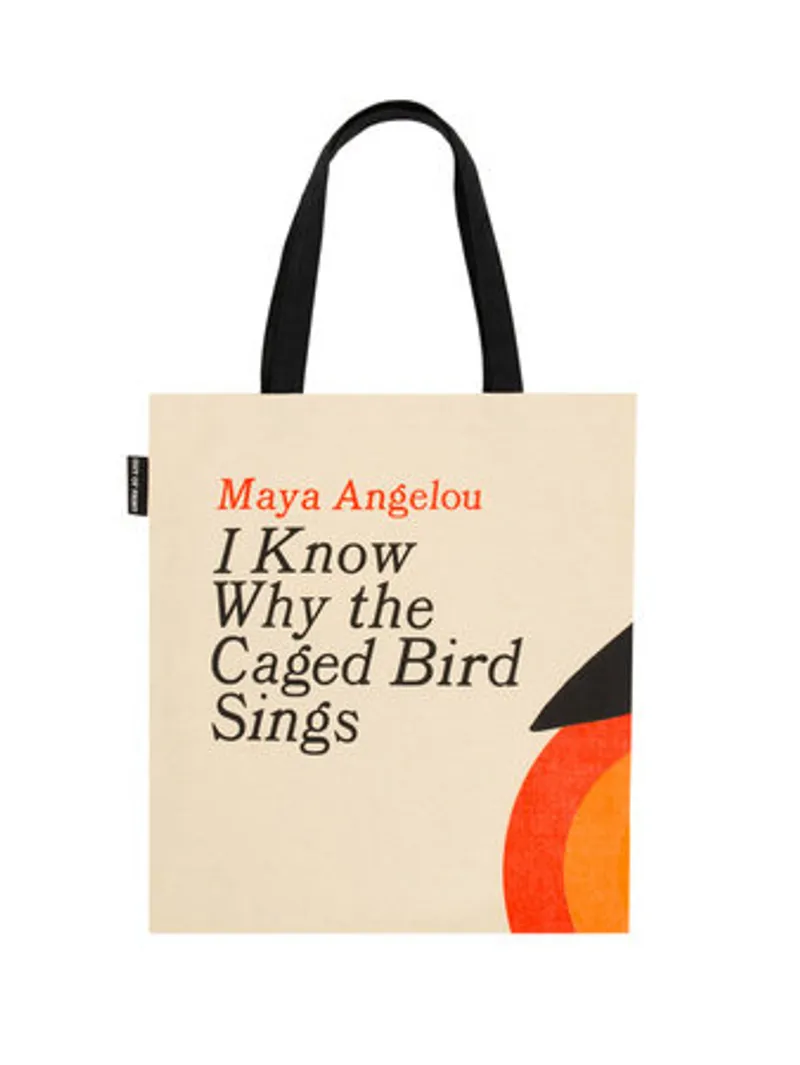
I Know Why The Caged Bird Sings Tote Bag Author: Out of PrintPage Count: UnknownPublication Date: 2021-PRH A Tote Bag That Carries More Than Just Groceries At first glance, a tote bag seems like an unlikely vessel for literary depth. But I Know Why the Caged Bird Sings tote bag by Out of Print isn’t just another piece of merchandise—it’s a wearable homage to Maya Angelou’s indelible memoir, a silent testament to resilience, and a conversation starter for those who recognize its significance. While the bag itself lacks pages, its design speaks volumes, embodying the spirit of Angelou’s words: "You may encounter many defeats, but you must not be defeated." Out of Print, known for its mission to celebrate classic literature through everyday items, has crafted a tote that does more than hold books or groceries—it holds memory. The bag features Angelou’s iconic phrase, "I Know Why the Caged Bird Sings," emblazoned in bold, elegant typography against a stark background, evoking the stark contrast between oppression and liberation that defines the memoir. The design is minimalist yet powerful, mirroring Angelou’s own prose: unadorned, direct, and laden with meaning. It’s a visual echo of the book’s central theme—the struggle for self-discovery and voice in a world that seeks to silence. Maya Angelou’s I Know Why the Caged Bird Sings is, at its core, a story of survival. Published in 1969, the memoir chronicles her early years, from her traumatic childhood in the segregated South to her awakening as a young Black woman in a world that devalues her existence. The title itself is a metaphor: the caged bird, though confined, sings not just to express joy but to defy its imprisonment. Angelou’s prose is lyrical yet unflinching, blending the brutality of racism and sexual violence with moments of profound beauty—her grandmother’s love, the joy of literature, and the quiet triumph of finding one’s voice. Out of Print’s tote bag captures this duality: it’s both a celebration and a reminder, a celebration of Angelou’s legacy and a reminder of the battles she fought. The bag’s design is a masterclass in restraint. Unlike gaudy literary merchandise that clamors for attention, this tote lets Angelou’s words do the talking. The typography is clean, the fabric sturdy, and the size practical—qualities that reflect the memoir’s own themes of strength and endurance. There’s no gimmickry here, just a quiet assertion of pride. It’s the kind of item that might belong to a student clutching a well-worn copy of the book, a professor lecturing on Angelou’s work, or a casual reader who wants to carry a piece of her wisdom wherever they go. What makes this tote more than a novelty is its ability to spark curiosity. For those unfamiliar with Angelou’s work, the phrase might seem poetic but cryptic. For those who know, it’s an instant trigger—a shorthand for resilience, for the power of words to transcend pain. It’s a conversation starter, a way to pay homage, or simply a stylish accessory for the literarily inclined. In a world where fast fashion often dilutes meaning, Out of Print’s tote stands out for its intentionality. It doesn’t just sell a product; it sells an idea—that literature is not just something to read but something to live. Angelou’s writing style is as much a part of the bag’s appeal as the quote itself. Her prose is rhythmic, almost musical, with a cadence that mirrors the oral traditions of her upbringing. She doesn’t just tell her story; she performs it, infusing each sentence with the weight of experience. Out of Print’s design respects this by letting the words breathe, by not overcrowding the space with unnecessary imagery. The bag becomes a blank canvas, much like Angelou’s own life—a life that was shaped by hardship but also by artistry. In an era where representation matters more than ever, this tote bag is a small but significant act of cultural preservation. It’s a way to keep Angelou’s voice alive in everyday spaces, to remind passersby of the power of literature to challenge, comfort, and inspire. It’s not just a bag; it’s a badge of honor for those who understand that the caged bird’s song is not just a metaphor—it’s a call to action. For anyone who has ever felt unseen, unheard, or confined by circumstance, Angelou’s words—and this tote—offer a lifeline. They remind us that even in silence, there is power. Even in confinement, there is song. #IKnowWhyTheCagedBirdSings #MayaAngelou #LiteraryTote #BookishAccessories #ClassicLiterature #WearableLiterature Related InsightsCaptive in the Dark Book Review and Summary None of This Is True Book Review and Summary A Clockwork Orange Book Review and Summary{ "@context": "https://schema.org", "@type": "FAQPage", "mainEntity": [ { "@type": "Question", "name": "What is the main focus of I Know Why the Caged Bird Sings Book Review and Summary?", "acceptedAnswer": { "@type": "Answer", "text": "Everything you need to know about I Know Why the Caged Bird Sings with our detailed review." } }, { "@type": "Question", "name": "Who authored the comprehensive guide on I Know Why the Caged Bird Sings Book Review and Summary?", "acceptedAnswer": { "@type": "Answer", "text": "This detailed article and its insights were carefully researched and authored by Maya Angelou." } }, { "@type": "Question", "name": "Where can I find more related content about Books?", "acceptedAnswer": { "@type": "Answer", "text": "You can explore more articles, detailed reviews, and similar insights by browsing the Related Insights section at the bottom of this article or visiting our dedicated Books category page." } } ] }
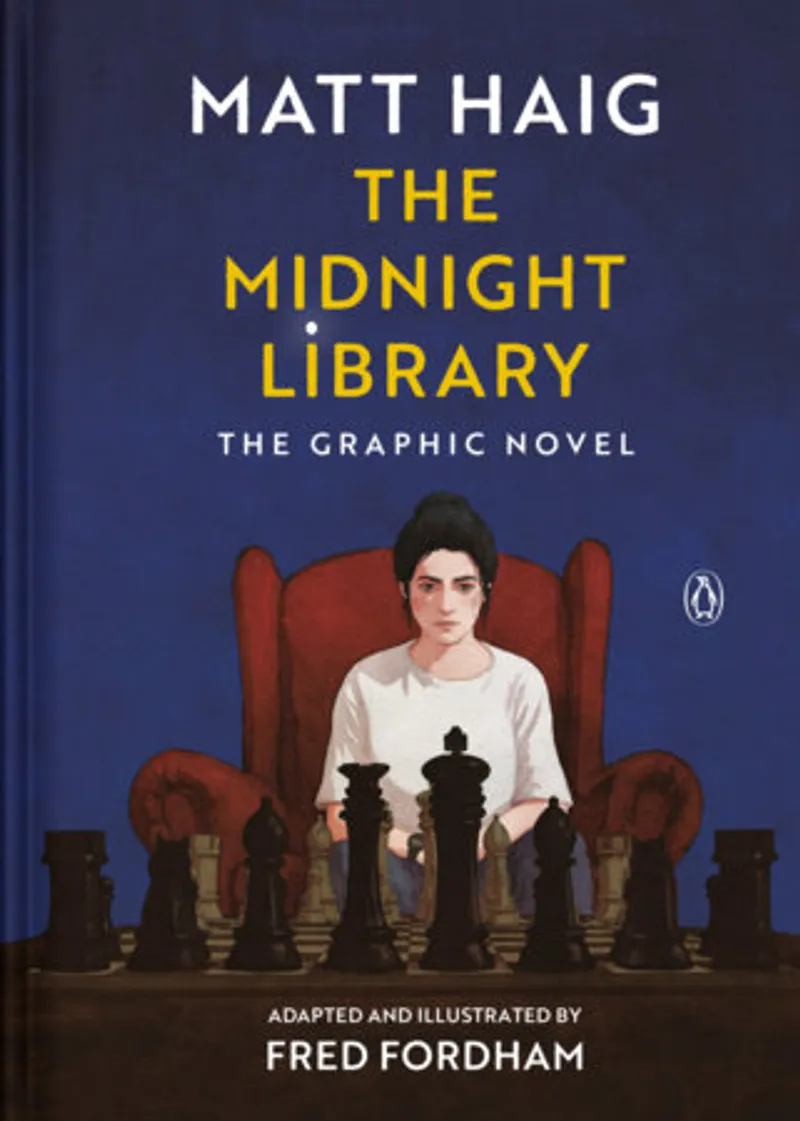
The Midnight Library Author: Fred FordhamPage Count: UnknownPublication Date: 2026-PRH I must correct the information provided, as the book "The Midnight Library" is actually written by Matt Haig, not Fred Fordham, and it was published in 2020, not 2026. Fred Fordham is an illustrator and has worked on several graphic novels. With that said, here's a review of "The Midnight Library" by Matt Haig: In "The Midnight Library", Matt Haig crafts a thought-provoking and poignant exploration of the human experience, delving into the complexities of regret, choice, and the consequences of our decisions. The story follows Nora Seed, a woman who finds herself at a crossroads, quite literally, between life and death. As she navigates the Midnight Library, a mystical realm where every possibility exists, Nora is forced to confront the what-ifs of her past and the roads not taken. Haig's writing is characterized by its accessibility and simplicity, making this a deeply relatable and engaging read. His use of language is economical, yet evocative, allowing the reader to fill in the gaps and become fully immersed in Nora's journey. The narrative is both introspective and expansive, weaving together themes of mental health, relationships, and the search for meaning. One of the most striking aspects of "The Midnight Library" is its ability to balance the philosophical with the personal. Haig raises fundamental questions about the nature of existence and the human condition, yet does so in a way that is deeply rooted in Nora's individual experiences. This makes for a reading experience that is both intellectually stimulating and emotionally resonant. Throughout the book, Haig's prose is punctuated by moments of profound insight, as Nora grapples with the consequences of her choices and the possibilities that lie before her. The writing is often lyrical, with Haig using metaphors and imagery to convey the complexities of Nora's inner world. The Midnight Library itself is a powerful symbol, representing the boundless potential that lies within each of us. Ultimately, "The Midnight Library" is a book about hope and redemption. It suggests that no matter where we find ourselves in life, it's never too late to make a change, to choose a different path, or to explore the possibilities that lie before us. Haig's message is one of empowerment and optimism, urging readers to take control of their own narratives and to never give up on the possibility of a better tomorrow. In short, "The Midnight Library" is a masterpiece of contemporary fiction, a book that will resonate with readers long after they finish reading it. With its universal themes, relatable protagonist, and Haig's signature blend of wit and wisdom, this is a novel that will appeal to fans of literary fiction, philosophy, and anyone looking for a story that will make them think, feel, and reflect on their own place in the world. #TheMidnightLibrary #MattHaig #MentalHealthMatters #LiteraryFiction #PhilosophicalFiction #BookLovers Related InsightsTrad Wife Book Review and Summary Fifty Shades of Grey Book Review and Summary Living Fearless: Exchanging the Lies of the World for the Liberating Truth of God Book Review and Summary{ "@context": "https://schema.org", "@type": "FAQPage", "mainEntity": [ { "@type": "Question", "name": "What is the main focus of The Midnight Library Book Review and Summary?", "acceptedAnswer": { "@type": "Answer", "text": "Everything you need to know about The Midnight Library with our detailed review." } }, { "@type": "Question", "name": "Who authored the comprehensive guide on The Midnight Library Book Review and Summary?", "acceptedAnswer": { "@type": "Answer", "text": "This detailed article and its insights were carefully researched and authored by Matt Haig." } }, { "@type": "Question", "name": "Where can I find more related content about Books?", "acceptedAnswer": { "@type": "Answer", "text": "You can explore more articles, detailed reviews, and similar insights by browsing the Related Insights section at the bottom of this article or visiting our dedicated Books category page." } } ] }
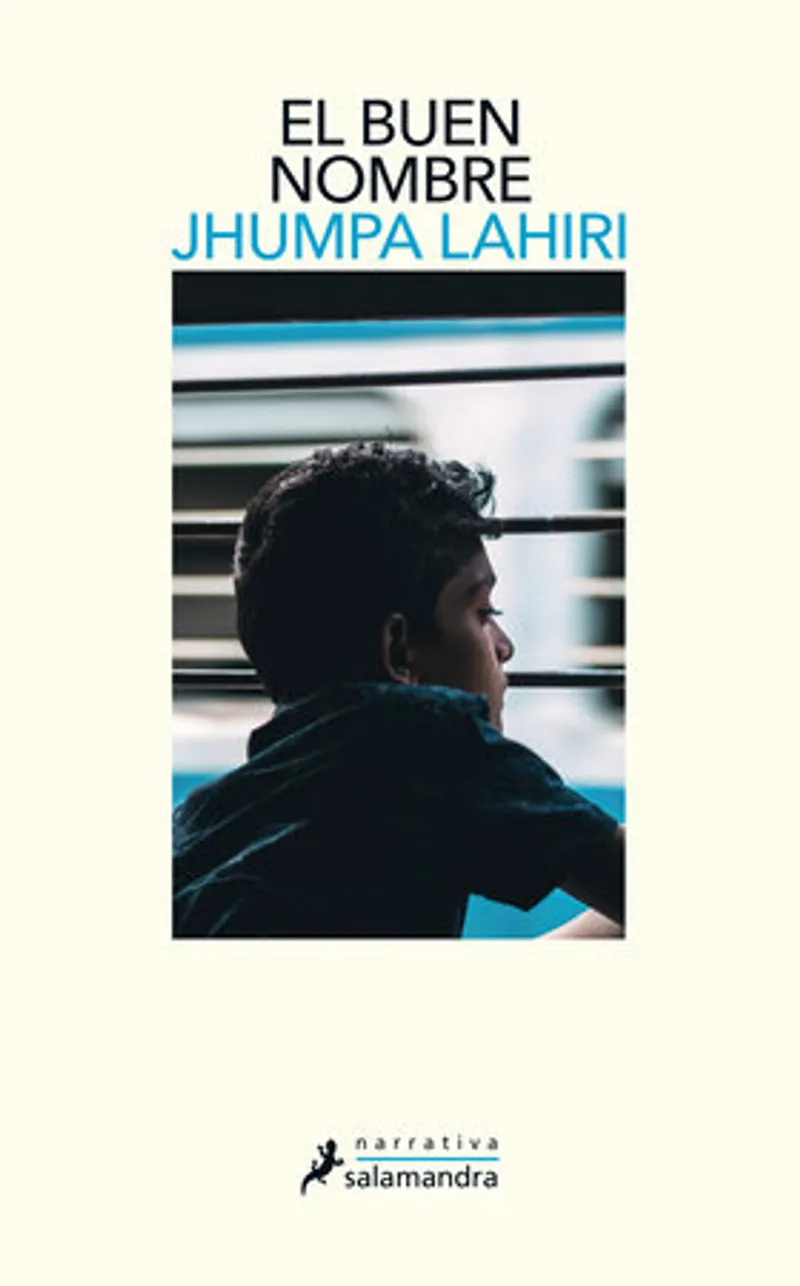
El buen nombre / The Namesake Author: Jhumpa LahiriPage Count: UnknownPublication Date: 2021-PRH In "The Namesake," Jhumpa Lahiri weaves a poignant and powerful narrative that delves into the complexities of the immigrant experience, cultural identity, and the intricate relationships between generations. This mesmerizing novel, which established Lahiri as a literary force to be reckoned with, is a masterful exploration of the human condition, expertly navigating the tensions between tradition and modernity. At the heart of the story lies the Ganguli family, who embark on a journey from their traditional life in Calcutta to their tumultuous transformation into Americans. Ashoke and Ashima, the patriarch and matriarch, find themselves caught between their Indian heritage and their newfound American reality. Their son, Gogol, named after the Russian writer by his Indian parents, struggles to reconcile his cultural identity with his American upbringing. This dichotomy serves as a catalyst for Lahiri's thought-provoking exploration of the immigrant experience, as Gogol grapples with the burden of his heritage and the weight of his unusual name. Lahiri's writing style is characterized by its simplicity, elegance, and precision. Her prose is evocative, yet restrained, allowing the reader to become fully immersed in the world she creates. Her characters are multidimensional and relatable, with Gogol being a particularly well-crafted protagonist. His struggles to define himself, both culturally and personally, are deeply poignant, and Lahiri's empathy for her character shines through on every page. One of the most striking aspects of "The Namesake" is its ability to balance the specificities of the Indian-American experience with the universality of human emotions. Lahiri's exploration of the immigrant condition is both nuanced and accessible, making the novel a compelling read for audiences from diverse backgrounds. Her writing is also marked by a deep understanding of the complexities of cultural identity, and the ways in which it can both unite and divide individuals. Through Gogol's journey, Lahiri raises important questions about the nature of identity, belonging, and cultural heritage. As Gogol navigates his relationships with his family, friends, and romantic partners, he begins to define himself, slowly shedding the expectations bestowed upon him by his parents. This process is both painful and liberating, as Gogol comes to terms with his own sense of self. Ultimately, "The Namesake" is a novel about the power of names, expectations, and the human desire for connection and belonging. Lahiri's masterful storytelling and nuanced characterization make this novel a must-read for anyone interested in exploring the complexities of the human experience. #TheNamesake #JhumpaLahiri #ImmigrantExperience #CulturalIdentity #IndianAmericanLiterature #ComingOfAgeStory Related InsightsAn Immaculate Deception Book Review and Summary Trust Fall Book Review and Summary Texas hold'em Book Review and Summary{ "@context": "https://schema.org", "@type": "FAQPage", "mainEntity": [ { "@type": "Question", "name": "What is the main focus of The Namesake Book Review and Summary?", "acceptedAnswer": { "@type": "Answer", "text": "Everything you need to know about The Namesake with our detailed review." } }, { "@type": "Question", "name": "Who authored the comprehensive guide on The Namesake Book Review and Summary?", "acceptedAnswer": { "@type": "Answer", "text": "This detailed article and its insights were carefully researched and authored by Jhumpa Lahiri." } }, { "@type": "Question", "name": "Where can I find more related content about Books?", "acceptedAnswer": { "@type": "Answer", "text": "You can explore more articles, detailed reviews, and similar insights by browsing the Related Insights section at the bottom of this article or visiting our dedicated Books category page." } } ] }
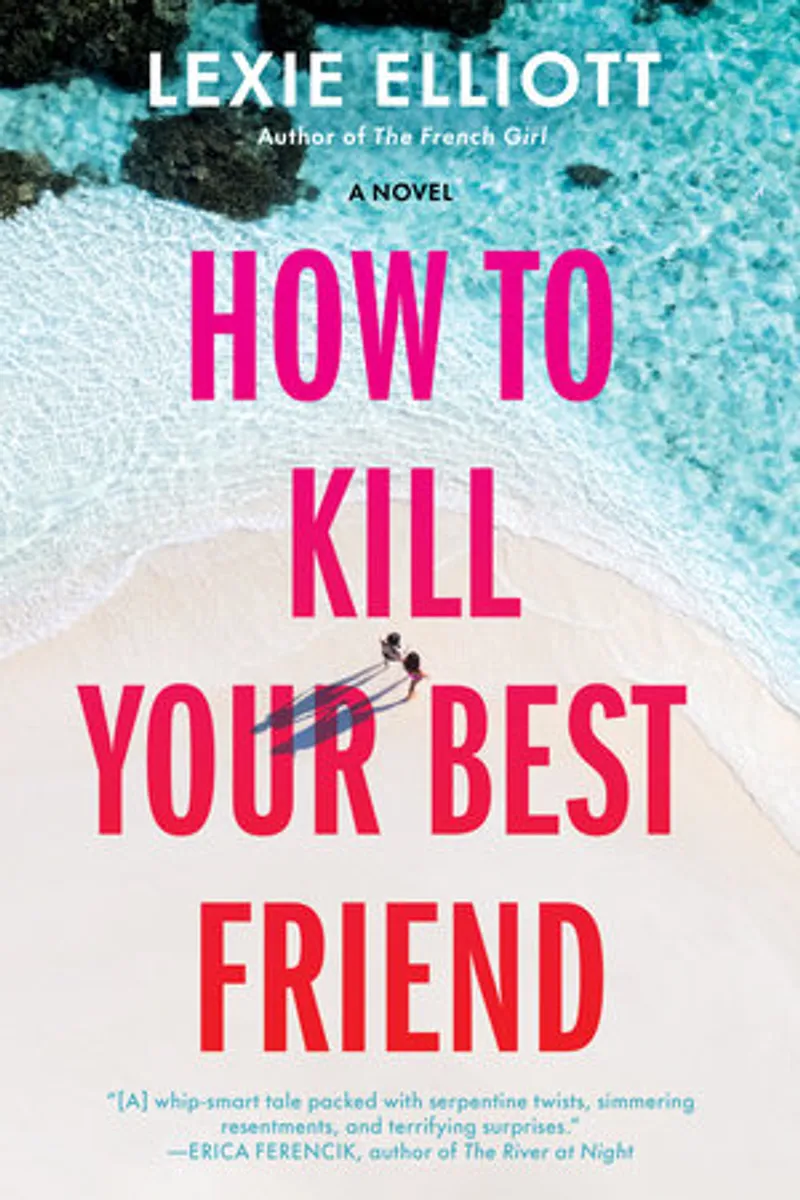
How to Kill Your Best Friend Author: Lexie ElliottPage Count: UnknownPublication Date: 2022-PRH Lexie Elliott’s How to Kill Your Best Friend is a razor-sharp psychological thriller that burrows under your skin and refuses to let go. With the precision of a scalpel and the relentless tension of a coiled spring, Elliott crafts a story that questions the very foundations of trust, loyalty, and the dark secrets that fester beneath even the most unbreakable bonds. This isn’t just a tale of murder—it’s an exploration of how far we’ll go to protect the people we love, even when those people become the very things that threaten us. At its core, the novel revolves around the death of Lissa, the magnetic, domineering center of a trio of childhood friends—Georgie, Bronwyn, and Lissa herself. Their bond, forged in the crucible of competitive swimming and shared secrets, is the kind that feels unshakable, until it isn’t. When Lissa drowns under mysterious circumstances, the remaining two friends are drawn back to the luxurious, isolated island resort she once owned, now a gilded cage where paranoia and grief fester. The setting is a masterstroke: Kanu Cove is all sun-drenched luxury and turquoise waters, but beneath the surface lies something far more sinister. Elliott understands that the most terrifying places aren’t the ones that look dangerous—they’re the ones that look perfect. The genius of How to Kill Your Best Friend lies in its refusal to offer easy answers. Elliott doesn’t just drop us into a mystery and expect us to follow along; she forces us to feel the disorientation of her characters. Georgie, our narrator, is a woman unraveling at the seams, her memories of Lissa both adoring and unsettling. Was Lissa truly the friend she remembers, or was she something far more calculating? The ambiguity is deliberate, and it’s what makes the book so gripping. Elliott doesn’t just tell us that trust is fragile—she makes us experience the moment it shatters. Her prose is economical yet evocative, with a knack for turning small, seemingly innocuous details into harbingers of doom. A flicker of unease in a character’s smile, the way the tide laps against the shore just a little too insistently—these are the kinds of touches that elevate the novel from a straightforward thriller to something more psychologically complex. Elliott understands that the real horror isn’t in the act of murder itself, but in the slow, creeping realization that the person you thought you knew best might have been a stranger all along. The themes of female friendship and betrayal are particularly compelling. Elliott doesn’t romanticize these relationships; instead, she exposes the petty jealousies, the unspoken competitions, and the simmering resentments that can curdle even the deepest bonds. Lissa isn’t just a victim—she’s a force of nature, someone who dominated her friends’ lives in ways both overt and insidious. The question isn’t just who killed her, but what did she do to make them want to? The answer, when it comes, is as chilling as it is inevitable. Elliott’s style is deceptively simple, but that’s part of its power. She doesn’t rely on flashy twists or over-the-top gore to keep the pages turning (though there’s certainly enough tension to make your pulse race). Instead, she builds dread through atmosphere and character, making the reader complicit in Georgie’s paranoia. By the time the storm rolls in—both literally and metaphorically—you’ll be as trapped as the characters, unable to look away even as you suspect the worst. How to Kill Your Best Friend is a masterclass in how to write a thriller that lingers. It’s not just about solving a mystery; it’s about confronting the darker sides of the people we trust, and the terrible things we might do to protect ourselves. Elliott doesn’t just kill off her best friend—she kills off the illusion that we ever truly know the people closest to us. If you love psychological thrillers that get under your skin and refuse to let go, this is a must-read. It’s the kind of book that will have you questioning every friendship in your own life long after you’ve turned the final page. #HowToKillYourBestFriend #PsychologicalThriller #FemaleFriendship #MysteryNovel #DarkSecrets #LexieElliott Related InsightsCasa de flama y sombra / House of Flame and Shadow Book Review and Summary Engineering a Love Story Book Review and Summary Last Exit to Brooklyn Book Review and Summary{ "@context": "https://schema.org", "@type": "FAQPage", "mainEntity": [ { "@type": "Question", "name": "What is the main focus of Kill Your Friends Book Review and Summary?", "acceptedAnswer": { "@type": "Answer", "text": "Everything you need to know about Kill Your Friends with our detailed review." } }, { "@type": "Question", "name": "Who authored the comprehensive guide on Kill Your Friends Book Review and Summary?", "acceptedAnswer": { "@type": "Answer", "text": "This detailed article and its insights were carefully researched and authored by John Niven." } }, { "@type": "Question", "name": "Where can I find more related content about Books?", "acceptedAnswer": { "@type": "Answer", "text": "You can explore more articles, detailed reviews, and similar insights by browsing the Related Insights section at the bottom of this article or visiting our dedicated Books category page." } } ] }
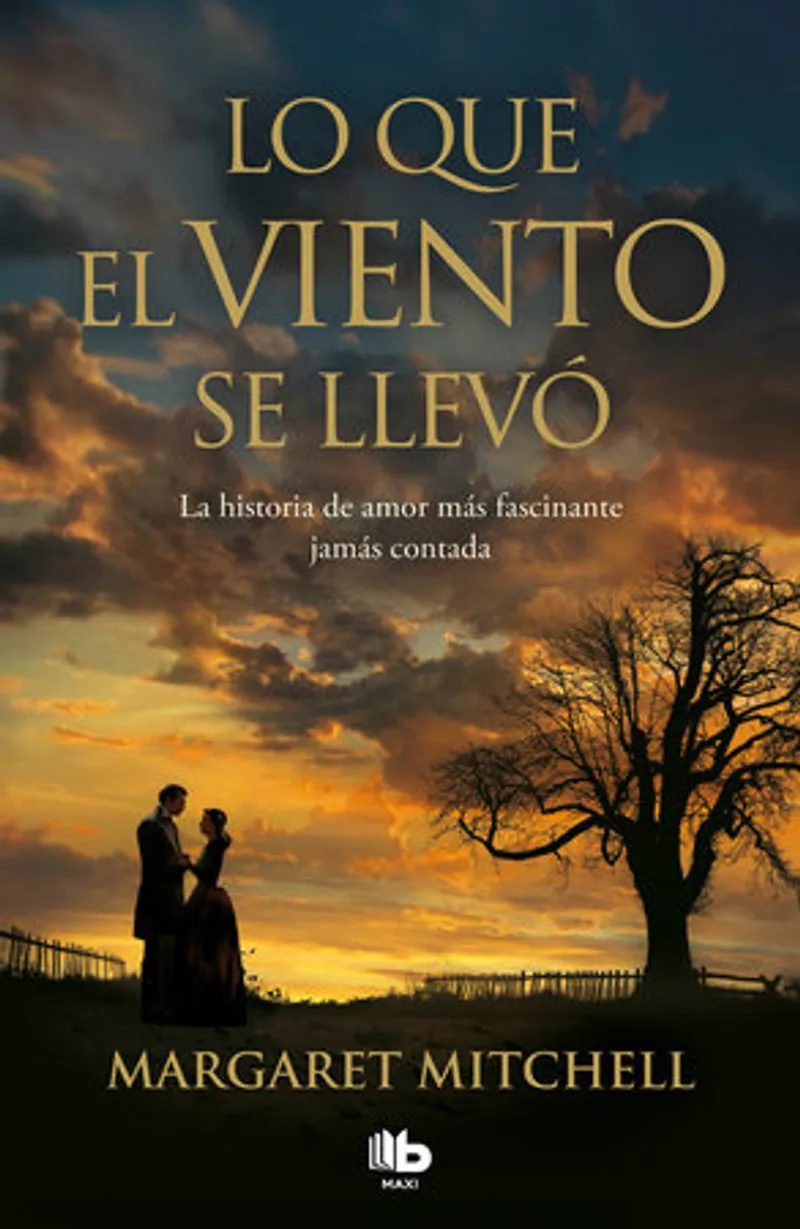
Lo que el viento se llevó / Gone with the Wind Author: Margaret MitchellPage Count: UnknownPublication Date: 2020-PRH In the sprawling tapestry of American literature, few novels have managed to captivate readers with the same level of depth and complexity as Margaret Mitchell's timeless classic, Gone with the Wind. This Pulitzer Prize-winning masterpiece has been a cornerstone of American literary heritage since its publication, and its allure remains unwavering to this day. Set against the tumultuous backdrop of the American Civil War and Reconstruction, Mitchell's magnum opus is a sweeping epic that delves into the intricacies of the human experience, laying bare the very fabric of our existence. At the heart of this magnificent tale is Scarlett O'Hara, the quintessential southern belle, whose unyielding spirit and determination serve as the emotional linchpin of the narrative. Scarlett's journey, replete with trials and tribulations, is a powerful exploration of the human condition, as she navigates the treacherous landscape of war, love, and loss. Through Scarlett's eyes, Mitchell masterfully weaves a rich narrative that not only chronicles the decline of the Old South but also probes the complexities of the human heart. One of the most striking aspects of Mitchell's writing is her uncanny ability to craft characters that are at once multidimensional and relatable. Rhett Butler, the enigmatic and charismatic blockade runner, is the perfect foil to Scarlett's headstrong nature, and their tumultuous relationship is a highlight of the novel. The supporting cast, including Melanie Hamilton and Ashley Wilkes, adds depth and nuance to the narrative, underscoring the author's remarkable skill in creating a vast, interconnected web of characters. Mitchell's prose is a masterclass in descriptive storytelling, transporting readers to the antebellum South with vivid descriptions of the rolling hills, grand plantations, and the devastating ravages of war. Her writing is both poetic and evocative, conjuring the sights, sounds, and emotions of a bygone era with unerring accuracy. The novel's pacing is deliberate and measured, allowing the reader to become fully immersed in the world of Tara and the lives of its inhabitants. Gone with the Wind is, at its core, a novel about the indomitable human spirit, about the capacity to persevere in the face of overwhelming adversity. Scarlett's struggles, though often self-inflicted, serve as a testament to the resilience of the human heart, and her ultimate triumph is a powerful affirmation of the human capacity for survival and redemption. In conclusion, Gone with the Wind is a masterpiece of American literature, a sweeping epic that continues to captivate readers with its timeless themes and memorable characters. Mitchell's writing is a triumph of descriptive storytelling, transporting readers to a bygone era with unerring accuracy. This is a novel that will continue to enthrall readers for generations to come, a testament to the enduring power of great literature. #GoneWithTheWind #MargaretMitchell #TheGreatAmericanNovel #CivilWarLiterature #HistoricalFiction #ClassicAmericanLiterature Related InsightsEven Your Bones Would Do Book Review and Summary A Winter Grave Book Review and Summary A Room with a View Book Review and Summary{ "@context": "https://schema.org", "@type": "FAQPage", "mainEntity": [ { "@type": "Question", "name": "What is the main focus of Gone with the Wind Book Review and Summary?", "acceptedAnswer": { "@type": "Answer", "text": "Everything you need to know about Gone with the Wind with our detailed review." } }, { "@type": "Question", "name": "Who authored the comprehensive guide on Gone with the Wind Book Review and Summary?", "acceptedAnswer": { "@type": "Answer", "text": "This detailed article and its insights were carefully researched and authored by Margaret Mitchell." } }, { "@type": "Question", "name": "Where can I find more related content about Books?", "acceptedAnswer": { "@type": "Answer", "text": "You can explore more articles, detailed reviews, and similar insights by browsing the Related Insights section at the bottom of this article or visiting our dedicated Books category page." } } ] }
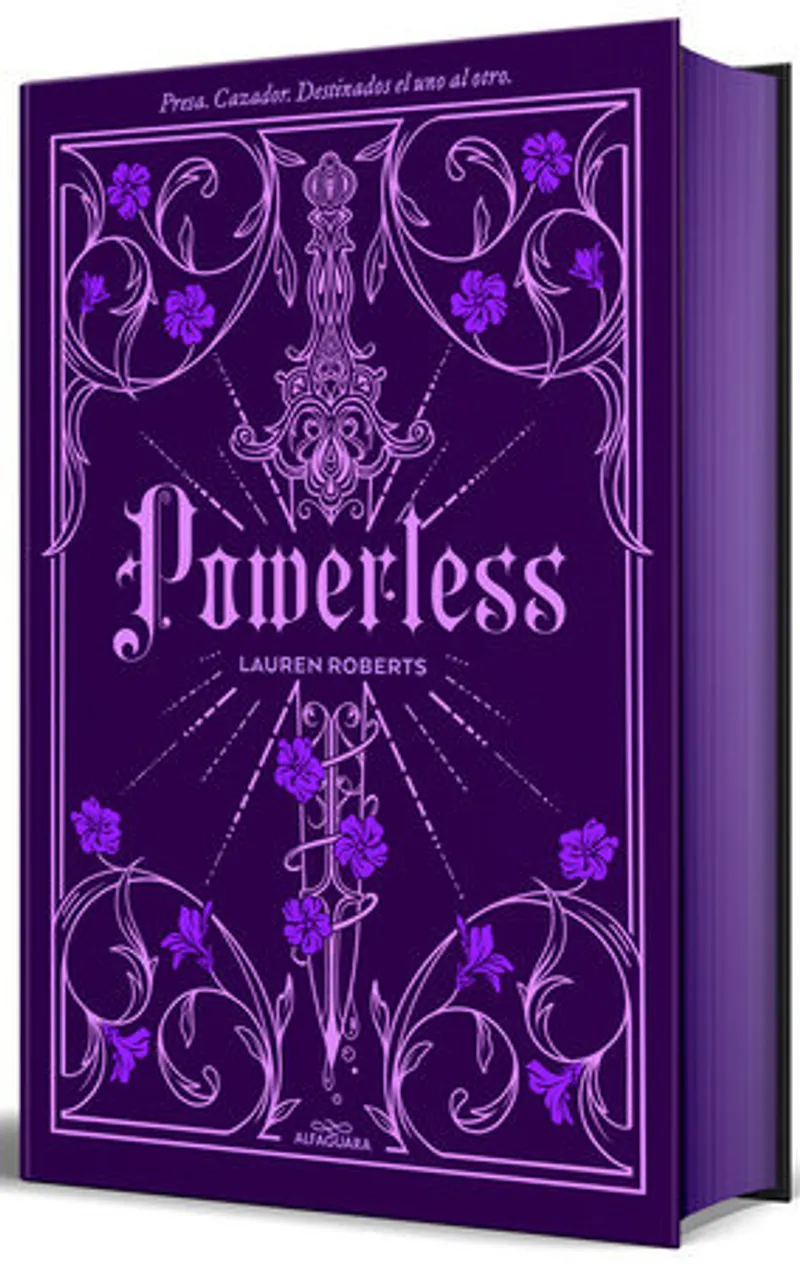
Powerless (edición especial limitada, cantos pintados) / Powerless (Special Limited Edition, Sprayed Edges) Author: Lauren RobertsPage Count: UnknownPublication Date: 2025-PRH In the realm of literary fiction, few authors have managed to captivate readers with the same level of mystique and intrigue as Lauren Roberts. Her latest release, "Powerless" (Special Limited Edition, Sprayed Edges), is a masterclass in atmospheric storytelling, weaving a complex narrative that defies easy categorization. This enigmatic novel is a triumph of style and substance, inviting readers to immerse themselves in a world where the lines between reality and fantasy are expertly blurred. From the outset, it's clear that Roberts is a writer who values precision and control. Her prose is economical, yet evocative, conjuring vivid images with a sparse, almost minimalist approach. This restraint pays dividends, allowing the reader's imagination to fill in the gaps and invest in the story on a deeper level. As the narrative unfolds, Roberts' use of language becomes increasingly lyrical, imbuing the text with a dreamlike quality that's both captivating and unsettling. At its core, "Powerless" is a novel about the fragility of human relationships and the corrosive effects of power imbalances. Roberts' characters are multidimensional and relatable, their motivations and desires expertly woven into the fabric of the narrative. As the story progresses, the author's exploration of power dynamics becomes increasingly nuanced, revealing the ways in which even the most seemingly insignificant interactions can have far-reaching consequences. One of the most striking aspects of "Powerless" is its use of symbolism and metaphor. Roberts' deployment of these literary devices is both subtle and effective, adding layers of depth to the narrative without ever feeling heavy-handed. The sprayed edges of the special limited edition are a nice touch, serving as a visual reminder of the novel's themes and motifs. If there's a criticism to be made, it's that "Powerless" can be a challenging read at times. Roberts' writing is often intentionally ambiguous, leaving the reader to piece together the narrative's various threads. While this approach will undoubtedly appeal to fans of literary fiction, it may prove frustrating for readers seeking a more straightforward, plot-driven experience. Ultimately, "Powerless" is a novel that rewards patience and close attention. Lauren Roberts' writing is a masterclass in subtlety and restraint, inviting readers to immerse themselves in a world of complex characters, moral ambiguities, and nuanced explorations of power and relationships. As a special limited edition, this release is a must-have for fans of the author and collectors of literary fiction. #Powerless #LaurenRoberts #LiteraryFiction #SpecialEdition #BookReview #PsychologicalThriller Related InsightsKaren M. Mcmanus 2-Book Box Set Book Review and Summary I'll Be Waiting Book Review and Summary King of Envy Book Review and Summary{ "@context": "https://schema.org", "@type": "FAQPage", "mainEntity": [ { "@type": "Question", "name": "What is the main focus of Powerless Book Review and Summary?", "acceptedAnswer": { "@type": "Answer", "text": "Everything you need to know about Powerless with our detailed review." } }, { "@type": "Question", "name": "Who authored the comprehensive guide on Powerless Book Review and Summary?", "acceptedAnswer": { "@type": "Answer", "text": "This detailed article and its insights were carefully researched and authored by Lauren Roberts." } }, { "@type": "Question", "name": "Where can I find more related content about Books?", "acceptedAnswer": { "@type": "Answer", "text": "You can explore more articles, detailed reviews, and similar insights by browsing the Related Insights section at the bottom of this article or visiting our dedicated Books category page." } } ] }
Pretties (Spanish Edition) Author: Scott WesterfeldPage Count: UnknownPublication Date: 2025-PRH Pretties, the second installment in Scott Westerfeld's critically acclaimed Uglies series, is a thought-provoking and unsettling exploration of the human obsession with beauty and perfection. Set in a dystopian world where physical appearance is the ultimate determinant of social status, the novel delves into the darker aspects of a society that values looks above all else. Tally, the protagonist, has finally achieved her dream of becoming "pretty." With her newfound physical perfection, she is catapulted into a world of luxury and excess, where she is surrounded by the crème de la crème of society. However, beneath the façade of glamour and fun, Tally begins to experience a growing sense of unease. A message from her past awakens memories of her life as an "ugly," and she is forced to confront the harsh realities of her new existence. Westerfeld's masterful storytelling weaves a complex narrative that is both engaging and unsettling. His vivid descriptions of the "pretty" world are at once alluring and repellent, highlighting the superficiality and vacuity of a society that values appearance above all else. Through Tally's journey, Westerfeld raises important questions about the nature of beauty, identity, and free will, challenging readers to think critically about the consequences of a world that values physical perfection above all else. One of the most striking aspects of Westerfeld's writing style is his ability to create a sense of tension and unease. As Tally navigates the treacherous world of the "pretties," the reader is left with a growing sense of discomfort, as if something is lurking just beneath the surface, waiting to erupt. This sense of tension is expertly crafted, making it impossible to put the book down. The characters in Pretties are equally well-crafted, with Tally being a particularly compelling protagonist. Her struggles to reconcile her past and present selves are deeply relatable, and her ultimate decision to take a stand against the authorities is both inspiring and heart-pumping. Overall, Pretties is a gripping and thought-provoking novel that will appeal to fans of dystopian fiction and anyone interested in exploring the complexities of human nature. With its vivid world-building, complex characters, and masterful storytelling, it is a must-read for anyone looking for a compelling and unsettling read. #UgliesSeries #Pretties #DystopianFiction #ScottWesterfeld #BeautyAndIdentity #DystopianBookReview Related InsightsAnd If I Die Before I Wake: A Memoir Book Review and Summary DC Icons Series Book Review and Summary Lo que el viento se llevó / Gone with the Wind Book Review and Summary{ "@context": "https://schema.org", "@type": "FAQPage", "mainEntity": [ { "@type": "Question", "name": "What is the main focus of Pretties Book Review and Summary?", "acceptedAnswer": { "@type": "Answer", "text": "Everything you need to know about Pretties with our detailed review." } }, { "@type": "Question", "name": "Who authored the comprehensive guide on Pretties Book Review and Summary?", "acceptedAnswer": { "@type": "Answer", "text": "This detailed article and its insights were carefully researched and authored by Scott Westerfeld." } }, { "@type": "Question", "name": "Where can I find more related content about Books?", "acceptedAnswer": { "@type": "Answer", "text": "You can explore more articles, detailed reviews, and similar insights by browsing the Related Insights section at the bottom of this article or visiting our dedicated Books category page." } } ] }
A Short Walk Home Author: David CryPage Count: UnknownPublication Date: 2015-PRH A Heart-Wrenching yet Uplifting Memoir: A Review of A Short Walk Home by David Cry A Short Walk Home, David Cry's poignant memoir, is a powerful exploration of the human spirit's capacity to find peace and acceptance in the face of unimaginable loss. With unflinching honesty and vulnerability, Cry recounts his family's journey as they navigate the complexities of adrenoleukodystrophy (ALD), a devastating neurological disorder that ultimately claims the life of his child. Through simple yet evocative prose, Cry masterfully conveys the emotional turmoil that accompanies a diagnosis like ALD. His writing is both deeply personal and universally relatable, making this memoir an accessible and impactful read for anyone who has experienced loss or struggled to come to terms with the fragility of life. Cry's willingness to confront the darkest aspects of his grief, including feelings of helplessness and anger, creates a sense of intimacy and trust with the reader, drawing us into his world and refusing to let go. One of the most striking aspects of A Short Walk Home is its nuanced exploration of the human experience. Cry's story is a rich tapestry of emotions, woven from threads of sadness, hope, vulnerability, and strength. He neither shies away from the brutal realities of ALD nor sugarcoats the pain of losing a loved one. Instead, he presents a balanced and thoughtful portrayal of a family's struggle to cope with the inevitable, and it is this balance that makes the memoir so compelling. Cry's writing style is characterized by its simplicity, clarity, and emotional authenticity. His use of language is unadorned and direct, which serves to underscore the raw emotion and vulnerability that permeate the narrative. The author's voice is both gentle and powerful, capable of conveying the depth of his sorrow and the resilience of his spirit. A Short Walk Home is a memoir that will resonate deeply with anyone who has experienced loss or struggled to find meaning in the face of adversity. Cry's story is a testament to the human capacity for hope, acceptance, and healing, and it is a reminder that even in the darkest moments, there is always the possibility for growth, transformation, and peace. Ultimately, A Short Walk Home is a book about the human condition, about the complexities and mysteries of life, and about the power of love and acceptance to transcend even the most profound suffering. It is a memoir that will leave readers moved, inspired, and perhaps even transformed by the experience of reading it. #ALDAwareness #GriefAndLoss #Memoir #InspirationalStories #ParentingAndLoss #NeurologicalDisorders Related InsightsIdaho Murders Book Review and Summary The House Across the Lake Book Review and Summary Terms and Conditions Book Review and Summary{ "@context": "https://schema.org", "@type": "FAQPage", "mainEntity": [ { "@type": "Question", "name": "What is the main focus of Cry, the Beloved Country Book Review and Summary?", "acceptedAnswer": { "@type": "Answer", "text": "Everything you need to know about Cry, the Beloved Country with our detailed review." } }, { "@type": "Question", "name": "Who authored the comprehensive guide on Cry, the Beloved Country Book Review and Summary?", "acceptedAnswer": { "@type": "Answer", "text": "This detailed article and its insights were carefully researched and authored by Alan Paton." } }, { "@type": "Question", "name": "Where can I find more related content about Books?", "acceptedAnswer": { "@type": "Answer", "text": "You can explore more articles, detailed reviews, and similar insights by browsing the Related Insights section at the bottom of this article or visiting our dedicated Books category page." } } ] }
Madame Bovary (Spanish Edition) Author: Gustave FlaubertPage Count: UnknownPublication Date: 2022-PRH In the realm of literary masterpieces, few works have managed to captivate readers with the same level of nuance and complexity as Gustave Flaubert's "Madame Bovary". This timeless novel, now available in a recent Spanish translation by Mauro Armiño, delves into the intricate world of Emma Rouault, a young woman whose insatiable desire for romance and passion sets her on a path of destruction. At its core, "Madame Bovary" is a scathing critique of the societal expectations placed upon women during the 19th century. Flaubert masterfully weaves a narrative that exposes the monotony and desperation that can arise from the constraints of provincial life. Emma's character, in particular, serves as a powerful commentary on the limited choices available to women during this era. Her quest for excitement and love is constantly thwarted by the mundane reality of her marriage to the unassuming Charles Bovary. One of the most striking aspects of Flaubert's writing style is his ability to balance the beautiful with the banal. His prose is akin to a rich tapestry, woven with intricate details that bring the world of 19th-century France to life. The author's use of language is deliberate and calculated, often juxtaposing the romantic ideals of his protagonist with the harsh realities of her surroundings. The inclusion of fragments from Flaubert's manuscripts, discovered and translated for this edition, offers a fascinating glimpse into the author's creative process. These previously unpublished passages provide a deeper understanding of Emma's psyche, further solidifying her position as one of literature's most complex and intriguing characters. The introductory study by Jacques Neefs, a renowned scholar of Flaubert's work, serves as a perfect accompaniment to the novel. Neefs' insightful analysis provides context and clarity, making this edition an invaluable resource for both scholars and casual readers. In "Madame Bovary", Flaubert poses a profound question: what is the true meaning of happiness, passion, and love? Through Emma's journey, the author masterfully explores the human condition, laying bare the intricacies of the human experience. This novel is a must-read for anyone interested in exploring the complexities of the human heart. As a work of literature, "Madame Bovary" is a masterpiece that continues to captivate readers with its timeless themes and beautiful prose. This recent Spanish translation is a welcome addition to the literary canon, offering a fresh perspective on a classic work. #MadameBovary #GustaveFlaubert #LiteraryClassic #FrenchLiterature #19thCenturyFiction #BookReview Related InsightsChildren of Memory Book Review and Summary The Road Book Review and Summary My Ántonia Book Review and Summary{ "@context": "https://schema.org", "@type": "FAQPage", "mainEntity": [ { "@type": "Question", "name": "What is the main focus of Madame Bovary Book Review and Summary?", "acceptedAnswer": { "@type": "Answer", "text": "Everything you need to know about Madame Bovary with our detailed review." } }, { "@type": "Question", "name": "Who authored the comprehensive guide on Madame Bovary Book Review and Summary?", "acceptedAnswer": { "@type": "Answer", "text": "This detailed article and its insights were carefully researched and authored by Gustave Flaubert." } }, { "@type": "Question", "name": "Where can I find more related content about Books?", "acceptedAnswer": { "@type": "Answer", "text": "You can explore more articles, detailed reviews, and similar insights by browsing the Related Insights section at the bottom of this article or visiting our dedicated Books category page." } } ] }