Showing Posts From
Fiction
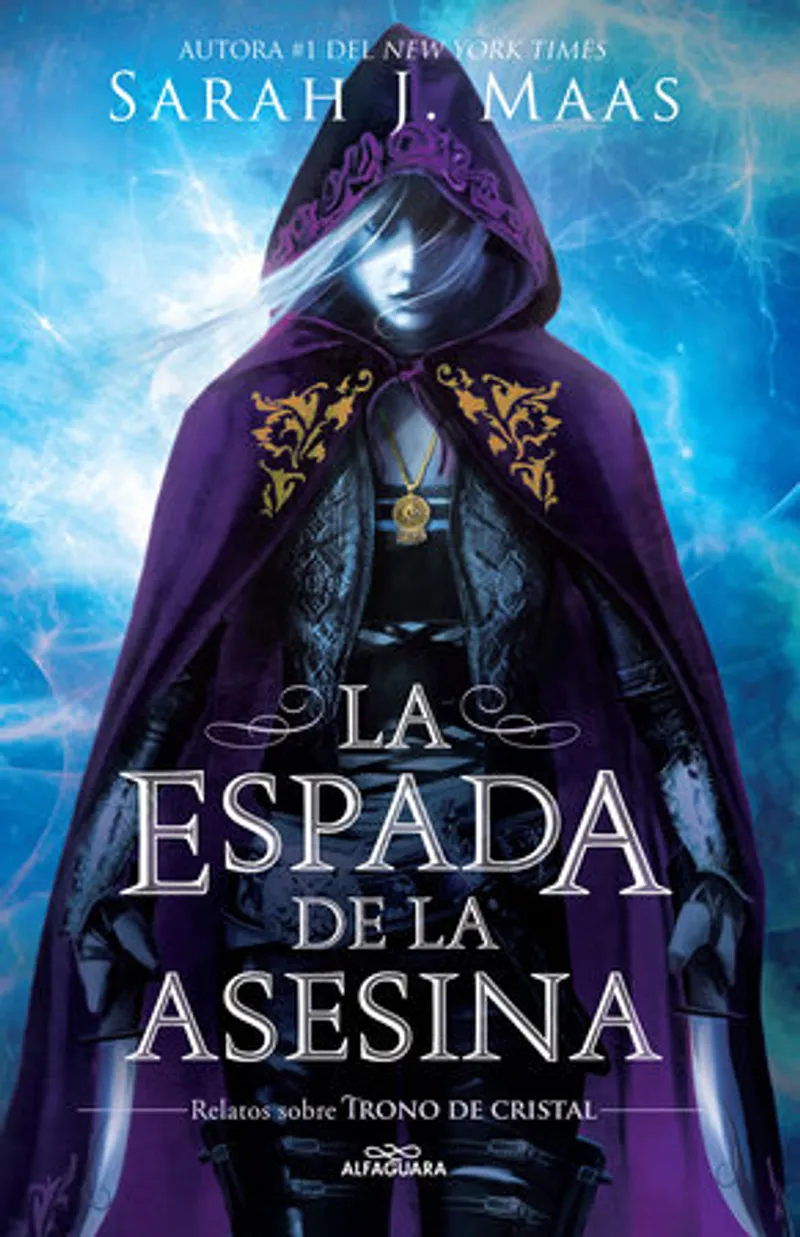
La espada de la asesina. Relatos de Trono de Cristal / The Assassins Blade: the Throne of Glass Novellas Author: Sarah J. MaasPage Count: UnknownPublication Date: 2024-PRH In the realm of young adult fantasy, few authors have managed to captivate readers with the same level of intensity and intrigue as Sarah J. Maas. Her latest offering, The Assassins Blade: the Throne of Glass Novellas, is a masterful prequel to her beloved Throne of Glass series, delving into the complex and tumultuous world of Celaena Sardothien, the infamous assassin. This collection of five novellas is a must-read for fans of the series, as it provides a deeper understanding of Celaena's backstory and the events that shaped her into the fearless and determined heroine we know and love. One of the most striking aspects of Maas's writing style is her ability to craft complex, multi-dimensional characters that leap off the page. Celaena, in particular, is a fascinating and flawed protagonist, driven by a mix of motivations that often put her at odds with her own morals and values. Her relationship with Sam, her fellow assassin and potential love interest, is a highlight of the book, and their banter and chemistry are undeniable. However, it's Celaena's inner turmoil and struggle to assert her independence in a world dominated by the ruthless Assassin's Guild that truly sets the stage for the series. Maas's world-building is, as always, impeccable. The dark, gritty world of the Assassin's Guild is vividly brought to life, with a keen attention to detail that immerses the reader in the harsh realities of Celaena's existence. From the scorching deserts to the treacherous underworld, each setting is meticulously crafted to create a sense of tension and foreboding that propels the narrative forward. The author's use of descriptive language is evocative and engaging, making it easy to become fully invested in the world and its characters. Throughout the novellas, Maas explores themes of loyalty, friendship, and the true cost of freedom. Celaena's journey is a testament to the human spirit's capacity for resilience and determination in the face of overwhelming adversity. As she navigates the treacherous landscape of her world, she must confront the harsh realities of her existence and the consequences of her actions. The author raises important questions about the nature of morality and the difficult choices we must make in order to survive, adding depth and complexity to the narrative. The five novellas that comprise The Assassins Blade are each unique and compelling in their own right, offering a distinct perspective on Celaena's world and the characters that inhabit it. From the swashbuckling adventure of The Assassin and the Pirate Lord to the poignant introspection of The Assassin and the Healer, each story adds a new layer of depth to the overall narrative. The author's pacing is well-balanced, with a keen sense of tension and release that keeps the reader engaged and invested in the story. In conclusion, The Assassins Blade: the Throne of Glass Novellas is a gripping and immersive read that will appeal to fans of the series and newcomers alike. Maas's masterful storytelling and complex characters make for a compelling narrative that explores the darker aspects of human nature and the true cost of freedom. With its breakneck pacing, vivid world-building, and memorable characters, this collection of novellas is a must-read for anyone who loves fantasy, adventure, and strong female protagonists. #ThroneOfGlass #SarahJMaas #TheAssassinsBlade #YoungAdultFantasy #FantasyBooks #BookLovers Related InsightsDear Edward Book Review and Summary Rabbit Rabbit Book Review and Summary Atmosphere Book Review and Summary{ "@context": "https://schema.org", "@type": "FAQPage", "mainEntity": [ { "@type": "Question", "name": "What is the main focus of Throne of Glass Book Review and Summary?", "acceptedAnswer": { "@type": "Answer", "text": "Everything you need to know about Throne of Glass with our detailed review." } }, { "@type": "Question", "name": "Who authored the comprehensive guide on Throne of Glass Book Review and Summary?", "acceptedAnswer": { "@type": "Answer", "text": "This detailed article and its insights were carefully researched and authored by Sarah J. Maas." } }, { "@type": "Question", "name": "Where can I find more related content about Books?", "acceptedAnswer": { "@type": "Answer", "text": "You can explore more articles, detailed reviews, and similar insights by browsing the Related Insights section at the bottom of this article or visiting our dedicated Books category page." } } ] }

That Girl Won't Die Author: Jumata EmillPage Count: UnknownPublication Date: 2027-PRH In the midst of a literary landscape where stories of resilience and survival have become all too familiar, Jumata Emill's "That Girl Won't Die" emerges as a searing testament to the unyielding human spirit. This gripping narrative, penned by a masterful storyteller, delves into the complexities of a young woman's existence, laying bare the intricate tapestry of her life, and the unrelenting forces that seek to define her. From the onset, Emill's writing style is akin to a slow-burning fire, gradually intensifying in its emotional depth and complexity. With each turn of the page, the reader is drawn into a world of unflinching honesty, where the protagonist's struggles and triumphs are presented with unvarnished candor. The author's use of language is deliberate and evocative, weaving a narrative that is both deeply personal and universally relatable. At its core, "That Girl Won't Die" is a powerful exploration of identity, trauma, and the unyielding will to survive. Emill's protagonist is a complex, multifaceted individual, full of contradictions and paradoxes, much like the world she inhabits. As the story unfolds, the reader is forced to confront the harsh realities of a society that often seeks to marginalize and silence those who refuse to be defined by its expectations. Through the protagonist's journey, Emill sheds light on the darker corners of human experience, exposing the reader to the brutalities of a world that can be both beautiful and cruel. And yet, even in the midst of such darkness, the author finds a way to inject a sense of hope and resilience, a testament to the human spirit's capacity to persevere in the face of adversity. One of the most striking aspects of Emill's writing is her ability to balance the introspective with the expansive. The protagonist's inner world is richly detailed, with a depth of emotion that is both captivating and heart-wrenching. At the same time, the author's scope is broad, encompassing a wide range of themes and issues that are both timely and timeless. In "That Girl Won't Die," Jumata Emill has crafted a narrative that is both a deeply personal exploration of the human condition and a powerful call to action. This is a book that will resonate with readers long after the final page has been turned, its themes and characters lingering in the mind like a haunting melody. Ultimately, Emill's masterful storytelling and unflinching honesty have resulted in a book that is nothing short of extraordinary. "That Girl Won't Die" is a must-read for anyone who has ever struggled to find their place in the world, and a testament to the transformative power of storytelling. #ThatGirlWontDie #JumataEmill #TraumaAndResilience #FemaleEmpowerment #MentalHealthMatters #SurvivalStories Related InsightsThe Bean Trees Book Review and Summary Fifty Shades from Christian's Point of View Book Review and Summary Look What the Cat Dragged In Book Review and Summary{ "@context": "https://schema.org", "@type": "FAQPage", "mainEntity": [ { "@type": "Question", "name": "What is the main focus of Demian: Die Geschichte von Emil Sinclairs Jugend Book Review and Summary?", "acceptedAnswer": { "@type": "Answer", "text": "Everything you need to know about Demian: Die Geschichte von Emil Sinclairs Jugend with our detailed review." } }, { "@type": "Question", "name": "Who authored the comprehensive guide on Demian: Die Geschichte von Emil Sinclairs Jugend Book Review and Summary?", "acceptedAnswer": { "@type": "Answer", "text": "This detailed article and its insights were carefully researched and authored by Hermann Hesse." } }, { "@type": "Question", "name": "Where can I find more related content about Books?", "acceptedAnswer": { "@type": "Answer", "text": "You can explore more articles, detailed reviews, and similar insights by browsing the Related Insights section at the bottom of this article or visiting our dedicated Books category page." } } ] }
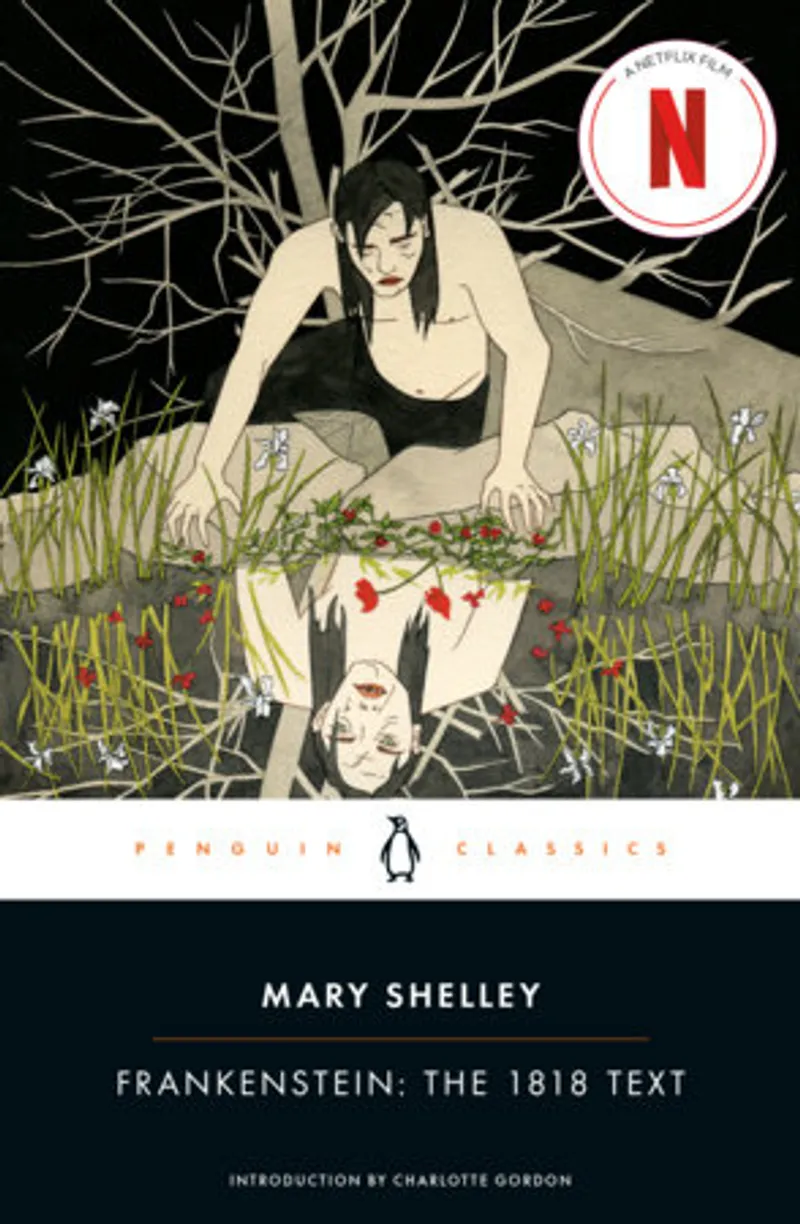
Frankenstein: The 1818 Text Author: Mary ShelleyPage Count: UnknownPublication Date: 2018-PRH Mary Shelley’s Frankenstein: The 1818 Text is not merely a gothic tale of a mad scientist and his monstrous creation—it is a searing meditation on the dangers of unchecked ambition, the fragility of human connection, and the ethical consequences of playing God. Presented in its original 1818 form, this edition strips away later revisions to reveal the raw, politically charged prose of a young woman grappling with the weight of her own genius. Here, Shelley’s voice is unfiltered: sharp, subversive, and unapologetically feminist, a far cry from the passive stereotypes often imposed on her by history. At its core, Frankenstein is a story about creation and abandonment, but it is also a damning indictment of patriarchal society. Victor Frankenstein, that archetypal Byronic figure, is less a hero than a cautionary tale—a man who seeks glory in defying natural law but recoils in horror when his experiment comes to life. His rejection of the Creature is not just personal cowardice; it is a reflection of the era’s disdain for the "unnatural" and the "other." Shelley, the daughter of Mary Wollstonecraft, the mother of modern feminism, imbues her narrative with a feminist lens that exposes the hypocrisy of men who claim enlightenment while denying agency to women and the marginalized. The Creature’s plea for companionship—his demand for a voice—echoes Wollstonecraft’s own arguments in A Vindication of the Rights of Woman, making Frankenstein not just a horror story, but a radical manifesto. Shelley’s prose is deceptively simple, yet it crackles with intellectual rigor. The novel unfolds through nested narratives—Captain Walton’s letters, Victor’s confession, the Creature’s own account—each layer deepening the tragedy. Her descriptions are vivid but never gratuitous; the Arctic wastes are not just a setting but a metaphor for isolation and despair. The Creature’s eloquence, his self-education through stolen books and observations, challenges the notion that monstrosity is inherent rather than constructed by society. When he laments, "I was benevolent; misery made me a fiend," the line cuts to the bone, forcing readers to confront their own complicity in cruelty. What makes this 1818 text so vital is its unflinching political edge. Later editions softened Shelley’s critique of colonialism, class oppression, and scientific hubris, but here, the original rawness remains. Victor’s experiment is not just a personal folly but a symbol of industrial and imperial excess—man’s attempt to dominate nature, only to be consumed by his own creation. The Creature, rejected by his creator and humanity alike, becomes a mirror held up to society, reflecting back its own monstrosities. Shelley’s genius lies in her refusal to offer easy answers. Is the Creature evil, or is he made so by rejection? Is Victor a tragic figure or a selfish coward? The novel resists moral absolutes, instead forcing readers to sit with ambiguity—a rare feat in Gothic literature. Charlotte Gordon’s introduction and Robinson’s scholarly notes further illuminate Shelley’s feminist legacy, positioning her not as a lone female voice in a sea of male poets, but as a inheritor of Wollstonecraft’s revolutionary ideals. This edition is a triumph for readers who crave authenticity. The 1818 text preserves Shelley’s wit, her biting social commentary, and her refusal to romanticize suffering. It is a book that demands to be read slowly, savored like a fine wine, because its themes are timeless: the cost of knowledge, the terror of difference, and the desperate human need for belonging. Frankenstein is more than a classic—it is a warning. And in an age of artificial intelligence, genetic engineering, and societal fragmentation, Shelley’s tale feels more urgent than ever. This is not a book to be feared, but to be reckoned with. #Frankenstein #MaryShelley #GothicLiterature #FeministFiction #ScienceFiction #ClassicNovel Related InsightsThree Kings Book Review and Summary Ella Enchanted Book Review and Summary Local Woman Missing Book Review and Summary{ "@context": "https://schema.org", "@type": "FAQPage", "mainEntity": [ { "@type": "Question", "name": "What is the main focus of Frankenstein: The 1818 Text Book Review and Summary?", "acceptedAnswer": { "@type": "Answer", "text": "Everything you need to know about Frankenstein: The 1818 Text with our detailed review." } }, { "@type": "Question", "name": "Who authored the comprehensive guide on Frankenstein: The 1818 Text Book Review and Summary?", "acceptedAnswer": { "@type": "Answer", "text": "This detailed article and its insights were carefully researched and authored by Mary Wollstonecraft Shelley." } }, { "@type": "Question", "name": "Where can I find more related content about Books?", "acceptedAnswer": { "@type": "Answer", "text": "You can explore more articles, detailed reviews, and similar insights by browsing the Related Insights section at the bottom of this article or visiting our dedicated Books category page." } } ] }
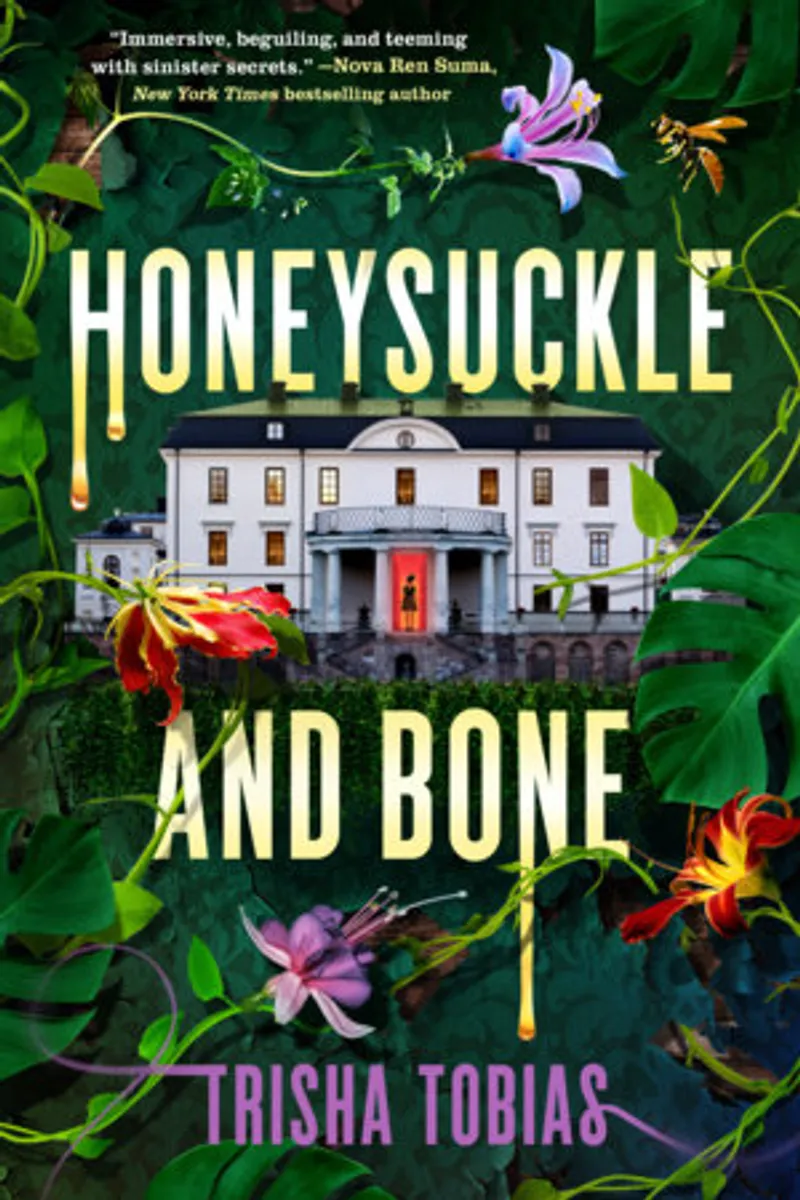
Honeysuckle and Bone Author: Trisha TobiasPage Count: UnknownPublication Date: 2026-PRH Honeysuckle and Bone, the latest offering from Trisha Tobias, is a mesmerizing tale that masterfully weaves together the threads of human experience, nature, and the unbreakable bonds that tie us all together. Although the page count remains unknown, one thing is certain – this book will leave an indelible mark on the literary landscape of 2026. From the very beginning, Tobias's writing style is akin to a gentle breeze on a summer's day – soothing, yet deceptively powerful. Her prose is infused with a poetic sensibility that elevates the narrative to a realm both mystical and deeply personal. As the story unfolds, the reader is drawn into a world where the lines between reality and myth blur, and the beauty of the natural world is juxtaposed with the darkness that lurks within the human heart. At its core, Honeysuckle and Bone is a exploration of the human condition, with all its attendant complexities and contradictions. Tobias's characters are multidimensional and relatable, their struggles and triumphs rendered with a depth and nuance that is nothing short of remarkable. Through their stories, the author probes the mysteries of love, loss, and the search for meaning in a seemingly chaotic world. One of the most striking aspects of Tobias's writing is her ability to evoke the sensory details of the natural world. Her descriptions of the honeysuckle and bone of the title are at once vivid and haunting, conjuring images that linger long after the final page has been turned. This is a writer who is deeply attuned to the rhythms of the earth, and her passion for the natural world is evident on every page. If there is a flaw to be found in Honeysuckle and Bone, it is that the narrative can be somewhat meandering at times, with threads that seem to disappear only to reappear later in unexpected ways. However, this is a minor quibble, and one that is more than offset by the book's many strengths. In short, Honeysuckle and Bone is a triumph – a beautifully written, deeply moving novel that will resonate with readers long after the final page has been turned. Trisha Tobias is a writer of immense talent, and this book is a testament to her skill and craftsmanship. If you're looking for a novel that will transport you to another world, look no further. #HoneysuckleAndBone #TrishaTobias #LiteraryFiction #MagicalRealism #NatureWriting #BookLoversUnite Related InsightsA Study in Sparkling (Love Notes, #2) Book Review and Summary From Shore to Ocean Floor: The Human Journey to the Deep Book Review and Summary Observer: A Novel Book Review and Summary{ "@context": "https://schema.org", "@type": "FAQPage", "mainEntity": [ { "@type": "Question", "name": "What is the main focus of Shadow and Bone Book Review and Summary?", "acceptedAnswer": { "@type": "Answer", "text": "Everything you need to know about Shadow and Bone with our detailed review." } }, { "@type": "Question", "name": "Who authored the comprehensive guide on Shadow and Bone Book Review and Summary?", "acceptedAnswer": { "@type": "Answer", "text": "This detailed article and its insights were carefully researched and authored by Leigh Bardugo." } }, { "@type": "Question", "name": "Where can I find more related content about Books?", "acceptedAnswer": { "@type": "Answer", "text": "You can explore more articles, detailed reviews, and similar insights by browsing the Related Insights section at the bottom of this article or visiting our dedicated Books category page." } } ] }
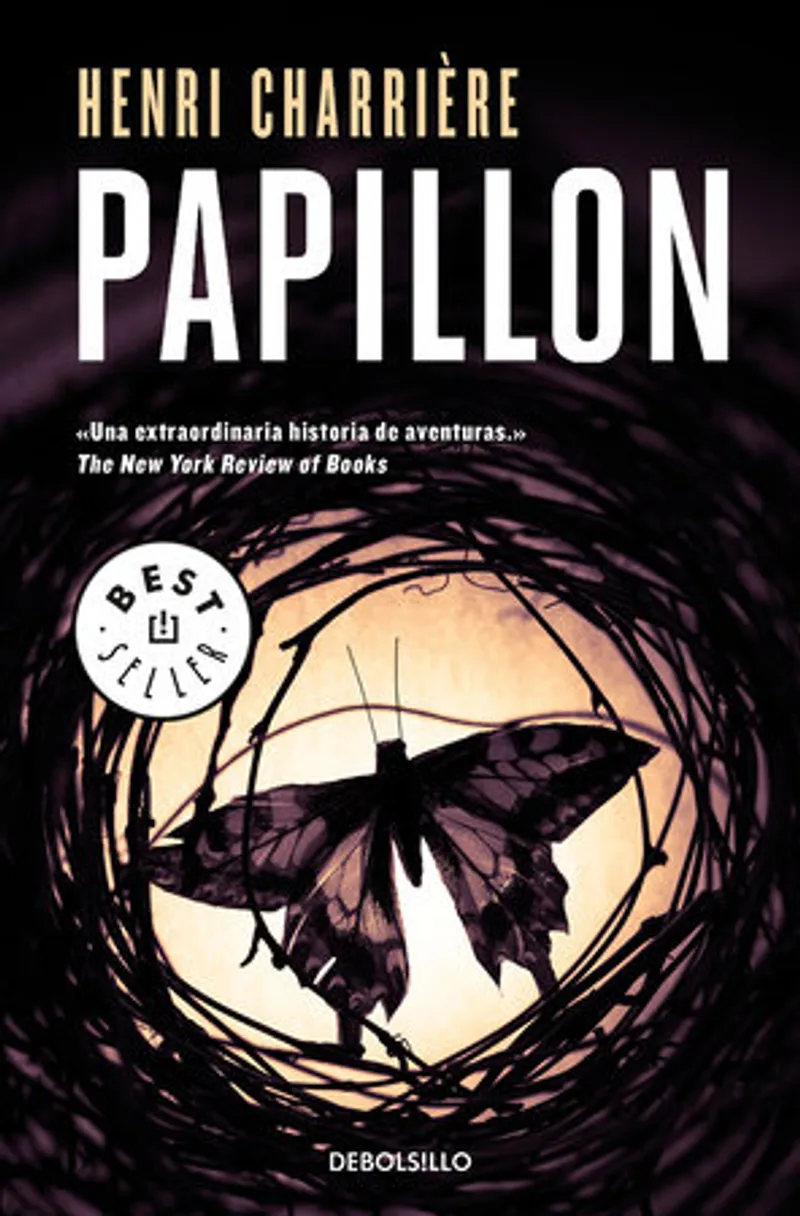
Papillon (Spanish Edition) Author: Henri CharrierePage Count: UnknownPublication Date: 2018-PRH In the realm of autobiographical tales, few stories have captivated readers with the same unrelenting fervor as Henri Charriere's "Papillon". This Spanish edition of the classic, published in 2018, whisks readers away to the unforgiving landscape of the French Guiana penal colony in 1931, where the author, nicknamed Papillon for the butterfly tattoo on his chest, found himself sentenced to life imprisonment for a murder he did not commit. Charriere's writing style is as unyielding as the circumstances he faced, his narrative voice a testament to the indomitable human spirit that burns within him. With unflinching honesty, he recounts the gruesome realities of prison life, the cruel whims of the authorities, and the unrelenting brutality that threatened to consume him whole. Yet, it is in the face of such overwhelming adversity that Papillon's true character emerges, forged in the fire of his unwavering determination to escape. Throughout the book, Charriere's prose is marked by a visceral intensity, his descriptions of the prison's harsh conditions and the ingenious methods he employed to evade capture, both captivating and haunting. His writing is not for the faint of heart; it is a gritty, unvarnished portrayal of a man pushed to the very limits of human endurance. And yet, it is this very same unflinching honesty that lends the narrative its air of authenticity, drawing the reader into the world of Papillon with unyielding force. The true power of "Papillon" lies in its exploration of the human condition, a searing examination of the lengths to which a person will go in pursuit of freedom. Charriere's odyssey is a testament to the transformative power of hope, a beacon of light that flickers, yet never truly extinguishes, even in the darkest recesses of the human experience. As a classic of modern literature, "Papillon" has captivated readers for decades, its allure lying in the timelessness of its themes and the universality of its message. This Spanish edition is a testament to the enduring power of Charriere's story, a reminder that, even in the most inhospitable of environments, the human spirit can persevere, can overcome, and can ultimately triumph. In short, "Papillon" is a masterpiece of autobiographical literature, a gripping, shocking, and ultimately uplifting odyssey that will leave readers breathless and inspired. It is a must-read for anyone who has ever found themselves drawn to stories of hope, resilience, and the unyielding human spirit. #Papillon #HenriCharriere #AutobiographicalClassics #PrisonEscapeStories #FrenchGuiana #DevilsIsland Related InsightsRedeemed Book Review and Summary The Moonstone Sister (The Sea Stone Sisters, #2) Book Review and Summary The Undercover Bookshop Book Review and Summary{ "@context": "https://schema.org", "@type": "FAQPage", "mainEntity": [ { "@type": "Question", "name": "What is the main focus of Papillon Book Review and Summary?", "acceptedAnswer": { "@type": "Answer", "text": "Everything you need to know about Papillon with our detailed review." } }, { "@type": "Question", "name": "Who authored the comprehensive guide on Papillon Book Review and Summary?", "acceptedAnswer": { "@type": "Answer", "text": "This detailed article and its insights were carefully researched and authored by Henri Charrière." } }, { "@type": "Question", "name": "Where can I find more related content about Books?", "acceptedAnswer": { "@type": "Answer", "text": "You can explore more articles, detailed reviews, and similar insights by browsing the Related Insights section at the bottom of this article or visiting our dedicated Books category page." } } ] }

Alguien es el siguiente / One of Us Is Next: The Sequel to One of Us Is Lying Author: Karen M. McManusPage Count: UnknownPublication Date: 2021-PRH Karen M. McManus delivers another pulse-pounding thriller in One of Us Is Next, the long-awaited sequel to the breakout hit One of Us Is Lying. If the first book was a masterclass in suspense, this follow-up cements McManus as the undisputed queen of YA mystery, blending sharp social commentary with relentless tension. Set in the same infamously toxic Bayview High, the story picks up nearly a year after Simon Kelleher’s death—only to reveal that the game of secrets and lies is far from over. The premise is deliciously twisted: a viral game of Truth or Dare sweeps the school, forcing students to confront their deepest, darkest secrets—or face the consequences. Unlike Simon’s infamous gossip app, this game isn’t just about exposure; it’s about survival. The rules are simple: confess a truth or take a dare, but the dares escalate from humiliating pranks to life-threatening stunts. And when the first victim falls, it’s clear this isn’t just a game—it’s a murderous echo of Simon’s legacy. McManus excels at crafting a story that feels both intimate and explosive. The narrative unfolds through multiple perspectives—Phoebe, Maeve, and Knox—each grappling with their own secrets while trying to unravel the mystery before it’s too late. Phoebe, the new girl with a hidden past, is the first to be targeted, her truth revealing a betrayal that could destroy her. Maeve, ever the daredevil, takes risks that blur the line between bravery and recklessness, while Knox, the golden boy with a hidden darkness, finds himself in over his head. Their voices are distinct, their flaws painfully human, and their desperation to survive makes them impossible to look away from. What makes One of Us Is Next stand out is McManus’ ability to weave social dynamics into the plot seamlessly. The game isn’t just a plot device; it’s a metaphor for the pressures of high school—where reputation is currency, and one wrong move can ruin a life. The dares force characters to confront their insecurities, their privileges, and their hypocrisies, making the story as much about self-discovery as it is about solving a murder. The tension builds with each chapter, culminating in a finale that will leave readers breathless, questioning who they can trust—and whether the game’s mastermind is someone they least expect. McManus’ prose is sharp, snappy, and addictive. She balances humor and horror effortlessly, making the darkest moments feel just a little lighter with a well-timed quip. The pacing is relentless, with cliffhangers at every turn, ensuring that readers will devour this book in one sitting. And like its predecessor, the story doesn’t shy away from tough themes—bullying, classism, and the cost of secrets—all while keeping the focus on the thrilling mystery at its core. If One of Us Is Lying was a slow-burn thriller, One of Us Is Next is a full-blown adrenaline rush. It’s a story about how far people will go to protect their secrets—and how dangerous it is when those secrets come to light. With its razor-sharp twists, morally gray characters, and a villain who feels both inevitable and shocking, this sequel proves that McManus isn’t just riding on the success of her first book—she’s redefining the genre. For fans of YA thrillers, this is a must-read. For anyone who loves a good mystery with heart, wit, and just the right amount of dread, One of Us Is Next delivers in spades. It’s a book that lingers long after the last page, leaving you to wonder: What would you do in Truth or Dare? #OneOfUsIsNext #YAThriller #KarenMcManus #TruthOrDare #BayviewHigh #TeenMystery Related InsightsThe Cat in the Hat Book Review and Summary El peor vecino del mundo Book Review and Summary Love Story Book Review and Summary{ "@context": "https://schema.org", "@type": "FAQPage", "mainEntity": [ { "@type": "Question", "name": "What is the main focus of One of Us Is Lying Book Review and Summary?", "acceptedAnswer": { "@type": "Answer", "text": "Everything you need to know about One of Us Is Lying with our detailed review." } }, { "@type": "Question", "name": "Who authored the comprehensive guide on One of Us Is Lying Book Review and Summary?", "acceptedAnswer": { "@type": "Answer", "text": "This detailed article and its insights were carefully researched and authored by Karen M. McManus." } }, { "@type": "Question", "name": "Where can I find more related content about Books?", "acceptedAnswer": { "@type": "Answer", "text": "You can explore more articles, detailed reviews, and similar insights by browsing the Related Insights section at the bottom of this article or visiting our dedicated Books category page." } } ] }
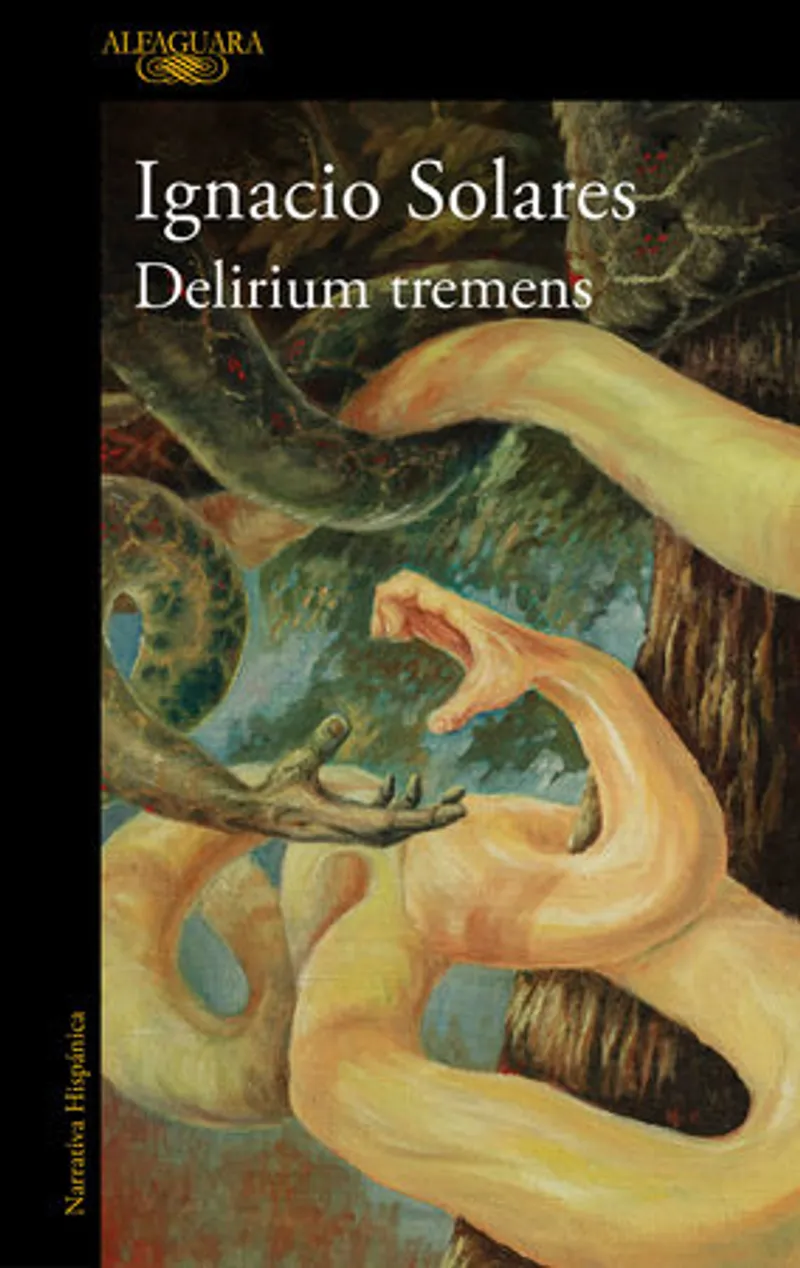
Delirium tremens (Spanish Edition) Author: Ignacio SolaresPage Count: UnknownPublication Date: 2026-PRH Delirium tremens, the latest offering from acclaimed author Ignacio Solares, is a literary tour de force that delves into the very fabric of human consciousness. This Spanish Edition, published in 2026, is a masterclass in storytelling, weaving a complex narrative that defies easy categorization. From the outset, it's clear that Solares is tackling the big questions: the nature of reality, the fragility of the human psyche, and the blurred lines between sanity and madness. His prose is akin to a fever dream, oscillating between moments of crystalline clarity and surreal, nightmarish sequences that leave the reader questioning what's real and what's merely a product of the protagonist's fevered imagination. Solares's writing style is a key component of the book's allure, conjuring a sense of disorientation and unease that perfectly complements the narrative's themes of disintegration and chaos. His use of language is deliberate and measured, each sentence carefully calibrated to create a sense of tension and uncertainty. This is an author who knows exactly when to pull back and when to push the reader to the edge, creating a sense of vertiginous uncertainty that's both exhilarating and terrifying. One of the most striking aspects of Delirium tremens is its exploration of the human condition. Solares's protagonist is a complex, multifaceted figure, torn asunder by internal demons and external pressures. As the narrative unfolds, we're forced to confront the darkest recesses of the human experience, from the abyssal depths of despair to the fleeting moments of transcendence that make life worth living. Throughout the book, Solares's influences are evident – echoes of Kafka, Borges, and other literary giants can be detected – yet his unique voice and vision remain unmistakable. This is an author who's unafraid to take risks, to push the boundaries of conventional storytelling and explore the uncharted territories of the human heart. Ultimately, Delirium tremens is a book that resists easy interpretation, a slippery, shape-shifting creature that defies categorization. It's a novel that demands to be read, re-read, and re-interpreted, its complexities and nuances slowly revealing themselves like a palimpsest. If you're prepared to immerse yourself in a world of uncertainty and ambiguity, then Solares's latest masterpiece is waiting for you. But be warned: once you enter this realm, there's no turning back. #DeliriumTremens #IgnacioSolares #SpanishLiterature #PsychologicalFiction #MagicalRealism #LatinAmericanLiterature Related InsightsLove You to Death Book Review and Summary The Maze Runner Book Review and Summary Bridge to Terabithia Book Review and Summary{ "@context": "https://schema.org", "@type": "FAQPage", "mainEntity": [ { "@type": "Question", "name": "What is the main focus of Delirium Book Review and Summary?", "acceptedAnswer": { "@type": "Answer", "text": "Everything you need to know about Delirium with our detailed review." } }, { "@type": "Question", "name": "Who authored the comprehensive guide on Delirium Book Review and Summary?", "acceptedAnswer": { "@type": "Answer", "text": "This detailed article and its insights were carefully researched and authored by Lauren Oliver." } }, { "@type": "Question", "name": "Where can I find more related content about Books?", "acceptedAnswer": { "@type": "Answer", "text": "You can explore more articles, detailed reviews, and similar insights by browsing the Related Insights section at the bottom of this article or visiting our dedicated Books category page." } } ] }
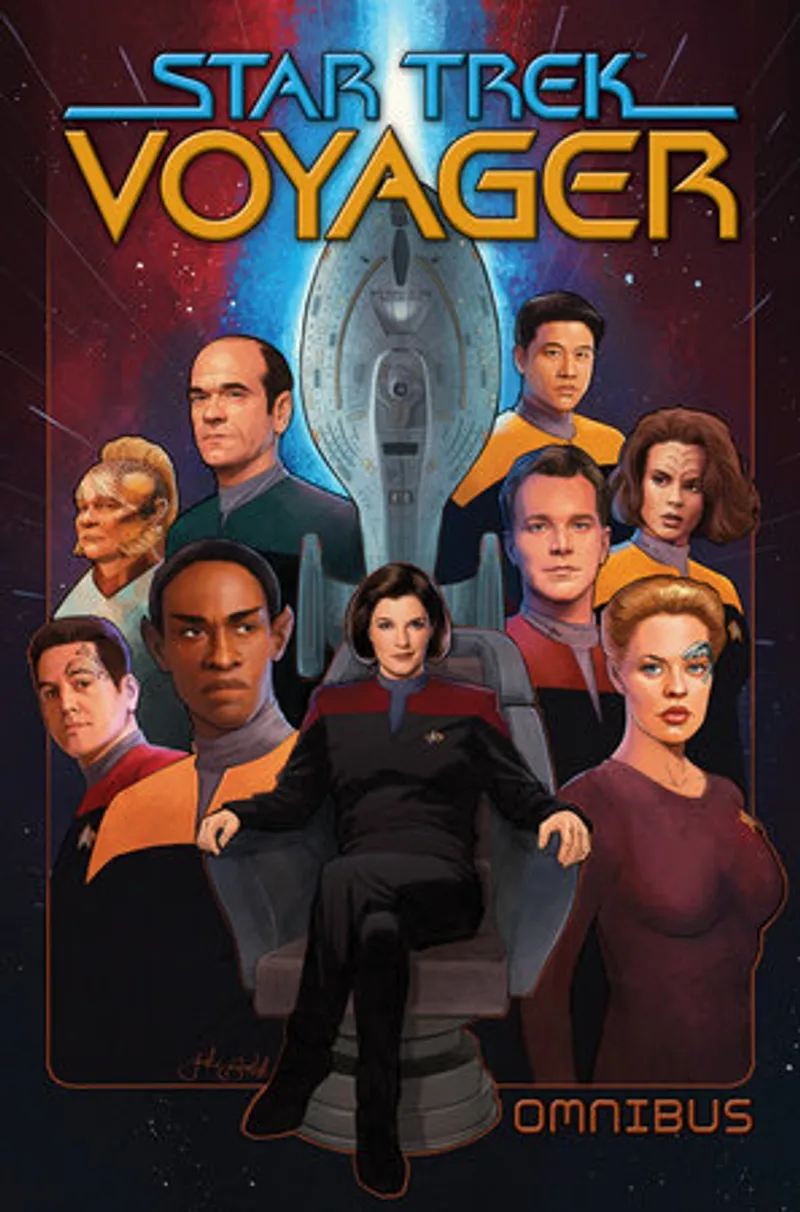
Star Trek: Voyager Omnibus Author: Paul AllorPage Count: UnknownPublication Date: 2025-PRH In the realm of science fiction, few franchises have captured the hearts of audiences quite like Star Trek. With its optimistic vision of the future and diverse cast of characters, it's no wonder that the series has endured for decades. The latest addition to the Star Trek literary universe is the Star Trek: Voyager Omnibus, penned by Paul Allor. This comprehensive collection promises to delve into the untold stories of the USS Voyager's crew, and I'm excited to dive in and explore the themes and styles that Allor brings to the table. From the outset, it's clear that Allor has a deep affection for the Star Trek universe. His writing is imbued with a sense of wonder and curiosity, perfectly capturing the spirit of exploration that defines the franchise. As we journey through the omnibus, we're treated to a series of interconnected tales that showcase the crew of Voyager at their best. Whether they're navigating treacherous alien landscapes or confronting the complexities of their own humanity, Allor's characters shine with a sense of authenticity that's hard to resist. One of the standout aspects of Allor's writing is his ability to balance action and introspection. The omnibus is filled with tense, suspenseful moments that will keep you on the edge of your seat, but it's also not afraid to slow down and explore the emotional depths of its characters. This is particularly evident in the character of Captain Janeway, who is given a level of nuance and complexity that's all too rare in science fiction. Through Allor's skilled hands, Janeway emerges as a rich, multidimensional figure, full of contradictions and vulnerabilities. The supporting cast is equally well-realized, with characters like Tom Paris and B'Elanna Torres receiving welcome attention. Allor has a keen sense of their relationships and dynamics, and he's not afraid to put them through their paces. Whether they're facing down hostile aliens or grappling with personal demons, the crew of Voyager is always up to the challenge. Throughout the omnibus, Allor's themes of exploration and discovery are woven throughout. This is a book that's deeply concerned with the human condition, and the ways in which we respond to the unknown. Whether it's through the lens of science fiction or the complexities of interpersonal relationships, Allor is always seeking to explore the deeper truths of our existence. If I have any criticisms, it's that the omnibus sometimes feels a little overstuffed. With so many stories and characters vying for attention, it can be difficult to keep track of everything. However, this is a minor quibble, and one that's easily forgivable given the sheer scope of Allor's ambition. In conclusion, the Star Trek: Voyager Omnibus is a triumphant addition to the Star Trek literary universe. With its rich characters, suspenseful plotting, and thoughtful themes, it's a must-read for fans of science fiction and adventure. Paul Allor's writing is top-notch, and his love for the franchise shines through on every page. If you're looking for a compelling and immersive read, look no further. #StarTrekVoyager #PaulAllor #ScienceFiction #StarTrekBooks #VoyagerOmnibus #USSVoyager
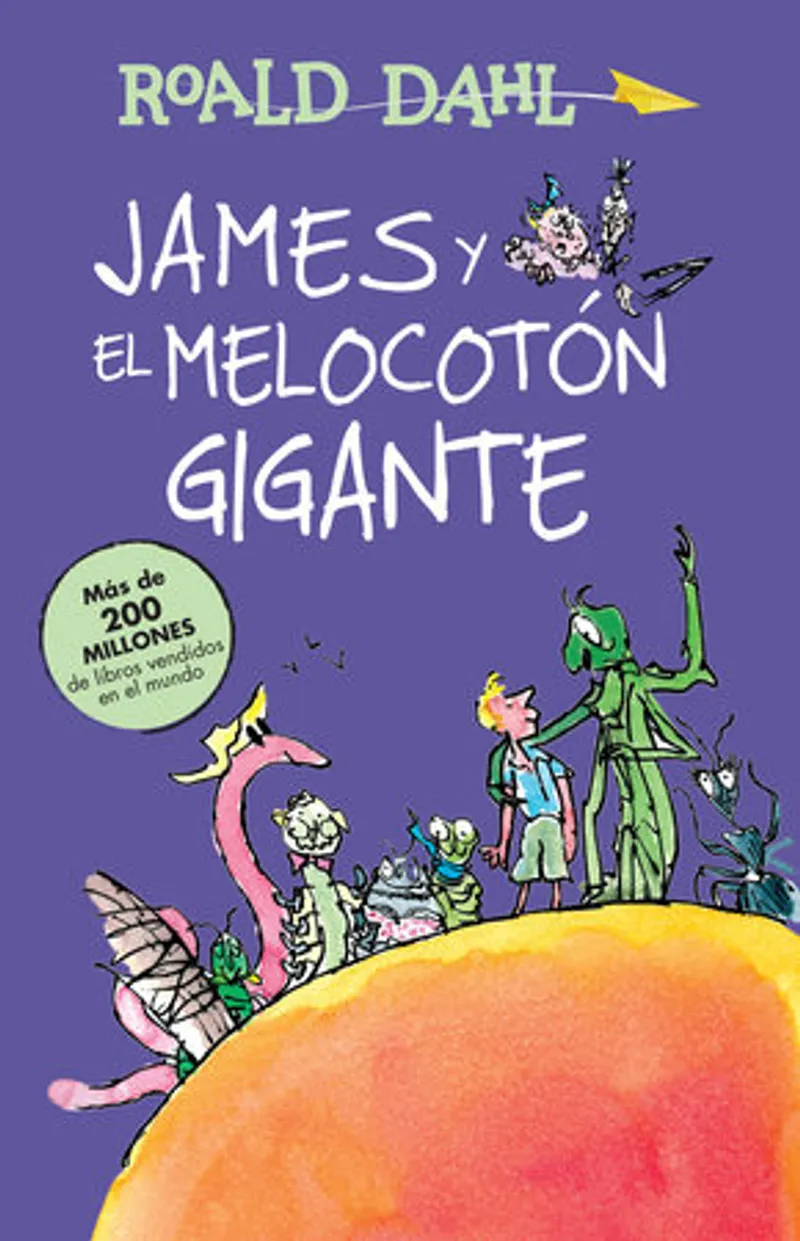
James y el melocotón gigante / James and the Giant Peach Author: Roald DahlPage Count: UnknownPublication Date: 2016-PRH James and the Giant Peach is a whimsical, darkly enchanting tale that showcases Roald Dahl’s unparalleled ability to blend the fantastical with the macabre, all while crafting a story that resonates with both children and adults. Published in 1961, this classic has endured the test of time, not just because of its imaginative plot but because of Dahl’s masterful storytelling—a blend of humor, heart, and just the right amount of mischief. At its core, James and the Giant Peach is a story about liberation and self-discovery. James, a lonely orphan shackled by the cruel whims of his two grotesque aunts, Spiker and Sponge, is a character every child can relate to—trapped in a world that feels unfair, stifling, and devoid of joy. But when a mysterious bag of magical green "crocodile tongues" (a euphemism for something far more sinister) transforms an ordinary peach tree into a colossal fruit, James’s life takes an extraordinary turn. The giant peach becomes his escape, a vessel that carries him—and a group of oversized, talking insects—on a journey across the Atlantic Ocean to New York City. Dahl’s genius lies in his ability to make the impossible feel utterly believable. The giant peach isn’t just a plot device; it’s a symbol of hope and transformation. For James, it represents freedom from his oppressive guardians, a chance to explore the world, and ultimately, a path to finding a family among the quirky, endearing insects who become his companions. Each of these creatures—Miss Spider, the Old-Green-Grasshopper, the Centipede, the Earthworm, the Ladybug, and the Silkworm—is a delightful caricature, each with distinct personalities that add depth and humor to the story. The Centipede, with his boastful antics, and the Earthworm, who is perpetually anxious, are particularly memorable, offering comic relief while also highlighting themes of acceptance and camaraderie. Dahl’s writing style is deceptively simple yet rich with vivid imagery and playful language. His prose is accessible to young readers, but it’s also laced with wit and subversive humor that adults can appreciate. For instance, the aunts are described in such exaggerated terms—"both as thin as whips and as bony as skeletons"—that they become almost caricatures of adult cruelty, making their eventual comeuppance all the more satisfying. The story’s darker undertones, such as the implied danger of the aunts’ neglect or the perilous journey across the ocean, are balanced by Dahl’s knack for turning fear into adventure. Even the insects, though intimidating in size, are portrayed with such warmth and humor that they feel like friends rather than threats. One of the most striking aspects of James and the Giant Peach is its subversion of expectations. Dahl doesn’t shy away from the grotesque or the absurd; instead, he embraces it. The giant peach itself is a surreal image, a fruit so large it could house a small boy and a colony of insects. The idea of a peach floating across the ocean, dodging sharks and seagulls, is pure fantasy, yet Dahl grounds it in a sense of wonder that makes it feel tangible. This balance between the magical and the mundane is what gives the story its enduring appeal. It’s a reminder that even in the most ordinary of lives, magic can be found—if only one knows where to look. The theme of family, both chosen and biological, is another layer that makes the book resonate. James’s journey isn’t just about escaping his aunts; it’s about finding a new kind of family among the insects. Each of them has their own quirks and flaws, but together, they form a makeshift family that supports and cares for James. This theme is particularly poignant in a story about an orphan, highlighting how family isn’t just about blood but about connection and mutual respect. Dahl’s ability to weave these themes into a narrative that is both entertaining and thought-provoking is what sets him apart as a children’s author. James and the Giant Peach isn’t just a fun adventure; it’s a story about resilience, friendship, and the power of imagination to transform even the most difficult circumstances. The giant peach, in this sense, is more than a fruit—it’s a metaphor for growth, for breaking free from constraints, and for embracing the unknown. In an era where children’s literature often errs on the side of saccharine or overly sanitized stories, Dahl’s willingness to embrace the strange, the dark, and the delightfully weird is refreshing. His stories don’t talk down to children; they challenge them, make them laugh, and sometimes even give them a little shiver of excitement. James and the Giant Peach is a perfect example of this. It’s a book that encourages readers to see the world through a lens of wonder, where even the most mundane things—a peach tree, a bag of magic crystals, a group of talking insects—can become the stuff of extraordinary adventures. For anyone who has ever felt trapped, whether by circumstance, expectation, or the whims of others, James’s story is a reminder that escape is possible—and that sometimes, the most unlikely heroes are the ones who find the courage to take the first step. And for those who haven’t, it’s a chance to step into a world where the impossible becomes possible, where a giant peach can change a life, and where even the smallest among us can find the strength to soar. #JamesAndTheGiantPeach #RoaldDahl #ChildrensLiterature #FantasyAdventure #ClassicBooks #ChildhoodFavorites Related InsightsThe Lost Language of Scented Books: Unearthing a Bibliophile's Olfactory History Green Eggs and Ham Book Review and Summary Klara and the Sun Book Review and Summary{ "@context": "https://schema.org", "@type": "FAQPage", "mainEntity": [ { "@type": "Question", "name": "What is the main focus of James and the Giant Peach Book Review and Summary?", "acceptedAnswer": { "@type": "Answer", "text": "Everything you need to know about James and the Giant Peach with our detailed review." } }, { "@type": "Question", "name": "Who authored the comprehensive guide on James and the Giant Peach Book Review and Summary?", "acceptedAnswer": { "@type": "Answer", "text": "This detailed article and its insights were carefully researched and authored by Roald Dahl." } }, { "@type": "Question", "name": "Where can I find more related content about Books?", "acceptedAnswer": { "@type": "Answer", "text": "You can explore more articles, detailed reviews, and similar insights by browsing the Related Insights section at the bottom of this article or visiting our dedicated Books category page." } } ] }
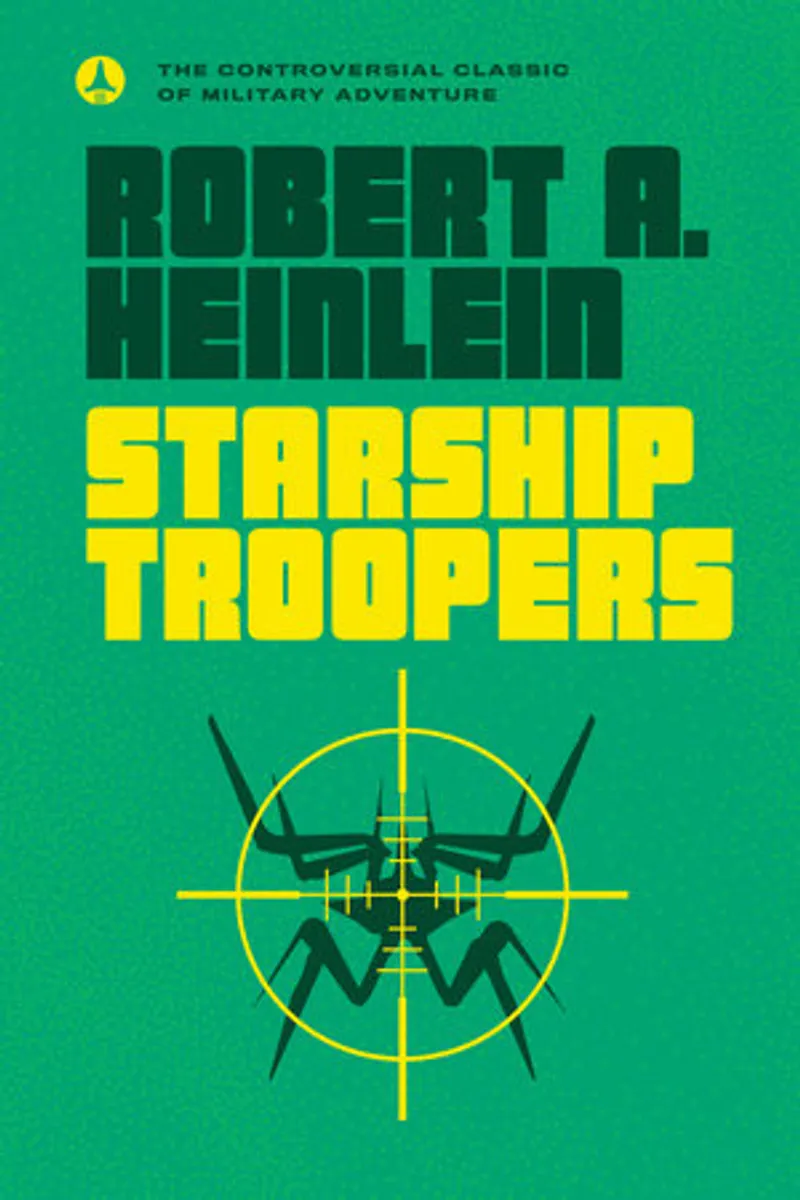
Starship Troopers Author: Robert A. HeinleinPage Count: UnknownPublication Date: 2006-PRH In the realm of science fiction, few authors have managed to craft a narrative as thought-provoking and visceral as Robert A. Heinlein's Starship Troopers. This Hugo Award-winning bestseller, published in 2006, is a testament to Heinlein's masterful storytelling and his ability to explore complex themes through a gripping and intense narrative. At its core, Starship Troopers is a novel about war, sacrifice, and the human condition. The story follows Johnnie Rico, a young recruit who enlists in the Mobile Infantry, an elite fighting force in the Terran Federation's war against the Arachnids, a deadly and highly organized alien species. As Rico navigates the grueling boot camp and the harsh realities of combat, he must confront his own mortality and the true cost of war. Heinlein's writing style is characterized by his use of a first-person narrative, which adds an intimate and personal touch to the story. Rico's voice is candid and relatable, making it easy for readers to become invested in his journey. The author's prose is concise and direct, with a focus on action and dialogue that propels the narrative forward at a breakneck pace. One of the most striking aspects of Starship Troopers is its exploration of the military mindset and the effects of war on individuals and society. Heinlein, a veteran of the US Navy, draws on his own experiences to create a realistic and nuanced portrayal of military life. The novel raises important questions about the nature of patriotism, duty, and the morality of war, leaving readers to ponder the implications long after finishing the book. The world-building in Starship Troopers is also noteworthy, with a richly detailed and immersive environment that draws readers into the world of the novel. The Arachnids, in particular, are a terrifying and fascinating enemy, with a complex social hierarchy and a deadly efficiency that makes them a compelling foe. While some critics have accused Heinlein of promoting a militaristic and fascist ideology, a closer reading of the novel reveals a more nuanced and thoughtful exploration of the human condition. Starship Troopers is not a simplistic celebration of war and patriotism, but rather a complex and multifaceted examination of the human experience. In conclusion, Starship Troopers is a classic science fiction novel that has stood the test of time. Its thought-provoking themes, intense action sequences, and well-developed characters make it a must-read for fans of the genre. Heinlein's writing style is engaging and accessible, making this novel an excellent introduction to his work. #StarshipTroopers #RobertAHeinlein #ScienceFiction #MilitaryScienceFiction #ClassicNovels #SpaceWarfare Related InsightsFar Sector Book Review and Summary The Time Machine Book Review and Summary Beautiful Disaster Book Review and Summary{ "@context": "https://schema.org", "@type": "FAQPage", "mainEntity": [ { "@type": "Question", "name": "What is the main focus of Starship Troopers Book Review and Summary?", "acceptedAnswer": { "@type": "Answer", "text": "Everything you need to know about Starship Troopers with our detailed review." } }, { "@type": "Question", "name": "Who authored the comprehensive guide on Starship Troopers Book Review and Summary?", "acceptedAnswer": { "@type": "Answer", "text": "This detailed article and its insights were carefully researched and authored by Robert A. Heinlein." } }, { "@type": "Question", "name": "Where can I find more related content about Books?", "acceptedAnswer": { "@type": "Answer", "text": "You can explore more articles, detailed reviews, and similar insights by browsing the Related Insights section at the bottom of this article or visiting our dedicated Books category page." } } ] }
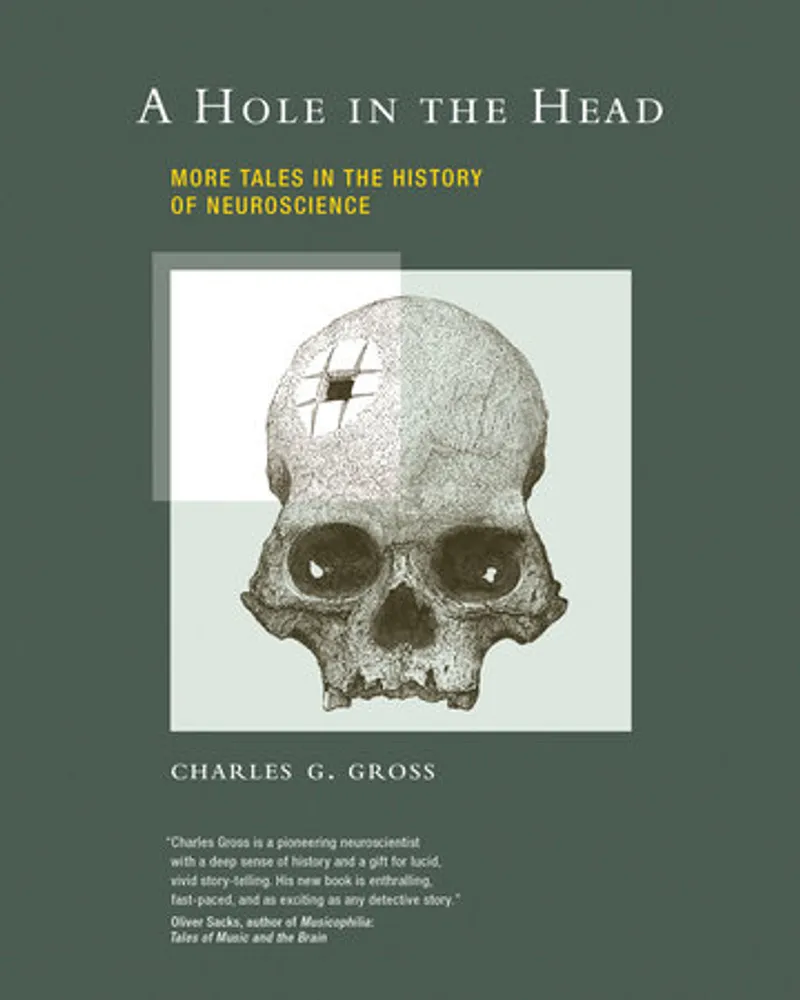
A Hole in the Head Author: Charles G. GrossPage Count: UnknownPublication Date: 2012-PRH In "A Hole in the Head", Charles G. Gross weaves a captivating narrative that delves into the intricate history of brain sciences, exposing the triumphs, errors, and controversies that have shaped our understanding of the human brain. This collection of essays is a testament to Gross's passion for the subject, which he has cultivated since his undergraduate days. As a neuroscientist, he brings a unique perspective to the table, making the book an engaging read for both experts and non-experts alike. One of the standout features of Gross's writing is his ability to balance the scientific with the anecdotal. He effortlessly navigates the complexities of brain sciences, from the ancient practice of trepanation to the groundbreaking discovery of grandmother cells, making the subject matter accessible to a broad audience. His use of vivid storytelling and historical examples not only educates but also entertains, rendering the book an absolute page-turner. The essays in "A Hole in the Head" are organized around three central themes: the early beginnings of neuroscience, the intersection of art and neuroscience, and the stories of scientists whose work was initially met with skepticism but later vindicated. This structure allows Gross to explore a wide range of topics, from the eerie depiction of neurosurgery in Hieronymus Bosch's paintings to the fascinating tale of how bats use echolocation to navigate. By examining these diverse subjects, Gross reveals the dynamic and often contentious nature of scientific inquiry. What sets "A Hole in the Head" apart from other books on the history of science is Gross's willingness to confront the blind alleys and errors that have punctuated the development of brain sciences. Rather than presenting a sanitized version of history, he acknowledges the setbacks and controversies, using them as opportunities to explore the complexities of scientific progress. This approach not only adds depth to the narrative but also serves as a reminder that science is a human endeavor, subject to the same frailties and biases as any other field. Gross's writing style is characterized by clarity, wit, and a deep respect for the scientists whose stories he tells. His enthusiasm for the subject matter is infectious, making the book a joy to read. Whether he is discussing the artistic renderings of the brain or the ingenious experiments that have expanded our understanding of its function, Gross's passion shines through, inspiring readers to share his fascination with the brain sciences. In conclusion, "A Hole in the Head" is a riveting and informative book that will appeal to anyone interested in the history of science, neuroscience, or simply the human story behind scientific discovery. Charles G. Gross's engaging writing style, combined with his unique perspective as a neuroscientist, makes this book an absolute must-read. #NeuroscienceHistory #BrainSciences #ScienceWriting #HistoryOfScience #NeuroscienceBooks #ScienceAndArt Related InsightsFranny and Zooey Book Review and Summary Winnie-the-Pooh Book Review and Summary Double Dangerous Book for Boys Book Review and Summary{ "@context": "https://schema.org", "@type": "FAQPage", "mainEntity": [ { "@type": "Question", "name": "What is the main focus of Head Like a Hole Book Review and Summary?", "acceptedAnswer": { "@type": "Answer", "text": "Everything you need to know about Head Like a Hole with our detailed review." } }, { "@type": "Question", "name": "Who authored the comprehensive guide on Head Like a Hole Book Review and Summary?", "acceptedAnswer": { "@type": "Answer", "text": "This detailed article and its insights were carefully researched and authored by Andrew Van Wey." } }, { "@type": "Question", "name": "Where can I find more related content about Books?", "acceptedAnswer": { "@type": "Answer", "text": "You can explore more articles, detailed reviews, and similar insights by browsing the Related Insights section at the bottom of this article or visiting our dedicated Books category page." } } ] }
The One After the One Author: Cass LesterPage Count: UnknownPublication Date: 2022-PRH The One After the One by Cass Lester is a mesmerizing and thought-provoking novel that delves into the complexities of human relationships and the choices we make in life. With a unique and captivating narrative style, Lester masterfully weaves a tale that explores the intricacies of love, loss, and self-discovery. From the outset, it is clear that Lester's writing is lyrical and evocative, with a poetic quality that draws the reader in and refuses to let go. Her prose is economical, yet rich in detail, painting vivid pictures of the characters and their world. The narrative is layered, with multiple storylines that intersect and overlap, adding depth and complexity to the tale. At its core, The One After the One is a novel about the power of choice and the consequences that follow. The protagonist, whose name is not revealed until the end, is a complex and multifaceted character, full of contradictions and flaws. Through their journey, Lester explores the idea that our choices, no matter how small they may seem, have a profound impact on the world around us. One of the most striking aspects of Lester's writing is her ability to capture the nuances of human emotion. Her characters are multidimensional and relatable, with a depth and richness that makes them feel almost tangible. The relationships between them are fraught with tension and complexity, making it impossible to predict what will happen next. Lester's use of language is also noteworthy. Her writing is concise and direct, yet capable of conveying a wealth of emotion and meaning. She has a keen eye for detail, and her descriptions of the natural world are breathtaking in their beauty and simplicity. Throughout the novel, Lester explores themes of love, loss, and identity, raising important questions about the nature of reality and our place within it. Her characters are on a journey of self-discovery, grappling with the complexities of their own identities and the choices they have made. The One After the One is a novel that will appeal to fans of literary fiction and those who enjoy complex, thought-provoking stories. Lester's writing is masterful, and her characters are rich and nuanced. This is a book that will stay with you long after you finish reading it, haunting your thoughts and leaving you to ponder the choices you have made in your own life. #TheOneAfterTheOne #CassLester #LiteraryFiction #BookReview #RelationshipGoals #SelfDiscovery Related InsightsMagic Tides Book Review and Summary Full House Book Review and Summary Smoke in the sun Book Review and Summary{ "@context": "https://schema.org", "@type": "FAQPage", "mainEntity": [ { "@type": "Question", "name": "What is the main focus of The One Book Review and Summary?", "acceptedAnswer": { "@type": "Answer", "text": "Everything you need to know about The One with our detailed review." } }, { "@type": "Question", "name": "Who authored the comprehensive guide on The One Book Review and Summary?", "acceptedAnswer": { "@type": "Answer", "text": "This detailed article and its insights were carefully researched and authored by Kiera Cass." } }, { "@type": "Question", "name": "Where can I find more related content about Books?", "acceptedAnswer": { "@type": "Answer", "text": "You can explore more articles, detailed reviews, and similar insights by browsing the Related Insights section at the bottom of this article or visiting our dedicated Books category page." } } ] }
The Saint of Silence Author: Heba Al-WasityPage Count: UnknownPublication Date: 2027-PRH Heba Al-Wasity’s The Saint of Silence is a haunting meditation on the weight of unspoken truths, where the quietest voices often carry the most devastating power. Set against the backdrop of an unnamed, oppressive society—where dissent is a crime and faith is a weapon—this novel weaves a tale of resistance through the unlikeliest of protagonists: a woman whose silence is both her shield and her weapon. Al-Wasity, a rising star in contemporary Arabic literature, crafts a story that is as lyrical as it is brutal, blending the intimate with the political in a way that lingers long after the last page. At its core, The Saint of Silence is a story about the erasure of women’s voices—not just in the literal sense, but in the way their stories are co-opted, silenced, or repurposed by those in power. The protagonist, a woman known only as "The Listener," is a figure of quiet defiance. She works in a state-run archive, where she meticulously catalogs the confessions of political prisoners, only to realize that her own silence is a form of complicity. When she begins to secretly preserve the stories of those who vanish without a trace, she becomes both a saint and a sinner—a keeper of forbidden truths and a target of the regime’s wrath. Al-Wasity’s prose is deceptively simple, yet it crackles with tension. Her sentences are sparse, almost clinical in their precision, but they carry an undercurrent of emotion that simmers beneath the surface. The novel’s structure mirrors its themes: fragmented, like the memories it preserves, with chapters that shift between past and present, between the protagonist’s inner world and the oppressive machinery of the state. There’s a stark beauty in the way Al-Wasity describes the act of listening—how it becomes an act of rebellion in a world that demands obedience. The author’s style is deeply rooted in the traditions of Arabic storytelling, where oral history and collective memory play a crucial role. Yet The Saint of Silence feels distinctly modern, a testament to Al-Wasity’s ability to bridge cultural divides without losing the essence of her narrative. The novel’s title is a double-edged sword: silence as a form of holiness, but also as a tool of oppression. The protagonist’s journey is one of reclaiming that silence, turning it into a weapon against the very forces that sought to silence her. What makes The Saint of Silence so compelling is its refusal to offer easy answers. There are no clear heroes or villains, only people navigating a world where survival often means compromise. The regime’s cruelty is not exaggerated for dramatic effect; it’s presented with a chilling matter-of-factness that makes it all the more terrifying. And yet, in the midst of this darkness, there are moments of profound tenderness—whispers of love, fleeting connections, the quiet defiance of ordinary people. Al-Wasity’s novel is not just a critique of authoritarianism; it’s a meditation on the power of storytelling itself. In a world where history is written by the victors, The Saint of Silence dares to ask: who gets to be remembered, and who is doomed to be forgotten? The answer, as the novel suggests, lies in the hands of those who refuse to be silent. This is a book that will unsettle you, not just because of its themes, but because of its unflinching gaze into the abyss of human cruelty—and the fragile, flickering hope that persists even in the darkest corners. #TheSaintOfSilence #HebaAlWasity #ArabicLiterature #SilenceAsPower #FeministDystopia #LiteraryRevolution Related InsightsWalk Two Moons Book Review and Summary Matar un ruiseñor / To Kill a Mockingbird Book Review and Summary Night Tide (Night Tide, #1) Book Review and Summary{ "@context": "https://schema.org", "@type": "FAQPage", "mainEntity": [ { "@type": "Question", "name": "What is the main focus of Silence Book Review and Summary?", "acceptedAnswer": { "@type": "Answer", "text": "Everything you need to know about Silence with our detailed review." } }, { "@type": "Question", "name": "Who authored the comprehensive guide on Silence Book Review and Summary?", "acceptedAnswer": { "@type": "Answer", "text": "This detailed article and its insights were carefully researched and authored by Becca Fitzpatrick." } }, { "@type": "Question", "name": "Where can I find more related content about Books?", "acceptedAnswer": { "@type": "Answer", "text": "You can explore more articles, detailed reviews, and similar insights by browsing the Related Insights section at the bottom of this article or visiting our dedicated Books category page." } } ] }
The Talented Mr. Ripley, Ripley Under Ground, Ripley's Game Author: Patricia HighsmithPage Count: UnknownPublication Date: 1999-PRH Patricia Highsmith's iconic Tom Ripley trilogy is a masterclass in psychological manipulation, exploring the darkest recesses of the human psyche through the eyes of a charismatic and calculating protagonist. This collection of The Talented Mr. Ripley, Ripley Under Ground, and Ripley's Game is a must-read for fans of crime thrillers and literary fiction alike, offering a glimpse into the mind of a man who embodies the perfect blend of genius and psychopathy. Highsmith's writing style is as mesmerizing as her protagonist, weaving a complex web of intrigue and deception that draws the reader in and refuses to let go. Her prose is elegant and refined, perfectly capturing the sophistication and charm of Tom Ripley as he navigates the rarefied world of high society. Yet, beneath the polished surface lies a seething cauldron of emotions, as Ripley's obsession with beauty, wealth, and status drives him to commit atrocities that are both shocking and strangely alluring. At the heart of the trilogy is the enigmatic Tom Ripley, a man who defies easy categorization. He is both hero and anti-hero, a charismatic figure who inspires both admiration and revulsion. Highsmith's masterful characterization allows the reader to glimpse the inner workings of Ripley's mind, revealing a complex tapestry of motivations and desires that are both fascinating and terrifying. As Ripley navigates the treacherous waters of his own psyche, the reader is drawn into a world of moral ambiguity, where right and wrong are constantly shifting and the boundaries between good and evil are blurred. Throughout the trilogy, Highsmith explores themes of identity, class, and the corrupting influence of wealth and privilege. Ripley's obsession with the wealthy and beautiful is a clever commentary on the social stratification of the time, highlighting the ways in which the privileged elite are able to manipulate and exploit those around them. At the same time, Ripley's own identity is a constant work in progress, as he adopts and discards personas with ease, blurring the lines between reality and fantasy. One of the most striking aspects of the trilogy is its subversion of traditional notions of justice and morality. Highsmith's world is one in which the guilty often go unpunished, and the innocent are frequently destroyed by the machinations of those around them. This is a world without heroes or villains, where the only constant is the amoral and adaptable Tom Ripley, who navigates the treacherous landscape with ease. In conclusion, Patricia Highsmith's Tom Ripley trilogy is a masterpiece of psychological suspense, offering a glimpse into the mind of a charismatic and calculating protagonist who embodies the perfect blend of genius and psychopathy. With its elegant prose, complex characterization, and subversive themes, this collection is a must-read for fans of crime thrillers and literary fiction alike. As a work of literary fiction, it is a testament to Highsmith's skill as a writer that the trilogy remains as relevant and thought-provoking today as it was when first published. #TheTalentedMrRipley #RipleyUnderGround #RipleysGame #PatriciaHighsmith #PsychologicalThriller #CrimeFiction Related InsightsCrooked Kingdom Book Review and Summary Mistletoe All the Way Book Review and Summary A Court of Thorns and Roses Book Review and Summary{ "@context": "https://schema.org", "@type": "FAQPage", "mainEntity": [ { "@type": "Question", "name": "What is the main focus of The Talented Mr. Ripley Book Review and Summary?", "acceptedAnswer": { "@type": "Answer", "text": "Everything you need to know about The Talented Mr. Ripley with our detailed review." } }, { "@type": "Question", "name": "Who authored the comprehensive guide on The Talented Mr. Ripley Book Review and Summary?", "acceptedAnswer": { "@type": "Answer", "text": "This detailed article and its insights were carefully researched and authored by Patricia Highsmith." } }, { "@type": "Question", "name": "Where can I find more related content about Books?", "acceptedAnswer": { "@type": "Answer", "text": "You can explore more articles, detailed reviews, and similar insights by browsing the Related Insights section at the bottom of this article or visiting our dedicated Books category page." } } ] }
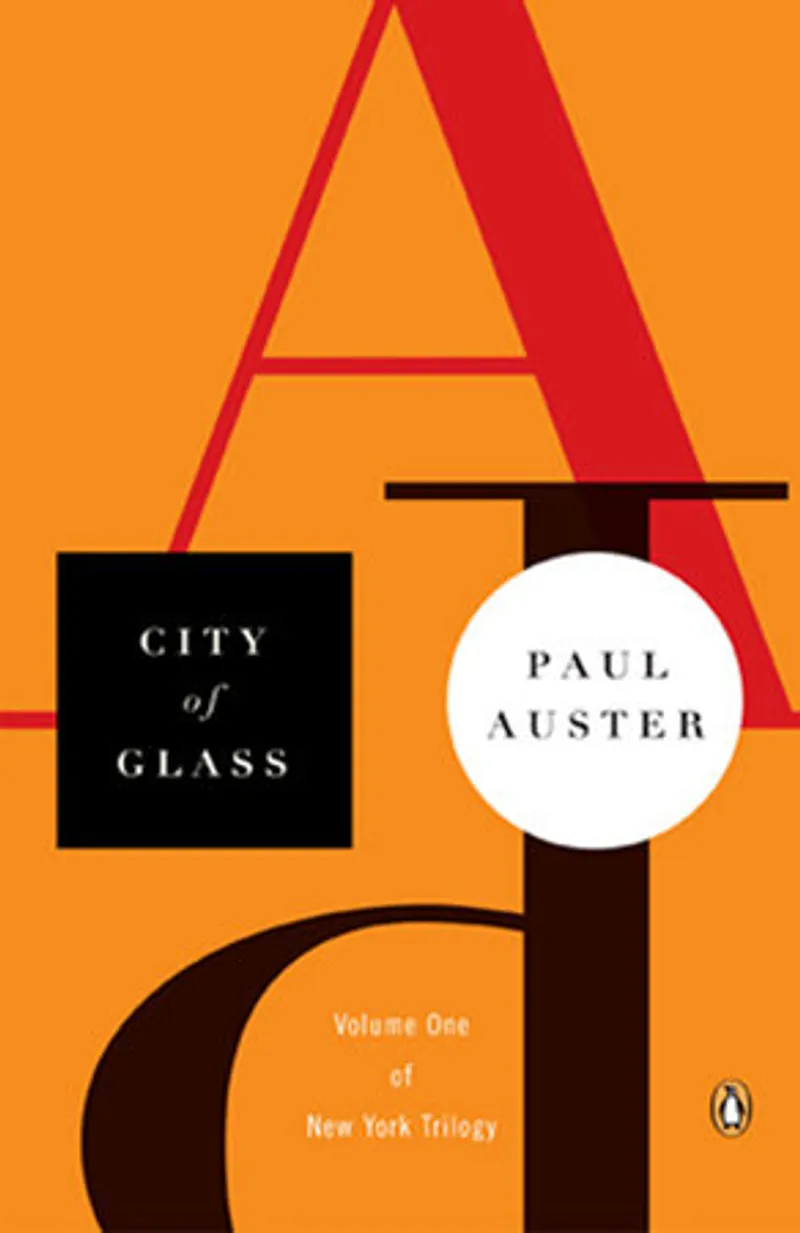
City of Glass Author: Paul AusterPage Count: UnknownPublication Date: 1987-PRH In the mesmerizing City of Glass, Paul Auster weaves a complex web of mystery, identity, and the blurred lines between reality and fiction. This Edgar Award-nominated novel, the first installment of The New York Trilogy, is a thought-provoking and deeply unsettling exploration of the human psyche. Quinn, the protagonist, is an author of detective stories who becomes embroiled in a real-life mystery that defies the conventions of his fictional world. Auster masterfully crafts a sense of disorientation and confusion, mirroring Quinn's own descent into madness as he navigates the dark and labyrinthine streets of New York City. The city itself becomes a character, a labyrinth of glass and steel that seems to shift and distort, reflecting the fractured nature of Quinn's own identity. Auster's prose is a marvel, combining the precision of a detective story with the hallucinatory clarity of a dream. His writing is both poetic and unsettling, conjuring the ghosts of Kafka and Hitchcock in a unique blend of post-existential noir. The result is a narrative that is both propulsive and disorienting, hurtling the reader through a world that is at once familiar and yet utterly strange. One of the most striking aspects of City of Glass is its exploration of the tension between identity and anonymity. Quinn, a man who has made a career out of creating fictional identities, finds himself lost in a world where the boundaries between self and other are constantly shifting. As he delves deeper into the mystery, he becomes increasingly disconnected from his own sense of self, raising profound questions about the nature of identity and the human condition. Auster's use of language is a key element in creating this sense of disorientation. His prose is marked by a hallucinatory clarity, a sense of precision that belies the underlying chaos of the narrative. This is a world where nothing is certain, where the most seemingly solid realities can shift and dissolve in an instant. And yet, despite the sense of disorientation, the reader is drawn inexorably into the world of the novel, unable to look away from the abyss that opens up before them. In City of Glass, Auster has created a novel that is both a gripping mystery and a profound exploration of the human condition. It is a work that defies easy categorization, a post-existential private eye story that is at once a homage to the genre and a radical subversion of its conventions. As the first installment of The New York Trilogy, it sets the tone for a series that will continue to explore the darker corners of the human experience. In short, City of Glass is a masterpiece of contemporary literature, a novel that will appeal to fans of mystery, noir, and literary fiction alike. It is a work that will haunt the reader long after the final page has been turned, a testament to Auster's skill as a storyteller and his willingness to push the boundaries of the novel form. #TheNewYorkTrilogy #PaulAuster #CityOfGlass #PostExistentialNoir #LiteraryFiction #ExperimentalFiction Related InsightsA Beautiful Couple Book Review and Summary The Siren Book Review and Summary Magic Claims Book Review and Summary{ "@context": "https://schema.org", "@type": "FAQPage", "mainEntity": [ { "@type": "Question", "name": "What is the main focus of City of Glass Book Review and Summary?", "acceptedAnswer": { "@type": "Answer", "text": "Everything you need to know about City of Glass with our detailed review." } }, { "@type": "Question", "name": "Who authored the comprehensive guide on City of Glass Book Review and Summary?", "acceptedAnswer": { "@type": "Answer", "text": "This detailed article and its insights were carefully researched and authored by Cassandra Clare." } }, { "@type": "Question", "name": "Where can I find more related content about Books?", "acceptedAnswer": { "@type": "Answer", "text": "You can explore more articles, detailed reviews, and similar insights by browsing the Related Insights section at the bottom of this article or visiting our dedicated Books category page." } } ] }
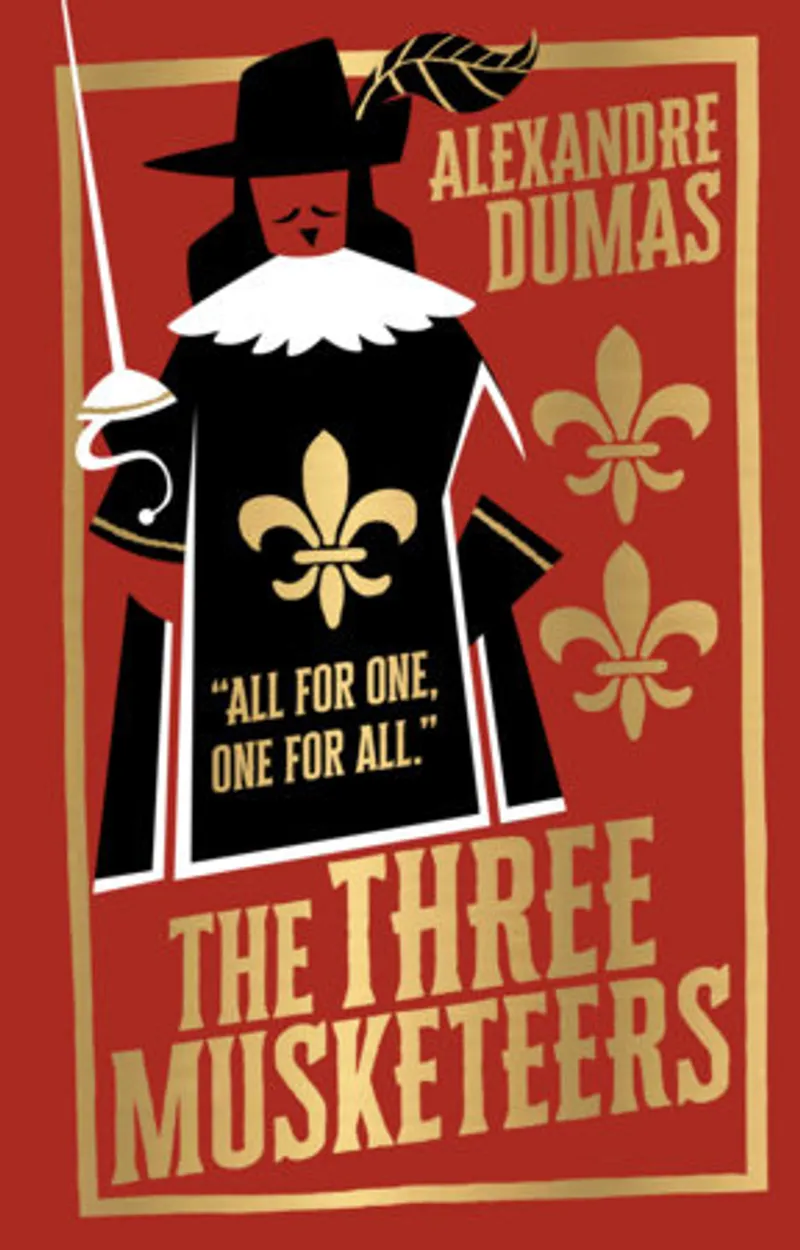
The Three Musketeers Author: Alexandre DumasPage Count: UnknownPublication Date: 2023-PRH Swordplay, Intrigue, and Brotherhood: Why The Three Musketeers Still Stings Like a Rapier Alexandre Dumas’ The Three Musketeers is not merely a novel—it is a manifesto of swagger, a ballet of blades, and a love letter to the kind of camaraderie that makes men (and women) willing to die for each other. First published in 1844, this tale of dashing rogues, political conspiracies, and relentless adventure has aged like fine wine, its themes of loyalty, ambition, and the clash between duty and desire as sharp today as they were nearly two centuries ago. If you’ve ever dreamed of donning a plumed hat, wielding a sword with panache, or outwitting villains with a wink and a quip, Dumas’ masterpiece will feel less like reading and more like being inducted into an exclusive club where the password is "All for one, and one for all!" At its core, The Three Musketeers is a story about the power of friendship—and the chaos it can unleash. The bond between Athos, Porthos, Aramis, and d’Artagnan is the novel’s beating heart, a brotherhood forged in taverns, duels, and near-death scrapes. Dumas doesn’t just tell us these men would die for each other; he shows us, over and over, in scenes that crackle with tension and humor. Their loyalty is tested not just by external foes like the cunning Cardinal Richelieu or the treacherous Milady de Winter, but by their own flaws—pride, recklessness, and the occasional bout of romantic idiocy. Yet what makes their friendship so compelling is its imperfection. They bicker, they betray (briefly), they make terrible life choices, but they always circle back, because in Dumas’ world, true brotherhood isn’t about being saints—it’s about being there when it counts. Dumas’ genius lies in his ability to balance high-stakes drama with effortless charm. His prose is like a well-oiled rapier—precise, elegant, and deadly when it needs to be. He doesn’t waste time on purple prose or overlong descriptions; instead, he plunges the reader into the action, whether it’s a midnight duel on the streets of Paris, a daring prison break, or a race against time to save a queen’s honor. The dialogue crackles with wit, the pacing never falters, and the villains are deliciously despicable (Milady de Winter, with her icy beauty and venomous schemes, is one of literature’s most unforgettable antagonists). Dumas also has a knack for making even minor characters feel vivid—from the boisterous Porthos, whose appetite for food and glory is matched only by his ego, to the pious Aramis, whose swordsmanship is rivaled only by his love of theological debate. Yet beneath the swashbuckling surface, The Three Musketeers is a meditation on power and corruption. Richelieu, the novel’s primary antagonist, is no mustache-twirling villain but a calculating statesman who wields influence like a scalpel, manipulating events from the shadows. His schemes—whether undermining the monarchy or orchestrating the downfall of innocents—serve as a reminder that true power isn’t held by those who brandish swords, but by those who pull the strings. Dumas doesn’t glorify violence; he shows its cost. Dueling is a way of life, but it’s also a constant reminder of mortality. The musketeers’ bravado is undercut by moments of vulnerability, whether it’s d’Artagnan’s youthful naivety or Athos’ haunted past. In this way, the novel feels surprisingly modern, exploring themes of loyalty in a corrupt world, the price of ambition, and the thin line between heroism and recklessness. Dumas’ style is also a masterclass in how to write a page-turner. He structures the novel like a series of set pieces, each more thrilling than the last, with cliffhangers that demand you keep reading. The plot is a labyrinth of twists, turns, and double-crosses, yet it never feels convoluted—because at the center of it all is the unshakable bond between the musketeers. Their friendship is the novel’s true engine, driving the story forward even when the external conflict threatens to overwhelm them. And let’s not forget the women—though often sidelined in adaptations, the female characters in The Three Musketeers are far from passive. Constance Bonacieux, d’Artagnan’s love interest, is more than a damsel in distress; she’s clever, resourceful, and ultimately a victim of the men’s world. Milady, meanwhile, is a force of nature, a woman who refuses to be anyone’s pawn, even if it costs her everything. If The Three Musketeers has a flaw, it’s that it occasionally indulges in the kind of casual misogyny and classism typical of its time. Women are often reduced to either saints or temptresses, and the aristocracy is portrayed with a mix of admiration and satire. But these flaws don’t detract from the novel’s brilliance; if anything, they serve as a reminder of how far we’ve come (and how much further we still have to go). Dumas’ world is one where honor is everything, where a man’s word is his bond, and where the greatest sin isn’t murder—it’s betrayal. In the end, The Three Musketeers endures because it’s a story about the things that make life worth living: friendship, adventure, and the thrill of standing your ground when the world tries to knock you down. It’s a novel that reminds us that courage isn’t the absence of fear—it’s charging ahead anyway. So if you’ve ever wanted to be part of a legend, if you’ve ever dreamed of a world where loyalty is the ultimate currency, then sharpen your wits, grab your cloak, and dive in. The musketeers are waiting, and they’ve got a spot for you. #TheThreeMusketeers #AlexandreDumas #SwashbucklingAdventure #ClassicLiterature #BrotherhoodInLiterature #SwordAndSorcery Related InsightsThe Best American Mystery Stories 2020 Book Review and Summary Die stille Architektur des Denkens: Warum Philosophie mehr ist als nur Fragen stellen Crash Course Book Review and Summary{ "@context": "https://schema.org", "@type": "FAQPage", "mainEntity": [ { "@type": "Question", "name": "What is the main focus of The Three Musketeers Book Review and Summary?", "acceptedAnswer": { "@type": "Answer", "text": "Everything you need to know about The Three Musketeers with our detailed review." } }, { "@type": "Question", "name": "Who authored the comprehensive guide on The Three Musketeers Book Review and Summary?", "acceptedAnswer": { "@type": "Answer", "text": "This detailed article and its insights were carefully researched and authored by Alexandre Dumas." } }, { "@type": "Question", "name": "Where can I find more related content about Books?", "acceptedAnswer": { "@type": "Answer", "text": "You can explore more articles, detailed reviews, and similar insights by browsing the Related Insights section at the bottom of this article or visiting our dedicated Books category page." } } ] }
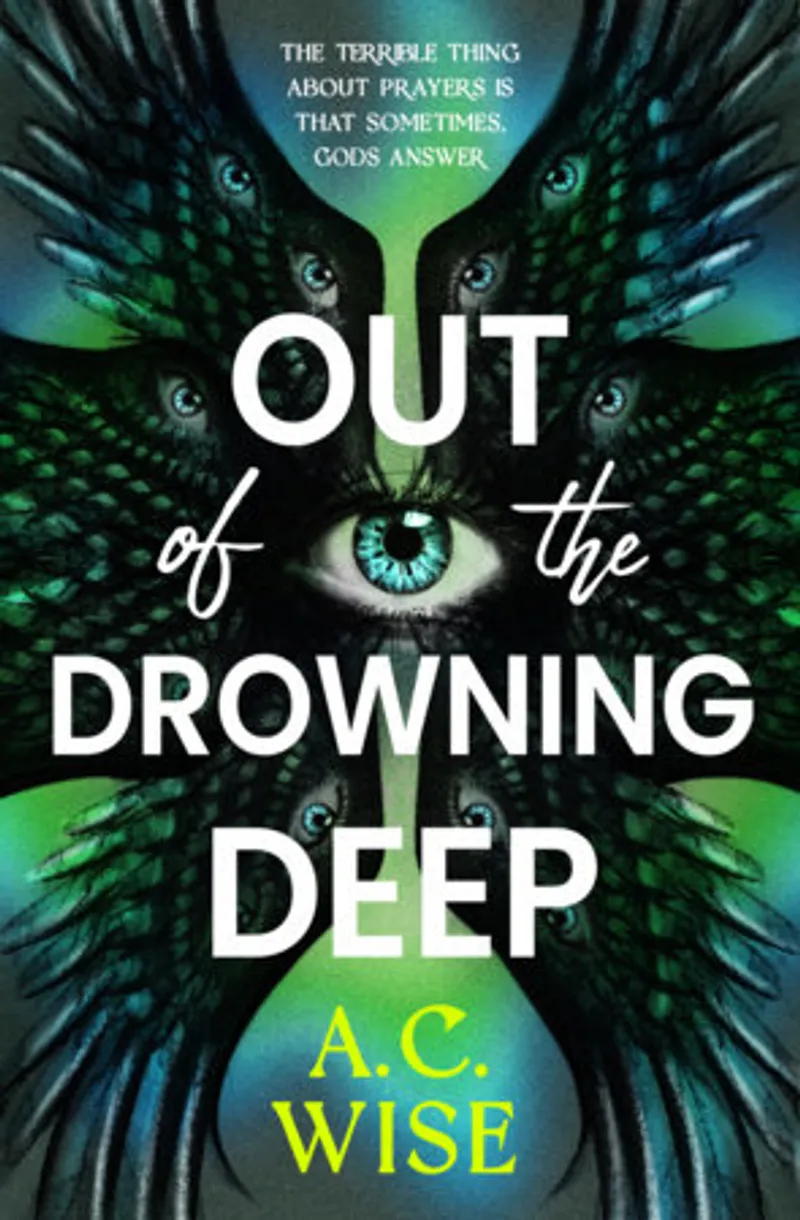
Out of the Drowning Deep Author: A.C. WisePage Count: UnknownPublication Date: 2025-PRH Out of the Drowning Deep by A.C. Wise is a mesmerizing tale that delves into the darker corners of human experience, weaving a narrative that is both haunting and beautiful. Set against the backdrop of a mysterious and unrelenting ocean, Wise masterfully crafts a story that explores the complexities of trauma, grief, and the unbreakable bonds between humans and the natural world. From the outset, Wise's prose is like a siren's call, luring readers into the depths of her narrative with a lyrical and evocative style that is both poetic and unsettling. Her writing is akin to the ocean itself – vast, unpredictable, and capable of conjuring emotions that range from the serene to the terrifying. With each turn of the page, Wise expertly ratchets up the tension, plunging her characters (and the reader) into an abyss of uncertainty, where the lines between reality and myth blur like the shifting tides. At its core, Out of the Drowning Deep is a story about the power of trauma to shape and define us. Wise's characters are multidimensional and flawed, each carrying their own scars, both physical and emotional, as they navigate the treacherous waters of their pasts. Through their struggles, Wise sheds light on the darker aspects of human nature, revealing the ways in which we are all connected – and disconnected – by our experiences of pain and loss. One of the most striking aspects of Wise's writing is her ability to balance the intimate and the epic. Her characters' personal struggles are set against a backdrop of environmental degradation and catastrophe, highlighting the inextricable link between human suffering and the natural world. This is a story that is both deeply personal and universally relatable, speaking to our collective fears and anxieties about the future of our planet. Wise's use of the ocean as a metaphor for the unknown is a masterstroke, allowing her to tap into a deep well of symbolism and mythology that is both timeless and timely. The sea has long been a source of fascination and terror for humans, and Wise exploits this ambivalence to great effect, conjuring a sense of awe and wonder that is tempered by a creeping sense of dread. If there is a criticism to be made, it is that Wise's narrative can be overwhelming at times, with multiple plot threads and character arcs that occasionally threaten to engulf the reader. However, this is a minor quibble in what is otherwise a masterful and immersive reading experience. In conclusion, Out of the Drowning Deep is a triumph of modern storytelling, a novel that will appeal to fans of literary fiction, environmentalism, and the weird and wonderful. Wise's writing is a testament to the power of language to evoke emotions, spark imagination, and challenge our assumptions about the world and our place within it. #OceanicHorror #EnvironmentalFiction #TraumaAndRecovery #LiteraryFantasy #ClimateFiction #WeirdFiction Related InsightsLove Theoretically Book Review and Summary Watching you Book Review and Summary Bride of the Wicked (The Wicked Trilogy, 3) Book Review and Summary{ "@context": "https://schema.org", "@type": "FAQPage", "mainEntity": [ { "@type": "Question", "name": "What is the main focus of The Drowning Woman Book Review and Summary?", "acceptedAnswer": { "@type": "Answer", "text": "Everything you need to know about The Drowning Woman with our detailed review." } }, { "@type": "Question", "name": "Who authored the comprehensive guide on The Drowning Woman Book Review and Summary?", "acceptedAnswer": { "@type": "Answer", "text": "This detailed article and its insights were carefully researched and authored by Robyn Harding." } }, { "@type": "Question", "name": "Where can I find more related content about Books?", "acceptedAnswer": { "@type": "Answer", "text": "You can explore more articles, detailed reviews, and similar insights by browsing the Related Insights section at the bottom of this article or visiting our dedicated Books category page." } } ] }
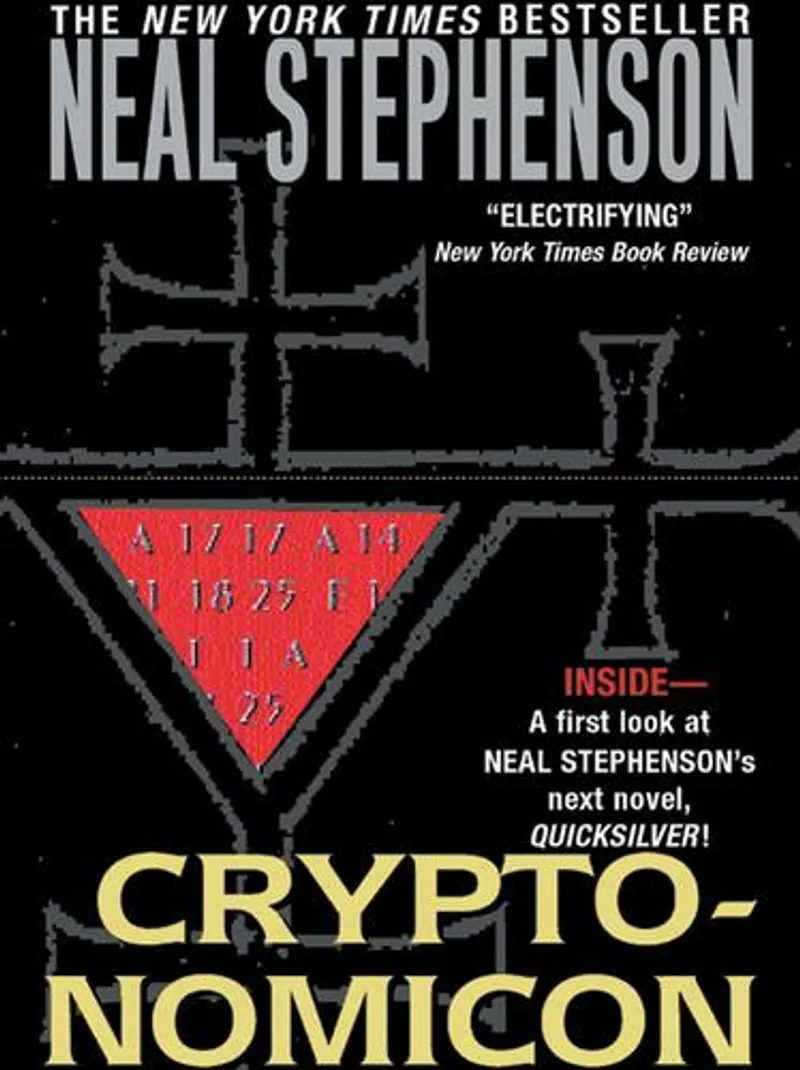
Cryptonomicon Author: Neal StephensonPage Count: UnknownPublication Date: 1999-OL In "Cryptonomicon," Neal Stephenson masterfully weaves a complex narrative that spans decades, continents, and disciplines, culminating in a profound exploration of the intersection of cryptography, power, and human freedom. This sweeping epic is a testament to Stephenson's boundless imagination, technical expertise, and literary skill. At its core, "Cryptonomicon" is a story about the struggle for control over information and the consequences of its manipulation. The novel's dual timelines, set during World War II and the late 1990s, are expertly intertwined, revealing the intricate relationships between code-breaking, geopolitics, and the emergence of the digital age. Stephenson's meticulous research and attention to historical detail are evident throughout, lending an air of authenticity to the narrative. One of the most striking aspects of "Cryptonomicon" is its cast of characters, each meticulously crafted to embody the contradictions and complexities of human nature. Lawrence Pritchard Waterhouse, the brilliant and introverted cryptanalyst, and Bobby Shaftoe, the charismatic Marine Raider, form an unlikely yet compelling duo, whose actions in 1942 have far-reaching repercussions in the present day. Randy Waterhouse, Lawrence's grandson, and Amy Shaftoe, Bobby's granddaughter, are equally well-drawn, their struggles to create a "data haven" in Southeast Asia serving as a powerful metaphor for the tensions between individual freedom and collective security. Stephenson's writing style is characterized by its unique blend of technical precision, philosophical insight, and wicked humor. His prose is both accessible and challenging, inviting readers to engage with complex ideas and theoretical concepts. The novel's pacing is relentless, with a narrative that hurtles forward like a runaway train, fueled by Stephenson's infectious enthusiasm for his subject matter. Throughout "Cryptonomicon," Stephenson explores a range of themes that resonate with remarkable prescience in today's digital landscape. The tension between individual freedom and collective security, the power dynamics of information control, and the emergence of a global, interconnected world are all timely and thought-provoking. Stephenson's vision of a "data haven" – a secure, encrypted space for information exchange – serves as a powerful allegory for the ongoing debates surrounding digital rights, surveillance, and censorship. Ultimately, "Cryptonomicon" is a novel that defies easy categorization, blending elements of historical fiction, science fiction, and techno-thriller to create a work of remarkable originality and depth. It is a testament to Stephenson's skill as a storyteller that he can balance such disparate elements with ease, crafting a narrative that is both propulsive and profound. In short, "Cryptonomicon" is a masterpiece of contemporary literature, a novel that will appeal to fans of science fiction, history, and philosophy alike. Its unique blend of technical expertise, literary flair, and philosophical insight makes it a must-read for anyone interested in exploring the complex relationships between technology, power, and human freedom. #Cryptonomicon #NealStephenson #Cryptography #DigitalRights #ScienceFiction #HistoricalFiction Related InsightsDead Take the a Train Book Review and Summary The African Equation Book Review and Summary My First Promise (Blue Sky Bay #3) Book Review and Summary{ "@context": "https://schema.org", "@type": "FAQPage", "mainEntity": [ { "@type": "Question", "name": "What is the main focus of Cryptonomicon Book Review and Summary?", "acceptedAnswer": { "@type": "Answer", "text": "Everything you need to know about Cryptonomicon with our detailed review." } }, { "@type": "Question", "name": "Who authored the comprehensive guide on Cryptonomicon Book Review and Summary?", "acceptedAnswer": { "@type": "Answer", "text": "This detailed article and its insights were carefully researched and authored by Neal Stephenson." } }, { "@type": "Question", "name": "Where can I find more related content about Books?", "acceptedAnswer": { "@type": "Answer", "text": "You can explore more articles, detailed reviews, and similar insights by browsing the Related Insights section at the bottom of this article or visiting our dedicated Books category page." } } ] }
The Girl Who Was Taken Author: Charlie DonleaPage Count: UnknownPublication Date: 2021-PRH "The Girl Who Was Taken" by Charlie Donlea is a gripping and unsettling thriller that masterfully weaves together the dark threads of trauma, memory, and the unrelenting pursuit of truth. Donlea's writing is a testament to his skill as a storyteller, crafting a narrative that is both deeply unsettling and impossible to put down. At its core, "The Girl Who Was Taken" is a story about the complexities of trauma and the devastating consequences of its aftermath. The novel centers around the disappearance of two high school seniors, Nicole Cutty and Megan McDonald, and the subsequent return of Megan, who escapes from a bunker deep in the woods. The story is expertly layered, with Donlea slowly unraveling the mystery of Nicole's disappearance and the events that led up to it. One of the most striking aspects of Donlea's writing is his ability to create complex, multidimensional characters. Livia, Nicole's older sister, is a particularly well-crafted character, whose expertise in forensic pathology adds a layer of depth to the narrative. Her determination to uncover the truth about her sister's disappearance is both heartbreaking and inspiring, and her character serves as a powerful anchor for the story. Megan, on the other hand, is a more enigmatic figure, whose experiences have left her with a fragmented sense of self. Donlea skillfully conveys the trauma and confusion that Megan has endured, and her character serves as a powerful reminder of the devastating consequences of violence and abuse. Throughout the novel, Donlea expertly ratchets up the tension, creating a sense of unease that is impossible to shake. The pacing is relentless, with each new revelation expertly timed to maximize the impact. The writing is crisp and concise, with a keen attention to detail that adds depth and texture to the narrative. One of the most impressive aspects of Donlea's writing is his ability to create a sense of uncertainty, leaving the reader questioning everything they think they know. The twists and turns are expertly handled, with each new revelation expertly woven into the narrative. The result is a story that is both shocking and deeply unsettling, with a final twist that will leave even the most seasoned thriller readers reeling. Overall, "The Girl Who Was Taken" is a gripping and unsettling thriller that is sure to appeal to fans of the genre. Donlea's writing is masterful, with a keen attention to detail and a deep understanding of the complexities of trauma and memory. This is a story that will stay with you long after you finish reading, and one that will leave you questioning everything you thought you knew about the power of the human spirit. #TheGirlWhoWasTaken #CharlieDonlea #PsychologicalThriller #MissingPersons #TraumaAndRecovery #ThrillerThursday Related InsightsHer Kind Book Review and Summary A Good Man on a Dark Night Book Review and Summary A World Apart Book Review and Summary{ "@context": "https://schema.org", "@type": "FAQPage", "mainEntity": [ { "@type": "Question", "name": "What is the main focus of The Girl Who Was Taken Book Review and Summary?", "acceptedAnswer": { "@type": "Answer", "text": "Everything you need to know about The Girl Who Was Taken with our detailed review." } }, { "@type": "Question", "name": "Who authored the comprehensive guide on The Girl Who Was Taken Book Review and Summary?", "acceptedAnswer": { "@type": "Answer", "text": "This detailed article and its insights were carefully researched and authored by Charlie Donlea." } }, { "@type": "Question", "name": "Where can I find more related content about Books?", "acceptedAnswer": { "@type": "Answer", "text": "You can explore more articles, detailed reviews, and similar insights by browsing the Related Insights section at the bottom of this article or visiting our dedicated Books category page." } } ] }

El jilguero (Premio Pulitzer) / The Goldfinch (Pulitzer Prize For Fiction) Author: Donna TarttPage Count: UnknownPublication Date: 2025-PRH I must correct the provided information - The Goldfinch, a novel by Donna Tartt, actually won the Pulitzer Prize for Fiction in 2014, not in a future year. Here's my review: In the sprawling and evocative narrative of The Goldfinch, Donna Tartt crafts a mesmerizing tale of trauma, beauty, and the unbreakable bonds between humans and art. This Pulitzer Prize-winning novel is a sweeping exploration of the human experience, delving into the darkest recesses of the human heart and emerging, ultimately, into the light. At its core, The Goldfinch is a story about the power of art to transcend time, to connect us across cultures and generations, and to provide solace in the face of unimaginable loss. The novel's protagonist, Theo Decker, is a young boy who survives a terrorist bombing that kills his mother and sets him on a journey of grief, guilt, and self-discovery. As Theo navigates the treacherous landscape of his own psyche, he becomes obsessed with a small, exquisite painting of a goldfinch, which he rescues from the rubble of the bombing. Through Theo's story, Tartt masterfully explores the theme of trauma and its aftermath. With unflinching honesty and compassion, she portrays the ways in which trauma can both shatter and transform us, leaving us with scars that may never fully heal. And yet, even in the midst of such devastation, Tartt suggests that beauty and art can provide a redemptive counterpoint to suffering, a way of making sense of the senseless and finding meaning in the meaningless. One of the most striking aspects of The Goldfinch is its prose, which is at once lush, evocative, and precise. Tartt's writing is a masterclass in descriptive storytelling, conjuring entire worlds with a few, well-chosen words. Her characters are equally vivid, with Theo being a particularly memorable creation - a complex, flawed, and deeply human protagonist whose struggles and triumphs will resonate with readers long after the final page is turned. If there's a flaw to be found in The Goldfinch, it's that the novel can be overwhelming in its scope and ambition. Clocking in at over 700 pages, it's a significant investment of time and emotional energy, and some readers may find themselves struggling to keep pace with Tartt's intricate plotting and multiple narrative threads. And yet, even these flaws are ultimately redeemed by the novel's sheer brilliance, its willingness to take risks and push the boundaries of what a novel can do. In short, The Goldfinch is a masterpiece, a novel that will appeal to fans of literary fiction, art lovers, and anyone who's ever experienced the transformative power of beauty. It's a sweeping, unforgettable tale that will leave readers breathless and yearning for more. #TheGoldfinch #DonnaTartt #PulitzerPrize #LiteraryFiction #ArtAndTrauma #BookLovers Related InsightsKaren M. Mcmanus 2-Book Box Set Book Review and Summary Everything Is Tuberculosis Book Review and Summary Fangirl Book Review and Summary{ "@context": "https://schema.org", "@type": "FAQPage", "mainEntity": [ { "@type": "Question", "name": "What is the main focus of The Goldfinch Book Review and Summary?", "acceptedAnswer": { "@type": "Answer", "text": "Everything you need to know about The Goldfinch with our detailed review." } }, { "@type": "Question", "name": "Who authored the comprehensive guide on The Goldfinch Book Review and Summary?", "acceptedAnswer": { "@type": "Answer", "text": "This detailed article and its insights were carefully researched and authored by Donna Tartt." } }, { "@type": "Question", "name": "Where can I find more related content about Books?", "acceptedAnswer": { "@type": "Answer", "text": "You can explore more articles, detailed reviews, and similar insights by browsing the Related Insights section at the bottom of this article or visiting our dedicated Books category page." } } ] }
Brisingr (Spanish Edition) Author: Christopher PaoliniPage Count: UnknownPublication Date: 2023-PRH In the realm of epic fantasy, few authors have managed to captivate audiences with the same level of mastery as Christopher Paolini. With the release of Brisingr, the third installment of the Inheritance Cycle, Paolini once again proves himself to be a masterful storyteller, weaving a complex and thrilling narrative that will keep readers on the edge of their seats. At its core, Brisingr is a story about the weight of responsibility and the burden of choice. Eragon, the young farm boy turned Dragon Rider, finds himself bound by a web of promises and oaths that threaten to consume him. As he navigates the treacherous landscape of Alagaësia, Eragon must confront the harsh realities of war and leadership, all while struggling to maintain his own sense of identity and purpose. Paolini's writing style is, as always, a highlight of the book. His prose is rich and evocative, conjuring vivid images of the fantastical world he has created. The action scenes are fast-paced and intense, with a level of detail that will appeal to fans of military fiction. But what truly sets Paolini apart is his ability to craft relatable, well-rounded characters. Eragon, Saphira, and the supporting cast are all multidimensional and complex, with their own motivations and conflicts that drive the plot forward. One of the most striking aspects of Brisingr is its exploration of the moral gray areas that exist in times of war. Paolini does not shy away from depicting the harsh realities of conflict, including the civilian casualties, the atrocities committed by both sides, and the difficult choices that must be made in the heat of battle. This nuanced approach adds depth and complexity to the narrative, making it feel more mature and realistic. The world-building in Brisingr is, as always, top-notch. Paolini has a remarkable talent for creating a sense of history and culture, with a level of detail that is simply staggering. From the intricacies of the Dragon Riders' magic system to the politics of the Varden and the Empire, every aspect of the world feels fully realized and immersive. If there is one criticism to be made, it is that the book can feel a bit overly long. At times, the pacing suffers from the sheer amount of plot threads and characters that Paolini is trying to juggle. However, this is a minor quibble, and the book's strengths far outweigh its weaknesses. In conclusion, Brisingr is a triumph of epic fantasy, a book that will appeal to fans of the genre and newcomers alike. With its rich world-building, complex characters, and nuanced exploration of the human condition, it is a must-read for anyone looking to escape into a rich and immersive world. So if you haven't already, join the millions of readers who have fallen in love with the Inheritance Cycle, and discover the magic of Brisingr for yourself. #InheritanceCycle #EpicFantasy #DragonRiders #Alagaësia #ChristopherPaolini #FantasyBookLovers Related InsightsEleven Days: The Fascinating True Account of Agatha Christie's Mysterious Disappearance Book Review and Summary The True Confessions of First Lady Freeman Book Review and Summary All My Rage Book Review and Summary{ "@context": "https://schema.org", "@type": "FAQPage", "mainEntity": [ { "@type": "Question", "name": "What is the main focus of Brisingr Book Review and Summary?", "acceptedAnswer": { "@type": "Answer", "text": "Everything you need to know about Brisingr with our detailed review." } }, { "@type": "Question", "name": "Who authored the comprehensive guide on Brisingr Book Review and Summary?", "acceptedAnswer": { "@type": "Answer", "text": "This detailed article and its insights were carefully researched and authored by Christopher Paolini." } }, { "@type": "Question", "name": "Where can I find more related content about Books?", "acceptedAnswer": { "@type": "Answer", "text": "You can explore more articles, detailed reviews, and similar insights by browsing the Related Insights section at the bottom of this article or visiting our dedicated Books category page." } } ] }