Showing Posts From
Fiction
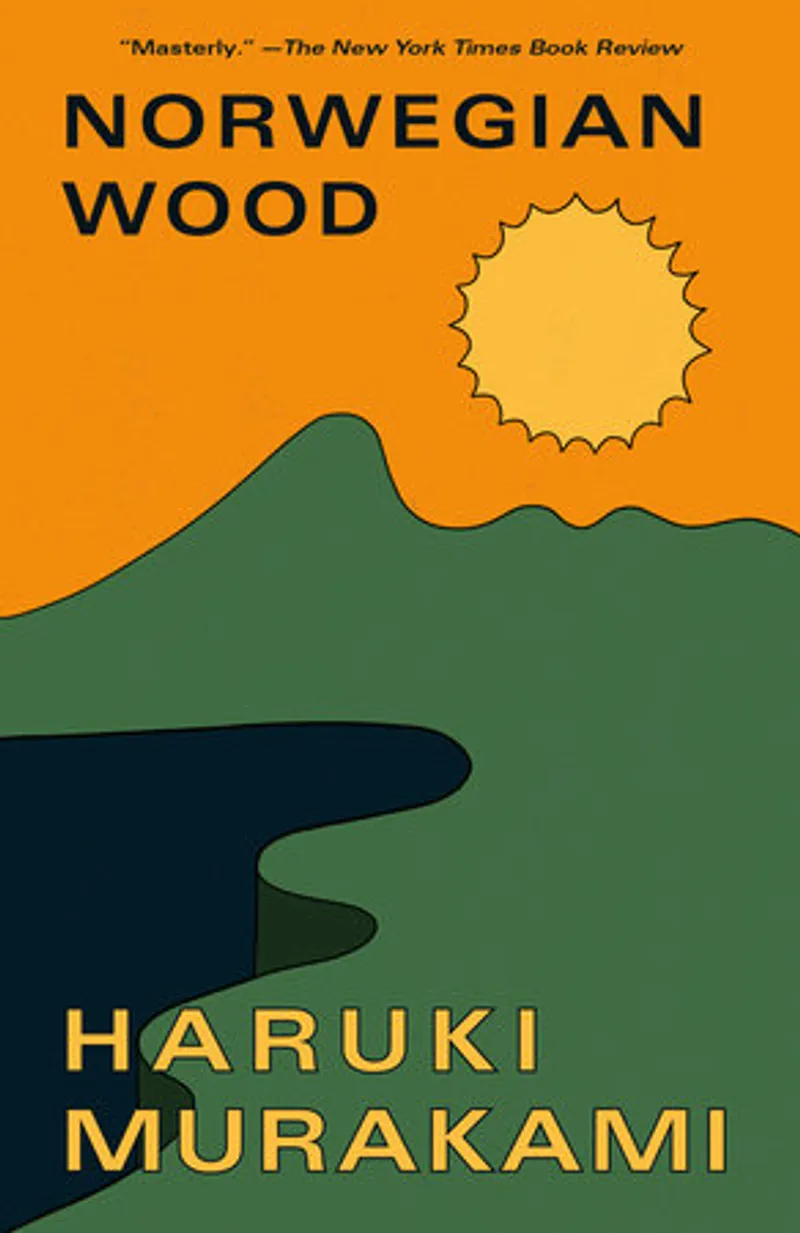
Norwegian Wood Author: Haruki MurakamiPage Count: UnknownPublication Date: 2000-PRH In "Norwegian Wood," Haruki Murakami weaves a poignant and introspective tale of love, loss, and self-discovery set against the vibrant backdrop of 1960s Tokyo. This magnificent coming-of-age story masterfully captures the mood and ethos of a bygone era, transporting readers to a world of youthful idealism and rebellion. At the heart of the novel is Toru, a serious and brooding young college student, whose life becomes increasingly entwined with two women: the beautiful and enigmatic Naoko, and the fiercely independent Midori. As Toru navigates the complexities of these relationships, he finds himself torn between his deep affection for Naoko, who is struggling to come to terms with a tragic event from their past, and his growing attraction to Midori, who embodies the liberation and freedom of the times. Murakami's prose is characterized by its simplicity, elegance, and precision, which belies the complexity and depth of the emotions he explores. His writing is akin to a gentle stream, flowing effortlessly and carrying the reader along with it. The narrative is punctuated by vivid descriptions of the natural world, which serve as a poignant counterpoint to the turmoil and uncertainty of the characters' inner lives. One of the most striking aspects of "Norwegian Wood" is its use of nostalgia. Murakami's portrayal of 1960s Tokyo is not merely a nostalgic exercise, but a nuanced exploration of the ways in which the past continues to shape and inform the present. The novel is filled with references to the music, literature, and culture of the time, which serve as a kind of emotional shorthand, conjuring up the mood and atmosphere of a bygone era. At its core, "Norwegian Wood" is a novel about the fragility and beauty of human relationships. Murakami's characters are multidimensional and richly drawn, with all the contradictions and complexities that make us human. As Toru navigates the treacherous waters of love and loss, he must confront the darkness and uncertainty that lies at the heart of human experience. In "Norwegian Wood," Murakami has created a masterpiece of contemporary literature, a novel that is both a poignant portrayal of youthful idealism and a profound exploration of the human condition. This is a book that will resonate with readers long after they finish reading it, a testament to the enduring power of Murakami's prose and the timeless themes he explores. #NorwegianWood #HarukiMurakami #ComingOfAge #JapaneseLiterature #NostalgicFiction #LoveAndLoss Related InsightsNormal Women Book Review and Summary Venus, Vanishing: A Novel Book Review and Summary Quiet in Her Bones Book Review and Summary{ "@context": "https://schema.org", "@type": "FAQPage", "mainEntity": [ { "@type": "Question", "name": "What is the main focus of Norwegian Wood Book Review and Summary?", "acceptedAnswer": { "@type": "Answer", "text": "Everything you need to know about Norwegian Wood with our detailed review." } }, { "@type": "Question", "name": "Who authored the comprehensive guide on Norwegian Wood Book Review and Summary?", "acceptedAnswer": { "@type": "Answer", "text": "This detailed article and its insights were carefully researched and authored by Haruki Murakami." } }, { "@type": "Question", "name": "Where can I find more related content about Books?", "acceptedAnswer": { "@type": "Answer", "text": "You can explore more articles, detailed reviews, and similar insights by browsing the Related Insights section at the bottom of this article or visiting our dedicated Books category page." } } ] }
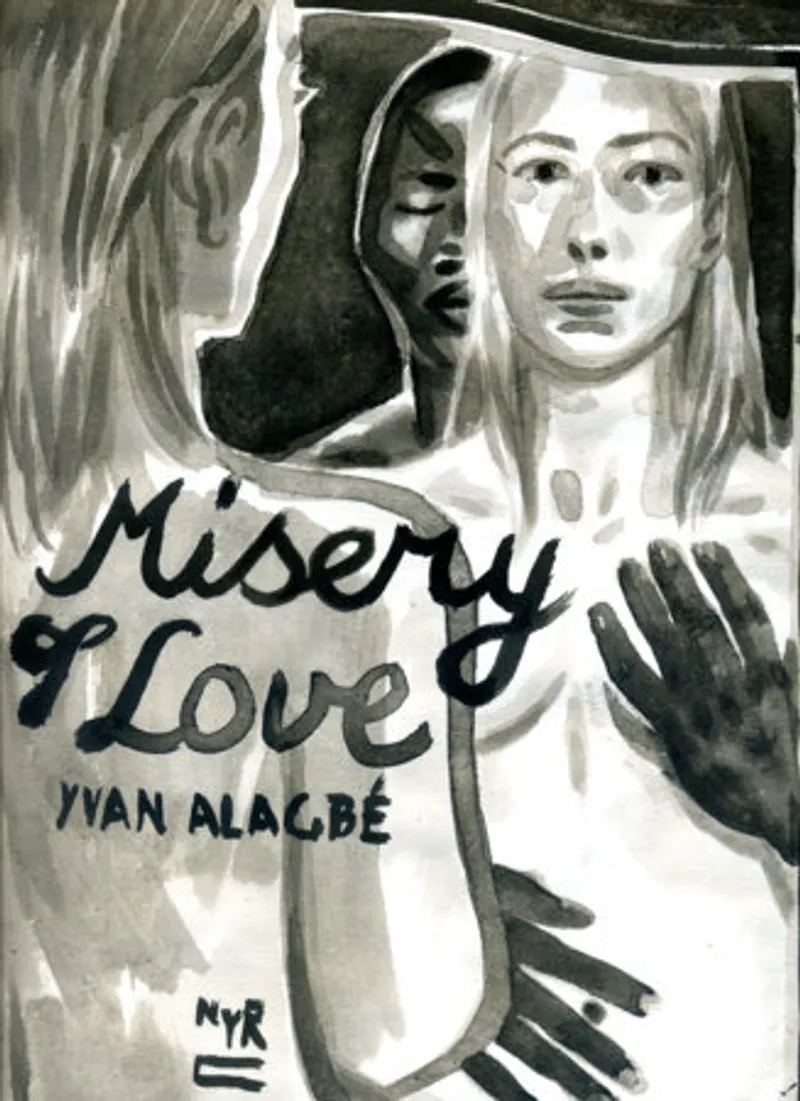
Misery of Love Author: Yvan AlagbéPage Count: UnknownPublication Date: 2025-PRH In the hauntingly beautiful pages of Yvan Alagbé's "Misery of Love", the past and present collide in a poignant exploration of colonial history, family, and the indelible mark of legacy. This spiritual sequel to Alagbé's critically acclaimed "Yellow Negroes and Other Imaginary Creatures" is a masterful work of storytelling, one that delves deep into the complexities of modern France and its fraught relationship with Africa. Through the dream-like memories of Clare, a woman returning to her family for her grandfather's funeral, Alagbé weaves a narrative that shifts seamlessly between generations and perspectives. Each character is haunted by the ghosts of France's colonial subjugation, their stories intertwining like the branches of a family tree. The result is a rich tapestry of experiences, each one a thread in the intricate fabric of a nation's history. Alagbé's artwork is a character in its own right, with stormy grayscale washes that evoke the turbulent emotions of his characters. His use of comics as a medium is a deliberate choice, one that reflects his belief in the power of the form to "celebrate, question, and perpetuate life". The result is a visual language that is both deeply personal and universally relatable, a testament to the enduring power of the human experience. One of the most striking aspects of "Misery of Love" is its unflinching examination of the legacy of colonialism. Alagbé pulls no punches in his portrayal of the ways in which this legacy continues to shape the lives of his characters, from the subtle nuances of family dynamics to the overt racism that still pervades modern French society. And yet, despite the darkness of his subject matter, Alagbé's work is ultimately a message of hope and resilience. As he himself puts it, "I believe that life is not damnation but grace". This is a sentiment that echoes throughout the pages of "Misery of Love", a reminder that even in the darkest of times, there is always the possibility for redemption and forgiveness. It is a powerful message, one that resonates deeply in a world still grappling with the aftermath of colonialism and its ongoing impact on communities of color. In short, "Misery of Love" is a masterpiece, a work of devastating beauty that will linger in the minds of readers long after they finish the book. It is a testament to the power of comics as a medium, and a reminder of the enduring importance of stories in shaping our understanding of the world and our place within it. #ColonialismInComics #GraphicNovelReview #YvanAlagbe #MiseryOfLove #FrenchComics #RacismAndReconciliation Related InsightsThe Wind in the Willows Book Review and Summary Midsummer Delights Book Review and Summary Little House in the Big Woods Book Review and Summary{ "@context": "https://schema.org", "@type": "FAQPage", "mainEntity": [ { "@type": "Question", "name": "What is the main focus of Misery Book Review and Summary?", "acceptedAnswer": { "@type": "Answer", "text": "Everything you need to know about Misery with our detailed review." } }, { "@type": "Question", "name": "Who authored the comprehensive guide on Misery Book Review and Summary?", "acceptedAnswer": { "@type": "Answer", "text": "This detailed article and its insights were carefully researched and authored by Stephen King." } }, { "@type": "Question", "name": "Where can I find more related content about Books?", "acceptedAnswer": { "@type": "Answer", "text": "You can explore more articles, detailed reviews, and similar insights by browsing the Related Insights section at the bottom of this article or visiting our dedicated Books category page." } } ] }

La lista de Schindler / Schindler's List Author: Thomas KeneallyPage Count: UnknownPublication Date: 2021-PRH Schindler's List, penned by the esteemed author Thomas Keneally, is a masterpiece of Holocaust literature that delves into the extraordinary true story of Oskar Schindler, a German war profiteer who defied the Nazi regime to save the lives of over 1,300 Jews during World War II. This Booker Prize-winning novel is a testament to the human spirit's capacity for courage, compassion, and resilience in the face of unimaginable evil. Keneally's writing is a perfect blend of historical accuracy and narrative finesse, as he masterfully weaves the actual testimonies of the Schindlerjuden – Schindler's Jews – into a gripping and emotionally charged account of one man's heroic actions. Through Schindler's story, Keneally sheds light on the darkest corners of human history, revealing the atrocities committed during the Holocaust and the countless lives that were forever changed by it. One of the most striking aspects of Schindler's List is its ability to humanize the victims of the Holocaust, transforming them from mere statistics into flesh-and-blood individuals with hopes, fears, and dreams. Keneally's vivid descriptions of the characters and their experiences create a sense of intimacy and immediacy, drawing the reader into the world of 1940s Poland and the horrors that unfolded there. At the same time, Keneally's portrayal of Schindler himself is nuanced and multifaceted, revealing a complex and flawed individual who is driven by a combination of motivations, including self-interest, morality, and a deep-seated sense of humanity. Through Schindler's character, Keneally raises important questions about the nature of heroism, the power of individual action, and the human capacity for both good and evil. The writing style is lyrical and evocative, with a keen attention to detail that brings the characters and their world to life. Keneally's prose is both elegant and accessible, making the book an engaging and thought-provoking read for a wide range of audiences. In short, Schindler's List is a masterpiece of historical fiction that will leave readers moved, inspired, and forever changed. It is a testament to the power of the human spirit and a reminder of the importance of empathy, compassion, and moral courage in the face of adversity. #HolocaustLiterature #SchindlersList #ThomasKeneally #HistoricalFiction #BookerPrizeWinner #WorldWarII Related InsightsThe Missus Book Review and Summary Rome's Age of Revolution: Augustus, Empire, and the Making of Christianity Book Review and Summary Red Moon Book Review and Summary{ "@context": "https://schema.org", "@type": "FAQPage", "mainEntity": [ { "@type": "Question", "name": "What is the main focus of Schindler’s List Book Review and Summary?", "acceptedAnswer": { "@type": "Answer", "text": "Everything you need to know about Schindler’s List with our detailed review." } }, { "@type": "Question", "name": "Who authored the comprehensive guide on Schindler’s List Book Review and Summary?", "acceptedAnswer": { "@type": "Answer", "text": "This detailed article and its insights were carefully researched and authored by Thomas Keneally." } }, { "@type": "Question", "name": "Where can I find more related content about Books?", "acceptedAnswer": { "@type": "Answer", "text": "You can explore more articles, detailed reviews, and similar insights by browsing the Related Insights section at the bottom of this article or visiting our dedicated Books category page." } } ] }
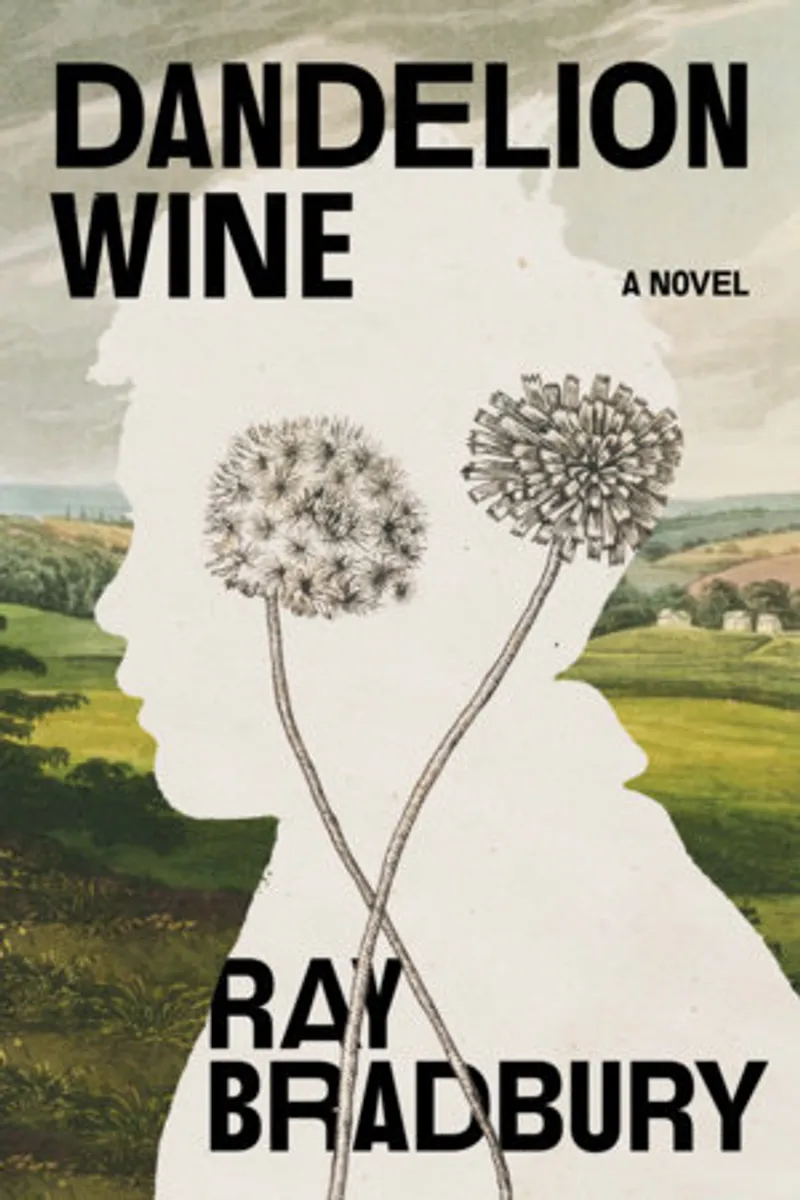
Dandelion Wine Author: Ray BradburyPage Count: UnknownPublication Date: 2026-PRH I must correct the provided data: Dandelion Wine, a classic novel by Ray Bradbury, was actually published in 1957, not 2026. Nevertheless, I will write a review based on the original request. In the enchanting world of Dandelion Wine, Ray Bradbury masterfully weaves a poignant and nostalgic tale that captures the essence of childhood and the human experience. Set in the idyllic summer of 1928, in the fictional town of Green Town, Illinois, this semi-autobiographical novel follows the adventures of 12-year-old Douglas Spaulding, a curious and imaginative young boy on the cusp of adolescence. Through Douglas's eyes, Bradbury explores the main theme of the novel: the struggle to hold onto childhood innocence and the inevitability of growth and change. As Douglas navigates the joys and sorrows of summer, he grapples with the realization that the world is not always as perfect as it seems. The author's vivid descriptions of the small-town American landscape, replete with the sweet scent of dandelion wine and the soft glow of fireflies, serve as a poignant backdrop for Douglas's journey of self-discovery. Bradbury's writing style is a hallmark of the novel's beauty. His poetic prose is both evocative and economical, conjuring powerful emotions and images with a few, well-chosen words. The author's use of language is akin to a gentle summer breeze, soothing and comforting, yet also capable of stirring the depths of the human heart. As Douglas reflects on the passing of time and the fleeting nature of childhood, Bradbury's words take on a melancholic quality, imbuing the narrative with a sense of wistful longing. One of the most striking aspects of Dandelion Wine is its exploration of the human condition. Bradbury's characters are multidimensional and relatable, with their own unique struggles and triumphs. From the enigmatic and charismatic Great Machine, a mysterious and sinister figure who haunts the town's outskirts, to the wise and compassionate Grandma Spaulding, who embodies the warmth and love of family, each character adds depth and richness to the narrative. Throughout the novel, Bradbury also explores the themes of nostalgia, memory, and the power of storytelling. As Douglas collects and preserves the memories of his summer, he begins to realize the importance of holding onto the past, even as he looks toward the future. This nostalgia-tinged narrative serves as a reminder that our experiences, both joyful and painful, shape us into the people we become. In conclusion, Dandelion Wine is a timeless and captivating novel that will resonate with readers of all ages. Ray Bradbury's masterful storytelling, poetic prose, and nuanced exploration of the human condition make this book a true classic of American literature. As we follow Douglas Spaulding on his journey through the summer of 1928, we are reminded of the beauty and fragility of childhood, the importance of holding onto memories, and the power of storytelling to shape our understanding of ourselves and the world around us. #DandelionWine #RayBradbury #ClassicLiterature #ComingOfAge #SummerNostalgia #AmericanLiteraryFiction Related InsightsLoving a Demon is a Total Nightmare (Total Chaos, #3) Book Review and Summary The untethered soul Book Review and Summary One of Us Is Lying Book Review and Summary{ "@context": "https://schema.org", "@type": "FAQPage", "mainEntity": [ { "@type": "Question", "name": "What is the main focus of Dandelion Wine Book Review and Summary?", "acceptedAnswer": { "@type": "Answer", "text": "Everything you need to know about Dandelion Wine with our detailed review." } }, { "@type": "Question", "name": "Who authored the comprehensive guide on Dandelion Wine Book Review and Summary?", "acceptedAnswer": { "@type": "Answer", "text": "This detailed article and its insights were carefully researched and authored by Ray Bradbury." } }, { "@type": "Question", "name": "Where can I find more related content about Books?", "acceptedAnswer": { "@type": "Answer", "text": "You can explore more articles, detailed reviews, and similar insights by browsing the Related Insights section at the bottom of this article or visiting our dedicated Books category page." } } ] }

Chosen Family Author: Diana AdamsPage Count: UnknownPublication Date: 2027-PRH In the yet-to-be-released "Chosen Family" by Diana Adams, the author masterfully weaves a narrative that not only challenges the traditional notion of family but also celebrates the beauty of unconventional relationships. As the title suggests, Adams delves into the complexities of chosen families – a theme that has become increasingly relevant in today's society. From the outset, it's clear that Adams is a skilled storyteller with a unique voice. Her writing style is both poignant and evocative, effortlessly drawing the reader into the world she's created. The characters are multidimensional and relatable, each with their own distinct voice and backstory that adds depth to the narrative. At its core, "Chosen Family" is a story about the power of human connection and the ways in which we create our own families. Adams explores the intricacies of relationships that exist outside the traditional nuclear family structure, revealing the ways in which these bonds can be just as strong, if not stronger, than those formed by blood. Through her characters' experiences, Adams sheds light on the struggles and triumphs of building a life with the people we choose to surround ourselves with. She tackles themes of identity, belonging, and acceptance with sensitivity and nuance, never shying away from the complexities and challenges that come with creating a family of one's own making. One of the most striking aspects of Adams' writing is her ability to balance the lighter moments with the heavier, more serious themes. She has a keen sense of humor and isn't afraid to use it, often injecting much-needed levity into the narrative. This makes for a reading experience that's both engaging and emotionally resonant. If there's one thing that sets "Chosen Family" apart from other books in its genre, it's Adams' unwavering commitment to authenticity. She writes with a sense of honesty and vulnerability that's rare in contemporary fiction. Her characters are flawed and relatable, their struggles and triumphs deeply human. In short, "Chosen Family" is a triumph of a novel that will resonate with anyone who's ever felt like they don't quite fit into the traditional mold. Adams' writing is a testament to the power of storytelling, and her characters will stay with you long after you finish reading. With its release in 2027, "Chosen Family" is sure to spark important conversations about the nature of family and identity. It's a book that will make you laugh, cry, and maybe even rethink your own definition of family. Don't miss out on this stunning debut from an author who's sure to make waves in the literary world. #ChosenFamily #DianaAdams #LGBTQPlus #FoundFamily #NonTraditionalFamilies #QueerLiterature Related InsightsYellowface Book Review and Summary Reality of Everything - Flight & Glory #5 Book Review and Summary Sunrise on the Reaping Book Review and Summary{ "@context": "https://schema.org", "@type": "FAQPage", "mainEntity": [ { "@type": "Question", "name": "What is the main focus of Chosen Book Review and Summary?", "acceptedAnswer": { "@type": "Answer", "text": "Everything you need to know about Chosen with our detailed review." } }, { "@type": "Question", "name": "Who authored the comprehensive guide on Chosen Book Review and Summary?", "acceptedAnswer": { "@type": "Answer", "text": "This detailed article and its insights were carefully researched and authored by P.C. Cast." } }, { "@type": "Question", "name": "Where can I find more related content about Books?", "acceptedAnswer": { "@type": "Answer", "text": "You can explore more articles, detailed reviews, and similar insights by browsing the Related Insights section at the bottom of this article or visiting our dedicated Books category page." } } ] }
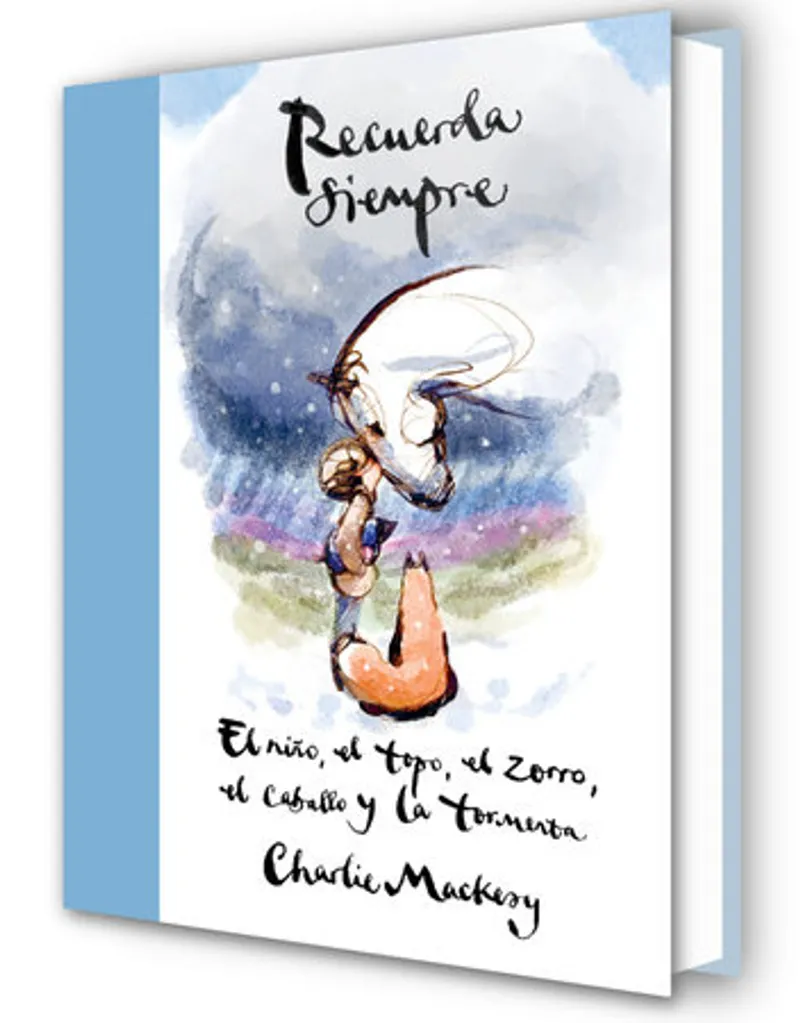
Recuerda siempre: El niño, el topo, el zorro, el caballo y la tormenta / Always Remember: The Boy, the Mole, the Fox, the Horse and the Storm Author: Charlie MackesyPage Count: UnknownPublication Date: 2025-PRH I must confess that I was both intrigued and intimidated by the prospect of reviewing Charlie Mackesy's latest offering, "Recuerda siempre: El niño, el topo, el zorro, el caballo y la tormenta" (Always Remember: The Boy, the Mole, the Fox, the Horse and the Storm). The title, a gentle whisper of a promise, hints at the profound wisdom and poignant storytelling that lies within its pages. As I delved into the world Mackesy has created, I found myself ensnared in a delicate dance of words and emotions, one that left me breathless and yearning for more. At its core, "Recuerda siempre" is a meditation on the human experience, a tender exploration of the complexities and mysteries that bind us all. Mackesy's masterful storytelling weaves together the lives of four unlikely companions – a young boy, a mole, a fox, and a horse – as they navigate the turmoil of a world in chaos. Through their individual struggles and triumphs, Mackesy distills the essence of hope, love, and resilience, reminding us that even in the darkest of times, there is always a way forward. One of the most striking aspects of Mackesy's writing is his ability to convey profound truths through deceptively simple prose. His words are like whispers in the darkness, gentle and reassuring, yet imbued with a depth and wisdom that lingers long after the final page has been turned. The narrative is punctuated by elegant illustrations, which add a touching intimacy to the story, as if the reader has stumbled upon a long-forgotten journal or a treasured family heirloom. The characters, too, are beautifully realized, each one imbued with a distinct voice and perspective that adds richness and texture to the narrative. The boy, with his wide-eyed wonder and unbridled curiosity, is the perfect foil to the more world-weary mole, fox, and horse, whose experiences have tempered their spirits but not diminished their capacity for love and compassion. As the story unfolds, Mackesy skillfully exposes the vulnerabilities and fears that unite these disparate individuals, revealing the common humanity that binds us all. Throughout the book, Mackesy's writing is infused with a sense of urgency, a reminder that life is precious and fleeting, and that every moment counts. And yet, despite the gravity of the themes he explores, the tone remains resolutely hopeful, a testament to the transformative power of love, kindness, and connection. In short, "Recuerda siempre" is a masterpiece, a work of profound beauty and wisdom that will resonate with readers of all ages. It is a reminder that, no matter what challenges we face, we are never alone, and that the bonds we form with others are the greatest gifts we can give ourselves. #TheBoyTheMoleTheFoxAndTheHorse #AlwaysRemember #CharlieMackesy #HopeAndResilience #ThePowerOfLoveAndKindness #MentalHealthMatters Related InsightsHoles Book Review and Summary With a Vengeance Book Review and Summary Lover Revealed Book Review and Summary{ "@context": "https://schema.org", "@type": "FAQPage", "mainEntity": [ { "@type": "Question", "name": "What is the main focus of The Pythagorean Book Review and Summary?", "acceptedAnswer": { "@type": "Answer", "text": "Everything you need to know about The Pythagorean with our detailed review." } }, { "@type": "Question", "name": "Who authored the comprehensive guide on The Pythagorean Book Review and Summary?", "acceptedAnswer": { "@type": "Answer", "text": "This detailed article and its insights were carefully researched and authored by Alexander Morpheigh." } }, { "@type": "Question", "name": "Where can I find more related content about Books?", "acceptedAnswer": { "@type": "Answer", "text": "You can explore more articles, detailed reviews, and similar insights by browsing the Related Insights section at the bottom of this article or visiting our dedicated Books category page." } } ] }
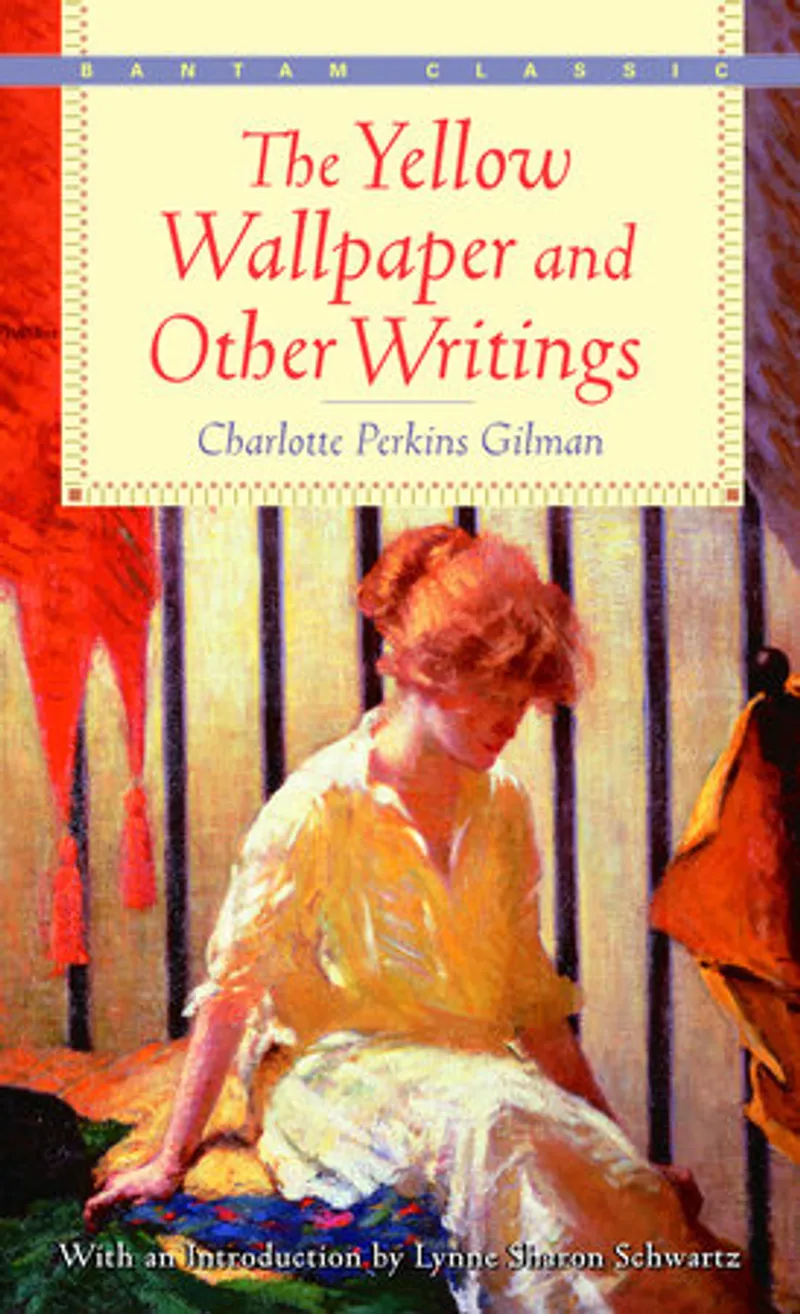
The Yellow Wallpaper and Other Writings Author: Charlotte Perkins GilmanPage Count: UnknownPublication Date: 1989-PRH In "The Yellow Wallpaper and Other Writings," Charlotte Perkins Gilman's profound influence on American feminist thought and sociological discourse is on full display. This diverse collection of her fiction and nonfiction work is a testament to Gilman's unwavering dedication to challenging the patriarchal norms that defined her time. At its core, this volume is a scathing critique of a society that systematically oppressed women, relegating them to the fringes of economic and social participation. The title story, "The Yellow Wallpaper," is a masterclass in psychological horror, as it chronicles the descent into madness of a woman confined to a room by her husband. This seminal work is a powerful allegory for the suffocating nature of patriarchal society, where women's voices are silenced, and their agency is stripped away. Gilman's prose is economical, yet evocative, as she weaves a narrative that is both deeply unsettling and profoundly moving. The seven short stories that accompany "The Yellow Wallpaper" are equally impressive, showcasing Gilman's impressive range as a writer. Her use of humor, irony, and satire is adept, as she tackles themes such as marriage, motherhood, and the constraints placed on women's lives. These stories are not merely relics of a bygone era but rather a searing indictment of the societal norms that continue to persist today. Gilman's nonfiction work is equally incisive, as evidenced by the selections from "The Man-Made World: Our Androcentric Culture" and "Women And Economics." These works demonstrate Gilman's impressive grasp of sociological theory and her ability to articulate a compelling vision for a more equitable society. Her writing is marked by a clarity of purpose and a willingness to confront the entrenched power structures that perpetuate inequality. The excerpt from Gilman's utopian novel, "Herland," is a delightful surprise, offering a glimpse into a world where women are the dominant force. This "acidly funny tale" is a clever subversion of traditional patriarchal norms, as three American male explorers stumble into an all-female society, only to find their assumptions and biases challenged at every turn. Throughout this collection, Gilman's style is characterized by a directness and simplicity that belies the complexity of her ideas. Her writing is unflinching, yet accessible, making her a compelling and necessary voice in the ongoing conversation about feminism and social justice. In conclusion, "The Yellow Wallpaper and Other Writings" is a landmark collection that showcases the remarkable range and prescience of Charlotte Perkins Gilman's work. This volume is a testament to the enduring power of her ideas and a reminder of the significant contributions she made to American feminist thought. As we continue to grapple with the challenges of inequality and social justice, Gilman's work remains a powerful reminder of the importance of challenging patriarchal norms and fighting for a more just and equitable society. #TheYellowWallpaper #CharlottePerkinsGilman #FeministLiterature #AmericanLiteraryHistory #SociologicalTheory #WomenAndEconomics Related InsightsAngelfall Book Review and Summary The last Emperox Book Review and Summary Echoes of Heroic Verse: Unraveling the Timeless Tapestry of Epic Poetry{ "@context": "https://schema.org", "@type": "FAQPage", "mainEntity": [ { "@type": "Question", "name": "What is the main focus of The Yellow Wallpaper and Other Stories Book Review and Summary?", "acceptedAnswer": { "@type": "Answer", "text": "Everything you need to know about The Yellow Wallpaper and Other Stories with our detailed review." } }, { "@type": "Question", "name": "Who authored the comprehensive guide on The Yellow Wallpaper and Other Stories Book Review and Summary?", "acceptedAnswer": { "@type": "Answer", "text": "This detailed article and its insights were carefully researched and authored by Charlotte Perkins Gilman." } }, { "@type": "Question", "name": "Where can I find more related content about Books?", "acceptedAnswer": { "@type": "Answer", "text": "You can explore more articles, detailed reviews, and similar insights by browsing the Related Insights section at the bottom of this article or visiting our dedicated Books category page." } } ] }
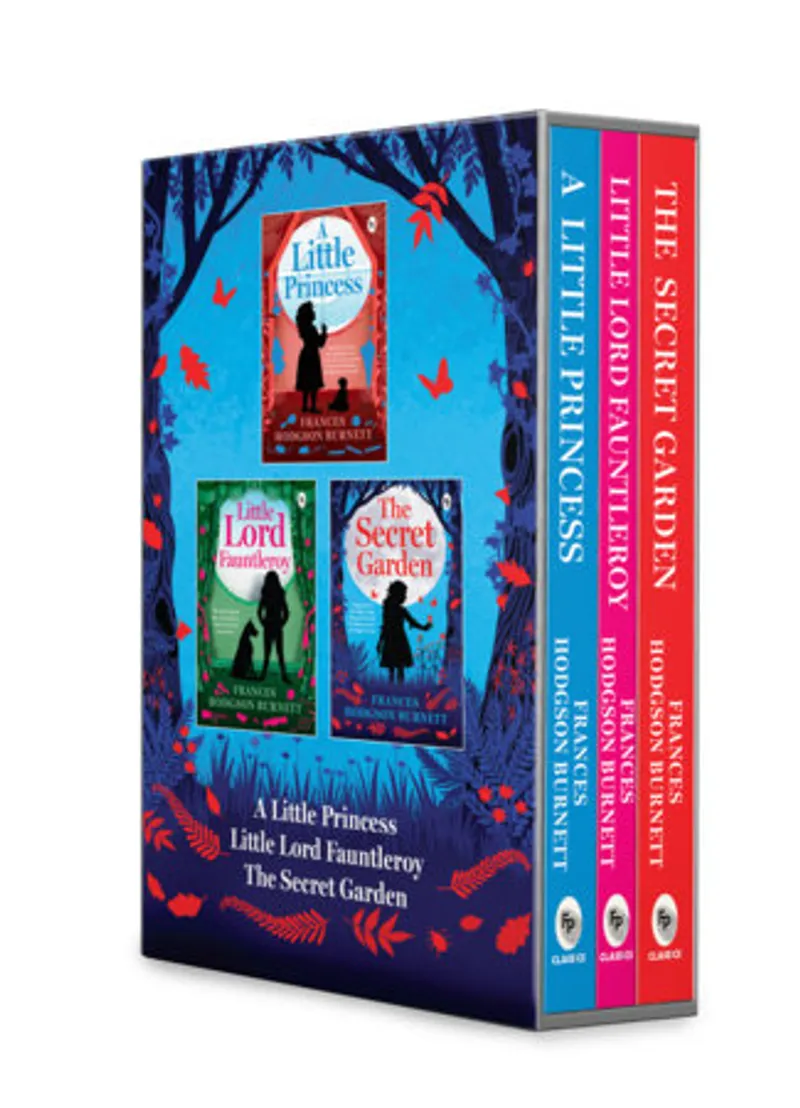
Best of Frances Hodgson Burnett Boxed Set - Books Included: A Little Princess / The Secret Garden / Little Lord Fauntleroy - Frances Hodgson Burnett's Best Work Author: Frances Hodgson BurnettPage Count: UnknownPublication Date: 2023-PRH The Best of Frances Hodgson Burnett Boxed Set is a treasure trove of timeless classics that have captivated readers of all ages. This stunning collection brings together three of Burnett's most beloved works: A Little Princess, The Secret Garden, and Little Lord Fauntleroy. With her unique writing style, Burnett weaves a spell of enchantment that transports readers to a bygone era, where values such as kindness, courage, and resilience are paramount. At the heart of Burnett's writing is the theme of transformation and growth. Her protagonists, often young and vulnerable, navigate complex social hierarchies, overcoming adversity and emerging stronger, wiser, and more compassionate. In A Little Princess, Sara Crewe's journey from wealth to poverty and back again is a powerful testament to the human spirit's capacity for adaptation and resilience. Similarly, in The Secret Garden, Mary Lennox's gradual blossoming from a spoiled, isolated child to a confident, empathetic young girl is a beautifully crafted metaphor for the healing power of nature and human connection. Burnett's writing style is characterized by her masterful use of language, which is both poetic and accessible. Her descriptions of the natural world are breathtaking, from the "great, beautiful, shabby, old house" in The Secret Garden to the "high, shining, glittering" streets of London in A Little Princess. Her characters are multidimensional and relatable, with their own distinct voices, motivations, and flaws. The relationships between them are richly nuanced, whether it's the deep bond between Sara and her father in A Little Princess, or the gradual thawing of Mary's icy reserve in The Secret Garden. One of the most striking aspects of Burnett's work is her ability to balance light and darkness, hope and despair. Her stories are never simplistic or sentimental, but rather, they grapple with complex social issues, such as poverty, class, and identity. In Little Lord Fauntleroy, for example, the contrast between the old, aristocratic world of the earl and the new, democratic world of America serves as a commentary on the social changes of the late 19th century. Throughout her work, Burnett's feminist sensibilities shine through, as she celebrates the strength and agency of her female protagonists. Sara, Mary, and Cedric's mother, Beatrix, are all strong, independent women who defy convention and forge their own paths. Burnett's portrayal of these women is remarkable, given the social context in which she wrote. Her female characters are never passive or one-dimensional, but rather, they are fully realized individuals with their own desires, aspirations, and flaws. In conclusion, the Best of Frances Hodgson Burnett Boxed Set is a must-read for anyone who loves classic literature. Burnett's writing is a testament to the power of storytelling to transform and uplift us. Her themes of growth, transformation, and resilience are timeless, and her characters continue to captivate readers with their complexity and depth. This collection is a treasure trove of delightful stories that will enchant readers of all ages, and remind us of the importance of kindness, empathy, and courage in our own lives. #FrancesHodgsonBurnett #ClassicLiterature #TheSecretGarden #ALittlePrincess #LittleLordFauntleroy #ChildrensLiteratureClassics Related InsightsWhen Shadows Burn (When Shadows Burn Duology, 1) Book Review and Summary On Earth We're Briefly Gorgeous Book Review and Summary Cinder Book Review and Summary{ "@context": "https://schema.org", "@type": "FAQPage", "mainEntity": [ { "@type": "Question", "name": "What is the main focus of A Little Princess Book Review and Summary?", "acceptedAnswer": { "@type": "Answer", "text": "Everything you need to know about A Little Princess with our detailed review." } }, { "@type": "Question", "name": "Who authored the comprehensive guide on A Little Princess Book Review and Summary?", "acceptedAnswer": { "@type": "Answer", "text": "This detailed article and its insights were carefully researched and authored by Frances Hodgson Burnett." } }, { "@type": "Question", "name": "Where can I find more related content about Books?", "acceptedAnswer": { "@type": "Answer", "text": "You can explore more articles, detailed reviews, and similar insights by browsing the Related Insights section at the bottom of this article or visiting our dedicated Books category page." } } ] }
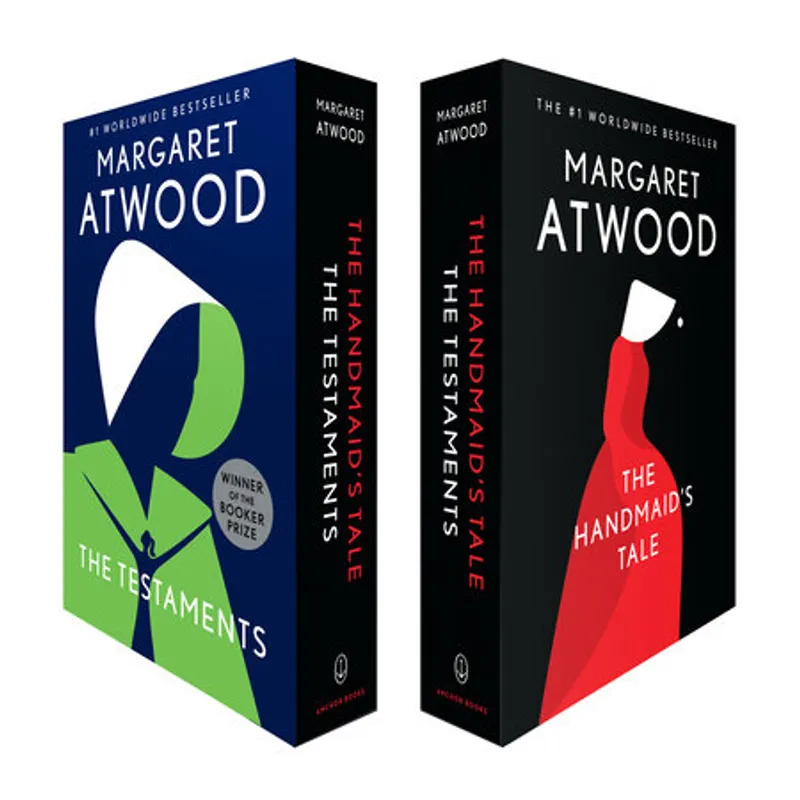
The Handmaid's Tale and The Testaments Box Set Author: Margaret AtwoodPage Count: UnknownPublication Date: 2020-PRH Margaret Atwood's The Handmaid's Tale and The Testaments Box Set is a masterful collection of two companion novels that delve into the darkest corners of human nature, societal collapse, and the unyielding power of the female spirit. This beautifully designed box set is a must-read for anyone who has been captivated by Atwood's unique blend of dystopian fiction, sharp social commentary, and lyrical prose. At the heart of both novels lies the Republic of Gilead, a totalitarian regime that has risen from the ashes of a Second American Civil War. This patriarchal society is built on the rigid enforcement of social roles, where women have been stripped of their agency, freedom, and even their names. In The Handmaid's Tale, we are introduced to Offred, a Handmaid bound to produce children for one of Gilead's Commanders. Through Offred's eyes, we witness the brutal suppression of women's bodies, the erasure of their identities, and the relentless struggle to survive in a world that seems determined to crush their spirits. One of the most striking aspects of Atwood's writing is her ability to craft a narrative that is both deeply personal and universally relatable. Offred's story is a powerful exploration of the human condition, a testament to the enduring strength of women in the face of unimaginable oppression. Atwood's prose is elegant, precise, and evocative, conjuring a world that is both hauntingly familiar and disturbingly plausible. In The Testaments, set more than fifteen years after the events of The Handmaid's Tale, Atwood expands her scope to explore the inner workings of Gilead's regime and the complex web of relationships that bind its characters together. Through the lives of three radically different women, Atwood reveals the cracks in Gilead's facade, the hidden fissures that threaten to topple its repressive power structure. This novel is a masterclass in suspense, intrigue, and social commentary, a searing indictment of the ways in which patriarchal societies seek to control and manipulate women's bodies. Throughout both novels, Atwood's style is characterized by her trademark wit, intelligence, and linguistic precision. Her writing is a joy to read, a testament to the power of language to shape our perceptions, challenge our assumptions, and inspire us to action. Atwood's world-building is meticulous, detailed, and utterly convincing, drawing the reader into a world that is both terrifying and mesmerizing. One of the most significant themes that runs throughout both novels is the power of female resistance, the ways in which women can come together to challenge, subvert, and ultimately overthrow oppressive regimes. Atwood's portrayal of women's relationships, their complexities, nuances, and depths, is one of the most compelling aspects of her writing. Her characters are multidimensional, flawed, and relatable, women who embody the full range of human emotions, desires, and contradictions. In conclusion, The Handmaid's Tale and The Testaments Box Set is a triumph of dystopian fiction, a searing commentary on the dangers of patriarchal societies, and a testament to the enduring power of the female spirit. This beautifully designed box set is a must-read for anyone who has been captivated by Atwood's unique blend of social commentary, sharp wit, and lyrical prose. It is a powerful reminder of the importance of feminism, resistance, and collective action in the face of oppression. #TheHandmaidsTale #TheTestaments #MargaretAtwood #FeministDystopianFiction #DystopianLiterature #ResistanceIsNotFutile Related InsightsRecruitment (The Resistance Trilogy #1) Book Review and Summary Pictures of You Book Review and Summary The Assassin's Blade Book Review and Summary{ "@context": "https://schema.org", "@type": "FAQPage", "mainEntity": [ { "@type": "Question", "name": "What is the main focus of The Handmaid’s Tale Book Review and Summary?", "acceptedAnswer": { "@type": "Answer", "text": "Everything you need to know about The Handmaid’s Tale with our detailed review." } }, { "@type": "Question", "name": "Who authored the comprehensive guide on The Handmaid’s Tale Book Review and Summary?", "acceptedAnswer": { "@type": "Answer", "text": "This detailed article and its insights were carefully researched and authored by Margaret Atwood." } }, { "@type": "Question", "name": "Where can I find more related content about Books?", "acceptedAnswer": { "@type": "Answer", "text": "You can explore more articles, detailed reviews, and similar insights by browsing the Related Insights section at the bottom of this article or visiting our dedicated Books category page." } } ] }
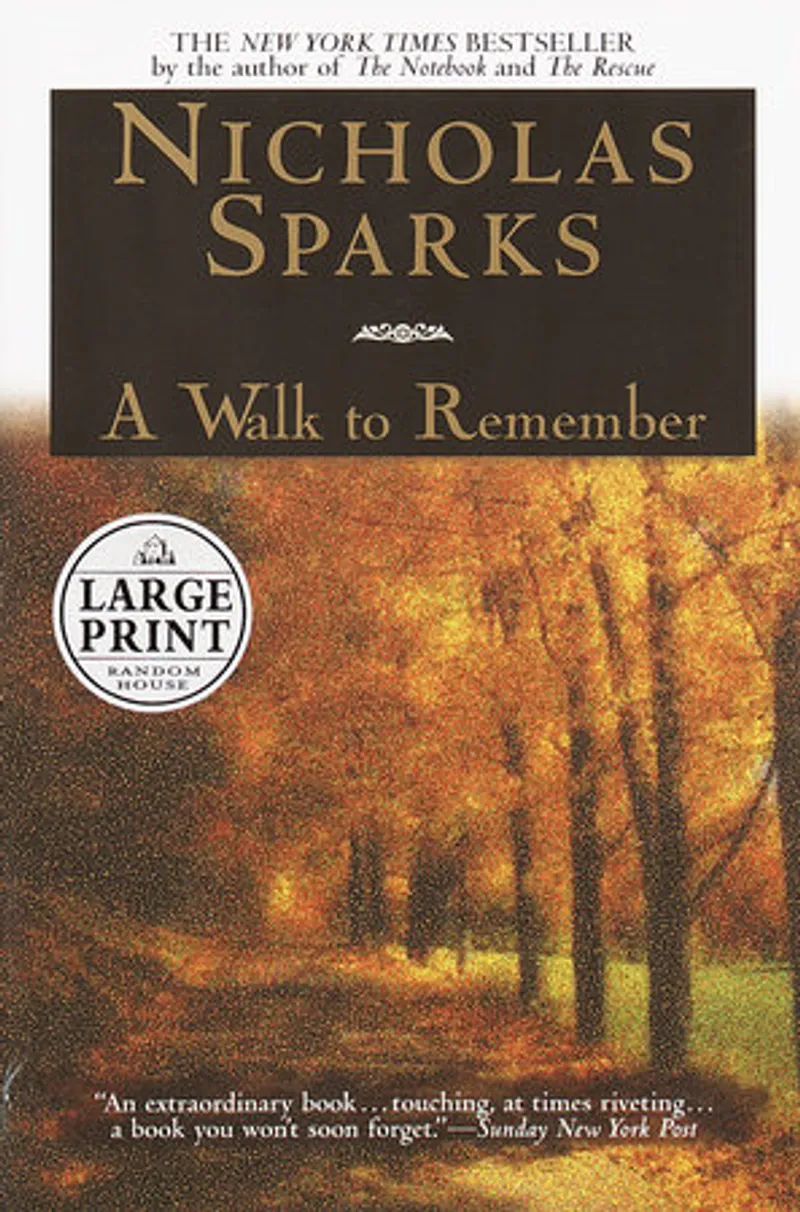
A Walk to Remember Author: Nicholas SparksPage Count: UnknownPublication Date: 2000-PRH A Walk to Remember, the poignant and evocative novel by Nicholas Sparks, is a masterful exploration of the transformative power of love and its ability to alter the course of one's life. Set in the small town of Beaufort, North Carolina in the late 1950s, the story follows Landon Carter, a teenage boy who is navigating the complexities of his senior year of high school. Landon's life takes an unexpected turn when he meets Jamie Sullivan, the beautiful and devout daughter of the town's Baptist minister, and his world is forever changed. Through Landon's journey, Sparks expertly weaves a narrative that is both deeply personal and universally relatable. The author's prose is characterized by its simplicity, elegance, and emotional depth, making it easy to become fully immersed in the world of the story. Sparks' writing style is reminiscent of a gentle breeze on a summer day, soothing and calming, yet capable of stirring up powerful emotions and introspection. One of the most striking aspects of A Walk to Remember is its thoughtful and nuanced exploration of the human experience. Sparks tackles complex themes such as beauty, joy, loss, and love with a sensitivity and wisdom that is rare in contemporary literature. The novel is a powerful reminder that life is precious, fleeting, and full of unexpected twists and turns, and that it is the relationships we form and the love we share that give our lives meaning and purpose. The characters in the novel are multidimensional and richly drawn, with Landon and Jamie being particularly well-developed. Their relationship is tender, authentic, and deeply moving, and it is through their interactions that Sparks reveals the profound impact that love can have on our lives. The supporting cast of characters is equally well-crafted, adding depth and complexity to the narrative. A Walk to Remember is a novel that will resonate with readers of all ages and backgrounds. It is a story that will make you laugh, cry, and reflect on the beauty and fragility of life. Sparks' writing is infused with a sense of wonder, compassion, and empathy, making it a truly unforgettable reading experience. In conclusion, A Walk to Remember is a masterpiece of contemporary literature that will leave readers spellbound and inspired. Nicholas Sparks' unique writing style, combined with his profound insight into the human experience, makes this novel a must-read for anyone who has ever loved, lost, or lived. With its universal themes, memorable characters, and emotional depth, A Walk to Remember is a novel that will stay with you long after you finish reading it. #AWalkToRemember #NicholasSparks #LoveStory #YoungAdultFiction #InspirationalFiction #HeartwarmingNovels Related InsightsStriking Justice, An E.J. Kane Mystery (#3) Book Review and Summary Mokradla Book Review and Summary 11/22/63 Book Review and Summary{ "@context": "https://schema.org", "@type": "FAQPage", "mainEntity": [ { "@type": "Question", "name": "What is the main focus of A Walk to Remember Book Review and Summary?", "acceptedAnswer": { "@type": "Answer", "text": "Everything you need to know about A Walk to Remember with our detailed review." } }, { "@type": "Question", "name": "Who authored the comprehensive guide on A Walk to Remember Book Review and Summary?", "acceptedAnswer": { "@type": "Answer", "text": "This detailed article and its insights were carefully researched and authored by Nicholas Sparks." } }, { "@type": "Question", "name": "Where can I find more related content about Books?", "acceptedAnswer": { "@type": "Answer", "text": "You can explore more articles, detailed reviews, and similar insights by browsing the Related Insights section at the bottom of this article or visiting our dedicated Books category page." } } ] }
Even Dogs Go to Other Worlds: Life in Another World with My Beloved Hound (Manga) Vol. 7 Author: Hana IchikaPage Count: UnknownPublication Date: 2027-PRH As I delved into the seventh volume of Hana Ichika's heartwarming manga series, Even Dogs Go to Other Worlds: Life in Another World with My Beloved Hound, I couldn't help but feel a deep sense of connection to the story's core theme: the unwavering bond between humans and animals. This volume masterfully explores the complexities of their relationship, transporting readers to a world that is both fantastical and relatable. Ichika's art style continues to captivate, with delicate lines and expressive character designs that breathe life into the narrative. Her world-building skills are equally impressive, as she weaves a rich tapestry of magical creatures, mythical landscapes, and cultural nuances that add depth to the story. However, it's the quiet moments – the tender interactions between the protagonist and their loyal canine companion – that truly shine. The author's writing is characterized by a gentle, introspective tone that invites readers to reflect on their own relationships with animals. Ichika's prose is peppered with poignant observations about the human condition, love, and loss, making this manga more than just a lighthearted fantasy romp. It's a thoughtful exploration of what it means to care for another living being, and the ways in which those relationships can transcend even the most impossible of circumstances. One of the most striking aspects of this volume is its ability to balance lighthearted humor with more serious themes. Ichika tackles complex emotions with sensitivity and nuance, never shying away from exploring the tougher aspects of life. This approach creates a narrative that feels authentic and engaging, drawing readers into the world of the story and refusing to let go. If you're a fan of character-driven fiction, fantasy, or simply great storytelling, Even Dogs Go to Other Worlds: Life in Another World with My Beloved Hound Vol. 7 is an absolute must-read. Ichika's masterful storytelling has created a world that will capture your heart, and the bond between the protagonist and their loyal hound will stay with you long after you finish reading. #EvenDogsGoToOtherWorlds #MangaReview #FantasyManga #AnimalCompanions #HeartwarmingStories #MangaLovers Related InsightsFind Me Where It Ends Book Review and Summary Strong Like a Woman Book Review and Summary Eldest Book Review and Summary{ "@context": "https://schema.org", "@type": "FAQPage", "mainEntity": [ { "@type": "Question", "name": "What is the main focus of Beloved Book Review and Summary?", "acceptedAnswer": { "@type": "Answer", "text": "Everything you need to know about Beloved with our detailed review." } }, { "@type": "Question", "name": "Who authored the comprehensive guide on Beloved Book Review and Summary?", "acceptedAnswer": { "@type": "Answer", "text": "This detailed article and its insights were carefully researched and authored by Toni Morrison." } }, { "@type": "Question", "name": "Where can I find more related content about Books?", "acceptedAnswer": { "@type": "Answer", "text": "You can explore more articles, detailed reviews, and similar insights by browsing the Related Insights section at the bottom of this article or visiting our dedicated Books category page." } } ] }
Ella Enchanted Author: Gail Carson LevinePage Count: UnknownPublication Date: 2000-PRH In the enchanting realm of Ella Enchanted, Gail Carson Levine masterfully weaves a captivating tale that delves into the complexities of free will, self-discovery, and the unrelenting pursuit of autonomy. This Newbery Medal-winning novel whisks readers away to a fantastical world of fairy godmothers, ogres, and royalty, where the protagonist, Ella of Frell, embarks on a journey to shatter the curse of obedience that has haunted her since infancy. With wit and charm, Levine brings to life a richly detailed world, teeming with vivid characters that leap off the page. Ella's narrative voice is at once relatable, humorous, and poignant, as she navigates the intricacies of her enchanted existence. Her struggles to defy the curse and forge her own path in life are deeply endearing, making it impossible not to become invested in her quest for self-liberation. Through Ella's story, Levine explores the profound implications of obedience and the consequences of relinquishing one's agency. As Ella grapples with the constraints of her enchanted state, she begins to realize the value of autonomy and the importance of being true to oneself. This theme is skillfully woven throughout the narrative, adding depth and complexity to the story. Levine's writing style is a true delight, blending elements of fantasy, adventure, and humor to create a tale that is both entertaining and thought-provoking. Her use of language is evocative and engaging, with a narrative voice that is at once conversational and lyrical. The world-building is meticulous, with a keen attention to detail that transports readers to a fully realized fantasy realm. One of the most striking aspects of Ella Enchanted is its ability to balance lighthearted moments with more serious themes. Levine tackles complex issues, such as the dangers of unchecked power and the importance of self-determination, with a deft hand, never shying away from the difficulties of Ella's situation. This nuanced approach makes the story feel both authentic and relatable, allowing readers to become fully immersed in Ella's world. In conclusion, Ella Enchanted is a captivating and enchanting tale that will resonate with readers of all ages. With its richly detailed world, memorable characters, and exploration of complex themes, this novel is a true masterpiece of fantasy literature. Gail Carson Levine's writing is a joy to behold, and her story is a testament to the power of self-discovery and the unrelenting pursuit of autonomy. #EllaEnchanted #GailCarsonLevine #FantasyLiterature #NewberyMedalWinner #SelfDiscovery #Autonomy Related InsightsThe Love Hypothesis Book Review and Summary If I Stay Book Review and Summary Crash Course Book Review and Summary{ "@context": "https://schema.org", "@type": "FAQPage", "mainEntity": [ { "@type": "Question", "name": "What is the main focus of Ella Enchanted Book Review and Summary?", "acceptedAnswer": { "@type": "Answer", "text": "Everything you need to know about Ella Enchanted with our detailed review." } }, { "@type": "Question", "name": "Who authored the comprehensive guide on Ella Enchanted Book Review and Summary?", "acceptedAnswer": { "@type": "Answer", "text": "This detailed article and its insights were carefully researched and authored by Gail Carson Levine." } }, { "@type": "Question", "name": "Where can I find more related content about Books?", "acceptedAnswer": { "@type": "Answer", "text": "You can explore more articles, detailed reviews, and similar insights by browsing the Related Insights section at the bottom of this article or visiting our dedicated Books category page." } } ] }
Cyrano de Bergerac Author: Edmond RostandPage Count: UnknownPublication Date: 2012-PRH In the realm of classic literature, few works have managed to captivate audiences with the same level of timeless charm and eloquence as Edmond Rostand's Cyrano de Bergerac. First published in 1897 and translated into English by Lowell Bair, this masterpiece has been enchanting readers and theatergoers alike for over a century. The 2012 edition, featuring an introduction by Eteel Lawson and an afterword by Cynthia B. Kerr, offers a fresh perspective on this beloved drama, inviting readers to revisit the poignant tale of the silver-tongued soldier with a heart of gold. At its core, Cyrano de Bergerac is a story about the transformative power of love, the cruelty of fate, and the enduring spirit of a true romantic. The titular hero, Cyrano, is a complex and multifaceted character, whose imposing physical appearance belies a sharp mind, a quick wit, and a deep sense of vulnerability. As he navigates the complexities of his own emotions, Cyrano finds himself torn between his loyalty to his friend Christian, his own unrequited love for Roxane, and the harsh realities of a society that values physical beauty above all else. Rostand's writing style is a true marvel, blending the poetic flair of a romantic with the clever wordplay of a master satirist. His language is at once elegant and expressive, capable of conveying the full range of human emotions with remarkable precision and nuance. Through Cyrano's character, Rostand explores the tensions between reality and illusion, as his hero struggles to reconcile his inner self with the external expectations of those around him. One of the most striking aspects of Cyrano de Bergerac is its deliberate rejection of realism and contemporary relevance. Instead, Rostand chooses to evoke a bygone era of high adventure and soaring idealism, drawing inspiration from the rich cultural heritage of 17th-century France. This anachronistic approach lends the play a sense of timelessness, allowing it to transcend the boundaries of historical context and speak to universal human experiences that continue to resonate with audiences today. The themes of love, identity, and the human condition are timeless and universal, and Rostand's masterpiece continues to captivate readers and theatergoers alike with its beautiful language, memorable characters, and poignant story. Cyrano de Bergerac is a work that will make you laugh, cry, and reflect on the complexities of the human heart. In short, Cyrano de Bergerac is a masterpiece of French literature that deserves to be read and cherished by anyone who loves beautiful language, memorable characters, and poignant stories. With its universal themes, elegant writing style, and timeless charm, this classic drama continues to enchant audiences around the world, offering a powerful reminder of the enduring power of love, art, and the human spirit. #CyranoDeBergerac #EdmondRostand #FrenchLiterature #ClassicDrama #Romanticism #TimelessMasterpiece Related InsightsRivers Of London Book Review and Summary Dreamland Book Review and Summary El color púrpura / The Color Purple Book Review and Summary{ "@context": "https://schema.org", "@type": "FAQPage", "mainEntity": [ { "@type": "Question", "name": "What is the main focus of Cyrano de Bergerac Book Review and Summary?", "acceptedAnswer": { "@type": "Answer", "text": "Everything you need to know about Cyrano de Bergerac with our detailed review." } }, { "@type": "Question", "name": "Who authored the comprehensive guide on Cyrano de Bergerac Book Review and Summary?", "acceptedAnswer": { "@type": "Answer", "text": "This detailed article and its insights were carefully researched and authored by Edmond Rostand." } }, { "@type": "Question", "name": "Where can I find more related content about Books?", "acceptedAnswer": { "@type": "Answer", "text": "You can explore more articles, detailed reviews, and similar insights by browsing the Related Insights section at the bottom of this article or visiting our dedicated Books category page." } } ] }
Hijos del ancho mundo / Cutting for Stone Author: Abraham VerghesePage Count: UnknownPublication Date: 2023-PRH Abraham Verghese’s Cutting for Stone is a masterclass in storytelling—a novel that pulses with the rhythm of life itself, where medicine becomes both a metaphor and a mirror for human frailty, resilience, and the unbreakable bonds of family. More than just a sweeping saga set across continents and decades, it is a meditation on identity, belonging, and the scars we carry, both visible and hidden. With prose as precise as a surgeon’s scalpel and as rich as the Ethiopian earth, Verghese crafts a world where every heartbeat, every surgical incision, and every political upheaval feels visceral, urgent, and deeply personal. At its core, Cutting for Stone is a story about twins—Marion and Shiva Stone—whose lives are forged in the crucible of loss and separation. Born to a nun and a British surgeon in the tumultuous setting of 1950s Addis Ababa, their arrival is marked by tragedy: their mother dies in childbirth, and their father vanishes without a trace. Raised in the missionary hospital Missing by a surrogate family of doctors and nurses, the brothers grow up in the shadow of medicine, their childhoods steeped in the sights, smells, and moral complexities of a hospital where healing and suffering are daily companions. Verghese, himself a physician, imbues every scene with an authenticity that transcends mere research; his descriptions of surgical procedures, the hum of a hospital at dawn, or the quiet despair of a patient’s final moments are rendered with such intimacy that the reader feels they are standing in the operating theater alongside the characters. The novel’s central theme is the duality of human connection—how love and betrayal, loyalty and abandonment, can coexist within the same heart. Marion and Shiva share an almost supernatural bond, a psychic tether that defies logic, yet their paths diverge violently as Ethiopia’s political landscape erupts into revolution. The country’s upheaval mirrors the brothers’ own fracturing relationship, as colonialism, nationalism, and personal ambition collide. Verghese doesn’t shy away from the brutality of history; the novel’s second half shifts to America, where Marion, now exiled, grapples with the ghosts of his past while navigating the sterile corridors of a New York hospital. The contrast between the chaotic, sun-baked chaos of Ethiopia and the clinical precision of American medicine underscores the novel’s deeper question: Where do we belong when the world we knew is gone? Verghese’s prose is a study in contrasts—lyrical yet unflinching, tender yet unsentimental. His sentences often read like a surgeon’s notes: clear, deliberate, and devoid of unnecessary flourish, yet capable of transporting the reader to another time and place with a single, vivid image. Consider this passage, where Marion reflects on his father’s disappearance: "He had left no note, no footprint, no trace—only the echo of a voice that had once been loud in the house, now reduced to a whisper in the wind." The writing is never overwrought, yet it carries an emotional weight that lingers long after the page is turned. This restraint makes the rare moments of raw emotion—such as Shiva’s silent grief or Marion’s desperate search for meaning—hit all the harder. What elevates Cutting for Stone beyond a mere family epic is Verghese’s ability to weave the personal and the political into a seamless tapestry. The novel’s title itself is a nod to the Hippocratic Oath ("I will not cut for stone"), a phrase that encapsulates the ethical dilemmas faced by physicians. Yet it also hints at the idea of cutting—whether it’s the literal incisions of surgery, the emotional wounds of betrayal, or the historical cleavages that divide nations. Verghese doesn’t offer easy answers; instead, he presents life as a series of incisions, each one necessary for healing, even if it leaves a scar. The novel’s greatest strength, however, lies in its characters. Marion is a compelling protagonist—introspective, flawed, and deeply human—whose journey from Ethiopia to America is as much about self-discovery as it is about survival. Shiva, the more enigmatic twin, is a study in contradictions: brilliant yet self-destructive, loving yet distant. Their relationship is the beating heart of the book, a testament to how blood ties can both bind and suffocate. Even the secondary characters—a saintly nun, a cynical surgeon, a revolutionary doctor—are rendered with such depth that they feel like old friends or bitter enemies by the novel’s end. Cutting for Stone is, at its heart, a love letter to medicine as both a calling and a curse. Verghese, who practiced as a doctor before becoming a writer, clearly reveres the profession, yet he doesn’t romanticize it. Instead, he presents it as a sacred duty, one that demands both skill and sacrifice. The novel’s most moving moments are not the grand declarations of love or the dramatic confrontations, but the quiet scenes—Marion holding a patient’s hand as they slip away, Shiva performing a surgery with trembling hands, the hushed conversations between doctors in the hospital corridors. These are the moments that define us, Verghese suggests, not the grand gestures. In an era where so much fiction feels disposable, Cutting for Stone endures because it is, above all, a necessary book. It reminds us that stories—like the human body—are held together by invisible threads, and that the most profound healing often comes from the most unexpected places. Verghese’s novel is not just a story about two brothers; it is a story about all of us, about the families we are born into, the ones we choose, and the ones we lose along the way. #CuttingForStone #AbrahamVerghese #LiteraryFiction #FamilySaga #MedicalDrama #EpicNovel Related InsightsTailored Realities Book Review and Summary Armor of Light Book Review and Summary Installment Immortality Book Review and Summary{ "@context": "https://schema.org", "@type": "FAQPage", "mainEntity": [ { "@type": "Question", "name": "What is the main focus of Cutting for Stone Book Review and Summary?", "acceptedAnswer": { "@type": "Answer", "text": "Everything you need to know about Cutting for Stone with our detailed review." } }, { "@type": "Question", "name": "Who authored the comprehensive guide on Cutting for Stone Book Review and Summary?", "acceptedAnswer": { "@type": "Answer", "text": "This detailed article and its insights were carefully researched and authored by Abraham Verghese." } }, { "@type": "Question", "name": "Where can I find more related content about Books?", "acceptedAnswer": { "@type": "Answer", "text": "You can explore more articles, detailed reviews, and similar insights by browsing the Related Insights section at the bottom of this article or visiting our dedicated Books category page." } } ] }
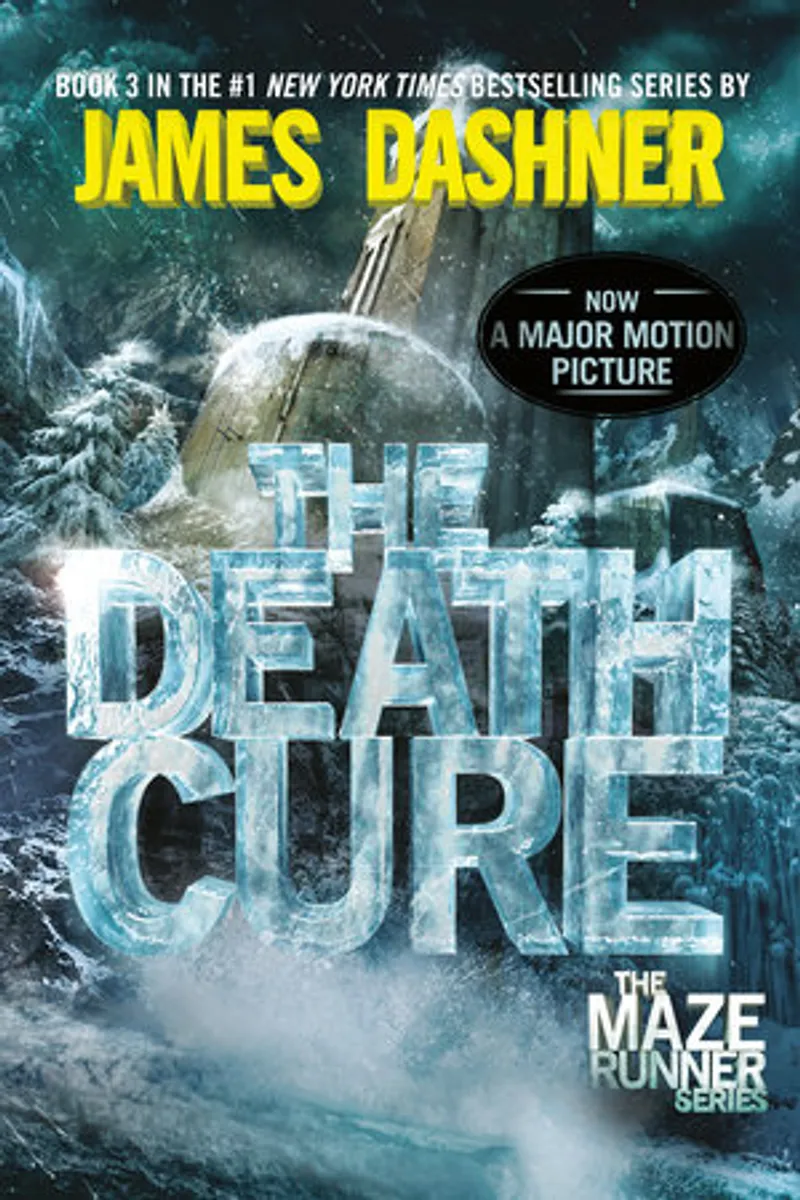
The Death Cure Author: James DashnerPage Count: UnknownPublication Date: 2013-PRH In the thrilling conclusion to James Dashner's Maze Runner series, The Death Cure, Thomas faces his greatest challenge yet as he battles to save his friends and uncover the truth about WICKED's sinister plans. The third installment of this bestselling series promises to deliver a heart-pumping, action-packed ride that will keep readers on the edge of their seats. One of the most striking aspects of Dashner's writing style is his ability to craft a narrative that is both suspenseful and emotionally resonant. Thomas's journey from a confused and frightened teenager to a confident and determined leader is nothing short of remarkable, and Dashner skillfully conveys the complexity of his protagonist's emotions through a masterful use of language. The Death Cure is a thought-provoking exploration of the themes of rebellion, resistance, and the human condition. As Thomas navigates the treacherous landscape of WICKED's experiments, he begins to realize that the true enemy is not the organization itself, but the lies and deception that have been used to manipulate and control him and his fellow Gladers. This realization sparks a chain reaction of events that will change the course of Thomas's life forever. Dashner's world-building is another notable aspect of the series. The Maze Runner universe is a richly detailed and immersive environment that draws readers in and refuses to let go. From the eerie, futuristic landscape of the Maze to the desolate, post-apocalyptic wasteland of the Scorch, Dashner's vivid descriptions bring the world to life in a way that is both captivating and unsettling. The supporting characters in The Death Cure are equally well-developed, with each one bringing their own unique perspective and skills to the table. Newt, Minho, Brenda, and Jorge are just a few of the memorable characters that add depth and complexity to the narrative, and their interactions with Thomas are often tense, emotional, and authentic. The pacing of the book is relentless, with barely a moment to catch one's breath between the intense action sequences and dramatic plot twists. Dashner's use of cliffhangers is particularly effective, leaving readers eagerly anticipating the next installment in the series. In conclusion, The Death Cure is a gripping and thought-provoking conclusion to the Maze Runner series. With its breakneck pacing, well-developed characters, and immersive world-building, this book is sure to appeal to fans of science fiction, dystopian fiction, and adventure stories. If you're looking for a thrilling ride that will keep you on the edge of your seat, then The Death Cure is the perfect choice. #TheDeathCure #MazeRunnerSeries #JamesDashner #DystopianFiction #ScienceFiction #YABooks Related InsightsHidden Nature Book Review and Summary Sweet Pea Book Review and Summary Words of Radiance Book Review and Summary{ "@context": "https://schema.org", "@type": "FAQPage", "mainEntity": [ { "@type": "Question", "name": "What is the main focus of The Death Cure Book Review and Summary?", "acceptedAnswer": { "@type": "Answer", "text": "Everything you need to know about The Death Cure with our detailed review." } }, { "@type": "Question", "name": "Who authored the comprehensive guide on The Death Cure Book Review and Summary?", "acceptedAnswer": { "@type": "Answer", "text": "This detailed article and its insights were carefully researched and authored by James Dashner." } }, { "@type": "Question", "name": "Where can I find more related content about Books?", "acceptedAnswer": { "@type": "Answer", "text": "You can explore more articles, detailed reviews, and similar insights by browsing the Related Insights section at the bottom of this article or visiting our dedicated Books category page." } } ] }
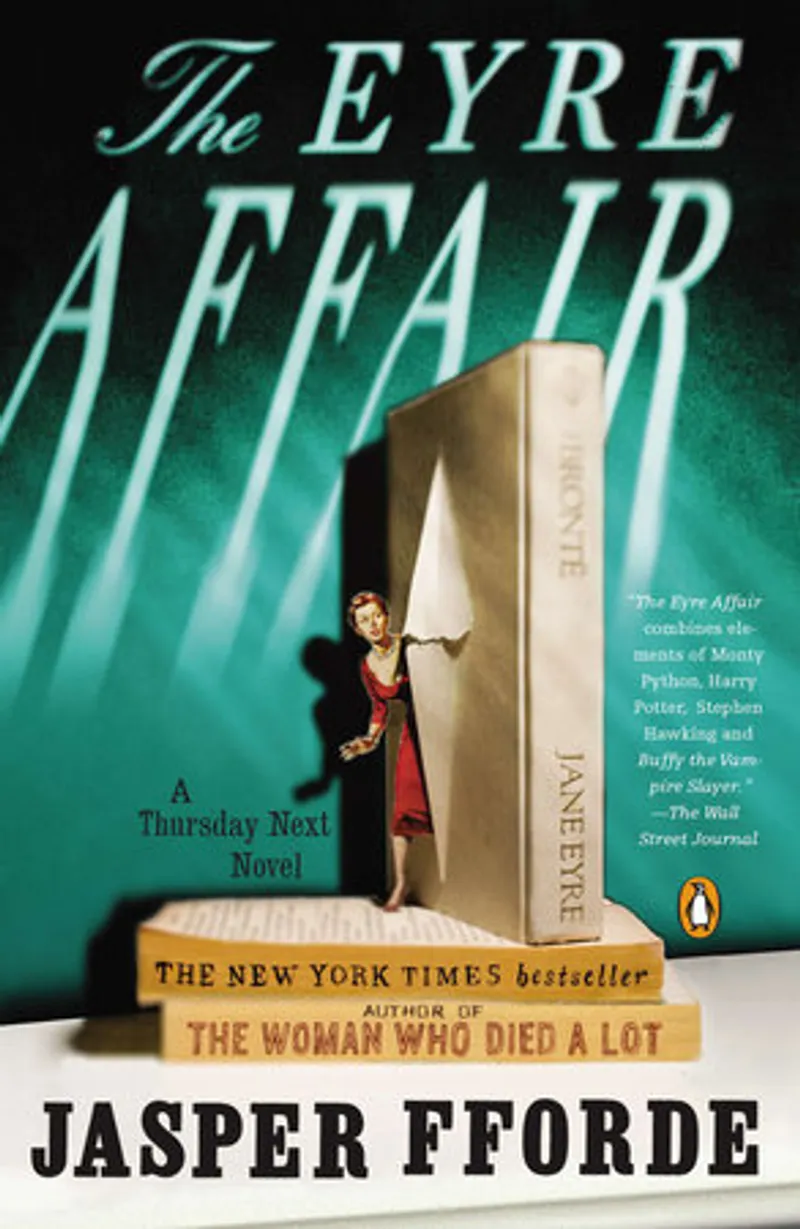
The Eyre Affair Author: Jasper FfordePage Count: UnknownPublication Date: 2003-PRH Jasper Fforde’s The Eyre Affair is a literary heist wrapped in a time-bending detective story, a book so inventively bizarre that it feels like a love letter to literature itself—if literature could be kidnapped, cloned, and weaponized. Published in 2003, this first entry in the Thursday Next series doesn’t just bend genres; it folds them into origami swans and sets them loose in a world where Shakespeare is a celebrity and Jane Eyre can be abducted mid-monologue. If you’ve ever wished you could step into a novel—or better yet, rewrite one—this is the book that makes you believe it’s possible. At its core, The Eyre Affair is a celebration of storytelling, but not in the saccharine way you might expect. Instead, Fforde treats literature as a battleground, a high-stakes arena where authors, critics, and criminals wage war over meaning, authenticity, and the very soul of words. The villain, Acheron Hades, isn’t just a thief—he’s a literary nihilist, stealing characters not for ransom but to erase them from existence, as if their stories never were. This premise alone is a masterstroke: it turns the act of reading into an act of vigilance. Every page crackles with the thrill of a mystery where the stakes aren’t just life and death, but the preservation of art itself. Thursday Next, our protagonist, is a detective in the Literary Division of the ChronoGuard, a time-traveling police force. She’s equal parts hard-boiled investigator and bookish dreamer, a woman who quotes Chaucer like others quote Shakespeare and carries a gun that fires quills. Fforde’s genius lies in making Thursday’s world feel both absurd and meticulously real. England in 1985 is a dystopia where literature is a religion, and heresy isn’t just blasphemy—it’s a crime punishable by exile into a Wadsworth poem. The absurdity is undercut by Fforde’s deadpan delivery; he describes cloning dodos as casually as we might discuss breeding labradors, and the reader is left nodding along, as if time travel and literary forgery are just Tuesday. Fforde’s style is a whirlwind of wit, wordplay, and sheer inventiveness. His prose is dense with puns, literary references, and footnotes that are as likely to quote Finnegans Wake as they are to crack a joke about the Ministry of Forgery. The dialogue crackles with the energy of a stand-up comedian who’s just discovered the Oxford English Dictionary. Thursday’s dry humor—“I’m not a hero. I’m a professional”—is balanced by the novel’s darker themes: the fragility of art, the violence of erasure, and the way stories can be twisted into weapons. It’s a tone that’s hard to pin down: part satire, part homage, part madcap adventure. Fforde doesn’t just write a book about literature; he turns the act of reading into an adventure, making the reader complicit in the thrill of discovery. The plot, while intricate, is secondary to the world-building. Thursday’s mission to rescue Jane Eyre from Hades’ clutches is the MacGuffin that propels us through a landscape where every book is a potential trap and every character a suspect. The real joy comes from the detours: a chase through a Dickensian slum, a confrontation in a surrealist painting, and a climactic showdown in the pages of Jane Eyre itself, where Thursday must navigate the novel’s own logic to outwit her enemy. It’s a meta-narrative that rewards close readers, but even those who skim will be swept up in the sheer exuberance of it all. What makes The Eyre Affair so enduring is its refusal to take itself too seriously. Fforde’s love for literature is evident, but it’s never cloying. Instead, he treats books as living, breathing entities—vulnerable, powerful, and occasionally in need of a hero. Thursday Next is that hero, but she’s also a stand-in for the reader, a woman who loves books so fiercely that she’s willing to dive into them, guns blazing. In an era where literature is often dismissed as irrelevant, Fforde’s novel is a defiant shout into the void: stories matter. They can be stolen, rewritten, or even killed—but they can also be saved. If you’ve ever lost yourself in a book and wished you could stay there forever, The Eyre Affair is your invitation. It’s a book that demands to be read aloud, to be shared, to be argued over. It’s a love letter to literature that’s also a heist novel, a detective story that’s also a time-travel adventure. And most importantly, it’s a reminder that the best stories aren’t just escapes—they’re battles. #ThursdayNext #LiteraryFantasy #JasperFforde #BookNerdsUnite #MetaFiction #TimeTravelAdventures Related InsightsKeeper of the Grail (The Lives of Guinevere, #2) Book Review and Summary The Bloodfire Oath (The Arcanum Order, #1) Book Review and Summary Twenty Thousand Leagues Under the Sea Book Review and Summary{ "@context": "https://schema.org", "@type": "FAQPage", "mainEntity": [ { "@type": "Question", "name": "What is the main focus of The Eyre Affair Book Review and Summary?", "acceptedAnswer": { "@type": "Answer", "text": "Everything you need to know about The Eyre Affair with our detailed review." } }, { "@type": "Question", "name": "Who authored the comprehensive guide on The Eyre Affair Book Review and Summary?", "acceptedAnswer": { "@type": "Answer", "text": "This detailed article and its insights were carefully researched and authored by Jasper Fforde." } }, { "@type": "Question", "name": "Where can I find more related content about Books?", "acceptedAnswer": { "@type": "Answer", "text": "You can explore more articles, detailed reviews, and similar insights by browsing the Related Insights section at the bottom of this article or visiting our dedicated Books category page." } } ] }
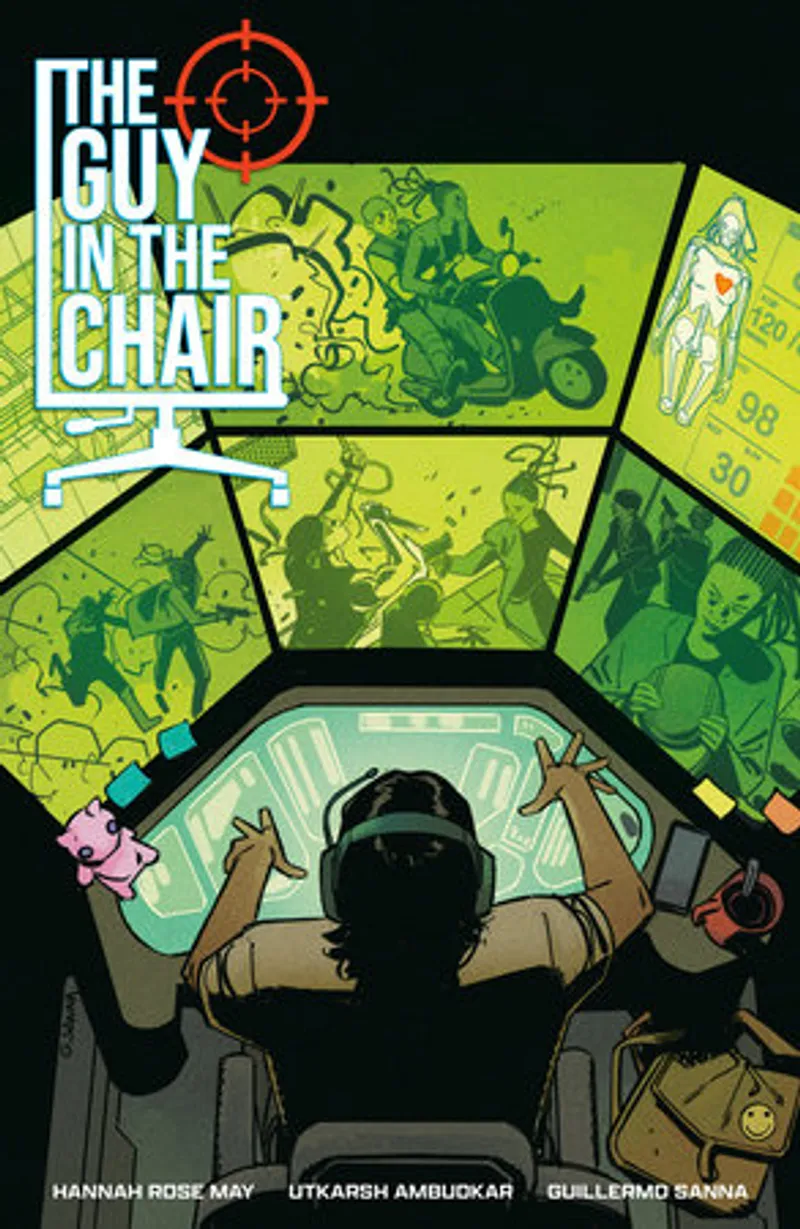
The Guy in the Chair Author: Utkarsh AmbudkarPage Count: UnknownPublication Date: 2026-PRH The Guy in the Chair, Utkarsh Ambudkar's latest offering, is a thought-provoking and deeply introspective exploration of the human condition. In this unflinching and poignant novel, Ambudkar delves into the complexities of identity, belonging, and the search for meaning in a chaotic world. From the outset, it is clear that Ambudkar's writing style is both lyrical and unflinching. His prose is akin to a masterfully woven tapestry, with each thread carefully intertwined to create a rich and nuanced narrative. The author's use of language is deliberate and evocative, conjuring vivid images that linger long after the final page has been turned. At its core, The Guy in the Chair is a story about the struggle to find one's place in the world. The protagonist, a complex and deeply flawed individual, is on a quest to reconcile his past and present selves. Through his journey, Ambudkar masterfully exposes the fragility of the human psyche, laying bare the fears, doubts, and insecurities that we all try to keep hidden. One of the most striking aspects of this novel is its ability to balance humor and pathos. Ambudkar's writing is infused with a wry wit and clever observations, which serve to underscore the absurdity and complexity of modern life. Yet, he also tackles darker themes with unflinching honesty, never shying away from the harsh realities of human existence. Throughout the book, Ambudkar's characters are multidimensional and relatable, with each one bringing their own unique perspective to the narrative. The supporting cast is equally well-crafted, adding depth and texture to the story. The author's ability to create such well-rounded characters is a testament to his skill as a writer. One of the most compelling themes in The Guy in the Chair is the idea of identity and how it is shaped by our experiences, relationships, and surroundings. Ambudkar raises important questions about the nature of self and how it is influenced by the world around us. This is a theme that will resonate deeply with readers, who will no doubt find themselves reflecting on their own sense of identity and purpose. In conclusion, The Guy in the Chair is a masterful novel that will leave readers moved, challenged, and ultimately changed. Utkarsh Ambudkar's writing is a true tour-de-force, and his ability to craft a narrative that is both deeply personal and universally relatable is a rare gift. This is a book that will stay with you long after you finish reading it, and one that will undoubtedly leave a lasting impression. #TheGuyInTheChair #UtkarshAmbudkar #IdentityCrisis #HumanCondition #LiteraryFiction #BookLovers Related InsightsUnapologetic Love Story Book Review and Summary Beautiful Disaster Book Review and Summary Casa de flama y sombra / House of Flame and Shadow Book Review and Summary{ "@context": "https://schema.org", "@type": "FAQPage", "mainEntity": [ { "@type": "Question", "name": "What is the main focus of The Silver Chair Book Review and Summary?", "acceptedAnswer": { "@type": "Answer", "text": "Everything you need to know about The Silver Chair with our detailed review." } }, { "@type": "Question", "name": "Who authored the comprehensive guide on The Silver Chair Book Review and Summary?", "acceptedAnswer": { "@type": "Answer", "text": "This detailed article and its insights were carefully researched and authored by C.S. Lewis." } }, { "@type": "Question", "name": "Where can I find more related content about Books?", "acceptedAnswer": { "@type": "Answer", "text": "You can explore more articles, detailed reviews, and similar insights by browsing the Related Insights section at the bottom of this article or visiting our dedicated Books category page." } } ] }
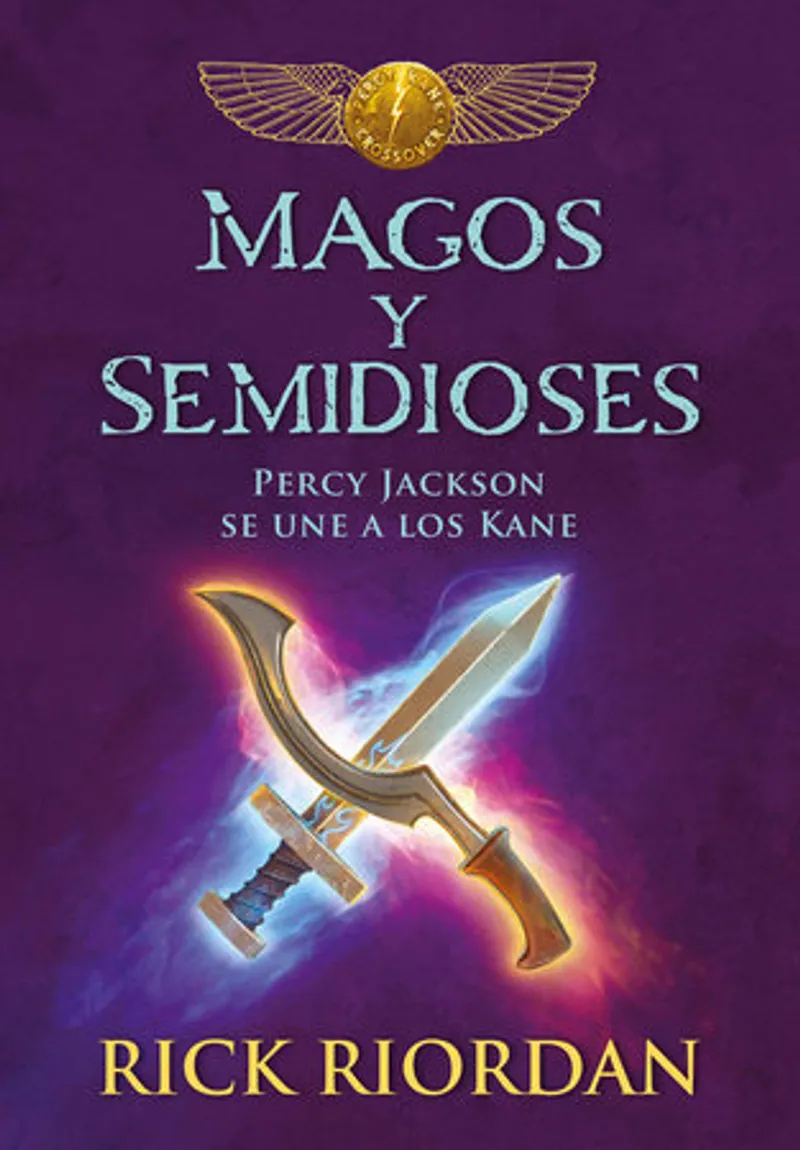
Magos y semidioses Percy Jackson se une a los Kane/ Demigods & Magicians: Percy and Annabeth Meet the Kanes Author: Rick RiordanPage Count: UnknownPublication Date: 2018-PRH Demigods & Magicians: Percy and Annabeth Meet the Kanes is a captivating novel that brings together two of Rick Riordan's most beloved mythological worlds - Percy Jackson and the Kane Chronicles. This unique crossover event masterfully weaves together the intricate mythologies of ancient Greece and Egypt, creating an electrifying adventure that will leave readers on the edge of their seats. At its core, Demigods & Magicians explores the theme of unity in the face of adversity. When Percy Jackson and Annabeth Chase, demigod heroes from the world of Greek mythology, meet Carter and Sadie Kane, sibling magicians from the world of Egyptian mythology, they are forced to put aside their differences and work together to combat a powerful and ancient evil. This unlikely alliance is fraught with challenges, as the two groups must navigate their vastly different cultures and approaches to magic. Rick Riordan's masterful storytelling is on full display in this novel, as he seamlessly blends the distinct mythological worlds of Percy Jackson and the Kane Chronicles. The author's signature blend of humor, action, and heart is expertly woven throughout the narrative, making for a truly unforgettable reading experience. One of the standout aspects of Demigods & Magicians is its ability to balance lighthearted moments with more serious themes. Riordan's characters are expertly crafted, with each one bringing their own unique personality and quirks to the table. The banter between Percy and Carter, in particular, is a highlight of the novel, as the two heroes engage in a series of witty and humorous exchanges. As the story progresses, however, the stakes grow increasingly higher. The villain of the novel, a powerful and malevolent force that seeks to exploit the combined power of Greek and Egyptian magic, proves to be a formidable foe. Riordan expertly ratchets up the tension, creating a sense of urgency and desperation that propels the reader forward. Ultimately, Demigods & Magicians is a triumphant celebration of the power of unity and cooperation. By bringing together two of his most beloved mythological worlds, Rick Riordan has created a truly unforgettable reading experience that is sure to delight fans of both series. With its expert blend of action, humor, and heart, this novel is an absolute must-read for anyone looking for a thrilling and unforgettable adventure. #DemigodsAndMagicians #PercyJacksonMeetsTheKanes #RickRiordan #MythologyMashup #YoungAdultFantasy #CrossoverAdventure Related InsightsFranny and Zooey Book Review and Summary City of Glass Book Review and Summary Everything is Illuminated Book Review and Summary{ "@context": "https://schema.org", "@type": "FAQPage", "mainEntity": [ { "@type": "Question", "name": "What is the main focus of Kane & Abel Book Review and Summary?", "acceptedAnswer": { "@type": "Answer", "text": "Everything you need to know about Kane & Abel with our detailed review." } }, { "@type": "Question", "name": "Who authored the comprehensive guide on Kane & Abel Book Review and Summary?", "acceptedAnswer": { "@type": "Answer", "text": "This detailed article and its insights were carefully researched and authored by Jeffrey Archer." } }, { "@type": "Question", "name": "Where can I find more related content about Books?", "acceptedAnswer": { "@type": "Answer", "text": "You can explore more articles, detailed reviews, and similar insights by browsing the Related Insights section at the bottom of this article or visiting our dedicated Books category page." } } ] }
The Lion, the Fox and the Eagle Author: Carol OffPage Count: UnknownPublication Date: 2010-PRH Carol Off’s The Lion, the Fox and the Eagle is a searing indictment of international inaction and moral failure, woven through the lives of three Canadians whose roles in the 1990s tragedies of Bosnia and Rwanda could not have been more divergent—or more consequential. At its core, this book is about the chasm between what should have been done and what was done, between the ideals of peacekeeping and the brutal reality of geopolitical indifference. Off, a seasoned journalist with a sharp eye for human drama, crafts a narrative that is as much a personal reckoning as it is a historical exposé, exposing the hypocrisy of a world that claims to uphold justice while turning a blind eye to genocide. The title itself is a masterstroke of symbolism. Romeo Dallaire, the lion, is the moral force—his instincts for intervention in Rwanda were as fierce as his frustration with the UN’s paralysis. Lewis MacKenzie, the fox, is the pragmatist, a man whose military cunning in Sarajevo was matched only by his later justifications for inaction. And Louise Arbour, the eagle, is the relentless pursuer of justice, her legal battles against war criminals serving as the closest thing to redemption in a story otherwise devoid of it. Off uses these archetypes not just to label her subjects but to critique the systems they inhabited—systems that reward caution over courage, procedure over principle, and self-preservation over humanity. What makes this book so compelling is Off’s refusal to let her readers look away. She doesn’t just recount the events of the Bosnian war and the Rwandan genocide; she immerses us in them, drawing on interviews, declassified documents, and the personal testimonies of survivors to paint a picture that is both vivid and devastating. Her prose is crisp and unflinching, avoiding the dry detachment of academic history in favor of a narrative that crackles with tension. When she describes Dallaire’s desperate pleas to the UN for reinforcements—pleas that went unanswered—her frustration is palpable. When she recounts MacKenzie’s controversial tactics in Sarajevo, she doesn’t just present his side; she forces us to question whether his "realism" was anything more than a euphemism for complicity. Off’s greatest strength is her ability to humanize her subjects without excusing their flaws. Dallaire, for all his heroism, is portrayed as a man broken by the weight of his failures, his later struggles with PTSD serving as a stark reminder of the personal cost of systemic betrayal. MacKenzie, meanwhile, emerges as a figure of tragic contradiction—a man who saved lives through clever diplomacy but later became a symbol of the very inaction that allowed mass atrocities to continue. And Arbour, though the least controversial of the three, is depicted as a lone warrior in a legal system that was often as toothless as the peacekeeping missions it sought to redeem. The book’s most damning revelation is how little has changed since the 1990s. Off draws parallels between the failures of the UN in Rwanda and Bosnia and its later paralysis in Syria, Ukraine, and other conflicts, suggesting that the lessons of the past have been willfully ignored. This is not just a book about the past; it’s a warning about the present. Off’s indictment is not just of individuals but of institutions—of a world order that prioritizes sovereignty over suffering, bureaucracy over urgency, and politics over people. Her style is journalistic in the best sense: rigorous, investigative, and unafraid to challenge conventional wisdom. She doesn’t just present facts; she interrogates them, asking why certain voices were heard while others were silenced, why some lives were deemed expendable while others were protected. The result is a book that is as much about the failures of leadership as it is about the resilience of those who survived—and those who fought, against impossible odds, to hold the perpetrators accountable. The Lion, the Fox and the Eagle is a necessary book, not just for its historical insights but for its moral urgency. It forces us to confront uncomfortable truths: that peacekeeping is often a euphemism for abandonment, that justice is a luxury reserved for the powerful, and that the line between heroism and complicity is thinner than we’d like to admit. Off’s work is a testament to the power of storytelling to expose injustice, but it’s also a reminder of how easily history repeats itself when the world looks away. #GenocideInRwanda #PeacekeepingFailures #RomeoDallaire #BosnianWar #InternationalJustice #NeverAgain Related InsightsTales from the Folly Book Review and Summary Brideshead Revisited Book Review and Summary Battle Ground Book Review and Summary{ "@context": "https://schema.org", "@type": "FAQPage", "mainEntity": [ { "@type": "Question", "name": "What is the main focus of The Lion, the Witch and the Wardrobe Book Review and Summary?", "acceptedAnswer": { "@type": "Answer", "text": "Everything you need to know about The Lion, the Witch and the Wardrobe with our detailed review." } }, { "@type": "Question", "name": "Who authored the comprehensive guide on The Lion, the Witch and the Wardrobe Book Review and Summary?", "acceptedAnswer": { "@type": "Answer", "text": "This detailed article and its insights were carefully researched and authored by C.S. Lewis." } }, { "@type": "Question", "name": "Where can I find more related content about Books?", "acceptedAnswer": { "@type": "Answer", "text": "You can explore more articles, detailed reviews, and similar insights by browsing the Related Insights section at the bottom of this article or visiting our dedicated Books category page." } } ] }
El padrino / The Godfather Author: Mario PuzoPage Count: UnknownPublication Date: 2023-PRH In the realm of 20th-century literature, few novels have managed to captivate readers with the same level of intensity as Mario Puzo's timeless masterpiece, "The Godfather". First published in 1969, this gripping tale of the Corleone family's rise to power has left an indelible mark on the literary world, redefining the way we perceive the Mafia and its intricate culture. Puzo's writing style is a testament to his exceptional storytelling prowess, as he masterfully weaves a complex narrative that delves deep into the world of organized crime. With an uncanny ability to balance brutality with a sense of honor and loyalty, he brings to life the enigmatic figure of Don Vito Corleone, a man whose ruthless tactics are tempered by a deep sense of justice and a commitment to his family. At its core, "The Godfather" is a story about the American dream, but one that is tainted by the dark underbelly of crime and corruption. Puzo's portrayal of the Corleone family's struggles to maintain power and protect their interests is a scathing critique of the societal values that perpetuate this cycle of violence. Through the eyes of Don Vito's children, particularly Michael, we witness the devastating consequences of a life lived in the shadows, where loyalty is tested and the lines between right and wrong are constantly blurred. One of the most striking aspects of Puzo's writing is his ability to create a sense of intimacy and immediacy, drawing the reader into the world of the Corleone family with unflinching candor. His prose is lean and mean, devoid of unnecessary embellishments, yet rich in detail and texture. The characters are multidimensional and complex, with each one bringing their own unique perspective to the narrative. The novel's enduring appeal lies in its ability to transcend the genre of crime fiction, speaking to universal themes that resonate deeply with readers. It is a story about family, loyalty, and the human condition, one that continues to captivate audiences with its raw power and emotional depth. In conclusion, "The Godfather" is a masterpiece of modern literature, a novel that has stood the test of time with its unflinching portrayal of the Mafia underworld. Puzo's writing is a testament to his exceptional talent, and this novel remains an essential read for anyone interested in crime fiction, family sagas, or simply great storytelling. #TheGodfather #MarioPuzo #CrimeFiction #ClassicLiterature #MafiaUnderworld #AmericanDream Related InsightsPeculiar Stars Book Review and Summary Dream Big (Dream On, #2) Book Review and Summary Believe Me Book Review and Summary{ "@context": "https://schema.org", "@type": "FAQPage", "mainEntity": [ { "@type": "Question", "name": "What is the main focus of The Godfather Book Review and Summary?", "acceptedAnswer": { "@type": "Answer", "text": "Everything you need to know about The Godfather with our detailed review." } }, { "@type": "Question", "name": "Who authored the comprehensive guide on The Godfather Book Review and Summary?", "acceptedAnswer": { "@type": "Answer", "text": "This detailed article and its insights were carefully researched and authored by Mario Puzo." } }, { "@type": "Question", "name": "Where can I find more related content about Books?", "acceptedAnswer": { "@type": "Answer", "text": "You can explore more articles, detailed reviews, and similar insights by browsing the Related Insights section at the bottom of this article or visiting our dedicated Books category page." } } ] }
In the House Upon the Dirt Between the Lake and the Woods Author: Matt BellPage Count: UnknownPublication Date: 2014-PRH In the House Upon the Dirt Between the Lake and the Woods, Matt Bell's debut novel, is a haunting and mesmerizing tale that defies the conventions of traditional literature. This epic and mythical story follows a newlywed couple who escapes to a distant and isolated lakeshore, seeking a simpler life, free from the chaos of their homeland. However, as they struggle to conceive, the husband's fixation on having children slowly unravels, plunging the couple into a world of sorrow, rage, and the unexplainable. Bell's writing style is nothing short of enchanting, weaving a narrative that is both beautiful and devastating. His use of lyrical prose and vivid imagery transports the reader to a world that is both fantastical and eerie. The author's ability to craft a unique and captivating atmosphere is evident in his description of the wife's singing voice, which has the power to create "song-spun objects" that are as intriguing as they are mysterious. The presence of a giant, sentient bear that rules the woods and a second moon that weighs down the fabric of their starless sky adds to the sense of wonder and magic that pervades the novel. At its core, In the House Upon the Dirt Between the Lake and the Woods is a powerful exploration of the limits of parenthood and marriage. Bell masterfully examines the pressures and expectations that come with building a family and the devastating consequences that can result from the absence of children. The novel raises important questions about the measures of a successful marriage and the societal pressures that can erode the foundations of a relationship. Through the couple's struggles, Bell sheds light on the emotional and psychological toll of infertility, creating a narrative that is both heart-wrenching and thought-provoking. One of the most striking aspects of the novel is its use of myth and fantasy to explore the complexities of human relationships. Bell's world-building is meticulous and immersive, creating a sense of depth and history that underscores the couple's struggles. The labyrinth of memory that is dug into the earth beneath their house is a potent symbol of the way that memories and experiences can shape and define us. The author's use of magical realism adds a layer of complexity to the narrative, blurring the lines between reality and fantasy and creating a dreamlike atmosphere that is both captivating and unsettling. Throughout the novel, Bell's prose is marked by a sense of urgency and intensity, propelling the reader forward on a journey that is both haunting and unforgettable. The author's writing is akin to a spell, weaving a narrative that is both beautiful and devastating. In the House Upon the Dirt Between the Lake and the Woods is a novel that will linger in the reader's mind long after the final page has been turned, leaving behind a sense of awe and wonder at the author's mastery of language and storytelling. In conclusion, In the House Upon the Dirt Between the Lake and the Woods is a masterpiece of contemporary literature, a novel that is as much about the power of love and relationships as it is about the limits of human endurance. Matt Bell's writing is a testament to the transformative power of storytelling, and his debut novel is a must-read for anyone looking for a tale that is both haunting and unforgettable. #MythicalFiction #LiteraryDebut #MagicalRealism #FertilityAndParenthood #MarriageAndRelationships #ContemporaryLiterature Related InsightsThe Eye of the World Book Review and Summary Alanna: The First Adventure Book Review and Summary A Winter Grave Book Review and Summary{ "@context": "https://schema.org", "@type": "FAQPage", "mainEntity": [ { "@type": "Question", "name": "What is the main focus of Little House in the Big Woods Book Review and Summary?", "acceptedAnswer": { "@type": "Answer", "text": "Everything you need to know about Little House in the Big Woods with our detailed review." } }, { "@type": "Question", "name": "Who authored the comprehensive guide on Little House in the Big Woods Book Review and Summary?", "acceptedAnswer": { "@type": "Answer", "text": "This detailed article and its insights were carefully researched and authored by Laura Ingalls Wilder." } }, { "@type": "Question", "name": "Where can I find more related content about Books?", "acceptedAnswer": { "@type": "Answer", "text": "You can explore more articles, detailed reviews, and similar insights by browsing the Related Insights section at the bottom of this article or visiting our dedicated Books category page." } } ] }