Showing Posts From
Fiction
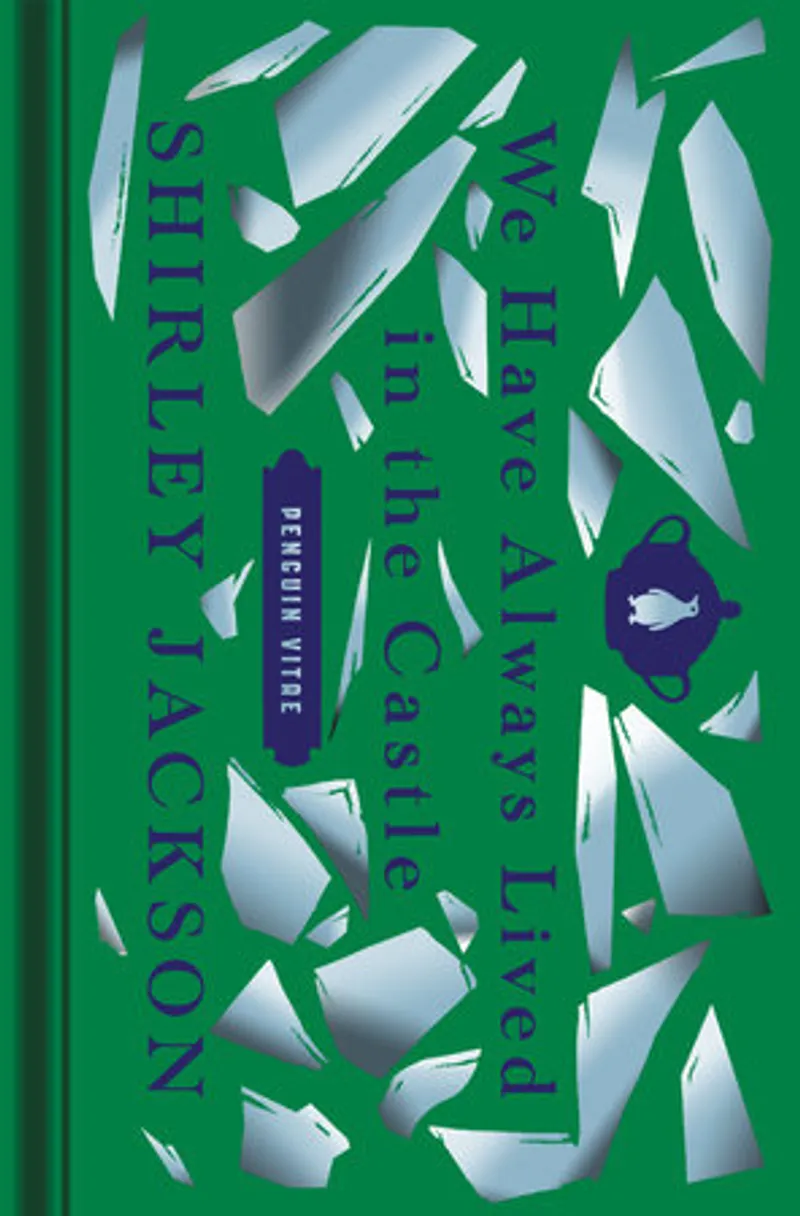
We Have Always Lived in the Castle Author: Shirley JacksonPage Count: UnknownPublication Date: 2021-PRH We Have Always Lived in the Castle, a haunting and atmospheric novel by Shirley Jackson, is a masterclass in gothic storytelling that explores the darker aspects of human nature and the blurred lines between reality and isolation. Originally published in 1962, this Penguin Vitae edition, featuring an afterword by Jonathan Lethem, invites readers to revisit the eerie and captivating world of the Blackwood family. At the heart of the novel is Merricat Blackwood, a peculiar and fiercely protective young woman who lives with her sister Constance and their uncle Julian in their family estate. The story is told through Merricat's unique narrative voice, which is both captivating and unsettling. Her perspective is limited, yet insightful, offering a glimpse into the inner workings of a mind that is both fragile and resilient. The Blackwood family's dark secret is slowly revealed, exposing a tragic event that has left them ostracized by the villagers. The tension builds as cousin Charles appears, threatening to disrupt the fragile balance of their isolated existence. Merricat's intuition and determination to protect her sister drive the plot, leading to a shocking climax that will leave readers on the edge of their seats. Jackson's writing style is a hallmark of the novel, weaving a web of suspense and intrigue that is both mesmerizing and unnerving. Her use of language is economical, yet evocative, conjuring a sense of foreboding and unease that permeates every aspect of the narrative. The characters are multidimensional and complex, with Merricat being a standout example of a protagonist who is both relatable and flawed. One of the most striking aspects of the novel is its exploration of the theme of isolation. The Blackwood family's self-imposed exile from the outside world serves as a metaphor for the fragility of human connections and the devastating consequences of being ostracized. Jackson masterfully exposes the darker aspects of human nature, revealing the cruelty and hostility that can arise when people are misunderstood or feared. The novel also explores the theme of family dynamics and the complex relationships that exist within. The bond between Merricat and Constance is particularly poignant, highlighting the sacrifices that are made in the name of love and protection. The character of Uncle Julian serves as a catalyst for the events that unfold, his presence a reminder of the family's dark past and the secrets that they keep. In conclusion, We Have Always Lived in the Castle is a gripping and unsettling novel that will appeal to fans of gothic fiction and psychological suspense. Jackson's writing is masterful, weaving a complex narrative that is both haunting and thought-provoking. The themes of isolation, family dynamics, and the blurred lines between reality and fantasy are expertly explored, making this a must-read for anyone who enjoys a good mystery. #GothicFiction #PsychologicalSuspense #ClassicLiterature #ShirleyJackson #WeHaveAlwaysLivedInTheCastle #PenguinVitaeEdition Related InsightsThe Last Song Book Review and Summary Black Gold Book Review and Summary Cherry: A Novel Book Review and Summary{ "@context": "https://schema.org", "@type": "FAQPage", "mainEntity": [ { "@type": "Question", "name": "What is the main focus of We Have Always Lived in the Castle Book Review and Summary?", "acceptedAnswer": { "@type": "Answer", "text": "Everything you need to know about We Have Always Lived in the Castle with our detailed review." } }, { "@type": "Question", "name": "Who authored the comprehensive guide on We Have Always Lived in the Castle Book Review and Summary?", "acceptedAnswer": { "@type": "Answer", "text": "This detailed article and its insights were carefully researched and authored by Shirley Jackson." } }, { "@type": "Question", "name": "Where can I find more related content about Books?", "acceptedAnswer": { "@type": "Answer", "text": "You can explore more articles, detailed reviews, and similar insights by browsing the Related Insights section at the bottom of this article or visiting our dedicated Books category page." } } ] }
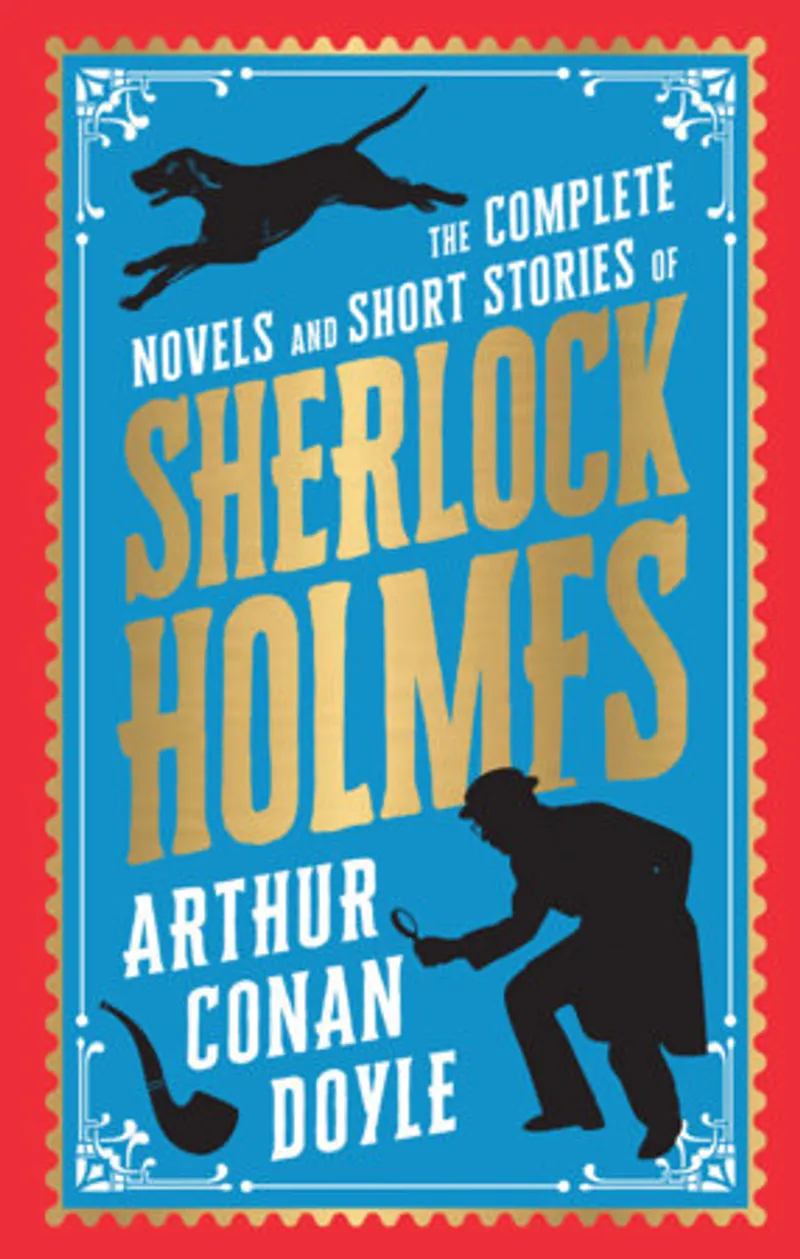
The Complete Novels and Short Stories of Sherlock Holmes Author: Sir Arthur Conan DoylePage Count: UnknownPublication Date: 2023-PRH In the realm of detective fiction, few names have become synonymous with brilliance and intrigue as Sherlock Holmes. The Complete Novels and Short Stories of Sherlock Holmes, a comprehensive collection of Sir Arthur Conan Doyle's iconic works, is a testament to the timeless allure of the iconic detective. This 2023 publication offers a chance to delve into the world of 221B Baker Street, where the extraordinary mind of Sherlock Holmes reigns supreme. One of the most striking aspects of Doyle's writing style is his ability to craft a sense of atmosphere that draws the reader in and refuses to let go. The fog-shrouded streets of Victorian London serve as the perfect backdrop for the intricate web of mysteries that Holmes and his trusty sidekick, Dr. Watson, navigate with ease. Doyle's prose is akin to a rich tapestry, weaving together threads of suspense, humor, and intellect to create a narrative that is at once engaging and thought-provoking. Throughout the collection, Doyle's masterful storytelling is on full display. From the classic whodunits like "The Hound of the Baskervilles" to the more cerebral puzzles presented in "The Adventures of Sherlock Holmes," each tale is a testament to the author's skill at crafting compelling mysteries that continue to captivate readers to this day. The characters, too, are expertly drawn, with Holmes's razor-sharp mind and Watson's more practical, humanizing influence providing a perfect counterbalance to the often-bizarre cases they encounter. One of the primary themes that emerges throughout the collection is the tension between reason and emotion. Holmes, the epitome of rational thinking, is often at odds with the more intuitive, emotional approach favored by Watson and other characters. This dichotomy serves as a fascinating commentary on the human condition, highlighting the complex interplay between logic and feeling that defines us all. Doyle's writing is also notable for its keen sense of social commentary. The stories are peppered with observations on the class system, the role of women in society, and the impact of industrialization on urban life. These details add a richness and depth to the narratives, making them more than just simple detective stories. If there is a criticism to be made, it is that some of the stories may feel slightly dated to modern readers. The pace of the narratives can be somewhat leisurely, and the characterizations of certain groups (notably, the portrayal of women and minorities) reflect the prejudices of the time. However, these are minor quibbles in what is otherwise a magnificent collection. In conclusion, The Complete Novels and Short Stories of Sherlock Holmes is a must-read for fans of detective fiction, literature, and anyone interested in exploring the inner workings of the human mind. Doyle's writing is a masterclass in storytelling, atmosphere, and character development, and his iconic detective remains an enduring symbol of intellectual curiosity and analytical brilliance. #SherlockHolmes #DetectiveFiction #ClassicLiterature #MysteryAndSuspense #SirArthurConanDoyle #SherlockianStudies Related InsightsStory of My Life Book Review and Summary Much Ado About Nothing Book Review and Summary Echoes: The Saga Anthology of Ghost Stories Book Review and Summary{ "@context": "https://schema.org", "@type": "FAQPage", "mainEntity": [ { "@type": "Question", "name": "What is the main focus of The Complete Novels Book Review and Summary?", "acceptedAnswer": { "@type": "Answer", "text": "Everything you need to know about The Complete Novels with our detailed review." } }, { "@type": "Question", "name": "Who authored the comprehensive guide on The Complete Novels Book Review and Summary?", "acceptedAnswer": { "@type": "Answer", "text": "This detailed article and its insights were carefully researched and authored by Jane Austen." } }, { "@type": "Question", "name": "Where can I find more related content about Books?", "acceptedAnswer": { "@type": "Answer", "text": "You can explore more articles, detailed reviews, and similar insights by browsing the Related Insights section at the bottom of this article or visiting our dedicated Books category page." } } ] }
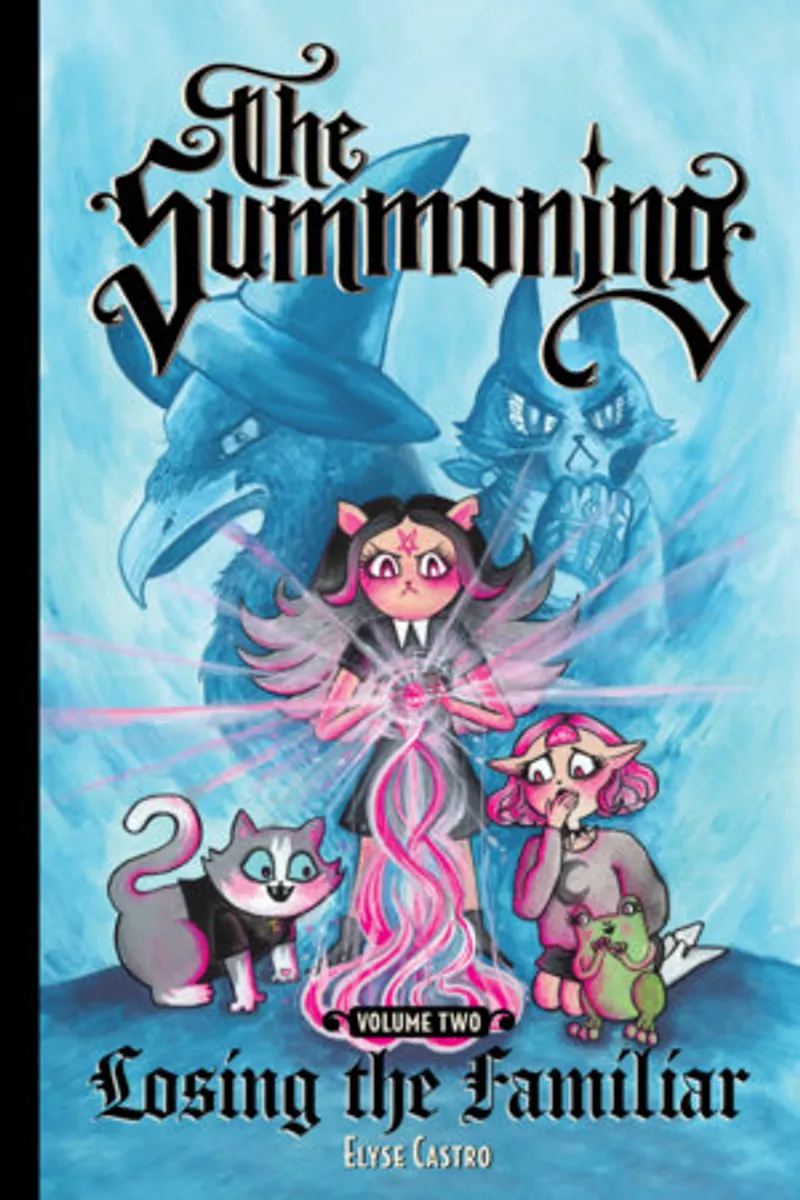
The Summoning Vol. 2: Losing the Familiar Author: Elyse CastroPage Count: UnknownPublication Date: 2026-PRH The Summoning Vol. 2: Losing the Familiar, the latest offering from Elyse Castro, is a masterclass in atmospheric storytelling that will leave readers spellbound and yearning for more. While the exact page count of this 2026 release remains unknown, one thing is certain - Castro's writing is a force to be reckoned with. At its core, The Summoning Vol. 2 is a poignant exploration of the human condition, delving deep into the complexities of identity, loss, and the blurred lines between reality and the unknown. Castro's prose is a character in its own right, weaving a rich tapestry of emotions that will resonate deeply with fans of literary fiction and the supernatural alike. One of the standout features of Castro's writing is her ability to craft relatable, multidimensional characters that leap off the page. Her protagonists are flawed, vulnerable, and achingly human, making it impossible not to become invested in their journeys. As they navigate the treacherous landscape of their own making, Castro skillfully ramps up the tension, plunging readers into a world of uncertainty and unease. The author's use of language is equally impressive, with a lyrical quality that adds depth and texture to the narrative. Her descriptions are vivid and evocative, conjuring images that will haunt readers long after they finish the book. Whether she's describing the eerie landscapes of the unknown or the mundane routines of everyday life, Castro's writing is infused with a sense of wonder and magic. The Summoning Vol. 2 is also notable for its thoughtful exploration of the human condition. Castro tackles themes of identity, trauma, and the search for meaning with sensitivity and nuance, raising important questions about the nature of reality and our place within it. Her characters' struggles to come to terms with their own identities and the world around them are deeply relatable, making this book a must-read for anyone who's ever felt like an outsider looking in. If you're a fan of authors like Neil Gaiman, Joe Hill, or Laura Purcell, you'll likely devour The Summoning Vol. 2 in one sitting. Castro's unique blend of literary fiction, supernatural horror, and psychological insight makes for a compelling read that will appeal to a wide range of audiences. While the exact page count may be unknown, one thing is certain - this book will leave you breathless and eager for more. In short, The Summoning Vol. 2: Losing the Familiar is a triumph of modern storytelling. With its vivid characters, atmospheric setting, and thought-provoking themes, this book is sure to resonate with readers long after they finish it. Don't miss out on the opportunity to experience Castro's unique brand of magic for yourself. #TheSummoningVol2 #LosingTheFamiliar #ElyseCastro #LiteraryFiction #SupernaturalHorror #PsychologicalInsight Related InsightsCrash Book Review and Summary Close to Midnight Book Review and Summary The Clan of the Cave Bear Book Review and Summary{ "@context": "https://schema.org", "@type": "FAQPage", "mainEntity": [ { "@type": "Question", "name": "What is the main focus of The Familiar Book Review and Summary?", "acceptedAnswer": { "@type": "Answer", "text": "Everything you need to know about The Familiar with our detailed review." } }, { "@type": "Question", "name": "Who authored the comprehensive guide on The Familiar Book Review and Summary?", "acceptedAnswer": { "@type": "Answer", "text": "This detailed article and its insights were carefully researched and authored by Leigh Bardugo." } }, { "@type": "Question", "name": "Where can I find more related content about Books?", "acceptedAnswer": { "@type": "Answer", "text": "You can explore more articles, detailed reviews, and similar insights by browsing the Related Insights section at the bottom of this article or visiting our dedicated Books category page." } } ] }
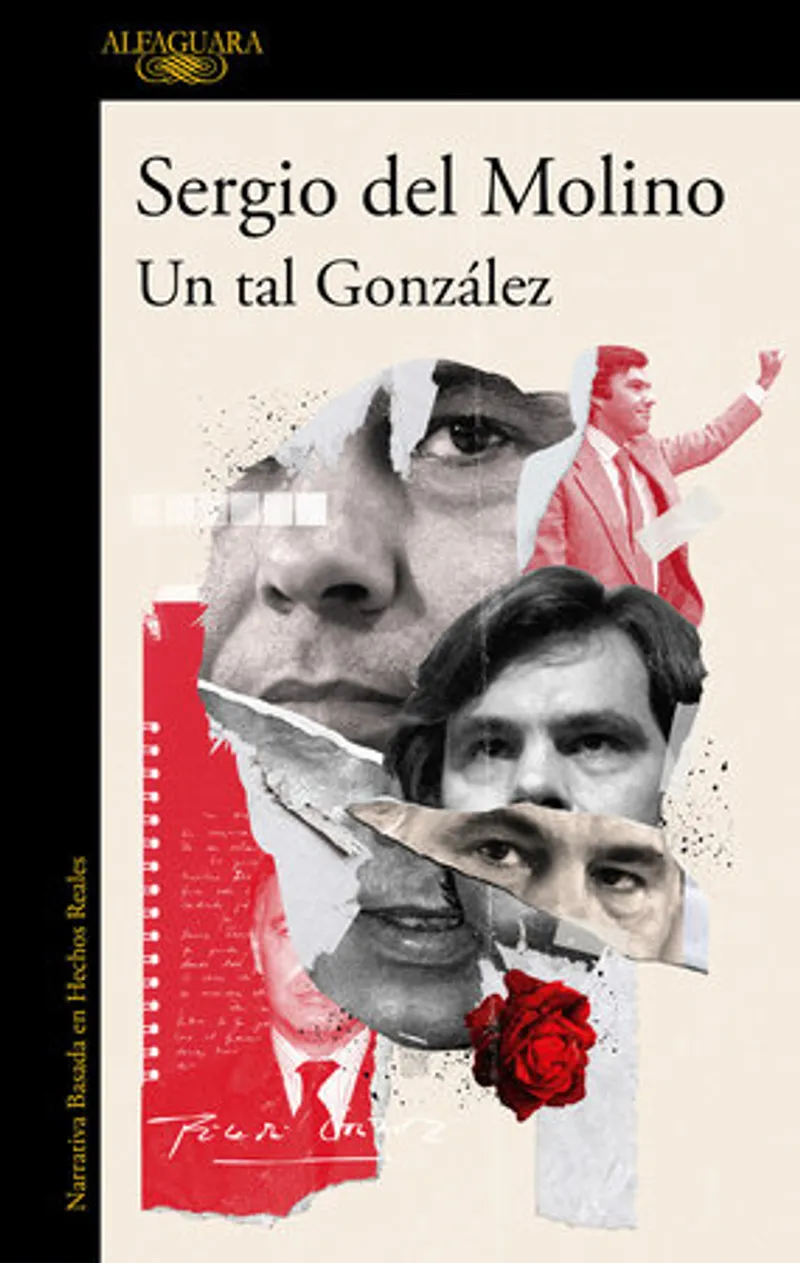
Un tal González / A Man Called González Author: Sergio Del MolinoPage Count: UnknownPublication Date: 2023-PRH A Man Called González, the latest offering from Sergio Del Molino, is a captivating and meticulously crafted biography that delves into the pivotal moment of Spain's Transition, with Felipe González at its epicenter. As the fortieth anniversary of the socialist party's first general election win approaches, Del Molino masterfully weaves a narrative that not only chronicles the life of its protagonist but also provides a profound insight into the transformation of a nation. Through his unique and versatile writing style, Del Molino seamlessly blends the genres of biography, history, and fiction, creating a rich tapestry that is both informative and engaging. As Javier Cercas aptly notes, Del Molino uses the novel form in a "liberally free manner," which allows him to explore the complexities of González's life and the tumultuous period in which he lived. One of the standout features of the book is Del Molino's ability to balance the biographical thread of González's life with the broader historical context of Spain's Transition. The author's meticulous research, which draws on first-hand testimonies, chronicles, and archives, provides a level of depth and nuance that is rare in biographical accounts. At the same time, Del Molino's writing is characterized by a lightness of touch, which makes the narrative feel effortlessly engaging and accessible. As Andrés van Loon observes, Del Molino's writing reflects his "rich political, literary, and cultural world" at all times. This is evident in the way the author navigates the complexities of González's life, from his early days as a young Sevillian lawyer to his rise as a prominent figure in Spanish politics. Del Molino's portrayal of González is multifaceted and nuanced, capturing both the public figure and the private individual. The book is also notable for its thoughtful exploration of the Transition period, a time of great upheaval and transformation in Spanish history. Del Molino's narrative provides a compelling account of how the country transitioned from a single-party system to a democracy, and how this process was shaped by key figures like González. The author's observation that "perhaps we can start appreciating being children of the Transition instead of grandchildren of the Civil War" is particularly insightful, highlighting the need to reevaluate our understanding of this period and its ongoing impact on Spanish society. In conclusion, A Man Called González is a masterful biography that offers a captivating and nuanced portrayal of Felipe González and the pivotal moment of Spain's Transition. Del Molino's unique writing style, meticulous research, and thoughtful exploration of the period make this book a must-read for anyone interested in Spanish history, politics, and culture. #SpanishHistory #FelipeGonzález #TheTransition #SpanishPolitics #Biography #EuropeanIntegration Related InsightsCarrying Book Review and Summary The Great Alone Book Review and Summary Kissing Cowboys Book Review and Summary{ "@context": "https://schema.org", "@type": "FAQPage", "mainEntity": [ { "@type": "Question", "name": "What is the main focus of A Man Called Ove Book Review and Summary?", "acceptedAnswer": { "@type": "Answer", "text": "Everything you need to know about A Man Called Ove with our detailed review." } }, { "@type": "Question", "name": "Who authored the comprehensive guide on A Man Called Ove Book Review and Summary?", "acceptedAnswer": { "@type": "Answer", "text": "This detailed article and its insights were carefully researched and authored by Fredrik Backman." } }, { "@type": "Question", "name": "Where can I find more related content about Books?", "acceptedAnswer": { "@type": "Answer", "text": "You can explore more articles, detailed reviews, and similar insights by browsing the Related Insights section at the bottom of this article or visiting our dedicated Books category page." } } ] }
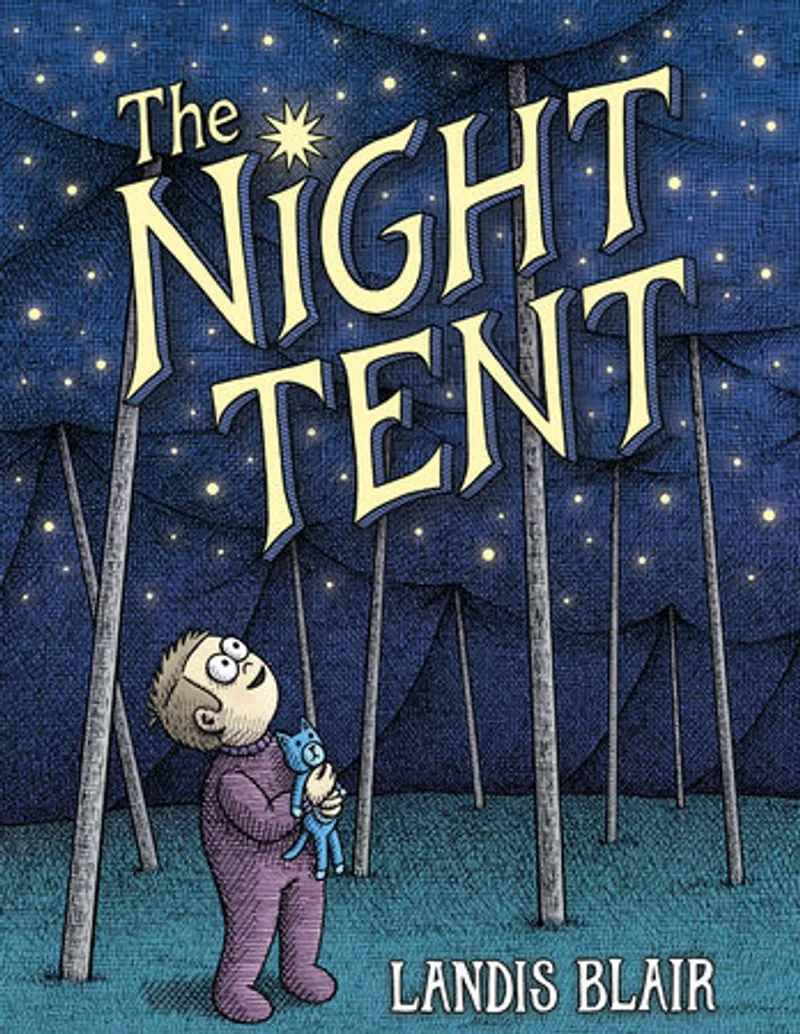
The Night Tent Author: Landis BlairPage Count: UnknownPublication Date: 2024-PRH In the enchanting pages of "The Night Tent," Landis Blair masterfully weaves a tale that delves into the uncharted territories of a child's imagination, where the boundaries of reality are gently stretched and the magic of the night comes alive. This captivating picture book is a testament to Blair's unique storytelling style, which seamlessly blends the whimsical with the relatable, crafting an unforgettable adventure that will resonate with readers of all ages. At the heart of "The Night Tent" lies the universal struggle of a child's inability to fall asleep, as embodied by the protagonist, Watson. His fears and anxieties are palpable, making him an instantly relatable character. However, it is in the face of these fears that Blair's narrative takes a remarkable turn, transforming Watson's bedroom into a portal to a fantastical world. The mysterious light emanating from under his covers serves as the catalyst for this transformation, drawing Watson into a realm where the starry night sky becomes a canvas for his imagination. Blair's illustration style, reminiscent of Edward Gorey's quirky and wonderful work, perfectly complements the narrative's offbeat charm. His use of a muted color palette, juxtaposed with the vibrant twinkling of the stars, creates a sense of depth and dimensionality, immersing the reader in Watson's nocturnal journey. The illustrations are not merely accompaniments to the text but rather an integral part of the storytelling process, elevating the narrative to new heights. As Watson navigates this dreamlike world, he encounters a cast of friendly creatures and embarks on a magical trolley ride to a tiny island, culminating in a towering spectacle that marks the pinnacle of his adventure. This journey is not merely a series of fantastical events but a poignant exploration of the human experience. Blair skillfully taps into the universal desire to transcend the mundane and tap into the infinite possibilities that lie just beyond the reach of our everyday perceptions. Through "The Night Tent," Blair celebrates the boundless potential of imagination, particularly in the late hours of the night when the world is hushed, and the mind is free to roam. This picture book is a powerful reminder that even in the darkest moments, there lies a world of wonder waiting to be uncovered. Blair's work is a testament to the transformative power of imagination, which can turn even the most mundane of experiences into a gateway to the extraordinary. In conclusion, "The Night Tent" is a captivating picture book that will resonate with readers of all ages. Landis Blair's unique storytelling style, coupled with his enchanting illustrations, makes this book a must-read for anyone who has ever found themselves lost in the vast expanse of their imagination. As a Junior Library Guild Gold Standard Selection, "The Night Tent" is poised to become a modern classic, inspiring countless readers to explore the infinite possibilities that lie just beyond the edge of their everyday reality. #TheNightTent #LandisBlair #ChildrensLiterature #PictureBook #ImaginationMatters #BedtimeStories Related InsightsThe Pale House Devil Book Review and Summary Alanna: The First Adventure Book Review and Summary Mothersucker Book Review and Summary{ "@context": "https://schema.org", "@type": "FAQPage", "mainEntity": [ { "@type": "Question", "name": "What is the main focus of The Red Tent Book Review and Summary?", "acceptedAnswer": { "@type": "Answer", "text": "Everything you need to know about The Red Tent with our detailed review." } }, { "@type": "Question", "name": "Who authored the comprehensive guide on The Red Tent Book Review and Summary?", "acceptedAnswer": { "@type": "Answer", "text": "This detailed article and its insights were carefully researched and authored by Anita Diamant." } }, { "@type": "Question", "name": "Where can I find more related content about Books?", "acceptedAnswer": { "@type": "Answer", "text": "You can explore more articles, detailed reviews, and similar insights by browsing the Related Insights section at the bottom of this article or visiting our dedicated Books category page." } } ] }
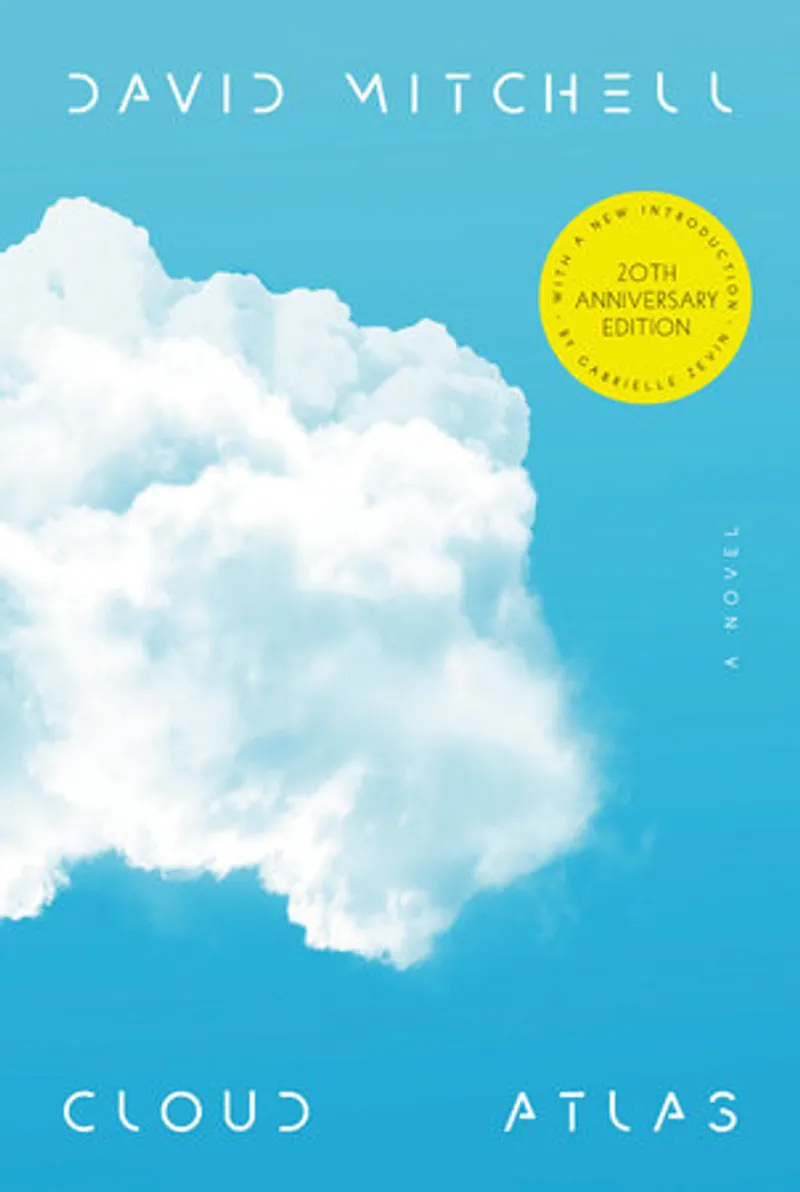
Cloud Atlas (20th Anniversary Edition) Author: David MitchellPage Count: UnknownPublication Date: 2012-PRH In the grand tapestry of literary fiction, few works have managed to captivate readers with the same level of depth, complexity, and sheer audacity as David Mitchell's Cloud Atlas. This 20th-anniversary edition is a testament to the novel's enduring appeal, with its lavish packaging and thought-provoking afterword and introduction. But it's the story itself that remains the true marvel – a sweeping narrative that defies genre boundaries and conventional storytelling. At its core, Cloud Atlas is a novel about the interconnectedness of human experience. Mitchell masterfully weaves together six seemingly disparate storylines, each set in a different time period and location, yet connected by a thread of causality and coincidence. From the 19th-century high seas to a dystopian future, the narrative careens through time and space with a dazzling display of virtuosity, mirroring the fluid, ever-changing nature of human existence. One of Mitchell's greatest strengths is his ability to adapt his writing style to suit each distinct narrative voice. Whether it's the formal, 19th-century prose of Adam Ewing's journal or the futuristic, high-tech jargon of the novel's latter sections, Mitchell's command of language is nothing short of breathtaking. His writing is at once evocative, precise, and inventive, conjuring entire worlds with a few, well-chosen words. But Cloud Atlas is more than just a technical tour de force – it's a deeply philosophical and humane work, concerned with the big questions of existence, identity, and the consequences of human action. Mitchell's characters are often flawed, sometimes unsympathetic, but always compellingly human, their struggles and triumphs illuminating the universal concerns that bind us across time and space. As the novel hurtles towards its conclusion, the connections between the disparate storylines become increasingly apparent, revealing a profound web of causality that underscores the interconnectedness of human experience. It's a testament to Mitchell's skill as a storyteller that the novel's climax, which could have easily felt contrived or manipulative, instead feels both surprising and inevitable – a perfect synthesis of form and content. In short, Cloud Atlas is a masterpiece of contemporary literature, a work of breathtaking ambition and scope that rewards close attention and multiple readings. This 20th-anniversary edition is a must-have for fans of the novel, with its beautiful packaging and thought-provoking supplementary material. But for newcomers, the real treasure remains the novel itself – a work of unforgettable power, beauty, and imagination that will continue to captivate readers for generations to come. #CloudAtlas #DavidMitchell #LiteraryFiction #Postmodernism #TimeTravel #DystopianFiction Related InsightsYellowface Book Review and Summary A Reunion to Die For: A Novel Book Review and Summary A Perfect Day to Put Your Head in the Oven Book Review and Summary{ "@context": "https://schema.org", "@type": "FAQPage", "mainEntity": [ { "@type": "Question", "name": "What is the main focus of Cloud Atlas Book Review and Summary?", "acceptedAnswer": { "@type": "Answer", "text": "Everything you need to know about Cloud Atlas with our detailed review." } }, { "@type": "Question", "name": "Who authored the comprehensive guide on Cloud Atlas Book Review and Summary?", "acceptedAnswer": { "@type": "Answer", "text": "This detailed article and its insights were carefully researched and authored by David Mitchell." } }, { "@type": "Question", "name": "Where can I find more related content about Books?", "acceptedAnswer": { "@type": "Answer", "text": "You can explore more articles, detailed reviews, and similar insights by browsing the Related Insights section at the bottom of this article or visiting our dedicated Books category page." } } ] }
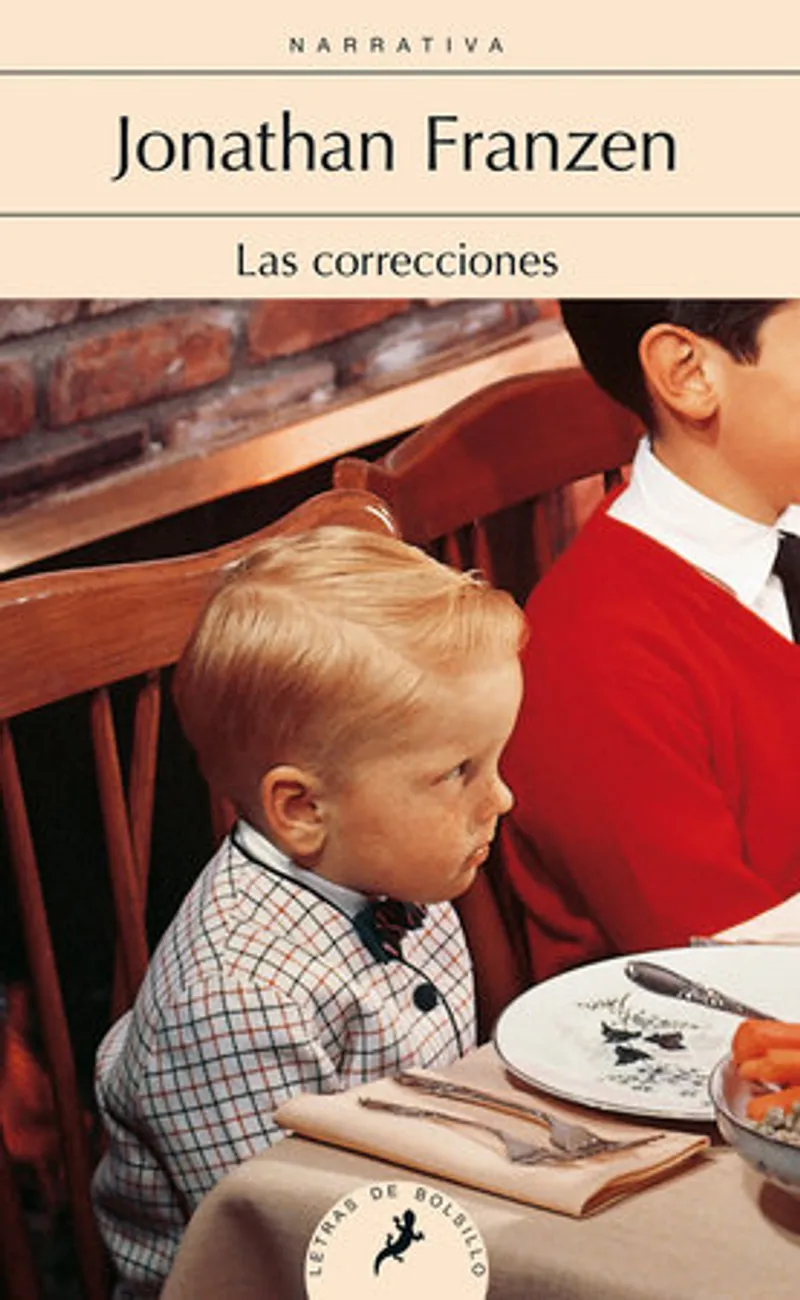
Las correcciones/ The Corrections Author: Jonathan FranzenPage Count: UnknownPublication Date: 2014-PRH The Corrections, Jonathan Franzen's magnum opus, is a scathing yet poignant portrayal of the American family in the late 20th century. This National Book Award-winning novel is a meticulous dissection of the Lambert family's struggles, laying bare the anguish and contradictions of a society in flux. At the heart of the novel is the Lambert family's patriarch, Alfred, a retired railroad engineer succumbing to the ravages of Parkinson's disease. His wife, Enid, is a force to be reckoned with, driven by a desperate need to maintain order in their sprawling Midwestern home. Their three children, Gary, Chip, and Denise, have long since fled the family nest, each navigating their own unique brand of chaos on the East Coast. Franzen's masterful prose weaves a complex tapestry of familial dynamics, exposing the fault lines that threaten to destroy the Lamberts' seemingly idyllic facade. Gary, the eldest, is a high-flying banker haunted by the specter of depression; Chip, the middle child, is a failed academic embroiled in a dubious get-rich-quick scheme; and Denise, the youngest, is a fiercely competitive chef whose turbulent love life is a constant source of angst. As the novel hurtles towards its climax, Franzen poses a series of uncomfortable questions about the nature of family, identity, and the American Dream. Can the Lamberts' children correct the mistakes of their parents, or are they doomed to repeat the same patterns of dysfunction? Will Enid succeed in her quest to reunite the family for one last Christmas, or will the gathering descend into chaos? Franzen's writing is both unsparing and compassionate, laced with a wicked sense of humor that belies the darkness at the novel's core. His characters are multidimensional and richly drawn, their flaws and contradictions making them all the more relatable. The Corrections is a novel that defies easy categorization, blending elements of satire, social commentary, and old-fashioned family drama into a work of profound depth and nuance. David Foster Wallace, Don DeLillo, and The New York Times Magazine have all praised Franzen's masterpiece, and it's easy to see why. The Corrections is a novel that will leave you breathless, bewildered, and ultimately, transformed. It's a searing indictment of the American condition, a poignant exploration of the human condition, and a testament to the power of fiction to capture the essence of our times. #TheCorrections #JonathanFranzen #NationalBookAward #AmericanLiterature #FamilyDrama #SocialCommentary Related InsightsCannery Row Book Review and Summary The Five People You Meet in Heaven Book Review and Summary Corrupt Book Review and Summary{ "@context": "https://schema.org", "@type": "FAQPage", "mainEntity": [ { "@type": "Question", "name": "What is the main focus of The Corrections Book Review and Summary?", "acceptedAnswer": { "@type": "Answer", "text": "Everything you need to know about The Corrections with our detailed review." } }, { "@type": "Question", "name": "Who authored the comprehensive guide on The Corrections Book Review and Summary?", "acceptedAnswer": { "@type": "Answer", "text": "This detailed article and its insights were carefully researched and authored by Jonathan Franzen." } }, { "@type": "Question", "name": "Where can I find more related content about Books?", "acceptedAnswer": { "@type": "Answer", "text": "You can explore more articles, detailed reviews, and similar insights by browsing the Related Insights section at the bottom of this article or visiting our dedicated Books category page." } } ] }
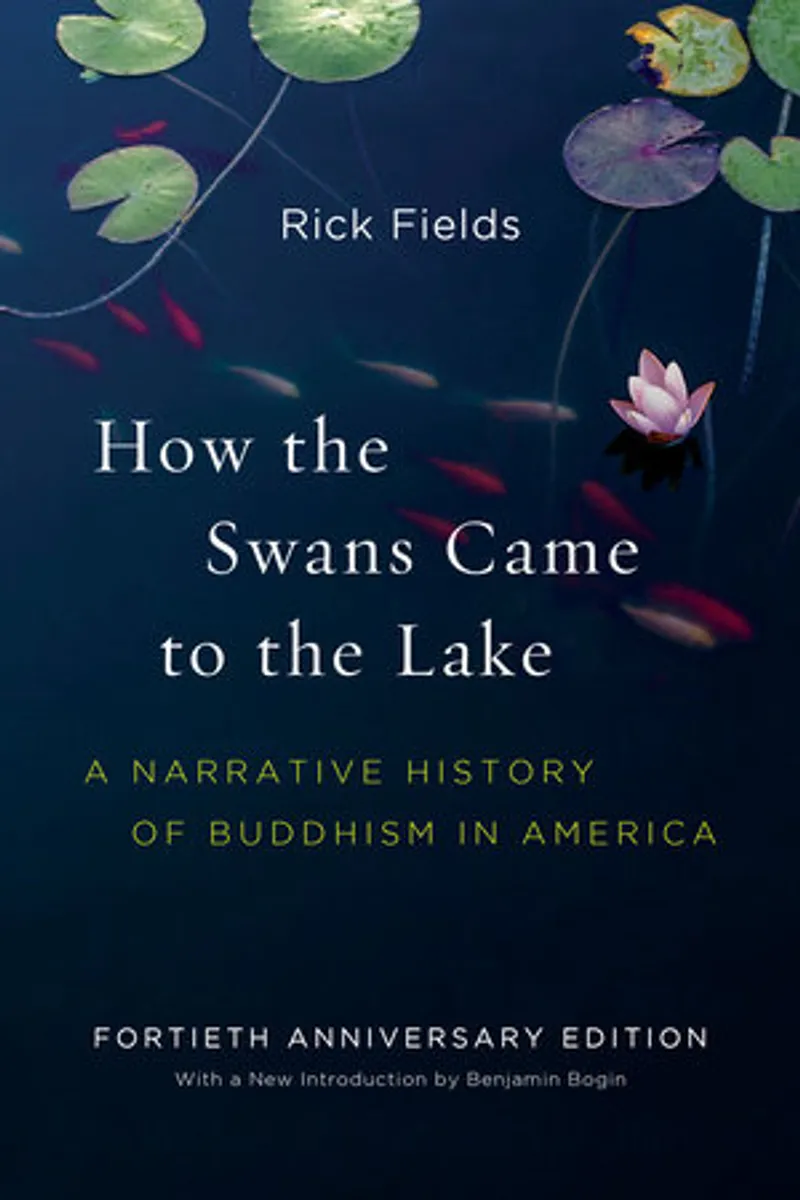
How the Swans Came to the Lake Author: Rick FieldsPage Count: UnknownPublication Date: 2022-PRH In the realm of Buddhist studies, few works have managed to capture the essence of the religion's migration to the West as comprehensively as Rick Fields' seminal book, "How the Swans Came to the Lake". This sweeping narrative masterfully chronicles the journey of Buddhism from its Asian roots to its widespread adoption in the Western world. Fields' magnum opus, first published in 1981 and now re-released in a fortieth-anniversary edition, is a testament to the author's meticulous research and engaging writing style. Fields' narrative begins with the life of the Buddha and the gradual dissemination of his teachings throughout Asia. He skillfully weaves a tapestry of historical events, cultural influences, and key figures, illustrating the complex dynamics that facilitated Buddhism's spread. The book's scope is staggering, spanning centuries and continents as it explores the diverse traditions and interpretations of Buddhism that emerged in various parts of Asia. The author's prose is lucid and engaging, making the book an enjoyable read for both scholars and laypeople. Fields' writing is characterized by a deep respect for the subject matter, and his passion for Buddhism is evident throughout the narrative. The inclusion of new and enhanced photographs in this anniversary edition adds a rich visual dimension to the text, further enhancing the reader's understanding of the subject. One of the book's greatest strengths lies in its ability to contextualize the transmission of Buddhism to the West. Fields masterfully explores the complex interplay between Western colonialism, Asian immigration, and the countercultural movements of the 1950s and 1960s, which collectively contributed to the growth of Buddhism in the United States and Europe. The author's discussion of influential figures such as D. T. Suzuki, Alan Watts, and the Beats provides valuable insights into the intellectual and cultural currents that shaped Western Buddhism. The new introduction by Benjamin Bogin, Fields' nephew and a Buddhist Studies scholar, offers a thought-provoking reflection on the book's impact and the significant changes that have occurred in Western Buddhist practice over the past four decades. Bogin's contribution adds a fresh perspective to the narrative, highlighting the ongoing relevance of Fields' work in the contemporary Buddhist landscape. In conclusion, "How the Swans Came to the Lake" is a masterpiece of Buddhist scholarship that continues to inspire and educate readers to this day. Rick Fields' magnum opus is a must-read for anyone interested in the history and development of Buddhism in the West. This fortieth-anniversary edition is a fitting tribute to the author's groundbreaking work, and its re-release is a timely reminder of the enduring significance of Buddhism in modern Western culture. #BuddhismInTheWest #RickFields #HowTheSwansCameToTheLake #BuddhistStudies #WesternBuddhism #BuddhistHistory Related InsightsThe Wrath Gods Reap (The Crucible, #3) Book Review and Summary David Baldacci Spring 2023 Book Review and Summary Heartstopper, Volume 4 Book Review and Summary{ "@context": "https://schema.org", "@type": "FAQPage", "mainEntity": [ { "@type": "Question", "name": "What is the main focus of The Swan Lake Murders Book Review and Summary?", "acceptedAnswer": { "@type": "Answer", "text": "Everything you need to know about The Swan Lake Murders with our detailed review." } }, { "@type": "Question", "name": "Who authored the comprehensive guide on The Swan Lake Murders Book Review and Summary?", "acceptedAnswer": { "@type": "Answer", "text": "This detailed article and its insights were carefully researched and authored by Susan Rowland." } }, { "@type": "Question", "name": "Where can I find more related content about Books?", "acceptedAnswer": { "@type": "Answer", "text": "You can explore more articles, detailed reviews, and similar insights by browsing the Related Insights section at the bottom of this article or visiting our dedicated Books category page." } } ] }
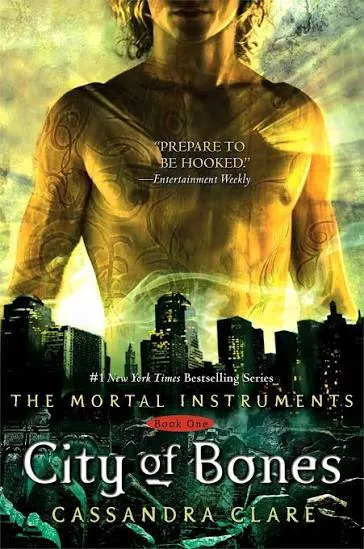
Jodi Picoult at The National Writers Series at the City Opera House Author: Jodi PicoultPage Count: UnknownPublication Date: Unknown-PRH In the realm of contemporary literature, few authors have managed to captivate audiences with the same level of depth and nuance as Jodi Picoult. Her unique ability to weave complex moral dilemmas into relatable narratives has earned her a devoted following, and her appearance at the National Writers Series at the City Opera House is a testament to her enduring influence. While the details of this particular book are scarce, fans of Picoult's work can rest assured that her signature style is on full display. With a career spanning over two decades, Picoult has honed her craft, developing a distinct voice that is both empathetic and unflinching. Her writing often explores the gray areas of human experience, delving into the intricacies of relationships, family dynamics, and the consequences of our choices. One of the defining characteristics of Picoult's writing is her ability to craft relatable, multidimensional characters. Her protagonists are often flawed, yet likable, and their struggles feel authentic and deeply personal. This talent for characterization allows readers to become fully invested in the story, making the inevitable plot twists and turns all the more impactful. Picoult's exploration of complex social issues is another hallmark of her writing. She tackles topics such as reproductive rights, capital punishment, and mental health with sensitivity and thought-provoking insight. Her approach is never didactic, instead, she presents multiple perspectives, encouraging readers to engage with the material on a deeper level. The National Writers Series at the City Opera House offers a unique opportunity for readers to experience Picoult's work in a new light. The book, which appears to be a transcript or recording of her appearance, provides a rare glimpse into the author's creative process and personal insights. This behind-the-scenes look is sure to delight fans and offer a fresh perspective on her writing. Throughout her career, Picoult has demonstrated a remarkable ability to balance the intellectual and emotional aspects of storytelling. Her writing is both thought-provoking and deeply moving, making her one of the most compelling authors of our time. In conclusion, Jodi Picoult at The National Writers Series at the City Opera House is a must-read for fans of the author and anyone interested in exploring the complexities of human experience. While the details of the book are limited, Picoult's signature style and thought-provoking insights are sure to shine through. #JodiPicoult #TheNationalWritersSeries #CityOperaHouse #ContemporaryLiterature #BookLovers #AuthorsToWatch Related InsightsBabel Book Review and Summary Do Androids Dream of Electric Sheep? Book Review and Summary ’Salem’s Lot Book Review and Summary{ "@context": "https://schema.org", "@type": "FAQPage", "mainEntity": [ { "@type": "Question", "name": "What is the main focus of City of Bones Book Review and Summary?", "acceptedAnswer": { "@type": "Answer", "text": "Everything you need to know about City of Bones with our detailed review." } }, { "@type": "Question", "name": "Who authored the comprehensive guide on City of Bones Book Review and Summary?", "acceptedAnswer": { "@type": "Answer", "text": "This detailed article and its insights were carefully researched and authored by Cassandra Clare." } }, { "@type": "Question", "name": "Where can I find more related content about Books?", "acceptedAnswer": { "@type": "Answer", "text": "You can explore more articles, detailed reviews, and similar insights by browsing the Related Insights section at the bottom of this article or visiting our dedicated Books category page." } } ] }
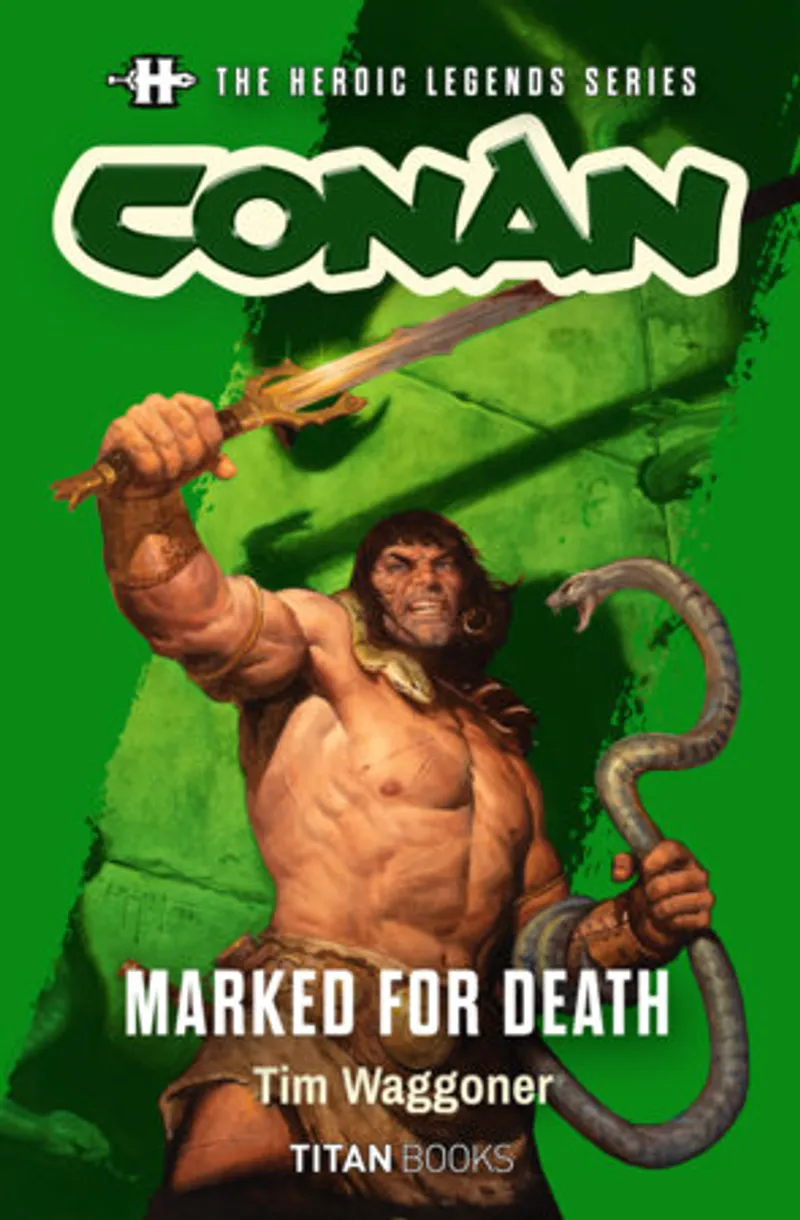
The Heroic Legends Series - Conan: Marked for Death Author: Tim WaggonerPage Count: UnknownPublication Date: 2026-PRH In the realm of fantasy literature, few names evoke the same sense of grandeur and adventure as Conan, the iconic Cimmerian warrior created by Robert E. Howard. Tim Waggoner's latest offering, "Conan: Marked for Death," is a thrilling addition to the Heroic Legends Series, delving into the darker corners of Conan's world and emerging with a gripping narrative that will leave fans of the genre breathless. From the outset, Waggoner's writing style is reminiscent of Howard's classic tales, with a focus on visceral action sequences and a deep understanding of the Hyborian Age. The author's prose is lean and mean, propelling the reader forward with a relentless pace that mirrors Conan's own unyielding ferocity. As the story unfolds, Waggoner masterfully weaves together elements of horror, mystery, and fantasy, crafting a rich tapestry that is both a loving homage to the original Conan stories and a bold new interpretation. At its core, "Conan: Marked for Death" is a tale of survival and redemption, as Conan finds himself hunted by a powerful and malevolent force that threatens to destroy everything he holds dear. Waggoner's portrayal of the iconic hero is both nuanced and faithful, capturing the complexity and depth that has made Conan an enduring figure in popular culture. The supporting cast is equally well-realized, with a diverse array of characters that add depth and richness to the narrative. One of the standout aspects of Waggoner's writing is his ability to balance action and atmosphere, creating a sense of tension and foreboding that permeates every aspect of the story. The world-building is meticulous and detailed, drawing heavily from the lore and mythology of the Hyborian Age. The result is a sense of immersion that is nothing short of remarkable, drawing the reader into a world of ancient magic, forgotten ruins, and primal savagery. If there is a criticism to be made, it is that the story occasionally feels a touch predictable, with certain plot twists and turns feeling somewhat telegraphed. However, this is a minor quibble in what is otherwise a superbly crafted narrative. Waggoner's writing is engaging and immersive, making even the most familiar tropes feel fresh and exciting. In conclusion, "Conan: Marked for Death" is a triumphant addition to the Heroic Legends Series, offering a thrilling and action-packed ride that is sure to delight fans of Conan and fantasy literature in general. Tim Waggoner's writing is a perfect blend of style and substance, capturing the essence of the iconic hero while introducing a new layer of depth and complexity. If you're looking for a compelling and immersive read, look no further than this exceptional tale of sword and sorcery. #ConanTheBarbarian #FantasyLiterature #SwordAndSorcery #HeroicLegendsSeries #TimWaggoner #RobertEHoward Related InsightsTrust Fall Book Review and Summary The Heights Book Review and Summary Faust, First Part Book Review and Summary{ "@context": "https://schema.org", "@type": "FAQPage", "mainEntity": [ { "@type": "Question", "name": "What is the main focus of Marked Book Review and Summary?", "acceptedAnswer": { "@type": "Answer", "text": "Everything you need to know about Marked with our detailed review." } }, { "@type": "Question", "name": "Who authored the comprehensive guide on Marked Book Review and Summary?", "acceptedAnswer": { "@type": "Answer", "text": "This detailed article and its insights were carefully researched and authored by P.C. Cast." } }, { "@type": "Question", "name": "Where can I find more related content about Books?", "acceptedAnswer": { "@type": "Answer", "text": "You can explore more articles, detailed reviews, and similar insights by browsing the Related Insights section at the bottom of this article or visiting our dedicated Books category page." } } ] }
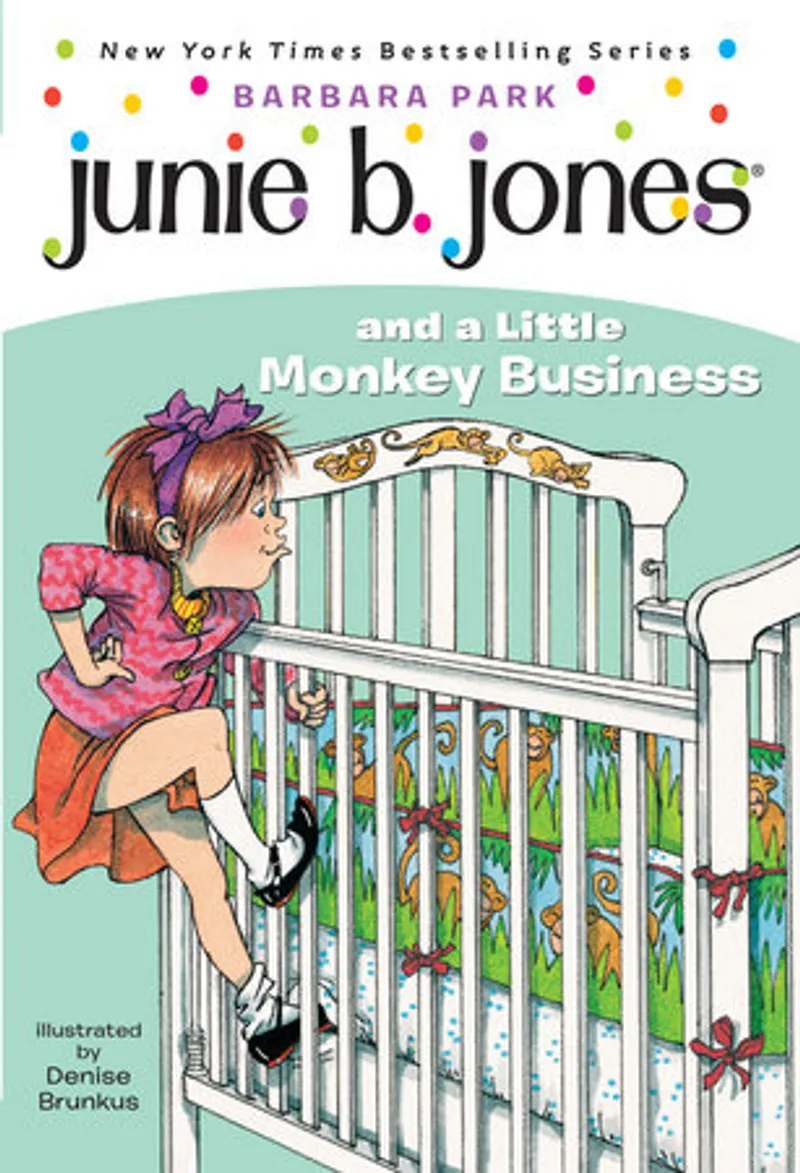
Junie B. Jones #2: Junie B. Jones and a Little Monkey Business Author: Barbara ParkPage Count: UnknownPublication Date: 1993-PRH Barbara Park's Junie B. Jones and a Little Monkey Business is a sidesplitting tale that solidifies the author's position as a master of children's literature. This second installment in the Junie B. Jones series, published in 1993, has stood the test of time, and its enduring popularity is a testament to Park's ingenious storytelling and her ability to craft a narrative that is both humorous and relatable. The story revolves around Junie B.'s initial reluctance to accept her new baby brother, whom she dismisses as a "dumb old baby." However, as she witnesses the excitement and attention he receives from her friends and family, Junie B. begins to realize that having a sibling might not be so bad after all. The plot thickens when Junie B. concocts a plan to bring her baby brother to school on Pet Day, and the chaos that ensues is nothing short of hilarious. Park's writing style is a key factor in the book's success. Her use of simple, concise language makes it accessible to early readers, while her clever wordplay and comedic timing ensure that the story remains engaging and entertaining for readers of all ages. Junie B.'s distinctive voice and perspective add to the narrative's charm, making her one of the most lovable and relatable protagonists in children's literature. One of the primary themes of the book is the challenges and rewards of sibling relationships. Junie B.'s initial hesitation to accept her baby brother is understandable, given her age and limited understanding of the situation. However, as she begins to appreciate the attention and affection he receives, she starts to see him in a different light. This transformation is both heartwarming and humorous, and it serves as a valuable lesson for young readers who may be experiencing similar emotions. Park's ability to tackle complex themes in a lighthearted and humorous manner is a hallmark of her writing style. She has a unique talent for making reading fun, and her books have been credited with inspiring a love of reading in countless children. The Junie B. Jones series has sold over 65 million copies worldwide, and its impact on children's literature cannot be overstated. In conclusion, Junie B. Jones and a Little Monkey Business is a delightful tale that is sure to leave readers of all ages in stitches. Barbara Park's ingenious storytelling, clever wordplay, and lovable protagonist make this book a must-read for anyone looking for a humorous and engaging story. With its lighthearted take on sibling relationships and its ability to make reading fun, this book is an excellent addition to any child's library. #JunieBJones #BarbaraPark #ChildrensLiterature #HumorousFiction #SiblingRelationships #EarlyReaders Related InsightsThe Lord of Demons (The Burning, #3) Book Review and Summary The Night She Disappeared Book Review and Summary The True Confessions of First Lady Freeman Book Review and Summary{ "@context": "https://schema.org", "@type": "FAQPage", "mainEntity": [ { "@type": "Question", "name": "What is the main focus of Eden 2:b Book Review and Summary?", "acceptedAnswer": { "@type": "Answer", "text": "Everything you need to know about Eden 2:b with our detailed review." } }, { "@type": "Question", "name": "Who authored the comprehensive guide on Eden 2:b Book Review and Summary?", "acceptedAnswer": { "@type": "Answer", "text": "This detailed article and its insights were carefully researched and authored by Joseph A. Anderson." } }, { "@type": "Question", "name": "Where can I find more related content about Books?", "acceptedAnswer": { "@type": "Answer", "text": "You can explore more articles, detailed reviews, and similar insights by browsing the Related Insights section at the bottom of this article or visiting our dedicated Books category page." } } ] }
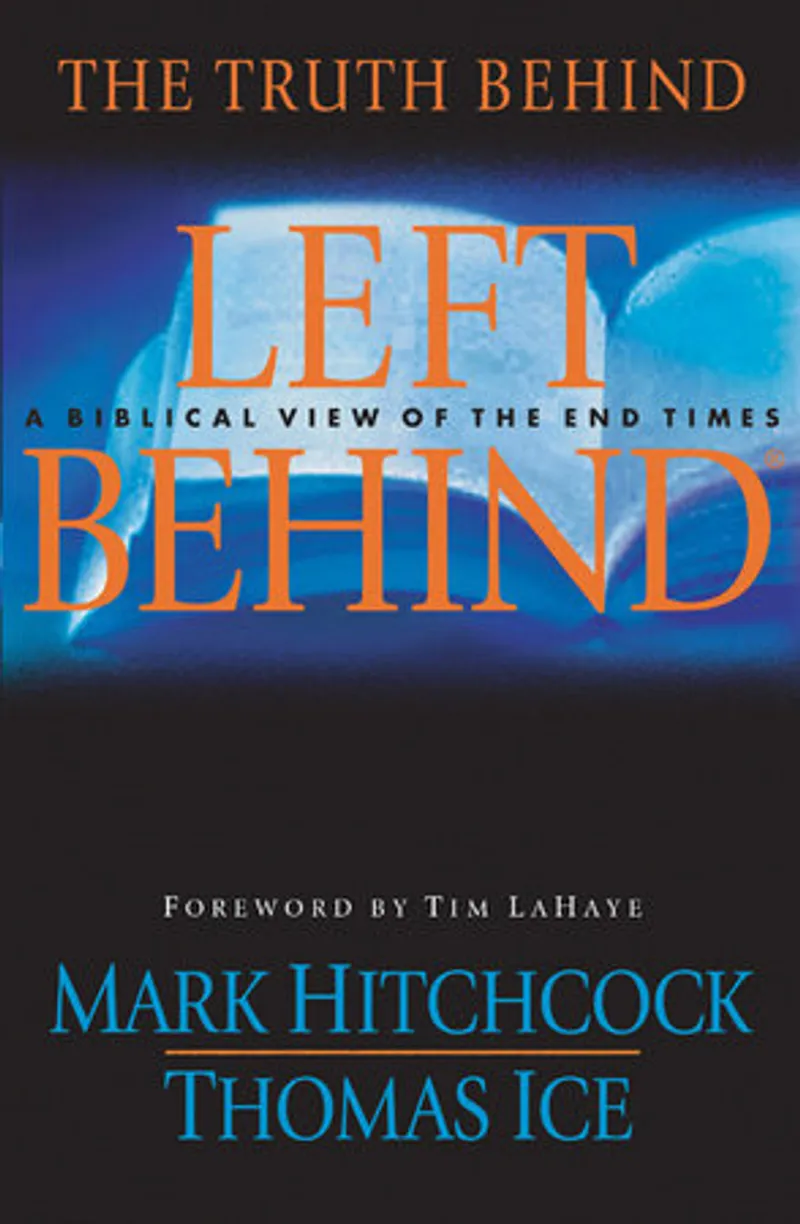
The Truth Behind Left Behind Author: Mark HitchcockPage Count: UnknownPublication Date: 2011-PRH The Truth Behind Left Behind: A Theological Defense Worth Considering Mark Hitchcock’s The Truth Behind Left Behind (2011) is more than just a rebuttal to critics—it’s a clarion call for clarity in an age of prophetic confusion. As the Left Behind series reshaped popular Christian imagination about the end times, so too did it spark heated debates about its theological accuracy. Hitchcock, a seasoned theologian and prolific author, steps into this fray not with defensiveness but with a measured, scripturally grounded defense of dispensational premillennialism—the theological framework underpinning the series. At its core, the book tackles a pressing question: Is Left Behind’s portrayal of the end times biblically sound? Hitchcock doesn’t shy away from the controversy. Instead, he dismantles misconceptions with precision, offering a robust apologetic for the series’ key themes—rapture timing, the Antichrist’s rise, the Tribulation, and the Millennium. His approach is systematic, almost pedagogical, making complex eschatology accessible without dumbing it down. This is no mere fan service; it’s a theological deep dive aimed at both believers and skeptics. Hitchcock’s style is disarmingly straightforward. He avoids the dense jargon that often plagues theological works, opting instead for a conversational tone that feels like a fireside chat with a trusted pastor. Each chapter builds on the last, starting with foundational concepts like hermeneutics (how to interpret prophecy) before diving into specific events depicted in the novels. His strength lies in his ability to marry popular appeal with scholarly rigor. He cites Scripture relentlessly, grounding every claim in biblical text rather than speculation. When addressing critics who argue that the Left Behind timeline is forced, Hitchcock responds with historical context, linguistic analysis, and cross-references—never resorting to straw-man arguments or emotional appeals. One of the book’s most compelling sections is its treatment of the rapture. Hitchcock dismantles the post-tribulationist argument (the view that the rapture and Second Coming are simultaneous) with surgical precision, pointing to key Greek terms like harpazo (to seize away) and parousia (presence/arrival) to argue for a pre-Tribulation rapture. He doesn’t just assert his position; he invites readers to grapple with the text themselves, making this a work that could easily serve as a study guide for small groups or Sunday school classes. Yet, for all its strengths, the book isn’t without its limitations. Hitchcock’s unwavering commitment to dispensationalism means he gives short shrift to alternative views, such as amillennialism or historic premillennialism. While he acknowledges these perspectives, his treatment of them feels cursory, almost dismissive. A more generous engagement with opposing viewpoints might have strengthened his case by demonstrating why dispensationalism holds up under scrutiny. Additionally, some readers may find his reliance on the Left Behind novels as a springboard for discussion a bit too self-referential—after all, the books themselves are works of fiction, not theology. Hitchcock walks a fine line between defending the series’ theological claims and its narrative choices, which could leave some wondering where one ends and the other begins. Still, these critiques don’t overshadow the book’s value. The Truth Behind Left Behind is a timely reminder that prophecy isn’t just about sensationalism—it’s about sober-minded faith. Hitchcock’s work is a rallying cry for those who, like him, believe the Bible’s end-times passages are not allegories to be spiritualized away but literal events to be prepared for. In an era where doomsday predictions and conspiracy theories run rampant, his call for biblical fidelity is refreshing. For fans of the Left Behind series, this book is a must-read—it validates their convictions while deepening their understanding. For skeptics, it’s an invitation to engage with the text honestly, even if they ultimately disagree. And for the undecided, it’s a well-reasoned entry point into one of Christianity’s most debated topics. In the end, The Truth Behind Left Behind isn’t just about defending a bestselling franchise; it’s about defending the authority of Scripture itself. Hitchcock may not change every mind, but he equips readers with the tools to think critically about the end times—and that’s a victory worth celebrating. #LeftBehind #EndTimes #BibleProphecy #Dispensationalism #ChristianTheology #RaptureDebate Related InsightsExtraOrdinary Book Review and Summary Wildcard Book Review and Summary Find Me Where It Ends Book Review and Summary{ "@context": "https://schema.org", "@type": "FAQPage", "mainEntity": [ { "@type": "Question", "name": "What is the main focus of Left Behind Book Review and Summary?", "acceptedAnswer": { "@type": "Answer", "text": "Everything you need to know about Left Behind with our detailed review." } }, { "@type": "Question", "name": "Who authored the comprehensive guide on Left Behind Book Review and Summary?", "acceptedAnswer": { "@type": "Answer", "text": "This detailed article and its insights were carefully researched and authored by Tim LaHaye." } }, { "@type": "Question", "name": "Where can I find more related content about Books?", "acceptedAnswer": { "@type": "Answer", "text": "You can explore more articles, detailed reviews, and similar insights by browsing the Related Insights section at the bottom of this article or visiting our dedicated Books category page." } } ] }
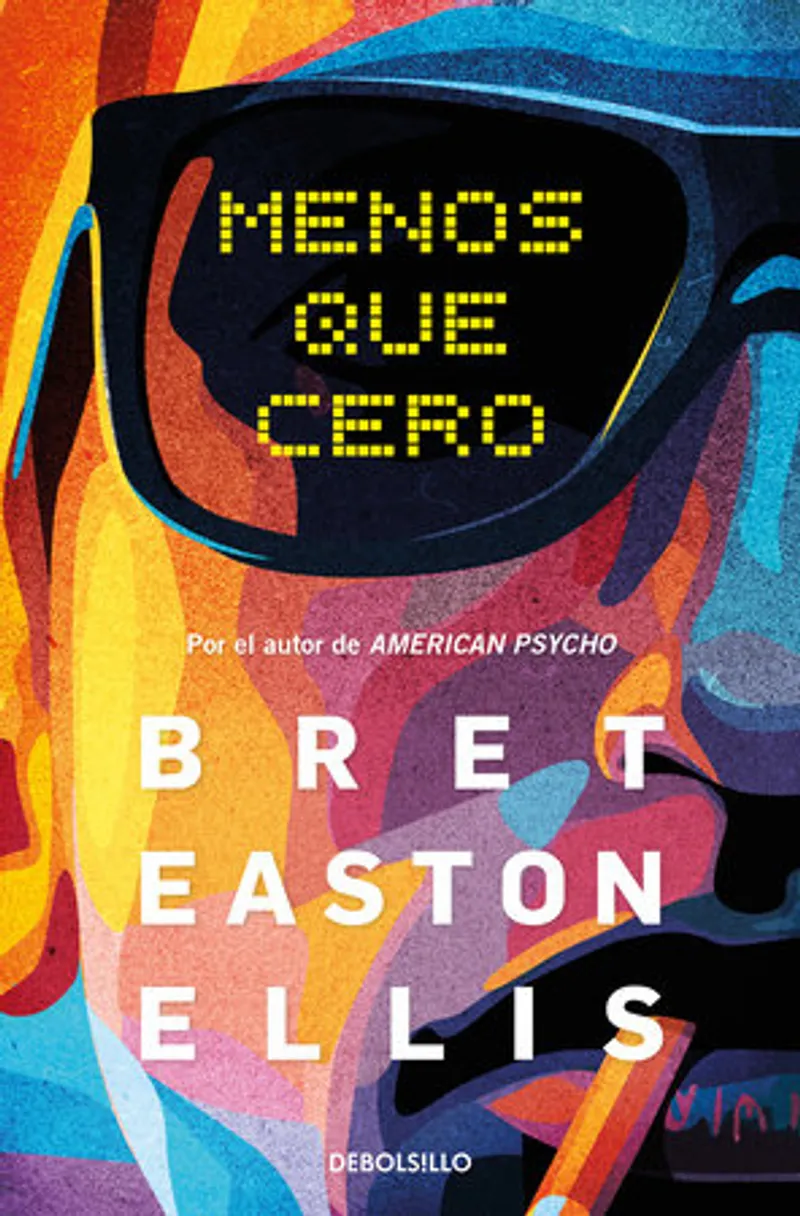
Menos que cero / Less Than Zero Author: Bret Easton EllisPage Count: UnknownPublication Date: 2023-PRH "Menos que cero" or "Less Than Zero" by Bret Easton Ellis is a haunting and thought-provoking novel that delves into the lives of privileged teenagers in 1980s Los Angeles. Written when the author was just 20 years old, this debut novel is a masterful portrayal of a generation lost in a world of excess and moral decay. The story revolves around Clay, a college student who returns home to Los Angeles for Christmas, only to find himself disillusioned with the superficiality of his life. His relationships with his girlfriend Blair and his best friend Julian are shallow and unfulfilling, reflecting the emptiness of their privileged existence. As Clay navigates the party scene, he becomes increasingly disenchanted with the monotony of his life, which is marked by a relentless pursuit of sex, drugs, and material possessions. Ellis's writing style is characterized by a detached, almost clinical tone, which perfectly captures the emotional numbness of his characters. His prose is sparse and concise, yet powerful in its ability to convey the sense of desperation and disillusionment that pervades the lives of these teenagers. The author's use of vivid imagery and stark descriptions of the Los Angeles landscape serves to underscore the sense of moral decay and social disintegration that defines this world. One of the most striking aspects of "Menos que cero" is its unflinching portrayal of the dark underbelly of 1980s Los Angeles. Ellis pulls no punches in his depiction of the city's seedy bars, underground rock clubs, and the seamy world of hustling and heroin addiction. The novel's exploration of themes such as nihilism, passivity, and the corrupting influence of wealth is both unsettling and thought-provoking. Despite being written over three decades ago, "Menos que cero" remains a hauntingly relevant novel that continues to resonate with readers today. Its exploration of the human condition, with all its complexities and flaws, is both poignant and profound. As a work of literary fiction, it is a powerful indictment of the excesses of 1980s America, and a sobering reminder of the consequences of unchecked privilege and moral decay. In conclusion, "Menos que cero" is a masterpiece of contemporary literature that is not to be missed. Its unflinching portrayal of the dark side of human nature, combined with Ellis's sparse and powerful prose, makes for a reading experience that is both haunting and unforgettable. #LessThanZero #BretEastonEllis #AmericanPsycho #80sLiterature #DarkAcademia #LiteraryFiction Related InsightsThe Quiet Tenant Book Review and Summary Lucid Dreams Book Review and Summary Daughter of the Deep Book Review and Summary{ "@context": "https://schema.org", "@type": "FAQPage", "mainEntity": [ { "@type": "Question", "name": "What is the main focus of Less Than Zero Book Review and Summary?", "acceptedAnswer": { "@type": "Answer", "text": "Everything you need to know about Less Than Zero with our detailed review." } }, { "@type": "Question", "name": "Who authored the comprehensive guide on Less Than Zero Book Review and Summary?", "acceptedAnswer": { "@type": "Answer", "text": "This detailed article and its insights were carefully researched and authored by Bret Easton Ellis." } }, { "@type": "Question", "name": "Where can I find more related content about Books?", "acceptedAnswer": { "@type": "Answer", "text": "You can explore more articles, detailed reviews, and similar insights by browsing the Related Insights section at the bottom of this article or visiting our dedicated Books category page." } } ] }
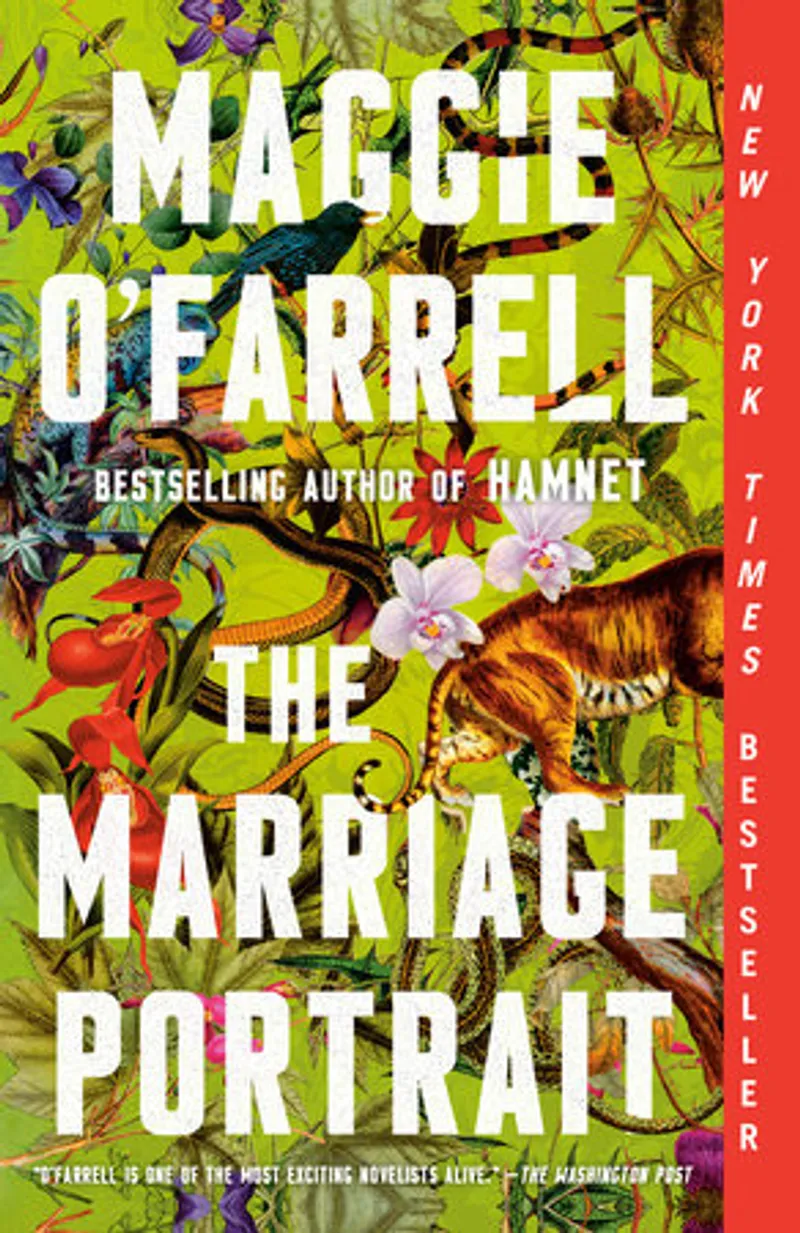
The Marriage Portrait: Reese's Book Club Author: Maggie O'FarrellPage Count: UnknownPublication Date: 2023-PRH In "The Marriage Portrait," Maggie O'Farrell masterfully weaves a captivating narrative that delves into the intricate world of Renaissance Italy, breathing life into the enigmatic figure of Lucrezia de' Medici. This mesmerizing tale is a testament to O'Farrell's skill in crafting a story that is both historically rich and emotionally charged. At its core, the novel is an exploration of the precarious existence of women in a patriarchal society, where their value is often determined by their ability to produce heirs. Lucrezia, the third daughter of the grand duke, is thrust into the limelight when her older sister dies, and she is subsequently married off to the ruler of Ferrara, Modena, and Reggio. As she navigates the complexities of her new role, Lucrezia must confront the harsh realities of her position, where her worth is inextricably linked to her capacity to provide a male heir. O'Farrell's writing is akin to a rich tapestry, intricately woven with threads of historical detail, vivid descriptions, and a deep understanding of the human condition. Her prose is evocative and immersive, transporting the reader to the grand palazzos and ornate courts of 16th-century Italy. The author's use of language is deliberate and measured, reflecting the calculated nature of the society in which Lucrezia lives. Through Lucrezia's story, O'Farrell sheds light on the suffocating conventions that govern the lives of women in Renaissance Italy. The novel is a powerful exploration of the tension between individual desire and societal expectation, as Lucrezia struggles to assert her own identity within the confines of her role. O'Farrell's portrayal of Lucrezia is nuanced and multidimensional, capturing the complexity and depth of a young woman navigating the treacherous waters of court politics. One of the most striking aspects of the novel is its exploration of the relationship between Lucrezia and her husband, Alfonso. O'Farrell skillfully captures the ambiguity and intrigue that surrounds Alfonso, leaving the reader questioning his true nature. Is he the charming aesthete he appears to be, or a ruthless politician driven by ambition? The uncertainty that surrounds Alfonso serves as a reminder of the precarious nature of Lucrezia's position, where her fate is inextricably linked to the whims of her husband. Throughout the novel, O'Farrell's writing is infused with a sense of urgency and foreboding, reflecting the precarious nature of Lucrezia's existence. The author's use of the marriage portrait as a symbol of Lucrezia's confinement is particularly effective, highlighting the ways in which women were reduced to mere objects, valued for their beauty and reproductive potential. In "The Marriage Portrait," Maggie O'Farrell has crafted a masterpiece that is both a poignant exploration of the human condition and a richly detailed portrait of Renaissance Italy. This is a novel that will appeal to fans of historical fiction, as well as those who appreciate a compelling narrative that explores the complexities of the human experience. #TheMarriagePortrait #MaggieOFarrell #RenaissanceItaly #HistoricalFiction #WomensPrizeForFiction #ReesesBookClubPick Related InsightsLife of Black Hawk, or Ma-ka-tai-me-she-kia-kiak Book Review and Summary Bonded in Death Book Review and Summary Agrippa: A Novel of Ancient Rome's Descent into Dictatorship Book Review and Summary{ "@context": "https://schema.org", "@type": "FAQPage", "mainEntity": [ { "@type": "Question", "name": "What is the main focus of The Marriage Portrait Book Review and Summary?", "acceptedAnswer": { "@type": "Answer", "text": "Everything you need to know about The Marriage Portrait with our detailed review." } }, { "@type": "Question", "name": "Who authored the comprehensive guide on The Marriage Portrait Book Review and Summary?", "acceptedAnswer": { "@type": "Answer", "text": "This detailed article and its insights were carefully researched and authored by Maggie O'Farrell." } }, { "@type": "Question", "name": "Where can I find more related content about Books?", "acceptedAnswer": { "@type": "Answer", "text": "You can explore more articles, detailed reviews, and similar insights by browsing the Related Insights section at the bottom of this article or visiting our dedicated Books category page." } } ] }

No es país para viejos / No Country for Old Men Author: Cormac McCarthyPage Count: UnknownPublication Date: 2023-PRH A Relentless Descent into Chaos: Cormac McCarthy’s No Country for Old Men Cormac McCarthy’s No Country for Old Men is not just a crime novel—it’s a brutal, philosophical reckoning with fate, violence, and the illusion of control in a world where evil is not just present but inevitable. Set against the sun-baked, lawless expanse of the Texas-Mexico border, the book strips away the glamour of the thriller genre to reveal something far more unsettling: a universe where morality is arbitrary, and survival is a matter of luck rather than virtue. At its core, the novel is a chase—a cat-and-mouse game between Llewellyn Moss, a hardened Vietnam vet who stumbles upon a drug cartel’s bloodied massacre and the two million dollars left behind; Anton Chigurh, a psychopathic hitman whose coin-flip philosophy masks a nihilistic god complex; and Sheriff Ed Tom Bell, a weary lawman clinging to a vanishing code of honor. But McCarthy’s genius lies in how he transforms this premise into a meditation on the nature of evil and the futility of resistance. Chigurh isn’t just a villain—he’s a force of nature, a man who kills not out of greed or rage but because he believes in the inevitability of suffering. His infamous coin-toss scene, where he forces a gas station proprietor to gamble his life, isn’t just shocking—it’s a chilling indictment of free will. If Chigurh represents the random cruelty of the universe, Moss embodies the stubborn, doomed human instinct to defy it. McCarthy’s prose is as stark and unflinching as the landscape he describes. His sentences are lean, devoid of adornment, yet laced with a poetic precision that makes every word feel deliberate. Dialogue crackles with tension, often reduced to terse exchanges where meaning hangs in the unspoken. There’s a biblical cadence to his writing, as if the characters are speaking in parables rather than casual conversation. When Bell reflects on his own mortality—"I always thought when I got older that God would sort of come into my life in some way. He didn’t."—the weight of his disillusionment lingers long after the page is turned. The novel’s power lies in its refusal to offer easy answers. Moss, for all his cunning, is no hero—he’s a man who makes a reckless choice and pays the price. Chigurh isn’t defeated; he simply moves on to the next victim. Bell, the moral compass of the story, is powerless to stop the tide of violence, his nostalgia for a "simpler" past rendered meaningless. In this way, No Country for Old Men feels like a modern Western, where the frontier isn’t a place but a state of mind—one where justice is a myth and the only certainty is chaos. The book’s adaptation by the Coen brothers amplifies its themes, but McCarthy’s original is far more unsettling. The Coens streamline the narrative, but the novel lingers in the mind like a bad dream, its violence lingering not just in the bloodshed but in the quiet moments—the way Bell remembers his father, the way Moss’s wife waits in vain for his return. It’s a story about the end of an era, not just for the characters but for the idea of America itself, where the old rules no longer apply and the new ones are written in gunpowder and blood. For readers who crave neat resolutions or moral clarity, No Country for Old Men will be a frustrating read. But for those who appreciate fiction that doesn’t flinch from the darker corners of human nature, it’s a masterpiece—a novel that doesn’t just entertain but haunts, leaving you to question whether the world is truly ruled by chance or if there’s something even more terrifying at work. #NoCountryForOldMen #CormacMcCarthy #CrimeFiction #DarkLiterature #AntonChigurh #ExistentialThriller Related InsightsNew Harry Bosch and Renée Ballard Novel Book Review and Summary The Key to a Killer (The Ruby and Cordelia Mysteries, #3) Book Review and Summary Dear Heart: A Sweet and Spicy, London-Set, Friends-to-Lovers Romance Book Review and Summary{ "@context": "https://schema.org", "@type": "FAQPage", "mainEntity": [ { "@type": "Question", "name": "What is the main focus of No Country for Old Men Book Review and Summary?", "acceptedAnswer": { "@type": "Answer", "text": "Everything you need to know about No Country for Old Men with our detailed review." } }, { "@type": "Question", "name": "Who authored the comprehensive guide on No Country for Old Men Book Review and Summary?", "acceptedAnswer": { "@type": "Answer", "text": "This detailed article and its insights were carefully researched and authored by Cormac McCarthy." } }, { "@type": "Question", "name": "Where can I find more related content about Books?", "acceptedAnswer": { "@type": "Answer", "text": "You can explore more articles, detailed reviews, and similar insights by browsing the Related Insights section at the bottom of this article or visiting our dedicated Books category page." } } ] }
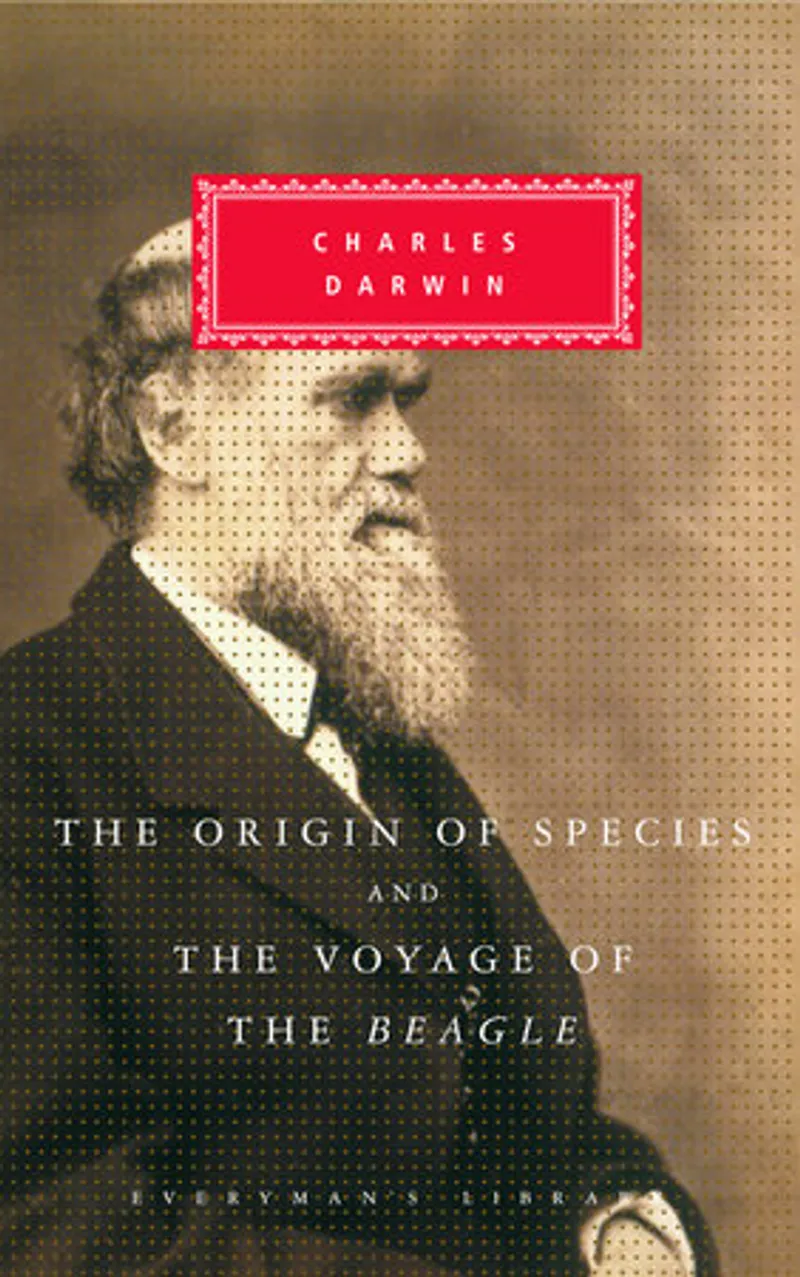
The Origin of Species and The Voyage of the 'Beagle' Author: Charles DarwinPage Count: UnknownPublication Date: 2003-PRH In the realm of scientific literature, few works have left an indelible mark on the fabric of human understanding as Charles Darwin's magnum opus, "The Origin of Species". Paired with the earlier "Voyage of the 'Beagle'", this dual publication is a masterclass in scientific storytelling, weaving together the threads of observation, experimentation, and groundbreaking theory. First published in 1859, "The Origin of Species" is a sweeping narrative that shook the very foundations of biology, propelling the concept of evolution by natural selection into the forefront of scientific discourse. The book's central argument, that species evolve through a process of variation, mutation, and adaptation, remains a cornerstone of modern biology. What sets Darwin's work apart, however, is not merely the audacity of his idea, but the meticulous craftsmanship with which he presents it. Darwin's writing style is characterized by a lucid, almost lyrical quality, which belies the complexity of his subject matter. He weaves together observations from his travels, meticulous notes on the natural world, and a deep understanding of the scientific debates of his time, creating a rich tapestry of ideas that is both accessible and compelling. The "Voyage of the 'Beagle'", published in 1839, serves as a fascinating precursor to "The Origin of Species". This earlier work chronicles Darwin's five-year journey aboard the HMS Beagle, as he travels to South America and the Pacific islands, collecting specimens and making observations that would later inform his theory of evolution. The "Voyage" is a testament to Darwin's boundless curiosity and his ability to find wonder in the most mundane details. Throughout both works, Darwin's passion for the natural world shines through, imbuing his writing with a sense of awe and reverence. His descriptions of the exotic landscapes he encountered on his travels are vivid and evocative, conjuring images of lush forests, towering mountain ranges, and teeming ecosystems. One of the most striking aspects of Darwin's writing is his ability to balance scientific rigor with a deep appreciation for the beauty and complexity of the natural world. His theory of evolution, while revolutionary in its implications, is presented with a humility and openness to criticism that is rare in scientific discourse. In conclusion, "The Origin of Species" and "The Voyage of the 'Beagle'" are two works that have left an indelible mark on the scientific landscape. Darwin's writing is a testament to the power of observation, experimentation, and imagination, and his ideas continue to shape our understanding of the natural world. These books are a must-read for anyone interested in the history of science, the natural world, and the evolution of human knowledge. #DarwinOnEvolution #TheOriginOfSpecies #VoyageOfTheBeagle #CharlesDarwin #EvolutionByNaturalSelection #ScienceClassics Related InsightsSaddles & Snowfall (Crimson Ridge, #4.5) Book Review and Summary Last Wizards' Ball Book Review and Summary Hush, Hush Book Review and Summary{ "@context": "https://schema.org", "@type": "FAQPage", "mainEntity": [ { "@type": "Question", "name": "What is the main focus of The Origin of Species Book Review and Summary?", "acceptedAnswer": { "@type": "Answer", "text": "Everything you need to know about The Origin of Species with our detailed review." } }, { "@type": "Question", "name": "Who authored the comprehensive guide on The Origin of Species Book Review and Summary?", "acceptedAnswer": { "@type": "Answer", "text": "This detailed article and its insights were carefully researched and authored by Charles Darwin." } }, { "@type": "Question", "name": "Where can I find more related content about Books?", "acceptedAnswer": { "@type": "Answer", "text": "You can explore more articles, detailed reviews, and similar insights by browsing the Related Insights section at the bottom of this article or visiting our dedicated Books category page." } } ] }
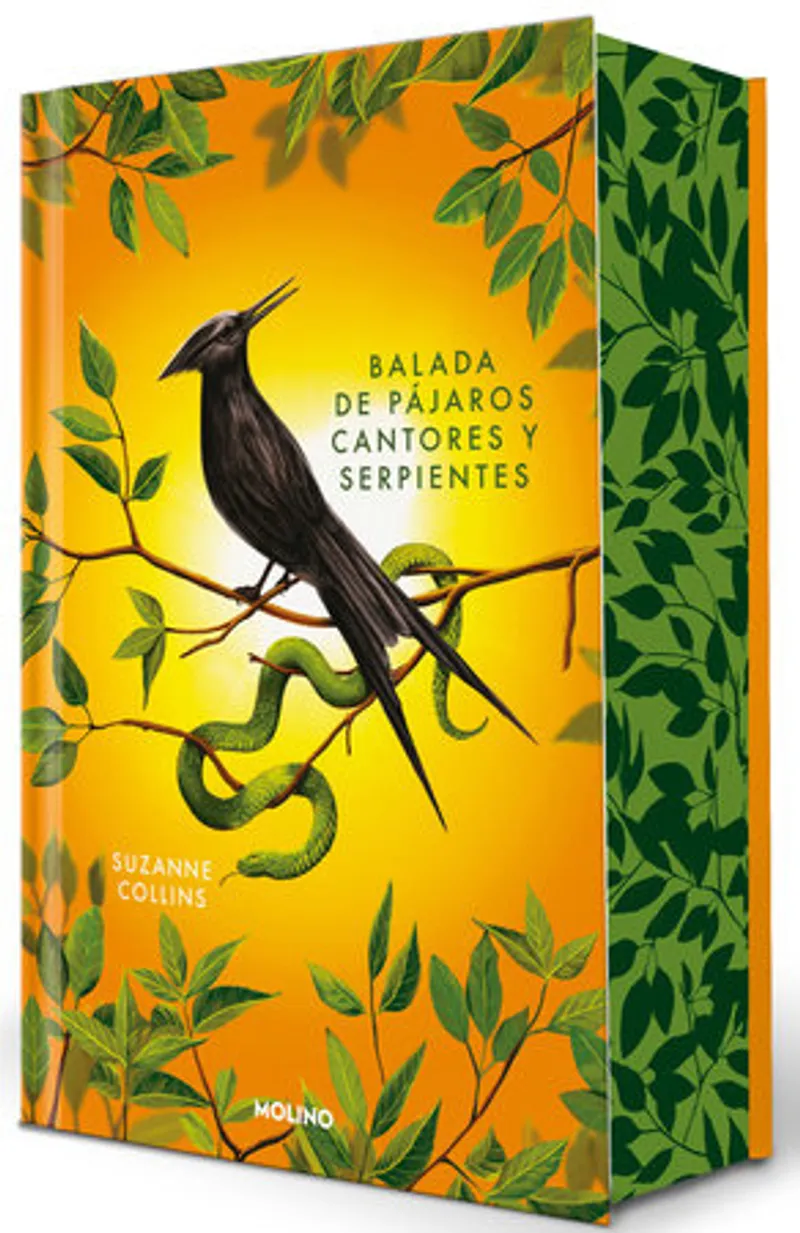
Balada de pájaros cantores y serpientes (Edición especial cantos pintados) / The Ballad of Songbirds and Snakes (Special Edition Sprayed Edges) Author: Suzanne CollinsPage Count: UnknownPublication Date: 2025-PRH In the eagerly anticipated prequel to The Hunger Games trilogy, Suzanne Collins weaves a captivating narrative that delves into the complexities of human nature, ambition, and the pursuit of power. The Ballad of Songbirds and Snakes, set 64 years before the events of the original trilogy, follows the journey of 18-year-old Coriolanus Snow as he prepares to mentor a tribute in the tenth Hunger Games. Collins masterfully crafts a world that is both familiar and yet, distinct from the one we know. The Capitol, with its grandeur and decadence, serves as the backdrop for Coriolanus's story, a tale of a young man driven by his desire to reclaim his family's lost glory. The Snow family's fortunes have waned, and Coriolanus sees the Hunger Games as his ticket to redemption. His determination and cunning are matched only by his charisma, as he navigates the intricate web of alliances and rivalries that define the Games. Through Coriolanus's character, Collins explores the theme of ambition and its consequences. His single-minded pursuit of power and prestige is a commentary on the dangers of unchecked desire and the moral compromises that often accompany it. As Coriolanus becomes increasingly embroiled in the Games, his actions raise questions about the true cost of success and the lengths to which one will go to achieve it. Collins's writing is, as always, engaging and accessible. Her prose is concise, yet evocative, and she has a remarkable ability to craft characters that are both complex and relatable. The world-building in The Ballad of Songbirds and Snakes is meticulous, with a keen attention to detail that adds depth and richness to the narrative. One of the most striking aspects of the book is its exploration of the early days of the Hunger Games. Collins sheds light on the events that shaped the arena, the tributes, and the mentors, providing a fascinating glimpse into the evolution of the Games. The inclusion of familiar characters and locations adds a layer of continuity to the story, while the new characters and plot twists keep the narrative fresh and exciting. The Ballad of Songbirds and Snakes is a gripping and thought-provoking read that will appeal to fans of The Hunger Games trilogy and newcomers alike. Collins's masterful storytelling and well-developed characters make this book a compelling addition to the series. As the story unfolds, readers will be drawn into a world of intrigue, deception, and rebellion, where the stakes are high and the consequences are deadly. In short, The Ballad of Songbirds and Snakes is a must-read for anyone who loves dystopian fiction, complex characters, and morally ambiguous themes. With its breakneck pace, intricate plotting, and memorable characters, this book is sure to captivate readers from start to finish. #TheBalladOfSongbirdsAndSnakes #TheHungerGames #SuzanneCollins #DystopianFiction #YoungAdultLiterature #TheHungerGamesPrequel Related InsightsOther: Race, Sex, and the Hidden Harms of Human Categories Book Review and Summary Maggie Moves On Book Review and Summary Dangerous Impulses (The Naturals, #5) Book Review and Summary{ "@context": "https://schema.org", "@type": "FAQPage", "mainEntity": [ { "@type": "Question", "name": "What is the main focus of The Ballad of Songbirds and Snakes Book Review and Summary?", "acceptedAnswer": { "@type": "Answer", "text": "Everything you need to know about The Ballad of Songbirds and Snakes with our detailed review." } }, { "@type": "Question", "name": "Who authored the comprehensive guide on The Ballad of Songbirds and Snakes Book Review and Summary?", "acceptedAnswer": { "@type": "Answer", "text": "This detailed article and its insights were carefully researched and authored by Suzanne Collins." } }, { "@type": "Question", "name": "Where can I find more related content about Books?", "acceptedAnswer": { "@type": "Answer", "text": "You can explore more articles, detailed reviews, and similar insights by browsing the Related Insights section at the bottom of this article or visiting our dedicated Books category page." } } ] }
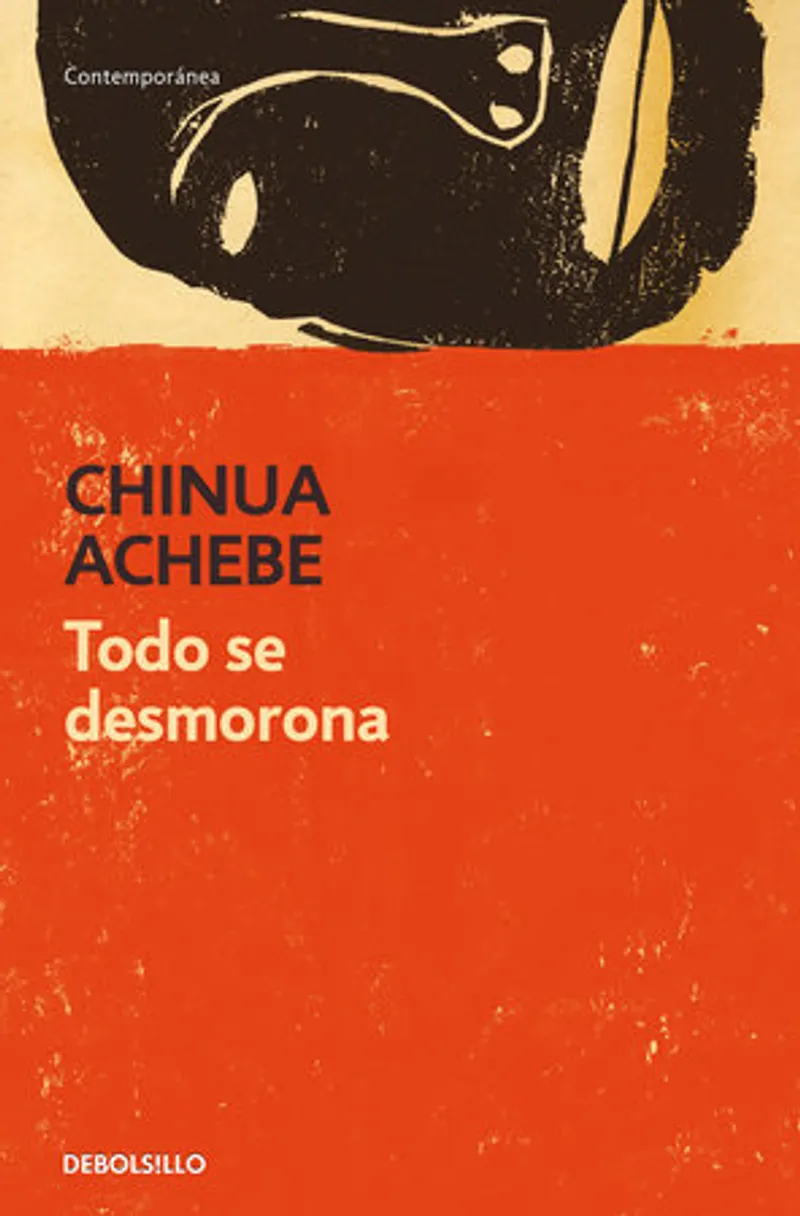
Todo se desmorona / Things Fall Apart Author: Chinua AchebePage Count: UnknownPublication Date: 2023-PRH Chinua Achebe’s Things Fall Apart is not just a novel—it is a seismic tremor in the landscape of world literature, a work that reshaped how Africa and its people are perceived by the world. Published in 1958, long before postcolonial studies became an academic discipline, Achebe’s masterpiece dismantles the myths of colonialism with unflinching honesty, weaving a story that is at once deeply personal and profoundly universal. The novel’s power lies in its ability to make the reader feel the weight of history not as a distant abstraction, but as a lived, breathing tragedy. At its core, Things Fall Apart is a meditation on the collision of cultures, a story of pride, loss, and the inexorable march of change. The protagonist, Okonkwo, is a man forged in the fire of Igbo tradition—a warrior whose strength and discipline have elevated him to a position of respect in his village of Umuofia. Yet Okonkwo is also a man haunted by fear: the fear of weakness, of emasculation, of becoming like his father, Unoka, a man scorned for his laziness and debt. His entire identity is built on defiance—defiance of failure, defiance of colonial intrusion, defiance even of the gods when they seem to betray him. But when the white man arrives, bringing with him not just foreign religion but an entirely new system of governance, Okonkwo’s world begins to unravel. His resistance is futile, not because he lacks courage, but because the tide of history cannot be stemmed by one man’s will. Achebe’s genius lies in his refusal to romanticize either side of this conflict. The Igbo people are not portrayed as noble savages living in harmony with nature, nor are the colonizers reduced to mere villains. Instead, Achebe presents a nuanced, often brutal reality. The Igbo society is complex, with its own hierarchies, superstitions, and cruelties—Okonkwo himself is a product of that system, his violence and rigidity as much a part of Umuofia as its festivals and proverbs. The colonizers, meanwhile, are not uniformly evil; some, like Mr. Brown, seek to understand and adapt, while others, like Reverend Smith, embody the destructive arrogance of cultural imperialism. Achebe’s prose is spare but evocative, allowing the reader to inhabit Okonkwo’s world without sentimentality. The novel’s famous opening line—“Okonkwo was well known throughout the nine villages and even beyond”—sets the tone: this is a story of a man whose legacy is both his greatest strength and his undoing. The tragedy of Things Fall Apart is not just Okonkwo’s personal downfall, but the erasure of a way of life. The novel’s title, taken from W.B. Yeats’ poem “The Second Coming,” signals this inevitability: “Things fall apart; the centre cannot hold.” Achebe does not moralize about colonialism; he simply shows its effects. The Igbo people, once proud and self-sufficient, are reduced to subjects of a foreign power. Their gods are mocked, their traditions dismissed, their very language sidelined. Okonkwo’s suicide—an act that horrified many readers—is not just a personal tragedy but a symbol of the collapse of a world. In Igbo tradition, suicide is an abomination, a sin that denies the dead a proper burial. Yet Okonkwo, in his despair, chooses death over submission, a final act of defiance in a world that has already defeated him. Achebe’s style is deceptively simple, yet every word carries weight. His use of Igbo proverbs and folktales grounds the narrative in a cultural richness that feels authentic, not imposed. The novel’s structure mirrors its themes: the first part immerses us in Igbo life, the second part shows the slow creep of colonialism, and the final part delivers the crushing blow of its triumph. There are no easy answers here, no heroes or villains, just the raw, unfiltered reality of change. Things Fall Apart is more than a classic; it is a necessary book. In an era where Africa is still often reduced to stereotypes—either as a place of unending suffering or as a monolithic “dark continent”—Achebe’s novel is a corrective, a reminder that Africa, like any other continent, is a land of individuals, of stories, of people who love, fear, and struggle just like everyone else. It is a book that demands to be read, not just for its historical significance, but for its enduring humanity. #ThingsFallApart #ChinuaAchebe #PostcolonialLiterature #AfricanLiterature #Okonkwo #Colonialism Related InsightsFirst Person Singular Book Review and Summary The Bad Beginning Book Review and Summary Democracy in a Hotter Time Book Review and Summary{ "@context": "https://schema.org", "@type": "FAQPage", "mainEntity": [ { "@type": "Question", "name": "What is the main focus of Things Fall Apart Book Review and Summary?", "acceptedAnswer": { "@type": "Answer", "text": "Everything you need to know about Things Fall Apart with our detailed review." } }, { "@type": "Question", "name": "Who authored the comprehensive guide on Things Fall Apart Book Review and Summary?", "acceptedAnswer": { "@type": "Answer", "text": "This detailed article and its insights were carefully researched and authored by Chinua Achebe." } }, { "@type": "Question", "name": "Where can I find more related content about Books?", "acceptedAnswer": { "@type": "Answer", "text": "You can explore more articles, detailed reviews, and similar insights by browsing the Related Insights section at the bottom of this article or visiting our dedicated Books category page." } } ] }
Around the World and Back Again Author: Kate PetersonPage Count: UnknownPublication Date: 2021-PRH In "Around the World and Back Again," Kate Peterson masterfully crafts a captivating travel journal that not only inspires wanderlust but also invites readers to embark on a journey of self-discovery. As the author of "You're Weird," Peterson brings her signature wit and creativity to this beautifully illustrated journal, making it an essential companion for anyone who loves to explore new horizons. At its core, this book is a love letter to travel, celebrating the thrill of experiencing new cultures, meeting new people, and discovering hidden gems. Peterson's passion for travel is contagious, and her writing prompts, checklists, and coloring pages are expertly designed to help readers plan, record, and reflect on their adventures. Whether you're a seasoned traveler or an armchair explorer, this journal is sure to spark your imagination and inspire you to start planning your next trip. One of the standout features of this journal is its interactive nature. Peterson has included a range of fun and engaging activities, from "Airport Bingo" to a "World Dumpling Checklist," that will keep readers entertained and engaged. The "Places I've Watched the Sunrise... and Sunset" page is a particularly lovely touch, inviting readers to record their most memorable experiences and reflect on the beauty of the world around them. Throughout the journal, Peterson's writing is warm, witty, and insightful. Her prompts and exercises are thoughtfully designed to help readers tap into their creativity and reflect on their experiences. The "Quiz: Which Palace or Castle Should You Visit Next?" is a delightful example of this, offering readers a fun and lighthearted way to explore their interests and discover new destinations. The illustrations throughout the journal are equally impressive, adding a touch of whimsy and charm to each page. Peterson's artwork is playful and expressive, capturing the essence of travel and exploration with ease. What sets "Around the World and Back Again" apart from other travel journals is its focus on the personal and emotional aspects of travel. Peterson encourages readers to reflect on their experiences, to think critically about the cultures they encounter, and to explore their own thoughts and feelings. This journal is not just a record of your travels; it's a tool for self-discovery and growth. In short, "Around the World and Back Again" is a must-have for anyone who loves to travel, explore new cultures, and reflect on their experiences. Kate Peterson's engaging writing style, beautiful illustrations, and interactive activities make this journal a joy to use. Whether you're embarking on a grand adventure or simply exploring your own backyard, this journal is the perfect companion to inspire and delight. #TravelJournal #AroundTheWorldAndBackAgain #KatePeterson #TravelInspiration #WanderLust #TravelDiary Related InsightsThe Firm Book Review and Summary Breaking the Dark Book Review and Summary A Case of Fear and Favour (The Trials of Gabriel Ward, #3) Book Review and Summary{ "@context": "https://schema.org", "@type": "FAQPage", "mainEntity": [ { "@type": "Question", "name": "What is the main focus of The Hobbit, or There and Back Again Book Review and Summary?", "acceptedAnswer": { "@type": "Answer", "text": "Everything you need to know about The Hobbit, or There and Back Again with our detailed review." } }, { "@type": "Question", "name": "Who authored the comprehensive guide on The Hobbit, or There and Back Again Book Review and Summary?", "acceptedAnswer": { "@type": "Answer", "text": "This detailed article and its insights were carefully researched and authored by J.R.R. Tolkien." } }, { "@type": "Question", "name": "Where can I find more related content about Books?", "acceptedAnswer": { "@type": "Answer", "text": "You can explore more articles, detailed reviews, and similar insights by browsing the Related Insights section at the bottom of this article or visiting our dedicated Books category page." } } ] }
My Dearest Julia: The Wartime Letters of Ulysses S. Grant to His Wife Author: Ulysses S. GrantPage Count: UnknownPublication Date: 2018-PRH "My Dearest Julia: The Wartime Letters of Ulysses S. Grant to His Wife" is a captivating collection of intimate letters written by the Civil War's greatest general to his beloved wife, Julia. This book offers a unique glimpse into the personal life of Ulysses S. Grant, showcasing his remarkable evolution from an insecure young soldier to a capable, self-confident general. The letters, spanning over two decades from 1844 to 1865, provide a candid and unfiltered look at Grant's experiences during the War in Mexico and the Civil War. With an introduction by acclaimed biographer Ron Chernow, this compilation of over eighty letters is a treasure trove for American history buffs and those interested in the personal side of a legendary figure. One of the most striking aspects of Grant's letters is their immediacy and vulnerability. Written in haste, often within earshot of gunfire, these letters convey the uncertainty and intensity of war. Grant's words paint a vivid picture of the chaos and destruction surrounding him, yet they also reveal a deep sense of longing and love for his wife. His letters are a testament to the enduring power of human connection, even in the midst of unimaginable turmoil. Grant's writing style is refreshingly candid and unpretentious. His letters are free from the ornate language and grandiose posturing often associated with military leaders. Instead, they are characterized by a simple, direct, and honest tone that makes the reader feel like they are experiencing the events firsthand. Whether he is describing the horrors of war or the mundane details of army life, Grant's writing is engaging, relatable, and deeply human. Throughout the letters, Grant's growth and development as a military leader are evident. His early letters reveal a young soldier struggling with insecurity and self-doubt, while his later letters showcase a confident and self-assured general. This transformation is all the more remarkable given the tumultuous and often brutal context in which it took place. One of the most poignant aspects of Grant's letters is their ability to convey the emotional toll of war. His words capture the aching homesickness, the fear of death, and the moral complexity of conflict. In one particularly striking passage, Grant writes, "The world has never seen so bloody or so protracted a battle as the one being fought, and I hope never will again." This sentiment, written from the trenches of Spotsylvania in 1864, is a powerful reminder of the devastating consequences of war and the enduring impact it has on those who fight it. In conclusion, "My Dearest Julia" is a remarkable collection of letters that offers a unique perspective on the life and experiences of Ulysses S. Grant. With its candid and unflinching portrayal of war, love, and personal growth, this book is a must-read for anyone interested in American history, military leadership, or the human experience. Grant's letters are a testament to the power of human connection and the enduring legacy of one of America's greatest generals. #UlyssesSGrant #CivilWar #AmericanHistory #MilitaryLeadership #HistoricalNonFiction #WartimeLetters Related InsightsFifty Shades from Christian's Point of View Book Review and Summary Lover Eternal Book Review and Summary It Book Review and Summary{ "@context": "https://schema.org", "@type": "FAQPage", "mainEntity": [ { "@type": "Question", "name": "What is the main focus of Ulysses Book Review and Summary?", "acceptedAnswer": { "@type": "Answer", "text": "Everything you need to know about Ulysses with our detailed review." } }, { "@type": "Question", "name": "Who authored the comprehensive guide on Ulysses Book Review and Summary?", "acceptedAnswer": { "@type": "Answer", "text": "This detailed article and its insights were carefully researched and authored by James Joyce." } }, { "@type": "Question", "name": "Where can I find more related content about Books?", "acceptedAnswer": { "@type": "Answer", "text": "You can explore more articles, detailed reviews, and similar insights by browsing the Related Insights section at the bottom of this article or visiting our dedicated Books category page." } } ] }
The Tell-Tale Heart Author: Edgar Allan PoePage Count: UnknownPublication Date: 1983-PRH Edgar Allan Poe's masterful collection of prose and poetry is a must-read for anyone who appreciates the darker corners of the human experience. The compilation, which includes some of his most iconic works such as "The Tell-Tale Heart," "The Murders in the Rue Morgue," and "The Raven," showcases Poe's unparalleled ability to weave intricate tales of mystery, madness, and the human psyche. At the heart of Poe's writing is his exploration of the complexities and fragilities of the human mind. His stories often blur the lines between reality and fantasy, leaving readers questioning what is real and what is just a product of the narrator's fevered imagination. This is particularly evident in "The Tell-Tale Heart," where the narrator's reliability is called into question as he attempts to convince the reader of his sanity while describing the events that led to the murder of an old man. Poe's writing style is characterized by his masterful use of language, which is both beautiful and unsettling. His use of symbolism, imagery, and foreshadowing creates a sense of tension and foreboding, drawing the reader into the dark world he has created. His stories are often atmospheric and haunting, with a sense of impending doom that is both captivating and unnerving. One of the most striking aspects of Poe's writing is his ability to create a sense of intimacy with the reader. His narrators often address the reader directly, drawing them into the story and making them complicit in the events that unfold. This technique creates a sense of immediacy and urgency, making the reader feel like they are experiencing the story firsthand. Poe's poetry is equally impressive, with works such as "The Raven" and "Annabel Lee" showcasing his ability to craft beautiful and haunting verse. His poetry is often melancholic and introspective, exploring themes of love, loss, and the transience of life. Throughout the collection, Poe's passion for his craft is evident. His writing is a testament to his innovative and pioneering spirit, which continues to influence writers to this day. The collection is a must-read for anyone who appreciates the art of storytelling and the power of language to evoke emotions and create a sense of unease. In conclusion, Edgar Allan Poe's collection of prose and poetry is a masterpiece of Gothic literature that continues to captivate readers to this day. His exploration of the human psyche, combined with his masterful use of language and symbolism, creates a sense of tension and foreboding that is both captivating and unnerving. #PoeForever #GothicLiterature #MysteryAndMadness #TheTellTaleHeart #EdgarAllanPoe #ClassicHorror Related InsightsFall into Place Book Review and Summary Twisted Games Book Review and Summary Last Tudor Book Review and Summary{ "@context": "https://schema.org", "@type": "FAQPage", "mainEntity": [ { "@type": "Question", "name": "What is the main focus of The Tell-Tale Heart and Other Writings Book Review and Summary?", "acceptedAnswer": { "@type": "Answer", "text": "Everything you need to know about The Tell-Tale Heart and Other Writings with our detailed review." } }, { "@type": "Question", "name": "Who authored the comprehensive guide on The Tell-Tale Heart and Other Writings Book Review and Summary?", "acceptedAnswer": { "@type": "Answer", "text": "This detailed article and its insights were carefully researched and authored by Edgar Allan Poe." } }, { "@type": "Question", "name": "Where can I find more related content about Books?", "acceptedAnswer": { "@type": "Answer", "text": "You can explore more articles, detailed reviews, and similar insights by browsing the Related Insights section at the bottom of this article or visiting our dedicated Books category page." } } ] }