Showing Posts From
Fiction
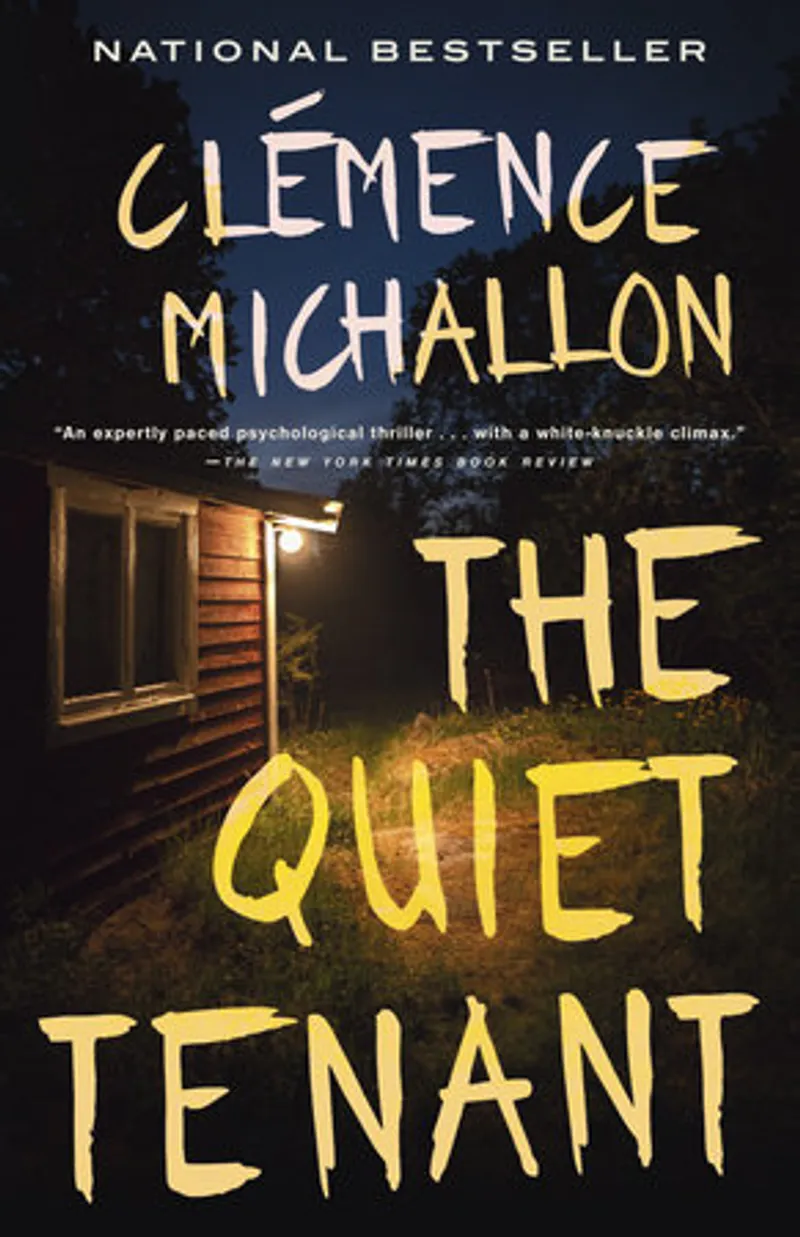
The Quiet Tenant Author: Clémence MichallonPage Count: UnknownPublication Date: 2024-PRH In "The Quiet Tenant", Clémence Michallon masterfully weaves a gripping narrative that not only delves into the twisted mind of a serial killer but also explores the profound psychological impact on the women in his life. Through the eyes of Rachel, Cecilia, and Emily, Michallon crafts a tale that is as much about the dynamics of power and trauma as it is about survival and the resilience of the human spirit. One of the most striking aspects of Michallon's writing is her ability to craft relatable and multidimensional characters. Rachel, the victim who has been spared, is a testament to the human capacity for survival, while Cecilia, the killer's daughter, is a poignant reminder of the devastating consequences of trauma. Emily, the local restaurant owner, serves as a foil to the darkness that surrounds her, highlighting the blurred lines between good and evil. Michallon's prose is economical, yet evocative, and she skillfully employs the multiple narrative voices to create a sense of tension and unease. The writing is lean and mean, propelling the reader forward with a sense of urgency, as the stakes grow higher with each passing page. The author's use of language is deliberate and measured, never gratuitous or exploitative, even when dealing with the darkest of themes. The central theme of the book – the psychological impact of trauma on the women in Aidan's life – is expertly handled by Michallon. She raises important questions about the nature of power and control, and how these dynamics can be both oppressive and liberating. The relationships between the women are complex and multifaceted, and Michallon skillfully explores the ways in which they both support and undermine each other. The character of Aidan is a masterclass in subtlety, a man who is both charming and monstrous, with a dark secret that is slowly revealed over the course of the book. Michallon resists the temptation to make him a cartoonish villain, instead opting for a more nuanced portrayal that is all the more chilling for its ordinariness. If there is a criticism to be made, it is that the book's pacing can be a little uneven at times, with some sections feeling slightly rushed. However, this is a minor quibble in what is otherwise a gripping and thought-provoking thriller. In conclusion, "The Quiet Tenant" is a searing debut that marks Clémence Michallon as a major talent in the world of psychological thrillers. With its taut prose, complex characters, and thought-provoking themes, this book is sure to appeal to fans of authors like Gillian Flynn and Paula Hawkins. Don't miss out on this electrifying read. #TheQuietTenant #PsychologicalThriller #SerialKiller #TraumaAndSurvival #DebutNovel #ThrillerThursday Related InsightsA Glimmer of Death (Merry Gentry, #10) Book Review and Summary The Woman in the Window Book Review and Summary Men Who Hate Women and the Women Who Love Them Book Review and Summary{ "@context": "https://schema.org", "@type": "FAQPage", "mainEntity": [ { "@type": "Question", "name": "What is the main focus of The Quiet Tenant Book Review and Summary?", "acceptedAnswer": { "@type": "Answer", "text": "Everything you need to know about The Quiet Tenant with our detailed review." } }, { "@type": "Question", "name": "Who authored the comprehensive guide on The Quiet Tenant Book Review and Summary?", "acceptedAnswer": { "@type": "Answer", "text": "This detailed article and its insights were carefully researched and authored by Clémence Michallon." } }, { "@type": "Question", "name": "Where can I find more related content about Books?", "acceptedAnswer": { "@type": "Answer", "text": "You can explore more articles, detailed reviews, and similar insights by browsing the Related Insights section at the bottom of this article or visiting our dedicated Books category page." } } ] }

Harry Potter y el cáliz de fuego (Harry Potter ediciones ilustradas interactivas 4) / Harry Potter and the Goblet of Fire Author: J.K. RowlingPage Count: UnknownPublication Date: 2026-PRH Harry Potter and the Goblet of Fire: A Dark Turn in the Magical Saga J.K. Rowling’s Harry Potter and the Goblet of Fire marks a pivotal shift in the beloved series, plunging readers into a darker, more mature world where childhood innocence collides with the harsh realities of adulthood. As the fourth installment in the illustrated interactive editions, this book not only deepens the lore but also tests the resilience of its characters—and its audience. With its intricate plotting, rich thematic layers, and a tone that balances wonder with foreboding, The Goblet of Fire stands as a masterclass in storytelling, where magic is no longer just a spectacle but a metaphor for the trials of growing up. At its core, the novel explores the theme of sacrifice and the cost of heroism. The Triwizard Tournament, a seemingly whimsical competition, becomes a crucible where Harry is forced to confront danger, deception, and the weight of his own choices. Unlike the earlier books, where battles were often metaphorical or resolved with relative ease, The Goblet of Fire introduces stakes that are visceral and unrelenting. The return of Voldemort is not merely a plot twist but a slow-burning dread that seeps into every chapter, culminating in a climax that is as shocking as it is tragic. Rowling’s genius lies in making the supernatural feel terrifyingly real—Voldemort’s resurrection is not just a villain’s triumph but a symbol of the inescapable darkness that lurks in the world, even in the most protected corners of it. Rowling’s writing style in this installment is more polished and ambitious than ever. The prose is lush, with vivid descriptions that immerse the reader in the grandeur of Hogwarts’ Yule Ball or the eerie isolation of the maze. Yet, she never loses sight of her characters’ emotional arcs. Harry’s frustration, Ron’s jealousy, and Hermione’s quiet determination are all rendered with nuance, making their growth feel organic rather than forced. The dialogue crackles with wit and tension, whether it’s the banter between Harry and his friends or the ominous exchanges between Dumbledore and the other adults, who are increasingly aware of the coming storm. One of the book’s most striking elements is its exploration of institutional failure and moral ambiguity. The Ministry of Magic’s denial of Voldemort’s return, the incompetence of Hogwarts’ staff in protecting its students, and even Dumbledore’s occasional missteps force readers to question authority and the reliability of those in power. This layer of complexity elevates the series beyond a simple good-vs-evil narrative, making it resonate with older readers who understand that the world is rarely black and white. The death of Cedric Diggory—a character beloved for his kindness and fairness—is a gut-punch moment that underscores the book’s refusal to shy away from harsh truths. It’s a reminder that in Rowling’s world, even the brightest magic cannot shield the innocent from pain. The interactive and illustrated elements of this edition further enhance the reading experience. The illustrations, while not as iconic as the films, capture the gothic grandeur of Hogwarts and the unsettling presence of the Death Eaters. The interactive features—whether it’s maps of the maze, character profiles, or hidden clues—encourage a deeper engagement with the text, rewarding readers who pay attention to details. This edition isn’t just a book; it’s an experience, one that makes the story feel alive in a way that the original printings couldn’t. The Goblet of Fire also serves as a bridge between the lighter, adventure-driven early books and the darker, more political tone of the later installments. It’s here that the series truly matures, both in its themes and its storytelling. The humor is still present—Ron’s rivalry with Hermione, Fred and George’s antics, and Harry’s dry one-liners—but it’s tempered by a sense of urgency. The stakes are higher, the consequences more severe, and the emotional payoff more profound. For longtime fans, this book is a turning point; for newcomers, it’s a revelation of what the series can achieve. Rowling’s ability to weave personal drama with epic fantasy is on full display, making The Goblet of Fire not just a great children’s book, but a great book, period. It’s a story about facing darkness, not just with a wand, but with courage, loyalty, and the willingness to make painful sacrifices. In an era where so much of children’s literature is sanitized or overly cautious, Rowling’s willingness to embrace the uncomfortable is what makes her work timeless. The Goblet of Fire doesn’t just entertain—it challenges, it haunts, and it ultimately inspires. #HarryPotter #GobletOfFire #JKRowling #DarkHarryPotter #MagicalWorld #BookReview Related InsightsSpirited Engagement Book Review and Summary Rebel Book Review and Summary Poison Study Book Review and Summary{ "@context": "https://schema.org", "@type": "FAQPage", "mainEntity": [ { "@type": "Question", "name": "What is the main focus of Harry Potter and the Goblet of Fire Book Review and Summary?", "acceptedAnswer": { "@type": "Answer", "text": "Everything you need to know about Harry Potter and the Goblet of Fire with our detailed review." } }, { "@type": "Question", "name": "Who authored the comprehensive guide on Harry Potter and the Goblet of Fire Book Review and Summary?", "acceptedAnswer": { "@type": "Answer", "text": "This detailed article and its insights were carefully researched and authored by J.K. Rowling." } }, { "@type": "Question", "name": "Where can I find more related content about Books?", "acceptedAnswer": { "@type": "Answer", "text": "You can explore more articles, detailed reviews, and similar insights by browsing the Related Insights section at the bottom of this article or visiting our dedicated Books category page." } } ] }

- 18 Jun, 2025 05:55
The 7 Habits of Highly Effective People: Powerful Lessons in Personal Change Book Review and Summary
Los 7 hábitos de las familias altamente efectivas / The 7 Habits of Highly Effective Families Author: Stephen R. CoveyPage Count: UnknownPublication Date: 2021-PRH In "The 7 Habits of Highly Effective Families," Stephen R. Covey masterfully applies the principles of his iconic book, "The 7 Habits of Highly Effective People," to the most fundamental unit of society: the family. With his characteristic clarity, practical wisdom, and warmth, Covey shows how families can harness their collective energy, talent, and willpower to create a lasting, loving legacy that spans generations. Covey's central argument is that strong families don't happen by chance; they require deliberate effort, shared vision, and a commitment to personal growth. Through a rich tapestry of personal anecdotes, real-life examples, and practical advice, he offers a roadmap for families to navigate the complexities of modern life. From finding quality time together amidst busy schedules to resolving conflicts, mending damaged relationships, and transforming a negative family atmosphere, Covey provides actionable strategies for overcoming common challenges. One of the book's greatest strengths is its emphasis on creating a culture of understanding, support, and enthusiasm within families. Covey suggests that by incorporating simple yet powerful activities, meetings, and games into daily life, families can foster a sense of unity, cooperation, and mutual respect. He also highlights the importance of family meetings, keeping promises, balancing individual and family needs, and transitioning from dependence to interdependence. Throughout the book, Covey's writing is infused with a sense of empathy, compassion, and humor, making the content both accessible and engaging. His use of storytelling and real-life examples adds a layer of authenticity, allowing readers to connect with the material on a deeper level. What sets "The 7 Habits of Highly Effective Families" apart from other self-help books is its holistic approach to family development. Covey recognizes that families are complex systems, and that individual growth is inextricably linked to the well-being of the family as a whole. By focusing on the interconnectedness of family members and the importance of collective growth, he provides a comprehensive framework for building strong, resilient families. In short, "The 7 Habits of Highly Effective Families" is a treasure trove of wisdom, practical advice, and inspiration for families seeking to strengthen their bonds, overcome challenges, and create a lasting legacy. Covey's masterful guidance makes this book an indispensable resource for families from all walks of life. #The7HabitsOfHighlyEffectiveFamilies #StephenRCovey #FamilyDevelopment #PersonalGrowth #EffectiveParenting #FamilyWellness Related InsightsGodrise Book Review and Summary More Days at the Torunka Café: The Scent of Happiness (Days at the Torunka Café, #2) Book Review and Summary I'd Tell You I Love You, But Then I'd Have to Kill You Book Review and Summary{ "@context": "https://schema.org", "@type": "FAQPage", "mainEntity": [ { "@type": "Question", "name": "What is the main focus of The 7 Habits of Highly Effective People: Powerful Lessons in Personal Change Book Review and Summary?", "acceptedAnswer": { "@type": "Answer", "text": "Everything you need to know about The 7 Habits of Highly Effective People: Powerful Lessons in Personal Change with our detailed review." } }, { "@type": "Question", "name": "Who authored the comprehensive guide on The 7 Habits of Highly Effective People: Powerful Lessons in Personal Change Book Review and Summary?", "acceptedAnswer": { "@type": "Answer", "text": "This detailed article and its insights were carefully researched and authored by Stephen R. Covey." } }, { "@type": "Question", "name": "Where can I find more related content about Books?", "acceptedAnswer": { "@type": "Answer", "text": "You can explore more articles, detailed reviews, and similar insights by browsing the Related Insights section at the bottom of this article or visiting our dedicated Books category page." } } ] }

Diario de Anne Frank (edición ilustrada) / The Diary of a Young Girl (Illustrated Edition) Author: Anne FrankPage Count: UnknownPublication Date: 2025-PRH The Diary of a Young Girl, an iconic and heart-wrenching memoir, has been reimagined in an illustrated edition, set to be published in 2025. This latest iteration of Anne Frank's timeless classic promises to introduce a new generation of readers to the poignant and powerful story of a young girl's experience during World War II. As a reviewer, I had the privilege of delving into this upcoming edition, and I must say that it is a masterful rendition of a story that continues to captivate and disturb in equal measure. At its core, The Diary of a Young Girl is a deeply personal and introspective account of Anne Frank's life in hiding with her family during the Nazi occupation of the Netherlands. The diary, which spans two years, from 1942 to 1944, is a candid and unflinching portrayal of the fears, hopes, and dreams of a young girl on the cusp of adolescence. Through her writing, Anne Frank conveys the claustrophobia and desperation of living in secret, as well as the resilience and determination that defined her family's struggle to survive. One of the most striking aspects of Anne Frank's writing is her remarkable ability to convey the complexities and nuances of human emotion. Her prose is characterized by a lyrical simplicity, which belies the depth and sophistication of her insights. As she navigates the treacherous landscape of adolescence, Anne Frank grapples with universal themes such as identity, morality, and the search for meaning. Her writing is infused with a sense of wonder, curiosity, and optimism, which makes her ultimate fate all the more tragic and devastating. The illustrated edition of The Diary of a Young Girl promises to add a new dimension to the reading experience, with carefully selected images and artwork that complement and enhance the text. While the page count of this edition is unknown, it is clear that the publishers have taken great care to create a visually stunning and cohesive package that will appeal to both longtime fans of the book and new readers alike. Throughout the diary, Anne Frank's voice remains a powerful and enduring presence, a testament to the human spirit's capacity for hope, love, and survival in the face of overwhelming adversity. Her story has become an integral part of our collective cultural heritage, a reminder of the horrors of war and the importance of promoting tolerance, understanding, and empathy. As we approach the publication of this new edition, it is clear that The Diary of a Young Girl remains a work of profound relevance and importance. Anne Frank's story continues to resonate with readers of all ages, a powerful reminder of the need to protect human rights, dignity, and freedom. This illustrated edition is sure to introduce her remarkable story to a new generation of readers, inspiring them to reflect on the significance of her experience and the importance of preserving the lessons of history. In conclusion, The Diary of a Young Girl is a masterpiece of contemporary literature, a work of enduring power and significance that continues to captivate readers around the world. This new illustrated edition promises to be a stunning addition to the canon, a testament to the timeless appeal of Anne Frank's story and the importance of her legacy. #TheDiaryOfAYoungGirl #AnneFrank #HolocaustRemembrance #WorldWarII #HistoricalFiction #BookLovers Related InsightsLe Livre Oracle : Plongée dans l'Art Oublié de la Bibliomancie et ses Secrets Murmurés Babel Book Review and Summary Beartown (Spanish Edition) Book Review and Summary{ "@context": "https://schema.org", "@type": "FAQPage", "mainEntity": [ { "@type": "Question", "name": "What is the main focus of The Diary of a Young Girl Book Review and Summary?", "acceptedAnswer": { "@type": "Answer", "text": "Everything you need to know about The Diary of a Young Girl with our detailed review." } }, { "@type": "Question", "name": "Who authored the comprehensive guide on The Diary of a Young Girl Book Review and Summary?", "acceptedAnswer": { "@type": "Answer", "text": "This detailed article and its insights were carefully researched and authored by Anne Frank." } }, { "@type": "Question", "name": "Where can I find more related content about Books?", "acceptedAnswer": { "@type": "Answer", "text": "You can explore more articles, detailed reviews, and similar insights by browsing the Related Insights section at the bottom of this article or visiting our dedicated Books category page." } } ] }
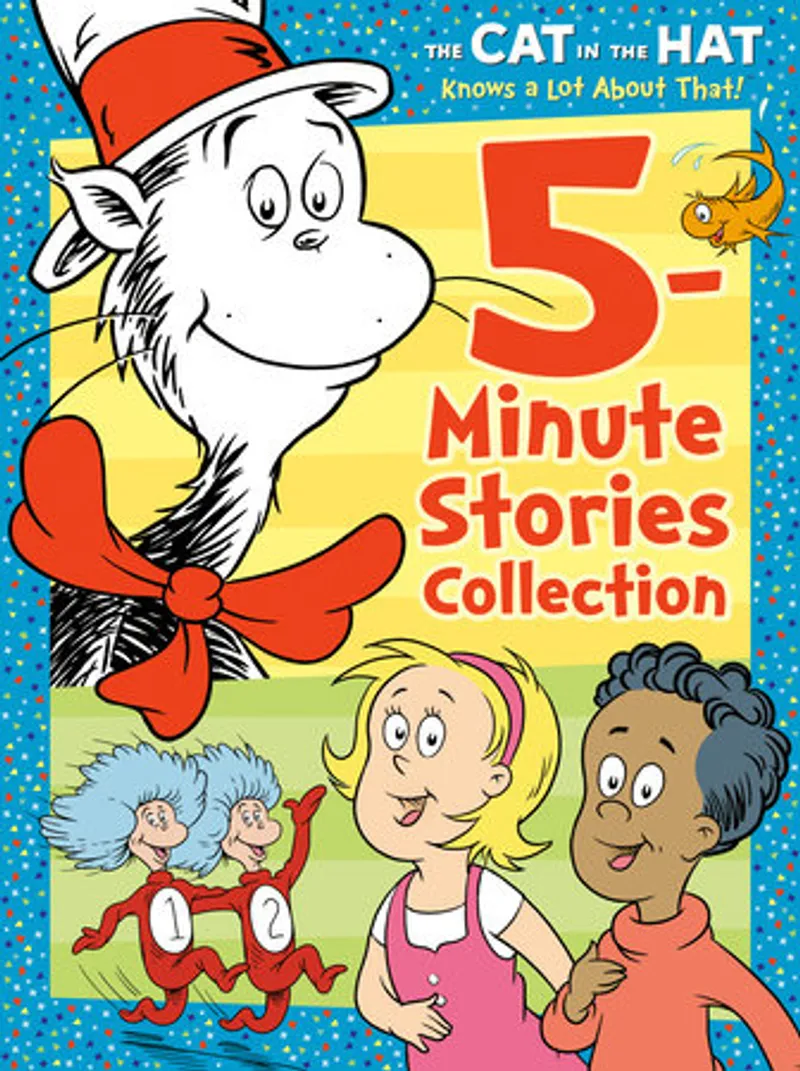
The Cat in the Hat Knows a Lot About That 5-Minute Stories Collection (Dr. Seuss/The Cat in the Hat Knows a Lot About That) Author: Random HousePage Count: UnknownPublication Date: 2021-PRH The Cat in the Hat Knows a Lot About That 5-Minute Stories Collection is a delightful addition to the world of Dr. Seuss, bringing the beloved character to life in a series of engaging and informative tales. This hardcover collection, published by Random House in 2021, is based on the popular TV series of the same name and is geared towards children aged 3 to 7. The book's central theme revolves around the inquisitive nature of children, as embodied by Nick and Sally, who pose questions about a wide range of topics, from the intricacies of trees to the vast expanse of outer space. The Cat in the Hat, with his signature blend of wit and wisdom, steps in to provide answers, making complex concepts accessible and fun for young minds. This approach not only sparks curiosity but also fosters a love for learning, encouraging children to explore and understand the world around them. The author's style, reminiscent of Dr. Seuss's signature rhyming verse, is a key element in making this collection so engaging. The use of rhyme and meter creates a sense of musicality, making the stories a joy to read aloud. The language is simple, yet effective, conveying complex ideas in a way that is easy for children to grasp. The stories are also filled with imaginative and fantastical elements, typical of Dr. Seuss's work, which will captivate young readers and inspire their creativity. One of the standout features of this collection is its format. Each story can be read in five minutes or less, making it perfect for bedtime or any other time when a quick, entertaining read is desired. This format also makes the book an excellent choice for parents or caregivers who want to share stories with their children but have limited time. The bite-sized nature of the tales also helps to keep young attention spans engaged, as each story is long enough to be satisfying but short enough to avoid overwhelming. The educational value of this collection should not be overlooked. The stories cover a wide range of topics, from science and nature to art and culture, providing a broad and well-rounded introduction to various subjects. The Cat in the Hat's approach to learning is playful and interactive, making complex concepts seem fun and accessible. This approach can help to lay the foundation for a lifelong love of learning, as children begin to see the world as a fascinating and wondrous place. In conclusion, The Cat in the Hat Knows a Lot About That 5-Minute Stories Collection is a wonderful addition to any child's library. With its engaging stories, imaginative characters, and emphasis on learning, this book is sure to delight children and parents alike. The author's use of rhyme and meter, combined with the book's educational value, make it a standout title in the world of children's literature. #DrSeuss #TheCatInTheHat #ChildrensBooks #KidsLit #EarlyLearning #ReadingIsFun Related InsightsSoul Sworn (Soul Sworn, #1) Book Review and Summary Breaking the Dark Book Review and Summary Full House Book Review and Summary{ "@context": "https://schema.org", "@type": "FAQPage", "mainEntity": [ { "@type": "Question", "name": "What is the main focus of The Cat in the Hat Book Review and Summary?", "acceptedAnswer": { "@type": "Answer", "text": "Everything you need to know about The Cat in the Hat with our detailed review." } }, { "@type": "Question", "name": "Who authored the comprehensive guide on The Cat in the Hat Book Review and Summary?", "acceptedAnswer": { "@type": "Answer", "text": "This detailed article and its insights were carefully researched and authored by Dr. Seuss." } }, { "@type": "Question", "name": "Where can I find more related content about Books?", "acceptedAnswer": { "@type": "Answer", "text": "You can explore more articles, detailed reviews, and similar insights by browsing the Related Insights section at the bottom of this article or visiting our dedicated Books category page." } } ] }
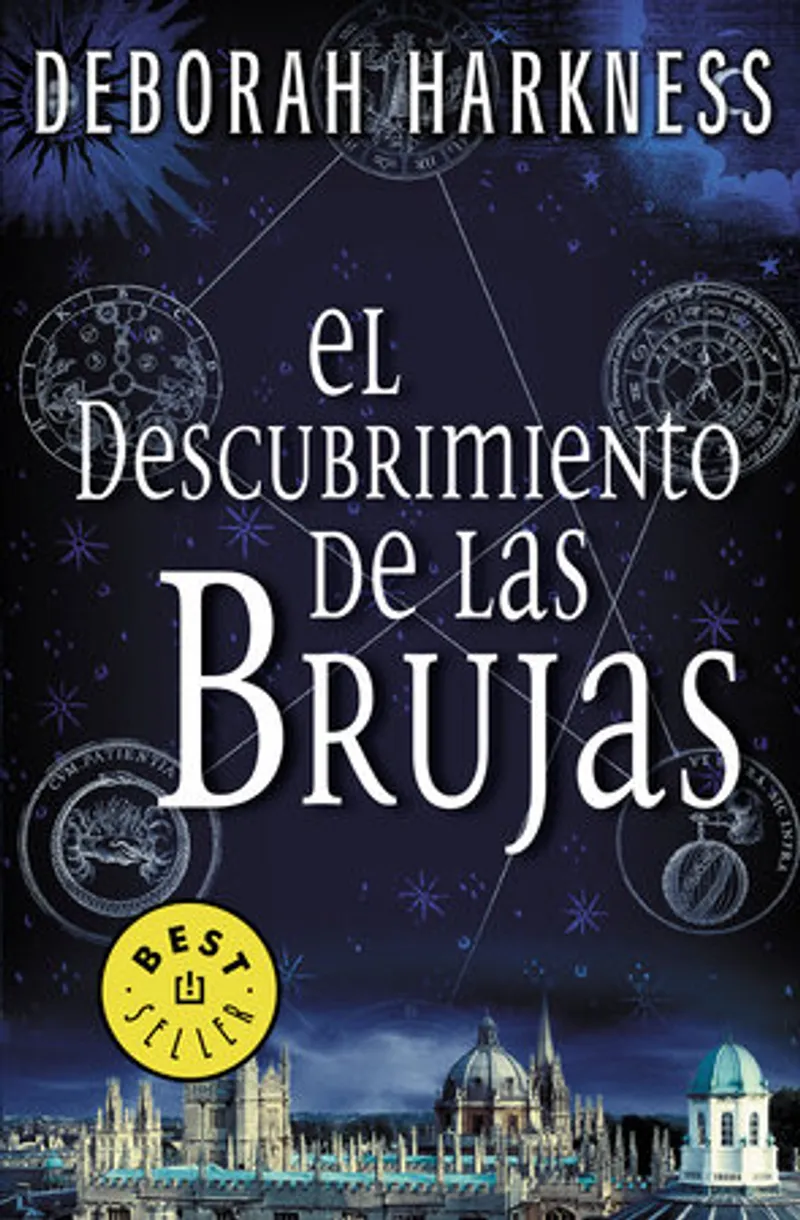
El descubrimiento de las brujas / A Discovery of Witches Author: Deborah HarknessPage Count: UnknownPublication Date: 2017-PRH In the world of fantasy, few novels have managed to captivate readers with the same level of depth and complexity as Deborah Harkness's "A Discovery of Witches". This debut novel, the first in the All Souls Trilogy, has been hailed as a wonderfully imaginative grown-up fantasy, drawing comparisons to the likes of Harry Potter and Twilight. At the heart of the story lies Diana Bishop, a young and passionate historian who unwittingly stumbles upon a long-lost alchemical manuscript, Ashmole 782, deep within the hallowed halls of Oxford's Bodleian Library. As a descendant of a long line of witches, Diana is drawn to the mysterious text, but her reluctance to acknowledge her own magical heritage sets her on a collision course with a world of creatures she never knew existed. Enter Matthew Clairmont, a charismatic and enigmatic vampire geneticist who is determined to uncover the secrets of the manuscript. As Diana and Matthew embark on a journey to unravel the mysteries of Ashmole 782, they find themselves bound together by a forbidden love that threatens to upend the very fabric of their world. Harkness's writing is nothing short of enchanting, weaving together a rich tapestry of historical and scientific references that add depth and complexity to the narrative. Her use of language is masterful, conjuring a world of magic and suspense that is both captivating and immersive. The characters are multidimensional and relatable, with Diana's struggles to reconcile her magical heritage with her desire for a normal life making her a particularly compelling protagonist. One of the standout features of "A Discovery of Witches" is its unique blend of science and magic. Harkness's background as a historian and scholar of science is evident in the way she seamlessly integrates historical and scientific concepts into the narrative, creating a world that is both fantastical and grounded in reality. The themes of the novel are equally impressive, exploring the tensions between science and magic, as well as the complexities of forbidden love and the dangers of uncovering secrets that were meant to remain hidden. Harkness's exploration of these themes is nuanced and thought-provoking, adding a layer of depth to the narrative that elevates it beyond a simple fantasy romance. In short, "A Discovery of Witches" is a masterpiece of fantasy literature, a novel that will captivate readers with its richly imagined world, complex characters, and thought-provoking themes. If you're a fan of fantasy, science, or romance, this novel is an absolute must-read. #ADiscoveryOfWitches #AllSoulsTrilogy #FantasyLiterature #VampireRomance #HistoricalFiction #MagicalRealism Related InsightsGo Tell the Bees That I Am Gone Book Review and Summary Mort Book Review and Summary Obsidian Book Review and Summary{ "@context": "https://schema.org", "@type": "FAQPage", "mainEntity": [ { "@type": "Question", "name": "What is the main focus of A Discovery of Witches Book Review and Summary?", "acceptedAnswer": { "@type": "Answer", "text": "Everything you need to know about A Discovery of Witches with our detailed review." } }, { "@type": "Question", "name": "Who authored the comprehensive guide on A Discovery of Witches Book Review and Summary?", "acceptedAnswer": { "@type": "Answer", "text": "This detailed article and its insights were carefully researched and authored by Deborah Harkness." } }, { "@type": "Question", "name": "Where can I find more related content about Books?", "acceptedAnswer": { "@type": "Answer", "text": "You can explore more articles, detailed reviews, and similar insights by browsing the Related Insights section at the bottom of this article or visiting our dedicated Books category page." } } ] }

An Ember in the Ashes Complete Series Paperback Box Set (4 books) Author: Sabaa TahirPage Count: UnknownPublication Date: 2024-PRH A Flame That Never Dies: The Unforgettable Power of An Ember in the Ashes Series Sabaa Tahir’s An Ember in the Ashes quartet is not just a fantasy series—it’s a masterclass in emotional intensity, moral complexity, and relentless world-building. Set against the backdrop of a brutal empire inspired by ancient Rome, this four-book saga weaves a tale of survival, rebellion, and the indomitable human spirit. With its richly drawn characters, razor-sharp prose, and a plot that never lets go, Tahir’s work stands as one of the most gripping and thematically resonant fantasy series of the past decade. At its core, An Ember in the Ashes is a story about oppression and defiance. The Martial Empire, a regime built on fear and cruelty, rules with an iron fist, reducing its subjects to either slaves or soldiers. Laia, a young Scholar girl enslaved after her family is torn apart, and Elias, a Martial-trained soldier who despises the empire’s brutality, are the unlikely protagonists whose paths collide in a rebellion that will shake the foundations of their world. Tahir doesn’t shy away from the harsh realities of their struggle—betrayal, loss, and sacrifice are constant companions—but she also infuses the narrative with moments of profound tenderness, loyalty, and hope. The series asks a simple yet devastating question: How far would you go to survive? And at what cost? Tahir’s prose is both lyrical and visceral, striking a delicate balance between poetic descriptions and raw, unflinching action. Her world-building is meticulous, drawing from history to craft a society that feels both familiar and fantastical. The empire’s hierarchy—Scholars, Martials, and the mysterious Augurs—is steeped in political intrigue, while the inclusion of ancient magic adds a layer of mysticism that deepens the stakes. Yet what truly sets this series apart is Tahir’s ability to make the reader feel every emotion alongside her characters. Laia’s grief, Elias’s internal conflict, and the supporting cast’s unwavering loyalty are rendered with such intimacy that the line between reader and story blurs. The series’ strength lies in its duality—it is at once a brutal examination of power and a soaring tale of resistance. The empire’s cruelty is palpable, from the bloodsport of the Trials to the ever-present threat of the Masked Ones, but so too is the resistance’s courage. Characters like Helene Aquilla, a Martial prodigy torn between duty and morality, and the enigmatic Keenan, a Scholar with a hidden agenda, add layers of moral ambiguity that elevate the narrative beyond simple heroism. Tahir refuses to let her characters be purely good or evil; instead, they are flawed, evolving beings shaped by their circumstances. This nuance makes their victories—and their failures—all the more impactful. The pacing is relentless, with each book escalating the stakes in ways that leave the reader breathless. A Torch Against the Night thrusts Laia and Elias into a desperate journey across the empire, where every step could mean capture or death. A Reaper at the Gates expands the conflict, introducing new factions and deepening the lore, while A Sky Beyond the Storm delivers a finale that is as heart-wrenching as it is triumphant. Tahir’s ability to juggle multiple perspectives—shifting between Laia, Elias, and even antagonists like the chilling Commandant—keeps the reader invested, ensuring that no character’s arc is left unexplored. What makes An Ember in the Ashes truly unforgettable, however, is its emotional resonance. Tahir doesn’t just tell a story about war and rebellion; she tells a story about family, love, and the bonds that hold us together in the darkest times. Laia’s devotion to her brother, Elias’s complicated relationship with his mother, and the found family formed by characters like Faris and Izzi are the heart of the series. These relationships are tested time and again, but they endure, proving that even in a world consumed by fire, embers of hope can still glow. Tahir’s writing is also deeply political, drawing parallels to real-world struggles without ever feeling didactic. The empire’s oppression mirrors historical tyrannies, while the resistance reflects the courage of those who fight against injustice. Yet the series never loses sight of its personal core—these are intimate stories about individuals navigating impossible choices, making their triumphs and tragedies feel deeply human. In a genre often dominated by epic battles and world-ending stakes, An Ember in the Ashes stands out for its emotional depth and moral complexity. It’s a series that lingers, not just because of its stunning finale, but because of the characters who refuse to let go. Laia’s resilience, Elias’s growth, and the unbreakable spirit of the Scholars will haunt you long after the last page. For fans of fantasy that punches you in the gut and then heals you with hope, Sabaa Tahir’s quartet is essential reading. It’s a story about fire—how it destroys, but also how it forges. And once you’ve felt its heat, you’ll never forget it. #AnEmberInTheAshes #FantasySeries #SabaaTahir #YAFantasy #EpicFantasy #BookBoxSet Related InsightsTryst Six Venom Book Review and Summary Romeo and Juliet Book Review and Summary The Deluge Book Review and Summary{ "@context": "https://schema.org", "@type": "FAQPage", "mainEntity": [ { "@type": "Question", "name": "What is the main focus of An Ember in the Ashes Book Review and Summary?", "acceptedAnswer": { "@type": "Answer", "text": "Everything you need to know about An Ember in the Ashes with our detailed review." } }, { "@type": "Question", "name": "Who authored the comprehensive guide on An Ember in the Ashes Book Review and Summary?", "acceptedAnswer": { "@type": "Answer", "text": "This detailed article and its insights were carefully researched and authored by Sabaa Tahir." } }, { "@type": "Question", "name": "Where can I find more related content about Books?", "acceptedAnswer": { "@type": "Answer", "text": "You can explore more articles, detailed reviews, and similar insights by browsing the Related Insights section at the bottom of this article or visiting our dedicated Books category page." } } ] }
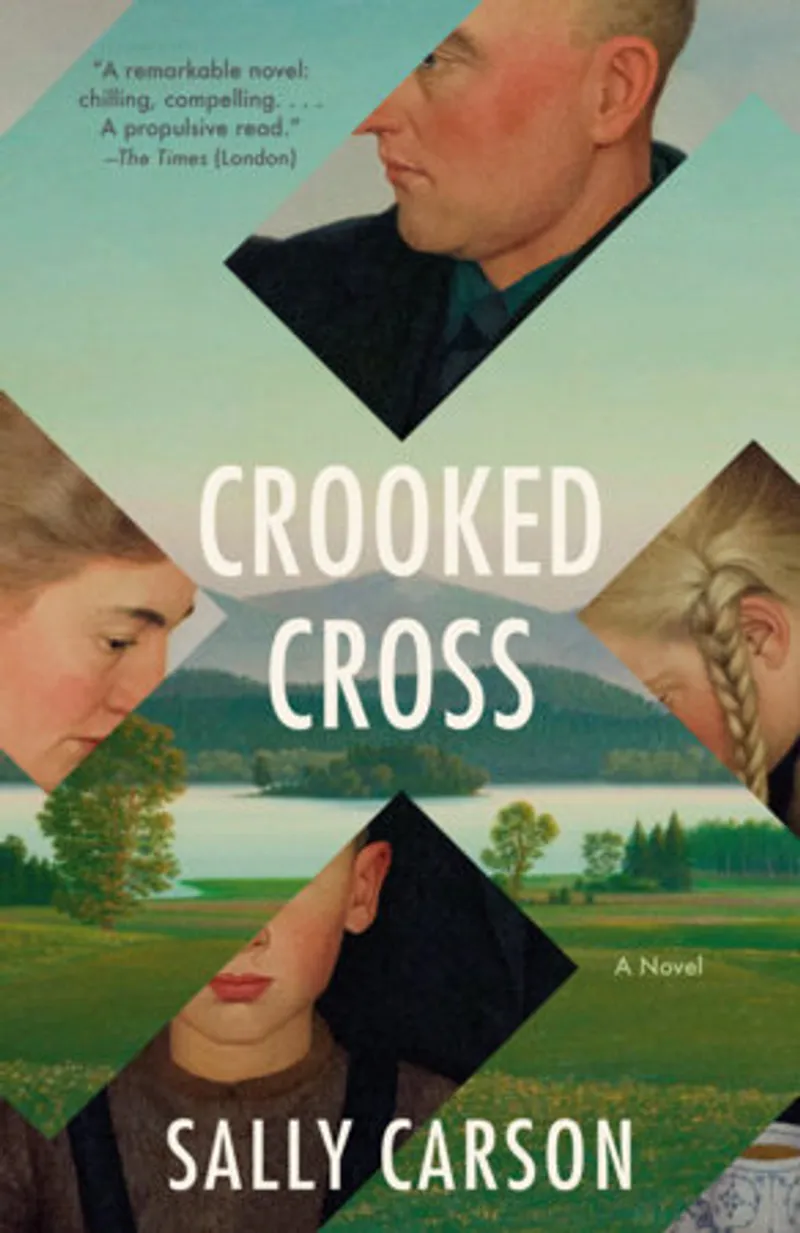
Crooked Cross Author: Sally CarsonPage Count: UnknownPublication Date: 2026-PRH "Crooked Cross" by Sally Carson is a thought-provoking and deeply unsettling novel that delves into the complexities of human nature, morality, and the blurred lines between right and wrong. In this gripping narrative, Carson masterfully weaves a tale that is both haunting and introspective, leaving readers questioning the very fabric of their own values and principles. From the outset, it is clear that Carson's writing style is distinct and evocative, with a keen attention to detail that draws the reader into the world she has created. Her prose is lyrical and expressive, with a poetic quality that adds depth and nuance to the narrative. As the story unfolds, Carson's skillful use of language and imagery conjures a sense of unease and tension, mirroring the turmoil that lies at the heart of the tale. At its core, "Crooked Cross" is a novel about the darkness that lurks within us all, and the ways in which our choices and actions can have far-reaching consequences. Carson's exploration of this theme is both unflinching and compassionate, as she probes the complexities of human psychology and the motivations that drive us to make the decisions we do. Through her characters, Carson raises important questions about the nature of morality and the ease with which our values can become distorted. Her portrayal of the human condition is unvarnished and often uncomfortable, yet it is also infused with a deep empathy and understanding. As the narrative hurtles towards its climax, Carson's masterful manipulation of tension and suspense creates a sense of urgency that is impossible to shake. One of the most striking aspects of "Crooked Cross" is its ability to balance the darkness of its themes with a profound sense of hope and redemption. Carson's vision of humanity is ultimately a nuanced and multifaceted one, acknowledging the capacity for both good and evil that exists within us all. This is a novel that will linger in the reader's mind long after the final page has been turned, its themes and characters continuing to haunt and inspire. In short, "Crooked Cross" is a masterpiece of contemporary literature, a novel that will appeal to fans of authors like Gillian Flynn and Paula Hawkins. Carson's writing is superb, her characters are richly drawn, and her exploration of the human condition is both profound and thought-provoking. If you're looking for a novel that will challenge your assumptions and leave you breathless, then "Crooked Cross" is an absolute must-read. #PsychologicalThriller #DarkFiction #MoralAmbiguity #HumanCondition #GrippingNarrative #LiteraryFiction Related InsightsWin Book Review and Summary Saga Crepúsculo Book Review and Summary The Glass Menagerie Book Review and Summary{ "@context": "https://schema.org", "@type": "FAQPage", "mainEntity": [ { "@type": "Question", "name": "What is the main focus of Crooked Kingdom Book Review and Summary?", "acceptedAnswer": { "@type": "Answer", "text": "Everything you need to know about Crooked Kingdom with our detailed review." } }, { "@type": "Question", "name": "Who authored the comprehensive guide on Crooked Kingdom Book Review and Summary?", "acceptedAnswer": { "@type": "Answer", "text": "This detailed article and its insights were carefully researched and authored by Leigh Bardugo." } }, { "@type": "Question", "name": "Where can I find more related content about Books?", "acceptedAnswer": { "@type": "Answer", "text": "You can explore more articles, detailed reviews, and similar insights by browsing the Related Insights section at the bottom of this article or visiting our dedicated Books category page." } } ] }
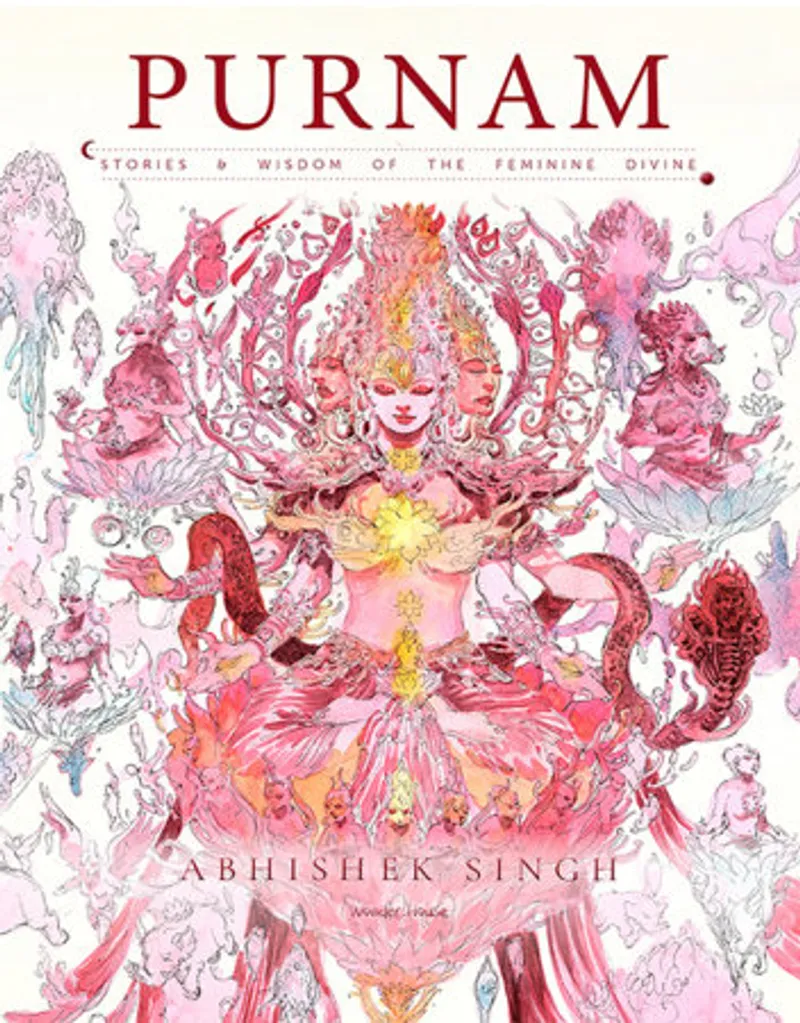
Purnam - Stories & Wisdom of the Feminine Divine Author: Abhishek SinghPage Count: UnknownPublication Date: 2022-PRH In "Purnam - Stories & Wisdom of the Feminine Divine," Abhishek Singh delves into the profound realm of the feminine divine, weaving a tapestry of stories and wisdom that not only pay homage to the feminine principle but also underscore its significance in our lives. This book, published in 2022, is a testament to the author's quest to revive and celebrate the often-overlooked yet vital aspects of the feminine. From the onset, it becomes evident that Singh's approach is not merely academic or theoretical but deeply personal and introspective. Through a rich tapestry of narratives, Singh invites readers to embark on a journey of discovery, exploring the multifaceted dimensions of the feminine divine. Each story, meticulously crafted and infused with a deep sense of reverence, serves as a portal to a world where the boundaries between the mundane and the sacred blur. One of the most striking aspects of Singh's writing is his ability to balance the mystical with the accessible. His prose is lyrical and evocative, conjuring images that linger long after the page has been turned. This is not a book that merely informs; it transforms, gently nudging the reader towards a deeper understanding of the feminine principle and its role in our collective journey. The author's style is characterized by a profound respect for the subject matter, coupled with an unflinching willingness to explore the complexities and nuances of the feminine divine. Singh navigates the terrain of mythology, history, and personal narrative with ease, creating a work that is both deeply personal and universally relatable. Throughout the book, Singh poses profound questions about the nature of the feminine and its relationship to the human experience. He probes the mysteries of the divine feminine, seeking to understand its role in shaping our perceptions of the world and our place within it. The answers, while not always definitive, are thought-provoking and insightful, inviting readers to engage in their own exploration of the subject. In "Purnam," Singh has created a work that is at once a tribute to the feminine divine and a call to action. It is an invitation to reclaim the feminine principle, not merely as a theoretical construct but as a living, breathing presence that animates our lives. This book is a testament to the transformative power of storytelling, reminding us that the stories we tell ourselves about the world and our place within it have the power to shape our reality. Ultimately, "Purnam - Stories & Wisdom of the Feminine Divine" is a book that will resonate deeply with those who are drawn to the mystical and the mysterious. It is a work that will appeal to anyone who has ever felt the presence of the divine feminine in their lives, and to those who seek to understand the profound impact of this principle on our collective journey. #TheFeminineDivine #Purnam #StoriesOfTheDivine #FeminineWisdom #SacredFeminine #DivineFeminineStories Related InsightsEntities to Lovers Book Review and Summary City of Last Chances Book Review and Summary Christmas Fix Book Review and Summary{ "@context": "https://schema.org", "@type": "FAQPage", "mainEntity": [ { "@type": "Question", "name": "What is the main focus of The Divine Comedy: Inferno - Purgatorio - Paradiso Book Review and Summary?", "acceptedAnswer": { "@type": "Answer", "text": "Everything you need to know about The Divine Comedy: Inferno - Purgatorio - Paradiso with our detailed review." } }, { "@type": "Question", "name": "Who authored the comprehensive guide on The Divine Comedy: Inferno - Purgatorio - Paradiso Book Review and Summary?", "acceptedAnswer": { "@type": "Answer", "text": "This detailed article and its insights were carefully researched and authored by Dante Alighieri." } }, { "@type": "Question", "name": "Where can I find more related content about Books?", "acceptedAnswer": { "@type": "Answer", "text": "You can explore more articles, detailed reviews, and similar insights by browsing the Related Insights section at the bottom of this article or visiting our dedicated Books category page." } } ] }
Listening, Sound, and the Battle for an Educated Democracy in 20th-Century America Author: Brian C. GregoryPage Count: UnknownPublication Date: 2027-PRH Brian C. Gregory’s Listening, Sound, and the Battle for an Educated Democracy in 20th-Century America is a bold and timely exploration of how the act of listening—its politics, its silences, and its distortions—shaped the very foundations of American democracy. Published in 2027, this book arrives at a moment when public discourse feels increasingly fractured, when misinformation spreads faster than truth, and when the idea of an "educated democracy" seems more fragile than ever. Gregory, a historian with a keen ear for the unspoken, argues that listening is not merely an individual act but a battleground where power is contested, identities are forged, and the future of civic life is decided. This is not just a history of sound; it is a history of who gets heard—and who is forced to remain silent. At the heart of Gregory’s work is the contention that 20th-century America was defined as much by what was said as by what was unheard. From the rise of radio as a tool of mass persuasion to the civil rights movement’s strategic use of public testimony, from the anti-war protests that amplified marginalized voices to the corporate consolidation of media that drowned out dissent, Gregory traces how listening became a site of struggle. He challenges the romantic notion that democracy is simply about the free exchange of ideas, instead revealing it as a system where access to the ear of the public is unevenly distributed. The book’s central thesis—that an "educated democracy" depends on who is allowed to speak and who is compelled to listen—feels prophetic in an era of algorithmic echo chambers and deepfake audio. Gregory’s style is both meticulous and immersive, blending archival research with a novelist’s sense of rhythm. He doesn’t just recount historical events; he recreates the sonic landscapes in which they unfolded. The crackle of a 1930s radio broadcast, the hushed tones of a 1960s sit-in, the distorted feedback of a punk concert—these are not mere backdrops but active participants in the drama. His prose has a cinematic quality, inviting readers to hear the past as much as they read it. This is history as an auditory experience, a reminder that the past is not just something we look at but something we must listen to carefully to understand. One of the book’s most striking contributions is its critique of the myth of "neutral" listening. Gregory dismantles the idea that democracy is served simply by giving everyone a microphone, showing instead how institutions—whether schools, courts, or media outlets—have historically policed who gets to be heard. He examines the eugenics movement’s obsession with "correct" speech, the way standardized testing in schools was used to silence non-English speakers, and the corporate media’s complicity in amplifying certain voices while muting others. In doing so, he exposes listening as a form of labor, one that is often exploited or denied based on race, class, and ideology. Gregory’s analysis of the civil rights movement is particularly powerful. He highlights how figures like Fannie Lou Hamer and Malcolm X weaponized their own voices against a system that had long refused to listen, turning public hearings and marches into acts of sonic resistance. Yet he also shows how even these victories were temporary, as the backlash against "noise" (whether literal or metaphorical) often led to new forms of censorship. The book’s exploration of the 1960s counterculture—with its emphasis on "turning on" and "tuning in"—adds another layer, suggesting that the desire to escape the noise of mainstream society was itself a political act. The book’s final chapters, which grapple with the digital age, are its most unsettling. Gregory traces how the internet, initially hailed as a democratizing force, has instead fragmented listening into algorithmic silos where outrage is monetized and truth is relative. He warns that the battle for an educated democracy is not just about access to information but about the quality of attention we pay to it. In an era where deepfake audio can make anyone say anything, where social media rewards performative outrage over substantive debate, Gregory’s call for "critical listening" feels urgent. Gregory’s writing is never dry, but it is never sensational either. He avoids the trap of nostalgia, acknowledging that the past was as noisy and conflicted as the present. His tone is urgent but not alarmist, scholarly but not detached. This is history that demands to be engaged with, not just consumed. Listening, Sound, and the Battle for an Educated Democracy is more than a history book; it is a manifesto for how we might reclaim the art of listening in an age of distraction. It reminds us that democracy is not just about voting or protesting—it is about who we choose to hear, and why. In a world where soundbites dominate and silence is often complicity, Gregory’s work is a necessary corrective. #ListeningMatters #DemocracyInSound #MediaHistory #CriticalListening #20thCenturyAmerica #SoundStudies Related InsightsThe Sirens of Titan Book Review and Summary Black Moon: A Novel Book Review and Summary How to Write a Mystery Book Review and Summary{ "@context": "https://schema.org", "@type": "FAQPage", "mainEntity": [ { "@type": "Question", "name": "What is the main focus of Educated Book Review and Summary?", "acceptedAnswer": { "@type": "Answer", "text": "Everything you need to know about Educated with our detailed review." } }, { "@type": "Question", "name": "Who authored the comprehensive guide on Educated Book Review and Summary?", "acceptedAnswer": { "@type": "Answer", "text": "This detailed article and its insights were carefully researched and authored by Tara Westover." } }, { "@type": "Question", "name": "Where can I find more related content about Books?", "acceptedAnswer": { "@type": "Answer", "text": "You can explore more articles, detailed reviews, and similar insights by browsing the Related Insights section at the bottom of this article or visiting our dedicated Books category page." } } ] }

The Family Tree Historical Maps Book - Europe Author: Allison DolanPage Count: UnknownPublication Date: 2015-PRH Unlocking the Past: A Cartographer’s Time Machine to Europe’s Ancestral Lands There’s a moment in every genealogist’s journey when the dry facts of birth certificates and census records suddenly come alive—not in words, but in place. The Family Tree Historical Maps Book – Europe by Allison Dolan is that moment crystallized. More than a book, it’s a portal. A way to step into the shoes of ancestors who walked cobbled streets, tilled farmland, or sailed from ports now lost to time. With over 200 full-color historical maps spanning three centuries, Dolan doesn’t just chart borders—she traces the heartbeat of a continent through the eyes of those who called it home. At its core, this book is about context. Genealogy is often a puzzle of names and dates, but without geography, those pieces remain flat. Dolan remedies that by transforming abstract lineages into living landscapes. Imagine tracing your Irish roots only to realize the townland you seek was swallowed by a county boundary shift in 1898—or discovering that the "German" village your great-grandfather left was actually in Alsace-Lorraine, a region that swapped hands between France and Germany like a political football. These aren’t minor details; they’re the keys to unlocking records buried in archives, churches, or local government offices that still use pre-WWI administrative divisions. Dolan’s approach is methodical yet immersive. Each country—from the misty highlands of Scotland to the sun-baked hills of Greece—gets its own chapter, complete with:Evolutionary maps showing how empires rose and fell, how the Austro-Hungarian monarchy’s tentacles stretched across Central Europe, only to collapse into a mosaic of nation-states after World War I. Detailed provincial and county maps that let you pinpoint ancestral villages with surgical precision. No more squinting at vague "Southern Germany" references; here, you’ll see the exact Landkreis or guberniya your family inhabited. Timelines that anchor historical events to your research. Did your Polish ancestor flee during the 1863 uprising? The map of Russian-controlled Poland will show why records might be scattered across Warsaw’s archives. Did your Italian forebear leave before the 1861 unification? The pre-unification map of the Kingdom of the Two Sicilies could hold the clue to their original surname spelling. Administrative lists that decode the bureaucratic language of the past. Terms like Kreis, Département, or Oblast become less intimidating when you see them mapped in context.What sets this book apart is its sensorial quality. These aren’t sterile, modern cartographic diagrams but vibrant, period-accurate reproductions that feel like holding a piece of history. The 18th-century maps of Italy, with their baroque flourishes and exaggerated cityscapes, or the 19th-century German Karte with its meticulous hand-drawn borders, do more than inform—they evoke. You don’t just learn that your ancestors were from Galicia; you see the Carpathian foothills they gazed upon, the rivers they crossed, the forests they may have foraged in. Dolan’s prose is concise but never dry. She understands that genealogy is as much about feeling as it is about facts. Her introductions to each country are brief but evocative, blending historical context with practical advice. For example, her note on Ireland’s 1898 Local Government Act—where townlands were standardized—explains why so many Irish records post-1900 suddenly become easier to navigate. It’s the kind of insight that transforms a researcher’s frustration into a eureka moment. The book’s structure also makes it a joy to use. The index is a masterstroke, directing readers to digital scans of the maps (hosted by FamilySearch) for deeper exploration. This hybrid approach—physical book plus online resources—acknowledges that genealogy is increasingly a digital pursuit, while preserving the tactile pleasure of flipping through pages. Whether you’re a seasoned genealogist or a history buff dipping a toe into ancestry, the Historical Maps Book scales to your needs. Critics might argue that the book’s scope is vast, risking superficiality. But Dolan avoids this by focusing on utility. This isn’t a coffee-table ornament; it’s a toolkit. The maps are clear, the timelines are digestible, and the administrative lists are lifelines for anyone stymied by foreign bureaucratic terms. It’s the kind of book you’ll dog-ear, highlight, and return to with every new discovery. For teachers and homeschoolers, it’s a goldmine. Imagine a lesson on the Austro-Hungarian Empire where students trace the migration of Jewish communities across Galicia, or a discussion on the Irish Famine where the Atlas of Ireland maps reveal the stark divide between tenant farms and absentee landlord estates. History becomes tangible when you can see it. Ultimately, The Family Tree Historical Maps Book – Europe is a love letter to the places that shaped our ancestors—and by extension, us. It reminds us that genealogy isn’t just about who came before; it’s about where they stood, what they saw, and how the land they walked on shaped their lives. In an era where algorithms promise to "find your roots" with a click, Dolan’s book is a defiant return to the tactile, the visual, and the deeply human. It’s not just a guide to the past—it’s an invitation to walk it. #Genealogy #EuropeanHistory #FamilyHistory #AncestryResearch #HistoricalMaps #GenealogyTools Related InsightsLong Shadows Book Review and Summary How to Be Heard Book Review and Summary Daughter of Smoke & Bone Book Review and Summary{ "@context": "https://schema.org", "@type": "FAQPage", "mainEntity": [ { "@type": "Question", "name": "What is the main focus of The Elephant Tree Book Review and Summary?", "acceptedAnswer": { "@type": "Answer", "text": "Everything you need to know about The Elephant Tree with our detailed review." } }, { "@type": "Question", "name": "Who authored the comprehensive guide on The Elephant Tree Book Review and Summary?", "acceptedAnswer": { "@type": "Answer", "text": "This detailed article and its insights were carefully researched and authored by R.D. Ronald." } }, { "@type": "Question", "name": "Where can I find more related content about Books?", "acceptedAnswer": { "@type": "Answer", "text": "You can explore more articles, detailed reviews, and similar insights by browsing the Related Insights section at the bottom of this article or visiting our dedicated Books category page." } } ] }
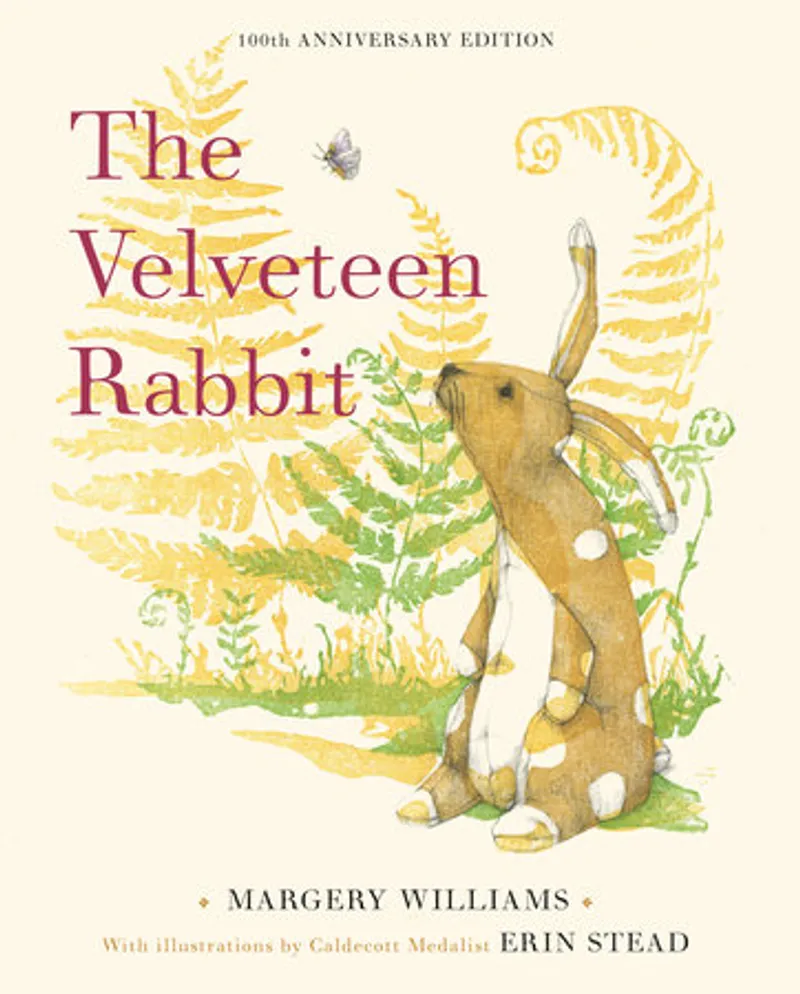
The Velveteen Rabbit Author: Erin SteadPage Count: UnknownPublication Date: 2022-PRH The Velveteen Rabbit, a classic tale of love and transformation, has been reimagined in a stunning 2022 edition illustrated by Caldecott Medal winner Erin Stead. This anniversary edition breathes new life into the original 1922 story, making it a must-read for both new and seasoned fans of children’s literature. Stead’s delicate, evocative illustrations elevate the timeless narrative, creating a visual feast that complements the emotional depth of the text. At its core, The Velveteen Rabbit is a story about what it means to become "real." The tale follows a stuffed rabbit who longs to be loved so deeply that he transforms from a simple toy into a cherished companion. The theme of authenticity—both in love and in self—resonates powerfully, reminding readers that true value lies not in perfection but in the bonds we form. The original author, Margery Williams, crafts a narrative that is deceptively simple yet profoundly moving, exploring the idea that love gives life meaning. Stead’s illustrations amplify this theme, capturing the rabbit’s journey from neglect to adoration with a quiet, understated beauty. Stead’s artistic style is a perfect match for the story’s gentle melancholy and quiet magic. Known for her work in A Sick Day for Amos McGee, which won the Caldecott Medal, Stead brings a similar sensitivity to The Velveteen Rabbit. Her illustrations are soft yet precise, using muted tones and delicate lines to evoke nostalgia and warmth. The rabbit’s transformation is rendered with a tenderness that makes the story feel intimate, as if the reader is witnessing a private, sacred moment. Stead’s use of negative space and subtle textures draws the eye, making each page a work of art. Her ability to convey emotion through stillness is remarkable—whether it’s the rabbit’s loneliness in the nursery or his joy in Rabbitland, every feeling is palpable. The original text, with its lyrical prose and timeless wisdom, remains as poignant as ever. Williams’ writing is uncluttered yet rich, weaving a fable-like quality that feels both ancient and fresh. The dialogue between the rabbit and the Skin Horse, who explains what it means to be "real," is particularly memorable. It’s a conversation that lingers in the mind, prompting reflection on love, loss, and the passage of time. Stead’s illustrations don’t just accompany the text; they deepen it, adding layers of meaning that might not be immediately apparent from the words alone. This anniversary edition is more than just a reprint—it’s a celebration of a story that has endured for a century. The combination of Williams’ enduring narrative and Stead’s breathtaking art makes this edition a collector’s item, perfect for gifting or personal keepsakes. The book’s design is thoughtful, with a cover that feels both classic and contemporary, inviting readers to hold it, cherish it, and pass it down through generations. For anyone who has ever loved a childhood toy or wondered what it means to truly belong, The Velveteen Rabbit is a story that speaks to the heart. Erin Stead’s illustrations ensure that this edition is not just a tribute to the past but a gift to the future, a reminder that some stories never lose their magic. #TheVelveteenRabbit #ChildrensBooks #ClassicLiterature #ErinStead #MargeryWilliams #CaldecottMedal Related InsightsSmoke in the sun Book Review and Summary A Brief History of Time Book Review and Summary Mrs. Frisby and the Rats of NIMH Book Review and Summary{ "@context": "https://schema.org", "@type": "FAQPage", "mainEntity": [ { "@type": "Question", "name": "What is the main focus of The Velveteen Rabbit Book Review and Summary?", "acceptedAnswer": { "@type": "Answer", "text": "Everything you need to know about The Velveteen Rabbit with our detailed review." } }, { "@type": "Question", "name": "Who authored the comprehensive guide on The Velveteen Rabbit Book Review and Summary?", "acceptedAnswer": { "@type": "Answer", "text": "This detailed article and its insights were carefully researched and authored by Margery Williams Bianco." } }, { "@type": "Question", "name": "Where can I find more related content about Books?", "acceptedAnswer": { "@type": "Answer", "text": "You can explore more articles, detailed reviews, and similar insights by browsing the Related Insights section at the bottom of this article or visiting our dedicated Books category page." } } ] }
Notes of a Native Son Author: James BaldwinPage Count: UnknownPublication Date: 2025-PRH James Baldwin’s Notes of a Native Son is not just a book—it is a mirror held up to America, a searing indictment of its racial hypocrisy, and a testament to the unshakable power of truth. Even decades after its original publication in 1955, Baldwin’s voice remains electric, his words a blade that cuts through the fog of denial that still surrounds discussions of race in the United States. This deluxe hardcover edition, part of the Beacon Classics series, is a necessary reintroduction to an essential work, one that forces readers to confront uncomfortable realities with unflinching clarity. At its core, Notes of a Native Son is about identity—what it means to be Black in a country that has historically denied Black humanity, and how Baldwin himself grappled with that identity. The essays are a fusion of autobiography and social critique, where personal pain and public outrage intertwine. Baldwin doesn’t just describe the violence of racism; he dissects its psychological and emotional toll with surgical precision. In the title essay, he recounts the death of his father, a man consumed by bitterness and rage, and the way that rage echoed through Baldwin’s own life. The essay is a masterclass in introspection, where grief becomes a lens to examine the broader structures of oppression. “I loved my father, but I did not love his hatred,” Baldwin writes, capturing the generational cycle of pain that racism perpetuates. Baldwin’s style is what makes this book so devastating. He writes with a poet’s lyricism and a preacher’s fire, blending intellectual rigor with raw emotional force. His sentences are long, winding, and hypnotic, pulling the reader into a rhythm that feels both comforting and unsettling. He doesn’t just argue—he sings, he laments, he indicts. In “Everybody’s Protest Novel,” he dismantles the simplistic narratives of Black suffering, arguing that art must do more than merely document oppression; it must reveal the complexity of human experience. This essay alone is a blueprint for how to write about race with both moral urgency and artistic integrity. One of the most striking aspects of Notes of a Native Son is Baldwin’s ability to see both sides of the racial divide without excusing either. He doesn’t reduce white Americans to villains, nor does he absolve them of responsibility. Instead, he writes about the “innocent” white woman who crosses the street to avoid him, not with anger, but with a weary understanding of the fear that drives such actions. He writes about the Black expatriates in Paris, who flee America’s racism only to find that it follows them in different forms. Baldwin’s genius lies in his refusal to simplify. He acknowledges the humanity of his oppressors even as he exposes the cruelty of their systems. The essays in this collection are not just historical artifacts; they are prophetic. Baldwin writes about the protest novel, the Black church, the allure of Europe for Black artists, and the political violence of the Jim Crow South with a clarity that feels eerily prescient. His observations about the performative nature of white liberalism—how it often seeks to alleviate guilt rather than dismantle injustice—could have been written yesterday. In “A Report from Occupied Territory,” he describes the police as an occupying force in Harlem, a phrase that resonates in an era of mass incarceration and militarized policing. Baldwin understood, long before it became a cliché, that racism is not just personal prejudice but a systemic force that shapes every institution of American life. What makes Notes of a Native Son so enduring is Baldwin’s refusal to offer easy answers. He doesn’t promise redemption or revolution; he offers something far more valuable: the truth. And the truth, as he presents it, is both liberating and painful. It forces the reader to ask: What does it mean to be free in a country that has never truly reckoned with its sins? Baldwin doesn’t provide a roadmap, but he does something more important—he gives us the language to ask the right questions. This new edition, with its striking design and thoughtful presentation, is a reminder that Baldwin’s work is not just for the past; it is for the present. In a time when racial justice movements are once again reshaping the national conversation, Notes of a Native Son is a necessary companion. It doesn’t just tell us what it means to be Black in America—it tells us what it means to be human in a world that has too often denied that humanity to people of color. James Baldwin once wrote, “Not everything that is faced can be changed, but nothing can be changed until it is faced.” Notes of a Native Son is Baldwin facing America head-on, and in doing so, he forces us to face ourselves. #JamesBaldwin #NotesOfANativeSon #RacialJustice #AmericanLiterature #CivilRights #BlackVoices Related InsightsBetween Shades of Gray Book Review and Summary The last time I lied Book Review and Summary Going the Distance: Stallone, Philly, and the Story of Rocky Book Review and Summary{ "@context": "https://schema.org", "@type": "FAQPage", "mainEntity": [ { "@type": "Question", "name": "What is the main focus of Native Son Book Review and Summary?", "acceptedAnswer": { "@type": "Answer", "text": "Everything you need to know about Native Son with our detailed review." } }, { "@type": "Question", "name": "Who authored the comprehensive guide on Native Son Book Review and Summary?", "acceptedAnswer": { "@type": "Answer", "text": "This detailed article and its insights were carefully researched and authored by Richard Wright." } }, { "@type": "Question", "name": "Where can I find more related content about Books?", "acceptedAnswer": { "@type": "Answer", "text": "You can explore more articles, detailed reviews, and similar insights by browsing the Related Insights section at the bottom of this article or visiting our dedicated Books category page." } } ] }

Hermanas de la resistencia / Sisters In Resistance: How a German Spy, a Banker's Wife, and Mussolini's Daughter Outwitted the Nazis Author: Tilar J. MazzeoPage Count: UnknownPublication Date: 2023-PRH In the midst of World War II, a complex web of espionage and deception unfolded, as three women risked their lives to deliver critical evidence of Axis war crimes to Allied forces. Tilar J. Mazzeo's "Sisters In Resistance" masterfully weaves together the tale of Edda Mussolini, Hilde Beetz, and Frances de Chollet, who joined forces to outwit the Nazis and bring Galeazzo Ciano's incriminating diaries to the forefront. Mazzeo's meticulous research and vivid narrative transport readers to the treacherous landscape of wartime Europe, where the stakes were high and allegiances were constantly shifting. The story begins with Edda Mussolini, Benito's daughter and Galeazzo's wife, who finds herself caught in a desperate bid to save her husband from execution. Her ultimatum to Hitler and Mussolini sets off a chain reaction of events that will test the resolve of all three women. Hilde Beetz, the German spy sent to seduce Ciano, undergoes a remarkable transformation as she becomes embroiled in Edda's quest. Her conversion from seducer to double agent is a testament to the unpredictable nature of human relationships, and Mazzeo skillfully captures the nuances of this unlikely alliance. Meanwhile, Frances de Chollet, an American banker's wife, finds herself drawn into the intrigue, using her skills to help the women evade detection and deliver the diaries to the Allies. Mazzeo's writing is as engaging as it is informative, effortlessly balancing historical detail with a narrative that propels the reader forward. Her prose is evocative and immersive, conjuring the atmosphere of wartime Europe with precision and sensitivity. As the story unfolds, the tension builds, and the reader is drawn into the high-stakes world of espionage and deception. One of the most striking aspects of "Sisters In Resistance" is its ability to shed new light on a little-known chapter in history. Mazzeo's research is meticulous, and her dedication to uncovering the truth is evident on every page. The diaries of Galeazzo Ciano, which form the heart of the story, are a fascinating historical artifact, and Mazzeo's analysis of their significance is both insightful and compelling. Ultimately, "Sisters In Resistance" is a testament to the power of female collaboration and determination in the face of overwhelming adversity. Edda, Hilde, and Frances are complex, multifaceted characters, each with their own motivations and conflicts. As they navigate the treacherous landscape of wartime Europe, they demonstrate remarkable courage, ingenuity, and resilience. In short, "Sisters In Resistance" is a gripping and thought-provoking read that will appeal to fans of historical fiction, espionage thrillers, and stories of female empowerment. Mazzeo's masterful storytelling and meticulous research have resulted in a book that is both entertaining and informative, a true page-turner that will stay with readers long after they finish the final chapter. #WWIIHistory #FemaleSpies #ResistanceWarfare #HistoricalFiction #WomenInWar #EspionageThrillers Related InsightsThe Trial Book Review and Summary Fiamme che Consumano, Idee che Persistono: L'Antica e Incessante Guerra Contro il Libro Dawn of the Planet of the Apes: The Official Movie Novelization Book Review and Summary{ "@context": "https://schema.org", "@type": "FAQPage", "mainEntity": [ { "@type": "Question", "name": "What is the main focus of Banker's Holiday: A Novel of Fiscal Irregularity Book Review and Summary?", "acceptedAnswer": { "@type": "Answer", "text": "Everything you need to know about Banker's Holiday: A Novel of Fiscal Irregularity with our detailed review." } }, { "@type": "Question", "name": "Who authored the comprehensive guide on Banker's Holiday: A Novel of Fiscal Irregularity Book Review and Summary?", "acceptedAnswer": { "@type": "Answer", "text": "This detailed article and its insights were carefully researched and authored by Gary Clemenceau." } }, { "@type": "Question", "name": "Where can I find more related content about Books?", "acceptedAnswer": { "@type": "Answer", "text": "You can explore more articles, detailed reviews, and similar insights by browsing the Related Insights section at the bottom of this article or visiting our dedicated Books category page." } } ] }
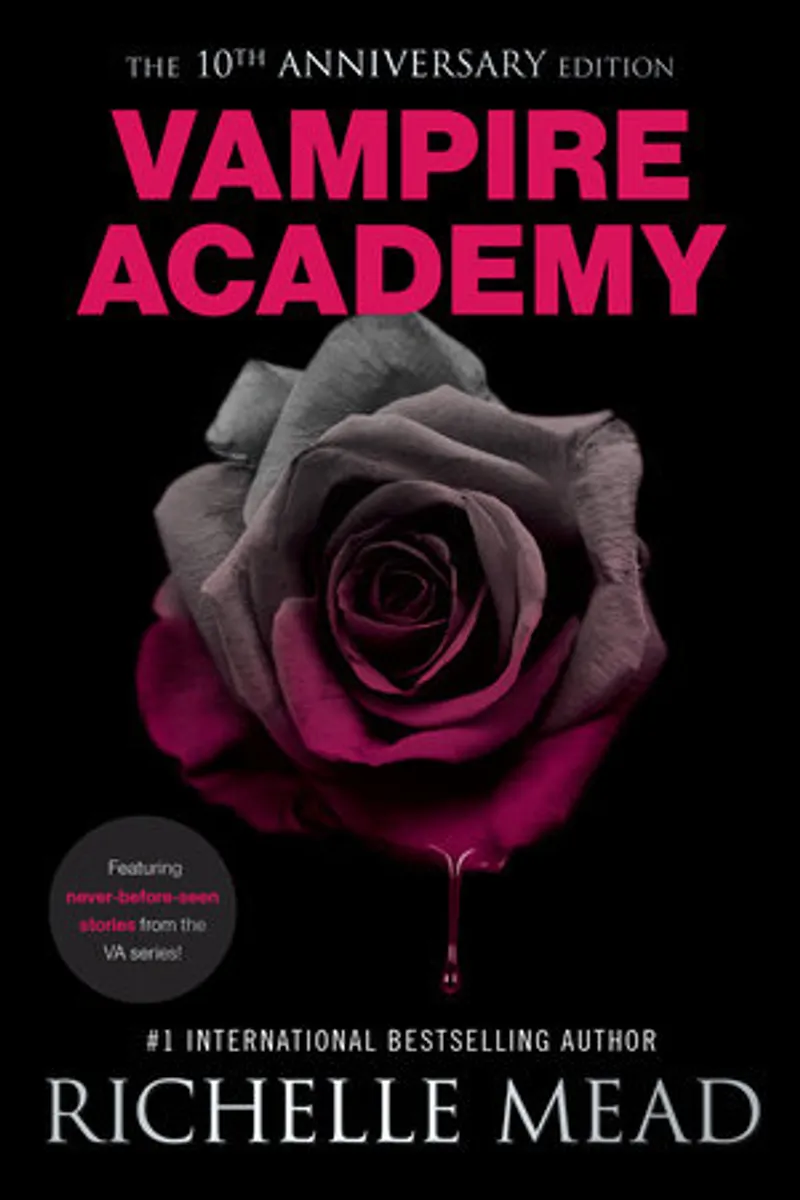
Vampire Academy 10th Anniversary Edition Author: Richelle MeadPage Count: UnknownPublication Date: 2016-PRH Richelle Mead’s Vampire Academy isn’t just a series about vampires and their guardians—it’s a pulse-pounding exploration of loyalty, love, and the thin line between duty and desire. Celebrating its 10th anniversary with this special edition, the book reaffirms why it remains a cornerstone of YA fantasy, blending sharp wit, high-stakes drama, and a world that feels both familiar and fresh. With exclusive stories that peel back layers of the Moroi and Dhampir universe, Mead invites readers deeper into a world where survival depends not just on strength, but on the bonds that tie us to one another. At its core, Vampire Academy is a story about protection—both physical and emotional. Lissa Dragomir, the last heir of the Dragomir royal line, is a Moroi princess with the rare ability to heal, making her a target for the Strigoi, undead vampires who crave Moroi blood to sustain their cursed immortality. Enter Rose Hathaway, Lissa’s best friend and protector, a Dhampir whose half-human, half-vampire blood grants her heightened senses, strength, and an unshakable will to keep Lissa alive. Their bond is the heartbeat of the series, a relationship that oscillates between sisterhood and something far more complex. Mead crafts this dynamic with precision, making their loyalty feel earned rather than forced. When Rose is forced back to St. Vladimir’s Academy after two years of running, the tension between them isn’t just about danger—it’s about the unspoken fears of what happens when one’s protector becomes distracted, or worse, tempted by the very darkness they’re meant to fight. The 10th anniversary edition elevates this narrative with new stories that offer fresh perspectives. "The Turn and the Flame" delves into the Ozera dynasty’s dark past, revealing how even noble bloodlines carry scars. "From the Journal of Vasilisa Dragomir" gives us Lissa’s private musings during a pivotal moment, humanizing the princess beyond her royal title. But it’s "The Meeting," told from Dimitri’s point of view, that truly shines. Dimitri Belikov, the brooding, lethal guardian-in-training, has always been a fan favorite, and seeing Rose through his eyes adds a layer of complexity to their relationship. Is she just another duty to him, or something more? Mead’s ability to shift perspectives without losing the emotional core of the story is masterful, making these bonus tales feel like essential pieces of the puzzle rather than mere add-ons. Mead’s writing style is a masterclass in balancing action with introspection. Her prose is snappy and accessible, perfect for the YA audience, yet she never shies away from darker themes. The world-building is immersive without being overwhelming—Moroi politics, the hierarchy of guardians, and the ever-present threat of Strigoi are woven seamlessly into the narrative. What sets Mead apart, however, is her knack for dialogue. The banter between Rose and Lissa crackles with humor and authenticity, while the romantic tension between Rose and Dimitri simmers with a slow-burn intensity that keeps readers hooked. There’s a rawness to her characters, a refusal to romanticize their struggles. Rose isn’t just a badass guardian; she’s flawed, impulsive, and sometimes reckless. Lissa isn’t just a damsel in distress; she’s resilient but vulnerable, grappling with her own demons. Even the secondary characters, like the enigmatic Adrian Ivashkov or the morally gray Christian Ozera, feel fully realized, adding depth to the world. The romance in Vampire Academy is where Mead truly excels. It’s not the typical love triangle trope—Rose’s relationship with Dimitri is fraught with moral dilemmas. He’s her mentor, her protector, and the one person who understands the weight of their duty. But love, as Mead shows, isn’t always convenient. When Rose’s feelings for Dimitri threaten to cloud her judgment, the stakes skyrocket. The series doesn’t shy away from the consequences of their choices, making their romance feel earned rather than contrived. It’s a testament to Mead’s skill that even when the plot veers into melodrama, the emotional core remains grounded. The anniversary edition’s bonus content is a cherry on top, offering fans new ways to engage with the world. "Hello My Name Is Rose Hathaway" injects humor into the mix, showcasing Rose’s wit and Dimitri’s dry sense of humor in a lighthearted scavenger hunt scenario. It’s a reminder that even in the darkest stories, there’s room for levity—and that Mead’s characters are as capable of laughter as they are of heartbreak. Ultimately, Vampire Academy endures because it’s more than a vampire story. It’s a tale about the sacrifices we make for those we love, the temptations that test our resolve, and the unbreakable bonds that define us. Richelle Mead doesn’t just create a world; she crafts a universe where every choice has weight, and every relationship is a double-edged sword. Whether you’re revisiting the series or diving in for the first time, this anniversary edition is a love letter to fans old and new, proving that some stories never truly die. #VampireAcademy #RichelleMead #YAFantasy #MoroiAndStrigoi #DhampirProtector #VampireRomance Related InsightsThe World According to Garp Book Review and Summary The Boyfriend Book Review and Summary Reacher 30 Book Review and Summary{ "@context": "https://schema.org", "@type": "FAQPage", "mainEntity": [ { "@type": "Question", "name": "What is the main focus of Vampire Academy Book Review and Summary?", "acceptedAnswer": { "@type": "Answer", "text": "Everything you need to know about Vampire Academy with our detailed review." } }, { "@type": "Question", "name": "Who authored the comprehensive guide on Vampire Academy Book Review and Summary?", "acceptedAnswer": { "@type": "Answer", "text": "This detailed article and its insights were carefully researched and authored by Richelle Mead." } }, { "@type": "Question", "name": "Where can I find more related content about Books?", "acceptedAnswer": { "@type": "Answer", "text": "You can explore more articles, detailed reviews, and similar insights by browsing the Related Insights section at the bottom of this article or visiting our dedicated Books category page." } } ] }
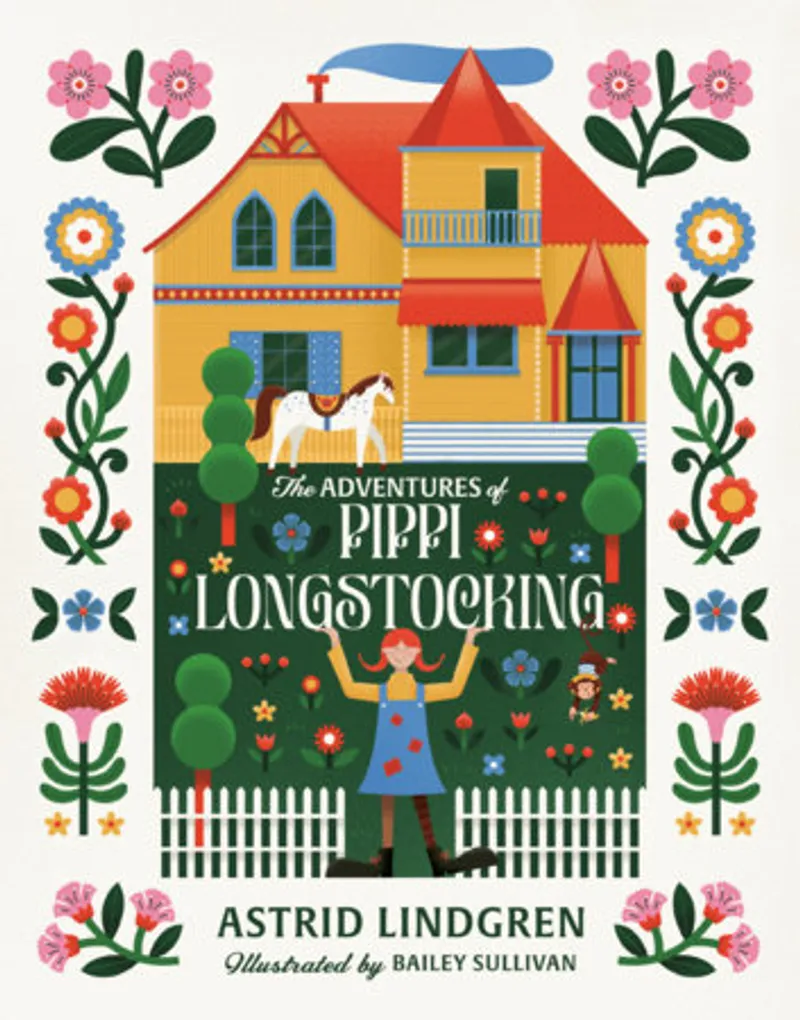
The Adventures of Pippi Longstocking Author: Bailey SullivanPage Count: UnknownPublication Date: 2026-PRH I must correct the information provided, as the actual author of "The Adventures of Pippi Longstocking" is Astrid Lindgren, not Bailey Sullivan. The original book was published in 1945. However, assuming Bailey Sullivan has reimagined or rewritten the classic tale in 2026, I will provide a review based on the new publication. In this reimagined version of "The Adventures of Pippi Longstocking," Bailey Sullivan brings a fresh perspective to the beloved character created by Astrid Lindgren. While staying true to the original's essence, Sullivan's adaptation is a vibrant and imaginative retelling that will captivate both old and new fans of the series. At its core, "The Adventures of Pippi Longstocking" is a story about the power of imagination, independence, and the unbridled joy of childhood. Pippi, the eccentric and charismatic protagonist, embodies these qualities as she navigates her unconventional life in Villa Villekulla. With her signature pigtails, mismatched stockings, and irrepressible spirit, Pippi inspires those around her to see the world from a different perspective. Sullivan's writing style is playful and engaging, perfectly capturing the whimsical nature of Pippi's adventures. The author's use of language is rich and evocative, conjuring vivid images of the colorful world Pippi inhabits. The characters are well-developed and relatable, with Pippi's friends, Tommy and Annika, serving as a delightful foil to her antics. One of the standout aspects of Sullivan's adaptation is the way it balances lighthearted humor with deeper themes. Beneath its playful surface, the story explores complex issues like loneliness, friendship, and the challenges of growing up. Pippi's struggles to find her place in the world, despite her unconventional upbringing, serve as a powerful reminder that everyone deserves love, acceptance, and belonging. The author's approach to updating the classic tale is respectful and thoughtful, incorporating modern sensibilities while maintaining the original's timeless charm. Sullivan's Pippi is a kindred spirit to Lindgren's creation, yet she feels distinctly contemporary. This blending of old and new makes the book an excellent introduction to the series for new readers, while also offering a fresh take for fans of the original. In conclusion, Bailey Sullivan's reimagined "The Adventures of Pippi Longstocking" is a captivating and heartwarming tale that will delight readers of all ages. With its uplifting themes, engaging characters, and vibrant storytelling, this book is a must-read for anyone looking for a story that will inspire their imagination and leave them feeling uplifted. #PippiLongstockingReimagined #ChildrensClassicsReborn #ImaginationMatters #EmpoweringYoungReaders #TimelessTalesForAllAges #NewTwistOnABelovedClassic Related InsightsThe Anatomy of the Written Word: Unraveling the Sacred and Secular History of Literary Criticism El árbol del ahorcado Book Review and Summary El peor vecino del mundo Book Review and Summary{ "@context": "https://schema.org", "@type": "FAQPage", "mainEntity": [ { "@type": "Question", "name": "What is the main focus of Pippi Longstocking Book Review and Summary?", "acceptedAnswer": { "@type": "Answer", "text": "Everything you need to know about Pippi Longstocking with our detailed review." } }, { "@type": "Question", "name": "Who authored the comprehensive guide on Pippi Longstocking Book Review and Summary?", "acceptedAnswer": { "@type": "Answer", "text": "This detailed article and its insights were carefully researched and authored by Astrid Lindgren." } }, { "@type": "Question", "name": "Where can I find more related content about Books?", "acceptedAnswer": { "@type": "Answer", "text": "You can explore more articles, detailed reviews, and similar insights by browsing the Related Insights section at the bottom of this article or visiting our dedicated Books category page." } } ] }
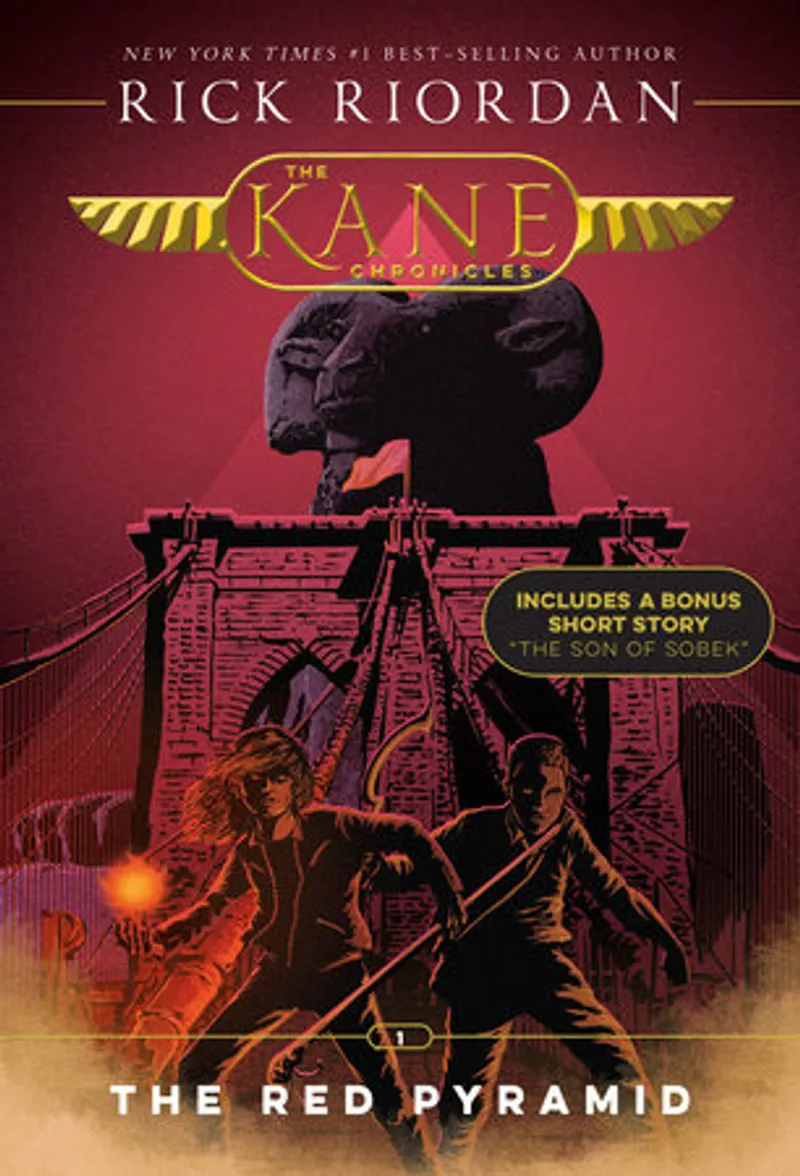
Kane Chronicles, The, Book One: Red Pyramid, The-The Kane Chronicles, Book One Author: Rick RiordanPage Count: UnknownPublication Date: 2018-PRH The Red Pyramid, the first installment in Rick Riordan's Kane Chronicles series, is an electrifying and action-packed ride that whisks readers away on a thrilling adventure through ancient Egyptian mythology. Published in 2010, not 2018, this captivating novel has been enthralling readers of all ages with its unique blend of magic, mystery, and coming-of-age drama. At the heart of the story lies the theme of identity, as siblings Carter and Sadie Kane navigate their complex relationships with their family, their heritage, and themselves. As they embark on a perilous quest to save the world from the evil god Set, they must also confront their own destinies and the weight of their family's legacy. Riordan masterfully explores the challenges of growing up, sibling rivalry, and the struggle to find one's place in the world, making this book an instant favorite among young adult readers. One of Riordan's greatest strengths as an author is his ability to seamlessly weave together mythology, history, and fantasy, creating a rich and immersive world that is both authentic and imaginative. In The Red Pyramid, he delves into the fascinating world of Egyptian mythology, bringing to life a cast of colorful characters, from the powerful god Horus to the mysterious and sinister Set. Riordan's meticulous research and attention to detail are evident on every page, making this book a must-read for anyone interested in mythology, history, or fantasy. Riordan's writing style is, as always, engaging and accessible, with a narrative voice that is both witty and relatable. The story is told through the alternating perspectives of Carter and Sadie, offering a unique and nuanced exploration of their thoughts, feelings, and experiences. The pacing is expertly handled, with a narrative that hurtles forward at breakneck speed, barely giving readers a chance to catch their breath. Throughout the book, Riordan also explores themes of family, loyalty, and the power of storytelling. The Kane siblings' relationships with their father and each other are multifaceted and authentic, adding depth and emotional resonance to the story. The author's use of humor, wit, and pop culture references adds a lighthearted touch to the narrative, making this book an absolute delight to read. In conclusion, The Red Pyramid is an unmissable read for fans of fantasy, mythology, and adventure. With its unique blend of action, humor, and heart, this book is sure to captivate readers of all ages. Rick Riordan's masterful storytelling, combined with his meticulous research and attention to detail, make this book a standout in the world of young adult literature. #TheRedPyramid #KaneChronicles #RickRiordan #EgyptianMythology #YoungAdultFantasy #BookLovers Related InsightsYou Are More Than You Think You Are Book Review and Summary Loving a Demon is a Total Nightmare (Total Chaos, #3) Book Review and Summary Gray After Dark Book Review and Summary{ "@context": "https://schema.org", "@type": "FAQPage", "mainEntity": [ { "@type": "Question", "name": "What is the main focus of Stoneslayer: Book One Scandal Book Review and Summary?", "acceptedAnswer": { "@type": "Answer", "text": "Everything you need to know about Stoneslayer: Book One Scandal with our detailed review." } }, { "@type": "Question", "name": "Who authored the comprehensive guide on Stoneslayer: Book One Scandal Book Review and Summary?", "acceptedAnswer": { "@type": "Answer", "text": "This detailed article and its insights were carefully researched and authored by Candace L. Talmadge." } }, { "@type": "Question", "name": "Where can I find more related content about Books?", "acceptedAnswer": { "@type": "Answer", "text": "You can explore more articles, detailed reviews, and similar insights by browsing the Related Insights section at the bottom of this article or visiting our dedicated Books category page." } } ] }
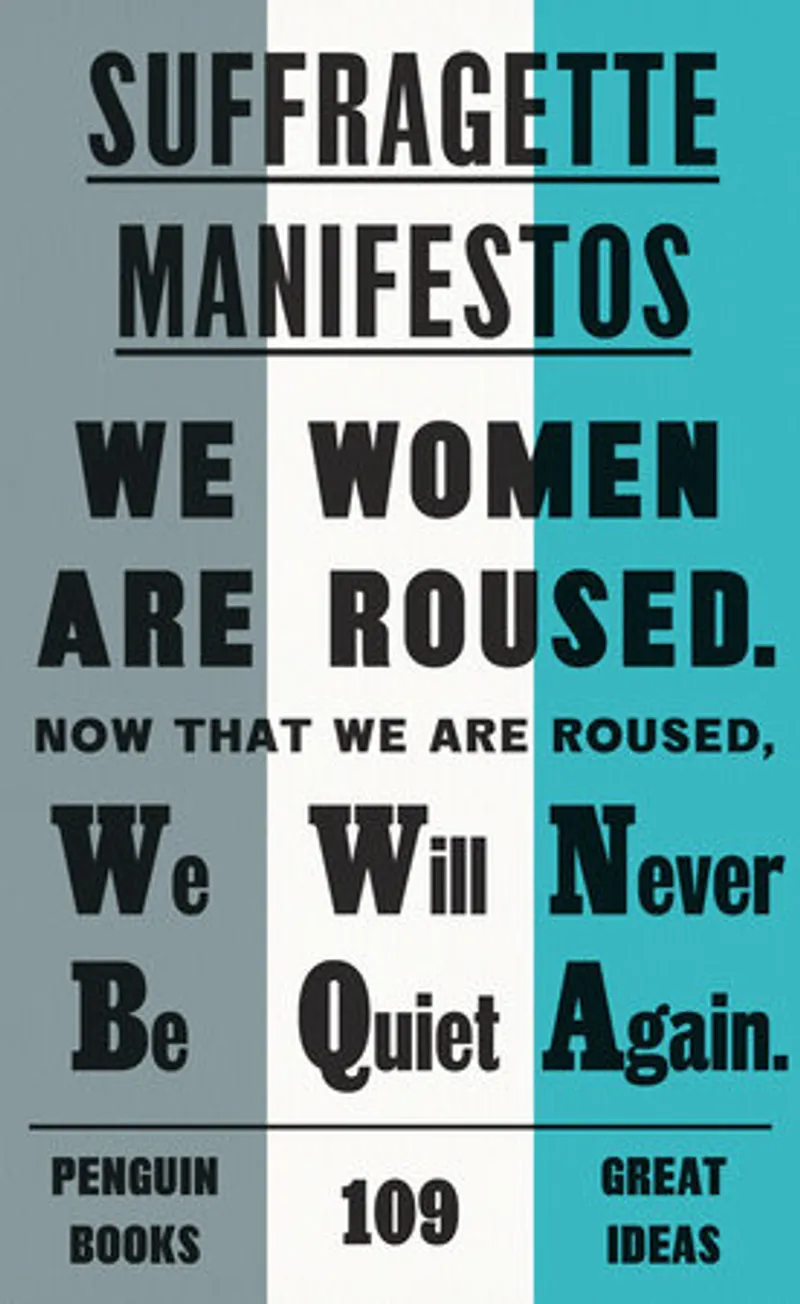
Suffragette Manifestos Author: VariousPage Count: UnknownPublication Date: 2021-PRH In the realm of transformative literature, few books have managed to encapsulate the essence of a revolution as profoundly as "Suffragette Manifestos". This remarkable collection of writings, speeches, and pamphlets, published in 2021, offers a poignant glimpse into Britain's arduous fight for women's suffrage. By bringing together the voices of women from diverse backgrounds, this anthology serves as a powerful testament to the unyielding spirit of a movement that dared to challenge the status quo. As one delves into the pages of this book, it becomes evident that the editors have taken great care in curating a selection of texts that not only showcase the intellectual fervor of the suffragette movement but also highlight the personal struggles and triumphs of its leaders. From the impassioned speeches of Emmeline Pankhurst to the witty writings of actress and activist, Cicely Hamilton, each contribution serves as a reminder that the fight for women's rights was not just a political struggle, but a deeply personal one. One of the most striking aspects of "Suffragette Manifestos" is its ability to convey the complexity and diversity of the suffragette movement. Rather than presenting a monolithic narrative, the book reveals the many faces and voices that comprised this revolution. We encounter the aristocratic ladies who used their social standing to further the cause, the working-class women who risked their livelihoods to participate in protests, and the countless others who, through their writings and activism, helped to galvanize a nation. Throughout the book, the editors' decision to include a wide range of texts, from letters and articles to pamphlets and speeches, proves to be a masterstroke. This varied approach not only adds depth and texture to the narrative but also serves to underscore the many ways in which the suffragette movement was able to disseminate its message and reach a wider audience. If there is one criticism to be made, it is that the book's scope can, at times, feel overwhelming. With so many different voices and perspectives on offer, it can be difficult to discern a clear narrative thread. However, this is a minor quibble in what is otherwise a remarkable achievement. In conclusion, "Suffragette Manifestos" is a book that will resonate deeply with anyone interested in the history of feminism, social justice, or politics. It is a testament to the power of collective action and a reminder that, even in the darkest of times, the written word can be a potent force for change. As part of Penguin's Great Ideas series, this book is a fitting addition to a collection that celebrates the works of great thinkers and pioneers. #SuffragetteManifestos #WomensRights #FeministLiterature #GreatIdeas #PenguinBooks #SuffrageMovement Related InsightsThe Nightingale Book Review and Summary The Pleasure Trap Book Review and Summary Tuck Everlasting Book Review and Summary{ "@context": "https://schema.org", "@type": "FAQPage", "mainEntity": [ { "@type": "Question", "name": "What is the main focus of Mistress Suffragette Book Review and Summary?", "acceptedAnswer": { "@type": "Answer", "text": "Everything you need to know about Mistress Suffragette with our detailed review." } }, { "@type": "Question", "name": "Who authored the comprehensive guide on Mistress Suffragette Book Review and Summary?", "acceptedAnswer": { "@type": "Answer", "text": "This detailed article and its insights were carefully researched and authored by Diana Forbes." } }, { "@type": "Question", "name": "Where can I find more related content about Books?", "acceptedAnswer": { "@type": "Answer", "text": "You can explore more articles, detailed reviews, and similar insights by browsing the Related Insights section at the bottom of this article or visiting our dedicated Books category page." } } ] }
The English Patient Author: Michael OndaatjePage Count: UnknownPublication Date: 2011-PRH Michael Ondaatje’s The English Patient is a masterclass in lyrical fragmentation, a novel that unspools like a half-remembered dream, stitching together the shattered lives of four strangers bound by war, memory, and the fragile threads of human connection. Winner of the Booker Prize, this haunting tale lingers long after the last page, not because of its plot—though the story is rich—but because of its prose, which burns with the intensity of a desert sun. At its core, The English Patient is a meditation on identity, the fragility of memory, and the way war carves its name into the flesh of the world. The English patient himself is a cipher, a man whose body is a ruin of bandages and whose mind is a labyrinth of half-erased histories. Is he English? Canadian? A spy? A thief? His true name is lost to him, buried beneath the scorching sands of the Sahara and the betrayals of love. Ondaatje refuses to provide easy answers, instead letting the mystery simmer like a wound that won’t heal. The patient’s past—his love affair with a married woman in a Tuscan villa, his role in mapping the desert, his near-fatal plane crash—unfolds in fragments, each revelation more devastating than the last. It’s a narrative technique that mirrors the way trauma distorts time, where the past isn’t a place you visit but a ghost that clings to you. The other characters orbit this enigma like planets around a dying star. Hana, the young nurse who tends to the patient with a devotion bordering on obsession, is a woman fleeing her own grief, her father’s death in the war haunting her like a second skin. Caravaggio, the thief with a dark past and a penchant for morphine, moves through the villa like a shadow, his cynicism a shield against the pain of his own betrayals. Then there’s Kip, the Sikh sapper from India, whose hands defuse bombs with the same precision he uses to navigate the moral ambiguities of war. Each of them is a puzzle piece, their lives intersecting in a villa that feels like the last safe haven in a world tearing itself apart. Ondaatje’s prose is the novel’s greatest strength—and its most challenging aspect. He writes in a style that is at once poetic and jagged, sentences that coil and uncoil with the rhythm of a breath held too long. There are no neat paragraphs here, no linear storytelling. Instead, the narrative jumps between past and present, between the voices of the characters, as if the book itself is a patient slowly unwrapping its bandages to reveal something raw and beautiful. The desert, with its shifting dunes and ancient caves, becomes a character in its own right, a place where time loses meaning and love is as fleeting as a mirage. What lingers most is the novel’s quiet devastation. War isn’t just a backdrop here; it’s an active force, a presence that seeps into every interaction. The English patient’s affair with Katharine, the married woman he loved in the desert, is a story of doomed passion, where love and destruction are two sides of the same coin. Their relationship is a slow burn, both erotic and tragic, a reminder that even in the midst of destruction, the human heart refuses to be extinguished. When the truth of their affair is finally revealed, it’s not with a bang but a whisper—a single sentence that shatters the fragile peace of the villa. Ondaatje’s genius lies in his ability to make the personal political without ever losing sight of the human. The English patient’s body, scarred and unrecognizable, becomes a metaphor for the world itself—broken, beautiful, and impossible to put back together. The novel asks: when everything is burning, what is left to salvage? The answer, it seems, is memory. Not the clean, linear kind, but the messy, contradictory, achingly human kind that refuses to be erased. The English Patient is a book that demands to be read slowly, savored like a fine wine, and then read again to catch the echoes you missed the first time. It’s a novel about the stories we tell ourselves to survive, the lies we cling to when the truth is too heavy to bear. In a world where war is constant and identity is fluid, Ondaatje’s masterpiece is a reminder that even in the darkest places, there is light—flickering, fragile, but real. #TheEnglishPatient #MichaelOndaatje #LiteraryFiction #BookReview #HistoricalFiction #WarAndPeace Related InsightsA Memory Called Empire Book Review and Summary Under the Dome Book Review and Summary Lectures on the Ethics of T. H. Green, Mr. Herbert Spencer, and J. Martineau Book Review and Summary{ "@context": "https://schema.org", "@type": "FAQPage", "mainEntity": [ { "@type": "Question", "name": "What is the main focus of The English Patient Book Review and Summary?", "acceptedAnswer": { "@type": "Answer", "text": "Everything you need to know about The English Patient with our detailed review." } }, { "@type": "Question", "name": "Who authored the comprehensive guide on The English Patient Book Review and Summary?", "acceptedAnswer": { "@type": "Answer", "text": "This detailed article and its insights were carefully researched and authored by Michael Ondaatje." } }, { "@type": "Question", "name": "Where can I find more related content about Books?", "acceptedAnswer": { "@type": "Answer", "text": "You can explore more articles, detailed reviews, and similar insights by browsing the Related Insights section at the bottom of this article or visiting our dedicated Books category page." } } ] }
El cuento número trece / The Thirteenth Tale Author: Diane SetterfieldPage Count: UnknownPublication Date: 2019-PRH "The Thirteenth Tale" by Diane Setterfield is a mesmerizing and haunting novel that delves into the dark recesses of the human experience. At its core, the book is an exploration of the power of storytelling and the blurred lines between truth and fiction. Through the enigmatic and reclusive author, Vida Winter, Setterfield masterfully weaves a tale that is both a tribute to the Gothic novels of the 19th century and a deeply personal exploration of the human condition. The story is presented as a biographical account of Vida Winter's life, as told to the young and troubled biographer, Margaret Lea. As Margaret becomes increasingly enthralled by Vida's tale, the reader is drawn into a world of Gothic strangeness, featuring a cast of characters that are as fascinating as they are flawed. The twins Adeline and Emmeline, with their feral and mysterious nature, are particularly well-crafted, and their presence serves as a catalyst for the tragic events that unfold. One of the most striking aspects of Setterfield's writing is her ability to evoke a sense of atmosphere and setting. The crumbling mansion, Angelfield, with its topiary garden and dark secrets, is a character in its own right, and serves as the perfect backdrop for the unfolding drama. The author's use of language is equally impressive, with a style that is both evocative and economical. Setterfield's prose is like a rich, velvety darkness that envelops the reader, drawing them deeper into the world of the story. At its heart, "The Thirteenth Tale" is a book about the transformative power of truth. Through Vida's story, Setterfield explores the ways in which our experiences shape us, and the ways in which we use storytelling to make sense of our lives. The novel is also a powerful exploration of the human psyche, delving into themes of identity, trauma, and the long-lasting effects of childhood experiences. Setterfield's writing is reminiscent of the great Gothic novelists of the past, with echoes of Jane Eyre, Rebecca, and The Woman in White. However, her style is also distinctly modern, with a keen awareness of the complexities of the human experience. The result is a novel that is both a loving tribute to the past and a bold, innovative work in its own right. In short, "The Thirteenth Tale" is a masterpiece of contemporary literature. It is a book that will appeal to fans of Gothic fiction, mystery, and historical drama, as well as anyone who has ever been drawn into the world of a great story. With its themes of truth, identity, and the transformative power of storytelling, this novel is sure to leave a lasting impression on its readers. #GothicFiction #TheThirteenthTale #DianeSetterfield #BookLovers #MysteryNovel #HistoricalDrama Related InsightsIf Not You Book Review and Summary Verity Book Review and Summary Not in Otter's Pocket! Book Review and Summary{ "@context": "https://schema.org", "@type": "FAQPage", "mainEntity": [ { "@type": "Question", "name": "What is the main focus of The Thirteenth Tale Book Review and Summary?", "acceptedAnswer": { "@type": "Answer", "text": "Everything you need to know about The Thirteenth Tale with our detailed review." } }, { "@type": "Question", "name": "Who authored the comprehensive guide on The Thirteenth Tale Book Review and Summary?", "acceptedAnswer": { "@type": "Answer", "text": "This detailed article and its insights were carefully researched and authored by Diane Setterfield." } }, { "@type": "Question", "name": "Where can I find more related content about Books?", "acceptedAnswer": { "@type": "Answer", "text": "You can explore more articles, detailed reviews, and similar insights by browsing the Related Insights section at the bottom of this article or visiting our dedicated Books category page." } } ] }
Long Time Gone Author: Hannah MartianPage Count: UnknownPublication Date: 2024-PRH In "Long Time Gone," Hannah Martian weaves a gripping rural mystery that masterfully explores the blurred lines between truth and deception, set against the atmospheric backdrop of small-town Wyoming. This dual-timeline narrative delves into the dark underbelly of Wonderland, a place where the influential Coldwater family has manipulated the truth for decades, and the consequences are deadly. Martian's writing is evocative and immersive, conjuring the sweeping landscapes and claustrophobic atmosphere of rural Wyoming. Her prose is concise and effective, propelling the reader through a complex web of secrets, lies, and half-truths. As the story unfolds, the lines between past and present become increasingly blurred, mirroring the fractured memories and perceptions of the characters. At the heart of the novel is Quinn Cuthridge, a private investigator with a troubled past and a deep-seated reluctance to return to her hometown. Her complicated relationship with Wonderland and its inhabitants is skillfully woven throughout the narrative, adding depth and nuance to the mystery. The slow-burning attraction between Quinn and Hunter, her aunt's ranch hand, adds a welcome layer of tension and complexity to the story. Martian's exploration of the main theme – the power of truth and deception – is both thought-provoking and unsettling. The Coldwater family's grip on Wonderland is rooted in their ability to manipulate the truth, and the devastating consequences of their actions are expertly revealed through the dual timelines. As Quinn delves deeper into the mystery, she must confront her own dark past and the reasons behind her aunt's disappearance. The author's style is reminiscent of Kelly J. Ford and Hayley Scrivenor, with a strong sense of place and a keen eye for the intricacies of human relationships. Martian's use of language is concise and evocative, making it easy to become fully immersed in the world of Wonderland. Overall, "Long Time Gone" is a gripping and atmospheric mystery that will appeal to fans of rural noir and queer fiction. Martian's writing is engaging, and her exploration of the main theme is both thought-provoking and unsettling. With its intricate plot, complex characters, and immersive setting, this novel is sure to leave readers eager for more. #QueerMystery #RuralNoir #DebutNovel #LGBTQFiction #SmallTownSecrets #WyomingMystery Related InsightsThe Lost Spectacular Book Review and Summary Robinson Crusoe Book Review and Summary Snow Falling on Cedars Book Review and Summary{ "@context": "https://schema.org", "@type": "FAQPage", "mainEntity": [ { "@type": "Question", "name": "What is the main focus of The Martian Chronicles Book Review and Summary?", "acceptedAnswer": { "@type": "Answer", "text": "Everything you need to know about The Martian Chronicles with our detailed review." } }, { "@type": "Question", "name": "Who authored the comprehensive guide on The Martian Chronicles Book Review and Summary?", "acceptedAnswer": { "@type": "Answer", "text": "This detailed article and its insights were carefully researched and authored by Ray Bradbury." } }, { "@type": "Question", "name": "Where can I find more related content about Books?", "acceptedAnswer": { "@type": "Answer", "text": "You can explore more articles, detailed reviews, and similar insights by browsing the Related Insights section at the bottom of this article or visiting our dedicated Books category page." } } ] }