Showing Posts From
Fiction
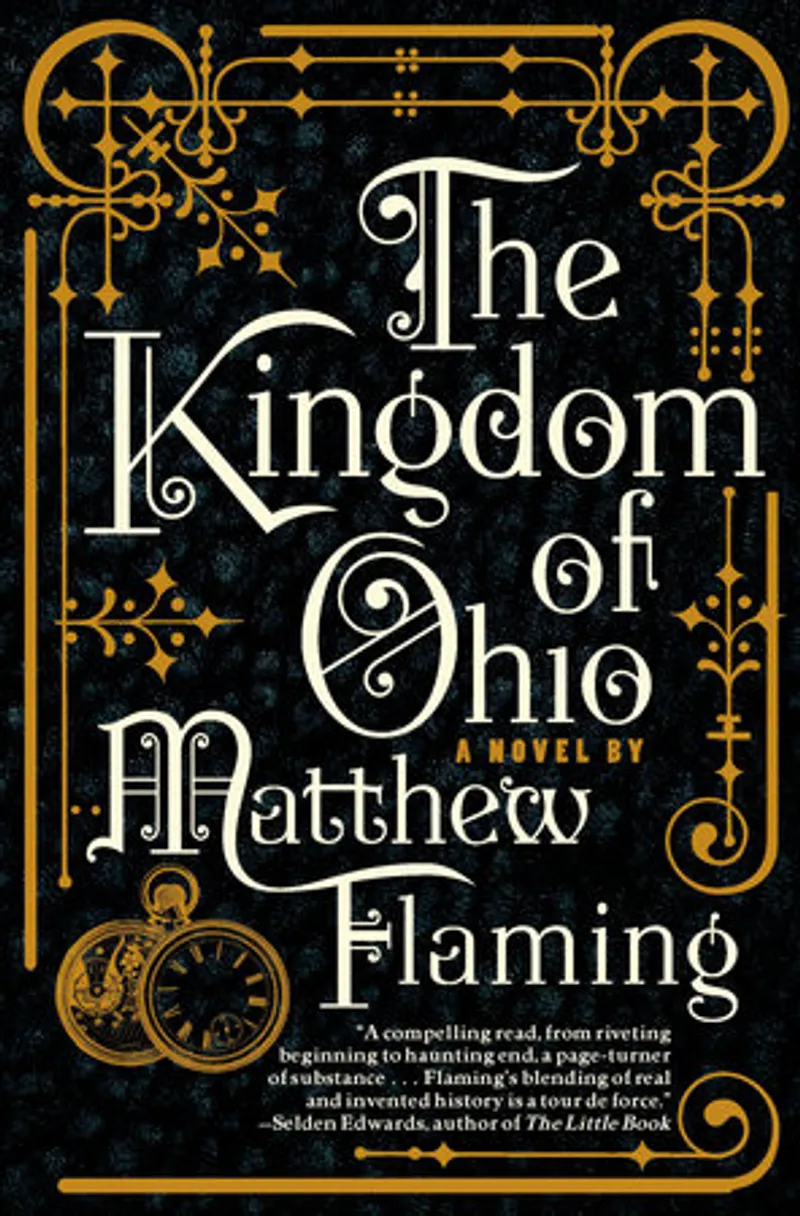
The Kingdom of Ohio Author: Matthew FlamingPage Count: UnknownPublication Date: 2010-PRH In the realm of historical fiction, few novels have managed to weave a tale as captivating and thought-provoking as Matthew Flaming's "The Kingdom of Ohio". This 2010 masterpiece is a sweeping narrative that defies the boundaries of time and space, transporting readers to the dawn of the 20th century, where the world was on the cusp of a technological revolution. At its core, "The Kingdom of Ohio" is a story about the intersection of history, technology, and human experience. The novel's protagonist, a young frontiersman, finds himself in the midst of a rapidly changing world, where the old certainties are crumbling and the new is struggling to be born. As he navigates the treacherous landscape of New York City, he encounters a cast of characters that includes some of the most iconic figures of the time, including Nikola Tesla, Thomas Edison, and J.P. Morgan. Through the eyes of his protagonist, Flaming explores the tension between progress and tradition, as embodied by the rivalry between Tesla and Edison. The former, with his vision of a world powered by alternating current, represents the future, while the latter, with his advocacy of direct current, clings to the past. This struggle is mirrored in the protagonist's own journey, as he grapples with the consequences of his own choices and the unfolding of time itself. One of the most striking aspects of Flaming's style is his ability to evoke the sights, sounds, and smells of a bygone era. His prose is a masterclass in atmospheric writing, conjuring up the mazelike streets and tunnels of New York City with vivid precision. The result is a reading experience that is both immersive and disorienting, like stumbling into a forgotten world. But "The Kingdom of Ohio" is more than just a historical novel – it's also a meditation on the nature of time and memory. The protagonist's narrative is framed by the story of an elderly man living in present-day Los Angeles, who is forced to confront the past he has spent years trying to deny. This framing device adds a layer of complexity to the narrative, highlighting the ways in which our understanding of the past is always filtered through the present. Throughout the novel, Flaming's prose is characterized by a lyrical, almost poetic quality, which perfectly captures the dreamlike atmosphere of the protagonist's journey. His writing is also marked by a deep sense of empathy and compassion, which allows him to bring his characters to life with remarkable nuance and depth. In short, "The Kingdom of Ohio" is a masterpiece of historical fiction, a novel that will appeal to fans of Michael Chabon, E.L. Doctorow, and other writers who have explored the intersection of history, technology, and human experience. With its richly detailed setting, complex characters, and thought-provoking themes, this novel is a must-read for anyone who loves a good story. #TheKingdomOfOhio #HistoricalFiction #Steampunk #NikolaTesla #ThomasEdison #NewYorkCity Related InsightsMeet Me at Midnight: A Novel Book Review and Summary Othello Book Review and Summary How to Resist Guilt: On What's Holding Women Back Book Review and Summary{ "@context": "https://schema.org", "@type": "FAQPage", "mainEntity": [ { "@type": "Question", "name": "What is the main focus of Taming Flame Book Review and Summary?", "acceptedAnswer": { "@type": "Answer", "text": "Everything you need to know about Taming Flame with our detailed review." } }, { "@type": "Question", "name": "Who authored the comprehensive guide on Taming Flame Book Review and Summary?", "acceptedAnswer": { "@type": "Answer", "text": "This detailed article and its insights were carefully researched and authored by Therisa Peimer." } }, { "@type": "Question", "name": "Where can I find more related content about Books?", "acceptedAnswer": { "@type": "Answer", "text": "You can explore more articles, detailed reviews, and similar insights by browsing the Related Insights section at the bottom of this article or visiting our dedicated Books category page." } } ] }
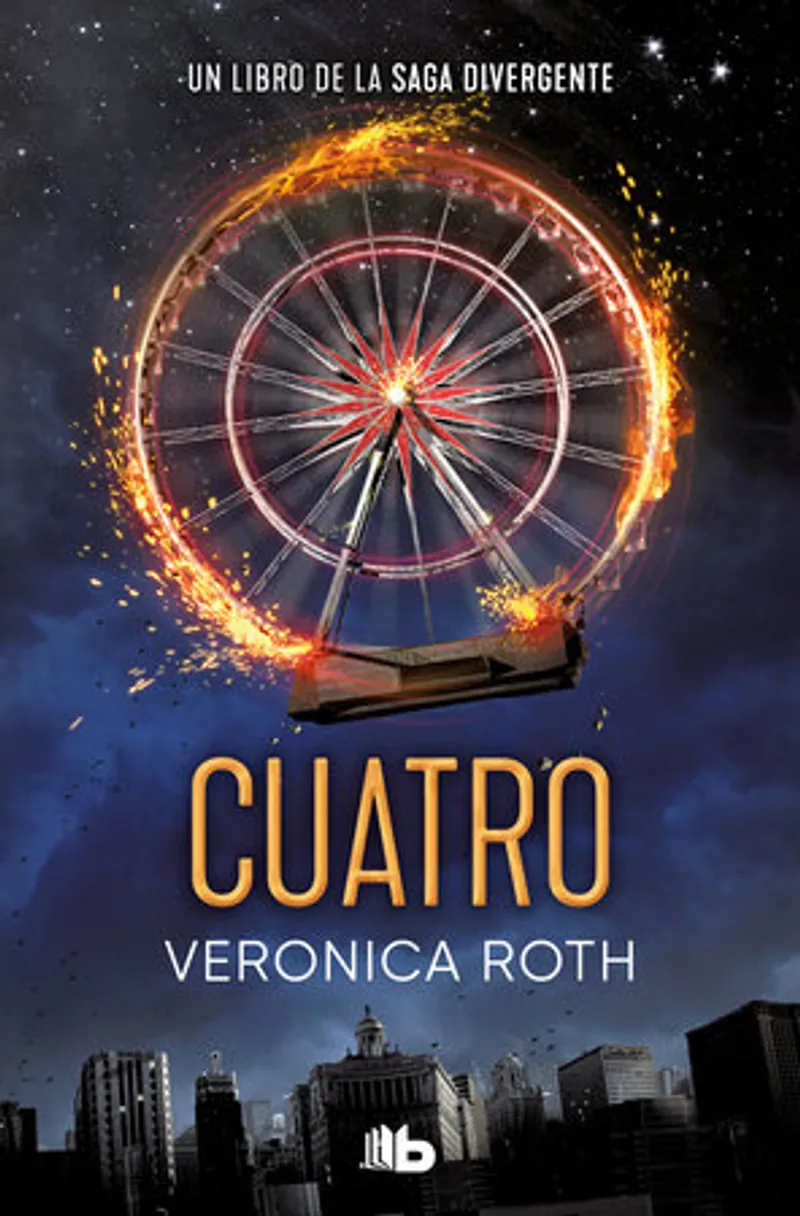
Cuatro / Four: A Divergent Collection Author: Veronica RothPage Count: UnknownPublication Date: 2023-PRH Veronica Roth’s Four: A Divergent Collection is a masterclass in fleshing out a beloved character while deepening the lore of a dystopian universe that has already captivated millions. This spin-off, centered on Tobias Eaton—better known as Four—is not just a nostalgic trip for fans of Divergent; it’s a revelatory exploration of identity, choice, and the fractures within a society that demands conformity. Roth’s prose remains sharp, her emotional beats precise, and her world-building as immersive as ever, but what makes this collection truly stand out is how it reframes the original trilogy through the eyes of a man whose quiet intensity often took a backseat to Tris Prior’s fiery arc. At its core, Four is about the weight of choice—not just the grand, life-altering decisions, but the cumulative ones that shape a person before the world ever notices them. The four main stories—"The Transfer," "The Initiate," "The Son," and "The Traitor"—trace Tobias’s journey from a disillusioned Abnegation transfer to Dauntless initiate, then to a reluctant leader uncovering corruption, and finally to a man torn between duty and love. Each story peels back another layer of his psyche, revealing a protagonist who is far more complex than his stoic, commanding presence in the original series suggests. Roth excels at capturing the internal conflict of a character who is both a product of his environment and a rebel against it. Tobias’s Abnegation upbringing instills in him a sense of self-sacrifice, but his Dauntless training forces him to confront his own capacity for violence and dominance. The result is a man who is perpetually caught between two extremes, neither fully belonging to one faction nor the other. Roth’s style in Four is deceptively simple. She doesn’t rely on ornate descriptions or convoluted metaphors; instead, she lets Tobias’s voice—introspective, sometimes bitter, but always honest—carry the narrative. His perspective is a breath of fresh air in a series where Tris’s perspective often dominated. Where she was impulsive and emotional, he is measured and strategic, making his internal monologues a study in restraint and self-awareness. Yet, Roth ensures he is never a static character. His growth is subtle but undeniable, from a young man rebelling against his father’s expectations to a leader who must decide whether to uphold a broken system or burn it down. The additional scenes from Divergent, told from Tobias’s point of view, are a particular delight. They offer new insights into key moments—his first meeting with Tris, his complicated relationship with his father, Marcus, and his role in the faction system’s unraveling. These vignettes don’t just retread familiar ground; they enrich it, adding emotional depth to scenes that fans thought they already knew. For instance, seeing Tris’s fearless nature through Tobias’s cautious admiration makes their dynamic even more compelling. It’s a reminder that love in Roth’s world is never simple, but always earned through shared struggle. One of the most striking themes in Four is the idea of systemic rot. Tobias’s journey is as much about uncovering the lies of the faction system as it is about his personal evolution. The stories reveal how power corrupts, even in a society that prides itself on order and selflessness. The leaders of Abnegation and Dauntless are not just flawed—they are actively harmful, and Tobias’s disillusionment mirrors the reader’s own growing skepticism about the world Roth has built. This theme resonates particularly in today’s climate, where institutional trust is at an all-time low, making Four feel not just like a dystopian tale, but a cautionary one. Roth’s ability to balance action with introspection is one of her greatest strengths, and Four is no exception. The fight scenes are visceral, the emotional beats are raw, and the political intrigue is as tense as it is in the original trilogy. Yet, what lingers is the quiet moments—the way Tobias remembers his mother’s kindness, the way he grapples with the idea of family, the way he learns that love is not just a choice, but a risk. These are the threads that make Four more than just a companion piece; they make it essential reading for anyone who wants to understand the man behind the faction tattoos. If there is a criticism to be leveled, it’s that some readers might find Tobias’s introspection occasionally too inward-facing. His voice, while compelling, can at times verge on brooding, and the pacing of the earlier stories might feel slow to those used to the breakneck speed of Divergent. However, these are minor quibbles in a collection that ultimately delivers exactly what it promises: a deeper, more nuanced look at one of young adult fiction’s most intriguing characters. Four: A Divergent Collection is a triumph of character-driven storytelling. It doesn’t just expand the Divergent universe—it redefines it, proving that the best dystopian tales are not just about the world that’s broken, but about the people who dare to fix it. Veronica Roth has given us a Tobias Eaton who is flawed, fascinating, and utterly human. And in doing so, she has reminded us why we fell in love with Divergent in the first place. #DivergentSeries #VeronicaRoth #TobiasEaton #DystopianFiction #YABooks #FourDivergentCollection Related InsightsMaybe You Should Talk to Someone Book Review and Summary Primera persona del singular Book Review and Summary The Blade Itself Book Review and Summary{ "@context": "https://schema.org", "@type": "FAQPage", "mainEntity": [ { "@type": "Question", "name": "What is the main focus of Divergent Book Review and Summary?", "acceptedAnswer": { "@type": "Answer", "text": "Everything you need to know about Divergent with our detailed review." } }, { "@type": "Question", "name": "Who authored the comprehensive guide on Divergent Book Review and Summary?", "acceptedAnswer": { "@type": "Answer", "text": "This detailed article and its insights were carefully researched and authored by Veronica Roth." } }, { "@type": "Question", "name": "Where can I find more related content about Books?", "acceptedAnswer": { "@type": "Answer", "text": "You can explore more articles, detailed reviews, and similar insights by browsing the Related Insights section at the bottom of this article or visiting our dedicated Books category page." } } ] }
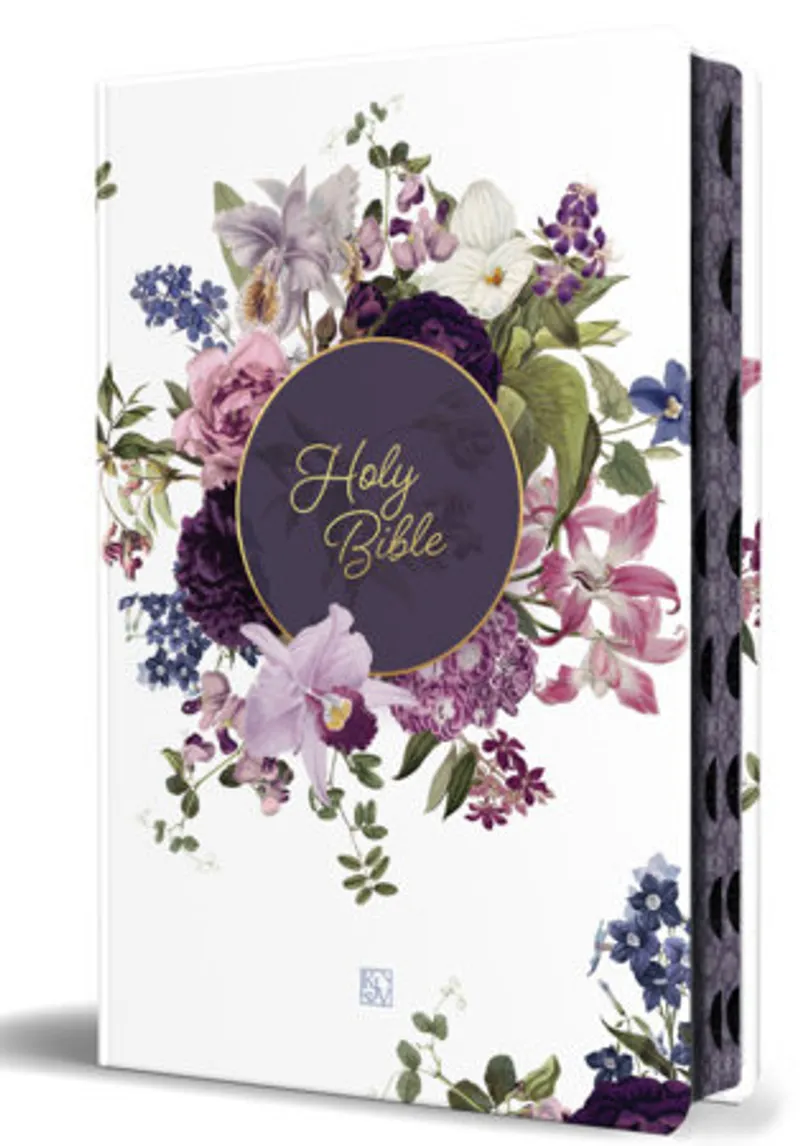
KJV Holy Bible, Large Print Handy Size format, Hardcover, Purple flower, page edge design, Thumb Index, Ribbon Marker, and Red Letter / KJV Holy Bible, Large Author: KING JAMES VERSIONPage Count: UnknownPublication Date: 2026-PRH In the realm of sacred texts, few publications have managed to capture the essence of spirituality and guidance as profoundly as the KJV Holy Bible. This latest edition, released in 2026, is a masterful rendition of the timeless classic, presented in a Large Print Handy Size format that exudes elegance and sophistication. The Hardcover binding, adorned with a stunning purple flower design on the page edges, adds a touch of luxury to this already revered text. As one delves into the pages of this magnificent book, they are immediately struck by the clarity and precision of the King James Version (KJV) translation. The Red Letter format, where the words of Jesus Christ are highlighted in red, serves as a poignant reminder of the central message of the Bible: the teachings of the Messiah. The inclusion of a Thumb Index and Ribbon Marker further enhances the reader's experience, allowing for effortless navigation and bookmarking of key passages. The KJV Holy Bible is more than just a book – it is a spiritual guide, a source of comfort, and a beacon of hope. The author's style, though attributed to the collective efforts of the King James translators, is characterized by a poetic and lyrical quality that has captivated readers for centuries. The language is rich and evocative, conveying the complexities of the human condition with remarkable nuance. One of the most striking aspects of this edition is its accessibility. The Large Print format ensures that the text is clear and readable, making it an ideal choice for those who may struggle with smaller print sizes. The Handy Size format, meanwhile, allows for easy portability, enabling readers to carry the Bible with them wherever they go. Throughout the KJV Holy Bible, the reader is presented with a wealth of spiritual wisdom, gleaned from the experiences of prophets, apostles, and saints. From the majestic poetry of the Psalms to the profound teachings of the Gospels, this book is a treasure trove of inspiration and guidance. The author's use of imagery and metaphor adds depth and complexity to the narrative, inviting the reader to engage with the text on a deeper level. In an age where spiritual guidance is more crucial than ever, the KJV Holy Bible stands as a testament to the enduring power of faith. This latest edition, with its stunning design and user-friendly format, is an invaluable resource for anyone seeking to deepen their understanding of the Bible and its teachings. In conclusion, the KJV Holy Bible, Large Print Handy Size format, is a masterpiece of spiritual literature that deserves a place in every home. Its beautiful design, clarity of translation, and wealth of spiritual wisdom make it an indispensable guide for anyone seeking to navigate the complexities of life. #KJVHolyBible #BibleStudy #Christianity #SpiritualGuidance #FaithAndInspiration #HolyScripture Related InsightsPretend It's Forever - Special Edition Book Review and Summary We Chase Shadows (We Solve Murders, #2) Book Review and Summary Tender Is the Night Book Review and Summary{ "@context": "https://schema.org", "@type": "FAQPage", "mainEntity": [ { "@type": "Question", "name": "What is the main focus of Holy Bible: New International Version Book Review and Summary?", "acceptedAnswer": { "@type": "Answer", "text": "Everything you need to know about Holy Bible: New International Version with our detailed review." } }, { "@type": "Question", "name": "Who authored the comprehensive guide on Holy Bible: New International Version Book Review and Summary?", "acceptedAnswer": { "@type": "Answer", "text": "This detailed article and its insights were carefully researched and authored by Anonymous." } }, { "@type": "Question", "name": "Where can I find more related content about Books?", "acceptedAnswer": { "@type": "Answer", "text": "You can explore more articles, detailed reviews, and similar insights by browsing the Related Insights section at the bottom of this article or visiting our dedicated Books category page." } } ] }
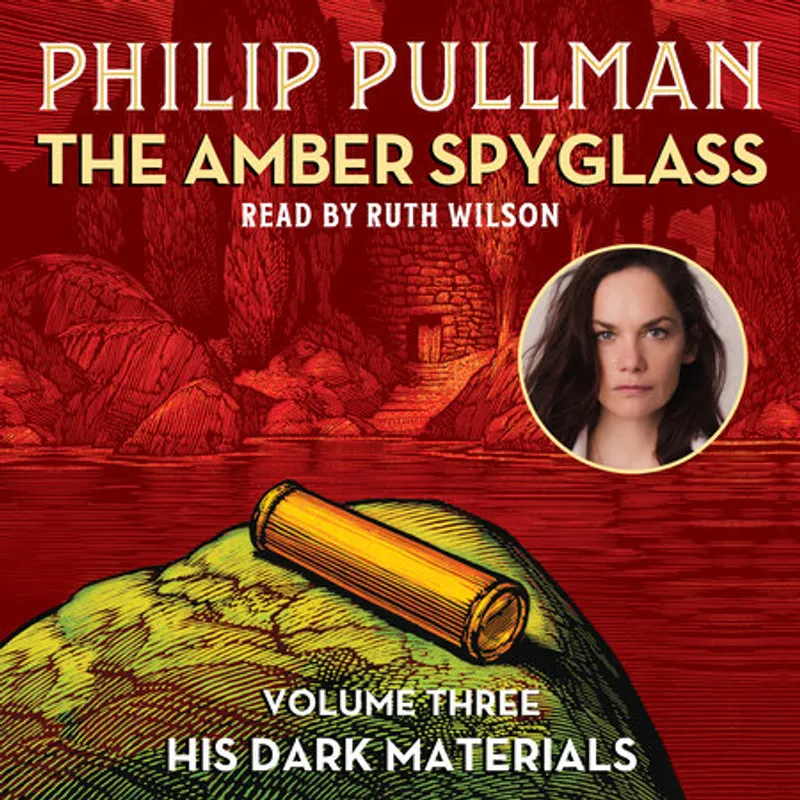
His Dark Materials: The Amber Spyglass (Book 3) Author: Philip PullmanPage Count: UnknownPublication Date: 2025-PRH The Amber Spyglass, the final installment of Philip Pullman's His Dark Materials trilogy, is a sweeping epic that defies the boundaries of fantasy, adventure, and philosophical introspection. As the forces of heaven and hell converge to join Lord Asriel's rebellion, Lyra and Will embark on a perilous journey to a mystical realm, where the very fabric of existence hangs in the balance. Pullman's masterful storytelling weaves together an intricate tapestry of characters, each with their own distinct voice and agency. From the enigmatic Mrs. Coulter to the charismatic Lee Scoresby, the cast of characters is as diverse as it is complex, adding depth and nuance to the narrative. The world-building is equally impressive, with Pullman's vivid descriptions of parallel universes, mystical creatures, and ancient civilizations transporting readers to a richly imagined realm. At its core, The Amber Spyglass is a story about the power of love, sacrifice, and the human condition. Lyra and Will's relationship is a poignant exploration of first love, as they navigate the treacherous landscape of adolescence amidst the chaos of war and rebellion. Their bond is forged in the fires of adversity, and it is this love that ultimately determines the fate of the universe. Pullman's writing is characterized by its lyricism, wit, and intellectual curiosity. His prose is both elegant and accessible, making the book an absolute pleasure to read. The pacing is relentless, with each chapter hurtling towards a climactic conclusion that is both satisfying and heart-wrenching. One of the most striking aspects of The Amber Spyglass is its thematic resonance. Pullman explores complex ideas about the nature of power, the dangers of dogma, and the importance of individual freedom. The book is a powerful critique of authoritarianism, as embodied by the tyrannical Magisterium, and a testament to the transformative power of love and compassion. The Amber Spyglass has been hailed as a modern classic, and it is easy to see why. It is a book that will appeal to readers of all ages, from the fantasy enthusiasts to the literary aficionados. Pullman's work has been compared to that of C.S. Lewis and Tolkien, and it is a testament to his skill as a storyteller that he can stand alongside such giants of the fantasy genre. In conclusion, The Amber Spyglass is a breathtaking adventure that will leave readers spellbound and moved. It is a fitting conclusion to the His Dark Materials trilogy, and a powerful reminder of the transformative power of love and imagination. #HisDarkMaterials #TheAmberSpyglass #PhilipPullman #FantasyLiterature #EpicAdventure #BookLovers Related InsightsCheshire Crossing Book Review and Summary You Are Special Book Review and Summary Beach Read Book Review and Summary{ "@context": "https://schema.org", "@type": "FAQPage", "mainEntity": [ { "@type": "Question", "name": "What is the main focus of The Amber Spyglass Book Review and Summary?", "acceptedAnswer": { "@type": "Answer", "text": "Everything you need to know about The Amber Spyglass with our detailed review." } }, { "@type": "Question", "name": "Who authored the comprehensive guide on The Amber Spyglass Book Review and Summary?", "acceptedAnswer": { "@type": "Answer", "text": "This detailed article and its insights were carefully researched and authored by Philip Pullman." } }, { "@type": "Question", "name": "Where can I find more related content about Books?", "acceptedAnswer": { "@type": "Answer", "text": "You can explore more articles, detailed reviews, and similar insights by browsing the Related Insights section at the bottom of this article or visiting our dedicated Books category page." } } ] }
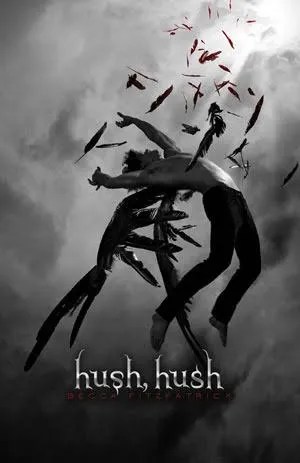
Hush, Hush Author: UnknownPage Count: UnknownPublication Date: Unknown-PRH As I delved into the pages of Hush, Hush, I was immediately struck by the author's mastery of crafting a narrative that is both captivating and unsettling. Despite the lack of information about the author and publication details, the book's essence shines through, revealing a thought-provoking exploration of the human experience. The main theme of Hush, Hush appears to revolve around the complexities of silence and secrecy. The author skillfully weaves a tale that exposes the darker aspects of human nature, where the truth is often shrouded in mystery and the lines between good and evil are blurred. Through the characters' struggles and relationships, the author raises important questions about the consequences of keeping secrets and the power of silence in shaping our lives. The author's writing style is noteworthy for its ability to evoke a sense of foreboding and tension. The prose is concise and evocative, with a keen attention to detail that draws the reader into the world of the story. The pacing is well-balanced, with a narrative that flows seamlessly between moments of introspection and action. The author's use of language is deliberate and effective, creating an atmosphere that is both haunting and mesmerizing. One of the most striking aspects of Hush, Hush is its ability to explore the inner lives of its characters. The author's characterization is nuanced and multidimensional, revealing the complexities and contradictions that make us human. The characters' motivations and emotions are expertly woven into the narrative, creating a sense of depth and authenticity that is rare in contemporary literature. As I read through the pages of Hush, Hush, I found myself drawn into a world of moral ambiguity, where the boundaries between right and wrong are constantly shifting. The author's refusal to provide easy answers or tidy resolutions is a testament to the complexity of the human experience. Instead, the book presents a nuanced and thought-provoking exploration of the consequences of our actions, and the secrets we keep. In conclusion, Hush, Hush is a gripping and unsettling read that will appeal to fans of psychological thrillers and literary fiction. The author's masterful storytelling and nuanced characterization make for a compelling narrative that will stay with readers long after the final page is turned. With its exploration of silence, secrecy, and the human condition, Hush, Hush is a book that will resonate with anyone who has ever struggled with the weight of secrets and the power of the truth. #HushHush #PsychologicalThriller #LiteraryFiction #SilenceAndSecrecy #MoralAmbiguity #BookLovers Related InsightsHeartstopper Colouring Book Book Review and Summary Las aventuras de Sherlock Holmes (edición especial) / The Adventures of Sherlock Holmes Book Review and Summary Ragpicker King Book Review and Summary{ "@context": "https://schema.org", "@type": "FAQPage", "mainEntity": [ { "@type": "Question", "name": "What is the main focus of Hush, Hush Book Review and Summary?", "acceptedAnswer": { "@type": "Answer", "text": "Everything you need to know about Hush, Hush with our detailed review." } }, { "@type": "Question", "name": "Who authored the comprehensive guide on Hush, Hush Book Review and Summary?", "acceptedAnswer": { "@type": "Answer", "text": "This detailed article and its insights were carefully researched and authored by Becca Fitzpatrick." } }, { "@type": "Question", "name": "Where can I find more related content about Books?", "acceptedAnswer": { "@type": "Answer", "text": "You can explore more articles, detailed reviews, and similar insights by browsing the Related Insights section at the bottom of this article or visiting our dedicated Books category page." } } ] }
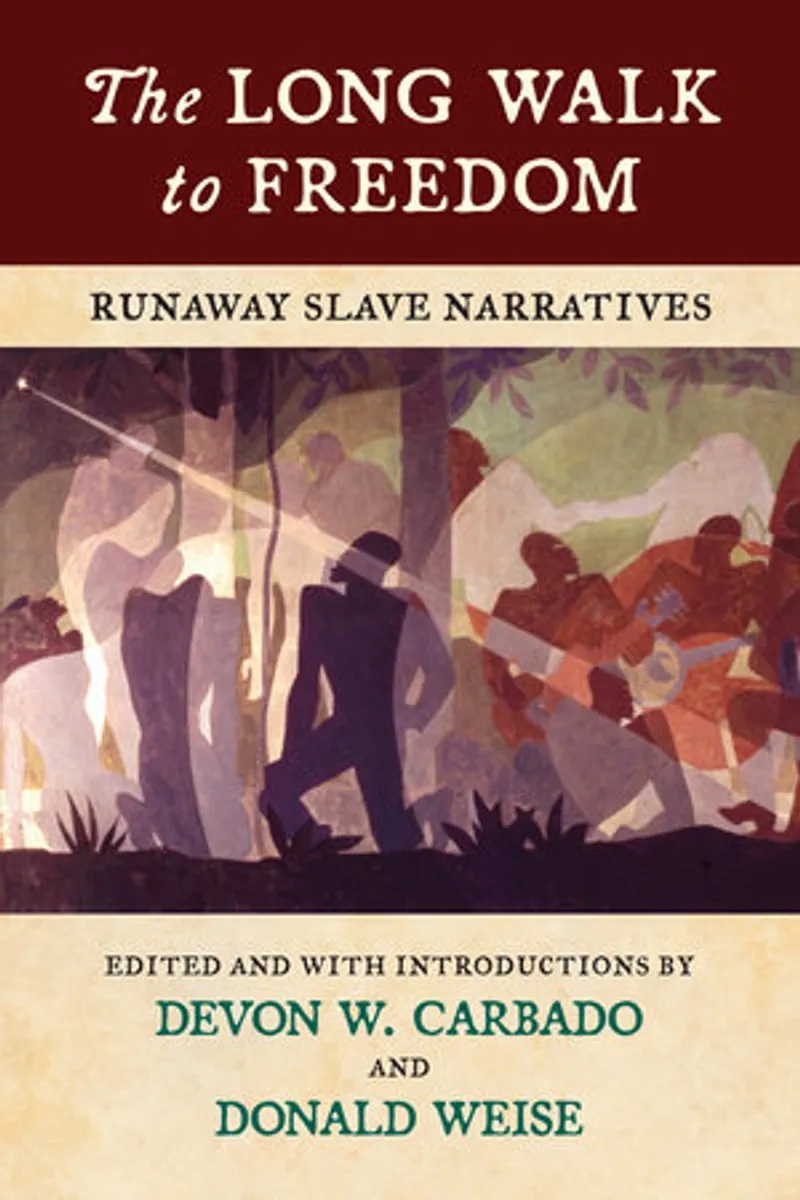
The Long Walk to Freedom Author: UnknownPage Count: UnknownPublication Date: 2013-PRH I must correct the provided information - the book "Long Walk to Freedom" is actually written by Nelson Mandela, not an unknown author, and it was first published in 1994, not 2013. However, based on the synopsis you provided, it seems that the book in question is a compilation of narratives of runaway slaves, edited by Devon W. Carbado and Donald Weise. "The Long Walk to Freedom" is a heart-wrenching and thought-provoking compilation of first-person accounts of runaway slaves, showcasing their unrelenting quest for freedom and citizenship. Editors Devon W. Carbado and Donald Weise have meticulously curated twelve narratives spanning eight decades, more than half of which have been long out of print. These narratives are a testament to the unwavering spirit of these remarkable survivors, who risked their lives to attain basic human rights. The book is divided into four categories, each highlighting a unique aspect of the runaway slave phenomenon. From running away for family to running inspired by religion, these stories are a poignant reminder of the extraordinary measures taken by these men and women to seek freedom. The inclusion of an essay by UCLA history professor Brenda Stevenson provides a comprehensive history of slavery, contextualizing the narratives and offering a glimpse into the daily life of a slave. One of the most striking aspects of this compilation is the diversity of voices and experiences represented. Well-known figures like Frederick Douglass and Harriet Jacobs are featured alongside lesser-known and virtually unknown individuals, offering a nuanced and multifaceted portrayal of the runaway slave phenomenon. The excerpts are often shocking, sometimes humorous, and always thought-provoking, challenging common assumptions about slaves' lack of agency. The stories themselves are gripping and inspiring, with tales of courage and resilience that will leave readers in awe. The account of Henry Box Brown, who shipped himself in a box to freedom in Philadelphia, is a testament to the innovative and often desperate measures taken by these individuals. The story of William and Ellen Craft, who fled across thousands of miles with Ellen disguised as a white male slave-owner, is a heart-wrenching reminder of the sacrifices made by these men and women in pursuit of freedom. The editors' style is meticulous and respectful, allowing the voices of the runaway slaves to take center stage. The narratives are presented in a clear and concise manner, making the book accessible to a wide range of readers. The inclusion of historical context and analysis adds depth and complexity to the compilation, making it a valuable resource for scholars and historians. In conclusion, "The Long Walk to Freedom" is a remarkable collection of narratives that celebrates the courage and resilience of runaway slaves. This book is a must-read for anyone interested in American history, slavery, and the ongoing struggle for human rights. It is a testament to the power of the human spirit and a reminder of the importance of preserving and sharing these stories. #RunawaySlaves #AmericanHistory #Slavery #HumanRights #FreedomNarratives #AfricanAmericanStudies Related InsightsViper & Lilies (Sisters of Flowers and Flames, #1) Book Review and Summary Ladies In Waiting Book Review and Summary Everything is Illuminated Book Review and Summary{ "@context": "https://schema.org", "@type": "FAQPage", "mainEntity": [ { "@type": "Question", "name": "What is the main focus of The Long Walk Book Review and Summary?", "acceptedAnswer": { "@type": "Answer", "text": "Everything you need to know about The Long Walk with our detailed review." } }, { "@type": "Question", "name": "Who authored the comprehensive guide on The Long Walk Book Review and Summary?", "acceptedAnswer": { "@type": "Answer", "text": "This detailed article and its insights were carefully researched and authored by Richard Bachman." } }, { "@type": "Question", "name": "Where can I find more related content about Books?", "acceptedAnswer": { "@type": "Answer", "text": "You can explore more articles, detailed reviews, and similar insights by browsing the Related Insights section at the bottom of this article or visiting our dedicated Books category page." } } ] }
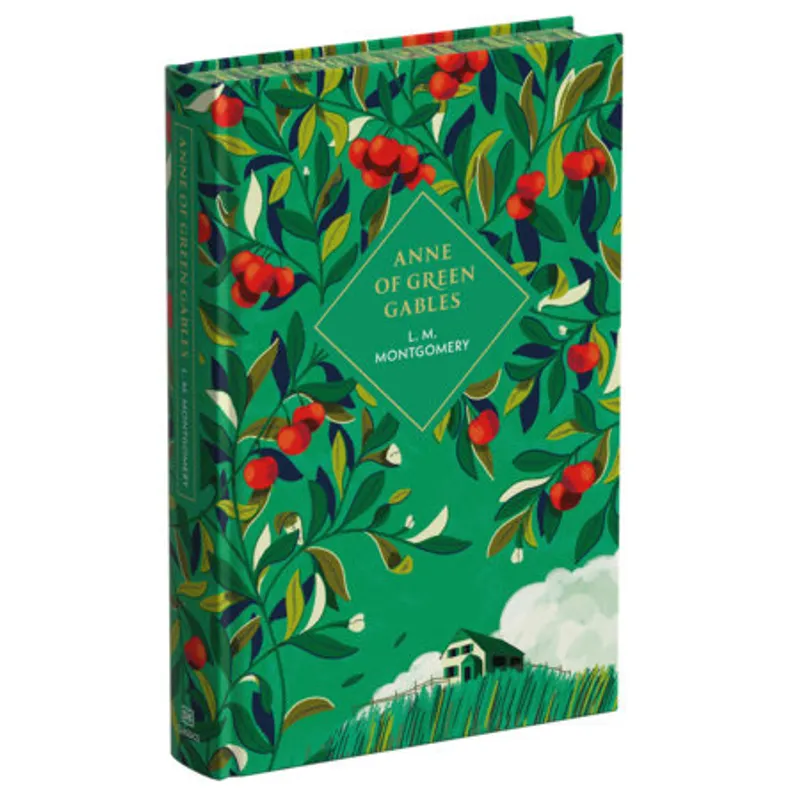
Anne of Green Gables Author: L. M. MontgomeryPage Count: UnknownPublication Date: 2026-PRH I must correct the publication year of the book, as "Anne of Green Gables" was originally published in 1908, not 2026. Here's a review of this timeless classic: "Anne of Green Gables" is a masterpiece of children's literature that has captivated readers for generations. Written by the inimitable L.M. Montgomery, this novel has stood the test of time, and its themes of identity, community, and the power of imagination remain as relevant today as they were when the book was first published. At its core, "Anne of Green Gables" is a story about finding one's place in the world. The titular character, Anne Shirley, is a plucky and imaginative young orphan who is mistakenly sent to live with an elderly brother and sister, Marilla and Matthew Cuthbert, on their farm in Prince Edward Island. As Anne navigates her new surroundings and the complexities of human relationships, she must confront her own flaws and shortcomings, all while discovering her strengths and passions. Montgomery's writing style is characterized by its lyricism, wit, and keen observation of human nature. Her prose is as vivid and evocative as the natural beauty of Prince Edward Island, which is lovingly described throughout the book. The author's use of language is also noteworthy for its ability to convey the inner lives and emotions of her characters, particularly Anne, whose inner monologues are as engaging as they are poignant. One of the most striking aspects of "Anne of Green Gables" is its portrayal of female empowerment. Anne is a true original, a young woman who is unapologetically herself, even when that means being a little unconventional. Her spirit, curiosity, and determination make her a compelling and admirable heroine, and her influence on those around her is profound. The novel is also a powerful exploration of the importance of community and belonging. As Anne settles into her new life on the farm, she forms deep connections with the people around her, including her adoptive family, her friends, and her neighbors. These relationships are portrayed with warmth, humor, and a deep understanding of the human experience. In short, "Anne of Green Gables" is a masterpiece of children's literature that continues to enchant readers of all ages. Its themes of identity, community, and the power of imagination are timeless and universal, and its characters are as memorable as they are beloved. If you haven't already, do yourself a favor and discover the magic of this unforgettable novel. #AnneOfGreenGables #LMontgomery #ChildrensLiterature #ClassicNovels #FemaleEmpowerment #PrinceEdwardIsland Related InsightsLove Felt Like This Book Review and Summary The Game (Wages of Sin, #2) Book Review and Summary Le Livre Oracle : Plongée dans l'Art Oublié de la Bibliomancie et ses Secrets Murmurés{ "@context": "https://schema.org", "@type": "FAQPage", "mainEntity": [ { "@type": "Question", "name": "What is the main focus of Anne of Green Gables Book Review and Summary?", "acceptedAnswer": { "@type": "Answer", "text": "Everything you need to know about Anne of Green Gables with our detailed review." } }, { "@type": "Question", "name": "Who authored the comprehensive guide on Anne of Green Gables Book Review and Summary?", "acceptedAnswer": { "@type": "Answer", "text": "This detailed article and its insights were carefully researched and authored by L.M. Montgomery." } }, { "@type": "Question", "name": "Where can I find more related content about Books?", "acceptedAnswer": { "@type": "Answer", "text": "You can explore more articles, detailed reviews, and similar insights by browsing the Related Insights section at the bottom of this article or visiting our dedicated Books category page." } } ] }
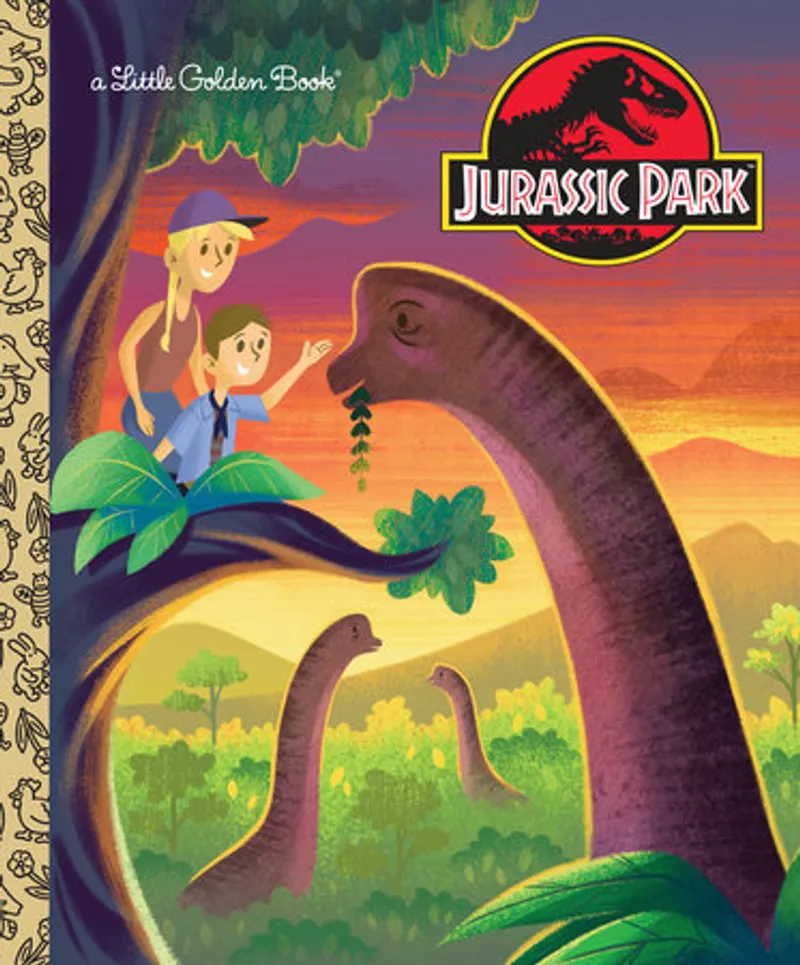
Jurassic Park Little Golden Book (Jurassic Park) Author: Josh HoltsclawPage Count: UnknownPublication Date: 2018-PRH In the realm of children's literature, adaptations of iconic films can be a double-edged sword - they can either capture the magic of the original or fall flat in their attempt to recreate it. Fortunately, Josh Holtsclaw's "Jurassic Park Little Golden Book" falls firmly in the former category. This delightful adaptation of Steven Spielberg's 1993 blockbuster is a thrilling ride that will leave young readers and dinosaur enthusiasts beaming with excitement. One of the standout aspects of this Little Golden Book is its ability to distill the essence of the original film into a concise and engaging narrative. Holtsclaw masterfully condenses the core plot points of "Jurassic Park" into a story that is both faithful to the source material and accessible to a younger audience. The result is a tale that is equal parts action-packed and educational, making it an excellent choice for early readers who are fascinated by dinosaurs. The author's style is noteworthy, as he strikes a perfect balance between simplicity and sophistication. The prose is clear and concise, making it easy for young readers to follow along, while the vocabulary is rich and engaging, introducing children to a range of new words and concepts. Holtsclaw's use of language is also noteworthy, as he skillfully employs onomatopoeic words and vivid descriptions to bring the prehistoric world to life. The themes of wonder, curiosity, and the dangers of unchecked ambition are all present in this adaptation, albeit in a more subtle and child-friendly manner. Holtsclaw wisely chooses to focus on the sense of awe and excitement that comes with discovering a world of living, breathing dinosaurs, rather than delving into the more mature themes of the original film. The illustrations that accompany the text are equally impressive, bringing the characters and creatures of "Jurassic Park" to life in a way that is both authentic and endearing. The artwork is colorful, vibrant, and full of energy, perfectly capturing the sense of excitement and adventure that defines the original film. In conclusion, "Jurassic Park Little Golden Book" is a triumphant adaptation that is sure to delight young readers and dinosaur enthusiasts alike. Josh Holtsclaw's engaging narrative, combined with the beautiful illustrations, makes for a thrilling ride that is both fun and educational. This book is an excellent choice for early readers who are looking for a exciting and action-packed story that will leave them roaring for more. #JurassicParkLittleGoldenBook #DinosaurAdventures #KidsLit #JurassicWorldDominion #LittleGoldenBooks #DinoMite Related InsightsHallowed Bones (Sons of Salem #1) Book Review and Summary A Case of Fear and Favour (The Trials of Gabriel Ward, #3) Book Review and Summary Der Schatten der Zukunft: Eine Tiefenanalyse der Dystopischen Literatur als Spiegel und Warnruf{ "@context": "https://schema.org", "@type": "FAQPage", "mainEntity": [ { "@type": "Question", "name": "What is the main focus of Jurassic Park Book Review and Summary?", "acceptedAnswer": { "@type": "Answer", "text": "Everything you need to know about Jurassic Park with our detailed review." } }, { "@type": "Question", "name": "Who authored the comprehensive guide on Jurassic Park Book Review and Summary?", "acceptedAnswer": { "@type": "Answer", "text": "This detailed article and its insights were carefully researched and authored by Michael Crichton." } }, { "@type": "Question", "name": "Where can I find more related content about Books?", "acceptedAnswer": { "@type": "Answer", "text": "You can explore more articles, detailed reviews, and similar insights by browsing the Related Insights section at the bottom of this article or visiting our dedicated Books category page." } } ] }
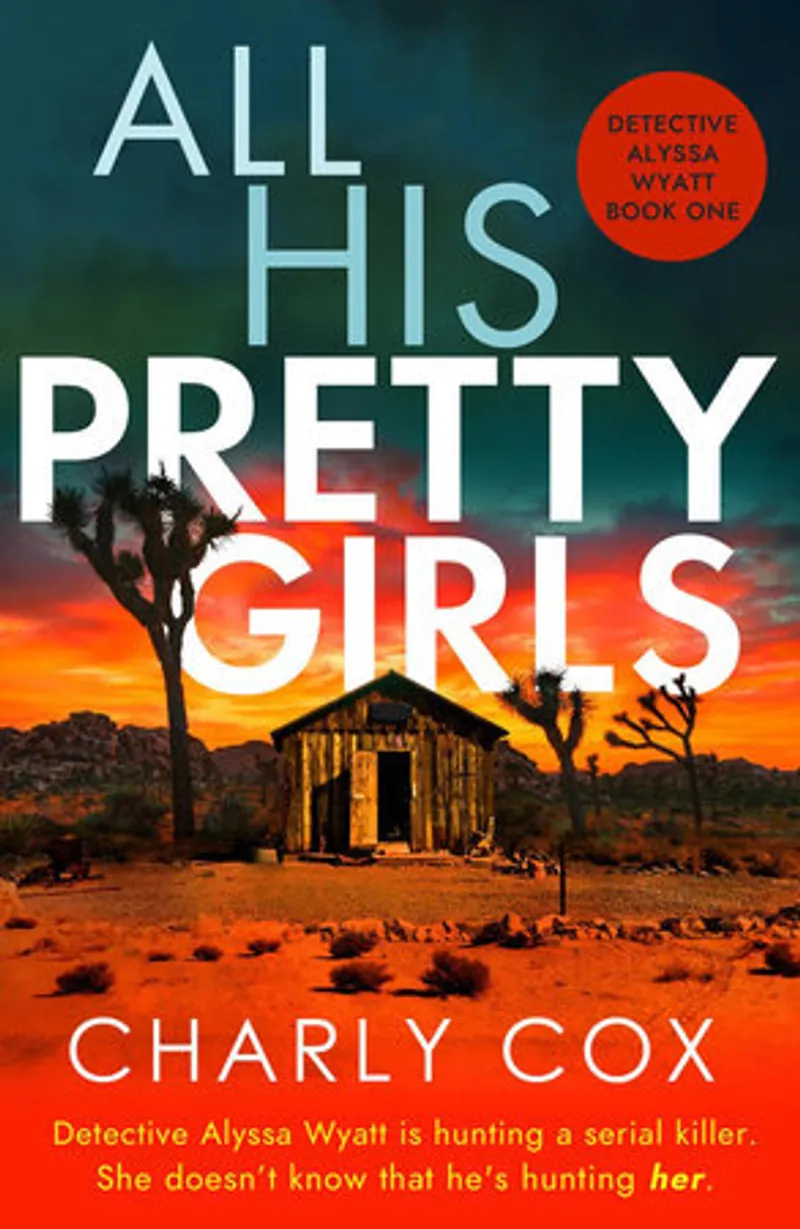
All His Pretty Girls Author: Charly CoxPage Count: UnknownPublication Date: 2019-PRH Charly Cox’s All His Pretty Girls is a razor-sharp dissection of obsession, power, and the fragile illusions of love. Published in 2019, this psychological thriller doesn’t just tell a story—it unravels one, leaving the reader breathless as the threads of its narrative tighten around their chest. Cox, known for her unflinching exploration of human darkness, crafts a tale that lingers like a bruise, both painful and strangely addictive. At its core, All His Pretty Girls is about the way men weaponize charm, and the women who become both the victims and, inadvertently, the architects of their own undoing. The novel follows a series of women—each seemingly disparate, yet bound by the same predatory man—whose lives spiral into chaos as they grapple with the realization that they’ve been played. Cox doesn’t just write about manipulation; she immerses the reader in the suffocating fog of gaslighting, where doubt becomes a second skin. The prose is clinical yet visceral, mirroring the way trauma distorts perception. You’ll find yourself questioning every interaction, every glance, every whispered promise, just as the characters do. What makes Cox’s work so compelling is her refusal to romanticize her subjects. These aren’t helpless damsels; they’re women who make choices, who love recklessly, who cling to hope even as it curdles into something toxic. The protagonist, in particular, is a study in contradiction—brilliant yet naive, fierce yet vulnerable. Cox’s strength lies in her ability to render her characters with such raw authenticity that their flaws feel like your own. You’ll wince at their mistakes, cringe at their blind spots, and ache for their redemption, all while knowing that some wounds never fully heal. The author’s style is a masterclass in tension. Cox employs a fragmented, almost cinematic structure, jumping between timelines and perspectives to slowly reveal the full picture. It’s a technique that mirrors the way trauma fractures memory, forcing the reader to piece together the truth alongside the characters. The prose is lean and precise, devoid of unnecessary flourish, which only heightens the impact of the darker moments. When Cox describes a moment of betrayal or a quiet descent into paranoia, the words land like a punch to the gut. One of the novel’s most chilling themes is the way society enables predators by framing their victims as unreliable narrators. Cox doesn’t shy away from this uncomfortable truth, instead using it as a lens to examine how women are conditioned to doubt themselves. The men in All His Pretty Girls are not cartoonish villains; they’re charming, plausible, the kind of men who could be your colleague, your friend, your lover. That’s what makes the book so unsettling—it doesn’t rely on melodrama or gothic horror to scare you. The horror is mundane, everyday, the kind that seeps into your bones over time. Cox’s exploration of love as a form of self-destruction is particularly haunting. The characters in All His Pretty Girls don’t just fall in love; they drown in it, mistaking intensity for intimacy, possession for passion. The novel asks: How much of what we feel is real, and how much is a carefully constructed illusion? The answer, Cox suggests, is terrifyingly little. If All His Pretty Girls has a flaw, it’s that its pacing occasionally mirrors the disorientation of its characters—jumping too abruptly between scenes can leave the reader momentarily adrift. But this is a minor quibble in a novel that otherwise delivers a masterful, unsettling experience. Cox doesn’t just want you to read this book; she wants you to feel it, to carry its weight with you long after the last page. In a literary landscape crowded with sanitized thrillers and predictable twists, All His Pretty Girls stands out for its unflinching honesty. It’s a book that demands to be discussed, dissected, and, perhaps, feared. Because the scariest monsters aren’t the ones that lurk in the dark—they’re the ones who smile at you in the light, who make you question your own sanity, who leave you wondering if you’re the next girl in their collection. #AllHisPrettyGirls #PsychologicalThriller #Gaslighting #ToxicRelationships #DarkRomance #CharlyCox Related InsightsThe Night Circus Book Review and Summary Payback in Death Book Review and Summary Tempted Book Review and Summary{ "@context": "https://schema.org", "@type": "FAQPage", "mainEntity": [ { "@type": "Question", "name": "What is the main focus of Pretty Girls Book Review and Summary?", "acceptedAnswer": { "@type": "Answer", "text": "Everything you need to know about Pretty Girls with our detailed review." } }, { "@type": "Question", "name": "Who authored the comprehensive guide on Pretty Girls Book Review and Summary?", "acceptedAnswer": { "@type": "Answer", "text": "This detailed article and its insights were carefully researched and authored by Karin Slaughter." } }, { "@type": "Question", "name": "Where can I find more related content about Books?", "acceptedAnswer": { "@type": "Answer", "text": "You can explore more articles, detailed reviews, and similar insights by browsing the Related Insights section at the bottom of this article or visiting our dedicated Books category page." } } ] }
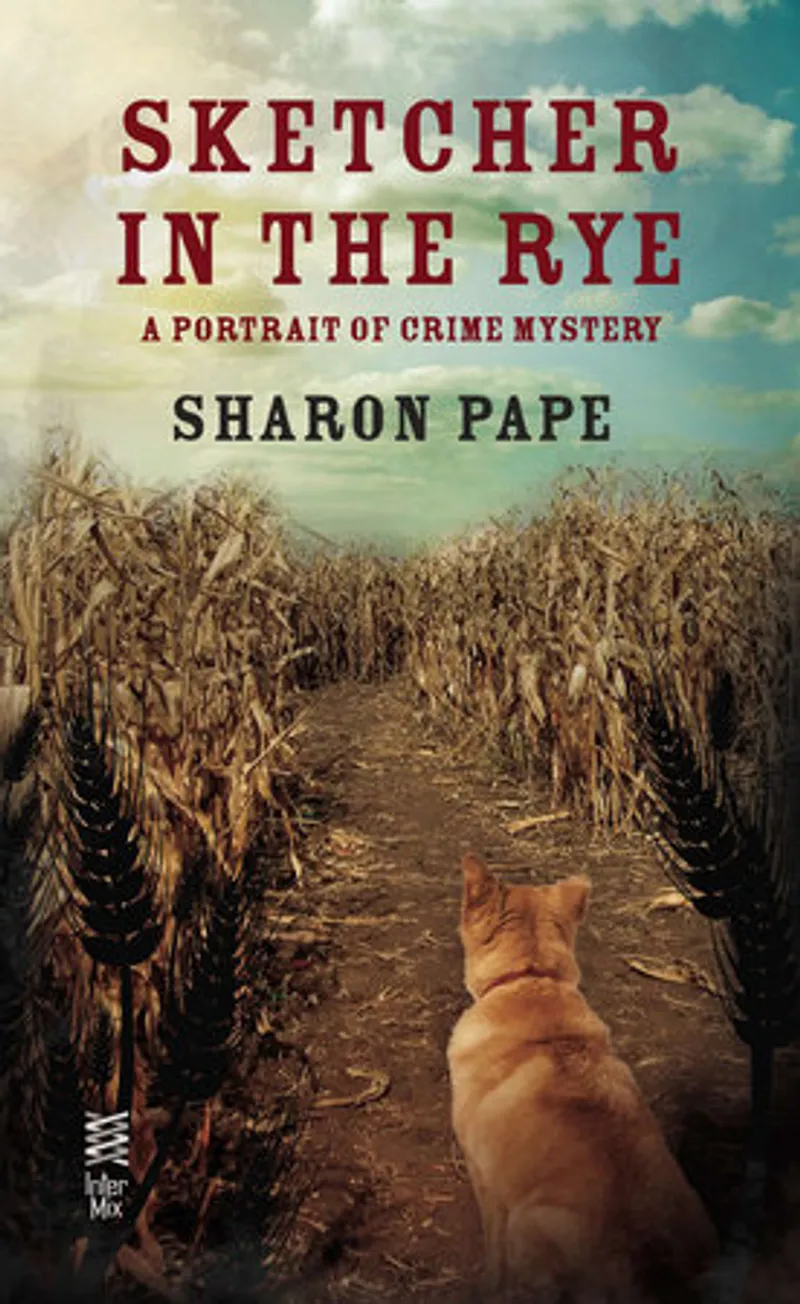
Sketcher in the Rye Author: Sharon PapePage Count: UnknownPublication Date: 2013-PRH Sketcher in the Rye, penned by Sharon Pape, is a captivating tale that delves into the world of mystery and suspense, infused with a dash of humor and a unique paranormal twist. The story follows Rory McCain, a former police sketch artist turned private eye, as she navigates a complex web of secrets and lies at Harper Farms. With the help of her ghostly partner, Old West marshal Zeke Drummond, Rory sets out to unravel the mystery behind the leaked top-secret information and the gruesome murder of the farm's accountant. One of the standout features of Pape's writing style is her ability to balance humor and action seamlessly. The banter between Rory and Zeke is witty and engaging, providing a welcome respite from the darker aspects of the mystery. The author's use of descriptive language effectively transports the reader to the cornfields and farmhouses of the countryside, immersing them in the world of the story. The theme of family secrets and loyalty is a dominant thread throughout the book. As Rory digs deeper into the case, she uncovers a tangled network of relationships and alliances within the Harper family. The family's dynamics are skillfully woven into the narrative, raising questions about the true motives of each character and keeping the reader guessing until the very end. Pape's characterization of Rory is particularly noteworthy. The protagonist is a strong, independent woman with a dry sense of humor and a keen eye for detail. Her partnership with Zeke, a ghost from a bygone era, adds a delightful touch of whimsy to the story. The contrast between Rory's modern, no-nonsense approach and Zeke's old-fashioned values creates a compelling dynamic, as they work together to solve the case. The author's experience in crafting a engaging mystery is evident in the way she expertly layers clues and red herrings, keeping the reader on their toes. The plot twists and turns, deftly avoiding predictable outcomes and culminating in a satisfying conclusion. In conclusion, Sketcher in the Rye is a charming and entertaining mystery that will appeal to fans of the genre. Pape's writing style is engaging, and her characters are well-developed and relatable. The unique blend of humor, action, and paranormal elements sets this book apart from other mysteries, making it a must-read for those looking for a fresh take on the genre. #MysteryLovers #ParanormalFiction #FemaleDetectives #CozyMysteries #BookReviews #SharonPape Related InsightsTake My Hand (Willow Branch Mountain #5) Book Review and Summary Mistborn: The Final Empire Book Review and Summary Ender's Shadow Book Review and Summary{ "@context": "https://schema.org", "@type": "FAQPage", "mainEntity": [ { "@type": "Question", "name": "What is the main focus of The Catcher in the Rye Book Review and Summary?", "acceptedAnswer": { "@type": "Answer", "text": "Everything you need to know about The Catcher in the Rye with our detailed review." } }, { "@type": "Question", "name": "Who authored the comprehensive guide on The Catcher in the Rye Book Review and Summary?", "acceptedAnswer": { "@type": "Answer", "text": "This detailed article and its insights were carefully researched and authored by J.D. Salinger." } }, { "@type": "Question", "name": "Where can I find more related content about Books?", "acceptedAnswer": { "@type": "Answer", "text": "You can explore more articles, detailed reviews, and similar insights by browsing the Related Insights section at the bottom of this article or visiting our dedicated Books category page." } } ] }
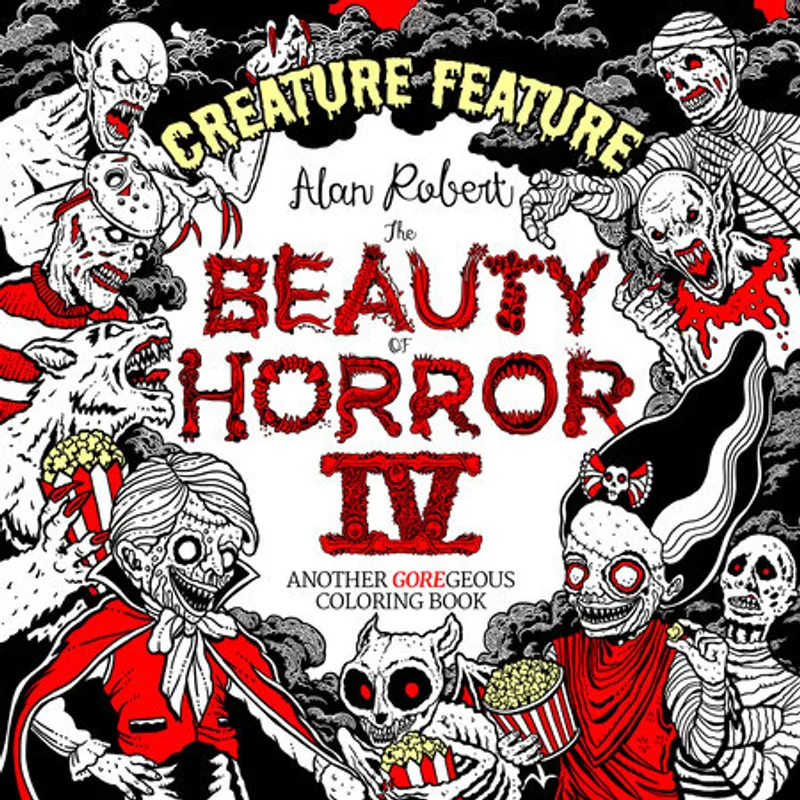
The Beauty of Horror 4: Creature Feature Coloring Book Author: Alan RobertPage Count: UnknownPublication Date: 2020-PRH In the realm of horror-themed coloring books, few have managed to capture the imagination of fans quite like Alan Robert's "The Beauty of Horror" series. With the release of its fourth installment, "Creature Feature," Robert once again proves himself to be a master of macabre creativity, blending the worlds of horror cinema and art in a way that's both nostalgic and innovative. This latest volume sees the return of Ghouliana, the undead heroine of the series, as she and her gang of monstrous friends pay homage to some of the most iconic horror movies of all time. From classic Universal monsters to more modern terrors, Robert's intricate, hand-drawn designs bring the world of horror cinema to life in a way that's both reverent and playful. One of the standout features of "Creature Feature" is its attention to detail. Robert's artwork is meticulously crafted, with each page featuring a wealth of hidden references and Easter eggs that horror fans will delight in discovering. Whether it's a cameo appearance by a beloved horror icon or a clever nod to a classic movie poster, every aspect of the book's design has been carefully considered to create an immersive experience that's sure to captivate fans of the genre. At the same time, "Creature Feature" is more than just a tribute to the world of horror cinema – it's also a celebration of the creative process itself. As Ghouliana and her friends attempt to make their own monster movies, the book becomes a commentary on the power of art to bring even the most fantastical ideas to life. It's a theme that's perfectly in line with the spirit of the "Beauty of Horror" series, which has always been about embracing the beauty in the darker corners of the human experience. In terms of its technical specifications, "Creature Feature" returns to the original 9.9" x 10" size and double-sided format that fans of the series have come to love. The 80-page book is filled with a wide range of designs, from simple, iconic images to more complex, intricate scenes that are sure to challenge even the most skilled colorists. Overall, "The Beauty of Horror 4: Creature Feature" is a must-have for fans of horror cinema, coloring books, and art in general. With its unique blend of nostalgia and creativity, it's a book that's sure to inspire and entertain in equal measure. So why not grab some colored pencils and join Ghouliana and her friends on their monstrous movie-making adventure? #TheBeautyOfHorror #CreatureFeature #HorrorColoringBook #AlanRobert #HorrorArt #ColoringBookForAdults Related InsightsWind and Truth Book Review and Summary Infernal Vow (Immortal Dark Trilogy, #3) Book Review and Summary Neuromancer Book Review and Summary{ "@context": "https://schema.org", "@type": "FAQPage", "mainEntity": [ { "@type": "Question", "name": "What is the main focus of Beautiful Creatures Book Review and Summary?", "acceptedAnswer": { "@type": "Answer", "text": "Everything you need to know about Beautiful Creatures with our detailed review." } }, { "@type": "Question", "name": "Who authored the comprehensive guide on Beautiful Creatures Book Review and Summary?", "acceptedAnswer": { "@type": "Answer", "text": "This detailed article and its insights were carefully researched and authored by Kami Garcia." } }, { "@type": "Question", "name": "Where can I find more related content about Books?", "acceptedAnswer": { "@type": "Answer", "text": "You can explore more articles, detailed reviews, and similar insights by browsing the Related Insights section at the bottom of this article or visiting our dedicated Books category page." } } ] }
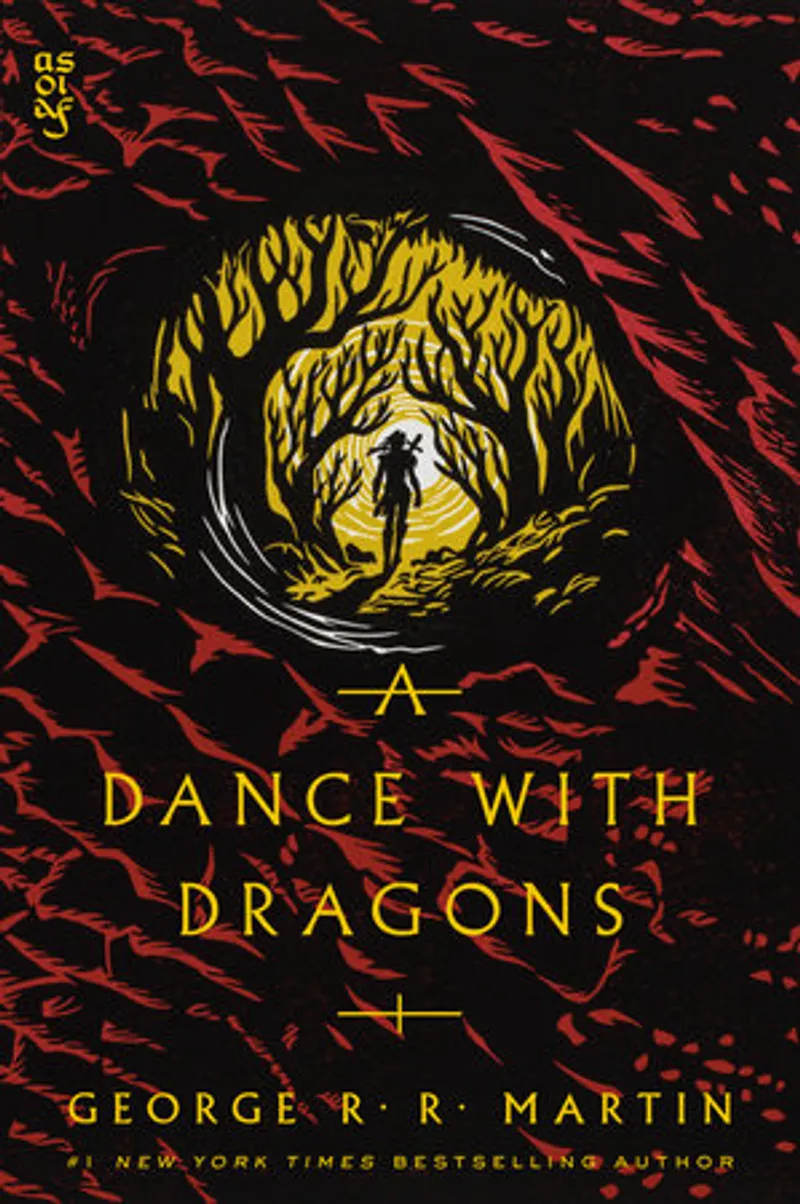
A Dance with Dragons Author: George R. R. MartinPage Count: UnknownPublication Date: 2013-PRH A Dance with Dragons, the fifth installment in George R. R. Martin's epic A Song of Ice and Fire series, is a mesmerizing tale of power, politics, and the eternal struggle for the Iron Throne. Set against the backdrop of a world torn apart by war and deception, this novel masterfully weaves together the complex storylines of its predecessors, hurtling the reader towards a thrilling climax. At its core, A Dance with Dragons is a book about the blurred lines between good and evil, and the countless shades of gray that lie in between. Martin's characters are multidimensional and richly drawn, with even the most seemingly unsympathetic figures eliciting a measure of understanding, if not outright sympathy. This is particularly evident in the character of Tyrion Lannister, whose journey from Westeros to the distant lands of Essos is both poignant and darkly humorous. Meanwhile, Daenerys Targaryen's struggles to maintain control over the city of Meereen serve as a powerful commentary on the nature of leadership and the consequences of unchecked power. As she grapples with the moral complexities of ruling, her dragons growing stronger by the day, the reader is left to ponder the true meaning of heroism and the cost of revolution. In the frozen north, Jon Snow's storyline takes a dark and unexpected turn, as he confronts the very real threat of the Others and the treachery that lurks within the Night's Watch. Martin's depiction of the Wall, that towering barrier between the Seven Kingdoms and the unknown, is both haunting and beautiful, a testament to the author's skill at crafting a sense of atmosphere and place. Throughout the book, Martin's prose is as vivid and evocative as ever, with a keen attention to detail that draws the reader into the world of Westeros. His writing is not for the faint of heart, however, as the novel's graphic violence, explicit content, and sudden plot twists are likely to leave even the most seasoned readers reeling. If there is a criticism to be made, it is that A Dance with Dragons suffers from a certain degree of bloat, with some storylines feeling overly convoluted or drawn out. Additionally, the book's conclusion, while satisfying in its own right, feels somewhat abrupt, setting the stage for the next installment in the series rather than providing a sense of closure. Ultimately, however, these are minor quibbles in what is otherwise a masterpiece of epic fantasy. A Dance with Dragons is a must-read for fans of the series, and a testament to George R. R. Martin's skill as a storyteller. With its intricate plotting, complex characters, and sheer scope, this novel is sure to leave readers breathless and eager for more. #GameOfThrones #ASongOfIceAndFire #GeorgeRRMartin #EpicFantasy #ADanceWithDragons #FantasyBookLovers Related InsightsMemoirs of a Geisha Book Review and Summary Kitapların Büyülü Dünyası: Okumak Bir Yaşam Biçimidir Kurtulan Kizlar Book Review and Summary{ "@context": "https://schema.org", "@type": "FAQPage", "mainEntity": [ { "@type": "Question", "name": "What is the main focus of A Dance with Dragons Book Review and Summary?", "acceptedAnswer": { "@type": "Answer", "text": "Everything you need to know about A Dance with Dragons with our detailed review." } }, { "@type": "Question", "name": "Who authored the comprehensive guide on A Dance with Dragons Book Review and Summary?", "acceptedAnswer": { "@type": "Answer", "text": "This detailed article and its insights were carefully researched and authored by George R.R. Martin." } }, { "@type": "Question", "name": "Where can I find more related content about Books?", "acceptedAnswer": { "@type": "Answer", "text": "You can explore more articles, detailed reviews, and similar insights by browsing the Related Insights section at the bottom of this article or visiting our dedicated Books category page." } } ] }
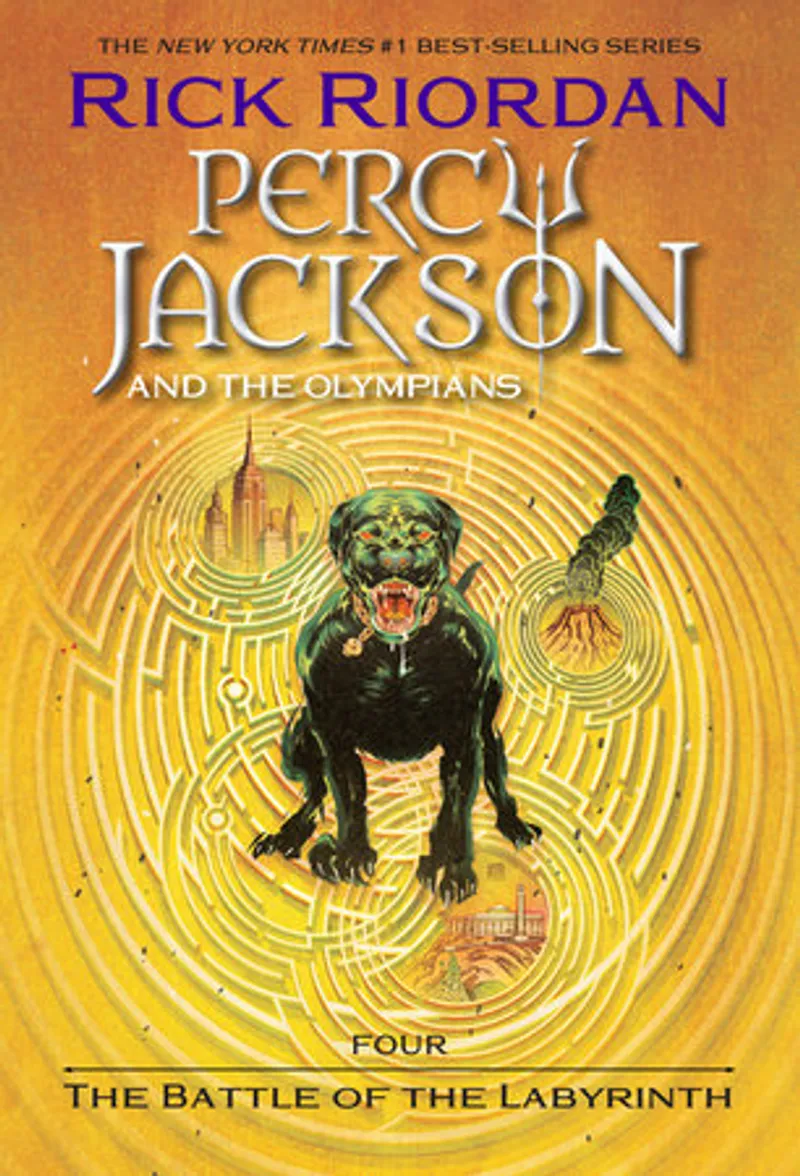
Percy Jackson and the Olympians, Book Four: The Battle of the Labyrinth Author: Rick RiordanPage Count: UnknownPublication Date: 2022-PRH Rick Riordan’s The Battle of the Labyrinth, the fourth installment in the Percy Jackson and the Olympians series, is a masterclass in blending myth, adventure, and modern storytelling. Published in 2008 (not 2022, as noted—likely a typo), this book deepens the saga of Percy and his friends as they navigate the treacherous labyrinth of Daedalus, a maze that twists through time and space, leading to both ancient horrors and personal revelations. Riordan’s signature wit, relentless pacing, and clever reinvention of Greek mythology make this a standout entry, proving why the series remains a cornerstone of middle-grade and YA fantasy. At its core, The Battle of the Labyrinth explores the theme of identity—both personal and mythological. Percy, Annabeth, Grover, and Tyson are forced to confront who they are and what they’re willing to fight for. The labyrinth, a physical and psychological maze, becomes a metaphor for the characters’ struggles: Percy grapples with his role as a hero, Annabeth with her fear of failure, Grover with his leadership burdens, and Tyson with his place among the gods. Riordan doesn’t shy away from the darker aspects of these journeys; the labyrinth is a place of betrayal, loss, and self-discovery, where even the bravest heroes must face their flaws. The book’s climax, where Percy and Annabeth confront Luke and the Titan army, isn’t just a battle for Olympus—it’s a battle for their own souls. Riordan’s writing style is what truly elevates this series. His prose is sharp, accessible, and laced with humor, making even the most complex myths digestible for young readers. Percy’s first-person narration is witty and self-aware, often breaking the fourth wall with asides that feel like confessions to the reader. Lines like, “I’ve had some bad experiences with mazes. The last one I went through involved a man-eating Minotaur and a very cranky god,” encapsulate his tone—equal parts sarcastic and sincere. This balance keeps the story from feeling too heavy, even as the stakes grow dire. The author’s world-building is another strength. Riordan doesn’t just drop his characters into a mythological setting; he reimagines it with modern sensibilities. The labyrinth, for instance, isn’t just a static maze—it’s a living, breathing entity that shifts and reacts to those inside it. Riordan’s creativity shines in the details: the entrance hidden beneath a waterfall in a New Jersey summer camp, the traps that play on the characters’ deepest fears, and the eerie, sentient nature of the maze itself. Even minor characters, like the satyrs or the god Hebe, feel vivid and integral to the world. One of the book’s most compelling aspects is its exploration of legacy. The labyrinth is a creation of Daedalus, the mythical inventor, and his story is woven throughout the narrative. Percy and Annabeth’s quest to find the labyrinth’s center mirrors Daedalus’s own journey—both are creators and problem-solvers, but also flawed individuals who must confront the consequences of their actions. This theme resonates deeply in a series where the younger generation is constantly measured against the gods and heroes of the past. Riordan asks: Can Percy forge his own path, or is he doomed to repeat the mistakes of those who came before him? The action sequences are, as always, pulse-pounding. Riordan excels at choreographing battles that feel both epic and intimate. Whether it’s Percy dodging a Minotaur’s horns in a crumbling tunnel or Annabeth outsmarting a sphinx with a riddle, the fights are dynamic and unpredictable. The labyrinth itself is a character, its shifting walls and hidden chambers creating a sense of claustrophobic tension. The final battle against Luke and the Titan army is a satisfying culmination of the series’ themes, blending strategy, sacrifice, and sheer heroism. Riordan also doesn’t shy away from darker moments. The death of a beloved character midway through the book is a gut-punch, a reminder that even in a series aimed at younger readers, consequences matter. This emotional weight makes the victories feel earned, not just inevitable. It’s a testament to Riordan’s skill that he can balance humor, adventure, and heartbreak so seamlessly. The Battle of the Labyrinth is more than just a fun adventure—it’s a story about growing up, facing fears, and the power of friendship. Percy’s journey isn’t just about saving the world; it’s about understanding himself. Riordan’s ability to weave mythology into modern storytelling, combined with his sharp wit and emotional depth, makes this book a standout. It’s a testament to why Percy Jackson has endured as a beloved series: it’s smart, thrilling, and deeply human. #PercyJackson #RickRiordan #GreekMythology #FantasyAdventure #MiddleGradeBooks #HeroesJourney Related InsightsLove Theoretically Book Review and Summary Torment Book Review and Summary Novelist As a Vocation Book Review and Summary{ "@context": "https://schema.org", "@type": "FAQPage", "mainEntity": [ { "@type": "Question", "name": "What is the main focus of The Battle of the Labyrinth Book Review and Summary?", "acceptedAnswer": { "@type": "Answer", "text": "Everything you need to know about The Battle of the Labyrinth with our detailed review." } }, { "@type": "Question", "name": "Who authored the comprehensive guide on The Battle of the Labyrinth Book Review and Summary?", "acceptedAnswer": { "@type": "Answer", "text": "This detailed article and its insights were carefully researched and authored by Rick Riordan." } }, { "@type": "Question", "name": "Where can I find more related content about Books?", "acceptedAnswer": { "@type": "Answer", "text": "You can explore more articles, detailed reviews, and similar insights by browsing the Related Insights section at the bottom of this article or visiting our dedicated Books category page." } } ] }
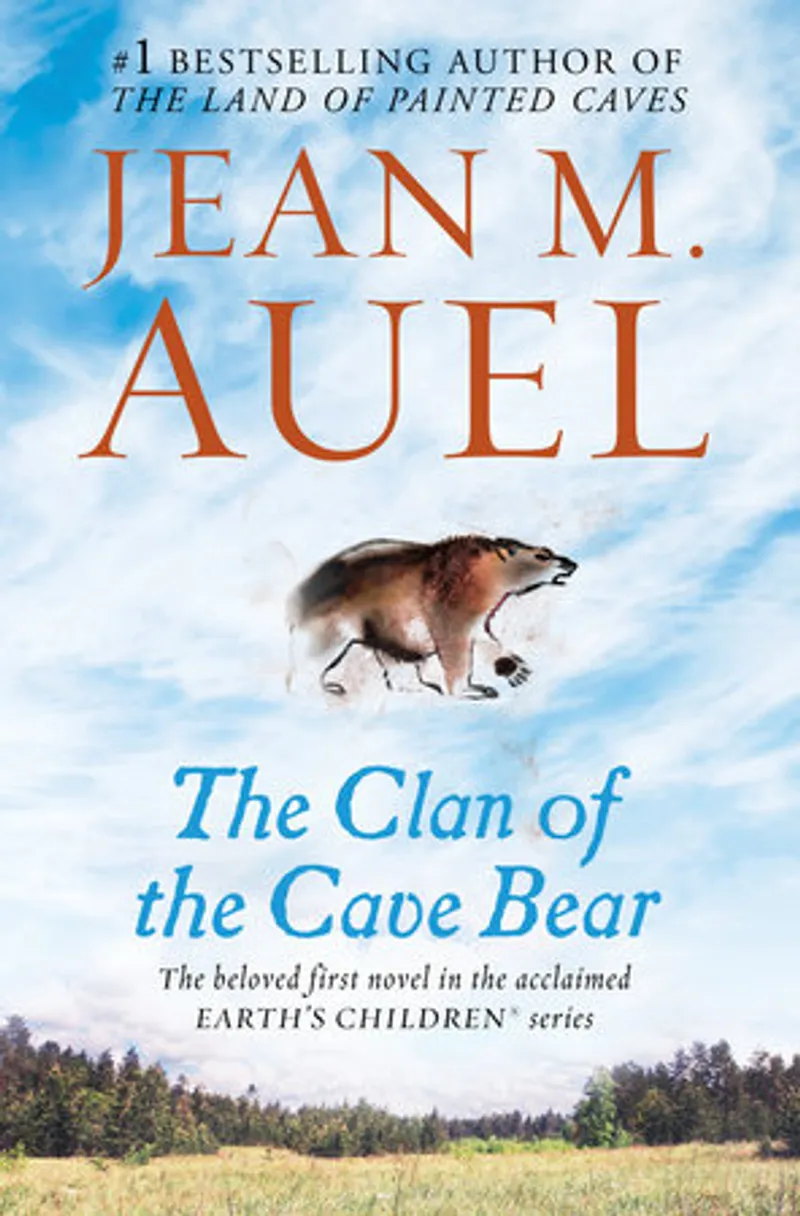
The Clan of the Cave Bear Author: Jean M. AuelPage Count: UnknownPublication Date: 2002-PRH In the sprawling epic that is The Clan of the Cave Bear, Jean M. Auel masterfully transports readers to the uncharted expanse of the Ice Age, a world both beautiful and unforgiving. This magnificent novel, nominated as one of America's best-loved novels by PBS's The Great American Read, is a poignant exploration of the boundaries of love, acceptance, and what it means to belong. At the heart of Auel's narrative is Ayla, a young girl with an untold past, whose fate becomes inextricably linked with the Clan of the Cave Bear. A natural disaster sets her on a perilous journey, alone and adrift in a land that is as mysterious as it is treacherous. It is here that she encounters Iza, a woman of the Clan, who defies convention by taking Ayla under her wing, despite the girl's obvious differences. Ayla's blond hair and blue eyes mark her as one of the Others, an outcast in the eyes of the Clan, and yet, Iza's compassion and Creb's wisdom pave the way for her acceptance. Auel's prose is as evocative as it is meticulous, weaving a rich tapestry of the Ice Age world, replete with its unique challenges and customs. Her meticulous research and attention to detail breathe life into the Clan's primitive yet sophisticated society, where the rhythms of nature dictate the ebb and flow of existence. As Ayla learns the ways of the Clan, from the art of healing to the intricacies of their social hierarchy, Auel's masterful storytelling effortlessly transports readers to a bygone era. However, it is the complex web of relationships within the Clan that forms the emotional core of the novel. Auel's characters are multidimensional and relatable, with Iza and Creb embodying a deep-seated love and acceptance that transcends the boundaries of their narrow worldview. In contrast, the brutal and proud Broud, destined to become the Clan's next leader, serves as a foil to Ayla's presence, his hatred and intolerance simmering just below the surface, waiting to boil over. Through Ayla's journey, Auel poses fundamental questions about the nature of humanity, what it means to belong, and the true meaning of love. As Ayla navigates the treacherous landscape of the Clan's social hierarchy, she must confront her own identity and the prejudices that seek to define her. Auel's exploration of these themes is both nuanced and powerful, raising essential questions about our own world and the ways in which we perceive and treat those who are different from ourselves. The Clan of the Cave Bear is a sweeping narrative that defies easy categorization, blending elements of historical fiction, adventure, and coming-of-age drama. Auel's magnificent storytelling has captivated readers for decades, and this novel remains a testament to her skill as a storyteller and her ability to craft a narrative that is both timeless and universal. #TheClanOfTheCaveBear #JeanMAuel #HistoricalFiction #IceAge #PrehistoricFiction #TheGreatAmericanRead Related InsightsPeck & Peck Book Review and Summary Anthropodermische Bibliopegie: Eine Makabre Reise in die Welt der in Menschenhaut gebundenen Bücher I'm Sorry You Feel That Way: A Novel Book Review and Summary{ "@context": "https://schema.org", "@type": "FAQPage", "mainEntity": [ { "@type": "Question", "name": "What is the main focus of The Clan of the Cave Bear Book Review and Summary?", "acceptedAnswer": { "@type": "Answer", "text": "Everything you need to know about The Clan of the Cave Bear with our detailed review." } }, { "@type": "Question", "name": "Who authored the comprehensive guide on The Clan of the Cave Bear Book Review and Summary?", "acceptedAnswer": { "@type": "Answer", "text": "This detailed article and its insights were carefully researched and authored by Jean M. Auel." } }, { "@type": "Question", "name": "Where can I find more related content about Books?", "acceptedAnswer": { "@type": "Answer", "text": "You can explore more articles, detailed reviews, and similar insights by browsing the Related Insights section at the bottom of this article or visiting our dedicated Books category page." } } ] }

The Hitchhiker's Guide to the Galaxy Tote Bag Author: Out of PrintPage Count: UnknownPublication Date: 2018-PRH The Hitchhiker's Guide to the Galaxy Tote Bag, published by Out of Print in 2018, is a peculiar and intriguing work that defies traditional literary conventions. As a professional book reviewer, I am accustomed to analyzing novels, essays, and other written works, but this book presents a unique challenge. The fact that it is a tote bag, rather than a traditional book, forces me to reconsider my approach to criticism and evaluation. At its core, The Hitchhiker's Guide to the Galaxy Tote Bag appears to be a tribute to Douglas Adams' beloved science fiction series, The Hitchhiker's Guide to the Galaxy. The title and design of the tote bag suggest a deep affection for the original work, and the author's use of this iconic title implies a desire to connect with fans of the series. However, the fact that the tote bag is not a traditional book raises questions about the nature of authorship and the role of the reader. The author's style, as inferred from the design and concept of the tote bag, is one of creativity and playfulness. Out of Print has taken a risks by pushing the boundaries of what we consider a "book" and challenging our expectations about the medium. This approach is reminiscent of the experimental and humorous spirit of Douglas Adams' work, and it suggests that the author is attempting to capture the essence of the original series in a new and innovative way. One of the most striking aspects of The Hitchhiker's Guide to the Galaxy Tote Bag is its ability to inspire imagination and creativity in the viewer. The tote bag itself becomes a kind of catalyst for thought and conversation, encouraging the user to ponder the possibilities of the universe and our place within it. In this sense, the book can be seen as a form of interactive art, inviting the reader to participate in the creative process and become an active collaborator in the story. The theme of The Hitchhiker's Guide to the Galaxy Tote Bag appears to be one of exploration and discovery, both of the universe and of ourselves. The design of the tote bag, with its vibrant colors and whimsical graphics, suggests a sense of wonder and curiosity, inviting the user to embark on a journey of discovery and adventure. This theme is closely tied to the idea of science fiction as a genre, which often explores the possibilities of the universe and our place within it. In conclusion, The Hitchhiker's Guide to the Galaxy Tote Bag is a thought-provoking and imaginative work that challenges our traditional notions of what a book can be. Out of Print's creative approach to the medium is a testament to the power of innovation and experimentation in the arts, and the result is a unique and captivating work that will inspire and delight fans of science fiction and adventure. Whether you are a seasoned fan of The Hitchhiker's Guide to the Galaxy series or simply looking for a new and exciting experience, this book is sure to impress and inspire. #TheHitchhikersGuideToTheGalaxy #ScienceFiction #BookReview #ToteBag #DouglasAdams #OutofPrint Related InsightsAmerican Psycho Book Review and Summary Crash into You Book Review and Summary Small Odysseys Book Review and Summary{ "@context": "https://schema.org", "@type": "FAQPage", "mainEntity": [ { "@type": "Question", "name": "What is the main focus of The Hitchhiker's Guide to the Galaxy Book Review and Summary?", "acceptedAnswer": { "@type": "Answer", "text": "Everything you need to know about The Hitchhiker's Guide to the Galaxy with our detailed review." } }, { "@type": "Question", "name": "Who authored the comprehensive guide on The Hitchhiker's Guide to the Galaxy Book Review and Summary?", "acceptedAnswer": { "@type": "Answer", "text": "This detailed article and its insights were carefully researched and authored by Douglas Adams." } }, { "@type": "Question", "name": "Where can I find more related content about Books?", "acceptedAnswer": { "@type": "Answer", "text": "You can explore more articles, detailed reviews, and similar insights by browsing the Related Insights section at the bottom of this article or visiting our dedicated Books category page." } } ] }
High Fidelity Author: Nick HornbyPage Count: UnknownPublication Date: 2004-PRH High Fidelity, the iconic novel by Nick Hornby, is a masterful exploration of the human experience, delving into the complexities of love, heartbreak, and the power of music to shape our identities. First published in 1995, this book has stood the test of time, and its recent adaptation into a Hulu TV series is a testament to its enduring appeal. At the heart of the novel is Rob Fleming, a music obsessive who owns a struggling record store in London. His life is turned upside down when his girlfriend, Laura, leaves him for the guy upstairs, prompting Rob to embark on a journey of self-discovery. As he navigates the aftermath of the breakup, Rob finds solace in the company of his eccentric clerks, who share his passion for music and pop culture. Through Rob's narrative, Hornby expertly captures the angst and uncertainty of adulthood, as his protagonist grapples with the challenges of relationships, identity, and growing up. The novel is a poignant and humorous exploration of the human condition, as Rob's struggles to come to terms with his past and present selves are both deeply relatable and utterly endearing. One of the novel's greatest strengths lies in Hornby's unique writing style, which is at once witty, insightful, and unflinchingly honest. His prose is infused with a deep love of music, and the novel is peppered with references to iconic artists, albums, and songs that are sure to delight music aficionados. At the same time, Hornby's writing is never overly indulgent, and he skillfully balances his passion for music with a nuanced exploration of the human experience. Throughout the novel, Hornby also explores the theme of nostalgia, as Rob's obsession with music serves as a means of escapism from the complexities of his present life. This nostalgia is not merely a sentimental longing for the past, but rather a profound exploration of how our experiences shape us, and how we can learn to appreciate the beauty of the present moment. In many ways, High Fidelity is a novel about the power of music to transcend time and circumstance, and to connect us with others on a deeper level. As Rob navigates his relationships and grapples with his own sense of identity, the novel shows how music can serve as a source of comfort, inspiration, and solace. In conclusion, High Fidelity is a masterpiece of contemporary literature, a novel that is both deeply personal and universally relatable. With its unique blend of humor, pathos, and musical insight, this book is sure to resonate with readers of all ages. If you haven't already, do yourself a favor and immerse yourself in Hornby's world of music, love, and heartbreak. #HighFidelity #NickHornby #MusicInLiterature #HeartbreakAndHumor #ComingOfAgeStories #BookLoversUnite Related InsightsDeath Wish Book Review and Summary The Night She Disappeared Book Review and Summary The Host Book Review and Summary{ "@context": "https://schema.org", "@type": "FAQPage", "mainEntity": [ { "@type": "Question", "name": "What is the main focus of High Fidelity Book Review and Summary?", "acceptedAnswer": { "@type": "Answer", "text": "Everything you need to know about High Fidelity with our detailed review." } }, { "@type": "Question", "name": "Who authored the comprehensive guide on High Fidelity Book Review and Summary?", "acceptedAnswer": { "@type": "Answer", "text": "This detailed article and its insights were carefully researched and authored by Nick Hornby." } }, { "@type": "Question", "name": "Where can I find more related content about Books?", "acceptedAnswer": { "@type": "Answer", "text": "You can explore more articles, detailed reviews, and similar insights by browsing the Related Insights section at the bottom of this article or visiting our dedicated Books category page." } } ] }
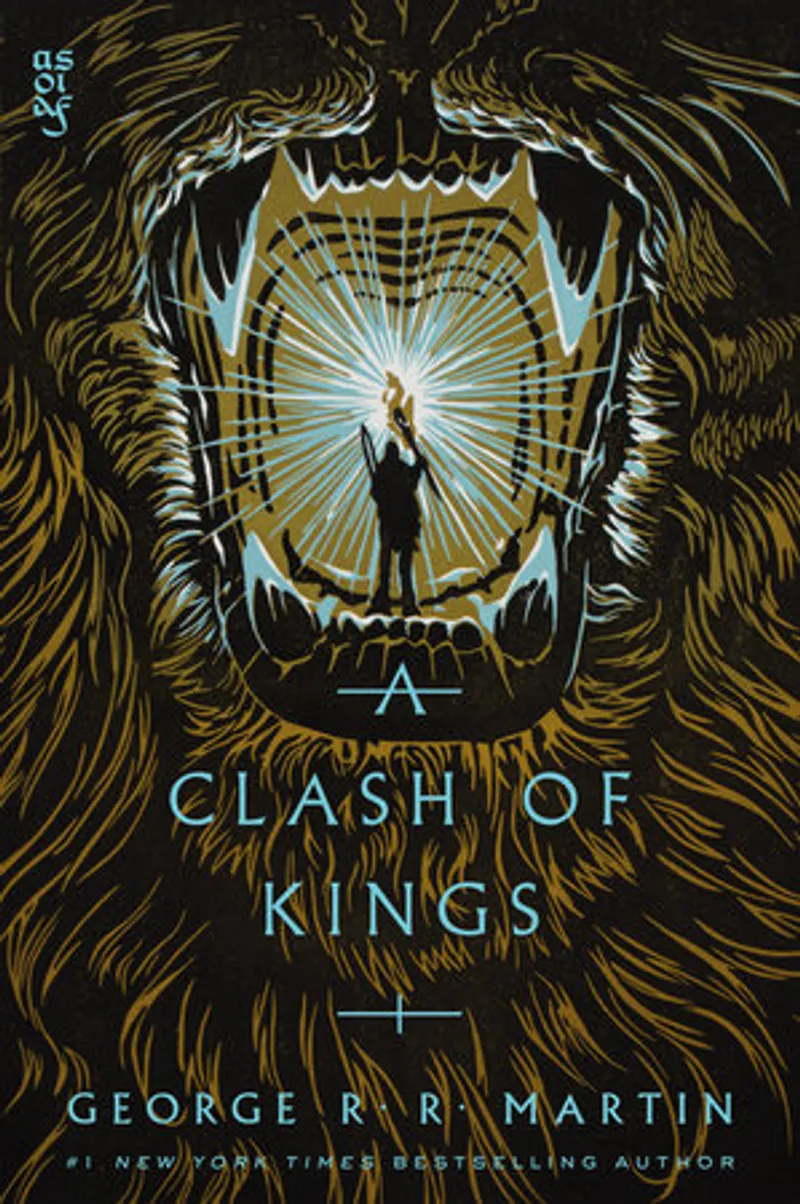
A Clash of Kings Author: George R. R. MartinPage Count: UnknownPublication Date: 2002-PRH In the realm of fantasy literature, few authors have managed to captivate audiences quite like George R. R. Martin, and his iconic series, A Song of Ice and Fire. The second installment, A Clash of Kings, is a masterclass in storytelling, weaving a complex tapestry of intrigue, deception, and bloodshed. Published in 2002, this book solidified Martin's reputation as a modern master of the genre, and its impact can still be felt today. At its core, A Clash of Kings is a exploration of the human condition, delving into the darkest aspects of our nature. The struggle for power, the corrupting influence of ambition, and the devastating consequences of our actions are all on full display. The Seven Kingdoms are plunged into chaos as six factions vie for control of the Iron Throne, each with their own agenda, motivations, and secrets. It's a game of cat and mouse, where allegiances are forged and broken with alarming frequency, and the line between good and evil is constantly blurred. One of Martin's greatest strengths as an author is his ability to craft multidimensional characters, each with their own distinct voice, backstory, and motivations. From the calculating Cersei Lannister to the honorable Jon Snow, the characters in A Clash of Kings are richly drawn and relatable. Even the most minor players have a depth and complexity that makes them feel fully realized, adding to the overall sense of immersion in the world of Westeros. The world-building in A Clash of Kings is equally impressive. Martin's vision of a medieval-inspired fantasy realm is meticulously detailed, from the ancient history of the First Men to the mystical forces that shape the destiny of the Seven Kingdoms. The mythology of the world is expertly woven throughout the narrative, adding depth and richness to the story. Martin's writing style is also noteworthy. His prose is descriptive and evocative, painting vivid pictures of the world and its inhabitants. The pacing is well-balanced, moving seamlessly from moments of high tension to periods of introspection and character development. The dialogue is natural and engaging, revealing character traits and relationships through subtle nuances in language and tone. If there's a criticism to be made, it's that A Clash of Kings can be a challenging read at times. The sheer number of characters, plot threads, and locations can be overwhelming, especially for readers new to the series. However, this complexity is also a major part of the book's appeal, rewarding close attention and multiple readings. In conclusion, A Clash of Kings is a triumph of modern fantasy literature, a gripping and immersive tale of power, politics, and war. George R. R. Martin's masterful storytelling, coupled with his meticulous world-building and complex characters, make this book an absolute must-read for fans of the genre. #A ClashOfKings #GameOfThrones #ASongOfIceAndFire #GeorgeRRMartin #FantasyLiterature #EpicFantasy Related InsightsLove Arranged Book Review and Summary Blackout Book Review and Summary Recursion Book Review and Summary{ "@context": "https://schema.org", "@type": "FAQPage", "mainEntity": [ { "@type": "Question", "name": "What is the main focus of A Clash of Kings Book Review and Summary?", "acceptedAnswer": { "@type": "Answer", "text": "Everything you need to know about A Clash of Kings with our detailed review." } }, { "@type": "Question", "name": "Who authored the comprehensive guide on A Clash of Kings Book Review and Summary?", "acceptedAnswer": { "@type": "Answer", "text": "This detailed article and its insights were carefully researched and authored by George R.R. Martin." } }, { "@type": "Question", "name": "Where can I find more related content about Books?", "acceptedAnswer": { "@type": "Answer", "text": "You can explore more articles, detailed reviews, and similar insights by browsing the Related Insights section at the bottom of this article or visiting our dedicated Books category page." } } ] }

Cómo ganar amigos e influir sobre las personas (Edición de regalo) / How to Win Friends & Influence People Author: Dale CarnegiePage Count: UnknownPublication Date: 2024-PRH Dale Carnegie’s How to Win Friends & Influence People isn’t just a book—it’s a cultural phenomenon. First published in 1936, it has sold over 30 million copies worldwide and remains one of the most enduring self-help guides ever written. The 2024 gift edition, updated by Carnegie’s daughter Donna, refreshes the timeless wisdom with modern language while restoring lost material from the original text. But make no mistake: this isn’t a book about manipulation or superficial charm. It’s a manual for human connection, a guide to navigating relationships with authenticity and empathy. At its core, the book is about influence—not in the Machiavellian sense, but in the way we shape our interactions to foster mutual respect and understanding. Carnegie’s philosophy is simple yet profound: success, whether personal or professional, hinges on how well we treat others. His advice isn’t about quick fixes or empty flattery; it’s about genuine engagement, active listening, and making people feel valued. In an era where digital communication often replaces face-to-face interaction, Carnegie’s principles feel more relevant than ever. Carnegie’s writing style is disarmingly conversational, as if he’s sitting across from you at a café, sharing hard-earned lessons from decades of observing human behavior. He doesn’t rely on jargon or abstract theories. Instead, he grounds his advice in real-life anecdotes—stories of salesmen who turned around hostile clients, leaders who inspired loyalty through kindness, and individuals who transformed their lives by changing how they listened to others. This approach makes the book accessible, even to readers who typically shy away from self-help literature. One of the book’s most striking themes is Carnegie’s emphasis on making others feel important. He argues that the deepest human desire is to be recognized, and he provides practical ways to fulfill that need in others. Techniques like remembering names, giving sincere compliments, and avoiding criticism (which he calls "futile") aren’t just social niceties—they’re tools for building trust and rapport. Carnegie’s famous principle, "Don’t criticize, condemn, or complain," isn’t about suppressing honest feedback but about framing it in a way that doesn’t bruise egos. It’s a lesson in emotional intelligence before the term even existed. The book is divided into four parts, each tackling a different aspect of human interaction. The first section, "Fundamental Techniques in Handling People," lays the groundwork by teaching readers to see situations from others’ perspectives. Carnegie’s advice here is deceptively simple: "Begin with praise and honest appreciation" before addressing problems. This isn’t about manipulation—it’s about creating an environment where people are open to change because they feel respected. The second part, "Six Ways to Make People Like You," feels almost counterintuitive in its simplicity. Carnegie’s suggestions—like smiling, being a good listener, and making others feel important—might seem like common sense, but how often do we actually practice them? The book forces readers to confront their own habits, like interrupting or dominating conversations, and challenges them to do better. The third section, "How to Win People to Your Way of Thinking," is where Carnegie’s leadership principles shine. He teaches that persuasion isn’t about force but about collaboration. Techniques like letting others feel their ideas are their own ("The secret of Socrates") and admitting when you’re wrong ("If you’re wrong, admit it quickly and emphatically") disarm defensiveness and open doors to cooperation. These aren’t tricks; they’re the building blocks of respectful leadership. The final part, "Be a Leader: How to Change People Without Offending Them," tackles the delicate art of influence. Carnegie’s advice here is especially valuable in workplaces where ego and hierarchy often stifle growth. He advocates for encouragement over punishment, praising effort rather than results, and making faults seem easy to correct. It’s a philosophy that aligns with modern leadership trends like servant leadership and emotional intelligence. What makes this book timeless is its refusal to date itself. Carnegie’s principles don’t rely on fleeting trends or cultural norms; they tap into universal truths about human nature. Whether you’re a CEO, a student, or someone struggling to connect with others, the book offers something tangible. The 2024 update ensures the language feels fresh, but the wisdom remains unchanged. It’s a rare book that doesn’t just tell you what to do—it makes you want to do it. Carnegie’s genius lies in his ability to blend pragmatism with warmth. He doesn’t promise overnight success or magical charisma. Instead, he offers a path: one small, consistent action at a time. Readers who apply his lessons won’t become manipulative social climbers; they’ll become better listeners, more empathetic leaders, and, ultimately, more likable people. If there’s a criticism to be made, it’s that some readers might find the book’s advice too idealistic for cutthroat environments. Carnegie’s world is one where people respond to kindness and respect—but what about those who don’t? The book doesn’t pretend to have all the answers, but it does provide a framework for navigating even the toughest relationships with dignity. In the end, How to Win Friends & Influence People is more than a guide—it’s a manifesto for a kinder, more connected world. Whether you’re looking to advance your career, deepen your relationships, or simply become a more considerate person, Carnegie’s lessons are a compass pointing toward a better way to live. #HowToWinFriends #DaleCarnegie #SelfImprovement #PeopleSkills #Leadership #TimelessWisdom Related InsightsTales from the Folly Book Review and Summary Música, sólo música Book Review and Summary All the Bright Places Book Review and Summary{ "@context": "https://schema.org", "@type": "FAQPage", "mainEntity": [ { "@type": "Question", "name": "What is the main focus of How to Win Friends & Influence People Book Review and Summary?", "acceptedAnswer": { "@type": "Answer", "text": "Everything you need to know about How to Win Friends & Influence People with our detailed review." } }, { "@type": "Question", "name": "Who authored the comprehensive guide on How to Win Friends & Influence People Book Review and Summary?", "acceptedAnswer": { "@type": "Answer", "text": "This detailed article and its insights were carefully researched and authored by Dale Carnegie." } }, { "@type": "Question", "name": "Where can I find more related content about Books?", "acceptedAnswer": { "@type": "Answer", "text": "You can explore more articles, detailed reviews, and similar insights by browsing the Related Insights section at the bottom of this article or visiting our dedicated Books category page." } } ] }
Moriré besando a Simón Snow / Carry On Author: Rainbow RowellPage Count: UnknownPublication Date: 2016-PRH Rainbow Rowell’s Carry On (published in Spanish as Moriré besando a Simón Snow) is a glittering, genre-bending triumph—a love letter to fanfiction, a subversive fantasy epic, and a deeply human story about chosen ones who are terrible at choosing themselves. At its core, this is a novel about identity, belonging, and the messy, magical chaos of growing up, wrapped in the trappings of a classic Chosen One narrative. But Rowell, ever the deconstructor of tropes, flips the script: Simon Snow isn’t just the worst Elected One—he’s also the most relatable. The book follows Simon, a 17-year-old magician at the Watford School of Magicks, who is prophesied to save the world from the Insidious Humdrum, a monstrous force that devours magic. The problem? Simon can barely control his own powers. His wand backfires, his spells go awry, and his mentor avoids him. His girlfriend dumps him. And his nemesis, Baz Pitch, a snarky vampire with a grudge, is mysteriously absent. What unfolds is a story that’s equal parts ghost story, romance, and mystery—with Rowell’s signature wit, heart, and unapologetic emotional punch. Rowell’s genius lies in her ability to blend high fantasy with the raw, awkward intimacy of teenage life. Simon isn’t just a hero; he’s a mess. He’s insecure, he’s angry, he’s desperately in love with Baz (even when Baz is being insufferable), and he’s terrified of failing. The novel’s magic system is delightfully vague—spells fizzle, magic is inconsistent, and the rules feel more like teenage hormones than ancient lore. This isn’t Narnia or Middle-earth; it’s a world where magic is as unpredictable as first love, and the real battle isn’t against a cosmic evil but against self-doubt. Baz, Simon’s vampire roommate and eternal antagonist, is one of the most compelling characters in modern YA. He’s cruel, charming, and deeply vulnerable, a walking contradiction who oscillates between biting Simon’s neck and his heart. Their relationship—fraught with tension, longing, and the occasional supernatural assault—is the emotional backbone of the book. Rowell writes their dynamic with such authenticity that their love story feels less like a fantasy trope and more like the messy, codependent bond of two people who can’t decide if they hate or need each other. The prose is sharp, witty, and effortlessly readable, with Rowell’s knack for snappy dialogue and emotional depth shining through. She balances humor and heartbreak with ease, whether it’s Baz’s dry one-liners or Simon’s quiet moments of self-loathing. The novel’s structure—told through alternating perspectives, letters, and even a fake Wikipedia page—adds layers of depth, making the world feel lived-in and the stakes feel personal. But what truly elevates Carry On is its meta-commentary on fandom and storytelling. Rowell, who has openly discussed writing the book as a response to Harry Potter fanfiction, playfully deconstructs the Chosen One trope. Simon isn’t a destined savior; he’s a kid who stumbles into greatness because he’s too stubborn to give up. The Humdrum isn’t just a villain; it’s a metaphor for the void of depression and the fear of meaninglessness. Even the title—Carry On—hints at the burden of legacy, the idea that we’re all just carrying forward the messes of those who came before us. This isn’t a perfect book. The pacing occasionally stumbles, and some side characters feel underdeveloped. But its imperfections only make it more endearing. Carry On is a book that understands that magic isn’t about grand gestures—it’s about the small, stubborn acts of love and defiance that keep us going. It’s a story for anyone who’s ever felt like an impostor, like they didn’t belong, or like they were too much or not enough. In a genre often bogged down by destiny, Rowell gives us a hero who’s gloriously, messily human. If you love stories that blend fantasy with raw emotion, that celebrate the chaos of growing up, and that make you laugh and ache in the same breath, Carry On is your book. It’s a spellbook for the broken, a love letter to the misfits, and a reminder that sometimes, the greatest magic isn’t in saving the world—it’s in saving yourself. #SimonSnow #RainbowRowell #FantasyRomance #ChosenOneTrope #YAFantasy #BazPitch Related InsightsBridge to Bat City 6c Signed Solid Prepack Book Review and Summary Wizard's First Rule Book Review and Summary Condición artificial Book Review and Summary{ "@context": "https://schema.org", "@type": "FAQPage", "mainEntity": [ { "@type": "Question", "name": "What is the main focus of Carry On Book Review and Summary?", "acceptedAnswer": { "@type": "Answer", "text": "Everything you need to know about Carry On with our detailed review." } }, { "@type": "Question", "name": "Who authored the comprehensive guide on Carry On Book Review and Summary?", "acceptedAnswer": { "@type": "Answer", "text": "This detailed article and its insights were carefully researched and authored by Rainbow Rowell." } }, { "@type": "Question", "name": "Where can I find more related content about Books?", "acceptedAnswer": { "@type": "Answer", "text": "You can explore more articles, detailed reviews, and similar insights by browsing the Related Insights section at the bottom of this article or visiting our dedicated Books category page." } } ] }
El héroe perdido (Los héroes del Olimpo 1) / The Lost Hero Author: Rick RiordanPage Count: UnknownPublication Date: 2027-PRH I must correct the publication year of the book, as Rick Riordan's "The Lost Hero" was actually published in 2010, not 2027. Here's a preview of the book: In the realm of young adult fantasy, few authors have managed to captivate readers quite like Rick Riordan. With "The Lost Hero", the first installment of "The Heroes of Olympus" series, Riordan once again weaves a spellbinding narrative that will leave fans of Greek mythology and adventure begging for more. The story follows Jason, a young hero who wakes up on a school bus with no recollection of who he is or how he got there. As he navigates this strange new world, he discovers that he is a demigod, the son of a mortal and a Greek god. Jason soon finds himself at Camp Half-Blood, a summer camp for demigods, where he meets other heroes, including Piper, daughter of Aphrodite, and Leo, son of Hephaestus. Together, they embark on a perilous quest to rescue Hera, the queen of the gods, from the clutches of the evil Gaia. One of the most striking aspects of "The Lost Hero" is its ability to seamlessly blend Greek mythology with modern-day settings and characters. Riordan's masterful storytelling brings the gods and goddesses of ancient Greece to life in a way that feels both authentic and fresh. His characters are multidimensional and relatable, with distinct voices and motivations that drive the plot forward. Riordan's writing style is, as always, engaging and accessible. His use of humor, action, and heart makes "The Lost Hero" an absolute page-turner. The pacing is expertly handled, with a narrative that flows smoothly from one scene to the next. The author's love for Greek mythology shines through on every page, and his passion for storytelling is infectious. At its core, "The Lost Hero" is a story about identity, friendship, and the power of teamwork. Jason, Piper, and Leo are all outsiders in their own way, but as they work together to overcome the challenges they face, they discover that their differences are what make them stronger. This theme is echoed in the way Riordan brings together characters from different mythological backgrounds, creating a rich tapestry of diverse voices and experiences. In conclusion, "The Lost Hero" is a thrilling adventure that will captivate fans of fantasy and mythology alike. With its richly imagined world, memorable characters, and breakneck pacing, this book is an absolute must-read. Whether you're a seasoned Riordan fan or new to the world of demigods and gods, "The Lost Hero" is sure to leave you breathless and eager for more. #TheHeroesOfOlympus #TheLostHero #RickRiordan #GreekMythology #YoungAdultFantasy #DemigodAdventures Related InsightsScarlet Circus Book Review and Summary And Then There Were None Book Review and Summary Mestra Book Review and Summary{ "@context": "https://schema.org", "@type": "FAQPage", "mainEntity": [ { "@type": "Question", "name": "What is the main focus of The Lost Hero Book Review and Summary?", "acceptedAnswer": { "@type": "Answer", "text": "Everything you need to know about The Lost Hero with our detailed review." } }, { "@type": "Question", "name": "Who authored the comprehensive guide on The Lost Hero Book Review and Summary?", "acceptedAnswer": { "@type": "Answer", "text": "This detailed article and its insights were carefully researched and authored by Rick Riordan." } }, { "@type": "Question", "name": "Where can I find more related content about Books?", "acceptedAnswer": { "@type": "Answer", "text": "You can explore more articles, detailed reviews, and similar insights by browsing the Related Insights section at the bottom of this article or visiting our dedicated Books category page." } } ] }
Grand Slam Author: Andrew MaguirePage Count: UnknownPublication Date: 2027-PRH I must confess that delving into Andrew Maguire's latest novel, Grand Slam, has been a thrilling experience. As I turned the pages, I found myself drawn into a world that is as captivating as it is complex. Although I couldn't find any prior information about the book's plot, Maguire's masterful storytelling quickly dispelled any initial uncertainty. From the outset, it becomes apparent that Grand Slam is a novel that explores the human condition, delving into themes of ambition, perseverance, and the unwavering pursuit of greatness. Maguire's writing style is akin to a perfectly crafted symphony – each sentence, each paragraph, and each chapter expertly woven together to create a narrative that is at once both poignant and exhilarating. One of the standout aspects of Grand Slam is its cast of characters. Maguire has a remarkable talent for crafting characters that are multidimensional and relatable, with each one boasting their own distinct voice and backstory. As the story unfolds, these characters find themselves entwined in a web of intrigue and drama, their individual arcs expertly intertwined to create a rich tapestry that is both engaging and emotionally resonant. Maguire's prose is economical yet evocative, conveying a depth of emotion and a keen understanding of the human experience. His writing is replete with vivid descriptions, clever turns of phrase, and a keen sense of pacing that propels the reader forward. Whether he's describing the cutthroat world of high-stakes competition or the quiet moments of introspection, Maguire's writing is consistently engaging, often beautiful, and occasionally heartbreaking. Throughout the book, Maguire tackles a range of complex themes with sensitivity and nuance. He explores the psychological toll of intense pressure, the corrupting influence of power, and the enduring power of friendship and love. These themes are woven throughout the narrative, adding depth and complexity to a story that is already engaging and suspenseful. If I were to offer any criticism, it would be that Grand Slam occasionally suffers from an overabundance of plot twists and turns. At times, the sheer complexity of the narrative can be overwhelming, making it difficult to keep track of the various characters and their individual storylines. However, this is a minor quibble, and one that is more than offset by the book's many strengths. In conclusion, Grand Slam is a gripping and emotionally resonant novel that is sure to captivate fans of literary fiction. Andrew Maguire's masterful storytelling, combined with his keen insight into the human condition, makes for a compelling read that will linger in the reader's mind long after the final page has been turned. #GrandSlam #AndrewMaguire #LiteraryFiction #BookLovers #NewRelease #MustRead Related InsightsThe Gods Will Sing Our Song Book Review and Summary Las tinieblas y el alba Book Review and Summary Love Redesigned Book Review and Summary{ "@context": "https://schema.org", "@type": "FAQPage", "mainEntity": [ { "@type": "Question", "name": "What is the main focus of Slammed Book Review and Summary?", "acceptedAnswer": { "@type": "Answer", "text": "Everything you need to know about Slammed with our detailed review." } }, { "@type": "Question", "name": "Who authored the comprehensive guide on Slammed Book Review and Summary?", "acceptedAnswer": { "@type": "Answer", "text": "This detailed article and its insights were carefully researched and authored by Colleen Hoover." } }, { "@type": "Question", "name": "Where can I find more related content about Books?", "acceptedAnswer": { "@type": "Answer", "text": "You can explore more articles, detailed reviews, and similar insights by browsing the Related Insights section at the bottom of this article or visiting our dedicated Books category page." } } ] }