Showing Posts From
Fiction
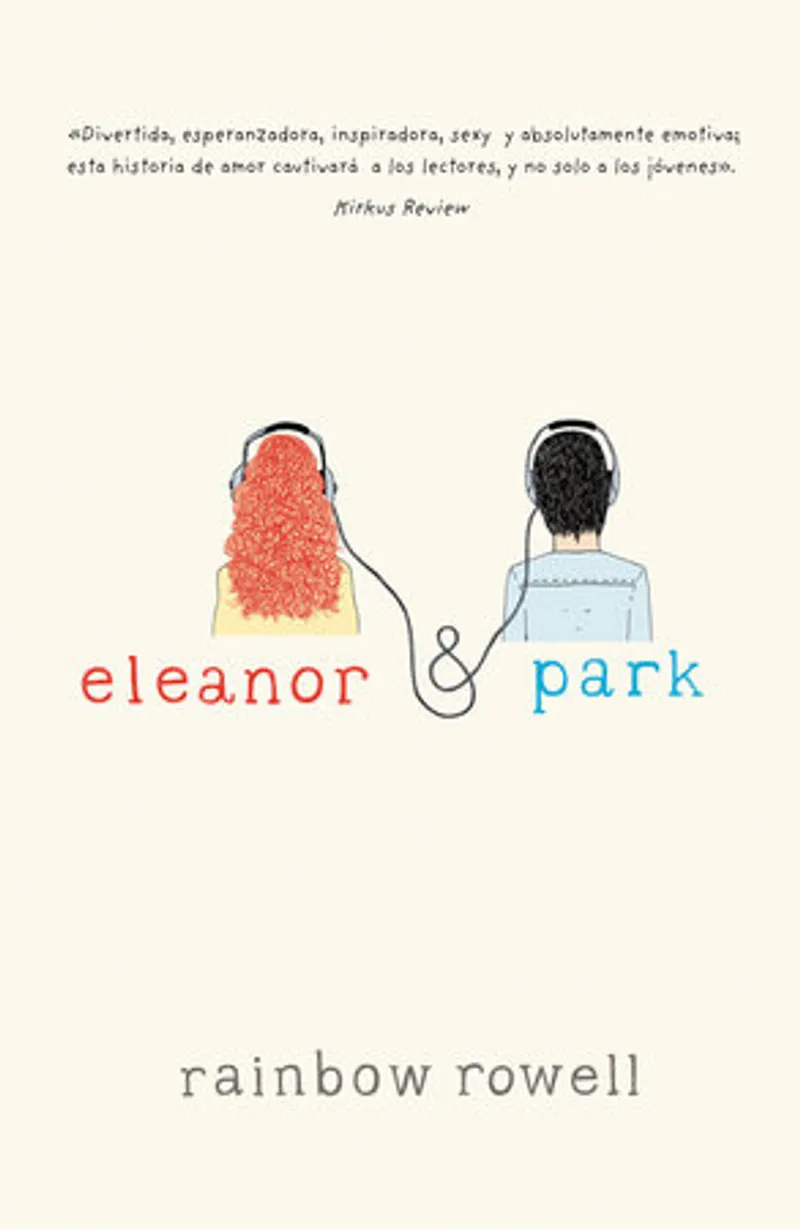
Eleanor & Park (Spanish version) Author: Rainbow RowellPage Count: UnknownPublication Date: 2014-PRH Eleanor & Park, a captivating novel by Rainbow Rowell, delves into the poignant and often tumultuous world of first love, masterfully weaving a narrative that will leave readers reminiscing about their own experiences with the intensity and vulnerability that accompanies it. Set in 1986, the story revolves around the unlikely yet endearing relationship between Eleanor, a quirky and introverted new student, and Park, a quiet and introspective half-Korean boy who finds solace in music and comic books. Their paths cross on a school bus, where they initially share a seat in silence, only to gradually develop a bond over their shared interests and outsider status. Through Eleanor and Park's journey, Rowell explores the beauty and fragility of first love, capturing the intoxicating highs and the devastating lows that come with it. With a keen eye for detail and a deep understanding of the adolescent experience, Rowell crafts characters that are relatable, authentic, and endearingly flawed. Eleanor's struggles with her dysfunctional family life and Park's desire to break free from his comfortable yet suffocating existence serve as a poignant backdrop to their blossoming romance. One of the novel's greatest strengths lies in Rowell's writing style, which is both evocative and understated. Her prose is infused with a quiet intensity, perfectly capturing the all-consuming nature of first love. The dialogue is witty and engaging, with a keen sense of humor that adds depth and nuance to the narrative. Rowell's exploration of themes such as identity, family, and social hierarchy adds complexity to the story, making it more than just a simple romance. The novel is also notable for its thoughtful portrayal of mental health, bullying, and the struggles of growing up, making it a relatable and impactful read for young adults and adults alike. Eleanor & Park is a beautifully written and deeply moving novel that will resonate with anyone who has experienced the thrill and heartache of first love. With its well-developed characters, engaging storyline, and poignant themes, this novel is a must-read for fans of coming-of-age stories and romance. #EleanorAndPark #RainbowRowell #FirstLove #ComingOfAge #YoungAdultFiction #BookReview Related InsightsL'Eco delle Stelle e i Sussurri del Futuro: Un Viaggio Profondo nell'Anima della Scienza Fiction Scandals & Whiskey (The Whiskey Women, #2) Book Review and Summary Forged in Rome Book Review and Summary{ "@context": "https://schema.org", "@type": "FAQPage", "mainEntity": [ { "@type": "Question", "name": "What is the main focus of Eleanor & Park Book Review and Summary?", "acceptedAnswer": { "@type": "Answer", "text": "Everything you need to know about Eleanor & Park with our detailed review." } }, { "@type": "Question", "name": "Who authored the comprehensive guide on Eleanor & Park Book Review and Summary?", "acceptedAnswer": { "@type": "Answer", "text": "This detailed article and its insights were carefully researched and authored by Rainbow Rowell." } }, { "@type": "Question", "name": "Where can I find more related content about Books?", "acceptedAnswer": { "@type": "Answer", "text": "You can explore more articles, detailed reviews, and similar insights by browsing the Related Insights section at the bottom of this article or visiting our dedicated Books category page." } } ] }
Clockers Author: Richard PricePage Count: UnknownPublication Date: 1993-OL In the gritty and unflinching novel "Clockers", Richard Price plunges readers into the dark underbelly of urban America, where the lines between right and wrong are constantly blurred. Set in the fictional city of Dempsey, New Jersey, this gripping tale delves into the lives of two young men, Victor Dunham and Strike, who find themselves trapped in a world of crime and desperation. At its core, "Clockers" is a scathing critique of the societal ills that plague America's inner cities. Price masterfully weaves together a narrative that exposes the harsh realities of poverty, racism, and the cyclical nature of violence. Through the characters of Victor and Strike, we see the devastating consequences of growing up in a world where opportunities are scarce and the allure of easy money and power is overwhelming. One of the standout features of Price's writing style is his ability to create complex, multi-dimensional characters that leap off the page. Victor, a bright and ambitious young man, is desperate to escape the clutches of poverty and build a better life for himself. Strike, on the other hand, is a charismatic and calculating individual who has learned to navigate the treacherous world of street crime with ease. As their stories intersect and collide, Price raises important questions about the nature of morality and the choices we make in life. Price's prose is both lyrical and unflinching, with a keen eye for detail that immerses the reader in the world of Dempsey. His use of language is sparse and economical, yet rich in texture and nuance. He has a remarkable ability to capture the rhythms and cadences of urban speech, which adds to the novel's sense of authenticity and grit. One of the most striking aspects of "Clockers" is its exploration of the theme of identity. Both Victor and Strike are struggling to define themselves in a world that seems determined to define them. They are caught between the expectations of their families, their peers, and the wider society, and must navigate a complex web of loyalties and obligations. As they grapple with their own sense of purpose and belonging, Price raises important questions about the nature of identity and how it is shaped by our experiences and circumstances. In conclusion, "Clockers" is a powerful and thought-provoking novel that lingers in the mind long after the final page has been turned. Richard Price's masterful storytelling and nuanced characterization make for a compelling read that is both haunting and unforgettable. This is a novel that will appeal to fans of gritty urban fiction, as well as anyone interested in exploring the complexities of the human condition. #Clockers #RichardPrice #UrbanFiction #CrimeFiction #GritLit #SocialJustice Related InsightsCaptive in the Dark Book Review and Summary Extremely Loud & Incredibly Close Book Review and Summary With Hearts of Flame: A Novel (Bloodwing Academy Book 4) Book Review and Summary{ "@context": "https://schema.org", "@type": "FAQPage", "mainEntity": [ { "@type": "Question", "name": "What is the main focus of Clockers Book Review and Summary?", "acceptedAnswer": { "@type": "Answer", "text": "Everything you need to know about Clockers with our detailed review." } }, { "@type": "Question", "name": "Who authored the comprehensive guide on Clockers Book Review and Summary?", "acceptedAnswer": { "@type": "Answer", "text": "This detailed article and its insights were carefully researched and authored by Richard Price." } }, { "@type": "Question", "name": "Where can I find more related content about Books?", "acceptedAnswer": { "@type": "Answer", "text": "You can explore more articles, detailed reviews, and similar insights by browsing the Related Insights section at the bottom of this article or visiting our dedicated Books category page." } } ] }
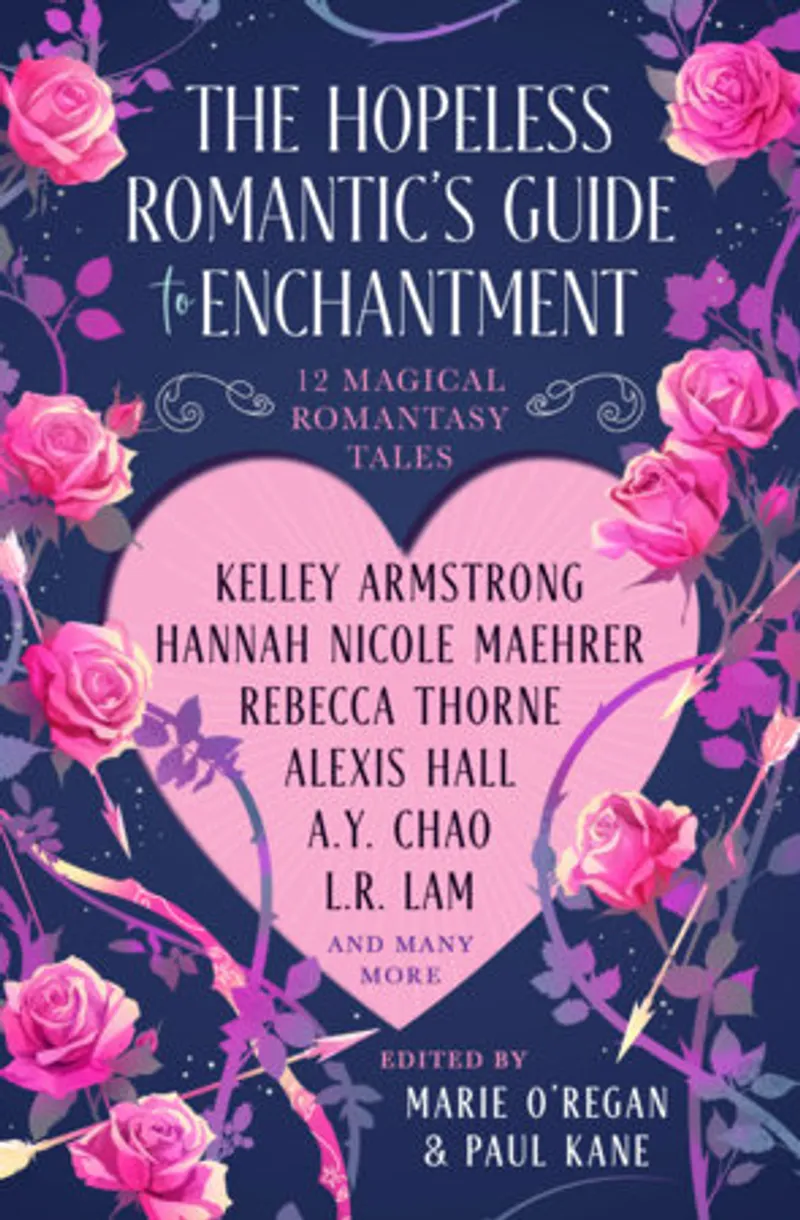
The Hopeless Romantic's Guide to Enchantment Author: Paul KanePage Count: UnknownPublication Date: 2026-PRH Paul Kane’s The Hopeless Romantic’s Guide to Enchantment is a book that arrives like a whispered secret in the dead of night—one meant for those who still believe in magic despite the world’s relentless cynicism. Slated for release in 2026, this enigmatic work promises to be a love letter to the art of enchantment, a guidebook not for the jaded or the practical, but for the dreamers who refuse to let go of wonder. With a title that feels both ironic and sincere, Kane, a writer known for his dark fantasy and horror, takes a bold step into the realm of romantic idealism, blending the mystical with the deeply personal. At its core, The Hopeless Romantic’s Guide to Enchantment is about reclaiming the lost art of enchantment in a world that has grown increasingly transactional. Kane, who has built a career on exploring the shadows of human nature, here turns his gaze toward the light—though not without a knowing wink at the absurdity of it all. The book is framed as a guide, but it reads more like a manifesto for those who insist on seeing the world through a lens of beauty, even when beauty is in short supply. It’s a call to arms for the hopeless romantics, those who still believe in love as a force of transformation, not just a fleeting emotion. Kane’s style is deceptively simple, laced with the kind of lyrical precision that makes even the most outlandish ideas feel plausible. He doesn’t preach; instead, he invites the reader into a conversation, one that feels intimate and urgent. There’s a wit to his prose, a dry humor that keeps the sentimentality from curdling into saccharine. He understands that enchantment is not just about grand gestures or idealized love—it’s about the quiet, stubborn belief that the world can still surprise us, that magic lingers in the corners of our lives if we only know where to look. The book’s structure is part manifesto, part meditation, part practical advice, though the advice is less about following steps and more about embracing a mindset. Kane draws from mythology, literature, and personal anecdotes, weaving them together into a tapestry that feels both timeless and urgently modern. He doesn’t shy away from the darker aspects of romanticism—the heartbreak, the delusion, the moments when enchantment curdles into obsession—but he frames these as necessary evils, the price of admission to a life lived with passion. One of the most striking aspects of the book is its refusal to offer easy answers. Kane doesn’t promise that enchantment will lead to happiness, or even to love. Instead, he suggests that it’s the pursuit itself that matters, the act of reaching for something beyond ourselves that keeps us alive. It’s a refreshing counterpoint to the self-help industry’s obsession with outcomes, a reminder that sometimes the journey is the destination. Kane’s background in dark fantasy and horror gives the book an edge, a knowing awareness that enchantment is not all moonlight and roses. There’s a thread of danger running through these pages, a warning that the very thing that lifts us up can also drag us under. But it’s this tension that makes the book so compelling. It’s not a naive ode to love; it’s a battle cry for those who refuse to surrender to the cold logic of the modern world. The Hopeless Romantic’s Guide to Enchantment is, above all, a book for the disillusioned who still dare to hope. It’s for the person who reads poetry in the subway, who believes in fate despite all evidence to the contrary, who sees beauty in the mundane. Kane’s prose is a balm for the weary soul, a reminder that enchantment is not a relic of the past but a choice we make every day. If you’ve ever felt like a fool for believing in love, for chasing after something intangible, this book is for you. It’s a rallying cry, a love letter, a warning, and a comfort all in one. And in a world that often feels devoid of magic, that might just be enough. #HopelessRomantic #EnchantmentGuide #LoveAndMagic #DreamersUnite #PaulKane #RomanticIdealism Related InsightsLina & June Book Review and Summary The Invention That Shook the World: The Gutenberg Bible and the Dawn of the Printed Era Last Sacrifice Book Review and Summary{ "@context": "https://schema.org", "@type": "FAQPage", "mainEntity": [ { "@type": "Question", "name": "What is the main focus of Hopeless Book Review and Summary?", "acceptedAnswer": { "@type": "Answer", "text": "Everything you need to know about Hopeless with our detailed review." } }, { "@type": "Question", "name": "Who authored the comprehensive guide on Hopeless Book Review and Summary?", "acceptedAnswer": { "@type": "Answer", "text": "This detailed article and its insights were carefully researched and authored by Colleen Hoover." } }, { "@type": "Question", "name": "Where can I find more related content about Books?", "acceptedAnswer": { "@type": "Answer", "text": "You can explore more articles, detailed reviews, and similar insights by browsing the Related Insights section at the bottom of this article or visiting our dedicated Books category page." } } ] }
Lestat el vampiro / The Vampire Lestat Author: Anne RicePage Count: UnknownPublication Date: 2021-PRH Anne Rice’s The Vampire Lestat is not merely a sequel—it is a reinvention. Where Interview with the Vampire introduced us to the brooding, tragic Louis, this second installment strips away the melancholy to reveal the raw, unapologetic power of Lestat de Lioncourt, the vampire who would become a rock star, a rebel, and the very embodiment of defiance against mortality. Published decades after the original novel that sparked the vampire renaissance, this book reaffirms Rice’s genius in crafting a protagonist who is as magnetic as he is monstrous, as philosophical as he is feral. It is a story that doesn’t just explore immortality—it weaponizes it. At its core, The Vampire Lestat is a meditation on identity and the search for meaning in an eternity of hunger. Lestat, awakened from his slumber in the 1980s, is a creature of contradictions: a medieval nobleman who becomes a modern icon, a predator who craves connection, a being who both revels in his power and despises the curse of his existence. Rice frames his journey not as a linear biography but as a feverish, nonlinear odyssey through time—from the druidic forests of ancient Britain to the decadent salons of pre-revolutionary France, from the blood-soaked streets of Rome under Augustus to the neon-lit excesses of 1980s Los Angeles. Each era is rendered with lush, almost cinematic detail, but Rice’s true triumph lies in how she uses these settings to reflect Lestat’s evolving psyche. The past is not just backdrop; it is a mirror. The vampire’s memories are not passive recollections but active, visceral experiences that bleed into his present, making him both victim and architect of his own legend. Rice’s prose is the heartbeat of this novel—a decadent, intoxicating rhythm that pulses between the lyrical and the lurid. Her writing is sensual in the way that blood is sensual: rich, thick, and impossible to resist. She doesn’t just describe Lestat’s world; she immerses the reader in it, making the reader feel the chill of a Parisian winter night or the electric thrill of a rock concert stage as if they were standing beside him. There is a hypnotic quality to her sentences, a hypnotism that mirrors Lestat’s own allure. He is, after all, a creature who seduces not just with fangs but with words, with stories, with the sheer force of his personality. When he declares, “I am the vampire Lestat. I am immortal. More or less,” it is not arrogance—it is a statement of fact, delivered with the swagger of a man who has seen empires rise and fall and still finds himself standing. Yet for all its glamour, The Vampire Lestat is also a dark, unsettling exploration of what it means to be truly alone. Lestat’s immortality is not a gift but a prison, and his quest for others like him is as much about escaping his solitude as it is about understanding his nature. The novel’s most haunting passages are not the ones where he hunts or performs, but where he grapples with the silence of eternity. Rice captures this beautifully in moments of quiet introspection, where Lestat’s bravado cracks to reveal something far more vulnerable beneath. His relationship with his maker, Magnus, is a masterclass in gothic horror—less a father-son dynamic than a twisted inheritance, where power is both blessing and curse. And when he finally encounters other vampires, the reunion is less a celebration than a confrontation, a clash of egos and ideologies that forces Lestat to confront the limits of his own myth. What makes The Vampire Lestat enduring is its refusal to be confined by genre. It is a horror novel, yes, but it is also a rock opera, a historical epic, a philosophical treatise, and a love letter to excess. Rice’s vampires are not just monsters; they are artists, rebels, and outcasts who refuse to be tamed by morality or mortality. Lestat, in particular, is a figure who embodies the contradictions of the human condition—capable of both profound cruelty and profound longing, of both destruction and creation. His story is a rebellion against the very idea of endings, a defiant scream into the void of time. Anne Rice’s genius lies in her ability to make the supernatural feel achingly real. She doesn’t just write about vampires; she writes about what it means to be human—or rather, what it means to not be human, and how that absence shapes every desire, every fear, every act of defiance. The Vampire Lestat is not just a book about a vampire; it is a book about the hunger for meaning in a world that offers none, about the lengths to which we go to carve out our own legends when the world refuses to give us one. If Interview with the Vampire was a tragedy, then The Vampire Lestat is its triumphant, defiant counterpart. It is a novel that dares to ask: What if the monster is the hero? And what if the hero’s greatest sin is not his bloodlust, but his refusal to be forgotten? #VampireChronicles #AnneRice #Lestat #DarkFantasy #GothicHorror #VampireLiterature Related InsightsDark Tracks Book Review and Summary What Happens at Nightfall: A Novel Book Review and Summary Fleet of Ghosts Book Review and Summary{ "@context": "https://schema.org", "@type": "FAQPage", "mainEntity": [ { "@type": "Question", "name": "What is the main focus of The Vampire Lestat Book Review and Summary?", "acceptedAnswer": { "@type": "Answer", "text": "Everything you need to know about The Vampire Lestat with our detailed review." } }, { "@type": "Question", "name": "Who authored the comprehensive guide on The Vampire Lestat Book Review and Summary?", "acceptedAnswer": { "@type": "Answer", "text": "This detailed article and its insights were carefully researched and authored by Anne Rice." } }, { "@type": "Question", "name": "Where can I find more related content about Books?", "acceptedAnswer": { "@type": "Answer", "text": "You can explore more articles, detailed reviews, and similar insights by browsing the Related Insights section at the bottom of this article or visiting our dedicated Books category page." } } ] }
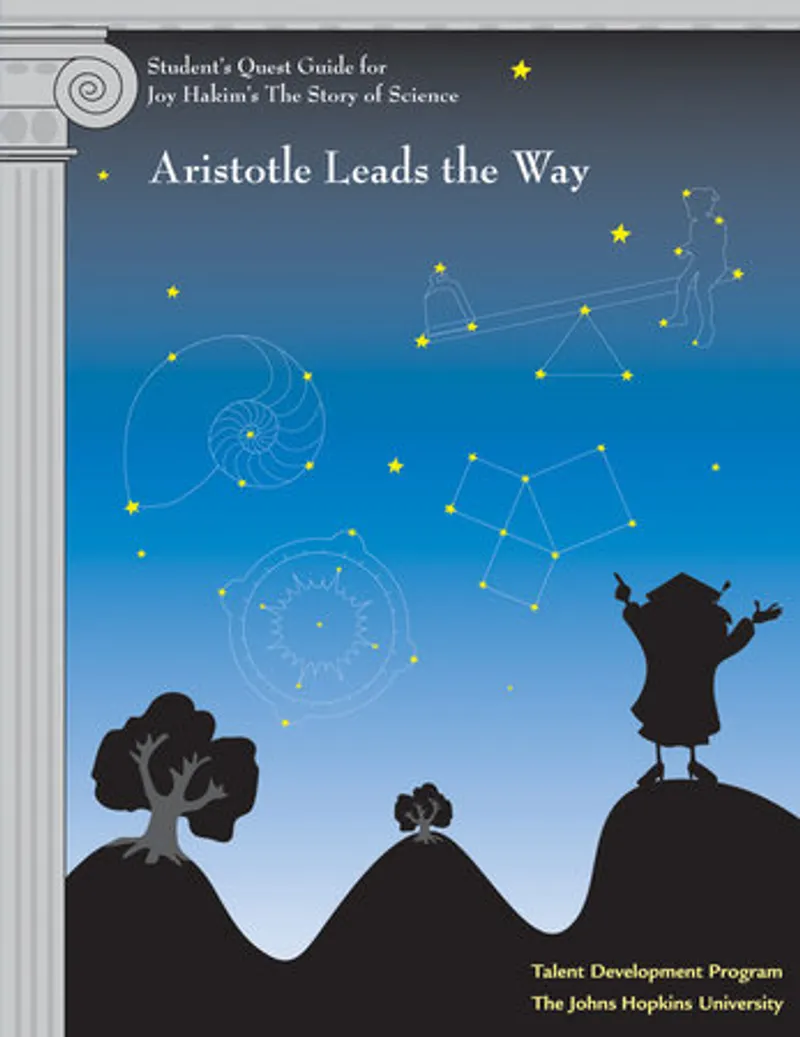
Student's Quest Guide: Aristotle Leads the Way Author: Johns Hopkins UniversityPage Count: UnknownPublication Date: 2007-PRH A Journey Through Time and Science: Student’s Quest Guide: Aristotle Leads the Way Few educational resources manage to blend history, science, and adventure as seamlessly as Student’s Quest Guide: Aristotle Leads the Way. Published by Johns Hopkins University in 2007, this curriculum is not just a companion to Joy Hakim’s The Story of Science but a standalone masterpiece that transforms the study of ancient science into an immersive, multidisciplinary quest. Designed for middle-grade students, it bridges the gap between dry textbook facts and the vibrant curiosity of discovery, making it an invaluable tool for educators, homeschoolers, and young learners alike. At its core, the book is a celebration of intellectual curiosity—a theme that resonates deeply in today’s education landscape, where STEM fields often feel disconnected from their historical roots. The curriculum traces the evolution of scientific thought from Mesopotamia to the Middle Ages, anchoring abstract concepts in tangible, human stories. Aristotle, the titular guide, is more than a philosopher; he becomes a lens through which students explore the foundations of astronomy, physics, and chemistry. This approach demystifies science, showing it as a living, breathing endeavor shaped by real people and their relentless pursuit of understanding. What sets this guide apart is its structure. Divided into five thematic units, each with nine class sessions, the book is meticulously organized to scaffold learning. The inclusion of a "Teacher’s Quest Guide" and a parallel "Student’s Quest Guide" ensures that educators have everything they need—background information, materials lists, standards correlations, and embedded reading strategies—while students receive engaging worksheets and activities. The presence of Professor Quest, a time-traveling cartoon character, adds a playful yet educational touch, summarizing key lessons in a way that feels both accessible and memorable. The author’s style is refreshingly hands-on. Rather than relying solely on lectures or rote memorization, the curriculum emphasizes discovery through experiments, timeline activities, and cross-curricular links. A lesson on ancient Greek astronomy might include a hands-on model of the geocentric universe, while a discussion of alchemy could lead to a simple chemistry experiment. This blend of theory and practice ensures that students don’t just learn facts—they experience them. The cross-curricular connections further enrich the learning experience, tying science to math, language arts, history, and even art. For example, a study of medieval manuscripts could inspire a creative writing assignment or an art project, reinforcing the idea that science and culture are deeply intertwined. One of the guide’s most compelling features is its adaptability. Whether used in a traditional classroom, a homeschool setting, or an enrichment program, it meets students where they are. The review and assessment activities are thoughtfully designed to gauge comprehension without stifling creativity. The inclusion of standards correlations also makes it a practical choice for educators adhering to modern curricular demands. That said, the guide is not without its challenges. Some educators might find the pacing demanding, especially if they’re new to inquiry-based learning. The reliance on Hakim’s original text means that those unfamiliar with The Story of Science series might need to supplement with additional resources. However, these are minor hurdles in an otherwise brilliantly crafted curriculum. The book’s greatest strength lies in its ability to make ancient science feel immediate and relevant—a feat that many contemporary STEM programs struggle to achieve. In an era where education often prioritizes test scores over wonder, Student’s Quest Guide: Aristotle Leads the Way is a breath of fresh air. It reminds us that science is not just a collection of formulas but a grand adventure spanning millennia. By grounding abstract concepts in human stories and interactive learning, Johns Hopkins University has created a resource that does more than teach—it inspires. For parents, teachers, and students seeking a science curriculum that is as engaging as it is educational, this guide is a must-have. It proves that the past is not a dusty relic but a living, breathing foundation for the future. #ScienceEducation #STEMlearning #HistoryOfScience #Homeschooling #Aristotle #CurriculumDesign Related InsightsA Magical Girl Rehired Book Review and Summary Galveston Book Review and Summary Emily Wilde's History of Dark Faerie Book Review and Summary{ "@context": "https://schema.org", "@type": "FAQPage", "mainEntity": [ { "@type": "Question", "name": "What is the main focus of Aristotle and Dante Discover the Secrets of the Universe Book Review and Summary?", "acceptedAnswer": { "@type": "Answer", "text": "Everything you need to know about Aristotle and Dante Discover the Secrets of the Universe with our detailed review." } }, { "@type": "Question", "name": "Who authored the comprehensive guide on Aristotle and Dante Discover the Secrets of the Universe Book Review and Summary?", "acceptedAnswer": { "@type": "Answer", "text": "This detailed article and its insights were carefully researched and authored by Benjamin Alire Sáenz." } }, { "@type": "Question", "name": "Where can I find more related content about Books?", "acceptedAnswer": { "@type": "Answer", "text": "You can explore more articles, detailed reviews, and similar insights by browsing the Related Insights section at the bottom of this article or visiting our dedicated Books category page." } } ] }
A Series of Unfortunate Events: The Bad Beginning Bookmark Author: Out of PrintPage Count: UnknownPublication Date: 2025-PRH A Series of Unfortunate Events: The Bad Beginning, penned by the enigmatic author Out of Print, is a masterclass in dark whimsy and a stark reminder that sometimes, the most captivating tales are the ones that shroud us in an aura of unsettling unease. As I delved into the world of the Baudelaire orphans, I found myself entwined in a complex dance of morbid curiosity and morose fascination. The Bad Beginning is an expertly woven narrative that sets the tone for a series that promises to be a descent into the very depths of human despair. Out of Print's writing style is akin to a masterfully conducted symphony of sorrow, with each note expertly crafted to evoke a sense of foreboding and unease. The author's use of language is deliberate and measured, with a focus on painting a vivid picture of a world that is at once both fantastical and unsettlingly familiar. The characters of Violet, Klaus, and Sunny Baudelaire are skillfully crafted to be both relatable and endearingly flawed, making their plight all the more heart-wrenching as the narrative unfolds. One of the most striking aspects of The Bad Beginning is its exploration of the theme of childhood trauma and the long-lasting effects it can have on the human psyche. Out of Print tackles this subject with a sensitivity and nuance that is both commendable and thought-provoking. The author's portrayal of the Baudelaire orphans' struggles to come to terms with their newfound circumstances is both poignant and haunting, leaving the reader with a lasting sense of unease. Throughout the book, Out of Print's writing is peppered with clever wordplay, witty observations, and a healthy dose of sarcasm, all of which serve to add a layer of dark humor to the narrative. This clever use of tone helps to balance out the more somber moments, making The Bad Beginning a truly unforgettable reading experience. If I were to offer any criticism, it would be that the book's pacing can be somewhat uneven at times, with certain sections feeling slightly rushed while others are more languidly paced. However, this is a minor quibble in what is otherwise a masterfully crafted narrative. In conclusion, A Series of Unfortunate Events: The Bad Beginning is a triumph of dark storytelling, with Out of Print's unique writing style and masterful handling of themes making for a truly unforgettable reading experience. If you're a fan of the macabre, the morbid, or simply great storytelling, then this book is an absolute must-read. #ASeriesOfUnfortunateEvents #TheBadBeginning #DarkFiction #ChildhoodTrauma #GothicLiterature #MacabreFiction Related InsightsDark Reading Matter (Thursday Next, #8) Book Review and Summary Project Hail Mary Book Review and Summary Clockers Book Review and Summary{ "@context": "https://schema.org", "@type": "FAQPage", "mainEntity": [ { "@type": "Question", "name": "What is the main focus of The Bad Beginning Book Review and Summary?", "acceptedAnswer": { "@type": "Answer", "text": "Everything you need to know about The Bad Beginning with our detailed review." } }, { "@type": "Question", "name": "Who authored the comprehensive guide on The Bad Beginning Book Review and Summary?", "acceptedAnswer": { "@type": "Answer", "text": "This detailed article and its insights were carefully researched and authored by Lemony Snicket." } }, { "@type": "Question", "name": "Where can I find more related content about Books?", "acceptedAnswer": { "@type": "Answer", "text": "You can explore more articles, detailed reviews, and similar insights by browsing the Related Insights section at the bottom of this article or visiting our dedicated Books category page." } } ] }
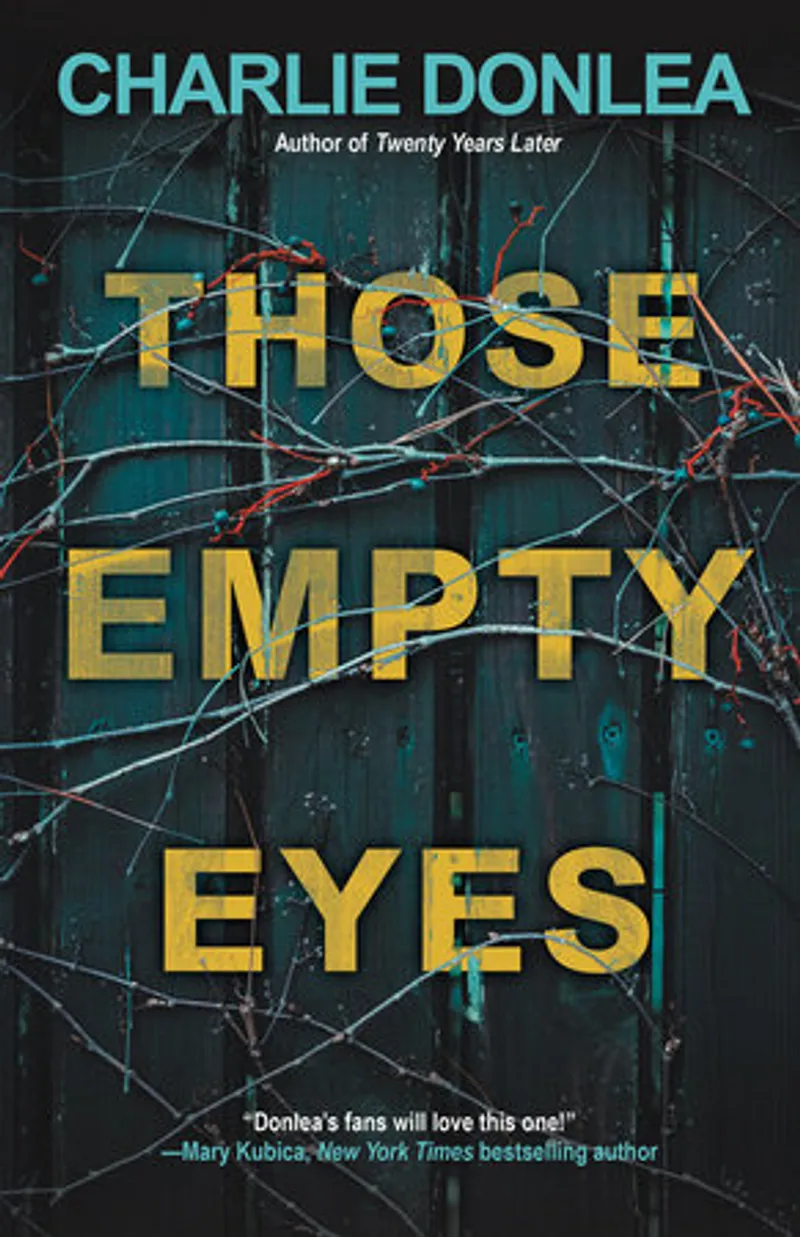
Those Empty Eyes Author: Charlie DonleaPage Count: UnknownPublication Date: 2024-PRH In "Those Empty Eyes," Charlie Donlea crafts a masterfully twisted thriller that delves into the darker aspects of human nature, where truth and deception are expertly intertwined. This gripping narrative follows Alex Armstrong, a woman who has reinvented herself after being at the center of a highly publicized defamation lawsuit stemming from the brutal murder of her family. Donlea's writing style is reminiscent of the great suspense authors, with a keen ability to weave complex characters and plotlines that keep readers on the edge of their seats. As Alex navigates her new life as a legal investigator, she becomes entangled in a mysterious case involving the disappearance of a student journalist, Laura McAllister. The more Alex digs into the truth, the more she uncovers a web of deceit that threatens to destroy everything she thought she knew. One of the most striking aspects of "Those Empty Eyes" is its exploration of the theme of identity. Alex's transformation from Alexandra Quinlan to Alex Armstrong serves as a powerful metaphor for the fluidity of identity and the ease with which people can hide behind masks of deception. As the story unfolds, it becomes clear that no one is quite who they seem to be, and this blurring of lines between truth and fiction is what makes the novel so engrossing. Donlea's skillful plotting is on full display as he expertly weaves together multiple storylines, slowly revealing the connections between the murder of Alex's family and Laura's disappearance. The result is a thrilling narrative that is both unpredictable and unnervingly plausible. The author's use of suspense is masterful, with a keen sense of pacing that propels the reader forward, desperate to uncover the truth. The characters in "Those Empty Eyes" are multidimensional and complex, with each one harboring secrets and motivations that are slowly revealed over the course of the novel. Alex, in particular, is a fascinating protagonist, driven by a fierce determination to uncover the truth and seek justice. Her backstory, expertly woven throughout the narrative, adds depth and nuance to her character, making her a compelling and relatable heroine. Overall, "Those Empty Eyes" is a gripping thriller that will appeal to fans of modern suspense. With its twisty plot, complex characters, and exploration of the human condition, this novel is sure to stay with readers long after the final page is turned. Charlie Donlea's masterful storytelling and skillful plotting make this a must-read for anyone who enjoys a good thriller. #ThoseEmptyEyes #CharlieDonlea #Thriller #Suspense #Mystery #PsychologicalThriller Related InsightsVengeful Book Review and Summary On a Painting Discovered in Chaldon Church, Surrey 1870 Book Review and Summary Her Life in Ruins Book Review and Summary{ "@context": "https://schema.org", "@type": "FAQPage", "mainEntity": [ { "@type": "Question", "name": "What is the main focus of Those Empty Eyes Book Review and Summary?", "acceptedAnswer": { "@type": "Answer", "text": "Everything you need to know about Those Empty Eyes with our detailed review." } }, { "@type": "Question", "name": "Who authored the comprehensive guide on Those Empty Eyes Book Review and Summary?", "acceptedAnswer": { "@type": "Answer", "text": "This detailed article and its insights were carefully researched and authored by Charlie Donlea." } }, { "@type": "Question", "name": "Where can I find more related content about Books?", "acceptedAnswer": { "@type": "Answer", "text": "You can explore more articles, detailed reviews, and similar insights by browsing the Related Insights section at the bottom of this article or visiting our dedicated Books category page." } } ] }

Hija de humo y hueso / Daughter of Smoke & Bone Author: Laini TaylorPage Count: UnknownPublication Date: 2023-PRH In the realm of young adult fantasy, few authors have managed to weave a tale as captivating and epic as Laini Taylor's "Daughter of Smoke & Bone". This mesmerizing novel whisks readers away to a world of magic, monsters, and forbidden love, set against the enchanting backdrop of Prague. At the heart of the story lies Karou, a 17-year-old art student with a mysterious past and an affinity for the unknown. Her life is a delicate balance of art school and secret errands for Brimstone, the chimera who raised her as his own. As Karou navigates the blurred lines between her mundane life and the mystical world of monsters, she begins to unravel the secrets of her own identity. The novel masterfully explores the theme of self-discovery, as Karou's journey becomes a poignant metaphor for the search for one's true purpose and belonging. Taylor's writing is a true masterpiece, with prose that is both poetic and evocative. Her vivid descriptions of Prague's winding streets, the bustling markets of Marrakesh, and the eerie landscapes of the chimera world are nothing short of breathtaking. The author's use of language is deliberate and precise, conjuring a world that is both fantastical and grounded in reality. One of the most striking aspects of "Daughter of Smoke & Bone" is its cast of characters. Karou, with her fierce determination and quirky charm, is a protagonist that readers can't help but root for. Akiva, the brooding seraphim with a penchant for destruction, is a complex and intriguing love interest. The chemistry between the two is undeniable, and their star-crossed romance is fraught with tension and forbidden passion. Throughout the novel, Taylor expertly weaves together elements of mythology, folklore, and fairy tales, creating a rich tapestry of world-building that is both unique and immersive. The chimera, with their monstrous forms and human hearts, are a fascinating creation, and the seraphim, with their angelic beauty and deadly precision, are equally compelling. As the story unfolds, Taylor masterfully ratchets up the tension, hurtling Karou and Akiva towards a confrontation that will change the course of their lives forever. The pacing is expertly handled, with a narrative that is both propulsive and atmospheric. In short, "Daughter of Smoke & Bone" is a must-read for fans of fantasy, romance, and adventure. With its lush prose, memorable characters, and epic scope, this novel is a true standout in the young adult genre. If you're looking for a tale that will sweep you off your feet and transport you to a world of wonder, look no further. #DaughterOfSmokeAndBone #LainiTaylor #FantasyRomance #YoungAdultBooks #EpicFantasy #BookLovers Related InsightsThe Odyssey Book Review and Summary Framed in Death Book Review and Summary Mademoiselle le Sleuth Book Review and Summary{ "@context": "https://schema.org", "@type": "FAQPage", "mainEntity": [ { "@type": "Question", "name": "What is the main focus of Daughter of Smoke & Bone Book Review and Summary?", "acceptedAnswer": { "@type": "Answer", "text": "Everything you need to know about Daughter of Smoke & Bone with our detailed review." } }, { "@type": "Question", "name": "Who authored the comprehensive guide on Daughter of Smoke & Bone Book Review and Summary?", "acceptedAnswer": { "@type": "Answer", "text": "This detailed article and its insights were carefully researched and authored by Laini Taylor." } }, { "@type": "Question", "name": "Where can I find more related content about Books?", "acceptedAnswer": { "@type": "Answer", "text": "You can explore more articles, detailed reviews, and similar insights by browsing the Related Insights section at the bottom of this article or visiting our dedicated Books category page." } } ] }

The Hunger Games Magnetic Bookmark Set of 3 - Magnetic Bookmarks Author: Out of PrintPage Count: UnknownPublication Date: 2026-PRH The Hunger Games Magnetic Bookmark Set of 3 by Out of Print isn’t a novel—it’s a tribute, a keepsake, and a quiet rebellion wrapped in glossy, magnetic elegance. Released in 2026, this unassuming set of three bookmarks doesn’t just mark your place in a book; it announces your allegiance to one of the most powerful dystopian narratives of the 21st century. While the page count remains a mystery (and perhaps irrelevant), the significance of these bookmarks lies not in their physical heft, but in their emotional resonance. They are a love letter to The Hunger Games, a series that redefined young adult literature and left an indelible mark on global pop culture. Out of Print, the creative force behind this set, has carved a niche for itself by transforming beloved books into wearable art, stationery, and collectibles. Their approach isn’t about reinventing the wheel—it’s about celebrating the stories that shaped generations. In this case, they’ve distilled the essence of The Hunger Games—the tension, the defiance, the quiet courage of Katniss Everdeen—into three sleek, magnetic bookmarks. Each one is a visual echo of the series: the mockingjay, the arrow, the Capitol’s rose. They don’t just hold your page; they hold your heart. The main theme of this bookmark set is, at its core, resistance. The Hunger Games is, after all, a story about fighting against oppression, about the power of individual choice in the face of systemic control. These bookmarks don’t just reference that theme—they embody it. They’re small, portable, and unassuming, much like the rebellion Katniss ignites. Yet, like her, they carry weight. A bookmark might seem trivial, but in a world where stories are often dismissed as mere entertainment, these objects assert that narratives have power. They remind us that the right book, held in the right hands, can spark change. Out of Print’s style is understated but deliberate. They don’t overcomplicate their designs; instead, they distill the iconography of a story into its purest form. The mockingjay, for instance, isn’t rendered in elaborate detail—it’s a clean, bold silhouette, instantly recognizable. The same goes for the arrow and the rose. This minimalism isn’t laziness; it’s respect for the source material. They trust the audience to recognize the symbols without needing excessive embellishment. It’s a style that mirrors the series itself: Katniss’s strength lies not in flashy displays, but in her quiet, unyielding resolve. What makes these bookmarks particularly compelling is their duality. They serve a practical purpose—keeping your place in a book—while also functioning as a statement piece. In an era where digital reading dominates, physical bookmarks are a small act of defiance against the ephemeral nature of e-books. They’re tactile, personal, and enduring. Out of Print understands this. They’re not just selling a product; they’re selling an experience, a connection to a story that resonates across generations. The 2026 publication date is interesting, too. Released decades after the original trilogy’s conclusion, these bookmarks feel like a bridge between past and present. They invite new readers to discover The Hunger Games while also serving as a nostalgic touchstone for those who grew up with it. In a way, they’re a testament to the timelessness of Suzanne Collins’ work. The themes of inequality, media manipulation, and personal agency are as relevant today as they were when the series debuted. There’s something almost subversive about using a bookmark set to celebrate a story that itself is about subversion. The Capitol thrives on spectacle, on control, on making its citizens passive consumers. These bookmarks, by contrast, encourage active engagement with a story. They turn reading into a ritual, a moment of pause in a fast-paced world. They remind us that stories aren’t just to be consumed—they’re to be lived with, held onto, and passed on. In a market saturated with mass-produced merchandise, Out of Print’s bookmarks stand out because they carry intention. They’re not just another piece of fan swag; they’re a curated homage to a story that matters. The magnetic quality of the bookmarks adds a modern twist—something that would’ve delighted Katniss, who used her bow to adapt to the changing rules of the Games. These bookmarks, too, adapt to the changing landscape of reading, offering a blend of nostalgia and innovation. If there’s a critique to be made, it’s that the bookmarks, while beautiful, are perhaps too subtle for some tastes. Those expecting a more elaborate or interactive design might be disappointed. But that’s part of their charm. They don’t scream for attention; they earn it. They’re the kind of thing you notice only when you’re ready to notice them—which, in many ways, mirrors the journey of the characters in The Hunger Games. Ultimately, The Hunger Games Magnetic Bookmark Set of 3 is more than a set of bookmarks. It’s a symbol of resilience, a nod to the power of stories, and a quiet tribute to a series that changed lives. Out of Print has crafted something that feels both timeless and timely, practical and profound. It’s a reminder that even the smallest objects can carry the weight of big ideas. #HungerGames #BookishCollectibles #DystopianFiction #OutOfPrint #BookmarksWithMeaning #MockingjayForever Related InsightsCrowned by Roses (Beasts of the Briar, #7) Book Review and Summary No Plan B Book Review and Summary Educated Book Review and Summary{ "@context": "https://schema.org", "@type": "FAQPage", "mainEntity": [ { "@type": "Question", "name": "What is the main focus of The Hunger Games Book Review and Summary?", "acceptedAnswer": { "@type": "Answer", "text": "Everything you need to know about The Hunger Games with our detailed review." } }, { "@type": "Question", "name": "Who authored the comprehensive guide on The Hunger Games Book Review and Summary?", "acceptedAnswer": { "@type": "Answer", "text": "This detailed article and its insights were carefully researched and authored by Suzanne Collins." } }, { "@type": "Question", "name": "Where can I find more related content about Books?", "acceptedAnswer": { "@type": "Answer", "text": "You can explore more articles, detailed reviews, and similar insights by browsing the Related Insights section at the bottom of this article or visiting our dedicated Books category page." } } ] }
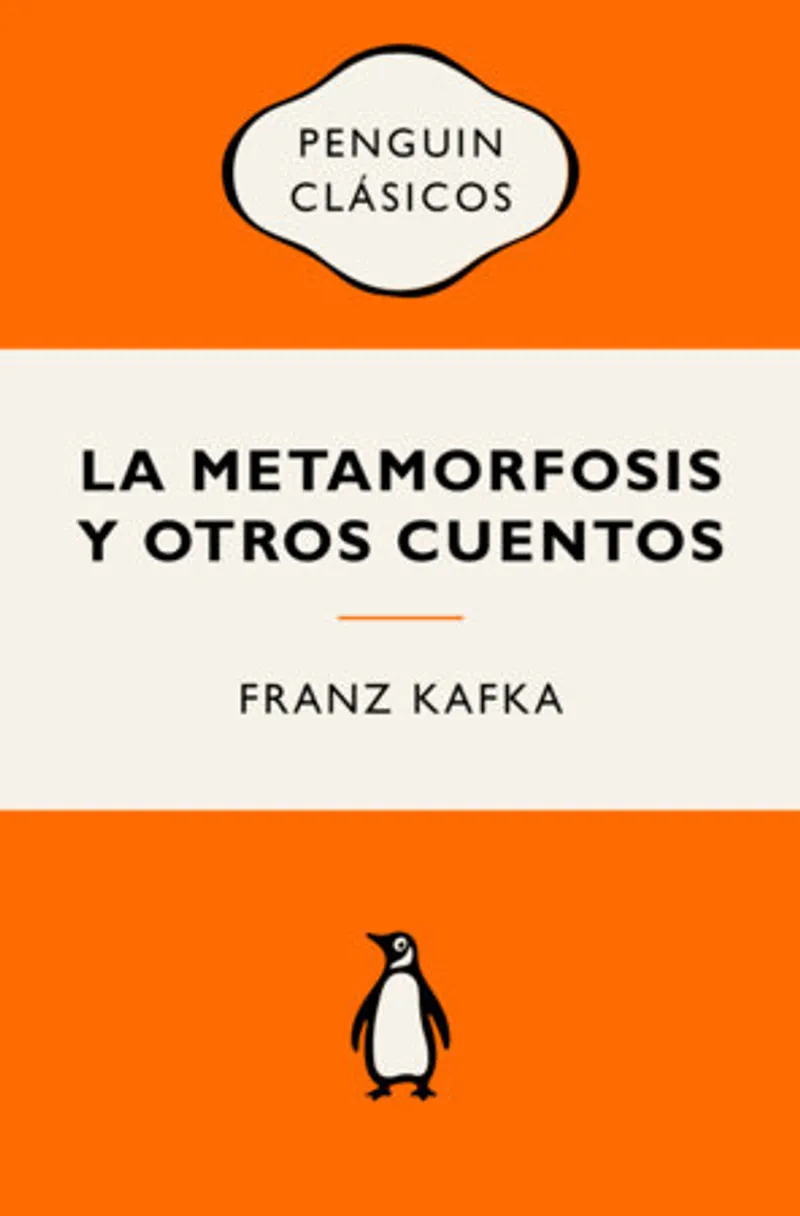
La metamorfosis y otros cuentos (Edición Icónica) / The Metamorphosis and Other Short Stories Author: Franz KafkaPage Count: UnknownPublication Date: 2026-PRH In the latest edition of Franz Kafka's iconic works, La metamorfosis y otros cuentos, readers are once again invited to delve into the surreal and often disturbing world of one of literature's most revered authors. This 2026 publication brings together some of Kafka's most thought-provoking short stories, including the legendary "The Metamorphosis", in a unique and captivating collection that promises to enthrall both new and seasoned readers alike. One of the most striking aspects of Kafka's writing is his ability to craft narratives that are at once bizarre and familiar, like a faint memory from a dream that refuses to be shaken. His characters are often alienated, struggling to find their place in a seemingly indifferent world, and it is this sense of disconnection that gives his stories their profound resonance. In "The Metamorphosis", for example, the protagonist Gregor Samsa awakens to find himself transformed into a giant insect, forced to navigate a reality that is both terrifying and mundane. Kafka's writing style is characterized by its lyricism, precision, and a deep sense of introspection. His prose is sparse and economical, yet capable of conveying the complexity and depth of human emotion with remarkable nuance. Each sentence is a masterclass in subtlety, weaving together themes of identity, morality, and the absurdity of modern life. As readers, we are drawn into a world that is both fantastical and unsettlingly real, where the boundaries between reality and fantasy are constantly blurred. Throughout the collection, Kafka's preoccupations with anxiety, guilt, and the search for meaning are on full display. His characters are often caught in a web of bureaucratic red tape, struggling to make sense of a world that seems determined to crush their spirits. And yet, despite the overwhelming sense of despair that pervades many of these stories, there is also a deep sense of humanity, a recognition that even in the darkest of times, there is always the possibility for redemption and transcendence. What makes Kafka's work so enduring is its ability to speak to fundamental aspects of the human condition. His stories are not just clever exercises in literary innovation, but profound explorations of what it means to be alive. They invite us to confront our deepest fears and anxieties, to question the assumptions that underpin our daily lives, and to seek out new ways of understanding ourselves and the world around us. In La metamorfosis y otros cuentos, readers will discover a writer who is both a product of his time and a visionary who continues to shape our understanding of the world today. Kafka's work is a testament to the power of literature to challenge, to inspire, and to transform us, and this latest edition is a must-read for anyone looking to experience the magic of his writing. #KafkaRevisited #TheMetamorphosis #AbsurdismInLiterature #ExistentialFiction #ShortStoryMasterpieces #LiteraryClassics Related InsightsNebula Awards Showcase 56 Book Review and Summary Venus, Vanishing: A Novel Book Review and Summary Daddy Issues: A Memoir Book Review and Summary{ "@context": "https://schema.org", "@type": "FAQPage", "mainEntity": [ { "@type": "Question", "name": "What is the main focus of The Metamorphosis Book Review and Summary?", "acceptedAnswer": { "@type": "Answer", "text": "Everything you need to know about The Metamorphosis with our detailed review." } }, { "@type": "Question", "name": "Who authored the comprehensive guide on The Metamorphosis Book Review and Summary?", "acceptedAnswer": { "@type": "Answer", "text": "This detailed article and its insights were carefully researched and authored by Franz Kafka." } }, { "@type": "Question", "name": "Where can I find more related content about Books?", "acceptedAnswer": { "@type": "Answer", "text": "You can explore more articles, detailed reviews, and similar insights by browsing the Related Insights section at the bottom of this article or visiting our dedicated Books category page." } } ] }
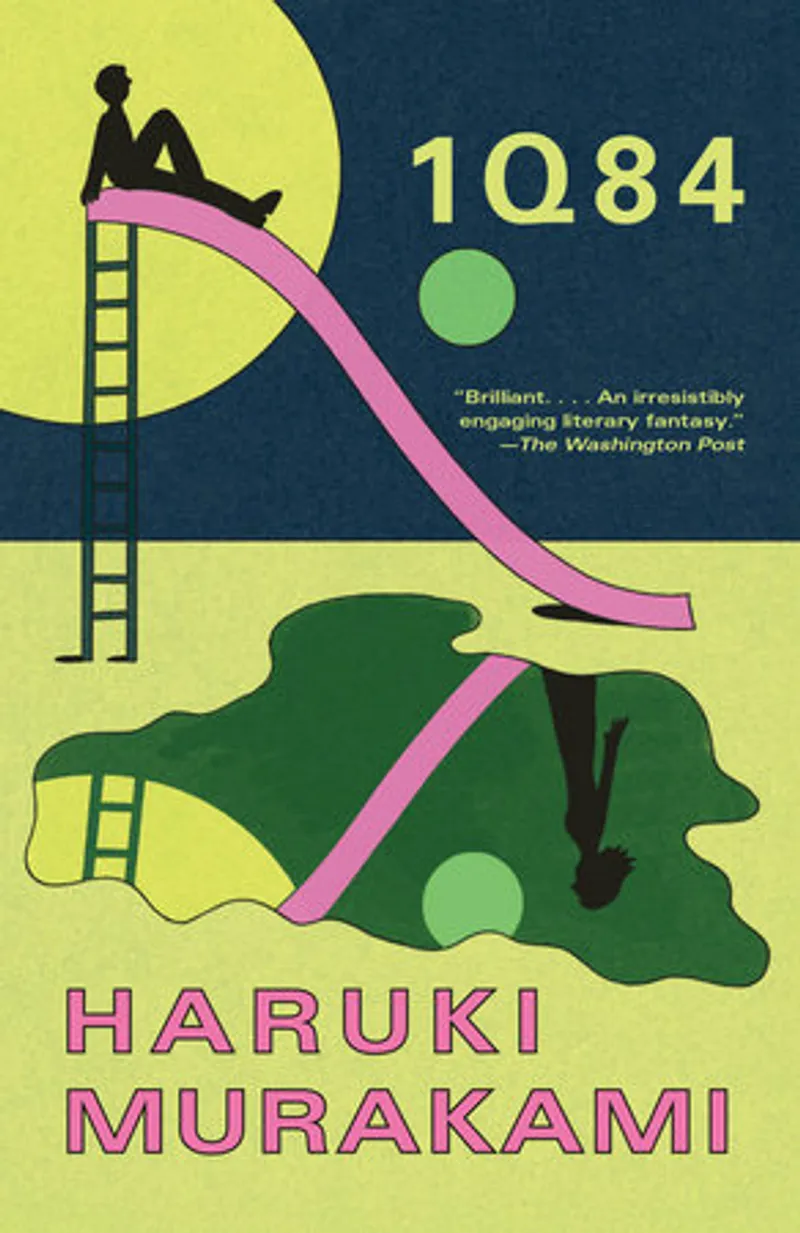
1Q84 Author: Haruki MurakamiPage Count: UnknownPublication Date: 2013-PRH In the realm of literary fiction, few authors have managed to weave a tale as intricate and thought-provoking as Haruki Murakami's 1Q84. This 2013 novel is a masterful blend of love story, mystery, fantasy, and dystopian fiction, all set against the backdrop of a parallel existence in 1984 Tokyo. At its core, 1Q84 is a story about the power of storytelling and the blurred lines between reality and fiction. The novel follows two main characters, Aomame and Tengo, whose narratives converge in unexpected ways as the story unfolds. Aomame, a young woman with a troubled past, finds herself in a world that is similar yet distinct from her own, which she dubs 1Q84. Tengo, an aspiring writer, becomes embroiled in a ghostwriting project that leads him down a rabbit hole of mystery and intrigue. Murakami's writing style is, as always, a hallmark of the novel. His prose is lyrical and evocative, conjuring up vivid images of Tokyo's neon-lit streets and the characters that inhabit them. He has a unique ability to balance the mundane with the surreal, creating a sense of unease and uncertainty that propels the reader forward. One of the most striking aspects of 1Q84 is its exploration of the theme of parallel universes. Murakami's concept of 1Q84 is both fascinating and unsettling, raising questions about the nature of reality and the consequences of choice. As Aomame navigates this alternate world, she begins to realize that even the smallest actions can have far-reaching consequences, and that the boundaries between reality and fiction are far more fluid than she ever could have imagined. The novel is also a love story, albeit a complex and unconventional one. Aomame and Tengo's relationship is a slow-burning flame that flickers to life as they navigate the complexities of their respective worlds. Their love is a beacon of hope in a world that is increasingly dark and uncertain, and it serves as a reminder that even in the most trying times, human connection can be a powerful force. Throughout the novel, Murakami's trademark magical realism is on full display. He weaves together a cast of characters that includes a dyslexic teenage girl with a unique vision, a mysterious religious cult, and a reclusive dowager with a penchant for helping abused women. Each character adds depth and complexity to the narrative, and their stories intersect in unexpected ways that are both surprising and satisfying. If there is a flaw to the novel, it is its sheer scope and ambition. At times, the narrative can feel overwhelming, with multiple plot threads and characters that threaten to overwhelm the reader. However, Murakami's skillful storytelling and masterful pacing ensure that the novel never feels too unwieldy, and the payoff is well worth the effort. In short, 1Q84 is a masterpiece of contemporary literature. It is a novel that will appeal to fans of science fiction, fantasy, and literary fiction alike, and its themes of love, storytelling, and the power of imagination are sure to resonate with readers long after the final page has been turned. #1Q84 #HarukiMurakami #ParallelUniverses #LiteraryFiction #MagicalRealism #DystopianFiction Related InsightsYumi and the Nightmare Painter Book Review and Summary Material Culture and Women's Religious Experience in Antiquity Book Review and Summary Green Eggs and Ham Book Review and Summary{ "@context": "https://schema.org", "@type": "FAQPage", "mainEntity": [ { "@type": "Question", "name": "What is the main focus of 1Q84 Book Review and Summary?", "acceptedAnswer": { "@type": "Answer", "text": "Everything you need to know about 1Q84 with our detailed review." } }, { "@type": "Question", "name": "Who authored the comprehensive guide on 1Q84 Book Review and Summary?", "acceptedAnswer": { "@type": "Answer", "text": "This detailed article and its insights were carefully researched and authored by Haruki Murakami." } }, { "@type": "Question", "name": "Where can I find more related content about Books?", "acceptedAnswer": { "@type": "Answer", "text": "You can explore more articles, detailed reviews, and similar insights by browsing the Related Insights section at the bottom of this article or visiting our dedicated Books category page." } } ] }
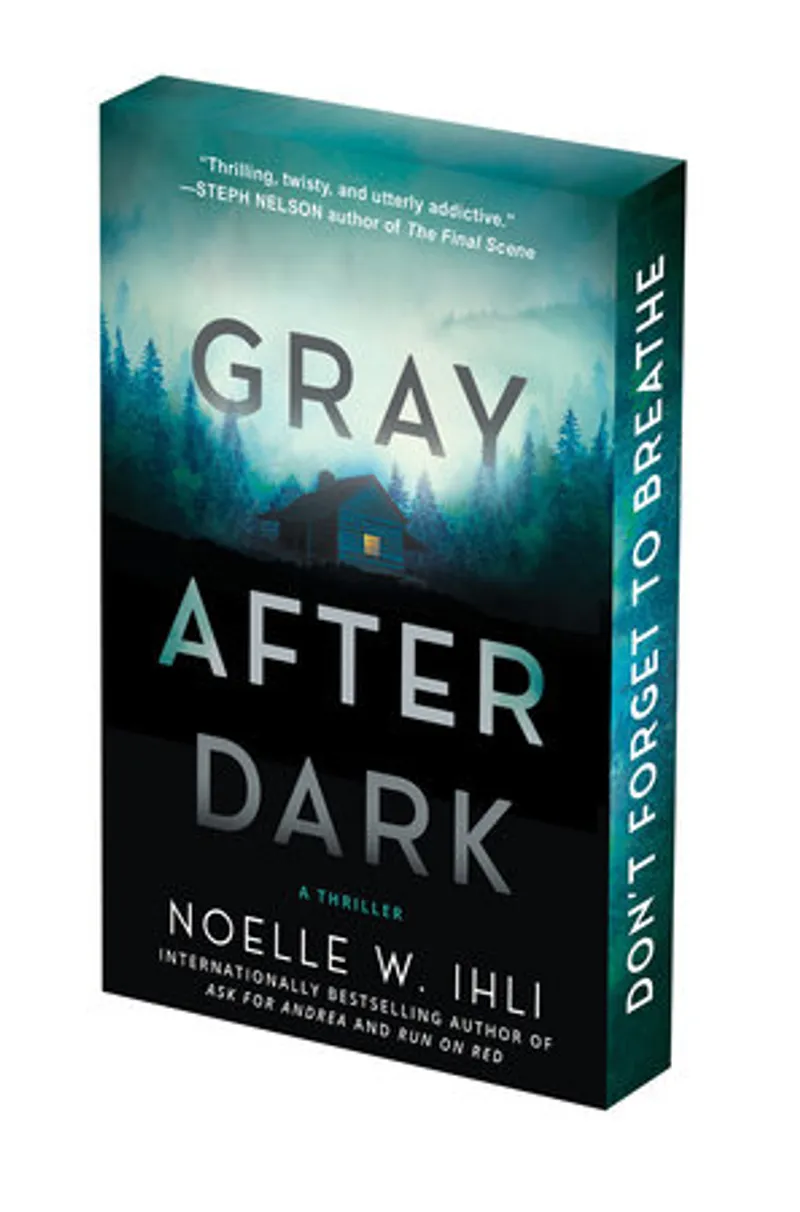
Gray After Dark: Deluxe Stenciled Edges Author: Noelle W. IhliPage Count: UnknownPublication Date: 2026-PRH In the realm of contemporary literature, few books have managed to captivate readers with their unique blend of style and substance. Noelle W. Ihli's latest offering, Gray After Dark: Deluxe Stenciled Edges, is a mesmerizing tale that defies conventions and pushes the boundaries of storytelling. Although the page count remains unknown, it is clear that this book is a labor of love, crafted with precision and care. One of the standout features of Gray After Dark is its use of stenciled edges, which adds a tactile quality to the reading experience. The deluxe edition is a testament to the author's attention to detail, making this book a collector's item for fans of unique book design. However, it is the content within that truly sets this book apart. Ihli's writing style is akin to a whispered secret, drawing the reader in with its intimacy and vulnerability. Her prose is poetic, weaving a narrative that is both deeply personal and universally relatable. The author's use of language is deliberate, each word carefully chosen to evoke a specific emotion or atmosphere. This is a book that demands to be savored, its beauty and complexity unfolding with each successive reading. At its core, Gray After Dark is a exploration of the human condition, delving into the complexities of love, loss, and identity. Ihli's characters are multidimensional, their struggles and triumphs rendered with unflinching honesty. The author's portrayal of the gray areas between light and darkness is both poignant and thought-provoking, inviting readers to reflect on their own experiences and emotions. One of the most striking aspects of Gray After Dark is its ability to balance lightness and darkness. Ihli's writing is infused with a sense of hope and resilience, even in the face of adversity. This is a book that acknowledges the difficulties of life, but also celebrates the beauty and joy that can be found in the most unexpected places. In conclusion, Gray After Dark: Deluxe Stenciled Edges is a masterpiece of contemporary literature. Noelle W. Ihli's unique writing style, combined with the book's stunning design, makes this a must-read for anyone looking for a truly immersive experience. With its thought-provoking themes and beautiful prose, this book is sure to leave a lasting impression on readers. #GrayAfterDark #NoelleWIhli #DeluxeEdition #BookLovers #ContemporaryLiterature #LiteraryFiction Related InsightsThe Housemaid Book Review and Summary A Game of Thrones Book Review and Summary It's a Prince Thing (the Princess Rules) Book Review and Summary{ "@context": "https://schema.org", "@type": "FAQPage", "mainEntity": [ { "@type": "Question", "name": "What is the main focus of Gray After Dark Book Review and Summary?", "acceptedAnswer": { "@type": "Answer", "text": "Everything you need to know about Gray After Dark with our detailed review." } }, { "@type": "Question", "name": "Who authored the comprehensive guide on Gray After Dark Book Review and Summary?", "acceptedAnswer": { "@type": "Answer", "text": "This detailed article and its insights were carefully researched and authored by Noelle W. Ihli." } }, { "@type": "Question", "name": "Where can I find more related content about Books?", "acceptedAnswer": { "@type": "Answer", "text": "You can explore more articles, detailed reviews, and similar insights by browsing the Related Insights section at the bottom of this article or visiting our dedicated Books category page." } } ] }
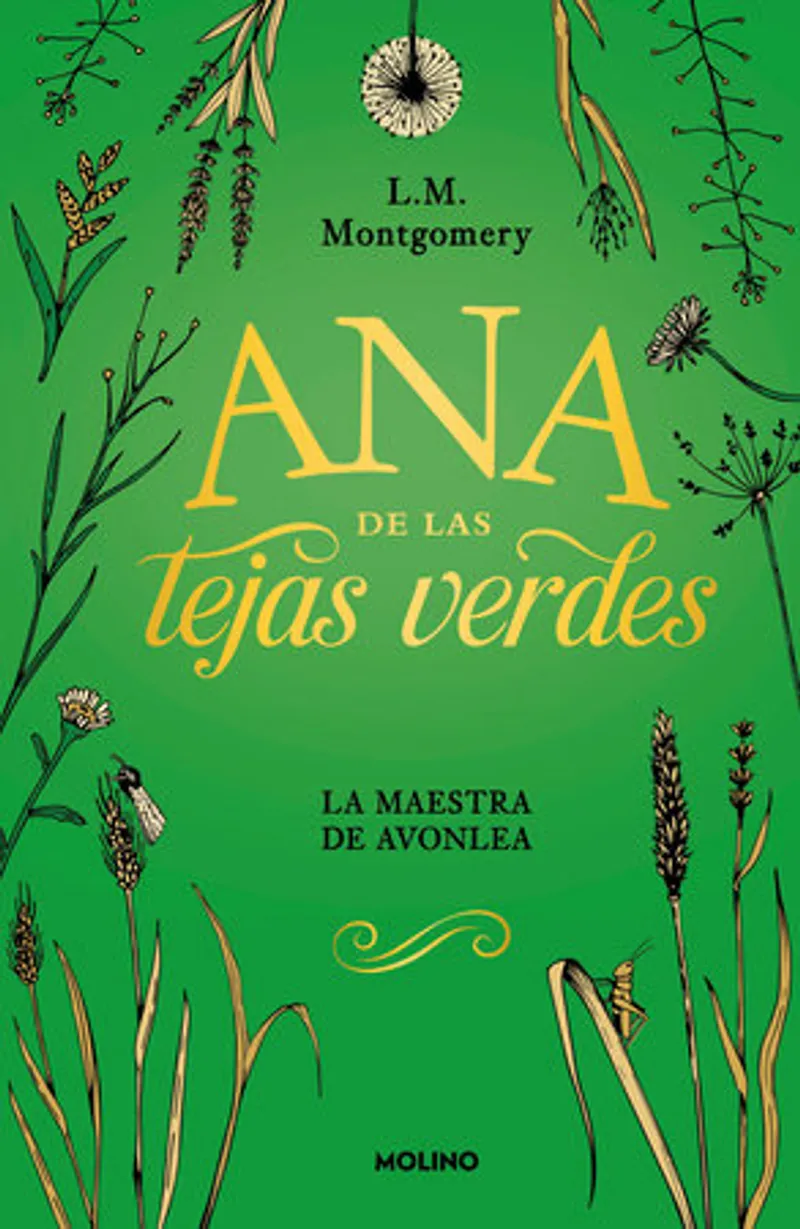
Ana de las tejas verdes. La maestra de Avonlea / Anne of Avonlea Author: L. M. MontgomeryPage Count: UnknownPublication Date: 2026-PRH "Ana de las tejas verdes. La maestra de Avonlea" or "Anne of Avonlea" by the renowned author L.M. Montgomery is a timeless and captivating novel that has stood the test of time. This 2026 publication is a testament to the enduring appeal of Montgomery's work, and I am thrilled to dive into the world of Avonlea once again. As the second installment in the Anne of Green Gables series, "Anne of Avonlea" follows the journey of Anne Shirley as she embarks on her new role as a schoolteacher in the quaint town of Avonlea. Montgomery masterfully weaves a narrative that explores the complexities of adulthood, love, and identity, all set against the picturesque backdrop of rural Canada. One of the most striking aspects of Montgomery's writing style is her ability to craft characters that are both relatable and endearing. Anne Shirley, with her fiery spirit and unbridled imagination, is a protagonist that readers of all ages can't help but adore. Her struggles to balance her own desires with the responsibilities of adulthood are deeply human, and Montgomery's portrayal of her growth is nothing short of remarkable. The author's writing is characterized by a unique blend of wit, humor, and poignancy, making "Anne of Avonlea" a true delight to read. Montgomery's prose is effortlessly engaging, with a narrative voice that is both conversational and lyrical. Her descriptions of the natural world are vivid and evocative, transporting readers to the rolling hills and verdant forests of Avonlea. At its core, "Anne of Avonlea" is a novel about the power of community and the importance of finding one's place in the world. Montgomery explores themes of belonging, friendship, and love, all set against the backdrop of a small town where everyone knows each other's secrets. Through Anne's experiences, Montgomery shows us that even in the most mundane of lives, there is always the potential for drama, romance, and transformation. What strikes me most about Montgomery's work is her ability to capture the essence of a bygone era, while still managing to make her stories feel remarkably contemporary. "Anne of Avonlea" is a novel that will resonate with readers of all ages, from young adults to those who are simply young at heart. In conclusion, "Ana de las tejas verdes. La maestra de Avonlea" or "Anne of Avonlea" is a must-read for anyone who loves classic literature, coming-of-age stories, or simply great storytelling. Montgomery's writing is a gift, and this novel is a testament to her enduring legacy as one of the greatest authors of the 20th century. #AnneOfAvonlea #LMontgomery #ClassicLiterature #ComingOfAge #Avonlea #BookLovers Related InsightsEl color púrpura / The Color Purple Book Review and Summary Rebelión en la granja (edición definitiva avalada por The Orwell Estate) / Animal Farm (Definitive Text Endorsed by The Orwell Foundation Book Review and Summary Fall into Temptation Book Review and Summary{ "@context": "https://schema.org", "@type": "FAQPage", "mainEntity": [ { "@type": "Question", "name": "What is the main focus of Anne of Avonlea Book Review and Summary?", "acceptedAnswer": { "@type": "Answer", "text": "Everything you need to know about Anne of Avonlea with our detailed review." } }, { "@type": "Question", "name": "Who authored the comprehensive guide on Anne of Avonlea Book Review and Summary?", "acceptedAnswer": { "@type": "Answer", "text": "This detailed article and its insights were carefully researched and authored by L.M. Montgomery." } }, { "@type": "Question", "name": "Where can I find more related content about Books?", "acceptedAnswer": { "@type": "Answer", "text": "You can explore more articles, detailed reviews, and similar insights by browsing the Related Insights section at the bottom of this article or visiting our dedicated Books category page." } } ] }
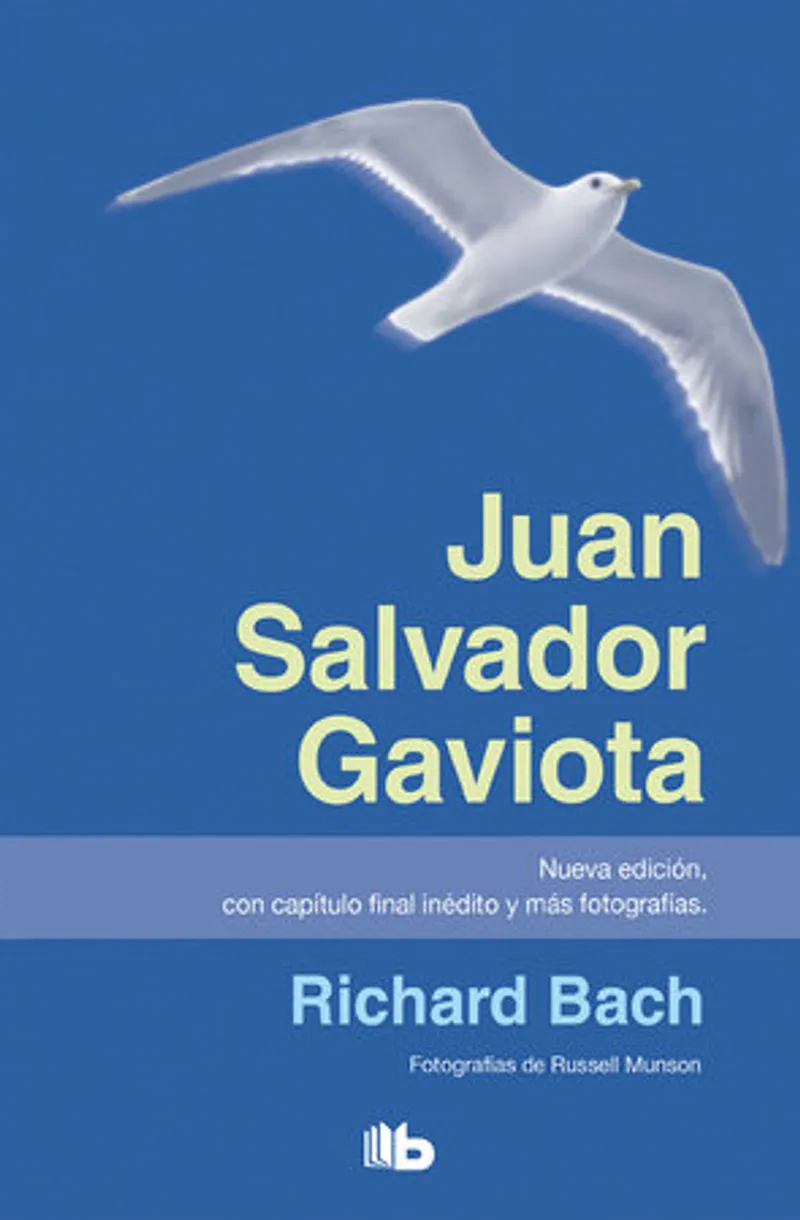
Juan Salvador Gaviota / Jonathan Livingston Seagull Author: Richard BachPage Count: UnknownPublication Date: 2018-PRH Juan Salvador Gaviota—Jonathan Livingston Seagull—is not just a book; it’s a manifesto for the restless spirit. Richard Bach’s slender, luminous fable has been whispering to dreamers, misfits, and rebels for over half a century, and this newly expanded edition—complete with a previously unpublished fourth part and Bach’s final reflections—feels like an invitation to fly higher than ever before. At its core, the story is deceptively simple: a seagull named Jonathan Livingston dares to question the limits of his existence. While his flock scurries for scraps and clings to the safety of the familiar, Jonathan is obsessed with the art of flight. He practices relentlessly, not for food, not for survival, but for the sheer joy of mastery. He soars beyond speed and distance, pushing boundaries until he transcends the very sky. When he is cast out for his defiance, he doesn’t retreat—he seeks out other outcasts, those who, like him, refuse to settle for less than their potential. The theme is unmistakable: freedom is not a gift bestowed by circumstance; it is a choice. Bach frames this truth in the most unexpected of metaphors—flight among seagulls—making it accessible without ever diluting its power. This is a book about the courage to be different, the discipline to excel, and the wisdom to know that true fulfillment lies not in conformity but in self-realization. It speaks to artists, entrepreneurs, athletes, and anyone who has ever felt the itch of dissatisfaction with the ordinary. Jonathan isn’t just a bird; he’s every person who has ever been told to stay in their lane and instead chose to build a new one. Bach’s prose is as clean and precise as a seagull’s dive. His sentences are short, rhythmic, and devoid of pretension, mirroring the clarity of Jonathan’s own pursuit. There’s no overwrought philosophy here—just the quiet insistence that greatness is found in the daily practice of excellence. The dialogue is sparse but potent, each exchange carrying the weight of revelation. Bach trusts the reader to feel the profundity in the simplicity. When Jonathan declares, “You have the freedom to be yourself, your true self, here and now,” it doesn’t sound like a platitude because it’s delivered not as a sermon but as a lived truth. The expanded edition adds depth to Jonathan’s journey. The new material, particularly the final chapter and Bach’s “Last Words,” offers a reflective layer that grounds the story in the author’s own evolution. It’s as though Bach, now older and wiser, is speaking directly to the reader from the other side of the sky he once soared through. This isn’t just a reissue; it’s a dialogue across time, a reminder that the message of Jonathan’s flight is timeless. What makes this book endure is its universality. It’s not about birds; it’s about the human condition. Jonathan’s struggle is our struggle—to break free from self-imposed limits, to embrace the discomfort of growth, and to find meaning in the pursuit rather than the prize. Bach’s genius lies in making the abstract tangible. He turns the act of flying into a metaphor for living, and suddenly, the sky isn’t just above us—it’s within us. Some critics have dismissed the book as simplistic or sentimental, but that misses the point entirely. Bach isn’t offering a complex theory of existence; he’s offering a mirror. The seagulls who mock Jonathan aren’t villains—they’re the majority, the ones who mistake safety for happiness. The book doesn’t ask us to reject society; it asks us to reject the fear of standing apart from it. In a world that often rewards conformity and punishes ambition, Jonathan Salvador Gaviota is a radical act of hope. It’s a call to reject the ordinary, to chase the impossible, and to find joy in the journey itself. Bach’s writing doesn’t just inspire—it awakens. It reminds us that we are not meant to crawl; we are meant to soar. And if you’ve ever felt the pull of something greater, if you’ve ever looked at the sky and wondered what lies beyond the clouds, then this book is already yours. #JonathanLivingstonSeagull #RichardBach #FlyHigher #BreakTheLimits #BeYourself #TimelessWisdom Related InsightsRadiant Sin Book Review and Summary Crying on the Kitchen Floor: A Memoir Book Review and Summary L'Éternel Retour des Pixels : Pourquoi le Passé Numérique est Notre Avenir{ "@context": "https://schema.org", "@type": "FAQPage", "mainEntity": [ { "@type": "Question", "name": "What is the main focus of Jonathan Livingston Seagull Book Review and Summary?", "acceptedAnswer": { "@type": "Answer", "text": "Everything you need to know about Jonathan Livingston Seagull with our detailed review." } }, { "@type": "Question", "name": "Who authored the comprehensive guide on Jonathan Livingston Seagull Book Review and Summary?", "acceptedAnswer": { "@type": "Answer", "text": "This detailed article and its insights were carefully researched and authored by Richard Bach." } }, { "@type": "Question", "name": "Where can I find more related content about Books?", "acceptedAnswer": { "@type": "Answer", "text": "You can explore more articles, detailed reviews, and similar insights by browsing the Related Insights section at the bottom of this article or visiting our dedicated Books category page." } } ] }
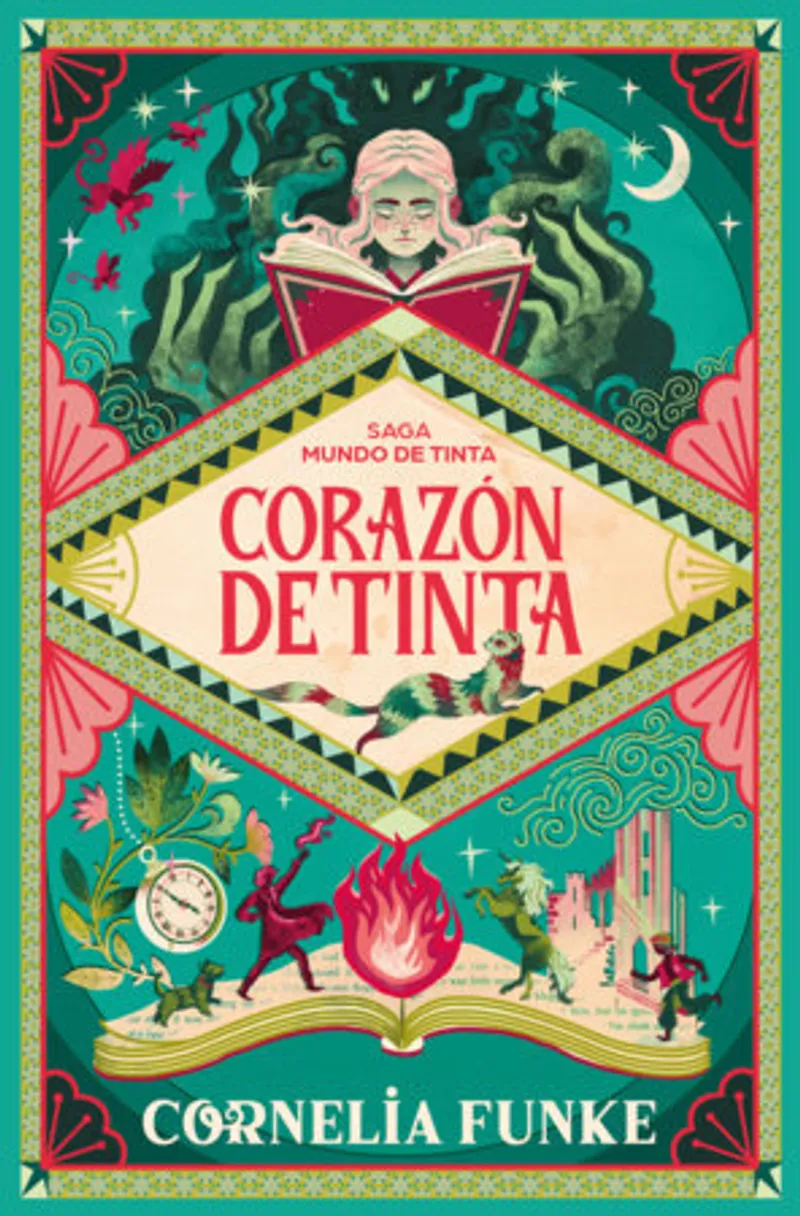
Corazón de Tinta / Inkheart Author: Cornelia FunkePage Count: UnknownPublication Date: 2026-PRH I must preface that, given the lack of information about the book's original synopsis and page count, my critique will be based on the author's style and themes present in her previous works, particularly in the Inkheart series. Cornelia Funke's writing is renowned for its enchanting blend of fantasy and reality, often exploring the realms of literature, imagination, and the human condition. In "Corazón de Tinta" or "Inkheart," Funke masterfully weaves a narrative that transcends the boundaries between the real world and the realm of fiction. Her writing is akin to a rich tapestry, with each thread meticulously intertwined to create a vibrant and immersive experience for the reader. As with her previous works, Funke's prose is characterized by its poetic elegance, transporting readers to a world of wonder and awe. The author's style is marked by a deep understanding of the human psyche, and her characters are often multidimensional and relatable. Her protagonists are frequently introverted, book-loving individuals who find solace in the world of literature. This is evident in her portrayal of Meggie Folchart, the protagonist of the original Inkheart series, who embarks on a journey to rescue her father from the clutches of the villainous Capricorn. In "Corazón de Tinta," Funke is likely to explore the theme of the transformative power of literature. Her writing often highlights the idea that stories have the ability to shape our perceptions, influence our emotions, and even alter the course of our lives. This notion is central to the Inkheart series, where characters are brought to life from the pages of books, and the boundaries between reality and fiction are blurred. Through her narrative, Funke may also delve into the concept of the author's responsibility towards their creations. This is a theme that has been present in her previous works, where authors are often portrayed as having a profound impact on the lives of their characters. This idea raises important questions about the nature of storytelling, the power of the written word, and the consequences of an author's actions. One of the most striking aspects of Funke's writing is her ability to craft a narrative that is both a love letter to literature and a cautionary tale about the dangers of becoming too immersed in the world of fiction. Her stories often serve as a reminder of the importance of balancing our love for literature with the demands of the real world. In conclusion, "Corazón de Tinta" or "Inkheart" is likely to be a captivating and thought-provoking read, characteristic of Funke's unique style and thematic preoccupations. While the exact details of the book's plot remain unknown, readers can expect a richly imagined narrative that explores the complexities of the human experience, the power of literature, and the blurred lines between reality and fiction. #InkheartSeries #CorneliaFunke #BookLovers #FantasyFiction #LiteraryFiction #ThePowerOfStories Related InsightsThe Polar Express Book Review and Summary Murder at Haven's Rock Book Review and Summary A Really Short History of Nearly Everything Book Review and Summary{ "@context": "https://schema.org", "@type": "FAQPage", "mainEntity": [ { "@type": "Question", "name": "What is the main focus of Inkheart Book Review and Summary?", "acceptedAnswer": { "@type": "Answer", "text": "Everything you need to know about Inkheart with our detailed review." } }, { "@type": "Question", "name": "Who authored the comprehensive guide on Inkheart Book Review and Summary?", "acceptedAnswer": { "@type": "Answer", "text": "This detailed article and its insights were carefully researched and authored by Cornelia Funke." } }, { "@type": "Question", "name": "Where can I find more related content about Books?", "acceptedAnswer": { "@type": "Answer", "text": "You can explore more articles, detailed reviews, and similar insights by browsing the Related Insights section at the bottom of this article or visiting our dedicated Books category page." } } ] }
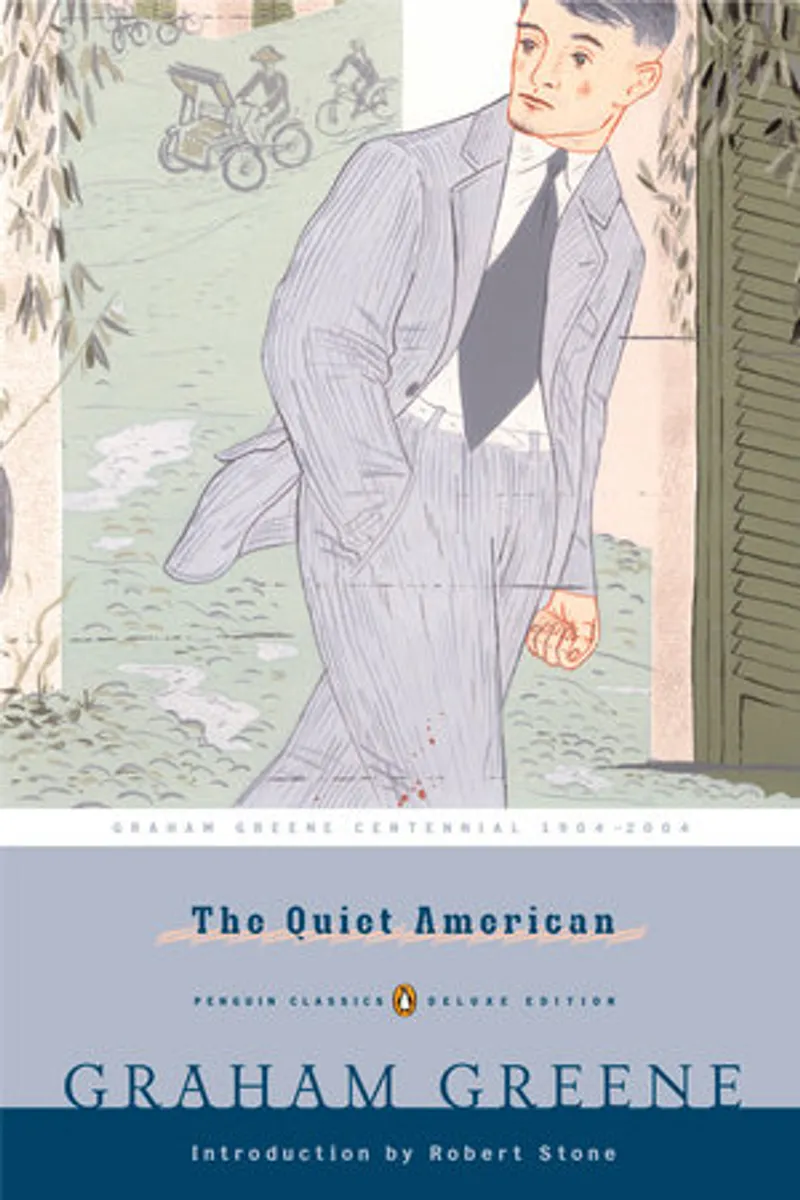
The Quiet American Author: Graham GreenePage Count: UnknownPublication Date: 2004-PRH Graham Greene’s The Quiet American is a razor-sharp dissection of idealism, moral ambiguity, and the unintended consequences of good intentions. Set against the simmering tensions of 1950s Vietnam, this novel is less a political thriller than a haunting meditation on the collision between innocence and experience, where the line between heroism and hubris blurs into oblivion. At its core, the book is a duel of perspectives between two men: Thomas Fowler, a weary British journalist who has buried his emotions in the opium haze of Saigon, and Alden Pyle, the titular "quiet American"—a fresh-faced, idealistic CIA operative sent to Vietnam with a mission to "save" the country from communism. Pyle embodies the dangerous allure of American interventionism, his motives cloaked in the language of democracy and progress, yet his actions—whether through naivety or calculation—unleash violence and chaos. Fowler, by contrast, is a man who has seen too much to believe in grand narratives. His cynicism is not mere jadedness but a survival tactic, a shield against the hypocrisy of empires and ideologies. Yet when Pyle steals Fowler’s young Vietnamese mistress, Phuong, the personal becomes political, and Fowler is forced to confront his own complicity in the mess he claims to despise. Greene’s genius lies in his refusal to offer easy answers. Pyle is not a villain but a tragic figure, a man who genuinely believes in his cause, even as it leads to ruin. His idealism is both his strength and his fatal flaw, a quality that makes him dangerous precisely because he cannot see the damage he causes. Fowler, meanwhile, is no hero either. He is a man who has compromised his principles for comfort, who rationalizes his inaction as wisdom but is ultimately as culpable as the systems he critiques. The novel’s power lies in this moral gray zone, where no one is purely good or evil, and where the quest for purity—whether in love, politics, or ideology—inevitably leads to bloodshed. Greene’s prose is deceptively simple, yet every word carries weight. His descriptions of Vietnam are vivid but never romanticized; the country is a place of heat, dust, and simmering violence, where the French colonial presence is as oppressive as the looming threat of communism. The dialogue crackles with tension, particularly in the exchanges between Fowler and Pyle, where politeness masks deeper hostilities. Greene’s narrator, Fowler, is a masterstroke—a man who claims to be an observer but is deeply entangled in the events he describes. His voice is dry, ironic, and often self-loathing, yet it is this very detachment that makes his eventual descent into moral reckoning so compelling. The novel’s prescience is its most chilling aspect. Written in 1955, The Quiet American eerily foreshadows America’s later entanglement in Vietnam, capturing the hubris of a superpower convinced of its moral superiority while blind to the consequences of its actions. Pyle’s belief in "third force" solutions—his faith in a nebulous, American-backed alternative to both colonialism and communism—mirrors the flawed logic that would later drive U.S. policy in Southeast Asia. Greene, who had spent time in Vietnam as a war correspondent, understood the futility of such interventions long before they became a global tragedy. Yet the book is not just a political allegory; it is also a deeply human story. The relationship between Fowler and Phuong is one of the most poignant in literature, a bond forged in a world where love is as fragile as the political order. Phuong, caught between two men who see her as a prize or a symbol, is more than a passive object—she is a mirror reflecting the absurdity of their struggles. Her quiet dignity underscores the novel’s central irony: that the most "innocent" figures are often the ones who suffer the most. The Quiet American is a book that lingers, its themes echoing long after the last page. It is a warning, a lament, and a masterclass in narrative tension. Greene’s ability to weave personal drama into geopolitical stakes is unparalleled, and his refusal to offer easy resolutions makes the novel as relevant today as it was nearly seven decades ago. In an era where idealism often masquerades as virtue while delivering only ruin, The Quiet American is a necessary read—a reminder that the road to hell is paved not just with good intentions, but with the blindness of those who refuse to see the world as it truly is. #QuietAmerican #GrahamGreene #VietnamWar #PoliticalFiction #MoralAmbiguity #ClassicLiterature Related InsightsThe Little Prince Book Review and Summary Native Son Book Review and Summary Love to Loathe You Book Review and Summary{ "@context": "https://schema.org", "@type": "FAQPage", "mainEntity": [ { "@type": "Question", "name": "What is the main focus of The Quiet American Book Review and Summary?", "acceptedAnswer": { "@type": "Answer", "text": "Everything you need to know about The Quiet American with our detailed review." } }, { "@type": "Question", "name": "Who authored the comprehensive guide on The Quiet American Book Review and Summary?", "acceptedAnswer": { "@type": "Answer", "text": "This detailed article and its insights were carefully researched and authored by Graham Greene." } }, { "@type": "Question", "name": "Where can I find more related content about Books?", "acceptedAnswer": { "@type": "Answer", "text": "You can explore more articles, detailed reviews, and similar insights by browsing the Related Insights section at the bottom of this article or visiting our dedicated Books category page." } } ] }
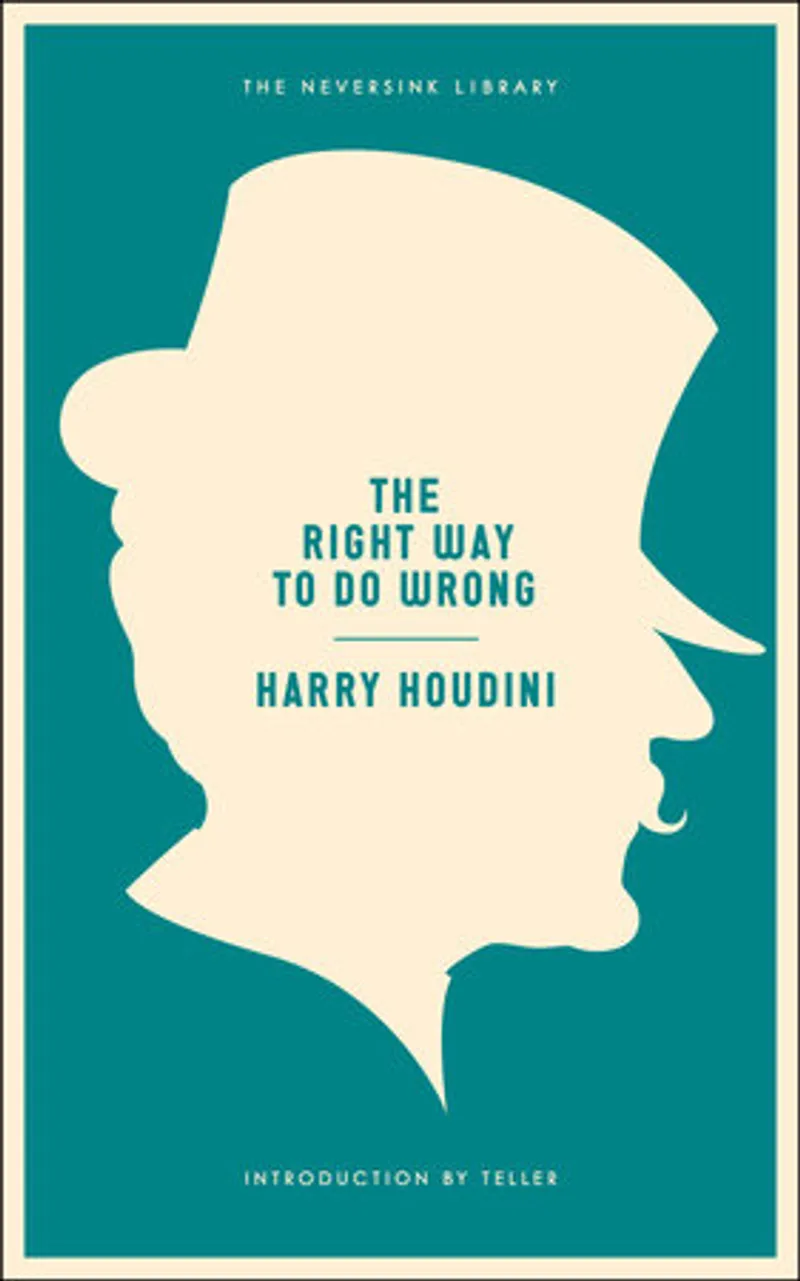
The Right Way to Do Wrong Author: Harry HoudiniPage Count: UnknownPublication Date: 2012-PRH The Right Way to Do Wrong, penned by the enigmatic Harry Houdini, is a fascinating amalgamation of the art of deception and the dark allure of crime. Originally published in 1906, this intriguing volume has been revived for modern readers, offering a glimpse into the mind of the world's greatest illusionist as he delves into the realm of subversion. Part anti-etiquette guide, part exposé on the art of magic, Houdini's writing is as captivating as his signature tricks. Through a series of interviews with both lawbreakers and law enforcers, Houdini presents a collection of findings that reveal the most effective methods of committing crimes and evading detection. This may seem like a counterintuitive approach, given the magician's reputation for dazzling audiences with his escapes and illusions. However, it is precisely this unique blend of expertise that makes The Right Way to Do Wrong such a compelling read. Houdini's writing style is as nimble and clever as his magic tricks. He weaves a narrative that is both informative and engaging, often blurring the lines between reality and illusion. His willingness to share trade secrets and debunk the methods of his rivals adds a layer of authenticity to the text, making it feel like a private tutorial with the master himself. One of the most striking aspects of the book is its ability to balance the art of deception with the science of magic. Houdini's explanations of his signature tricks, including handcuff and rope escapes, are meticulous and detailed, providing a glimpse into the meticulous planning and preparation that went into each performance. At the same time, his critiques of rival magicians offer a glimpse into the competitive world of early 20th-century magic. Teller's introduction to this volume adds an extra layer of depth to the narrative, providing context and insight into Houdini's life and work. As a fellow magician and comedian, Teller brings a unique perspective to the table, highlighting Houdini's enduring influence on the world of magic. Overall, The Right Way to Do Wrong is a captivating read that will appeal to fans of magic, crime, and deception. Houdini's writing is engaging, informative, and surprisingly candid, making this book a must-read for anyone interested in the art of illusion. Whether you're a seasoned magician or simply a curious reader, this volume is sure to delight and surprise. #HoudiniRevealed #TheArtOfDeception #MagicAndCrime #TheRightWayToDoWrong #HarryHoudini #ClassicMagicBooks Related InsightsI Am Number Four Book Review and Summary The Two Towers Book Review and Summary Mockingjay Book Review and Summary{ "@context": "https://schema.org", "@type": "FAQPage", "mainEntity": [ { "@type": "Question", "name": "What is the main focus of Houdini Heart Book Review and Summary?", "acceptedAnswer": { "@type": "Answer", "text": "Everything you need to know about Houdini Heart with our detailed review." } }, { "@type": "Question", "name": "Who authored the comprehensive guide on Houdini Heart Book Review and Summary?", "acceptedAnswer": { "@type": "Answer", "text": "This detailed article and its insights were carefully researched and authored by Ki Longfellow." } }, { "@type": "Question", "name": "Where can I find more related content about Books?", "acceptedAnswer": { "@type": "Answer", "text": "You can explore more articles, detailed reviews, and similar insights by browsing the Related Insights section at the bottom of this article or visiting our dedicated Books category page." } } ] }

La pitonisa y el idiota / The Prophet and the Idiot Author: Jonas JonassonPage Count: UnknownPublication Date: 2024-PRH Jonas Jonasson’s The Prophet and the Idiot is a masterclass in absurdity, blending the end of the world with the most unlikely heroes imaginable. If you loved The Hundred-Year-Old Man Who Climbed Out the Window and Disappeared, this book will feel like reuniting with an old, hilarious friend—one who hasn’t lost their touch for satire, chaos, and heart. At its core, the novel is a race against time, but not the kind you’d expect. Petra, a self-taught astrophysicist, predicts the atmosphere will collapse on September 21, 2011, at precisely 9:20 PM. Armed with this doomsday certainty, she drags Johan—a lovable but dim-witted ex-postman—and Agnes, a 75-year-old widow who’s secretly a viral influencer, on a frantic road trip from Stockholm to Rome. Their mission? To make the world a better place before it ends. Their vehicle? A sky-blue camper van that’s as much a character as the trio themselves. Jonasson’s genius lies in his ability to balance sheer lunacy with moments of genuine warmth. The book is a satire of modern obsessions—doomsday preppers, social media fame, diplomatic absurdities—and yet, beneath the jokes, there’s a thread of humanity. Petra’s earnest belief in her calculations contrasts sharply with Johan’s cheerful incompetence and Agnes’s sharp wit, creating a dynamic that’s both ridiculous and oddly endearing. The humor is relentless, often bordering on farcical, but it’s never mean-spirited. Jonasson’s style is breezy, his prose as effortless as a stand-up comedian’s delivery. He doesn’t just tell a story; he invites you into a world where the most preposterous things feel plausible. A meeting with Barack Obama over cocktails? A detour to Africa to negotiate with a dictator? A camper van that becomes a symbol of hope? All of it unfolds with the inevitability of a punchline. What makes The Prophet and the Idiot work is its refusal to take itself too seriously. The apocalypse is real—well, in the book’s universe—but the characters treat it with the same nonchalance as a canceled Netflix subscription. Their journey is less about saving the world and more about the absurdity of trying. And yet, in their own way, they do change things—not by grand gestures, but by sheer force of chaos. Jonasson’s sharp eye for societal quirks is on full display. From Agnes’s Instagram persona (complete with filter-perfect selfies) to Johan’s baffling culinary skills (he’s a terrible cook, but somehow, it works), the book is a love letter to the ridiculousness of modern life. The world is ending, but at least we can laugh about it—preferably over a drink with a dictator. If you’re looking for a book that’s equal parts hilarious and thought-provoking, The Prophet and the Idiot delivers. It’s a reminder that sometimes, the best way to face the absurdity of life is to lean into it. Jonasson’s writing is a masterclass in comedic timing, and his characters are unforgettable precisely because they’re so flawed, so human, and so very, very silly. In a world that often feels like it’s hurtling toward its own demise, this book is a breath of fresh, ridiculous air. #TheProphetAndTheIdiot #JonasJonasson #EndOfTheWorldComedy #RoadTripToDoom #SatireAtItsBest #AbsurdHumor Related InsightsAn Expert Witness: The Story of Forensic Science in the Courtroom Book Review and Summary The God Delusion: A Study of Religious Belief and Skepticism Book Review and Summary Truth to Power: A Luke Cage Marvel Crime Novel Book Review and Summary{ "@context": "https://schema.org", "@type": "FAQPage", "mainEntity": [ { "@type": "Question", "name": "What is the main focus of The Idiot Book Review and Summary?", "acceptedAnswer": { "@type": "Answer", "text": "Everything you need to know about The Idiot with our detailed review." } }, { "@type": "Question", "name": "Who authored the comprehensive guide on The Idiot Book Review and Summary?", "acceptedAnswer": { "@type": "Answer", "text": "This detailed article and its insights were carefully researched and authored by Fyodor Dostoevsky." } }, { "@type": "Question", "name": "Where can I find more related content about Books?", "acceptedAnswer": { "@type": "Answer", "text": "You can explore more articles, detailed reviews, and similar insights by browsing the Related Insights section at the bottom of this article or visiting our dedicated Books category page." } } ] }

The Housemaid's Secret (El secreto de la empleada) Author: Freida McFaddenPage Count: UnknownPublication Date: 2024-PRH The Housemaid's Secret, Freida McFadden's explosive thriller, is a mesmerizing tale of secrets, lies, and deceit that will keep you on the edge of your seat until the very end. This gripping novel is a masterclass in suspense, weaving a complex web of intrigue that will appeal to fans of The Woman in the Window, The Wife Between Us, and The Girl on the Train. At the heart of the story is the unnamed protagonist, a housemaid with a mysterious past who secures a job with the wealthy Garrick family. As she navigates the luxurious penthouse apartment, she begins to uncover the dark secrets that lie beneath its gleaming surface. The lines between truth and deception become increasingly blurred, and the housemaid finds herself drawn into a world of manipulation and control. McFadden's writing is taut and evocative, conjuring a sense of unease and tension from the outset. Her use of language is deliberate and measured, slowly ratcheting up the suspense as the story unfolds. The housemaid's narrative voice is both captivating and unsettling, offering a unique perspective on the world of the wealthy elite. One of the most striking aspects of The Housemaid's Secret is its exploration of the complex power dynamics at play in the Garrick household. The novel raises important questions about the exploitation of domestic workers and the ways in which those in positions of power seek to control and manipulate those around them. Through the housemaid's eyes, we see the subtle yet insidious ways in which the Garricks exert their influence, using their wealth and status to maintain a grip on those who serve them. As the story builds towards its shocking climax, McFadden skillfully ramps up the tension, expertly manipulating the reader's perceptions and expectations. The twists and turns are both surprising and, in hindsight, expertly foreshadowed, making for a truly satisfying read. The Housemaid's Secret is a testament to McFadden's skill as a storyteller, demonstrating a keen understanding of the thriller genre and a mastery of the craft. This is a novel that will appeal to fans of psychological suspense, domestic noir, and mystery, and is sure to leave readers eagerly anticipating McFadden's next release. #TheHousemaidsSecret #FreidaMcFadden #ThrillerThursday #DomesticNoir #PsychologicalSuspense #GoodreadsAwardWinner Related InsightsRemain Book Review and Summary Erotic Seasons: Tuning into the Rhythms of Women's Sexuality and Spirituality Book Review and Summary Exit Party Book Review and Summary{ "@context": "https://schema.org", "@type": "FAQPage", "mainEntity": [ { "@type": "Question", "name": "What is the main focus of The Housemaid's Secret Book Review and Summary?", "acceptedAnswer": { "@type": "Answer", "text": "Everything you need to know about The Housemaid's Secret with our detailed review." } }, { "@type": "Question", "name": "Who authored the comprehensive guide on The Housemaid's Secret Book Review and Summary?", "acceptedAnswer": { "@type": "Answer", "text": "This detailed article and its insights were carefully researched and authored by Freida McFadden." } }, { "@type": "Question", "name": "Where can I find more related content about Books?", "acceptedAnswer": { "@type": "Answer", "text": "You can explore more articles, detailed reviews, and similar insights by browsing the Related Insights section at the bottom of this article or visiting our dedicated Books category page." } } ] }
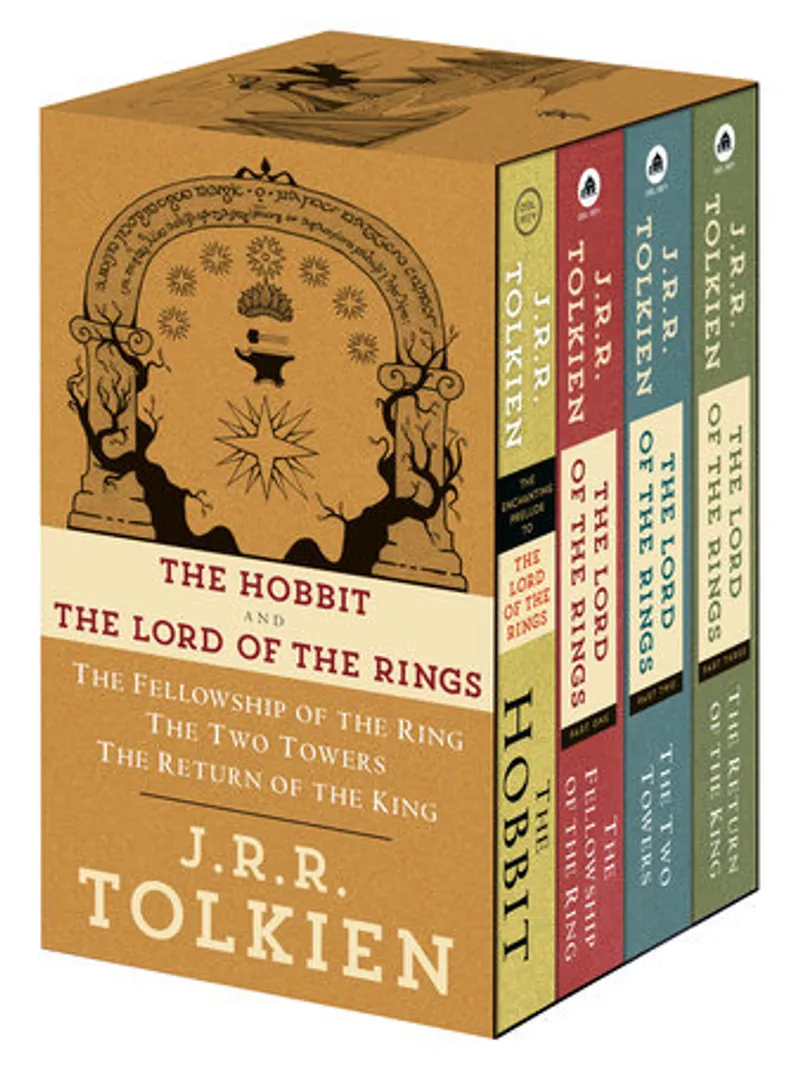
- 09 Feb, 2025 23:07
J.R.R. Tolkien 4-Book Boxed Set: The Hobbit and The Lord of the Rings Book Review and Summary
J.R.R. Tolkien 4-Book Boxed Set: The Hobbit and The Lord of the Rings Author: J.R.R. TolkienPage Count: UnknownPublication Date: 2012-PRH In the realm of fantasy literature, few works have managed to captivate readers with the same level of depth and richness as J.R.R. Tolkien's 4-Book Boxed Set, comprising The Hobbit and The Lord of the Rings trilogy. This magnificent collection is a testament to the author's unparalleled storytelling prowess and his ability to transport readers to a world of wonder and magic. At the heart of this epic narrative lies the timeless theme of the struggle between good and evil. Tolkien masterfully weaves a complex tapestry of characters, each with their own distinct voice and motivations, as they navigate the treacherous landscapes of Middle-earth. The fate of this enchanted realm hangs in the balance, threatened by the dark forces of Sauron and the corrupting influence of the One Ring. Through the eyes of Bilbo Baggins, the unlikely hero of The Hobbit, we are introduced to a world of dwarves, elves, and wizards, each with their own rich history and culture. Tolkien's meticulous world-building is a hallmark of his writing style, and the level of detail he brings to the table is nothing short of astonishing. From the rolling green hills of the Shire to the treacherous mountain passes of the Misty Mountains, every location is imbued with a sense of history and depth that is simply breathtaking. As the story unfolds, we are introduced to a vast array of characters, each with their own unique personality and arc. The Fellowship of the Ring, comprising nine members from different walks of life, is a masterclass in characterization. Tolkien's ability to craft relatable, well-rounded characters is a testament to his skill as a writer, and the relationships between the members of the Fellowship are authentic and heartfelt. Tolkien's writing style is characterized by a sense of grandeur and scope, with a focus on the epic struggle between good and evil. His prose is rich and evocative, with a poetic quality that is simply enchanting. The world of Middle-earth is alive with a sense of history and myth, and the author's love for language and linguistics is evident on every page. One of the most striking aspects of Tolkien's writing is his use of language. His love for Old English, Middle English, and Norse mythology is evident in the world-building and the characters that inhabit it. The invented languages of Elvish, Dwarvish, and the Black Speech add a level of depth and authenticity to the narrative that is unparalleled in fantasy literature. In conclusion, J.R.R. Tolkien's 4-Book Boxed Set is a must-read for anyone who loves fantasy literature. The Hobbit and The Lord of the Rings trilogy are a testament to the author's skill as a writer and his ability to craft a world that is both immersive and enchanting. With its richly detailed world-building, memorable characters, and epic scope, this collection is a true classic of fantasy literature. #TheLordOfTheRings #TheHobbit #JRR Tolkien #MiddleEarth #FantasyLiterature #EpicFantasy Related InsightsRegretting You Book Review and Summary Thunderbird Ranch Book Review and Summary Rescue Book Review and Summary{ "@context": "https://schema.org", "@type": "FAQPage", "mainEntity": [ { "@type": "Question", "name": "What is the main focus of J.R.R. Tolkien 4-Book Boxed Set: The Hobbit and The Lord of the Rings Book Review and Summary?", "acceptedAnswer": { "@type": "Answer", "text": "Everything you need to know about J.R.R. Tolkien 4-Book Boxed Set: The Hobbit and The Lord of the Rings with our detailed review." } }, { "@type": "Question", "name": "Who authored the comprehensive guide on J.R.R. Tolkien 4-Book Boxed Set: The Hobbit and The Lord of the Rings Book Review and Summary?", "acceptedAnswer": { "@type": "Answer", "text": "This detailed article and its insights were carefully researched and authored by J.R.R. Tolkien." } }, { "@type": "Question", "name": "Where can I find more related content about Books?", "acceptedAnswer": { "@type": "Answer", "text": "You can explore more articles, detailed reviews, and similar insights by browsing the Related Insights section at the bottom of this article or visiting our dedicated Books category page." } } ] }
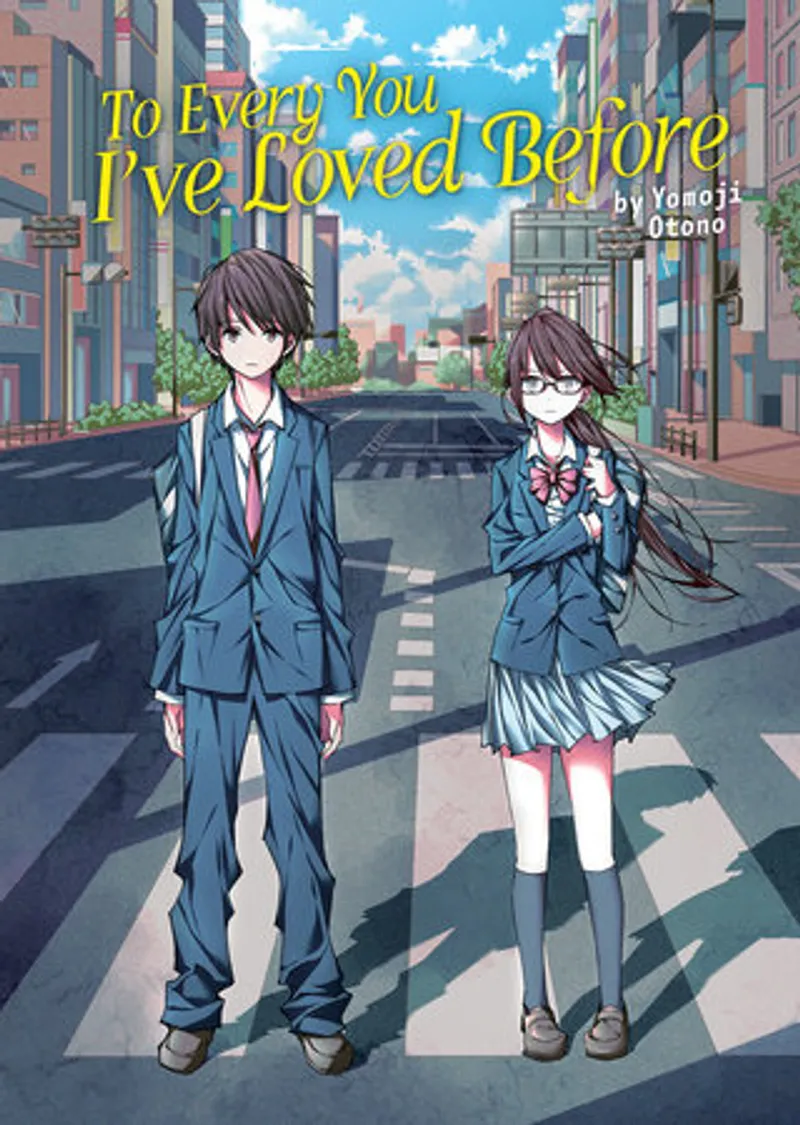
To Every You I've Loved Before (Light Novel) Author: Yomoji OtonoPage Count: UnknownPublication Date: 2023-PRH In the realm of young adult fiction, few authors have managed to capture the intricacies of love and relationships as eloquently as Yomoji Otono in "To Every You I've Loved Before". This 2023 light novel is a poignant exploration of the complexities of the human heart, weaving a narrative that effortlessly traverses the boundaries of parallel universes. At its core, "To Every You I've Loved Before" is a story about the fragility and beauty of love. Takasaki Koyomi, the protagonist, finds himself entangled in a web of emotions as he navigates his relationships with those around him, particularly Takigawa Kazune, a classmate who claims to have known him in a different world. As the story unfolds, Otono masterfully crafts a sense of longing and yearning that permeates every aspect of the narrative. One of the most striking aspects of Otono's writing style is his ability to balance the complexities of science fiction with the intimacy of character-driven storytelling. The concept of parallel universes is expertly woven into the fabric of the narrative, allowing Otono to explore themes of identity, love, and the consequences of choice. The result is a story that feels both grounded and expansive, with a depth that is rare in the young adult genre. The characterization in "To Every You I've Loved Before" is equally impressive, with Takasaki and Kazune emerging as fully realized and relatable individuals. Their relationship is tender and authentic, with a chemistry that is palpable from the outset. Otono's portrayal of their interactions is nuanced and sensitive, capturing the awkwardness and uncertainty of first love with remarkable precision. What sets "To Every You I've Loved Before" apart from other novels in the genre is its unique structure. Written in tandem with "To Me, The One Who Loved You", this novel offers a complementary perspective on the same narrative, allowing readers to experience the story from different angles. This innovative approach adds a layer of complexity to the story, inviting readers to piece together the fragments of the narrative and form their own understanding of the events that unfold. In conclusion, "To Every You I've Loved Before" is a masterpiece of young adult fiction, offering a poignant and thought-provoking exploration of love and relationships. Otono's writing is evocative and nuanced, with a depth and complexity that is rare in the genre. If you're a fan of science fiction, romance, or simply great storytelling, this novel is an absolute must-read. #ToEveryYouIveLovedBefore #YomojiOtono #LightNovel #ParallelUniverses #YoungAdultFiction #MultiverseRomance Related InsightsThe Clan of the Cave Bear Book Review and Summary Mrs. Frisby and the Rats of NIMH Book Review and Summary Doctor Zhivago Book Review and Summary{ "@context": "https://schema.org", "@type": "FAQPage", "mainEntity": [ { "@type": "Question", "name": "What is the main focus of To All the Boys I've Loved Before Book Review and Summary?", "acceptedAnswer": { "@type": "Answer", "text": "Everything you need to know about To All the Boys I've Loved Before with our detailed review." } }, { "@type": "Question", "name": "Who authored the comprehensive guide on To All the Boys I've Loved Before Book Review and Summary?", "acceptedAnswer": { "@type": "Answer", "text": "This detailed article and its insights were carefully researched and authored by Jenny Han." } }, { "@type": "Question", "name": "Where can I find more related content about Books?", "acceptedAnswer": { "@type": "Answer", "text": "You can explore more articles, detailed reviews, and similar insights by browsing the Related Insights section at the bottom of this article or visiting our dedicated Books category page." } } ] }