Showing Posts From
Fiction
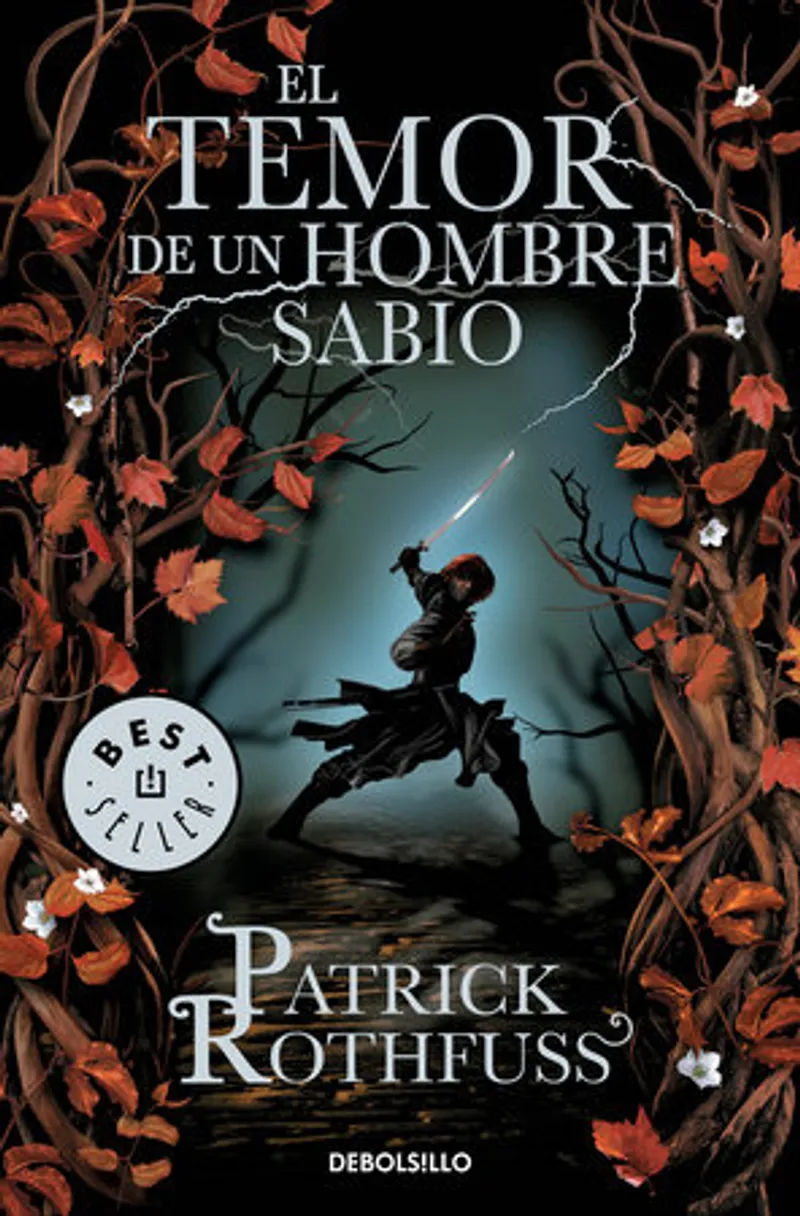
El temor de un hombre sabio / The Wise Man's Fear Author: Patrick RothfussPage Count: UnknownPublication Date: 2018-PRH In the eagerly awaited sequel to "The Name of the Wind," Patrick Rothfuss masterfully weaves a tale of myth, magic, and the unyielding pursuit of truth in "The Wise Man's Fear." This mesmerizing narrative delves into the enigmatic life of Kvothe, a man whose multifaceted persona has captivated the imagination of many. As the story unfolds, we find ourselves entwined in a complex web of emotions, actions, and consequences that shape the very fabric of Kvothe's existence. At the heart of Rothfuss's writing lies a profound exploration of the human condition, where the lines between reality and myth blur, and the past, present, and future converge. The author's masterful use of language, rich in imagery and symbolism, transports us to a world of wonder, where the beauty of magic and music entwines with the darkness of human nature. Through Kvothe's narrative, Rothfuss poses fundamental questions about the nature of truth, the power of storytelling, and the indelible marks that our experiences leave on our souls. One of the most striking aspects of Rothfuss's writing is his ability to craft characters that are at once relatable and enigmatic. Kvothe, with his mercurial personality, is a prime example of this. As we navigate the labyrinthine corridors of his mind, we are met with a complex tapestry of emotions, motivations, and contradictions that make him both fascinating and infuriating. The supporting cast is equally well-crafted, with each character bringing their unique perspective and depth to the narrative. The world-building in "The Wise Man's Fear" is nothing short of breathtaking. Rothfuss's meticulous attention to detail and his deep understanding of the world he has created are evident on every page. From the mystical realm of the Fae to the academic hallowed halls of the University, each setting is meticulously crafted to transport us to a world of magic, myth, and wonder. Throughout the book, Rothfuss's prose is characterized by its lyricism, wit, and philosophical depth. His writing is both accessible and layered, making it easy to become immersed in the world of Temerant, while also inviting readers to ponder the deeper themes and symbolism that underpin the narrative. If "The Name of the Wind" was a tantalizing introduction to the world of Temerant, "The Wise Man's Fear" is a masterful expansion of that universe. Rothfuss's writing is a testament to the power of storytelling, and his ability to craft a narrative that is both a thrilling adventure and a profound exploration of the human condition is a rare gift. In conclusion, "The Wise Man's Fear" is a triumph of modern fantasy literature. It is a book that will captivate fans of the genre, while also appealing to readers who appreciate complex characters, philosophical themes, and beautiful prose. As we await the next installment in the Kingkiller Chronicle, we are reminded that the true magic of storytelling lies not in the destination, but in the journey itself. #TheWiseMansFear #PatrickRothfuss #KingkillerChronicle #FantasyLiterature #EpicFantasy #TheNameOfTheWind Related InsightsInvisible Girl Book Review and Summary El árbol del ahorcado Book Review and Summary Blood River: A Journey to Africa’s Broken Heart Book Review and Summary{ "@context": "https://schema.org", "@type": "FAQPage", "mainEntity": [ { "@type": "Question", "name": "What is the main focus of The Wise Man's Fear Book Review and Summary?", "acceptedAnswer": { "@type": "Answer", "text": "Everything you need to know about The Wise Man's Fear with our detailed review." } }, { "@type": "Question", "name": "Who authored the comprehensive guide on The Wise Man's Fear Book Review and Summary?", "acceptedAnswer": { "@type": "Answer", "text": "This detailed article and its insights were carefully researched and authored by Patrick Rothfuss." } }, { "@type": "Question", "name": "Where can I find more related content about Books?", "acceptedAnswer": { "@type": "Answer", "text": "You can explore more articles, detailed reviews, and similar insights by browsing the Related Insights section at the bottom of this article or visiting our dedicated Books category page." } } ] }

Breve historia de los agujeros negros / A Brief History of Black Holes Author: Rebecca SmethurstPage Count: UnknownPublication Date: 2025-PRH A Cosmic Revelation: A Brief History of Black Holes by Dr. Becky Smethurst Black holes have long been the universe’s most enigmatic celebrities—mysterious, powerful, and shrouded in a cloak of darkness that even light can’t escape. Yet, as Dr. Becky Smethurst, Oxford astrophysicist and one of the UK’s most engaging science communicators, reveals in A Brief History of Black Holes, these cosmic behemoths are far stranger—and far more relatable—than we ever imagined. Smethurst’s book is not just a chronicle of scientific discovery; it’s a love letter to curiosity, a witty dismantling of misconceptions, and a thrilling ride through the history of astronomy. With a voice that’s as sharp as it is playful, she guides readers from the earliest stargazers to the groundbreaking Event Horizon Telescope, all while debunking myths with the ease of a friend explaining a quirky family member. You don’t orbit the Sun—you orbit a black hole. The one at the center of the Milky Way, to be precise. And no, black holes aren’t vacuums; they’re more like “mullida almohada” (fluffy pillows), as she charmingly puts it in the Spanish edition. What makes Smethurst’s approach so refreshing is her ability to blend rigorous science with pop-culture references and self-deprecating humor. She doesn’t just tell you about the spaghettification that awaits the unlucky traveler who ventures too close to a black hole; she makes you feel the absurdity of it. (“You never want to be ‘spaghettified,’” she warns, with the gravity of a parent scolding a child for eating too much candy.) Her analogies are vivid—black holes aren’t cosmic vacuum cleaners but rather “sofa cushions” that warp space-time around them. This isn’t dry astrophysics; it’s a conversation with a brilliant, slightly goofy guide who makes you laugh while expanding your mind. The book’s structure mirrors its subject: dense, yet somehow light. Smethurst traces the evolution of our understanding of black holes—from John Michell’s 18th-century musings about “dark stars” to Einstein’s relativity, from Karl Schwarzschild’s war-time calculations to the first direct image of a black hole in 2019. Along the way, she weaves in her own research, making the narrative feel personal. It’s as if she’s not just recounting history but inviting you into her lab, where the mysteries of the universe unfold in real time. Her tone is disarmingly conversational, as if she’s sitting across from you at a café, gesturing wildly with her coffee cup while explaining event horizons. Yet beneath the humor lies a deep respect for the unknown. Black holes, she reminds us, are not just objects of study but windows into the fundamental laws of physics. They challenge our notions of time, space, and reality itself. And yet, for all their power, they’re governed by simple, elegant rules—once you strip away the jargon. Smethurst’s genius lies in making the incomprehensible feel intimate. She doesn’t just describe the first photograph of a black hole (a blurry orange ring that went viral in 2019); she makes you see the awe of the scientists who captured it. She doesn’t just explain Hawking radiation; she turns it into a cosmic drama where black holes slowly evaporate, like a candle flickering out. And she doesn’t just tell you about the Milky Way’s supermassive black hole, Sagittarius A*; she makes you feel the vertigo of orbiting something so massive that it bends space and time. This is science writing at its best: accessible without being simplistic, profound without being pretentious. Smethurst’s book is a reminder that the universe isn’t just out there—it’s in here, in our questions, our fears, and our capacity to wonder. And if you’re lucky, by the end of her journey, you’ll look up at the night sky and see not just stars, but the invisible giants that anchor our galaxy, pulling us along in a dance as old as time itself. A Brief History of Black Holes is more than a book about black holes. It’s a celebration of human curiosity, a testament to the power of asking “why,” and a guide to finding wonder in the darkest corners of the cosmos. #BlackHoles #Astrophysics #ScienceCommunication #CosmicWonders #DrBecky #SpaceExploration Related InsightsCarved in the Shadows Book Review and Summary Sophie’s World Book Review and Summary Don't Let Him In Book Review and Summary{ "@context": "https://schema.org", "@type": "FAQPage", "mainEntity": [ { "@type": "Question", "name": "What is the main focus of Holes Book Review and Summary?", "acceptedAnswer": { "@type": "Answer", "text": "Everything you need to know about Holes with our detailed review." } }, { "@type": "Question", "name": "Who authored the comprehensive guide on Holes Book Review and Summary?", "acceptedAnswer": { "@type": "Answer", "text": "This detailed article and its insights were carefully researched and authored by Louis Sachar." } }, { "@type": "Question", "name": "Where can I find more related content about Books?", "acceptedAnswer": { "@type": "Answer", "text": "You can explore more articles, detailed reviews, and similar insights by browsing the Related Insights section at the bottom of this article or visiting our dedicated Books category page." } } ] }

1984 (edición definitiva avalada por The Orwell Estate) (edición especial limitada con cantos pintados) / 1984 (Edition Endorsed by The Orwell Estate) Author: George OrwellPage Count: UnknownPublication Date: 2026-PRH As I hold the limited edition of 1984, endorsed by The Orwell Estate, I am struck by the sheer weight of history and relevance that this classic dystopian novel carries. The edition itself, with its painted edges, is a testament to the enduring power of George Orwell's masterpiece. Published in 2026, this special edition serves as a timely reminder of the author's prophetic vision, one that has only grown more pertinent with the passage of time. At its core, 1984 is a scathing critique of totalitarianism, a warning about the dangers of government control and manipulation. Orwell's depiction of a surveillance state, where independent thought is discouraged and citizens are constantly monitored, is both haunting and eerily familiar. The novel's protagonist, Winston Smith, is a symbol of resistance, a beacon of hope in a world that seems determined to extinguish individual freedom. Orwell's prose is characteristically sparse and direct, yet his writing is infused with a deep sense of humanity and empathy. His characters are multidimensional and complex, with Winston's inner turmoil and conflict serving as a powerful example of the human spirit's capacity for resistance and resilience. Through Winston's story, Orwell masterfully explores the tension between individuality and conformity, highlighting the ways in which language, history, and culture can be manipulated to serve the interests of those in power. One of the most striking aspects of 1984 is its exploration of the role of language in shaping reality. Orwell's concept of Newspeak, a language designed to limit free thought and expression, is a chilling commentary on the ways in which those in power seek to control the narrative. The novel's famous phrase, "War is peace, freedom is slavery, ignorance is strength," serves as a stark reminder of the dangers of propaganda and manipulation. As I read through the pages of this limited edition, I am struck by the ways in which Orwell's themes and warnings remain relevant today. The rise of surveillance capitalism, the erosion of civil liberties, and the spread of misinformation all serve as a reminder that 1984 is not just a classic novel, but a warning about the dangers of complacency and the importance of individual freedom. In conclusion, this special edition of 1984 is a must-read for anyone concerned about the state of our world. Orwell's masterpiece is a powerful reminder of the importance of critical thinking, individuality, and resistance in the face of oppression. As we navigate the complexities of our own era, 1984 serves as a timely warning about the dangers of totalitarianism and the importance of protecting our freedom and autonomy. #Totalitarianism #DystopianFiction #SurveillanceState #ClassicLiterature #GeorgeOrwell #1984Forever Related InsightsBe Sure Book Review and Summary Sweet Vengeance (The Calder Academy, #3) Book Review and Summary David Baldacci Spring 2023 Book Review and Summary{ "@context": "https://schema.org", "@type": "FAQPage", "mainEntity": [ { "@type": "Question", "name": "What is the main focus of 1984 Book Review and Summary?", "acceptedAnswer": { "@type": "Answer", "text": "Everything you need to know about 1984 with our detailed review." } }, { "@type": "Question", "name": "Who authored the comprehensive guide on 1984 Book Review and Summary?", "acceptedAnswer": { "@type": "Answer", "text": "This detailed article and its insights were carefully researched and authored by George Orwell." } }, { "@type": "Question", "name": "Where can I find more related content about Books?", "acceptedAnswer": { "@type": "Answer", "text": "You can explore more articles, detailed reviews, and similar insights by browsing the Related Insights section at the bottom of this article or visiting our dedicated Books category page." } } ] }
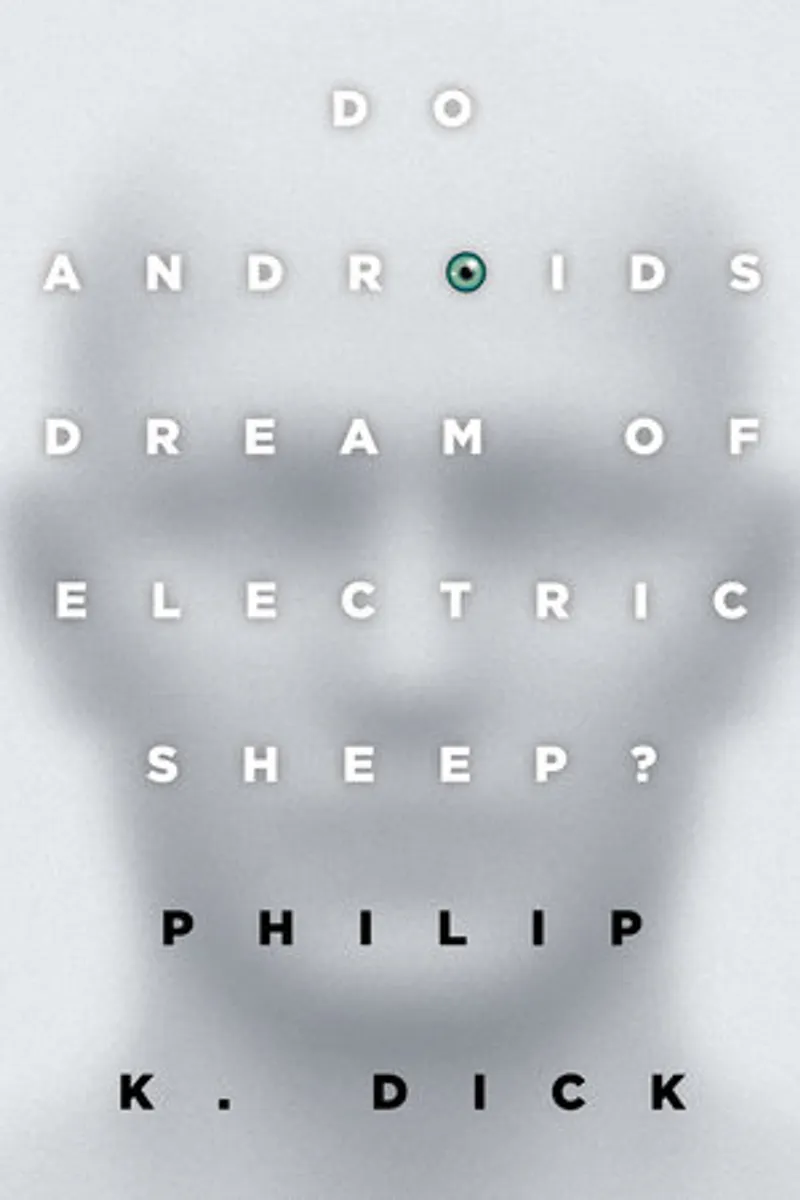
Do Androids Dream of Electric Sheep? Author: Philip K. DickPage Count: UnknownPublication Date: 1996-PRH In the realm of science fiction, few authors have managed to capture the essence of a dystopian future as vividly as Philip K. Dick in his seminal novel, Do Androids Dream of Electric Sheep?. Written in 1968 and published in various editions, including one in 1996, this masterpiece is a testament to Dick's prophetic vision and his ability to craft a narrative that is both haunting and thought-provoking. Set in a post-apocalyptic world where the lines between humanity and artificial intelligence have become increasingly blurred, the novel is a powerful exploration of what it means to be human. The story takes place in a world that has been ravaged by war, where entire species have been driven to extinction, and the few remaining humans are forced to live in a bleak, radiation-soaked environment. In this desolate landscape, advanced androids, known as Nexus-6, have been created to serve humanity, but these androids have evolved to the point where they are almost indistinguishable from humans. The novel follows the journey of Rick Deckard, a bounty hunter tasked with "retiring" rogue androids that have escaped and are living among humans. As Deckard navigates this complex web of human and artificial life, he begins to question the nature of his own humanity and the morality of his mission. Through Deckard's character, Dick raises important questions about empathy, compassion, and what it means to be alive. One of the most striking aspects of Dick's writing style is his ability to create a sense of unease and uncertainty. The novel is full of ambiguity, leaving the reader to ponder the implications of a world where the boundaries between human and android are constantly shifting. Dick's prose is sparse and economical, yet it conjures up a vivid picture of a world that is both familiar and yet, utterly alien. The novel's exploration of humanity is also noteworthy. Dick's vision of a future where humans are forced to live in a state of constant paranoia, where the threat of androids is ever-present, is a powerful commentary on the human condition. The novel shows how humanity's obsession with technology and innovation can lead to a dehumanizing of society, where empathy and compassion are seen as weaknesses. The influence of Do Androids Dream of Electric Sheep? can be seen in many other works of science fiction, including the film Blade Runner, which was loosely based on the novel. The novel's themes of humanity, artificial intelligence, and what it means to be alive continue to resonate with audiences today. In conclusion, Do Androids Dream of Electric Sheep? is a masterpiece of science fiction that continues to captivate readers with its thought-provoking themes and haunting vision of a dystopian future. Philip K. Dick's writing style is a perfect blend of sparse prose and vivid imagination, making this novel a must-read for anyone interested in science fiction. #PhilipKDick #DoAndroidsDreamOfElectricSheep #ScienceFiction #DystopianFuture #ArtificialIntelligence #BladeRunner Related InsightsVanity Fair Book Review and Summary Scion Book Review and Summary The Lost Life of Sylvia Song Book Review and Summary{ "@context": "https://schema.org", "@type": "FAQPage", "mainEntity": [ { "@type": "Question", "name": "What is the main focus of Do Androids Dream of Electric Sheep? Book Review and Summary?", "acceptedAnswer": { "@type": "Answer", "text": "Everything you need to know about Do Androids Dream of Electric Sheep? with our detailed review." } }, { "@type": "Question", "name": "Who authored the comprehensive guide on Do Androids Dream of Electric Sheep? Book Review and Summary?", "acceptedAnswer": { "@type": "Answer", "text": "This detailed article and its insights were carefully researched and authored by Philip K. Dick." } }, { "@type": "Question", "name": "Where can I find more related content about Books?", "acceptedAnswer": { "@type": "Answer", "text": "You can explore more articles, detailed reviews, and similar insights by browsing the Related Insights section at the bottom of this article or visiting our dedicated Books category page." } } ] }
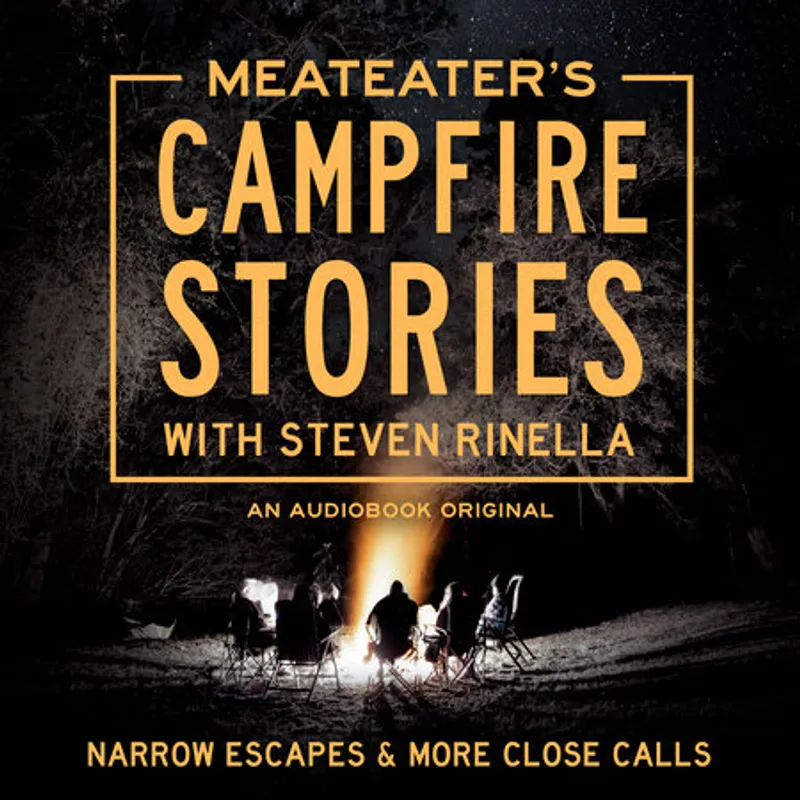
MeatEater's Campfire Stories: Narrow Escapes & More Close Calls Author: Steven RinellaPage Count: UnknownPublication Date: 2022-PRH Steven Rinella’s MeatEater’s Campfire Stories: Narrow Escapes & More Close Calls is a pulse-pounding anthology that plunges readers into the raw, unfiltered heart of the wild. More than just a collection of survival tales, it’s a testament to the unpredictable and often brutal beauty of nature, where one wrong step can mean the difference between life and death. With contributions from Rinella himself, fellow MeatEater crew members, and a diverse cast of hunters, anglers, and adventurers, this book is a masterclass in storytelling—equal parts thrilling, humbling, and deeply human. At its core, the book explores the theme of narrow escapes, those moments when the natural world tests the limits of human resilience. Whether it’s a spearfisherman making a split-second decision to save a drowning friend, a hunter facing off against an enraged moose, or a group of anglers battling hypothermia in the Arctic, each story is a reminder that the wilderness is not a playground but a force to be reckoned with. Rinella and his contributors don’t shy away from the grittier details—blood, fear, and sheer luck play starring roles here. Yet, there’s an underlying respect for the land and its creatures that elevates these tales beyond mere adventure yarns. These are not stories of conquest but of humility, where humans are the underdogs in a world that doesn’t care about their plans. Rinella’s editorial hand is evident throughout. His introduction sets the tone, framing these stories as modern-day campfire tales—oral histories passed down with the weight of experience. His own contributions, including a harrowing account of a close call with a grizzly bear, are vivid and immersive, blending technical detail with emotional honesty. He doesn’t glorify danger; instead, he captures the visceral reality of it—the adrenaline, the mistakes, and the sheer dumb luck that often decides survival. This authenticity is what makes Campfire Stories stand out. It’s not just about the thrill of the escape; it’s about the lessons learned, the scars earned, and the respect reaffirmed for the wild. The diversity of voices in this collection is one of its greatest strengths. Kimi Werner’s tale of spearfishing in treacherous waters is a breathtaking blend of athleticism and instinct, while Clay Newcomb’s story of a near-fatal encounter with a wounded deer is a chilling reminder of nature’s indifference. The inclusion of listener-submitted stories adds another layer of authenticity, proving that these close calls are not confined to seasoned outdoorsmen but can happen to anyone. The prose is tight and engaging, with each story structured like a short film—quick pacing, high stakes, and a payoff that lingers. There’s no overindulgent description here; every word serves the narrative, pulling the reader deeper into the moment. What makes Campfire Stories particularly compelling is its refusal to romanticize the wild. There are no easy victories, no heroic last stands—just people doing their best to stay alive in a world that doesn’t owe them anything. The book also subtly challenges the idea of human dominance over nature. In stories like Roy Getson’s account of being charged by a moose or Casey Frank’s struggle against hypothermia, the message is clear: the wilderness is not a backdrop for human drama but an active participant, indifferent to our fates. This perspective is refreshing in an era where outdoor literature often leans toward self-congratulation or escapism. Rinella’s writing style is direct and unpretentious, mirroring the no-nonsense ethos of the MeatEater brand. He avoids purple prose, instead letting the stories speak for themselves. His strength lies in his ability to balance technical knowledge with raw emotion. Whether he’s describing the mechanics of a gunshot wound or the psychological toll of being lost in the woods, he grounds the narrative in specifics that make the danger feel tangible. This approach makes the book accessible to both seasoned outdoorsmen and armchair adventurers, offering something for anyone who’s ever felt the pull of the wild—or the fear of what it might do to them. Ultimately, MeatEater’s Campfire Stories is more than a collection of survival tales; it’s a celebration of the human spirit in the face of nature’s unpredictability. It’s a book that will leave you breathless, laughing, and perhaps a little more cautious the next time you step into the backcountry. Rinella and his contributors have crafted a modern classic of outdoor storytelling—one that reminds us that the wild is not a place to conquer but a force to respect, and that sometimes, the greatest stories are the ones where we barely make it out alive. #MeatEater #SurvivalStories #OutdoorAdventures #CloseCalls #WildernessTales #StevenRinella Related InsightsHeat Wave Book Review and Summary The disappeared Book Review and Summary The Unfinished Work: A Novel of Abraham Lincoln Book Review and Summary{ "@context": "https://schema.org", "@type": "FAQPage", "mainEntity": [ { "@type": "Question", "name": "What is the main focus of Extremely Loud & Incredibly Close Book Review and Summary?", "acceptedAnswer": { "@type": "Answer", "text": "Everything you need to know about Extremely Loud & Incredibly Close with our detailed review." } }, { "@type": "Question", "name": "Who authored the comprehensive guide on Extremely Loud & Incredibly Close Book Review and Summary?", "acceptedAnswer": { "@type": "Answer", "text": "This detailed article and its insights were carefully researched and authored by Jonathan Safran Foer." } }, { "@type": "Question", "name": "Where can I find more related content about Books?", "acceptedAnswer": { "@type": "Answer", "text": "You can explore more articles, detailed reviews, and similar insights by browsing the Related Insights section at the bottom of this article or visiting our dedicated Books category page." } } ] }
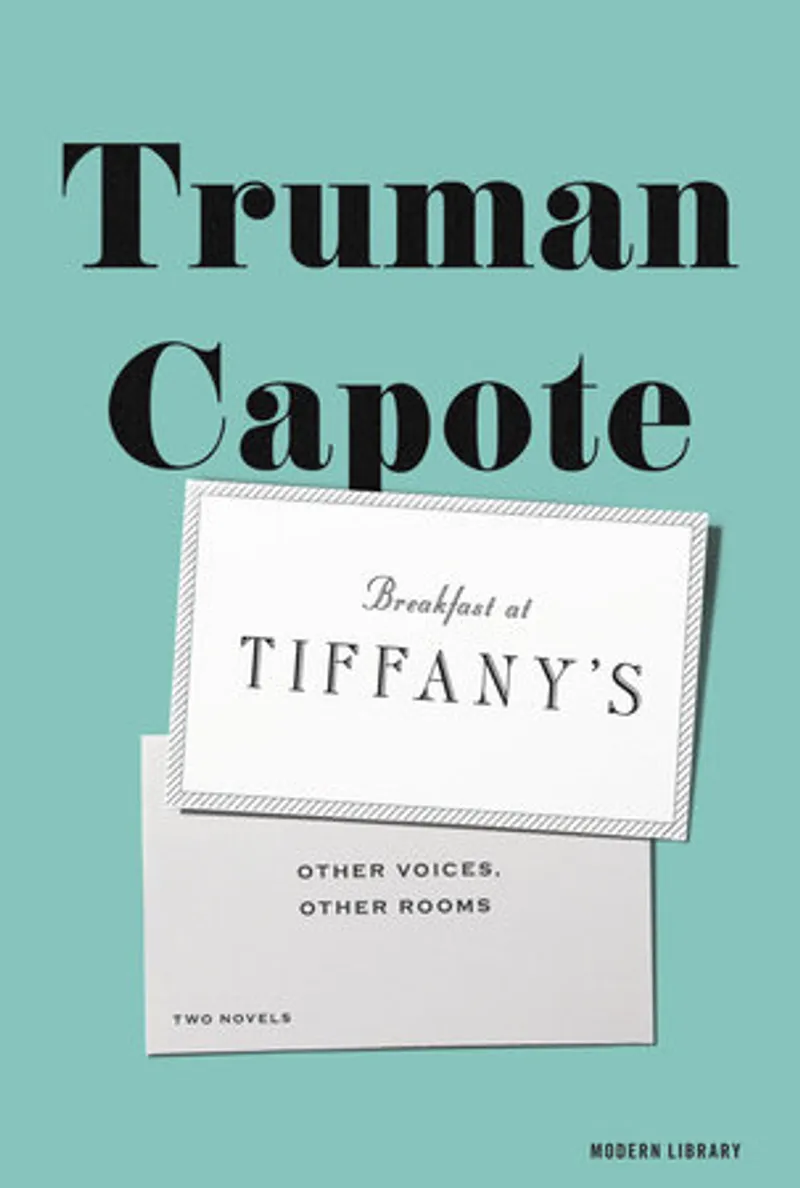
Breakfast at Tiffany's & Other Voices, Other Rooms Author: Truman CapotePage Count: UnknownPublication Date: 2013-PRH In the pages of "Breakfast at Tiffany's & Other Voices, Other Rooms," Truman Capote weaves a masterful tapestry of two of his most iconic works, showcasing the author's extraordinary talent for crafting narratives that are at once poignant, humorous, and hauntingly beautiful. This beautifully repackaged hardcover classic brings together the transcendently popular novella "Breakfast at Tiffany's" and the debut novel "Other Voices, Other Rooms," offering readers a glimpse into the early career of a literary genius. At the heart of "Breakfast at Tiffany's" is the enigmatic Holly Golightly, a hillbilly-turned-Manhattanite who embodies the author's philosophy of freedom and his deep-seated fears and anxieties. With her infectious joie de vivre and penchant for reinvention, Holly is a force to be reckoned with, navigating the complexities of her past and the uncertainty of her future with a fierce determination. Capote's prose is nothing short of enchanting, capturing the essence of Holly's character in a way that is both deeply personal and universally relatable. In contrast, "Other Voices, Other Rooms" is a semiautobiographical coming-of-age novel that explores the themes of waylaid hopes and lost innocence. The story follows thirteen-year-old Joel Knox as he navigates the complexities of his family's past and the eccentricities of his rural Alabama surroundings. Through Joel's journey, Capote reveals a profound understanding of the human experience, capturing the small pleasures and colorful language of a bygone era with remarkable precision. One of the most striking aspects of Capote's writing style is his ability to balance lightness and darkness, humor and pathos. His prose is infused with a deep sense of empathy and understanding, allowing readers to connect with his characters on a profound level. Whether he is exploring the sun-drenched streets of Manhattan or the rural landscapes of Alabama, Capote's writing is marked by a sense of wonder and curiosity, a deep appreciation for the beauty and complexity of the human experience. Throughout both works, Capote's use of language is nothing short of masterful. His prose is lyrical and evocative, capturing the essence of his characters and their surroundings with remarkable precision. Whether he is describing the "lovely smell of silver and alligator wallets" at Tiffany's or the "colorful language" of rural Alabama, Capote's writing is infused with a deep sense of place and atmosphere, drawing readers into the world of his characters with ease. In "Breakfast at Tiffany's & Other Voices, Other Rooms," Truman Capote offers readers a glimpse into the early career of a literary genius. These two works, written in the author's early twenties, showcase his remarkable talent for crafting narratives that are at once poignant, humorous, and hauntingly beautiful. With their beautifully repackaged hardcover edition, readers can experience these two iconic works in a whole new way, appreciating the author's masterful prose and profound understanding of the human experience. #TrumanCapote #BreakfastAtTiffanys #OtherVoicesOtherRooms #ClassicLiterature #ComingOfAge #LiteraryFiction Related InsightsHeartstopper, Volume 2 Book Review and Summary The Commons (The Commons World, #1) Book Review and Summary The Way of Kings Book Review and Summary{ "@context": "https://schema.org", "@type": "FAQPage", "mainEntity": [ { "@type": "Question", "name": "What is the main focus of Breakfast at Tiffany’s and Three Stories Book Review and Summary?", "acceptedAnswer": { "@type": "Answer", "text": "Everything you need to know about Breakfast at Tiffany’s and Three Stories with our detailed review." } }, { "@type": "Question", "name": "Who authored the comprehensive guide on Breakfast at Tiffany’s and Three Stories Book Review and Summary?", "acceptedAnswer": { "@type": "Answer", "text": "This detailed article and its insights were carefully researched and authored by Truman Capote." } }, { "@type": "Question", "name": "Where can I find more related content about Books?", "acceptedAnswer": { "@type": "Answer", "text": "You can explore more articles, detailed reviews, and similar insights by browsing the Related Insights section at the bottom of this article or visiting our dedicated Books category page." } } ] }
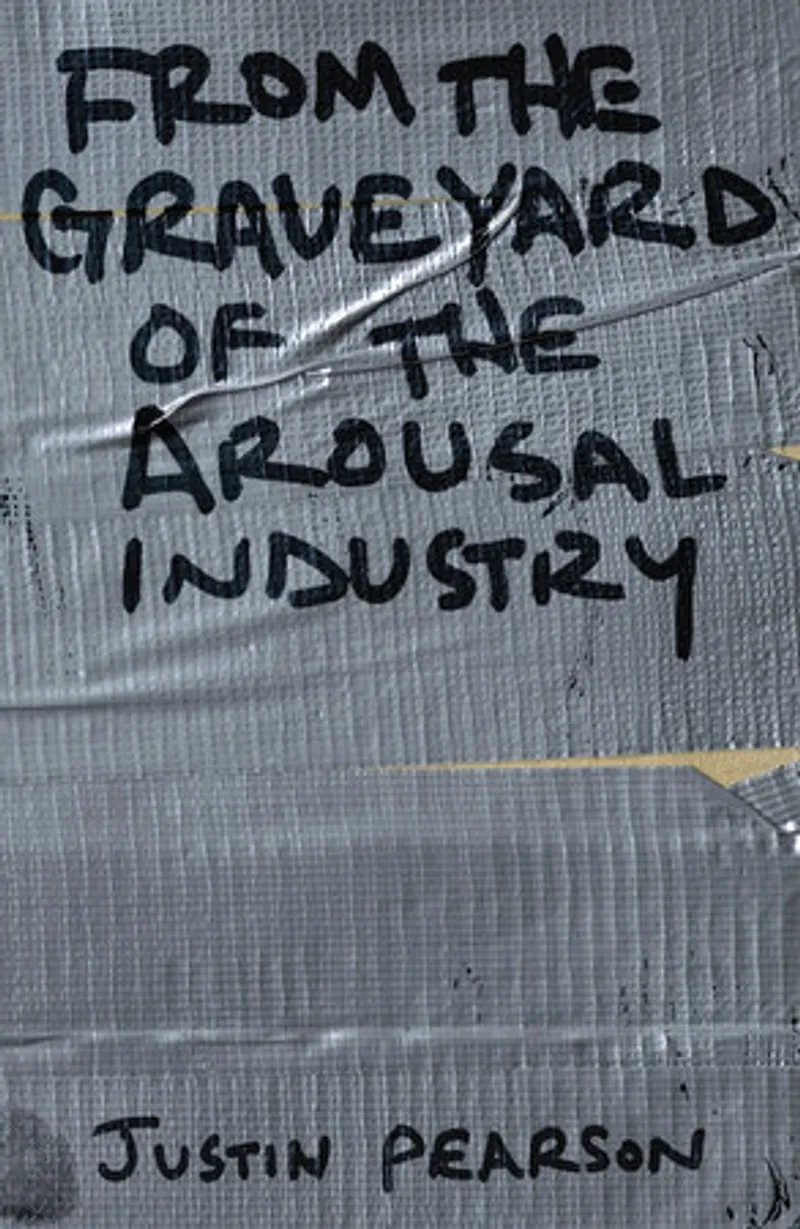
From the Graveyard of the Arousal Industry Author: Justin PearsonPage Count: UnknownPublication Date: 2010-PRH Justin Pearson’s From the Graveyard of the Arousal Industry is a raw, unfiltered explosion of punk energy, a memoir that reads like a riot in book form. It’s not just a story about music or adolescence—it’s a survival manual for the broken, the angry, and the unapologetically alive. Pearson, a titan of the West Coast noise and hardcore scene, doesn’t just recount his life; he weaponizes it, turning personal chaos into a manifesto of defiance against everything from suburban numbness to the suffocating expectations of punk purity. The book’s central theme is survival through destruction. Pearson’s life is a graveyard of industries—arousal, expectation, safety—each one buried under the weight of his own relentless energy. From his father’s murder to the violent, chaotic world of bands like The Locust and Swing Kids, Pearson’s existence is a series of near-misses and deliberate collisions. He doesn’t just endure; he thrives in the wreckage, using music as both shield and sword. The memoir isn’t about redemption; it’s about embracing the fall and laughing while the world burns around you. Pearson’s writing style is as brutal as his music. There’s no polish here, no attempt to soften the edges. His prose is jagged, urgent, and often deliberately ugly—just like the sounds he helped create. He writes with the same manic intensity as his bands, jumping between past and present, between rage and dark humor, with a voice that’s equal parts street poet and unhinged preacher. There’s a punk ethos to his storytelling: if it’s not immediate, if it doesn’t hurt a little, it’s not worth saying. One of the book’s most striking elements is its refusal to romanticize the punk scene. Pearson doesn’t hold back on the infighting, the egos, the moments when the music itself becomes a cage. He writes about getting sucker-punched on Jerry Springer, about being chased out of towns by furious crowds, about the way the scene devours its own. It’s not a glamorous tale of rebellion; it’s a survival story where the rebellion is just the cost of admission. What makes From the Graveyard of the Arousal Industry so compelling is its honesty. Pearson doesn’t present himself as a hero or a martyr—he’s a mess, a survivor, a guy who stumbled through life with a guitar and a chip on his shoulder. His voice is that of a friend screaming in your ear at a show, equal parts exhilarating and exhausting. You don’t read this book for comfort; you read it to feel alive. If you’ve ever been part of a scene that felt like a family of misfits, if you’ve ever loved something so fiercely it hurt, this book will gut you. If you haven’t, it’ll make you want to. #PunkMemoir #JustinPearson #TheLocust #WestCoastPunk #NoCore #RiotInPrint Related InsightsThe House Across the Lake Book Review and Summary Darkly Dreaming Dexter Book Review and Summary Harvest Season Book Review and Summary{ "@context": "https://schema.org", "@type": "FAQPage", "mainEntity": [ { "@type": "Question", "name": "What is the main focus of The Graveyard Book Book Review and Summary?", "acceptedAnswer": { "@type": "Answer", "text": "Everything you need to know about The Graveyard Book with our detailed review." } }, { "@type": "Question", "name": "Who authored the comprehensive guide on The Graveyard Book Book Review and Summary?", "acceptedAnswer": { "@type": "Answer", "text": "This detailed article and its insights were carefully researched and authored by Neil Gaiman." } }, { "@type": "Question", "name": "Where can I find more related content about Books?", "acceptedAnswer": { "@type": "Answer", "text": "You can explore more articles, detailed reviews, and similar insights by browsing the Related Insights section at the bottom of this article or visiting our dedicated Books category page." } } ] }
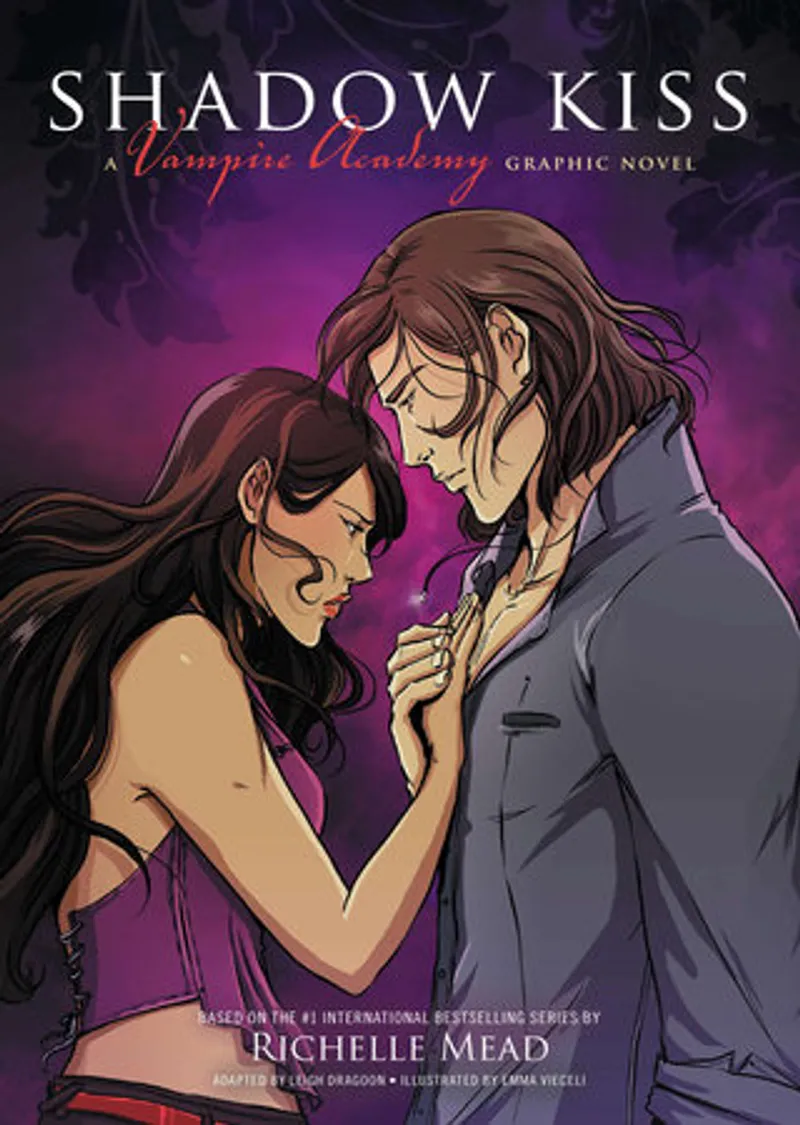
Shadow Kiss Author: Richelle MeadPage Count: UnknownPublication Date: 2013-PRH Richelle Mead’s Shadow Kiss is a pulse-pounding storm of emotion, danger, and supernatural intrigue, serving as the third and most emotionally devastating installment in the Vampire Academy series. With its razor-sharp blend of action, romance, and psychological depth, Mead crafts a narrative that lingers long after the final page—one that doesn’t just entertain but haunts. This is a book where love and loss are weapons, where loyalty is tested in blood, and where the line between hero and villain blurs under the weight of impossible choices. At its core, Shadow Kiss is a story about the cost of survival. Rose Hathaway, the fiercely protective dhampir guardian-in-training, is a protagonist who refuses to be tamed. Unlike many YA heroines who waver between strength and vulnerability, Rose is unapologetically fierce—her love for her best friend, Princess Lissa Dragomir, is as fierce as her obsession with her mentor, Dimitri Belikov. But love, Mead reminds us, is never simple. It’s a double-edged sword, cutting deepest when you least expect it. Rose’s forbidden romance with Dimitri, a relationship that defies both academy rules and vampire law, is a slow-burning inferno that threatens to consume her. Yet it’s her bond with Lissa that anchors her, a friendship so deep it borders on the supernatural. When Rose begins seeing ghosts—literally and metaphorically—it’s not just a supernatural quirk; it’s a manifestation of her guilt, her fear, and her inability to reconcile the person she wants to be with the person she’s forced to become. Mead’s genius lies in her ability to weave these emotional threads into a plot that never lets up. The pacing is relentless, each chapter a new twist in a labyrinth of betrayal, political intrigue, and life-or-death stakes. The St. Vladimir’s Academy setting, once a familiar backdrop, now feels claustrophobic, a gilded cage where every shadow hides a Strigoi waiting to strike. The Moroi vampires, with their fragile beauty and political fragility, are both allies and liabilities, while the dhampirs—Rose’s people—are caught between two worlds, neither fully human nor fully vampire. Mead doesn’t shy away from the brutality of this world. The fights are visceral, the deaths sudden and shocking, and the consequences of failure catastrophic. There’s no clean victory here, only survival—and survival always comes at a price. What sets Shadow Kiss apart, however, is its unflinching exploration of grief and trauma. Rose’s visions of the dead—her mother, her fallen comrades, even the Strigoi she’s slain—aren’t just plot devices; they’re a reflection of her fractured psyche. She’s a girl who has lost everything and gained nothing but the burden of protecting those she loves. Mead doesn’t romanticize this. Rose’s anger is raw, her decisions reckless, and her grief so palpable it seeps into every interaction. When she’s forced to make an impossible choice between Dimitri and Lissa, the stakes aren’t just about love—they’re about identity. Who is Rose without her purpose? Without her love? Without her ghosts? Mead’s prose is sharp and immersive, her dialogue snappy and authentic. She balances humor and horror with ease, never letting the darkness overwhelm the humanity of her characters. Rose is a narrator you can’t help but root for, even when she makes terrible mistakes. Her voice is distinct—witty, sarcastic, and deeply emotional—a mix of toughness and vulnerability that makes her feel real. The supporting cast, from the enigmatic Adrian Ivashkov to the loyal Christian Ozera, are more than just side characters; they’re mirrors reflecting Rose’s own struggles. Even the villains, like the cunning Tatiana and the ruthless Strigoi queen, are given depth, their motivations twisted into something almost understandable. The climax of Shadow Kiss is a masterclass in tension, a sequence of events so high-stakes and emotionally charged that it leaves you breathless. Without spoiling the details, suffice it to say that Mead doesn’t pull punches. The ending is bittersweet, a moment of triumph shadowed by loss, a reminder that in this world, victory is never clean. It’s a conclusion that sets the stage for the final book in the series, leaving readers desperate for resolution while dreading what it might cost. Shadow Kiss is more than just a vampire novel—it’s a story about the ghosts we carry, the love that defines us, and the choices that haunt us forever. Richelle Mead doesn’t just write about vampires; she writes about what it means to be human in a world that demands you be something else. And that’s what makes this book unforgettable. #VampireAcademy #ShadowKiss #RichelleMead #YAFantasy #SupernaturalRomance #DhampirDiaries Related InsightsEl dilema del omnívoro: En busca de la comida perfecta / The Omnivore's Dilemma: A Natural History of Four Meals Book Review and Summary The Imperfect Murder Book Review and Summary Magic Tides Book Review and Summary{ "@context": "https://schema.org", "@type": "FAQPage", "mainEntity": [ { "@type": "Question", "name": "What is the main focus of Shadow Kiss Book Review and Summary?", "acceptedAnswer": { "@type": "Answer", "text": "Everything you need to know about Shadow Kiss with our detailed review." } }, { "@type": "Question", "name": "Who authored the comprehensive guide on Shadow Kiss Book Review and Summary?", "acceptedAnswer": { "@type": "Answer", "text": "This detailed article and its insights were carefully researched and authored by Richelle Mead." } }, { "@type": "Question", "name": "Where can I find more related content about Books?", "acceptedAnswer": { "@type": "Answer", "text": "You can explore more articles, detailed reviews, and similar insights by browsing the Related Insights section at the bottom of this article or visiting our dedicated Books category page." } } ] }
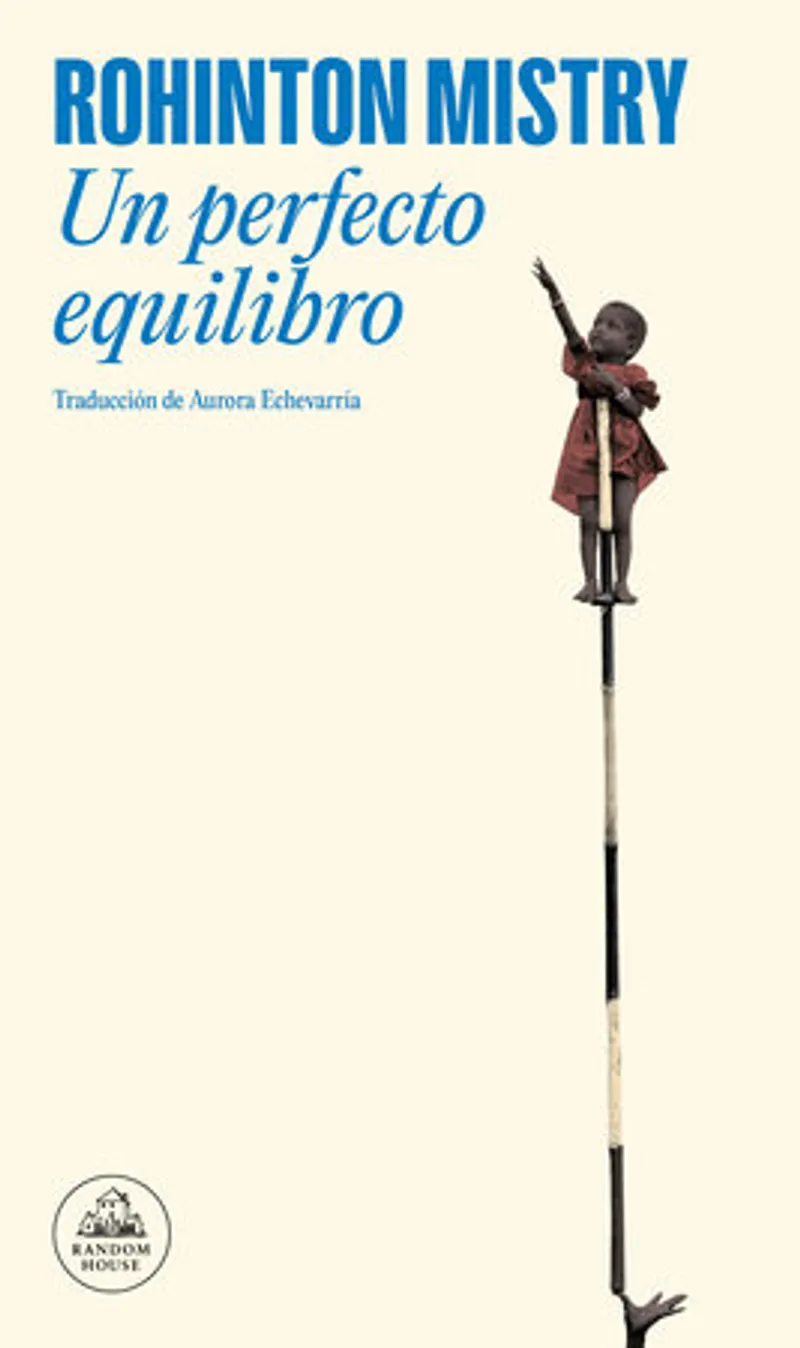
Un perfecto equilibrio / A Fine Balance Author: Rohinton MistryPage Count: UnknownPublication Date: 2026-PRH Rohinton Mistry’s A Fine Balance is a masterclass in storytelling that weaves together the lives of four disparate souls in a way that feels both intimate and epic. Though the book is often cited as published in 1995 (not 2026, as the provided data suggests—a likely error), its themes remain timeless, resonating with the fragility of human dignity in the face of systemic oppression. Mistry, a Canadian author of Indian descent, crafts a narrative that is at once heart-wrenching and deeply human, exposing the brutal realities of India’s Emergency period (1975–77) while celebrating the resilience of the human spirit. At its core, A Fine Balance is a meditation on survival. The novel follows four characters whose paths converge in a Bombay apartment: Dina Dalal, a widowed seamstress clinging to independence; Ishvar and Omprakash, uncle and nephew from a low-caste family fleeing caste violence; and Maneck Kohlah, a young student from a privileged background. Their lives intertwine as they navigate poverty, political tyranny, and personal loss, each struggling to maintain a delicate equilibrium between hope and despair. Mistry’s genius lies in how he balances the personal and the political—every intimate moment is steeped in the larger context of India’s socio-political upheaval, where the state’s authoritarianism seeps into the smallest corners of daily life. Mistry’s prose is rich yet unpretentious, blending lyrical descriptions with raw, unflinching realism. His sentences have the cadence of oral storytelling, almost as if he’s recounting these lives from memory rather than crafting fiction. The dialogue crackles with authenticity, whether it’s the sharp wit of Dina or the quiet stoicism of Ishvar. Yet, what makes the book truly remarkable is its refusal to romanticize suffering. Mistry doesn’t shy away from depicting the grotesque—be it the horror of forced sterilizations, the indignity of poverty, or the casual cruelty of those in power. There’s a scene where a character is humiliated in a public health camp that lingers in the mind like a bruise, a testament to Mistry’s unflinching gaze. The novel’s structure mirrors its themes of balance and imbalance. The narrative oscillates between moments of tenderness and sudden, jarring violence, much like life itself. Mistry’s pacing is deliberate, allowing the reader to become deeply invested in his characters before pulling the rug out from under them. There’s a sense of inevitability to the tragedies that befall his protagonists, yet their resilience never feels forced. Instead, it emerges organically from their small acts of defiance—Dina’s stubborn pride, Ishvar’s quiet dignity, Maneck’s fleeting moments of rebellion. One of the book’s most striking achievements is its exploration of caste and class. Mistry, who grew up in Mumbai, writes with an insider’s nuance about the hierarchies that dictate life in India. The novel doesn’t just acknowledge caste as a backdrop; it shows how it shapes every interaction, every opportunity, every breath. Ishvar and Omprakash’s journey is particularly poignant—away from the violence of their village, only to find that the city offers no sanctuary. Their story is a microcosm of how systemic oppression follows its victims, no matter where they flee. Yet, for all its darkness, A Fine Balance is not without moments of light. There’s humor in the characters’ interactions, warmth in their camaraderie, and a quiet beauty in their small victories. Mistry’s ability to find humanity in even the most dire circumstances is what makes the book so enduring. It’s a reminder that even in the face of overwhelming odds, people find ways to endure, to laugh, to love. Some critics have argued that the novel’s ending is too bleak, that it offers no catharsis. But perhaps that’s the point. Mistry doesn’t offer easy resolutions because life, especially under oppression, rarely does. The "fine balance" of the title isn’t about achieving harmony but about enduring despite the chaos. It’s about the delicate act of holding onto one’s humanity when the world is trying to strip it away. In an era where authoritarianism and inequality are on the rise globally, A Fine Balance feels more relevant than ever. It’s a book that demands to be read not just as a historical novel but as a warning. Mistry’s India is a place where the state’s machinery grinds on, indifferent to the lives it destroys. And yet, within that machinery, there are still people—like Dina, Ishvar, Omprakash, and Maneck—who refuse to be erased. Rohinton Mistry doesn’t just tell a story in A Fine Balance; he crafts an experience. It’s a book that will haunt you, not just because of its tragedies, but because of its truths. It lingers long after the last page, a testament to the power of literature to bear witness. #AFineBalance #RohintonMistry #IndianLiterature #CasteAndClass #HistoricalFiction #ResilienceInLiterature Related InsightsMisery of Love Book Review and Summary The Lost Life of Sylvia Song Book Review and Summary Johnny Got His Gun Book Review and Summary{ "@context": "https://schema.org", "@type": "FAQPage", "mainEntity": [ { "@type": "Question", "name": "What is the main focus of A Fine Balance Book Review and Summary?", "acceptedAnswer": { "@type": "Answer", "text": "Everything you need to know about A Fine Balance with our detailed review." } }, { "@type": "Question", "name": "Who authored the comprehensive guide on A Fine Balance Book Review and Summary?", "acceptedAnswer": { "@type": "Answer", "text": "This detailed article and its insights were carefully researched and authored by Rohinton Mistry." } }, { "@type": "Question", "name": "Where can I find more related content about Books?", "acceptedAnswer": { "@type": "Answer", "text": "You can explore more articles, detailed reviews, and similar insights by browsing the Related Insights section at the bottom of this article or visiting our dedicated Books category page." } } ] }
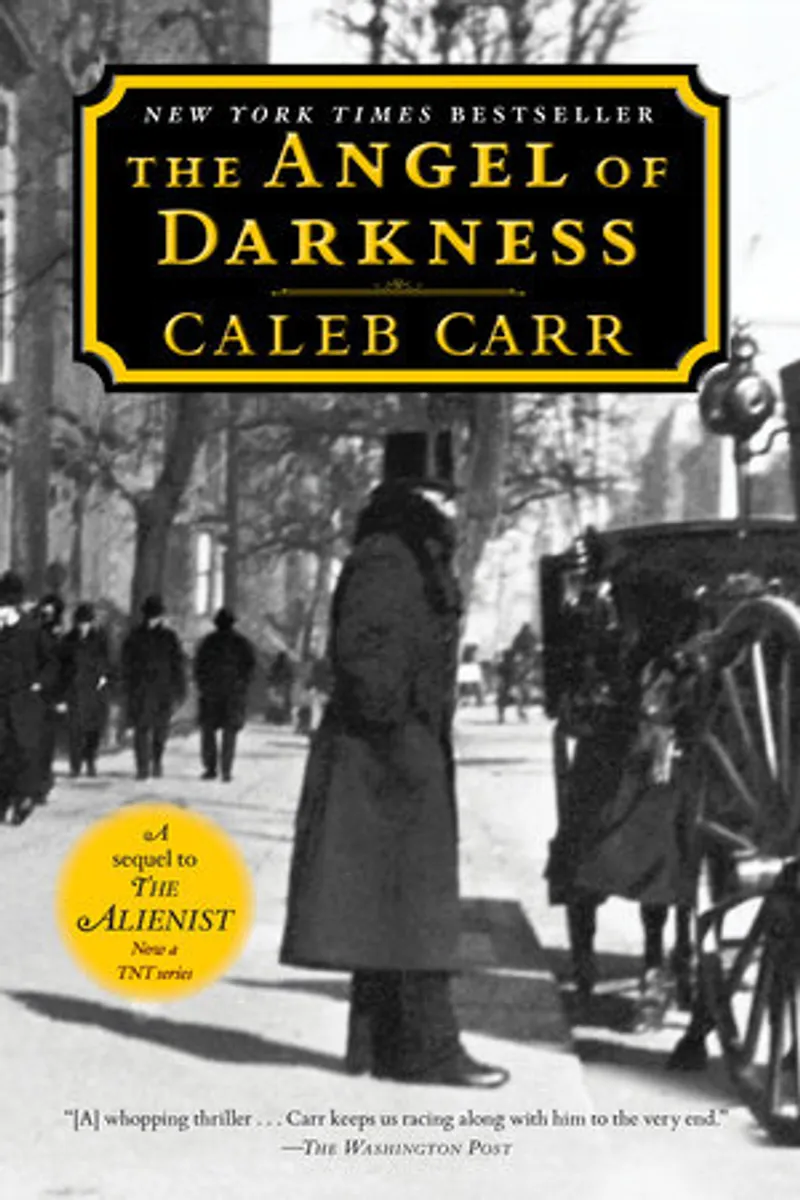
The Angel of Darkness: Book 2 of the Alienist Author: Caleb CarrPage Count: UnknownPublication Date: 2018-PRH Caleb Carr’s The Angel of Darkness is a masterclass in historical suspense, a novel that plunges the reader into the gaslit underbelly of 1897 New York with the same relentless precision that made its predecessor, The Alienist, a modern classic. Set a year after the harrowing capture of serial killer John Beecham, this sequel reunites Dr. Laszlo Kreizler and his eclectic team of investigators—crime reporter John Schuyler Moore, detective Sara Howard, the Isaacson brothers, and the ever-loyal Stevie Taggert—to confront a new horror: the abduction of a Spanish diplomat’s infant daughter. What begins as a high-stakes kidnapping case spirals into a chilling exploration of maternal monstrosity, political intrigue, and the fragility of justice in a city teetering on the edge of war. At its core, The Angel of Darkness is a meditation on the duality of human nature—the way goodness and evil can wear the same face, the way society’s most revered roles (mother, nurse, caregiver) can conceal unspeakable cruelty. Carr’s villain, Libby Hatch, is a masterstroke of psychological horror, a woman who presents herself as a paragon of compassion while committing atrocities that shock even Kreizler’s seasoned mind. Her duality mirrors the broader themes of the novel: the tension between appearance and reality, the thin veneer of civilization, and the ease with which darkness can flourish beneath the surface of progress. In an era of rapid industrialization and social upheaval, Carr forces us to confront the idea that evil is not always a grotesque stranger in an alley but can be a neighbor, a colleague, even a mother cradling a child. Carr’s prose is a triumph of historical immersion, painting a New York that is at once vibrant and decaying. The city’s opulence—its grand ballrooms, its bustling newspapers, its glittering high society—serves as a stark contrast to the squalor of the slums, the corruption of the police, and the desperation of the case at hand. His attention to detail is meticulous, from the fashion of the era to the political tensions between Spain and the U.S., which add a layer of urgency to the narrative. Yet Carr never lets the historical backdrop overshadow the human drama. The relationships between Kreizler, Moore, Sara Howard, and the others are richly drawn, their camaraderie and conflicts as compelling as the mystery itself. Sara Howard, in particular, shines as a feminist icon ahead of her time, wielding her derringer with as much authority as any man in the room. The novel’s pacing is relentless, a whirlwind of clues, red herrings, and shocking revelations that keep the reader guessing until the final page. Carr’s plotting is military in its precision, with each twist and turn serving a purpose, each character’s arc intertwined with the central mystery. The courtroom climax, featuring a young Clarence Darrow, is a masterstroke, elevating the story from a gripping thriller to a meditation on justice and morality. Darrow’s presence is a brilliant historical nod, grounding the narrative in the real-world struggles of the era while adding a layer of gravitas to the proceedings. What sets The Angel of Darkness apart, however, is Carr’s unflinching exploration of the psychological underpinnings of evil. Kreizler, a pioneer in forensic psychiatry, approaches the case with a scientist’s rigor, dissecting the mind of the killer with the same precision he would a cadaver. Yet Carr resists easy answers. Libby Hatch is not a caricature of madness but a complex figure whose actions are rooted in trauma, betrayal, and a warped sense of justice. The novel forces us to ask: How well do we truly know those around us? Can we trust the faces we see in the mirror? Carr’s style is both immersive and unsettling, blending the elegance of a 19th-century novel with the grit of a modern thriller. His prose is lush yet precise, his descriptions vivid enough to make the reader smell the horse manure in the streets and hear the clatter of carriage wheels. Yet he never loses sight of the human heart at the center of the story. The emotional stakes are high, the bonds between the characters palpable, and the resolution—both satisfying and haunting—lingers long after the last page is turned. The Angel of Darkness is more than a sequel; it’s a standalone masterpiece that deepens the world of The Alienist while standing on its own. It’s a novel for readers who crave historical depth, psychological complexity, and a mystery that refuses to let go. Carr has crafted not just a thriller, but a chilling portrait of a city—and a society—on the brink of change, where darkness lurks in the most unexpected places. #TheAngelOfDarkness #CalebCarr #HistoricalThriller #PsychologicalHorror #GildedAgeMystery #CrimeFiction Related InsightsWorld War Z: An Oral History of the Zombie War Book Review and Summary Carved in the Shadows Book Review and Summary A Simple Plan Book Review and Summary{ "@context": "https://schema.org", "@type": "FAQPage", "mainEntity": [ { "@type": "Question", "name": "What is the main focus of The Alienist Book Review and Summary?", "acceptedAnswer": { "@type": "Answer", "text": "Everything you need to know about The Alienist with our detailed review." } }, { "@type": "Question", "name": "Who authored the comprehensive guide on The Alienist Book Review and Summary?", "acceptedAnswer": { "@type": "Answer", "text": "This detailed article and its insights were carefully researched and authored by Caleb Carr." } }, { "@type": "Question", "name": "Where can I find more related content about Books?", "acceptedAnswer": { "@type": "Answer", "text": "You can explore more articles, detailed reviews, and similar insights by browsing the Related Insights section at the bottom of this article or visiting our dedicated Books category page." } } ] }
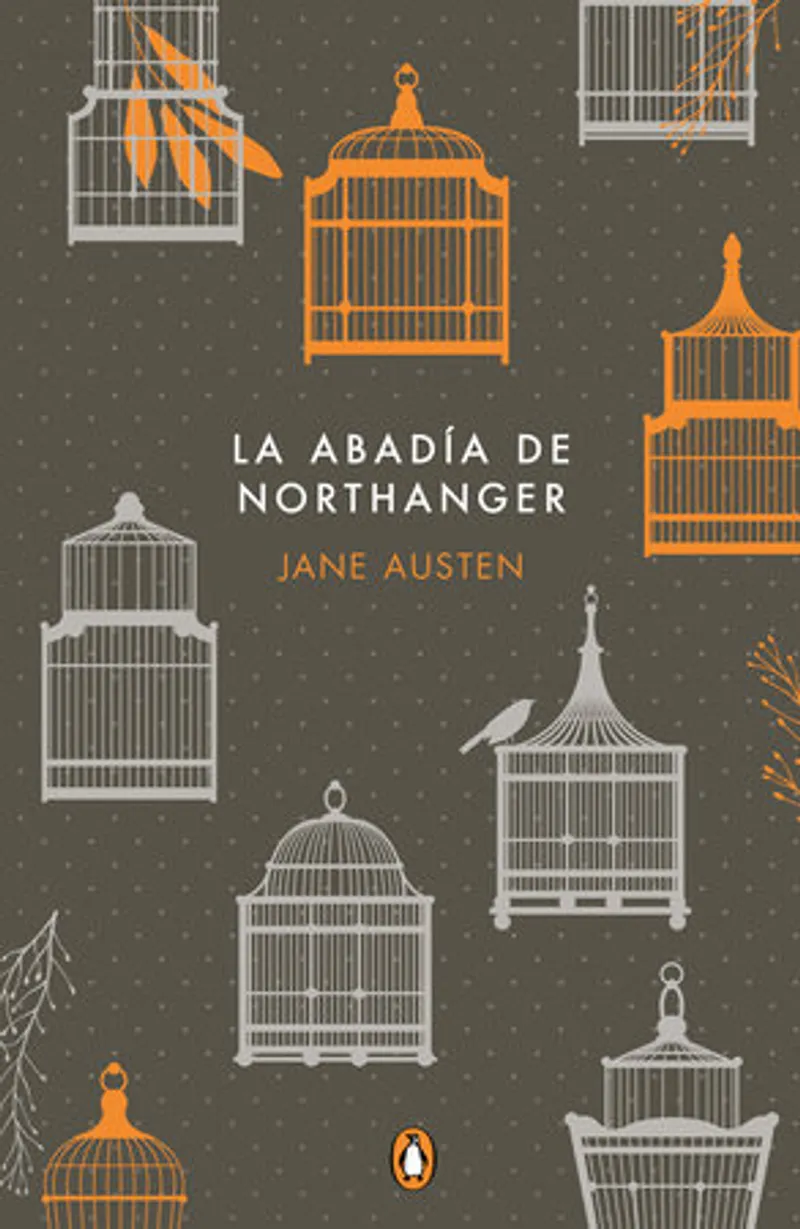
La abadía de Northanger / Northanger Abbey (Commemorative Edition) Author: Jane AustenPage Count: UnknownPublication Date: 2024-PRH In the commemorative edition of Jane Austen's Northanger Abbey, readers are treated to a masterful blend of wit, satire, and social commentary that has captivated audiences for centuries. This timeless novel, first published posthumously in 1818, follows the journey of Catherine Morland, a young and impressionable heroine, as she navigates the complexities of high society and confronts the harsh realities of life. Through Austen's sharp and ironic gaze, we witness Catherine's transformation from a naive and Gothic-obsessed teenager to a mature and discerning young woman. The author's clever use of free indirect discourse allows readers to experience the world through Catherine's eyes, sharing in her misadventures, embarrassments, and ultimate growth. Austen's style is a hallmark of her writing, and Northanger Abbey is no exception. Her use of language is characterized by precision, clarity, and a wicked sense of humor. The novel is peppered with clever observations on the social conventions of the time, as well as a healthy dose of sarcasm aimed at the excesses of Gothic fiction. The result is a narrative that is both entertaining and thought-provoking. One of the most striking aspects of Northanger Abbey is its exploration of the tension between reality and fiction. Catherine's obsession with Gothic novels has skewed her perception of the world, leading her to expect drama and intrigue at every turn. As she navigates the complexities of real-life relationships and social interactions, she must confront the disappointment of discovering that reality is far more mundane than fiction. Austen's commentary on the dangers of romanticizing reality is both timely and timeless. In an era where social media has created a culture of curated perfection, Catherine's struggles to distinguish between fact and fiction serve as a powerful reminder of the importance of living in the real world. The commemorative edition of Northanger Abbey is enhanced by a detailed chronology of Austen's life, as well as an insightful introduction by Marilyn Butler. The inclusion of a biographical note written by Austen's brother, Henry, adds a touching and personal dimension to the novel, offering a glimpse into the life of one of literature's most beloved authors. In conclusion, Northanger Abbey is a masterpiece of English literature that continues to captivate readers with its wit, charm, and timeless themes. Austen's writing is a joy to behold, and this commemorative edition is a must-read for fans of the author and anyone looking to experience the magic of her writing. #NorthangerAbbey #JaneAusten #GothicFiction #ComedyOfManners #ClassicsRevisited #LiteraryMasterpieces Related InsightsDark Tides Book Review and Summary The Swan Lake Murders Book Review and Summary No Longer Allowed In Another World Vol. 6 Book Review and Summary{ "@context": "https://schema.org", "@type": "FAQPage", "mainEntity": [ { "@type": "Question", "name": "What is the main focus of Northanger Abbey Book Review and Summary?", "acceptedAnswer": { "@type": "Answer", "text": "Everything you need to know about Northanger Abbey with our detailed review." } }, { "@type": "Question", "name": "Who authored the comprehensive guide on Northanger Abbey Book Review and Summary?", "acceptedAnswer": { "@type": "Answer", "text": "This detailed article and its insights were carefully researched and authored by Jane Austen." } }, { "@type": "Question", "name": "Where can I find more related content about Books?", "acceptedAnswer": { "@type": "Answer", "text": "You can explore more articles, detailed reviews, and similar insights by browsing the Related Insights section at the bottom of this article or visiting our dedicated Books category page." } } ] }
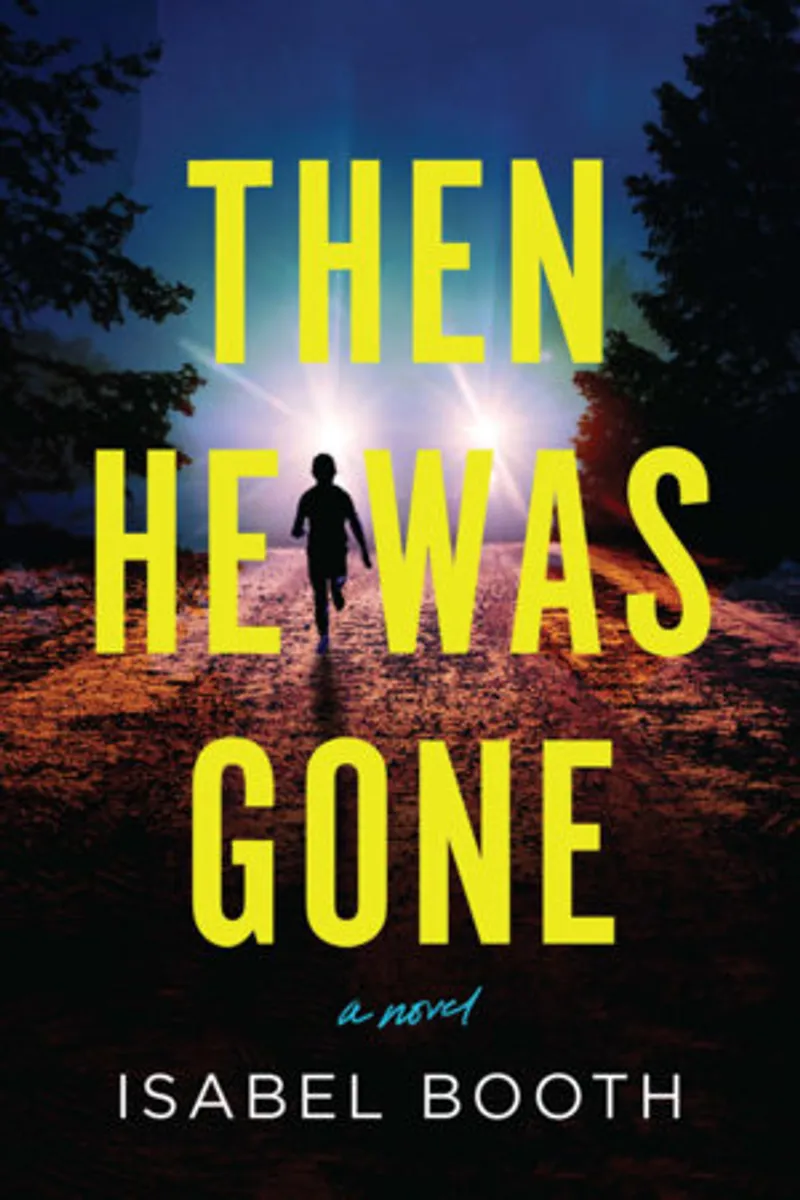
Then He Was Gone Author: Isabel BoothPage Count: UnknownPublication Date: 2026-PRH Isabel Booth’s Then He Was Gone (2026) arrives like a whisper that grows into a scream—a psychological thriller that lingers long after the last page, haunting the reader with its unrelenting tension and the chilling question: How well do we ever truly know the people we love? Booth, known for her razor-sharp prose and ability to dissect the darker corners of human relationships, delivers a novel that is as much a character study as it is a mystery, blurring the lines between obsession and devotion, memory and deception. At its core, Then He Was Gone explores the fragility of trust and the devastating aftermath of a disappearance that leaves more questions than answers. The story unfolds through the eyes of Lena, a woman whose husband, Daniel, vanishes without a trace during a routine family trip. The police find no signs of foul play, no ransom notes, no witnesses—just an empty hotel room and a life that suddenly feels like a carefully constructed lie. As Lena digs deeper, she uncovers fragments of Daniel’s past that don’t align with the man she thought she knew: secret emails, unexplained absences, a second phone hidden in the attic. The more she searches, the more the ground beneath her shifts, revealing a man who may have been living a double life—or perhaps a man who was never who he claimed to be at all. Booth’s genius lies in her refusal to offer easy answers. The novel unfolds in a fragmented, almost cinematic style, with chapters alternating between Lena’s present-day unraveling and flashbacks to her marriage. This structure mirrors Lena’s own fractured state of mind, where every memory feels tainted by doubt. Booth’s prose is sparse yet evocative, each sentence carrying the weight of unspoken dread. There’s a clinical precision to her writing that makes the emotional devastation hit harder—like watching a surgeon perform an operation with a scalpel that’s also a scalpel to the heart. What elevates Then He Was Gone beyond a typical domestic thriller is Booth’s exploration of the psychological toll of uncertainty. Lena isn’t just searching for Daniel; she’s grappling with the erosion of her own identity. Who is she without the man she built her life around? How much of their relationship was real, and how much was performance? The novel forces the reader to confront uncomfortable truths about love and loyalty—how easily devotion can curdle into obsession, how a person can become a stranger in their own home. Booth’s characters are painfully human, flawed in ways that make them both relatable and deeply unsettling. Lena is a woman of contradictions—strong yet vulnerable, determined yet paralyzed by fear. Daniel, in the glimpses we get of him, is a masterclass in ambiguity; is he a victim, a villain, or something in between? The supporting cast, from Lena’s skeptical sister to the detective who grows increasingly frustrated with her, add layers of complexity, each serving as a mirror to Lena’s own unraveling. The novel’s title, Then He Was Gone, is a masterstroke of understatement. It suggests not just a disappearance but a transformation—of trust, of reality, of the self. By the final pages, the reader is left with the same gnawing question Lena asks herself: Did he leave, or was he never really there to begin with? Isabel Booth has crafted a thriller that is as much about the mind as it is about the mystery. It’s a book that will keep you up at night, not just because of what might have happened, but because of what could happen—how easily the people we love can slip through the cracks of our perception. Then He Was Gone is a chilling reminder that the most terrifying secrets aren’t always hidden in the dark; sometimes, they’re hiding in plain sight, in the way someone smiles or the way they avoid your eyes. This is Booth at her finest—unflinching, intelligent, and utterly unforgettable. #ThenHeWasGone #PsychologicalThriller #DomesticSuspense #IsabelBooth #MissingPersonMystery #TrustNoOne Related InsightsNightwalker Book Review and Summary Boy Who Cried Bear Book Review and Summary Fangirl Down Book Review and Summary{ "@context": "https://schema.org", "@type": "FAQPage", "mainEntity": [ { "@type": "Question", "name": "What is the main focus of Then She Was Gone Book Review and Summary?", "acceptedAnswer": { "@type": "Answer", "text": "Everything you need to know about Then She Was Gone with our detailed review." } }, { "@type": "Question", "name": "Who authored the comprehensive guide on Then She Was Gone Book Review and Summary?", "acceptedAnswer": { "@type": "Answer", "text": "This detailed article and its insights were carefully researched and authored by Lisa Jewell." } }, { "@type": "Question", "name": "Where can I find more related content about Books?", "acceptedAnswer": { "@type": "Answer", "text": "You can explore more articles, detailed reviews, and similar insights by browsing the Related Insights section at the bottom of this article or visiting our dedicated Books category page." } } ] }
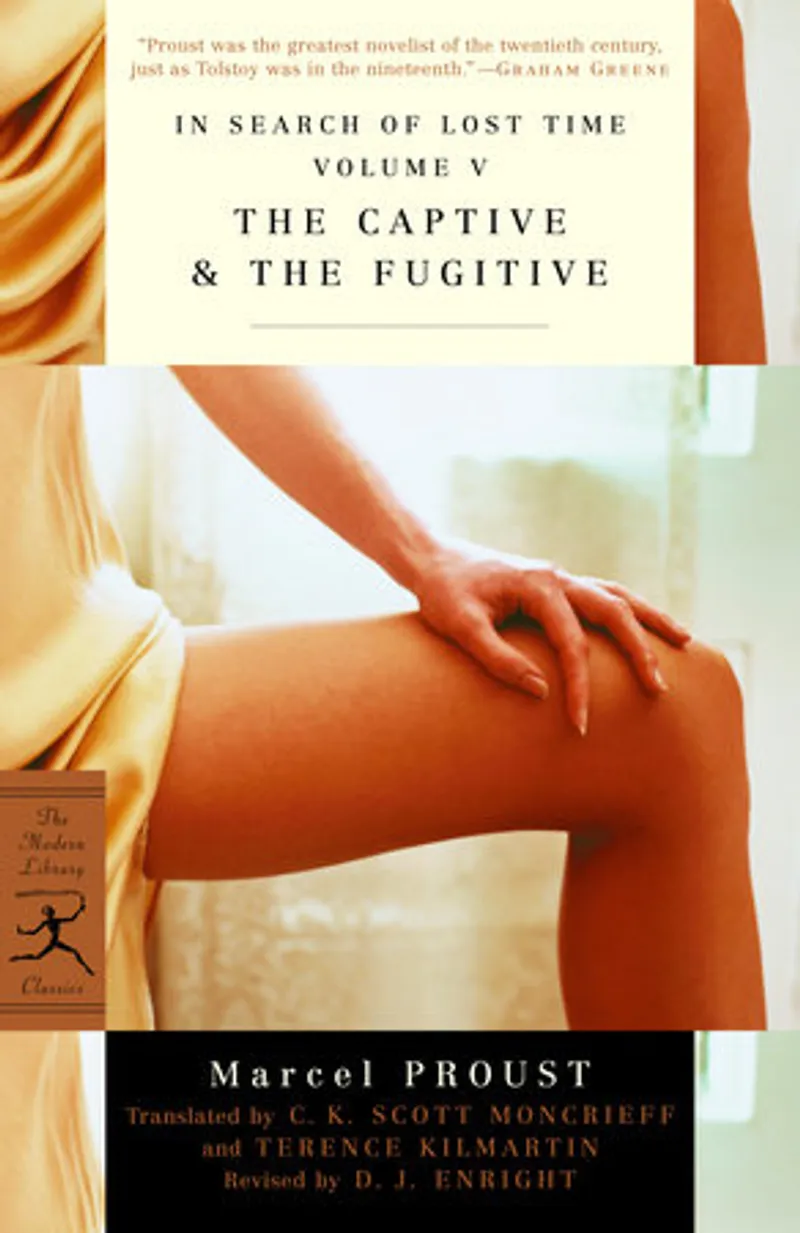
In Search of Lost Time Volume V The Captive & The Fugitive Author: Marcel ProustPage Count: UnknownPublication Date: 1999-PRH In Search of Lost Time Volume V: The Captive & The Fugitive, penned by the inimitable Marcel Proust, is a masterful exploration of the human experience, delving into the complexities of desire, love, and the passage of time. This fifth installment of Proust's magnum opus is a poignant and introspective work, comprised of two novels, The Captive and The Fugitive, that together form a scintillating examination of the narrator's all-consuming relationship with his lover, Albertine. Proust's writing style is, as ever, a hallmark of elegance and refinement, his prose a rich tapestry woven from the intricate threads of observation, introspection, and philosophical musings. His narrative voice is at once deeply personal and universally relatable, imbuing the reader with a sense of intimacy and immediacy. The author's use of language is nothing short of enchanting, his descriptions of the mundane and the sublime alike infused with a lyricism that is both captivating and affecting. At the heart of The Captive and The Fugitive lies the enigmatic figure of Albertine, a woman whose presence in the narrator's life is at once captivating and suffocating. Proust's portrayal of their relationship is a nuanced and multifaceted exploration of the complexities of love and desire, laying bare the tensions and contradictions that underpin even the most seemingly idyllic of partnerships. As the narrator becomes increasingly entangled in his obsession with Albertine, the boundaries between love and captivity begin to blur, raising fundamental questions about the nature of freedom and the human condition. The Captive, in particular, is a masterclass in the art of psychological observation, Proust's narrator dissecting the intricacies of his own emotions with a precision that is both fascinating and unsettling. His fixation on Albertine is a case study in the all-consuming power of desire, a force that is at once creative and destructive, capable of inspiring great beauty and great suffering in equal measure. The Fugitive, on the other hand, is a novel of loss and longing, its narrative a poignant exploration of the narrator's attempts to come to terms with the irretrievable loss of his beloved Albertine. Proust's prose here is marked by a sense of melancholy and regret, the narrator's introspections a poignant reminder of the transience of human experience and the inexorable passage of time. Throughout both novels, Proust's meditations on the human condition are marked by a profound sense of irony and a deep understanding of the complexities of the human heart. His writing is a testament to the transformative power of art, a reminder that even in the darkest of times, the human spirit remains capable of creating beauty, finding meaning, and transcending the limitations of our mortal coil. In conclusion, In Search of Lost Time Volume V: The Captive & The Fugitive is a triumph of modern literature, a work of profound beauty and insight that will continue to captivate readers for generations to come. Proust's masterpiece is a must-read for anyone seeking to understand the human experience in all its complexity and nuance. #Proust #InSearchOfLostTime #TheCaptive #TheFugitive #ModernLiterature #FrenchLiterature Related InsightsIn Search of Safety: Voices of Refugees Book Review and Summary Brothersong Book Review and Summary Ninth House Book Review and Summary{ "@context": "https://schema.org", "@type": "FAQPage", "mainEntity": [ { "@type": "Question", "name": "What is the main focus of Captive in the Dark Book Review and Summary?", "acceptedAnswer": { "@type": "Answer", "text": "Everything you need to know about Captive in the Dark with our detailed review." } }, { "@type": "Question", "name": "Who authored the comprehensive guide on Captive in the Dark Book Review and Summary?", "acceptedAnswer": { "@type": "Answer", "text": "This detailed article and its insights were carefully researched and authored by C.J. Roberts." } }, { "@type": "Question", "name": "Where can I find more related content about Books?", "acceptedAnswer": { "@type": "Answer", "text": "You can explore more articles, detailed reviews, and similar insights by browsing the Related Insights section at the bottom of this article or visiting our dedicated Books category page." } } ] }
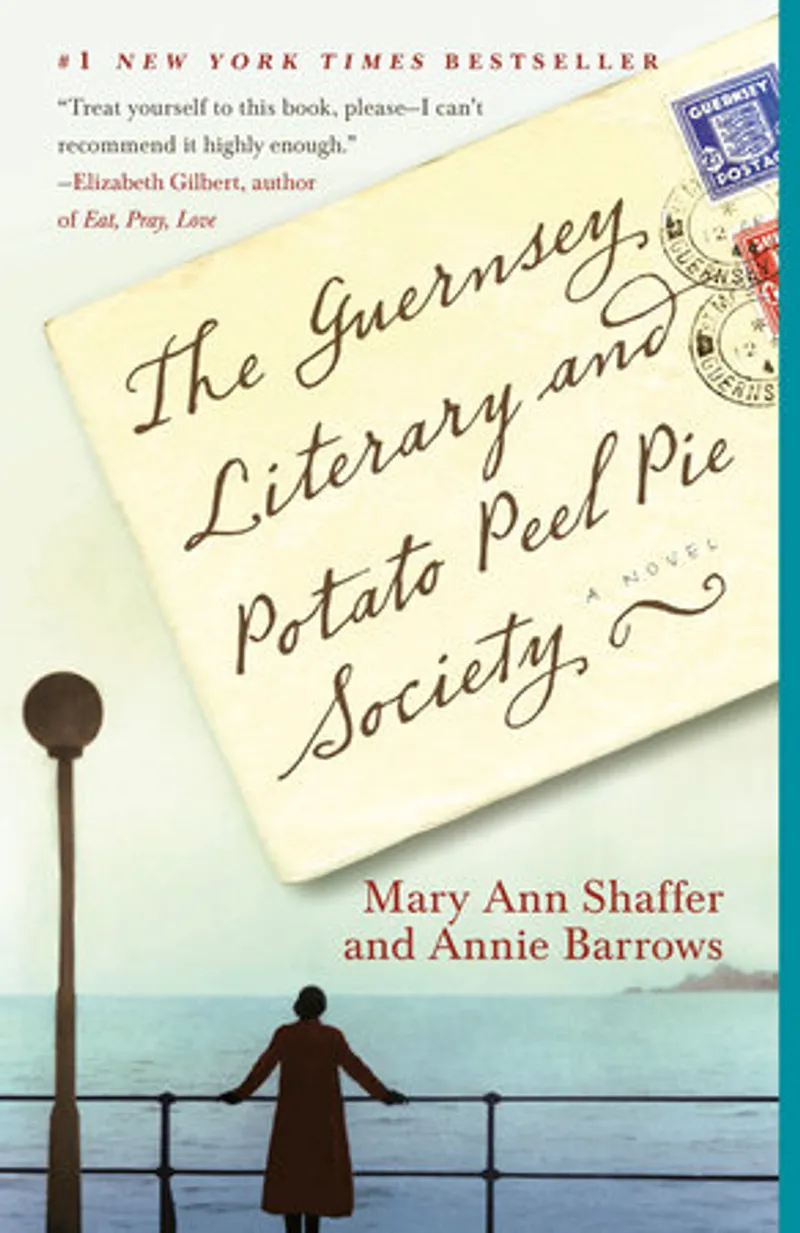
The Guernsey Literary and Potato Peel Pie Society Author: Mary Ann ShafferPage Count: UnknownPublication Date: 2009-PRH The Guernsey Literary and Potato Peel Pie Society by Mary Ann Shaffer is a mesmerizing tale that weaves together the threads of literature, love, and the unbreakable human spirit. Set against the backdrop of post-World War II, the novel is a poignant exploration of the island of Guernsey's experiences during the German occupation. Through a series of letters exchanged between the protagonist, Juliet Ashton, and the islanders, Shaffer masterfully crafts a narrative that is both heartwarming and heart-wrenching. The author's use of the epistolary format is a stroke of genius, allowing the reader to experience the story through the intimate and personal letters of the characters. This format not only adds to the charm of the novel but also enables Shaffer to showcase her exceptional writing skills. Each letter is a masterclass in storytelling, filled with humor, wit, and a deep understanding of the human condition. At its core, The Guernsey Literary and Potato Peel Pie Society is a celebration of the power of literature to bring people together. The novel highlights the importance of books as a source of comfort, solace, and inspiration during times of war and hardship. The characters' love for literature is infectious, and their discussions about books are some of the most delightful moments in the novel. Shaffer's writing is effortlessly elegant, with a keen eye for detail and a deep understanding of the historical context. Her characters are multidimensional and relatable, with each one bringing their unique perspective to the narrative. The island of Guernsey itself becomes a character in the novel, with its rich history and culture woven seamlessly into the story. One of the most striking aspects of the novel is its ability to balance humor and pathos. Shaffer tackles the difficult subjects of war, loss, and trauma with sensitivity and nuance, yet still manages to infuse the narrative with a sense of hope and resilience. The result is a novel that is both uplifting and thought-provoking. In short, The Guernsey Literary and Potato Peel Pie Society is a must-read for anyone who loves literature, history, or just a good story. Shaffer's writing is a joy to behold, and her characters will capture your heart. This novel is a testament to the power of storytelling and the human spirit, and it will leave you feeling uplifted and inspired. #GuernseyLiteraryAndPotatoPeelPieSociety #HistoricalFiction #BookLovers #WWII #LiteraryFiction #EpistolaryNovel Related InsightsTears of Tess Book Review and Summary Espíritu (Cemetery Boys, #2) Book Review and Summary Hazlo por un día: Cómo crear o romper cualquier hábito en 30 días / Do It For A Day: How to Make or Break Any Habit in 30 Days Book Review and Summary{ "@context": "https://schema.org", "@type": "FAQPage", "mainEntity": [ { "@type": "Question", "name": "What is the main focus of The Guernsey Literary and Potato Peel Pie Society Book Review and Summary?", "acceptedAnswer": { "@type": "Answer", "text": "Everything you need to know about The Guernsey Literary and Potato Peel Pie Society with our detailed review." } }, { "@type": "Question", "name": "Who authored the comprehensive guide on The Guernsey Literary and Potato Peel Pie Society Book Review and Summary?", "acceptedAnswer": { "@type": "Answer", "text": "This detailed article and its insights were carefully researched and authored by Mary Ann Shaffer." } }, { "@type": "Question", "name": "Where can I find more related content about Books?", "acceptedAnswer": { "@type": "Answer", "text": "You can explore more articles, detailed reviews, and similar insights by browsing the Related Insights section at the bottom of this article or visiting our dedicated Books category page." } } ] }
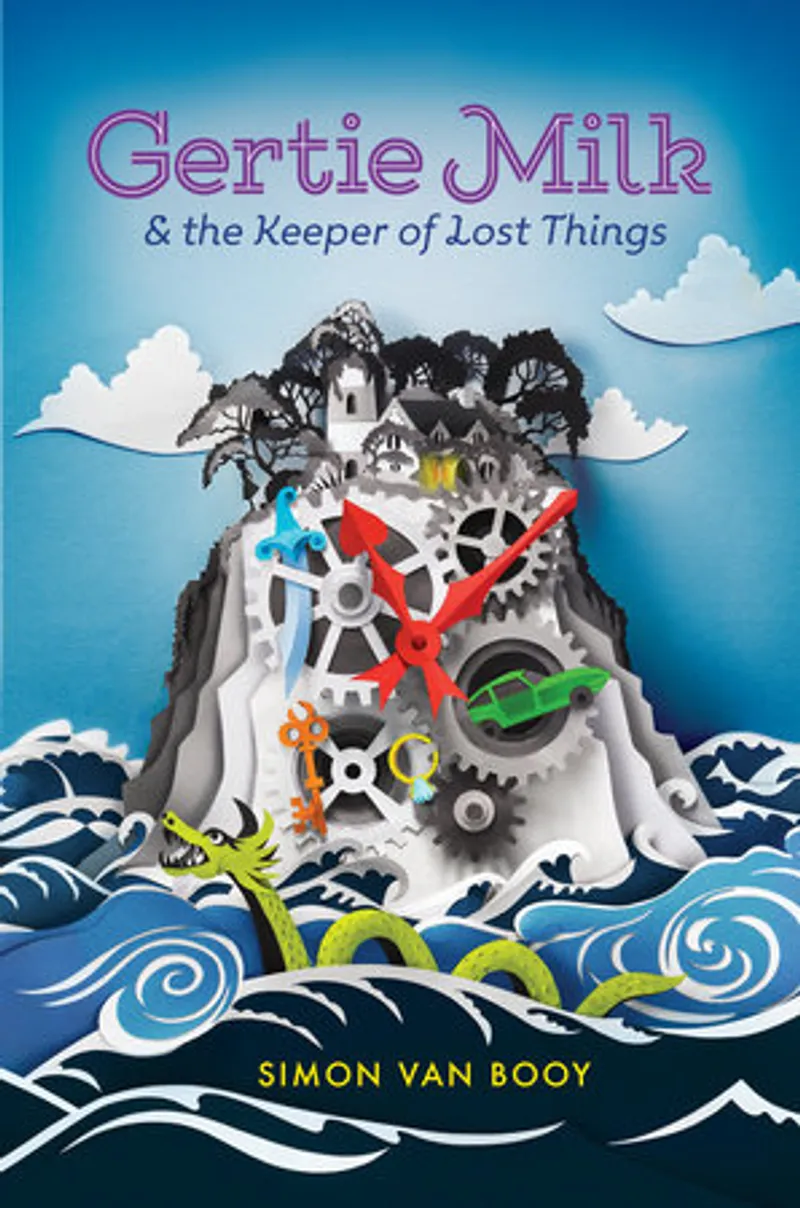
Gertie Milk and the Keeper of Lost Things Author: Simon Van BooyPage Count: UnknownPublication Date: 2017-PRH In "Gertie Milk and the Keeper of Lost Things," Simon Van Booy masterfully weaves a captivating narrative that whisks readers away to a mystical world of wonder and magic. This enchanting tale follows the journey of twelve-year-old Gertie Milk, who finds herself washed up on the mysterious island of Skuldark with no recollection of her past. As she navigates this strange new world, Gertie discovers that she has been chosen as the next Keeper of Lost Things, tasked with the noble mission of returning lost artifacts to their rightful owners throughout history. Van Booy's writing style is a perfect blend of whimsy and sophistication, making this book an absolute delight to read. His vivid descriptions of the island's peculiar inhabitants, such as the helpful Slug Lamps and the ferocious Guard Worm, are both imaginative and engaging. The author's use of language is rich and evocative, painting a picture of a world that is both fantastical and familiar. One of the most striking aspects of this book is its exploration of the theme of identity. Gertie's journey is not just about uncovering the truth of her past, but also about discovering her own sense of self. As she travels through time, returning lost objects to their rightful owners, Gertie begins to piece together fragments of her own identity. This theme is expertly woven throughout the narrative, adding depth and complexity to the story. The author's use of historical settings is also noteworthy. From ancient Alexandria to 1920s flapper parties, Van Booy's vivid descriptions transport readers to different eras, immersing them in the sights, sounds, and sensations of each time period. The inclusion of historical figures and events adds an extra layer of authenticity to the narrative, making the fantastical elements all the more believable. The character of Gertie Milk is well-developed and relatable, making her a compelling protagonist. Her determination and resourcefulness in the face of adversity are admirable, and her relationships with the other characters, particularly Kolt, are warm and engaging. The villainous Losers, who seek to destroy order and chaos, provide a formidable counterpoint to Gertie's mission, adding an element of tension and suspense to the narrative. Overall, "Gertie Milk and the Keeper of Lost Things" is a captivating and imaginative tale that will appeal to readers of all ages. Van Booy's writing style is engaging, and his use of themes and historical settings adds depth and complexity to the narrative. This book is a must-read for fans of magical realism and historical fiction, and is sure to leave readers eagerly anticipating the next installment in the series. #GertieMilkAndTheKeeperOfLostThings #SimonVanBooy #MiddleGradeFiction #MagicalRealism #HistoricalFiction #TimeTravelAdventures Related InsightsThe Heavenly Table Book Review and Summary Katabasis Book Review and Summary Boy Who Cried Bear Book Review and Summary{ "@context": "https://schema.org", "@type": "FAQPage", "mainEntity": [ { "@type": "Question", "name": "What is the main focus of Keeper of the Lost Cities Book Review and Summary?", "acceptedAnswer": { "@type": "Answer", "text": "Everything you need to know about Keeper of the Lost Cities with our detailed review." } }, { "@type": "Question", "name": "Who authored the comprehensive guide on Keeper of the Lost Cities Book Review and Summary?", "acceptedAnswer": { "@type": "Answer", "text": "This detailed article and its insights were carefully researched and authored by Shannon Messenger." } }, { "@type": "Question", "name": "Where can I find more related content about Books?", "acceptedAnswer": { "@type": "Answer", "text": "You can explore more articles, detailed reviews, and similar insights by browsing the Related Insights section at the bottom of this article or visiting our dedicated Books category page." } } ] }
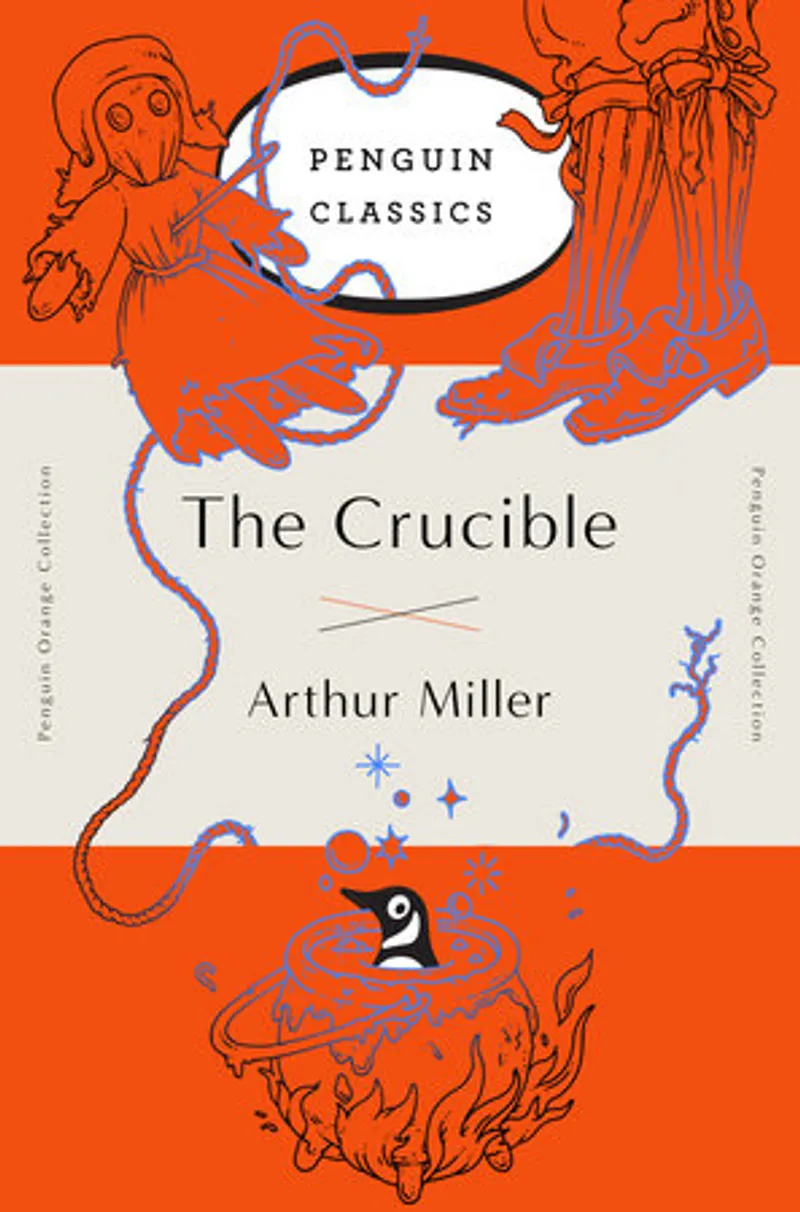
The Crucible Author: Arthur MillerPage Count: UnknownPublication Date: 2016-PRH The Crucible, penned by the inimitable Arthur Miller, is a masterpiece of twentieth-century American theater that has stood the test of time. This play, now part of the esteemed Penguin Orange Collection, is a searing exploration of the destructive nature of hysteria, greed, and the dangers of unchecked power. As we delve into the world of 17th-century Salem, Massachusetts, Miller's writing masterfully exposes the darker aspects of human nature, leaving the reader to ponder the blurred lines between guilt, innocence, and collective madness. Miller's writing is akin to a slow-burning fire, gradually building in intensity as the play unfolds. His characters are multidimensional and richly drawn, with the protagonist, John Proctor, embodying the complexities of the human condition. Proctor's struggles with his own guilt and redemption serve as a powerful counterpoint to the rising hysteria that threatens to consume the community. Through Proctor's character, Miller raises essential questions about the nature of morality, the importance of personal integrity, and the devastating consequences of unchecked ambition. The Crucible is a play that is both a product of its time and eerily prescient. Written in the 1950s, it was a clear response to the McCarthyism that was sweeping the United States, but its themes and warnings remain just as relevant today. Miller's exploration of the dangers of mass hysteria, the destructive power of false accusations, and the erosion of civil liberties is a timely reminder of the importance of critical thinking, empathy, and the need to protect individual rights. One of the most striking aspects of Miller's writing is his ability to craft a sense of tension and suspense that is almost palpable. As the play builds towards its tragic conclusion, the reader is drawn into a world of fear, paranoia, and ultimately, devastation. Miller's use of language is economical, yet powerful, with a keen eye for detail that brings the characters and their world to vivid life. The Penguin Orange Collection's edition of The Crucible is a beautifully designed volume that does justice to Miller's masterpiece. The iconic orange and white tri-band cover design is a bold and striking tribute to the play's enduring legacy, while the high-quality paper and striking cover illustrations add to the overall sense of luxury and sophistication. In conclusion, The Crucible is a masterpiece of American theater that continues to enthrall and disturb audiences to this day. Miller's writing is a powerful exploration of the human condition, raising essential questions about morality, guilt, and the dangers of unchecked power. This beautifully designed edition from the Penguin Orange Collection is a must-read for anyone interested in classic American literature, theater, or simply great storytelling. #TheCrucible #ArthurMiller #PenguinOrangeCollection #AmericanClassics #Theatre #ClassicLiterature Related InsightsLife of Black Hawk, or Ma-ka-tai-me-she-kia-kiak Book Review and Summary The Forgotten Garden Book Review and Summary The Hunger Games Magnetic Bookmark Set of 3 - Magnetic Bookmarks Book Review and Summary{ "@context": "https://schema.org", "@type": "FAQPage", "mainEntity": [ { "@type": "Question", "name": "What is the main focus of The Crucible Book Review and Summary?", "acceptedAnswer": { "@type": "Answer", "text": "Everything you need to know about The Crucible with our detailed review." } }, { "@type": "Question", "name": "Who authored the comprehensive guide on The Crucible Book Review and Summary?", "acceptedAnswer": { "@type": "Answer", "text": "This detailed article and its insights were carefully researched and authored by Arthur Miller." } }, { "@type": "Question", "name": "Where can I find more related content about Books?", "acceptedAnswer": { "@type": "Answer", "text": "You can explore more articles, detailed reviews, and similar insights by browsing the Related Insights section at the bottom of this article or visiting our dedicated Books category page." } } ] }
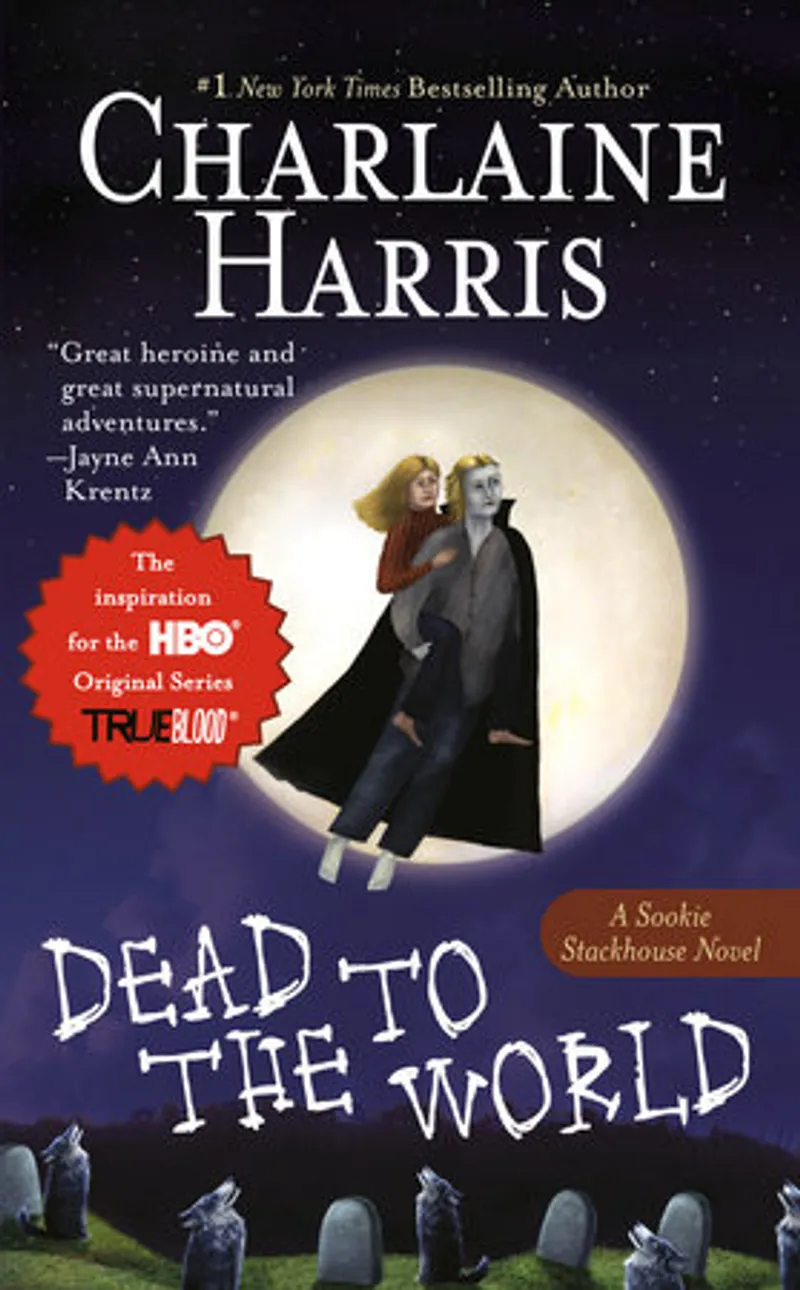
Dead to the World Author: Charlaine HarrisPage Count: UnknownPublication Date: 2005-PRH Dead to the World, the fourth installment in Charlaine Harris's Sookie Stackhouse series, is a mesmerizing tale of mystery, magic, and romance that will leave readers spellbound. This 2005 novel, which inspired the hit HBO series True Blood, delves into the complexities of the supernatural world, weaving a rich narrative that explores the intricacies of power, identity, and the human heart. At the center of the story is Sookie Stackhouse, a telepathic cocktail waitress with a penchant for getting entangled in the paranormal dramas of her small Louisiana town. When Sookie encounters a naked, amnesiac vampire on the side of the road, she is drawn into a web of intrigue that threatens to upend her life. The vampire, none other than the enigmatic Eric Northman, is a far cry from the confident, calculating creature Sookie has come to know. This new, vulnerable Eric is a kinder, gentler soul, and Sookie finds herself inexplicably drawn to him. As Sookie navigates the treacherous landscape of supernatural politics, she must confront the dark forces that seek to destroy Eric and claim dominion over the vampire world. Harris masterfully orchestrates a complex dance of witches, vampires, and werewolves, each with their own agendas and motivations. The result is a gripping narrative that propels the reader forward, hurtling toward a climactic showdown that will leave even the most seasoned fans breathless. One of the standout aspects of Dead to the World is Harris's skillful exploration of the human condition. Through Sookie's journey, Harris probes the complexities of identity, love, and power, raising fundamental questions about the nature of self and the human experience. Sookie's relationships with Eric, her vampire lover Bill, and her friends and family serve as a catalyst for introspection, forcing her to confront the depths of her own heart and the true meaning of loyalty, duty, and desire. Harris's writing style is, as always, engaging and accessible, with a keen sense of humor that adds a welcome layer of levity to the narrative. Her world-building is meticulous, with a deep understanding of the mythology and folklore that underpin the supernatural universe she has created. The characters, too, are richly drawn, with Sookie's first-person narrative voice offering a unique window into the inner workings of her mind and heart. In conclusion, Dead to the World is a captivating addition to the Sookie Stackhouse series, offering a rich tapestry of mystery, romance, and supernatural intrigue. Harris's masterful storytelling, coupled with her insightful exploration of the human condition, makes for a compelling read that will appeal to fans of urban fantasy, romance, and mystery alike. #SookieStackhouseSeries #TrueBlood #VampireFiction #UrbanFantasy #ParanormalRomance #CharlaineHarris Related InsightsLove Unwritten Book Review and Summary Una corte de rosas y espinas Book Review and Summary Lucy Kline, Necromancer Book Review and Summary{ "@context": "https://schema.org", "@type": "FAQPage", "mainEntity": [ { "@type": "Question", "name": "What is the main focus of Dead to the World Book Review and Summary?", "acceptedAnswer": { "@type": "Answer", "text": "Everything you need to know about Dead to the World with our detailed review." } }, { "@type": "Question", "name": "Who authored the comprehensive guide on Dead to the World Book Review and Summary?", "acceptedAnswer": { "@type": "Answer", "text": "This detailed article and its insights were carefully researched and authored by Charlaine Harris." } }, { "@type": "Question", "name": "Where can I find more related content about Books?", "acceptedAnswer": { "@type": "Answer", "text": "You can explore more articles, detailed reviews, and similar insights by browsing the Related Insights section at the bottom of this article or visiting our dedicated Books category page." } } ] }

BRZRKR: Light Draws Breath #1 Author: Alessio AvallonePage Count: UnknownPublication Date: 2026-PRH BRZRKR: Light Draws Breath #1 is the latest addition to the BRZRKR universe, penned by Alessio Avallone. As a seasoned reviewer, I dove headfirst into this new installment, eager to unravel the mysteries that lie within. The result is a mesmerizing narrative that not only expands the BRZRKR lore but also delves into the intricacies of human nature. At its core, BRZRKR: Light Draws Breath #1 explores the theme of duality – the eternal struggle between light and darkness, chaos and order. Avallone masterfully weaves this concept throughout the story, creating a complex tapestry of characters, each with their own distinct voice and motivations. The protagonist, a being of unyielding ferocity and unwavering dedication, embodies this duality, walking the fine line between brutality and compassion. Avallone's writing style is akin to a maestro conducting a symphony. His prose is poetic, yet unflinching, painting vivid images that dance across the page. The pacing is deliberate, building tension with each carefully crafted sentence. The author's use of language is both beautiful and brutal, mirroring the world he has created. One of the standout aspects of BRZRKR: Light Draws Breath #1 is its ability to balance action and introspection. The narrative seamlessly shifts between heart-pumping sequences of violence and poignant moments of self-discovery. This dichotomy not only adds depth to the story but also serves as a testament to Avallone's skill as a storyteller. The world-building in BRZRKR: Light Draws Breath #1 is equally impressive. Avallone expands the BRZRKR universe, introducing new characters and locations that enrich the existing lore. The mythology is complex, yet accessible, making it easy for new readers to jump into the series while still providing plenty of Easter eggs for longtime fans. In conclusion, BRZRKR: Light Draws Breath #1 is a gripping narrative that will captivate fans of the series and newcomers alike. Alessio Avallone's masterful storytelling, coupled with his poetic prose, makes for a compelling read. If you're a fan of dark fantasy, action-packed narratives, or just great storytelling in general, then this book is a must-read. #BRZRKR #LightDrawsBreath #DarkFantasy #ComicBookSeries #AlessioAvallone #GraphicNovelReview Related InsightsHoly Bible: New International Version Book Review and Summary The Chalice of the Gods Book Review and Summary Your Lips on Mine Book Review and Summary{ "@context": "https://schema.org", "@type": "FAQPage", "mainEntity": [ { "@type": "Question", "name": "What is the main focus of Different Seasons Book Review and Summary?", "acceptedAnswer": { "@type": "Answer", "text": "Everything you need to know about Different Seasons with our detailed review." } }, { "@type": "Question", "name": "Who authored the comprehensive guide on Different Seasons Book Review and Summary?", "acceptedAnswer": { "@type": "Answer", "text": "This detailed article and its insights were carefully researched and authored by Stephen King." } }, { "@type": "Question", "name": "Where can I find more related content about Books?", "acceptedAnswer": { "@type": "Answer", "text": "You can explore more articles, detailed reviews, and similar insights by browsing the Related Insights section at the bottom of this article or visiting our dedicated Books category page." } } ] }
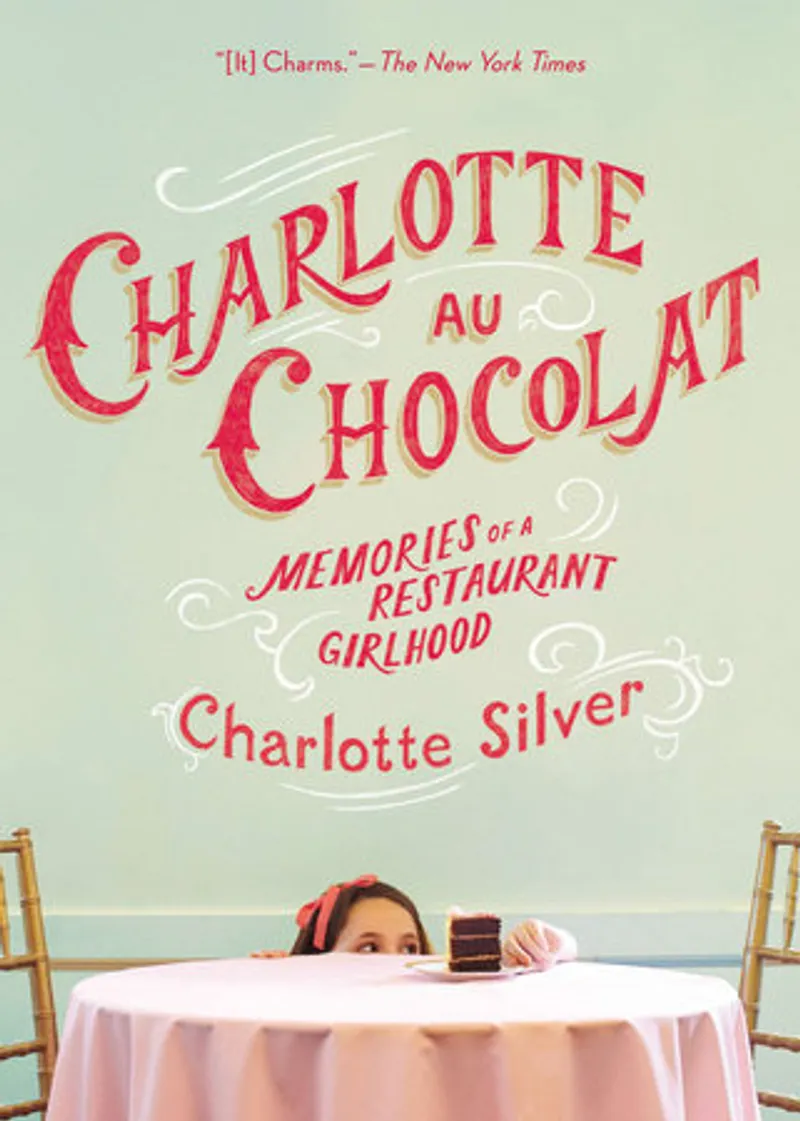
Charlotte Au Chocolat Author: Charlotte SilverPage Count: UnknownPublication Date: 2013-PRH In "Charlotte Au Chocolat," Charlotte Silver weaves a captivating narrative that delves into the intricacies of her unconventional childhood, spent amidst the opulent backdrop of her mother's esteemed restaurant, Upstairs at the Pudding, in Harvard Square. With a writing style that effortlessly blends wit, charm, and poignancy, Silver masterfully transports readers into the decadent world of fine dining, eccentric characters, and the unbreakable bond between a mother and daughter. The memoir is, at its core, a poignant tribute to the author's mother, a woman affectionately nicknamed "Patton in Pumps." This enigmatic figure, with her wasp-waisted physique, cocktail dresses, and unwavering dedication to her family and restaurant, is the linchpin that holds the narrative together. Silver's portrayal of her mother is multifaceted, revealing a complex individual who embodies both vulnerability and unyielding determination. Through Silver's eyes, we experience the restaurant as a character in its own right, with its pink linen tablecloths, twinkling chandeliers, and delectable culinary creations. The author's vivid descriptions of the restaurant's inner workings, from the chaos of the kitchen to the sophistication of the dining area, serve as a testament to her unique upbringing. As we navigate the world of Upstairs at the Pudding, we are introduced to a cast of eccentric characters, each with their own distinct personality and quirks. However, beneath the surface of this charming narrative lies a more profound exploration of the sacrifices made by Silver's mother to keep the family and restaurant afloat. As the restaurant teeters on the brink of financial collapse, Silver gains a newfound appreciation for the world her mother has built, and the immense sacrifices that have been made to sustain it. This poignant realization serves as a turning point in the narrative, as Silver begins to comprehend the true extent of her mother's devotion. Silver's writing style is characterized by its lyricism, humor, and unflinching honesty. Her prose is engaging, making it effortless for readers to become fully immersed in her world. The author's use of vivid imagery and witty observations adds a layer of depth to the narrative, rendering it both entertaining and relatable. In "Charlotte Au Chocolat," Silver has crafted a memoir that is at once a love letter to her mother, a tribute to the restaurant that shaped her childhood, and a poignant exploration of the complexities of family dynamics. With its unique blend of wit, charm, and vulnerability, this memoir is sure to resonate with readers who appreciate a well-crafted narrative. #FoodieMemoir #RestaurantLife #MotherDaughterRelationships #ComingOfAgeStory #HarvardSquare #MemoirLovers Related InsightsThose Empty Eyes Book Review and Summary Home Before Dark Book Review and Summary Anji in Shadow (The Rising Tide, #2) Book Review and Summary{ "@context": "https://schema.org", "@type": "FAQPage", "mainEntity": [ { "@type": "Question", "name": "What is the main focus of Chocolat Book Review and Summary?", "acceptedAnswer": { "@type": "Answer", "text": "Everything you need to know about Chocolat with our detailed review." } }, { "@type": "Question", "name": "Who authored the comprehensive guide on Chocolat Book Review and Summary?", "acceptedAnswer": { "@type": "Answer", "text": "This detailed article and its insights were carefully researched and authored by Joanne Harris." } }, { "@type": "Question", "name": "Where can I find more related content about Books?", "acceptedAnswer": { "@type": "Answer", "text": "You can explore more articles, detailed reviews, and similar insights by browsing the Related Insights section at the bottom of this article or visiting our dedicated Books category page." } } ] }
Ishmael Author: Daniel QuinnPage Count: UnknownPublication Date: 2000-PRH In the thought-provoking novel Ishmael, Daniel Quinn embarks on a profound exploration of the human species' role on the planet, weaving a compelling narrative that delves into the intricacies of our existence and our relationship with nature. This twenty-fifth-anniversary edition, featuring a new foreword and afterword by the author, is a testament to the book's enduring impact and relevance. The story begins with a simple yet intriguing ad in the personals section: "Teacher Seeks Pupil. Must have an earnest desire to save the world. Apply in person." This sparks an intellectual and spiritual adventure for the protagonist, who engages with a wise and enigmatic gorilla named Ishmael. As their journey unfolds, Quinn masterfully parses humanity's origins, our connection with the natural world, and the consequences of our actions. Through this unique and captivating narrative, the author poses a fundamental question: How can we save the world from ourselves? Quinn's writing style is characterized by its accessibility, clarity, and originality. His prose is engaging, and the story is both suspenseful and inventive, making it an compelling read. The author's use of a gorilla as a teacher and mentor is a bold and effective choice, allowing him to challenge conventional thinking and offer fresh perspectives on the human condition. As noted by The New York Times Book Review, the novel is "laid out for us with an originality and a clarity that few would deny." One of the most striking aspects of Ishmael is its ability to balance intellectual curiosity with spiritual exploration. Quinn seamlessly weaves together philosophy, anthropology, and environmentalism, creating a rich tapestry that resonates with readers on multiple levels. The book's themes of sustainability, social responsibility, and personal growth are both timely and timeless, making it a must-read for anyone concerned about the future of our planet. The praise for Ishmael is well-deserved, with reviewers and readers alike applauding the book's thought-provoking and hauntingly beautiful narrative. As The Washington Post notes, "Before we're halfway through this slim book... we're in [Daniel Quinn's] grip, we want Ishmael to teach us how to save the planet from ourselves. We want to change our lives." This sentiment is echoed by The Austin Chronicle, which describes the book as "suspenseful, inventive, and socially urgent as any fiction or nonfiction you are likely to read this or any other year." In conclusion, Ishmael is a masterpiece of contemporary literature that will resonate with anyone seeking a deeper understanding of our place in the world. Daniel Quinn's visionary novel is a call to action, urging readers to reexamine their assumptions and join the quest for a more sustainable and compassionate future. As the Los Angeles Times so eloquently puts it, "Ishmael does its bit to answer that prayer and may just possibly have bought us all a little more time." #SpiritualFiction #EcologicalAwareness #SustainabilityLiterature #Environmentalism #PhilosophicalFiction #SaveThePlanet Related InsightsHow to Resist Guilt: On What's Holding Women Back Book Review and Summary Galleria Book Review and Summary Rebecca Book Review and Summary{ "@context": "https://schema.org", "@type": "FAQPage", "mainEntity": [ { "@type": "Question", "name": "What is the main focus of Ishmael Book Review and Summary?", "acceptedAnswer": { "@type": "Answer", "text": "Everything you need to know about Ishmael with our detailed review." } }, { "@type": "Question", "name": "Who authored the comprehensive guide on Ishmael Book Review and Summary?", "acceptedAnswer": { "@type": "Answer", "text": "This detailed article and its insights were carefully researched and authored by Daniel Quinn." } }, { "@type": "Question", "name": "Where can I find more related content about Books?", "acceptedAnswer": { "@type": "Answer", "text": "You can explore more articles, detailed reviews, and similar insights by browsing the Related Insights section at the bottom of this article or visiting our dedicated Books category page." } } ] }
La tierra baldía (Edición especial del centenario) / The Waste Land (100 Anniver sary Edition) Author: T. S. EliotPage Count: UnknownPublication Date: 2022-PRH In the realm of 20th-century literature, few works have managed to captivate and haunt readers as profoundly as T.S. Eliot's magnum opus, "The Waste Land." This 100th-anniversary edition, expertly edited, prologued, and translated by Andreu Jaume, is a testament to the poem's enduring power and relevance. As we delve into the fragmented narrative, we find ourselves navigating a post-World War I landscape of disillusionment, spiritual decay, and the search for meaning in a desolate, modern world. Eliot's mastery of language is on full display as he weaves together a tapestry of allusions, drawing from the literary canon of Western civilization. The poem's five sections, each with its unique tone and voice, blend seamlessly to create a sense of disorientation and dislocation. The reader is thrust into a world where the past and present converge, where the voices of myth and history intersect with the mundane realities of modern life. At its core, "The Waste Land" is a poem about the human condition, about the search for connection and transcendence in a world that seems to have lost its way. Eliot's vision is both deeply personal and universally relatable, speaking to the anxieties and fears that we all share. His use of imagery is breathtaking, conjuring vivid tableaux of a world in ruins: the "stony rubbish" of modernity, the "empty bottles, sandwich papers, / Silk handkerchiefs, cardboard boxes" that litter the urban landscape. And yet, despite the bleakness of the poem's vision, there is a profound sense of hope and renewal that underlies the narrative. Eliot's use of myth and symbolism, drawing on sources as diverse as Dante, Shakespeare, and Hindu mythology, serves as a reminder that even in the darkest of times, there is always the possibility of rebirth and transformation. One of the most striking aspects of this edition is the inclusion of Eliot's early poem, "Prufrock," which serves as a kind of precursor to the themes and motifs that would later be developed in "The Waste Land." Jaume's translation is superb, capturing the nuances and complexities of Eliot's language with remarkable precision. In short, this 100th-anniversary edition of "The Waste Land" is a triumph, a testament to the enduring power of Eliot's poetry to captivate and inspire readers. As we navigate the complexities and challenges of our own modern world, this poem remains a powerful reminder of the human condition, in all its complexity and beauty. #TheWasteLand #TSEliot #Modernism #20thCenturyLiterature #Poetry #LiteraryClassics Related InsightsScythe Book Review and Summary Creature of the Night (Monster Hunter, #5) Book Review and Summary I Am the Messenger Book Review and Summary{ "@context": "https://schema.org", "@type": "FAQPage", "mainEntity": [ { "@type": "Question", "name": "What is the main focus of The Waste Land Book Review and Summary?", "acceptedAnswer": { "@type": "Answer", "text": "Everything you need to know about The Waste Land with our detailed review." } }, { "@type": "Question", "name": "Who authored the comprehensive guide on The Waste Land Book Review and Summary?", "acceptedAnswer": { "@type": "Answer", "text": "This detailed article and its insights were carefully researched and authored by T.S. Eliot." } }, { "@type": "Question", "name": "Where can I find more related content about Books?", "acceptedAnswer": { "@type": "Answer", "text": "You can explore more articles, detailed reviews, and similar insights by browsing the Related Insights section at the bottom of this article or visiting our dedicated Books category page." } } ] }