Showing Posts From
Fiction
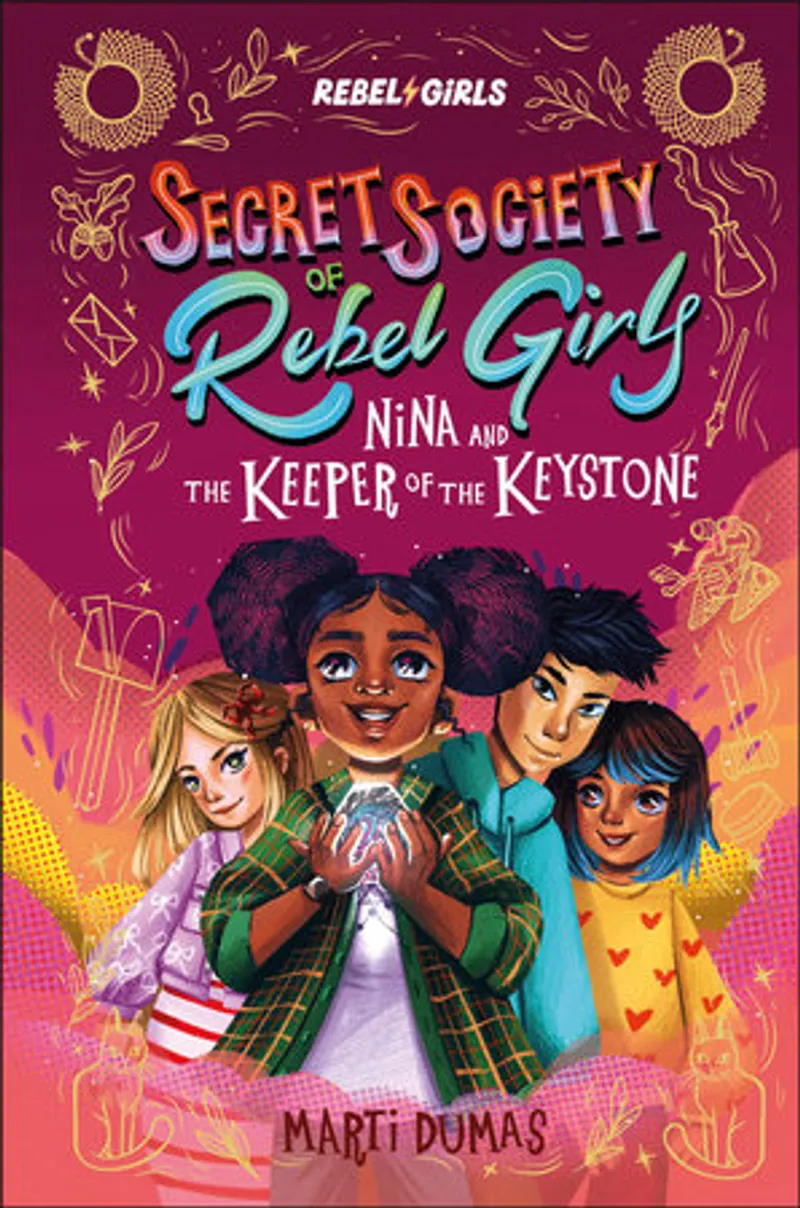
Nina and the Keeper of the Keystone Author: Rebel GirlsPage Count: UnknownPublication Date: 2025-PRH In "Nina and the Keeper of the Keystone", the second installment in the series, Rebel Girls masterfully weaves a tale of self-discovery, friendship, and the power of knowledge. The story picks up where the first book left off, with Nina and her friends utilizing a magical mailbox to offer guidance to their peers. As the narrative unfolds, the group's advice-dispensing operation gains popularity, attracting a steady stream of students seeking help. One of the most striking aspects of this book is its exploration of the main theme: the importance of understanding and applying knowledge in a responsible manner. When a student takes Marie Curie's advice too literally, the consequences are disastrous, forcing Nina and her friends to reevaluate their approach. This incident serves as a catalyst for the group to refine their methods, emphasizing the need to consider the potential outcomes of their actions. Rebel Girls' writing style is engaging and accessible, making the book an enjoyable read for a wide range of audiences. The author's use of historical figures, such as Marie Curie and Ada Lovelace, adds a unique layer of depth to the narrative, highlighting the significance of these trailblazers in a way that is both informative and entertaining. The introduction of a new principal, who seems to be hiding secrets about Ada Lovelace Middle School, adds an air of mystery to the story, keeping readers on the edge of their seats. As the plot thickens, Nina and her friends must navigate the challenges of maintaining their operation while also uncovering the truth about the principal's intentions. Throughout the book, Rebel Girls showcases their ability to craft relatable characters, each with their own distinct voice and personality. Nina, in particular, is a compelling protagonist, whose growth and development are expertly woven throughout the narrative. In conclusion, "Nina and the Keeper of the Keystone" is a captivating and thought-provoking read that is sure to resonate with readers of all ages. With its blend of historical references, engaging characters, and exciting plot twists, this book is a must-read for anyone looking for a story that will inspire and delight. #NinaAndTheKeeperOfTheKeystone #RebelGirls #MiddleGradeFiction #HistoricalFiction #GirlPower #EducationThroughStorytelling Related InsightsWorks of Edgar Allan Poe Book Review and Summary Carry On Book Review and Summary House of Hades (Graphic Novel) Book Review and Summary{ "@context": "https://schema.org", "@type": "FAQPage", "mainEntity": [ { "@type": "Question", "name": "What is the main focus of The Goose Girl Book Review and Summary?", "acceptedAnswer": { "@type": "Answer", "text": "Everything you need to know about The Goose Girl with our detailed review." } }, { "@type": "Question", "name": "Who authored the comprehensive guide on The Goose Girl Book Review and Summary?", "acceptedAnswer": { "@type": "Answer", "text": "This detailed article and its insights were carefully researched and authored by Shannon Hale." } }, { "@type": "Question", "name": "Where can I find more related content about Books?", "acceptedAnswer": { "@type": "Answer", "text": "You can explore more articles, detailed reviews, and similar insights by browsing the Related Insights section at the bottom of this article or visiting our dedicated Books category page." } } ] }
City on Fire Author: Garth Risk HallbergPage Count: UnknownPublication Date: 2016-PRH City on Fire, the 2016 magnum opus by Garth Risk Hallberg, is a sweeping narrative that delves into the complexities of human relationships, the allure of art, and the resilience of the human spirit. Set against the vibrant backdrop of 1970s New York City, this mesmerizing tale weaves together the lives of multiple characters, each with their own distinct voice and struggles. At its core, City on Fire is a novel about the search for meaning and connection in a city that is as unforgiving as it is alluring. Hallberg masterfully captures the essence of New York City during the tumultuous 1970s, a time of great social and economic upheaval. Through his vivid descriptions, the city becomes a character in its own right, exerting a profound influence on the lives of its inhabitants. One of the most striking aspects of City on Fire is its vast array of characters, each with their own rich inner life. From the enigmatic Regan and William Hamilton-Sweeney, heirs to a great fortune, to the idealistic magazine reporter and his neighbor, Hallberg's characters are multidimensional and relatable. He expertly explores the intricate web of relationships between them, revealing the ways in which they intersect and influence one another. Hallberg's writing style is both poetic and precise, capable of conveying the nuances of human emotion with remarkable clarity. His prose is evocative of the city itself, with its rhythms and cadences mirroring the frenetic energy of New York City. The author's use of language is deliberate and measured, each sentence carefully crafted to reveal the inner lives of his characters. One of the central themes of City on Fire is the power of art to transcend and transform. Hallberg explores this idea through the character of Samantha, a suburban teenager drawn to the downtown punk scene. Her story serves as a powerful reminder of the ways in which art can provide a sense of community and purpose, even in the darkest of times. The novel's title, City on Fire, refers to the blackout of July 13, 1977, which plunged New York City into darkness. This pivotal event serves as a catalyst for the characters, forcing them to confront their deepest fears and desires. As the city teeters on the brink of chaos, Hallberg's characters must navigate their own personal crises, leading to a series of unexpected and profound transformations. In City on Fire, Hallberg has created a novel that is both a love letter to New York City and a profound exploration of the human condition. This is a book that will resonate with readers long after they finish reading it, its themes and characters lingering in the mind like the city itself. #CityOnFire #GarthRiskHallberg #NewYorkCity #1970s #PunkRock #AmericanLiterature Related InsightsThe Comeback Summer Book Review and Summary House Rules Book Review and Summary Look What You Did Book Review and Summary{ "@context": "https://schema.org", "@type": "FAQPage", "mainEntity": [ { "@type": "Question", "name": "What is the main focus of City of Heavenly Fire Book Review and Summary?", "acceptedAnswer": { "@type": "Answer", "text": "Everything you need to know about City of Heavenly Fire with our detailed review." } }, { "@type": "Question", "name": "Who authored the comprehensive guide on City of Heavenly Fire Book Review and Summary?", "acceptedAnswer": { "@type": "Answer", "text": "This detailed article and its insights were carefully researched and authored by Cassandra Clare." } }, { "@type": "Question", "name": "Where can I find more related content about Books?", "acceptedAnswer": { "@type": "Answer", "text": "You can explore more articles, detailed reviews, and similar insights by browsing the Related Insights section at the bottom of this article or visiting our dedicated Books category page." } } ] }
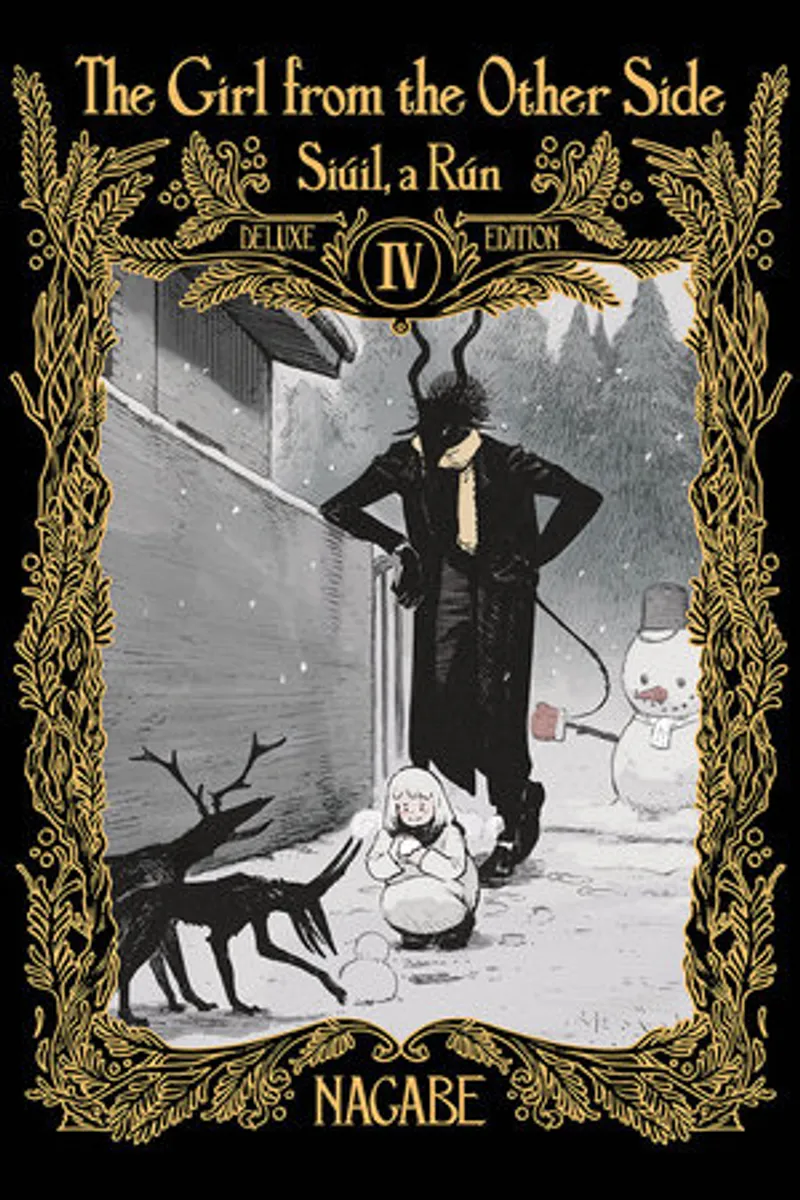
The Girl From the Other Side: Siúil, a Rún Deluxe Edition IV (Vol. 10-11+EX Hardcover Omnibus) Author: NagabePage Count: UnknownPublication Date: 2023-PRH The Girl From the Other Side: Siúil, a Rún Deluxe Edition IV (Vol. 10-11+EX Hardcover Omnibus) is a poignant culmination of Nagabe's critically acclaimed manga series. This final installment brings to a close the heart-wrenching narrative of Shiva and Teacher, transporting readers to a world of eerie beauty and profound emotional depth. Nagabe's storytelling is a masterclass in subtlety, weaving a complex tapestry of themes that explore the human condition. At its core, The Girl From the Other Side is a powerful exploration of the boundaries between innocence and experience, as embodied by the enigmatic Shiva. Her journey, fraught with uncertainty and hardship, serves as a poignant reminder of the devastating consequences of a world torn apart by darkness and fear. The author's use of atmospheric, monochromatic illustrations perfectly complements the narrative, imbuing the world with a haunting sense of desolation. The sparse, elegant lines and delicate shading create a dreamlike quality, drawing the reader into the fragile, snow-globe world that Shiva and Teacher inhabit. The addition of color inserts in this deluxe edition adds a new layer of depth to the narrative, subtly underscoring the emotional intensity of key moments. One of the most striking aspects of Nagabe's storytelling is the way in which she balances hope and despair. Even in the darkest moments, a glimmer of redemption is always present, a testament to the resilience of the human spirit. This delicate balance is a hallmark of the series, and it is expertly maintained in this final volume. The relationship between Shiva and Teacher remains a compelling focus of the narrative, their bond a powerful exploration of the transformative power of love and sacrifice. Through their interactions, Nagabe raises important questions about the nature of humanity, encouraging readers to confront the darkness that lies at the heart of their own existence. The Girl From the Other Side: Siúil, a Rún Deluxe Edition IV is a triumphant conclusion to a series that has captivated audiences worldwide. Nagabe's haunting, beautifully illustrated narrative is a must-read for fans of dark fantasy and manga, and this deluxe edition is the perfect way to experience the series in all its glory. #TheGirlFromTheOtherSide #Nagabe #Manga #DarkFantasy #SiúilARún #TheFinalVolume Related InsightsThe Silent Ink: Unmasking the Forbidden Libraries of the Soviet Empire Cress Book Review and Summary A Little Princess Book Review and Summary{ "@context": "https://schema.org", "@type": "FAQPage", "mainEntity": [ { "@type": "Question", "name": "What is the main focus of The Other Boleyn Girl Book Review and Summary?", "acceptedAnswer": { "@type": "Answer", "text": "Everything you need to know about The Other Boleyn Girl with our detailed review." } }, { "@type": "Question", "name": "Who authored the comprehensive guide on The Other Boleyn Girl Book Review and Summary?", "acceptedAnswer": { "@type": "Answer", "text": "This detailed article and its insights were carefully researched and authored by Philippa Gregory." } }, { "@type": "Question", "name": "Where can I find more related content about Books?", "acceptedAnswer": { "@type": "Answer", "text": "You can explore more articles, detailed reviews, and similar insights by browsing the Related Insights section at the bottom of this article or visiting our dedicated Books category page." } } ] }
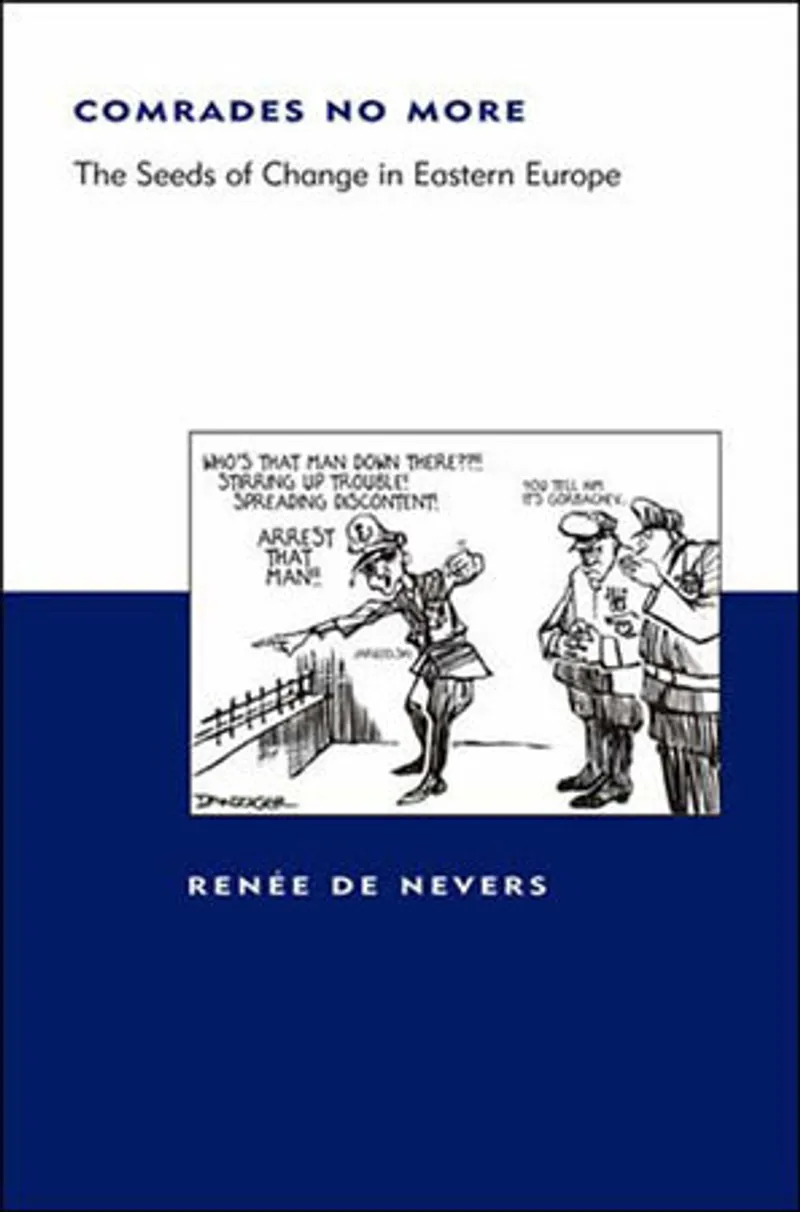
Comrades No More Author: Renee De NeversPage Count: UnknownPublication Date: 2003-PRH In "Comrades No More," Renee de Nevers masterfully dissects the intricacies of the 1989 collapse of communism in Eastern Europe, providing a captivating and well-researched analysis of the complex interplay between internal and external factors that led to the downfall of Soviet control. De Nevers' meticulous examination of the events that transpired in the Warsaw Pact nations offers a nuanced understanding of the pivotal role Gorbachev's reforms played in sparking the process of change, while also highlighting the significant impact of domestic factors in each country. One of the book's greatest strengths lies in its ability to balance breadth and depth, as de Nevers skillfully weaves together a comprehensive narrative that spans multiple countries, including Hungary, Poland, Bulgaria, the German Democratic Republic, Czechoslovakia, and Romania. Her detailed analysis of the reform patterns in each nation not only provides a rich understanding of the events as they unfolded but also sheds light on the post-communist evolution of these countries. De Nevers' writing style is clear and concise, making the book accessible to both scholars and general readers interested in the subject. Her use of the "demonstration effect" concept, which describes how Hungary and Poland's reforms emboldened other nations to follow suit, is particularly insightful and effectively conveys the sense of momentum that built as the communist regimes began to crumble. A notable aspect of "Comrades No More" is its ability to avoid simplistic or reductionist explanations for the collapse of communism. Instead, de Nevers presents a multifaceted analysis that acknowledges the complex interplay between internal and external factors, as well as the unique circumstances of each country. This approach results in a richly textured narrative that eschews easy answers in favor of a more nuanced understanding of the events in question. If there is a criticism to be made, it is that the book's focus on the Warsaw Pact nations sometimes leads to a lack of attention to the broader global context in which the collapse of communism occurred. However, this is a minor quibble, and de Nevers' decision to focus on the internal dynamics of the communist regimes is largely justified by the depth and insight she brings to her analysis. In conclusion, "Comrades No More" is a compelling and meticulously researched study of the collapse of communism in Eastern Europe. Renee de Nevers' engaging writing style and nuanced analysis make the book a must-read for anyone interested in understanding the complex events that shaped the end of the Cold War. #ColdWarHistory #CommunistCollapse #EasternEuropeanPolitics #GorbachevReforms #PostCommunistEvolution #WarsawPact Related InsightsThen She Was Gone Book Review and Summary Not in Love Book Review and Summary Chain of Thorns Book Review and Summary{ "@context": "https://schema.org", "@type": "FAQPage", "mainEntity": [ { "@type": "Question", "name": "What is the main focus of The Edge of Never Book Review and Summary?", "acceptedAnswer": { "@type": "Answer", "text": "Everything you need to know about The Edge of Never with our detailed review." } }, { "@type": "Question", "name": "Who authored the comprehensive guide on The Edge of Never Book Review and Summary?", "acceptedAnswer": { "@type": "Answer", "text": "This detailed article and its insights were carefully researched and authored by J.A. Redmerski." } }, { "@type": "Question", "name": "Where can I find more related content about Books?", "acceptedAnswer": { "@type": "Answer", "text": "You can explore more articles, detailed reviews, and similar insights by browsing the Related Insights section at the bottom of this article or visiting our dedicated Books category page." } } ] }
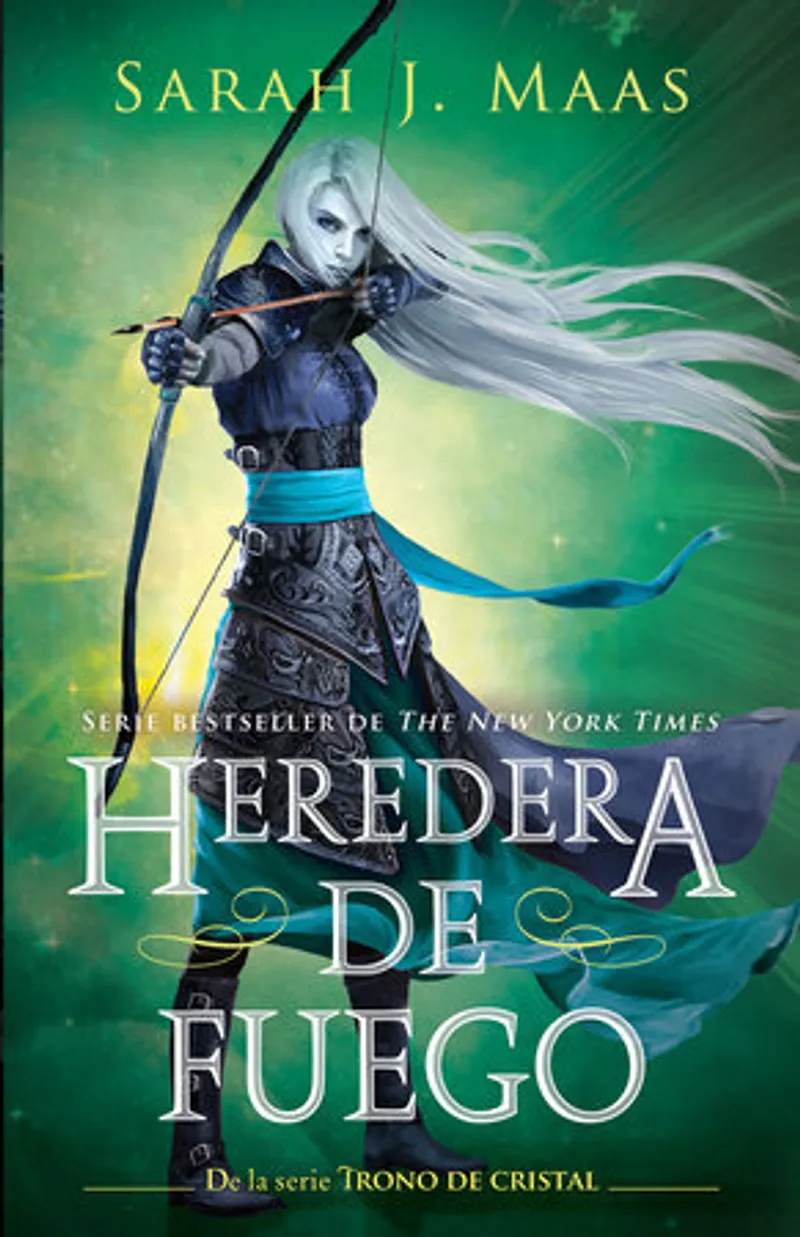
Heredera del fuego / Heir of Fire Author: Sarah J. MaasPage Count: UnknownPublication Date: 2024-PRH Heredera del fuego / Heir of Fire: A Blazing Inferno of Destiny and Desperation Sarah J. Maas’ Heredera del fuego (or Heir of Fire in English) is the third and most transformative installment in the Throne of Glass series—a book that doesn’t just stoke the embers of its predecessor but fans them into an all-consuming blaze. Where Throne of Glass introduced us to Celaena Sardothien, the assassin with a heart of steel and a past buried in shadows, and Corona de sangre (Crown of Midnight) deepened her emotional and political struggles, this third volume is where the fire truly takes hold. It’s a story of reckoning, where destiny is no longer a distant whisper but a roaring inferno, demanding to be faced. At its core, Heir of Fire is about confronting the past to claim the future. Celaena, now stripped of her illusions about love, power, and even her own identity, is forced to journey into the heart of her trauma. The revelation that her lineage is far more complex—and far more dangerous—than she ever imagined isn’t just a plot twist; it’s a gut-punch that redefines everything she thought she knew. Maas doesn’t just drop this bombshell and move on—she lets it burn, forcing Celaena (and the reader) to sit with the weight of it. The theme of inherited destiny is masterfully woven throughout: Celaena isn’t just fighting for her own survival, but for the legacy of a bloodline tied to ancient gods and forgotten wars. The question isn’t just can she win? but what will she become in the process? Maas’ prose remains as lush and immersive as ever, but here, it’s sharper, darker, and more urgent. The world-building expands beyond the familiar walls of Adarlan, introducing us to the brutal landscapes of the southern continent, where Celaena must navigate political intrigue, supernatural threats, and her own unraveling psyche. The pacing is relentless—Maas balances high-stakes action (a brutal training sequence that had me gasping) with moments of raw vulnerability, particularly in Celaena’s internal monologues. Her voice is a mix of sarcasm, self-loathing, and hard-won resilience, making her one of fantasy’s most compelling protagonists. The supporting cast, too, is given room to shine: Rowan, the brooding Fae warrior, is both a torment and a salvation; Dorian’s internal conflict adds emotional depth; and even secondary characters like Aedion and Lysandra feel more fleshed out, their arcs intertwining with Celaena’s in ways that feel organic rather than forced. One of the book’s greatest strengths is its thematic depth. Heir of Fire isn’t just about physical battles—it’s about the war within. Celaena’s struggle isn’t just against external enemies but against the darkness she carries inside her, a darkness that’s tied to her heritage. The idea that power comes with a price, that strength requires sacrifice, and that healing is a form of rebellion against those who sought to break her, is woven into every chapter. Maas doesn’t shy away from the uglier aspects of Celaena’s journey—her self-destructive tendencies, her reluctance to trust, her fear of repeating the sins of her ancestors—but she also doesn’t let her wallow. Instead, the book pushes her (and the reader) toward acceptance and growth, making the eventual payoff all the more satisfying. The villains, too, are more than just cardboard antagonists. The Valg, the ancient forces of corruption, are terrifying not just for their power but for their psychological warfare. Their influence seeps into the narrative, making the threat feel personal. Even human antagonists like the king of Adarlan are given layers, their motivations twisted in ways that force Celaena to question her own morality. This isn’t a story where good and evil are black and white—it’s a story where every choice has a cost, and Maas ensures we feel that weight. If there’s a critique to be made, it’s that the book’s middle section can feel slightly meandering as Celaena’s journey unfolds. The pacing isn’t as tight as in Crown of Midnight, and there are moments where the political intrigue drags. However, this is a minor quibble in a book that otherwise burns with intensity. The payoff—both in action and emotion—is worth the journey. Heir of Fire is more than just a fantasy novel; it’s a catharsis. It’s a story about a woman who was forged in fire, who was broken by love and war, and who must now rise from the ashes to claim her birthright. Sarah J. Maas doesn’t just write epic fantasy—she writes epic transformation, and Heir of Fire is where Celaena’s legend truly begins to ignite. If you’ve followed Celaena’s journey this far, you won’t just want to read this book—you’ll need to. #ThroneOfGlass #SarahJMaas #FantasyBooks #CelaenaSardothien #HeirOfFire #BookReview Related InsightsRescue Book Review and Summary High-Rise Book Review and Summary All the Bright Places Book Review and Summary{ "@context": "https://schema.org", "@type": "FAQPage", "mainEntity": [ { "@type": "Question", "name": "What is the main focus of Heir of Fire Book Review and Summary?", "acceptedAnswer": { "@type": "Answer", "text": "Everything you need to know about Heir of Fire with our detailed review." } }, { "@type": "Question", "name": "Who authored the comprehensive guide on Heir of Fire Book Review and Summary?", "acceptedAnswer": { "@type": "Answer", "text": "This detailed article and its insights were carefully researched and authored by Sarah J. Maas." } }, { "@type": "Question", "name": "Where can I find more related content about Books?", "acceptedAnswer": { "@type": "Answer", "text": "You can explore more articles, detailed reviews, and similar insights by browsing the Related Insights section at the bottom of this article or visiting our dedicated Books category page." } } ] }

The Long March and In the Clap Shack Author: William StyronPage Count: UnknownPublication Date: 1993-PRH In "The Long March and In the Clap Shack," William Styron presents a scathing critique of the military establishment, masterfully interwoven with a poignant defense of individuality and freedom. This 1993 publication is a testament to Styron's remarkable storytelling prowess and his ability to tackle complex themes with unflinching candor. At the heart of both "The Long March" and "In the Clap Shack" lies a searing indictment of the dehumanizing effects of military bureaucracy. In the novella, two Marine reservists find themselves pawns in a sadistic game orchestrated by a self-aggrandizing colonel, who revels in the misery of his subordinates. The narrative unfolds with a sense of inevitability, as the characters' desperate attempts to maintain their dignity are slowly eroded by the crushing machinery of the military. Styron's prose is a marvel of elegance and precision, imbuing the narrative with a sense of urgency and moral outrage. His writing is both beautiful and brutal, capable of conveying the full range of human emotions with unflinching honesty. The characters in both works are multidimensional and richly nuanced, their struggles and triumphs rendered with a depth and complexity that is both captivating and heartbreaking. The play "In the Clap Shack" is a masterclass in comedic writing, with Styron's wit and satire cutting through the hypocrisy and absurdity of the military's approach to venereal disease. The young recruit's journey through the VD ward is a harrowing and hilarious descent into the depths of bureaucratic madness, where the pursuit of medical treatment becomes a surreal and dehumanizing ordeal. Throughout both works, Styron's defense of individuality and freedom is unwavering, his commitment to the human spirit unshakeable. His writing is a powerful rebuke to the dehumanizing effects of institutionalized authority, a testament to the enduring power of the human spirit in the face of overwhelming oppression. In "The Long March and In the Clap Shack," Styron has created a work of profound moral resonance, a searing critique of the military establishment that is both timely and timeless. His writing is a testament to the transformative power of literature, capable of challenging our assumptions and broadening our understanding of the human condition. #MilitaryFiction #AmericanLiterature #WilliamStyron #TheLongMarch #IntheClapShack #AntiWarLiterature Related InsightsLe Rythme Invisible du Progrès : L'Odyssée de la Batterie Lithium-Ion The Throwaways Book Review and Summary Breakfast of Champions Book Review and Summary{ "@context": "https://schema.org", "@type": "FAQPage", "mainEntity": [ { "@type": "Question", "name": "What is the main focus of The Shack: Where Tragedy Confronts Eternity Book Review and Summary?", "acceptedAnswer": { "@type": "Answer", "text": "Everything you need to know about The Shack: Where Tragedy Confronts Eternity with our detailed review." } }, { "@type": "Question", "name": "Who authored the comprehensive guide on The Shack: Where Tragedy Confronts Eternity Book Review and Summary?", "acceptedAnswer": { "@type": "Answer", "text": "This detailed article and its insights were carefully researched and authored by William Paul Young." } }, { "@type": "Question", "name": "Where can I find more related content about Books?", "acceptedAnswer": { "@type": "Answer", "text": "You can explore more articles, detailed reviews, and similar insights by browsing the Related Insights section at the bottom of this article or visiting our dedicated Books category page." } } ] }
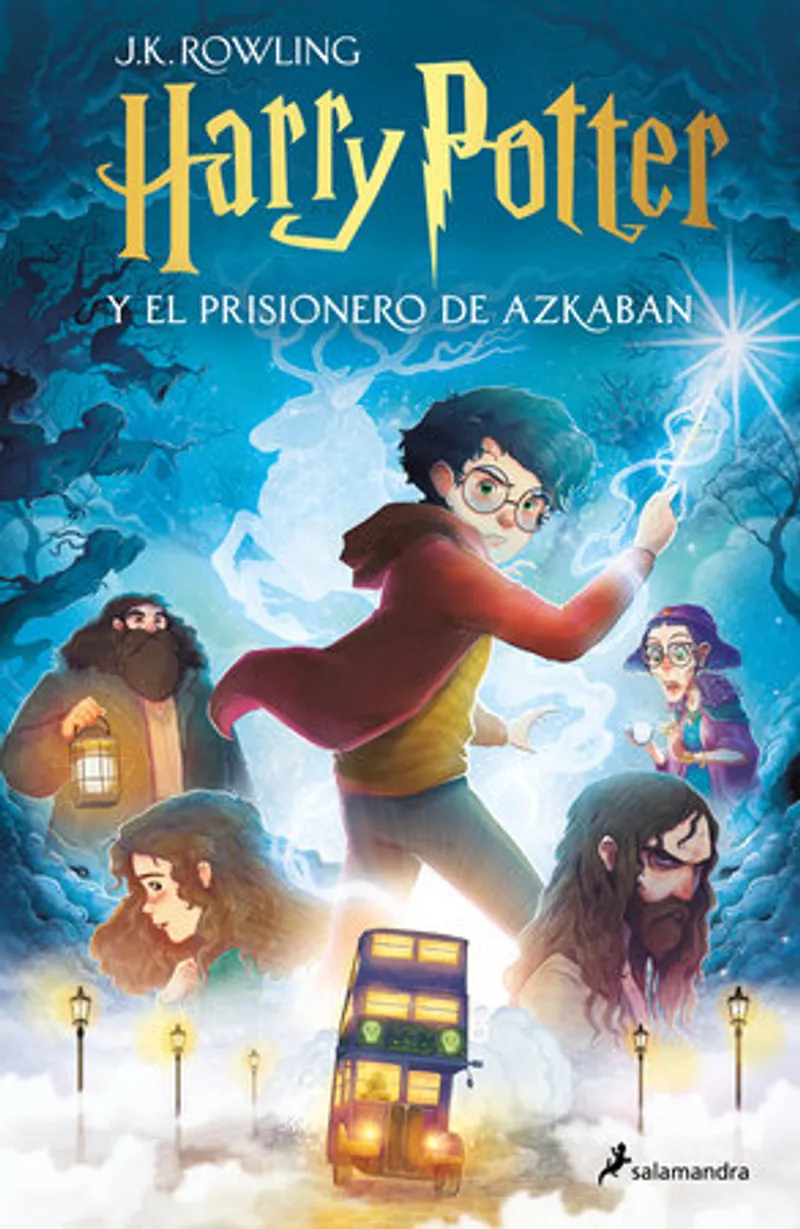
Harry Potter y el prisionero de Azkaban (Edición con ilustraciones de Xavier Bonet) / Harry Potter and the Prisoner of Azkaban Author: J.K. RowlingPage Count: UnknownPublication Date: 2025-PRH In the realm of fantasy literature, few series have captivated the hearts of readers worldwide like J.K. Rowling's Harry Potter. The third installment, "Harry Potter and the Prisoner of Azkaban," is a masterful blend of magic, mystery, and coming-of-age themes that solidify the series' place as a modern classic. This edition, featuring illustrations by Xavier Bonet, adds a visually stunning layer to the narrative, immersing readers in the wizarding world like never before. As the story unfolds, we find Harry Potter facing a new threat: Sirius Black, a notorious wizard believed to have betrayed Harry's parents to Voldemort, has escaped from Azkaban prison. Believing Black is out to kill him, Harry must navigate the challenges of his third year at Hogwarts while also uncovering the truth about Black's past and his connection to Harry's parents. One of the standout aspects of Rowling's writing is her ability to craft relatable, well-rounded characters. Harry, Ron, and Hermione are more than just protagonists; they're flawed, endearing, and authentic, making it easy for readers to become invested in their journeys. The introduction of Sirius Black and Remus Lupin adds depth to the narrative, exploring themes of loyalty, friendship, and the complexities of adulthood. The world-building in "Harry Potter and the Prisoner of Azkaban" is equally impressive. Rowling's vivid descriptions of Hogwarts and its inhabitants transport readers to a richly imagined realm, where magic is woven into the fabric of everyday life. The eerie presence of the dementors, foul creatures that feed on human happiness, adds a sense of foreboding, underscoring the darkness that lurks in the shadows of the wizarding world. Throughout the book, Rowling's writing is both accessible and engaging, making it an effortless read for fans of all ages. Her use of language is masterful, conveying the emotional nuances of her characters through subtle dialogue and introspection. The pacing is well-balanced, with moments of tension and suspense expertly woven throughout the narrative. Ultimately, "Harry Potter and the Prisoner of Azkaban" is a story about the power of love, loyalty, and the unbreakable bonds of friendship. As Harry navigates the complexities of adolescence, he must also confront the darkness of his past and the uncertainty of his future. With its universal themes, memorable characters, and richly imagined world, this book is a must-read for anyone who's ever been enchanted by the magic of Hogwarts. #HarryPotter #ThePrisonerOfAzkaban #JKRowling #FantasyLiterature #Hogwarts #MagicAwaits Related InsightsThe Fine Print Book Review and Summary El peor vecino del mundo Book Review and Summary In Cold Blood Book Review and Summary{ "@context": "https://schema.org", "@type": "FAQPage", "mainEntity": [ { "@type": "Question", "name": "What is the main focus of Harry Potter and the Prisoner of Azkaban Book Review and Summary?", "acceptedAnswer": { "@type": "Answer", "text": "Everything you need to know about Harry Potter and the Prisoner of Azkaban with our detailed review." } }, { "@type": "Question", "name": "Who authored the comprehensive guide on Harry Potter and the Prisoner of Azkaban Book Review and Summary?", "acceptedAnswer": { "@type": "Answer", "text": "This detailed article and its insights were carefully researched and authored by J.K. Rowling." } }, { "@type": "Question", "name": "Where can I find more related content about Books?", "acceptedAnswer": { "@type": "Answer", "text": "You can explore more articles, detailed reviews, and similar insights by browsing the Related Insights section at the bottom of this article or visiting our dedicated Books category page." } } ] }
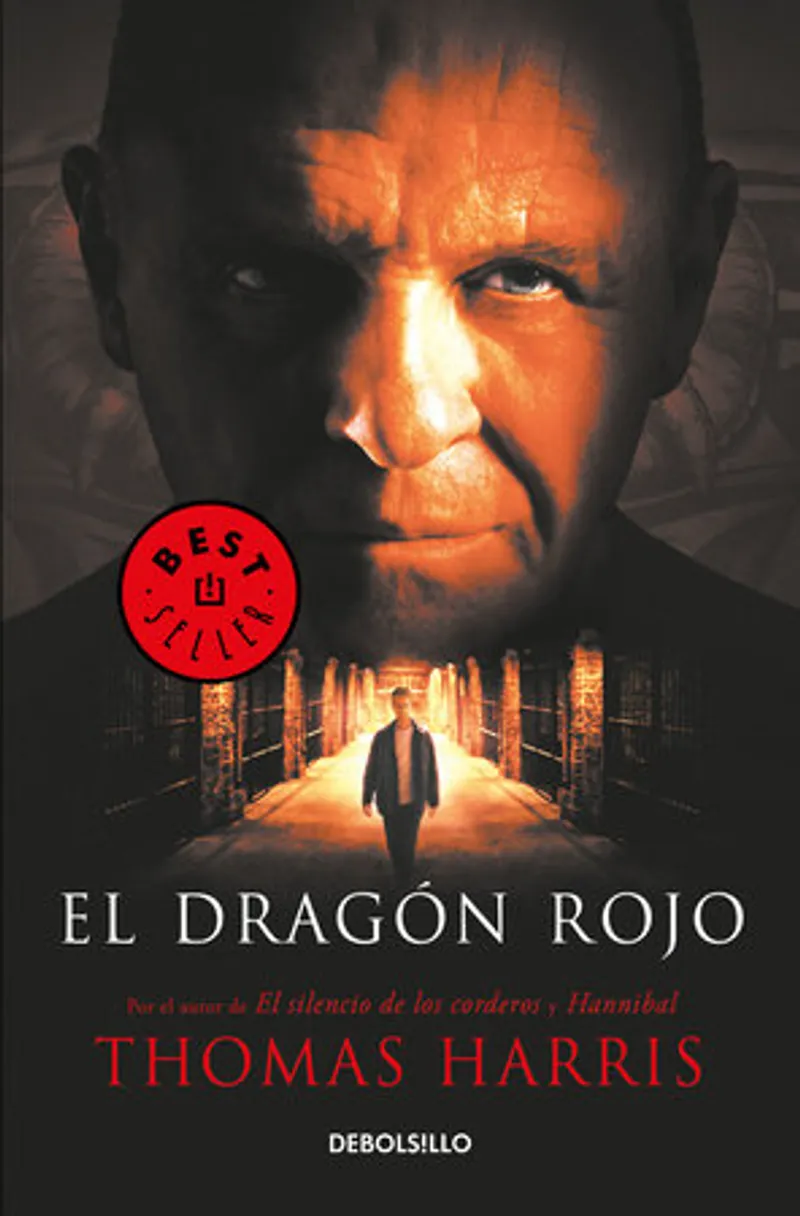
El dragón rojo / Red Dragon Author: Thomas HarrisPage Count: UnknownPublication Date: 2019-PRH Thomas Harris’s Red Dragon is more than just a thriller—it’s a psychological descent into the darkest corners of the human mind, where the line between hunter and prey blurs into something grotesque and mesmerizing. First published in 1981, this novel introduced the world to Hannibal Lecter, the cannibalistic genius who would later become a cultural icon through The Silence of the Lambs. But Red Dragon is where it all begins, a chilling origin story that sets the stage for Harris’s unparalleled exploration of evil, obsession, and the fragility of sanity. At its core, Red Dragon is a cat-and-mouse game between two monsters: Francis Dolarhyde, a tormented man known as the "Tooth Fairy" for his gruesome, ritualistic murders, and Dr. Hannibal Lecter, the imprisoned psychiatrist who becomes an unwilling (or is it willing?) consultant in the case. The novel’s genius lies in its structure—Harris weaves three distinct perspectives into a tapestry of dread, each character trapped in their own psychological prison. Will Graham, the FBI profiler whose empathy for killers borders on the pathological, is called out of retirement to track the Tooth Fairy. His mind, already scarred from his previous encounter with Lecter, becomes the battleground where the killer’s psyche and his own begin to merge. Meanwhile, Lecter, though physically confined, exerts a terrifying influence from his cell, manipulating Graham and the investigation with cold, calculated precision. And then there’s Dolarhyde himself, a man consumed by the "Dragon," a violent alter ego that demands bloodshed as a twisted form of transcendence. Harris’s prose is clinical yet visceral, mirroring the detachment of his characters while immersing the reader in their nightmares. His descriptions of violence are never gratuitous but rather serve to underscore the psychological horror at play. When Dolarhyde attacks his victims, Harris doesn’t shy away from the brutality, but he frames it within the context of the killer’s fractured psyche. The Dragon isn’t just a monster—it’s a force of nature, a manifestation of Dolarhyde’s self-loathing and desperate need for control. This makes him one of the most terrifying villains in literature, not because he’s superhumanly evil, but because he’s painfully human, a man who has been broken and reshaped into something monstrous. What elevates Red Dragon beyond mere suspense is Harris’s exploration of the nature of evil. Is Dolarhyde a product of trauma, or is he inherently depraved? Is Lecter a villain or a dark mirror to Graham’s own mind? Harris refuses to provide easy answers, instead forcing the reader to confront uncomfortable questions about morality and the limits of empathy. Graham’s ability to "see" through the eyes of killers is both his greatest strength and his undoing—it’s a superpower that borders on a curse. His relationship with Lecter is particularly fascinating; their dynamic is less about good versus evil and more about two brilliant minds locked in a deadly dance of intellect and manipulation. Harris’s style is economical, favoring sharp dialogue and sparse yet evocative descriptions. He trusts the reader to fill in the gaps, to sense the dread coiling beneath the surface of even the most mundane interactions. The pacing is relentless, with tension building not just through action but through the slow unraveling of each character’s psyche. The novel’s climax is a masterclass in suspense, where Harris juggles multiple threads with precision, culminating in a confrontation that is as psychologically devastating as it is physically brutal. Red Dragon is a foundational work in the thriller genre, but it’s also a deeply unsettling meditation on the human capacity for violence. Harris doesn’t just want to scare you—he wants to make you question why you’re scared, why these characters fascinate you, and whether the line between monster and man is as clear as you think. In an era where serial killers have become almost a subgenre of their own, Harris’s creation feels timeless because it taps into something primal: the fear of losing control, of being consumed by forces beyond our understanding. If Red Dragon has a flaw, it’s that some readers might find the early sections slow, as Harris takes his time establishing the psychological landscape. But this is also the novel’s strength—it’s not a race to the finish line but a descent into madness, and Harris ensures every step feels deliberate, every revelation earned. By the time you reach the final pages, you’ll understand why Hannibal Lecter endures as one of literature’s most iconic villains. He’s not just a killer; he’s a force of nature, a whisper in the dark that lingers long after the book is closed. In the end, Red Dragon is more than a thriller—it’s a psychological autopsy of evil, a chilling reminder that the most terrifying monsters are the ones we create in our own minds. Harris doesn’t just tell a story; he invites you into a nightmare, and once you’re there, you won’t want to leave. #RedDragon #HannibalLecter #ThomasHarris #PsychologicalThriller #SerialKillerNovel #DarkPsychology Related InsightsLoveless Book Review and Summary Where the Wild Things Are Book Review and Summary Daughters of the Wind: A Mythic Fantasy Book Review and Summary{ "@context": "https://schema.org", "@type": "FAQPage", "mainEntity": [ { "@type": "Question", "name": "What is the main focus of Red Dragon Book Review and Summary?", "acceptedAnswer": { "@type": "Answer", "text": "Everything you need to know about Red Dragon with our detailed review." } }, { "@type": "Question", "name": "Who authored the comprehensive guide on Red Dragon Book Review and Summary?", "acceptedAnswer": { "@type": "Answer", "text": "This detailed article and its insights were carefully researched and authored by Thomas Harris." } }, { "@type": "Question", "name": "Where can I find more related content about Books?", "acceptedAnswer": { "@type": "Answer", "text": "You can explore more articles, detailed reviews, and similar insights by browsing the Related Insights section at the bottom of this article or visiting our dedicated Books category page." } } ] }
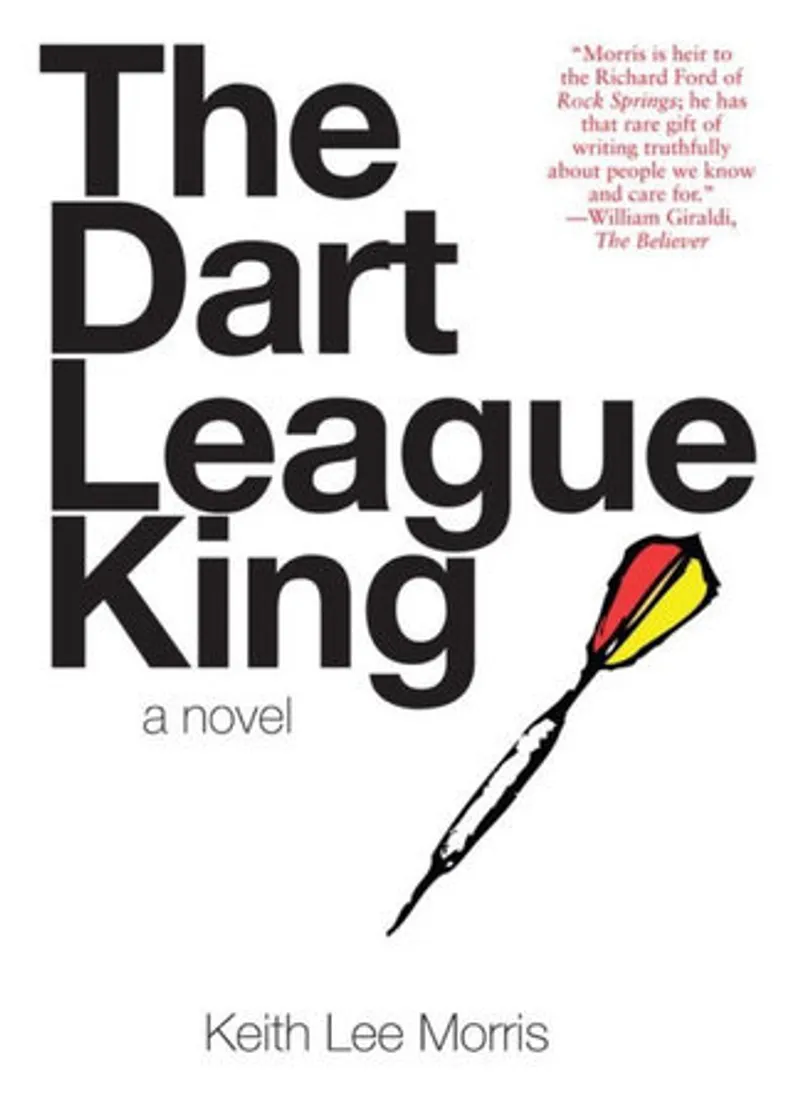
The Dart League King Author: Keith Lee MorrisPage Count: UnknownPublication Date: 2008-PRH In "The Dart League King," Keith Lee Morris masterfully weaves a complex web of stories that converge in a small-town Idaho dart league, where the lines between fate and control are constantly blurred. On the surface, the novel appears to be a quirky exploration of darts, drugs, and death, but as the narrative unfolds, it reveals itself to be a profound examination of the human condition. At the center of the novel is Russell Harmon, the self-proclaimed king of the dart league, whose life is a perfect storm of chaos and desperation. His debt to a local drug dealer has put him in a precarious position, and his involvement in the league championship match is just a small part of the larger drama that is unfolding. As the story progresses, it becomes clear that Russell's fate is inextricably linked to that of his teammates and acquaintances, each of whom is struggling to find their place in the world. Morris's writing style is both lyrical and unflinching, capable of conveying the beauty and ugliness of life with equal precision. His characters are multidimensional and richly drawn, with each one bringing their own unique perspective to the narrative. The author's use of language is economical and evocative, conjuring up the dusty, rundown atmosphere of the 411 club, where the dart league meets to compete and socialize. One of the most striking aspects of "The Dart League King" is its exploration of the tension between fate and control. Morris's characters are constantly struggling to make sense of their lives, to impose order on a chaotic world that seems determined to thwart their plans. As they navigate the complexities of their relationships and the consequences of their actions, they begin to realize that their fates are intertwined in ways they could never have imagined. Through the character of Tristan Mackey, Morris raises important questions about the nature of responsibility and the consequences of our actions. Tristan's involvement in the disappearance of a college student is a dark and troubling thread that runs throughout the narrative, serving as a reminder that our choices have consequences that can reverberate far beyond our immediate circle. The novel's use of the dart league as a backdrop for the action is a stroke of genius, providing a unique and compelling framework for the story to unfold. The game of darts becomes a metaphor for the characters' lives, with each throw representing a moment of truth, a chance to seize control of one's destiny or succumb to the whims of fate. In conclusion, "The Dart League King" is a gripping and thought-provoking novel that explores the complexities of human nature with unflinching honesty. Morris's writing is masterful, his characters are richly drawn, and the story is both haunting and unforgettable. If you're looking for a novel that will challenge your assumptions and leave you thinking long after you finish reading, then "The Dart League King" is an absolute must-read. #DartLeagueKing #KeithLeeMorris #LiteraryFiction #SmallTownIdaho #DartsDrugsAndDeath #FateVsControl Related InsightsMitos nórdicos nº 02/03 Book Review and Summary „Die Alchemie der Ballaststoffe: Wenn das literarische Erbe auf den vollwertigen Shepherd’s Pie trifft“ Dreamland Book Review and Summary{ "@context": "https://schema.org", "@type": "FAQPage", "mainEntity": [ { "@type": "Question", "name": "What is the main focus of Kushiel's Dart Book Review and Summary?", "acceptedAnswer": { "@type": "Answer", "text": "Everything you need to know about Kushiel's Dart with our detailed review." } }, { "@type": "Question", "name": "Who authored the comprehensive guide on Kushiel's Dart Book Review and Summary?", "acceptedAnswer": { "@type": "Answer", "text": "This detailed article and its insights were carefully researched and authored by Jacqueline Carey." } }, { "@type": "Question", "name": "Where can I find more related content about Books?", "acceptedAnswer": { "@type": "Answer", "text": "You can explore more articles, detailed reviews, and similar insights by browsing the Related Insights section at the bottom of this article or visiting our dedicated Books category page." } } ] }
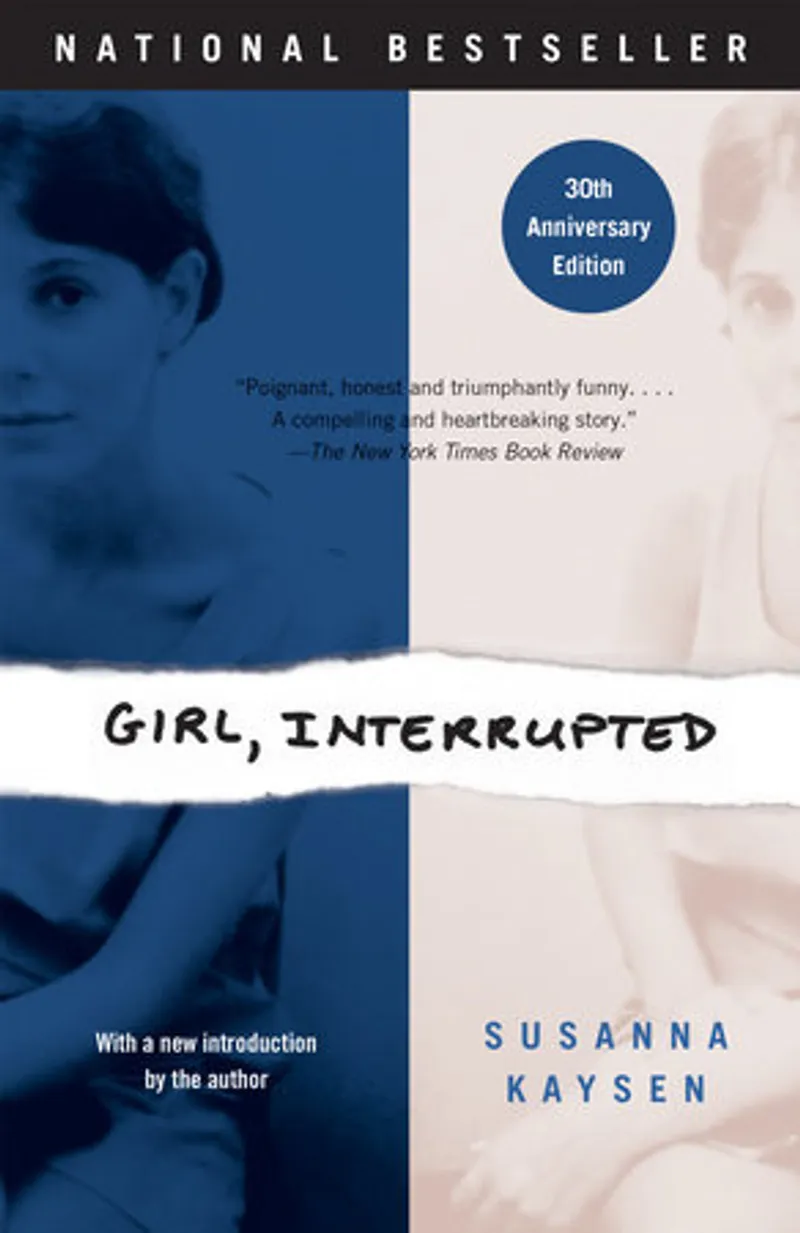
Girl, Interrupted Author: Susanna KaysenPage Count: UnknownPublication Date: 1994-PRH In "Girl, Interrupted," Susanna Kaysen crafts a poignant and unflinchingly honest memoir that delves into the complexities of the human mind, challenging the boundaries between sanity and insanity. This semi-autobiographical account of Kaysen's two-year stay at McLean Hospital's psychiatric ward in the late 1960s is a thought-provoking exploration of mental illness, identity, and the struggles of adolescence. Kaysen's writing style is striking in its simplicity, clarity, and wit, making this memoir a compelling and accessible read. Her narrative voice is both introspective and detached, allowing the reader to witness her experiences with a sense of immediacy and intimacy. The author's use of vivid imagery and sharp observations brings the psychiatric ward to life, creating a "parallel universe" that is both fascinating and unsettling. One of the primary themes of "Girl, Interrupted" is the blurring of lines between sanity and insanity. Kaysen's account challenges the notion that these concepts are fixed or absolute, instead revealing the fluidity and subjectivity of mental health diagnoses. Through her own experiences and those of her fellow patients, Kaysen illustrates the complexities of the human mind, highlighting the difficulties of distinguishing between "normal" and "abnormal" behavior. The author's portrayal of her fellow patients is particularly noteworthy, as she captures their unique personalities, struggles, and quirks with remarkable sensitivity and nuance. From the enigmatic Lisa, who embodies the complexities of sociopathy, to the fragile Polly, who is struggling to come to terms with her own trauma, Kaysen's characterizations are multifaceted and deeply human. Throughout the memoir, Kaysen also critiques the psychiatric establishment, questioning the methods and motivations of the doctors and nurses who treat her and her fellow patients. Her observations on the power dynamics at play in the hospital are astute and unsettling, highlighting the tensions between those who are deemed "sane" and those who are labeled "insane." Ultimately, "Girl, Interrupted" is a triumphant and thought-provoking memoir that challenges readers to reconsider their assumptions about mental illness and the human experience. Kaysen's writing is both poignant and humorous, making this a compelling and unforgettable read. #MentalHealthAwareness #PsychologicalMemoir #GirlInterrupted #SusannaKaysen #PsychiatricWard #ComingOfAgeStory Related InsightsRuby Fever Book Review and Summary Little House on the Prairie Book Review and Summary Crying on the Kitchen Floor: A Memoir Book Review and Summary{ "@context": "https://schema.org", "@type": "FAQPage", "mainEntity": [ { "@type": "Question", "name": "What is the main focus of Girl, Interrupted Book Review and Summary?", "acceptedAnswer": { "@type": "Answer", "text": "Everything you need to know about Girl, Interrupted with our detailed review." } }, { "@type": "Question", "name": "Who authored the comprehensive guide on Girl, Interrupted Book Review and Summary?", "acceptedAnswer": { "@type": "Answer", "text": "This detailed article and its insights were carefully researched and authored by Susanna Kaysen." } }, { "@type": "Question", "name": "Where can I find more related content about Books?", "acceptedAnswer": { "@type": "Answer", "text": "You can explore more articles, detailed reviews, and similar insights by browsing the Related Insights section at the bottom of this article or visiting our dedicated Books category page." } } ] }
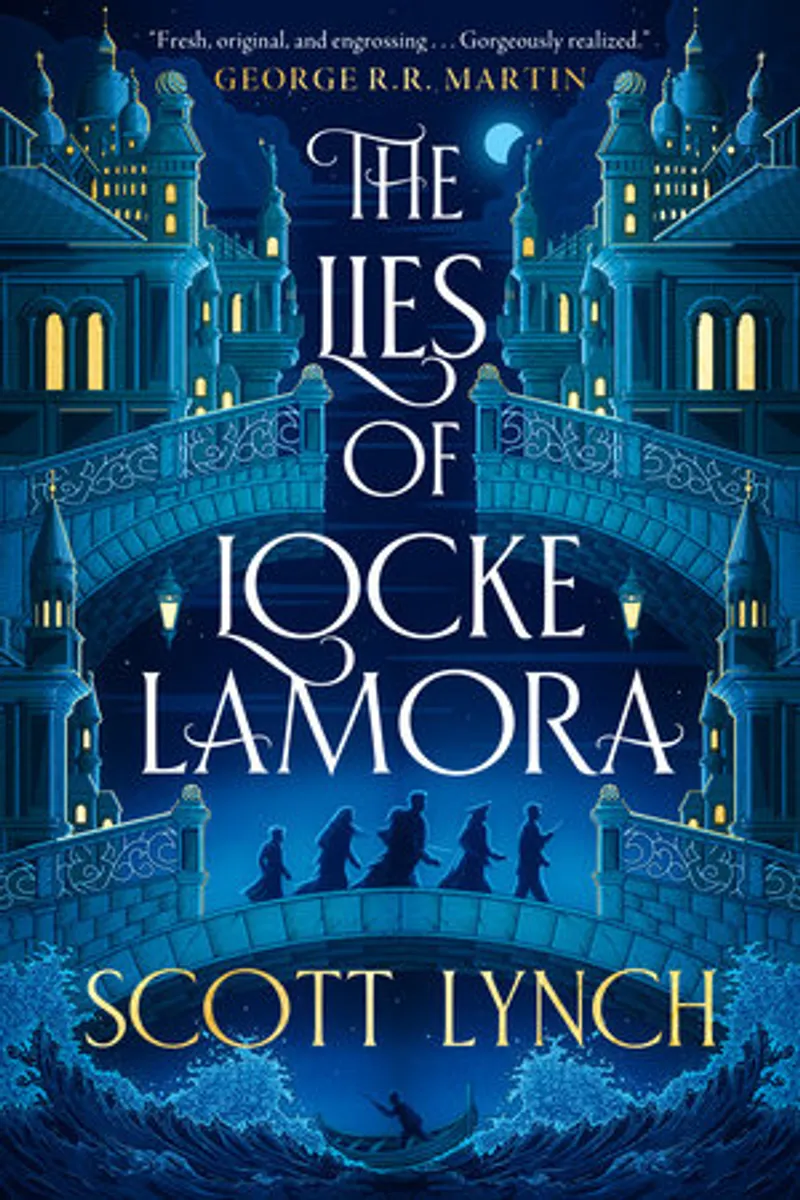
The Lies of Locke Lamora Author: Scott LynchPage Count: UnknownPublication Date: 2024-PRH Scott Lynch’s The Lies of Locke Lamora is a masterclass in blending cunning wit with brutal realism, a book that doesn’t just tell a story but immerses you in a world where every smile hides a knife and every plan is a gamble against the house. Published in 2006 but still feeling as fresh as a dagger pulled from its sheath, this novel is the first in the Gentleman Bastard Sequence, and it announces Scott Lynch as a voice in fantasy who refuses to play by the rules. If you’ve ever wanted a heist story where the thieves are philosophers, the city is a character, and the stakes are life and death—then this is your book. At its core, The Lies of Locke Lamora is about survival through deception. Locke Lamora, the titular protagonist, is a thief, a con artist, and a survivor who leads the Gentlemen Bastards—a tight-knit gang of orphans turned criminals. Their world is Camorr, a Venice-inspired city of canals, noble intrigue, and a shadowy underworld ruled by the mysterious and feared Duke Nicovante. But beneath the opulence lies a ruthless game where trust is currency and betrayal is the only constant. Locke’s genius lies not in brute force but in his ability to manipulate perception, turning even the most dangerous situations into opportunities for profit—or escape. Lynch’s style is what makes this book unforgettable. He writes with a razor-sharp wit that cuts through the fantasy trappings, delivering dialogue that crackles with intelligence and humor. Locke is a narrator who never takes himself too seriously, even as he navigates knife fights, elaborate cons, and the ever-present threat of death. His voice is that of a rogue who knows he’s clever but isn’t arrogant about it—he’s too busy being clever to waste time on ego. The prose is rich but never overwrought, painting Camorr in vivid strokes without drowning the reader in purple prose. Lynch understands that the best fantasy isn’t about describing dragons or magic systems—it’s about the people who live in those worlds, and how they survive them. The book’s structure is another triumph. Lynch doesn’t just drop you into a heist and let it unfold in real time—he builds tension through layered storytelling. We see Locke’s past, his training under the enigmatic Father Chains, and the formation of the Gentlemen Bastards. We witness their early cons, their growing reputation, and the slow burn of their rivalry with the sinister Capa Barsavi. Then, just as the reader is lulled into the rhythm of Locke’s world, Lynch pulls the rug out. The second half of the book is a relentless, blood-soaked escalation where every victory comes at a cost, and every plan risks unraveling. The pacing is masterful, shifting from witty banter to heart-pounding action with the precision of a duelist’s blade. What truly sets The Lies of Locke Lamora apart, however, is its refusal to romanticize its characters. Locke is brilliant, but he’s also selfish, reckless, and prone to underestimating his enemies. His friends are loyal, but they’re also flawed—some are greedy, others naive, and a few are downright dangerous. The villains, too, are complex. The Capa Barsavi isn’t just a mustache-twirling thug; he’s a man who rules through a mix of fear and grudging respect, and his conflict with Locke feels personal, not just professional. Lynch doesn’t give us heroes and villains in the traditional sense. Instead, he gives us people—flawed, desperate, and brilliant—fighting for survival in a world that rewards cunning above all else. The book’s themes resonate just as strongly today as they did nearly two decades ago. In an era where trust in institutions is eroding and survival often depends on one’s ability to navigate deception, Locke Lamora feels like a prophet of the modern age. He’s a trickster, a survivor, a man who knows that the world is rigged against the little guy—but he’s determined to rig it right back. The novel’s exploration of power, loyalty, and the cost of ambition is wrapped in a story that’s as entertaining as it is thought-provoking. Scott Lynch’s writing is a rare blend of intellectual depth and visceral thrills. He doesn’t just tell you about Locke’s schemes—he makes you feel the tension, the exhilaration, the sheer audacity of pulling off a con in a city where one wrong move means a knife in the ribs. The world of Camorr is alive with detail, from the opulent palaces of the nobility to the squalid alleys where the poor and the desperate scrape by. Lynch’s worldbuilding is immersive without being overwhelming, letting the story drive the experience rather than bogging it down with exposition. If there’s a criticism to be leveled, it’s that the book’s second act can feel overwhelming at times. The escalation of violence and the sheer number of twists might leave some readers breathless, but that’s part of the book’s genius. Lynch doesn’t let you get comfortable. Just when you think you’ve got Locke figured out, he throws another curveball. It’s a testament to his skill as a storyteller that even in the most chaotic moments, the narrative never feels out of control. The Lies of Locke Lamora is more than just a fantasy novel—it’s a love letter to the art of the con, a meditation on survival, and a masterclass in storytelling. It’s the kind of book that rewards rereading, where you’ll catch new details in Locke’s schemes, appreciate the subtlety of his dialogue, and marvel at the sheer audacity of his plans. If you’re looking for a fantasy novel that’s as smart as it is exciting, as witty as it is brutal, then this is the book for you. #FantasyHeist #LockeLamora #ScottLynch #GentlemanBastards #EpicFantasy #BookReview Related InsightsFicciones Book Review and Summary American Anti-Slavery Almanac, For ... Book Review and Summary Bride Book Review and Summary{ "@context": "https://schema.org", "@type": "FAQPage", "mainEntity": [ { "@type": "Question", "name": "What is the main focus of The Lies of Locke Lamora Book Review and Summary?", "acceptedAnswer": { "@type": "Answer", "text": "Everything you need to know about The Lies of Locke Lamora with our detailed review." } }, { "@type": "Question", "name": "Who authored the comprehensive guide on The Lies of Locke Lamora Book Review and Summary?", "acceptedAnswer": { "@type": "Answer", "text": "This detailed article and its insights were carefully researched and authored by Scott Lynch." } }, { "@type": "Question", "name": "Where can I find more related content about Books?", "acceptedAnswer": { "@type": "Answer", "text": "You can explore more articles, detailed reviews, and similar insights by browsing the Related Insights section at the bottom of this article or visiting our dedicated Books category page." } } ] }
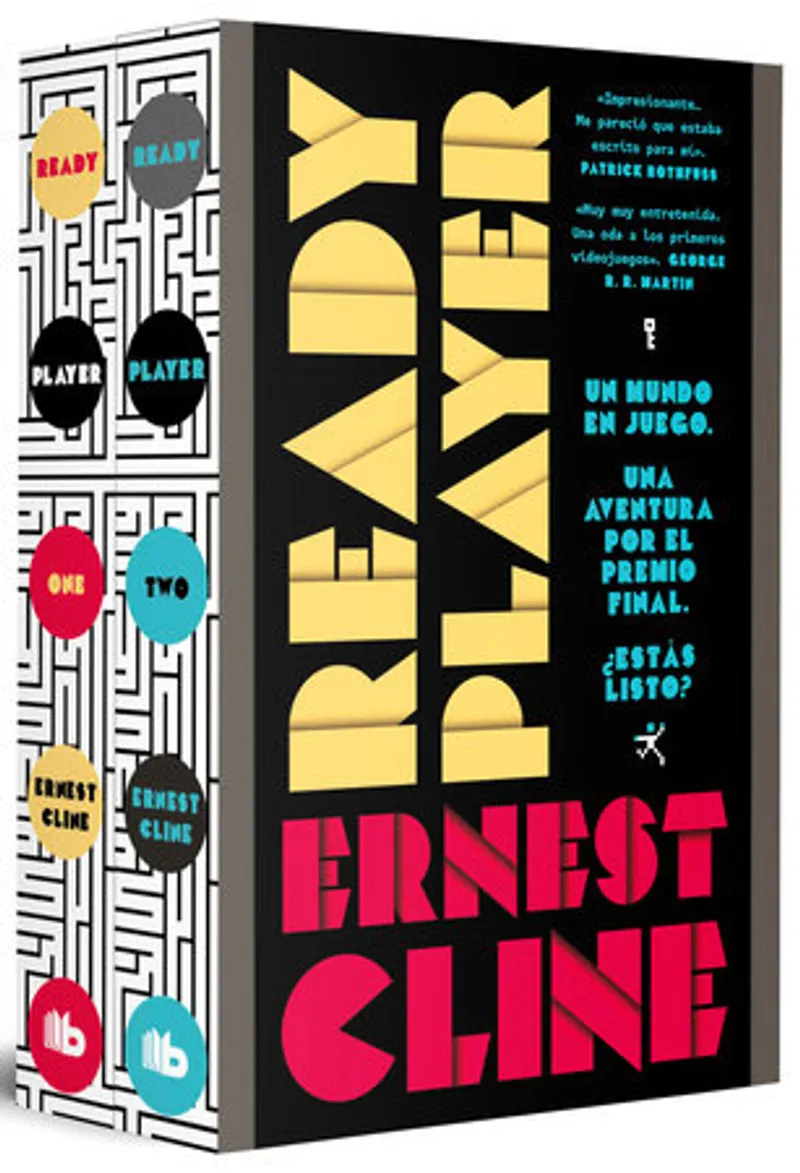
Pack Ready Player (contiene: Ready Player One / Ready Player Two) / Ready Player Two-book bundle (Includes: Ready Player One / Ready Player Author: Ernest ClinePage Count: UnknownPublication Date: 2026-PRH Ernest Cline’s Pack Ready Player is a literary time capsule—an explosive fusion of nostalgia, futuristic escapism, and relentless pop-culture obsession. This two-book bundle, Ready Player One and Ready Player Two, isn’t just a story; it’s a cultural artifact that captures the zeitgeist of the 2010s and 2020s, blending the grit of a dystopian future with the glittering allure of 1980s and 1990s geekdom. Cline, a self-proclaimed "pop-culture archaeologist," doesn’t just write about obsession—he weaponizes it, turning his readers into treasure hunters, arcade warriors, and VR pioneers in a world where the past is the ultimate power-up. At its core, Ready Player One is a love letter to the internet’s golden age—a sprawling, high-stakes treasure hunt set in 2045, where the world is on the brink of collapse due to energy crises and economic despair. Humanity’s last refuge? The OASIS, a sprawling virtual reality universe where people escape into pixelated dreams of adventure, romance, and competition. When its creator, James Halliday, dies, he leaves behind a cryptic challenge: find three hidden keys within the OASIS to inherit his fortune and control over the digital world. The catch? The hunt is a gauntlet of 1980s pop culture trivia, arcade games, and sci-fi references so dense it feels like Cline’s brain dumped its entire contents into the narrative. Cline’s prose is a double-edged sword—part exhilarating rush, part overwhelming deluge. His writing is unapologetically maximalist, packed with references to Dungeons & Dragons, WarGames, The Shining, and Back to the Future. For those fluent in 80s and 90s nerdom, it’s a thrilling Easter egg hunt; for others, it’s a barrage of inside jokes that might leave them scrambling for Wikipedia. But that’s the point. Cline doesn’t just tell a story—he invites you into a club, a secret society of those who grew up with dial-up modems and VHS tapes. The book’s energy is infectious, its pacing relentless, and its world-building so vivid you can almost smell the stale pizza and hear the hum of a CRT monitor. Ready Player Two picks up where the first left off, but with a twist: the OASIS is now a corporate-controlled dystopia, and the stakes are higher than ever. The sequel expands the scope, introducing new virtual worlds, deeper lore, and a villain who’s as much a product of corporate greed as he is a personal antagonist. Cline doubles down on his signature style—more references, more nostalgia, more high-speed action—but this time, the emotional core feels slightly more developed. The characters, particularly protagonist Wade Watts, grow beyond their one-dimensional avatars, grappling with loss, responsibility, and the cost of escapism. Cline’s greatest strength—and occasional weakness—is his unfiltered enthusiasm. His prose can feel like a firehose of information, drowning in acronyms, slang, and obscure references. Yet, this is also what makes his work so magnetic. He writes with the fervor of a fan who’s finally gotten the chance to geek out on a global stage, and that passion is contagious. The books aren’t just about winning a game; they’re about the joy of discovery, the thrill of recognition, and the bittersweet realization that some things—like the magic of a physical arcade cabinet or the crackle of a vinyl record—can’t be perfectly replicated in the digital realm. Thematically, Pack Ready Player is a meditation on escapism versus engagement. The OASIS is both a sanctuary and a prison, a place where people can be anyone but are often too afraid to be themselves. Cline doesn’t shy away from the darker implications of a world that prefers virtual reality to real life, but he also doesn’t judge. Instead, he celebrates the ways people use fiction, games, and shared culture to cope, connect, and create meaning. In an era where screens dominate our lives, the books feel eerily prescient, asking: What happens when the line between the real and the virtual blurs beyond recognition? Cline’s style is a love letter to the internet’s early days—a time when dial-up tones were the soundtrack to adventure, and forums were the closest thing to a global village. His writing is messy, chaotic, and occasionally exhausting, but it’s also exhilarating, like riding a rollercoaster blindfolded. For those who grew up in the shadow of Tron and Neuromancer, these books are a homecoming. For younger readers, they’re a time capsule of a world that feels both alien and nostalgic. Ultimately, Pack Ready Player is more than a book—it’s an experience. It’s a challenge, a celebration, and a warning wrapped in neon-lit prose and 8-bit nostalgia. Ernest Cline doesn’t just write sci-fi; he crafts a cultural artifact that demands to be lived in, debated, and, above all, played. #ReadyPlayerOne #ErnestCline #SciFiNostalgia #VirtualReality #PopCultureObsession #GeekParadise Related InsightsHollow Bones Book Review and Summary They Know If You've Been Bad or Good (Naughty or Nice, 3) Book Review and Summary Bad Honeymoon Book Review and Summary{ "@context": "https://schema.org", "@type": "FAQPage", "mainEntity": [ { "@type": "Question", "name": "What is the main focus of Ready Player One Book Review and Summary?", "acceptedAnswer": { "@type": "Answer", "text": "Everything you need to know about Ready Player One with our detailed review." } }, { "@type": "Question", "name": "Who authored the comprehensive guide on Ready Player One Book Review and Summary?", "acceptedAnswer": { "@type": "Answer", "text": "This detailed article and its insights were carefully researched and authored by Ernest Cline." } }, { "@type": "Question", "name": "Where can I find more related content about Books?", "acceptedAnswer": { "@type": "Answer", "text": "You can explore more articles, detailed reviews, and similar insights by browsing the Related Insights section at the bottom of this article or visiting our dedicated Books category page." } } ] }
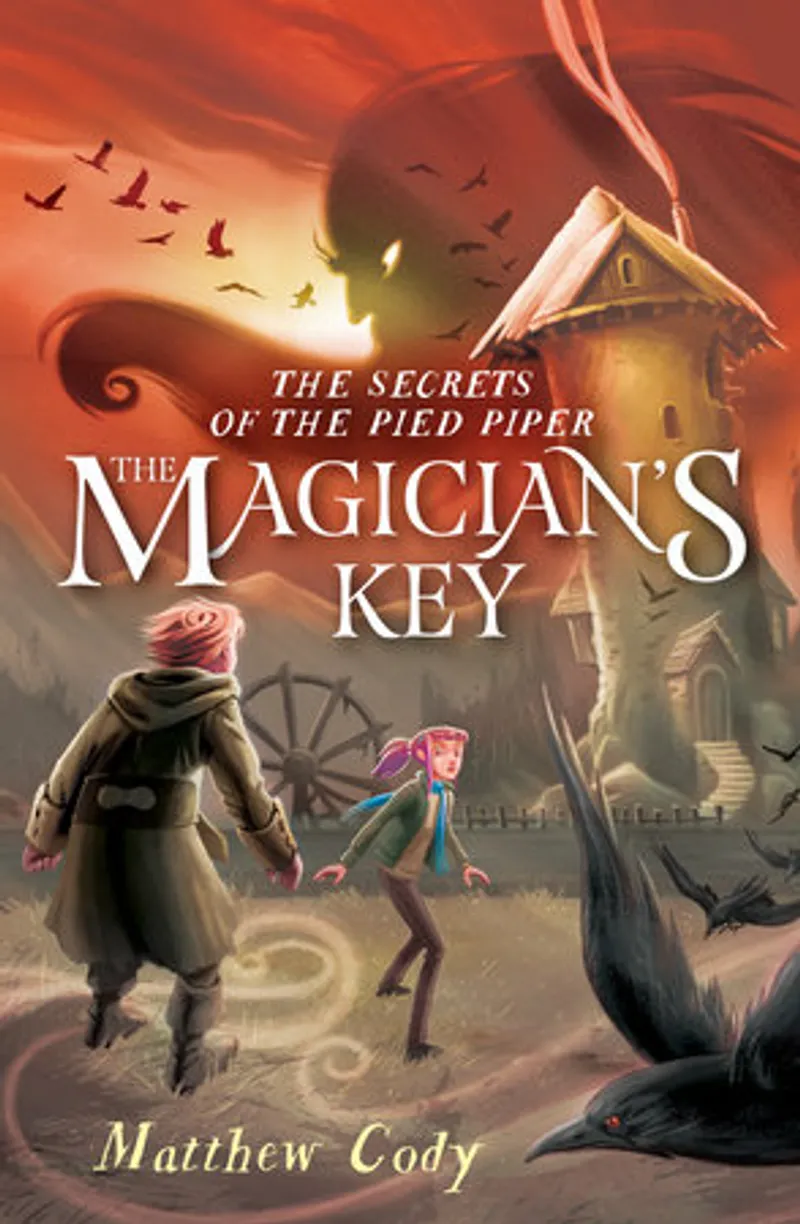
The Secrets of the Pied Piper 2: The Magician's Key Author: Matthew CodyPage Count: UnknownPublication Date: 2016-PRH The Magician’s Key: A Dark, Dazzling Descent into the Pied Piper’s Labyrinth Matthew Cody’s The Secrets of the Pied Piper 2: The Magician’s Key is a masterclass in weaving folklore into a modern, high-stakes adventure—one that balances eerie mystery with heart-pounding action. Following the breakneck pace of The Peddler’s Road, Cody doubles down on the series’ signature blend of fairy-tale dread and sibling devotion, crafting a sequel that’s as emotionally resonant as it is thrilling. At its core, The Magician’s Key is a story about separation and reunion, not just of Max and Carter but of the fractured world they inhabit. The Pied Piper’s curse has torn them apart—Max trapped in the real world, desperate to return to the Summer Isle, while Carter is reluctantly guided (or manipulated) by the Piper himself. Their quests mirror each other: Max must outwit the sinister Vodnik to claim the titular key, while Carter navigates a treacherous alliance with the very villain who ensnared them. Cody excels at making their parallel journeys feel urgent and interconnected, even when they’re physically apart. The emotional weight of their separation lingers like a spell, making every victory—and every setback—feel personal. What sets Cody apart is his ability to infuse classic fairy-tale elements with fresh, often unsettling twists. Vodnik, the villain of the hour, is a delightfully grotesque figure—a magician who hoards souls in jars, his lair a grotesque museum of stolen identities. His magic is both whimsical and terrifying, a reminder that in Cody’s world, even the smallest objects (like a key) can carry deadly consequences. The supporting cast is equally memorable: Bandybulb the kobold, whose loyalty is as steadfast as his appetite; a bashful trollson who defies expectations; and an elf who’s equal parts daring and reckless. Cody’s world-building is rich with detail, from the seafaring hobgoblins to the eerie, ever-shifting landscapes of the Summer Isle. It’s a place where fairy tales aren’t just stories—they’re living, breathing threats. Cody’s prose is sharp and immersive, with a knack for pacing that keeps the pages turning. His writing has a cinematic quality, whether he’s describing a chase through a labyrinth of enchanted mirrors or a tense negotiation with a morally ambiguous ally. The dialogue crackles with wit and tension, particularly in Carter’s uneasy interactions with the Pied Piper, whose charm is as dangerous as his malice. Cody doesn’t shy away from darkness—there are moments of genuine peril, betrayal, and loss—but he balances it with warmth, especially in the bonds between the siblings and their found family of misfits. The book’s central theme—sacrifice—weighs heavily on every decision. Max and Carter’s parents are held hostage, their fates tied to the key’s retrieval, and the cost of saving them isn’t just physical but emotional. Cody asks: How much are you willing to give up to reunite with those you love? The answer isn’t simple, and the story’s moral ambiguity adds depth to what could have been a straightforward quest. By the end, readers are left questioning whether some debts can ever truly be repaid. Fans of fractured fairy tales and high-stakes adventure will find The Magician’s Key irresistible. Cody’s trilogy is shaping up to be a modern classic in the vein of A Tale Dark and Grimm, blending humor, horror, and heart in equal measure. It’s a book that demands to be read in one sitting—preferably under a blanket, with the lights on. #PiedPiperTrilogy #DarkFantasy #MiddleGradeAdventure #FairyTaleRetelling #MatthewCody #SiblingQuest Related InsightsInvisible Girl Book Review and Summary Infinite Jest Book Review and Summary Silence Book Review and Summary{ "@context": "https://schema.org", "@type": "FAQPage", "mainEntity": [ { "@type": "Question", "name": "What is the main focus of The Magician’s Nephew Book Review and Summary?", "acceptedAnswer": { "@type": "Answer", "text": "Everything you need to know about The Magician’s Nephew with our detailed review." } }, { "@type": "Question", "name": "Who authored the comprehensive guide on The Magician’s Nephew Book Review and Summary?", "acceptedAnswer": { "@type": "Answer", "text": "This detailed article and its insights were carefully researched and authored by C.S. Lewis." } }, { "@type": "Question", "name": "Where can I find more related content about Books?", "acceptedAnswer": { "@type": "Answer", "text": "You can explore more articles, detailed reviews, and similar insights by browsing the Related Insights section at the bottom of this article or visiting our dedicated Books category page." } } ] }
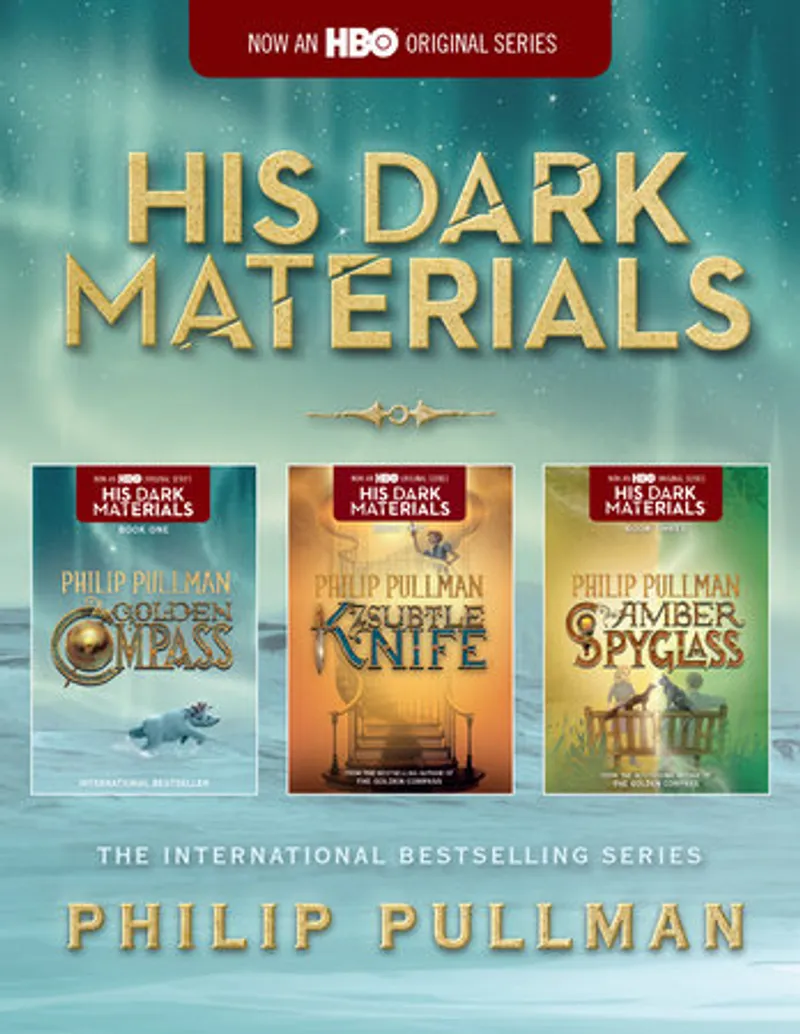
His Dark Materials Omnibus Author: Philip PullmanPage Count: UnknownPublication Date: 2012-PRH In the realm of modern fantasy, few series have managed to captivate readers with the same level of depth and complexity as Philip Pullman's His Dark Materials. This omnibus edition brings together the trilogy's three installments - The Golden Compass, The Subtle Knife, and The Amber Spyglass - in one breathtaking volume that promises to transport readers to a world of wonder and awe. At its core, His Dark Materials is a story about the power of innocence and the resilience of the human spirit. Lyra, a young girl from a parallel universe, embarks on a perilous journey through a series of haunted otherworlds, accompanied by Will, a boy from our own world. As they navigate treacherous landscapes and encounter a cast of characters that includes witches, armored bears, and fallen angels, they begin to unravel a mystery that threatens the very fabric of their existence. Pullman's masterful storytelling is woven from a rich tapestry of mythology, philosophy, and science, creating a narrative that is both fantastical and grounded in reality. His writing is characterized by a sense of scope and grandeur, with a keen eye for detail that brings the world of His Dark Materials to vivid life. From the majestic cities of Cittàgazze to the desolate landscapes of the frozen north, Pullman's world-building is nothing short of breathtaking. One of the most striking aspects of Pullman's style is his ability to balance action, adventure, and intellectual curiosity. His Dark Materials is a series that is unafraid to tackle big questions about the nature of power, identity, and the human condition. Through Lyra and Will's journey, Pullman explores complex themes such as the consequences of playing god, the dangers of blind obedience, and the importance of empathy and compassion. Throughout the series, Pullman's characters are multidimensional and richly drawn, with a depth and complexity that makes them feel fully realized. Lyra, in particular, is a triumph of characterization - a fierce, determined, and vulnerable heroine who embodies the best qualities of adolescence. Her relationship with Will is beautifully nuanced, and their bond is forged in the fire of adversity as they confront the darkness that threatens to consume their worlds. The His Dark Materials trilogy has been widely acclaimed for its innovative storytelling, richly imagined world-building, and memorable characters. It has won numerous awards and has been recognized as one of the greatest juvenile fantasy novels of the past twenty years. Pullman's writing has been praised for its grandeur, complexity, and emotional depth, with many critics hailing him as a genius of modern fantasy. In short, the His Dark Materials omnibus is a must-read for anyone who loves fantasy, adventure, and intellectual curiosity. It is a series that will challenge your assumptions, ignite your imagination, and leave you questioning everything you thought you knew about the world. With its richly imagined world-building, complex characters, and thought-provoking themes, His Dark Materials is a modern classic that will continue to captivate readers for generations to come. #HisDarkMaterials #PhilipPullman #FantasyClassic #TheGoldenCompass #TheSubtleKnife #TheAmberSpyglass Related InsightsSomeone to Honor Book Review and Summary Iron and Magic Book Review and Summary Meant to Be Series, Collection Set of 4 Books. If the Shoe Fits, by the Book, Kiss the Girl, Tangled up in You by Julie Murphy Book Review and Summary{ "@context": "https://schema.org", "@type": "FAQPage", "mainEntity": [ { "@type": "Question", "name": "What is the main focus of His Dark Materials Book Review and Summary?", "acceptedAnswer": { "@type": "Answer", "text": "Everything you need to know about His Dark Materials with our detailed review." } }, { "@type": "Question", "name": "Who authored the comprehensive guide on His Dark Materials Book Review and Summary?", "acceptedAnswer": { "@type": "Answer", "text": "This detailed article and its insights were carefully researched and authored by Philip Pullman." } }, { "@type": "Question", "name": "Where can I find more related content about Books?", "acceptedAnswer": { "@type": "Answer", "text": "You can explore more articles, detailed reviews, and similar insights by browsing the Related Insights section at the bottom of this article or visiting our dedicated Books category page." } } ] }
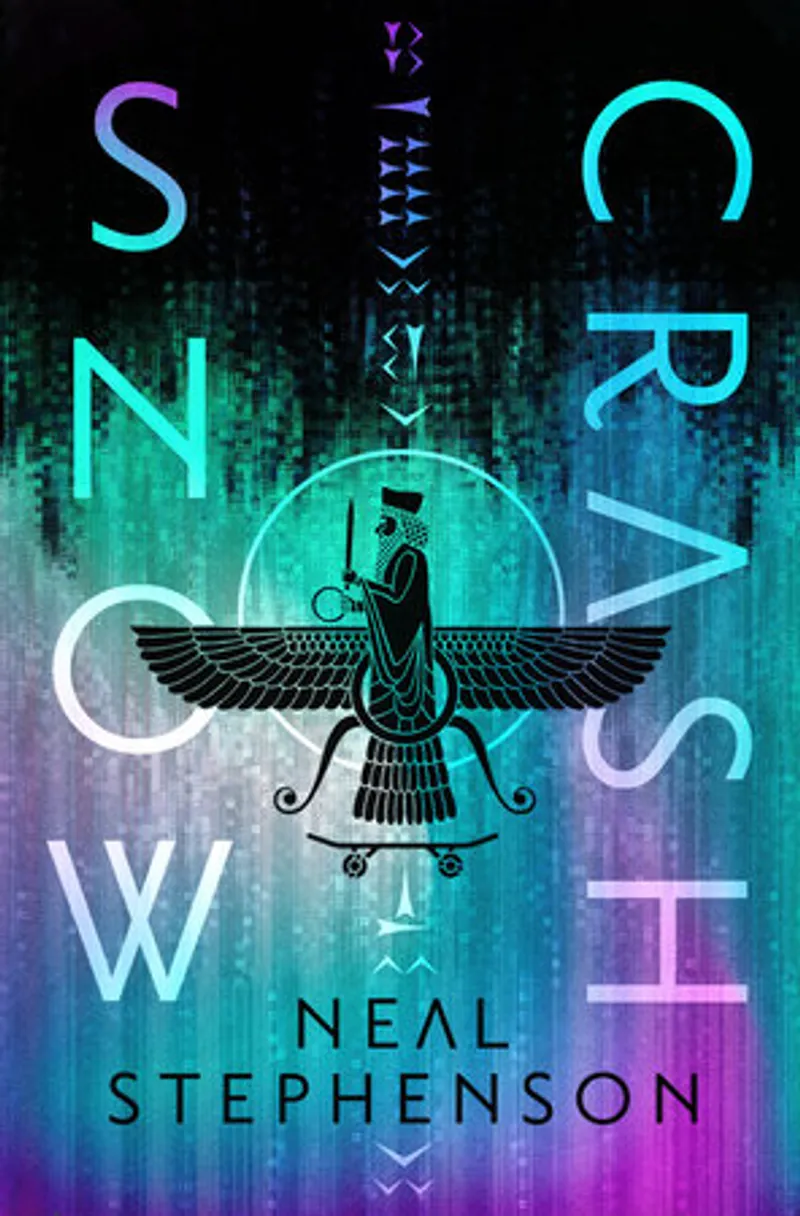
Snow Crash Author: Neal StephensonPage Count: UnknownPublication Date: 2022-PRH Neal Stephenson’s Snow Crash is a cyberpunk fever dream that feels less like a novel and more like a prophetic manifesto for the digital age—one that predicted the metaverse, corporate feudalism, and the addictive power of virtual escapism long before Mark Zuckerberg ever uttered the word. Originally published in 1992, this newly reissued hardcover edition (2022) arrives with fresh material, but its genius remains undiminished: a wild, sprawling, and endlessly inventive satire that blends linguistics, theology, and techno-paranoia into a high-octane thriller. At its core, Snow Crash is a meditation on language as both a virus and a weapon. Stephenson posits that ancient Sumerian priest-kings weaponized the structure of human speech to enslave populations, and in the novel’s near-future dystopia, this "Snow Crash" memetic code has resurfaced in a digital form, capable of hijacking minds—both in the Metaverse and the real world. The book’s title itself is a double entendre: a literal "snow crash" is the visual glitch that occurs when a hacker’s avatar is corrupted by the virus, while the metaphorical "snow crash" refers to the catastrophic mental breakdown it induces. It’s a brilliant conceit that ties together Stephenson’s obsessions with semiotics, power, and the fragility of human cognition. The novel’s protagonist, Hiro Protagonist (yes, that’s his name), is a hacker-samurai pizza delivery guy who navigates a fractured America where franchises have replaced governments, and the only law is the one you can enforce with a sword or a keyboard. His foil is Y.T., a teenage skateboard courier with a magnetic personality and a knack for getting into trouble. Together, they uncover a conspiracy that stretches from the Metaverse’s neon-lit back alleys to the biblical origins of language itself. Stephenson’s world-building is nothing short of audacious—imagine Blade Runner meets The Matrix meets a cyberpunk Illiad, with a dash of absurdist humor thrown in for good measure. What makes Snow Crash truly remarkable is Stephenson’s style: a relentless, hyperkinetic prose that mirrors the novel’s themes of information overload and digital acceleration. His sentences are dense with neologisms ("gargoyles," "rat things," "Mr. Lee’s Greater Hong Kong"), tech jargon, and rapid-fire cultural references that range from Sumerian mythology to 1980s hacker culture. The dialogue crackles with wit, and the action sequences—whether it’s a sword fight in a pizza van or a high-speed chase on a skateboard—are executed with a kinetic energy that leaves you breathless. Stephenson doesn’t just describe the Metaverse; he immerses you in it, making the virtual world feel as tangible as the crumbling, franchise-ridden streets of Los Angeles. Yet beneath the novel’s dazzling surface lies a sharp critique of late-stage capitalism and the erosion of public space. In Stephenson’s America, corporations have replaced nations, and citizenship is just another subscription service. The government is a relic, the streets are controlled by franchises like franchises control everything else, and the only way to survive is to either opt out entirely (like Hiro, who lives in a storage unit) or become a corporate mercenary. It’s a vision that feels eerily prescient in an era where Amazon, Meta, and Google wield more power than most governments. Snow Crash is also a novel about addiction—whether to drugs, virtual reality, or the endless dopamine hits of consumer culture. The Snow Crash virus isn’t just a hack; it’s a metaphor for the way language, media, and capitalism colonize our minds. Stephenson’s genius is in making this idea thrilling rather than didactic, wrapping it in a plot that’s equal parts cyber-thriller, conspiracy epic, and absurdist comedy. If there’s a flaw, it’s that the novel’s sheer ambition sometimes outpaces its coherence. The plot careens from one set piece to another with dizzying speed, and the sheer volume of ideas can feel overwhelming. But that’s also part of its charm—Snow Crash is a book that demands to be reread, not because it’s confusing, but because it’s so packed with insights and Easter eggs that you’ll catch new details every time. In the end, Snow Crash isn’t just a cult classic; it’s a foundational text for the digital age. It predicted the rise of virtual reality, the gig economy, and the way corporations would colonize every aspect of our lives. Stephenson’s vision is both exhilarating and unsettling, a reminder that the future isn’t something that happens to us—it’s something we build, one line of code at a time. #SnowCrash #NealStephenson #Cyberpunk #Metaverse #DystopianFiction #TechSatire Related InsightsThe Dues & Don'ts of Magic Book Review and Summary Observer: A Novel Book Review and Summary Fifty Shades Darker Book Review and Summary{ "@context": "https://schema.org", "@type": "FAQPage", "mainEntity": [ { "@type": "Question", "name": "What is the main focus of Snow Crash Book Review and Summary?", "acceptedAnswer": { "@type": "Answer", "text": "Everything you need to know about Snow Crash with our detailed review." } }, { "@type": "Question", "name": "Who authored the comprehensive guide on Snow Crash Book Review and Summary?", "acceptedAnswer": { "@type": "Answer", "text": "This detailed article and its insights were carefully researched and authored by Neal Stephenson." } }, { "@type": "Question", "name": "Where can I find more related content about Books?", "acceptedAnswer": { "@type": "Answer", "text": "You can explore more articles, detailed reviews, and similar insights by browsing the Related Insights section at the bottom of this article or visiting our dedicated Books category page." } } ] }
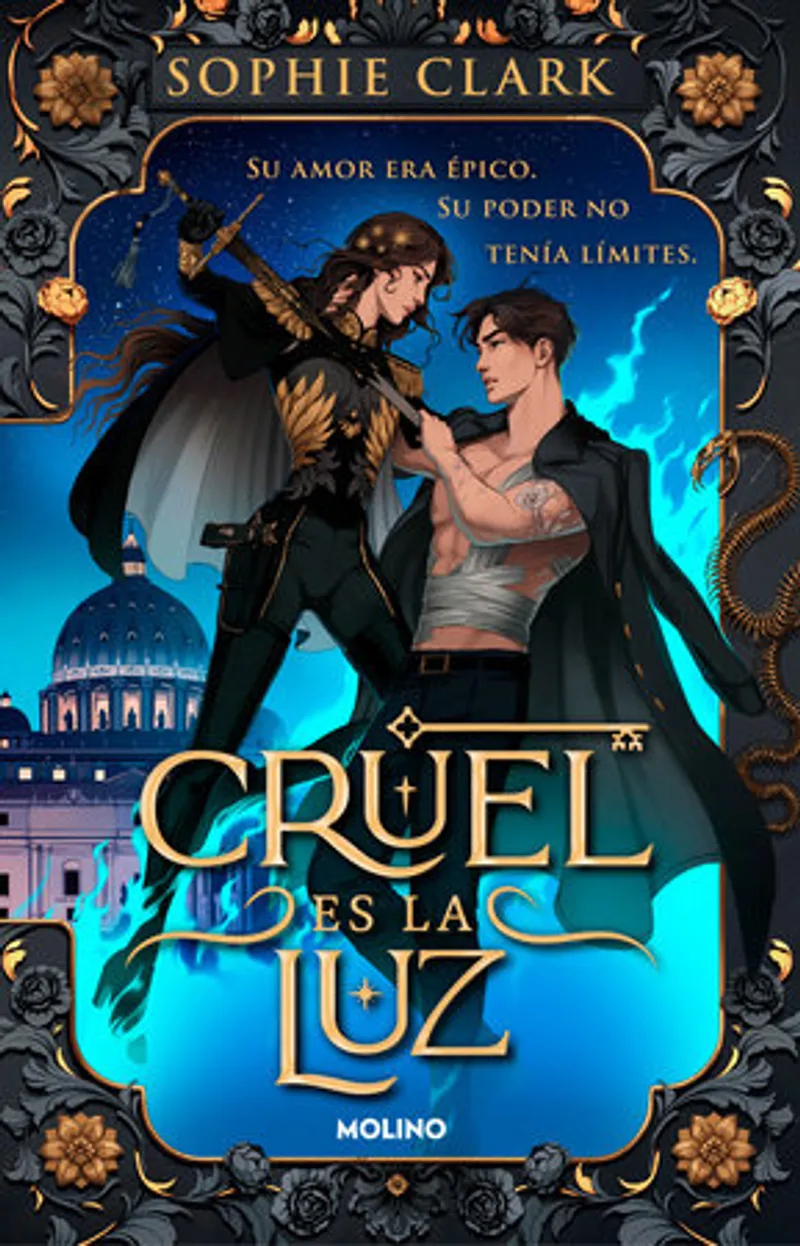
Cruel es la luz / Cruel is the Light Author: Sophie ClarkPage Count: UnknownPublication Date: 2025-PRH Cruel es la luz, or Cruel is the Light, is the latest offering from Sophie Clark, a writer known for her unflinching and poignant storytelling. This 2025 release promises to be a thought-provoking exploration of the human condition, delving into the complexities of our existence with Clark's characteristic nuance and sensitivity. From the onset, it becomes apparent that Clark's prose is as evocative as ever, weaving a narrative that is both deeply personal and universally relatable. Her writing is akin to a masterfully crafted tapestry, with each thread carefully intertwined to create a rich and immersive experience. The author's use of language is deliberate and precise, with every word chosen to evoke a specific emotional response from the reader. At its core, Cruel es la luz appears to be an exploration of the human relationship with light and darkness, and the ways in which these opposing forces shape our understanding of ourselves and the world around us. Clark masterfully navigates this dichotomy, revealing the intricate dance between light and darkness that exists within each of us. Through her characters, she exposes the cruel nature of light, which can both illuminate and blind, bringing comfort and despair in equal measure. One of the most striking aspects of Clark's writing is her ability to craft characters that are multidimensional and relatable. Her protagonists are flawed and vulnerable, yet possessed of a resilience that is both inspiring and heartbreaking. As they navigate the complexities of their lives, they must confront the darkness within themselves, and it is here that Clark's writing truly shines. Her portrayal of the human condition is unflinching, yet compassionate, revealing the intricate web of emotions that binds us all. Throughout the book, Clark's style is both lyrical and unflinching, a testament to her skill as a writer. Her use of imagery is vivid and evocative, conjuring powerful emotions in the reader. The narrative is both deeply personal and universally relatable, making it a compelling read for anyone who has ever struggled to find their place in the world. If there is one criticism to be made, it is that Clark's writing can be unflinchingly honest, making for a sometimes uncomfortable read. However, this is also the book's greatest strength, as it challenges the reader to confront their own vulnerabilities and weaknesses. In doing so, Clark creates a narrative that is both deeply moving and profoundly thought-provoking. In conclusion, Cruel es la luz is a masterpiece of contemporary literature, a powerful exploration of the human condition that will leave readers moved and inspired. Sophie Clark's writing is a testament to her skill as a storyteller, and this book is a must-read for anyone who has ever struggled to find their place in the world. #CruelEsLaLuz #SophieClark #LiteraryFiction #PsychologicalInsights #HumanCondition #ContemporaryLiterature Related InsightsUlysses Book Review and Summary Angel Country Book Review and Summary How to Be Less Useful: The Joy of Inefficiency Book Review and Summary{ "@context": "https://schema.org", "@type": "FAQPage", "mainEntity": [ { "@type": "Question", "name": "What is the main focus of The Cruel Prince Book Review and Summary?", "acceptedAnswer": { "@type": "Answer", "text": "Everything you need to know about The Cruel Prince with our detailed review." } }, { "@type": "Question", "name": "Who authored the comprehensive guide on The Cruel Prince Book Review and Summary?", "acceptedAnswer": { "@type": "Answer", "text": "This detailed article and its insights were carefully researched and authored by Holly Black." } }, { "@type": "Question", "name": "Where can I find more related content about Books?", "acceptedAnswer": { "@type": "Answer", "text": "You can explore more articles, detailed reviews, and similar insights by browsing the Related Insights section at the bottom of this article or visiting our dedicated Books category page." } } ] }

The Complete Idiot's Guide to Live Auctions Author: The National Auctioneers AssocPage Count: UnknownPublication Date: 2008-PRH The Complete Idiot's Guide to Live Auctions is a comprehensive and engaging guide that delves into the world of live auctions, an industry that generates a staggering $227.5 billion globally. Written by the National Auctioneers Association, this book is a treasure trove of information that caters to both novices and seasoned auction enthusiasts. One of the book's greatest strengths is its ability to demystify the world of live auctions, making it accessible to a wide range of readers. The author's style is clear, concise, and free of jargon, allowing readers to navigate the complex landscape of auctions with ease. The book covers a broad spectrum of topics, including the rules and lingo of live auctions, the process of setting up an auction, and the intricacies of hiring professional auctioneers. What sets this book apart from others in its genre is its attention to detail and the wealth of information it provides. The author takes the reader on a journey through various types of auctions, including those for cars, homes, fine art, and even coal. This comprehensive approach gives readers a deeper understanding of the industry and its many nuances. The book's use of statistics and facts adds depth and context to the narrative. For instance, the revelation that 24% of U.S. consumers spend an average of four hours at live auctions each year highlights the industry's significant reach and appeal. The inclusion of a resource section with auction house listings is also a valuable addition, providing readers with a practical guide to getting started in the world of live auctions. Throughout the book, the National Auctioneers Association's expertise shines through, lending credibility and authority to the narrative. The author's passion for the subject matter is evident on every page, making the book an enjoyable and engaging read. In conclusion, The Complete Idiot's Guide to Live Auctions is a must-read for anyone interested in the world of live auctions. Whether you're a seasoned collector, a novice bidder, or simply someone looking to learn more about this fascinating industry, this book has something to offer. With its clear and concise writing style, comprehensive coverage of the subject matter, and wealth of practical information, it's an invaluable resource that is sure to educate and entertain. #LiveAuctions #Auctioneering #TheCompleteIdiotsGuide #AuctionIndustry #CollectorsGuide #AuctionHouse Related InsightsThe Spirits Book Review and Summary From Whispers to Worlds: Charting the Timeless Odyssey of Children's Literature Echo Ridge Book Review and Summary{ "@context": "https://schema.org", "@type": "FAQPage", "mainEntity": [ { "@type": "Question", "name": "What is the main focus of The High Auction Book Review and Summary?", "acceptedAnswer": { "@type": "Answer", "text": "Everything you need to know about The High Auction with our detailed review." } }, { "@type": "Question", "name": "Who authored the comprehensive guide on The High Auction Book Review and Summary?", "acceptedAnswer": { "@type": "Answer", "text": "This detailed article and its insights were carefully researched and authored by Misba." } }, { "@type": "Question", "name": "Where can I find more related content about Books?", "acceptedAnswer": { "@type": "Answer", "text": "You can explore more articles, detailed reviews, and similar insights by browsing the Related Insights section at the bottom of this article or visiting our dedicated Books category page." } } ] }
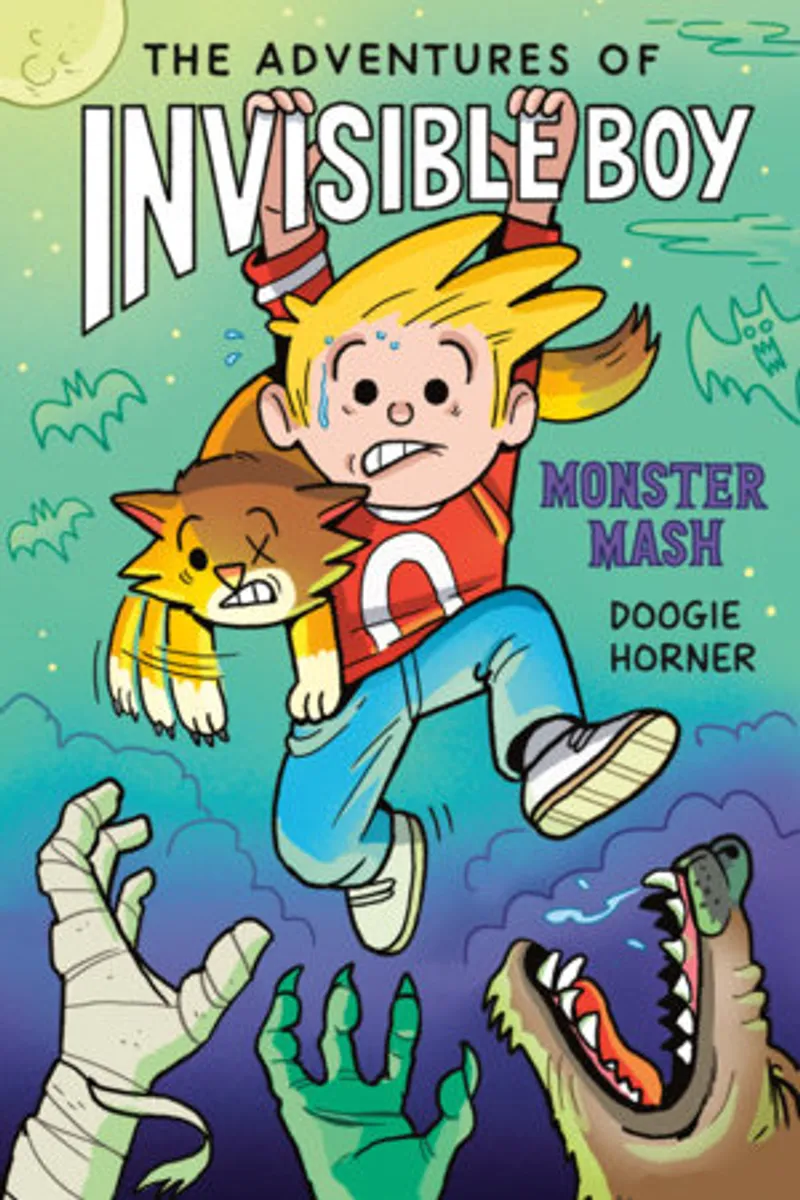
The Adventures of Invisible Boy: Monster Mash: A Graphic Novel Author: Doogie HornerPage Count: UnknownPublication Date: 2026-PRH The Adventures of Invisible Boy: Monster Mash – A Graphic Novel That’s More Than Meets the Eye Doogie Horner’s The Adventures of Invisible Boy: Monster Mash (2026) is a delightful, visually inventive graphic novel that blends humor, heart, and a touch of the uncanny. While the full synopsis remains under wraps, the premise alone—following an invisible boy navigating a world of monsters—suggests a story ripe with creativity, emotional depth, and a playful subversion of expectations. At its core, Monster Mash appears to explore themes of identity, belonging, and self-acceptance. Invisibility, both literal and metaphorical, is a powerful metaphor for feeling unseen or misunderstood. Horner, known for his quirky, offbeat humor in works like The 12 Saves of Christmas, seems poised to use this premise to deliver a story that’s as thought-provoking as it is entertaining. The monsters, rather than being mere antagonists, likely serve as mirrors—figures who challenge Invisible Boy to confront his own insecurities while also teaching him that true strength comes from embracing what makes him different. Horner’s artistic style is a standout feature. His work often balances exaggerated, cartoonish characters with meticulous detail, creating a visual language that’s both accessible and richly textured. In Monster Mash, expect a dynamic interplay between the ordinary and the fantastical, with Invisible Boy’s invisibility rendered in clever ways—perhaps through negative space, clever panel layouts, or even a muted color palette that subtly fades him into the background. This visual storytelling reinforces the book’s themes, making the invisible visible in the most unexpected ways. The pacing and tone of Monster Mash are likely to be brisk and witty, with Horner’s signature humor shining through in both dialogue and visual gags. His ability to blend absurdity with sincerity suggests that this isn’t just a silly monster romp—it’s a story with emotional weight, where laughter and introspection go hand in hand. If Horner’s past work is any indication, readers can expect clever wordplay, unexpected twists, and a cast of characters that feel both larger-than-life and deeply relatable. One of the most intriguing aspects of Monster Mash is its potential to resonate with younger readers while still offering layers that adults will appreciate. The monsters, for instance, could be metaphors for childhood fears or societal pressures, making the story a subtle yet powerful allegory. Horner’s knack for balancing humor with heart ensures that the book never feels preachy, instead inviting readers to draw their own conclusions about what it means to be seen—and to see others. In an era where graphic novels are increasingly recognized as a medium for both escapism and profound storytelling, The Adventures of Invisible Boy: Monster Mash stands out as a promising addition. It’s a book that promises to make the invisible visible—not just on the page, but in the hearts of its readers. #InvisibleBoy #MonsterMash #GraphicNovel #DoogieHorner #MiddleGradeBooks #HiddenHeroes Related InsightsThe Tyrant's Tomb Book Review and Summary Untitled (A Court of Thorns and Roses, #7) Book Review and Summary The Knife of Never Letting Go Book Review and Summary{ "@context": "https://schema.org", "@type": "FAQPage", "mainEntity": [ { "@type": "Question", "name": "What is the main focus of Invisible Monsters Book Review and Summary?", "acceptedAnswer": { "@type": "Answer", "text": "Everything you need to know about Invisible Monsters with our detailed review." } }, { "@type": "Question", "name": "Who authored the comprehensive guide on Invisible Monsters Book Review and Summary?", "acceptedAnswer": { "@type": "Answer", "text": "This detailed article and its insights were carefully researched and authored by Chuck Palahniuk." } }, { "@type": "Question", "name": "Where can I find more related content about Books?", "acceptedAnswer": { "@type": "Answer", "text": "You can explore more articles, detailed reviews, and similar insights by browsing the Related Insights section at the bottom of this article or visiting our dedicated Books category page." } } ] }
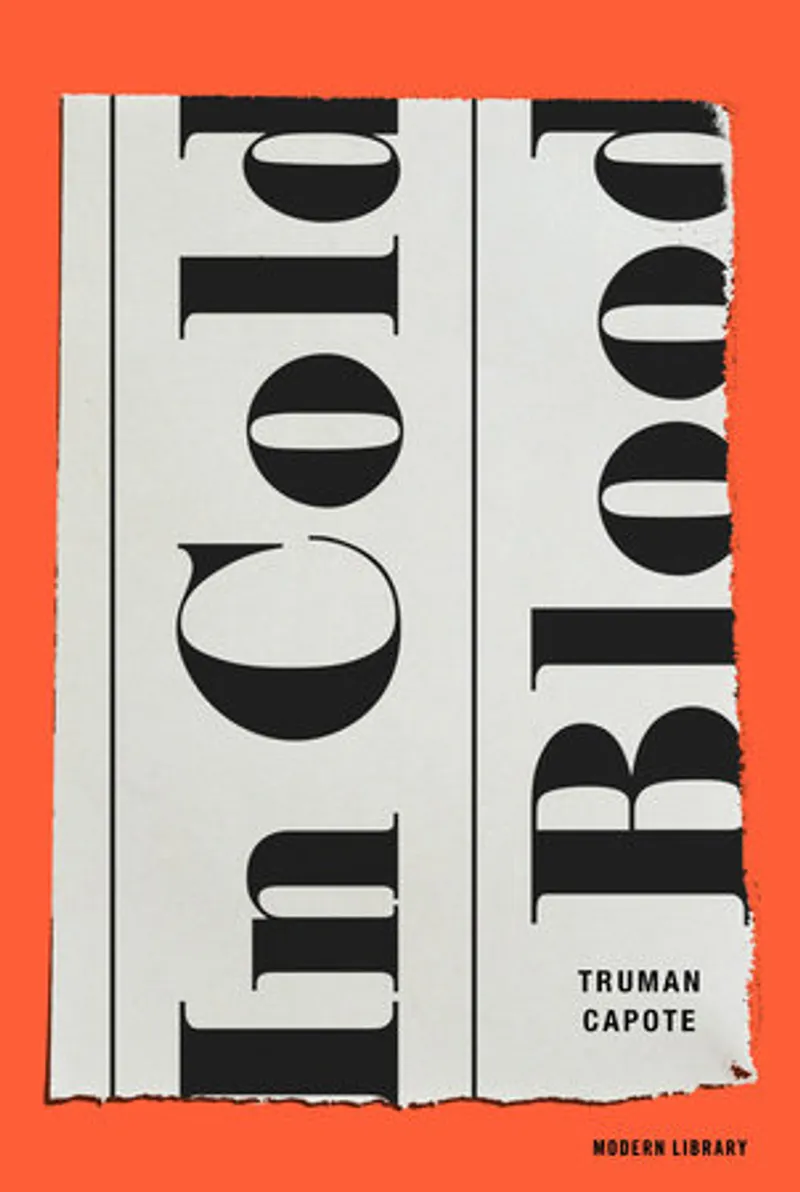
In Cold Blood Author: Truman CapotePage Count: UnknownPublication Date: 2013-PRH In Cold Blood by Truman Capote is a literary masterpiece that delves into the darkest corners of human nature, leaving an indelible mark on the reader. Originally published in 1965, this book is a seminal work of the "new journalism" that has stood the test of time, and its inclusion in the Modern Library's list of 100 best nonfiction books is a testament to its enduring power. Capote's account of the brutal murder of the Clutter family in Holcomb, Kansas, on the night of November 15, 1959, is a gripping narrative that oscillates between the tranquil lives of the victims and the ominous approach of their killers, Richard Eugene Hickock and Perry Edward Smith. The author's meticulous research and masterful storytelling create a sense of intimacy, drawing the reader into the world of the characters and making them feel like a participant in the events. One of the most striking aspects of the book is its exploration of the human psyche, particularly through the character of Perry Smith. A complex and contradictory figure, Smith is both captivating and terrifying, embodying the darkest aspects of human nature. His statement about Herb Clutter, "I thought he was a very nice gentleman... Soft-spoken. I thought so right up to the moment I cut his throat," is a chilling insight into the mind of a killer, and it raises fundamental questions about the nature of humanity. Capote's writing style is a key element in the book's success. His use of alternating chapters, switching between the Clutter household and the approach of the killers, creates a sense of tension and foreboding that propels the reader forward. The author's vivid descriptions of the characters and their surroundings are equally impressive, conjuring a sense of atmosphere that immerses the reader in the world of the story. The author's ability to balance the objective and subjective aspects of the narrative is another notable feature of the book. Capote's account is meticulously researched, and his attention to detail is impressive. However, he also manages to convey the emotional resonance of the events, creating a sense of empathy and connection with the characters. In Cold Blood is a thought-provoking and deeply unsettling book that challenges the reader to confront the darker aspects of human nature. Capote's masterpiece is a must-read for anyone interested in true crime, psychology, or literature. It is a testament to the power of storytelling and a reminder that, even in the most horrific of circumstances, there is always a deeper truth waiting to be uncovered. #TrueCrimeClassics #InColdBlood #TrumanCapote #NewJournalism #CrimeLiterature #PsychologicalThrillers Related InsightsDon't Let Him In Book Review and Summary Joker Moon Book Review and Summary Watchmen Book Review and Summary{ "@context": "https://schema.org", "@type": "FAQPage", "mainEntity": [ { "@type": "Question", "name": "What is the main focus of In Cold Blood Book Review and Summary?", "acceptedAnswer": { "@type": "Answer", "text": "Everything you need to know about In Cold Blood with our detailed review." } }, { "@type": "Question", "name": "Who authored the comprehensive guide on In Cold Blood Book Review and Summary?", "acceptedAnswer": { "@type": "Answer", "text": "This detailed article and its insights were carefully researched and authored by Truman Capote." } }, { "@type": "Question", "name": "Where can I find more related content about Books?", "acceptedAnswer": { "@type": "Answer", "text": "You can explore more articles, detailed reviews, and similar insights by browsing the Related Insights section at the bottom of this article or visiting our dedicated Books category page." } } ] }
La mujer del camarote 10 / The Woman in Cabin 10 Author: Ruth WarePage Count: UnknownPublication Date: 2019-PRH The Woman in Cabin 10 by Ruth Ware is a masterful thriller that will keep you on the edge of your seat from start to finish. The story follows Lo Blacklock, a travel journalist who embarks on a luxury cruise to the Norwegian fjords, only to find herself entangled in a mysterious and terrifying ordeal. Ware's writing style is reminiscent of Agatha Christie's classic whodunits, with a unique blend of atmospheric tension, intricate plotting, and a cast of complex characters. The setting of the luxury cruise ship is expertly used to create a sense of claustrophobia and isolation, heightening the sense of unease and fear as the story unfolds. At the heart of the novel is Lo Blacklock, a flawed and relatable protagonist who is both fiercely independent and deeply vulnerable. Her character is skillfully crafted to evoke empathy and understanding, making it impossible not to become invested in her fate. The plot is a tightly wound and expertly paced, with a series of twists and turns that will keep you guessing until the very end. Ware's use of suspense and tension is masterful, creating a sense of unease that permeates every aspect of the story. One of the standout aspects of The Woman in Cabin 10 is its exploration of the theme of gaslighting. Lo's experiences on the ship are constantly questioned and undermined by those around her, leaving her to doubt her own perceptions and sanity. This is a powerful and thought-provoking commentary on the ways in which women's experiences and voices are often marginalized and dismissed. Overall, The Woman in Cabin 10 is a gripping and unputdownable thriller that will appeal to fans of psychological suspense and mystery. With its unique blend of atmospheric tension, intricate plotting, and complex characters, it is a must-read for anyone looking for a compelling and thought-provoking page-turner. #TheWomanInCabin10 #RuthWare #PsychologicalThriller #Mystery #Suspense #Gaslighting

La razón de estar contigo / A Dog's Purpose Author: W. Bruce CameronPage Count: UnknownPublication Date: 2018-PRH In the pages of W. Bruce Cameron's "A Dog's Purpose", a heartwarming and thought-provoking tale unfolds, exploring the profound bond between humans and their canine companions. This novel, which has captivated readers worldwide and inspired a major motion picture, delves into the multiple lives of a dog, weaving a narrative that is both a poignant exploration of the human experience and a celebration of the unwavering loyalty of our furry friends. Through the eyes of a dog, Cameron masterfully reveals the intricacies of human relationships, exposing the complexities, the joys, and the sorrows that define our existence. The story is told with a unique blend of humor, wit, and sensitivity, making it an irresistible read for anyone who has ever loved and been loved by a dog. As the canine protagonist navigates its various lives, it imparts valuable lessons on the importance of love, friendship, and the pursuit of one's purpose. One of the most striking aspects of Cameron's writing style is his ability to balance lighthearted moments with deeper, more profound themes. He tackles complex issues such as loss, grief, and the meaning of life with a deft touch, never shying away from the tough questions but also never losing sight of the story's emotional core. The result is a narrative that is both entertaining and enlightening, making "A Dog's Purpose" a must-read for anyone seeking a story that will make them laugh, cry, and reflect on the human condition. The novel's central theme – that every creature is born with a purpose – is a powerful reminder of the interconnectedness of all living beings. Through the dog's experiences, Cameron shows us that even the smallest among us can have a profound impact on the lives of those around us. This message is conveyed with a sense of hope and optimism, suggesting that even in the darkest of times, there is always the potential for love, redemption, and forgiveness. Cameron's prose is engaging, and his storytelling is effortless, making "A Dog's Purpose" a page-turner that is hard to put down. The characters, both human and animal, are well-developed and relatable, adding depth and complexity to the narrative. The writing is descriptive and evocative, conjuring vivid images of the world from a dog's perspective. In short, "A Dog's Purpose" is a beautifully crafted novel that will resonate with readers of all ages. It is a testament to the transformative power of love and friendship, reminding us that even in the most challenging times, there is always the potential for growth, learning, and redemption. If you're looking for a story that will touch your heart, make you laugh, and inspire you to appreciate the beauty of life, then this book is a must-read. #ADogsPurpose #DogLovers #BookReview #AnimalFiction #HeartwarmingStories #PetLovers Related InsightsTwisted Games Book Review and Summary L'Eco del Silenzio e l'Ombra dell'Ingiustizia: L'Eterno Ritorno di 'To Kill a Mockingbird' Engineering a Love Story Book Review and Summary{ "@context": "https://schema.org", "@type": "FAQPage", "mainEntity": [ { "@type": "Question", "name": "What is the main focus of A Dog's Purpose Book Review and Summary?", "acceptedAnswer": { "@type": "Answer", "text": "Everything you need to know about A Dog's Purpose with our detailed review." } }, { "@type": "Question", "name": "Who authored the comprehensive guide on A Dog's Purpose Book Review and Summary?", "acceptedAnswer": { "@type": "Answer", "text": "This detailed article and its insights were carefully researched and authored by W. Bruce Cameron." } }, { "@type": "Question", "name": "Where can I find more related content about Books?", "acceptedAnswer": { "@type": "Answer", "text": "You can explore more articles, detailed reviews, and similar insights by browsing the Related Insights section at the bottom of this article or visiting our dedicated Books category page." } } ] }