Showing Posts From
Fifth taste
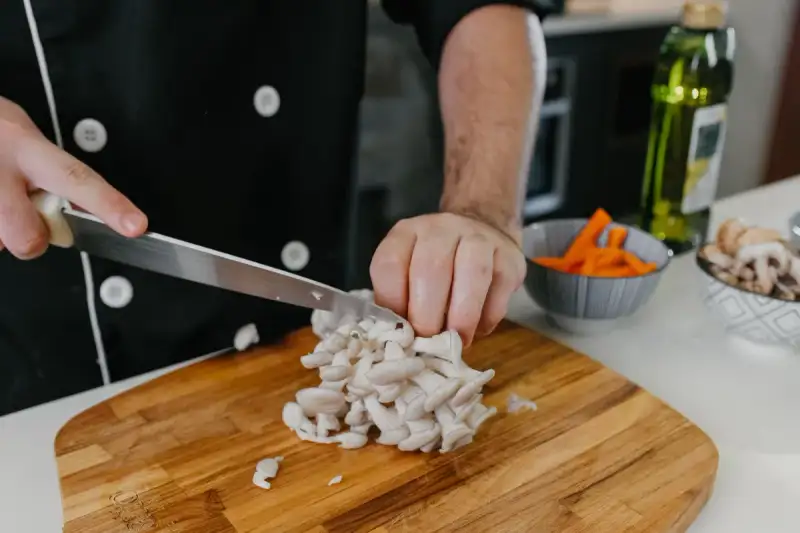

The Umami Revolution: How Chefs Are Harnessing the Fifth Taste TodayIntroduction Umami—the elusive fifth taste—has long been the secret weapon of chefs and food scientists alike. Unlike the familiar quartet of sweet, sour, salty, and bitter, umami (derived from the Japanese word for "pleasant savory taste") was only officially recognized as a distinct taste in 1908 by chemist Kikunae Ikeda. His discovery of glutamates in kombu dashi broth unlocked a world of culinary potential, but it wasn’t until the 21st century that umami truly became a global phenomenon. Today, chefs are revolutionizing modern cuisine by harnessing umami in ways that go far beyond traditional Japanese dishes. From the strategic use of monosodium glutamate (MSG) to cutting-edge fermentation techniques, the umami revolution is reshaping how we perceive flavor. Recent research, including studies from OpenAlex, highlights the growing fascination with umami and its applications in food science and culinary arts. As consumers increasingly seek deeper, more complex flavors, chefs are turning to umami as a tool to elevate their dishes, reduce sodium without sacrificing taste, and even create entirely new flavor profiles. This article delves into the science, techniques, and innovations driving the umami revolution, offering a comprehensive guide to how chefs are mastering the fifth taste.The Science of Umami: Beyond the Fifth TasteUmami is triggered by the presence of free glutamates, nucleotides like inosinate and guanylate, and certain peptides. These compounds are naturally found in foods such as aged cheeses, mushrooms, tomatoes, and fermented products like soy sauce and miso. When these molecules bind to specific taste receptors on the tongue, they create a lingering, mouthwatering sensation that enhances other flavors. The science of umami has evolved significantly since Ikeda’s discovery. Today, researchers understand that umami is not just about glutamate but also about the synergistic effects of combining different umami-rich ingredients. For example, pairing tomatoes (rich in glutamates) with parmesan cheese (rich in inosinate) creates a flavor explosion that neither ingredient achieves alone. This synergy is the foundation of many modern culinary techniques, including the use of "umami bombs" in cooking. Chefs are also exploring the role of umami in reducing sodium intake. By strategically incorporating umami-rich ingredients, they can create dishes that taste saltier without adding extra salt. This approach is particularly valuable in health-conscious cuisine, where reducing sodium is a priority. Studies have shown that umami can trick the palate into perceiving a dish as saltier, making it a powerful tool for chefs aiming to create healthier yet flavorful meals.MSG: The Controversial Umami PowerhouseMonosodium glutamate (MSG) is perhaps the most polarizing umami enhancer in modern cuisine. Discovered in 1908 by Kikunae Ikeda, MSG is the sodium salt of glutamic acid, a naturally occurring amino acid. Despite its controversial history—fueled by the "Chinese Restaurant Syndrome" myth in the 1960s—MSG has been extensively studied and deemed safe by global health organizations, including the FDA and WHO. Chefs today are reclaiming MSG as a legitimate and powerful tool in the kitchen. Unlike salt, which can overpower a dish, MSG enhances flavor without adding a distinct taste of its own. This makes it ideal for balancing dishes, reducing sodium content, and adding depth to vegetarian and vegan meals, where natural glutamates are less abundant. For example, a pinch of MSG can transform a simple vegetable broth into a rich, savory base for soups and stews. The culinary world’s embrace of MSG is evident in its growing presence in high-end restaurants and home kitchens alike. Chefs like David Chang of Momofuku and Niki Nakayama of n/naka have championed MSG, using it to create dishes that are both innovative and deeply flavorful. Additionally, MSG’s affordability and long shelf life make it a practical choice for both professional and amateur cooks. As the stigma surrounding MSG continues to fade, its role in the umami revolution is only set to expand.Fermentation: The Ancient Technique Powering Modern UmamiFermentation is one of the oldest culinary techniques, but it has experienced a renaissance in modern cuisine as chefs seek to unlock umami’s full potential. Fermented foods like miso, soy sauce, kimchi, and fish sauce are packed with glutamates and nucleotides, making them some of the richest sources of umami. However, contemporary chefs are taking fermentation to new heights by experimenting with unconventional ingredients and cutting-edge methods. Innovative fermentation techniques, such as koji cultivation and koji-based marinades, are gaining popularity in professional kitchens. Koji, a culture of Aspergillus oryzae used in Japanese cuisine, is being employed to ferment everything from grains to vegetables, creating complex, umami-rich bases for sauces and broths. Chefs are also exploring wild fermentation, where natural yeasts and bacteria are harnessed to create unique flavor profiles. This approach not only enhances umami but also introduces probiotic benefits, aligning with the growing consumer demand for gut-friendly foods. The mushroom industry, in particular, has seen a surge in interest due to its natural glutamates and the potential for innovative processing techniques. Research into mushroom fermentation is uncovering new ways to extract and concentrate umami compounds, leading to products like mushroom powders and umami pastes that can be used as flavor enhancers. These advancements are democratizing umami, making it accessible to home cooks and professional chefs alike.Umami in Plant-Based and Sustainable CuisineAs plant-based diets gain traction, chefs are turning to umami as a solution to the challenge of creating satisfying, flavorful meat substitutes. Unlike animal proteins, plant-based foods often lack the natural glutamates that contribute to the savory depth of meat. However, by incorporating umami-rich ingredients, chefs can bridge this gap and create dishes that are both nutritious and deeply flavorful. Ingredients like nutritional yeast, tomato paste, miso, and seaweed are becoming staples in plant-based cooking for their umami-boosting properties. For example, a simple vegan "cheese" sauce can be transformed from bland to rich and creamy by adding a spoonful of miso or a dash of MSG. Similarly, plant-based burgers can be enhanced with umami-rich ingredients like caramelized onions, mushrooms, or fermented tofu to mimic the depth of meat. Sustainability is another driving force behind the umami revolution in plant-based cuisine. By reducing reliance on animal products, chefs are not only catering to dietary preferences but also minimizing their environmental footprint. Umami-rich plant-based ingredients often require fewer resources to produce than animal proteins, making them a more sustainable choice. As the demand for plant-based options continues to grow, umami will play an increasingly important role in shaping the future of sustainable cuisine.The Future of Umami: Innovations and Global TrendsThe umami revolution is far from over. Advances in food science and technology are opening new frontiers for umami exploration. Molecular gastronomy, for instance, is enabling chefs to isolate and concentrate umami compounds, creating ultra-pure flavor extracts that can be used to enhance dishes with precision. Techniques like freeze-drying and spray-drying are being employed to produce umami powders and concentrates that can be easily incorporated into recipes. Global trends are also shaping the future of umami. In Asia, umami-rich ingredients like fish sauce, oyster sauce, and fermented black beans are staples in many cuisines, and their popularity is spreading worldwide. Meanwhile, Western cuisines are embracing umami through techniques like slow-cooking and charring, which concentrate natural glutamates in ingredients like tomatoes, carrots, and onions. The fusion of these global techniques is leading to a new era of umami-driven cuisine. Another exciting development is the rise of umami-focused restaurants and tasting menus. Chefs are designing entire dining experiences around the fifth taste, using umami to create harmonious, multi-course meals that highlight the depth and complexity of savory flavors. These innovative approaches are not only redefining fine dining but also inspiring home cooks to experiment with umami in their own kitchens.Umami Ingredients: A Comparative GuideIngredient Umami Level (1-10) Key Compounds Best Uses Sustainability NoteKombu (dried kelp) 10 Glutamate Dashi broth, soups Highly sustainable, fast-growingParmesan cheese 9 Glutamate, inosinate Pasta, risotto, sauces Moderate (dairy production)Soy sauce 8 Glutamate, nucleotides Marinades, stir-fries, dipping Moderate (fermentation process)Shiitake mushrooms 7 Glutamate, guanylate Soups, stir-fries, umami paste Highly sustainable, low water useTomato paste 6 Glutamate Sauces, stews, pizza Moderate (seasonal crop)Miso 8 Glutamate, nucleotides Soups, glazes, marinades Highly sustainable (fermented)Fish sauce 9 Glutamate, nucleotides Dressings, dipping sauces Moderate (fish sourcing)Nutritional yeast 7 Glutamate Vegan cheese, sauces, seasoning Highly sustainable (yeast-based)MSG 10 Glutamate Soups, broths, seasoning Synthetic but low-impactConclusion The umami revolution is more than a culinary trend—it’s a fundamental shift in how we approach flavor. From the controversial yet powerful MSG to the ancient art of fermentation, chefs are harnessing the fifth taste to create dishes that are deeper, more complex, and more satisfying than ever before. As plant-based diets rise in popularity and sustainability becomes a priority, umami offers a solution to the challenge of creating flavorful, nutritious meals without relying on animal products. The future of umami is bright, with innovations in food science and global culinary trends driving new possibilities. Whether you’re a professional chef or a home cook, understanding and experimenting with umami can elevate your cooking to new heights. So the next time you’re in the kitchen, consider reaching for that dash of soy sauce, sprinkle of nutritional yeast, or pinch of MSG—you might just be unlocking the secret to the most delicious dish you’ve ever made. As we continue to explore the depths of umami, one thing is clear: the fifth taste is here to stay, and its potential is only beginning to be realized.#UmamiRevolution #FifthTaste #ModernCuisine #MSG #Fermentation