The Umami Revolution: How Chefs Are Harnessing the Fifth Taste Today
-
 Eleanor Hughes
 - 05 Sep, 2026 10:53
The Invisible Alchemy of the Savory Spectrum
The culinary world has long been governed by the familiar pillars of sweetness, sourness, bitterness, and saltiness. Yet, for decades, a subtle, transformative power has been working in the shadows of the world’s most prestigious kitchens—the elusive fifth taste, known as umami. Derived from the Japanese term for “deliciousness,” umami represents the sensation of savory richness that coats the palate and lingers long after the first bite. It is not merely a flavor; it is a molecular phenomenon. The history of this sensation is deeply rooted in the groundbreaking work of Kikunae Ikeda, who, in the early 20th century, isolated glutamate as the source of this mouth-watering experience. Today, the umami revolution is in full swing, with chefs transcending traditional seasoning to manipulate ingredients at a chemical level, unlocking depths of flavor that were once reserved for slow-simmered stocks and aged delicacies.
Modern gastronomy is no longer satisfied with balancing salt and sugar. Instead, the focus has shifted toward the synergy of glutamates and nucleotides. When these compounds interact, they create an exponential boost in flavor intensity, a phenomenon that has changed how we think about restaurant menu development. The scientific literature, notably the research documented within databases like OpenAlex, highlights how Monosodium Glutamate (MSG) paved the way for our understanding of taste receptors. While MSG was once shrouded in controversy and misunderstanding, its status as a concentrated form of the building block found in nature has been rehabilitated. Chefs now treat these components not as artificial additives, but as essential tools for maximizing the “deliciousness” profile of plant-based dishes, fermented creations, and protein-heavy plates. We are currently witnessing an era where understanding the biochemical basis of flavor is just as important as mastering a knife.
The Secret Life of Mushrooms in Modern Cuisine
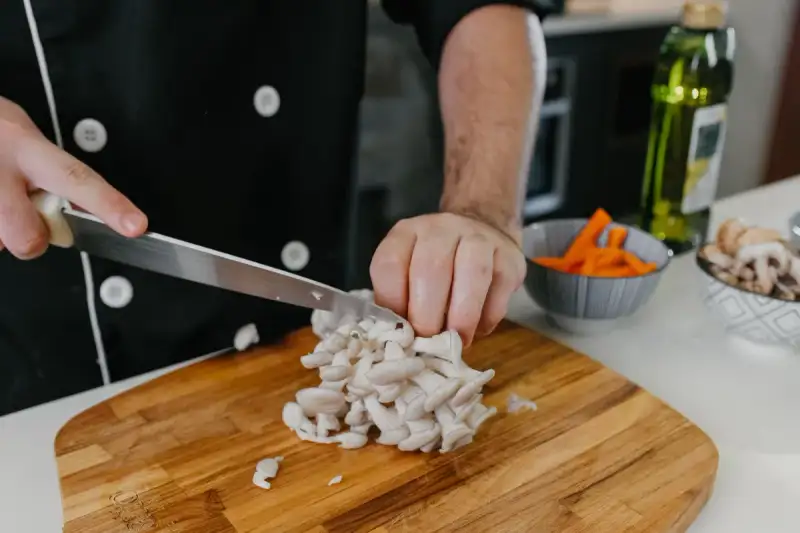
The mushroom—an ancient, humble, and often overlooked staple—has become the star of the umami revolution. As researchers analyze the intersection of food processing and flavor chemistry, the focus has shifted toward innovative techniques to harvest the latent savoriness of fungi. Processing mushrooms is no longer a matter of drying or sautéing; it is about manipulating enzymes to maximize glutamate content. Through precise drying protocols and enzymatic pre-treatments, chefs are able to concentrate the savory essence of Shiitake, Porcini, and Maitake mushrooms to unprecedented levels. This is a game-changer for the plant-based culinary scene, where the goal is to replicate the satisfying depth of meat without the environmental impact of industrial animal agriculture.
Business and science have converged in the processing of mushrooms to create a new category of “super-savory” ingredients. By leveraging controlled environments and sophisticated dehydrating technologies, producers can now stabilize and amplify the umami profile of common species. This scientific approach means that a simple mushroom reduction can now carry the same sensory weight as a meat-based demi-glace. For the professional chef, this signifies a paradigm shift. We are moving away from heavy reduction stocks that require hours of boiling, toward lighter, high-intensity flavor concentrates that pack more punch with less volume. The “Revolutionizing Mushroom Processing” movement is not just about logistics; it is about culinary efficiency. By understanding how to break down the cell walls of fungi to release free glutamates, kitchens are achieving flavor profiles that once required the massive infrastructure of a traditional French kitchen. The result is a lighter, more vibrant, and more intense plate of food that appeals to the modern palate’s desire for complexity without heaviness.
Unlocking the Potential of Fermentation and Aging
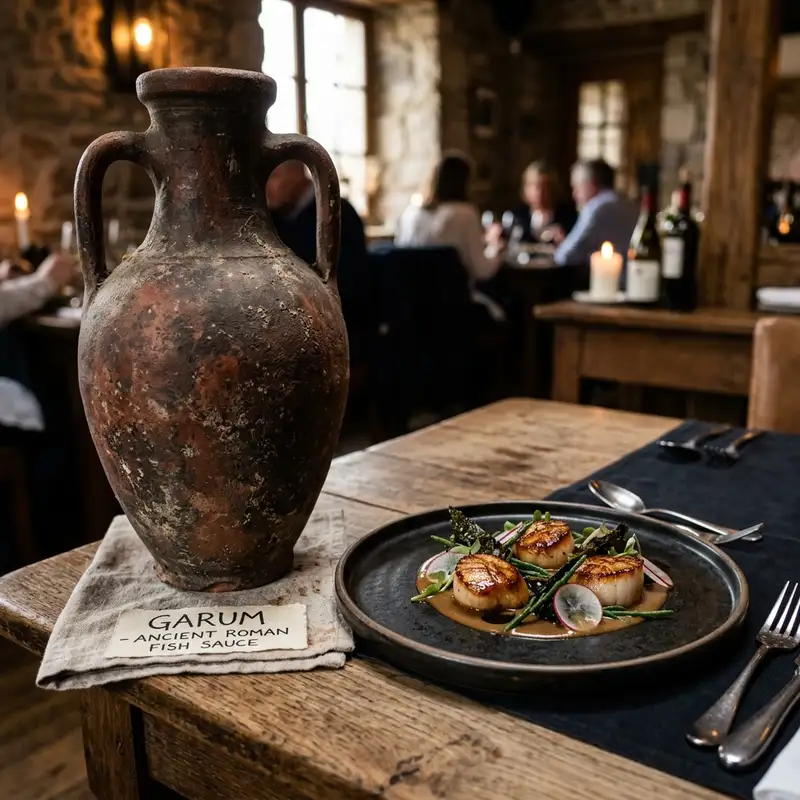
Fermentation is perhaps the most ancient, yet highly advanced, method for harnessing the fifth taste. In the current culinary zeitgeist, fermentation laboratories have become the heartbeat of world-class restaurants. From miso and soy sauce to fermented vegetable juices and garums, the process of breaking down proteins into amino acids is the ultimate expression of the umami revolution. When we ferment ingredients, we are essentially outsourcing the work of flavor development to microbes. These tiny organisms tirelessly consume complex proteins, leaving behind a rich, concentrated bounty of glutamates and other savory compounds. It is a slow, methodical process that produces results simply impossible to achieve through heat alone.
Chefs are now experimenting with “wild” fermentation, using koji—the mold Aspergillus oryzae—to initiate the breakdown of starches and proteins in non-traditional substrates. Imagine a garum made from fermented mushrooms, or a miso created from sunflower seeds rather than soy. These experiments demonstrate a departure from dogmatic culinary rules toward a deeper, more experimental understanding of ingredient transformation. The key to this process lies in temperature control and time, allowing the naturally occurring enzymes to flourish. The umami generated in this stage provides a foundational depth that serves as the “bass note” for any dish. When a chef combines a fermented ingredient with a fresh one, they are creating a bridge between the vibrant top notes of fresh produce and the grounding, earthy intensity of long-aged preparations. This layering of flavor is the hallmark of the modern culinary master, transforming a plate from a simple meal into a multi-dimensional sensory journey that engages the brain as much as the tongue.
Comparative Analysis of Umami-Dense Ingredients
To understand the scale of this revolution, one must observe the concentration of glutamate across various food groups. The table below serves as a reference guide for culinary professionals aiming to balance their profiles with natural sources of savory intensity.
| Ingredient Category | Primary Umami Source | Typical Glutamate (mg/100g) | Application Strategy |
|---|---|---|---|
| Aged Cheeses | Parmesan/Reggiano | 1,200 - 1,600 | Finishing element, umami base |
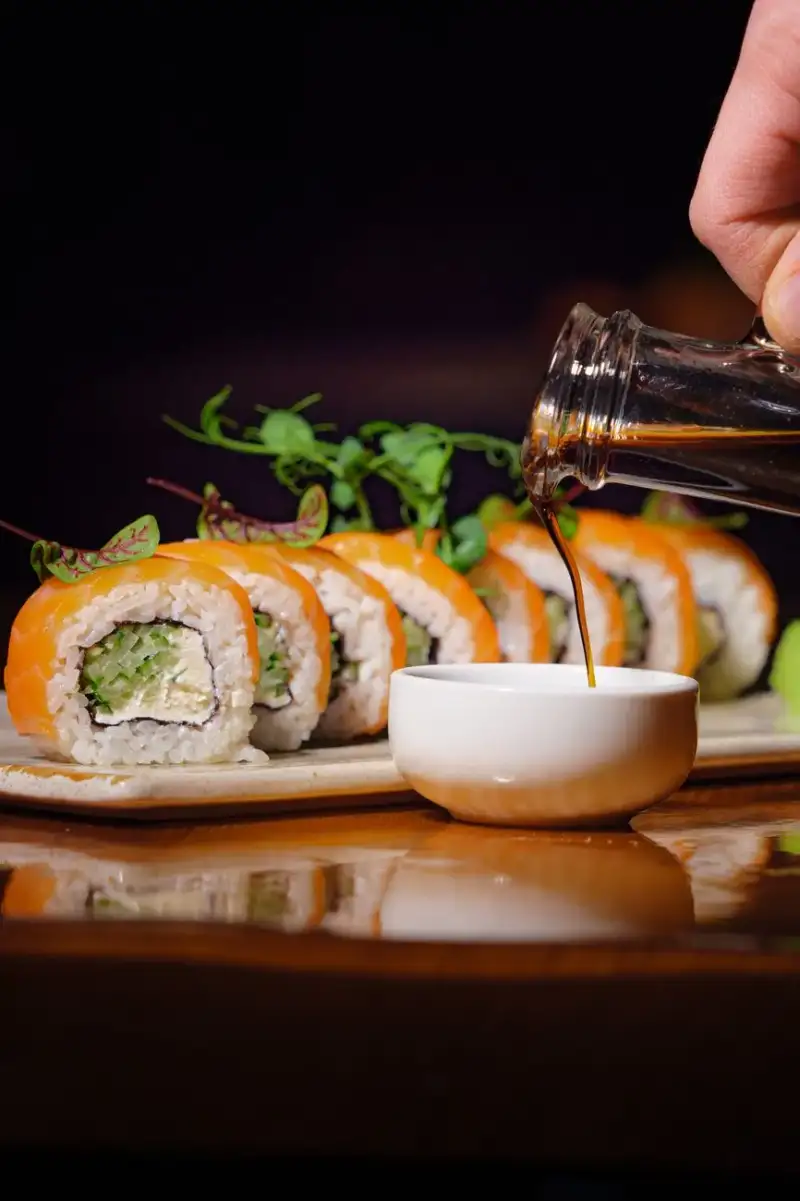
| Fermented Soy | Traditional Miso/Soy Sauce | 700 - 1,100 | Seasoning, marinade, glaze |
| Sun-Dried Fungi | Shiitake Mushrooms | 200 - 600 | Intense base reduction, powder |
| Marine Products | Seaweed (Kombu) | 1,500 - 2,500 | Dashi, extraction liquid |
| Cured Proteins | Anchovies/Cured Ham | 600 - 1,000 | Hidden flavor booster, salt swap |
| Tomatoes | Sun-Dried Tomatoes | 650 - 1,140 | Sauces, purees, vinaigrettes |
Data interpretation reveals that while marine products like kombu offer the most concentrated naturally occurring glutamates, the strategic application of these items varies wildly. A chef does not use kombu in the same manner as they use aged parmesan. The former is a bridge of liquid extraction, while the latter is a textural and flavorful highlight. By utilizing this comparative data, kitchens can refine their recipe development, ensuring that the “fifth taste” is calibrated to enhance the dish rather than overwhelm it. This objective approach to seasoning is what separates the home cook from the culinary artisan, allowing for consistent, high-impact results in every service.
The Synergy of Savory Landscapes
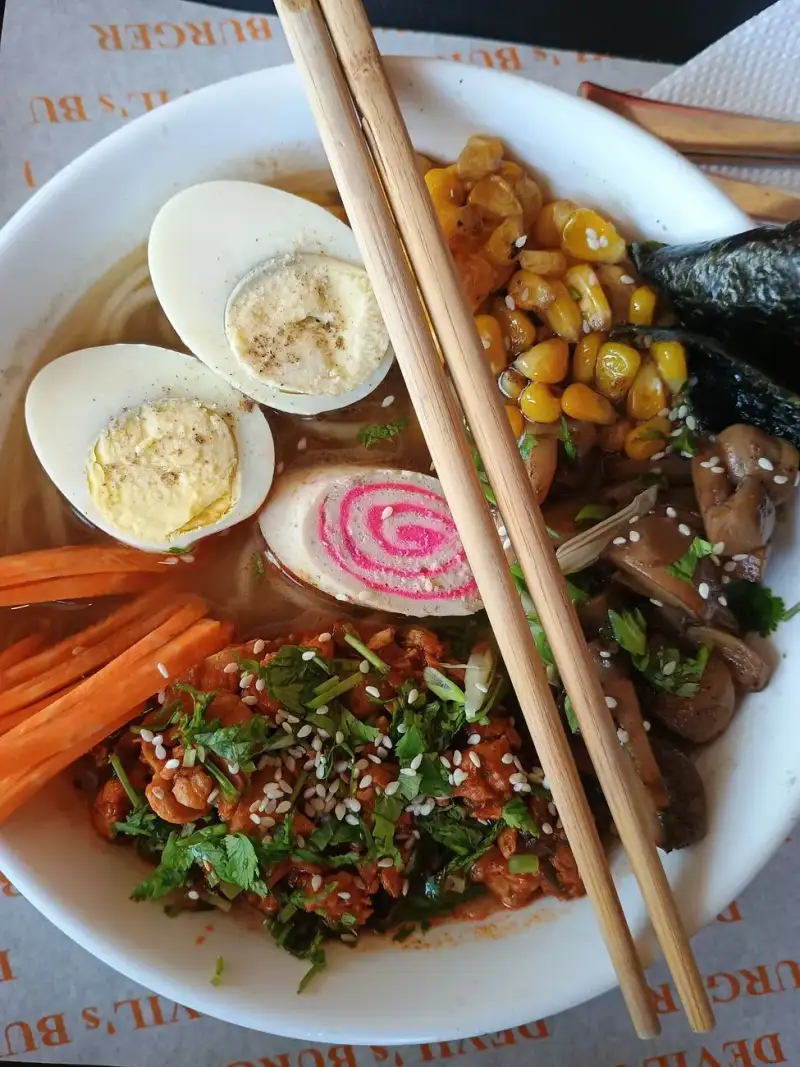
The true magic of the umami revolution happens at the intersection of ingredients. Science shows us that umami is not just a single-input sensation; it is a synergistic one. When a chef combines ingredients rich in glutamate (such as tomatoes or mushrooms) with those rich in nucleotides (such as fish, meat, or certain vegetables like asparagus), the resulting perceived intensity is not additive, but multiplicative. This is the “synergy effect.” It is why a simple pasta dish with tomato sauce and a sprinkle of parmesan tastes like far more than the sum of its parts. By purposefully pairing these ingredients, modern chefs can create dishes that feel deeply satisfying and complete, even when they are entirely plant-based.
This knowledge of synergy allows for a significant reduction in the amount of salt needed for seasoning. Because the palate perceives the savory intensity of umami as a form of “fullness,” a dish that has been properly balanced with glutamate-rich components requires far less sodium to hit the “satisfaction threshold.” This is a significant health advantage, and one that is driving the popularity of the umami-forward approach in wellness-conscious dining. We are seeing a shift where “clean eating” does not mean “bland eating.” On the contrary, by using fermented pastes, seaweed infusions, and high-quality dried fungi, chefs are delivering complex, bold flavors that satisfy the human evolutionary drive for protein-dense, savory foods. This synergy is the foundation of the future of health-focused culinary arts, proving that we can achieve the richness of a heavy, meat-laden diet through the smart application of botanical and fermented boosters.
Beyond the Plate: The Future of Flavor Technology
As we look toward the future, the umami revolution is poised to enter a new phase of technological integration. We are moving beyond the simple kitchen application and into the realm of precision ingredient development. New technologies in food processing, derived from the same research that helped us define the taste sensation, are allowing for the creation of sustainable umami boosters that can be incorporated into everything from high-end pastry to everyday snacks. We are seeing the rise of “smart seasonings”—mixtures of amino acids and mineral extracts that provide the specific umami trigger without the need for high-salt levels. This is the next frontier. It is about democratizing the fifth taste, making the richness of a long-simmered broth accessible to all, and leveraging science to improve the nutritional profile of our global food supply.
Furthermore, the education of the modern chef now necessitates a foundational understanding of sensory science. We no longer rely on intuition alone; we rely on the measurable, repeatable science of flavor. As the barrier between the laboratory and the kitchen continues to thin, we will see even more creative applications of umami. Perhaps we will see more integration of umami in the realm of desserts—subtle, savory undertones in dark chocolate or caramelized root vegetables—pushing the boundaries of what we consider “delicious.” The revolution is not about creating artificial flavors; it is about uncovering the hidden potential of the natural world. It is about understanding that deliciousness is a language, and umami is its most powerful, compelling dialect. As we continue to explore this fifth taste, we are not just feeding the body; we are feeding the mind, the curiosity, and the inherent human desire for complexity in our culinary experiences.
The Horizon of Savory Innovation
The journey through the fifth taste has taken us from the isolation of glutamate in a Japanese laboratory to the sophisticated, high-tech kitchens of today’s elite establishments. We have learned that umami is not a luxury or a trendy gimmick; it is a fundamental pillar of human flavor perception. By mastering the synergy between glutamates and nucleotides, utilizing the potential of mushrooms and fermentation, and embracing the precision of modern food science, the professional kitchen has been fundamentally altered. We are now in a position to create dishes that are richer, more satisfying, and more healthful than ever before.
As you step back into your own kitchen, remember that the quest for umami is a quest for balance. It is the search for that precise moment when a dish moves from being merely “tasty” to being truly unforgettable. Whether you are experimenting with a new batch of koji, dehydrating wild mushrooms to a fine dust, or simply finding the right balance of parmesan in your signature sauce, you are participating in a global movement. The umami revolution is about the pursuit of excellence, a celebration of chemistry, and an unending dedication to the art of deliciousness. Keep exploring, keep measuring, and most importantly, keep tasting. The fifth taste is waiting for you to harness its power, transforming the ordinary into the extraordinary, one savory drop at a time. The landscape of food is evolving, and those who speak the language of umami are leading the way toward a more flavorful, intentional, and deeply satisfying future.
#UmamiRevolution #CulinaryScience #Gastronomy #FutureOfFood #ProfessionalCooking