Showing Posts From
Flavor chemistry
-
 Isabella Rossi
 - 08 Oct, 2026 23:32
Beyond Black Pepper: The Enchanting Aromas of Long Pepper and Grains of Paradise
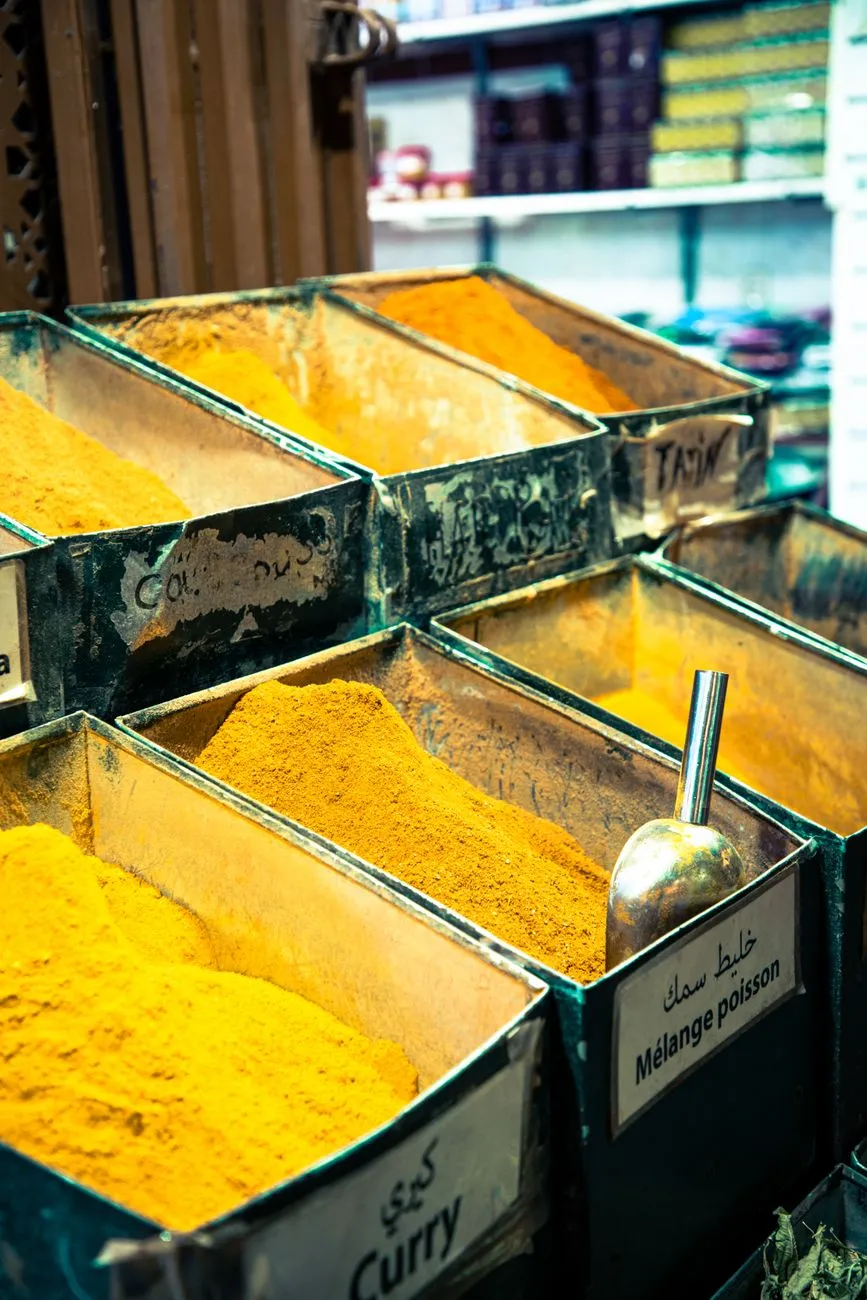
Tracing the Silk‑Road Echoes of Long Pepper (Piper longum) Long pepper, known in Sanskrit as pippali and in medieval European texts as “peppercorn of the East,” once commanded the same prestige as black pepper in the kitchens of Roman aristocracy and Ming‑Dynasty courts. Its botanical cousin, Piper longum, produces a fruit that stretches up to three inches—far longer than the tiny globes of Piper nigrum. The flavor profile is a complex tapestry: bright citrus notes mingle with a subtle heat that lingers longer than the sharp bite of conventional pepper. Chemically, the heat derives from piperine, but the presence of chavicine, dihydropiperine, and a suite of terpenes such as limonene and β‑caryophyllene creates layers of piney, earthy, and almost sweet undertones. Historical accounts from the 1st‑century Roman writer Pliny the Elder describe long pepper as “the king of spices,” a claim supported by trade ledgers uncovered in the port of Alexandria. The spice traveled along the same caravan routes that carried silk, frankincense, and, later, coffee beans. In the 13th‑century Venetian market, long pepper fetched a price comparable to gold, a fact that underscores its early economic weight. Modern culinary usage mirrors its historical versatility. In Indian Ayurvedic medicine, pippali is prized for its purported digestive benefits, while in contemporary Nordic cuisine it appears as a seasoning for smoked salmon, lending a bright, slightly floral finish. The aroma’s longevity makes it ideal for slow‑cooked dishes where a gradual release of flavor is desirable. Chefs often toast the dried pods lightly before grinding, a step that activates the volatile oils and deepens the peppery perfume.The West African Whisper of Grains of Paradise (Aframomum melegueta) Grains of Paradise, sometimes called “melegueta pepper,” hail from the coastal forests of Ghana, Liberia, and Sierra Leone. The seed, harvested from the fruit of Aframomum melegueta, resembles small, reddish‑brown peppercorns but carries a distinctly different aromatic signature. Its flavor is often described as a blend of peppery heat, citrus zest, and a faint hint of cardamom—an outcome of its primary volatile compounds: 6‑gingerol, β‑selinene, and citronellol. The spice entered European kitchens during the 15th‑century Age of Exploration, when Portuguese traders introduced it as a more affordable alternative to black pepper. Its popularity surged in the French colonial kitchens of the Caribbean, where it flavored everything from rum‑based sauces to spiced breads. In the 18th‑century French culinary treatise Le Cuisinier Royal, the author notes that Grains of Paradise “add a sparkle to the palate, akin to a sunrise over the sea.” Beyond gastronomy, Grains of Paradise have been studied for their potential metabolic benefits. Recent peer‑reviewed research published in the Journal of Food Science indicates that the seed’s 6‑gingerol content may influence thermogenesis, a finding that resonates with the modern “spice‑up‑your‑metabolism” trend. However, the spice remains under‑utilized in Western cooking, partly due to limited distribution channels and a lingering bias toward familiar black pepper. The aesthetic appeal of Grains of Paradise aligns with concepts explored in the OpenAlex study “The Culinary Landscape of Greece and Thoughts on the Farmers' Market‑Environment Relationship,” which highlights how market ambience, visual display, and cultural storytelling shape consumer perception. Vendors who showcase the ruby‑red grains in handcrafted baskets create a tactile and visual experience that elevates the spice from a mere ingredient to a conversation starter.Chemistry Meets Culture: How Volatile Oils Shape Perception Both long pepper and Grains of Paradise owe their aromatic charisma to intricate volatile oil profiles. In long pepper, the balance between piperine (the primary pungent alkaloid) and limonene (a citrus‑scented monoterpene) yields a dual sensation: an immediate heat followed by a lingering brightness. Grains of Paradise, conversely, rely on a higher proportion of sesquiterpenes such as β‑selinene, which impart a warm, woody base, while 6‑gingerol delivers a gentle, spicy heat that is less sharp than piperine. Sensory scientists employ gas‑chromatography–mass‑spectrometry (GC‑MS) to quantify these compounds. A typical long pepper extract reveals roughly 6 % piperine, 2 % chavicine, and 1.5 % limonene by weight, whereas a Grains of Paradise sample shows 4 % 6‑gingerol, 3 % β‑selinene, and 2 % citronellol. The differing ratios explain why long pepper is often paired with hearty, protein‑rich dishes (lamb, pork, beans) that can stand up to its assertive heat, while Grains of Paradise shines in lighter fare—think citrus‑marinated fish, grain salads, or even craft beer. Culinary experimentation benefits from understanding these chemical foundations. For example, when infusing oil with long pepper, a gentle warm‑up (≈ 90 °C for 5 minutes) extracts piperine without volatilizing the delicate limonene, preserving the bright citrus note. In contrast, cold‑infusing Grains of Paradise into a gin base allows the more fragile 6‑gingerol to dissolve slowly, resulting in a nuanced, aromatic spirit that retains the spice’s signature warmth. The market dynamics described in the OpenAlex research also illustrate how sensory storytelling can influence purchasing decisions. Vendors who articulate the spice’s “sun‑kissed forest” origin, display the vivid hues, and offer tasting samples tap into the consumer’s desire for authenticity and novelty—key drivers of premium pricing in niche spice markets. From Farm to Fork: Sustainable Harvesting and Ethical Trade Sustainability is a crucial lens through which modern spice enthusiasts view both long pepper and Grains of Paradise. Long pepper cultivation primarily occurs in the Indian subcontinent, especially in the Western Ghats, where smallholder farmers practice intercropping with shade‑giving trees such as teak and mango. This agroforestry approach maintains soil health, promotes biodiversity, and reduces the need for synthetic fertilizers. Certification schemes like Fair Trade and Rainforest Alliance have begun to recognize these practices, offering farmers premium prices that reflect ecological stewardship. Grains of Paradise face a different set of challenges. Wild harvesting in West Africa has historically been the norm, but over‑exploitation threatens natural populations. In response, NGOs and local cooperatives are promoting cultivated plantations that use grafting techniques to accelerate fruiting. These efforts not only safeguard wild stands but also empower women farmers by providing training and market access. The resulting product often commands a higher price point in European specialty stores, reflecting the added value of traceability and ethical sourcing. Both spices benefit from transparent supply chains that incorporate blockchain tracking—a technology highlighted in recent marketing studies for its ability to convey provenance to discerning consumers. When a retailer can scan a QR code on a packet and instantly see the farm’s location, harvest date, and certification status, the purchase transforms into an act of cultural support rather than a simple transaction. Culinary Playbook: Five Innovative Recipes that Celebrate Rare Pepper AromasLong Pepper‑Infused Lamb TagineTechnique: Lightly toast 1 tsp whole long pepper pods in a dry skillet until fragrant, then grind with ½ tsp coriander seeds and a pinch of sea salt. Marinate 2 lb lamb shoulder in olive oil, the spice blend, minced garlic, and preserved lemon zest for 12 hours. Slow‑cook with apricots, chickpeas, and a splash of pomegranate molasses. The result is a depth of heat that evolves over the cooking period, echoing the spice’s historic regal status.Grains of Paradise‑Spiced Carrot SoupTechnique: Sauté diced onions and carrots with 1 tsp crushed Grains of Paradise and a drizzle of coconut oil. Deglaze with vegetable broth, simmer until tender, then blend. Finish with a swirl of crème fraîche and a garnish of toasted grain kernels. The subtle citrus‑spice accent lifts the natural sweetness of carrots without overwhelming the palate.Long Pepper‑Seasoned Avocado ToastTechnique: Mash ripe avocado with lemon juice, sea salt, and a pinch of freshly ground long pepper. Spread on toasted sourdough, drizzle with extra‑virgin olive oil, and top with radish slices. The bright citrus nuance of the spice adds a sophisticated twist to a breakfast classic.Grains of Paradise‑Infused Dark Chocolate TrufflesTechnique: Heat heavy cream with ½ tsp whole Grains of Paradise until just simmering; strain to remove solids. Combine with 200 g high‑cocoa dark chocolate, whisk until smooth, chill, then roll into balls and dust with cocoa powder mixed with a pinch of the ground grain. The aromatic warmth pairs beautifully with the bitterness of the chocolate.Long Pepper & Grains of Paradise CocktailTechnique: Create a spice‑infused simple syrup by simmering equal parts water and sugar with ½ tsp each of ground long pepper and Grains of Paradise for 5 minutes; cool and strain. Mix 45 ml gin, 15 ml lime juice, 20 ml spice syrup, and a dash of orange bitters. Shake, strain into a coupe, and garnish with a thin twist of lemon zest. The cocktail showcases a harmonious dialogue between the two spices—peppery heat meets citrus‑spicy brightness.Comparative Flavor & Market SnapshotAttribute Long Pepper (Piper longum) Grains of Paradise (Aframomum melegueta) Black Pepper (Piper nigrum)Primary Heat Compound Piperine (6 %) 6‑Gingerol (4 %) Piperine (5‑7 %)Dominant Aromatics Limonene, β‑caryophyllene β‑Selinene, Citronellol, 6‑Gingerol β‑Caryophyllene, LimoneneFlavor Description Piney, citrus‑bright, lingering heat Warm, woody, citrus‑zesty, mild heat Sharp, pungent, quick heatTypical Culinary Uses Hearty stews, grilled meats, spice blends Light sauces, baked goods, beverages Universal seasoningPrimary Growing Regions India, Sri Lanka, Bangladesh Ghana, Liberia, Sierra Leone Vietnam, Brazil, IndiaSustainable Harvest Notes Shade‑grown agroforestry Cultivated plantations, women‑led co‑ops Large‑scale monocultureApprox. Retail Price (USD/100 g) $12–$18 $15–$22 $4–$6The table underscores how each spice occupies a distinct niche in both flavor chemistry and market economics. While black pepper remains the ubiquitous baseline, the higher price points of long pepper and Grains of Paradise reflect their rarity, labor‑intensive cultivation, and the premium that adventurous cooks are willing to pay for nuanced aromatic experiences.A Flavorful Farewell: Embracing the Uncommon The world of spices is a living archive of trade, culture, and chemistry. Long pepper and Grains of Paradise, once crown jewels of distant markets, now sit quietly on the shelves of boutique spice shops, waiting for curious palates to rediscover them. By understanding their botanical origins, volatile oil makeup, and sustainable pathways from farm to fork, you gain more than just a new ingredient—you inherit a story that spans continents and centuries. So the next time you stand before a spice rack, consider reaching beyond the familiar black pepper. Sprinkle a pinch of history, a dash of adventure, and let these rare aromatics transform ordinary dishes into unforgettable culinary journeys.#FoodHistory #SpiceExploration #SustainableCooking Related InsightsThe Magic Mountain Book Review and Summary The Broken Earth Trilogy: The Fifth Season, The Obelisk Gate, The Stone Sky Book Review and Summary Never Say War: Life in Russia Today Book Review and Summary
-
 Michael Chef
 - 03 Oct, 2026 10:49
The Fifth Element: How a Bowl of Seaweed Broth Rewrote the Language of Flavor
It arrives not with a shout, but with a whisper. A velvet weight settling across the tongue. A sensation of "furriness," as the scientists clinically describe it, coating the roof of the mouth and stimulating the throat long after the swallow. It is the taste of kombu simmering in cold water, the ghost of anchovies dissolving into a puttanesca, the deep, mineral bass note of a Parmigiano-Reggiano rind dropped into a pot of risotto. For millennia, cooks chased this ghost. They built empires of flavor upon it—Roman garum, Byzantine murri, Chinese jiang—yet they lacked the vocabulary to name the architect. They called it "deliciousness." They called it "savoriness." They called it umai. Then, in 1908, a professor at Tokyo Imperial University stared into a bowl of kombu dashi and saw the periodic table.The Alchemist of the Imperial University Kikunae Ikeda was not merely a chemist; he was a translator of the sensory world. He knew the four canonical tastes—sweet, sour, salty, bitter—but the broth made from Laminaria japonica (kombu) refused to file neatly into those drawers. It was distinct. It was "brothy," "meaty," mouthwatering. It lingered. Ikeda isolated the culprit: glutamic acid. An amino acid. Common, abundant, yet uniquely potent when ionized into its salt form—glutamate. He coined the term umami (うま味), arranging the glyphs specifically to denote this specific savory component, distinct from the general adjective umai (delicious). In 1909, partnering with Saburōsuke Suzuki, he launched Ajinomoto Co., Inc., bringing monosodium glutamate (MSG) to the world under the brand name "Ajinomoto"—the "essence of taste." It was a commercial triumph and a scientific heresy. For the better part of a century, the West dismissed it. Textbooks clung to the "Big Four." Umami was considered a mere blend, a culinary illusion. It took the 1985 Umami International Symposium in Hawaii to finally coronate the term as the official scientific descriptor for the taste of glutamates and 5'-ribonucleotides. The fifth taste had finally earned its seat at the table. The Architecture of the Tongue: Receptors and the TAS1R Code How do we know it is real? The proof sits not in the bowl, but in the biology. For decades, the mechanism was a black box. Then, the genetic scalpel arrived. Studies on genetically engineered mice—knockouts missing specific TAS1R genes—revealed the elegant machinery. The heterodimer TAS1R1/TAS1R3 is the sole gatekeeper of umami. Delete TAS1R1, and umami vanishes while sweet remains. Delete TAS1R2, and sweet disappears while umami stands firm. Delete the shared subunit TAS1R3, and both senses fall silent. This shared subunit is why the line blurs. It explains the confusion: standalone glutamate without sodium ions (Na+) tastes sour. Salt blockers reduce discrimination between MSG and sucrose. Some palates simply cannot untangle umami from salt. We are tasting through a shared molecular doorway. But the 2000 discovery of these receptors on the human tongue by University of Miami researchers, followed by Ajinomoto’s 2006 finding of similar receptors in the stomach, changed the game. Umami is not just a flavor; it is a physiological signal. A "nutrient sensor" telling the gut: Protein is here. Prepare for digestion. The Symphony of Synergy: 1 + 1 = 8 If glutamate is the soloist, the ribonucleotides are the orchestra. And the magic happens when they play together. In 1913, Ikeda’s disciple, Shintaro Kodama, found a second actor in dried bonito flakes (katsuobushi): Inosine Monophosphate (IMP). Decades later, in 1957, Akira Kuninaka identified Guanosine Monophosphate (GMP) in shiitake mushrooms. Kuninaka’s stroke of genius was quantifying the synergistic effect. When glutamate meets IMP or GMP, the taste intensity does not add up; it multiplies. The receptor undergoes a conformational change, binding the glutamate tighter, holding the door open longer. The resulting sensation is exponentially greater than the sum of its parts. This is the secret code of global cuisine. It explains the "why" behind the "what."Japan: Kombu (Glutamate) + Katsuobushi (IMP) = Dashi. The foundation of the cuisine. Italy: Tomato/Meat (Glutamate) + Parmigiano-Reggiano (Glutamate + Peptides) = Pasta al Ragù. A glutamate bomb. France/West: Veal Stock (Glutamate) + Mushrooms (GMP) = Sauce Madeira. Scotland/China: Chicken (Glutamate) + Leek/Cabbage (Nucleotides) = Cock-a-Leekie / Chinese Chicken Soup.We didn't know the chemistry when we invented these pairings. We only knew the deliciousness. Evolution selected for the cooks who stumbled upon the molecular handshake. The Ancient Pantry: Fermentation as Time Travel Long before Ikeda, before Kodama, before Kuninaka, there was garum. In the vats of ancient Rome, fish guts and salt fermented under the Mediterranean sun. Proteolysis—enzymatic hydrolysis—shattered proteins into free amino acids. The result: a liquid gold rich in glutamate. It was the ketchup of the Empire, the universal seasoning. Simultaneously, in medieval Byzantium and the Arab world, murri—fermented barley sauce—performed the same alchemy on grains. In China, by the third century, jiang (fermented soy/paste) and fish sauces were delivering that same "mouthwatering coating sensation" to the palate. Cheese, too, is a time capsule of umami. Proteolysis during aging breaks down casein into free glutamate. A 36-month Parmigiano-Reggiano isn't just cheese; it is concentrated glutamate crystals (those crunchy white tyrosines) suspended in fat. In the late 1800s, Auguste Escoffier, the king of chefs, built his cuisine classique on fonds (stocks) and glaces (reductions). He layered veal, vegetables, mushrooms, tomatoes—glutamate upon glutamate, nucleotide upon nucleotide. He constructed cathedrals of umami without ever knowing the chemical name of the brick. He knew only that it made food "pleasant," "palatable," "long-lasting." The Modern Toolkit: Beyond the Shaker Today, we manipulate these levers with industrial precision. Monosodium Glutamate (MSG): The pure salt of glutamic acid. The standard. Cheap, stable, potent. Disodium Guanylate / Disodium Inosinate: The nucleotide partners. Rarely used alone; expensive. But paired with MSG? They lower the required dosage, amplifying the signal. Hydrolyzed Vegetable Protein (HVP) / Yeast Extract (Marmite, Vegemite): "Clean label" delivery systems. They bring the peptides and nucleotides along for the ride, offering complexity alongside the punch. Peptides: As of 2017, 52 peptides are known to trigger the umami receptor (though 20 are contested). Ibotenic acid and tricholomic acid (found in certain mushrooms) are claimed to be multiples more intense than MSG. But potency is a trap. Umami possesses a narrow concentration range. Too little is invisible. Too much is cloying, metallic, unbalanced. It demands salt. It demands aroma. It is the bass player in the band—essential for the groove, disastrous as a solo act.The Physiology of Pleasure: Salivation and Satiety Why do we crave it? The properties described in the literature are distinct: a mild but lasting aftertaste, salivation, a sensation of furriness on the tongue, stimulating the throat, the roof, and the back of the mouth. This is the body preparing for protein. Salivation lubricates the bolus; the throat stimulation signals the esophageal peristalsis. The "coating" sensation? That is the viscosity of the ligands binding to the G-protein coupled receptors (TAS1R1/TAS1R3), a physical resonance of the molecular handshake. It enhances palatability across the board. It suppresses bitterness. It rounds sourness. It makes the "matching aroma" pop. A tomato smells like a tomato; a tomato with salt and glutamate tastes like the essence of tomato. The Controversy That Wasn't The "Chinese Restaurant Syndrome" panic of the late 20th century was a cultural migraine, not a toxicological event. Double-blind, placebo-controlled studies failed to consistently reproduce reactions to MSG at dietary levels. The sodium load of MSG is roughly one-third that of table salt (NaCl). Replacing salt with MSG often lowers total sodium intake while maintaining the hedonic reward. The stigma persists in some corners, a ghost story told around campfires of misinformation. But the science is settled: Umami is a basic taste. MSG is its purest vector. The receptors are real. The synergy is measurable. Writing the Fifth Chapter We are still discovering the edges of this map. The 52 peptides. The gut receptors. The role of umami in satiety signaling and metabolic health. The potential for "kokumi" (mouthfulness/continuity) compounds like glutathione to further amplify the signal without adding taste of their own. But the core truth remains poetic. We are animals built to seek nitrogen. We evolved a dedicated hardware pathway—TAS1R1/TAS1R3—to detect the chemical signature of broken-down protein. We built civilizations on fermentation vats and stock pots to hack that pathway. When you grate Parmesan over pasta, when you reduce a balsamic glaze, when you bloom tomato paste in oil, you are not just cooking. You are composing for a 100-million-year-old instrument. You are playing the Fifth Element.#Umami #FoodScience #CulinaryHistory #FlavorChemistry #MichaelChef Related InsightsFeijoada: Brazil’s Hearty Black Bean Stew and the Soul of a Nation L'Épopée Gourmande des Rues : Quand le Monde se Déguste à Ciel Ouvert Die Straßen von Mumbai: Ein kulinarischer Traum{ "@context": "https://schema.org", "@type": "FAQPage", "mainEntity": [ { "@type": "Question", "name": "What is the main focus of The Fifth Element: How a Bowl of Seaweed Broth Rewrote the Language of Flavor?", "acceptedAnswer": { "@type": "Answer", "text": "From ancient Roman garum to Kikunae Ikeda's 1908 revelation, discover the science, history, and synergy behind the savory sensation that changed cooking forever." } }, { "@type": "Question", "name": "Who authored the comprehensive guide on The Fifth Element: How a Bowl of Seaweed Broth Rewrote the Language of Flavor?", "acceptedAnswer": { "@type": "Answer", "text": "This detailed article and its insights were carefully researched and authored by Michael Chef." } }, { "@type": "Question", "name": "Where can I find more related content about Food?", "acceptedAnswer": { "@type": "Answer", "text": "You can explore more articles, detailed reviews, and similar insights by browsing the Related Insights section at the bottom of this article or visiting our dedicated Food category page." } } ] }