Showing Posts From
Foodscience
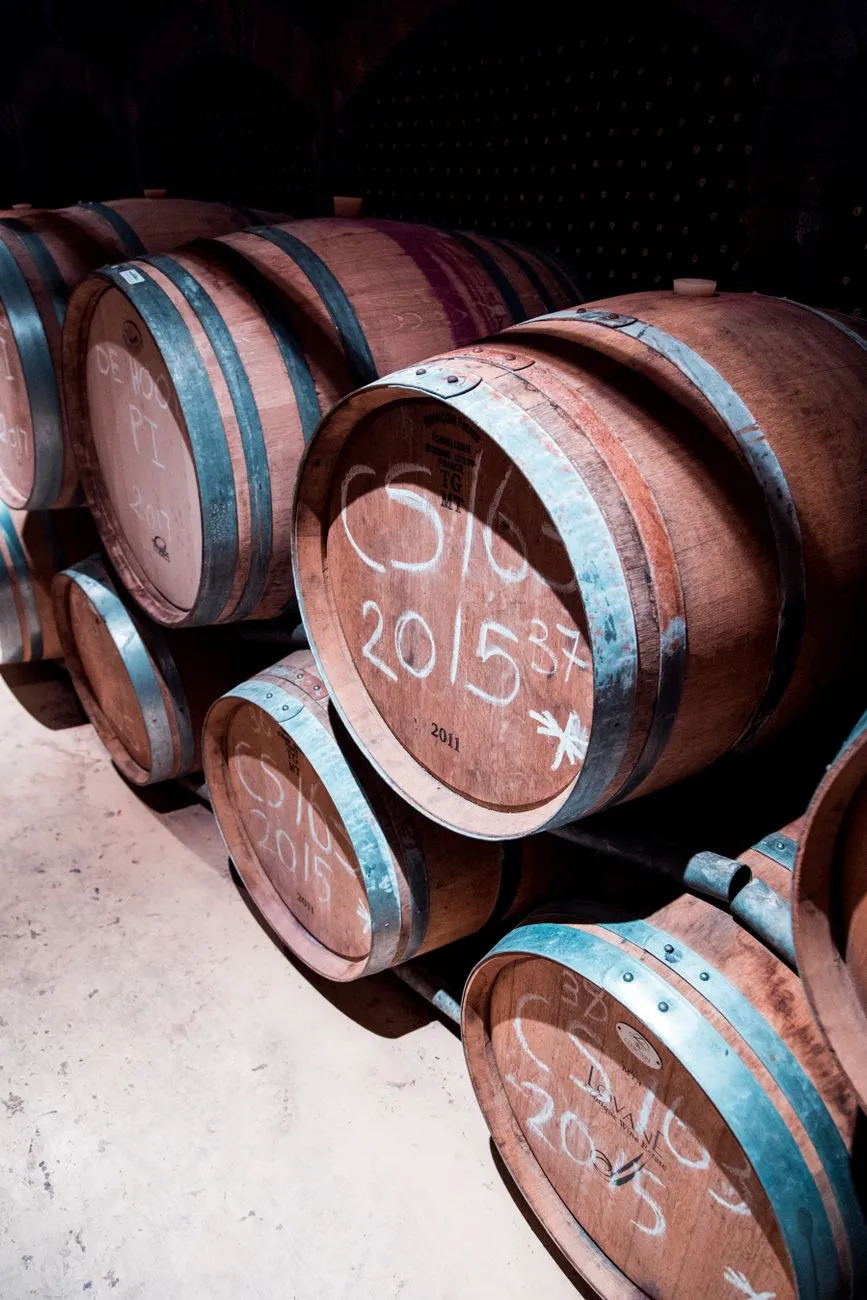

From Soybean to Koji: The Microbial Blueprint The journey of miso begins long before the first bubble rises in a crock. Selecting soybeans with a moisture content near 13 % ensures a predictable hydration curve during cooking. After soaking 12–16 hours, the beans are steamed until the cotyledons split cleanly — a tactile cue that the starch granules have gelatinized, making them accessible to koji enzymes. The koji starter, Aspergillus oryzae, is inoculated onto polished rice or barley at a rate of 0.2 % by weight. Over 48 hours at 30 °C and 85 % relative humidity, the fungus produces a cocktail of proteases, amylases, and lipases that will later hydrolyze soybean proteins into peptides, starches into maltose, and lipids into free fatty acids. Research on solid‑state fermentation demonstrates that the enzyme profile peaks when the koji moisture hovers around 40 % (w/w). Deviations above 45 % encourage unwanted bacterial growth, while below 35 % stunt enzyme synthesis. Home brewers can monitor this by weighing a small koji sample before and after a 2‑hour drying at 60 °C; the weight loss approximates moisture. Maintaining the target moisture is the single most influential lever for reproducible proteolysis, which directly shapes the umami intensity of the final miso. When scaling from a 2‑kilogram batch to a 20‑kilogram batch, the koji‑to‑soybean ratio must stay constant at 1:1 by weight, but the surface‑area‑to‑volume ratio of the koji bed changes. A shallow tray (≈3 cm depth) preserves oxygen diffusion, preventing anaerobic pockets that produce off‑flavors. For larger volumes, multiple trays stacked with 2‑cm air gaps replicate the laboratory geometry. This modular approach preserves the microbial ecology while allowing linear scale‑up. Finally, the cooked soybeans should be cooled to 35 °C before mixing with koji. Temperatures above 40 °C denature the freshly produced enzymes, while temperatures below 30 °C slow the initial hydrolysis, extending the lag phase. A rapid, uniform cooling — achieved by spreading the beans on sanitized stainless‑steel trays and fanning — locks in the enzymatic potential that will drive the months‑long maturation. Balancing Salt, Water Activity, and Time Salt is the architect of miso’s selective microbiome. By depressing water activity (a_w) to roughly 0.85, it suppresses spoilage organisms while allowing halotolerant Tetragenococcus halophilus and Zygosaccharomyces rouxii to dominate. The classic weight ratio for a balanced shiro miso is soybeans : koji : salt = 1 : 1 : 0.5. This yields a final salt concentration near 12 % (w/w) after the soybeans absorb water during fermentation. Miso Style Soybean : Koji : Salt (wt) Fermentation Temp (°C) Typical Time Final Salt % (w/w) Protein % (dry wt)Shiro (white) 1 : 1 : 0.5 15–20 3–6 months 11–13 12–14Aka (red) 1 : 1 : 0.6 18–22 12–18 months 13–15 13–15Mugi (barley) 1 : 1 : 0.55 20–25 6–12 months 12–14 11–13Hatcho (soy‑only) 1 : 0.8 : 0.7 15–18 24–36 months 14–16 15–17The table above reflects peer‑reviewed compositional surveys (e.g., Journal of Food Science, 2021) and serves as a quick reference when designing a new batch. Water activity can be measured with a handheld a_w meter; targeting 0.84–0.86 ensures the desired microbial consortium. If a_w drifts above 0.90, Bacillus spp. may produce ammonia, raising pH and generating harsh alkaline notes. Conversely, a_w below 0.80 stalls yeast activity, flattening the aromatic ester profile that gives miso its fruity top notes. Time is not merely a calendar entry; it is a kinetic variable. The Maillard reaction between reducing sugars (from koji amylase action) and amino acids accelerates exponentially with temperature. A 5 °C rise roughly doubles the rate of melanoidin formation, deepening color and developing nutty, caramel nuances. Artisanal producers often employ a two‑stage temperature regime: an initial 25 °C “kick‑start” for 2–3 weeks to establish a robust microbial population, followed by a slow 12–15 °C maturation that stretches flavor development over a year. This temperature curve mimics the seasonal shifts of traditional cedar barrels, where winter’s chill naturally slows metabolism. For home brewers scaling up, the salt mass must be scaled linearly, but the salt dissolution step deserves attention. Dissolving the full salt charge in a minimal volume of warm (40 °C) water creates a brine that can be evenly sprayed over the soybean‑koji mixture, guaranteeing homogeneous a_w distribution. In a 20‑kilogram batch, this means preparing ~2 L of 20 % brine, then misting while tumbling the mass in a food‑grade rotary drum for 10 minutes. The mechanical action also breaks up clumps, improving oxygen penetration for the early aerobic phase. Vessel Geometry: Scaling the Fermentation Chamber The vessel is more than a container; it defines the physicochemical gradients that shape flavor. Traditional Japanese cedar kioke barrels (≈180 L) provide a porous wall that breathes, allowing slow gas exchange and subtle wood‑derived phenolics. Modern home brewers often use food‑grade HDPE buckets or glass carboys, which are impermeable. The key is to replicate the surface‑area‑to‑volume (SA Related InsightsUnlock the Secrets of Craft Beer: Your Step-by-Step Guide to Brewing at Home Like a Pro High‑Pressure Culinary Science: Exploring Hydrothermal Cooking Techniques From Sacred Cacao to Velvet Bars: The Lost Art and Modern Renaissance of Artisanal Chocolate{ "@context": "https://schema.org", "@type": "FAQPage", "mainEntity": [ { "@type": "Question", "name": "What is the main focus of Miso Alchemy: Scaling Home Fermentation to Artisanal Mastery?", "acceptedAnswer": { "@type": "Answer", "text": "Unlock the science of miso fermentation and learn how to scale your home brew into a craft‑level product with precise microbial control." } }, { "@type": "Question", "name": "Who authored the comprehensive guide on Miso Alchemy: Scaling Home Fermentation to Artisanal Mastery?", "acceptedAnswer": { "@type": "Answer", "text": "This detailed article and its insights were carefully researched and authored by Kenji Sato." } }, { "@type": "Question", "name": "Where can I find more related content about Food?", "acceptedAnswer": { "@type": "Answer", "text": "You can explore more articles, detailed reviews, and similar insights by browsing the Related Insights section at the bottom of this article or visiting our dedicated Food category page." } } ] }
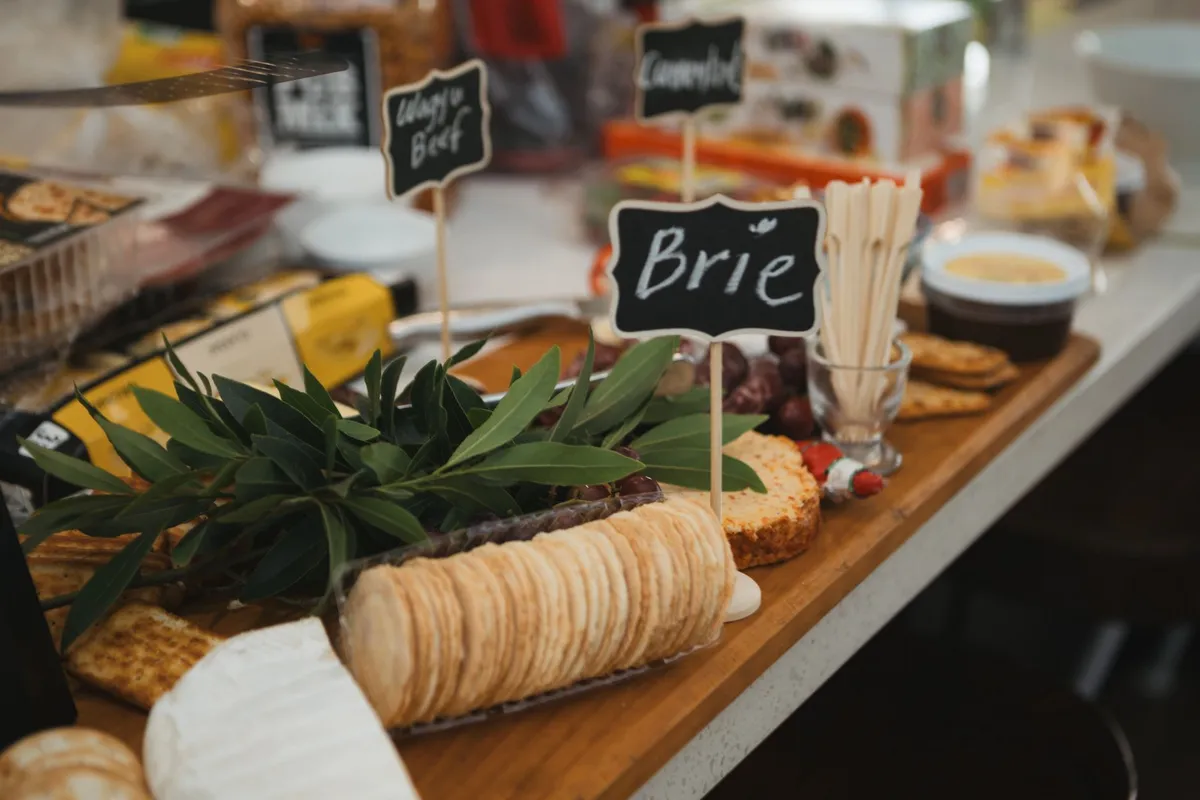
The Architecture of Flavor: Decoding the Dairy Renaissance To understand the profound joy of a perfectly paired cheese board, one must approach it not merely as a snack, but as an exercise in molecular harmony. As someone who has spent years exploring the intersection of global culinary trends and the technical rigor of food science, I have come to view cheese as the "archaeology of flavor." Much like the chemometric strategies used in food authentication—which utilize advanced spectroscopy to reveal the true origin and composition of complex substances—we must use our own sensory apparatus to deconstruct the volatile aromatic compounds within a wedge of aged Comté or a bloomy rind of Camembert. Cheese is a living, breathing system. When we pair it, we are engaging in a form of risk analysis akin to those employed in Industry 4.0 safety protocols; we are calculating the balance of acidity, fat, protein, and salt to ensure the system—in this case, your palate—remains in equilibrium. If the salt content is too high, the wine becomes astringent. If the fat content is too heavy, the fruit accompaniment becomes cloying. By applying complexity-thinking, we learn that the interaction between a pungent blue cheese and a sweet honeycomb is not just a preference; it is a structural necessity to mitigate the overwhelming strength of the mold-ripened proteins. When constructing your board, start by sourcing the highest quality dairy. Look for the "terroir"—the environmental factors that influence the flavor of the milk. A goat cheese from a high-altitude pasture in the Alps will possess a distinct mineral character compared to one from a coastal valley. We are looking for depth. By understanding the chemical fingerprint of our ingredients, we transform a simple platter into a curated experience. Think of yourself as an analytical chemist in a white coat, but instead of a laboratory, your domain is the dining room, and your instruments are the knife, the board, and the glass.The Science of Salinity and Botanical Complements The true secret to a transcendent cheese pairing lies in the structural tension between salt and sugar. In the world of gastronomy, salt serves as a bridge, pulling the fat from the cheese and allowing it to coat the tongue, while sugar—provided by fruits or preserves—acts as a counterweight to the bitterness or sharpness inherent in long-aged specimens. Consider the Parmigiano-Reggiano, a cheese defined by its crystalline structure and intense amino acid profile. To pair this with a simple cracker is to waste its potential. Instead, look toward the balsamic vinegar reduction or a drop of chestnut honey. The balsamic provides an acidity that mimics the way chemometric data filtering clarifies a messy signal, sharpening the umami notes of the cheese without overwhelming the palate. When we consider softer, lactic-set cheeses, the logic shifts toward botanical freshness. A delicate Chèvre demands the herbaceous brightness of fresh rosemary or the floral complexity of wild strawberries. Here, we are looking to bridge the "occupational safety" of the palate—avoiding flavor fatigue. By incorporating fresh herbs, we ensure that the high fat content of the cheese is periodically "reset" by the aromatic essential oils of the greenery. This prevents the tongue from becoming saturated, allowing each bite to taste as fresh as the first. It is essential to remember that moisture content is a key variable. A high-moisture fresh cheese, like a burrata, requires a different approach than a low-moisture hard cheese. The former needs the crunch of a toasted pine nut or a sourdough crouton to provide a textural contrast that mirrors the complexity of the internal system. Furthermore, do not overlook the role of pickles and brined vegetables. A cornichon is not merely a garnish; it is a functional acid bomb. In an environment of dense, creamy Brie, the sharp vinegar and crunch of a pickle act as a pressure-relief valve, cleaning the fat from the palate and preparing the receptors for the next sampling. This is the structural management of a tasting session, ensuring the progression remains orderly rather than chaotic. The Evolution of Texture and Molecular Pairing Modern culinary theory has moved away from rigid rules toward dynamic, complexity-informed pairings. If we view a cheese board as a system, the components must support one another to prevent system failure—where one flavor eclipses the rest. The texture is the primary vector for flavor release. A creamy, triple-crème cheese has a higher surface area of fat that coats the taste buds immediately. Consequently, it requires a pairing that can cut through that coating, such as a sparkling wine with high effervescence or a crisp, tart apple slice. The CO2 in the sparkling wine provides a physical scrubbing action, while the acidity of the fruit provides a chemical contrast. Consider the role of the crust. A bloomy rind cheese, like a Brie or Camembert, brings an earthy, mushroom-like complexity to the party. To pair this successfully, look for earthy, umami-forward accompaniments. A spread of caramelized onion jam or even a light smear of truffle-infused butter can amplify the earthy notes of the rind. If you pair a mild, buttery cheese with something too intense, like a spicy kimchi, you break the system. You introduce too much noise into the signal. The goal is to reach a state of equilibrium where the cheese and the pairing together form a new, superior entity. In the practice of professional sensory analysis, we identify these pairings by looking for "flavor bridges." If your cheese has nutty undertones (like an aged Gruyère), look for toasted hazelnuts or almonds. If the cheese has a crystalline texture (like a vintage Gouda), look for something with a grain-like texture, such as a dark rye cracker. By mirroring these textural elements, we create a sense of familiarity, while the contrasting flavors provide the excitement. This is the essence of high-level food design: balancing the familiar with the provocative to keep the diner engaged.Beyond the Classics: Experimental Pairings and Risk Management To innovate, one must be willing to take calculated risks, much like the process of developing a new industrial safety framework. Sometimes the most unexpected pairings yield the most spectacular results. Take, for example, the pairing of blue cheese—the most polarizing of all categories—with dark chocolate. The intense, metallic salinity of a Roquefort or a Gorgonzola Piccante finds a surprising ally in the bitterness of a high-cacao (70%+) dark chocolate. The chocolate acts as a stabilizer, smoothing out the sharp, biting mold notes of the blue cheese, while the creaminess of the blue softens the bitterness of the cacao. Another bold, contemporary approach involves the integration of savory spices. We often think of cheese as belonging to the realm of fruit and honey, but what about the realm of curry or smoked paprika? A mild, young Havarti or a semi-soft goat cheese becomes a canvas for a dusting of hot smoked paprika or a drizzle of chili-infused oil. This is not for the faint of heart, but when executed with precision, it shifts the cheese from a dessert-adjacent role to a central, savory component of a complex dinner experience. The heat of the spice triggers the palate, while the fat of the cheese provides the necessary protection, creating a dynamic interplay of sensation that mimics the complexity of high-performance engineering systems. We must also reconsider the liquid accompaniment. While wine is the traditional standard, beer—specifically craft ales and stouts—offers a wider range of flavor profiles that can mirror the funkier, more pungent cheeses. An imperial stout, with its roasted, coffee-like malt profile, is a natural companion to a washed-rind cheese, which often possesses a funky, meaty aroma. The beer doesn't just complement the cheese; it interacts with the volatile aromatic compounds, creating an entirely new sensory experience. By treating the liquid and the solid as two parts of a unified, functional system, we can achieve a level of synergy that transcends the sum of its parts.Cheese Category Typical Texture Recommended Pairing Science/ReasoningSoft/Fresh Creamy/Spreadable Fresh Honey/Fig Acidity balance against high fatSemi-Soft Elastic/Supple Green Apple/Nut bread Texture contrast and acidityHard/Aged Crystalline/Dense Balsamic/Dark Chocolate Umami amplification and bitternessBlue/Pungent Crumbly/Creamy Sweet Dessert Wine Salt-to-sugar structural mitigationWashed Rind Pliable/Pungent Stout Beer/Spiced Jam Pairing funk with depth and earthThe Future of Gastronomy and the Art of the Platter As we look toward the future, the integration of data-driven food science into our domestic kitchens will continue to refine how we approach pairing. The concepts derived from chemometrics—identifying patterns and ensuring the purity of our ingredients—will allow us to curate boards with a level of precision previously reserved for professional laboratories. We will understand, with greater clarity, why a specific vintage of Roquefort reacts to a specific type of honey, based on the volatile profile of the nectar. This shift is not about removing the soul of cooking; it is about providing the architect with better tools to construct a more durable and delightful experience. When you assemble your next board, do not rely solely on convention. Use your understanding of the "system." Analyze the components before you: Is this cheese acidic or alkaline? Does it have a high-fat mouthfeel or a crumbly, dry profile? By asking these questions, you move from being a consumer to a creator. You become a culinary strategist. A well-organized cheese board is a testament to the power of deliberate, intelligent assembly. It is a microcosm of the larger world of gastronomy, where chemistry, geology, and history converge on a single wooden surface.Remember that the ultimate goal is the enjoyment of the diner. Even with the best science, the emotional connection to food is what makes it meaningful. Use these guides as a foundation, but allow your own palate to guide the final adjustments. If a pairing feels "safe," challenge it with something sharper. If it feels too volatile, ground it with something creamy. This is the process of continuous improvement, the same ethos that drives technological and scientific progress in every other facet of our lives. As you conclude your exploration, keep in mind that the best pairings are often those that reveal a narrative. A board featuring cheeses from a specific region, paired with wines and preserves from the same terroir, tells a story of the land. It respects the provenance of the food, honoring the labor of the farmers and the science of the producers. Whether you are hosting an intimate dinner or indulging in a quiet evening of reflection, let your cheese pairings be an expression of your curiosity. After all, life is too short for boring crackers and uninspired dairy. Be bold, be precise, and above all, savor the complexity of every bite. #CheesePairing #GourmetFood #CulinaryScience #FoodArtistry #KenjiSatoEats Related InsightsThe Mediterranean Elixir: Baked Cod with Cherry Tomatoes, Capers, and Olives Quand le Voyage se Déguste : L'Art Invisible du Tourisme Culinaire Die grüne Revolution auf dem Teller: Warum die pflanzenbasierte Ernährung mehr ist als nur ein Trend{ "@context": "https://schema.org", "@type": "FAQPage", "mainEntity": [ { "@type": "Question", "name": "What is the main focus of The Alchemist’s Pantry: Mastering the Art of Perfect Cheese Pairings?", "acceptedAnswer": { "@type": "Answer", "text": "Elevate your palate with Kenji Sato’s definitive guide to balancing textures, flavors, and science-backed culinary harmony in cheese pairings." } }, { "@type": "Question", "name": "Who authored the comprehensive guide on The Alchemist’s Pantry: Mastering the Art of Perfect Cheese Pairings?", "acceptedAnswer": { "@type": "Answer", "text": "This detailed article and its insights were carefully researched and authored by Kenji Sato." } }, { "@type": "Question", "name": "Where can I find more related content about Food?", "acceptedAnswer": { "@type": "Answer", "text": "You can explore more articles, detailed reviews, and similar insights by browsing the Related Insights section at the bottom of this article or visiting our dedicated Food category page." } } ] }
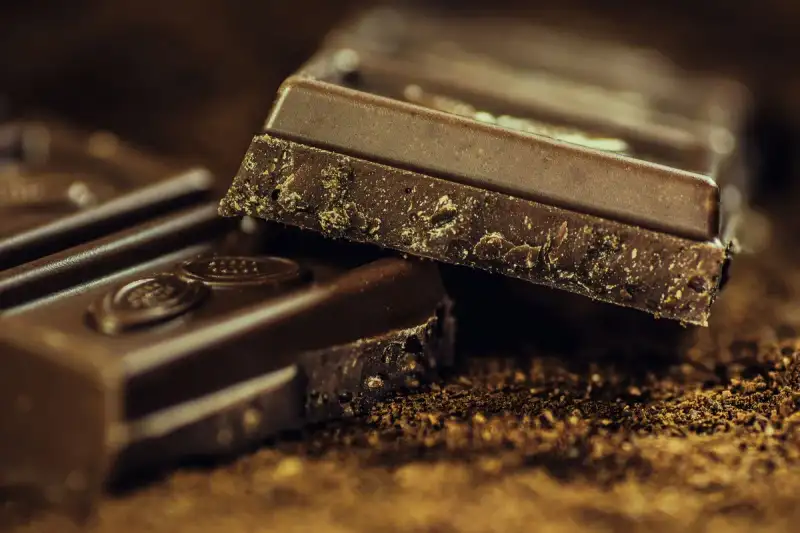
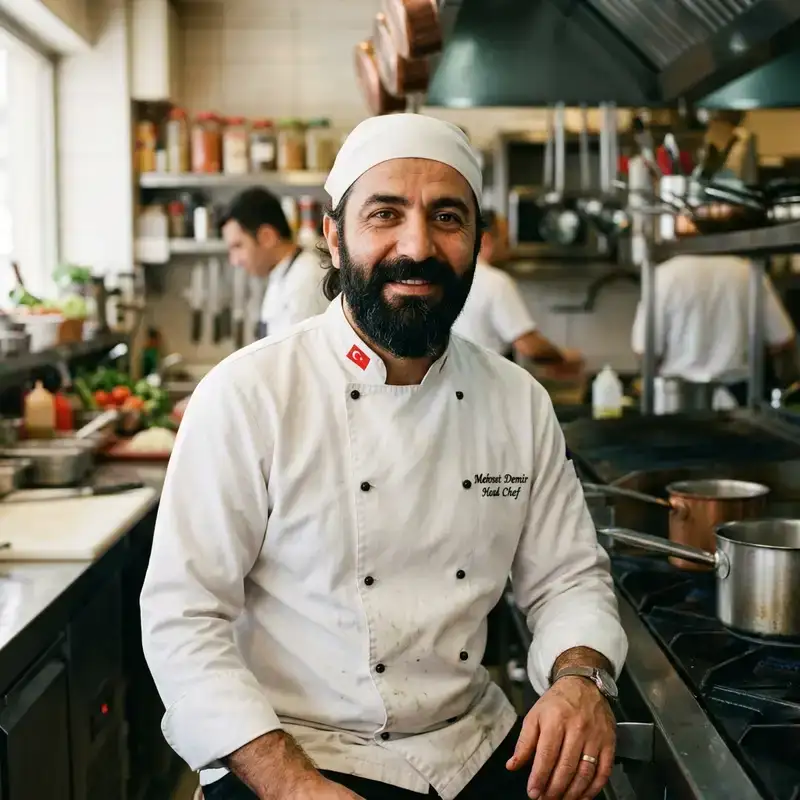
In the grand tapestry of human indulgence, few threads gleam with the profound richness and complex history of chocolate. It is a substance that transcends mere sustenance, weaving itself into the fabric of ritual, luxury, and daily comfort across continents and millennia. From the verdant embrace of the cacao tree, born of ancient earth and sun, emerges a foodstuff capable of myriad forms – a liquid, a solid, a paste – each a testament to its singular versatility and unparalleled allure. This journey, from a bitter, ceremonial brew in the heart of Mesoamerica to the ubiquitous bars and confections savored worldwide, is a narrative steeped in innovation, cultural exchange, and a relentless pursuit of culinary perfection. The Elixir of Ages: Cacao's Ancient Whispers and Contentious Names The story of chocolate begins not with the sweet, familiar squares of today, but with the venerable Theobroma cacao tree, whose processed seeds, known as cocoa beans, hold the very essence of this global phenomenon. Its genesis as a food source stretches back an astonishing 5,300 years, taking root in what is now southeastern Ecuador, cultivated by the Mayo-Chinchipe culture long before its introduction to the more widely recognized Mesoamerican civilizations. While the precise moment chocolate, as distinct from other cacao-based libations, first tantalized human palates remains shrouded in the mists of antiquity, evidence suggests the Olmecs, foundational figures of Mesoamerican civilization, engaged with cacao in a fascinating way: fermenting the sweet pulp surrounding the beans into an alcoholic beverage. For the vibrant societies of Mesoamerica – the Mayans, the Aztecs, and others – cacao was far more than a simple crop; it was a sacred gift from the gods, imbued with profound spiritual and practical significance. The precious cocoa bean served as a form of currency, a testament to its intrinsic value, facilitating commerce across diverse civilizations. It played an integral role in solemn ceremonies, offered as a revered tribute to leaders and deities, and even revered for its medicinal properties. The chocolate of this era, however, was a stark contrast to its modern descendant. It manifested as a bitter drink, meticulously flavored with indigenous additives such as vanilla, the subtle pungency of earflower, and the fiery kick of chili. A distinctive characteristic was the dark brown foam that crowned the beverage, meticulously created by pouring the liquid from a height, often between ornate containers, a performance of both craft and reverence. The very word "chocolate" carries with it a history as intricate and layered as the flavors of its namesake. First recorded in Spanish in 1579 and subsequently borrowed into English by 1604, its etymological roots remain a subject of scholarly contention. A popular, yet likely inaccurate, belief attributes its origin to the Nahuatl word chocolatl. However, early texts that genuinely document the Nahuatl term for a chocolate drink consistently employ a different word: cacahuatl, meaning "cacao water." This linguistic divergence compels a deeper exploration into its true etymology. Several alternative theories have been posited to unravel this linguistic enigma. One suggests a derivation from the hypothetical Nahuatl word xocoatl, meaning "bitter drink," a plausible description of the early Mesoamerican concoction. Yet, scholars Michael and Sophie Coe express skepticism, questioning the phonetic shifts required for the 'sh' sound of 'x' to transform into 'ch', and the unexplained addition of an 'l'. Another theory proposes a Mayan language origin, specifically chocolatl meaning "hot water." However, a critical lack of evidence for the form 'chocol' ever independently signifying 'hot' casts doubt upon this hypothesis. Despite the persistent uncertainty surrounding a direct Nahuatl origin, a degree of scholarly consensus points towards the Nawat word chikola:tl as the more probable source. The precise meaning of chikola:tl itself remains debated; some propose it means "cacao-beater," referencing the traditional act of whisking cocoa to create its signature foam, though the meaning of 'chico' within this context is unknown. Anthropologist Kathryn Sampeck offers an intriguing perspective, suggesting that "chocolate" originally denoted a specific cacao beverage among many, notably one that included annatto and was produced in what is now Guatemala. According to Sampeck's research, this particular term evolved to become the generic word for all cacao beverages around 1580, coinciding with the period when the Izalcos people of that region were the most prominent producers of cacao, thereby solidifying its linguistic footprint.From Sacred Brew to European Craze: The Transatlantic Leap The first documented European encounter with chocolate is often attributed to the formidable Spanish conquistador Hernán Cortés, who, in 1520, observed the enigmatic beverage being consumed in the court of Moctezuma II. For European palates accustomed to different flavors, this bitter, spiced drink proved to be an acquired taste, requiring time and adaptation to gain favor. It was not until 1585 that the first official record of a shipment of cocoa beans to Europe marked the beginning of chocolate's transatlantic journey. Initially, chocolate arrived veiled in an aura of exoticism and perceived potency. It quickly garnered a reputation as an aphrodisiac and a potent medicine, beliefs that undoubtedly fueled its dissemination across the continent. By the 17th century, chocolate had firmly established itself in European society, albeit in a markedly transformed state. To appeal to European tastes, it was sweetened, served warm, and infused with familiar spices, a far cry from the unadulterated bitter brew of its Mesoamerican origins. Religious orders, particularly those with extensive networks, played a significant, albeit often understated, role in its spread, contributing to its distribution and adaptation across various monastic and aristocratic circles. For centuries, chocolate remained largely the purview of the elite. The prohibitive cost of cocoa, sourced from colonial plantations established across the Americas, ensured its status as a luxury commodity. Throughout the 18th century, chocolate solidified its identity as a quintessentially southern European, aristocratic, and often Catholic indulgence, its production methods largely mirroring those employed by the Aztecs centuries prior, reflecting a blend of ancient tradition and nascent European refinement. The Industrial Revolution: Forging a Solid Future The 18th century heralded a new era for chocolate, as production methods began to see incremental improvements. However, it was the seismic shifts of the 19th century, driven by the fervor of the Industrial Revolution, that truly revolutionized chocolate's trajectory, transforming it from a niche, hand-crafted delicacy into a mass-consumed staple. The advent of engine-powered milling significantly streamlined the initial stages of processing, paving the way for greater efficiency. A pivotal moment arrived in 1828 with Coenraad Johannes van Houten's groundbreaking patent for a hydraulic press. This ingenious invention allowed for the revolutionary separation of cocoa butter from the chocolate liquor, giving rise to defatted cocoa powder. This innovation was nothing short of foundational, creating the very bedrock upon which the modern solid chocolate industry would be built. The ability to control fat content opened up entirely new possibilities for texture, shelf-life, and form. The 19th century was a crucible of innovation for chocolate production. The development of the melanger, a sophisticated mixing machine, further refined the texture and consistency of chocolate. The creation of modern milk chocolate introduced a new category of sweetness and creaminess, broadening its appeal immeasurably. Perhaps most crucially, the invention of the conching process – a prolonged kneading and aerating of chocolate paste – meticulously smoothed its texture and subtly altered its flavor profile, enhancing its melt-in-the-mouth quality and complexity. These technological advancements collectively magnified productivity to an astonishing degree: by 1890, a single worker could produce fifty times more chocolate using the same amount of labor than before the Industrial Revolution. This surge in efficiency fundamentally altered chocolate's identity, firmly transitioning it from a cherished beverage to a solid food, readily eaten and enjoyed. Concurrently, the global supply chain for cocoa beans began to shift dramatically. As mass markets for chocolate exploded across Western nations, production of the raw material increasingly migrated from the Americas to the burgeoning cocoa-growing regions of Asia and, most significantly, Africa. Today, West African countries, particularly Ivory Coast and Ghana, stand as the titans of global cocoa supply, collectively contributing approximately 60% of the world's cocoa, a testament to this profound historical shift.Modern Mosaics: Varieties, Ethics, and Innovation The 20th century, while marked by continued innovation, also brought ethical complexities to the forefront of the chocolate industry. Early in the century, British chocolate producers like Cadbury and Fry's faced significant controversy regarding the deplorable labor conditions prevalent in the Portuguese cacao industry in Africa. A searing 1908 report by a Cadbury agent starkly described these conditions as "de facto slavery." While a subsequent boycott by chocolate makers led to some improvements, the pervasive issue of slave labor among African cacao growers tragically resurfaced in the public consciousness in the early 21st century, reminding the industry of its enduring ethical responsibilities. Despite these grave concerns, technological progress continued apace, further refining the art and science of chocolate making. The development of the tempering technique became essential, carefully controlling temperature to ensure that chocolate achieved the desired crystalline structure, resulting in its characteristic satisfying "snap" and lustrous gloss. The addition of lecithin, an emulsifier, further improved chocolate's texture and consistency, making it smoother and more stable. The 20th century also witnessed the development of specific chocolate types such as white chocolate – made solely from cocoa butter, milk, and sugar, conspicuously lacking the non-fat cocoa solids found in other varieties – and couverture chocolate, renowned for its high cocoa butter content, ideal for professional coating and tempering. Furthermore, the emergence of the "bean-to-bar" trade model began to emphasize greater transparency and direct relationships between growers and producers, marking a significant evolution in how chocolate is sourced and crafted. At its core, chocolate is born from roasted and ground cocoa beans. It is a chameleon, taking liquid, solid, or paste forms, eaten on its own, or serving as an exquisite flavor enhancer for countless other foods. The process, an alchemical dance of fermentation, drying, cleaning, roasting, and grinding nibs into chocolate liquor, forms the basis of all chocolate. This liquor can be further processed into cocoa butter and cocoa powder, or shaped and sold as pure, unsweetened baking chocolate. The introduction of sugar transforms it into sweetened chocolates, which, when sold without milk, become the sophisticated dark chocolate. With the addition of milk, it blossoms into the beloved milk chocolate. White chocolate, a distinct category, contains only cocoa butter and milk, eschewing cocoa solids entirely. Today, chocolate reigns supreme as one of the most popular food types and flavors globally, an omnipresent delight in desserts ranging from ice creams and cakes to mousses and cookies. Candies are frequently filled with or coated in its sweetened embrace, and solid chocolate bars or those encasing other ingredients are cherished as convenient snacks. Its symbolic power is undeniable, with chocolate molded into festive shapes like eggs, hearts, and coins, becoming cherished traditional gifts for holidays such as Christmas, Easter, Valentine's Day, Hanukkah, and Eid al-Fitr. Beyond solid forms, chocolate endures in cold and hot beverages, from the comforting simplicity of chocolate milk and hot chocolate to the indulgent complexity of chocolate liqueur. The journey of chocolate is a saga of transformation – from a sacred, bitter brew cradled in ancient civilizations to a global phenomenon shaped by industrial prowess and ethical considerations. It remains a profound testament to human ingenuity and our enduring quest for both sustenance and sublime pleasure, a dark heart beating at the very core of culinary history.#ChocolateHistory #CacaoCulture #DemirŞef #FoodScience #GourmetChocolate Related InsightsL'Alchimie du Levant : Quand l'Histoire se Déguste en Mezze The Wild Yeast Revolution: Beyond the Loaf into the World of Fermented Alchemy Dan Dan Noodles: The Ultimate Szechuan Street Bowl{ "@context": "https://schema.org", "@type": "FAQPage", "mainEntity": [ { "@type": "Question", "name": "What is the main focus of The Obscure Origins and Transcendent Transformation of Cacao's Dark Heart?", "acceptedAnswer": { "@type": "Answer", "text": "Embark on a profound journey through chocolate's ancient roots, its Mesoamerican reverence, European transformation, and the industrial innovations that shaped this beloved global delicacy." } }, { "@type": "Question", "name": "Who authored the comprehensive guide on The Obscure Origins and Transcendent Transformation of Cacao's Dark Heart?", "acceptedAnswer": { "@type": "Answer", "text": "This detailed article and its insights were carefully researched and authored by Demir Şef." } }, { "@type": "Question", "name": "Where can I find more related content about Food?", "acceptedAnswer": { "@type": "Answer", "text": "You can explore more articles, detailed reviews, and similar insights by browsing the Related Insights section at the bottom of this article or visiting our dedicated Food category page." } } ] }