Showing Posts From
German cuisine
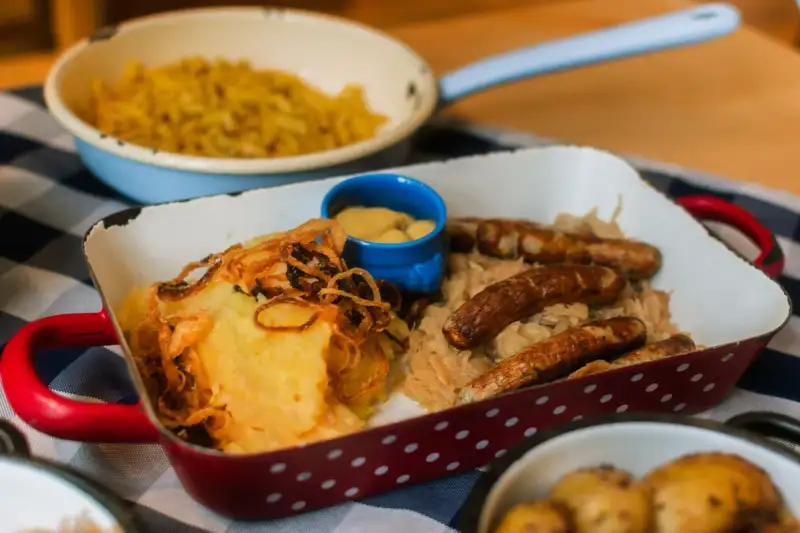
Welcome back to my kitchen! I am Hannah Weber, and today we are diving deep into a dish that sits at the very intersection of my German heritage and my passion for nutritional science. If you have ever walked through a cold, mist-shrouded forest in Bavaria or along the Baltic coast in late autumn, you know that German comfort food is not just about filling the stomach—it is about warming the soul and fortifying the body against the elements. Today, we are elevating a humble classic: the Linseneintopf (lentil stew), married beautifully with the sour, vibrant notes of Sauerkraut. But this is not just any comfort meal. We are dissecting this dish through a modern scientific lens, exploring how its rich probiotic profile and functional ingredients act as a therapeutic intervention for your digestive system. By utilizing raw, fermented sauerkraut and combining it with ancient grains and prebiotic-rich pulses, we create a culinary masterpiece that nurtures your microbiome, aligns with your genetic heritage, and acts as a functional "nutraceutical" food. Let us explore the medical, cultural, and gastronomic secrets of this incredible dish. Biogeography, Climate, and the KNApSAcK Database: Why We Eat What We Eat Have you ever wondered why certain culinary traditions favor fermented foods while others rely on fresh, raw ingredients? It is not merely a matter of historical whim; it is deeply rooted in our evolutionary geography and regional climates. A groundbreaking data-intensive study, "Data Intensive Study of Accessibility of Edible Species and Healthcare Across the Globe," analyzed 28,064 records of relationships between 11,752 edible species and 228 geographic zones through hierarchical clustering. The researchers classified these geographic regions into 11 super groups and 39 distinct clusters. They found that 96% of these clusters have highly specific climates that dictate food accessibility. This scientific analysis identified distinct continental landmass regions, including the Baltic Sea and Western Europe—the cradle of sauerkraut and lentil-based diets. The study points out something fundamental for health advocates: human healthcare must be considered on the basis of culture, climate, accessibility of edible foods, and preferences, but also based on molecular-level information of the genome and digestive systems. In cooler, temperate climates like Western Europe, the natural preservation of food through fermentation was a survival necessity. Cabbage, a highly accessible species in this cluster, was fermented to survive the harsh winters. This adaptation did more than preserve vitamin C; it co-evolved our digestive systems to thrive on fermented, lactic-acid-producing foods. When we consume sauerkraut today, we are participating in a highly sophisticated, climate-adapted ancestral healthcare system that aligns perfectly with our modern digestive biology. The Probiotic Powerhouse: Sauerkraut's Impact on the Gut Microbiome The star of our stew is, without a doubt, sauerkraut. Authentic, unpasteurized sauerkraut is a living ecosystem. During the fermentation process, naturally occurring lactic acid bacteria (primarily species of Lactobacillus, Leuconostoc, and Pediococcus) consume the sugars in the cabbage, producing lactic acid, carbon dioxide, and a bounty of beneficial metabolites. These live microorganisms are classified as probiotics. When they reach our gastrointestinal tract, they play an active role in maintaining the integrity of our gut barrier, synthesizing vital vitamins, and modulating our immune system. However, to truly reap the benefits of these probiotics, we must understand the culinary physics of heat. Boiling fermented sauerkraut kills the very beneficial bacteria we want to cultivate. That is why this recipe employs a specific culinary technique: we simmer the lentils, barley, and root vegetables to perfection, pull the pot off the heat source, and then fold in the raw sauerkraut. This warms the kraut through without crossing the thermal threshold that pasteurizes and destroys these valuable live cultures. By doing this, you receive a therapeutic dose of live probiotics alongside a soothing, warm bowl of comfort. Transforming Stew into a Functional Nutraceutical: The Role of Barley and Soluble Fiber To maximize the therapeutic potential of our German stew, we look to the principles of functional medicine and food technology. In a scientific review titled "Exploring the Potential of Nutraceutical Foods Prepared from Rice Bran Oil, Flaxseed, and Barley Combination through Extrusion Technology," researchers explored how targeted food components deliver health benefits far beyond basic nutrition, supporting overall wellness and disease prevention. The study highlights the unique health properties of specific functional ingredients, particularly the soluble fiber found in barley, which aids in cholesterol regulation and metabolic support. When we design foods with a multi-pronged approach to health, we create what the functional food sector calls "nutraceutical foods."By adding pearl barley into our vegan sauerkraut and lentil stew, we are introducing a powerful source of beta-glucans—a type of soluble fiber. This fiber acts in harmony with the probiotics in the sauerkraut. While the sauerkraut delivers the live "friendly" bacteria (probiotics), the soluble fiber from the barley and the prebiotic starches from the lentils serve as "food" (prebiotics) for those bacteria. This symbiotic relationship—often termed synbiotics—allows the beneficial bacteria to colonize, ferment the fibers in your colon, and produce short-chain fatty acids (SCFAs) like acetate, propionate, and butyrate. These SCFAs are the primary fuel source for your colon cells, helping to reduce systemic inflammation and support overall metabolic health. The Ultimate Vegan German Sauerkraut and Lentil Stew Recipe Now, let us bring these scientific principles into the kitchen. This recipe is designed to yield a thick, hearty, deeply savory stew that highlights the earthy tones of lentils, the nutty chew of barley, and the bright, cleansing tang of raw fermented sauerkraut. Ingredients1.5 cups brown or green lentils, rinsed (rich in plant-based protein and prebiotic fiber) 2 cups fermented sauerkraut, unpasteurized (with its raw brine) 1/2 cup pearl barley, rinsed (provides soluble fiber for cholesterol regulation) 1 large yellow onion, finely diced 3 cloves garlic, minced 2 medium carrots, sliced into rounds 2 stalks celery, chopped 1 large Yukon Gold potato, cubed (adds rustic thickness and body) 4 cups low-sodium vegetable broth 2 bay leaves 1 tsp smoked paprika (for a deep, smoky undertone that mimics traditional bacon) 1 tsp caraway seeds (essential for authentic flavor and reducing bloating) 1 tbsp extra virgin olive oil (or high-antioxidant rice bran oil) Sea salt and freshly ground black pepper to taste Fresh dill and parsley for a vibrant garnishStep-by-Step Instructions Step 1: Laying the Aromatic Foundation In a large, heavy-bottomed Dutch oven, heat the olive oil (or rice bran oil) over medium heat. Add the diced onion, minced garlic, carrot rounds, and chopped celery. Sauté these aromatics for 6 to 8 minutes, stirring occasionally, until the onions become sweet and translucent, and the carrots begin to soften. Step 2: Toasting the Spices and Grains Add the smoked paprika, caraway seeds, and a pinch of salt and pepper to the pot. Stir constantly for about 1 minute. Toasting the caraway seeds in the oil releases their volatile oils, which not only provides that classic German aroma but also stimulates digestive enzymes, making the legumes easier to digest. Next, toss in the rinsed brown lentils and pearl barley, stirring to coat them thoroughly in the spiced aromatic base. Step 3: Simmering to Perfection Add the cubed Yukon Gold potato to the pot, then pour in the 4 cups of vegetable broth. Drop in the two bay leaves. Bring the mixture to a gentle boil. Once boiling, reduce the heat to low, cover the pot with a tight-fitting lid, and let it simmer for 25 to 30 minutes. You want the lentils to be tender, the barley plump and chewy, and the potatoes soft enough to melt slightly into the broth, thickening the stew naturally. Step 4: The Probiotic-Preserving Finish This is where science guides our culinary hand. Once the lentils and barley are fully cooked, turn off the heat completely. Remove the pot from the hot burner. Carefully stir in the 2 cups of unpasteurized sauerkraut, along with a few tablespoons of its raw, cloudy brine. Cover the pot and let it sit off the heat for 5 minutes. The residual heat of the stew will gently warm the sauerkraut without killing the beneficial lactic acid bacteria. Remove the bay leaves. Step 5: Garnish and Serve Ladle the warm, thick stew into deep ceramic bowls. Garnish generously with freshly chopped dill and flat-leaf parsley. The fresh herbs add a burst of vitamin C and a bright, clean contrast to the deep, earthy, sour notes of the stew. Serve with a slice of dark, dense German rye bread.Hannah’s Culinary Tips: Protecting the Probiotic Integrity To get the absolute most out of this dish, keep these expert tips in mind:The Sauerkraut Selection: When shopping, avoid the canned or jarred sauerkraut found in the warm aisles of the grocery store. These have been pasteurized with high heat, which kills all the beneficial bacteria. Look for sauerkraut in the refrigerated section, labeled "raw," "unpasteurized," or "wild fermented." The ingredient list should ideally contain only cabbage, water, and salt. Reheating Mindfully: If you have leftovers (and trust me, this stew tastes even better the next day!), reheat only the portion you plan to eat. Warm it gently on the stove over low heat until it is just warm enough to enjoy. Avoid bringing it to a rolling boil to preserve the remaining probiotic cultures. Customizing Your Fats: Drawing inspiration from the nutraceutical review, you can experiment with different functional oils. While extra virgin olive oil is a classic choice, using cold-pressed rice bran oil or finishing your bowl with a drizzle of flaxseed oil can introduce unique antioxidants and omega-3 fatty acids, further boosting the anti-inflammatory profile of your meal.Conclusion: A Bowl of Harmonious Science and Tradition Cooking is so much more than just putting heat to food; it is an act of biological harmony. By understanding our ancestral roots—how climate and geography shaped our access to nourishing foods like cabbage and lentils—and combining that with modern research on probiotics and functional grains, we can feed our bodies with incredible precision. This Vegan German Sauerkraut and Lentil Stew is a perfect example of this harmony. It honors the Baltic and Western European culinary heritage, respects our evolutionary digestive systems, and utilizes smart cooking techniques to deliver a powerful dose of live probiotics and soluble fiber. It is warm, comforting, deeply satisfying, and scientifically designed to help your microbiome thrive. Give this recipe a try in your kitchen, and feel the difference that functional, mindful eating makes. Until next time, eat well, stay curious, and gut-health first!#HealthyLiving #Gastronomy #GutHealth #Probiotics #VeganRecipes Related InsightsCongee (Jook): The Ultimate Comforting Rice Porridge Shawarma: The Iconic Levantine Street Food Chicken Yassa: The Tangy and Tender Onion Stew{ "@context": "https://schema.org", "@type": "FAQPage", "mainEntity": [ { "@type": "Question", "name": "What is the main focus of The Probiotic Powerhouse: Vegan German Sauerkraut and Lentil Stew?", "acceptedAnswer": { "@type": "Answer", "text": "Discover a deeply comforting, traditional German sauerkraut and lentil stew packed with gut-healthy probiotics and plant-based proteins." } }, { "@type": "Question", "name": "Who authored the comprehensive guide on The Probiotic Powerhouse: Vegan German Sauerkraut and Lentil Stew?", "acceptedAnswer": { "@type": "Answer", "text": "This detailed article and its insights were carefully researched and authored by Hannah Weber." } }, { "@type": "Question", "name": "Where can I find more related content about Food?", "acceptedAnswer": { "@type": "Answer", "text": "You can explore more articles, detailed reviews, and similar insights by browsing the Related Insights section at the bottom of this article or visiting our dedicated Food category page." } } ] }

-
 Hans Müller
 - 24 Jun, 2026 15:50
Vegan Bratwurst with Sauerkraut and Mustard: A Probiotic-Rich Delight
Introduction to Vegan Bratwurst with Sauerkraut and Mustard As we delve into the world of vegan cuisine, it's exciting to explore the numerous plant-based alternatives to traditional German dishes. One such dish that has gained popularity is the vegan bratwurst, often served with sauerkraut and mustard. According to recent studies, a diet rich in probiotics can have numerous health benefits, including improved digestion and immune system function. Sauerkraut, being a fermented food, is an excellent source of probiotics. Research on probiotic-rich foods shows that they can also have anti-inflammatory properties, which can help in reducing the risk of chronic diseases. The combination of vegan bratwurst, sauerkraut, and mustard creates a flavorful and nutritious dish that not only satisfies our taste buds but also provides a range of health benefits. The Cultural Significance of Bratwurst in German Cuisine Bratwurst has been an integral part of German cuisine for centuries, with each region having its own unique variation. The traditional bratwurst is made from ground meat, usually a combination of pork and veal, and is seasoned with a blend of spices, including salt, pepper, nutmeg, and coriander. However, with the rise of veganism, vegan bratwurst has become a popular alternative, made from plant-based ingredients such as tofu, tempeh, or seitan. The cultural significance of bratwurst in German cuisine is evident in the numerous festivals and events that celebrate this dish. The Oktoberfest, for example, is a world-famous festival that showcases German food, beer, and music, with bratwurst being one of the main attractions. The vegan bratwurst, with its similar taste and texture to the traditional version, has made it possible for vegans to participate in these cultural events and enjoy the flavors of German cuisine. The Health Benefits of Sauerkraut Sauerkraut, a fermented cabbage dish, has been a staple in German cuisine for centuries. The fermentation process involves the action of lactic acid bacteria, which creates a rich source of probiotics. According to recent studies, probiotics can have numerous health benefits, including improved digestion, immune system function, and even mental health. The probiotics in sauerkraut can also help in reducing inflammation, which can reduce the risk of chronic diseases such as heart disease, diabetes, and certain types of cancer. Furthermore, sauerkraut is rich in vitamins and minerals, including vitamin C, vitamin K, and potassium, making it a nutrient-dense food that can be added to a variety of dishes. The Recipe: Vegan Bratwurst with Sauerkraut and Mustard As we explore the world of vegan cuisine, it's exciting to create dishes that are not only delicious but also nutritious. The vegan bratwurst with sauerkraut and mustard is a perfect example of a dish that combines flavor and nutrition. Here's a simple recipe to make this delicious dish: Ingredients:1 cup vegan bratwurst 1 cup sauerkraut 2 tablespoons mustard 1 tablespoon olive oil 1 onion, sliced 2 cloves garlic, minced 1 teaspoon caraway seeds Salt and pepper, to tasteInstructions:Preheat a large skillet over medium heat. Add olive oil, sliced onion, and minced garlic. Cook until the onion is translucent. Add the vegan bratwurst and cook for about 5-7 minutes on each side, until browned. Add the sauerkraut, mustard, caraway seeds, salt, and pepper. Stir well to combine. Reduce heat to low and simmer for about 10-15 minutes, allowing the flavors to meld together. Serve the vegan bratwurst with sauerkraut and mustard, garnished with fresh parsley or chives.Conclusion In conclusion, the vegan bratwurst with sauerkraut and mustard is a delicious and nutritious dish that combines the flavors of traditional German cuisine with the health benefits of probiotic-rich foods. The probiotics in sauerkraut can have numerous health benefits, including improved digestion and immune system function, while the vegan bratwurst provides a plant-based alternative to traditional meat-based dishes. As we explore the world of vegan cuisine, it's exciting to create dishes that are not only delicious but also nutritious. The vegan bratwurst with sauerkraut and mustard is a perfect example of a dish that combines flavor and nutrition, making it a great addition to any meal. #VeganRecipes #ProbioticRichFoods #GermanCuisine
-
 Hannah Weber
 - 24 Jun, 2026 02:36
Delving into the World of Anti-Inflammatory German Potato Salad with Dill and Apple Cider Vinaigrette (Vegan)
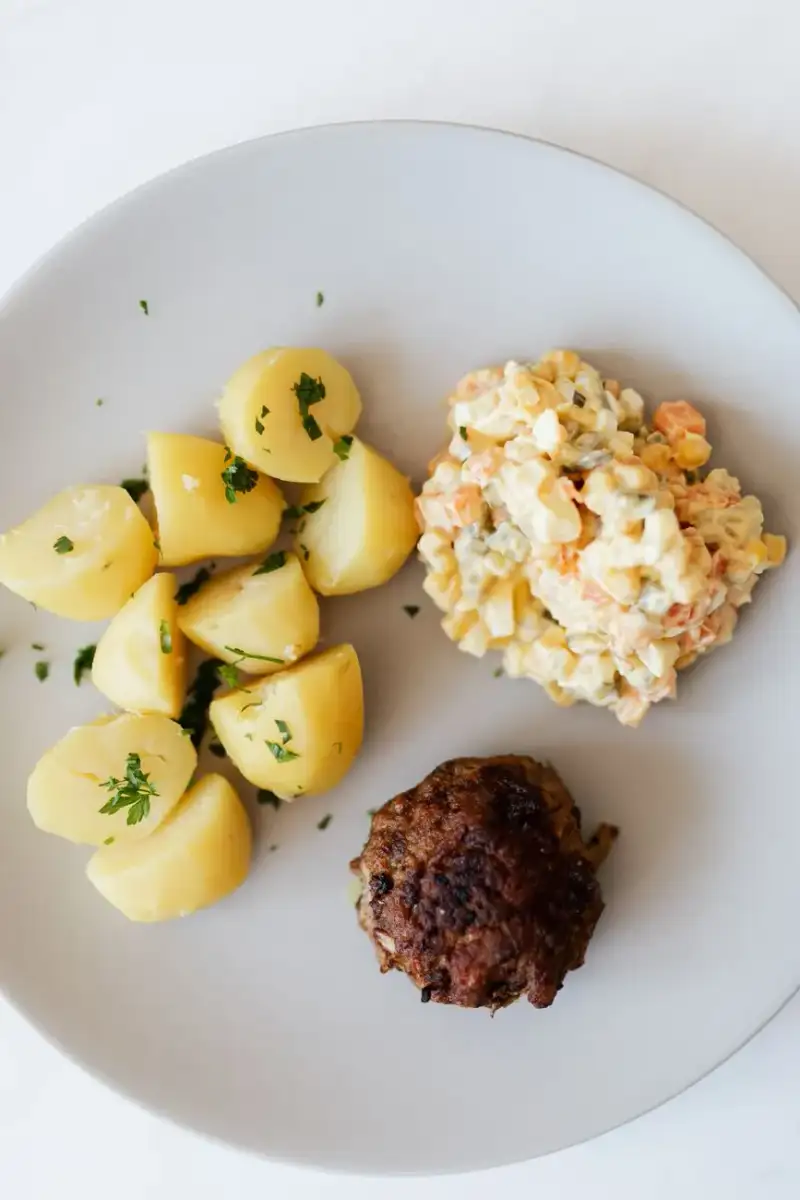
Introduction to German Potato Salad German potato salad, also known as Kartoffelsalat, is a traditional dish that originated in Southern Germany and has been a staple in German cuisine for centuries. This hearty salad is typically made with boiled potatoes, onions, and a variety of seasonings, and is often served as a side dish or light lunch. In this version, we'll be adding a vegan twist to the classic recipe, using apple cider vinaigrette and fresh dill to give it a unique flavor and anti-inflammatory benefits. The Anti-Inflammatory Benefits of Dill and Apple Cider Vinaigrette According to general knowledge of nutrition, dill is a rich source of antioxidants and has been shown to have anti-inflammatory properties, which can help to reduce inflammation and improve overall health. Apple cider vinaigrette, made from apple cider vinegar, also has anti-inflammatory benefits, as it contains acetic acid, which has been shown to have anti-inflammatory effects. Research on anti-inflammatory compounds has demonstrated that a diet rich in these compounds can help to reduce the risk of chronic diseases such as heart disease, diabetes, and certain types of cancer.Preparing the German Potato Salad To prepare the German potato salad, start by placing the diced potatoes in a large pot and adding enough cold water to cover them. Bring to a boil over high heat, then reduce the heat to medium-low and simmer for 10-12 minutes, or until the potatoes are tender when pierced with a fork. While the potatoes are cooking, prepare the vinaigrette by whisking together the apple cider vinegar, olive oil, Dijon mustard, salt, and pepper in a small bowl. Adding the Finishing Touches Once the potatoes are cooked, drain them and let them cool to room temperature. In a large bowl, combine the cooled potatoes, chopped onion, minced garlic, and chopped fresh dill. Pour the vinaigrette over the top of the potatoes and toss to combine. Season with salt and pepper to taste, then cover the bowl with plastic wrap and refrigerate for at least 30 minutes to allow the flavors to meld together.Serving and Enjoying To serve, scoop the German potato salad into a bowl or onto a plate and garnish with additional chopped fresh dill, if desired. This salad is perfect for a light lunch or as a side dish for a variety of meals, and can be made ahead of time and refrigerated for up to 24 hours. With its unique flavor and anti-inflammatory benefits, this vegan version of German potato salad is sure to become a favorite in your household.#HealthyLiving #Gastronomy #VeganRecipes #AntiInflammatoryFoods Related InsightsFrench Lentil Soup with Kale and Dijon: A High Protein Delight Goi Cuon: The Fresh and Healthy Summer Rolls Avocado and Poached Egg Toast on Sourdough{ "@context": "https://schema.org", "@type": "FAQPage", "mainEntity": [ { "@type": "Question", "name": "What is the main focus of Delving into the World of Anti-Inflammatory German Potato Salad with Dill and Apple Cider Vinaigrette (Vegan)?", "acceptedAnswer": { "@type": "Answer", "text": "Indulge in the flavors of Germany with a vegan twist on the classic potato salad, infused with the anti-inflammatory benefits of dill and apple cider vinaigrette." } }, { "@type": "Question", "name": "Who authored the comprehensive guide on Delving into the World of Anti-Inflammatory German Potato Salad with Dill and Apple Cider Vinaigrette (Vegan)?", "acceptedAnswer": { "@type": "Answer", "text": "This detailed article and its insights were carefully researched and authored by Hannah Weber." } }, { "@type": "Question", "name": "Where can I find more related content about Food?", "acceptedAnswer": { "@type": "Answer", "text": "You can explore more articles, detailed reviews, and similar insights by browsing the Related Insights section at the bottom of this article or visiting our dedicated Food category page." } } ] }