Showing Posts From
Globalflavors
-
 Michael Chef
 - 05 Jul, 2026 02:13
The Umami Echo: Tracing the Ancient Origins of Fermented Fish Sauce Beyond Roman Garum's Shadow
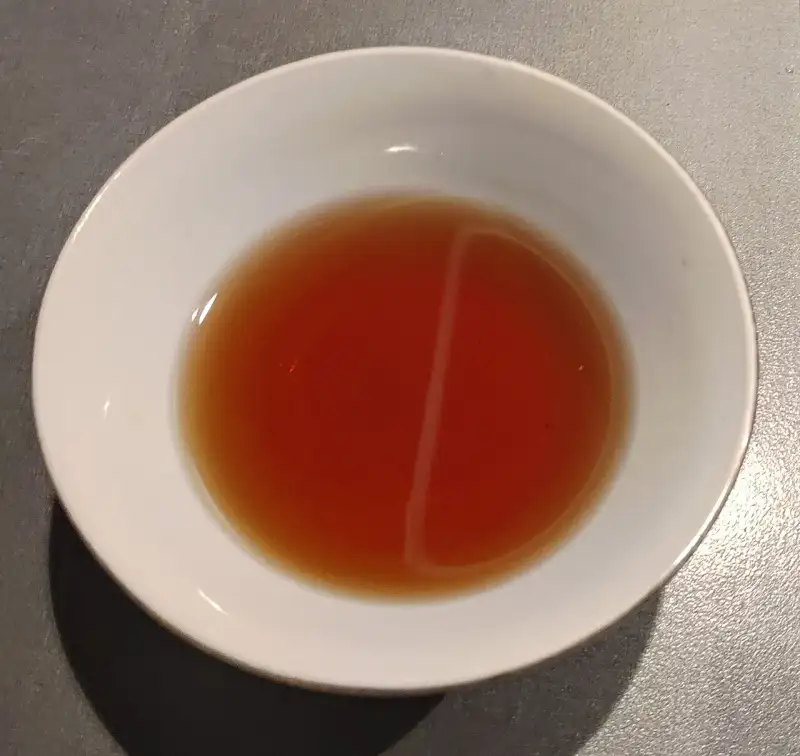
Imagine a flavour so fundamental, so deeply satisfying, that it has permeated human diets for millennia, shaping empires and defining culinary landscapes long before the advent of refrigeration or even organised agriculture. It is a taste that bridges cultures, transcends time, and yet, for many, remains shrouded in a single, often romanticised, historical narrative: Roman garum. But what if the story we've been told is merely a footnote in a much grander, more ancient, and far more geographically expansive epic of umami? What if the pungent, golden elixir of fermented fish sauce, far from being a singular Roman invention, represents a convergent culinary evolution, a universal human quest for depth of flavour born independently across disparate maritime civilisations? This journey into the past isn't merely an academic exercise; it's an exploration of human ingenuity, resourcefulness, and a profound connection to the sea. It challenges us to look beyond the popular historical spotlight and discover the true, diverse origins of a condiment that continues to define many global cuisines today. Prepare to navigate a world where the sea yielded not just sustenance, but a liquid gold of flavour, painstakingly crafted and fiercely valued, echoing through history long before any Roman legionnaire dipped his bread into a jar of liquamen. The Roman Legacy: A Familiar Narrative, An Incomplete Picture For centuries, any mention of ancient fish sauce inevitably conjured images of the Roman Empire. Garum, or its more dilute cousin liquamen, is frequently cited as the quintessential condiment of antiquity. Roman texts, from the culinary treatise of Apicius to the agricultural writings of Columella, meticulously detail its production: layers of whole small fish, or fish entrails, mixed with salt, left to ferment under the scorching Mediterranean sun for weeks, sometimes months. The resulting amber liquid, strained and prized, was a staple, used to enhance everything from simple stews to elaborate banquets. It was a trade commodity, its production sites sprawling along coastal areas from Spain to North Africa, employing vast numbers and generating immense wealth. The distinct, savoury, almost meaty flavour it imparted was, without question, the umami of its age. However, this widespread familiarity with Roman garum often overshadows a crucial fact: fermentation, particularly of fish, is not a uniquely Roman or even Mediterranean phenomenon. The very concept of utilising salt and time to transform perishable protein into a concentrated flavour bomb is a testament to universal human resourcefulness in regions rich with seafood and a pressing need for preservation. The Romans were, in essence, inheritors and refiners of a tradition that likely predated them by centuries, and which was simultaneously flourishing, and perhaps even originating, in entirely different corners of the globe. The Southeast Asian Cradle: A Symphony of Fermented Flavours To truly understand the primordial genesis of fish sauce, our compass must point eastward, to the verdant coastlines and archipelagic wonders of Southeast Asia. Here, long before the rise of Rome, communities were already perfecting the art of fish fermentation. Archaeological evidence, supported by linguistic and ethnographic studies, suggests a deeply entrenched tradition of processing fish with salt. Consider the modern staples: Vietnamese nước mắm, Thai nam pla, Filipino patis, Cambodian prahok, and Burmese ngapi. These aren't merely contemporary iterations; they are the direct descendants of an unbroken chain of culinary practices stretching back at least two millennia, if not more. While pinpointing the exact "first" occurrence is a fool's errand, the sheer diversity and pervasiveness of fermented fish products in Southeast Asia argue for an independent, possibly earlier, origin story than that of the Mediterranean. The production methods, though varying in specific fish species, salt ratios, and fermentation times, share fundamental similarities with their Roman counterparts. Small, oily fish like anchovies, mackerel, or sometimes even freshwater fish, are layered with salt in large earthenware jars or colossal wooden vats. These are left to ferment, often under the tropical sun, a process that relies on natural enzymes in the fish guts and halophilic bacteria to break down proteins into amino acids – the very source of umami. The resulting liquid is a potent, aromatic condiment, foundational to the regional diet.Unlike the Roman tradition, which largely faded with the Empire's decline, the Southeast Asian tradition not only endured but thrived, evolving into the sophisticated, highly valued products we know today. This continuity points to a deep cultural embedment, where fish sauce is not just a flavour enhancer, but a cultural touchstone, a symbol of identity and culinary heritage. Beyond the Mediterranean and Mekong: Other Ancient Fermentation Frontiers The narrative isn't confined to these two primary epicentres. The concept of fermenting fish and other seafood was, in various forms, a global culinary imperative driven by the need for preservation and flavour enhancement in pre-industrial societies. While liquid fish sauce, as a strained condiment, is most strongly associated with Rome and Southeast Asia, other cultures developed related methods. The ancient Egyptians, for example, were masters of fermentation and preserved fish in various ways, though liquid sauce evidence is less clear. However, their use of salt for preserving fish and the cultural significance of fish in their diet suggest the possibility of related, albeit perhaps less documented, practices. Furthermore, a lesser-known but equally fascinating thread leads us to the indigenous communities of the circumpolar regions. While their methods often leaned towards whole fish fermentation (e.g., Greenlandic kiviaq or Icelandic hákarl, though these are distinct in their specific fermentation processes), they highlight the universal human drive to transform and preserve protein, often resulting in incredibly potent, umami-rich foods. These examples, though not directly fish sauce, underscore the deeply rooted human understanding of fermentation's power across vastly different environments. Even in parts of ancient Europe beyond Rome, rudimentary forms of fermented fish products likely existed. The Celts and Germanic tribes, with their riverine and coastal settlements, would have had abundant access to fish and the salt needed for preservation. While archaeological evidence for widespread, highly refined fish sauce production akin to garum is scarce, it's plausible that localised, less industrialised methods of salting and fermenting fish to create flavourful pastes or rudimentary sauces were part of their dietary repertoire. The absence of textual records doesn't necessarily mean absence of practice. The Alchemy of Umami: Why Fish Sauce? What explains this global, independent invention of fish sauce? The answer lies in the potent synergy of biology, chemistry, and environmental necessity. Fish are inherently rich in proteins, and their guts contain powerful proteolytic enzymes. When combined with salt, these enzymes, along with specific halophilic (salt-loving) bacteria, begin a process of autolysis and fermentation. This breaks down complex proteins into their constituent amino acids, most notably glutamate, aspartate, and inosine monophosphate (IMP). These are the chemical compounds that trigger our taste receptors for umami – that elusive, savory "fifth taste" that provides depth, richness, and mouthfeel. Salt plays a dual role: it draws out moisture, creating a brine, and simultaneously inhibits the growth of spoilage-causing bacteria while encouraging the beneficial, fermenting microbes. The resulting liquid is not only deeply flavourful but also remarkably stable, making it an invaluable foodstuff for ancient societies lacking refrigeration. It was a caloric and flavour dense concentrate, a means of making bland staples palatable, and a vital source of nutrients. Vessels of Flavour: Ancient Techniques and Tools The archaeological record provides tantalising glimpses into the ancient production of fish sauce. In the Roman world, vast complexes of cetariae (fish-salting and garum-making factories) have been unearthed, complete with large fermentation vats (dolia) made of clay or stone, intricate drainage systems, and amphorae for storage and transport. These factories were often strategically located near fishing grounds and sources of salt, highlighting the industrial scale of Roman production.In Southeast Asia, the archaeological footprint is somewhat different, often featuring large earthenware jars found at ancient coastal sites. While less "industrial" in the Roman sense, the sheer number and size of these vessels attest to large-scale, communal, or regional production. Traditional Southeast Asian methods also frequently employ large wooden vats, often made from tropical hardwoods, which are still used by artisanal producers today – a testament to the enduring efficacy of ancient techniques. The use of natural materials, reliance on local fish species, and integration with local knowledge systems allowed these practices to become deeply embedded within the culinary fabric of their respective societies. More Than a Condiment: Economic Power and Cultural Identity Beyond its gastronomic appeal, fermented fish sauce held profound economic and cultural significance. In Rome, garum was a luxury item, traded across the entire empire, its quality and provenance debated by connoisseurs. It was a symbol of Roman culinary sophistication, and its production was a major industry, driving innovation in transport and trade. In Southeast Asia, fish sauce continues to be a cornerstone of the economy in many coastal regions. It is a vital export, a household staple, and a source of national pride. Its distinct regional variations reflect local ingredients, traditions, and even family recipes passed down through generations. It acts as a culinary identifier, with specific nước mắm or nam pla being intrinsically linked to a particular region or culture. The depth of its integration into daily life, religious ceremonies, and social customs far surpasses its role as a mere flavouring. The Fading and the Flourishing: Why Some Traditions Endure The decline of Roman garum production largely coincides with the collapse of the Western Roman Empire. The sophisticated infrastructure, extensive trade networks, and stable political environment required for industrial-scale production dwindled. Salt production became less centralised, and new culinary trends and ingredients emerged. While some localised production might have continued, garum never regained its former prominence. Conversely, the Southeast Asian tradition of fish sauce production not only survived but flourished. This resilience can be attributed to several factors: the perennial abundance of fish, the stable tropical climate ideal for fermentation, deeply embedded cultural practices, and the absence of a large-scale, disruptive political or economic collapse comparable to the Roman Empire's fragmentation. The techniques remained artisanal, adaptable, and essential to local diets, ensuring their continued relevance and evolution. Conclusion: A Global Heritage of Umami The ubiquitous, unassuming bottle of fish sauce on our shelves holds a history far richer and more complex than most realise. It is a legacy not merely of Roman innovation, but of a shared human quest for flavour, preservation, and culinary ingenuity that manifested independently across vast oceans and continents. The "umami echo" resonates from the ancient Mediterranean shores to the bustling markets of Southeast Asia, a testament to the timeless appeal of this pungent, profound condiment. By delving into its global origins, we gain a deeper appreciation for the interconnectedness of human culinary history, the genius of ancient food technologies, and the enduring power of a simple, salty liquid to transform meals and cultures alike. So, the next time you taste that savoury depth, remember: you're partaking in a tradition that predates empires, a global legacy of delicious ingenuity, born from the bounty of the sea and the wisdom of our ancestors.#AncientCuisine #FoodHistory #UmamiResearch #Fermentation #GlobalFlavors Related InsightsDer Apfelstrudel: Ein Meisterwerk der Wiener Mehlspeisenkultur und seine faszinierende Geschichte Unlocking Nature's Secret: How New Nordic Cuisine is Revolutionizing Health and Gastronomy Forever Congee (Jook): The Ultimate Comforting Rice Porridge{ "@context": "https://schema.org", "@type": "FAQPage", "mainEntity": [ { "@type": "Question", "name": "What is the main focus of The Umami Echo: Tracing the Ancient Origins of Fermented Fish Sauce Beyond Roman Garum's Shadow?", "acceptedAnswer": { "@type": "Answer", "text": "Dive into the pungent, profound history of fermented fish sauces, exploring their global genesis far beyond the famed Roman garum, from Southeast Asia to the Mediterranean's forgotten depths." } }, { "@type": "Question", "name": "Who authored the comprehensive guide on The Umami Echo: Tracing the Ancient Origins of Fermented Fish Sauce Beyond Roman Garum's Shadow?", "acceptedAnswer": { "@type": "Answer", "text": "This detailed article and its insights were carefully researched and authored by Michael Chef." } }, { "@type": "Question", "name": "Where can I find more related content about Food?", "acceptedAnswer": { "@type": "Answer", "text": "You can explore more articles, detailed reviews, and similar insights by browsing the Related Insights section at the bottom of this article or visiting our dedicated Food category page." } } ] }