Showing Posts From
Globaltravel
-
 Isabella Rossi
 - 12 Sep, 2026 20:52
The Gastronomic Odyssey: From Charred Street Corn to the Pinnacle of Michelin Perfection
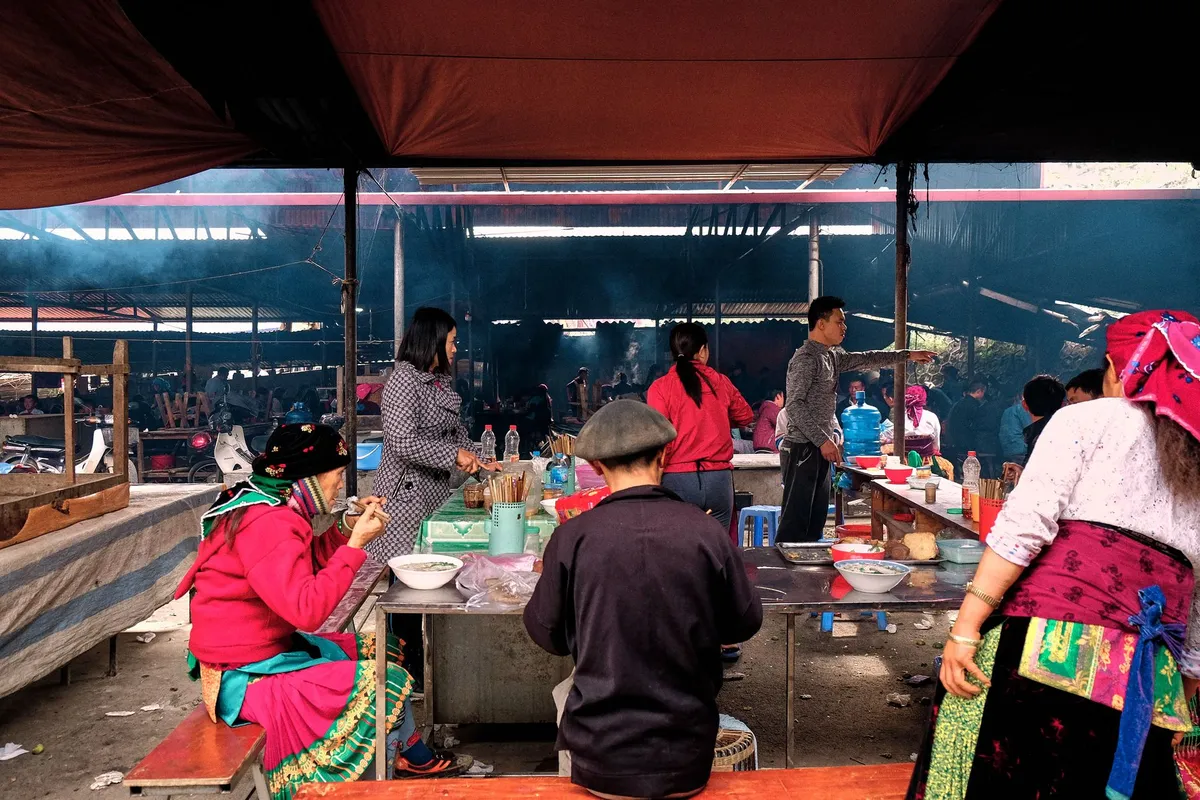
Where Smoke Meets Salt: The Soul of the Street Market To understand the trajectory of human civilization, one need not look at monuments of stone or archives of political mandates; one must look at the grill. The humble origins of street food—from the charred elotes of Mexico City to the aromatic satay skewers of Southeast Asia—represent the foundational DNA of global dining. As travelers, we often find our most profound culinary epiphanies not under the chandelier of a Michelin-starred establishment, but standing on a dusty corner, waiting for a vendor to flip a tortilla. Street food is an exercise in efficiency, aesthetics, and raw business logic. When we examine the culinary landscape, particularly in Mediterranean bastions like Greece, the intersection of the farmers' market and the environmental ecosystem becomes undeniably clear. The "Culinary Landscape of Greece," as analyzed in recent research, is not merely a collection of recipes; it is a manifestation of marketing dynamics. Small-scale producers operate within a closed-loop system where the aesthetics of the harvest dictate the value of the market stall. This is the bedrock upon which high cuisine is built. When a chef sources a perfectly ripened tomato from a local Greek market, they are engaging in a marketing strategy that favors authenticity over industrial processing. The sensory experience of the street market—the scent of charcoal, the cacophony of vendors, the tactile engagement with raw ingredients—provides the necessary "curiosity quotient" for the modern explorer. For the traveler, this is where the expedition begins. It is a lesson in terroir. Whether it is a taco stand in Oaxaca or a souvlaki cart in Athens, the street vendor is the unsung pioneer of global flavor, teaching us that the highest quality food often requires the least amount of pretense. By observing these micro-economies, we gain a deeper appreciation for the rigor that later defines the world of fine dining.The Contradictions of Australian Flavor and Identity When we turn our gaze to the Southern Hemisphere, the narrative of food takes a sharp, political turn. Australia presents a fascinating case study in how a nation defines its culinary soul. The research paper "Terra nullius, culina nullius: the contradictions of Australian food culture" highlights a critical academic tension: the intersection of political science and the plate. For centuries, the concept of terra nullius—or "land belonging to no one"—was used to justify colonial expansion. Today, the culinary equivalent is often debated as scholars examine whether Australian food culture successfully integrates Indigenous ingredients or if it continues to operate within a vacuum of colonial appropriation. For the traveler, this is a pivotal stop on the expedition. The Australian food scene is a paradox. It is defined by high-end coffee culture, fusion brilliance, and world-class wine, yet it struggles with the historical weight of its own foundations. When you dine in Sydney or Melbourne, you are witnessing an evolution. The movement toward "bush tucker"—utilizing native ingredients like finger lime, wattleseed, and macadamia—represents a reclamation of identity. It is an attempt to turn culina nullius into a legitimate, recognized culinary heritage. Understanding this dynamic is essential for the curious traveler. When you order a meal in an Australian bistro, look for the subtle infusion of native flora. This is not just a trend; it is a political statement of reconciliation and culinary evolution. The transition from street corn to haute cuisine in the Australian context is less about the refinement of the grill and more about the refinement of the national consciousness. By engaging with this reality, we as travelers stop being passive consumers and start becoming informed observers of a culinary history in the making. The complexity of these dishes is rooted in the landscape itself, demanding that we respect the geography as much as the flavor profile. From the Farmers' Market to the White Tablecloth The transition from a raw, local marketplace to the pressurized environment of a Michelin-starred kitchen is a journey of transformation. This path is defined by a rigorous obsession with aesthetics, sourcing, and the marketing of experience. Research into the Greek culinary landscape demonstrates that the farmers' market is not just a place of trade; it is an incubator for excellence. The relationship between the environment—the soil, the sun, the Mediterranean winds—and the product is the ultimate differentiator for elite chefs. Consider the journey of a single olive or a bundle of wild mountain herbs. In the market, they are commodities; in the kitchen of a Michelin-starred chef, they are the focal point of a sensory performance. The "Business and Marketing" of fine dining relies on the ability of the chef to translate the authenticity of the local farmer into a narrative that justifies the price point and the prestige. This is not an easy feat. It requires an intimate understanding of the seasonality that the market dictates. For the traveler, this stage of the expedition is about recognizing the "why" behind the plate. Why does a particular dish in a fine dining restaurant resonate so deeply? It is because the chef has distilled the best elements of the local ecosystem. They have taken the "street corn" ethos—the raw, unadulterated flavor of the ingredient—and elevated it through technique, precision, and a narrative that honors the producer. This cycle is the backbone of the global food industry. We move from the market, where we learn the language of food, to the restaurant, where we experience the literature of food.The Global Plate: A Comparative Analysis of Cost and Quality To fully grasp the global food expedition, we must look at the metrics that define our spending and consumption patterns. The following table provides a breakdown of how the cost of a "culinary experience" fluctuates based on the environment, the labor involved, and the prestige of the establishment. This comparative data reflects the real-world financial realities faced by travelers and residents alike in major food hubs.Culinary Segment Typical Cost (USD) Primary Focus Sourcing StrategyStreet Food $3 - $12 Speed & Flavor Hyper-local/DailyMid-Range Bistro $25 - $60 Comfort & Texture Regional/SeasonalMichelin Experience $150 - $500+ Innovation & Story Artisanal/ExclusiveFarmers' Market $10 - $30 Freshness & Raw Direct from FarmerAs this data suggests, the price gap is not merely a reflection of food quantity but of "added value." In the Michelin-starred category, you are paying for the rigorous labor, the aesthetic curation, and the intellectual effort of the culinary team. Conversely, the street food sector provides the highest return on investment regarding pure, unadorned flavor. The savvy traveler is one who learns to balance these experiences, using the farmers' market to build a vocabulary of ingredients and the high-end restaurant to see how those ingredients can reach their artistic zenith. By analyzing these numbers, we see that the global food expedition is, in many ways, an exercise in resource management—how do we extract the most meaning and pleasure from the food systems available to us in any given destination? The Ethics of Global Gastronomy and the Future of Food As we conclude this journey, we must address the ethics of the table. The global food expedition is becoming increasingly centered on sustainability and the preservation of culture. Whether we are discussing the Indigenous food movements in Australia or the agricultural preservation efforts in Greece, the modern food movement is moving away from globalization and back toward localization. The "Curious Traveler" now has a responsibility to support these micro-economies. We have explored the street market, examined the complexities of colonial-tainted culinary identity, and witnessed the transformation of local ingredients into fine art. What binds these experiences together is a shared dependence on the environment. The "Business, Marketing, and Aesthetics" of food is ultimately tethered to the health of our earth. The farmers' market, once a simple place of commerce, is now the front line of environmental advocacy. The Michelin-starred restaurant, once a beacon of exclusivity, is now often a leader in zero-waste initiatives and carbon-neutral sourcing. As you plan your next culinary expedition, look beyond the guidebooks. Seek out the contradiction; find the street food stall that challenges your perception of "cheap," and visit the fine dining establishment that challenges your perception of "elite." Pay attention to the provenance of your ingredients. In a world that is becoming increasingly homogenized, the true luxury is eating food that tells a specific, regional story—a story that begins in the dirt and ends in a moment of pure, culinary perfection. Your role as a traveler is to listen to that story, value the labor behind it, and contribute to the ecosystems that sustain these diverse food cultures. The expedition never truly ends; it merely changes the menu.Harvesting Memories from the Global Trail Reflecting on our global expedition, it becomes evident that the distance between a piece of street-grilled corn and a dish adorned with a Michelin star is shorter than we often imagine. It is a bridge built on quality, history, and the tireless pursuit of culinary truth. We have traveled from the political landscapes of Australia to the sun-drenched markets of Greece, recognizing that every bite carries the weight of history and the promise of the future. The "curious traveler" is defined by an appetite that is never fully sated. We seek the next market, the next hidden kitchen, and the next ingredient that tells a story of survival and triumph. As we move forward, let us remember that the most authoritative culinary critics are not those in suits and ties, but the people who stand in line for their daily bread, the farmers who tend the soil with calloused hands, and the chefs who look at a tomato and see the entire world. Carry this awareness with you as you navigate your next destination. Seek the markets where the air is thick with the scent of the local harvest. Respect the restaurants that prioritize the integrity of the ecosystem. Most importantly, understand that your dining choices are, in effect, a vote for the type of food culture you wish to see thrive. Whether you are seeking a cheap, life-changing snack or an evening of refined excellence, the global food expedition remains the most rewarding way to understand the heart of a civilization. May your plate always be full, your curiosity always be piqued, and your journey always be seasoned with the unexpected. #Gastronomy #FoodTravel #CulinaryExpedition #SlowFood #GlobalDining Related InsightsDelighting in the Flavors of Lemony Chicken Piccata with Capers and Spinach L'Anima della Cucina Italiana: Non Solo Cibo, ma una Storia d'Amore nel Piatto Avocado and Poached Egg Toast on Sourdough{ "@context": "https://schema.org", "@type": "FAQPage", "mainEntity": [ { "@type": "Question", "name": "What is the main focus of The Gastronomic Odyssey: From Charred Street Corn to the Pinnacle of Michelin Perfection?", "acceptedAnswer": { "@type": "Answer", "text": "Join Isabella Rossi on a deep dive into the world’s most fascinating culinary landscapes, exploring the rich tapestry of street food versus fine dining." } }, { "@type": "Question", "name": "Who authored the comprehensive guide on The Gastronomic Odyssey: From Charred Street Corn to the Pinnacle of Michelin Perfection?", "acceptedAnswer": { "@type": "Answer", "text": "This detailed article and its insights were carefully researched and authored by Isabella Rossi." } }, { "@type": "Question", "name": "Where can I find more related content about Food?", "acceptedAnswer": { "@type": "Answer", "text": "You can explore more articles, detailed reviews, and similar insights by browsing the Related Insights section at the bottom of this article or visiting our dedicated Food category page." } } ] }


The sunrise does not announce itself with the dull chime of an alarm clock; it bleeds through the sheer curtains of a loft in Lisbon or shimmers off the glass-paned skyscrapers of Singapore, marking the start of a life untethered. To be a digital nomad in 2026 is no longer an act of rebellion, but a sophisticated art form—a calculated navigation of global infrastructure, culinary heritage, and the pursuit of professional autonomy. We have moved past the era of the backpacker in a coffee shop; we are now the architects of a distributed workforce, building legacies from the edges of the world’s map. Chasing the Horizon: Where the Modern Professional Finds Anchor When we discuss the geography of 2026, we are looking at a triad of factors: latency, community, and the sanctity of the aesthetic environment. The nomadic life demands a marriage of hyper-modern connectivity and centuries-old culture. Lisbon remains the crown jewel of the European circuit. It is a city that understands the balance between the melancholic weight of Fado music echoing through the Alfama district and the rapid growth of its tech corridors. For the nomad, this means access to high-speed fiber optics tucked into apartments featuring 18th-century azulejo tiles. Moving eastward, Bali has evolved from a spiritual retreat into a refined hub for digital creators. Here, the infrastructure has matured. Coworking spaces like those in Canggu or Ubud now offer ergonomic suites that rival the best offices in Manhattan, yet you are never more than a ten-minute motorbike ride from the volcanic soil of a rice terrace.Gastronomy as a Compass: Sustenance for the Remote Mind A nomad is only as sharp as their fuel. Eating, in the year 2026, is an exercise in cultural anthropology. It is not enough to find "food"; one must find the history embedded in the plate. In the bustling night markets of Bangkok, the nomadic traveler encounters a masterclass in efficiency and sensory overload. The concept of the street food stall is the original agile startup—minimal overhead, high output, and a product that defines the culture of the region. Dining on Pad Thai cooked over a charcoal brazier is a reminder that excellence is found in the details of the craft, not in the luxury of the kitchen. In Tokyo, the dining experience transitions into a form of silent meditation. For those needing deep focus, the shokudo (traditional eateries) offer the quintessential "work-lunch" balance: rapid service, nutritional density, and an environment that demands respectful silence. The disciplined precision of a bowl of ramen or a meticulously curated bento box serves as a metaphor for the nomadic workflow—clean, efficient, and deeply rooted in tradition. The Architecture of Thrive: Designing Your Daily Rhythm Thriving is not a constant state; it is a recurring process. To thrive in 2026, one must cultivate a "Nomadic OS"—a personal operating system that manages energy rather than time. Physical health is the primary pillar of this system. In high-density hubs like Seoul or Berlin, the nomadic professional leverages the proximity of public transit and the abundance of local health markets. The ability to source fresh, organic produce in the Mitte district of Berlin allows the remote worker to maintain a lifestyle that resists the sedentary decay of standard office culture. Intellectual stimulation is the second pillar. I recommend carrying a digital library that bridges the gap between historical context and future trends. Books are the silent mentors of the nomadic life. When the internet flickers or the loneliness of a new time zone creeps in, the right prose provides the necessary architecture for the mind to restructure itself.Curating the Digital Workspace Across Borders Connectivity in 2026 is a utility as vital as water. However, the true professional learns to work around the limitations of geography. Satellite internet has changed the landscape, allowing us to find "productivity pockets" in places like the mountains of Montenegro or the coast of Patagonia. When choosing a base, I prioritize the following criteria:The 3-Hour Buffer: Does the location allow for a three-hour window of overlap with your primary team’s time zone? The Tactile Environment: Can you find a space—a library, a quiet museum cafe, or a dedicated studio—that allows for deep work? The Local Exchange: Does the city facilitate interaction with local creators, or is it merely an echo chamber of other expats?Building the Legacy: Why We Roam We roam not to escape, but to expand. The world of 2026 offers a unique convergence: we are simultaneously more connected and more transient than at any point in human history. To be a digital nomad today is to participate in a global movement of intentional living. When you spend your mornings analyzing data from a desk in Tallinn and your evenings walking the medieval walls of the city, you are bridging the divide between the past and the digital future. You are proving that work is not a location; it is a contribution. The playbook for 2026 is ultimately your own. It is a compilation of the lessons learned when the train is delayed in the Swiss Alps, when the monsoon rains hit in Singapore, and when you finally find the perfect cup of coffee in a hidden alleyway in Buenos Aires. The most successful nomads are those who embrace the "beautiful friction" of travel. They don't seek a permanent residence because they realize that home is a flexible concept. Home is your laptop, your network, your physical health, and your willingness to step into the unknown every single month. As you venture forward, remember that the goal is not to fill your passport with stamps, but to fill your life with perspectives. Whether you are coding in an apartment in Prague or writing poetry on a beach in Tulum, you are part of a lineage of explorers who realized that the walls of a cubicle were never high enough to contain the human potential. The horizon is calling. The infrastructure is ready. Are you prepared to write your own chapter in the book of the global traveler?#DigitalNomad #RemoteWork #GlobalCitizen #TravelTech #NomadicLifestyle Related InsightsRed (The Myth That Burns, #1) Book Review and Summary Embers of Magic Book Review and Summary Jane Eyre Book Review and Summary{ "@context": "https://schema.org", "@type": "FAQPage", "mainEntity": [ { "@type": "Question", "name": "What is the main focus of The Nomad’s Odyssey: Rewriting the Geography of Work in 2026?", "acceptedAnswer": { "@type": "Answer", "text": "Discover the world's premier hubs for the modern remote professional, blending deep historical resonance with high-speed connectivity." } }, { "@type": "Question", "name": "Who authored the comprehensive guide on The Nomad’s Odyssey: Rewriting the Geography of Work in 2026?", "acceptedAnswer": { "@type": "Answer", "text": "This detailed article and its insights were carefully researched and authored by Emily Page." } }, { "@type": "Question", "name": "Where can I find more related content about Books?", "acceptedAnswer": { "@type": "Answer", "text": "You can explore more articles, detailed reviews, and similar insights by browsing the Related Insights section at the bottom of this article or visiting our dedicated Books category page." } } ] }