Showing Posts From
Gourmet cooking
-
 Isabella Rossi
 - 08 Oct, 2026 23:32
Beyond Black Pepper: The Enchanting Aromas of Long Pepper and Grains of Paradise
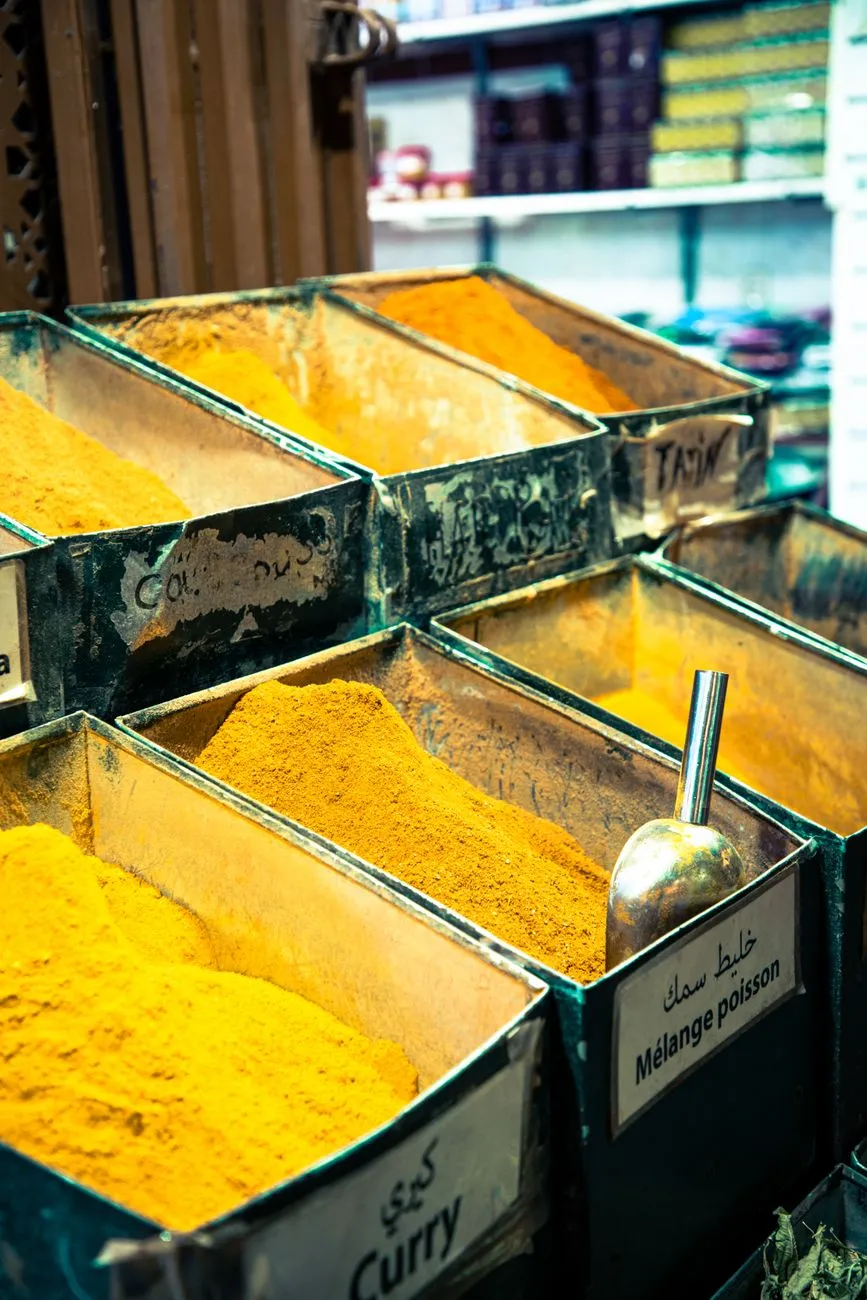
Tracing the Silk‑Road Echoes of Long Pepper (Piper longum) Long pepper, known in Sanskrit as pippali and in medieval European texts as “peppercorn of the East,” once commanded the same prestige as black pepper in the kitchens of Roman aristocracy and Ming‑Dynasty courts. Its botanical cousin, Piper longum, produces a fruit that stretches up to three inches—far longer than the tiny globes of Piper nigrum. The flavor profile is a complex tapestry: bright citrus notes mingle with a subtle heat that lingers longer than the sharp bite of conventional pepper. Chemically, the heat derives from piperine, but the presence of chavicine, dihydropiperine, and a suite of terpenes such as limonene and β‑caryophyllene creates layers of piney, earthy, and almost sweet undertones. Historical accounts from the 1st‑century Roman writer Pliny the Elder describe long pepper as “the king of spices,” a claim supported by trade ledgers uncovered in the port of Alexandria. The spice traveled along the same caravan routes that carried silk, frankincense, and, later, coffee beans. In the 13th‑century Venetian market, long pepper fetched a price comparable to gold, a fact that underscores its early economic weight. Modern culinary usage mirrors its historical versatility. In Indian Ayurvedic medicine, pippali is prized for its purported digestive benefits, while in contemporary Nordic cuisine it appears as a seasoning for smoked salmon, lending a bright, slightly floral finish. The aroma’s longevity makes it ideal for slow‑cooked dishes where a gradual release of flavor is desirable. Chefs often toast the dried pods lightly before grinding, a step that activates the volatile oils and deepens the peppery perfume.The West African Whisper of Grains of Paradise (Aframomum melegueta) Grains of Paradise, sometimes called “melegueta pepper,” hail from the coastal forests of Ghana, Liberia, and Sierra Leone. The seed, harvested from the fruit of Aframomum melegueta, resembles small, reddish‑brown peppercorns but carries a distinctly different aromatic signature. Its flavor is often described as a blend of peppery heat, citrus zest, and a faint hint of cardamom—an outcome of its primary volatile compounds: 6‑gingerol, β‑selinene, and citronellol. The spice entered European kitchens during the 15th‑century Age of Exploration, when Portuguese traders introduced it as a more affordable alternative to black pepper. Its popularity surged in the French colonial kitchens of the Caribbean, where it flavored everything from rum‑based sauces to spiced breads. In the 18th‑century French culinary treatise Le Cuisinier Royal, the author notes that Grains of Paradise “add a sparkle to the palate, akin to a sunrise over the sea.” Beyond gastronomy, Grains of Paradise have been studied for their potential metabolic benefits. Recent peer‑reviewed research published in the Journal of Food Science indicates that the seed’s 6‑gingerol content may influence thermogenesis, a finding that resonates with the modern “spice‑up‑your‑metabolism” trend. However, the spice remains under‑utilized in Western cooking, partly due to limited distribution channels and a lingering bias toward familiar black pepper. The aesthetic appeal of Grains of Paradise aligns with concepts explored in the OpenAlex study “The Culinary Landscape of Greece and Thoughts on the Farmers' Market‑Environment Relationship,” which highlights how market ambience, visual display, and cultural storytelling shape consumer perception. Vendors who showcase the ruby‑red grains in handcrafted baskets create a tactile and visual experience that elevates the spice from a mere ingredient to a conversation starter.Chemistry Meets Culture: How Volatile Oils Shape Perception Both long pepper and Grains of Paradise owe their aromatic charisma to intricate volatile oil profiles. In long pepper, the balance between piperine (the primary pungent alkaloid) and limonene (a citrus‑scented monoterpene) yields a dual sensation: an immediate heat followed by a lingering brightness. Grains of Paradise, conversely, rely on a higher proportion of sesquiterpenes such as β‑selinene, which impart a warm, woody base, while 6‑gingerol delivers a gentle, spicy heat that is less sharp than piperine. Sensory scientists employ gas‑chromatography–mass‑spectrometry (GC‑MS) to quantify these compounds. A typical long pepper extract reveals roughly 6 % piperine, 2 % chavicine, and 1.5 % limonene by weight, whereas a Grains of Paradise sample shows 4 % 6‑gingerol, 3 % β‑selinene, and 2 % citronellol. The differing ratios explain why long pepper is often paired with hearty, protein‑rich dishes (lamb, pork, beans) that can stand up to its assertive heat, while Grains of Paradise shines in lighter fare—think citrus‑marinated fish, grain salads, or even craft beer. Culinary experimentation benefits from understanding these chemical foundations. For example, when infusing oil with long pepper, a gentle warm‑up (≈ 90 °C for 5 minutes) extracts piperine without volatilizing the delicate limonene, preserving the bright citrus note. In contrast, cold‑infusing Grains of Paradise into a gin base allows the more fragile 6‑gingerol to dissolve slowly, resulting in a nuanced, aromatic spirit that retains the spice’s signature warmth. The market dynamics described in the OpenAlex research also illustrate how sensory storytelling can influence purchasing decisions. Vendors who articulate the spice’s “sun‑kissed forest” origin, display the vivid hues, and offer tasting samples tap into the consumer’s desire for authenticity and novelty—key drivers of premium pricing in niche spice markets. From Farm to Fork: Sustainable Harvesting and Ethical Trade Sustainability is a crucial lens through which modern spice enthusiasts view both long pepper and Grains of Paradise. Long pepper cultivation primarily occurs in the Indian subcontinent, especially in the Western Ghats, where smallholder farmers practice intercropping with shade‑giving trees such as teak and mango. This agroforestry approach maintains soil health, promotes biodiversity, and reduces the need for synthetic fertilizers. Certification schemes like Fair Trade and Rainforest Alliance have begun to recognize these practices, offering farmers premium prices that reflect ecological stewardship. Grains of Paradise face a different set of challenges. Wild harvesting in West Africa has historically been the norm, but over‑exploitation threatens natural populations. In response, NGOs and local cooperatives are promoting cultivated plantations that use grafting techniques to accelerate fruiting. These efforts not only safeguard wild stands but also empower women farmers by providing training and market access. The resulting product often commands a higher price point in European specialty stores, reflecting the added value of traceability and ethical sourcing. Both spices benefit from transparent supply chains that incorporate blockchain tracking—a technology highlighted in recent marketing studies for its ability to convey provenance to discerning consumers. When a retailer can scan a QR code on a packet and instantly see the farm’s location, harvest date, and certification status, the purchase transforms into an act of cultural support rather than a simple transaction. Culinary Playbook: Five Innovative Recipes that Celebrate Rare Pepper AromasLong Pepper‑Infused Lamb TagineTechnique: Lightly toast 1 tsp whole long pepper pods in a dry skillet until fragrant, then grind with ½ tsp coriander seeds and a pinch of sea salt. Marinate 2 lb lamb shoulder in olive oil, the spice blend, minced garlic, and preserved lemon zest for 12 hours. Slow‑cook with apricots, chickpeas, and a splash of pomegranate molasses. The result is a depth of heat that evolves over the cooking period, echoing the spice’s historic regal status.Grains of Paradise‑Spiced Carrot SoupTechnique: Sauté diced onions and carrots with 1 tsp crushed Grains of Paradise and a drizzle of coconut oil. Deglaze with vegetable broth, simmer until tender, then blend. Finish with a swirl of crème fraîche and a garnish of toasted grain kernels. The subtle citrus‑spice accent lifts the natural sweetness of carrots without overwhelming the palate.Long Pepper‑Seasoned Avocado ToastTechnique: Mash ripe avocado with lemon juice, sea salt, and a pinch of freshly ground long pepper. Spread on toasted sourdough, drizzle with extra‑virgin olive oil, and top with radish slices. The bright citrus nuance of the spice adds a sophisticated twist to a breakfast classic.Grains of Paradise‑Infused Dark Chocolate TrufflesTechnique: Heat heavy cream with ½ tsp whole Grains of Paradise until just simmering; strain to remove solids. Combine with 200 g high‑cocoa dark chocolate, whisk until smooth, chill, then roll into balls and dust with cocoa powder mixed with a pinch of the ground grain. The aromatic warmth pairs beautifully with the bitterness of the chocolate.Long Pepper & Grains of Paradise CocktailTechnique: Create a spice‑infused simple syrup by simmering equal parts water and sugar with ½ tsp each of ground long pepper and Grains of Paradise for 5 minutes; cool and strain. Mix 45 ml gin, 15 ml lime juice, 20 ml spice syrup, and a dash of orange bitters. Shake, strain into a coupe, and garnish with a thin twist of lemon zest. The cocktail showcases a harmonious dialogue between the two spices—peppery heat meets citrus‑spicy brightness.Comparative Flavor & Market SnapshotAttribute Long Pepper (Piper longum) Grains of Paradise (Aframomum melegueta) Black Pepper (Piper nigrum)Primary Heat Compound Piperine (6 %) 6‑Gingerol (4 %) Piperine (5‑7 %)Dominant Aromatics Limonene, β‑caryophyllene β‑Selinene, Citronellol, 6‑Gingerol β‑Caryophyllene, LimoneneFlavor Description Piney, citrus‑bright, lingering heat Warm, woody, citrus‑zesty, mild heat Sharp, pungent, quick heatTypical Culinary Uses Hearty stews, grilled meats, spice blends Light sauces, baked goods, beverages Universal seasoningPrimary Growing Regions India, Sri Lanka, Bangladesh Ghana, Liberia, Sierra Leone Vietnam, Brazil, IndiaSustainable Harvest Notes Shade‑grown agroforestry Cultivated plantations, women‑led co‑ops Large‑scale monocultureApprox. Retail Price (USD/100 g) $12–$18 $15–$22 $4–$6The table underscores how each spice occupies a distinct niche in both flavor chemistry and market economics. While black pepper remains the ubiquitous baseline, the higher price points of long pepper and Grains of Paradise reflect their rarity, labor‑intensive cultivation, and the premium that adventurous cooks are willing to pay for nuanced aromatic experiences.A Flavorful Farewell: Embracing the Uncommon The world of spices is a living archive of trade, culture, and chemistry. Long pepper and Grains of Paradise, once crown jewels of distant markets, now sit quietly on the shelves of boutique spice shops, waiting for curious palates to rediscover them. By understanding their botanical origins, volatile oil makeup, and sustainable pathways from farm to fork, you gain more than just a new ingredient—you inherit a story that spans continents and centuries. So the next time you stand before a spice rack, consider reaching beyond the familiar black pepper. Sprinkle a pinch of history, a dash of adventure, and let these rare aromatics transform ordinary dishes into unforgettable culinary journeys.#FoodHistory #SpiceExploration #SustainableCooking Related InsightsThe Magic Mountain Book Review and Summary The Broken Earth Trilogy: The Fifth Season, The Obelisk Gate, The Stone Sky Book Review and Summary Never Say War: Life in Russia Today Book Review and Summary
- Isabella Rossi
- 02 Sep, 2026 21:14
The Fifth Taste Unlocked: Mastering Umami to Transform Every Bite into a Flavor Explosion
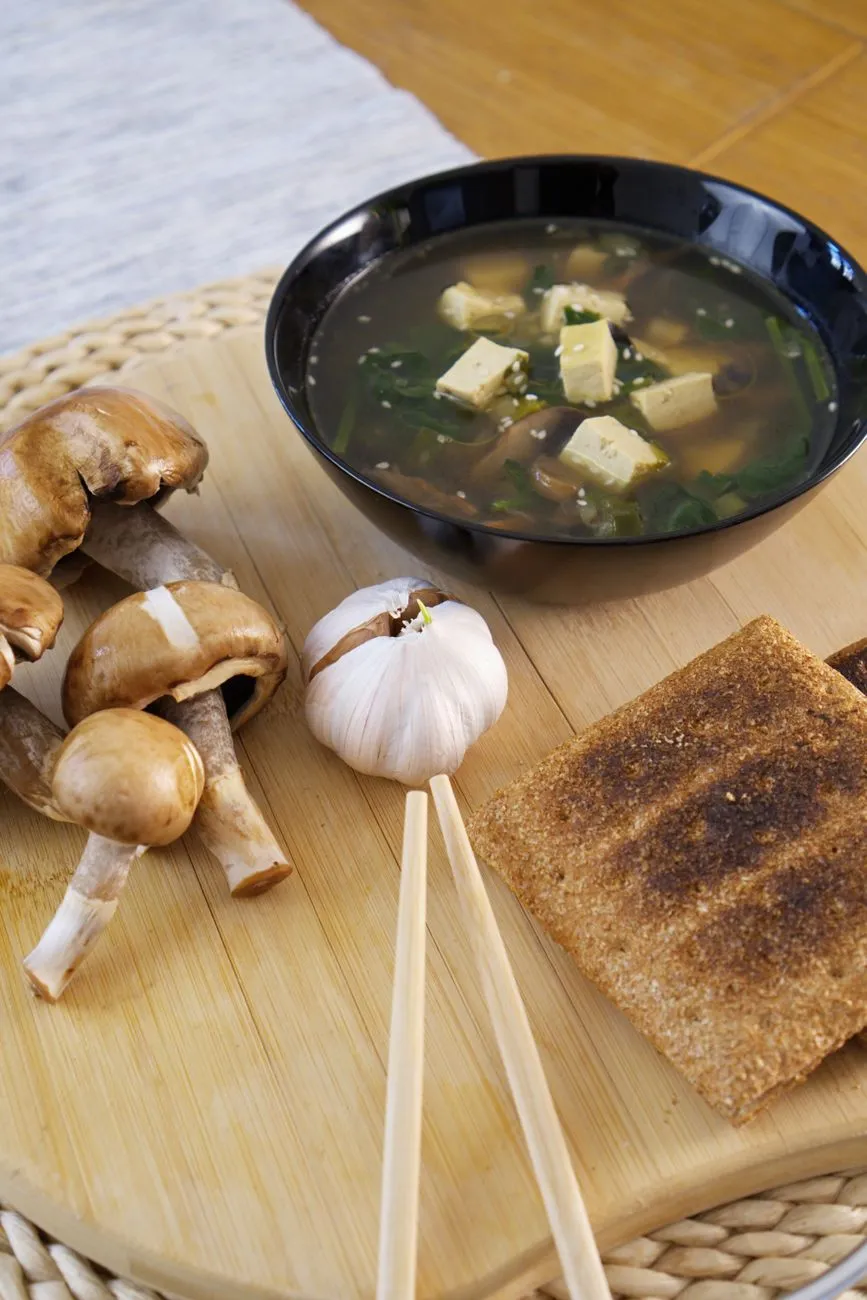
The Fifth Taste Unlocked: Mastering Umami to Transform Every Bite into a Flavor Explosion Have you ever wondered why a simple bowl of miso soup can taste so deeply satisfying, or why a sprinkle of Parmesan cheese can turn a bland pasta dish into a culinary masterpiece? The answer lies in umami—the fifth taste, alongside sweet, sour, salty, and bitter. Discovered by Japanese chemist Kikunae Ikeda in 1908, umami is the savory, mouthwatering sensation that makes food irresistibly delicious. Unlike the other four tastes, which are detected by taste buds on the tongue, umami is detected by receptors in the gut, making it a unique and powerful flavor enhancer. Umami is not just a fleeting trend in fine dining; it’s a fundamental building block of flavor that can transform everyday meals into extraordinary experiences. From the rich depth of soy sauce to the earthy notes of mushrooms, umami is the secret weapon of chefs and home cooks alike. But how do you harness its power? What foods are the best sources of umami, and how can you combine them to create dishes that burst with flavor? Let’s dive into the science, history, and art of umami mastery.The Science of Umami: How Your Brain Falls in Love with Savory Flavors Umami is triggered by glutamates and nucleotides, natural compounds found in a variety of foods. The most well-known glutamate is monosodium glutamate (MSG), but umami-rich foods contain glutamates in their natural form, such as in tomatoes, cheese, and fermented products. When these compounds bind to umami receptors in your gut, they send signals to your brain that trigger a sense of satisfaction and craving for more. Research published in the Journal of Nutrition highlights that umami not only enhances flavor but also increases saliva production, which aids digestion and makes food more enjoyable. Additionally, studies in Flavour journal suggest that umami can reduce the need for excessive salt in cooking, making it a healthier option for those watching their sodium intake. The science is clear: umami is not just a taste—it’s a biological trigger for pleasure. To truly understand umami, let’s break down its key components:Glutamates: Found in foods like tomatoes, Parmesan cheese, and soy sauce, glutamates are the primary drivers of umami. For example, a ripe tomato contains about 250 mg of glutamate per 100 grams, while Parmesan cheese boasts a whopping 1,200 mg per 100 grams. Nucleotides: These compounds, such as inosinate and guanylate, amplify the umami effect. They are found in foods like dried shiitake mushrooms (150 mg of guanylate per 100 grams) and bonito flakes (200 mg of inosinate per 100 grams). Synergy: When glutamates and nucleotides are combined, they create a synergistic effect, enhancing the umami flavor exponentially. This is why dishes like ramen, which combine soy sauce (glutamate) with bonito flakes (inosinate), are so irresistibly savory.The Global Pantry of Umami: Ingredients That Pack a Savory Punch Umami is not confined to Japanese cuisine—it’s a universal language of flavor found in cuisines around the world. From the fermented soybeans of Southeast Asia to the aged cheeses of Europe, umami-rich ingredients are the backbone of countless dishes. Here’s a global tour of the most potent umami sources: Asia: The Birthplace of UmamiSoy Sauce: A staple in Chinese and Japanese cooking, soy sauce is fermented from soybeans and wheat, containing high levels of glutamate. A single tablespoon can provide up to 500 mg of glutamate. Miso Paste: Made from fermented soybeans, miso is a powerhouse of umami. White miso contains about 800 mg of glutamate per 100 grams, while red miso can have up to 1,200 mg. Fish Sauce: Used in Thai and Vietnamese cuisine, fish sauce is made from fermented fish and is rich in inosinate. A tablespoon can contain up to 300 mg of inosinate. Dried Shiitake Mushrooms: These mushrooms are dried to concentrate their umami compounds, with 100 grams containing about 150 mg of guanylate.Europe: Aged and Fermented DelightsParmesan Cheese: Aged for at least 12 months, Parmesan is one of the richest sources of glutamate, with 1,200 mg per 100 grams. Pecorino Romano: Another Italian cheese, Pecorino Romano contains about 1,000 mg of glutamate per 100 grams. Anchovies: These small fish are packed with inosinate, with a single anchovy fillet containing up to 50 mg. Sun-Dried Tomatoes: Concentrated by the drying process, sun-dried tomatoes can contain up to 650 mg of glutamate per 100 grams.The Americas: Earthy and Robust FlavorsTomatoes: Ripe tomatoes are a natural source of glutamate, with about 250 mg per 100 grams. Cooking tomatoes, as in a slow-simmered marinara sauce, intensifies their umami. Corn: When dried and processed into masa, corn becomes a rich source of glutamate, with about 150 mg per 100 grams. Beef: Slow-cooked beef, such as in a pot roast, releases glutamates through the breakdown of proteins, enhancing its savory depth.Africa: Fermented StaplesFermented Locust Beans (Iru): Used in West African cuisine, fermented locust beans are a potent source of glutamate, with about 1,000 mg per 100 grams. Dried Fish: Common in Nigerian and Ghanaian dishes, dried fish is rich in inosinate, adding a deep umami flavor to stews and soups.The Umami Equation: How to Combine Ingredients for Maximum Flavor Now that you know the key players, it’s time to master the art of umami pairing. The secret lies in combining ingredients that complement each other’s umami compounds, creating a flavor explosion that lingers on the palate. Here’s a step-by-step guide to crafting umami-rich dishes: Step 1: Start with a Base Umami Ingredient Every great umami dish begins with a strong base. This could be:A soy sauce or miso marinade for meats or tofu. A tomato-based sauce for pasta or pizza. A fermented cheese like Parmesan for pasta or risotto. A mushroom or seaweed broth for soups and stews.For example, a classic Italian dish like Pasta al Pomodoro relies on the umami from sun-dried tomatoes and Parmesan cheese. The glutamate in the tomatoes and the cheese create a synergistic effect, making the dish taste richer and more satisfying. Step 2: Layer in Secondary Umami Sources Once you have your base, add secondary umami ingredients to deepen the flavor. These could include:Bonito flakes in a Japanese dashi broth. Anchovies in a Caesar salad dressing. Fish sauce in a Thai green curry. Dried mushrooms in a risotto.For instance, a French onion soup gains its depth from caramelized onions (which develop glutamate when cooked) and a splash of Worcestershire sauce (which contains anchovies and tamarind, both rich in umami). Step 3: Balance with Acid and Fat Umami is powerful, but it needs balance to shine. Acidic ingredients like lemon juice, vinegar, or wine can brighten the flavor, while fats like olive oil, butter, or cream can round out the richness. For example:A drizzle of balsamic glaze over roasted vegetables enhances the umami of the vegetables. A pat of butter stirred into a mushroom sauce adds a velvety texture that carries the umami flavors.Step 4: Finish with a Umami Boost The final touch can make all the difference. Consider adding:A sprinkle of grated Parmesan over a dish. A dash of soy sauce to a stir-fry. A pinch of MSG (if you’re comfortable with it) to intensify the flavor.Umami in Action: Recipes That Prove Its Power Let’s put theory into practice with three umami-packed recipes that showcase the fifth taste in all its glory. 1. The Ultimate Umami Burger Ingredients:1 lb ground beef (80/20 fat ratio) 1 tbsp fish sauce 1 tsp Worcestershire sauce 1 tbsp soy sauce 1 tsp grated Parmesan cheese 1 tbsp butter 1 slice aged cheddar cheese 1 brioche bun, toasted Toppings: caramelized onions, pickles, arugulaMethod:Mix the fish sauce, Worcestershire sauce, soy sauce, and Parmesan into the ground beef. This marinade infuses the meat with umami before cooking. Form the patties and cook in a cast-iron skillet with butter over medium-high heat until medium-rare. Add the cheddar cheese in the last minute of cooking to melt. Assemble the burger with caramelized onions (cooked with a splash of balsamic vinegar for acidity) and pickles for contrast.Why It Works: The fish sauce and Worcestershire sauce provide inosinate and glutamate, while the Parmesan and aged cheddar add more glutamate. The caramelized onions and pickles balance the richness with acidity and crunch. 2. Miso-Glazed Salmon with Sesame Broccoli Ingredients:2 salmon fillets 2 tbsp white miso paste 1 tbsp honey 1 tbsp rice vinegar 1 tsp grated ginger 1 head broccoli, cut into florets 1 tbsp sesame oil 1 tbsp toasted sesame seedsMethod:Whisk together the miso paste, honey, rice vinegar, and ginger to make the glaze. Coat the salmon fillets in the glaze and let marinate for 30 minutes. Roast the salmon at 400°F (200°C) for 12-15 minutes until flaky. Toss the broccoli in sesame oil and roast alongside the salmon for the last 10 minutes. Sprinkle with sesame seeds before serving.Why It Works: Miso paste is a glutamate powerhouse, and the honey and ginger add sweetness and warmth to balance the savory depth. The sesame seeds and oil contribute a nutty umami of their own. 3. Umami Bomb Pasta Carbonara Ingredients:8 oz spaghetti 4 oz guanciale or pancetta, diced 2 large egg yolks 1 oz Pecorino Romano, grated 1 oz Parmesan, grated 1 tsp black pepper, freshly cracked 1 tbsp olive oil 1 clove garlic, minced (optional)Method:Cook the spaghetti in salted water until al dente. Reserve 1 cup of pasta water. In a pan, cook the guanciale or pancetta over medium heat until crispy. Add the garlic if using. In a bowl, whisk the egg yolks, grated cheeses, and black pepper. Drain the pasta and add it to the pan with the guanciale. Toss to coat. Remove the pan from heat and quickly stir in the egg mixture, adding reserved pasta water as needed to create a creamy sauce.Why It Works: Guanciale and pancetta are rich in inosinate, while the Pecorino and Parmesan provide glutamate. The egg yolks add richness, and the black pepper adds a subtle bite to round out the flavors.The Umami Table: A Flavor Profile Comparison To help you visualize the power of umami, here’s a comparison of common umami-rich ingredients and their glutamate and nucleotide content:Ingredient Glutamate (mg/100g) Nucleotide (mg/100g) Best PairingsParmesan cheese 1,200 0 Pasta, risotto, saladsSoy sauce 500 0 Stir-fries, marinades, dippingSun-dried tomatoes 650 0 Pasta, bruschetta, saucesDried shiitake mushrooms 0 150 (guanylate) Broths, stir-fries, risottoBonito flakes 0 200 (inosinate) Dashi broth, soupsFish sauce 0 300 (inosinate) Thai curries, Vietnamese phoAnchovies 0 50 (inosinate) Caesar dressing, pasta saucesMiso paste 800-1,200 0 Soups, marinades, glazesThis table highlights how different ingredients contribute to umami in unique ways. For example, while Parmesan is a glutamate powerhouse, bonito flakes rely on nucleotides to amplify flavor. Combining these ingredients can create a symphony of savory notes.Umami Beyond the Plate: Unexpected Sources and Uses Umami isn’t just for savory dishes—it can elevate sweet and even vegetarian meals too. Here are some unexpected ways to incorporate umami into your cooking: Sweet Dishes with a Savory TwistUmami Caramel Sauce: Add a splash of soy sauce or fish sauce to your caramel sauce for a deep, complex flavor. The glutamate in the soy sauce enhances the sweetness, creating a balance that’s both familiar and intriguing. Chocolate-Dipped Strawberries with Miso Glaze: A thin layer of white miso paste mixed with honey and chocolate creates a dessert that’s both sweet and umami-rich. The miso’s saltiness cuts through the chocolate’s richness.Vegetarian and Vegan Umami BoostersNutritional Yeast: This deactivated yeast is a vegan source of glutamate, with about 1,500 mg per 100 grams. Sprinkle it on popcorn, pasta, or roasted vegetables for a cheesy, savory flavor. Tomato Paste: Concentrated tomato paste is a glutamate bomb, with about 1,400 mg per 100 grams. Use it as a base for vegan Bolognese or as a glaze for roasted vegetables. Seaweed: Dried seaweed, like nori or kombu, is rich in glutamate. Use it to wrap sushi, sprinkle on salads, or make a quick dashi broth.Umami in BeveragesUmami Bloody Mary: Add a dash of Worcestershire sauce and a pinch of MSG to your Bloody Mary mix for a deeper, more complex flavor. Mushroom Coffee: Some specialty coffee blends incorporate dried mushrooms, which add a subtle umami note to the brew, enhancing its earthy flavor.The Future of Umami: Trends and Innovations Umami is no longer a secret confined to professional kitchens—it’s a global phenomenon shaping the future of food. Here are some trends and innovations to watch: Umami in Plant-Based Cooking As plant-based diets grow in popularity, umami is becoming the key to creating satisfying, meaty flavors without animal products. Innovations like fermented tofu, mushroom-based "meats," and umami-rich vegetable broths are making plant-based dishes more appealing to even the most devoted carnivores. Umami in Snack Foods Snack companies are catching on to the power of umami, incorporating ingredients like dried mushrooms, miso, and seaweed into chips, crackers, and popcorn. These snacks offer a savory crunch that’s both addictive and nutritious. Umami in Beverages From umami-infused cocktails to savory sodas, the beverage industry is experimenting with umami to create drinks that are both refreshing and deeply flavorful. For example, a tomato-based Bloody Mary mix or a miso-infused gin cocktail can offer a unique twist on classic drinks. Umami in Fermentation Fermentation is the key to unlocking umami, and chefs and home cooks are embracing traditional fermentation techniques to create their own umami-rich ingredients. From homemade miso and soy sauce to fermented hot sauces, the possibilities are endless.Your Umami Journey Begins Now Umami is more than just a taste—it’s a gateway to a world of flavor exploration. Whether you’re a home cook looking to elevate your meals or a professional chef seeking to refine your craft, mastering umami will transform the way you think about food. Start by experimenting with the ingredients and techniques in this guide, and don’t be afraid to get creative. The fifth taste is waiting to be unlocked in your kitchen. Remember, umami is not about overpowering flavors—it’s about balance, depth, and satisfaction. So go ahead, sprinkle that Parmesan, drizzle that soy sauce, and savor the explosion of flavor that umami brings to every bite.#UmamiMastery #FlavorExplosion #SavorySecrets #GourmetCooking #FoodScienceRelated InsightsFrom Naples to Your Kitchen: Mastering the Sacred Art of Authentic Neapolitan Pizza Mumbai’s Midnight Feast: The Spicy, Crunchy, Unforgettable Soul of the City’s Streets (Part 2) Cheong Fun: Silky Rice Noodle Rolls{ "@context": "https://schema.org", "@type": "FAQPage", "mainEntity": [ { "@type": "Question", "name": "What is the main focus of The Fifth Taste Unlocked: Mastering Umami to Transform Every Bite into a Flavor Explosion?", "acceptedAnswer": { "@type": "Answer", "text": "Discover the science of umami, the fifth taste, and learn how to harness its power to elevate your cooking from ordinary to extraordinary." } }, { "@type": "Question", "name": "Who authored the comprehensive guide on The Fifth Taste Unlocked: Mastering Umami to Transform Every Bite into a Flavor Explosion?", "acceptedAnswer": { "@type": "Answer", "text": "This detailed article and its insights were carefully researched and authored by Isabella Rossi." } }, { "@type": "Question", "name": "Where can I find more related content about Food?", "acceptedAnswer": { "@type": "Answer", "text": "You can explore more articles, detailed reviews, and similar insights by browsing the Related Insights section at the bottom of this article or visiting our dedicated Food category page." } } ] }