The Fifth Taste Unlocked: Mastering Umami to Transform Every Bite into a Flavor Explosion
-
 Isabella Rossi
 - 02 Sep, 2026 21:14
The Fifth Taste Unlocked: Mastering Umami to Transform Every Bite into a Flavor Explosion
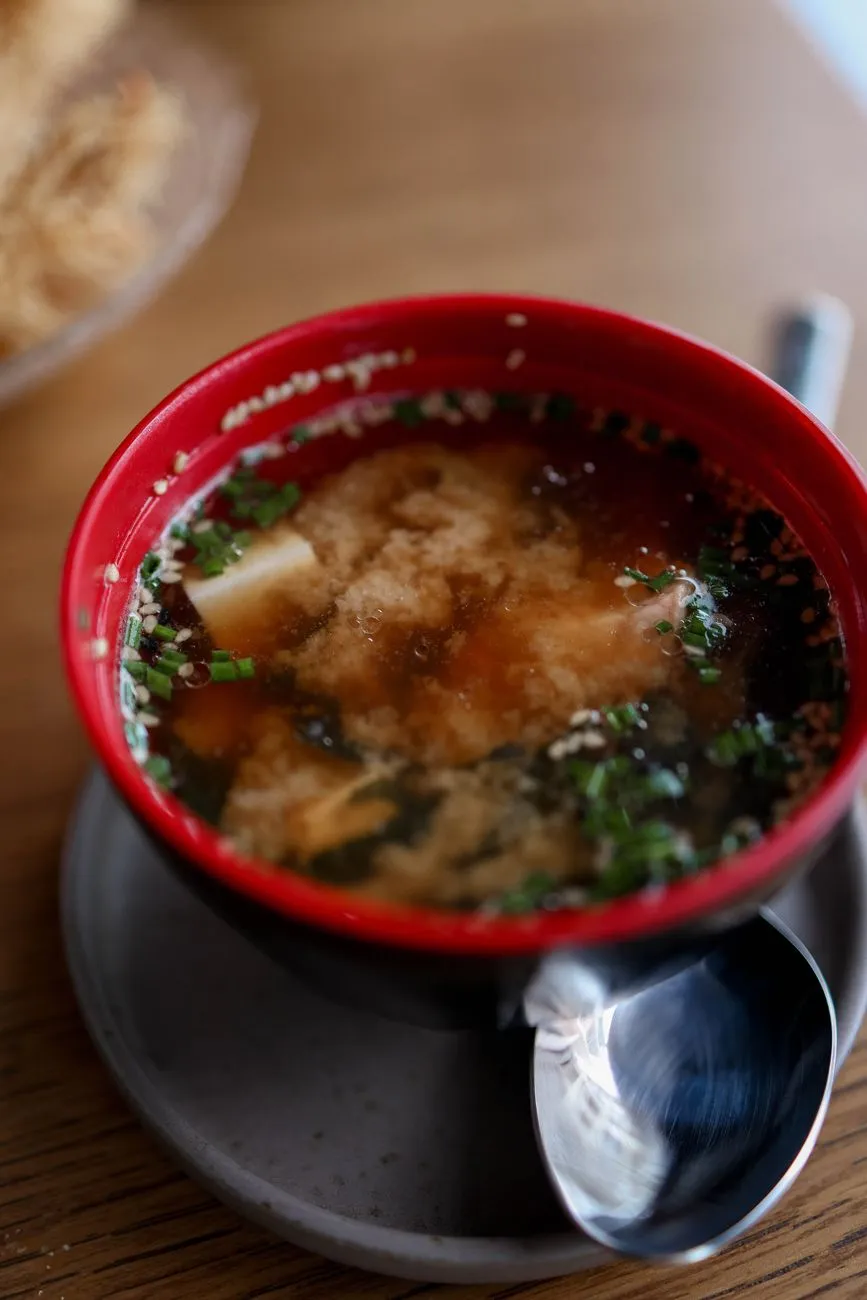
Have you ever wondered why a simple bowl of miso soup can taste so deeply satisfying, or why a sprinkle of Parmesan cheese can turn a bland pasta dish into a culinary masterpiece? The answer lies in umami—the fifth taste, alongside sweet, sour, salty, and bitter. Discovered by Japanese chemist Kikunae Ikeda in 1908, umami is the savory, mouthwatering sensation that makes food irresistibly delicious. Unlike the other four tastes, which are detected by taste buds on the tongue, umami is detected by receptors in the gut, making it a unique and powerful flavor enhancer.
Umami is not just a fleeting trend in fine dining; it’s a fundamental building block of flavor that can transform everyday meals into extraordinary experiences. From the rich depth of soy sauce to the earthy notes of mushrooms, umami is the secret weapon of chefs and home cooks alike. But how do you harness its power? What foods are the best sources of umami, and how can you combine them to create dishes that burst with flavor? Let’s dive into the science, history, and art of umami mastery.
The Science of Umami: How Your Brain Falls in Love with Savory Flavors
Umami is triggered by glutamates and nucleotides, natural compounds found in a variety of foods. The most well-known glutamate is monosodium glutamate (MSG), but umami-rich foods contain glutamates in their natural form, such as in tomatoes, cheese, and fermented products. When these compounds bind to umami receptors in your gut, they send signals to your brain that trigger a sense of satisfaction and craving for more.
Research published in the Journal of Nutrition highlights that umami not only enhances flavor but also increases saliva production, which aids digestion and makes food more enjoyable. Additionally, studies in Flavour journal suggest that umami can reduce the need for excessive salt in cooking, making it a healthier option for those watching their sodium intake. The science is clear: umami is not just a taste—it’s a biological trigger for pleasure.
To truly understand umami, let’s break down its key components:
- Glutamates: Found in foods like tomatoes, Parmesan cheese, and soy sauce, glutamates are the primary drivers of umami. For example, a ripe tomato contains about 250 mg of glutamate per 100 grams, while Parmesan cheese boasts a whopping 1,200 mg per 100 grams.
- Nucleotides: These compounds, such as inosinate and guanylate, amplify the umami effect. They are found in foods like dried shiitake mushrooms (150 mg of guanylate per 100 grams) and bonito flakes (200 mg of inosinate per 100 grams).
- Synergy: When glutamates and nucleotides are combined, they create a synergistic effect, enhancing the umami flavor exponentially. This is why dishes like ramen, which combine soy sauce (glutamate) with bonito flakes (inosinate), are so irresistibly savory.
The Global Pantry of Umami: Ingredients That Pack a Savory Punch
Umami is not confined to Japanese cuisine—it’s a universal language of flavor found in cuisines around the world. From the fermented soybeans of Southeast Asia to the aged cheeses of Europe, umami-rich ingredients are the backbone of countless dishes. Here’s a global tour of the most potent umami sources:
Asia: The Birthplace of Umami
- Soy Sauce: A staple in Chinese and Japanese cooking, soy sauce is fermented from soybeans and wheat, containing high levels of glutamate. A single tablespoon can provide up to 500 mg of glutamate.
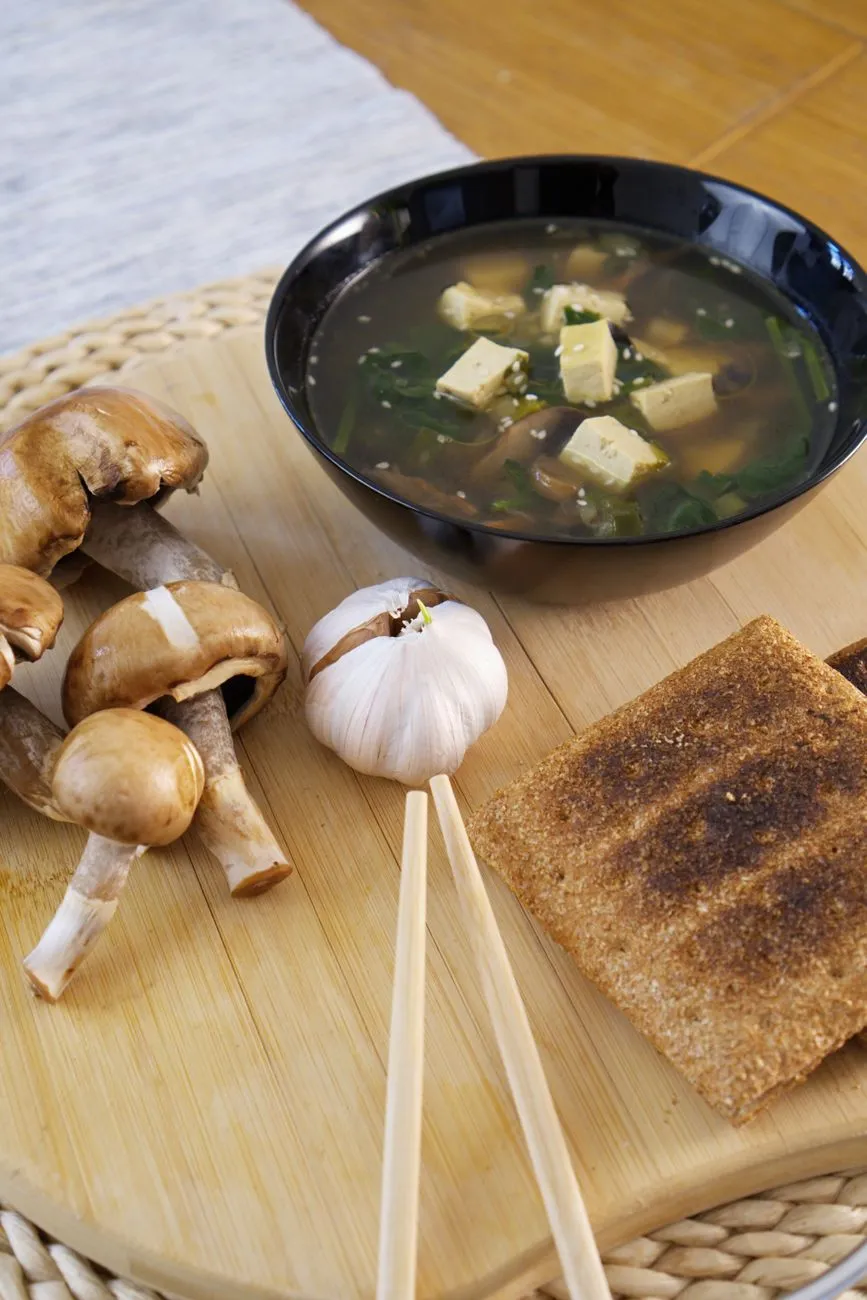
- Miso Paste: Made from fermented soybeans, miso is a powerhouse of umami. White miso contains about 800 mg of glutamate per 100 grams, while red miso can have up to 1,200 mg.
- Fish Sauce: Used in Thai and Vietnamese cuisine, fish sauce is made from fermented fish and is rich in inosinate. A tablespoon can contain up to 300 mg of inosinate.
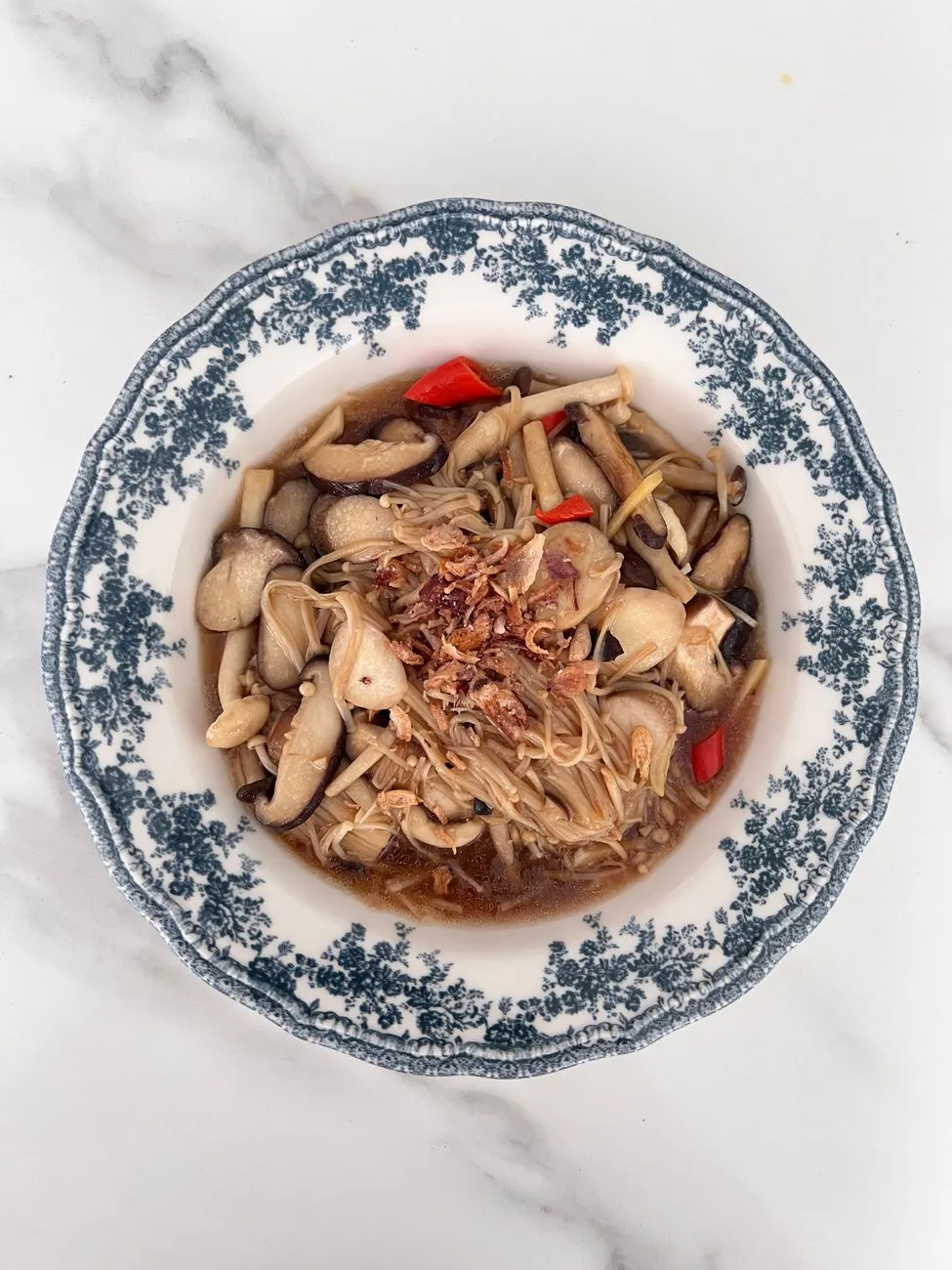
- Dried Shiitake Mushrooms: These mushrooms are dried to concentrate their umami compounds, with 100 grams containing about 150 mg of guanylate.
Europe: Aged and Fermented Delights
- Parmesan Cheese: Aged for at least 12 months, Parmesan is one of the richest sources of glutamate, with 1,200 mg per 100 grams.
- Pecorino Romano: Another Italian cheese, Pecorino Romano contains about 1,000 mg of glutamate per 100 grams.
- Anchovies: These small fish are packed with inosinate, with a single anchovy fillet containing up to 50 mg.
- Sun-Dried Tomatoes: Concentrated by the drying process, sun-dried tomatoes can contain up to 650 mg of glutamate per 100 grams.
The Americas: Earthy and Robust Flavors
- Tomatoes: Ripe tomatoes are a natural source of glutamate, with about 250 mg per 100 grams. Cooking tomatoes, as in a slow-simmered marinara sauce, intensifies their umami.
- Corn: When dried and processed into masa, corn becomes a rich source of glutamate, with about 150 mg per 100 grams.
- Beef: Slow-cooked beef, such as in a pot roast, releases glutamates through the breakdown of proteins, enhancing its savory depth.
Africa: Fermented Staples
- Fermented Locust Beans (Iru): Used in West African cuisine, fermented locust beans are a potent source of glutamate, with about 1,000 mg per 100 grams.
- Dried Fish: Common in Nigerian and Ghanaian dishes, dried fish is rich in inosinate, adding a deep umami flavor to stews and soups.
The Umami Equation: How to Combine Ingredients for Maximum Flavor
Now that you know the key players, it’s time to master the art of umami pairing. The secret lies in combining ingredients that complement each other’s umami compounds, creating a flavor explosion that lingers on the palate. Here’s a step-by-step guide to crafting umami-rich dishes:
Step 1: Start with a Base Umami Ingredient
Every great umami dish begins with a strong base. This could be:
- A soy sauce or miso marinade for meats or tofu.
- A tomato-based sauce for pasta or pizza.
- A fermented cheese like Parmesan for pasta or risotto.
- A mushroom or seaweed broth for soups and stews.
For example, a classic Italian dish like Pasta al Pomodoro relies on the umami from sun-dried tomatoes and Parmesan cheese. The glutamate in the tomatoes and the cheese create a synergistic effect, making the dish taste richer and more satisfying.
Step 2: Layer in Secondary Umami Sources
Once you have your base, add secondary umami ingredients to deepen the flavor. These could include:
- Bonito flakes in a Japanese dashi broth.
- Anchovies in a Caesar salad dressing.
- Fish sauce in a Thai green curry.
- Dried mushrooms in a risotto.
For instance, a French onion soup gains its depth from caramelized onions (which develop glutamate when cooked) and a splash of Worcestershire sauce (which contains anchovies and tamarind, both rich in umami).
Step 3: Balance with Acid and Fat
Umami is powerful, but it needs balance to shine. Acidic ingredients like lemon juice, vinegar, or wine can brighten the flavor, while fats like olive oil, butter, or cream can round out the richness. For example:
- A drizzle of balsamic glaze over roasted vegetables enhances the umami of the vegetables.
- A pat of butter stirred into a mushroom sauce adds a velvety texture that carries the umami flavors.
Step 4: Finish with a Umami Boost
The final touch can make all the difference. Consider adding:
- A sprinkle of grated Parmesan over a dish.
- A dash of soy sauce to a stir-fry.
- A pinch of MSG (if you’re comfortable with it) to intensify the flavor.
Umami in Action: Recipes That Prove Its Power
Let’s put theory into practice with three umami-packed recipes that showcase the fifth taste in all its glory.
1. The Ultimate Umami Burger
Ingredients:
- 1 lb ground beef (80/20 fat ratio)
- 1 tbsp fish sauce
- 1 tsp Worcestershire sauce
- 1 tbsp soy sauce
- 1 tsp grated Parmesan cheese
- 1 tbsp butter
- 1 slice aged cheddar cheese
- 1 brioche bun, toasted
- Toppings: caramelized onions, pickles, arugula
Method:
- Mix the fish sauce, Worcestershire sauce, soy sauce, and Parmesan into the ground beef. This marinade infuses the meat with umami before cooking.
- Form the patties and cook in a cast-iron skillet with butter over medium-high heat until medium-rare.
- Add the cheddar cheese in the last minute of cooking to melt.
- Assemble the burger with caramelized onions (cooked with a splash of balsamic vinegar for acidity) and pickles for contrast.
Why It Works: The fish sauce and Worcestershire sauce provide inosinate and glutamate, while the Parmesan and aged cheddar add more glutamate. The caramelized onions and pickles balance the richness with acidity and crunch.
2. Miso-Glazed Salmon with Sesame Broccoli
Ingredients:
- 2 salmon fillets
- 2 tbsp white miso paste
- 1 tbsp honey
- 1 tbsp rice vinegar
- 1 tsp grated ginger
- 1 head broccoli, cut into florets
- 1 tbsp sesame oil
- 1 tbsp toasted sesame seeds
Method:
- Whisk together the miso paste, honey, rice vinegar, and ginger to make the glaze.
- Coat the salmon fillets in the glaze and let marinate for 30 minutes.
- Roast the salmon at 400°F (200°C) for 12-15 minutes until flaky.
- Toss the broccoli in sesame oil and roast alongside the salmon for the last 10 minutes.
- Sprinkle with sesame seeds before serving.
Why It Works: Miso paste is a glutamate powerhouse, and the honey and ginger add sweetness and warmth to balance the savory depth. The sesame seeds and oil contribute a nutty umami of their own.
3. Umami Bomb Pasta Carbonara
Ingredients:
- 8 oz spaghetti
- 4 oz guanciale or pancetta, diced
- 2 large egg yolks
- 1 oz Pecorino Romano, grated
- 1 oz Parmesan, grated
- 1 tsp black pepper, freshly cracked
- 1 tbsp olive oil
- 1 clove garlic, minced (optional)
Method:
- Cook the spaghetti in salted water until al dente. Reserve 1 cup of pasta water.
- In a pan, cook the guanciale or pancetta over medium heat until crispy. Add the garlic if using.
- In a bowl, whisk the egg yolks, grated cheeses, and black pepper.
- Drain the pasta and add it to the pan with the guanciale. Toss to coat.
- Remove the pan from heat and quickly stir in the egg mixture, adding reserved pasta water as needed to create a creamy sauce.
Why It Works: Guanciale and pancetta are rich in inosinate, while the Pecorino and Parmesan provide glutamate. The egg yolks add richness, and the black pepper adds a subtle bite to round out the flavors.
The Umami Table: A Flavor Profile Comparison
To help you visualize the power of umami, here’s a comparison of common umami-rich ingredients and their glutamate and nucleotide content:
| Ingredient | Glutamate (mg/100g) | Nucleotide (mg/100g) | Best Pairings |
|---|---|---|---|
| Parmesan cheese | 1,200 | 0 | Pasta, risotto, salads |
| Soy sauce | 500 | 0 | Stir-fries, marinades, dipping |
| Sun-dried tomatoes | 650 | 0 | Pasta, bruschetta, sauces |
| Dried shiitake mushrooms | 0 | 150 (guanylate) | Broths, stir-fries, risotto |
| Bonito flakes | 0 | 200 (inosinate) | Dashi broth, soups |
| Fish sauce | 0 | 300 (inosinate) | Thai curries, Vietnamese pho |
| Anchovies | 0 | 50 (inosinate) | Caesar dressing, pasta sauces |
| Miso paste | 800-1,200 | 0 | Soups, marinades, glazes |
This table highlights how different ingredients contribute to umami in unique ways. For example, while Parmesan is a glutamate powerhouse, bonito flakes rely on nucleotides to amplify flavor. Combining these ingredients can create a symphony of savory notes.
Umami Beyond the Plate: Unexpected Sources and Uses
Umami isn’t just for savory dishes—it can elevate sweet and even vegetarian meals too. Here are some unexpected ways to incorporate umami into your cooking:
Sweet Dishes with a Savory Twist
- Umami Caramel Sauce: Add a splash of soy sauce or fish sauce to your caramel sauce for a deep, complex flavor. The glutamate in the soy sauce enhances the sweetness, creating a balance that’s both familiar and intriguing.
- Chocolate-Dipped Strawberries with Miso Glaze: A thin layer of white miso paste mixed with honey and chocolate creates a dessert that’s both sweet and umami-rich. The miso’s saltiness cuts through the chocolate’s richness.
Vegetarian and Vegan Umami Boosters
- Nutritional Yeast: This deactivated yeast is a vegan source of glutamate, with about 1,500 mg per 100 grams. Sprinkle it on popcorn, pasta, or roasted vegetables for a cheesy, savory flavor.
- Tomato Paste: Concentrated tomato paste is a glutamate bomb, with about 1,400 mg per 100 grams. Use it as a base for vegan Bolognese or as a glaze for roasted vegetables.
- Seaweed: Dried seaweed, like nori or kombu, is rich in glutamate. Use it to wrap sushi, sprinkle on salads, or make a quick dashi broth.
Umami in Beverages
- Umami Bloody Mary: Add a dash of Worcestershire sauce and a pinch of MSG to your Bloody Mary mix for a deeper, more complex flavor.
- Mushroom Coffee: Some specialty coffee blends incorporate dried mushrooms, which add a subtle umami note to the brew, enhancing its earthy flavor.
The Future of Umami: Trends and Innovations
Umami is no longer a secret confined to professional kitchens—it’s a global phenomenon shaping the future of food. Here are some trends and innovations to watch:
Umami in Plant-Based Cooking
As plant-based diets grow in popularity, umami is becoming the key to creating satisfying, meaty flavors without animal products. Innovations like fermented tofu, mushroom-based “meats,” and umami-rich vegetable broths are making plant-based dishes more appealing to even the most devoted carnivores.
Umami in Snack Foods
Snack companies are catching on to the power of umami, incorporating ingredients like dried mushrooms, miso, and seaweed into chips, crackers, and popcorn. These snacks offer a savory crunch that’s both addictive and nutritious.
Umami in Beverages
From umami-infused cocktails to savory sodas, the beverage industry is experimenting with umami to create drinks that are both refreshing and deeply flavorful. For example, a tomato-based Bloody Mary mix or a miso-infused gin cocktail can offer a unique twist on classic drinks.
Umami in Fermentation
Fermentation is the key to unlocking umami, and chefs and home cooks are embracing traditional fermentation techniques to create their own umami-rich ingredients. From homemade miso and soy sauce to fermented hot sauces, the possibilities are endless.
Your Umami Journey Begins Now
Umami is more than just a taste—it’s a gateway to a world of flavor exploration. Whether you’re a home cook looking to elevate your meals or a professional chef seeking to refine your craft, mastering umami will transform the way you think about food. Start by experimenting with the ingredients and techniques in this guide, and don’t be afraid to get creative. The fifth taste is waiting to be unlocked in your kitchen.
Remember, umami is not about overpowering flavors—it’s about balance, depth, and satisfaction. So go ahead, sprinkle that Parmesan, drizzle that soy sauce, and savor the explosion of flavor that umami brings to every bite.
#UmamiMastery #FlavorExplosion #SavorySecrets #GourmetCooking #FoodScience