Showing Posts From
Great barrier reef
-
 John Explorer
 - 22 Aug, 2026 06:22
Australia Unveiled: Where Sun-Kissed Shores Meet Ancient Souls and Modern Marvels
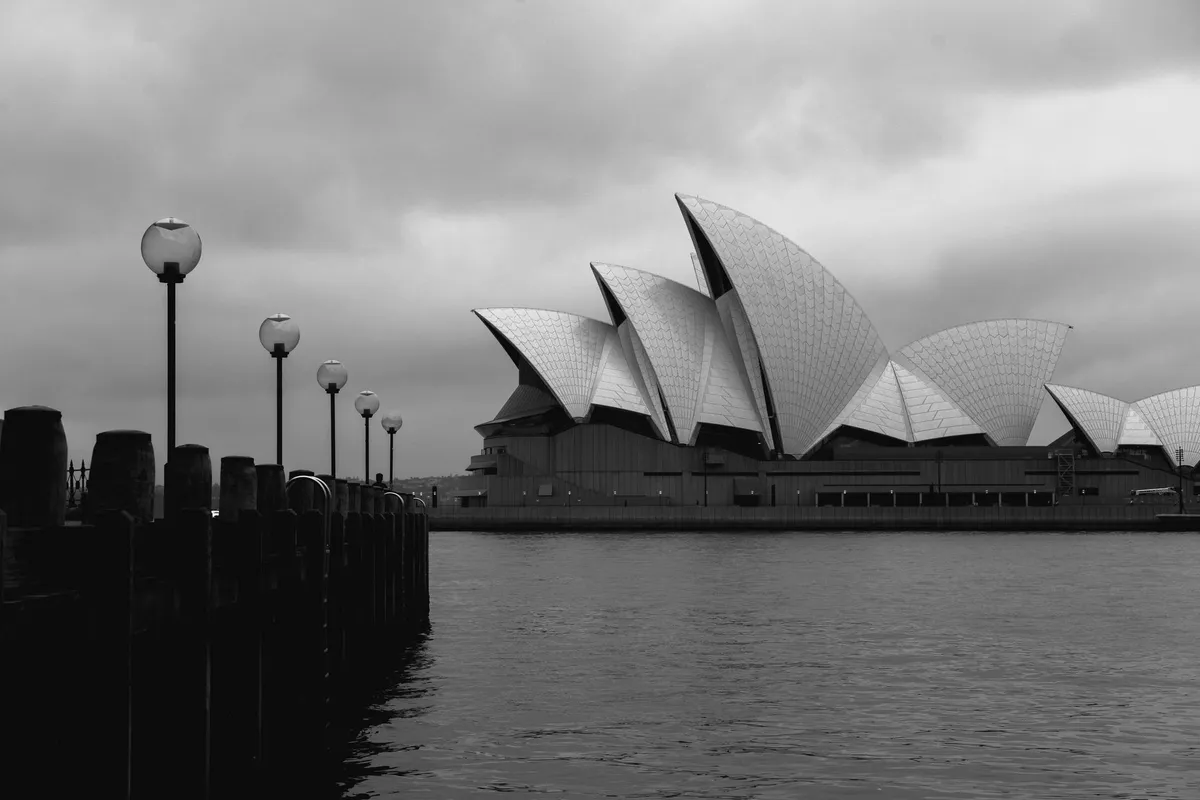
The land Down Under whispers secrets to those who dare to listen. Beneath its golden sun, where the Pacific Ocean crashes against ancient cliffs and the outback stretches into infinity, lies a continent that has lured explorers, dreamers, and wanderers for centuries. Australia isn’t just a destination—it’s a living museum of natural wonders, a playground for adventure, and a sanctuary for wildlife found nowhere else on Earth. From the neon-lit streets of Sydney to the silent majesty of Uluru, this is a country where every journey feels like stepping into a myth. Yet, beyond the postcard-perfect images and viral travel reels, Australia’s tourism story is one of resilience, reinvention, and raw, unfiltered beauty. It’s a tale of how a nation built on rugged individualism transformed into a global tourism powerhouse, where the echoes of colonial pasts mingle with the footsteps of modern-day explorers. Here, the Great Barrier Reef pulses with life, the Tasmanian wilderness hums with untamed energy, and the outback’s red sands tell stories older than humanity itself. This is not just another travel guide. This is a deep dive into the heart of Australia’s tourism—where history, economy, and adventure collide to create an experience unlike any other.The Economic Pulse: How Tourism Powers Australia’s Future Few countries understand the alchemy of turning natural splendor into economic gold quite like Australia. In the financial year 2018/19, tourism wasn’t just a sector—it was a lifeline. Contributing A$60.8 billion to the national economy, it ranked as Australia’s fourth-largest export, outpacing even some of its most lucrative industries. But what makes this figure staggering isn’t just the numbers; it’s the speed at which tourism grew. Over the past decade, the industry expanded faster than the national GDP, proving that Australia’s allure isn’t a fleeting trend but a permanent fixture in the global travel landscape. By December 2019, the country welcomed 8.7 million international visitors, each one a testament to Australia’s magnetic pull. These travelers didn’t just fill hotel rooms—they fueled 666,000 jobs, with 1 in 21 Australian workers relying on tourism for their livelihood. Women made up 54% of the tourism workforce, and nearly half held full-time positions, painting a picture of an industry that’s as diverse as the landscapes it celebrates. Even more striking, tourism accounted for 8.2% of Australia’s total export earnings in 2018–19, a figure that underscores its role as a silent economic giant. Yet, the story of Australia’s tourism economy isn’t just about dollars and cents. It’s about sustainability, innovation, and adaptability. The Tourism 2020 strategy, launched in 2003 and refined over the years, was a bold blueprint to future-proof the industry. It aimed to diversify Australia’s appeal, reduce seasonality, and ensure that tourism growth didn’t come at the cost of its natural and cultural heritage. The pandemic, of course, threw a wrench into these plans. Borders slammed shut, international travel plummeted, and domestic tourism became the unsung hero. But even in the darkest hours, Australians rediscovered their own backyard—exploring intrastate and interstate destinations with renewed vigor. Today, as the world reopens, Australia stands at a crossroads. Will it revert to its pre-pandemic reliance on international visitors, or will it double down on domestic tourism, ensuring that every corner of the country—from the Kimberley’s rugged gorges to the Whitsunday Islands’ turquoise waters—benefits from the tourism dollar?A Journey Through Time: How Australia’s Tourism Story Began To understand Australia’s tourism today, you must first step into its past—a past where travel was less about leisure and more about survival. In the colonial era, Australians were a restless people. Unlike their European counterparts, who were often rooted in ancestral lands, Australians were nomads by necessity. The vast distances between settlements, the harshness of the outback, and the lure of new opportunities made mobility a way of life. Travel wasn’t a luxury; it was a means to trade, to find work, or to reunite with family across the sea. The earliest tourists weren’t leisure-seekers but adventurers and fortune-hunters. They braved long sea voyages, treacherous coach rides, and the unforgiving outback to chase wealth or escape hardship. The opening of new lands, the discovery of gold, and the establishment of rail networks gradually transformed travel from a necessity into an aspiration. By the late 19th century, the idea of a "holiday" began to take root. Australians flocked to resorts near major cities, like the Blue Mountains in New South Wales or the coastal retreats near Melbourne, where the railway made escape from the urban grind possible. The real turning point, however, came with the advent of rail travel. State Government railway tourist bureaux became the unsung architects of Australia’s tourism boom, selling intrastate and even interstate travel to a public hungry for new experiences. These early promoters didn’t just sell train tickets—they sold dreams of adventure. Posters plastered across Britain and America depicted Australia as a land of golden beaches, towering gum trees, and endless horizons, while Walkabout magazine (launched in 1934) became the country’s first global travelogue, blending adventure with a touch of mystique. The post-World War II era marked another seismic shift. Rising incomes, the rise of the automobile, and the Jet Age shrank the world, making international travel accessible to the masses. Australians, who had once traveled to Britain by ocean liner for as little as $78 in tourist class, now found themselves jet-setting to New Zealand or cruising the South Pacific. The Australian National Travel Association (ANTA) and later the Australian Tourist Commission spearheaded these efforts, using bold marketing campaigns to position Australia as the ultimate escape. Yet, the most profound change was the democratization of domestic travel. The introduction of three weeks of paid annual holidays in New South Wales in 1958, followed by long-service leave, gave Australians the freedom to explore their own country. Suddenly, the outback wasn’t just a place for miners and explorers—it was a destination. National parks opened their gates, highways stretched into the wilderness, and resorts sprouted in once-isolated corners of the continent.The Icons That Define Australia: From Sydney’s Skyline to the Reef’s Depths Ask someone halfway across the world what they associate with Australia, and you’ll likely hear the same words: Sydney, the Great Barrier Reef, and kangaroos. These aren’t just landmarks; they’re cultural shorthand for a country that’s as diverse as it is vast. But beyond the clichés lies a deeper truth—Australia’s most famous attractions are more than just Instagram backdrops. They’re living ecosystems, historical tapestries, and economic engines that shape the nation’s identity. Sydney: Where Urban Sophistication Meets Natural Drama Few cities command a skyline quite like Sydney. The Sydney Opera House, with its sail-like curves, isn’t just an architectural marvel—it’s a symbol of Australia’s ambition. Designed by Jørn Utzon and completed in 1973 after a decade of controversy, it’s now a UNESCO World Heritage Site and the most photographed building in the country. But Sydney’s allure extends far beyond its opera house. The Harbour Bridge, affectionately dubbed the "Coathanger," offers panoramic views of the city and the ocean beyond, while Bondi Beach pulses with a surf culture that’s as much about community as it is about sport. Yet, Sydney’s real magic lies in its contrasts. A 30-minute drive from the CBD, the Royal National Park beckons with rugged cliffs and secluded beaches, while the Blue Mountains—just an hour’s train ride away—unfold in a labyrinth of eucalyptus forests and waterfalls. Here, the past and present collide: colonial-era railway stations stand alongside modern eco-lodges, and the echoes of Indigenous stories blend with the hum of a cosmopolitan city. The Great Barrier Reef: A Living Wonder Under Siege Stretching 2,300 kilometers along Queensland’s coast, the Great Barrier Reef is the world’s largest coral reef system—and one of its most fragile. Comprising over 2,900 individual reefs and 900 islands, it’s a biodiversity hotspot, home to 1,500 species of fish, 400 types of coral, and endangered creatures like the dugong and green sea turtle. For tourists, it’s a playground of snorkeling, diving, and glass-bottom boat tours, where the underwater world feels like another planet. But the reef is also a battleground. Climate change, pollution, and coral bleaching have taken a devastating toll, with scientists warning that up to 50% of the reef’s coral has died in recent decades. Yet, amid the gloom, there’s hope. Conservation efforts, sustainable tourism initiatives, and scientific research are fighting to preserve this natural wonder. Visitors today can choose eco-certified tour operators, support reef restoration projects, or even participate in citizen science programs—turning their holiday into a force for good. Uluru: The Heartbeat of the Outback Few places on Earth command silence quite like Uluru. This sacred sandstone monolith, rising 348 meters from the desert floor, is more than a geological marvel—it’s a spiritual epicenter for the Anangu people, the traditional owners of the land. For visitors, the experience is as much about cultural immersion as it is about adventure. The sunset viewing area offers a spectacle of shifting colors, while guided walks reveal the rock’s ancient stories, etched into its surface over 60,000 years. Uluru isn’t just a destination; it’s a pilgrimage. In 2019, the Australian government banned climbing the rock, a decision that honored Indigenous beliefs and marked a shift toward ethical tourism. Today, visitors are encouraged to explore the Kata Tjuta (The Olgas) nearby, a series of domed rock formations that feel like the ruins of a lost civilization.👉 Continue Reading: Australia Unveiled: Where Sun-Kissed Shores Meet Ancient Souls and Modern Marvels (Part 2)#AustraliaTravel #GreatBarrierReef #UluruAdventure #TasmanianWilderness #HiddenGemsAustralia Related InsightsMud‑Brick Horizons: Documenting the Architectural Soul of Djenné and Timbuktu Where Faith Clings to Cliffs: An Expedition to Tigray's Unseen Sky Sanctuaries Southeast Asia’s Best-Kept Secrets: Uncharted Adventures and Untouched Wonders in 2026{ "@context": "https://schema.org", "@type": "FAQPage", "mainEntity": [ { "@type": "Question", "name": "What is the main focus of Australia Unveiled: Where Sun-Kissed Shores Meet Ancient Souls and Modern Marvels?", "acceptedAnswer": { "@type": "Answer", "text": "Dive into Australia’s breathtaking landscapes, vibrant cities, and rich history—where every horizon hides a story worth discovering." } }, { "@type": "Question", "name": "Who authored the comprehensive guide on Australia Unveiled: Where Sun-Kissed Shores Meet Ancient Souls and Modern Marvels?", "acceptedAnswer": { "@type": "Answer", "text": "This detailed article and its insights were carefully researched and authored by John Explorer." } }, { "@type": "Question", "name": "Where can I find more related content about Travel?", "acceptedAnswer": { "@type": "Answer", "text": "You can explore more articles, detailed reviews, and similar insights by browsing the Related Insights section at the bottom of this article or visiting our dedicated Travel category page." } } ] }
- John Explorer
- 22 Aug, 2026 06:22
Australia Unveiled: Where Sun-Kissed Shores Meet Ancient Souls and Modern Marvels (Part 2)
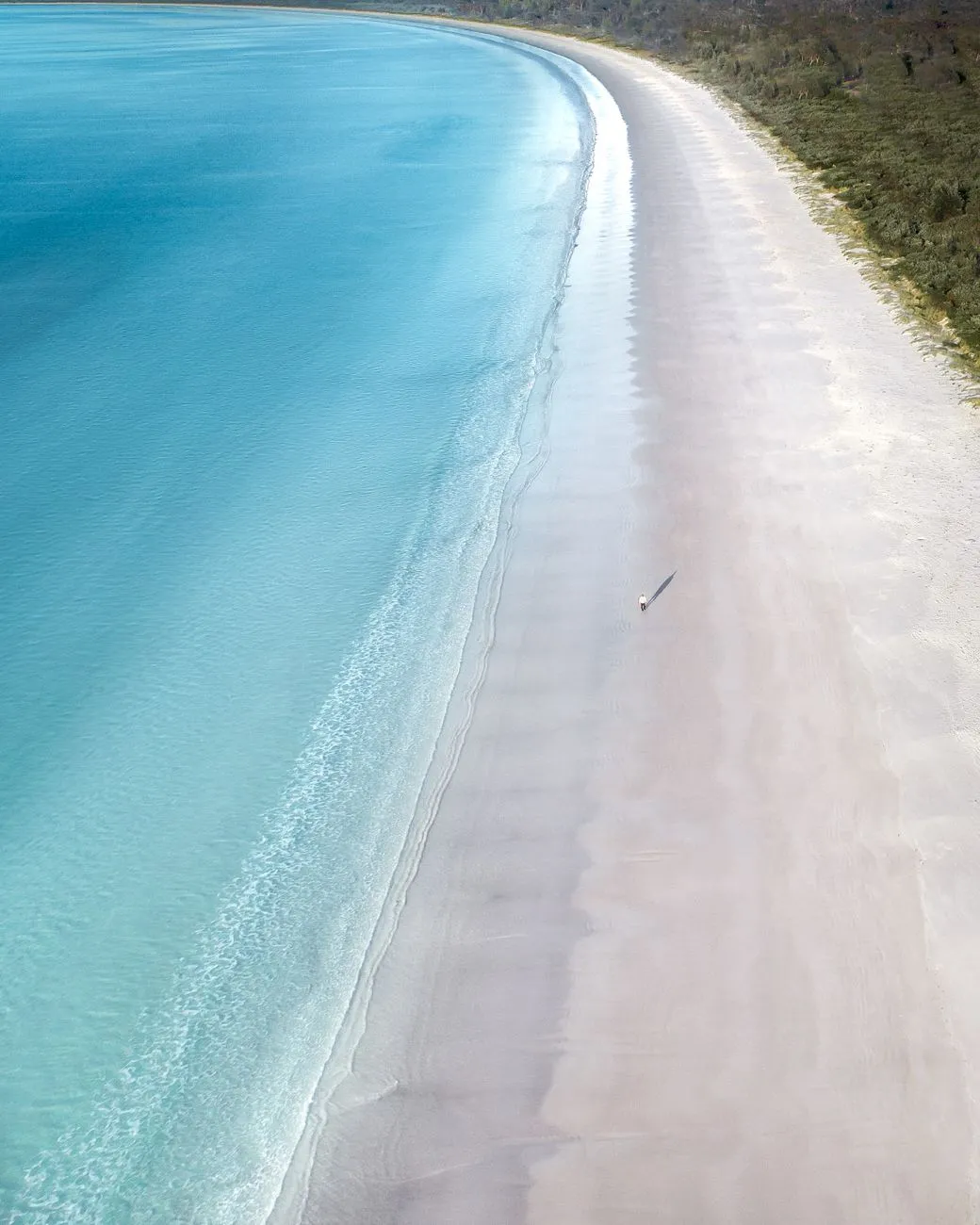
This is Part 2 of the series. Read Part 1 here.Beyond the Postcard: Australia’s Hidden Gems While Sydney’s skyline and the Great Barrier Reef steal the spotlight, Australia’s true magic lies in its secrets—the places where crowds thin, and the soul of the country reveals itself. These are the destinations that don’t make it onto postcards but linger in travelers’ memories forever. The Kimberley: Australia’s Last Frontier Few places on Earth feel as untamed and remote as the Kimberley region in Western Australia. Stretching over 423,000 square kilometers, it’s a land of ancient gorges, cascading waterfalls, and Indigenous rock art dating back 20,000 years. The Bungle Bungle Range, with its striped sandstone domes, is a surreal landscape that feels like another planet, while the Horizontal Falls—a natural phenomenon where tidal forces create a waterfall that flows sideways—defy logic. For adventurers, the Kimberley offers 4WD expeditions, helicopter tours, and multi-day cruises along the Mitchell Falls or through the King George River. But its real treasure is its cultural heritage. The Wunan people have lived here for millennia, and their stories are woven into the land. Visitors can learn about bush tucker (traditional foods), traditional hunting methods, and the deep connection between the people and the earth. Tasmania’s Wilderness: Where Time Stands Still If the mainland is Australia’s bustling heart, Tasmania is its quiet soul. This island state, separated from the mainland by the Bass Strait, is a wilderness lover’s paradise. Over 40% of Tasmania is protected as national park or World Heritage Area, home to ancient rainforests, glacial lakes, and wildlife found nowhere else. The Cradle Mountain-Lake St Clair National Park is a hiker’s dream, with trails like the Overland Track offering multi-day treks through alpine meadows and glacial valleys. The Freycinet Peninsula, with its pink granite mountains and white-sand beaches, is a photographer’s paradise, while the Tasmanian devil—a carnivorous marsupial—can be spotted in the wild, a rare sight in a world where many species are endangered. But Tasmania’s true magic lies in its isolation. The South West Wilderness is one of the last true wilderness areas on Earth, where the only sounds are the wind in the trees and the calls of native birds. It’s a place where you can disappear for days, and when you emerge, the world feels different. The Whitsunday Islands: Paradise Found If you’ve ever dreamed of sailing through turquoise waters, surrounded by sugar-white beaches and lush rainforests, the Whitsunday Islands are your answer. This 74-island archipelago in the heart of the Great Barrier Reef is a sailor’s paradise, where the Whitehaven Beach—with its 98% pure silica sand—is often ranked among the world’s best beaches. But the Whitsundays offer more than just relaxation. Heart Reef, a heart-shaped coral formation, is a snorkeler’s delight, while the Prosail Trail offers multi-day sailing adventures. The islands are also a hotspot for eco-tourism, with luxury resorts like Qualia on Hamilton Island leading the charge in sustainable luxury.The Wildlife Enigma: Where Nature Puts on a Show No discussion of Australia’s tourism would be complete without mentioning its wildlife—a cast of characters so bizarre, so otherworldly, that they feel like they’ve stepped out of a sci-fi movie. Australia is home to more than 378 mammal species, 828 bird species, and 4,000 species of fish, many of which exist nowhere else on Earth. For visitors, encountering these creatures isn’t just a novelty—it’s a privilege. The Kangaroo and Wallaby: Icons of the Outback No animal is more synonymous with Australia than the kangaroo. These marsupials, with their powerful hind legs and pouches, are a symbol of the country’s resilience. Spotting a kangaroo in the wild—whether in the Flinders Ranges or the Grampians National Park—is a moment that feels like stepping into a wildlife documentary. But kangaroos aren’t the only marsupials worth meeting. The wallaby, a smaller cousin, is equally charismatic, often seen hopping through forests or grazing in open plains. For a truly immersive experience, visit Kangaroo Island in South Australia, where wildlife encounters are part of everyday life. Here, you might share a beach with sea lions, spot koalas in eucalyptus trees, or even see echidnas—spiky, egg-laying mammals that are one of only two monotremes in the world. The Platypus: Nature’s Greatest Oddity Few animals capture the imagination quite like the platypus. With its duck-like bill, beaver-like tail, and venomous spur on the male’s hind leg, it’s a creature that defies logic. Discovered by European scientists in 1798, the platypus was so bizarre that they initially thought it was a hoax. Today, spotting a platypus in the wild is a rare and thrilling experience. The Barrington Tops National Park in New South Wales and the Platypus Creek in Victoria are two of the best places to see them, especially at dawn or dusk when they’re most active. Watching one surface from the water, its sleek body glistening, is a reminder of how wild and wonderful nature can be. The Tasmanian Devil: A Fierce Survivor The Tasmanian devil, with its black fur, pink ears, and bone-crushing bite, is one of Australia’s most feared and fascinating creatures. Once widespread across the mainland, it’s now found only in Tasmania, where it’s a symbol of the island’s wild spirit. Sadly, the devil is also a species under threat, thanks to a contagious cancer called devil facial tumor disease (DFTD). Conservation efforts are underway to save it, and visitors can support these initiatives by visiting sanctuaries like the Tasmanian Devil Unzoo or the Bonorong Wildlife Sanctuary. Seeing a devil up close—its eyes gleaming with intelligence and its growls echoing through the night—is a humbling experience.The Future of Australian Tourism: Challenges and Opportunities Australia’s tourism industry stands at a crossroads. The pandemic forced a reckoning—one that exposed vulnerabilities but also revealed opportunities. As the world reopens, the question isn’t just how to attract more visitors but how to ensure tourism benefits everyone. Sustainability: The New Frontier Climate change isn’t a distant threat—it’s a present reality for Australia. The Great Barrier Reef’s bleaching events, the bushfires of 2019–2020, and the droughts that parch the outback are stark reminders that tourism must evolve. The good news? Australia is leading the charge in sustainable tourism.Eco-certifications like EcoTourism Australia help travelers identify businesses committed to sustainability. Carbon offset programs allow visitors to neutralize their travel emissions. Indigenous-led tourism is gaining traction, with experiences like cultural walks, bush tucker tours, and storytelling sessions offering authentic, low-impact ways to explore the country.Domestic Tourism: The Unsung Hero While international travel dominates headlines, domestic tourism is the backbone of Australia’s tourism economy. In 2021, as borders closed, Australians rediscovered their own backyard, leading to a surge in regional travel. This shift isn’t just a temporary fix—it’s a long-term opportunity. Regional destinations like Margaret River in Western Australia, Byron Bay in New South Wales, and Port Douglas in Queensland are seeing record numbers of visitors, boosting local economies and reducing pressure on over-touristed hotspots. The challenge now is to keep this momentum going, ensuring that regional communities benefit from tourism dollars while preserving their unique character. Technology and Innovation: The Next Wave From virtual reality tours of Uluru to AI-powered travel planners, technology is reshaping how Australians and international visitors explore the country. The Australian Tourism Data Warehouse (ATDW) provides real-time data on attractions, while augmented reality apps enhance museum visits and guided tours. But perhaps the most exciting innovation is personalized travel. Gone are the days of one-size-fits-all itineraries. Today, travelers can curate their own adventures, whether it’s a luxury glamping trip in the Flinders Ranges, a multi-day hike along the Larapinta Trail, or a foodie tour of Melbourne’s laneways.Final Thoughts: Why Australia Will Always Call You Back Australia isn’t just a place you visit—it’s a place that changes you. It’s the sunset over Uluru, painting the desert in hues of fire. It’s the crash of waves on the Twelve Apostles, a reminder of nature’s raw power. It’s the smell of eucalyptus in the Blue Mountains, the taste of fresh seafood in Sydney’s Circular Quay, and the sound of laughter echoing across Bondi Beach. But more than anything, Australia is a feeling. It’s the freedom of the open road, the awe of standing beneath a sky so vast it feels infinite, and the humility of encountering creatures that have thrived here for millions of years. It’s a country that demands you slow down, to listen to the stories of the land and its people. As the world becomes smaller and travel more accessible, Australia’s challenge—and its gift—is to remain a place of wonder. A place where the old and new coexist, where adventure and tranquility balance, and where every journey feels like a pilgrimage. So, whether you’re planning your first trip or your tenth, remember this: Australia isn’t just a destination. It’s an invitation. An invitation to explore, to wonder, and to fall in love with a land that has been calling explorers for centuries. And once it calls you, it never lets go.#AustraliaTravel #GreatBarrierReef #UluruAdventure #TasmanianWilderness #HiddenGemsAustralia Related InsightsLalibela : Le Chant de la Pierre Vivante – Plongée au Cœur des Églises Monolithiques d'Éthiopie The Stone Dreams of Kings: Unveiling the Loire Valley’s Living Tapestry Les Sentinelles Solitaires du Bout du Monde : Une Odyssée vers les Phares Oubliés de Patagonie Chilienne{ "@context": "https://schema.org", "@type": "FAQPage", "mainEntity": [ { "@type": "Question", "name": "What is the main focus of Australia Unveiled: Where Sun-Kissed Shores Meet Ancient Souls and Modern Marvels (Part 2)?", "acceptedAnswer": { "@type": "Answer", "text": "Dive into Australia’s breathtaking landscapes, vibrant cities, and rich history—where every horizon hides a story worth discovering." } }, { "@type": "Question", "name": "Who authored the comprehensive guide on Australia Unveiled: Where Sun-Kissed Shores Meet Ancient Souls and Modern Marvels (Part 2)?", "acceptedAnswer": { "@type": "Answer", "text": "This detailed article and its insights were carefully researched and authored by John Explorer." } }, { "@type": "Question", "name": "Where can I find more related content about Travel?", "acceptedAnswer": { "@type": "Answer", "text": "You can explore more articles, detailed reviews, and similar insights by browsing the Related Insights section at the bottom of this article or visiting our dedicated Travel category page." } } ] }
-
 Hans Müller
 - 14 Aug, 2026 18:41
'Australiens verborgene Schätze: Wie der Tourismus das Land neu erfindet'
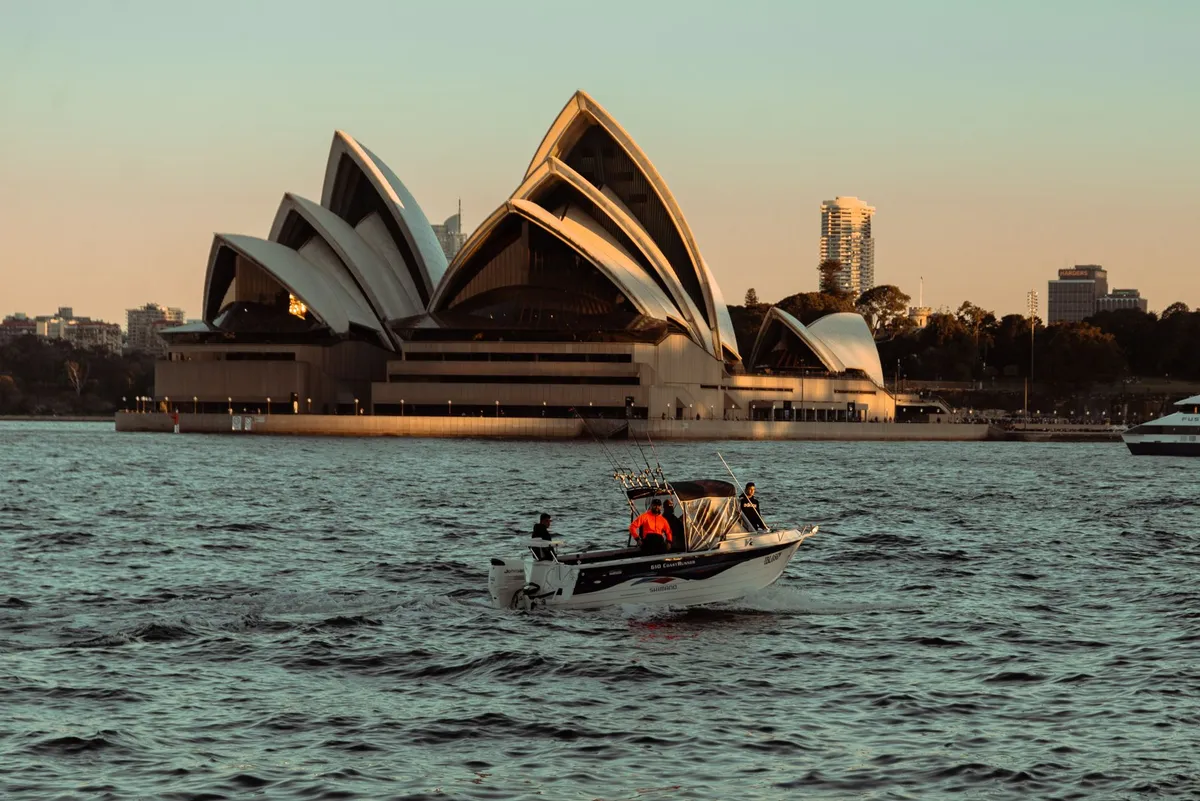
Wenn die Sonne über dem Pazifik versinkt und die Silhouette des Sydney Opera House wie eine schwebende Skulptur aus Licht und Wasser erscheint, beginnt das wahre Märchen Australiens. Doch hinter dieser Postkartenidylle verbirgt sich ein Land, das weit mehr ist als nur Sonne, Strand und Kängurus. Australien ist ein Kontinent, der Geschichten erzählt – von indigenen Wurzeln, kolonialer Vergangenheit und einer modernen Reisekultur, die sich wie ein unsichtbares Netz über das Land spannt. Hier, wo die Wüste auf das Meer trifft und die Städte mit ihrer kosmopolitischen Energie pulsieren, wird jeder Besuch zu einer Reise durch Raum und Zeit. Der Tourismus ist längst kein Nebenprodukt mehr, sondern das pulsierende Herz einer Wirtschaft, die sich wie ein lebendiger Organismus an die globalen Strömungen anpasst. Mit über 8,7 Millionen internationalen Besuchern allein im Jahr 2019 und einem Beitrag von 60,8 Milliarden australischen Dollar zum Bruttoinlandsprodukt ist Australien längst kein Geheimtipp mehr – sondern ein globaler Hotspot, der mit seiner einzigartigen Mischung aus Naturwundern, urbanem Flair und kultureller Vielfalt begeistert. Doch wie wurde aus einem abgelegenen Kontinent, der einst nur von Abenteurern und Sträflingen besiedelt wurde, ein Reiseziel, das Millionen in seinen Bann zieht? Die Antwort liegt in einer faszinierenden Symbiose aus Geschichte, Innovation und dem unerschütterlichen Pioniergeist der Australier. Von den ersten Eisenbahnlinien, die das Land erschlossen, bis zu den Jetlinern, die heute in wenigen Stunden die Distanzen überwinden, hat sich die Art und Weise, wie wir Australien erleben, radikal verändert. Doch eines bleibt konstant: die Magie dieses Landes, die jeden Besucher in ihren Bann zieht.Die unsichtbaren Giganten: Wie der Tourismus die australische Wirtschaft trägt Stellen Sie sich vor, ein ganzer Wirtschaftszweig wächst schneller als das Bruttoinlandsprodukt des Landes. Genau das ist in Australien passiert. Im Finanzjahr 2018/19 war der Tourismus nicht nur eine wichtige Einnahmequelle, sondern der viertgrößte Exportsektor des Landes – noch vor vielen traditionellen Industriezweigen. Mit einem Anteil von 3,1 % am BIP und einem Wert von 60,8 Milliarden australischen Dollar ist er ein wirtschaftlicher Motor, der direkt und indirekt Hunderttausende von Arbeitsplätzen schafft. Doch was macht diesen Sektor so besonders? Es ist die Vielfalt der Einnahmequellen. Während viele Länder von einem einzigen Wirtschaftszweig abhängig sind, speist sich der australische Tourismus aus einer Fülle von Quellen: von Luxusresorts in Queensland über Backpacker-Hostels in Melbourne bis hin zu den abgelegenen Lodges im Northern Territory. Dabei ist die Branche nicht nur ein Jobmotor – sie ist auch ein sozialer Katalysator. Fast 666.000 Menschen waren 2018/19 im Tourismussektor beschäftigt, wobei mehr als die Hälfte Frauen waren. Eine Branche, die nicht nur Arbeitsplätze schafft, sondern auch Gleichberechtigung fördert. Doch die Zahlen erzählen nur einen Teil der Geschichte. Hinter jedem Dollar, der durch den Tourismus erwirtschaftet wird, steckt eine Reiseerfahrung, die das Leben der Besucher für immer verändert. Ob es der Moment ist, in dem ein Tourist zum ersten Mal die schimmernden Korallen des Great Barrier Reefs unter Wasser erlebt oder der Blick auf Uluru bei Sonnenuntergang – diese Erlebnisse sind es, die Australien unvergesslich machen.Von Pferdekutschen zu Jetlinern: Die Evolution des australischen Reisens Die Geschichte des Tourismus in Australien ist eine Geschichte von Entbehrung, Innovation und unermüdlichem Fortschritt. Als die ersten europäischen Siedler im 18. Jahrhundert an die australische Küste kamen, war das Reisen eine Frage des Überlebens. Die Distanzen waren gewaltig, die Transportmittel primitiv – und doch begann schon damals der Drang, das Land zu erkunden. In den frühen Tagen war das Reisen vor allem eine Pflicht, kein Vergnügen. Wer von Sydney nach Melbourne reiste, musste sich auf monatelange strapaziöse Reisen einstellen, oft zu Pferd oder mit dem Schiff. Doch mit dem Bau der ersten Eisenbahnlinien im 19. Jahrhundert änderte sich alles. Plötzlich konnten Menschen in wenigen Stunden Strecken zurücklegen, die zuvor Tage oder Wochen gedauert hatten. Die Blue Mountains bei Sydney wurden zu einem der ersten touristischen Hotspots, wo Städter dem hektischen Leben entfliehen und die unberührte Natur genießen konnten. Doch der wahre Boom kam nach dem Zweiten Weltkrieg. Mit dem Aufkommen des Jet Age in den 1960er-Jahren schrumpfte die Welt zusammen. Plötzlich war es möglich, in wenigen Stunden von Europa nach Australien zu fliegen – eine Revolution, die den Tourismus von einem Luxus für wenige zu einem Massenphänomen machte. Die australische Regierung erkannte das Potenzial und gründete 1934 die Australian National Travel Association (ANTA), die mit Werbekampagnen und dem Magazin Walkabout das Land weltweit bekannt machte. Walkabout war mehr als nur ein Reiseführer – es war ein kulturelles Manifest, das die australische Lebensart feierte. Von den schneebedeckten Gipfeln der Victorian Alps bis zu den goldenen Stränden der Gold Coast zeigte das Magazin eine Nation, die bereit war, die Welt zu entdecken. Und die Welt war bereit, zuzuhören. Doch der Tourismus blieb nicht auf die Städte beschränkt. Mit dem Aufkommen des privaten Autos in den 1950er-Jahren begann eine neue Ära des Roadtrip-Tourismus. Familien packten ihre Koffer, fuhren von Sydney nach Adelaide oder durchquerten das Outback auf der legendären Stuart Highway. Die Regierung investierte in Straßen, Nationalparks und Unterkünfte – und schuf so die Infrastruktur für eine Branche, die heute zu den wichtigsten des Landes gehört.Die magischen Orte: Wo Australien seine Seele zeigt Australien ist ein Land der Extreme – und genau das macht es so faszinierend. Hier treffen arktische Kälte auf tropische Hitze, endlose Wüsten auf schillernde Küsten und moderne Metropolen auf uralte indigene Kulturen. Doch welche Orte sind es, die Besucher aus aller Welt in ihren Bann ziehen? Die Küstenmetropolen: Wo Urbanität auf Natur trifft Sydney, Melbourne, Brisbane, Perth, Adelaide – diese Städte sind nicht nur politische und wirtschaftliche Zentren, sondern auch kulturelle Magnete. Sydney mit seinem ikonischen Opera House und der Harbour Bridge ist das Gesicht Australiens für die Welt. Doch hinter der Postkartenfassade verbirgt sich eine lebendige Kunstszene, eine pulsierende Gastronomieszene und Strände, die zu den besten der Welt zählen. Melbourne hingegen ist das künstlerische Herz des Landes. Mit seiner europäischen Atmosphäre, den versteckten Cafés in den Gassen und der lebendigen Musikszene ist die Stadt ein Paradies für Kulturbegeisterte. Und dann ist da noch Brisbane, die sonnenverwöhnte Stadt am Brisbane River, die mit ihrer entspannten Atmosphäre und dem Zugang zum Gold Coast und Sunshine Coast lockt. Das Great Barrier Reef: Ein Unterwasserparadies in Gefahr Wenn es ein Naturwunder gibt, das Australien weltweit berühmt gemacht hat, dann ist es das Great Barrier Reef. Mit über 2.900 einzelnen Riffen und 400 Korallenarten ist es das größte lebende Riff der Welt – ein Ökosystem, das so komplex ist wie ein Regenwald. Taucher und Schnorchler aus aller Welt kommen hierher, um die bunte Unterwasserwelt zu erkunden, von gigantischen Schildkröten bis zu den scheuen Clownfischen. Doch das Riff ist auch ein Warnsignal. Durch den Klimawandel und die Verschmutzung der Meere ist es heute stärker gefährdet denn je. Die australische Regierung hat zwar Maßnahmen ergriffen, um das Riff zu schützen, doch die Zukunft dieses Naturwunders hängt davon ab, ob die Weltgemeinschaft gemeinsam handelt.Uluru und das Outback: Die Seele des roten Kontinents Wenn man das Wort "Australien" hört, denkt man oft an Strände und Städte. Doch das wahre Herz des Landes liegt im Outback – einer endlosen Weite aus roten Sanddünen, schroffen Felsen und uralten Geschichten. Uluru, der heilige Berg der Anangu-Aborigines, ist eines der spirituellsten Orte der Welt. Bei Sonnenaufgang und -untergang verwandelt sich der 348 Meter hohe Monolith in ein Feuerwerk aus Farben, das Besucher in seinen Bann zieht. Doch das Outback ist mehr als nur Uluru. Es ist die Nullarbor-Ebene, eine der längsten geraden Straßen der Welt, die von Adelaide nach Perth führt. Es sind die Flinders Ranges, eine Landschaft, die wie aus einer anderen Welt wirkt. Und es sind die indigenen Communities, die seit über 65.000 Jahren in diesem Land leben und ihre Kultur bewahren. Tasmanien: Das letzte große Abenteuer Wenn man an Australien denkt, fällt einem selten Tasmanien ein. Doch die Insel im Süden ist ein Geheimtipp für Naturliebhaber. Mit ihren wilden Küsten, den dichten Regenwäldern und dem Cradle Mountain ist sie ein Paradies für Wanderer und Abenteurer. Hier kann man noch echte Stille erleben – fernab vom Trubel der Großstädte.Die unsichtbaren Helden: Wie der Tourismus lokale Gemeinschaften stärkt Tourismus ist nicht nur eine Frage von Hotels und Flugtickets. Er ist auch eine Chance für lokale Gemeinschaften, ihre Kultur zu bewahren und ihre Wirtschaft zu stärken. In Australien zeigt sich das besonders deutlich in den indigenen Communities, die seit Jahrtausenden in diesem Land leben. Viele Aborigine-Gruppen haben erkannt, dass der Tourismus eine Möglichkeit ist, ihre Traditionen zu bewahren und gleichzeitig Einkommen zu generieren. In Uluru bieten Anangu-Guides geführte Touren an, bei denen sie Besuchern ihre Kultur näherbringen – von der Bedeutung der Sternbilder bis zu den Geschichten der Traumzeit. In Arnhem Land im Northern Territory arbeiten indigene Ranger daran, die einzigartige Tierwelt des Top End zu schützen und gleichzeitig Touristen die Schönheit dieser Region zu zeigen. Doch der Tourismus hat auch eine dunkle Seite. In einigen Regionen führt der Massentourismus zu Überlastung der Infrastruktur, zu Kulturverlust und zu Umweltproblemen. Die australische Regierung hat darauf mit Programmen wie Tourism 2020 reagiert, die nachhaltigen Tourismus fördern sollen. Doch die Herausforderung bleibt: Wie kann man die Schönheit Australiens bewahren, ohne sie zu zerstören?Die Zukunft des Reisens: Zwischen Pandemie und neuem Aufbruch Die COVID-19-Pandemie hat den australischen Tourismus hart getroffen. Grenzen wurden geschlossen, Flüge gestrichen, und die Branche stand vor dem Kollaps. Doch aus der Krise ist auch eine neue Chance entstanden. Als die Grenzen 2021 wieder geöffnet wurden, entdeckten viele Australier ihr eigenes Land neu. Plötzlich wurden Inlandsreisen zum Trend – von Roadtrips entlang der Great Ocean Road bis zu Abenteuern im Outback. Doch die Pandemie hat auch gezeigt, wie fragil der Tourismus ist. Viele kleine Unternehmen, die von internationalen Besuchern abhängig waren, mussten schließen. Gleichzeitig hat die Krise die Resilienz der Branche unter Beweis gestellt. Mit neuen Hygienekonzepten, digitalen Buchungssystemen und einem Fokus auf Nachhaltigkeit hat sich der Tourismus neu erfunden. Die Zukunft des australischen Tourismus wird hybrid sein – eine Mischung aus internationalen Besuchern und lokalen Entdeckern. Die Regierung arbeitet an einer neuen Strategie, Tourism 2030, die den Fokus auf Nachhaltigkeit, digitale Innovation und kulturellen Austausch legt. Doch eines ist sicher: Egal, wie sich die Reisebranche entwickelt – die Magie Australiens wird bleiben.Australien entdecken: Ein Reiseführer für Mutige Wenn Sie Australien besuchen möchten, sollten Sie nicht nur die klassischen Ziele ansteuern. Das Land hat so viel mehr zu bieten – versteckte Juwelen, die nur darauf warten, entdeckt zu werden. Die besten ReisezeitenNord-Australien (Great Barrier Reef, Daintree Rainforest): Mai bis Oktober (Trockenzeit) Süd-Australien (Sydney, Melbourne, Tasmanien): November bis April (Sommer) Outback (Uluru, Red Centre): April bis September (milde Temperaturen)Unvergessliche ErlebnisseEin Roadtrip entlang der Great Ocean Road – eine der schönsten Küstenstraßen der Welt. Ein Besuch in den Kimberleys – eine der letzten unberührten Wildnisse Australiens. Ein Tauchgang im Ningaloo Reef – ein weniger bekanntes, aber ebenso beeindruckendes Korallenriff. Ein Abend am Bondi Beach – wo Surfer und Sonnenanbeter aufeinandertreffen.Nachhaltig reisenUnterstützen Sie lokale Unternehmen und indigene Communities. Wählen Sie Öko-Unterkünfte und reduzieren Sie Ihren Plastikverbrauch. Respektieren Sie die Natur und Kultur – nehmen Sie nichts mit, was nicht Ihnen gehört.#AustralienReisen #TourismusInAustralien #OutbackAbenteuer #GreatBarrierReef #NachhaltigerTourismus Related Insights伏見稲荷大社: 千本鳥居が導く神秘の山 La Cathédrale de Séville : Gothique et Héritage Andalou La Alcazaba de Málaga: Fortaleza Inexpugnable{ "@context": "https://schema.org", "@type": "FAQPage", "mainEntity": [ { "@type": "Question", "name": "What is the main focus of 'Australiens verborgene Schätze: Wie der Tourismus das Land neu erfindet'?", "acceptedAnswer": { "@type": "Answer", "text": "Entdecken Sie Australiens faszinierende Reiseziele – von den schillernden Küstenstädten bis zum geheimnisvollen Outback. Erfahren Sie, wie der Tourismus das Land prägt und welche historischen Pfade ihn formten." } }, { "@type": "Question", "name": "Who authored the comprehensive guide on 'Australiens verborgene Schätze: Wie der Tourismus das Land neu erfindet'?", "acceptedAnswer": { "@type": "Answer", "text": "This detailed article and its insights were carefully researched and authored by Hans Müller." } }, { "@type": "Question", "name": "Where can I find more related content about Travel?", "acceptedAnswer": { "@type": "Answer", "text": "You can explore more articles, detailed reviews, and similar insights by browsing the Related Insights section at the bottom of this article or visiting our dedicated Travel category page." } } ] }
-
 Cemre Seyyah
 - 13 Aug, 2026 18:48
The Great Southern Odyssey: Unveiling the Spirit of Australian Tourism
Between the shimmering sapphire of the Pacific and the ancient, rust-red silence of the interior lies a land defined by the courage of the wanderer. Australia is not merely a destination; it is a testament to the human drive for mobility, a vast expanse where the horizon never truly ends and the spirit of adventure is woven into the very fabric of the national identity. To travel here is to dance between the sophistication of coastal metropolises and the raw, untamed energy of a wilderness that defies imagination. An Economic Powerhouse Built on Exploration Tourism is far more than a leisure activity in Australia; it is a cornerstone of the national financial architecture. To understand the scale of this industry is to understand the heartbeat of the Australian economy. In the financial year 2018/19, tourism solidified its position as Australia's fourth-largest export, demonstrating a growth trajectory that outpaced the national GDP over the preceding decade. When we dive into the hard data, the impact is staggering. During that same period, tourism represented 3.1% of Australia's GDP, injecting a massive A$60.8 billion into the national economy. This isn't just a number on a ledger; it translates to tangible livelihoods. In 2018–19, the sector employed 666,000 people, meaning that approximately 1 in every 21 jobs across the entire Australian workforce was tied to the tourism industry. The demographic breakdown of this workforce reveals a compelling narrative of inclusivity and stability, with about 48% of these roles being full-time positions and 54% of the workforce being female. Furthermore, the industry's contribution to the nation's total export earnings stood at 8.2% in 2018–19. While Australia ranks as the fortieth most visited country globally according to the World Tourism Organization, its internal economic reliance and the sheer volume of international visitors—reaching 8.7 million by December 2019—highlight its status as a premier global beacon for travelers.From Colonial Hardship to the Golden Age of Rail The Australian inclination toward travel was born not from luxury, but from necessity and a restless search for security. In the earliest colonial days, the concept of movement was more natural to Australians than to those in older, more settled civilizations. Whether it was the pursuit of wealth, the search for safer lands, or the poignant desire to return to "old countries" to visit kin and revive fading memories, the Australian spirit was one of constant motion. The early landscape of travel was grueling. The dispersal of people across a massive continent created a culture of enterprise and resilience. Early pioneers braved the hardships of the wilderness via horse-drawn coaches, on horseback, or by ship. For a long time, the sheer scale of the distances between towns restricted travel to essential journeys—trade, occupation, or permanent settlement. This changed dramatically with the advent of rail travel. Suddenly, the "pleasure trip" became a possibility. The initial wave of tourism focused on resorts near major population centers. The Blue Mountains in New South Wales became a sanctuary for those escaping the city, while hill and coastal resorts near Melbourne and other Victorian cities flourished. The State Government railway tourist bureaux became the primary engines of travel sales, utilizing a network of railways and "feeder" motor coaches to connect the urban centers to the wilderness. The Era of Posters, Magazines, and the Jet Age Following the Second World War, travel transformed from a luxury for the few into a movement for the masses. The establishment of the Australian National Travel Association (ANTA), with its strategic bureaux in the UK and USA, breathed new life into the country's global image. Through vigorous poster campaigns and the influential Walkabout magazine (published from 1934 to 1974), Australia was marketed as a land of mystery and wonder. Walkabout eventually evolved, serving as the official journal of the Australian Geographical Society (AGS) starting in August 1946, before transitioning into "Australia's Way of Life Magazine" under the support of the Australian National Publicity Association and the Australian Tourist Commission. Today, this legacy of exploration continues through Australian Geographic magazine. The modes of transport shifted alongside the marketing. While rail remained dominant, the 1930s saw the rise of the family motor era for shorter intrastate trips. The seas were also alive with activity; the State Shipping Service of Western Australia and the Adelaide Steamship Company maintained popular services linking ports across the coastline. Winter cruises to Queensland ports were the precursors to today's Gold Coast getaways, and by the summer of 1934–35, the first organized cruises to New Zealand had begun. In the years just before World War II, a journey to Britain in tourist class could cost as little as $78. The most seismic shift, however, arrived in 1960 with the Jet Age. With aircraft capable of carrying over 100 passengers at speeds of 600 miles per hour, the world effectively shrank by half. This technological leap, combined with rising standards of living, turned international travel into a mass phenomenon and cemented tourism's importance to the Australian national economy.The Rise of Domestic Wanderlust and the Open Road While international visitors are vital, the heart of Australian tourism beats within its own borders. The post-war era saw a dramatic surge in domestic travel, fueled by increased private car ownership, higher incomes, and a societal shift toward leisure. A pivotal moment occurred in 1958 when New South Wales first introduced three weeks of paid annual holidays, followed later by the introduction of long-service leave. Thousands of Australians began venturing by road into every hidden corner of the continent. This surge in internal mobility triggered a massive wave of investment:Infrastructure: Significant improvements to highways to accommodate the flow of vehicles. Accommodation: The development of new resorts and lodging facilities in dispersed, remote locations. Conservation: The opening and preservation of national parks and foreshores for public enjoyment. Administration: The modernization of tourist promotion and development methods.This internal growth reached a peak where domestic tourism represented a staggering 73% of the total direct tourism GDP prior to the global disruptions of the early 2020s. Navigating the Modern Era and Global Challenges The trajectory of Australian tourism faced an unprecedented test with the arrival of the COVID-19 pandemic and the subsequent Deltacron hybrid variant. During 2021, the industry shifted focus entirely toward domestic movement, with Australians traveling intrastate and interstate wherever borders remained open. The reopening process was a gradual, strategic symphony. From November 2021, fully vaccinated Australians were once again permitted to fly overseas without exemptions. By December 1, 2021, the doors opened wider to allow entry from countries including Malaysia, Singapore, New Zealand, and Japan. To ensure long-term sustainability, the government moved from the "Tourism 2020" strategy (analyzed in a 2003 White Paper) toward the more comprehensive "Tourism 2030" strategy, ensuring that the industry remains resilient in a changing global climate. Iconic Landmarks: From Neon Cities to Ancient Monoliths Australia's appeal lies in its duality—the seamless blend of hyper-modern urbanity and primordial nature. For the modern traveler, the journey typically begins in the coastal capital cities. The Urban Magnets Sydney and Melbourne stand as the primary gateways, drawing millions with their cultural vibrancy and architectural brilliance. However, the allure extends to other coastal gems:Brisbane & The Gold Coast: Where golden sands meet a high-energy lifestyle. Perth & Adelaide: Offering a more relaxed, sophisticated coastal experience.The Natural Wonders Beyond the city limits, Australia transforms into a playground of biological and geological extremes.The Great Barrier Reef: As the world's largest reef system, it remains a pinnacle of global tourism, offering an underwater kaleidoscope of life. Uluru & The Outback: The spiritual heart of the country, where the red center tells stories of ancient time. The Tasmanian Wilderness: A rugged, cool-temperate paradise that offers a stark contrast to the tropical north.Finally, one cannot discuss Australian tourism without mentioning the wildlife. The unique flora and fauna—found nowhere else on Earth—serve as a primary point of interest, drawing nature lovers from every continent to witness the strange and beautiful creatures that call this island continent home. From the colonial coach trails to the jet-propelled adventures of today, Australia remains a land that invites the world to come and lose themselves in its vast, breathtaking openness.#AustraliaTravel #ExploreAustralia #OutbackAdventure #GreatBarrierReef #TravelHistory Related InsightsCorsica: The Island of Beauty in the Mediterranean L'Odyssée Australienne : Entre Terre Rouge et Récifs d'Azur Silent Steel: Photographing the Sunken Fleet of the Solomon Islands{ "@context": "https://schema.org", "@type": "FAQPage", "mainEntity": [ { "@type": "Question", "name": "What is the main focus of The Great Southern Odyssey: Unveiling the Spirit of Australian Tourism?", "acceptedAnswer": { "@type": "Answer", "text": "Explore the epic evolution of Australian tourism, from colonial mobility and the Jet Age to the breathtaking allure of the Great Barrier Reef and the Outback." } }, { "@type": "Question", "name": "Who authored the comprehensive guide on The Great Southern Odyssey: Unveiling the Spirit of Australian Tourism?", "acceptedAnswer": { "@type": "Answer", "text": "This detailed article and its insights were carefully researched and authored by Cemre Seyyah." } }, { "@type": "Question", "name": "Where can I find more related content about Travel?", "acceptedAnswer": { "@type": "Answer", "text": "You can explore more articles, detailed reviews, and similar insights by browsing the Related Insights section at the bottom of this article or visiting our dedicated Travel category page." } } ] }