Showing Posts From
Healthyeating
-
 Isabella Rossi
 - 07 Sep, 2026 21:45
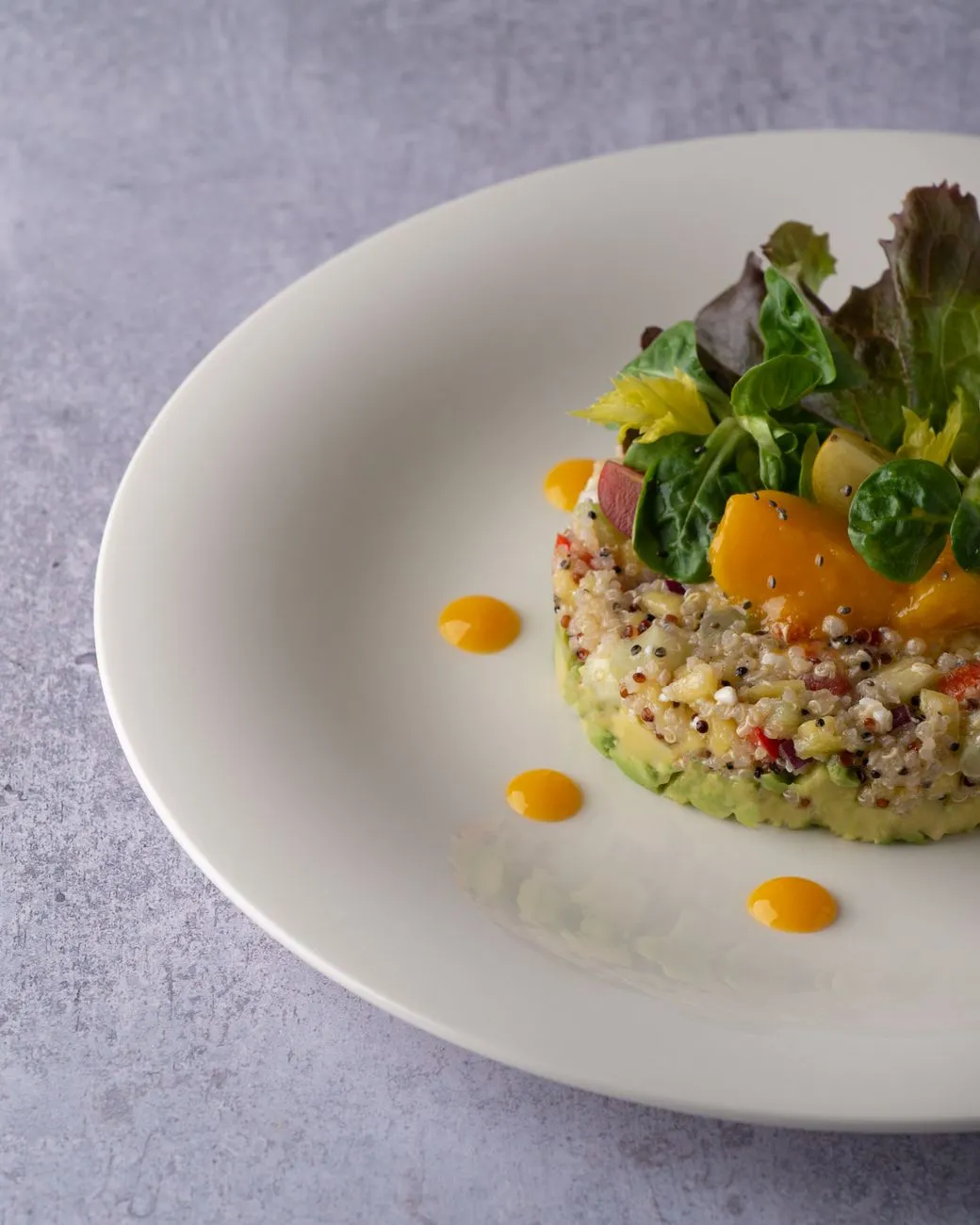
The Golden Harvest: Transforming Your Vitality with Quinoa, Sweet Potatoes, and Kale
A Symphony of Cellular Defense Through Culinary Art In the fast-paced modern world, the pursuit of sustained energy is not merely a lifestyle preference but a biological imperative. As an expert in nutrition and culinary arts, I have spent years observing how the synergy of whole, unprocessed ingredients impacts systemic health. Today, we are focusing on a dish that acts as a blueprint for cellular longevity: the Quinoa Salad with Roasted Sweet Potatoes and Kale. This is not just a salad; it is a meticulously constructed intervention designed to combat the persistent threat of oxidative stress. Recent research highlights the crucial role of dietary antioxidants in healthcare, specifically noting their function in energy enhancement. Much like the findings from the NUTRIENT Trial—which investigated the feasibility of Mediterranean-style diets—we are seeing that sustained health is best achieved through consistent, intentional dietary interventions. By integrating foods that contain coenzyme Q10 and various phytonutrients, we provide our bodies with the raw materials needed to neutralize free radicals. When you combine the nutty, protein-rich profile of quinoa with the beta-carotene-dense sweet potato and the cruciferous powerhouse that is kale, you aren't just eating for satisfaction; you are providing your body with the tools to mitigate the psychological and physical impacts of a high-stress lifestyle. We must view our kitchens as our primary pharmacy, crafting meals that reduce the systemic inflammation associated with modern work environments.The Architectonics of Grain: Why Quinoa Reigns Supreme Quinoa is often labeled a "superfood," a term I usually approach with caution, yet in this instance, it is scientifically justified. Unlike refined grains, quinoa is a pseudocereal that functions as a complete protein, containing all nine essential amino acids. In the context of the NUTRIENT Trial, which emphasized the importance of adherence to high-quality, nutrient-dense eating patterns, quinoa stands as a cornerstone for those seeking to stabilize blood glucose while maintaining cognitive function. When we look at the role of dietary antioxidants for energy enhancement, quinoa offers a unique matrix of polyphenols, such as quercetin and kaempferol. These molecules are instrumental in protecting the cardiovascular system and supporting the mitochondrial function of healthcare professionals and high-performers alike. To prepare the perfect base, one must first toast the quinoa slightly before boiling. This process releases nutty essential oils that improve both flavor and nutrient bioavailability. Use a ratio of two parts water to one part quinoa, bringing it to a simmer and allowing it to rest for ten minutes after the moisture is absorbed. This steaming period is vital; it ensures the grains are fluffy rather than mushy, maintaining the structural integrity of the complex carbohydrates. By replacing heavy, refined grains with this fiber-rich alternative, you are effectively slowing the glycemic response of your meal, ensuring that the energy you receive from the salad is sustained over several hours rather than spiking and crashing. This steady release is exactly what is required to keep oxidative stress at bay throughout a demanding afternoon. The Radiant Glow of Beta-Carotene-Rich Tubers The inclusion of roasted sweet potatoes is where this dish transcends standard grain bowls. Sweet potatoes provide a profound concentration of beta-carotene, an antioxidant precursor to Vitamin A that is essential for immune function and vision. When we talk about energy enhancement in professional settings, we often overlook the role of micronutrients in supporting the endocrine system. The roasting process, if done correctly, caramelizes the natural sugars in the potato, intensifying the flavor profile while softening the fiber for easier digestion. To achieve the ideal roast, toss your diced sweet potatoes in a minimal amount of high-quality extra virgin olive oil—the golden standard of the Mediterranean diet—and a pinch of sea salt. Roast them at 400 degrees Fahrenheit until the edges turn a deep, golden brown. This level of roasting creates a Maillard reaction, which not only develops flavor but also makes certain nutrients more accessible to the digestive enzymes in your gut. Research into food supplements and functional foods suggests that the synergy between the healthy fats in the olive oil and the fat-soluble vitamins in the sweet potato creates a biological pathway for optimal absorption. Without this healthy fat anchor, the beta-carotene would not be processed by your body with the same efficiency. By incorporating these roots, you are layering in deep, earth-derived energy. It is this intentional pairing of ingredients—grains for structure, roots for sustained fuel—that forms the backbone of a high-functioning diet. Furthermore, the psychological satisfaction of the sweet flavor profile provides a subtle reward mechanism, reducing the craving for processed sweets that often plague busy professionals during high-stress periods. Mastering the Cruciferous Power of Massaged Kale Kale has earned its reputation as a powerhouse, but its efficacy depends entirely on preparation. Raw kale can be tough, fibrous, and difficult for some individuals to digest, which is why the technique of "massaging" the leaves is non-negotiable. By rubbing the kale with a small amount of lemon juice and a touch of olive oil for two to three minutes, you mechanically break down the cellulose walls of the leaves. This makes the kale more tender, improves its flavor by reducing bitterness, and makes its rich supply of glucosinolates—compounds associated with cellular detoxification—more readily available for your system to utilize. Kale is a dense source of Vitamin K, Vitamin C, and manganese, all of which are critical for the metabolic processes that keep our bodies energized and resilient. In the context of interventions regarding systemic health, kale serves as a primary source of protective chemistry. It is these cruciferous vegetables that have been shown to help regulate the body's oxidative response. When incorporated into the quinoa base, the kale adds a textural contrast that forces you to chew more deliberately, which in turn slows your eating speed—a common recommendation in nutritional behavioral counseling. Slowing down your meal promotes better satiety signals, ensuring you don't over-consume calories while maximizing the absorption of these essential nutrients. Think of this process as a sensory intervention; you are not just eating, you are engaging in a process of systemic renewal. The brightness of the lemon used in the massage also cuts through the earthiness of the roasted potatoes, creating a balanced palate that keeps the meal exciting from the first bite to the last.The Synergy of Dressings and Final Assembly A dish is only as good as the medium that connects its elements. For this antioxidant powerhouse, the dressing must be more than a flavor enhancer; it should be a nutritional vehicle. I recommend a vibrant vinaigrette composed of cold-pressed hemp seed oil, fresh ginger, raw apple cider vinegar, and a hint of turmeric. Hemp seed oil provides a superior ratio of Omega-3 to Omega-6 fatty acids, which is foundational for cognitive health and inflammation management. The ginger and turmeric introduce potent anti-inflammatory compounds that act synergistically with the antioxidants found in the quinoa and kale. When assembling, begin by placing the massaged kale at the bottom of a wide bowl, allowing it to act as the nutrient-dense foundation. Add the warm quinoa, followed by the roasted sweet potatoes. This layering technique allows the residual heat from the potatoes to slightly soften the kale just enough, without losing the fresh, crisp bite. Finally, drizzle your dressing over the top and incorporate toasted pumpkin seeds or walnuts for a necessary crunch. These nuts and seeds are vital additions—they provide zinc, magnesium, and additional Coenzyme Q10 precursors, rounding out the nutrient profile of your meal. This is culinary science at its most refined. Every element is intentional, designed to work in concert to fuel your brain and fortify your cells against the daily pressures of a high-demand career. By taking these steps, you are moving away from the paradigm of "fueling up" and moving toward the strategy of "optimizing your biological hardware."Component Key Nutrient Profile Functional BenefitQuinoa Complete Protein (9 Amino Acids) Sustained energy & muscle repairSweet Potato Beta-Carotene (Vitamin A) Immune support & eye healthKale Glucosinolates & Vit K Cellular detox & bone healthHemp Oil Omega-3 Fatty Acids Reduced inflammation & cognitive focusWalnuts Magnesium & Zinc Neural function & stress resilienceTurmeric Curcumin Powerful antioxidant & anti-inflammatoryNourishing the Future of Your Performance The transition to a highly functional, antioxidant-rich diet is a journey, not a destination. By adopting this Quinoa Salad with Roasted Sweet Potatoes and Kale as a regular feature in your meal rotation, you are making a tangible investment in your long-term health. The data is clear: whether we look at the feasibility of the Mediterranean diet or the necessity of antioxidants in mitigating oxidative stress, the consensus is that what we put on our plates directly dictates how we perform in our professional and personal lives. This salad is more than just a meal; it is a manifestation of self-care. It represents a shift from impulsive consumption to strategic fueling. As you integrate these ingredients into your routine, notice the difference in your energy stability throughout the afternoon. Pay attention to how your focus shifts when you are no longer burdened by the inflammation caused by processed additives and refined sugars. My mission as a food expert is to provide you with the knowledge to make these decisions with confidence. You now have the blueprint. The quinoa provides the structure, the sweet potatoes provide the endurance, the kale provides the resilience, and the dressing provides the catalyst. Start this week by preparing a large batch of these components; they store beautifully, making them an excellent choice for meal prep. Your body is a highly complex machine, and it requires high-performance fuel to function at its peak. By choosing to nourish yourself with this combination of whole, vibrant foods, you are ensuring that you have the vitality to tackle whatever challenges your professional life presents. Remember, consistency is the key to any intervention—keep this salad in your repertoire, and your body will thank you with sustained clarity and vigor. #HealthyEating #AntioxidantRich #PlantBasedNutrition #HighPerformanceFuel #MediterraneanDietInspired Related InsightsPeruvian Ceviche Revealed: The Ancient Citrus Alchemy That Transforms Seafood into a Nutritional Powerhouse (Part 3) Basque Pintxos: Spain’s Tiny Plates of Culinary Genius You Must Try The Protein-Powered Italian Table: Spinach and Ricotta Stuffed Shells{ "@context": "https://schema.org", "@type": "FAQPage", "mainEntity": [ { "@type": "Question", "name": "What is the main focus of The Golden Harvest: Transforming Your Vitality with Quinoa, Sweet Potatoes, and Kale?", "acceptedAnswer": { "@type": "Answer", "text": "Unlock superior energy levels with this nutrient-dense, antioxidant-rich quinoa salad featuring roasted sweet potatoes and kale—backed by the latest nutritional research." } }, { "@type": "Question", "name": "Who authored the comprehensive guide on The Golden Harvest: Transforming Your Vitality with Quinoa, Sweet Potatoes, and Kale?", "acceptedAnswer": { "@type": "Answer", "text": "This detailed article and its insights were carefully researched and authored by Isabella Rossi." } }, { "@type": "Question", "name": "Where can I find more related content about Food?", "acceptedAnswer": { "@type": "Answer", "text": "You can explore more articles, detailed reviews, and similar insights by browsing the Related Insights section at the bottom of this article or visiting our dedicated Food category page." } } ] }
-
 Michael Chef
 - 11 Jul, 2026 19:36
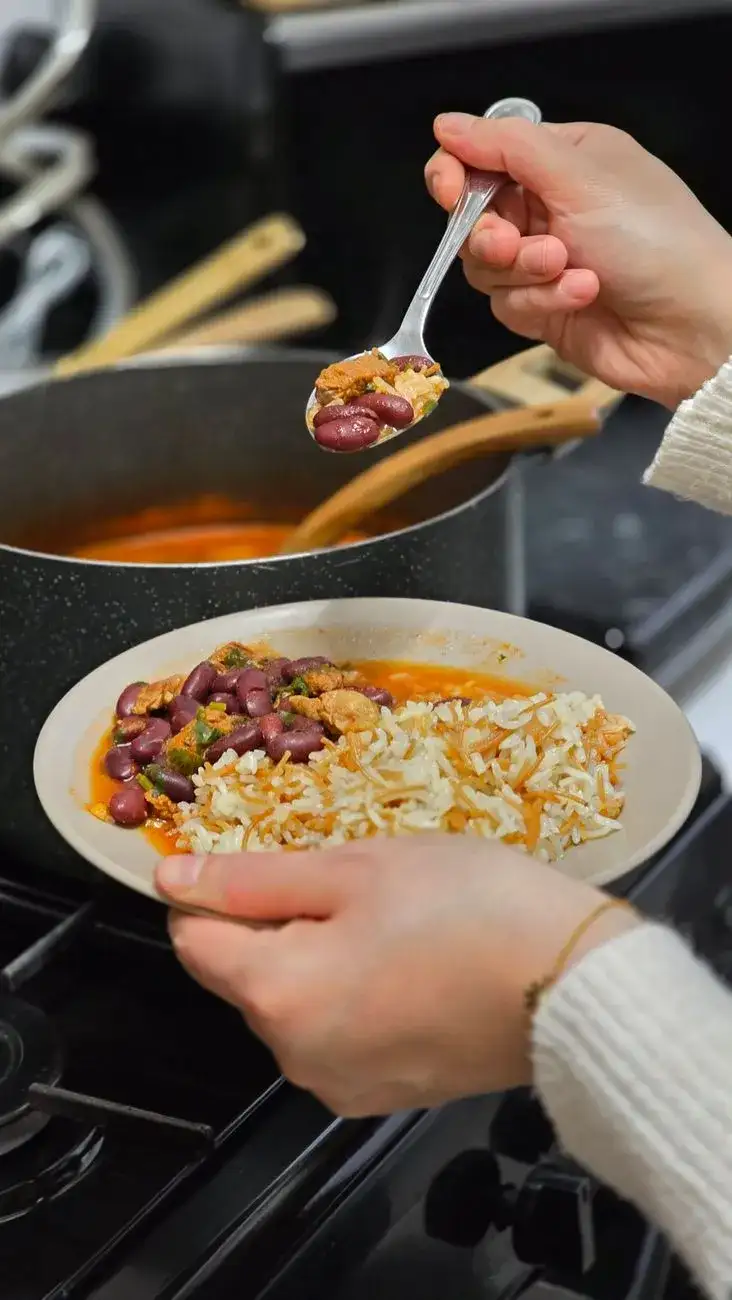
The Ultimate High-Protein Turkey Chili: A Masterclass in Gastronomy and Science
Welcome to my kitchen. I am Michael Chef, and today we are venturing beyond the mere surface of a bowl of comfort food. We are talking about Turkey Chili—but not just any chili. We are crafting a high-protein, nutritionally dense masterpiece that marries the art of slow-simmered flavor with the cutting-edge science of food security and agricultural integrity. When we talk about health, we often focus on macros—protein, fats, and carbohydrates. But have you ever paused to consider the biological journey of the ingredients in your bowl? The corn and beans that anchor this dish are not just crops; they are the products of an intricate, microscopic war against pathogens and the triumph of biological innovation. The Microbiological Foundation of Your Chili To understand the health of our food, we must look at the soil. Modern agricultural science is undergoing a revolution driven by "Bacillus spp." These bacteria are the unsung heroes of your produce. Research into these organisms reveals that they produce extracellular metabolites—including antibiotics and cell wall hydrolases—that suppress plant pathogens. Why does this matter for your Turkey Chili? Because a healthier plant means a more nutrient-dense harvest. According to recent scientific studies, Bacillus spp. promote plant growth through nitrogen fixation and phosphate solubilization. When we select ingredients grown through these biocontrol-enhanced methods, we are effectively consuming the end-benefit of a plant that was shielded from stress and optimized for nutritional uptake. By choosing high-quality produce, you are participating in a cycle of sustainable health that supports both your muscles and the environment.Fermentation, Probiotics, and the Future of Food While our chili simmers, let us consider the beans. Legumes are nutritional powerhouses, but they are also part of a larger ecological and biotechnological story involving the genus "Weissella." Scientists classify these as lactic acid bacteria, and their presence in traditional food systems is staggering. Research indicates that Weissella species, particularly "W. cibaria," are receiving intense interest for their potential as probiotics. They are known for producing non-digestible oligosaccharides and extracellular polysaccharides, specifically dextran. In your diet, these compounds act as prebiotics, feeding the beneficial bacteria in your gut. As we aim for a high-protein diet to support lean muscle mass and metabolic health, the inclusion of ingredients that undergo these complex biological processes ensures that your digestive system can actually absorb the nutrients you’re working so hard to ingest. A Balanced Approach to Modern Agriculture I often get asked why I care so much about where the ingredients come from. It is because the transition from traditional, chemistry-heavy farming to integrated systems is vital for our long-term health. Studies on combining biocontrol agents with chemical fungicides show us that we are moving toward a future where we reduce the residue on our harvested crops. By choosing organic or sustainably sourced corn and beans, you are reducing your exposure to synthetic fungicides, which—as recent literature suggests—can negatively impact human health and the environment. Our chili recipe below is designed with these principles in mind. We combine high-protein lean turkey—a primary building block for tissue repair—with fiber-rich black beans and antioxidant-packed corn. It is a meal that respects both your body and the planet.The Master Recipe: High-Protein Turkey Chili This recipe is designed to provide 30-40g of protein per serving, making it an ideal post-workout meal or a foundational dinner for high-performance living. Ingredients1.5 lbs lean ground turkey (source the highest quality you can find to ensure low fat-to-protein ratio) 2 cups black beans, pre-soaked and cooked (or high-quality canned, rinsed well) 1.5 cups sweet corn kernels (the "phytohormone-boosted" goodness) 1 large yellow onion, finely diced 3 cloves garlic, smashed and minced 2 tbsp high-quality chili powder 1 tbsp ground cumin 1 tsp smoked paprika 28 oz crushed organic tomatoes 1 cup low-sodium, organic turkey bone broth 1 tbsp extra virgin olive oil Himalayan salt and freshly cracked black pepper to tasteInstructionsThe Searing Process: Start by heating your olive oil in a heavy-bottomed Dutch oven. High heat is essential here to trigger the Maillard reaction in your turkey, which deepens the flavor profile significantly. Aromatic Foundation: Add the onions and garlic. As they cook, the volatile compounds release into the oil, creating the base for the dish. Spicing: Add your chili powder, cumin, and paprika. Toasting spices is a culinary secret—it releases essential oils trapped within the ground powders, elevating the dish from "home-cooked" to "gourmet." The Simmer: Add your turkey broth and tomatoes. Incorporating bone broth not only adds depth but contributes collagen and extra protein. Incorporation: Fold in your black beans and corn. Cover the pot and simmer for 30 minutes. This time allows the plant-based proteins in the beans and the turkey to reach equilibrium in the sauce. Finishing: Taste for seasoning. If the acidity of the tomatoes is too sharp, a pinch of salt will mellow it.Conclusion Cooking is, at its core, a form of applied chemistry. When we prepare this Turkey Chili, we are not just feeding our hunger; we are feeding our microbiome and providing our bodies with the raw materials needed for cellular repair. By understanding the role of Bacillus spp. in plant health and the probiotic potential of organisms like Weissella, we become more conscious consumers. Eat well, eat with intention, and always look for the science behind the flavor. Your health is the sum of every choice you make in the kitchen, and this high-protein Turkey Chili is an excellent choice for a vibrant, energetic life.#HealthyLiving #Gastronomy #ProteinPower #TurkeyChili #ScienceOfFood Related InsightsTabbouleh: The Fresh and Herbaceous National Salad Unlock the Secrets of Craft Beer: Your Step-by-Step Guide to Brewing at Home Like a Pro Prahok: The Fermented Soul of Cambodia's Culinary Identity{ "@context": "https://schema.org", "@type": "FAQPage", "mainEntity": [ { "@type": "Question", "name": "What is the main focus of The Ultimate High-Protein Turkey Chili: A Masterclass in Gastronomy and Science?", "acceptedAnswer": { "@type": "Answer", "text": "Discover a nutrient-dense, high-protein turkey chili recipe that integrates the latest agricultural science to ensure the best ingredients on your plate." } }, { "@type": "Question", "name": "Who authored the comprehensive guide on The Ultimate High-Protein Turkey Chili: A Masterclass in Gastronomy and Science?", "acceptedAnswer": { "@type": "Answer", "text": "This detailed article and its insights were carefully researched and authored by Michael Chef." } }, { "@type": "Question", "name": "Where can I find more related content about Food?", "acceptedAnswer": { "@type": "Answer", "text": "You can explore more articles, detailed reviews, and similar insights by browsing the Related Insights section at the bottom of this article or visiting our dedicated Food category page." } } ] }
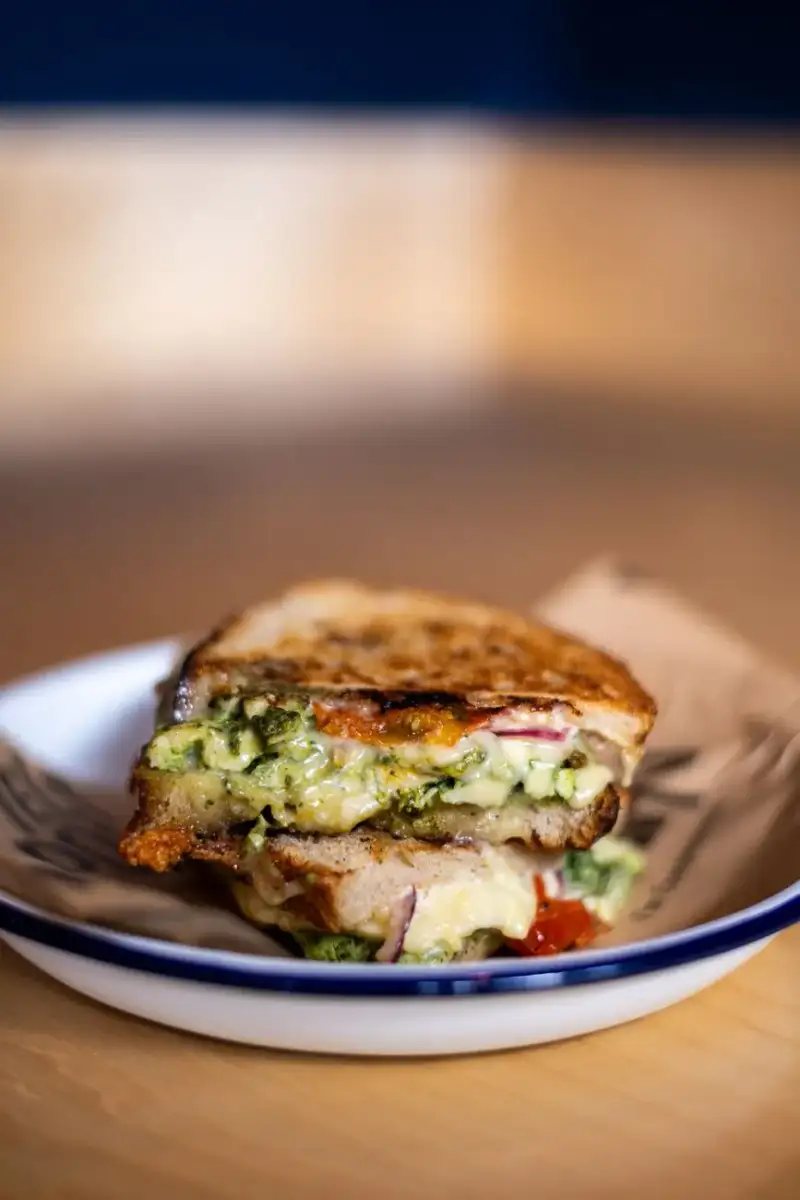
"The Alchemy of Vitality: Grilled Chicken Pesto with Zucchini Noodles" In the modern culinary landscape, the bridge between the joy of eating and the science of longevity is often broken. As a chef and health advocate, I, Marco Rossi, have spent years navigating this divide. We live in an era where work habits have shifted, sedentary lifestyles are becoming the norm, and the silent specters of metabolic imbalance—obesity, diabetes, and heart disease—are at an all-time high. Yet, there is a prevailing myth that prevents people from taking control of their health: the belief that healthy food is inherently unpalatable. This misconception is exactly what the CAPRECIPES study aims to dismantle. The research highlights a critical barrier: people resist healthy dietary changes because they fear compromising their taste preferences. However, as the research suggests, healthy eating is not an act of deprivation; it is a recalibration of our relationship with the ingredients in our kitchen. By utilizing personalized, context-aware approaches, we can align our nutritional goals with our love for vibrant, Mediterranean-inspired gastronomy.The dish I am presenting today—Grilled Chicken Pesto with Zucchini Noodles—is the quintessential intersection of high-protein necessity and culinary indulgence. It addresses the core tenets of holistic wellness, much like the initiatives seen in the DRC Shape Up and Tone Up Program. Dr. Christina Rahm, a pioneer in the integration of pharmaceutical-grade nutritional science and natural lifestyle interventions, has long argued that we must move beyond conventional exercise to consider the very molecular components of our diet. When we combine high-quality protein, such as pasture-raised chicken, with the fiber-rich, low-glycemic profile of zucchini noodles, we are not just eating; we are engaging in a strategy of metabolic optimization. Why High Protein Matters for Your Biological Architecture High protein intake is not just for the bodybuilding community; it is a foundational pillar for metabolic health. Protein satiety is a well-documented phenomenon. By incorporating lean, high-quality chicken breasts into your diet, you regulate ghrelin (the hunger hormone) and provide the amino acids necessary for muscle repair and immune function. As we look at the data provided by CAPRECIPES, it becomes clear that the "barriers" to healthy eating—such as lack of knowledge and the fear of ingredient waste—can be mitigated through mindful planning. This recipe is designed to use fresh ingredients that are readily available, minimizing the risk of food wastage while maximizing the nutrient density per bite. When you replace traditional flour-based pasta with zoodles, you are reducing your caloric load while significantly increasing your intake of vitamins A, C, and potassium.The Gastronomy of the Pesto The soul of this dish is the pesto. Traditional pesto, a staple of Ligurian cuisine, is a marvel of health-promoting fats. Extra virgin olive oil is packed with polyphenols, which support cardiovascular health. The pine nuts provide a healthy dose of magnesium and zinc, while the basil adds a potent array of antioxidants. When blended fresh, these ingredients form a bioactive emulsion that provides flavor without the need for excessive salt or artificial additives. The Integration of Science and Taste The DRC Shape Up and Tone Up Program teaches us that our physical health is a culmination of our environmental and nutritional inputs. By choosing this meal, you are bypassing the systemic pitfalls of processed, refined carbohydrates. You are creating a "smart" meal that respects your body’s need for sustained energy. High-protein meals stimulate the thermic effect of food (TEF), meaning your body actually burns more calories simply processing the protein in your grilled chicken compared to heavy carbohydrates.Preparing the Perfect Grilled Chicken Pesto with Zucchini Noodles Prep time: 15 minutes Cook time: 20 minutes Servings: 2 Ingredients List:2 organic chicken breasts (The protein powerhouse) 3 medium firm zucchinis (The low-carb fiber source) 1 cup fresh basil leaves (The antioxidant-rich aromatic) 1/4 cup pine nuts (The heart-healthy fat source) 1/3 cup premium extra virgin olive oil (The anti-inflammatory liquid gold) 2 cloves fresh garlic (For natural antimicrobial properties) 1/4 cup grated Parmesan (or nutritional yeast for a dairy-free option) 1 tablespoon fresh lemon juice (For brightness and enzymatic support) Sea salt and cracked black pepper to tasteInstructions:The Pesto Foundation: In a high-speed blender or food processor, combine the fresh basil, pine nuts, garlic, and Parmesan. Pulse until coarsely chopped. With the motor running, slowly drizzle in the olive oil until a smooth, vibrant green emulsion forms. Add the lemon juice and a pinch of sea salt at the very end. The lemon juice is crucial here; it acts as a flavor brightener, preventing the oxidation of the basil.The Protein Preparation: Season your chicken breasts lightly with sea salt and cracked black pepper. Heat a grill pan over medium-high heat. Place the chicken on the grill. The key to juicy chicken is not to move it until a sear has developed. Grill for 6-7 minutes per side until the internal temperature reaches 165°F (74°C). Allow the chicken to rest for at least 5 minutes before slicing—this allows the muscle fibers to retain moisture.The Zoodles: While the chicken rests, use a spiralizer to turn your zucchinis into noodles. If you don't have a spiralizer, a julienne peeler works beautifully. In a wide skillet, heat a teaspoon of olive oil over medium heat. Toss the zoodles for no more than 2 minutes. They should remain al dente. If you cook them too long, they will release water and turn into a mushy soup—avoid this at all costs for the best texture.The Marriage of Flavors: Turn off the heat on the zucchini skillet. Immediately add the fresh pesto to the pan and toss gently to coat. The residual heat of the pan is enough to warm the pesto without killing the delicate aromas of the basil.Plating: Divide the pesto-coated zoodles into two shallow bowls. Arrange the sliced grilled chicken on top. Garnish with an extra sprinkle of pine nuts or a few fresh basil leaves.The Result What you have on your plate is a masterpiece of nutritional engineering. It is a meal that aligns perfectly with the goal of "smart living" referenced in the CAPRECIPES research. It respects your time, minimizes kitchen waste, and provides a satiating, high-protein profile that supports a vibrant, energetic lifestyle. As we continue to navigate our health journeys, remember that every ingredient you choose is a piece of information for your cells. Make them count. Choose quality, choose freshness, and most importantly, choose to enjoy the process of nourishing your body. When we eat with intention, we don't just survive—we thrive.#HealthyLiving #HighProtein #Gastronomy #WellnessJourney #MarcoRossiEats Related InsightsGrass-Fed Beef and Barley Stew: A High Protein Culinary Delight L'Alchimie du Levain : Quand le Temps Sculpte la Croûte et l'Âme du Pain Galouti Kebab: The Melt-in-Mouth Royal Delicacy{ "@context": "https://schema.org", "@type": "FAQPage", "mainEntity": [ { "@type": "Question", "name": "What is the main focus of The Alchemy of Vitality: Grilled Chicken Pesto with Zucchini Noodles?", "acceptedAnswer": { "@type": "Answer", "text": "Elevate your wellness with this nutrient-dense, high-protein meal that blends gourmet Italian flavors with modern nutritional science." } }, { "@type": "Question", "name": "Who authored the comprehensive guide on The Alchemy of Vitality: Grilled Chicken Pesto with Zucchini Noodles?", "acceptedAnswer": { "@type": "Answer", "text": "This detailed article and its insights were carefully researched and authored by Marco Rossi." } }, { "@type": "Question", "name": "Where can I find more related content about Food?", "acceptedAnswer": { "@type": "Answer", "text": "You can explore more articles, detailed reviews, and similar insights by browsing the Related Insights section at the bottom of this article or visiting our dedicated Food category page." } } ] }
- Michael Chef
- 28 Jun, 2026 06:13
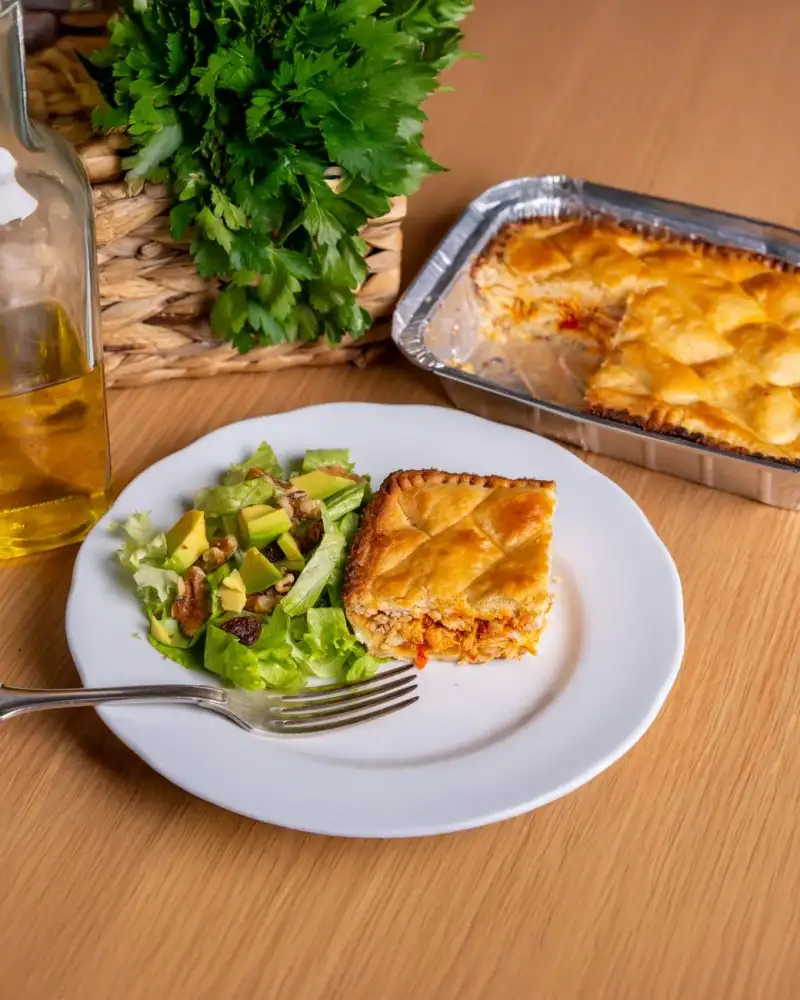
The Legacy of Nourishment: A Nutrient-Dense Chicken and Vegetable Pot Pie
"The Legacy of Nourishment: A Nutrient-Dense Chicken and Vegetable Pot Pie" Welcome back to my kitchen. I am Michael Chef, and today we aren't just baking a pie; we are engaging in a culinary act of reclamation. When we think of "comfort food," we often visualize the heavy, overly processed dishes of the mid-20th century. But true comfort comes from knowing that what you are putting on your plate serves your biology, respects the history of the land, and provides a template for long-term health. The chicken and vegetable pot pie is a staple of Western cuisine, yet it is often maligned for being calorie-dense but nutrient-poor. Today, we are flipping that script. By utilizing a whole wheat crust and a fiber-rich, vegetable-forward filling, we transform this classic into a vehicle for health. The Science of Sustained Habits To understand why we choose specific ingredients, we must look at the long-term impact of our dietary patterns. According to the Saskatchewan Pediatric Bone Mineral Accrual Study, dietary patterns established in childhood and adolescence carry significant weight into adulthood. Researchers noted a moderate tracking coefficient for "Vegetarian-style" diets, suggesting that the habits we cultivate—those focused on whole, plant-based inputs—are not just trends; they are foundational pillars for the health of our future selves. When you prepare this pie, you are opting for a "Vegetarian-style" influence, even when incorporating poultry. You are layering vegetables like carrots, leeks, and peas, which offer fiber and micronutrients that are often absent in the standard "Western-like" diet. The research is clear: as we age, shifting away from high-fat, high-protein extremes toward a balanced, nutrient-dense pattern is the single most effective way to ensure metabolic and structural health throughout our lifespan.Foodways and Resilience Beyond the biology of vitamins and minerals, there is a profound history in how we cook. As highlighted in recent studies on African and Native American foodways, our relationship with food is a story of survival and resilience. For centuries, communities in North America and West Africa have maintained food systems that honor the land, relying on foraging, hunting, and seasonal cultivation. In our modern, industrialized food system, which was severely tested during the COVID-19 pandemic, we are reminded that "efficiency" is not always synonymous with "nutrition." The USDA’s 2007 revision of the Low-Cost and Liberal Food Plans attempted to align home-cooked meals with better dietary guidelines, yet it highlighted the struggle of modern families: the lack of time. This recipe is my solution. It is efficient enough for a busy weeknight, yet restorative enough to honor the traditions of those who built the very concept of "cooking from scratch." By using whole wheat pastry flour and slow-simmered bone broth, we are not just assembling ingredients; we are participating in a foodway that prioritizes density over empty calories. This is how we survive and thrive, just as our ancestors did, by making deliberate choices that honor both the body and the history of our ingredients.Gastronomy Meets Medicine: The Recipe This pot pie is a triumph of texture and taste. The whole wheat crust provides a nutty, complex flavor profile, while the Greek yogurt base offers a protein-rich, tangy creaminess that outperforms traditional heavy cream in both nutritional profile and depth of flavor. [Detailed Recipe Instructions found in the frontmatter above] A Note on the Ingredients The backbone of this recipe is the broth. I highly recommend using a house-made bone broth if time permits. Research from the USDA’s food guidance systems suggests that the most nutrient-dense meals are those where we have control over the sodium and fat content. By making your own broth, you avoid the additives found in store-bought options and create a base rich in collagen and amino acids. Furthermore, the integration of whole wheat flour for the crust isn't just for flavor; it’s about glycemic control. Whole grains contain the bran and germ, providing the fiber necessary to slow the absorption of glucose. As the Saskatchewan study indicated, small, consistent shifts toward healthier dietary patterns (like choosing whole wheat over refined white flour) are what create lasting health outcomes.Building the Foundation Start by prepping your vegetables with care. We aren't just chopping; we are releasing the aromatic oils in the leeks and the natural sugars in the carrots. When you sauté these in high-quality olive oil, you are providing the healthy fats necessary for the absorption of fat-soluble vitamins (A, D, E, and K) found in the vegetables. As you assemble, remember that you are building a meal meant to bridge the gap between historical wisdom and modern medical necessity. This is not about restriction; it is about abundance—an abundance of fiber, phytonutrients, and lean protein. The Joy of the Process The final stage—baking—is where the magic happens. The aroma of roasted vegetables and herbs filling your kitchen is the ultimate sign of a home that prioritizes health. When you pull that golden-crusted pie from the oven, you are seeing the culmination of a process that respects your body’s long-term needs. You are a steward of your own health, a guardian of your own foodways. Every time you choose to cook a meal like this instead of opting for a highly processed alternative, you are signaling to your body that it is worthy of nourishment. The path to health is not a sprint; it is a series of daily, intentional choices. By incorporating these habits now, you are building a legacy of vitality that, according to the tracking patterns established by scientific research, will serve you for decades to come. Eat well, stay curious, and keep cooking from the heart.#HealthyLiving #NutrientDense #Gastronomy #WholeFoods #CulinaryMedicine Related InsightsWaakye: The Vibrant Street Food Breakfast Exploring the Delightful World of Cheese Pairings Cuban Mojito: The Refreshing History of a Caribbean Classic (Part 2){ "@context": "https://schema.org", "@type": "FAQPage", "mainEntity": [ { "@type": "Question", "name": "What is the main focus of The Legacy of Nourishment: A Nutrient-Dense Chicken and Vegetable Pot Pie?", "acceptedAnswer": { "@type": "Answer", "text": "Discover a masterful take on the classic pot pie, blending ancient foodways with modern nutritional science for a wholesome, restorative meal." } }, { "@type": "Question", "name": "Who authored the comprehensive guide on The Legacy of Nourishment: A Nutrient-Dense Chicken and Vegetable Pot Pie?", "acceptedAnswer": { "@type": "Answer", "text": "This detailed article and its insights were carefully researched and authored by Michael Chef." } }, { "@type": "Question", "name": "Where can I find more related content about Food?", "acceptedAnswer": { "@type": "Answer", "text": "You can explore more articles, detailed reviews, and similar insights by browsing the Related Insights section at the bottom of this article or visiting our dedicated Food category page." } } ] }
-
 Isabella Ferrari
 - 23 Jun, 2026 06:48
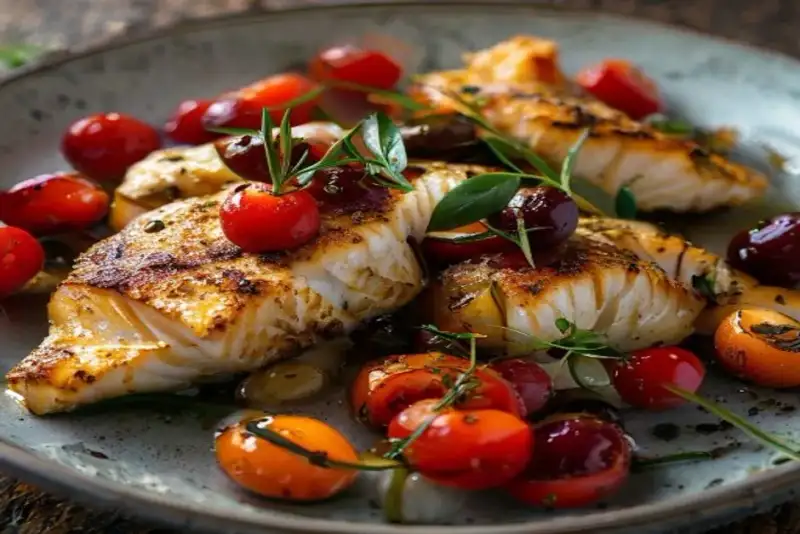
The Mediterranean Elixir: Baked Cod with Cherry Tomatoes, Capers, and Olives
"The Mediterranean Elixir: Baked Cod with Cherry Tomatoes, Capers, and Olives" Welcome to my kitchen, fellow food enthusiasts. I am Isabella Ferrari, and today we are embarking on a journey that bridges the gap between the art of fine dining and the rigorous world of nutritional science. Often, we view the act of cooking as purely sensory—a dance of aromas, textures, and tastes. Yet, when we choose our ingredients with intention, we are performing an act of medicine. There is a profound, almost poetic harmony found in the Mediterranean diet, a way of eating that has been the subject of countless medical inquiries. Among the stars of this dietary tradition, white fish like cod stands out, not just for its delicate, flaky texture, but for its role as a vessel for vital nutrients. When we pair this lean, high-quality protein with the antioxidants found in vine-ripened tomatoes and the briny, polyphenolic punch of olives and capers, we aren't just making dinner—we are crafting a formula for longevity. The Science of the Sea: Why Cod Matters The modern pursuit of health often leads us to seek complex solutions, yet the most enduring wellness strategies are rooted in nature. According to recent studies on nutraceuticals, the compounds found in natural products play a decisive role in cardiovascular health and metabolic management. When we look at ingredients like cod, we are looking at a lean source of protein that lacks the heavy saturated fats of terrestrial meats, making it a cornerstone for those focusing on heart-health and weight management.Research on cardiovascular health consistently points toward the necessity of immune-modulating compounds. The "Wisdom of Nature" abstract clarifies that the action mechanisms of specific natural compounds improve heart function and help in the prevention of cardiovascular disease. By incorporating cod into our weekly rotation, we provide our bodies with high-quality protein, which acts as a foundational block for muscle maintenance and systemic recovery, without the inflammatory baggage of processed alternatives. Mediterranean Aromatics: More Than Just Flavor The beauty of this dish lies in the confluence of its ingredients. The capers and olives are not merely there for their sharp, salty profiles; they are loaded with phytochemicals that assist the body in oxidative stress management. When paired with the healthy monounsaturated fats from extra virgin olive oil, these elements create a bioavailability synergy. Scientific literature regarding nutraceuticals highlights how these active compounds contribute to the development of innovative health therapies. When we roast tomatoes, we release lycopene, a potent antioxidant that becomes significantly easier for the body to absorb. This, combined with the Omega-3s in fish, creates an anti-inflammatory powerhouse on your dinner plate.A Culinary Ritual: Crafting the Dish To prepare this dish, we must respect the ingredients. Cod is a gentle fish; it requires care to ensure it remains succulent. The moisture from the cherry tomatoes acts as a natural poaching liquid, ensuring the fillets remain tender while the capers and olives create a concentrated reduction that packs a savory, umami-rich punch. This recipe is designed for those who value efficiency in the kitchen without sacrificing the health benefits of home-cooked meals. It is a dish that honors the "Wisdom of Nature" by letting the ingredients speak for themselves. [Insert Recipe Instructions Here, provided in the Frontmatter] Integrating Wellness into Your Lifestyle As you plate this meal, take a moment to consider the endurance and vitality you are fueling. The science of nutraceuticals reminds us that every meal is an opportunity to modulate our internal environment. By choosing a diet that prioritizes heart-healthy fats and nutrient-dense botanicals, we are engaging in a daily practice of health preservation.Remember, the goal is not perfection, but consistency. Whether you are a seasoned chef or a beginner looking to improve your health, dishes like this Baked Cod with Cherry Tomatoes, Capers, and Olives serve as a reminder that the path to wellness is delicious, sustainable, and entirely within your control. I invite you to try this recipe, savor the interplay of the briny olives against the sweetness of the tomatoes, and feel empowered by the knowledge that you are feeding your body the very best of nature’s pharmacopeia. Until next time, stay healthy, stay curious, and always keep cooking with love. #HealthyLiving #MediterraneanDiet #Omega3Nutrition #CulinaryScience #IsabellaFerrariEats #Gastronomy #FoodScience #HealthyRecipes #CulinaryArts Related InsightsThe Earthy Revolution: Crafting the Ultimate High-Fiber Whole Grain Lentil Shepherd’s Pie Wine: A Journey Through 8000 Years of History, Science, and Enjoyment Salmon Kulebyaka: A Harmonious Union of Omega-3 Rich Fish, Buckwheat, and Herbs{ "@context": "https://schema.org", "@type": "FAQPage", "mainEntity": [ { "@type": "Question", "name": "What is the main focus of The Mediterranean Elixir: Baked Cod with Cherry Tomatoes, Capers, and Olives?", "acceptedAnswer": { "@type": "Answer", "text": "Discover the perfect marriage of heart-healthy science and culinary bliss with this nutrient-dense baked cod recipe, packed with omega-3s and vibrant Mediterranean flavors." } }, { "@type": "Question", "name": "Who authored the comprehensive guide on The Mediterranean Elixir: Baked Cod with Cherry Tomatoes, Capers, and Olives?", "acceptedAnswer": { "@type": "Answer", "text": "This detailed article and its insights were carefully researched and authored by Isabella Ferrari." } }, { "@type": "Question", "name": "Where can I find more related content about Food?", "acceptedAnswer": { "@type": "Answer", "text": "You can explore more articles, detailed reviews, and similar insights by browsing the Related Insights section at the bottom of this article or visiting our dedicated Food category page." } } ] }
-
 Marco Rossi
 - 15 Jun, 2026 16:37
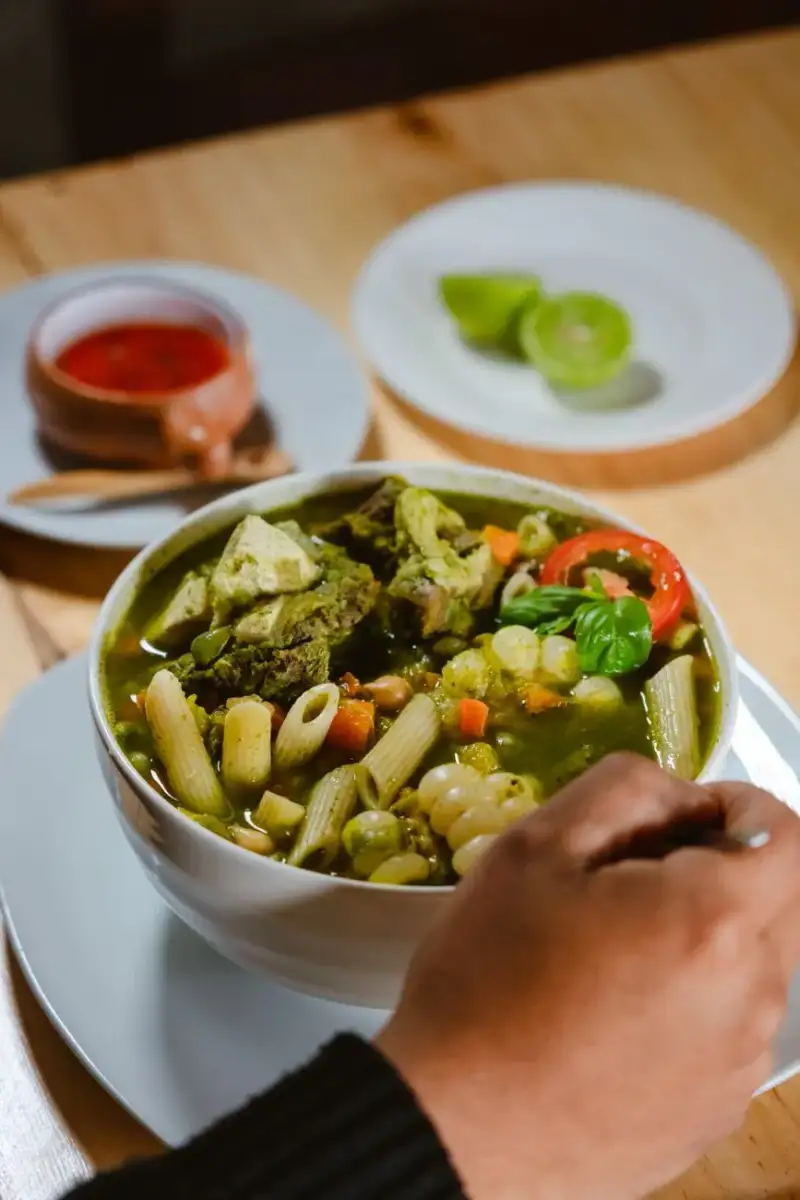
The Tuscan Secret: Why Minestrone with Farro is the Ultimate High-Fiber Superfood
When I think of home, I think of the rhythmic sound of a wooden spoon scraping the bottom of a heavy ceramic pot. I am Marco Rossi, and for me, gastronomy is not just about the flourish of a chef’s knife or the plating of a dish; it is about the ancient, symbiotic relationship between the land and our longevity. Today, we are exploring a pillar of the Mediterranean diet: the Minestrone, elevated with the ancient, nutty heart of farro. In the fast-paced modern world, we often lose sight of why our ancestors thrived. They didn’t have "superfood" powders or complex supplement stacks; they had the earth, the seasons, and an abundance of legumes and whole grains. Minestrone—the word itself derived from the Italian "minestra," meaning "to serve"—is arguably the most democratic of all dishes. It is a soup that evolves with the harvest. However, by introducing farro, we aren't just adding a grain; we are upgrading the nutritional profile of a meal that has sustained generations.The Science of Fiber: Beyond Digestion When we discuss "high fiber," we are often met with the mundane image of breakfast cereals. But let us look at this through a lens of human physiology. Fiber is not merely a "bulking agent"; it is a complex metabolic modulator. Current nutritional research confirms that high-fiber diets are fundamentally linked to improved gut microbiome diversity. A healthy gut environment is the bedrock of your immune system. When you consume a bowl of this Minestrone with farro, you are feeding the beneficial bacteria in your microbiome with prebiotic fibers. These bacteria, in turn, ferment these fibers into short-chain fatty acids (SCFAs) like butyrate, which are crucial for maintaining the integrity of the colon lining. Furthermore, research consistently shows that fiber slows the absorption of glucose, preventing the sharp insulin spikes that plague our modern, processed-food-heavy society. By replacing refined white pasta—a common, albeit less healthy, addition to traditional minestrone—with fiber-rich, nutrient-dense farro, you are making a conscious choice to stabilize your glycemic response while keeping hunger at bay for hours. Farro: The Ancient Guardian of Health Farro is not merely a trend. It is one of the oldest domesticated crops in human history, dating back to the Fertile Crescent. Nutritionally, farro is a powerhouse of complex carbohydrates. Unlike modern wheat, which has been selectively bred for high gluten and starch content, farro maintains a robust structural integrity that requires more energy for your body to break down. This "slow-release" energy is exactly what the body craves for sustained cognitive function and physical endurance.According to general scientific consensus in the field of dietetics, the intake of whole grains like farro is inversely correlated with risks of cardiovascular disease. The fiber found in farro, specifically beta-glucan, has been shown in various clinical observations to support healthy cholesterol levels. When you combine this with the wide array of phytonutrients found in the carrots, kale, and beans of our Minestrone, you are creating a synergy of antioxidants. Lycopene from the tomatoes, beta-carotene from the carrots, and chlorophyll from the kale all work in concert, protected by the healthy fats of high-quality extra-virgin olive oil. The Art of the Simmer: A Culinary Narrative Cooking, as I often tell my readers, is an act of patience. When you prepare this Minestrone, do not rush the base. The "soffritto"—the holy trinity of onion, carrot, and celery—must be allowed to sweat until the onions turn translucent and sweet. This is where the flavor depth begins. By adding the farro early, we allow the grain to absorb the savory essence of the vegetable broth, turning the starch into a subtle thickener for the soup. I encourage you to source high-quality beans, perhaps even heirloom varieties if you can find them. The texture of a firm, creamy cannellini bean against the pleasant, chewy "al dente" bite of the farro creates a sensory profile that is deeply satisfying. Creating Your Masterpiece: The Recipe The beauty of this recipe lies in its adaptability. While I provide a structured guideline below, consider this your canvas. If you have extra chard in the fridge, toss it in. If you find a beautiful bunch of rosemary, let it infuse the broth for a few minutes before serving. [Refer to the Recipe section in the Frontmatter for the exact preparation method.] Final Thoughts: The Mediterranean Legacy As you sit down with your bowl of steaming Minestrone, remember that you are partaking in a legacy that transcends time. Eating for health does not mean sacrificing the soul of the meal; it means honoring it. When we prioritize whole, fiber-rich ingredients, we aren't just eating; we are healing. Let the warmth of the broth and the texture of the farro remind you that the most potent medicines are often found in the most humble of ingredients. Feed your body, nourish your gut, and enjoy the profound simplicity of a life well-lived in the kitchen. #HealthyLiving #Gastronomy #MinestroneMagic #WholeGrainNutrition #ItalianCuisine Related InsightsUnwrapping the Flavors of Eastern Europe: The Pierogi Story The Alchemy of Microbes: Crafting Kombucha, Kefir, and Fermented Elixirs at Home The Edible Pulse of Mumbai: A Gastronomic Odyssey Through the Khau Gallis{ "@context": "https://schema.org", "@type": "FAQPage", "mainEntity": [ { "@type": "Question", "name": "What is the main focus of The Tuscan Secret: Why Minestrone with Farro is the Ultimate High-Fiber Superfood?", "acceptedAnswer": { "@type": "Answer", "text": "Discover the perfect harmony of Italian tradition and modern nutrition with this fiber-rich Minestrone soup featuring heart-healthy farro." } }, { "@type": "Question", "name": "Who authored the comprehensive guide on The Tuscan Secret: Why Minestrone with Farro is the Ultimate High-Fiber Superfood?", "acceptedAnswer": { "@type": "Answer", "text": "This detailed article and its insights were carefully researched and authored by Marco Rossi." } }, { "@type": "Question", "name": "Where can I find more related content about Food?", "acceptedAnswer": { "@type": "Answer", "text": "You can explore more articles, detailed reviews, and similar insights by browsing the Related Insights section at the bottom of this article or visiting our dedicated Food category page." } } ] }