Showing Posts From
Hidden gems
-
 Zola Ndlovu
 - 31 Aug, 2026 23:00
Japan’s Secret Onsen: 10 Underrated Retreats Where Tradition Meets Serenity
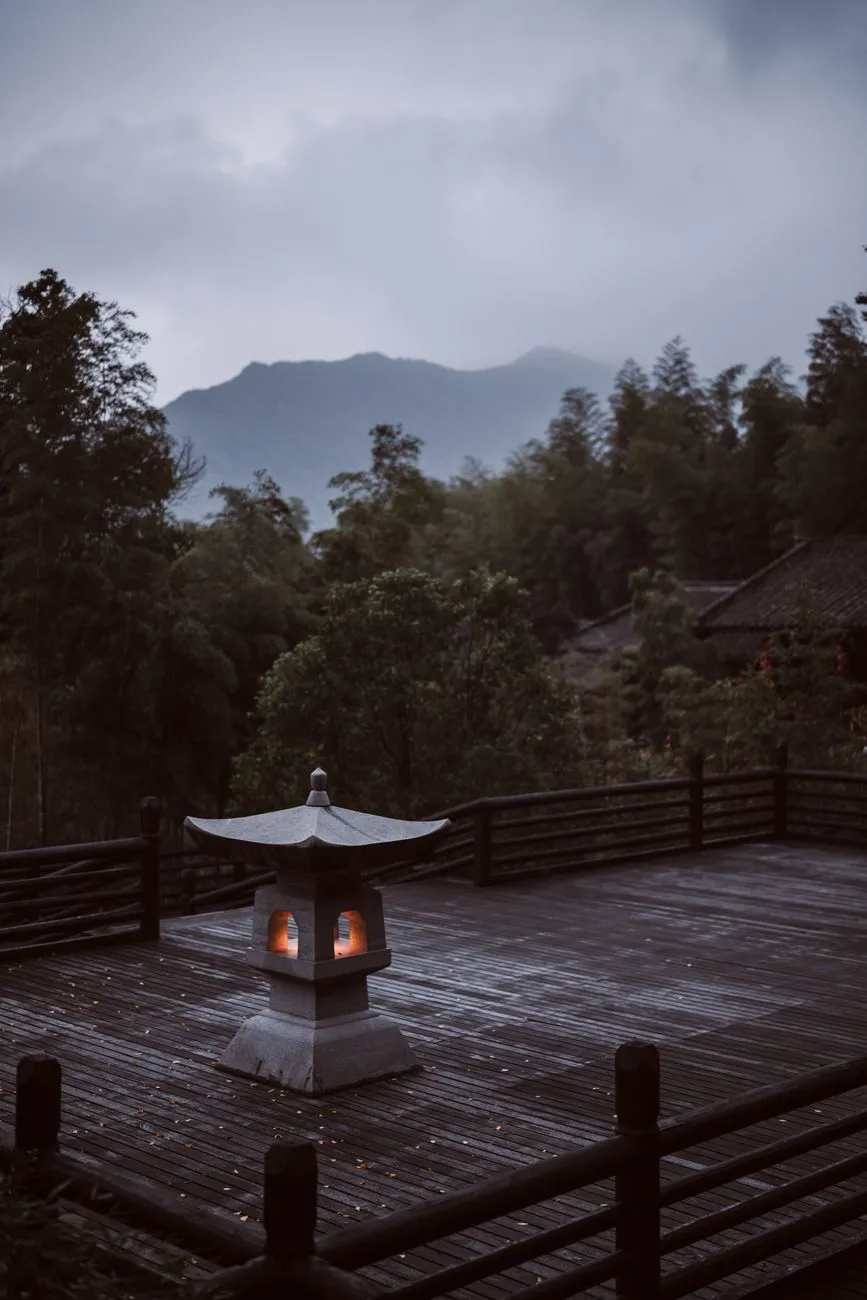
Where the Crowds Never Go: Japan’s Best-Kept Onsen Secrets Japan’s onsen culture is legendary, but the most transformative experiences often lie in the quiet corners of the archipelago. While Hakone and Beppu bask in global fame, their lesser-known counterparts offer something far more precious: solitude, authenticity, and a deeper connection to Japan’s timeless traditions. These are the onsen towns where the air smells of cedar, the waters whisper ancient secrets, and the rhythm of life slows to match the pace of a steaming ryokan bath. From the volcanic cliffs of Ibusuki to the alpine serenity of Nyuto Onsen, these retreats are where tradition isn’t just preserved—it’s lived. Here, you won’t find Instagram influencers or overpriced ryokan chains. Instead, you’ll find family-run sento (public baths) where locals soak alongside travelers, and ryokan where the tatami mats still creak with history. These are the places where the onsen isn’t just a tourist attraction—it’s a way of life. Let’s journey to where Japan’s soul still bubbles beneath the surface.The Forgotten Valleys: Nyuto Onsen’s Alpine Serenity Nestled in the remote mountains of Akita Prefecture, Nyuto Onsen is a cluster of seven onsen villages where time seems to stand still. The name Nyuto (乳頭温泉) translates to "nipple hot spring," a playful nod to the shape of the nearby Mount Nyuto, which resembles a woman’s breast. But don’t let the quirky name fool you—this is a place of profound tranquility, where the waters are milky white with minerals and the air is crisp with pine. The most famous of the Nyuto villages is Tsurunoyu Onsen, accessible only by a winding mountain road that feels like a journey to another world. The ryokan here, like Tsurunoyu Onsen, are modest but deeply authentic, with wooden bathtubs fed by natural hot springs. The water here is alkaline and rich in sodium bicarbonate, known for its skin-softening properties. Locals swear by its healing effects for arthritis and fatigue. For those willing to venture deeper, Nyuto Onsen Village offers a more developed (but still understated) experience. The village’s public bathhouse, Nishiki-no-Yu, is a communal space where travelers and locals mix freely. The water here is sulfuric, with a faint eggy scent that dissipates once you’re submerged. The surrounding landscape is a symphony of autumn colors in October or a snowy wonderland in winter, when the ryokan become cozy cocoons of warmth.How to Get There: Nyuto Onsen is best reached by train to Tazawako Station (via the Akita Shinkansen from Tokyo), followed by a 30-minute bus ride. A rental car is ideal for exploring the villages at your own pace. What to Expect:Price Range: ¥15,000–¥30,000 per night (including two meals) Best Time to Visit: October for autumn foliage or January–February for snow-covered serenity Must-Try: The onsen hopping pass (¥2,000) grants access to all seven villagesThe Volcanic Playground: Ibusuki’s Sand Baths and Sea Springs On the southern tip of Kyushu, where the East China Sea crashes against volcanic cliffs, lies Ibusuki Onsen. Unlike traditional onsen towns, Ibusuki is famous for its suna-mushi (sand baths), where visitors are buried up to their necks in naturally heated sand—a practice believed to detoxify the body and improve circulation. The sand here is rich in minerals like sulfur and magnesium, and the experience is as much about the heat as it is about the surreal sensation of being "cooked" by the earth itself. The town’s other claim to fame is its seawater onsen, where the mineral-rich waters are pumped directly from the ocean. The most iconic of these is Sengan-en Garden’s onsen, a historic site where samurai once bathed. Today, it’s a serene spot surrounded by Japanese gardens, where the contrast of hot spring water against the cool sea breeze is nothing short of magical. Ibusuki’s cuisine is another highlight. The town is known for kurobuta (black pork), grilled over charcoal and served with a side of imo jochu (sweet potato liquor). Pair your meal with a dip in the onsen, and you’ll understand why this place feels like a hidden paradise.How to Get There: Ibusuki is a 2.5-hour train ride from Kagoshima (via the Kyushu Shinkansen), followed by a short bus or taxi ride to the town center. What to Expect:Price Range: ¥10,000–¥25,000 per night (ryokan with sand bath access) Best Time to Visit: April–May for cherry blossoms or September–October for mild weather Must-Try: The suna-mushi experience at Ibusuki Sand Bathing Center (¥1,500 for 15 minutes)The Coastal Hideaways: Shirahama’s Hidden Gems Along the rugged Kii Peninsula in Wakayama Prefecture, Shirahama Onsen is a coastal retreat where the Pacific Ocean meets steaming hot springs. Unlike the more commercialized onsen towns, Shirahama’s charm lies in its understated elegance. The town is built around Saki-no-Yu, a striking red torii gate that marks the entrance to the public baths, where the water is said to cure everything from skin ailments to fatigue. One of the town’s best-kept secrets is Adventure World’s onsen, a luxury resort where you can soak in open-air baths while overlooking the ocean. The water here is rich in chloride and sodium, making it ideal for relaxation. For a more rustic experience, Shirahama Onsen-yu offers a traditional ashiyu (foot bath) right on the beach, where you can dip your toes in the sand while the waves lap at your ankles. Shirahama is also a gateway to Nachi Falls, Japan’s tallest waterfall, where you can combine a spiritual hike with a soothing soak. The contrast of the icy waterfall and the warm onsen is a sensory experience unlike any other.How to Get There: Shirahama is a 2-hour train ride from Osaka (via the Nanki Shirahama Express), followed by a short bus ride to the onsen district. What to Expect:Price Range: ¥12,000–¥28,000 per night (ocean-view ryokan) Best Time to Visit: June for hydrangeas or November for autumn colors Must-Try: The ashiyu foot bath at Shirahama Onsen-yu (¥300)The Snow Country Enclave: Ginzan Onsen’s Fairy-Tale Charm In the heart of Yamagata Prefecture, where the snow falls like powdered sugar in winter, lies Ginzan Onsen, a village straight out of a Studio Ghibli film. The town’s wooden ryokan line a riverbank, their facades illuminated by lanterns at night, creating a scene so picturesque it feels staged. The onsen here are fed by the Ginzan River, which runs through the village, and the water is rich in sodium bicarbonate, known for its gentle, skin-friendly properties. The most famous ryokan in Ginzan is Ginzan Onsen Fujiya, a historic inn where the baths are carved into the rock face, offering a view of the river below. The water is piped directly from the source, ensuring its mineral content remains potent. In winter, the village becomes a snowy wonderland, with the steam from the onsen creating an ethereal mist that clings to the wooden buildings. Ginzan is also a hub for traditional crafts. The town is known for its Zao-style daruma dolls, and you can visit workshops to try your hand at painting one. Pair your craft session with a soak in the onsen, and you’ll leave feeling like you’ve stepped into a different era.How to Get There: Ginzan Onsen is a 3-hour train ride from Tokyo (via Yamagata Shinkansen to Oishida Station), followed by a 30-minute bus ride. What to Expect:Price Range: ¥20,000–¥40,000 per night (luxury ryokan with private baths) Best Time to Visit: December–February for snowscapes or October for autumn foliage Must-Try: The kaiseki dinner at Ginzan Onsen Fujiya (multi-course meal with local ingredients)The Hidden Coastal Retreat: Kurokawa Onsen’s Riverfront Baths Tucked away in the mountains of Kumamoto Prefecture, Kurokawa Onsen is a village where the onsen are as much a part of the landscape as the river that winds through it. Unlike other onsen towns, Kurokawa’s baths are scattered along the Kurokawa River, and many are open-air, allowing you to soak while listening to the sound of water rushing over rocks. The village is divided into two districts: Naka-no-Yu (upper hot springs) and Shimo-no-Yu (lower hot springs). Each has its own character—Naka-no-Yu is more rustic, with family-run ryokan and public baths like Yunohana-no-Yu, while Shimo-no-Yu is slightly more developed, with larger ryokan and a communal foot bath. One of the town’s best-kept secrets is Kurokawa Onsen’s onsen-hopping pass, which grants access to 20+ baths for ¥2,000. This is the best way to experience the village’s diversity, from sulfuric pools to alkaline ones. The water here is rich in hydrogen sulfide, giving it a distinctive smell (which dissipates once you’re in the water) and reputed benefits for respiratory health.How to Get There: Kurokawa Onsen is a 2.5-hour bus ride from Kumamoto City, winding through scenic mountain roads. What to Expect:Price Range: ¥8,000–¥20,000 per night (budget to mid-range ryokan) Best Time to Visit: April–May for cherry blossoms or September–October for autumn colors Must-Try: The onsen-hopping pass (¥2,000) for 20+ bathsA Snapshot of Value: Comparing Japan’s Secret Onsen RetreatsOnsen Town Average Nightly Cost (¥) Best Season Unique Feature AccessibilityNyuto Onsen 15,000–30,000 October, January Alpine serenity, milk-white water Train + bus (Akita)Ibusuki Onsen 10,000–25,000 April–May, September Sand baths, seawater onsen Train (Kagoshima)Shirahama Onsen 12,000–28,000 June, November Coastal views, red torii gate Train (Osaka)Ginzan Onsen 20,000–40,000 December–February Snowy fairy-tale village Train (Tokyo)Kurokawa Onsen 8,000–20,000 April–May, September Riverfront baths, onsen-hopping Bus (Kumamoto)Where Tradition Still Breathes: The Unspoken Rules of Japan’s Secret Onsen To fully embrace the magic of Japan’s hidden onsen towns, you must first understand the unspoken etiquette that governs these sacred spaces. The onsen is not just a bath—it’s a ritual, a moment of connection between body, mind, and nature. Here’s how to honor that tradition:Wash Thoroughly Before Entering The first rule is non-negotiable: you must shower and scrub before entering the onsen. Use the provided stools, soap, and shampoo to cleanse thoroughly. The onsen is for soaking, not washing—never bring soap or shampoo into the bath.No Swimsuits or Towels Onsen are enjoyed nude, as clothing and swimsuits can contaminate the water. Most ryokan provide small towels to cover yourself while walking between the shower area and the bath, but you’ll remove it once in the water.Tattoos Are a Delicate Issue While tattoo culture is becoming more accepted in Japan, many traditional onsen still ban tattoos due to their historical association with the yakuza. Some towns, like Kurokawa Onsen, are more lenient, but always check ahead. If you have tattoos, consider covering them with waterproof patches or seeking out tattoo-friendly onsen.Silence Is Golden Onsen are places of quiet reflection. Avoid loud conversations, splashing, or disruptive behavior. The goal is to let the warmth of the water and the stillness of the surroundings wash over you.Respect the Seasons Each season offers a different onsen experience. In winter, the contrast of hot water against cold air is invigorating. In summer, the steam can be intense, but the cooler evenings make for a refreshing soak. Plan your visit around the seasonal beauty of the town—whether it’s autumn leaves in Nyuto or snowscapes in Ginzan.Support Local Businesses These hidden gems thrive because of the people who call them home. Stay in family-run ryokan, eat at local restaurants, and buy handmade crafts. Your presence is a gift to these communities, and your support ensures their traditions endure.The Last Soak: Why These Hidden Onsen Are Worth the Journey Japan’s secret onsen towns are more than just destinations—they are portals to a slower, more intentional way of life. In a world that moves at breakneck speed, these places offer a rare gift: the chance to unplug, unwind, and reconnect with something deeper than ourselves. Whether you’re buried in volcanic sand in Ibusuki, soaking in a riverfront bath in Kurokawa, or wandering through a snowy village in Ginzan, you’re not just visiting a place. You’re stepping into a story that’s been unfolding for centuries. The ryokan owners, the local artisans, the farmers who tend the rice fields—all of them are custodians of a tradition that refuses to fade. So the next time you plan a trip to Japan, skip the crowds of Hakone and Beppu. Seek out the quiet corners, the forgotten valleys, the coastal hideaways where the onsen waters still whisper the old stories. Because the best journeys aren’t the ones that fill your Instagram feed—they’re the ones that fill your soul.#JapanOnsen #HiddenGems #SlowTravel #CulturalImmersion #OffTheBeatenPath Related InsightsBeyond the Horizon: Unveiling Naoshima and Teshima - Japan's Transformative Art Island Odyssey Les Sentinelles Solitaires du Bout du Monde : Une Odyssée vers les Phares Oubliés de Patagonie Chilienne Romantische Straße fahren{ "@context": "https://schema.org", "@type": "FAQPage", "mainEntity": [ { "@type": "Question", "name": "What is the main focus of Japan’s Secret Onsen: 10 Underrated Retreats Where Tradition Meets Serenity?", "acceptedAnswer": { "@type": "Answer", "text": "Discover Japan’s most underrated onsen towns, where ancient traditions blend with breathtaking nature—far from the crowds of Hakone and Beppu." } }, { "@type": "Question", "name": "Who authored the comprehensive guide on Japan’s Secret Onsen: 10 Underrated Retreats Where Tradition Meets Serenity?", "acceptedAnswer": { "@type": "Answer", "text": "This detailed article and its insights were carefully researched and authored by Zola Ndlovu." } }, { "@type": "Question", "name": "Where can I find more related content about Travel?", "acceptedAnswer": { "@type": "Answer", "text": "You can explore more articles, detailed reviews, and similar insights by browsing the Related Insights section at the bottom of this article or visiting our dedicated Travel category page." } } ] }
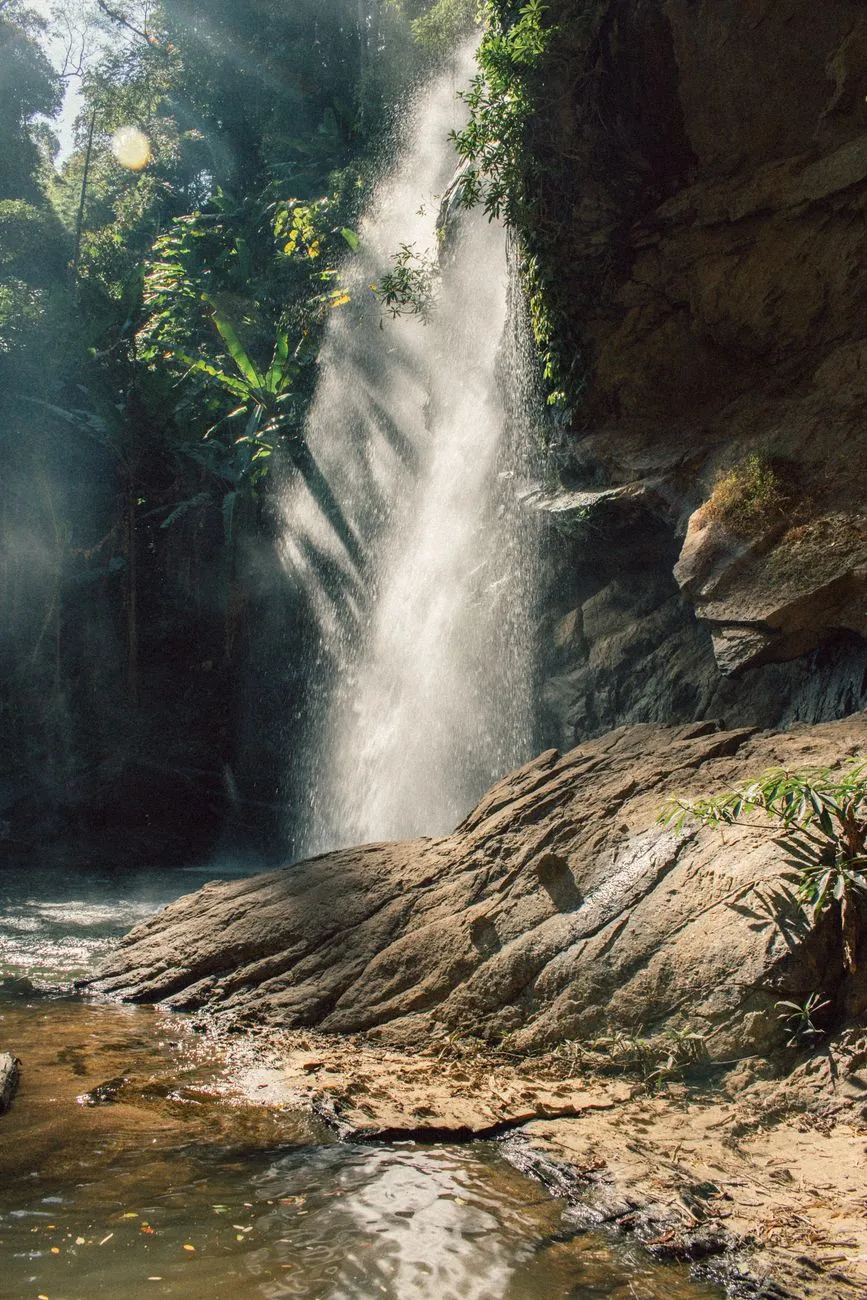

Where the Crowds Never Go: The Real Southeast Asia Awaits Southeast Asia has long been a magnet for travelers, but the well-trodden paths of Bali, Bangkok, and Hanoi are only the beginning. In 2026, a new wave of adventurers is uncovering the region’s hidden gems—places where pristine beaches, lush jungles, and vibrant cultures thrive without the tourist hordes. From the misty highlands of northern Laos to the ancient temples of Cambodia’s Siem Reap, these destinations offer something far more authentic than the typical backpacker route. Whether you're a digital nomad chasing reliable Wi-Fi or a thrill-seeker hunting for untouched landscapes, Southeast Asia’s best-kept secrets promise an experience that’s as enriching as it is exhilarating.Siem Reap: Beyond Angkor Wat – A Digital Nomad’s Paradise Emerges For decades, Siem Reap was known solely as the gateway to Angkor Wat, a place where travelers rushed in, snapped photos, and fled. But in 2026, this Cambodian gem has transformed into a digital nomad haven, offering a perfect blend of affordability, culture, and modern convenience. The city’s internet infrastructure has seen a dramatic upgrade, with speeds now ranging from 50 to 80 Mbps in the city center—a far cry from the dial-up days of the past. Coworking spaces like AngkorHub and The Factory provide high-speed connections, ergonomic setups, and networking opportunities, all for a fraction of what you’d pay in Bangkok or Bali. The cost of living is another draw. A digital nomad can comfortably live on $700–$1,100 per month, including rent, food, and coworking fees. A studio apartment in the city center costs around $300–$500, while a meal at a local amok (Cambodian curry) restaurant runs just $3–$5. Even gym memberships and social events are budget-friendly, with most activities costing under $10. The visa situation has also improved, with Cambodia’s Digital Nomad Visa (introduced in 2024) now fully operational. For $290, you get a 12-month visa with the option to extend, making it one of the most straightforward and affordable options in Southeast Asia. But Siem Reap isn’t just about saving money—it’s about immersion. The city’s growth has brought a wave of new cafes, art galleries, and coworking hubs, all while preserving its rich heritage. The Phare Circus, a social enterprise employing at-risk youth, offers evening performances that blend acrobatics with Cambodian folklore. Meanwhile, the Siem Reap Pub Street has evolved beyond its backpacker reputation, now featuring rooftop bars with live music and craft cocktails. For those seeking adventure, day trips to the Tonlé Sap Lake or the Kulen Promtep Wildlife Sanctuary offer kayaking, hiking, and encounters with rare wildlife.Da Nang: Vietnam’s Coastal Secret Where Urban Sophistication Meets Beachside Bliss While Ho Chi Minh City and Hanoi dominate Vietnam’s travel narrative, Da Nang has quietly emerged as the country’s most dynamic coastal destination. In 2026, this city of 1.2 million is a digital nomad hotspot, offering a rare combination of urban amenities, stunning beaches, and affordability. The cost of living for a digital nomad hovers between $700–$1,100 per month, making it one of the most budget-friendly cities in Southeast Asia for those who want a high quality of life. A modern one-bedroom apartment in the An Thuong district costs $400–$600, while a meal at a local seafood restaurant is just $5–$8. Coworking spaces like DNC Coworking Space and The Hive Da Nang provide high-speed internet (up to 100 Mbps), meeting rooms, and networking events for $80–$150 per month. What sets Da Nang apart is its diverse landscape. The city is nestled between the Marble Mountains (a series of limestone hills with caves and pagodas) and My Khe Beach, one of Vietnam’s most pristine stretches of sand. Adventure seekers can surf the consistent waves, paraglide over the coastline, or hike through the Son Tra Peninsula, home to the rare red-shanked douc langur. For culture lovers, the Dragon Bridge—a 656-foot-long steel structure that breathes fire and water on weekends—is a must-see. Meanwhile, the Hoi An Ancient Town (a UNESCO World Heritage Site) is just a 30-minute drive away, offering lantern-lit streets, tailor-made clothing, and riverside dining. The city’s digital nomad community is thriving, with monthly meetups, tech conferences, and beachside coworking sessions. The Da Nang Digital Nomad Visa (introduced in 2025) allows stays of up to 6 months, with an easy extension process. Health insurance is affordable, with plans starting at $30 per month, and the city’s international hospital (Vinmec) provides top-tier medical care. Currency risk is minimal, as Vietnam’s dong remains stable against the dollar, making budgeting straightforward.Chiang Mai: The Northern Thai Enclave Where Tradition and Innovation Collide Chiang Mai has long been a digital nomad favorite, but in 2026, it’s evolved into something even more special—a place where ancient temples, lush mountains, and a burgeoning tech scene coexist. According to Numbeo’s May 2026 data, Chiang Mai is 11.7% pricier than Ho Chi Minh City, but the trade-off is worth it. A digital nomad budget here ranges from $1,000–$1,500 per month, covering rent, food, coworking, and leisure. A modern studio apartment in the Nimmanhaemin Road area costs $500–$800, while a meal at a trendy café runs $4–$7. Coworking spaces like Punspace and CAMP (Creative and Meeting Place) offer high-speed internet (up to 120 Mbps), yoga sessions, and networking events for $100–$200 per month. The city’s digital nomad visa (the Thailand LTR Visa) is one of the most attractive in Southeast Asia. For $1,500–$2,000 per year, you get a 5-year visa, tax benefits, and the ability to work remotely. Health insurance is mandatory but affordable, with plans starting at $50 per month, and Thailand’s Bumrungrad Hospital is one of the best in the region. The currency risk is low, as the Thai baht remains relatively stable against the dollar. But Chiang Mai isn’t just about work—it’s about culture and adventure. The city is surrounded by mountains, waterfalls, and hill tribes, offering endless opportunities for trekking, elephant sanctuaries, and meditation retreats. The Doi Suthep Temple, perched on a mountain overlooking the city, provides breathtaking views and a glimpse into Northern Thai Buddhism. Meanwhile, the Sunday Night Market is a sensory overload of street food, handicrafts, and live music. For those who crave nightlife, the Nimman area is packed with rooftop bars, live music venues, and craft beer pubs.Bali’s Hidden Highlands: Where the Island’s Soul Resides Beyond the Beaten Path Bali is synonymous with beaches and resorts, but in 2026, the island’s hidden highlands are stealing the spotlight. Places like Sidemen, Munduk, and Amed offer a quieter, more authentic experience, where rice terraces, volcanoes, and traditional villages take center stage. The cost of living in these areas is $1,170+ per month for a digital nomad, but the trade-off is unparalleled beauty and tranquility. A villa with a private pool in Sidemen costs $600–$1,000, while a meal at a local warung is just $2–$5. Coworking spaces are sparse, but cafes like Zest Ubud and Seniman Coffee offer reliable Wi-Fi (up to 50 Mbps) for $5–$10 per day. The B211 Digital Nomad Visa (introduced in 2025) allows stays of up to 6 months, with an easy extension process. Health insurance is mandatory but affordable, with plans starting at $40 per month, and Bali’s international hospitals (like BIMC Hospital) provide excellent care. The currency risk is minimal, as the Indonesian rupiah remains stable against the dollar. What makes Bali’s highlands so special is their untouched beauty. The Sidemen Valley is a UNESCO Biosphere Reserve, home to ancient irrigation systems (subak) and volcanic lakes. The Munduk Waterfalls are a series of seven cascading falls, each more stunning than the last. Meanwhile, Amed is a fishing village turned diver’s paradise, with coral reefs, WWII shipwrecks, and black sand beaches. For adventure seekers, Mount Batur offers sunrise hikes, while traditional weaving villages like Tenganan provide a glimpse into Bali’s pre-colonial culture.Bangkok’s Secret Side: The City’s Underrated Neighborhoods and Hidden Adventures Bangkok is often dismissed as a chaotic metropolis, but in 2026, savvy travelers are discovering its hidden neighborhoods—places where local culture, street food, and modern luxury collide. Areas like Ari, Thonglor, and On Nut offer a more authentic experience than the tourist-heavy Khao San Road or Sukhumvit. The cost of living for a digital nomad is $1,000–$1,500 per month, with studio apartments costing $500–$900 and meals at local eateries ranging from $2–$7. Coworking spaces like The Hive Bangkok and WeWork Phrom Phong provide high-speed internet (up to 150 Mbps) and networking events for $120–$200 per month. The Thailand LTR Visa (same as Chiang Mai) is the best option for long-term stays, offering 5 years with tax benefits. Health insurance is mandatory but affordable ($50–$80 per month), and Bangkok’s Bumrungrad Hospital is one of the best in Asia. The currency risk is low, as the Thai baht remains stable. Bangkok’s hidden gems are endless. The Chatuchak Weekend Market (the world’s largest) is a shopper’s paradise, with over 15,000 stalls selling everything from antiques to street food. The Bang Krachao area, known as the "Green Lung of Bangkok," is a car-free zone with cycling paths, mangrove forests, and floating markets. Meanwhile, the Rooftop Cinema Club offers movie screenings with panoramic city views, and the Talad Neon Night Market is a vibrant hub for live music and craft beer.The Ultimate 2026 Southeast Asia Digital Nomad Cost BreakdownCity Monthly Budget (USD) Rent (1BR Apartment) Coworking (Monthly) Meal (Local Restaurant) Visa Cost (Annual) Internet Speed (Mbps)Siem Reap $700–$1,100 $300–$500 $80–$120 $3–$5 $290 50–80Da Nang $700–$1,100 $400–$600 $80–$150 $5–$8 N/A (6-month visa) 80–100Chiang Mai $1,000–$1,500 $500–$800 $100–$200 $4–$7 $1,500–$2,000 100–120Bali (Highlands) $1,170+ $600–$1,000 $5–$10 (daily) $2–$5 $35–$50 (monthly) 30–50Bangkok $1,000–$1,500 $500–$900 $120–$200 $2–$7 $1,500–$2,000 120–150Costs are approximate and based on 2026 data. Visa costs are for digital nomad-specific visas.Why 2026 is the Year to Explore Southeast Asia’s Hidden Gems Southeast Asia in 2026 is not the same as it was in 2016. The region has evolved, with better infrastructure, more digital nomad-friendly policies, and a growing appreciation for sustainable tourism. Places like Siem Reap, Da Nang, and Bali’s highlands offer something that the overcrowded hotspots can’t—authenticity, affordability, and adventure. For digital nomads, the cost of living is still a fraction of what you’d pay in Europe or North America, while the quality of life is often higher. The internet speeds are improving, the visa options are expanding, and the communities are thriving. Whether you’re hiking through Cambodia’s jungles, surfing Vietnam’s coastlines, or meditating in Thailand’s mountains, Southeast Asia’s hidden gems promise an experience that’s as rewarding as it is unforgettable. The question isn’t why you should visit these places—it’s when you’ll book your ticket.#DigitalNomadLife #HiddenGems #SoutheastAsia2026 #AdventureAwaits #TravelSmart Related InsightsMétéora : L'Ascension Mystique entre Ciel et Pierre Crossing the Roof of the World: Karakoram Highway Road Trip – Part 02: The Khunjerab Border Ethiopia’s Danakil Depression: A Journey to Earth’s Hottest and Most Alien Landscape{ "@context": "https://schema.org", "@type": "FAQPage", "mainEntity": [ { "@type": "Question", "name": "What is the main focus of Southeast Asia’s Best-Kept Secrets: Uncharted Adventures and Untouched Wonders in 2026?", "acceptedAnswer": { "@type": "Answer", "text": "Discover the most breathtaking and underrated destinations in Southeast Asia for 2026, where adventure meets untouched beauty and digital nomads thrive without breaking the bank." } }, { "@type": "Question", "name": "Who authored the comprehensive guide on Southeast Asia’s Best-Kept Secrets: Uncharted Adventures and Untouched Wonders in 2026?", "acceptedAnswer": { "@type": "Answer", "text": "This detailed article and its insights were carefully researched and authored by Mark Dinn." } }, { "@type": "Question", "name": "Where can I find more related content about Travel?", "acceptedAnswer": { "@type": "Answer", "text": "You can explore more articles, detailed reviews, and similar insights by browsing the Related Insights section at the bottom of this article or visiting our dedicated Travel category page." } } ] }
- Zola Ndlovu
- 22 Jul, 2026 07:13
Albania’s Riviera vs Montenegro’s Bay of Kotor: Europe’s Best-Kept Secret Coastlines Revealed
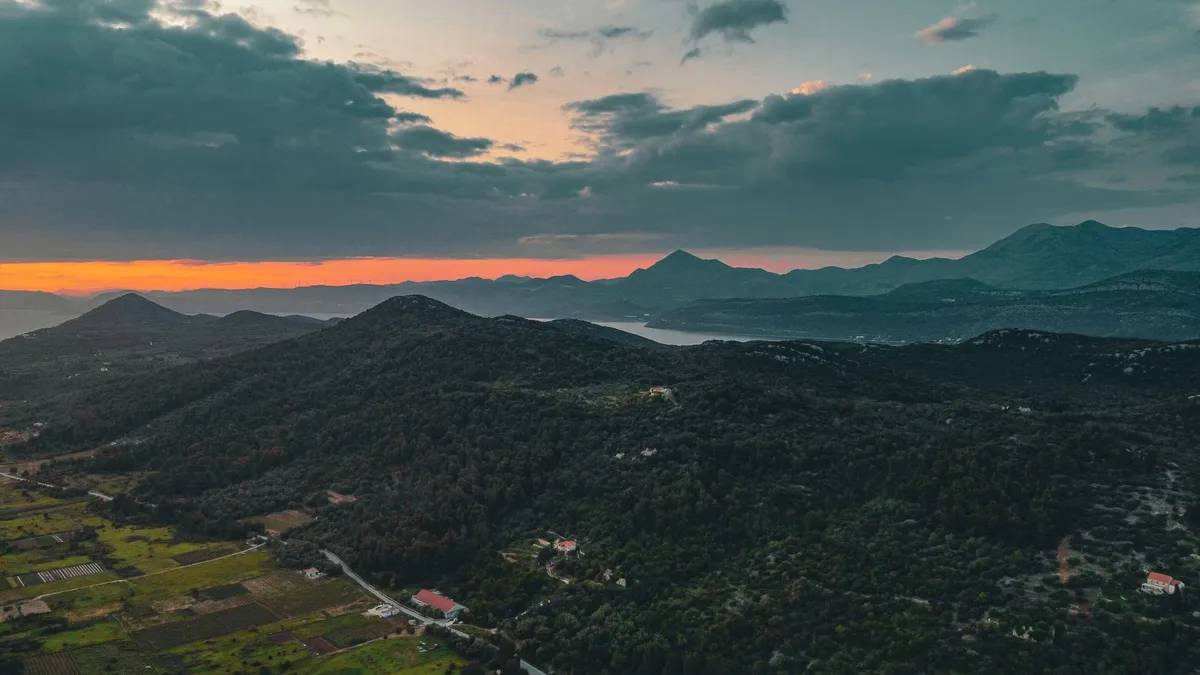
Albania’s Riviera and Montenegro’s Bay of Kotor are Europe’s most underrated coastal destinations—where rugged cliffs meet turquoise waters, medieval villages cling to mountainsides, and the cost of living is a fraction of Western Europe’s. While Croatia’s Dalmatian Coast hogs the spotlight, these two Balkan neighbors offer an intoxicating blend of affordability, authenticity, and natural splendor. Albania’s Riviera stretches 447 kilometers along the Adriatic and Ionian Seas, boasting some of the continent’s last truly wild beaches, while Montenegro’s Bay of Kotor—a UNESCO-listed fjord-like inlet—delivers dramatic scenery and a mix of Venetian, Ottoman, and Slavic heritage. For adventurous travelers, expats, and digital nomads, these regions represent a rare opportunity to experience Mediterranean beauty without the crowds or exorbitant prices. But which destination suits your travel style? Is Albania’s rock-bottom pricing and fast-growing infrastructure the better choice, or does Montenegro’s compact beauty and EU candidacy edge it out? Let’s dive into the hidden gems, practical tips, and hard data to help you decide.1. Albania’s Riviera: Europe’s Last Wild Coastline Albania’s Riviera is a 447-kilometer stretch of coastline along the Adriatic and Ionian Seas, often compared to the French Riviera but without the crowds or pretension. This region, stretching from Vlorë in the north to Sarandë in the south, is a paradise for travelers seeking untouched beaches, crystal-clear waters, and a slow-paced, authentic lifestyle. Unlike Croatia’s overdeveloped Dalmatian Coast, Albania’s Riviera remains largely undiscovered, with only 10% of its potential developed for tourism. This makes it a haven for those who crave solitude, adventure, and a taste of the "real" Mediterranean. The Best Beaches and Hidden Coves Albania’s Riviera is home to some of Europe’s most pristine beaches, many of which are accessible only by boat or a short hike. Ksamil Beach, often called the "Caribbean of Europe," is a postcard-perfect destination with four small islands just offshore, accessible by kayak or paddleboard. The water here is so clear that you can see fish swimming beneath your feet. For a more secluded experience, Gjipe Beach—a hidden cove near Vlorë—requires a 30-minute hike through a lush canyon, rewarding visitors with a nearly empty stretch of golden sand and dramatic cliffs.Jale Beach, near Dhermi, is another gem, known for its bohemian vibe and cliffside hostels where backpackers and digital nomads gather. The beach itself is a crescent of white pebbles and sand, backed by pine forests and towering limestone cliffs. For those willing to venture off the beaten path, Llogara Pass offers breathtaking views of the Ionian Sea from 1,000 meters above sea level, with hiking trails leading to secluded beaches like Drymades Beach, where the water is so calm it resembles a lake. Cultural and Historical Gems Albania’s Riviera isn’t just about beaches—it’s also rich in history and culture. Butrint National Park, a UNESCO World Heritage Site, is a must-visit. This ancient Greek and Roman city, nestled in a marshy lagoon, feels like a lost civilization. The ruins include a 2,500-year-old theater, a Byzantine basilica, and a Venetian castle, all surrounded by lush vegetation and wildlife. Nearby, the Blue Eye Spring (Syri i Kaltër) is a natural phenomenon where a deep blue pool of water bubbles up from the earth, creating a surreal, almost mystical atmosphere. For a taste of Albania’s Ottoman past, head to Gjirokastër, a UNESCO-listed "Stone City" with cobblestone streets, Ottoman-era houses, and a fortress that offers panoramic views of the surrounding mountains. The city is also famous for its traditional qoftë (meatballs) and byrek (savory pastry), which you can enjoy at local teahouses tucked away in the old town. Practical Tips for Visiting Albania’s RivieraBest Time to Visit: May to September is ideal, with temperatures ranging from 25°C to 35°C (77°F to 95°F). July and August are peak months, so book accommodations early. Getting Around: Buses and furgons (shared minivans) are the most common forms of transport. Renting a car gives you the freedom to explore hidden beaches and villages. Where to Stay: For budget travelers, Dhermi and Himarë offer affordable hostels and guesthouses. For luxury, Ksamil has boutique hotels with private beach access. Food and Drink: Albanian cuisine is a blend of Mediterranean and Balkan flavors. Don’t miss tavë kosi (baked lamb with yogurt), qifqi (rice balls), and fresh seafood grilled by the shore. Local wine from the Berat region is a must-try. Safety: Albania is generally safe, but petty theft can occur in tourist areas. Avoid leaving valuables unattended on beaches.2. Montenegro’s Bay of Kotor: Europe’s Southernmost Fjord Montenegro’s Bay of Kotor is often called Europe’s southernmost fjord, a dramatic inlet surrounded by towering mountains and medieval towns. This UNESCO-listed bay is a geological wonder, formed by tectonic shifts millions of years ago, and it’s one of the most stunning coastal landscapes in the world. Unlike Albania’s Riviera, which is spread out along a long coastline, the Bay of Kotor is compact, with most attractions concentrated in a small area. This makes it perfect for travelers who want to explore a lot in a short amount of time. The Highlights of the Bay of Kotor The bay is divided into four main sections: the inner bay (Boka Kotorska), the outer bay, the channel of Verige, and the Gulf of Tivat. The inner bay is the most picturesque, with Kotor Old Town as its crown jewel. This medieval walled city, with its narrow alleys, Byzantine churches, and Venetian palaces, feels like stepping into a fairy tale. The Cathedral of Saint Tryphon, built in 1166, and the Church of Our Lady of Remedy are must-see landmarks.For breathtaking views, hike up to the San Giovanni Fortress, which offers a panoramic view of the bay. The hike is steep and challenging, but the reward is worth it. Alternatively, take a boat tour from Perast to the Our Lady of the Rocks island, home to a 17th-century church and a museum showcasing local maritime history. Hidden Villages and Natural Wonders Beyond Kotor, the bay is dotted with charming villages that seem frozen in time. Perast, a UNESCO-listed town, is famous for its Baroque architecture and two iconic islets: Our Lady of the Rocks and Saint George Island. The town’s palaces and churches are a testament to its wealthy maritime past. For nature lovers, Lovćen National Park is a must-visit. The park is home to Mount Lovćen, which offers stunning views of the bay, and the Njegoš Mausoleum, a striking white structure at the summit. The drive up the mountain is an adventure in itself, with hairpin turns and breathtaking vistas. Another hidden gem is Tivat, a port town known for its luxury marina and the Porto Montenegro development, a playground for the rich and famous. While Tivat itself is more modern, it serves as a great base for exploring the bay. Practical Tips for Visiting the Bay of KotorBest Time to Visit: May to October is ideal, with temperatures ranging from 20°C to 30°C (68°F to 86°F). July and August are peak months, so expect crowds in Kotor. Getting Around: Buses and taxis are the most common forms of transport. Renting a car is useful for exploring the surrounding areas, but parking can be difficult in Kotor. Where to Stay: For luxury, Porto Montenegro offers high-end hotels and yacht charters. For budget travelers, Perast and Tivat have affordable guesthouses. Food and Drink: Montenegrin cuisine is a blend of Mediterranean and Balkan flavors. Don’t miss njeguški pršut (smoked ham), kačamak (cornmeal porridge), and fresh seafood. Local wine from the Crmnica region is a must-try. Safety: Montenegro is generally safe, but be cautious of pickpockets in crowded areas like Kotor Old Town.3. Cost of Living: Albania vs. Montenegro When it comes to affordability, Albania has a clear edge over Montenegro. According to Numbeo, the Cost of Living Index for Albania is significantly lower than that of Montenegro, making it an ideal destination for budget travelers, digital nomads, and expats. Below is a breakdown of key expenses in both countries, based on Numbeo’s latest data:Expense Category Albania (USD) Montenegro (USD) ComparisonMeal at an Inexpensive Restaurant $5 - $10 $8 - $15 Albania is ~30% cheaperMid-range Restaurant Meal (for two) $20 - $40 $30 - $60 Albania is ~40% cheaperLocal Beer (0.5L) $1 - $2 $1.50 - $3 Albania is ~25% cheaperCappuccino $1 - $2 $1.50 - $2.50 Albania is ~20% cheaperMonthly Rent (1-bedroom apartment in city center) $200 - $400 $300 - $600 Albania is ~40% cheaperMonthly Rent (1-bedroom apartment outside city center) $150 - $300 $200 - $400 Albania is ~30% cheaperPublic Transport (Monthly Pass) $15 - $25 $20 - $35 Albania is ~30% cheaperTaxi (1km) $0.50 - $1 $0.70 - $1.50 Albania is ~30% cheaperAs the table shows, Albania is consistently cheaper than Montenegro across all categories. This makes it an attractive option for travelers on a budget or those looking to stretch their euros further. However, Montenegro’s prices are still reasonable compared to Western Europe, and the country offers a higher standard of living in some areas, particularly in cities like Podgorica and Tivat. For digital nomads, Albania’s Dhermi and Himarë are popular hubs with coworking spaces and fast internet. Montenegro’s Kotor and Tivat also have coworking spaces, but the cost of living is higher. Ultimately, your choice will depend on your budget and priorities—whether you prioritize affordability or a slightly higher standard of living.4. Adventure and Activities: What to Do in Albania and Montenegro Both Albania and Montenegro offer a wealth of adventure activities, from hiking and kayaking to diving and cultural explorations. Here’s a breakdown of the best things to do in each destination: Albania’s Riviera: Adventure AwaitsHiking in the Accursed Mountains (Bjeshkët e Namuna): This rugged mountain range in northern Albania offers some of the most challenging and rewarding hikes in Europe. The Valbona Pass and Theth to Valbona trek are must-do routes for experienced hikers. Kayaking in Ksamil: Paddle through the crystal-clear waters of Ksamil’s four islands, where you can snorkel and explore underwater caves. Paragliding in Dhermi: Soar above the Ionian Sea with a tandem paragliding flight, offering breathtaking views of the coastline. Canyoning in Llogara Pass: Descend into hidden canyons and waterfalls near the Llogara Pass, a thrilling adventure for adrenaline junkies. Wine Tasting in Berat: Visit local wineries in the Berat region, known for its indigenous grape varieties like Kallmet and Shesh.Montenegro’s Bay of Kotor: A Mix of Culture and NatureHiking to San Giovanni Fortress: This challenging hike rewards you with panoramic views of the Bay of Kotor, one of the most stunning vistas in Europe. Boat Tour to Our Lady of the Rocks: Explore the historic islet and its museum, then enjoy a seafood lunch in Perast. Kayaking in the Bay of Kotor: Paddle through the calm waters of the bay, passing by medieval towns and hidden coves. Cycling the Bay of Kotor: Rent a bike and cycle along the scenic coastal roads, stopping at villages like Prčanj and Muo. Diving in the Blue Cave: Explore the underwater caves and shipwrecks near Herceg Novi, a popular diving spot.Both destinations offer a mix of adventure and relaxation, but Albania’s Riviera is better suited for those who love hiking, water sports, and off-the-beaten-path experiences. Montenegro’s Bay of Kotor, on the other hand, is ideal for culture lovers, history buffs, and those who enjoy a mix of city and nature.5. Digital Nomad and Expat Life: Which Destination is Right for You? For digital nomads and expats, both Albania and Montenegro offer unique advantages, but the best choice depends on your lifestyle, budget, and priorities. Albania: The Affordable Paradise Albania is quickly becoming a hotspot for digital nomads, thanks to its low cost of living, fast-growing infrastructure, and welcoming locals. Tirana, the capital, has a thriving coworking scene with spaces like The Roof and Impact Hub Tirana. The city is also home to a growing number of cafes and restaurants catering to remote workers. In the coastal towns of Dhermi and Himarë, you’ll find a mix of expats and locals, with affordable guesthouses and a laid-back vibe. The internet is reliable in most areas, and the time zone (CET) is convenient for European and American remote workers. Pros of Living in Albania:Extremely affordable cost of living. Fast-growing infrastructure and digital nomad community. Stunning beaches and natural beauty. Friendly locals and a relaxed pace of life.Cons of Living in Albania:Limited healthcare options outside major cities. Bureaucracy can be slow and frustrating. Public transport is unreliable in rural areas.Montenegro: The Compact European Gem Montenegro is a small but diverse country, offering a mix of coastal living, mountain adventures, and city life. Podgorica, the capital, is a modern city with a growing coworking scene, while Kotor and Tivat offer a more relaxed, coastal lifestyle. For expats, Montenegro’s EU candidacy is a major draw, as it offers the potential for easier travel and business opportunities within the EU. The country also has a higher standard of living than Albania, with better healthcare and infrastructure. Pros of Living in Montenegro:Higher standard of living and better infrastructure. EU candidacy offers future opportunities. Stunning natural beauty and diverse landscapes. More developed healthcare system.Cons of Living in Montenegro:Higher cost of living than Albania. Bureaucracy can be slow and inefficient. Limited digital nomad community outside major cities.Ultimately, your choice will depend on your budget and priorities. If you’re looking for an affordable, laid-back lifestyle with stunning beaches, Albania is the better choice. If you prefer a higher standard of living and don’t mind paying a bit more, Montenegro’s Bay of Kotor is an excellent option.Albania’s Riviera and Montenegro’s Bay of Kotor are two of Europe’s most underrated coastal destinations, each offering a unique blend of natural beauty, culture, and affordability. Albania’s Riviera is perfect for travelers seeking wild beaches, adventure, and a slow-paced lifestyle, while Montenegro’s Bay of Kotor is ideal for those who love history, medieval towns, and a mix of city and nature. Both destinations are affordable compared to Western Europe, but Albania has a clear edge in terms of cost of living. Whether you’re a digital nomad, an expat, or a traveler looking for your next adventure, these two Balkan gems are sure to captivate you. So pack your bags, grab your passport, and get ready to explore Europe’s best-kept secret coastlines.#BalkanTravel #HiddenGems #CoastalAdventures #BudgetTravel #EuropeanRiviera Related InsightsL'Or Pourpre de la Provence : Voyage au Cœur des Océans de Lavande Svalbard: Arctic Adventures Beyond the Northern Lights – A Remote Paradise for Explorers Hidden Gems of Eastern Anatolia{ "@context": "https://schema.org", "@type": "FAQPage", "mainEntity": [ { "@type": "Question", "name": "What is the main focus of Albania’s Riviera vs Montenegro’s Bay of Kotor: Europe’s Best-Kept Secret Coastlines Revealed?", "acceptedAnswer": { "@type": "Answer", "text": "Discover Albania’s untouched Riviera and Montenegro’s dramatic Bay of Kotor—two Balkan coastal jewels offering affordability, adventure, and breathtaking beauty." } }, { "@type": "Question", "name": "Who authored the comprehensive guide on Albania’s Riviera vs Montenegro’s Bay of Kotor: Europe’s Best-Kept Secret Coastlines Revealed?", "acceptedAnswer": { "@type": "Answer", "text": "This detailed article and its insights were carefully researched and authored by Zola Ndlovu." } }, { "@type": "Question", "name": "Where can I find more related content about Travel?", "acceptedAnswer": { "@type": "Answer", "text": "You can explore more articles, detailed reviews, and similar insights by browsing the Related Insights section at the bottom of this article or visiting our dedicated Travel category page." } } ] }
-
 John Explorer
 - 05 Jul, 2026 20:45
Beyond Merv's Veil: Unearthing Turkmenistan's Ghost Oases of the Silk Road
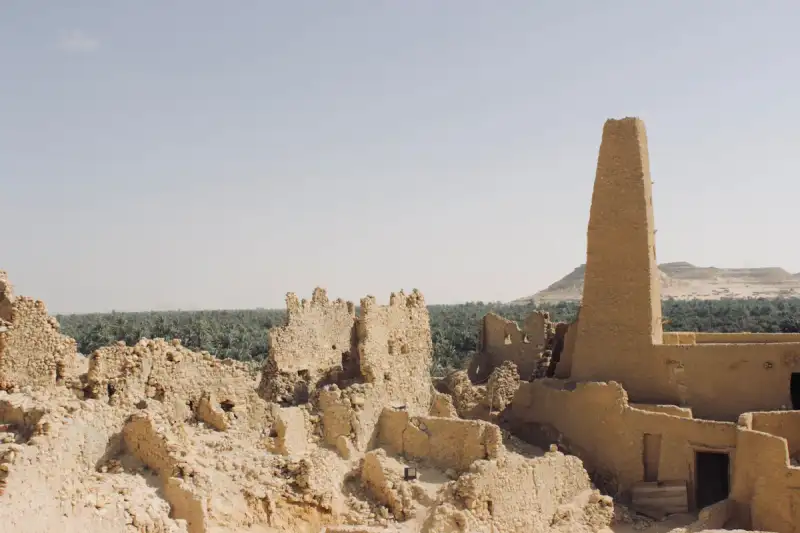
The desert, they say, remembers. It doesn't forgive, nor does it forget. For millennia, the vast, unforgiving expanse of the Karakum in Turkmenistan has been a canvas for human ambition, a crucible for civilization. Cities rose from its sandy embrace, glittering beacons of trade and culture, only to be swallowed whole by the relentless dunes and the unforgiving march of time. We speak of the Silk Road, of course, but not of its most celebrated pearls like Samarkand or Bukhara. Instead, I invite you on an odyssey into the very heart of its forgotten narrative, to the ghost oases of Turkmenistan, places where the wind still whispers tales of empires and caravans long vanished, far beyond the well-trodden routes, beyond even the magnificent Merv. To truly understand Turkmenistan's role in the Silk Road saga is to strip away the romanticized notions of bustling bazaars and grand imperial courts, and to confront the raw, visceral reality of survival and commerce in one of Earth's most challenging landscapes. This isn't a trip for the faint of heart or the casual tourist. This is an expedition into a past so profound, so deeply buried beneath the sands, that it demands a certain reverence, a willingness to shed modern comforts and embrace the stark beauty of desolation. My quest began with a nagging question: what secrets lie beyond the commonly recognized archaeological sites, in the deepest, most inaccessible corners of the Karakum? What echoes of forgotten glory could still be found, standing testament to an audacity of spirit that once dared to tame the desert? The Karakum's Embrace: A Sculptor of Empires The Karakum, meaning "Black Sand" in Turkic languages, is one of the world's largest deserts, covering an astonishing 70% of Turkmenistan's territory. It is a land of extremes: searing summer heat, biting winter winds, and an almost complete absence of surface water. Yet, it was precisely this unforgiving nature that shaped the unique character of its ancient civilizations. Water, or the lack thereof, was the ultimate arbiter of destiny. Where ancient rivers like the Oxus (Amu Darya) or the Murghab once fanned out into sprawling deltas, or where underground qanat systems could be engineered, life flourished, giving birth to cities that rivaled any in the ancient world. The Silk Road through Turkmenistan wasn't a single highway but a labyrinth of routes, constantly shifting with political tides, water sources, and the caprices of tribal allegiances. Caravans, laden with silk, spices, ceramics, and ideas, navigated these perilous paths, relying on strategically placed oases and caravanserais for sustenance and safety. These waystations were more than just inns; they were vital nodes in a vast network, often evolving into substantial cities themselves, drawing populations and cultures from across Eurasia. It is these ephemeral yet monumental testaments to human endeavor that call to the intrepid explorer, promising glimpses into a past often overlooked by conventional histories. Konye-Urgench: A Phoenix from the Dust While perhaps not "hidden" in the strictest sense, Konye-Urgench (Old Urgench) serves as an essential gateway to understanding the grandeur that once permeated the region. Located in northern Turkmenistan, near the border with Uzbekistan, it was once the capital of the Khwarezmian Empire, a powerful medieval Islamic state. For centuries, it was a thriving metropolis, a rival to Bukhara and Samarkand, a center of learning, art, and trade. Its eventual destruction by Genghis Khan in 1221, followed by a second devastating blow from Timur, left it largely in ruins, its remnants gradually consumed by the shifting Amu Darya and the encroaching sands. Today, what remains is a UNESCO World Heritage site, a hauntingly beautiful collection of mausoleums, minarets, and fortifications that stand defiantly against the desert sky. The most iconic is the Kutlug-Timur Minaret, soaring over 60 meters high, a slender brick beacon that once guided caravans across the vast plains. The elaborate brickwork of the Turabek-Khanum Mausoleum, a 14th-century architectural masterpiece, speaks volumes of the artistic sophistication that flourished here. Wandering through its silent courtyards, one can almost hear the echoes of scholars debating, merchants haggling, and the faithful at prayer. Konye-Urgench is not just a collection of ruins; it is a profound testament to resilience, a city that repeatedly rose from the ashes, only to finally succumb to the forces of nature and history. It sets the stage for the even deeper dives into Turkmenistan's forgotten past.Dehistan: The Isolated Jewel of the Misrian Plain My journey then veered sharply southwest, towards one of the most enigmatic and least-visited archaeological sites in Turkmenistan: Dehistan, also known as Mashad-i Misrian. This ancient city, once a major stop on the Silk Road connecting Central Asia with Persia, lies utterly isolated on the Misrian Plain, a desolate expanse that hints at its former proximity to the Caspian Sea. The drive itself is an adventure, traversing seemingly endless salt flats and gravel tracks, the horizon shimmering with heat haze, the only companions being the occasional camel and the vast, silent sky. Dehistan flourished between the 9th and 14th centuries, a testament to ingenious hydrological engineering that diverted water from the Atrek River. What strikes you upon arrival is the sheer scale and profound emptiness of the place. The remains of its impressive city walls, some still standing several meters high, delineate a vast urban area. Inside, the ruins of mosques, minarets, and residential quarters – mostly sun-baked mud brick – whisper stories of a vibrant past. The two remaining minarets, built by the Khwarezmshahs, though heavily weathered, still command the landscape, their intricate brick patterns a ghostly reminder of the artistry that once graced this remote outpost. Exploring Dehistan is a solitary experience. There are no tourist facilities, no souvenir stands, just you, the wind, and the ghosts of a thousand years. The silence is profound, broken only by the crunch of your boots on the dust and the distant cries of desert birds. One can spend hours simply walking the perimeter, imagining the caravans arriving, the merchants setting up their wares, the bustling life that once animated this now-desolate plain. It’s a place that forces introspection, a powerful reminder of the ephemeral nature of even the grandest human endeavors when pitted against the relentless forces of nature and history. Dehistan is not just a ruin; it is a meditation on impermanence, a place where the Silk Road truly feels like a vanished dream. Izmukshir and the Parthian Echoes of Nisa Further explorations reveal other vital, yet often overlooked, chapters of Turkmenistan's Silk Road narrative. The ancient site of Izmukshir, not far from Konye-Urgench but distinct in its historical layers, offers another fascinating glimpse into the region's past. While less imposing in its visible remains than Dehistan, its strategic location near the Amu Darya's ancient course underscores its importance as a former fortress and trade hub, another victim of the shifting river and subsequent abandonment. Its archaeological layers hint at a rich tapestry of settlement, from early agricultural communities to later Islamic period fortifications. For the dedicated archaeological enthusiast, it offers a quieter, more academic insight into the hydrological challenges and successes of ancient Central Asian civilizations. Then, there is Ancient Nisa, located closer to the modern capital of Ashgabat. While more accessible, its profound historical significance often gets overshadowed by its more famous Silk Road counterparts further east. Nisa was the capital of the Parthian Empire, one of the most powerful empires of the ancient world, rivaling Rome. Established in the 3rd century BCE, it served as a vital administrative and cultural center, a nexus where Hellenistic and Iranian cultures merged. Its ruins, a UNESCO World Heritage site, consist of two tells: Old Nisa (a royal fortress and temple complex) and New Nisa (a Hellenistic city). The discovery of unique rhytons (drinking horns) decorated with mythological scenes and Parthian inscriptions at Nisa provided invaluable insights into the art, religion, and daily life of this formidable empire. The inclusion of Nisa in this narrative of "forgotten" oases might seem counter-intuitive given its relative accessibility. However, its importance lies in demonstrating the depth of Turkmenistan's historical engagement with long-distance trade. Nisa wasn't just a Silk Road stop; it was an imperial power that facilitated and controlled significant segments of the early Silk Road, bridging the gap between the Hellenistic West and the nascent empires of the East. Understanding Nisa's role provides a crucial context for the later Islamic cities that would rise and fall in the Karakum. It shows that the history of trade in this region stretches back far further than the traditional "Silk Road" narrative often begins. Life on the Edge: Nomadic Legacy and Caravanserai Culture The cities, grand as they were, were only one facet of life in the Karakum. The vast spaces between these urban centers were traversed by nomadic tribes – the ancestors of today's Turkmen – whose mastery of the desert was unparalleled. They were the guides, the protectors (and sometimes raiders), and the essential logistical support for the caravans. Their intimate knowledge of water sources, safe paths, and seasonal changes was indispensable. The interdependency between the settled oasis dwellers and the nomadic pastoralists created a unique socio-economic fabric, one that allowed the Silk Road to function across such hostile terrain. The remains of numerous caravanserai, literally "palace of caravans," dot the desert landscape, some barely discernible mounds of earth, others still retaining evocative architectural features. These fortified inns were sanctuaries in the desert, offering weary travelers and their animals a safe haven, food, water, and often a bustling marketplace. They were microcosms of the Silk Road itself, where languages, religions, and goods from across the known world mingled. Imagine the stories exchanged around a flickering fire, the negotiations over prices, the shared relief of reaching safety after days of arduous travel. These caravanserai, often built roughly a day's journey apart, were the beating heart of the desert routes, essential arteries that kept the blood of commerce flowing. Their ruins are a stark reminder of the immense logistical effort required to sustain such a vast trade network.The Allure of the Undiscovered: Why These Sites Matter Why embark on such a challenging journey, enduring rough roads, extreme temperatures, and often rudimentary facilities, to visit places that are largely empty ruins? The answer lies in the profound sense of connection these sites offer. Unlike crowded tourist attractions where history is presented through curated exhibits, the ghost oases of Turkmenistan demand a more active engagement. Here, you are not merely an observer; you are an explorer, piecing together fragments of a lost world with every step you take. These sites are not just about bricks and dust; they are about human stories of resilience, ingenuity, and cultural exchange. They speak of the incredible audacity required to build and maintain sophisticated societies in such an unforgiving environment. They are a powerful reminder that history is not just made in the grand imperial capitals but also forged in the remote, challenging frontiers, where diverse cultures met and mingled. For the truly adventurous traveler, these forgotten places offer an unparalleled opportunity to connect with the raw, untamed spirit of the Silk Road, to feel the weight of centuries beneath your feet, and to hear the whispers of empires long past carried on the desert wind. The preservation of these sites is a complex undertaking. Many are highly vulnerable to the elements – the wind, the sand, the occasional rain – and to a lesser extent, human activity. Turkmenistan's commitment to protecting its heritage is growing, but the sheer vastness and isolation of many sites pose significant challenges. Responsible tourism, where visitors respect the fragile nature of the ruins and support local initiatives, can play a vital role in their long-term survival. Conclusion: Echoes in the Sand My journey through Turkmenistan's ghost oases of the Silk Road was more than a travel experience; it was a profound historical pilgrimage. It was a testament to the enduring human spirit, capable of building wonders in the most inhospitable places, and a humbling reminder of nature's ultimate power to reclaim what it has temporarily lent. The Karakum Desert, far from being an empty void, is a living museum, its vastness concealing layers of history, waiting patiently for those willing to seek them out. Beyond Merv's famous gates, in the silent expanse of the Karakum, lies a world of vanished cities and forgotten stories. To walk among the crumbling walls of Dehistan, to gaze upon the defiant minaret of Konye-Urgench, or to ponder the Parthian legacy at Nisa, is to engage in a conversation with history itself. It is to acknowledge that the greatest adventures often lie not on the well-beaten path, but in the untamed wilderness where the echoes of the past speak loudest, inviting us to listen, to learn, and to wonder. The Silk Road, in Turkmenistan, is not merely a historical route; it is an enduring spirit of exploration, waiting to be rediscovered.#Turkmenistan #SilkRoad #KarakumDesert #AncientCities #HiddenGems Related InsightsThe Crystal Spine of Afar: An Odyssey Through Ethiopia's Ancient Salt Routes Bhutan’s Tiger’s Nest Monastery: A Pilgrimage to the Clouds (Part 2) Echoes in the Clouds: A Pilgrimage Through Meteora’s Forgotten Monasteries{ "@context": "https://schema.org", "@type": "FAQPage", "mainEntity": [ { "@type": "Question", "name": "What is the main focus of Beyond Merv's Veil: Unearthing Turkmenistan's Ghost Oases of the Silk Road?", "acceptedAnswer": { "@type": "Answer", "text": "Journey deep into Turkmenistan's Karakum Desert to discover the forgotten cities and ghost oases that once thrived on the ancient Silk Road, far beyond the well-trodden paths." } }, { "@type": "Question", "name": "Who authored the comprehensive guide on Beyond Merv's Veil: Unearthing Turkmenistan's Ghost Oases of the Silk Road?", "acceptedAnswer": { "@type": "Answer", "text": "This detailed article and its insights were carefully researched and authored by John Explorer." } }, { "@type": "Question", "name": "Where can I find more related content about Travel?", "acceptedAnswer": { "@type": "Answer", "text": "You can explore more articles, detailed reviews, and similar insights by browsing the Related Insights section at the bottom of this article or visiting our dedicated Travel category page." } } ] }
-
 Pierre Dubois
 - 04 Jul, 2026 06:30
Sous les Vignobles de la Loire : Le Mystère Énigmatique des Cités Troglodytiques Oubliées
Dans le panthéon des destinations françaises, la Vallée de la Loire résonne souvent avec l'écho des fastes royaux, l'élégance intemporelle de ses châteaux de la Renaissance, et la douceur onctueuse de ses vins renommés. Des jardins d'Azay-le-Rideau aux tours emblématiques de Chambord, l'image que nous en avons est celle d'une surface opulente, baignée de lumière, où l'histoire se lit à ciel ouvert. Mais que se passerait-il si je vous disais que l'âme véritable de cette région, son héritage le plus singulier et le plus profondément enraciné, se cachait, non pas sous le soleil, mais dans l'obscurité fraîche et silencieuse de ses entrailles ? Oubliez un instant les splendeurs de la pierre sculptée et les reflets du Cher. Suivez-moi, non pas sur les sentiers battus, mais dans les passages secrets, les galeries oubliées et les cavités creusées à même la roche, là où se dissimule un monde presque invisible : celui des cités troglodytiques de la Loire. Ces habitations souterraines, souvent reléguées au rang de curiosités anecdotiques, constituent en réalité l'une des formes d'habitat humain les plus durables et les plus fascinantes que la France ait jamais connues. Il ne s'agit pas de simples grottes, mais de véritables architectures inversées, sculptées dans un matériau unique, le tuffeau, et porteuses d'une histoire millénaire qui défie notre compréhension moderne du confort et de l'ingéniosité. L'Émergence d'un Monde Souterrain : Une Géologie au Service de l'Homme Pour comprendre l'existence de ces villages sous la terre, il faut d'abord se pencher sur la géologie locale. La Vallée de la Loire est traversée par une roche tendre et crayeuse, le tuffeau. Cette pierre calcaire, de couleur blanc crème, s'est formée il y a des millions d'années par l'accumulation de sédiments marins. Sa particularité est d'être relativement facile à extraire, mais une fois exposée à l'air, elle durcit et offre une résistance étonnante. Cette dualité en a fait le matériau de prédilection pour la construction des châteaux de la Loire (les blocs étant extraits des carrières locales) et, paradoxalement, la matrice même de ces habitations souterraines. Dès l'époque néolithique, l'homme a compris le potentiel de ces falaises de tuffeau. Les premières utilisations furent probablement des abris temporaires ou des refuges. Mais c'est véritablement au Moyen Âge que l'habitat troglodytique prend son essor. Alors que les seigneurs construisaient leurs donjons et leurs forteresses en surface, les populations plus modestes, paysans, artisans ou ermites, trouvaient dans le sous-sol une solution d'habitation économique, naturellement isolante (fraîche en été, tempérée en hiver) et discrète. Les falaises longeant les cours d'eau, comme le Loir, la Loire, le Cher ou la Vienne, se sont ainsi transformées en véritables parois verticales, criblées de milliers de cavités. Ce n'était pas un choix par défaut, mais une adaptation astucieuse. Creuser dans le tuffeau fournissait non seulement un logis, mais aussi la pierre nécessaire à l'édification des bâtiments de surface. Les "carrières" se muaient en "habitations" à mesure que les blocs étaient extraits. C'est cette interdépendance qui a façonné le paysage troglodytique, transformant des falaises naturelles en façades monumentales, percées de portes et de fenêtres, souvent dissimulées par la végétation ou l'apparente banalité du paysage. De l'Abri Rustique à la Cité Organisée : La Diversité de l'Habitat Troglodytique L'imaginaire collectif associe souvent le troglodyte à une simple caverne. Or, la réalité de la Loire est bien plus complexe et raffinée. On y distingue plusieurs types d'habitations, témoignant d'une ingéniosité architecturale remarquable :Les Caves-Habitats : Directement creusées dans le flanc de la falaise, ces maisons se développent horizontalement. Souvent agrémentées d'une façade maçonnée en surface, elles s'intègrent discrètement au paysage. L'intérieur révèle un agencement surprenant de pièces, parfois sur plusieurs niveaux, avec des cheminées sculptées dans la roche et des systèmes d'aération rudimentaires mais efficaces.Les Souterrains-Refuges : Plus complexes, ces réseaux de galeries s'étendent parfois sur des kilomètres sous la terre. Utilisés comme greniers à grain, cachettes pendant les périodes d'invasion ou même lieux de culte clandestins, ils témoignent d'une organisation sociale et défensive élaborée. Le village de Rochemenier, par exemple, offre un aperçu fascinant de ce type d'habitat, avec ses maisons, ses dépendances et même sa chapelle entièrement souterrains.Les Fortifications Troglodytiques : Moins connues, certaines falaises ont été transformées en véritables forteresses. À Brézé, le château possède un réseau souterrain impressionnant, avec des cuisines, des écuries et des passages secrets, illustrant la complémentarité entre l'architecture de surface et le monde sous-terrain.Les Sites "Hors Norme" : On trouve également des églises troglodytiques (comme celle de Louresse-Rochemenier), des pigeonniers creusés dans la roche (les "pierriers" ou "tuffiers"), et bien sûr, les fameuses caves à vin et champignonnières. Ces dernières, véritables cathédrales souterraines dédiées à la culture des champignons de Paris ou au vieillissement des vins de Saumur, sont l'incarnation la plus vivante et la plus productive de l'héritage troglodytique. Elles exploitent la stabilité de température et d'humidité constante du sous-sol, conditions idéales pour ces activités.La Vie au Quotidien dans l'Obscurité et la Fraîcheur S'imaginer vivre sous la terre peut paraître rude, voire austère, pour l'homme du XXIe siècle. Pourtant, pour les habitants de ces lieux, c'était un mode de vie parfaitement adapté aux contraintes de l'époque. La roche offrait une protection naturelle contre les intempéries, les invasions et les variations climatiques extrêmes. Les intérieurs, souvent blanchis à la chaux pour refléter la lumière et assainir l'atmosphère, étaient meublés de manière rustique mais fonctionnelle. L'éclairage, autrefois assuré par des lampes à huile ou des bougies, était complété par l'ingéniosité des ouvertures. Les puits de lumière et les conduits d'aération étaient souvent percés verticalement pour capter la clarté et assurer une ventilation minimale, créant une ambiance douce et intime, loin du tumulte extérieur. La température constante, autour de 12-14°C toute l'année, était un atout inestimable avant l'ère du chauffage central et de la climatisation. Mais au-delà de l'aspect pratique, il y avait aussi une dimension communautaire forte. Dans certains villages troglodytiques, les habitations étaient interconnectées par des galeries, créant un véritable réseau social sous-terrain. Les voisins partageaient non seulement des murs de roche, mais aussi un mode de vie, des traditions et des secrets. C'était un monde où l'entraide était essentielle, où la connaissance de la roche et de ses caprices était transmise de génération en génération. Le Tuffeau et le Vin : Une Alliance Millénaire Il est impossible d'évoquer les troglodytes de la Loire sans parler de leur lien indéfectible avec le vin. Les vastes galeries souterraines, issues de l'extraction du tuffeau, se sont naturellement transformées en caves idéales pour le vieillissement des vins locaux. L'humidité constante et la température stable créent un environnement parfait pour l'élevage des Saumur-Champigny, Chinon, Bourgueil, ou Vouvray. De nombreuses maisons viticoles, encore aujourd'hui, exploitent ces caves troglodytiques. La visite d'une telle cave est une expérience sensorielle unique : l'odeur terreuse et humide, la vision des rangées de bouteilles endormies, le silence presque religieux, tout contribue à une immersion profonde dans l'histoire et la culture de la viticulture ligérienne. C'est là que le passé et le présent se rencontrent, où les techniques ancestrales continuent de servir une production moderne de qualité. Au-delà des vins, les troglodytes sont également devenus les sanctuaires du champignon de Paris. Des kilomètres de galeries obscures sont aujourd'hui dédiés à sa culture, profitant des conditions climatiques souterraines pour une production constante et abondante. C'est une autre illustration spectaculaire de l'ingéniosité humaine à tirer parti de son environnement.Les Troglodytes Aujourd'hui : Entre Musée Vivant et Renaissance Créative Longtemps délaissées au profit d'habitations plus "modernes" et lumineuses, les habitations troglodytiques ont connu un déclin progressif à partir du début du XXe siècle. Cependant, ces dernières décennies ont vu renaître un intérêt marqué pour ce patrimoine exceptionnel. Aujourd'hui, de nombreux sites ont été restaurés et ouverts au public, comme le village de Rochemenier ou le site de Doué-la-Fontaine avec son bioparc unique, en partie troglodytique. Ces lieux offrent une plongée fascinante dans la vie quotidienne des habitants d'autrefois, avec des reconstitutions fidèles et des expositions pédagogiques. Ils ne sont plus de simples curiosités, mais des musées vivants qui témoignent de l'ingéniosité humaine face à l'environnement. Mais l'héritage troglodytique ne se limite pas à la conservation. Il connaît aussi une véritable renaissance créative. Certains ont choisi de réinvestir ces lieux pour en faire des habitats contemporains, des chambres d'hôtes insolites, des restaurants à l'ambiance unique, ou même des galeries d'art et des ateliers d'artistes. La fraîcheur naturelle et le caractère atypique de ces lieux attirent ceux qui recherchent une expérience différente, hors des sentiers battus, et un mode de vie plus respectueux de l'environnement. Imaginez dîner dans un restaurant entièrement creusé dans le tuffeau, la lumière des bougies dansant sur les parois de pierre, le silence rompu seulement par les conversations feutrées. C'est une immersion totale, une parenthèse hors du temps. Le défi actuel réside dans la préservation de ce patrimoine fragile. Le tuffeau, bien que résistant, est sujet à l'érosion et aux effondrements si les cavités ne sont pas correctement entretenues. Des efforts considérables sont déployés pour consolider les sites, étudier leur structure et assurer leur pérennité pour les générations futures. C'est un travail de longue haleine, mais essentiel pour que ces cités souterraines continuent de raconter leur histoire. Un Appel à l'Exploration Hors des Sentiers Battus La Vallée de la Loire, avec ses cités troglodytiques, nous rappelle que l'histoire et la culture d'une région ne se limitent pas à ce qui est visible à la surface. Elle nous invite à regarder au-delà des façades évidentes, à explorer les profondeurs, et à apprécier l'ingéniosité et la résilience de l'humanité face aux défis de son environnement. Ces villages sous les vignobles ne sont pas de simples reliques du passé. Ce sont des témoignages vivants d'un mode de vie oublié, des sanctuaires de la tradition viticole, et des lieux d'innovation contemporaine. Ils offrent une perspective unique sur le patrimoine français, loin des foules et des clichés. Alors, la prochaine fois que vous sillonnerez les routes de la Loire, entre deux dégustations de vin ou une visite de château, osez faire un détour. Descendez quelques marches, poussez une porte discrète dans le flanc d'une falaise, et laissez-vous transporter dans un monde souterrain, silencieux et fascinant. C'est là, dans l'ombre fraîche du tuffeau, que vous découvrirez l'âme la plus secrète et la plus authentique de la Vallée de la Loire, un trésor enfoui qui n'attend que d'être exploré.#ValléeDeLaLoire #Troglodyte #PatrimoineCaché #VoyageInsolite #FranceProfonde #ArchitectureSouterraine #FranceTravel #LoireValley #Troglodyte #HiddenGems #FrenchHistory Related InsightsPatagonia’s Secret Gems: Where Wild Winds Carve Legends Beyond Torres del Paine Coimbra: Tradição Académica e História Medieval L'Écho Secret des Montagnes du Tigré : À la Découverte des Églises Monolithiques d'Éthiopie{ "@context": "https://schema.org", "@type": "FAQPage", "mainEntity": [ { "@type": "Question", "name": "What is the main focus of Sous les Vignobles de la Loire : Le Mystère Énigmatique des Cités Troglodytiques Oubliées?", "acceptedAnswer": { "@type": "Answer", "text": "Plongez dans l'univers fascinant et méconnu des habitations troglodytiques de la Vallée de la Loire, un patrimoine souterrain riche en histoire et en mystères." } }, { "@type": "Question", "name": "Who authored the comprehensive guide on Sous les Vignobles de la Loire : Le Mystère Énigmatique des Cités Troglodytiques Oubliées?", "acceptedAnswer": { "@type": "Answer", "text": "This detailed article and its insights were carefully researched and authored by Pierre Dubois." } }, { "@type": "Question", "name": "Where can I find more related content about Travel?", "acceptedAnswer": { "@type": "Answer", "text": "You can explore more articles, detailed reviews, and similar insights by browsing the Related Insights section at the bottom of this article or visiting our dedicated Travel category page." } } ] }
- John Explorer
- 24 Jun, 2026 14:45
The Aetherial Threads: Unearthing Ladakh's Forgotten Sky Roads of the Monastics
The air, thin and sharp like a perfectly honed blade, sliced through my lungs with each desperate gasp. My vision blurred at the periphery, a dizzying dance of sapphire sky and ochre rock. There was no path here, not in the conventional sense. Only an instinct, a faint whisper from a centuries-old story, guiding my frostbitten boots across scree slopes that seemed to dissolve underfoot. This wasn’t a hike; it was an act of faith, a pursuit of ghosts along routes whispered about only by the oldest Lamas, an investigative #journey into the very soul of the Himalayas. I was searching for Ladakh’s invisible Sky Roads, #ancient monastic trails that exist more in legend than on any map. A Whisper from the High Peaks: The Genesis of a Quest My fascination began innocently enough, buried within the brittle pages of an obscure 19th-century British survey report. Amidst detailed topographic measurements and colonial observations of local customs, a single, intriguing footnote caught my eye. It alluded to "aerial paths"—high-altitude routes supposedly used by early Buddhist monks to connect isolated meditation caves and nascent gompas (monasteries) long before established villages or trade routes even existed. These were not the well-trodden pilgrim paths of today, nor even the challenging passes known to modern trekkers. These were something else entirely: routes predicated on absolute solitude, spiritual endurance, and an intimate knowledge of a landscape that actively sought to repel human presence. The report dismissed them as local myth, perhaps exaggerations of strenuous journeys. But for me, that dismissal was the spark. The idea clung to me like the mountain mist, morphing from a mere academic curiosity into an obsession. I spent years after that initial encounter poring over ancient Tibetan texts, consulting with revered Lamas in more accessible monasteries, and cross-referencing fragmented oral histories. What emerged was a mosaic of clues: references to "the paths of the sky-wanderers," "the threads of the dakinis," and tales of monks who would disappear for months, only to reappear, transformed, from directions where no man could possibly have traveled. These were not just physical trails; they were spiritual arteries, conduits for enlightenment, carved by generations of ascetics pushing the boundaries of human endurance and faith. They represented a form of pilgrimage so profound, so utterly detached from worldly concerns, that they had faded from collective memory, leaving only spectral echoes in the thin air. Into the Labyrinth of Stone and Spirit: Initial Preparations and First Steps The logistics of tracing routes that practically don't exist were, to put it mildly, daunting. Forget GPS; these paths predated written language in many instances, marked perhaps by nothing more than a carefully placed cairn long since toppled, or an unusually shaped rock noted only by a monastic mind honed by years of meditation. My preparation involved not just physical conditioning for extreme altitudes and treacherous terrain, but also a deep dive into the local dialects of Ladakhi and archaic Tibetan, hoping to unearth forgotten place names or subtle directional cues hidden within old chants. I traveled with minimal gear, a skilled local guide named Tenzin whose family had lived in these valleys for generations and possessed an intuitive understanding of the land, and a deep-seated humility. The mountains here permit no arrogance. Our journey began in a village so remote it scarcely warranted a dot on any map, a place where the nearest motorable road was a three-day walk away. From there, we ascended. The first few days were a blur of rising altitude, the landscape morphing from arid scrubland to vast, desolate plateaus, then into a realm of jagged, snow-capped peaks. The oxygen thinned relentlessly, each step a conscious effort. We followed faint animal tracks, crossed glacial streams that numbed the feet to the bone, and navigated sheer rock faces where handholds were precarious and footholds scarce. Tenzin, usually stoic, often paused, his gaze sweeping the vast expanse, searching for a sign that only he could interpret – a particular shade of lichen, a subtle change in the rock's stratification, a feeling in the wind. These were not roads for the casual adventurer; they were pathways for the truly dedicated, or the utterly desperate. The Footprints of Saints: Decoding the Ancient Paths The physical manifestation of a "Sky Road" was never a uniform trail. Sometimes it was a narrow ledge clinging precariously to a cliff face, barely wide enough for one foot. Other times, it was a series of small, strategic cairns (ovoos in Tibetan) built millennia ago, now half-buried by erosion. Most often, it was simply an imagined line across a vast, unmarked expanse of boulders and ice, visible only to an eye trained by generations of ancestral knowledge, or perhaps, a spiritual intuition. We found ancient rock carvings, faint and weathered, depicting symbols that hinted at directional markers or protective deities. A single, stylized stupa etched into a granite slab would signify a particularly dangerous passage, or a point of profound spiritual significance. One evening, huddled in a makeshift shelter against a raging snowstorm, Tenzin recounted a tale passed down through his family: of a legendary Lama who, seeking ultimate enlightenment, walked for seven years across these sky roads, never once descending below 5,000 meters. He ate only what he found, meditated in glacial caves, and communicated with the spirits of the mountains. His path, Tenzin explained, was not just about reaching a destination but about the journey itself becoming the meditation, each arduous step an offering, each breath a prayer. These Sky Roads, therefore, were less about navigation and more about transformation. They were tests, purifications, designed to strip away all worldly attachments and force an encounter with the raw, untamed self and the divine. Sanctuaries in the Sky: Unveiling the Hidden Gompas After what felt like an eternity of climbing, pushing, and doubting, we stumbled upon the first concrete evidence of our quest's validity. High above a valley that had seemed utterly devoid of human life, nestled into a natural rock overhang, was a small, perfectly preserved cave monastery. Its entrance was so artfully concealed by natural rock formations that one could pass within meters of it without ever knowing of its existence. This was not a gompa built on an accessible hill; it was an extension of the mountain itself, a part of its silent, ancient heart. Inside, the air was still and cold, yet imbued with an unmistakable warmth, a spiritual resonance that felt tangible. Ancient murals, vibrant despite the passage of centuries, adorned the rock walls, depicting scenes from the life of Buddha and tantric deities. A small, meticulously carved wooden altar held a handful of offerings – dried juniper branches, a few grains of rice, items left by a devotee perhaps decades, even centuries, ago. A single, dust-covered thangka, its colours faded but its message clear, depicted a contemplative Bodhisattva. It was clear this place had not seen regular human traffic for an age. The silence here was profound, a living entity that hummed with the echoes of countless meditations.The most striking discovery, however, was in a tiny, almost hidden alcove: a collection of manuscripts, meticulously handwritten on brittle birch bark and parchment. These were not canonical texts, but personal journals and spiritual commentaries by the monks who had lived and meditated here. They detailed not only their profound spiritual insights but also the challenges of their existence: the scarcity of food, the brutal winters, the deep solitude, and the constant awareness of their proximity to the divine. One passage, translated painstakingly by Tenzin, spoke of the Sky Roads as "the pathways to the inner self, where each stone is a lesson and each gust of wind a mantra." It confirmed everything I had suspected: these were more than just trails; they were active instruments of spiritual practice. Life at the Edge of the Breathable World: Encounters and Reflections Our journey continued, leading us to several more such hidden sanctuaries, each one a testament to an unimaginable devotion. In one, nestled so high that the clouds often swirled below us, we found a lone hermit. He was ancient, his face a roadmap of wrinkles carved by sun and wind, his eyes clear and serene as the glacial lakes. He spoke little, but his presence was a lesson in itself. He had lived there, he told us through Tenzin, for over forty years, sustained by a tiny patch of hardy greens, what he gathered from the mountains, and the spiritual nourishment of his practice. He was, in essence, a living embodiment of the Sky Roads' purpose. His daily routine was an unbroken cycle of meditation, prayer, and the meticulous maintenance of his tiny, self-sufficient world. He spoke of the mountains as his teachers, the wind as his companion, and the stars as his eternal guides. He knew the Sky Roads not as mere lines on a landscape, but as extensions of his own spiritual journey, paths that connected him not just to other hidden gompas, but to the very essence of existence. Our encounter was brief, yet deeply transformative. It solidified my understanding that these routes were not merely historical relics; they were living traditions, kept alive by the few, the truly dedicated, who chose a life beyond the veil of the mundane. The profound solitude of these altitudes forces an introspection unlike any other. Stripped of all distractions, with the vastness of the cosmos above and the monumental silence of the mountains around, one is left with only oneself. The physical discomfort, the fear of the unknown, the exhaustion – all melt away, replaced by a clarity of thought, a heightened awareness. I began to understand the draw of these Sky Roads for the ancient monks: they were not just escape routes, but pathways to confrontation – with oneself, with #nature, and ultimately, with the divine. The Echoes of Silence: The Deeper Meaning of the Sky Roads The cultural practice embedded within these Sky Roads is a unique form of pilgrimage. Unlike many pilgrimages that lead to specific, revered sites, these routes themselves were the primary spiritual undertaking. The journey was the devotion. Each arduous climb, each perilous traverse, each moment spent battling the elements, was a meditation, a ritual of purification. The goal was not merely to arrive at a sacred destination, but to undergo a transformation en route. This practice speaks volumes about the early forms of Tibetan Buddhism in Ladakh – a raw, untamed spirituality that sought truth not in grand temples, but in the elemental forces of nature, in the profound silence of the high peaks, and in the relentless testing of the physical and spiritual self. The monks who forged and traversed these paths were not just ascetics; they were pioneers of the spirit, mapping out an inner landscape as vast and challenging as the mountains they inhabited. Their practices, though extreme, highlight a universal human yearning for meaning, for transcendence, and for a deeper connection to something beyond the everyday. Preserving the Invisible: A Call for Mindful Exploration Returning from the Sky Roads was like waking from a profound dream. The vibrant colours of the modern world seemed almost garish after the muted, sublime palette of the high Himalayas. The cacophony of human activity felt jarring after weeks of absolute silence. My physical journey had ended, but the internal one had just begun. These Sky Roads, truly invisible gems of human endeavor and spiritual dedication, are fragile. They are not tourist attractions; they are sacred arteries. While the urge to explore and understand such profound historical and cultural practices is strong, their very existence depends on their continued obscurity, or at least, on extremely mindful engagement. There's a delicate balance between shedding light on these forgotten wonders and inadvertently paving the way for their degradation. My hope in sharing this account is not to create a new trekking fad, but to foster an appreciation for a form of spiritual pursuit that pushed the absolute limits of human experience. Perhaps some things are meant to remain partially hidden, to exist as whispers on the wind, accessible only to those who seek them with the purest of intentions. The true value of the Sky Roads lies not in their discovery by the masses, but in the profound philosophical lessons they offer about human resilience, faith, and the enduring quest for meaning in the most desolate yet breathtaking corners of our world. The Descent and the Lingering Resonance As Tenzin and I descended, the oxygen gradually thickening, the vastness of the valleys unfolding beneath us, I felt a sense of profound gratitude and a quiet awe. The mountains had revealed a secret, not just of physical routes, but of a way of life, a spiritual tradition that continues to defy the modern world. The Sky Roads are not just lines on a map that never was; they are lines etched into the collective spiritual consciousness of a people, faint but indelible. They reminded me that the greatest journeys are often not to the most famous landmarks, but to the unseen, unheard places where the human spirit truly soars, even at the edge of the breathable world. The thin air, the biting cold, the relentless climb – these were merely the physical manifestations of a deeper ascent. An ascent into #history, into spirituality, and into the very heart of what it means to be truly alive and connected to something ancient and profound. The Sky Roads of Ladakh, for me, will forever be the most silent, yet the most eloquent, testament to the enduring human spirit. #LadakhHiddenGems #HimalayanSpirituality #AncientMonasticTrails #ForgottenPilgrimage #HighAltitudeCulture Related InsightsSardinian Nuraghe Trails: Mapping the Bronze Age Megalithic Landscapes The Arctic's Whispering Skies: Your Ultimate Guide to Unlocking Scandinavia's Northern Lights Mystique 紫禁城:明清两代的皇家心脏{ "@context": "https://schema.org", "@type": "FAQPage", "mainEntity": [ { "@type": "Question", "name": "What is the main focus of The Aetherial Threads: Unearthing Ladakh's Forgotten Sky Roads of the Monastics?", "acceptedAnswer": { "@type": "Answer", "text": "Beyond the known passes of Ladakh lie the 'Sky Roads'—invisible ancient trails connecting forgotten high-altitude monasteries, a spiritual quest woven into the very fabric of the Himalayas." } }, { "@type": "Question", "name": "Who authored the comprehensive guide on The Aetherial Threads: Unearthing Ladakh's Forgotten Sky Roads of the Monastics?", "acceptedAnswer": { "@type": "Answer", "text": "This detailed article and its insights were carefully researched and authored by John Explorer." } }, { "@type": "Question", "name": "Where can I find more related content about Travel?", "acceptedAnswer": { "@type": "Answer", "text": "You can explore more articles, detailed reviews, and similar insights by browsing the Related Insights section at the bottom of this article or visiting our dedicated Travel category page." } } ] }
- John Explorer
- 13 Jun, 2026 08:45
The Silent Architects of Stone: Unearthing the Last Weavers of Kladenets in Bulgaria's Mystical Rhodopes
The first time I saw it, it was a ghost. A whisper on the horizon, a silhouette against the bruised purple of a Balkan sunset. It wasn't a castle, nor a natural rock formation, but something in between – an impossible geometry of stone, rising from the rugged spine of the Rhodope Mountains in Bulgaria. It looked like a wave frozen mid-crest, or perhaps a giant's ribcage, intricate and defiant. It shouldn't have been there, not like that. Not without mortar, without modern tools, without a hint of its origins in any map or guide I possessed. That fleeting glimpse ignited an obsession, a relentless pursuit of a truth that felt #ancient, almost mythical. My usual travels lead me off the beaten path, but this felt different. This wasn't merely 'off the path'; it was off the map, off the radar, a fragment of #history clinging to life in the shadow of a forgotten mountain range. For months, that image haunted my periphery, a stone riddle I couldn't solve. I scoured academic papers, obscure archaeological forums, regional folklore collections. My search led me down rabbit holes of Thracian megaliths, Roman fortifications, Ottoman bridges – but nothing resonated with the organic, almost sentient quality of that structure. It felt crafted by hands that understood stone not as inert matter, but as a living canvas. Then, a tiny, almost throwaway line in a decades-old ethnographical journal caught my eye: a brief mention of a unique dry-stone masonry technique, referred to colloquially as 'stone weaving,' practiced by a handful of families in the deep, isolated valleys of the Western Rhodopes. The village name was a barely legible scribble: Kladenets. A place so small, it seemed to exist solely in the fading memory of a bygone era. And that, I knew, was where my #journey had to begin. The Unseen Path to Kladenets The Rhodopes are a formidable beast. Unlike the jagged, dramatic peaks of the Alps or the Dolomites, these mountains possess a more ancient, brooding grandeur. Their slopes are rounded by millennia, cloaked in dense pine forests that whisper secrets in the wind. Deep gorges cut through the landscape, rivers roar through narrow defiles, and isolated hamlets cling to impossible ledges, each a world unto itself. Getting to Kladenets was less a journey and more an expedition into a forgotten time. Paved roads quickly gave way to gravel, then to rutted dirt tracks, passable only by a sturdy 4x4. My phone signal vanished hours before I even glimpsed the first signs of human habitation. Days blurred into a montage of winding mountain roads, the scent of wild herbs and damp earth, the occasional sighting of a lone shepherd or a family of wild boar. The few locals I encountered spoke a dialect thick with ancient inflections, their eyes holding the quiet wisdom of generations who have lived in harmony with – and at the mercy of – these mountains. When I asked about Kladenets, their responses were cautious, a mix of curiosity and a deep-seated protectiveness. "A long way," some would say, or "Only the old ones stay there now." Their words only deepened my resolve. Finally, after what felt like an eternity of hairpin bends and breathtaking vistas, the track opened onto a high plateau. Below, nestled in a bowl-shaped valley, lay Kladenets. It wasn't picturesque in the conventional sense. There were no brightly painted houses or manicured gardens. Instead, buildings of rough-hewn stone, their roofs adorned with heavy slate tiles, seemed to melt into the landscape, almost indistinguishable from the rock faces around them. Smoke curled lazily from a few chimneys, a testament to the village's enduring life. The silence was profound, broken only by the chirping of crickets and the distant murmur of a mountain stream. The Language of Stones: An Introduction to 'Stone Weaving' My arrival was met with quiet observation rather than fanfare. Children peeked from behind heavy wooden doors, their elders regarded me with an unhurried, assessing gaze. It was only after a bowl of steaming lentil soup and a glass of fiery rakia, offered by an elderly woman named Elena, that the ice truly began to break. Her eyes, the colour of deep forest moss, held a gentle curiosity. When I showed her a crude sketch of the structure I had seen – the ghost on the horizon – a flicker of recognition passed over her face. "Ah," she murmured, her voice like rustling leaves, "The Sentinel's Cairn. Yordan built it. His family, before him." Elena explained that 'stone weaving' wasn't just a building technique; it was a philosophy, a spiritual practice passed down through their lineage. It involved selecting stones not just for their size or shape, but for their inherent 'character.' Each stone, they believed, possessed a spirit, a memory, a story. The weaver's task was to listen to these stories, to understand how each stone wanted to lie, where it wanted to rest, how it wanted to interlock with its neighbours. There was no mortar, no binding agent other than gravity, friction, and an almost preternatural understanding of balance and stress distribution. "The mountain gives us the stones," Elena explained, gesturing towards the rugged slopes that embraced the village. "We do not fight the stone; we dance with it. We find its partner. We make it sing." This wasn't engineering; it was poetry in three dimensions, a silent dialogue between human hands and ancient earth. It became clear that the extraordinary structures I had glimpsed were not anomalies, but the pinnacle of a widespread, albeit deeply localized, tradition. Yordan: The Last Maestro Yordan was a man carved from the very mountains he served. His face was a roadmap of wrinkles, each one telling a story of sun, wind, and countless hours spent wrestling with stone. His hands, gnarled and powerful, moved with a surprising delicacy as he demonstrated the rudiments of his craft. He didn't use chisels often, preferring to 'read' the natural fractures and cleavage planes of the rock, splitting it with wedges and hammers only when absolutely necessary. His primary tools were his eyes, his intuition, and a small, heavy mallet. He showed me how to 'dress' a stone, not by carving it into submission, but by gently coaxing it, removing only the minimum necessary to allow it to fit perfectly within the growing wall. The secret, he revealed, was in creating a labyrinth of internal connections – each stone not just resting on another, but locking into it, embracing it, forming an unbreakable chain. "The stronger the embrace," Yordan rasped, his voice rough as granite, "the longer the song endures." He spoke of creating internal 'lungs' within the wall, allowing it to breathe with the mountain, to expand and contract with the seasons, to resist the mighty forces of wind and frost.I spent days watching Yordan work, mesmerized. He moved with a slow, deliberate grace, often pausing, head tilted, as if in silent communion with the stones scattered around him. He spoke of the ancestors who had perfected this art, of structures that had stood for centuries, testament to their profound understanding. He spoke of how the 'weavers' were once the most respected figures in the community, responsible for everything from field enclosures to defensive walls, from bridges to sacred markers. Now, he was one of the last. The Sentinel's Cairn: A Masterpiece of Endurance Finally, the day came when Yordan led me to the Sentinel's Cairn. It was even more magnificent up close. Tucked into a high saddle between two peaks, it was a colossal dry-stone structure, a series of interlocking, undulating walls that seemed to grow organically from the earth itself. It was not a single, monolithic object, but a collection of interconnected segments, each flowing into the next, forming a formidable, yet elegant, barrier against the elements. Its exact purpose was lost to time, but the lore held that it served multiple functions. It was a windbreak, protecting ancient animal trails and travellers. It was a territorial marker, defining the sacred boundaries of the Kladenets community. And most fascinatingly, it was believed to have an astronomical function. Yordan pointed out specific alignments where, on certain solstices and equinoxes, the rising sun would cast shadows through perfectly formed apertures, illuminating specific internal chambers or marking distant peaks. It was a giant, silent calendar, a timeless observatory built by hands that understood the cosmos as intimately as they understood the earth. The scale was astounding. It would have taken generations to build, each generation adding their 'voice' to the stone symphony. Standing beside it, I felt a profound sense of humility, a realization of the ephemeral #nature of human life contrasted with the enduring power of creation born from deep connection to the land. It wasn't just a wall; it was a monument to resilience, to ingenuity, to a way of life that honored the material world as sacred. The Echoes of a Dying Art But this magnificent legacy was also a poignant reminder of its fragility. Yordan's children had left Kladenets years ago, drawn by the promise of education and opportunities in the cities. The young people who remained saw stone weaving as back-breaking labour, a relic of the past with no place in the modern world. Why spend weeks carefully fitting stones when concrete and steel offered faster, easier solutions? The spiritual connection, the profound understanding of material, was being lost to convenience and expediency. "The stones still sing," Yordan mused, his gaze fixed on the ancient Cairn, "but fewer and fewer listen." His words carried the weight of a vanishing world. The knowledge embedded in his weathered hands, the intuitive wisdom passed down through centuries, was on the precipice of extinction. It was a slow, quiet cultural erosion, far from the dramatic clashes of civilizations, but no less tragic. My time in Kladenets was a profound lesson in the value of the 'unseen.' In a world saturated with information, where every landmark is cataloged and every experience curated, places like Kladenets, and practices like stone weaving, offer a vital counter-narrative. They remind us that true richness often lies not in what is loudly advertised, but in what whispers from the edges, in the quiet enduring traditions that defy commercialization and mass appeal. Leaving Kladenets, I carried not just memories, but a deep sense of responsibility. Not to 'save' it, for such interventions often do more harm than good, but to bear witness. To share the story of Yordan and the silent architects, to acknowledge the profound beauty and wisdom embedded in their unassuming craft. To perhaps inspire someone, somewhere, to seek out their own 'ghost on the horizon,' to listen to the silent songs of forgotten places, and to appreciate the profound value of traditions that teach us how to dance with the earth, rather than merely conquer it. The Rhodopes will continue to guard their secrets, but for a brief, precious moment, I was allowed a glimpse behind the veil. The Sentinel's Cairn still stands, a testament to enduring human spirit and the unbreakable bond between man and stone. And somewhere, deep in those ancient mountains, I know Yordan continues his quiet work, weaving the earth's memory into enduring song, one stone at a time. #RhodopeMountains #StoneWeaving #HiddenBulgaria #AncientCrafts #CulturalPreservation #Bulgaria #RhodopeMountains #AncientCrafts #HiddenGems #CulturalPreservation Related InsightsAngkor Wat: Il Cuore Cosmico di Pietra, Tra Devozione e Mistero nel Regno Khmer Australien: Wo die Ewigkeit des Outbacks auf den Puls der Moderne trifft The Ruins of Troy{ "@context": "https://schema.org", "@type": "FAQPage", "mainEntity": [ { "@type": "Question", "name": "What is the main focus of The Silent Architects of Stone: Unearthing the Last Weavers of Kladenets in Bulgaria's Mystical Rhodopes?", "acceptedAnswer": { "@type": "Answer", "text": "Deep in Bulgaria's forgotten Rhodope Mountains, an ancient, almost mystical tradition of 'stone weaving' endures, guarded by its last silent architects. Join me on an investigative journey to uncover a craft that defies time and engineering." } }, { "@type": "Question", "name": "Who authored the comprehensive guide on The Silent Architects of Stone: Unearthing the Last Weavers of Kladenets in Bulgaria's Mystical Rhodopes?", "acceptedAnswer": { "@type": "Answer", "text": "This detailed article and its insights were carefully researched and authored by John Explorer." } }, { "@type": "Question", "name": "Where can I find more related content about Travel?", "acceptedAnswer": { "@type": "Answer", "text": "You can explore more articles, detailed reviews, and similar insights by browsing the Related Insights section at the bottom of this article or visiting our dedicated Travel category page." } } ] }
- John Explorer
- 30 May, 2026 07:15
Whispers in the Verdant Depths: Unearthing Japan's Secret 'Shizen no Koe' Moss Worlds
It began not with a grand vista or a bustling market, but with a single, almost imperceptible dewdrop clinging to a frond of vibrant emerald moss. I was far from any marked trail, deep in the Northern Japanese Alps, chasing a rumour more than a destination. A whisper, really, passed in hushed tones by an elderly sake brewer in a nameless izakaya – a tale of 'living books' sculpted from the very earth, tended by a forgotten lineage. This wasn't about cherry blossoms or #ancient temples; it was about something far older, far more clandestine, and infinitely more profound: the 'Shizen no Koe', or 'Voice of #nature'. My usual expeditions chart paths to the world’s quiet corners, but this felt different. This wasn’t merely about discovery; it was about an unveiling, a respectful intrusion into a sacred, self-contained universe. The moss, in that moment, pulsed with an almost otherworldly vibrancy, a miniature forest canopy for an unseen insect world, reflecting the filtered sunlight like a thousand tiny emeralds. It held a silent story, and I, John Explorer, felt an unprecedented urgency to learn its language. The Unseen Path to the Valley of Whispering Greens My #journey began months before that fateful dewdrop. Initial inquiries were met with polite, almost impenetrable silence. The concept of 'Shizen no Koe' was entirely unknown to mainstream botanists, cultural historians, or even avid nature enthusiasts in #Japan. It felt like chasing a myth woven into the very fabric of the landscape, a secret kept not by guarded doors, but by sheer inaccessibility and disinterest from the outside world. My only lead was a cryptic reference in a faded, Edo-period woodblock print I’d stumbled upon in a #Kyoto antique shop – a stylized depiction of an old man contemplating what appeared to be a miniature landscape, accompanied by characters that loosely translated to 'earth's breath' and 'generational green'. It pointed vaguely towards the central highlands. Weeks of poring over topographical maps, cross-referencing ancient pilgrimage routes with modern satellite imagery, finally yielded a promising, though daunting, target: an unnamed, high-altitude valley, perpetually shrouded in mist, known locally, if at all, as the 'Valley of Whispering Greens'. No roads led there, no hiking trails were marked. The approach was a test of endurance and resolve. I spent days navigating treacherous mountain passes, clambering over slick, moss-covered boulders, and fording icy streams. The air grew steadily cooler, thicker with the scent of pine and damp earth. The canopy above was so dense that daylight rarely pierced through, creating an eternal twilight that only intensified the vibrant greens of ferns, lichens, and, of course, mosses of every conceivable shade. The silence was absolute, broken only by the rush of distant waterfalls and the occasional call of an unseen bird. This was a realm untouched by human ambition, a pristine canvas where nature reigned supreme. Then, through a sudden break in the mist, I saw it: a cluster of simple, unadorned wooden structures, blending so seamlessly with the environment they were almost invisible. No grand gate, no welcoming sign. Just the quiet presence of human habitation in a place that seemed to actively resist it. A faint wisp of woodsmoke curled from one, the only tangible evidence of life. The Guardians of the Koke-Bako: A Meeting with the Kokedera My initial encounter with the valley’s inhabitants was, predictably, one of suspicion. An elderly man, his face a roadmap of wrinkles etched by sun and wind, emerged from one of the dwellings, his eyes, dark and knowing, appraising me with quiet intensity. He wore simple indigo robes, utterly devoid of ornamentation. His name, I later learned, was Kaito, and he was one of the 'Kokedera' – not in the sense of a #temple, but 'moss keepers'. My fumbling Japanese, though usually sufficient, felt inadequate in explaining my presence. I spoke of the woodblock print, of the 'living books', of an insatiable curiosity born from a profound respect for nature. He listened, his gaze unwavering, for what felt like an eternity. Finally, he nodded, a slow, deliberate movement. "You seek the voice of the earth," he said, his voice raspy but surprisingly gentle. "Many seek, few hear." He offered me tea – a pungent, earthy brew – and a space by a small, crackling fire. Over the next few days, Kaito, and eventually a few other equally reclusive Kokedera, began to unveil the extraordinary world of the Shizen no Koe. This was not a tourist attraction, nor a public garden. It was their life's work, a sacred practice passed down through generations, entirely self-contained within their hidden valley. Shizen no Koe: Living Archives and Philosophical Gardens The Shizen no Koe are not merely moss gardens; they are 'Koke-Bako' – miniature, self-contained ecosystems meticulously cultivated in shallow, hand-carved wooden boxes or carefully selected natural depressions. Each Koke-Bako is a living manuscript, a generational archive, and a philosophical treatise. They are cared for with an almost unimaginable level of precision and dedication. "We do not grow moss for beauty alone," Kaito explained, his gnarled finger tracing the delicate tendrils of a cushion moss. "We grow it to listen. To record. To remember." He described how each type of moss, each carefully placed pebble, each tiny fern or lichen, held a specific meaning, a particular message. A rare, iridescent blue moss might signify a year of unexpected drought; a flourishing patch of vibrant green could mark a generation of peace and prosperity; a leaning stone might represent a difficult decision faced by an ancestor. The Kokedera are more than just gardeners; they are living historians, botanists, philosophers, and spiritual guides. Their understanding of moss ecology is encyclopedic, passed down orally and through direct, hands-on apprenticeship. They know which moss species thrive in specific light conditions, humidity levels, and soil compositions. They can read the subtle changes in a moss’s texture, colour, or growth pattern as if it were a complex topographical map. Their tools are simple – tweezers, small brushes, bamboo spatulas – yet wielded with surgical precision. They demonstrated the creation of a new Koke-Bako, a process that felt more like a ritual than horticulture. First, the selection of the container, often a piece of aged wood or stone hollowed by nature. Then, the careful layering of substrate – a precise blend of local soil, sand, and organic matter, each chosen for its specific properties. Finally, the painstaking arrangement of mosses, sometimes dozens of different species, along with miniature stones, fallen twigs, or tiny fungi, each element placed with deliberate intent. It was like watching a sculptor breathe life into clay, except here, the medium was alive, dynamic, and ever-evolving. The Art of Miniature Worlds and the Language of Green Each Koke-Bako is a microcosm, a world unto itself, reflecting the larger natural world and the human experience within it. They are not static; they are tended daily, observed, adjusted, and allowed to evolve. Changes in the mosses – a new sprout, a patch of browning, a fungal bloom – are not merely aesthetic observations but crucial data points, read and interpreted by the Kokedera. They symbolize societal shifts, environmental changes, or even the passage of profound spiritual insights.I was shown a Koke-Bako that was, by Kaito’s estimate, over 300 years old. Its wooden frame was ancient and worn, but the moss within still thrived, a dense, complex tapestry of various species. He pointed out different sections, explaining how one particular cluster of Polytrichum commune symbolized a period of famine, while an adjacent patch of Sphagnum indicated a subsequent era of abundant rain. It was like reading a living hieroglyph, a saga unfolding in shades of green and brown. "The world outside forgets quickly," Kaito mused, his gaze fixed on the ancient moss. "Its #history is written on paper, easily burned or lost. Our history… it breathes. It grows. It remembers the rain, the sun, the touch of generations. It is the memory." A Philosophy Woven in Verdant Threads The philosophy underpinning Shizen no Koe is a unique blend of #zen mindfulness, Wabi-sabi aesthetics, and an ecological awareness that predates modern environmentalism by centuries. It speaks of an intimate connection to the earth, a recognition of humanity's place within nature, not above it. Mono no aware: The poignant appreciation of the transience of things, but applied here to life itself, not just its beauty. The mosses grow, they change, they wither, they regenerate. They are a constant reminder of cycles, of the interconnectedness of life and death. Wabi-sabi: Not just about finding beauty in imperfection, but understanding the beauty of natural processes, of decay and renewal. The Koke-Bako are never 'finished'; they are always in a state of becoming, reflecting the inherent imperfections and constant flux of life. Fūryū: A profound appreciation for natural beauty and elegance, often associated with a refined sensibility. Here, it extends to the most minute details of the micro-ecosystem, elevating a simple patch of moss to an object of deep contemplation and spiritual insight. The Kokedera live a life of extreme simplicity, their days dictated by the rhythm of nature and the meticulous care of their living archives. They practice meditation, not in silent rooms, but amidst their moss worlds, believing that the gentle rustle of tiny fronds, the slow absorption of water, and the subtle shifts in light are the truest forms of spiritual instruction. They eat what the land provides, wear what they can make, and their wisdom is found not in books, but in the slow, patient observation of the earth’s smallest inhabitants. The Echoes of a Changing World My time in the Valley of Whispering Greens was a profound, almost spiritual, education. It recalibrated my perception of time, beauty, and the very act of living. To witness such dedication, such reverence for the subtle power of nature, was humbling. It made me question the relentless pursuit of speed and spectacle that defines much of the modern world. Yet, even in this secluded sanctuary, the echoes of a changing world were perceptible. Kaito spoke, with a quiet resignation, of subtle shifts in rainfall patterns, of warmer winters, of certain moss species struggling to adapt. The Koke-Bako, these living archives, were now beginning to record a new, more alarming narrative – the impact of global climate change, even in their remote valley. There was no anger, no despair in his voice, only a deep-seated acceptance and a renewed dedication to their practice. "We record what is," he told me. "Our duty is to the truth of the earth, even when it speaks of sorrow. Perhaps, if enough ears learn to listen, the voice will change once more." Leaving the Valley of Whispering Greens was difficult. I carried no physical souvenirs, no trinkets. Instead, I left with something far more precious: a rewired perspective, a deeper understanding of patience, and an enduring respect for the unseen, unheard stories that unfold in the smallest corners of our world. The Shizen no Koe reminded me that the most profound wisdom often resides not in grand pronouncements, but in the quiet, persistent growth of a single, vibrant moss. My journey as John Explorer has taken me to ends of the earth, but never before had I found such an expansive universe contained within such a humble, verdant expanse. The 'Voice of Nature' is always speaking, if only we learn to quiet ourselves enough to hear its whispers. #JapanHiddenGems #ShizenNoKoe #MossGardens #JapaneseAlps #ForgottenTraditions