Showing Posts From
High altitude trekking
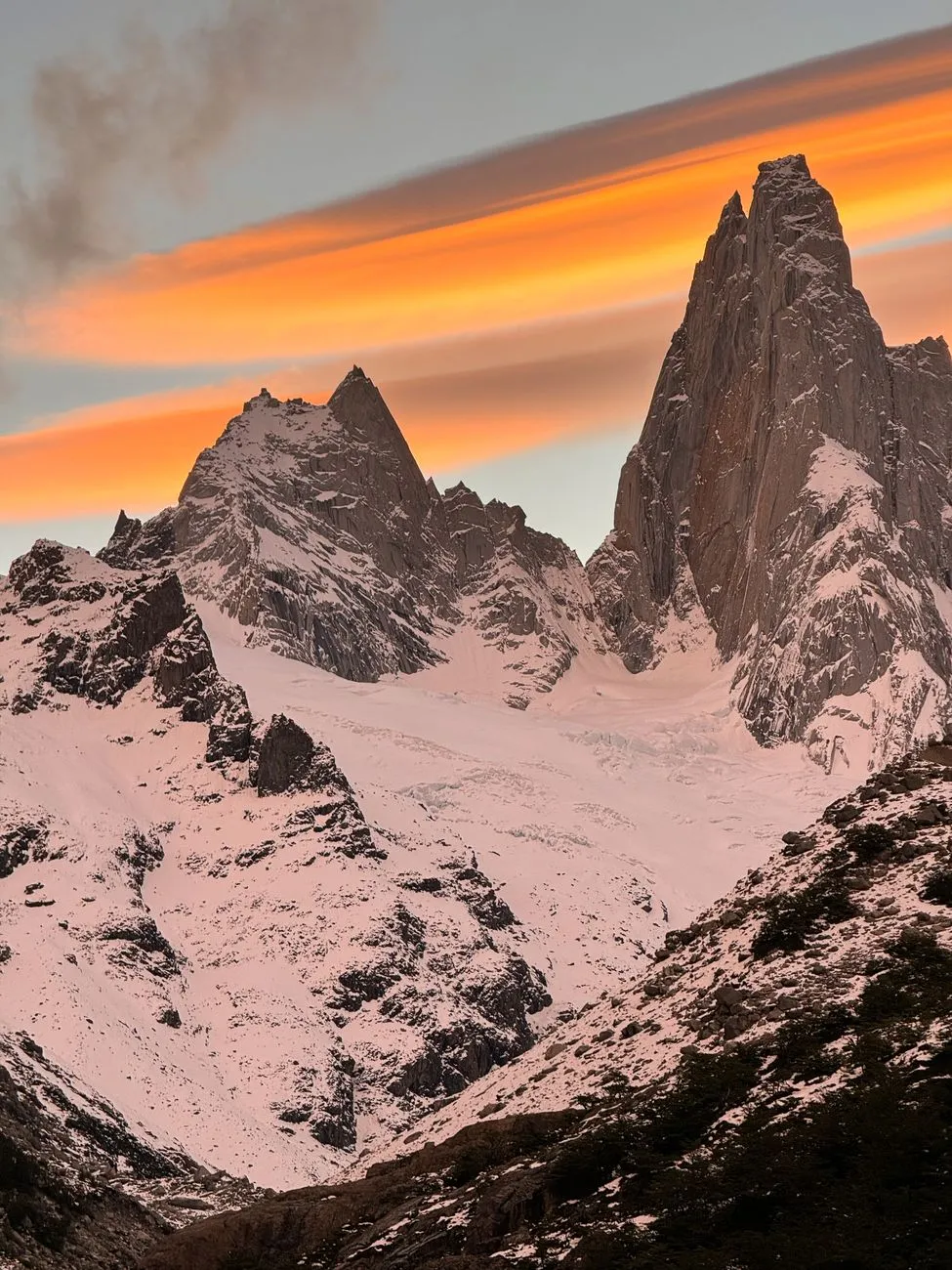

When the Air Thins: Understanding Altitude Physiology The moment you step above 2,500 meters the partial pressure of oxygen drops enough to trigger a cascade of physiological responses. Hemoglobin saturation can fall from 98 % at sea level to below 85 % at 4,000 meters, and the body compensates by increasing ventilation, heart rate, and red‑blood‑cell production. Acute Mountain Sickness (AMS) typically appears within 6–12 hours of rapid ascent and presents as headache, nausea, dizziness, and disturbed sleep. The Lake Louise Scoring System remains the gold standard for field diagnosis; a score ≥3 with a headache warrants descent or pharmacologic intervention. Acclimatization is not a passive waiting game. The “climb high, sleep low” principle—gaining 300–500 meters during the day and descending to sleep—stimulates erythropoietin without overstressing the cardiovascular system. A practical schedule for a 10‑day trek from Cusco (3,400 m) to the Ausangate circuit (5,200 m) includes two rest days at 3,800 m and 4,300 m, each paired with short hikes to 4,600 m. Monitoring SpO₂ with a fingertip pulse oximeter (target ≥90 % at rest) provides objective data; a drop below 85 % at rest signals the need for immediate descent or supplemental oxygen. Pharmacologic prophylaxis—acetazolamide 125 mg twice daily starting 24 hours before ascent—has been shown in randomized trials to reduce AMS incidence by 40–50 %. Dexamethasone 4 mg every 6 hours is reserved for treatment of High‑Altitude Cerebral Edema (HACE) and should never replace descent. Carry a portable hyperbaric bag (e.g., Gamow) for emergencies when evacuation is delayed; a 30‑minute session can simulate a 1,500‑meter descent. Gear That Breathes: Selecting Lightweight, Insulating Systems Every gram matters when you’re hauling a 12‑kilogram pack at 5,000 meters, yet the Andes demand protection against sub‑zero night temperatures, fierce UV, and sudden storms. A three‑layer system—base, mid, shell—remains the most adaptable. Merino wool base layers (150‑200 g/m²) wick moisture while resisting odor for multi‑day use. For the mid‑layer, a 800‑fill‑power down jacket (≈350 g) offers a warmth‑to‑weight ratio unmatched by synthetic alternatives, provided you keep it dry; a water‑repellent down treatment adds a safety margin. The outer shell must be fully waterproof, breathable (≥20,000 g/m²/24 h MVTR), and feature a helmet‑compatible hood. Gore‑Tex Pro or equivalent 3‑layer laminates weigh 400–500 g and survive abrasion from volcanic scree. Pair the shell with insulated, waterproof trekking boots (e.g., 1,200 g per pair) that accommodate crampon compatibility for glacier crossings. Gaiters, insulated gloves (liner + shell), and a balaclava complete the thermal envelope. Sleep systems are equally critical. A 0 °C rated down sleeping bag (≈900 g) combined with a closed‑cell foam pad (R‑value ≥ 4) and an inflatable pad (R‑value ≥ 3) yields a combined R‑value > 7, sufficient for −15 °C nights. A four‑season tent with a double‑wall design, snow‑shedding vestibule, and a footprint adds ~2 kg but prevents condensation and wind loading. Navigation gear: a GPS unit with pre‑loaded topographic maps (scale 1:25,000), a magnetic compass with declination adjustment for the South American magnetic anomaly (~−12°), and a paper map as backup. Power management: a 20,000 mAh solar‑compatible power bank (≈350 g) keeps headlamp, phone, and satellite messenger alive for the entire expedition. Fuel for the Summit: Nutrition, Hydration, and Electrolyte Strategy At altitude the basal metabolic rate rises 10–25 % due to increased ventilation and thermogenesis, while appetite often suppresses. Aim for 4,500–5,500 kcal/day, split 55 % carbohydrate, 25 % fat, 20 % protein. Carbohydrate oxidation requires less oxygen per ATP molecule than fat, making it the preferred fuel above 4,000 m. Portable sources: dehydrated quinoa (120 kcal/30 g), instant mashed potatoes (90 kcal/30 g), and energy gels (25 g carbs each). Protein intake of 1.6 g/kg body weight preserves muscle mass during prolonged catabolism. Lightweight options include vacuum‑sealed tuna (25 g protein/85 g), jerky (15 g/30 g), and plant‑based protein powder (20 g/30 g). Fat provides caloric density; nuts, cheese, and olive‑oil packets (9 kcal/g) add 800–1,000 kcal without bulk. Hydration is a moving target. Cold, dry air increases respiratory water loss to 1–1.5 L/day; sweat adds another 0.5–1 L during exertion. Target 4–5 L total fluid intake, using insulated bottles to prevent freezing. Electrolyte replacement—sodium 500–700 mg/L, potassium 200 mg/L, magnesium 50 mg/L—prevents hyponatremia and muscle cramps. Commercial tablets (e.g., Nuun) or a homemade mix of sea salt, potassium chloride, and magnesium citrate achieve the same profile at lower cost. Micronutrients matter: iron (18 mg/day) supports erythropoiesis; vitamin C (200 mg) enhances iron absorption; vitamin D (2,000 IU) compensates for limited sun exposure on covered skin. A daily multivitamin tailored for endurance athletes covers gaps. Meal timing: a carbohydrate‑rich breakfast (oats + dried fruit + nuts) fuels the morning ascent; a mid‑day “snack‑every‑hour” approach maintains blood glucose; a protein‑fat dinner (tuna + cheese + olive oil) supports overnight recovery. Avoid alcohol and excessive caffeine (>300 mg) as they exacerbate dehydration and impair sleep architecture. Navigating the Invisible: Weather Reading, Route Finding, and Emergency Protocols Andean weather shifts from clear blue to whiteout in minutes. The “Altiplano” high plateau creates a diurnal temperature swing of 20–30 °C. Morning radiation can melt surface snow, creating a fragile crust that collapses under weight by midday. Learn to read cloud formations: lenticular clouds over peaks indicate strong upper‑level winds and potential turbulence; a rapid buildup of cumulonimbus on the leeward side signals thunderstorms and hail. Carry a compact weather‑radio (NOAA/SAME compatible) and a satellite messenger (e.g., Garmin inReach) for real‑time forecasts and SOS capability. Pre‑load the route into the GPS with waypoints every 500 m, marking water sources, emergency shelters, and known avalanche terrain. In the Cordillera Blanca, the “Huayhuash” circuit traverses multiple glacier passes where crevasse risk spikes after warm spells; a 30‑meter rope, crevasse rescue kit, and proficiency in self‑arrest are non‑negotiable. Emergency protocols must be rehearsed before departure. Assign roles: leader (navigation, decision‑making), medic (first‑aid, AMS monitoring), communications (satellite messenger, radio), and gear manager (rope, shelter). Conduct a daily “situation brief” at camp: altitude gained, SpO₂ trends, weather outlook, water status, and any injuries. If a team member scores ≥5 on the Lake Louise scale, initiate immediate descent of at least 500 m, administer oxygen (2 L/min), and give dexamethasone 8 mg stat then 4 mg q6h. Evacuation planning: identify the nearest airstrip (e.g., Juliaca for southern Peru, El Alto for Bolivia) and confirm helicopter availability with local operators. Carry a lightweight litter (≈2 kg) and a portable stretcher for non‑ambulatory patients. Insurance that covers high‑altitude rescue up to 6,000 m is mandatory; verify policy wording for “adventure sports” exclusions. Budgeting the Ascent: Real Cost Data from Cusco, La Paz, and Quito Understanding the financial footprint of an Andean expedition prevents mid‑trip surprises. Numbeo’s crowdsourced database provides city‑level cost‑of‑living indices that translate directly into trek budgeting. The table below aggregates average daily expenses for a solo trekker (mid‑range comfort) in three major gateway cities, converted to USD at 2026‑09‑19 rates.Expense Category Cusco, Peru La Paz, Bolivia Quito, EcuadorHostel (dorm, 1 night) $12 $9 $14Private room (budget hotel) $35 $28 $40Meals (local market, 3×) $8 $6 $10Guide (certified, per day) $45 $38 $50Porter (15 kg load, per day) $20 $18 $22Park entry / permit $30 (Salkantay) $25 (Sajama) $28 (Cotopaxi)Local transport (bus/taxi) $5 $4 $6Estimated Daily Total $155 $128 $170These figures assume a 10‑day itinerary with two acclimatization days in the city. A 10‑day trek from Cusco therefore costs roughly $1,550 excluding international flights, gear rental, and insurance. La Paz offers the lowest baseline, but permit fees for Sajama National Park and limited English‑speaking guides can add hidden costs. Quito’s higher price point reflects stronger tourism infrastructure and easier access to medical facilities. Cost‑saving tactics: book guides and porters through reputable local cooperatives (e.g., Asociación de Guías de Montaña Cusco) to avoid middle‑man mark‑ups; purchase food at municipal markets (San Pedro in Cusco, Mercado Rodríguez in La Paz) where a kilogram of quinoa costs $2.50 versus $5 in tourist shops; share a private room Related Insights喀什:丝绸之路上的明珠与时光交错的古城 The Pantanal, Brazil: Unlocking the World’s Largest Wetland and Its Untamed Wildlife The Faroe Islands: Where Nordic Wilderness Meets Photographic Magic{ "@context": "https://schema.org", "@type": "FAQPage", "mainEntity": [ { "@type": "Question", "name": "What is the main focus of Breathing the Andes: Mastering Survival on the High-Altitude Trail?", "acceptedAnswer": { "@type": "Answer", "text": "Essential high-altitude survival tactics, gear, nutrition, and budget insights for trekking the Andean spine." } }, { "@type": "Question", "name": "Who authored the comprehensive guide on Breathing the Andes: Mastering Survival on the High-Altitude Trail?", "acceptedAnswer": { "@type": "Answer", "text": "This detailed article and its insights were carefully researched and authored by Wei Chen." } }, { "@type": "Question", "name": "Where can I find more related content about Travel?", "acceptedAnswer": { "@type": "Answer", "text": "You can explore more articles, detailed reviews, and similar insights by browsing the Related Insights section at the bottom of this article or visiting our dedicated Travel category page." } } ] }