Showing Posts From
Himalayan travel
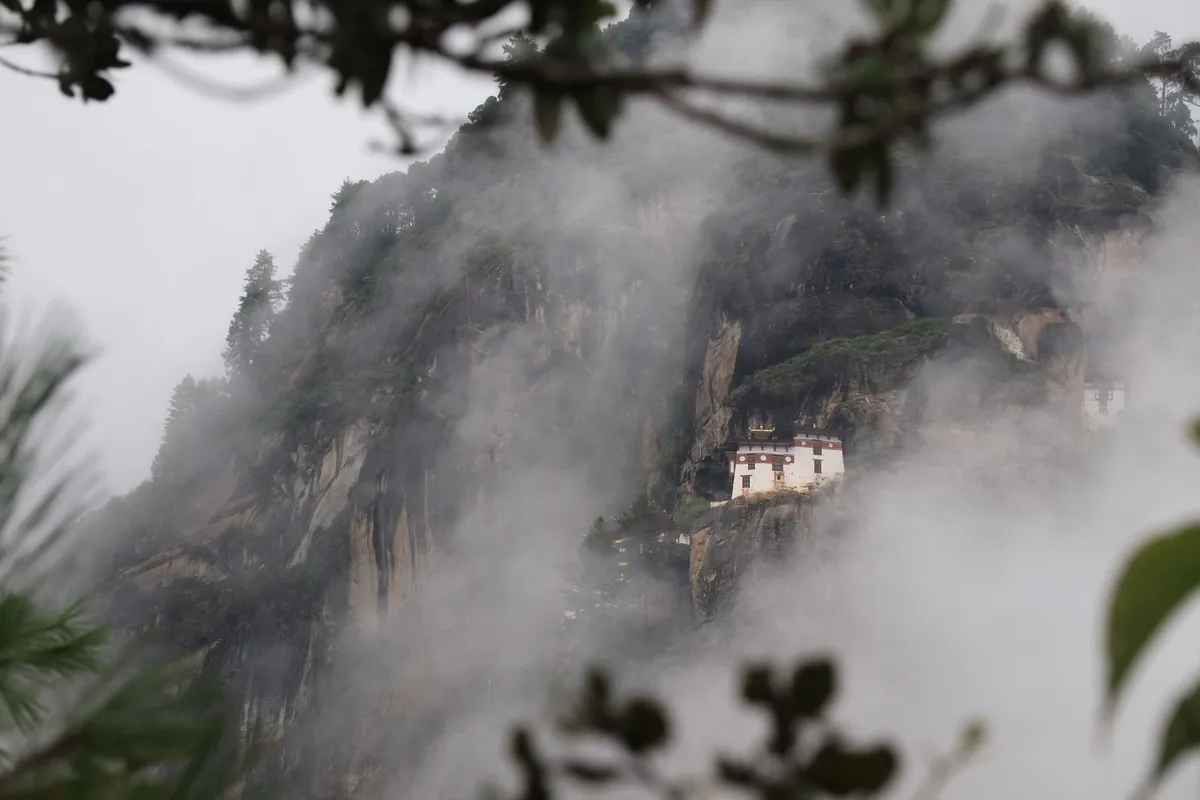

Ascending the Sacred Heights of Paro Taktsang Perched precariously at an altitude of 3,120 meters above sea level, the Tiger’s Nest Monastery, or Paro Taktsang, is not merely a destination; it is an endurance test for the spirit and a masterclass in architectural audacity. As a traveler who has spent years navigating the world’s most remote corners, I find that few places command the same reverence as this gravity-defying sanctuary in Bhutan. Legend dictates that Guru Rinpoche flew to this site on the back of a tigress in the 8th century, meditating here for three years, three months, three weeks, and three days to subdue local demons. Today, the monastery stands as the ultimate symbol of the Kingdom of Bhutan, a testament to the nation’s unwavering commitment to Vajrayana Buddhism. To visit Tiger’s Nest is to participate in a centuries-old tradition of pilgrimage. The air is thinner here, crisp and pine-scented, and the prayer flags that flutter across the gorge carry mantras to the heavens with every breeze. Reaching the monastery requires a demanding hike through rhododendron forests, where the path narrows and the world below seems to fall away. As you climb, you are not just traversing physical geography; you are moving through a landscape of myth. The sound of distant gongs and the chanting of monks create an acoustic tapestry that feels entirely removed from the clamor of modern life. It is a place that demands humility, patience, and a deep respect for the sanctity of the high-altitude environment. Before you even set foot on the trail, you must understand that Bhutan is a destination that favors the prepared. Unlike the chaotic spontaneity of other global hotspots, Bhutan requires a deliberate approach to logistics, primarily due to its unique policy of high-value, low-volume tourism. This isn't a place for the casual wanderer; it is a pilgrimage that begins long before you arrive in the Paro Valley.Navigating the Sustainable Development Fee and Entry Protocols The logistics of entering Bhutan are perhaps the most important hurdle for any aspiring traveler. The nation operates under the "Sustainable Development Fee" (SDF) policy, a strategy designed to preserve the country's pristine environment and deep-rooted cultural heritage. For international visitors, this fee is currently pegged at US$100 per person, per night. This is a mandatory contribution to the government’s efforts to maintain carbon-neutral status and fund critical infrastructure, including free healthcare and education for the Bhutanese people. This fee is distinct from your daily expenses, such as accommodation, food, and transport. It is essential to understand that this is not a traditional tourism tax but a foundational investment in Bhutan's future. Beyond the financial commitment, every visitor must secure a visa, which is processed online. Because of the requirement for a mandatory licensed Bhutanese guide, most travelers handle their visa and SDF through a certified tour operator. These guides are more than just escorts; they are cultural translators, navigators of the complex Bhutanese etiquette, and your primary point of contact for navigating the trail to the Tiger’s Nest. You cannot legally trek to the monastery without being accompanied by a government-licensed professional. This policy ensures that the sanctity of the site remains protected and that visitors are educated on the complex Buddhist iconography they encounter within the monastery walls. When you begin your journey toward the monastery, your guide will manage the entry permits, which are verified at the trailhead security checkpoint. The hours of operation are generally 8:00 AM to 5:00 PM, though it is highly recommended to start your ascent as early as possible—preferably by 7:30 AM—to avoid the midday sun and the influx of tour groups that typically arrive later in the morning. Being prepared with your visa documentation and having your SDF payment confirmed is mandatory before boarding your flight into Paro. Failure to produce these documents will result in entry denial at the border or airport. Decoding the Costs and Essential Preparations for Your Journey When planning your visit, it is vital to balance the costs of the SDF with the high quality of experience you receive in return. Numbeo provides an excellent framework for understanding global cost-of-living metrics, and while Bhutan’s economy differs from Western standards, the "value" of a visit here is measured in access and exclusivity. You are paying for a controlled, sustainable environment where over-tourism is actively managed. To help you structure your budget, I have compiled the following breakdown, which accounts for the current regulatory environment as of 2026. Note that these are estimations; costs can fluctuate based on the luxury level of your chosen accommodation and the season of your travel.Component Cost Estimation (USD) NotesSustainable Development Fee $100/night Mandatory daily paymentVisa Processing Fee $40 One-time entry feeLicensed Guide (Daily) $50 - $100 Varies by tour operatorAccommodation (Mid-range) $150 - $250/night Includes local taxesLocal Meals/Drinks $30 - $60/day Depending on dining choiceTotal Base Per Day (Estimated) $330 - $510 Excluding international flightsBeyond these fixed costs, consider the importance of personal preparation. The trail to the monastery is not a walk in the park; it is a sustained, steep incline that gains over 600 meters in elevation. Altitude sickness is a genuine concern for those coming from sea level. I highly recommend spending at least two to three days in Thimphu or Paro to acclimatize before attempting the hike. Thimphu, the capital, is an ideal place to spend your initial days. It offers a unique window into the life of remote workers and cultural enthusiasts alike. You will find that even in the capital, the pace of life remains slow, respectful, and deeply connected to traditional values. If you are planning to combine your trip with some remote work, ensure your hotel has high-speed connectivity, which is becoming increasingly reliable in major urban hubs like Thimphu, though it can still be sporadic in more rural, mountainous regions. When you move to pack for your journey, prioritize high-quality hiking boots with excellent ankle support. The path to the Tiger's Nest, while well-trodden, is composed of loose gravel, dirt, and stone steps that can become slippery during the monsoon season.The Art of the Ascent and Seasonal Wisdom Choosing the right time to visit is just as critical as the physical hike itself. Bhutan experiences distinct seasons, and each dictates the character of your trek to the monastery. The spring months of March, April, and May offer the spectacle of blooming rhododendrons, painting the lower reaches of the mountain in vibrant shades of pink and red. This is widely considered the peak season, offering clear, blue-sky views that make for spectacular photography. However, it is also when the trail is busiest. For those seeking solitude, the autumn months of late September through November are peerless. The skies are crisp, the air is sharp and invigorating, and the visibility across the valley is at its absolute maximum. Winter can be brutally cold at the 3,000-meter mark, but the snow-dusted monastery is a sight of unparalleled ethereal beauty, provided you are properly equipped with thermal gear. Regardless of the season, the ascent itself is a ritual. The trail is divided into two primary sections: the lower path and the viewpoint cafeteria. Many travelers stop at the viewpoint, which provides a magnificent, unobstructed view of the monastery clinging to the sheer cliff face. This is the classic vantage point for the "postcard" photograph. However, the pilgrimage continues. You must descend into the gorge, crossing a bridge adorned with prayer flags and misty waterfalls before ascending the final set of stairs to the monastery’s entrance. Within the monastery complex, there are several temples, each housing intricate thangka paintings, flickering butter lamps, and statues of various deities. You must strictly observe the on-site rules: no photography is allowed inside the temple chambers. This is a sacred space, not a museum, and you are expected to dress modestly—shoulders and knees must be covered. You will also be required to leave your bag, phone, and camera at the security desk before entering the inner sanctums. This forced disconnection is part of the experience; it strips away the desire to "capture" the moment and forces you to actually live it, witnessing the silent prayers of the monks and the pervasive scent of juniper incense filling the cool, dim chambers.Finding Balance in the Kingdom of Happiness Living and working in or around the vicinity of the Tiger's Nest requires a shift in mindset. As someone who has balanced demanding professional projects with long-term travel, I can attest that Bhutan demands that you abandon the "productivity at all costs" mentality. In Thimphu, you can find a growing number of digital nomads integrating into the community, but the core ethos remains one of contentment and "Gross National Happiness." If you are staying in the region for an extended period, treat the monastery not as a one-time excursion but as a recurring anchor. The local communities in Paro are deeply welcoming, and taking the time to learn about their agricultural practices—such as red rice cultivation or the intricate art of weaving—will enrich your experience far more than any singular hike. Food is another vital aspect of the Bhutanese experience. The cuisine is hearty and often features the staple, ema datshi, a spicy blend of chilies and local cheese. While it might be a shock to the palate at first, it is the perfect fuel for mountain trekking. Remember that the quality of life in Bhutan is not defined by Western markers like the volume of fast-food chains or the availability of high-speed gigabit fiber, but by the community and the landscape. When you are sitting in a local cafe in Paro, looking up toward the distant, hidden silhouette of the Tiger’s Nest, you will realize that the "cost" of the trip—both in dollars and in physical exertion—is negligible compared to the clarity you gain. You are effectively walking in the footsteps of legends, and that is a privilege that few places on earth still afford. As you conclude your journey, take the time to reflect not on the photos you took, but on the silence you felt. That silence is the true essence of Bhutan, a country that guards its soul as fiercely as the mountain guards the monastery. Whether you are a seeker of spiritual truth, a lover of extreme landscapes, or a weary traveler looking to disconnect from the digital churn, the Tiger’s Nest offers an experience that is both intensely local and profoundly universal. The Final Echoes of the Mountains As you descend back to the valley floor, your legs may ache, and your lungs may feel the strain, but your mind will be remarkably quiet. The journey to the Tiger's Nest is a cycle of exertion and stillness that mirrors the very rhythm of Himalayan life. It is a reminder that the most significant destinations in our lives are rarely the ones that are easily reached. By adhering to the local customs, respecting the sustainable tourism frameworks, and engaging deeply with the culture of the Bhutanese people, you do more than just visit a landmark; you become part of the ongoing story of this sacred cliffside retreat. Carry the peace of the clouds with you as you return to the world below, knowing that you have experienced one of the few places on earth that remains truly, beautifully, and authentically itself. #BhutanTravel #TigerNest #HimalayanAdventures #SustainableTourism #SpiritualJourney Related InsightsThe Pantanal, Brazil: Unlocking the World’s Largest Wetland and Its Untamed Wildlife Beyond the Clouds: Unveiling the Eternal Spirit of Georgia’s Caucasus Croatia Unveiled: Stepping Back into the Medieval World{ "@context": "https://schema.org", "@type": "FAQPage", "mainEntity": [ { "@type": "Question", "name": "What is the main focus of Floating Above the Clouds: A Definitive Pilgrimage to Bhutan’s Tiger’s Nest?", "acceptedAnswer": { "@type": "Answer", "text": "Journey to Paro Taktsang with expert Wei Chen. Discover the logistics, spiritual significance, and cultural protocols for visiting Bhutan's most iconic cliffside monastery." } }, { "@type": "Question", "name": "Who authored the comprehensive guide on Floating Above the Clouds: A Definitive Pilgrimage to Bhutan’s Tiger’s Nest?", "acceptedAnswer": { "@type": "Answer", "text": "This detailed article and its insights were carefully researched and authored by Wei Chen." } }, { "@type": "Question", "name": "Where can I find more related content about Travel?", "acceptedAnswer": { "@type": "Answer", "text": "You can explore more articles, detailed reviews, and similar insights by browsing the Related Insights section at the bottom of this article or visiting our dedicated Travel category page." } } ] }