Showing Posts From
Homemade noodles
-
 Eleanor Hughes
 - 09 Aug, 2026 19:13
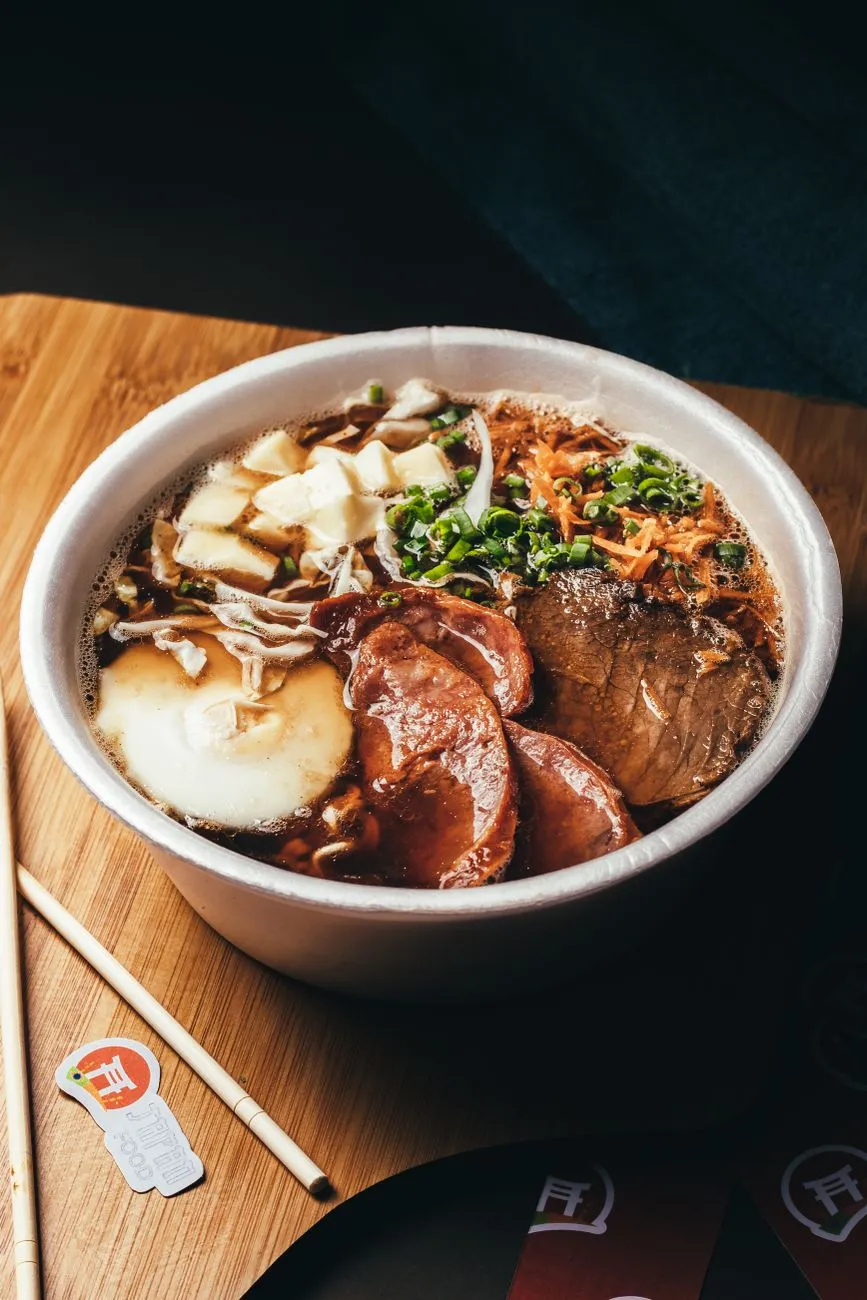
Slurp Your Way Through Japan: The Definitive Ramen Roadmap from Tonkotsu to Shoyu
Tokyo’s Lantern-Lit Alleys to Osaka’s Steam-Filled Kitchens: Where Ramen Was Born Few dishes carry the weight of history and comfort quite like ramen. Born in the late 19th century as a humble adaptation of Chinese wheat noodles, ramen evolved into a cultural icon—one that now fuels millions daily across Japan and beyond. From the creamy, collagen-rich broths of Fukuoka’s tonkotsu ramen to the soy-kissed clarity of Tokyo’s shoyu ramen, each bowl tells a story of regional pride, culinary innovation, and communal warmth. But what truly sets ramen apart isn’t just its flavor—it’s the precision behind every element: the wheat’s gluten structure, the pork’s collagen breakdown, the umami depth of kombu and katsuobushi. Whether you’re a first-time slurper or a seasoned ramen hunter, mastering the nuances of this dish means understanding its soul: the broth.The Broth Alchemy: How Collagen, Time, and Fire Create Liquid Gold At the heart of every bowl of ramen lies its broth—a symphony of flavor built over hours, sometimes days, of patient extraction. The four primary broth styles—tonkotsu (pork bone), shoyu (soy sauce), miso, and shio (salt)—each demand a unique approach, but all share a common goal: to dissolve collagen into gelatin, extract minerals, and layer umami until the liquid hums with depth. Tonkotsu ramen, hailing from Fukuoka, is the poster child of collagen extraction. Traditionally simmered for 12–18 hours, pork femurs and trotters are boiled at a rolling boil to emulsify fat and marrow into a thick, creamy white broth. The result? A velvety texture with a neutral base that lets toppings shine. Science backs this up: collagen breaks down into gelatin at 160°F (71°C), but sustained high heat (212°F/100°C) accelerates the process, extracting more gelatin and fat for body. A 2018 study in the Journal of Food Science confirmed that prolonged boiling increases free amino acids like glycine and proline, enhancing umami and mouthfeel. Shoyu ramen, Tokyo’s answer to flavor, blends chicken or pork broth with soy sauce, mirin, and dashi. The soy sauce—fermented for months—adds saltiness, acidity, and a reddish-brown hue. A key trick? Adding a splash of kombu dashi (kelp stock) to balance the soy’s intensity. Miso ramen, born in Hokkaido, swaps soy for fermented soybean paste, introducing earthy, funky notes. The miso’s enzymes break down proteins further, creating a thicker, almost paste-like broth. Shio ramen, the lightest style, relies on salt and chicken or pork stock, often clarified with egg whites (a technique called chawanmushi filtration) for a crystal-clear finish. Broth Style Comparison TableStyle Base Ingredients Cooking Time Key Flavor Profile Regional OriginTonkotsu Pork bones, trotters 12–18 hrs Creamy, rich, fatty FukuokaShoyu Chicken/pork broth, soy sauce 6–8 hrs Salty, tangy, umami TokyoMiso Pork/chicken broth, miso paste 4–6 hrs Earthy, funky, bold SapporoShio Chicken/pork broth, salt 3–5 hrs Clean, delicate, briny HakodateNoodles: The Unsung Heroes of Texture and Taste If broth is ramen’s soul, noodles are its backbone. Made from just four ingredients—wheat flour, water, salt, and kansui (alkaline mineral water)—ramen noodles undergo a transformation unlike any other. Kansui, typically a mix of sodium carbonate and potassium carbonate, raises the pH to 9–11, strengthening the gluten network. This gives ramen noodles their signature chew (al dente bite) and springy resilience. The flour matters too. Japanese noodle flour is typically a blend of hard and soft wheat, with protein content around 11–13%. Higher protein means more gluten, which translates to a firmer noodle. For example, Hakubaku’s ramen noodles use a 12% protein flour, resulting in a noodle that holds up to broth without turning mushy. The kneading and resting process is equally critical: dough is rested for 30–60 minutes to relax the gluten, then rolled thin (1.2–1.5mm) and cut into fine strands. Regional variations abound. Sapporo’s miso ramen noodles are thicker and wavier, designed to cling to the rich broth. Tokyo’s shoyu noodles are medium-thin and straight, slicing through the broth’s clarity. Tonkotsu noodles in Fukuoka are thick and curly, trapping the creamy broth in their folds. And in Kyoto, salt ramen noodles are often slightly alkaline, giving them a subtle yellow tint and a firmer bite.Toppings That Elevate Ramen from Meal to Masterpiece No bowl of ramen is complete without its garnishes—a carefully curated ensemble that adds texture, color, and contrast. The most iconic topping is chashu: slow-braised pork belly, marinated in soy sauce, sake, mirin, and sugar. The cut is crucial—belly’s fat melts during cooking, basting the meat in its own juices. A 2020 study in Meat Science found that sous-vide chashu at 165°F (74°C) for 12 hours yields the most tender, evenly cooked results. Eggs are another star. Ajitsuke tamago (marinated eggs) are soft-boiled, then soaked in a soy-mirin mixture for 4–12 hours. The yolk remains custardy, while the white firms up just enough to hold its shape. For extra richness, some chefs use onsen tamago (hot spring eggs), where eggs are poached in 140°F (60°C) water for 45 minutes, resulting in a creamy, almost runny yolk. Vegetables add freshness and crunch. Menma (fermented bamboo shoots) provide a tangy bite, while narutomaki (fish cake) offers a mild, slightly sweet flavor. Green onions, nori (seaweed), and sesame seeds round out the ensemble, their bright colors and textures cutting through the broth’s richness. The Art of Assembly: How to Build a Bowl Like a Pro Building a bowl of ramen is like conducting a symphony—each element must play its part in harmony. Start with the broth: strain it carefully to remove impurities, then reheat gently to preserve its clarity and body. Add the noodles last, cooking them al dente (1–2 minutes in boiling water) to avoid mushiness. Drain well, then transfer to a bowl. Next, ladle the hot broth over the noodles, ensuring they’re fully submerged. Arrange the toppings artfully: place the chashu slices on one side, the ajitsuke tamago on the other, and scatter the menma, narutomaki, and green onions on top. Finally, add a sprinkle of sesame seeds or a drizzle of chili oil for heat.From Tokyo to Hakodate: A Ramen Pilgrimage Across Japan Ramen isn’t just a dish—it’s a journey. Each region of Japan boasts its own style, shaped by local ingredients, climate, and history. In Tokyo, shoyu ramen reigns supreme. The city’s first ramen shop, Nakiryu (now a Michelin-starred spot), opened in 1959, popularizing the soy-based broth. Tokyo’s ramen is all about balance: a clear, golden broth with a hint of tang from vinegar or citrus, paired with medium-thin, straight noodles. Toppings are minimal—chashu, egg, and green onions—letting the broth shine. Head north to Sapporo, and you’ll find miso ramen, a hearty, warming dish born from Hokkaido’s cold winters. The miso base is rich and earthy, often paired with corn, butter, and local seafood like scallops or crab. The noodles are thick and wavy, designed to cling to the thick broth. In Fukuoka, tonkotsu ramen takes center stage. The broth is a creamy, opaque white, thanks to the emulsified fat and collagen. The noodles are thick and curly, and toppings often include pickled ginger and garlic for extra zing. A must-try spot is Ichiran, where you can customize your spice level and broth richness. Hakodate, on the northern tip of Honshu, is famous for its shio ramen. The broth is light and clear, with a delicate saltiness that lets the umami of kombu and katsuobushi shine. The noodles are thin and slightly alkaline, giving them a subtle yellow hue. Toppings are simple—chashu, egg, and nori—letting the broth’s purity take the spotlight. South to Kumamoto, and you’ll encounter tonkotsu shoyu ramen, a hybrid style blending Fukuoka’s creamy tonkotsu with Tokyo’s tangy shoyu. The result is a broth that’s both rich and bright, with a deep umami backbone.Ramen at Home: How to Recreate the Magic in Your Kitchen You don’t need a Michelin-starred kitchen to make great ramen at home. Start with the broth: for tonkotsu, simmer pork bones and trotters for 12–18 hours, skimming fat and impurities regularly. For shoyu, use a blend of chicken and pork bones, simmered for 6–8 hours, then finished with soy sauce and dashi. For the noodles, you can buy fresh or dried ramen noodles from an Asian grocery store. If you’re feeling ambitious, make your own dough with bread flour (12% protein), water, salt, and kansui (available online or at specialty stores). Knead the dough for 10 minutes, rest it for 30 minutes, then roll and cut it thin. The toppings are where you can get creative. Marinate pork belly in soy sauce, sake, mirin, and sugar for at least 4 hours (overnight is ideal), then braise it low and slow until tender. For the egg, soft-boil it for 6–7 minutes, then marinate in soy-mirin mixture for 4–12 hours. Pro Tips for Home CooksBroth Clarity: Use egg whites to clarify your broth. Whisk 2 egg whites per liter of broth, heat gently, then strain through a fine-mesh sieve. Noodle Texture: Cook noodles in salted water (like pasta water) to enhance their flavor. Umami Boost: Add a piece of kombu or a few shiitake mushrooms to your broth for extra depth. Spice Control: Customize heat with chili oil, rayu (chili sesame oil), or fresh chili peppers.The Global Ramen Revolution: How the World Fell in Love with a Japanese Icon Ramen’s journey from Japan to the world is a testament to its universal appeal. In the 1970s, instant ramen—pioneered by Momofuku Ando—became a global phenomenon, with brands like Nissin and Maruchan making ramen accessible to millions. Today, instant ramen is a $30 billion industry, with innovations like cup noodles and freeze-dried broths. But the real ramen revolution is happening in restaurants. From New York’s Ivan Ramen to London’s Bao, chefs worldwide are putting their spin on the dish. In Los Angeles, Daikokuya serves a tonkotsu ramen with a spicy miso twist. In Melbourne, Ramen Kan offers a vegan ramen with mushroom and kombu broth. Even in Paris, Umami Matcha blends French techniques with Japanese flavors, creating a ramen that’s both familiar and avant-garde. Ramen’s global success isn’t just about flavor—it’s about adaptability. Chefs are experimenting with gluten-free noodles, plant-based broths, and fusion toppings like truffle oil or kimchi. Yet, the core principles remain: a rich, umami-packed broth, chewy noodles, and thoughtful toppings.The Future of Ramen: Innovation Meets Tradition As ramen continues to evolve, two trends are shaping its future. First, sustainability: chefs are exploring nose-to-tail cooking, using every part of the pig (even the blood for kurobuta ramen) and sourcing ingredients locally. Second, technology: labs are developing new techniques, like pressure-cooking broths to reduce cooking time without sacrificing flavor, or using enzymes to enhance umami. Yet, despite these innovations, the soul of ramen remains unchanged. It’s a dish that brings people together—whether in a tiny Tokyo alley or a bustling New York kitchen. It’s comfort in a bowl, history in a slurp, and a reminder that the best meals are the ones shared with others. So the next time you lift your spoon, take a moment to appreciate the craft behind your bowl. From the collagen-rich broth to the al dente noodles, every element is a testament to the art of ramen.#RamenLove #JapaneseCuisine #FoodieAdventure Related InsightsThe Art of Dim Sum: Hong Kong’s Tiny Bites That Pack a World of Flavor Baba Ghanoush: The Smoky Eggplant Dip Andean Superfoods Unveiled: The Alchemical Power of Quinoa, Kiwicha, and Canihua{ "@context": "https://schema.org", "@type": "FAQPage", "mainEntity": [ { "@type": "Question", "name": "What is the main focus of Slurp Your Way Through Japan: The Definitive Ramen Roadmap from Tonkotsu to Shoyu?", "acceptedAnswer": { "@type": "Answer", "text": "Dive into the soul of Japanese ramen with this expert guide covering broths, noodles, toppings, and the best regional styles to try at home or abroad." } }, { "@type": "Question", "name": "Who authored the comprehensive guide on Slurp Your Way Through Japan: The Definitive Ramen Roadmap from Tonkotsu to Shoyu?", "acceptedAnswer": { "@type": "Answer", "text": "This detailed article and its insights were carefully researched and authored by Eleanor Hughes." } }, { "@type": "Question", "name": "Where can I find more related content about Food?", "acceptedAnswer": { "@type": "Answer", "text": "You can explore more articles, detailed reviews, and similar insights by browsing the Related Insights section at the bottom of this article or visiting our dedicated Food category page." } } ] }