Showing Posts From
Iceland
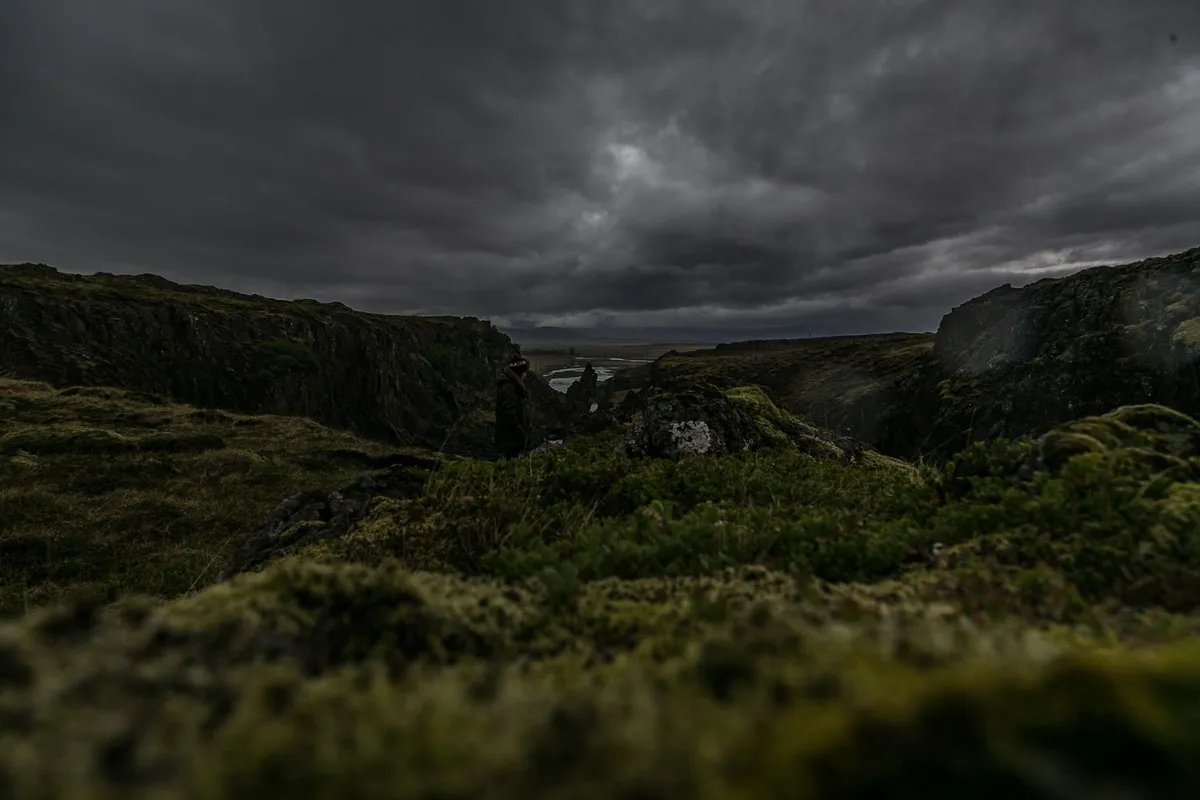
Introduction to Reykjavík Reykjavík, the capital and largest city of Iceland, is a treasure trove of history, culture, and natural beauty. Located on the southern shore of the Faxaflói bay in southwest Iceland, Reykjavík boasts a unique blend of traditional and modern charm. With a population of around 140,000 as of 2026, the city is home to approximately 64% of Iceland's population, making it the country's economic, cultural, and governmental hub.A Brief History of Reykjavík According to the Landnámabók, the settlement of Iceland began in Reykjavík when Ingólfur Arnarson arrived from Norway in the year 874. For over 900 years following this, there was no urban development; the city was officially founded in 1786 as a trading town and grew steadily as it transformed into its current state as the centre of Iceland's cultural, economic, and governmental activity. The city's name, Reykjavík, is derived from the Old Norse words "reykr" (smoke) and "vík" (bay), inspired by the steam rising from hot springs in the region.Urban Development and Growth The site of the modern city centre was farmland until the 18th century. In 1752, King Frederik V of Denmark donated the estate of Reykjavík to the Innréttingar corporation, marking the beginning of the city's urban development. The leader of this movement, Skúli Magnússon, played a significant role in shaping the city's early growth. The Danish Crown abolished monopoly trading in 1786, granting six communities around the country an exclusive trading charter, with Reykjavík being one of them. This charter enabled the city to establish itself as a major trading hub, attracting merchants and traders from across the region.Rise of Nationalism and Independence Icelandic nationalist sentiment gained influence in the 19th century, with the idea of Icelandic independence becoming widespread. Reykjavík, as Iceland's only city, was central to these ideas. Advocates of an independent Iceland realized that a strong Reykjavík was fundamental to achieving this objective. The city played a crucial role in the country's struggle for independence, with the Alþingi, the general assembly, being re-established in Reykjavík in 1845. In 1874, Iceland was given a constitution, and the Alþingi gained some limited legislative powers. The next step was to move most of the executive power to Iceland, with Home Rule being granted in 1904 and the office of Minister for Iceland being established in Reykjavík.World War II and Its Impact on Reykjavík On the morning of 10 May 1940, following the German occupation of Denmark and Norway, four British warships approached Reykjavík and anchored in the harbour. The Allied occupation of Reykjavík was complete, with no armed resistance from the Icelandic government. The economic effects of the occupation were positive for Reykjavík, with unemployment disappearing and construction work beginning. The British built Reykjavík Airport, which remains in service today, while the Americans built Keflavík Airport, situated 50 km west of Reykjavík, which became Iceland's primary international airport.Post-War Development and Modern Reykjavík In the post-war years, the growth of Reykjavík accelerated. An exodus from the rural countryside began, largely due to improved technology in agriculture reducing the need for manpower. The city was rapidly transformed into a modern metropolis, with private cars becoming common and modern apartment complexes rising in the expanding suburbs. Today, Reykjavík is a thriving city, known for its vibrant cultural scene, stunning natural beauty, and friendly inhabitants.#Travel #Iceland #Reykjavík Related InsightsEchoes from the Deep: Unveiling the Drowned Villages Beneath Italy's Lake Reschen L'Eterna Seduzione della Costa Azzurra: Tra Scogliere di Porfido e Misteri Belle Époque Ethiopia's Danakil Depression: The Hottest Place on Earth's Alien Landscapes (Part 3){ "@context": "https://schema.org", "@type": "FAQPage", "mainEntity": [ { "@type": "Question", "name": "What is the main focus of Reykjavík: The Smoke Bay Capital of Iceland?", "acceptedAnswer": { "@type": "Answer", "text": "Explore the world's northernmost capital, Reykjavík, and uncover its rich history, cultural significance, and breathtaking landscapes." } }, { "@type": "Question", "name": "Who authored the comprehensive guide on Reykjavík: The Smoke Bay Capital of Iceland?", "acceptedAnswer": { "@type": "Answer", "text": "This detailed article and its insights were carefully researched and authored by Cemre Seyyah." } }, { "@type": "Question", "name": "Where can I find more related content about Travel?", "acceptedAnswer": { "@type": "Answer", "text": "You can explore more articles, detailed reviews, and similar insights by browsing the Related Insights section at the bottom of this article or visiting our dedicated Travel category page." } } ] }
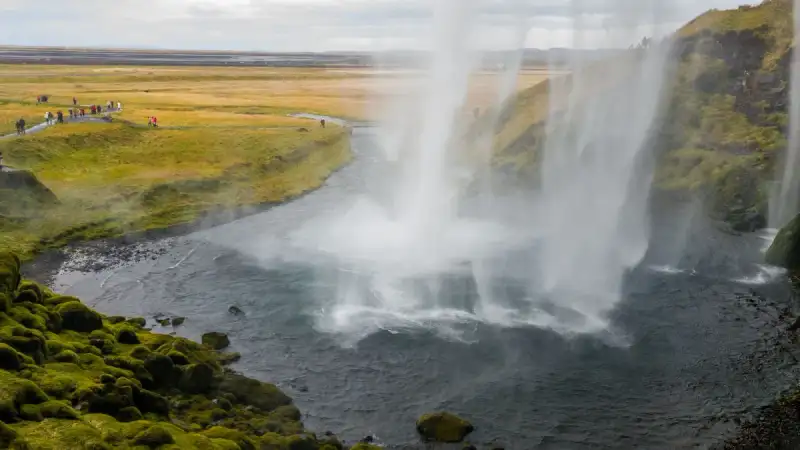

Introduction Iceland, a country known for its rugged landscapes, hot springs, and the Northern Lights, has become a popular destination for travelers and adventure-seekers. One of the most famous attractions in Iceland is the Golden Circle, a route that covers approximately 300 kilometers and takes you to some of the most breathtaking and unique wonders of the country. As a traveler, you'll have the opportunity to explore geysers, waterfalls, and volcanic landscapes that are sure to leave you in awe. In this article, we'll delve into the details of the Golden Circle, providing you with a comprehensive guide on what to expect, how to plan your trip, and what to budget for. Understanding the Golden Circle The Golden Circle is a popular tourist route in Iceland that covers three main attractions: Þingvellir National Park, Geysir geothermal area, and Gullfoss waterfall. Þingvellir National Park is a UNESCO World Heritage Site and the site of the world's first parliament, the Althing, which was established in 930 AD. The park is also home to a unique geological feature, where the North American and Eurasian tectonic plates meet. Geysir geothermal area is famous for its hot springs and geysers, including the Great Geysir, which erupts every few minutes. Gullfoss waterfall is a breathtaking sight, with water cascading down a 32-meter drop. Planning Your Trip to the Golden Circle Planning a trip to the Golden Circle requires some research and preparation. The best time to visit Iceland is during the summer months, from June to August, when the weather is mild and the days are long. However, this is also the peak tourist season, and prices for accommodations and tours may be higher. If you're on a budget, consider visiting during the shoulder season, from April to May or September to October. The Golden Circle is approximately a 300-kilometer drive from Reykjavik, and the journey can take around 4-5 hours, depending on the number of stops you make along the way. Budgeting for Your Trip to the Golden Circle When planning your trip to the Golden Circle, it's essential to budget for the costs of transportation, accommodation, food, and activities. According to the latest cost of living data for Iceland, the average price of a meal in a mid-range restaurant is around 2,500-3,500 ISK (Icelandic krona) per person. The cost of accommodation varies depending on the type and location, but on average, a hostel dorm costs around 4,000-6,000 ISK per night, while a hotel room costs around 20,000-30,000 ISK per night. Gasoline is around 230-250 ISK per liter, and a guided tour of the Golden Circle can cost around 10,000-15,000 ISK per person. Exploring the Golden Circle The Golden Circle is a self-drive route, and the journey is just as scenic as the destinations. The route takes you through picturesque landscapes, including rolling hills, glaciers, and black sand beaches. The first stop on the Golden Circle is Þingvellir National Park, where you can explore the historic site of the Althing and see the unique geological feature of the tectonic plates. The next stop is Geysir geothermal area, where you can see the famous Great Geysir and other hot springs and geysers. The final stop is Gullfoss waterfall, where you can take in the breathtaking views of the waterfall and surrounding landscape. Tips and Essentials for Visiting the Golden Circle When visiting the Golden Circle, there are a few tips and essentials to keep in mind. Firstly, make sure to check the weather forecast before you leave, as the weather in Iceland can be unpredictable. Secondly, bring warm clothing and layers, as the temperature can drop significantly, especially in the evenings. Thirdly, bring a camera and charger, as you'll want to capture the stunning landscapes and scenery. Finally, consider purchasing a guided tour or renting a 4x4 vehicle, as some of the roads on the Golden Circle can be rough and require a sturdy vehicle.Product/Service Average Price (ISK)Meal in a mid-range restaurant 2,500-3,500Hostel dorm 4,000-6,000Hotel room 20,000-30,000Gasoline (per liter) 230-250Guided tour of the Golden Circle 10,000-15,000Conclusion The Golden Circle is a must-visit destination in Iceland, offering a unique and breathtaking experience that combines history, geology, and natural beauty. With its stunning landscapes, hot springs, and waterfalls, the Golden Circle is sure to leave you in awe. Whether you're a traveler, adventure-seeker, or nature lover, the Golden Circle has something for everyone. As you plan your trip to the Golden Circle, remember to budget for the costs of transportation, accommodation, food, and activities, and don't forget to bring warm clothing and layers, a camera, and a sense of adventure. #Travel #Iceland #GoldenCircle #DigitalNomad Related Insights松本城: 漆黒の天守が語る戦国浪漫 Australia Unveiled: Where Sun-Kissed Shores Meet Ancient Souls and Modern Marvels Castel Sant'Angelo: Dal Mausoleo Imperiale alla Fortezza Papale{ "@context": "https://schema.org", "@type": "FAQPage", "mainEntity": [ { "@type": "Question", "name": "What is the main focus of Iceland's Golden Circle: Unveiling the Land of Fire and Ice?", "acceptedAnswer": { "@type": "Answer", "text": "Discover the breathtaking beauty of Iceland's Golden Circle, where geysers, waterfalls, and volcanic landscapes await. Get ready for an adventure of a lifetime in this land of fire and ice." } }, { "@type": "Question", "name": "Who authored the comprehensive guide on Iceland's Golden Circle: Unveiling the Land of Fire and Ice?", "acceptedAnswer": { "@type": "Answer", "text": "This detailed article and its insights were carefully researched and authored by Wei Chen." } }, { "@type": "Question", "name": "Where can I find more related content about Travel?", "acceptedAnswer": { "@type": "Answer", "text": "You can explore more articles, detailed reviews, and similar insights by browsing the Related Insights section at the bottom of this article or visiting our dedicated Travel category page." } } ] }