Showing Posts From
Injera
-
 Isabella Rossi
 - 29 Aug, 2026 21:06
From Jollof to Injera: A Flavorful Journey Through Africa’s Most Iconic Traditional Dishes
The Spice Routes of West Africa: Where Jollof Rice Rules Supreme Few dishes in the world carry the weight of cultural pride and culinary debate quite like Jollof rice. Originating from the Senegambia region, this vibrant one-pot dish has become a symbol of West African identity, sparking friendly (and sometimes fiery) rivalries between countries like Nigeria, Ghana, Senegal, and Liberia over who makes it best. At its core, Jollof rice is a harmonious blend of rice, tomatoes, onions, peppers, and spices, cooked in a rich tomato sauce. The dish’s deep red hue comes from the slow simmering of fresh tomatoes, tomato paste, and sometimes palm oil or vegetable oil, creating a depth of flavor that’s both comforting and complex. The magic of Jollof rice lies in its versatility. While the base ingredients remain consistent, regional variations introduce unique twists. In Nigeria, the dish is often spiced with scotch bonnet peppers, thyme, and curry powder, giving it a fiery kick. Ghanaian Jollof, on the other hand, tends to be milder but richer, with a generous use of butter or palm oil. Senegal’s version, known as thieboudienne, incorporates fish and vegetables, making it a complete meal. The dish’s adaptability is a testament to West Africa’s diverse culinary traditions, where each community infuses its own cultural identity into the recipe. Beyond its taste, Jollof rice holds a special place in West African social gatherings. It’s a staple at weddings, festivals, and family celebrations, often served with fried plantains, grilled chicken, or beef. The dish’s communal nature—where large pots are shared among diners—reflects the region’s emphasis on togetherness. Nutrition-wise, Jollof rice is a balanced meal, providing carbohydrates from the rice, protein from the meat or fish, and vitamins from the vegetables. A typical serving (about 250g) contains approximately 350-400 calories, with 60-70g of carbohydrates, 8-12g of protein, and 8-10g of fat, depending on the ingredients used. For those eager to recreate this iconic dish at home, the process is straightforward but requires patience. Start by blending fresh tomatoes, red bell peppers, onions, and scotch bonnet peppers into a smooth paste. Sauté onions in oil until translucent, then add the tomato paste and let it caramelize slightly to deepen the flavor. Stir in the blended pepper mix and cook until the oil separates from the sauce—a sign that the flavors have melded. Add rice, water or broth, and your choice of spices (thyme, curry powder, bay leaves, and salt are common). Simmer on low heat until the rice is tender and the liquid is absorbed. The result? A fragrant, slightly smoky, and irresistibly savory dish that’s sure to transport you to the bustling markets of Lagos or Accra.East Africa’s Crown Jewel: The Tangy, Spongy Magic of Injera If Jollof rice is West Africa’s culinary superstar, then Injera is East Africa’s beloved staple—a sourdough flatbread with a tangy flavor and spongy texture that serves as both food and utensil. Made from teff flour, a tiny, nutrient-dense grain native to Ethiopia and Eritrea, injera is a cornerstone of Ethiopian and Eritrean cuisine. The fermentation process, which can take up to three days, gives the bread its distinctive sour taste and airy, slightly spongy texture. Unlike traditional bread, injera is not meant to be sliced; instead, it’s used to scoop up stews, salads, and meats in a communal dining style known as gursha, where diners feed each other as a sign of friendship. Teff, the primary ingredient in injera, is a powerhouse of nutrition. This ancient grain is naturally gluten-free, high in fiber, and packed with essential minerals like iron, calcium, and magnesium. A 100g serving of injera provides approximately 100-120 calories, 20-25g of carbohydrates, 3-4g of protein, and 1-2g of fat. Its low glycemic index makes it an excellent choice for those managing blood sugar levels, while its high fiber content aids digestion. The fermentation process also enhances the bioavailability of nutrients, making injera a gut-friendly food. The process of making injera is an art form. Traditionally, teff flour is mixed with water and left to ferment for 2-3 days, allowing natural yeasts and bacteria to develop the characteristic sour flavor. The batter is then poured onto a hot, clay griddle called a mitad in a circular motion, creating a thin, lace-like pancake. The edges curl up slightly as it cooks, giving it a unique texture that’s both soft and slightly chewy. Injera is typically served with a variety of stews, known as wats, such as doro wat (spicy chicken stew), misir wat (spicy red lentil stew), or shiro (chickpea stew). The combination of the tangy injera with the rich, spicy stews creates a symphony of flavors that’s both bold and balanced. Beyond its culinary uses, injera holds deep cultural significance. In Ethiopia and Eritrea, it’s a symbol of unity and hospitality, often shared among family and friends during meals. The communal aspect of eating from a single platter of injera and stews fosters a sense of connection and togetherness. For those outside East Africa, injera can be challenging to find due to the rarity of teff flour in some regions. However, substitutes like a mix of buckwheat and rice flour can mimic the texture, though the flavor will differ. For an authentic experience, seek out specialty stores or online retailers that import teff flour.The Smoky, Spicy Allure of Morocco’s Tagine Nestled in the heart of North Africa, Morocco is a land of vibrant spices, fragrant herbs, and slow-cooked masterpieces. At the center of its culinary tradition is the tagine, a conical clay pot that gives its name to the dish it cooks. Tagine is more than just a meal; it’s a celebration of Morocco’s rich history, blending Berber, Arab, and Mediterranean influences into a harmonious blend of flavors. The dish typically features tender meat (such as lamb, chicken, or beef), dried fruits, nuts, and an array of spices like cumin, coriander, cinnamon, and saffron. The slow cooking process, which can take hours, allows the flavors to meld together, creating a dish that’s both hearty and aromatic. The tagine’s unique cooking vessel is key to its success. The conical shape of the pot traps steam, which condenses and drips back into the dish, keeping the meat moist and infusing it with flavor. This method of cooking is not only practical but also deeply rooted in Moroccan culture. Traditionally, tagines are cooked over charcoal or wood fires, adding a subtle smokiness to the dish. The spices used in tagine are a reflection of Morocco’s spice trade history, with ingredients like saffron, ginger, and turmeric adding layers of complexity. A classic lamb tagine with prunes and almonds, for example, balances sweet and savory notes, while a chicken tagine with preserved lemons and olives offers a tangy, briny contrast. Nutritionally, tagine is a balanced meal that provides a good mix of protein, healthy fats, and carbohydrates. A typical serving (about 300g) contains approximately 400-450 calories, with 30-35g of protein, 20-25g of fat, and 30-35g of carbohydrates. The dish is also rich in vitamins and minerals, thanks to the variety of vegetables, fruits, and spices used. For instance, saffron, a key ingredient in many tagines, is known for its anti-inflammatory properties and high levels of antioxidants. Similarly, the use of olive oil, a staple in Moroccan cuisine, provides heart-healthy monounsaturated fats. Making a tagine at home requires patience and attention to detail. Start by browning the meat in the tagine pot to develop a deep, caramelized crust. Add onions, garlic, and spices, cooking until fragrant. Stir in the liquid—often a combination of broth, water, or even fruit juice—and bring to a simmer. The key is to cook the tagine on low heat, allowing the flavors to develop slowly. For a vegetarian version, try a vegetable tagine with eggplant, zucchini, and chickpeas, seasoned with ras el hanout, a Moroccan spice blend. The result is a dish that’s as visually stunning as it is delicious, with vibrant colors and a symphony of flavors that dance on the palate.South Africa’s Braai Culture: The Hearty Flavors of Potjiekos In the southern tip of Africa, South Africa is a melting pot of cultures, and its cuisine reflects this diversity. At the heart of South African food culture is the braai, a social gathering centered around grilling meat over an open fire. But beyond the sizzling sausages and steaks lies another culinary treasure: potjiekos, a slow-cooked stew that’s as much a part of South African tradition as the braai itself. The name potjiekos translates to "small pot food," referring to the traditional three-legged cast-iron pot used to cook the dish. Unlike modern pressure cookers, potjiekos is cooked over an open flame, allowing the flavors to develop slowly and deeply. Potjiekos is a dish of simplicity and heartiness, typically made with a base of onions, garlic, and vegetables like carrots, potatoes, and green beans. The meat—often lamb, beef, or game—is browned first to seal in the juices, then layered with the vegetables and a liquid such as broth or beer. The pot is then placed over hot coals, and the stew is left to simmer for several hours, with the lid left slightly ajar to allow steam to escape. This slow cooking method ensures that the meat becomes tender and the flavors meld together into a rich, savory broth. The origins of potjiekos trace back to the Dutch settlers who brought their love of slow-cooked stews to South Africa. Over time, the dish evolved to incorporate local ingredients and flavors, such as biltong (dried cured meat) and indigenous spices. Today, potjiekos is a staple at braais, family gatherings, and even competitive cook-offs, where chefs vie for the title of best potjiekos. Nutritionally, potjiekos is a balanced meal, providing protein from the meat, fiber from the vegetables, and carbohydrates from the potatoes or rice often served alongside. A typical serving (about 350g) contains approximately 450-500 calories, with 30-35g of protein, 20-25g of fat, and 35-40g of carbohydrates. One of the joys of potjiekos is its adaptability. While traditional recipes call for meat and vegetables, modern twists include vegetarian versions with mushrooms and lentils or seafood potjiekos with fish and prawns. The key to a successful potjiekos lies in the layering of ingredients and the patience to let the dish cook slowly. For those new to the dish, start with a classic lamb potjiekos with rosemary and red wine, which offers a robust, earthy flavor. Serve it with fresh bread or rice to soak up the delicious broth, and you’ll understand why potjiekos is often called South Africa’s answer to a slow-cooked comfort meal.The Coastal Delights of West Africa: Ghana’s Fufu and Light Soup While Jollof rice may be West Africa’s most famous export, Ghana boasts another culinary gem: fufu, a dough-like staple made from boiled and pounded cassava and plantains. Paired with light soup, a delicate but flavorful broth made with tomatoes, onions, and lean meats like chicken or goat, fufu is a dish that embodies the comfort and warmth of Ghanaian home cooking. The texture of fufu is unique—soft, stretchy, and slightly sticky, designed to be pinched off and used to scoop up the soup. The contrast between the blandness of the fufu and the vibrant, spicy soup creates a sensory experience that’s both satisfying and memorable. The preparation of fufu is labor-intensive but rewarding. Cassava and plantains are peeled, boiled until soft, and then pounded in a large wooden mortar with a pestle until they form a smooth, elastic dough. Traditionally, this process is done by hand, though modern adaptations use food processors for convenience. The result is a neutral-tasting base that absorbs the flavors of the soup, making it the perfect vehicle for the dish’s star—the light soup. Unlike its name suggests, light soup is anything but bland. It’s a fragrant broth made with fresh tomatoes, onions, ginger, garlic, and a blend of spices like nutmeg and cloves. The soup is typically finished with a squeeze of lime juice for a bright, tangy finish. Nutritionally, fufu and light soup offer a balanced meal with a focus on carbohydrates and lean protein. A serving of fufu (about 200g) contains approximately 250-300 calories, with 50-60g of carbohydrates and 1-2g of protein. The light soup, depending on the meat used, adds 100-150 calories and 15-20g of protein per serving. The dish is also rich in vitamins, particularly from the tomatoes and plantains, which provide vitamin C and potassium. For those looking to make a healthier version, fufu can be made with less cassava and more plantains, reducing the carbohydrate content while increasing the fiber. Fufu and light soup are deeply rooted in Ghanaian culture, often served at family gatherings, festivals, and religious ceremonies. The act of eating fufu is a communal experience, with diners using their hands to form small balls of dough and dip them into the soup. This tactile method of eating fosters a sense of connection and intimacy, making the meal more than just sustenance—it’s a celebration of Ghanaian heritage. For those eager to try making fufu at home, the process can be simplified by using pre-peeled cassava or frozen plantains, though the traditional method yields the best results. Pair it with a steaming bowl of light soup, and you’ll taste why this dish is a cornerstone of Ghanaian cuisine.A Taste of Africa: Nutritional Comparison of Iconic Dishes To better understand the nutritional profiles of Africa’s most iconic dishes, let’s compare their macronutrient content and key ingredients. Below is a breakdown of the dishes we’ve explored, highlighting their calorie count, protein, carbohydrates, and fat content per typical serving.Dish Calories Protein (g) Carbohydrates (g) Fat (g) Key IngredientsJollof Rice (Nigeria) 350-400 8-12 60-70 8-10 Rice, tomatoes, peppers, spices, meatInjera (Ethiopia) 100-120 3-4 20-25 1-2 Teff flour, water, spicesLamb Tagine (Morocco) 400-450 30-35 30-35 20-25 Lamb, spices, dried fruits, nutsPotjiekos (South Africa) 450-500 30-35 35-40 20-25 Meat, vegetables, broth, spicesFufu & Light Soup (Ghana) 350-450 15-20 50-60 5-10 Cassava, plantains, tomatoes, meatThis table illustrates the diversity of African cuisine, from the carbohydrate-rich Jollof rice and fufu to the protein-packed tagine and potjiekos. Each dish reflects the agricultural and cultural influences of its region, offering a glimpse into the continent’s rich culinary tapestry. Whether you’re drawn to the fiery flavors of West Africa or the aromatic spices of North Africa, there’s a dish that will captivate your taste buds and transport you to the heart of the continent.A Feast for the Senses: Why Africa’s Traditional Dishes Deserve Global Acclaim Africa’s culinary landscape is a vibrant mosaic of flavors, textures, and traditions, each dish telling a story of heritage, innovation, and resilience. From the fiery debates over Jollof rice to the communal joy of sharing injera, these dishes are more than just food—they’re a celebration of culture, history, and identity. What makes African cuisine truly remarkable is its ability to blend simplicity with complexity, using humble ingredients to create dishes that are both nourishing and deeply satisfying. One of the most striking aspects of African food is its reliance on whole, unprocessed ingredients. Dishes like injera and fufu are made from ancient grains and tubers, offering a glimpse into the continent’s agricultural roots. Meanwhile, stews like tagine and potjiekos showcase the art of slow cooking, where time and patience transform simple ingredients into culinary masterpieces. The use of spices and herbs, from the smoky warmth of Moroccan ras el hanout to the fiery kick of West African scotch bonnet peppers, adds depth and character to every bite. For those eager to explore African cuisine, the journey begins with curiosity and an open mind. Start with a classic like Jollof rice or injera, and let the flavors guide you to other dishes. Visit local African restaurants, try recipes at home, or even plan a culinary trip to the continent itself. Each bite is an invitation to connect with Africa’s rich cultural heritage and to appreciate the ingenuity and creativity of its people. Whether you’re a seasoned foodie or a curious newcomer, Africa’s traditional dishes offer a feast for the senses that’s not to be missed. As you embark on your culinary adventure, remember that food is more than just sustenance—it’s a bridge between cultures, a celebration of tradition, and a testament to the power of flavor. So, grab a plate of Jollof rice, tear into a piece of injera, or savor a steaming bowl of potjiekos. Let Africa’s iconic dishes take you on a journey that’s as enriching as it is delicious. #AfricanCuisine #FoodieAdventure #GlobalFlavors #CulturalFood #SpiceJourney Related InsightsUnlock the Secrets of Craft Beer: Your Step-by-Step Guide to Brewing at Home Like a Pro The Umami Echo: Tracing Garum's Resurgence from Pompeii to Michelin Stars The Golden Embrace: High-Protein Hummus with Za'atar & Olive Oil, A Culinary Journey of Health and Heritage{ "@context": "https://schema.org", "@type": "FAQPage", "mainEntity": [ { "@type": "Question", "name": "What is the main focus of From Jollof to Injera: A Flavorful Journey Through Africa’s Most Iconic Traditional Dishes?", "acceptedAnswer": { "@type": "Answer", "text": "Explore the rich flavors and cultural significance of Africa’s most beloved traditional dishes, from West African Jollof to East African Injera." } }, { "@type": "Question", "name": "Who authored the comprehensive guide on From Jollof to Injera: A Flavorful Journey Through Africa’s Most Iconic Traditional Dishes?", "acceptedAnswer": { "@type": "Answer", "text": "This detailed article and its insights were carefully researched and authored by Isabella Rossi." } }, { "@type": "Question", "name": "Where can I find more related content about Food?", "acceptedAnswer": { "@type": "Answer", "text": "You can explore more articles, detailed reviews, and similar insights by browsing the Related Insights section at the bottom of this article or visiting our dedicated Food category page." } } ] }
-
 Eleanor Hughes
 - 13 Jul, 2026 13:51
Unveiling Injera: Why This Sour, Spongy Ethiopian Staple Is the World's Most Underrated Superfood (And How to Master It)
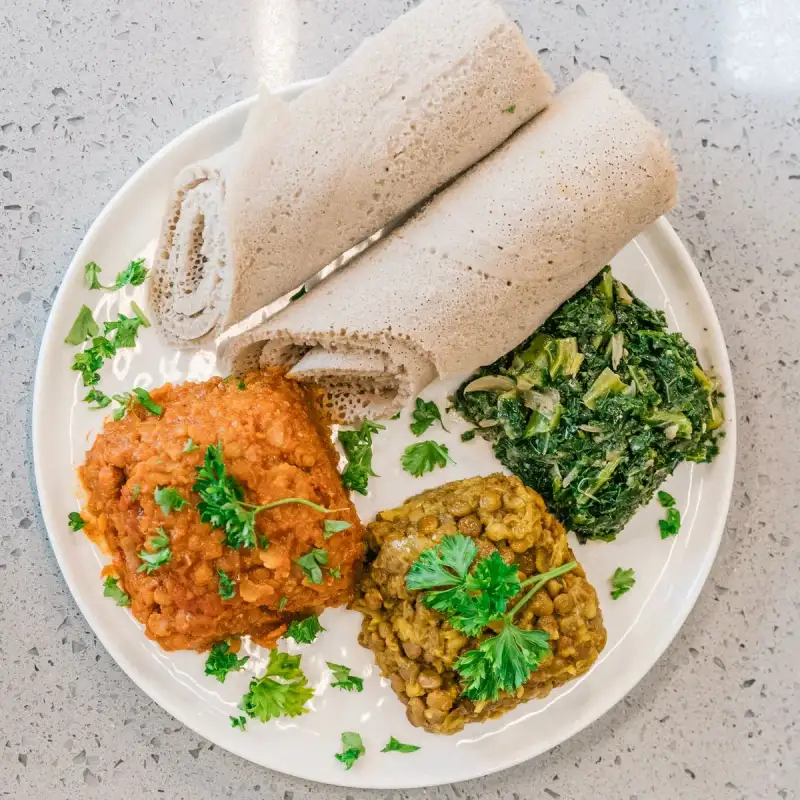
In the vibrant tapestry of global cuisine, few dishes possess the mystique, cultural gravitas, and sheer nutritional power of Injera. This isn't just a flatbread; it's the very soul of Ethiopian and Eritrean gastronomy, a sour, spongy, and endlessly fascinating staple that transcends mere sustenance to become a communal canvas for some of the world's most aromatic and flavorful stews. For the uninitiated, the first encounter with Injera can be an enigma: its unique tangy profile, its distinctive "eyes" (tiny holes), and its role as both plate and utensil are unlike anything found in Western dining. Yet, beneath its humble appearance lies a complex interplay of ancient grains, sophisticated fermentation, and profound health benefits that make it a compelling subject for any culinary explorer or health enthusiast. My journey into the world of Ethiopian cuisine began years ago, spurred by a quest for foods that tell a story – a narrative of tradition, resilience, and connection to the earth. Injera, crafted from the tiny, iron-rich grain called Teff, quickly emerged as a revelation. It's a food that demands patience and respect, a slow art passed down through generations. But the rewards are immense: not only a delicious, versatile accompaniment to a dazzling array of dishes but also a powerhouse of nutrition that quietly supports digestive health, bolsters mineral intake, and offers a naturally gluten-free alternative to common grains. Join me as we peel back the layers of this extraordinary food, from the fields of Ethiopia where Teff flourishes to the warmth of the Mitad where Injera comes to life, uncovering why this "sour sponge" is truly an underrated global superfood. The Ancient Grain: Teff and Its Nutritional Powerhouse Status At the heart of every authentic Injera lies Teff, an ancient, resilient grain native to Ethiopia and Eritrea. Despite its minuscule size – it’s often described as the smallest grain in the world, about the size of a poppy seed – Teff (scientific name: Eragrostis tef) boasts an exceptionally robust nutritional profile that puts many modern grains to shame. Cultivated for thousands of years, Teff thrives in diverse Ethiopian climates, adapting to both drought and waterlogging, making it a sustainable and vital food source for millions. There are primarily three types: white (Nech), red (Key), and brown (Sergegna), with white Teff yielding the lightest-colored Injera, while red and brown varieties contribute a deeper hue and often a more pronounced earthy flavor. What makes Teff a veritable nutritional powerhouse? Its micronutrient density is simply staggering. Teff is remarkably rich in iron, a critical mineral for oxygen transport and energy production. A single cup of cooked Teff can provide approximately 20% of the recommended daily intake for iron, a significant contribution, especially in regions where iron deficiency anemia is prevalent. This bioavailability of iron in Teff is a subject of ongoing research; a study published in the Journal of Cereal Science (2018) highlighted Teff's superior iron and zinc absorption compared to other grains, attributing it to its unique phytate-to-mineral ratio and specific processing methods like fermentation. Beyond iron, Teff is an excellent source of calcium, containing more of this bone-building mineral than most other grains, often cited as equivalent to a glass of milk per serving. It also provides a significant amount of magnesium, phosphorus, copper, and B vitamins. Furthermore, Teff is celebrated for its high fiber content, particularly its resistant starch. This type of starch escapes digestion in the small intestine and ferments in the large intestine, acting as a prebiotic that feeds beneficial gut bacteria. Research from the American Journal of Clinical Nutrition (2020) demonstrated that Teff's resistant starch content is notably higher than that found in common grains like wheat or rice, contributing to improved digestive health, better blood sugar regulation, and enhanced satiety, which can aid in weight management. Its protein content is also noteworthy, offering a complete amino acid profile, a rare trait for a plant-based food, making it an invaluable protein source for vegetarians and vegans. Critically, Teff is naturally gluten-free, a characteristic that has propelled it into the global spotlight as a safe and nutritious alternative for individuals with celiac disease or gluten sensitivity. Its distinctive properties, from its ancient origins to its modern nutritional acclaim, firmly establish Teff as the bedrock of Injera's status as a superfood.The Art of Fermentation: Crafting the Perfect Injera Batter The transformation of humble Teff flour into the iconic Injera is a testament to the ancient art of fermentation, a process that imbues the flatbread with its signature sour tang, airy texture, and enhanced nutritional profile. This isn't a quick bake; it's a slow, deliberate dance with microorganisms that demands patience and a keen understanding of natural processes. The journey begins with what appears to be a simple mixture: Teff flour and water. However, the secret ingredient is "ersho" (or irsho), a sourdough starter reserved from a previous batch, which acts as the microbial inoculant, much like a sourdough starter for bread. To craft the perfect Injera batter, a ratio of approximately 1 part Teff flour to 2 parts water is typically used, though this can vary slightly based on the flour's absorption. The flour is mixed with water in a large bowl, traditionally a clay pot called a "barmile," to form a thick, smooth batter, similar in consistency to pancake batter. The ersho is then incorporated, introducing a complex community of wild yeasts (Saccharomyces cerevisiae and related species) and lactic acid bacteria (Lactobacillus plantarum, Lactobacillus fermentum, Pediococcus pentosaceus, among others). This microbial symphony, as elucidated in studies like one published in Food Microbiology (2019), is responsible for the intricate flavor profile and increased nutrient bioavailability observed in fermented Teff products. The covered batter is then left to ferment at room temperature, ideally between 20-25°C (68-77°F), for anywhere from two to five days. During this period, the lactic acid bacteria convert carbohydrates into lactic acid, acetic acid, and other organic acids, which impart the characteristic sourness. Simultaneously, yeasts produce carbon dioxide, creating the tiny gas bubbles that will eventually form Injera's distinctive "eyes." The appearance of a watery, greyish layer on top, known as "aflegn," and a frothy, bubbly surface are visual cues that fermentation is progressing successfully. To prevent excessive sourness or spoilage, this aflegn is typically removed, and a small portion of the fermented batter, along with fresh flour and water, is cooked into a thin porridge called "absit" or "mokaka." This absit is then cooled and stirred back into the main batter, providing a final boost of starch and flavor, regulating the pH, and ensuring a smooth final texture. Troubleshooting is an inherent part of this art: if the batter isn't sour enough, it may need more time or a warmer environment; if it's too sour, the fermentation might have gone too long or lacked the absit step. A well-fermented batter will possess a pleasant, distinctly sour aroma and a consistency that is pourable but not watery, ready for its transformation on the griddle. This elaborate process is not just about taste; it also pre-digests certain components of the Teff, making nutrients more accessible and aiding digestion, truly enhancing its superfood status. From Batter to Bread: Mastering the Injera Cooking Technique The culinary magic of Injera culminates on a hot griddle, where the fermented Teff batter is transformed into its iconic, spongy form. This stage, while seemingly straightforward, requires precision, timing, and a practiced hand to achieve the perfect texture and signature "eyes" (enat) that define authentic Injera. Traditionally, Injera is cooked on a "mitad" (or mogogo), a large, round, flat clay or cast-iron griddle heated over an open fire or an electric element. For home cooks outside of Ethiopia, a large non-stick skillet or an electric griddle can serve as an effective substitute, though achieving the exact Mitad temperature and heat distribution requires some experimentation. The key to success lies in maintaining a consistent, medium-high heat. Too low, and the Injera will be tough and lack eyes; too high, and it will burn quickly before the top can steam properly. Before pouring, the griddle should be lightly greased with a small amount of oil, then wiped clean, leaving only a fine film to prevent sticking. The batter, having undergone its meticulous fermentation, should be stirred gently to reincorporate any settled flour, ensuring a uniform consistency. The pouring technique is perhaps the most crucial step. Using a measuring cup or a ladle, a precise amount of batter (typically about 1/2 to 3/4 cup for an 8-10 inch Injera) is poured onto the hot griddle. Starting from the outer edge, the batter is swiftly poured in a continuous, spiral motion, working inward to cover the entire surface evenly. Speed and confidence are paramount here; hesitation can result in an uneven thickness. As soon as the surface is covered, the griddle is immediately covered with a tight-fitting lid. This traps the steam, allowing the top of the Injera to cook and firm up, and crucially, encouraging the formation of those characteristic "eyes" as trapped gases escape. Cooking time is brief, typically 2-3 minutes. You'll know it's ready when the edges begin to curl slightly, and the entire surface is dotted with numerous small holes, indicating the steam has worked its magic. The top should be firm but not browned, retaining its light, moist quality. The Injera is then carefully lifted with a spatula, ensuring it doesn't tear, and transferred to a cooling rack or a clean cloth to cool completely before stacking. It’s essential to let each piece cool fully to prevent stickiness before layering them. A well-cooked Injera will be soft, flexible, and possess a slight springiness, perfectly ready to absorb the rich flavors of Ethiopian stews. Mastering this stage is not just about cooking a flatbread; it's about perfecting the canvas upon which an entire culinary tradition is presented.Unveiling the Wots and Tibs: A Symphony of Ethiopian Stews Injera, in its magnificent simplicity, serves as the perfect edible plate and utensil for the vibrant, aromatic, and deeply flavorful stews that constitute the heart of Ethiopian cuisine. These stews, primarily known as "wots" (pronounced "woats") and "tibs," are a symphony of spices, textures, and ingredients, offering a culinary journey that is both hearty and profoundly satisfying. The communal act of dining, where multiple wots and tibs are arranged on a large platter of Injera, encourages sharing and connection, embodying the spirit of Ethiopian hospitality. The foundation of many traditional wots is a generous amount of finely chopped red onions, slowly cooked until caramelized, forming a rich base. To this, garlic and ginger are added, creating a pungent aromatic layer. However, the true soul of Ethiopian stews lies in two essential ingredients: "Berbere" and "Niter Kibbeh." Berbere is an intricate, fiery red spice blend, often comprising 16 or more ingredients, including chili powder, fenugreek, ginger, garlic, cardamom, allspice, and paprika. Its complexity offers layers of heat, sweetness, and earthiness. Research in the Journal of Ethnopharmacology (2017) has explored Berbere's rich antioxidant profile, attributed to its diverse blend of spices, suggesting potential anti-inflammatory benefits. Niter Kibbeh, on the other hand, is a spiced clarified butter, infused with herbs and spices such as fenugreek, cumin, coriander, and turmeric. This golden elixir imparts a distinct depth of flavor and richness that is incomparable to plain butter. Among the most iconic wots is Doro Wot, a national dish, featuring chicken drumsticks and hard-boiled eggs simmered in a rich, spicy Berbere sauce. For those seeking milder flavors, Alicha Wot offers a delicious alternative, typically made with beef, lamb, or vegetables (like potatoes and carrots) in a turmeric-based sauce without Berbere. Vegetarian options are abundant and equally celebrated. Misir Wot (red lentil stew) is a staple, seasoned with Berbere, onions, garlic, and ginger, providing a protein and fiber-rich meal. Shiro Wot, a creamy, smooth stew made from powdered chickpeas or fava beans, is another vegetarian favorite, often prepared with or without Berbere. "Tibs" refer to sautéed pieces of meat or vegetables, usually lamb, beef, or chicken, often cooked quickly with onions, peppers, and various spices, served sizzling hot. Key Wot (spicy beef stew) and Derek Tibs (dry-fried meat) are particularly popular. The beauty of these stews is their versatility and the balance they strike: the cooling, tangy Injera perfectly complements the robust, often spicy, and deeply savory flavors of the wots and tibs. A typical Injera meal offers a harmonious blend of macros, with the carbohydrates from Injera, protein from meats or lentils, and healthy fats from Niter Kibbeh, making for a holistic and incredibly satisfying dining experience. The tradition of scooping up these stews with pieces of Injera, eschewing cutlery, is not just cultural but also enhances the sensory experience, connecting the diner more intimately with the food.The Health Benefits Beyond Gluten-Free: A Holistic Perspective While Injera's naturally gluten-free nature is a significant draw for many, its health benefits extend far beyond catering to gluten sensitivities. The holistic combination of its Teff base and the traditional fermentation process creates a food that is a powerhouse of nutrition, contributing to digestive health, micronutrient intake, and overall well-being. From a nutritional science standpoint, Injera embodies several principles of a healthy, traditional diet. Firstly, digestive health is profoundly supported. Teff's high fiber content, particularly its resistant starch, acts as a potent prebiotic. This resistant starch ferments in the colon, nurturing beneficial gut bacteria and promoting a healthy microbiome. Furthermore, the fermentation process used to create Injera batter introduces live probiotic cultures, including Lactobacillus species. While cooking reduces the live cultures, the byproducts of fermentation, such as lactic acid, can still contribute to a healthier gut environment by making nutrients more digestible and creating a slightly acidic pH that inhibits the growth of pathogenic bacteria. A meta-analysis published in Nutrition Reviews (2021) indicated that fermented grains like Injera can significantly enhance micronutrient absorption by breaking down phytates, which are compounds that bind to minerals and hinder their absorption. Secondly, Injera is an exceptional source of micronutrients. As highlighted earlier, Teff is notably rich in iron, calcium, and zinc. For populations globally facing deficiencies in these critical minerals, Injera offers a bioavailable and culturally significant dietary source. The fermentation process further aids in the liberation and absorption of these minerals, making them more accessible to the body. Its complete protein profile makes it a valuable plant-based option for muscle repair and satiety. Thirdly, its impact on blood sugar regulation is significant. The complex carbohydrates and high fiber content of Teff contribute to a lower glycemic index compared to refined grains. This means that Injera releases glucose into the bloodstream more slowly, helping to prevent sharp spikes and crashes in blood sugar levels, making it beneficial for individuals managing diabetes or seeking sustained energy. Lastly, the overall nutritional density of an Injera meal, especially when paired with traditional wots and tibs, offers a balanced intake of macronutrients (carbohydrates, proteins, fats) and a wide array of vitamins and minerals. The spices used in Ethiopian stews, such as fenugreek, turmeric, and ginger, are themselves rich in antioxidants and possess documented anti-inflammatory properties, further contributing to a holistic health profile. The traditional method of preparation, relying on whole ingredients and minimal processing, aligns perfectly with contemporary dietary recommendations for health and longevity. Injera, therefore, is not merely a component of a meal; it is a nutritional foundation that showcases the profound wisdom embedded in ancient culinary practices, offering a delicious path to improved health and a deeper connection to food.Nutritional Component Teff Flour (100g) Typical Wheat Flour (100g) Notes on Injera PreparationCalories 367 kcal 364 kcal Similar caloric density, but Injera's fermentation enhances digestibility.Protein 13.0g 12.0g Complete amino acid profile in Teff, rare for a grain.Fat 2.4g 1.0g Low in fat; often served with Niter Kibbeh (spiced clarified butter).Carbohydrates 73.0g 76.0g Primarily complex carbs, including resistant starch.Fiber 8.0g 3.0g Significantly higher fiber, contributing to gut health.Iron 7.6mg (42% DV) 3.6mg (20% DV) Exceptionally high; fermentation improves bioavailability.Calcium 180mg (18% DV) 15mg (1% DV) Outstanding source, aiding bone health.Magnesium 183mg (46% DV) 47mg (12% DV) Crucial for numerous bodily functions.Zinc 4.6mg (31% DV) 1.0mg (7% DV) Enhanced absorption due to fermentation process.Gluten None Present Naturally gluten-free, safe for celiacs.Note: DV = Daily Value. Values are approximate and can vary based on specific Teff varieties and processing. Injera's final nutritional profile is also influenced by water content and residual fermentation products.Conclusion The journey through the world of Ethiopian Injera reveals far more than just a unique flatbread. It unearths a culinary legacy deeply rooted in ancient wisdom, sustainable agriculture, and profound respect for natural processes. From the incredible nutritional density of Teff, the tiny grain that defies expectations, to the intricate art of fermentation that gives Injera its distinctive sourness and spongy texture, every aspect of this food tells a story of health, tradition, and community. Injera is not merely a vehicle for stews; it is a superfood in its own right. Its naturally gluten-free composition, coupled with its remarkable content of iron, calcium, fiber, and complete protein, positions it as an exceptional dietary staple. The traditional fermentation process further enhances its digestibility and nutrient bioavailability, nurturing gut health and offering sustained energy. When paired with the vibrant, spice-rich wots and tibs, an Injera meal becomes a perfectly balanced, holistic culinary experience that nourishes both body and soul. For too long, Injera has remained a hidden gem outside its native lands. Yet, as we increasingly seek out wholesome, naturally beneficial, and culturally rich foods, Injera stands ready to take its rightful place on the global stage. I encourage you to seek out authentic Ethiopian restaurants, or better yet, embark on the rewarding journey of making your own Injera at home. It’s an act of culinary exploration that promises not only exquisite flavors but also a deeper appreciation for the power of traditional foodways. Dive into this sour sponge; your palate, and your health, will thank you.#EthiopianFood #InjeraLove #TeffGrain #FermentedFoods #GutHealth #GlutenFreeEats #SuperfoodDiscovery