Showing Posts From
Innovation

Le silence des particules élémentaires murmure un langage que nous commençons à peine à déchiffrer. Imaginez un monde où le bit classique, cet interrupteur binaire limité à une existence rigide, s'efface devant une danse infiniment plus complexe : celle du qubit. Dans les entrailles des cryostats les plus sophistiqués de la planète, une bataille se joue, non pas pour la vitesse, mais pour la cohérence. Bienvenue dans l'ère où la réalité elle-même devient le processeur ultime. L’Odyssée de la Cohérence : Dompter le Qubit Le défi fondamental de l'informatique quantique ne réside pas dans la puissance brute, mais dans la fragilité inouïe de ses composants. Contrairement aux transistors de nos ordinateurs portables qui prospèrent dans la stabilité, le qubit est une créature éphémère. Il vit dans un état de superposition, tenant à la fois le 0 et le 1, une dualité maintenue par des lois physiques qui se désagrègent à la moindre interaction avec l'environnement extérieur.La décohérence est le grand ennemi de cette discipline. Le moindre photon vagabond, la moindre vibration thermique, et l'information quantique s'évapore, transformant un calcul complexe en un bruit blanc insaisissable. Les chercheurs travaillent sans relâche pour isoler ces systèmes, plongeant les processeurs à des températures proches du zéro absolu, là où le mouvement atomique ralentit suffisamment pour laisser place à la magie quantique. L'Art de la Correction : Sauver l'Information du Chaos Si le qubit est fragile, comment construire un ordinateur capable de réaliser des opérations durant des milliards de cycles sans erreur ? C’est ici qu’intervient la théorie de la correction d'erreurs quantiques. Contrairement aux systèmes classiques où l'on duplique simplement les bits pour vérifier la parité, le théorème de non-clonage quantique nous interdit de copier un état inconnu. Pour contourner cet obstacle, les physiciens utilisent des codes sophistiqués : le code de surface (surface code). L'idée est brillante : répartir l'information logique d'un seul "qubit logique" sur un vaste réseau de dizaines, voire de centaines de "qubits physiques". # Exemple conceptuel d'un circuit de correction d'erreur # Représentation simplifiée d'une porte de stabilisation def syndrome_measurement(qubit_array): for stabilizer in stabilizer_list: measure(stabilizer) if error_detected(stabilizer): apply_correction_gate(qubit_array)Ce processus permet de détecter si une erreur s'est produite sans jamais mesurer directement l'état quantique lui-même, ce qui entraînerait sa collapse. C'est une danse d'une précision chirurgicale, où l'algorithme "devine" la perturbation environnementale et la corrige en temps réel. Vers le Suprématie de l'Architecture Hybride Le futur immédiat ne réside probablement pas dans des machines isolées, mais dans une architecture hybride. Nous voyons déjà l'émergence de systèmes où le processeur quantique agit comme un accélérateur pour le supercalculateur classique. Les problèmes d'optimisation, la simulation de molécules complexes pour la pharmacie de demain, ou encore la cryptographie post-quantique, trouvent ici un terrain fertile.Le passage à l'échelle, ou "scaling", est le goulot d'étranglement. Augmenter le nombre de qubits physiques tout en maintenant un taux d'erreur extrêmement bas nécessite des percées dans les matériaux supraconducteurs et les technologies de contrôle par micro-ondes. Les ingénieurs ne se contentent plus de construire des prototypes de laboratoire ; ils tentent d'industrialiser le froid et le vide. Les Matériaux sous Pression : Une Révolution dans l'Ingénierie L'un des axes de recherche les plus prometteurs concerne les qubits basés sur les ions piégés et les défauts dans le diamant, comme les centres azote-lacune. Ces approches offrent des durées de cohérence plus longues que les qubits supraconducteurs classiques. Imaginez un ordinateur qui n'a plus besoin d'une salle entière remplie de systèmes de réfrigération à dilution, mais qui pourrait fonctionner avec une stabilité structurelle bien plus grande. Chaque percée dans la science des matériaux nous rapproche d'un point de bascule. Lorsque la correction d'erreurs sera assez robuste pour permettre le calcul tolérant aux fautes, nous ne parlerons plus de "nombres de qubits", mais de "profondeur algorithmique". C'est à ce moment précis que des problèmes autrefois insolubles en dix mille ans sur un supercalculateur classique seront résolus en quelques heures. Une Nouvelle Ère pour la Compréhension Humaine En tant qu'observateurs de cette révolution, il est fascinant de voir à quel point la quête de la stabilité quantique reflète notre propre désir de maîtriser l'incertitude. En apprenant à isoler, protéger et corriger le qubit, nous apprenons à manipuler les fondations mêmes de la matière. Les livres d'histoire des sciences retiendront ces années, non pas comme celles où nous avons enfin "compris" la mécanique quantique, mais comme celles où nous avons appris à l'apprivoiser pour en faire un outil de création. Le monde des qubits est en pleine ébullition. Entre les nouvelles topologies de correction d'erreurs et les progrès dans les matériaux isolants, le "bruit" des débuts laisse place à une symphonie de calcul parfaitement orchestrée. Nous ne sommes plus dans la science-fiction, mais dans une phase d'ingénierie lourde, où chaque qubit stabilisé est une victoire contre le désordre naturel de l'univers. La prochaine décennie sera celle de la démonstration pratique. Les entreprises technologiques et les institutions académiques se livrent une course effrénée, non seulement pour le nombre de qubits, mais pour la qualité de chaque unité. La fiabilité est devenue la monnaie d'échange la plus précieuse dans cet écosystème en plein essor. #InformatiqueQuantique #Technologie #PhysiqueAppliquée #InnovationDigitale #Qubits Related InsightsNorth and South Book Review and Summary Sharpe's Command Book Review and Summary 27 Stars (Women's Murder Club #27) Book Review and Summary{ "@context": "https://schema.org", "@type": "FAQPage", "mainEntity": [ { "@type": "Question", "name": "What is the main focus of Au-delà du Zéro et du Un : La Quête de la Stabilité Quantique?", "acceptedAnswer": { "@type": "Answer", "text": "Plongez au cœur de la révolution quantique où la maîtrise des qubits et la correction d'erreurs redéfinissent les limites du calcul computationnel." } }, { "@type": "Question", "name": "Who authored the comprehensive guide on Au-delà du Zéro et du Un : La Quête de la Stabilité Quantique?", "acceptedAnswer": { "@type": "Answer", "text": "This detailed article and its insights were carefully researched and authored by Lucas Martin." } }, { "@type": "Question", "name": "Where can I find more related content about Books?", "acceptedAnswer": { "@type": "Answer", "text": "You can explore more articles, detailed reviews, and similar insights by browsing the Related Insights section at the bottom of this article or visiting our dedicated Books category page." } } ] }
-
 Lucas Martin
 - 28 Aug, 2026 17:53
Le Rythme Invisible du Progrès : L'Odyssée de la Batterie Lithium-Ion
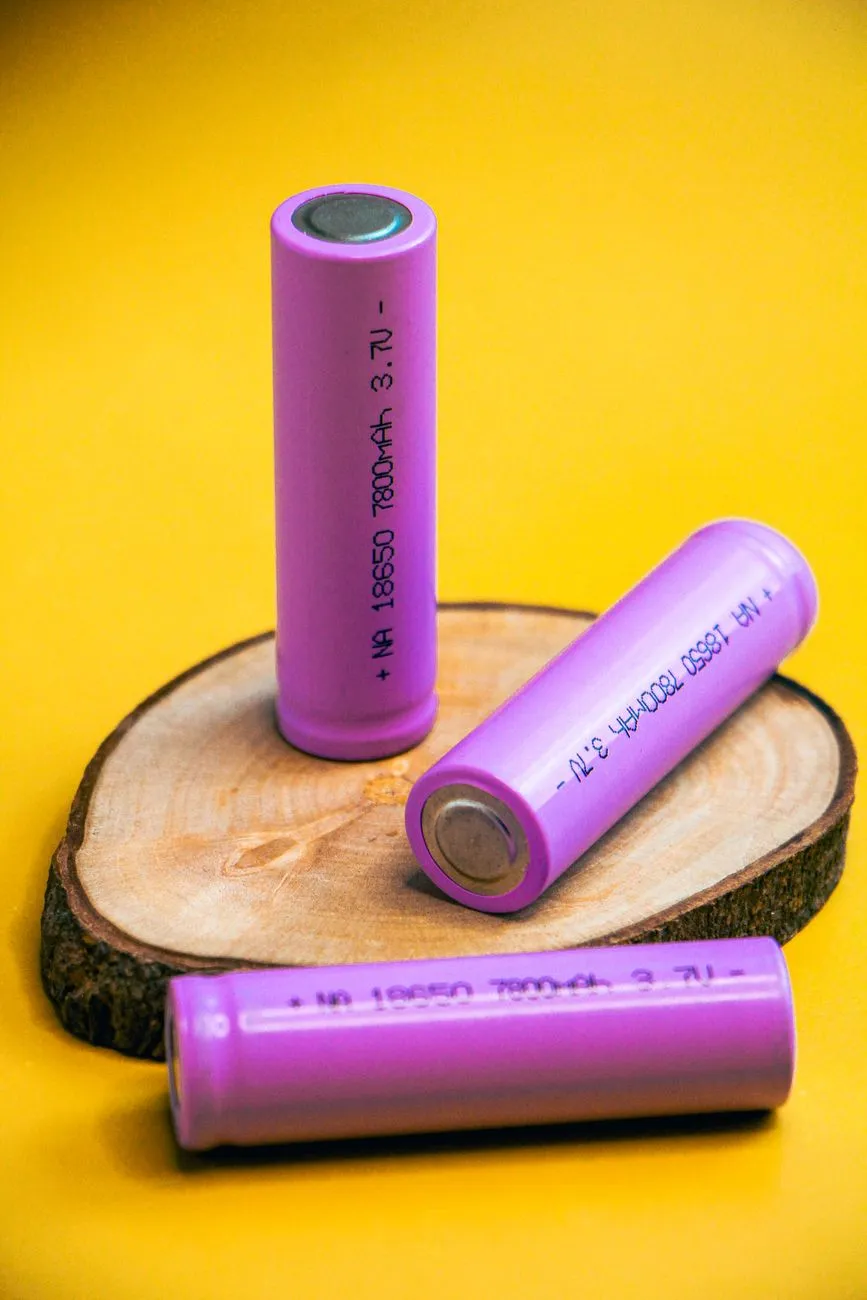
À l'aube d'une ère où l'immobilité est devenue une hérésie, un petit battement de cœur chimique résonne dans la paume de vos mains. Ce n'est ni un métal précieux, ni un combustible fossile brûlant, mais une danse subtile d'ions lithium circulant entre deux électrodes. C’est le moteur invisible, le cœur de silicium et de métal qui permet à notre modernité de ne jamais s’éteindre. Une Danse d’Ions au Service de l’Histoire L'histoire de la batterie lithium-ion ne commence pas dans un laboratoire sophistiqué, mais dans l'intuition profonde de scientifiques cherchant à dompter l'élément le plus léger du tableau périodique. Le lithium, avec son potentiel électrochimique massif, est devenu la pierre angulaire d'une révolution énergétique sans précédent. Contrairement aux batteries au plomb ou au nickel-cadmium qui nous précédaient, la technologie lithium-ion a introduit une densité énergétique capable de transformer un téléphone imposant en une plume digitale, et une automobile lourde en un bolide silencieux.Le concept est d'une élégance rare : lors de la charge, les ions lithium quittent la cathode pour s'insérer dans la structure poreuse de l'anode, généralement en graphite. Lors de la décharge, ce flux s'inverse, libérant une énergie électrique capturée par nos circuits. C’est ce mouvement perpétuel, ce va-et-vient microscopique, qui constitue le cœur battant de votre quotidien. Chaque notification, chaque appel, chaque kilomètre parcouru en véhicule électrique est le résultat de ce voyage ionique. L’Alchimie de la Performance La science derrière cette prouesse est un équilibre délicat. La cathode, souvent composée d'oxydes métalliques tels que le cobalt, le manganèse ou le fer, détermine la capacité et la tension de la cellule. L'anode en graphite, quant à elle, offre un refuge stable pour les ions. Cependant, c'est l'électrolyte — ce liquide ou gel conducteur placé entre les deux — qui orchestre le ballet, permettant aux ions de voyager tout en empêchant les électrons de prendre un raccourci interne destructeur. Pourtant, le défi reste monumental. La gestion thermique et la sécurité sont les gardiens de ce temple. Une surchauffe, une défaillance de la membrane séparatrice, et le ballet ionique se transforme en une réaction exothermique incontrôlée. Cette fragilité est le prix à payer pour une densité énergétique qui repousse sans cesse les limites de l'ingénierie moderne. Quand la Chimie Redéfinit le Déplacement L'impact de cette technologie sur la mobilité mondiale est comparable à l'invention du moteur à combustion au XIXe siècle. Le lithium-ion a permis l'éclosion du véhicule électrique moderne, rendant viable une transition énergétique que beaucoup jugeaient utopique. En supprimant la dépendance au pétrole, nous avons ouvert la voie à une motorisation électrique dont le couple est instantané et le fonctionnement, exempt d'émissions locales.Les constructeurs automobiles ne sont plus seulement des mécaniciens, ils sont désormais des experts en électrochimie. Ils traquent le gramme de cobalt, optimisent la gestion des systèmes de refroidissement et repensent le recyclage des métaux rares. La batterie n'est plus un accessoire ; elle est le produit fini. Défis Éthiques et Horizons Durables Néanmoins, cette quête de puissance pose des questions cruciales. L'extraction du lithium, souvent située dans des régions fragiles d'Amérique latine ou des zones minières complexes, impose une réflexion sur l'éthique de notre chaîne d'approvisionnement. Le cobalt, dont l'extraction est liée à des conditions humaines parfois difficiles, reste le point sombre d'une technologie par ailleurs libératrice. Le futur se dessine donc dans les laboratoires de recherche en matériaux :Batteries à l'état solide : Remplacer l'électrolyte liquide par un solide pour augmenter la sécurité et la capacité. Batteries au sodium-ion : Une alternative abondante au lithium pour des applications de stockage stationnaire. Recyclage circulaire : Développer des méthodes pour extraire 95 % des métaux des batteries usagées, transformant nos mines urbaines en gisements renouvelables.Un Avenir Chargé de Possibilités L'avenir n'est pas seulement dans la puissance de nos appareils, mais dans leur longévité et leur recyclabilité. Nous vivons dans une parenthèse historique où l'énergie est devenue portable. Demain, cette énergie sera intégrée dans l'architecture même de nos bâtiments, dans les panneaux solaires que nous portons, et peut-être dans des réseaux intelligents capables de lisser les fluctuations des énergies renouvelables.Chaque fois que vous rechargez votre ordinateur ou votre smartphone, vous participez à une chaîne mondiale d'innovation. Vous êtes le maillon final d'une lignée de chercheurs qui, des décennies durant, ont scruté le comportement des ions pour nous offrir ce luxe moderne : la liberté de mouvement, déconnectée de la prise murale. En fin de compte, la batterie lithium-ion est bien plus qu'un composant électronique. Elle est le symbole de notre ingéniosité collective, une prouesse de miniaturisation qui nous permet de porter le monde entier dans nos poches. Elle nous enseigne que le progrès n'est pas une ligne droite, mais un processus itératif, fait de succès, de remises en question et d'une soif insatiable de toujours aller plus loin, plus vite, et de manière plus intelligente. Le rythme du monde a changé, et il bat désormais au rythme des électrons en mouvement.#Innovation #Technologie #Durabilité #Science #LithiumIon Related InsightsThe Gilded Mirage: Unmasking the Tragedy of the American Dream in The Great Gatsby Still Me Book Review and Summary Voyager Book Review and Summary{ "@context": "https://schema.org", "@type": "FAQPage", "mainEntity": [ { "@type": "Question", "name": "What is the main focus of Le Rythme Invisible du Progrès : L'Odyssée de la Batterie Lithium-Ion?", "acceptedAnswer": { "@type": "Answer", "text": "Plongez dans l'épopée technologique qui alimente notre monde moderne, de la genèse atomique à la révolution énergétique globale." } }, { "@type": "Question", "name": "Who authored the comprehensive guide on Le Rythme Invisible du Progrès : L'Odyssée de la Batterie Lithium-Ion?", "acceptedAnswer": { "@type": "Answer", "text": "This detailed article and its insights were carefully researched and authored by Lucas Martin." } }, { "@type": "Question", "name": "Where can I find more related content about Books?", "acceptedAnswer": { "@type": "Answer", "text": "You can explore more articles, detailed reviews, and similar insights by browsing the Related Insights section at the bottom of this article or visiting our dedicated Books category page." } } ] }
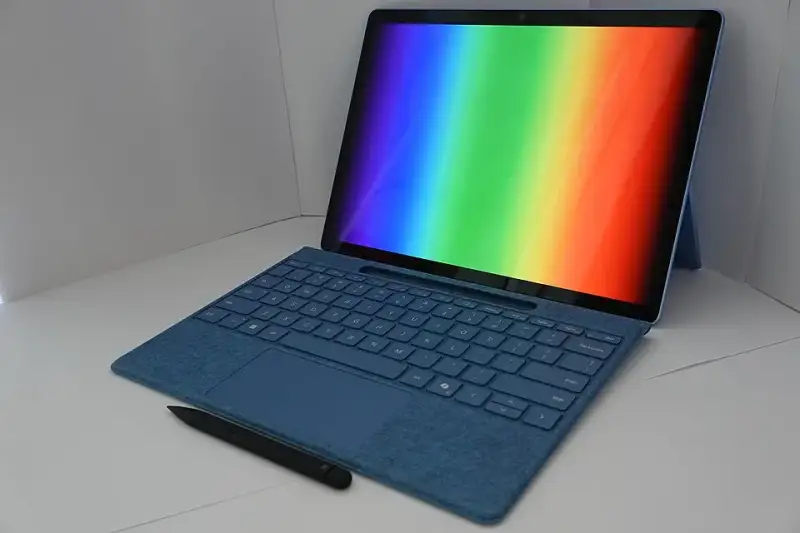

The Future is Illuminating: A Deep Dive into OLED Technology When you hold your smartphone in the palm of your hand, you are likely looking at a technological marvel that has taken decades to perfect. The deep, inky blacks, the vibrant, almost surreal colors, and the incredibly thin profile of the screen—these are all hallmarks of a display technology that has fundamentally changed the way we interact with our digital world. This is the magic of OLED, or Organic Light-Emitting Diode technology. #OLED #TechTrends For many years, the display market was dominated by Cathode Ray Tubes (CRTs) and, later, Liquid Crystal Displays (LCDs). While these technologies served us well, they had their inherent limitations. CRTs were bulky and heavy, while LCDs required a backlight to function, which meant they could never truly achieve perfect black levels. Enter OLED, a technology that essentially allows each individual pixel to generate its own light. This simple yet profound difference has paved the way for screens that are thinner, lighter, and more flexible than ever before. #DisplayTech #Innovation But what exactly is an OLED? How does it work on a microscopic level? And what does the future hold for this glowing revolution? In this comprehensive exploration, we will dive deep into the fascinating world of OLED technology, unraveling its complexities, celebrating its triumphs, and examining the challenges it faces as it continues to evolve. Whether you are a tech enthusiast, a gadget aficionado, or simply someone curious about the screen you stare at every day, this journey will shed light on the brilliant science behind the pixels. Unraveling the Acronym: What is an OLED? To understand OLED, we must first break down the acronym. OLED stands for Organic Light-Emitting Diode. Let us take this piece by piece. A diode is a basic electronic component that allows electrical current to flow in only one direction. A light-emitting diode (LED) is a specific type of diode that emits light when an electric current passes through it. #Electronics #LED The crucial word in OLED is "Organic." In chemistry, the term "organic" refers to compounds that contain carbon molecules. Therefore, an Organic Light-Emitting Diode is an LED in which the emissive electroluminescent layer is a film of organic compound that emits light in response to an electric current. This layer of organic semiconductor is situated between two electrodes; typically, at least one of these electrodes is transparent so that the light can escape and be seen by the human eye. The concept of electroluminescence—the phenomenon where a material emits light in response to the passage of an electric current—is not new. It was first observed in the early 20th century. However, the specific application of organic materials for this purpose was pioneered much later. In the 1950s, researchers began experimenting with organic compounds, but it wasn't until the late 1980s that significant breakthroughs were made. Scientists at Eastman Kodak developed the first practical OLED device in 1987, utilizing a novel two-layer structure that significantly reduced the operating voltage and improved efficiency. #ScienceHistory #TechInnovation This breakthrough laid the foundation for the commercialization of OLED technology. Unlike traditional LEDs, which are typically made from inorganic semiconductor materials like gallium arsenide or gallium phosphide, OLEDs utilize thin films of organic molecules or polymers. These materials can be deposited on a variety of substrates, including flexible plastics, which is what gives OLED its unique advantages in form factor and design. #MaterialScience The Inner Workings: Anatomy of an OLED To truly appreciate the brilliance of OLED technology, we must zoom in and examine its microscopic anatomy. An OLED is essentially a multi-layered sandwich, with each layer playing a critical role in the generation of light. Let us dissect this sandwich layer by layer. #TechExplained #EngineeringThe Substrate: This is the foundation of the OLED. It provides structural support for the entire device. In traditional displays, the substrate is typically made of rigid glass. However, one of the most exciting aspects of OLED technology is its compatibility with flexible substrates, such as clear plastic or metal foil. This allows for the creation of bendable, rollable, and foldable screens. #FlexibleDisplaysThe Anode (Positive Terminal): The anode is typically made of a transparent material, such as Indium Tin Oxide (ITO). When an electrical current flows through the device, the anode removes electrons (adds electron "holes") to the organic molecules it is in contact with. Transparency is key here, as it allows the light generated within the device to pass through and reach the viewer.The Organic Layers: This is where the magic happens. Early OLEDs used a simple two-layer organic structure, but modern devices often employ multiple layers to improve efficiency and performance. These layers are extremely thin—often thousands of times thinner than a human hair. They are typically composed of:The Hole Injection Layer (HIL) and Hole Transport Layer (HTL): These layers facilitate the movement of positive charges (holes) from the anode toward the emissive layer. The Emissive Layer: This is the heart of the OLED. It is made of organic plastic molecules that transport electrons from the cathode. This is where light is actually produced. Different organic molecules are used to produce different colors of light (red, green, and blue). #ColorScience The Electron Transport Layer (ETL) and Electron Injection Layer (EIL): These layers facilitate the movement of electrons from the cathode toward the emissive layer.The Cathode (Negative Terminal): Depending on the type of OLED, the cathode may or may not be transparent. Its primary function is to inject electrons into the organic layers when a current is applied. Common materials used for the cathode include metals like barium, calcium, or aluminum. #ChemistrySo, how do these layers work together to create light? When a voltage is applied across the OLED, electrical current flows from the cathode to the anode. The cathode injects electrons into the emissive layer, while the anode removes electrons (injects holes) from the conductive layer. These electrons and holes move towards each other due to electrostatic forces. When an electron and a hole meet in the emissive layer, they combine to form an exciton—a bound state of an electron and a hole. This recombination process releases energy in the form of a photon, which we perceive as visible light. The color of the light depends on the specific type of organic molecule used in the emissive layer. By carefully selecting and tuning these molecules, manufacturers can create OLEDs that emit pure, vibrant reds, greens, and blues, which can then be combined to produce any color in the visible spectrum. #Physics #Optics The Clear Advantages: Why OLED Triumphs Over LCD For many years, LCD (Liquid Crystal Display) technology, particularly when backed by LED lighting (often confusingly marketed simply as "LED TVs"), has been the standard for televisions, monitors, and smartphones. However, OLED offers several distinct advantages that have allowed it to challenge and, in many high-end applications, supersede LCD technology. #OLEDvsLCD #TechBattle 1. Perfect Blacks and Infinite Contrast Perhaps the most celebrated advantage of OLED is its ability to produce true, perfect blacks. In an LCD panel, a backlight illuminates the entire screen (or large zones of it). Liquid crystals act as shutters, blocking the light where black is needed. However, these shutters are never perfectly opaque; some light always bleeds through, resulting in a dark gray rather than a true black. In contrast, OLED pixels are self-emissive. Each pixel generates its own light. When a pixel needs to display black, it simply turns off completely. No light is emitted, resulting in an absolute, ink-like black. This ability to completely shut down individual pixels gives OLED displays an effectively infinite contrast ratio—the difference between the brightest white and the darkest black. This unparalleled contrast produces images with incredible depth, "pop," and realism that LCDs simply cannot match. #VisualQuality #HomeTheater 2. Superior Viewing Angles If you have ever looked at an older LCD screen from the side, you have likely noticed a degradation in color and brightness. This is due to the way liquid crystals manipulate light. OLED displays do not suffer from this limitation. Because the pixels themselves emit light in all directions, the picture quality remains remarkably consistent, even at extreme viewing angles. This makes OLED an excellent choice for large living room TVs where multiple people may be watching from different positions. 3. Faster Response Times Response time refers to how quickly a pixel can change from one state to another (e.g., from gray to white and back to gray). LCD pixels rely on the physical twisting and untwisting of liquid crystals, a mechanical process that takes time. While modern LCDs have significantly improved, they can still struggle with fast-moving content, resulting in motion blur or ghosting. OLED pixels, on the other hand, change state almost instantaneously through electrical stimulation of the organic compounds. This results in incredibly fast response times—often measured in microseconds rather than milliseconds. This rapid response makes OLED displays exceptionally well-suited for fast-paced action movies, sports broadcasting, and high-framerate competitive gaming. #GamingMonitor #Esports 4. Thinner, Lighter, and Flexible Form Factors Because OLED displays do not require a bulky backlight assembly or complex liquid crystal matrices, they can be manufactured to be astonishingly thin and light. Some OLED TVs are literally as thin as a pane of glass. Furthermore, as mentioned earlier, the organic materials used in OLEDs can be deposited on flexible substrates like plastic. This has opened the door to entirely new form factors that were previously impossible. We now have smartphones with screens that fold in half, televisions that roll up into a discrete box when not in use, and curved displays that wrap around the dashboard of a car. The design flexibility of OLED is unmatched. #ProductDesign #FoldablePhones 5. Improved Power Efficiency (With a Catch) In certain scenarios, OLED displays can be more power-efficient than their LCD counterparts. Because OLED pixels generate their own light, a predominantly dark image requires very little power, as most of the pixels are turned off or dimmed. This is why "Dark Mode" on an OLED smartphone actually saves battery life. However, displaying a mostly white, bright image (like a word processing document or a snow-covered landscape) requires all pixels to be fully illuminated, which can draw significantly more power than an LCD displaying the same image. #EnergyEfficiency The Inherent Challenges: Burn-in, Lifespan, and Costs Despite its many incredible advantages, OLED technology is not perfect. It faces several significant challenges that manufacturers have been working tirelessly to mitigate. Understanding these limitations is crucial for anyone considering investing in an OLED device. #TechProblems 1. The Threat of Burn-In The most widely discussed issue with OLED displays is the risk of "burn-in," also known as permanent image retention. Because each pixel generates its own light, pixels that are used more frequently or driven at higher brightness levels will degrade faster than pixels that are used less. Over time, this uneven degradation can result in a faint, permanent ghost image of static elements that have been displayed on the screen for long periods. #OLEDburnin For example, if you watch a news channel with a static logo in the corner for many hours a day, the pixels displaying that logo may degrade faster than the rest of the screen, leaving a permanent shadow of the logo even when you change the channel. The same applies to HUDs (Heads-Up Displays) in video games or the taskbar on a computer monitor. Manufacturers have implemented various software and hardware mitigation strategies to combat burn-in. These include "pixel shifting" (imperceptibly moving the image by a few pixels periodically to distribute wear), automatic logo dimming, and "pixel refresher" routines that run when the display is turned off to even out pixel wear. While these features have significantly reduced the risk of burn-in under normal usage conditions, it remains a concern for extreme use cases, such as using an OLED screen as a dedicated PC monitor with static toolbars. #TechTips 2. Lifespan and the "Blue Pixel Problem" The organic materials used in OLEDs degrade over time, which means the overall brightness of the display will gradually decrease as it ages. However, not all colors degrade at the same rate. Historically, the organic materials used to produce blue light have been significantly less efficient and have had a shorter lifespan than the red and green materials. To compensate for this "blue pixel problem," manufacturers have had to drive the blue pixels harder to achieve color balance, which only accelerates their degradation. This uneven aging can lead to a shift in color balance over the lifespan of the device. While continuous advancements in material science have drastically improved the longevity of blue OLED materials, achieving parity with red and green remains an ongoing area of research. #MaterialsEngineering 3. Manufacturing Complexity and Cost Manufacturing OLED panels, particularly large ones for televisions, is a highly complex and delicate process. The organic materials are extremely sensitive to moisture and oxygen, requiring them to be deposited and sealed in meticulously controlled vacuum environments. Even tiny imperfections or contaminants can result in defective pixels or entire panel failures. This manufacturing complexity historically resulted in low yield rates (the percentage of usable panels produced) and high production costs. While manufacturing techniques have vastly improved and economies of scale have brought prices down considerably, OLED displays still generally carry a premium price tag compared to traditional LCD panels. #Manufacturing #SupplyChain 4. Brightness Limitations While OLEDs offer infinite contrast due to their perfect blacks, they have traditionally struggled to reach the peak brightness levels achievable by the brightest high-end LED-backlit LCD TVs (often referred to as QLEDs or Mini-LEDs). To protect the organic materials from premature degradation and burn-in, OLED panels employ an Automatic Brightness Limiter (ABL) that dims the screen when a large portion of it is displaying bright white. While modern OLEDs are more than bright enough for typical indoor viewing, they may not be the optimal choice for incredibly sunlit rooms where sheer brightness is required to combat glare. #HomeCinema Applications: Beyond TVs and Smartphones When we think of OLED, smartphones and high-end televisions are the first devices that come to mind. These two markets have indeed driven the mass commercialization of the technology. Companies like Samsung Display dominate the small-to-medium OLED market (smartphones, tablets, smartwatches), while LG Display has been the primary champion of large-format OLED panels for TVs. #Smartphones #ConsumerElectronics However, the unique properties of OLED—its thinness, flexibility, and vibrant colors—have enabled its application in a much broader range of industries. 1. Wearable Technology: The low power consumption of OLED (particularly when displaying dark UI themes) and its ability to be shaped make it perfect for smartwatches and fitness trackers. Devices like the Apple Watch rely on OLED screens to provide clear, vibrant displays that conform to the curve of the wrist. #Wearables 2. Automotive Displays: The automotive industry is rapidly adopting OLED technology for digital dashboards, infotainment systems, and even exterior lighting. The high contrast ensures readability in varying lighting conditions, and the flexibility allows designers to integrate screens seamlessly into the curved contours of a car's interior. Furthermore, OLED taillights offer unique, customizable lighting signatures that improve visibility and aesthetics. #AutomotiveTech #CarDesign 3. Virtual Reality (VR) and Augmented Reality (AR): VR headsets require displays with incredibly fast response times to prevent motion sickness and high pixel densities to eliminate the "screen door effect." OLED's microsecond response times and excellent contrast make it a preferred technology for premium VR headsets. Micro-OLED displays, which are built on silicon wafers rather than glass substrates, offer massive pixel densities perfect for AR and VR applications. #VirtualReality #AugmentedReality 4. Lighting Applications: Beyond displays, OLED technology is also being used for general illumination. OLED lighting panels produce a soft, diffuse, and glare-free light that is pleasing to the eye. Because they are thin, flat, and generate very little heat, they can be integrated into walls, ceilings, and furniture in ways that traditional bulbs cannot. While currently an expensive niche, OLED lighting has the potential to revolutionize architectural and interior lighting design. #LightingDesign #Architecture The Future of OLED and Beyond: QD-OLED and MicroLED The display industry never stands still, and OLED technology is continuously evolving to address its limitations and push the boundaries of visual performance. #FutureTech #Innovation One of the most significant recent advancements is the development of QD-OLED (Quantum Dot OLED) technology. Traditional OLED TVs (specifically those manufactured by LG Display, known as WRGB OLED) use white OLED pixels combined with color filters to produce red, green, and blue light. While effective, the color filters block a significant amount of light, limiting peak brightness and color volume. QD-OLED, pioneered by Samsung Display, takes a different approach. It uses a blue OLED emissive layer as the light source. To create red and green light, the blue light is passed through a layer of Quantum Dots—nanocrystals that absorb the blue light and re-emit it as incredibly pure red or green light. Because quantum dots are highly efficient and do not rely on absorptive color filters, QD-OLED panels can achieve significantly higher peak brightness and a much wider, more vibrant color gamut than traditional WRGB OLEDs. #QuantumDots #QDOLED Another exciting development is the push towards PHOLED (Phosphorescent OLED). Currently, most commercial OLED displays use fluorescent materials for the blue subpixels. Fluorescent materials are inherently inefficient, converting only about 25% of electrical energy into light, with the rest lost as heat. Phosphorescent materials, on the other hand, can achieve nearly 100% internal quantum efficiency. While red and green PHOLED materials have been used for years, developing a stable, long-lasting blue PHOLED has proven incredibly difficult. However, major breakthroughs have been announced recently, and the commercialization of blue PHOLED is expected in the near future. This will drastically improve the power efficiency and brightness of all OLED displays. #PHOLED While OLED continues to evolve, it is also facing a formidable challenger on the horizon: MicroLED. Like OLED, MicroLED is a self-emissive technology where each pixel generates its own light. However, instead of using organic compounds, MicroLED uses microscopic inorganic LEDs (typically gallium nitride). Because it uses inorganic materials, MicroLED theoretically offers all the advantages of OLED (perfect blacks, infinite contrast, fast response times) without any of the drawbacks. Inorganic LEDs are immune to burn-in, do not degrade over time in the same way organic materials do, and can be driven to incredibly high brightness levels far exceeding anything an OLED can produce. The challenge with MicroLED lies in manufacturing. A 4K display requires over 24 million individual microscopic LEDs (8 million pixels x 3 subpixels each) to be flawlessly manufactured and transferred onto a backplane. This process, known as "mass transfer," is incredibly difficult, slow, and expensive to perform at scale. While massive, extremely expensive MicroLED displays currently exist for commercial applications (like Samsung's "The Wall"), it will likely be many years before MicroLED can be cost-effectively manufactured for consumer smartphones and televisions. Until then, OLED remains the undisputed king of consumer display technology. #MicroLED #NextGenDisplays Conclusion: A Bright and Flexible Horizon From its humble beginnings in research laboratories to its current status as the pinnacle of consumer display technology, OLED has undergone a remarkable journey. It has fundamentally shifted our expectations of what a screen should look like, proving that deep, inky blacks and vibrant, lifelike colors are not just luxury features, but essential components of an immersive visual experience. #TechEvolution While challenges like burn-in and manufacturing costs remain, the continuous pace of innovation—evidenced by advancements like QD-OLED and the imminent arrival of blue PHOLED materials—suggests that OLED's best days are still ahead. It is a technology that has freed screens from the rigid confines of glass and backlights, allowing them to bend, fold, and conform to our lives in entirely new ways. As we look toward the future, whether it's through the lens of an ultra-thin smart TV, the folding screen of a pocket-sized communicator, or the immersive visor of a VR headset, it is clear that organic light-emitting diodes will continue to illuminate our path forward. The revolution is televised, and its pixels are glowing brighter than ever. #TheFutureIsBright #OLEDRevolution Related InsightsFlash Forward: Navigating the QLC‑to‑PLC Transition in Modern SSDs The Rise of Liquid Neural Networks: Adapting AI for Real-Time Dynamic Environments Beyond the Electron: Harnessing the Power of Photons for Optical Computing{ "@context": "https://schema.org", "@type": "FAQPage", "mainEntity": [ { "@type": "Question", "name": "What is the main focus of The Future is Illuminating: A Deep Dive into OLED Technology?", "acceptedAnswer": { "@type": "Answer", "text": "Explore the fascinating world of OLED technology, from its fundamental workings to its impact on displays, lighting, and the future of electronics." } }, { "@type": "Question", "name": "Who authored the comprehensive guide on The Future is Illuminating: A Deep Dive into OLED Technology?", "acceptedAnswer": { "@type": "Answer", "text": "This detailed article and its insights were carefully researched and authored by John Doe." } }, { "@type": "Question", "name": "Where can I find more related content about Technology?", "acceptedAnswer": { "@type": "Answer", "text": "You can explore more articles, detailed reviews, and similar insights by browsing the Related Insights section at the bottom of this article or visiting our dedicated Technology category page." } } ] }