Showing Posts From
Kimchi
-
 Chloe Blanc
 - 16 Jul, 2026 14:59
L'Âme Fermentée de la Corée : Odyssée Sensorielle et Historique du Kimchi
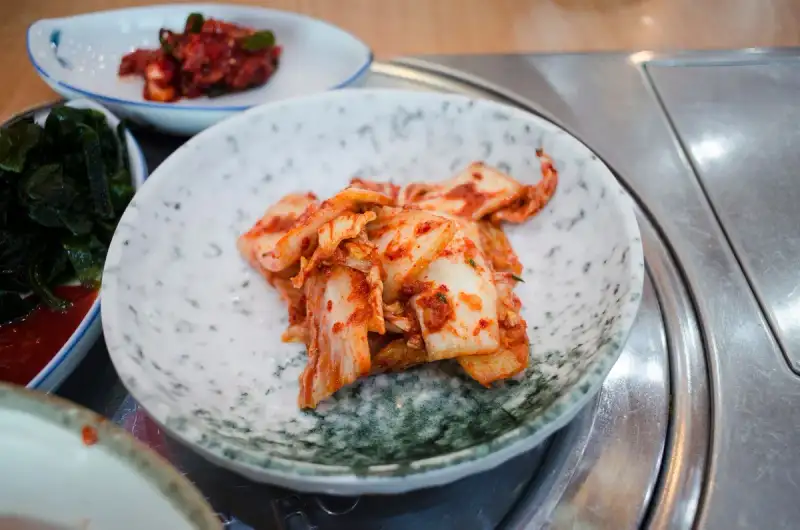
Le silence des hivers coréens, autrefois, n'était rompu que par le craquement de la glace et le souffle court des villageois s'activant autour des onggi. Imaginez l'odeur terreuse des racines fraîchement déterrées, le piquant ancestral du sel et l'attente patiente d'une transformation invisible. Le kimchi n'est pas un simple accompagnement ; c'est un dialogue entre l'homme et la nature, une alchimie où le temps devient l'ingrédient principal, transformant le végétal brut en un trésor probiotique vibrant de vie. L'Essence du Kimchi : Bien plus qu'un Banchan Au cœur de chaque table coréenne, le kimchi s'impose comme l'élément central, le banchan indispensable. Ce plat, composé de légumes salés et fermentés, est l'âme même de la cuisine de la péninsule. Si le chou chinois (napape) et le radis coréen en sont les piliers les plus fréquents, l'univers du kimchi est d'une diversité vertigineuse. La magie opère grâce à un mélange précis d'aromates : le gochugaru (poudre de piment coréen) apporte cette couleur rouge emblématique et ce feu maîtrisé, tandis que les oignons verts, l'ail et le gingembre ajoutent des couches de complexité aromatique. L'ajout de jeotgal (fruits de mer salés) vient apporter une profondeur umami incomparable, liant les saveurs terreuses des légumes à la salinité de l'océan.Le kimchi ne se limite pas à être consommé cru. Sa polyvalence permet de l'intégrer dans une multitude de soupes et de ragoûts, où sa saveur acidulée et fermentée apporte une structure unique aux bouillons. #KoreanFood #FermentationTraditionnelle Les Racines Linguistiques : Le Voyage du Mot Pour comprendre le kimchi, il faut plonger dans l'étymologie, là où les sons racontent l'évolution d'un peuple. Le terme "ji" (지), issu de l'ancien coréen dihi (디히), est utilisé depuis des temps immémoriaux pour désigner les légumes fermentés. Cette racine a survécu à travers les siècles, se retrouvant aujourd'hui comme suffixe dans des variantes comme le jjanji ou le seokbak-ji. Le mot "kimchi" lui-même est le résultat d'une mutation phonétique fascinante. À l'origine, on trouvait thimchoy (팀ᄎᆡ), une transcription du terme sino-coréen 沈菜, signifiant littéralement "légume submergé". À travers les époques, le mot a voyagé : thimchoy est devenu timchoy, puis cimchoy, puis cimchuy, pour enfin aboutir au kimchi moderne. Cette évolution reflète non seulement l'adaptation linguistique, mais aussi l'enracinement du plat dans l'identité nationale, tant au Nord qu'au Sud. Une Histoire Millénaire : Du Silence au Piment L'histoire du kimchi est celle d'une adaptation constante. Le Samguk Sagi, chronique historique des Trois Royaumes de Corée, mentionne déjà l'utilisation de jarres pour fermenter les légumes, prouvant que cette pratique était courante dès l'aube de la civilisation coréenne. Le peuple de Goguryeo était particulièrement reconnu pour sa maîtrise de la fermentation. Plus tard, sous la dynastie Silla (57 av. J.-C. – 935 apr. J.-C.), l'essor du bouddhisme a favorisé un mode de vie végétarien, propulsant le kimchi au rang de pilier alimentaire. Avant l'invention de la réfrigération, le salage était la seule arme contre la famine hivernale. On enterrait les onggi (pots en céramique brune) dans le sol pour protéger les légumes du gel en hiver et maintenir une température fraîche en été, ralentissant ainsi la fermentation.L'un des aspects les plus surprenants pour le néophyte est que le kimchi originel n'était pas piquant. Les archives anciennes ne mentionnent ni l'ail ni le piment. Le piment, ingrédient désormais indissociable du plat, est une culture du Nouveau Monde. Introduit en Asie de l'Est par les commerçants portugais, il n'apparaît pour la première fois dans les textes coréens qu'en 1614, dans l'encyclopédie Jibong yuseol. Ce n'est qu'au XIXe siècle que l'usage du piment s'est généralisé, donnant naissance aux recettes que nous connaissons aujourd'hui. Le Gimjang : Un Rite Social et Familial Le gimjang n'est pas simplement l'acte de préparer le kimchi d'hiver ; c'est un acte de communion. Traditionnellement, c'était un événement communautaire où tout le village participait. Les femmes des familles se réunissaient pour préparer des quantités massives de légumes, renforçant ainsi les liens sociaux et familiaux. Le stockage se faisait sur des terrasses spéciales appelées jangdokdae, où les onggi étaient alignés, tournés vers le soleil, respirant à travers la porosité de l'argile. Si aujourd'hui les réfrigérateurs à kimchi spécialisés ont remplacé les fosses terrestres dans les appartements modernes de Séoul, l'esprit du gimjang demeure un symbole de solidarité. La Diversité des Variétés Il existe des centaines de types de kimchi, chacun reflétant une région ou une saison. Parmi les plus emblématiques, on trouve :Baechu-kimchi : Le classique au chou chinois. Kkakdugi : Un kimchi de radis coupé en cubes, croquant et vif. Chonggak-kimchi : Préparé avec des radis "queue de renard". Oi-sobagi : Un kimchi de concombre, rafraîchissant et parfumé.C'est dans le livre Jeungbo sallim gyeongje de 1766 que l'on trouve déjà des rapports sur cette myriade d'ingrédients, prouvant que la créativité culinaire coréenne était déjà florissante bien avant la mondialisation. #Gastronomie #HealthyEatingDu Terroir à l'Espace : Le Kimchi Moderne Le kimchi a su traverser les frontières et même l'atmosphère terrestre. Pendant la guerre du Vietnam, le gouvernement sud-coréen a dû industrialiser la production de kimchi pour ravitailler ses troupes, dont le besoin pour ce plat était décrit comme "désespéré". Cette nécessité a accéléré la commercialisation et la standardisation du produit. L'aventure a atteint son apogée en 2008, lorsque des scientifiques sud-coréens ont créé un "kimchi spatial" pour l'astronaute Yi So-yeon. Contrairement au kimchi traditionnel, cette version était dépourvue de bactéries pour éviter que les rayons cosmiques ne provoquent des mutations bactériennes, tout en conservant la richesse en vitamines et un faible apport calorique. La Bataille des Standards : Kimchi vs Kimuchi L'identité du kimchi est si forte qu'elle a fait l'objet de disputes diplomatiques. En 1996, la Corée a protesté contre la production commerciale japonaise de "kimuchi". L'argument était simple : le produit japonais n'était pas fermenté, se rapprochant davantage de l' asazuke (légumes saumurés rapides) que du véritable kimchi. La Corée a alors sollicité le Codex Alimentarius, l'organisme de l'OMS et de la FAO, pour établir une norme internationale. En 2001, le Codex a officiellement défini le kimchi comme un aliment fermenté utilisant principalement du chou chinois salé, mélangé à des assaisonnements et subissant un processus de production d'acide lactique. Cette reconnaissance mondiale a ancré le kimchi non seulement comme un plat, mais comme un produit culturel protégé. Conclusion : Un Héritage Vivant Le kimchi est le miroir de l'histoire coréenne : résilient, transformateur et profondément lié à la terre. De la poésie d'Yi Gyubo au XIIIe siècle, qui comparait le goût du radis d'hiver à celui d'une poire, jusqu'aux programmes destinés aux adoptés coréens souhaitant redécouvrir leurs racines à travers la préparation du kimchi, ce plat est un fil conducteur. Il nous enseigne que la patience — le temps nécessaire à la fermentation — est l'ingrédient le plus précieux. En goûtant un morceau de kimchi, on ne goûte pas seulement du chou et du piment, on goûte des siècles de survie, de science empirique et d'amour familial.#Kimchi #KoreanCulture #Fermentation #HealthyFood #WorldGastronomy #FoodHistory Related InsightsThe Golden Threads of History: Unraveling the Millennia-Old Tapestry of Pasta L'Épopée Gourmande des Rues : Quand le Monde se Déguste à Ciel Ouvert Char Siu Bao: The Fluffy BBQ Pork Bun{ "@context": "https://schema.org", "@type": "FAQPage", "mainEntity": [ { "@type": "Question", "name": "What is the main focus of L'Âme Fermentée de la Corée : Odyssée Sensorielle et Historique du Kimchi?", "acceptedAnswer": { "@type": "Answer", "text": "Plongez dans l'univers fascinant du kimchi, bien plus qu'un simple plat : un héritage millénaire de fermentation, de culture et de survie." } }, { "@type": "Question", "name": "Who authored the comprehensive guide on L'Âme Fermentée de la Corée : Odyssée Sensorielle et Historique du Kimchi?", "acceptedAnswer": { "@type": "Answer", "text": "This detailed article and its insights were carefully researched and authored by Chloe Blanc." } }, { "@type": "Question", "name": "Where can I find more related content about Food?", "acceptedAnswer": { "@type": "Answer", "text": "You can explore more articles, detailed reviews, and similar insights by browsing the Related Insights section at the bottom of this article or visiting our dedicated Food category page." } } ] }
-
 Marcus Vance
 - 13 Jul, 2026 21:40
Kimchi's Untold Saga: Unearthing the Fermented Superfoods Beyond the Cabbage You Thought You Knew
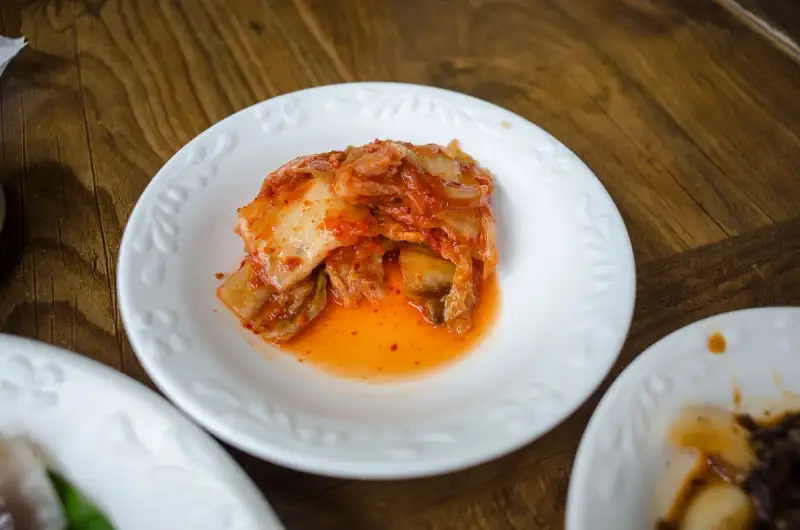
For many across the globe, the word "kimchi" conjures a singular image: vibrant red, spicy fermented napa cabbage, a quintessential side dish on every Korean table. It's a culinary icon, celebrated for its unique flavor profile—a complex interplay of spicy, sour, savory, and umami notes—and its burgeoning reputation as a global superfood. Indeed, baechu-kimchi, or napa cabbage kimchi, is undoubtedly the most famous and widely consumed variety, representing a cornerstone of Korean gastronomic identity. Its journey from a staple peasant food to a global health trend is a testament to its compelling taste and undeniable nutritional merits. Yet, to limit kimchi to just fermented napa cabbage is akin to believing that "bread" only refers to sliced white loaf. The truth is, kimchi is not a single dish, but rather a vast and intricate category encompassing hundreds of distinct varieties, each a unique testament to Korea's rich agricultural heritage and deep understanding of fermentation. From crisp radishes to fresh cucumbers, pungent mustard greens to refreshing water kimchis, the world of kimchi extends far beyond the familiar leafy greens. These often-overlooked varieties offer a dazzling array of textures, flavors, and nutritional benefits, each prepared with meticulous care and a keen understanding of seasonal ingredients. In this comprehensive exploration, we will peel back the layers of this fermented marvel, venturing beyond the ubiquitous cabbage to discover a universe of probiotic-rich wonders, dissecting their scientific contributions to human health, and inspiring you to explore the boundless possibilities of Korean fermentation. Prepare to have your perception of kimchi profoundly transformed. The Fermentation Marvel: A Microbiome Powerhouse The magic of kimchi, irrespective of its primary vegetable, lies fundamentally in its fermentation process—a microbiological transformation that elevates simple ingredients into a complex, nutrient-dense superfood. This ancient preservation technique, rooted in millennia of human ingenuity, leverages specific strains of beneficial bacteria to create a profoundly healthful product. The primary drivers of kimchi fermentation are lactic acid bacteria (LAB), predominantly species from the genera Lactobacillus, Leuconostoc, and Weissella. These microscopic heroes initiate a carefully orchestrated cascade of biochemical changes that define kimchi's characteristic flavor, texture, and, most importantly, its remarkable health benefits. When raw vegetables, typically salted to draw out moisture and inhibit spoilage organisms, are mixed with a paste containing chili powder (gochugaru), garlic, ginger, green onions, and often fish sauce or salted shrimp, they provide a fertile ground for LAB. These anaerobic bacteria thrive in the low-oxygen environment of a sealed fermentation vessel, converting carbohydrates present in the vegetables into lactic acid. This process dramatically lowers the pH of the mixture, inhibiting the growth of harmful pathogens while preserving the vegetables and developing complex flavor compounds. The tangy, sour taste characteristic of well-fermented kimchi is a direct result of this lactic acid production. Beyond preservation and flavor enhancement, the health implications of this microbial activity are profound. The high concentration of live LAB in kimchi acts as a potent probiotic, directly contributing to a healthy gut microbiome. Research published in Frontiers in Microbiology (2018) extensively details how the diverse microbial consortium in kimchi can modulate the composition and function of the human gut microbiota, potentially improving digestive health and enhancing nutrient absorption. Furthermore, LAB produce short-chain fatty acids (SCFAs), such as butyrate, acetate, and propionate, which are vital for gut health. Butyrate, in particular, serves as a primary energy source for colonocytes, helps maintain the integrity of the intestinal barrier, and possesses significant anti-inflammatory properties, as highlighted in numerous studies including a review in the Journal of Medicinal Food (2020). Moreover, the fermentation process makes certain nutrients more bioavailable and generates novel bioactive compounds. It enhances the vitamin content, particularly B vitamins (B1, B2, B12), and can even increase the antioxidant capacity of the original ingredients. The synergistic interaction between the prebiotics (fiber from vegetables) and probiotics (LAB) in kimchi creates a synbiotic effect, fostering a robust internal ecosystem crucial for overall well-being. Regular consumption of kimchi has been linked to improved immune function, reduced inflammation, and even potential benefits for metabolic health, making it far more than just a tasty condiment—it's a vibrant microbial ecosystem on a plate.Diving Deeper: Kimchi Varieties Beyond Baechu While baechu-kimchi rightfully holds its throne, the true marvel of Korean fermentation lies in the sheer diversity of its kimchi family. To venture beyond napa cabbage is to discover a spectrum of textures, flavor profiles, and seasonal delights, each offering a unique culinary experience and specific health benefits derived from its distinct ingredients. This exploration unveils the ingenuity and adaptability of Korean culinary traditions. One of the most popular alternatives is Kkakdugi (깍두기), or cubed radish kimchi. This variety utilizes Korean radish (mu), which is denser and sweeter than daikon radish. Cut into satisfyingly crunchy cubes, it's typically seasoned with gochugaru, garlic, ginger, green onions, and often fermented with a hint of fish sauce. Kkakdugi offers a delightful textural contrast to baechu-kimchi, providing a refreshing crunch and a subtly different spicy-tangy profile that perfectly complements richer Korean stews and soups. Its high fiber content, derived from the radish, aids digestion and gut motility. For a taste of summer, Oi Sobagi (오이소박이), or stuffed cucumber kimchi, is a seasonal favorite. Fresh cucumbers are quartered but left attached at one end, then stuffed with a vibrant mixture of chives, carrots, garlic, ginger, and chili paste. The short fermentation period results in a crisp, refreshing kimchi with a light spice and herbaceous notes. It’s a superb palate cleanser, particularly invigorating during warmer months, and its high water content from cucumbers contributes to hydration. Another distinctive radish kimchi is Chonggak Kimchi (총각김치), often called "ponytail radish kimchi" due to the small radishes being fermented whole with their long greens attached. This presentation gives it a rustic charm and a potent, peppery flavor from the radish greens, which are rich in vitamins K and C. Chonggak kimchi has a more robust, earthy taste and a satisfying chew, making it a favorite for those who appreciate bolder flavors and textures. Moving away from the fiery red, we find the elegant Nabak Kimchi (나박김치) and Dongchimi (동치미), both types of "water kimchi" (mul-kimchi). These are characterized by their clear, refreshing brine rather than a thick chili paste. Nabak kimchi usually features thinly sliced napa cabbage and radish, often with garlic, ginger, red chili threads, and sometimes pear or apple slices, creating a delicately sweet and subtly spicy broth. Dongchimi, on the other hand, is typically less spicy, focusing on whole or large pieces of radish, sometimes with green onions, ginger, and fruits like Asian pear. These water kimchis are excellent digestive aids, often served cold to refresh the palate, and are rich in beneficial probiotics within their liquid component, offering a gentler introduction to fermented foods for those sensitive to spice. They are particularly beneficial for hydration and electrolyte balance, especially given the natural mineral content of the brine. Finally, Gat Kimchi (갓김치), or mustard leaf kimchi, offers a powerfully pungent and slightly bitter flavor profile, cherished by connoisseurs. Made from Korean mustard greens, it’s seasoned similarly to baechu-kimchi but delivers a more intense, peppery kick that stands out. The mustard greens themselves are nutritional powerhouses, packed with vitamins A, C, and K, along with potent antioxidants and glucosinolates, which are known for their detoxifying properties. Each of these varieties, with its unique sensory profile and ingredient base, showcases the incredible breadth of the kimchi tradition, inviting endless exploration. The Nutritional Powerhouse: Macros, Micros, and Bioactive Compounds Beyond its tantalizing flavors and probiotic benefits, kimchi stands as a formidable nutritional powerhouse, a testament to the concentrated goodness derived from its vegetable base and the transformative power of fermentation. Its profile is remarkably rich in essential macronutrients, micronutrients, and a diverse array of bioactive compounds, all contributing to its esteemed superfood status. From a macronutrient perspective, most kimchi varieties are commendably low in calories and fat, making them an excellent addition to a health-conscious diet. A typical 100g serving of baechu-kimchi, for instance, provides approximately 15-20 calories, with minimal fat content (often less than 0.5g, unless additional oils are used in preparation). Carbohydrates typically range from 2-4g, a significant portion of which is dietary fiber (1-2g). The fermentation process consumes some of the sugars, further reducing the overall carbohydrate load while increasing the bioavailability of other nutrients. Protein content is generally low, around 1-2g, primarily derived from the vegetables and any added seafood components like fish sauce or salted shrimp. However, where kimchi truly shines is in its micronutrient and bioactive compound profile. It is an exceptional source of several vital vitamins and minerals:Vitamin C: Abundant in fresh cabbage, radishes, and other vegetables, kimchi retains a significant amount of vitamin C, a powerful antioxidant crucial for immune function and collagen synthesis. Vitamin K: Particularly K1, found in dark leafy greens, which is essential for blood clotting and bone health. B Vitamins: The fermentation process enhances the B vitamin content, including folate, riboflavin (B2), and even some B12, which is rare in plant-based foods, making kimchi a notable source for vegetarians and vegans. Vitamin A (as beta-carotene): Especially in varieties with more orange or red vegetables, vital for vision, immune function, and skin health. Minerals: Kimchi is a good source of minerals like iron (important for oxygen transport), calcium (for bone health), potassium (for blood pressure regulation), and selenium (an antioxidant).Beyond these well-known nutrients, kimchi is brimming with bioactive compounds that contribute to its anti-inflammatory, antioxidant, and potential anti-carcinogenic properties.Isothiocyanates: Derived from cruciferous vegetables like napa cabbage and radishes, these compounds have been extensively studied for their potential in cancer prevention and detoxification pathways. Studies in the British Journal of Nutrition (2019) have linked dietary intake of isothiocyanates to enhanced antioxidant enzyme activity in the human body. Capsaicinoids: The active compounds in gochugaru (Korean chili powder) are responsible for kimchi's characteristic heat. Capsaicin has been shown to possess anti-inflammatory and pain-relieving properties, and its impact on metabolism has been reviewed in Food & Function (2021). Allicin: Found in garlic, allicin is a sulfur-containing compound known for its potent antimicrobial, antiviral, and antioxidant effects. Gingerol: The primary active compound in ginger, contributing powerful anti-inflammatory and antioxidant benefits. Choline: Present in cabbage, choline plays a crucial role in liver function, brain development, nerve function, muscle movement, and metabolism.The synergistic interaction of these components—the fiber acting as a prebiotic, the live cultures as probiotics, and the array of vitamins, minerals, and bioactive compounds—makes kimchi a holistic food that supports gut health, modulates the immune system, reduces systemic inflammation, and contributes to overall cellular protection.👉 Continue Reading: Kimchi's Untold Saga: Unearthing the Fermented Superfoods Beyond the Cabbage You Thought You Knew (Part 2)#KimchiLove #KoreanFood #ProbioticPower #FermentedFoods #HealthyEating Related InsightsSteel-Cut Oats with Chia Seeds and Blueberries: A Delicious and Nutritious Breakfast Option Sailing the Cheese Seas: A Masterclass in Georgian Khachapuri Variations Peruvian Ceviche Revealed: The Ancient Citrus Alchemy That Transforms Seafood into a Nutritional Powerhouse{ "@context": "https://schema.org", "@type": "FAQPage", "mainEntity": [ { "@type": "Question", "name": "What is the main focus of Kimchi's Untold Saga: Unearthing the Fermented Superfoods Beyond the Cabbage You Thought You Knew?", "acceptedAnswer": { "@type": "Answer", "text": "Dive deep into the extraordinary world of Korean kimchi, exploring its diverse forms beyond napa cabbage and the profound health benefits backed by scientific research." } }, { "@type": "Question", "name": "Who authored the comprehensive guide on Kimchi's Untold Saga: Unearthing the Fermented Superfoods Beyond the Cabbage You Thought You Knew?", "acceptedAnswer": { "@type": "Answer", "text": "This detailed article and its insights were carefully researched and authored by Marcus Vance." } }, { "@type": "Question", "name": "Where can I find more related content about Food?", "acceptedAnswer": { "@type": "Answer", "text": "You can explore more articles, detailed reviews, and similar insights by browsing the Related Insights section at the bottom of this article or visiting our dedicated Food category page." } } ] }
- Marcus Vance
- 13 Jul, 2026 21:40
Kimchi's Untold Saga: Unearthing the Fermented Superfoods Beyond the Cabbage You Thought You Knew (Part 2)
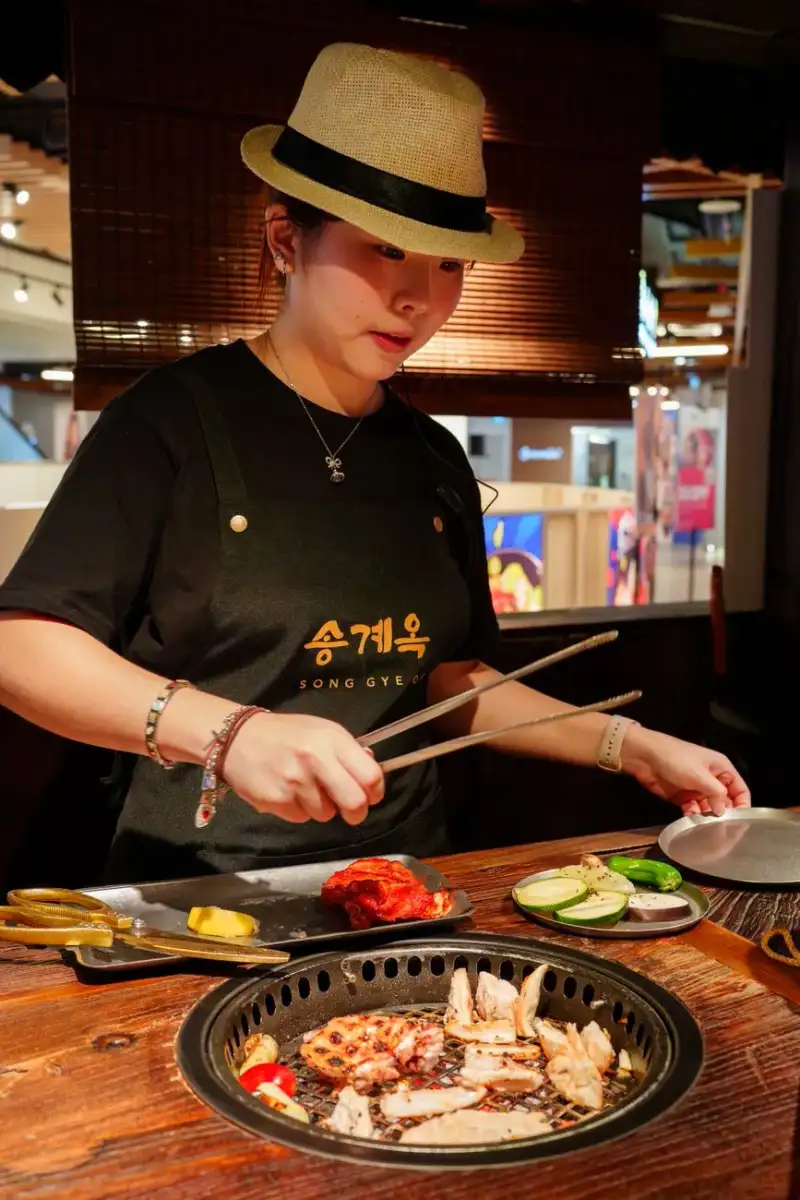
This is Part 2 of the series. Read Part 1 here.Crafting Your Own: A Simplified Guide to Kkakdugi Kimchi Embarking on the journey of making your own kimchi is immensely rewarding, offering fresh, personalized flavors and the satisfaction of traditional food preservation. While baechu-kimchi can be complex, Kkakdugi (깍두기), the cubed radish kimchi, provides a fantastic entry point for beginners due to its simpler preparation and forgiving nature. Here's a step-by-step guide to crafting your own batch of crisp, tangy kkakdugi: Yields: Approx. 2 kg | Prep time: 30 minutes | Fermentation: 2-5 days Ingredients:1.5 kg Korean radish (mu), or daikon radish, peeled 2-3 tbsp coarse sea salt (non-iodized) For the Paste: ½ cup Korean chili powder (gochugaru), adjust to taste ¼ cup fish sauce (or vegan alternative like soy sauce for flavor) 2 tbsp minced garlic (approx. 6-8 cloves) 1 tbsp minced ginger 2 tbsp sugar (or maple syrup for a more nuanced sweetness) ¼ cup glutinous rice flour paste (mix 1 tbsp rice flour with ¼ cup water, simmer until thick, cool) – optional, for binding ¼ cup water (if not using rice flour paste)For the Fresh Additions: 3-4 green onions, chopped into 1-inch piecesEquipment:Large mixing bowl Airtight fermentation jar or container (glass or food-grade plastic)Step-by-Step Instructions:Prepare the Radish:Peel the Korean radish and cut it into approximately 1-inch (2.5 cm) cubes. Uniform size ensures even salting and fermentation. Place the radish cubes in a large bowl and sprinkle generously with the coarse sea salt. Toss well to ensure all radish pieces are coated. Let it sit for 30-45 minutes. The salt will draw out excess water, making the radish crispier and preventing it from getting soggy. Stir occasionally. After salting, drain the radish thoroughly. Do not rinse the radish, as the residual salt will aid in fermentation. Tip: While draining, gently squeeze handfuls of radish to remove more water without breaking them.Make the Seasoning Paste:In a separate medium-sized bowl, combine the gochugaru, fish sauce, minced garlic, minced ginger, sugar, and the cooled glutinous rice flour paste (if using, otherwise use ¼ cup water). Mix everything thoroughly until a smooth, thick paste forms. The glutinous rice flour paste helps to bind the spices to the radish and feeds the lactic acid bacteria, encouraging fermentation.Combine and Mix:Add the drained radish cubes to the bowl with the seasoning paste. Wearing food-grade gloves (highly recommended due to chili and potential skin irritation), mix everything thoroughly. Ensure every radish cube is evenly coated with the vibrant red paste. Add the chopped green onions and gently mix them in.Pack and Ferment:Carefully transfer the seasoned kkakdugi into your clean, airtight fermentation jar or container. Press down firmly on the kimchi to remove air pockets. This also helps submerge the kimchi under its own liquid (brine), which is crucial for anaerobic fermentation. Leave about 1-2 inches of headspace from the top of the jar, as the kimchi will produce gas and liquid during fermentation. Close the lid tightly. Place the jar at room temperature (ideally 18-22°C or 65-72°F) for 2-5 days. The fermentation time can vary based on temperature and your desired level of sourness. Monitoring: After 24-48 hours, you might notice small bubbles forming, and the lid might start to bulge if it's not a self-burping type. "Burp" the jar daily by opening the lid briefly to release gas, then re-seal. Taste Test: After 2 days, taste a piece of radish. Once it reaches a pleasant sourness that you enjoy, move it to the refrigerator. Fermentation will slow down significantly in the cold, preserving its flavor.Serve and Store:Your homemade kkakdugi is ready to enjoy! It will continue to ferment slowly in the refrigerator, developing deeper flavors over several weeks. Serve it as a side dish with any meal. It's particularly fantastic with grilled meats, rice, and hearty stews.Making kkakdugi is an incredibly rewarding experience that connects you directly to the vibrant world of Korean fermented foods. It’s fresh, flavorful, and packed with beneficial probiotics—a true labor of love that nourishes both body and soul. Beyond the Bowl: Innovative Culinary Applications of Kimchi To relegate kimchi solely to a side dish, however revered, is to overlook its immense potential as a dynamic, flavor-enhancing ingredient in a myriad of culinary contexts. Its complex profile—a harmonious blend of spicy, sour, umami, and sometimes sweet notes—makes it incredibly versatile, capable of transforming ordinary dishes into extraordinary experiences. Moving beyond the traditional Korean table, kimchi has steadily infiltrated global cuisine, proving its adaptability and allure. Traditionally, kimchi is a foundational element in many beloved Korean dishes. Classic applications include Kimchi Jjigae (김치찌개), a hearty, spicy stew often featuring pork or tofu, where aged, sour kimchi provides the essential depth and tang. Kimchi Bokkeumbap (김치볶음밥), or kimchi fried rice, capitalizes on the aged kimchi's intense flavor, stir-fried with rice, meat, and often topped with a fried egg. Kimchi Buchimgae (김치부침개), savory kimchi pancakes, offer a delightful crunch and chew, with the kimchi lending its characteristic zest and a pleasing texture. Even something as simple as Kimchi Mandu (김치만두), kimchi dumplings, showcases its ability to elevate ground meat or vegetable fillings. However, the true innovation lies in kimchi's contemporary and fusion applications, demonstrating its seamless integration into diverse culinary traditions:Kimchi Tacos/Burritos: The crisp, spicy, and tangy elements of kimchi provide a fantastic counterpoint to rich meats like carnitas or bulgogi, adding a fresh, zesty kick to a classic Mexican format. Kimchi Grilled Cheese: Imagine the ultimate comfort food elevated by the piquant bite of fermented cabbage, cutting through the richness of melted cheese. It's a game-changer. Kimchi Pasta/Pizza Topping: Finely chopped kimchi can be stirred into pasta sauces for an umami boost or scattered over pizza as a vibrant, unconventional topping, pairing surprisingly well with savory meats and cheeses. Kimchi Slaw for Sandwiches/Burgers: Replacing traditional coleslaw with a kimchi-infused version adds a fiery, tangy crunch that can cut through the richness of a burger or pulled pork sandwich. Kimchi-infused Dressings/Sauces: Blending kimchi into vinaigrettes, mayonnaise, or even creating a kimchi aioli can add a unique depth of flavor to salads, grilled vegetables, or as a dipping sauce for fries. Kimchi Stews (Non-Korean): Think beyond jjigae. Kimchi can lend an incredible complexity to lentil stews, bean chilis, or even curries, providing a fermented depth that is hard to replicate. Kimchi with Eggs: A simple yet profound upgrade to breakfast or brunch. Scrambled eggs with finely chopped kimchi, a kimchi omelet, or even kimchi-topped avocado toast offer a burst of flavor. Water Kimchis as Refreshers: Varieties like Nabak Kimchi or Dongchimi, with their delicate, refreshing broths, can be used as unique bases for cold noodle soups or even as a clean, probiotic-rich palate cleanser between courses.The key to successful integration is understanding kimchi's core flavor profile and textural contributions. Aged, sour kimchi, for instance, shines in cooked dishes like stews and fried rice, where its flavors meld and deepen. Fresher, crisper varieties like oi sobagi or kkakdugi are excellent for adding crunch and brightness to salads or sandwiches. The umami from fermentation, the heat from gochugaru, and the tang from lactic acid—all combine to offer a multifaceted ingredient that encourages experimentation. So, next time you reach for that jar of kimchi, consider its boundless potential to reinvent your everyday meals. Comparative Nutritional Profile of Selected Kimchi Varieties (Per 100g serving, approximate values) The nutritional composition of kimchi can vary based on ingredients, fermentation time, and specific recipes. However, this table provides a general overview of the macronutrient and key micronutrient profiles for common kimchi varieties. These values highlight the diverse health benefits each type offers, beyond just the familiar baechu-kimchi. Note that probiotic counts are highly variable and depend on the specific fermentation conditions and freshness of the kimchi.Kimchi Type Calories (kcal) Protein (g) Fat (g) Carbs (g) Fiber (g) Vit C (%DV) Calcium (%DV) Probiotics (CFU/g) (Approx.) Key Nutritional NotesBaechu Kimchi 15-20 1-2 0.3-0.5 3-4 1-2 15-25% 2-4% 10^7 - 10^9 Rich in vitamins C, K, B; source of isothiocyanates and capsaicin. Promotes gut health.Kkakdugi Kimchi 18-25 1-2 0.3-0.5 4-5 1.5-2.5 20-30% 3-5% 10^7 - 10^9 Higher in fiber due to radish. Good source of Vitamin C and minerals. Distinct crisp texture aids digestion.Oi Sobagi Kimchi 10-15 0.5-1 0.2-0.4 2-3 0.8-1.5 10-18% 1-3% 10^6 - 10^8 Very low calorie, high water content from cucumbers. Hydrating and refreshing. Contains beneficial compounds from chives and garlic.Nabak Kimchi (Water) 8-12 0.5-1 0.1-0.2 1.5-2.5 0.5-1 8-15% 1-2% 10^6 - 10^8 (in brine) Extremely low calorie. Focus on the probiotic-rich liquid. Hydrating, gentle on the stomach, and a good source of electrolytes. Often contains natural sugars from fruit additions for milder fermentation.Gat Kimchi 20-28 1.5-2.5 0.4-0.6 4-6 2-3.5 25-35% 5-8% 10^7 - 10^9 Higher nutrient density from mustard greens. Rich in Vitamins A, C, K, and folate. Contains glucosinolates with potential detoxifying properties. Stronger, pungent flavor.Note: %DV refers to Percent Daily Value based on a 2,000 calorie diet. Probiotic counts are highly variable and represent a general estimate for well-fermented kimchi. Individual recipes and ingredients will lead to variations in these nutritional values. Conclusion: A Universe of Flavor and Wellness in Every Fermented Bite Our journey through the multifaceted world of Korean kimchi has unveiled a culinary marvel far grander than its most famous representative, baechu-kimchi. We've delved into the scientific wonders of its fermentation, a process orchestrated by beneficial lactic acid bacteria that transform humble vegetables into a microbiome powerhouse, contributing significantly to gut health, immune function, and overall well-being. Beyond the familiar, we've explored an astounding array of varieties—from the crisp bite of kkakdugi and the refreshing zest of oi sobagi, to the pungent complexity of gat kimchi and the delicate clarity of nabak kimchi. Each offers a distinct sensory experience, reflecting Korea's profound connection to its land and seasons. We've meticulously broken down kimchi's impressive nutritional profile, highlighting its richness in essential vitamins, minerals, and potent bioactive compounds like isothiocyanates, capsaicinoids, and allicin, all working in synergy to provide anti-inflammatory and antioxidant benefits. For the adventurous spirit, we've provided a clear pathway to crafting your own batch of kkakdugi, demonstrating that the art of kimchi-making is accessible and profoundly rewarding. Finally, we've transcended the traditional serving bowl, showcasing how kimchi's versatile flavor profile can revolutionize everything from tacos and grilled cheese to stews and innovative dressings, proving its place as a dynamic ingredient in global gastronomy. Kimchi is not merely a condiment; it is a living food, a testament to ancient wisdom, and a vibrant cornerstone of health. It embodies the essence of "food as medicine," delivering a complex symphony of flavors alongside a formidable boost to your internal ecosystem. I urge you, dear reader, to move beyond your preconceived notions. Seek out the diverse varieties of kimchi available, experiment with making your own, and integrate its incredible depth into your daily cooking. The world of kimchi is vast, delicious, and waiting to enrich your life, one fermented bite at a time. Embrace the tang, savor the spice, and celebrate the health benefits of this extraordinary superfood.#KimchiLove #KoreanFood #ProbioticPower #FermentedFoods #HealthyEating Related InsightsAndean Superfoods Unveiled: The Alchemical Power of Quinoa, Kiwicha, and Canihua Unlocking the Power of Roasted Beetroot Hummus with Toasted Sesame: A Delicious Anti-Inflammatory Delight Exploring the Nutritional Haven of Buckwheat Kasha with Sautéed Mushrooms and Onions{ "@context": "https://schema.org", "@type": "FAQPage", "mainEntity": [ { "@type": "Question", "name": "What is the main focus of Kimchi's Untold Saga: Unearthing the Fermented Superfoods Beyond the Cabbage You Thought You Knew (Part 2)?", "acceptedAnswer": { "@type": "Answer", "text": "Dive deep into the extraordinary world of Korean kimchi, exploring its diverse forms beyond napa cabbage and the profound health benefits backed by scientific research." } }, { "@type": "Question", "name": "Who authored the comprehensive guide on Kimchi's Untold Saga: Unearthing the Fermented Superfoods Beyond the Cabbage You Thought You Knew (Part 2)?", "acceptedAnswer": { "@type": "Answer", "text": "This detailed article and its insights were carefully researched and authored by Marcus Vance." } }, { "@type": "Question", "name": "Where can I find more related content about Food?", "acceptedAnswer": { "@type": "Answer", "text": "You can explore more articles, detailed reviews, and similar insights by browsing the Related Insights section at the bottom of this article or visiting our dedicated Food category page." } } ] }