Kimchi's Untold Saga: Unearthing the Fermented Superfoods Beyond the Cabbage You Thought You Knew
-
 Marcus Vance
 - 13 Jul, 2026 21:40
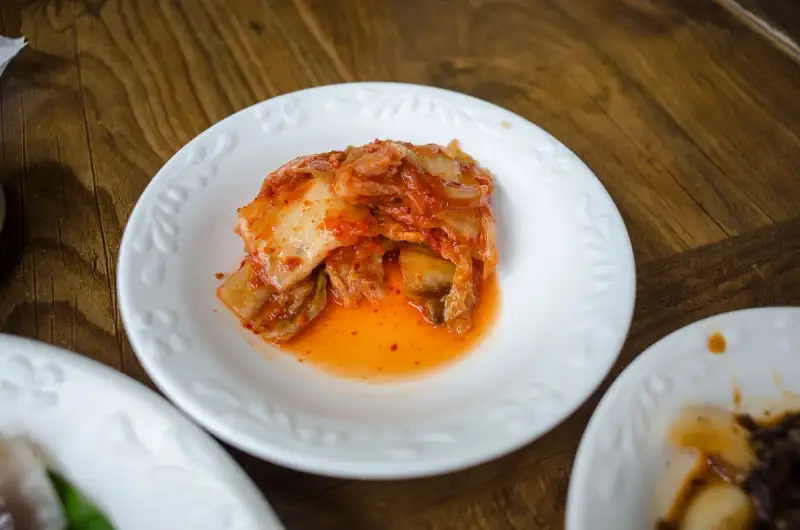
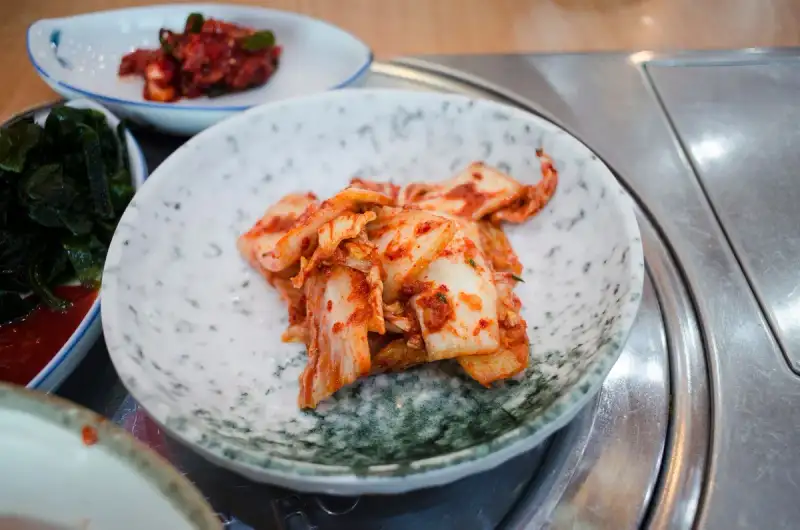
For many across the globe, the word “kimchi” conjures a singular image: vibrant red, spicy fermented napa cabbage, a quintessential side dish on every Korean table. It’s a culinary icon, celebrated for its unique flavor profile—a complex interplay of spicy, sour, savory, and umami notes—and its burgeoning reputation as a global superfood. Indeed, baechu-kimchi, or napa cabbage kimchi, is undoubtedly the most famous and widely consumed variety, representing a cornerstone of Korean gastronomic identity. Its journey from a staple peasant food to a global health trend is a testament to its compelling taste and undeniable nutritional merits.
Yet, to limit kimchi to just fermented napa cabbage is akin to believing that “bread” only refers to sliced white loaf. The truth is, kimchi is not a single dish, but rather a vast and intricate category encompassing hundreds of distinct varieties, each a unique testament to Korea’s rich agricultural heritage and deep understanding of fermentation. From crisp radishes to fresh cucumbers, pungent mustard greens to refreshing water kimchis, the world of kimchi extends far beyond the familiar leafy greens. These often-overlooked varieties offer a dazzling array of textures, flavors, and nutritional benefits, each prepared with meticulous care and a keen understanding of seasonal ingredients. In this comprehensive exploration, we will peel back the layers of this fermented marvel, venturing beyond the ubiquitous cabbage to discover a universe of probiotic-rich wonders, dissecting their scientific contributions to human health, and inspiring you to explore the boundless possibilities of Korean fermentation. Prepare to have your perception of kimchi profoundly transformed.
The Fermentation Marvel: A Microbiome Powerhouse
The magic of kimchi, irrespective of its primary vegetable, lies fundamentally in its fermentation process—a microbiological transformation that elevates simple ingredients into a complex, nutrient-dense superfood. This ancient preservation technique, rooted in millennia of human ingenuity, leverages specific strains of beneficial bacteria to create a profoundly healthful product. The primary drivers of kimchi fermentation are lactic acid bacteria (LAB), predominantly species from the genera Lactobacillus, Leuconostoc, and Weissella. These microscopic heroes initiate a carefully orchestrated cascade of biochemical changes that define kimchi’s characteristic flavor, texture, and, most importantly, its remarkable health benefits.
When raw vegetables, typically salted to draw out moisture and inhibit spoilage organisms, are mixed with a paste containing chili powder (gochugaru), garlic, ginger, green onions, and often fish sauce or salted shrimp, they provide a fertile ground for LAB. These anaerobic bacteria thrive in the low-oxygen environment of a sealed fermentation vessel, converting carbohydrates present in the vegetables into lactic acid. This process dramatically lowers the pH of the mixture, inhibiting the growth of harmful pathogens while preserving the vegetables and developing complex flavor compounds. The tangy, sour taste characteristic of well-fermented kimchi is a direct result of this lactic acid production.
Beyond preservation and flavor enhancement, the health implications of this microbial activity are profound. The high concentration of live LAB in kimchi acts as a potent probiotic, directly contributing to a healthy gut microbiome. Research published in Frontiers in Microbiology (2018) extensively details how the diverse microbial consortium in kimchi can modulate the composition and function of the human gut microbiota, potentially improving digestive health and enhancing nutrient absorption. Furthermore, LAB produce short-chain fatty acids (SCFAs), such as butyrate, acetate, and propionate, which are vital for gut health. Butyrate, in particular, serves as a primary energy source for colonocytes, helps maintain the integrity of the intestinal barrier, and possesses significant anti-inflammatory properties, as highlighted in numerous studies including a review in the Journal of Medicinal Food (2020).
Moreover, the fermentation process makes certain nutrients more bioavailable and generates novel bioactive compounds. It enhances the vitamin content, particularly B vitamins (B1, B2, B12), and can even increase the antioxidant capacity of the original ingredients. The synergistic interaction between the prebiotics (fiber from vegetables) and probiotics (LAB) in kimchi creates a synbiotic effect, fostering a robust internal ecosystem crucial for overall well-being. Regular consumption of kimchi has been linked to improved immune function, reduced inflammation, and even potential benefits for metabolic health, making it far more than just a tasty condiment—it’s a vibrant microbial ecosystem on a plate.

Diving Deeper: Kimchi Varieties Beyond Baechu
While baechu-kimchi rightfully holds its throne, the true marvel of Korean fermentation lies in the sheer diversity of its kimchi family. To venture beyond napa cabbage is to discover a spectrum of textures, flavor profiles, and seasonal delights, each offering a unique culinary experience and specific health benefits derived from its distinct ingredients. This exploration unveils the ingenuity and adaptability of Korean culinary traditions.
One of the most popular alternatives is Kkakdugi (깍두기), or cubed radish kimchi. This variety utilizes Korean radish (mu), which is denser and sweeter than daikon radish. Cut into satisfyingly crunchy cubes, it’s typically seasoned with gochugaru, garlic, ginger, green onions, and often fermented with a hint of fish sauce. Kkakdugi offers a delightful textural contrast to baechu-kimchi, providing a refreshing crunch and a subtly different spicy-tangy profile that perfectly complements richer Korean stews and soups. Its high fiber content, derived from the radish, aids digestion and gut motility.
For a taste of summer, Oi Sobagi (오이소박이), or stuffed cucumber kimchi, is a seasonal favorite. Fresh cucumbers are quartered but left attached at one end, then stuffed with a vibrant mixture of chives, carrots, garlic, ginger, and chili paste. The short fermentation period results in a crisp, refreshing kimchi with a light spice and herbaceous notes. It’s a superb palate cleanser, particularly invigorating during warmer months, and its high water content from cucumbers contributes to hydration.
Another distinctive radish kimchi is Chonggak Kimchi (총각김치), often called “ponytail radish kimchi” due to the small radishes being fermented whole with their long greens attached. This presentation gives it a rustic charm and a potent, peppery flavor from the radish greens, which are rich in vitamins K and C. Chonggak kimchi has a more robust, earthy taste and a satisfying chew, making it a favorite for those who appreciate bolder flavors and textures.
Moving away from the fiery red, we find the elegant Nabak Kimchi (나박김치) and Dongchimi (동치미), both types of “water kimchi” (mul-kimchi). These are characterized by their clear, refreshing brine rather than a thick chili paste. Nabak kimchi usually features thinly sliced napa cabbage and radish, often with garlic, ginger, red chili threads, and sometimes pear or apple slices, creating a delicately sweet and subtly spicy broth. Dongchimi, on the other hand, is typically less spicy, focusing on whole or large pieces of radish, sometimes with green onions, ginger, and fruits like Asian pear. These water kimchis are excellent digestive aids, often served cold to refresh the palate, and are rich in beneficial probiotics within their liquid component, offering a gentler introduction to fermented foods for those sensitive to spice. They are particularly beneficial for hydration and electrolyte balance, especially given the natural mineral content of the brine.
Finally, Gat Kimchi (갓김치), or mustard leaf kimchi, offers a powerfully pungent and slightly bitter flavor profile, cherished by connoisseurs. Made from Korean mustard greens, it’s seasoned similarly to baechu-kimchi but delivers a more intense, peppery kick that stands out. The mustard greens themselves are nutritional powerhouses, packed with vitamins A, C, and K, along with potent antioxidants and glucosinolates, which are known for their detoxifying properties. Each of these varieties, with its unique sensory profile and ingredient base, showcases the incredible breadth of the kimchi tradition, inviting endless exploration.
The Nutritional Powerhouse: Macros, Micros, and Bioactive Compounds
Beyond its tantalizing flavors and probiotic benefits, kimchi stands as a formidable nutritional powerhouse, a testament to the concentrated goodness derived from its vegetable base and the transformative power of fermentation. Its profile is remarkably rich in essential macronutrients, micronutrients, and a diverse array of bioactive compounds, all contributing to its esteemed superfood status.
From a macronutrient perspective, most kimchi varieties are commendably low in calories and fat, making them an excellent addition to a health-conscious diet. A typical 100g serving of baechu-kimchi, for instance, provides approximately 15-20 calories, with minimal fat content (often less than 0.5g, unless additional oils are used in preparation). Carbohydrates typically range from 2-4g, a significant portion of which is dietary fiber (1-2g). The fermentation process consumes some of the sugars, further reducing the overall carbohydrate load while increasing the bioavailability of other nutrients. Protein content is generally low, around 1-2g, primarily derived from the vegetables and any added seafood components like fish sauce or salted shrimp.
However, where kimchi truly shines is in its micronutrient and bioactive compound profile. It is an exceptional source of several vital vitamins and minerals:
- Vitamin C: Abundant in fresh cabbage, radishes, and other vegetables, kimchi retains a significant amount of vitamin C, a powerful antioxidant crucial for immune function and collagen synthesis.
- Vitamin K: Particularly K1, found in dark leafy greens, which is essential for blood clotting and bone health.
- B Vitamins: The fermentation process enhances the B vitamin content, including folate, riboflavin (B2), and even some B12, which is rare in plant-based foods, making kimchi a notable source for vegetarians and vegans.
- Vitamin A (as beta-carotene): Especially in varieties with more orange or red vegetables, vital for vision, immune function, and skin health.
- Minerals: Kimchi is a good source of minerals like iron (important for oxygen transport), calcium (for bone health), potassium (for blood pressure regulation), and selenium (an antioxidant).
Beyond these well-known nutrients, kimchi is brimming with bioactive compounds that contribute to its anti-inflammatory, antioxidant, and potential anti-carcinogenic properties.
- Isothiocyanates: Derived from cruciferous vegetables like napa cabbage and radishes, these compounds have been extensively studied for their potential in cancer prevention and detoxification pathways. Studies in the British Journal of Nutrition (2019) have linked dietary intake of isothiocyanates to enhanced antioxidant enzyme activity in the human body.
- Capsaicinoids: The active compounds in gochugaru (Korean chili powder) are responsible for kimchi’s characteristic heat. Capsaicin has been shown to possess anti-inflammatory and pain-relieving properties, and its impact on metabolism has been reviewed in Food & Function (2021).
- Allicin: Found in garlic, allicin is a sulfur-containing compound known for its potent antimicrobial, antiviral, and antioxidant effects.
- Gingerol: The primary active compound in ginger, contributing powerful anti-inflammatory and antioxidant benefits.
- Choline: Present in cabbage, choline plays a crucial role in liver function, brain development, nerve function, muscle movement, and metabolism.
The synergistic interaction of these components—the fiber acting as a prebiotic, the live cultures as probiotics, and the array of vitamins, minerals, and bioactive compounds—makes kimchi a holistic food that supports gut health, modulates the immune system, reduces systemic inflammation, and contributes to overall cellular protection.

#KimchiLove #KoreanFood #ProbioticPower #FermentedFoods #HealthyEating