Showing Posts From
Magical
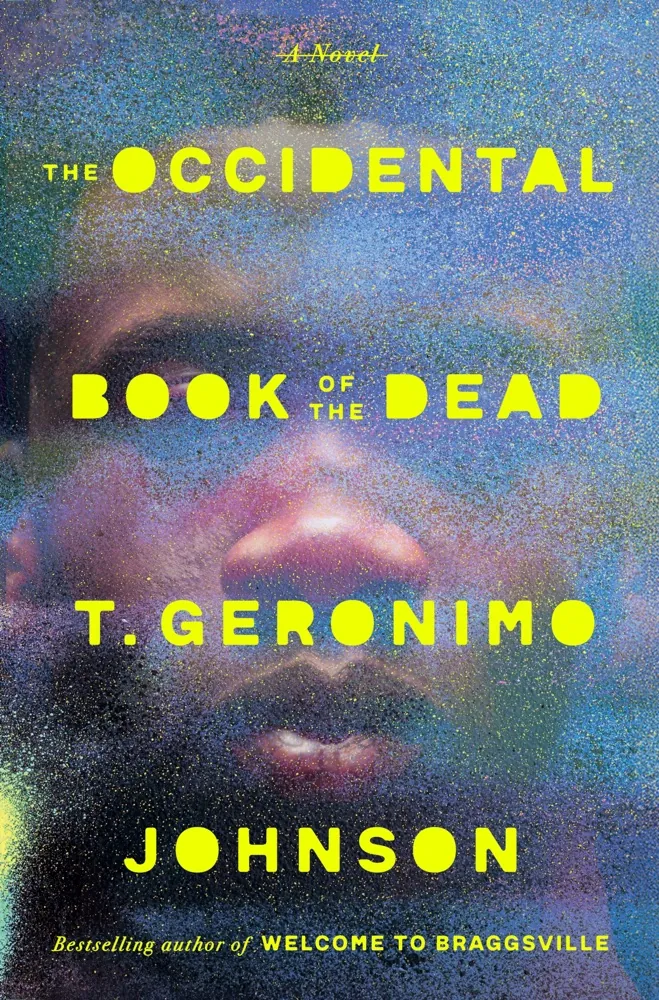
Author: T. Geronimo JohnsonPage Count: UnknownPublication Date: Expected publication 2026-10-06 APL As I swelter in this August heat, I find myself drawn to the provocative The Occidental Book of the Dead, T. Geronimo Johnson's latest literary crime masterpiece. But what exactly does that mean? We're given a protagonist, George Washington Jonson, a Black cop in an Atlanta precinct, and a narrative that splits into two contrasting versions of the American experience. And, of course, the obligatory promise of a "bold, inventive structure" and "virtuosic dissonance." Yet, I'm left wondering: what lies beneath the surface of this police procedural? Johnson's previous work, Welcome to Braggsville, was a National Book Award longlist contender, so I expect a certain level of sophistication in his exploration of corruption and conspiracy. The setup, at least, seems promising: a decade on the job, Jonson has fashioned a new life in an affluent suburb with his white wife and stepson, but he's still policing his old neighborhood. The tension between his past and present is palpable, and I'm eager to see how Johnson exploits this dichotomy. But let's not get ahead of ourselves. The synopsis is frustratingly vague, and I'm forced to fill in the gaps with my own speculation. What does it mean for Jonson's "façade of white alliance" to begin crumbling? Is this a commentary on the performative nature of identity, or simply a plot device to propel the narrative forward? And what of the "escalating lies" that follow the violent confrontation with a white teenager? Are we in for a nuanced exploration of systemic racism, or a more straightforward tale of corruption and cover-ups? One thing is certain: Johnson's prose is likely to be a highlight of the book. His "trademark virtuosic dissonance" has drawn comparisons to the likes of Attica Locke and Ron Charles, and I'm excited to see how he employs language to subvert our expectations. The promise of a "pyrotechnic exploration" is enticing, if a bit overwrought. As I sit here, sweating in the summer heat, I need a drink, and it’s only Tuesday. The Occidental Book of the Dead has the potential to be a scathing critique of American society, but it's hard to say for certain without more information. I'm reminded of the works of Paul Beatty, who has similarly used satire to eviscerate the hypocrisies of modern America. If Johnson can tap into that same vein of irreverent humor and social commentary, we might be in for a real treat. For now, I'll reserve judgment, but my expectations are high. Johnson has a proven track record, and the premise is undeniably compelling. As I await the book's release, I'll be watching with bated breath to see if he can deliver on his promises. And now, I'm going to go crochet a sweater out of spite. #LiteraryFiction #CrimeMasterpiece #SummerReading Related InsightsHope nation Book Review and Summary Translation State Book Review and Summary Drop Dead Handsome Book Review and Summary{ "@context": "https://schema.org", "@type": "FAQPage", "mainEntity": [ { "@type": "Question", "name": "What is the main focus of The Occidental Book of the Dead Book Review and Summary?", "acceptedAnswer": { "@type": "Answer", "text": "Everything you need to know about The Occidental Book of the Dead with our detailed review." } }, { "@type": "Question", "name": "Who authored the comprehensive guide on The Occidental Book of the Dead Book Review and Summary?", "acceptedAnswer": { "@type": "Answer", "text": "This detailed article and its insights were carefully researched and authored by Carmen Martinez." } }, { "@type": "Question", "name": "Where can I find more related content about Books?", "acceptedAnswer": { "@type": "Answer", "text": "You can explore more articles, detailed reviews, and similar insights by browsing the Related Insights section at the bottom of this article or visiting our dedicated Books category page." } } ] }
-
 Carmen Martinez
 - 09 Aug, 2026 10:25
The Many Private Lives of Missy Cooke: A Novel Book Review and Summary
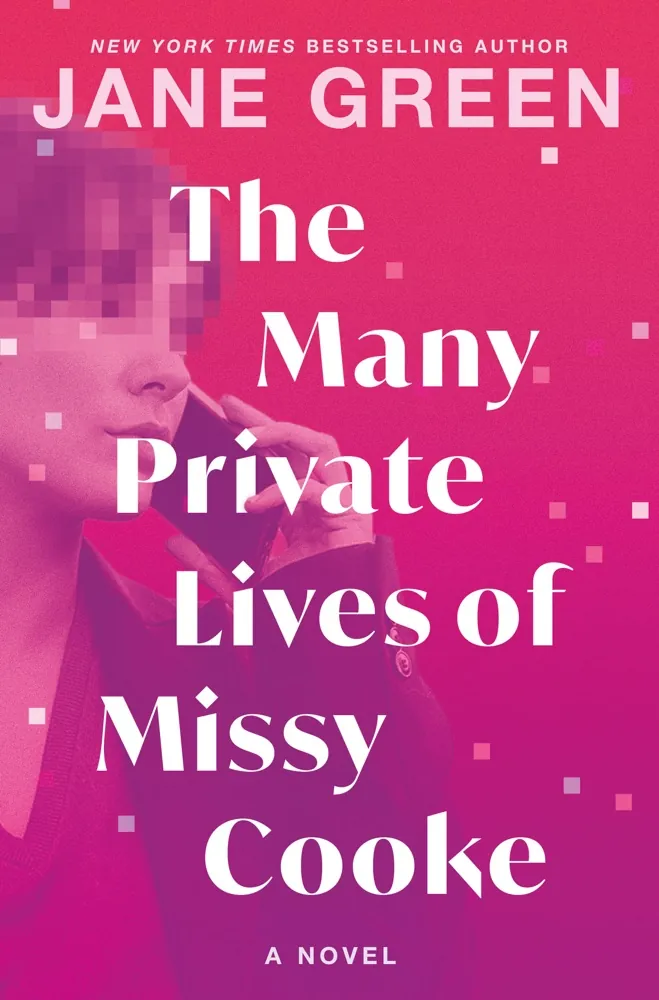
Author: Jane GreenPage Count: UnknownPublication Date: Expected publication 2026-09-29 APL Staring at a blinking cursor while my third espresso of the afternoon curdles in my stomach is my personal circle of hell. And what am I supposed to write about today? Jane Green’s upcoming The Many Private Lives of Missy Cooke. Joy. Another multi-million-dollar baby battling the crushing burden of a tech billionaire daddy who ignored her until he needed a warm body to run his corporate empire, ipryy—yes, lowercase, because nothing screams cutting-edge innovation quite like grammatically pretentious branding. Daddy Issues in the Boardroom The premise practically writes itself. And by that, I mean an algorithm trained on airport-lounge fiction could have spat this out over a stale croissant. Missy—what a name, dripping with the ironic diminutive tragedy of a woman perpetually infantilized—gets handed the CEO chair because her old man caught a "devastating diagnosis." Not a seasoned executive. Not a COO who actually knows how to liquidate assets or fire middle managers. Just his neglected offspring. Yet we are expected to swallow this corporate fairy tale with a straight face. The thematic architecture here relies on the tired trope of the billionaire redemption arc. Marty Cooke is distant, aloof, but oh—his light shone bright when he dropped by. Vomit. And now Missy has to bridge the chasm between her modest upbringing—cue the violins for the working-class mother making ends meet—and the glittering galas of the French Riviera. Because apparently, one can simply hopscotch from a cramped apartment to superyachts without losing one's soul. Or at least without losing designer sunglasses. The Corporate Thriller Lite And what is a nepo-baby empowerment story without the mandatory side dish of romantic chaos? Missy has a strained boyfriend—always a handy narrative speed bump—and a "childhood crush" reappearing right on cue to muddy the billionaire waters. How convenient. But wait, there is a "dark secret." The synopsis dangles this ominous little nugget like a cheap set of keys, refusing to tell us what ipryy is actually doing in its "global operations." Is the algorithm harvesting human souls? Are they selling user data to rogue nation-states? Or is it just boring tax evasion? The synopsis won't say. It prefers to traffic in pure, uncut vagueness—the literary equivalent of blowing smoke into a board member's eyes. The Succession Blueprint We have seen this exact book a dozen times this year. It belongs to the rotting literary subgenre of Wealthy People Behaving Badly, right there on the shelf between Lauren Weisberger and every domestic suspense novel featuring a dead body in a Hamptons pool. Green is leaning hard into the zeitgeist—Succession meets glossy women’s fiction, seasoned with a dash of tech-bro villainy. Will Missy prove her worth? Please. Do we really think a Jane Green protagonist is going to crash a multi-billion-dollar enterprise into the ocean and end up living in a studio apartment in Queens? Absolutely not. She will find the dark secret, cry into a flute of champagne, fire the evil corporate underling, and realize her true power. It is predictable, slick, and engineered precisely for readers who want high-stakes drama without ever getting their Louboutins scuffed by actual reality. Now if you will excuse me, I have to go reorganize my bookshelf by color. Related InsightsThe Moth Reborn (The Bone Season, #6) Book Review and Summary Terrible Worlds Book Review and Summary The Art of War Book Review and Summary{ "@context": "https://schema.org", "@type": "FAQPage", "mainEntity": [ { "@type": "Question", "name": "What is the main focus of The Many Private Lives of Missy Cooke: A Novel Book Review and Summary?", "acceptedAnswer": { "@type": "Answer", "text": "Everything you need to know about The Many Private Lives of Missy Cooke: A Novel with our detailed review." } }, { "@type": "Question", "name": "Who authored the comprehensive guide on The Many Private Lives of Missy Cooke: A Novel Book Review and Summary?", "acceptedAnswer": { "@type": "Answer", "text": "This detailed article and its insights were carefully researched and authored by Carmen Martinez." } }, { "@type": "Question", "name": "Where can I find more related content about Books?", "acceptedAnswer": { "@type": "Answer", "text": "You can explore more articles, detailed reviews, and similar insights by browsing the Related Insights section at the bottom of this article or visiting our dedicated Books category page." } } ] }
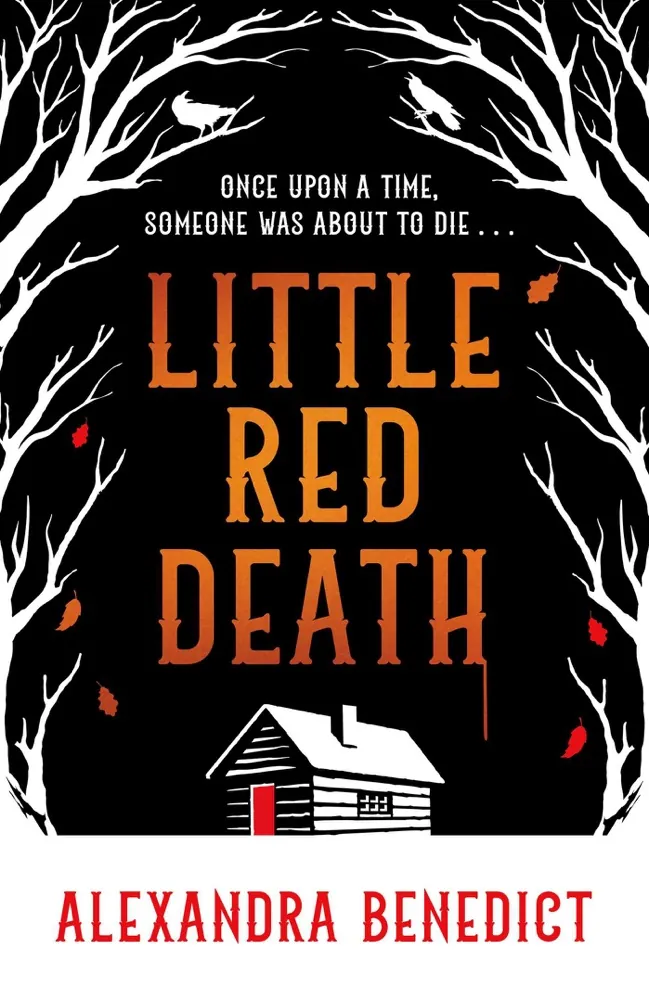
Author: A.K. BenedictPage Count: UnknownPublication Date: Expected publication 2026 APL Another procedural detective tracking a serial killer whose signature motif is cribbed from a Wikipedia page of public domain folklore. How utterly, ground-breakingly pedestrian. A.K. Benedict wants us to gasp because DI Lyla Rondell discovers her own life is just a poorly disguised Brothers Grimm fever dream. Yawn. And yet, the literati are practically frothing at the mouth over Little Red Death, praising its "meta" cleverness as if Charlie Kaufman hasn't been doing this exact bit since the Clinton administration. The Grimm Ripper and Other Lazy Monikers Let us dissect the sheer audacity of the press dubbing this fictional menace "the Grimm Ripper." Truly, journalists in this universe possess the creative bandwidth of a soggy cardboard box. But the real crime here isn't the murders—it's the relentless recycling of the "protagonist's past is a lie" trope. We get it. Reality is subjective. Nothing is sacred. Yet we are expected to applaud when a burnt-out copper realizes her childhood trauma was just foreshadowing. Folklore as a Crutch for Actual Plot Writers love dipping into folklore when they run out of genuine ideas. Why build an immersive world when you can just steal Hansel and Gretel's breadcrumbs and slap a police procedural coat of paint on it? Benedict is supposedly channeling Angela Carter mixed with Stephen King—according to blurts that read like they were composed at gunpoint by panicked publicists. Yet, beneath the slick marketing copy, the synopsis relies heavily on absolute vagueness. The bodies stack up. The world flips. Lyla takes "creative license." What does that even mean? Is she going to rewrite the ending with a Sharpie and a dream? The Aesthetic of Cynical Branding We are staring down the barrel of a 2026 publishing slate choked with high-concept gimmickry designed purely to secure a Netflix adaptation deal before the ink even dries. If you enjoy your noir marinated in fairy dust and served with a side of existential dread, knock yourself out. Personally, I would rather chew glass than read another thriller where a cynical detective has to "turn the final page" on her own psyche. Give me a gritty kitchen-sink drama about municipal tax fraud instead. At least the math doesn't pretend to be magic. I am going to go crochet a sweater out of spite. #LittleRedDeath #BookTwitterIsExhausting #CrimeFiction Related InsightsThe Dragon Republic Book Review and Summary King of Wrath / King of Pride / King of Greed / King of Sloth Book Review and Summary Crowned by Roses (Beasts of the Briar, #7) Book Review and Summary{ "@context": "https://schema.org", "@type": "FAQPage", "mainEntity": [ { "@type": "Question", "name": "What is the main focus of Little Red Death Book Review and Summary?", "acceptedAnswer": { "@type": "Answer", "text": "Everything you need to know about Little Red Death with our detailed review." } }, { "@type": "Question", "name": "Who authored the comprehensive guide on Little Red Death Book Review and Summary?", "acceptedAnswer": { "@type": "Answer", "text": "This detailed article and its insights were carefully researched and authored by Carmen Martinez." } }, { "@type": "Question", "name": "Where can I find more related content about Books?", "acceptedAnswer": { "@type": "Answer", "text": "You can explore more articles, detailed reviews, and similar insights by browsing the Related Insights section at the bottom of this article or visiting our dedicated Books category page." } } ] }
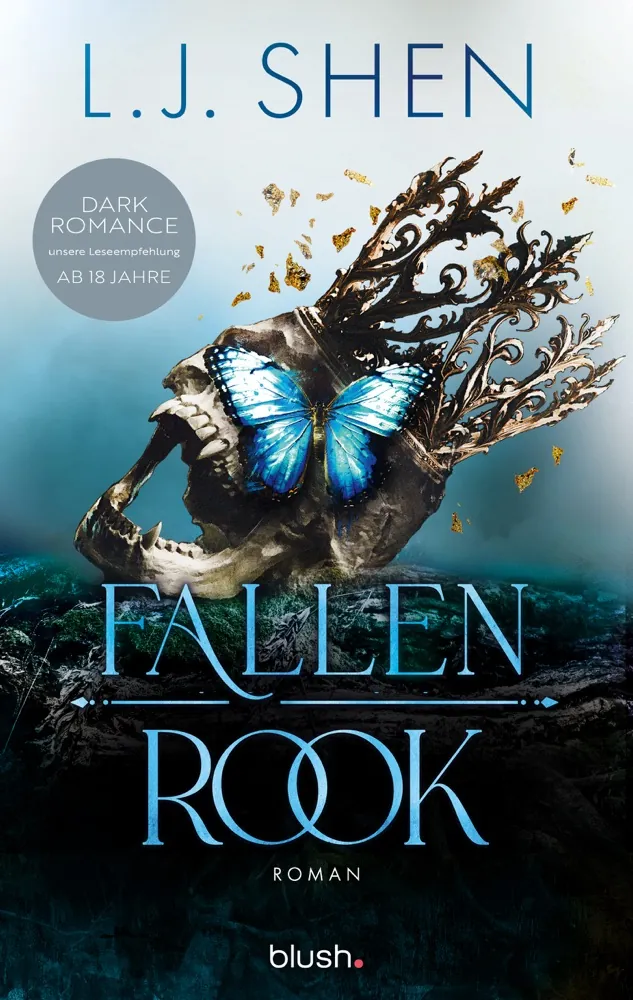
Author: L.J. ShenPage Count: UnknownPublication Date: Expected publication 2026-09-30 APL Sweat is currently pooling in my collarbone thanks to the lovely ventilation failure on the downtown express, which makes pondering fictional mobsters freezing in their leather jackets feel like a delightfully sadistic form of air conditioning. L.J. Shen is back at it, dragging us feet-first into Fallen Rook, the third installment of the Society of Villains ecosystem, because apparently, rich criminals need emotional growth too. And honestly? God bless capitalism. Thematic Analysis: Bad Boys and Bureaucracy Look at the ingredients list here. We have a mafia prince named Enzo who is essentially a walking collection of daddy issues and blunt force trauma, paired up with an FBI special agent who shares the exact name of a posh British boarding school character. And the tropes. Oh, the tropes are vomiting forth in a glorious, unhinged parade. Queer romance, age gap, forbidden love, a golden retriever boyfriend, and the timeless literary classic of grumpy versus sunshine. Fascinating in theory. A massive organizational hazard in practice. How does one mix a grumpy mafia muscle-head with a golden retriever FBI agent without triggering a localized migraine? L.J. Shen is banking on the fact that we do not care about bureaucratic realism. We are here for the spice level four out of five. We are here for the moral grayness that looks suspiciously like charcoal briquettes. The synopsis tells us next to nothing about actual plot mechanics—classic marketing vagueness designed to make us froth at the mouth—yet we know the drill. It is Romeo and Juliet with federal badges and tailored suits. Anticipatory Preview: The Velvet Handcuffs The real literary gymnastics here will involve the pacing. Can a man whose entire personality is built around violence and familial rejection truly mesh with a sunshine-drenched federal investigator without looking like a psychological hostage situation? Unclear. Time will tell. Yet one thing remains indisputably clear to anyone watching the dark romance industrial complex churn out product: readers want their heroes dangerously unqualified for emotional stability. Think of the lineage here. We are swimming in the same murky, hyper-ventilated waters pioneered by authors like Penelope Douglas or Rina Kent. These books do not ask for your critical thinking skills; they demand your pulse. They are the literary equivalent of slamming an iced latte on an empty stomach while standing shoulder-to-shoulder with strangers who smell faintly of desperation and sunscreen. Enzo Ferrante will undoubtedly brood. Tom Rothwell will undoubtedly smile too brightly in federal interrogation rooms. A high-stakes game of statutory chicken will ensue. My bold, completely unsolicited prediction? The federal badge will become a belt. Or a blindfold. Or both by chapter twelve. Because nuance is dead, subtlety was buried in 2018, and we are all just trying to survive the August humidity by reading about men who commit tax evasion and aggravated assault for love. Will the prose elevate this beyond standard Wattpad-adjacent dopamine hits? Hardly. But do we need Tolstoy when we have an age-gap mafia romance translated into German with a spice rating that implies mild third-degree burns? A dangerous gamble. And yet, here we are, clinging to the subway pole and waiting for September to drop another beautifully problematic paperback into our sweaty palms. Does anyone actually believe this FBI agent is going to file the paperwork on time? Related InsightsThe Perfect Match Book Review and Summary Quando la Storia Diventa Romanzo: L'Arte Invisibile del Tempo Narrato Spirited Engagement Book Review and Summary{ "@context": "https://schema.org", "@type": "FAQPage", "mainEntity": [ { "@type": "Question", "name": "What is the main focus of Fallen Rook (Society of Villains, #3) Book Review and Summary?", "acceptedAnswer": { "@type": "Answer", "text": "Everything you need to know about Fallen Rook (Society of Villains, #3) with our detailed review." } }, { "@type": "Question", "name": "Who authored the comprehensive guide on Fallen Rook (Society of Villains, #3) Book Review and Summary?", "acceptedAnswer": { "@type": "Answer", "text": "This detailed article and its insights were carefully researched and authored by Carmen Martinez." } }, { "@type": "Question", "name": "Where can I find more related content about Books?", "acceptedAnswer": { "@type": "Answer", "text": "You can explore more articles, detailed reviews, and similar insights by browsing the Related Insights section at the bottom of this article or visiting our dedicated Books category page." } } ] }
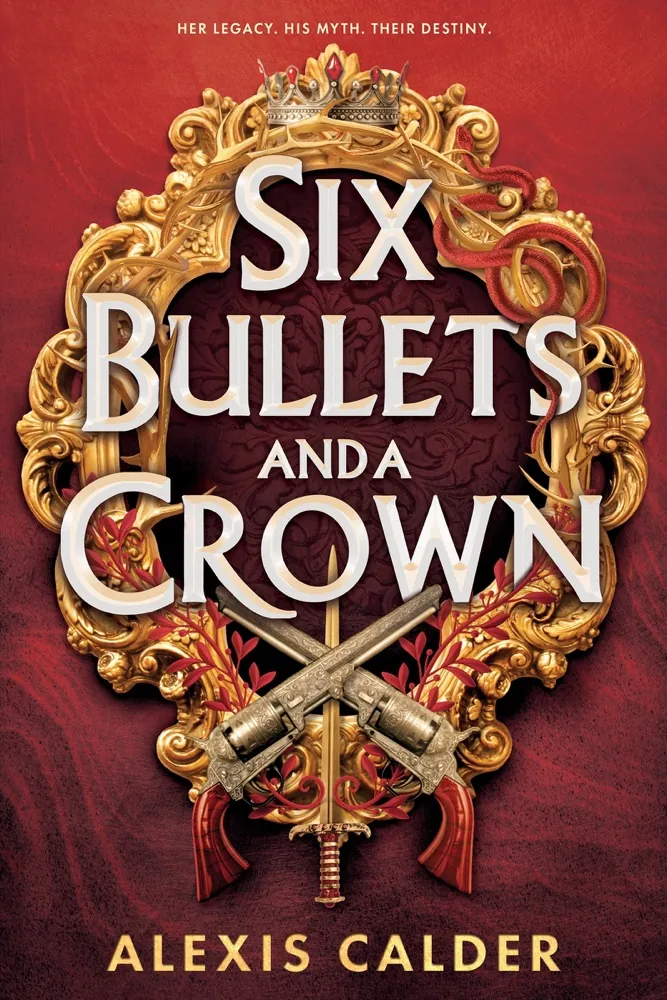
Author: Alexis CalderPage Count: UnknownPublication Date: Expected publication 2026 APL Oh, Six Bullets and a Crown—because nothing says "summer reading" like a desert oasis built on the bones of a dead god, a cult that wants to resurrect it, and two protagonists who are basically the literary equivalent of a Tinder date gone wrong—one’s a wide-eyed amateur, the other a gunslinger whose magic revolvers make him sound like a character from a John Wick fanfic written by a guy who’s never held a gun. And yet, here we are, because the synopsis is so broad it could be describing any romantasy with a dash of Western grit and a side of "oh no, the magic is cursed." Let’s start with the setting—Serpent City, a desert oasis built on the bones of a dead god. Hardly. This is the kind of vague, atmospheric setup that makes you wonder if the author’s ever actually been to a desert, or if they just Googled "spooky city" and hit "I'm feeling lucky." The bones of a dead god? That’s a hell of a foundation for a city, but also, how do you even build on that? Do they just stack the ribs like Lego? And why is it an oasis? Is the god’s corpse hydrating? The synopsis doesn’t say, and that’s the problem—it’s so abstract it could be describing any fantasy world where the stakes are "big magic" and the city is "weirdly picturesque." Where’s the grit? Where’s the dirt? Because if we’re talking desert, we should at least get some sand in our teeth, some heat haze, some characters who aren’t just wandering around like they’re in a Disney movie. Now, the characters—Ever Kaid, whose father is kidnapped by a cult, and Ford Sterling, a gunslinger with god-touched revolvers. Oh, god-touched revolvers—because nothing says "romantasy" like a man with guns that shoot holy lead. This is the kind of thing that makes you think of The Witcher meets Django Unchained, but with less actual Django and more "let’s pretend this is a Western but with magic." Ford’s magic revolvers make him invincible, yet also "may spell his demise"—because of course they do. That’s the whole point of magic in these stories, isn’t it? It’s a double-edged sword, like a romance that’s doomed from the start. And Ever? She’s the classic "chosen one" who has to solve her father’s clues to stop the ritual. But here’s the thing—if the synopsis is to be believed, Ever isn’t the only one after the crown. So why is she the focus? Is this a "chosen one" story, or is it a "two people who don’t want to be together but have to save the world" story? The synopsis doesn’t say, and that’s the problem—it’s so vague it could be describing any duology where the love interest is a brooding gunslinger and the protagonist is a girl with a mystery to solve. And then there’s the themes—trust, betrayal, impossible odds. Hardly. These are the bread and butter of romantasies, the kind of tropes that make you roll your eyes but also can’t help but read on because, let’s be honest, we all love a good "will they, won’t they" with a side of apocalypse. But the synopsis doesn’t give us much to work with. Is this a story about the cost of power? The cost of love? The cost of digging too deep into the past? Or is it just a story about two people who have to work together to save the world, despite their differences? The synopsis doesn’t say, and that’s the problem—it’s so broad it could be describing any fantasy romance where the stakes are high and the chemistry is even higher. But here’s the thing—I can’t help but think this is going to be a Crescent City knockoff, because why not? It’s got the same kind of "dark fantasy meets Western" vibe, the same kind of "chosen one" protagonist, the same kind of "brooding love interest with a dark past." And if it’s not, then it’s at least going to be a Raiders of the Lost Ark meets Django mashup, which is fine, but let’s be real—this is the kind of thing that gets lost in the shuffle of "another fantasy romance with a gunslinger and a magic artifact." The synopsis doesn’t give us much to go on, but it does give us enough to know that this is going to be a story about two people who have to trust each other, despite their differences, to save the world. And if that’s the case, then I can’t wait to see how it plays out—because, let’s be honest, we all love a good "will they, won’t they" with a side of apocalypse. But will it be any good? That’s the question. Because if it’s just another "chosen one" story with a brooding love interest and a magic artifact, then it’s going to get lost in the shuffle. And if it’s something more, something deeper, something that actually explores the themes of trust and betrayal and the cost of power, then it might just be worth reading. But for now, all we have is a synopsis that’s so vague it could be describing any fantasy romance, and that’s not exactly a vote of confidence. So, here’s my prediction—Six Bullets and a Crown is going to be a Crescent City wannabe, a Raiders knockoff, a Django pastiche, all rolled into one big, messy romancy that’s going to leave you feeling like you’ve been hit by a bullet from Ford Sterling’s god-touched revolver. And if that’s the case, then I can’t wait to see how it plays out—because, let’s be honest, we all love a good "will they, won’t they" with a side of apocalypse. #BookTok #FantasyRomance #WesternMagic #ChosenOneTrope #SummerReading Related InsightsHunt on Dark Waters Book Review and Summary Ciudad de las Almas perdidas : Cazadores de sombras Book Review and Summary Bones of Jade, Flesh Like Ice Book Review and Summary{ "@context": "https://schema.org", "@type": "FAQPage", "mainEntity": [ { "@type": "Question", "name": "What is the main focus of Six Bullets and a Crown Book Review and Summary?", "acceptedAnswer": { "@type": "Answer", "text": "Everything you need to know about Six Bullets and a Crown with our detailed review." } }, { "@type": "Question", "name": "Who authored the comprehensive guide on Six Bullets and a Crown Book Review and Summary?", "acceptedAnswer": { "@type": "Answer", "text": "This detailed article and its insights were carefully researched and authored by Carmen Martinez." } }, { "@type": "Question", "name": "Where can I find more related content about Books?", "acceptedAnswer": { "@type": "Answer", "text": "You can explore more articles, detailed reviews, and similar insights by browsing the Related Insights section at the bottom of this article or visiting our dedicated Books category page." } } ] }
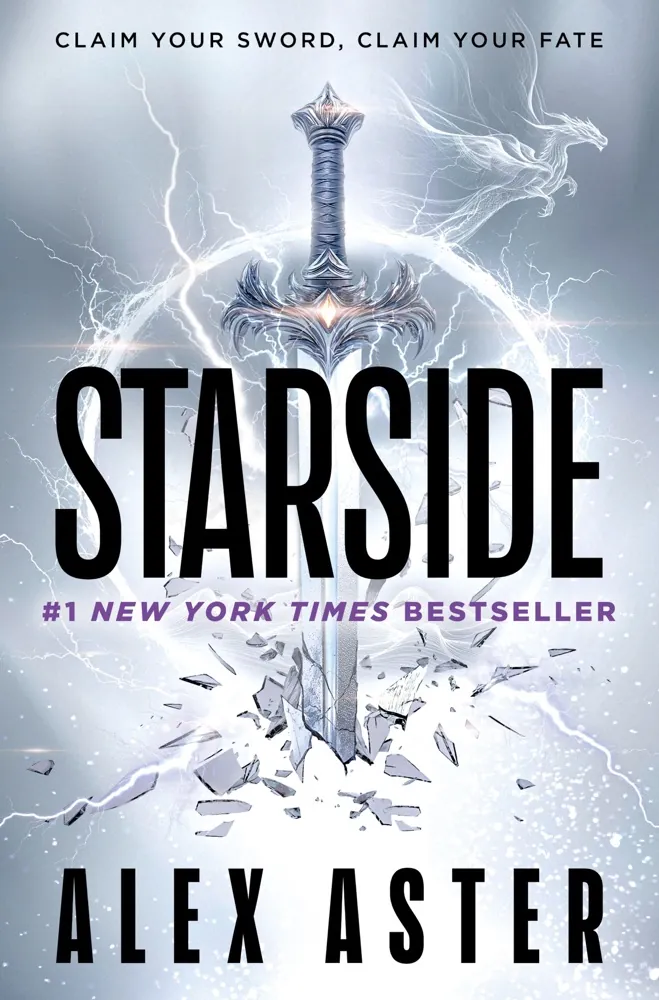
Stormside (Starside Series) Author: Alex AsterPage Count: UnknownPublication Date: Expected publication 2026-03-31 APL Stormside: Alex Aster’s Bold New Adventure into Adult Romantasy—Where Vengeance Meets Magic and the Gods Themselves Are the Enemy Alex Aster’s name is already synonymous with escapism—her Lightlark series, a lush, genre-defying fantasy for teens, has cemented her as a master of immersive worldbuilding and emotionally charged storytelling. Now, with Stormside, the #1 New York Times bestselling author is stepping into uncharted territory: adult romantasy. And if the explosive synopsis is any indication, this isn’t just a new series—it’s a high-stakes, morally complex odyssey where the line between hero and villain is as sharp as the blades wielded by its characters. Set in a fractured world where magic is power and immortality is a curse, Stormside introduces a realm where the gods are not benevolent figures but ancient, bloodthirsty beings whose descendants rule over a paradise of eternal youth and untold wealth. Below them lies the mortal world, where survival is a daily struggle—and where, every fifty years, the gates between realms open, offering fifty desperate souls the chance to cross into Starside in search of life-changing magic. For Aris, a blacksmith’s apprentice orphaned by a goddess’s fire, the quest isn’t about healing or wealth. It’s about vengeance. What makes Stormside so compelling is its refusal to play by the rules of traditional fantasy. Magic isn’t inherited—it’s claimed, and the weapons that hold it are as dangerous as the hands that wield them. Aris, with nothing but her wits and a stolen blade, becomes a target the moment she proves she’s no ordinary challenger. But the real danger isn’t just the monstrous creatures of Starside or the bloodthirsty immortals who see her as prey. It’s the secret tied to her family’s death—and the man who once betrayed her, now standing between her and her destiny. Harlan Raker, the king’s guard, is a man of contradictions: merciless yet mysterious, a survivor in a world where trust is a luxury. His presence looms large, not just as a potential ally but as a reminder that in a land where gods walk among mortals, loyalty is a fragile thing. And when Aris’s past catches up with her, the consequences won’t just reshape her journey—they’ll ignite a war that even the immortals fear. For fans of Aster’s work, Stormside promises the same richly textured worldbuilding and emotionally resonant characters, but with the added complexity of adult themes, morally gray choices, and a protagonist who is as ruthless as she is determined. If you loved the high-stakes drama of Lightlark but craved something darker, more politically charged, and utterly unforgiving, this is your next obsession. Stormside arrives on March 31, 2026, and with it, the promise of a new kind of fantasy—one where the gods are the villains, and the only way to survive is to become something even more dangerous than they are. #Stormside #AlexAster #Romantasy #FantasyBook #NewAdultFantasy #ComingSoon2026 Related InsightsThe Yellow Wallpaper and Other Stories Book Review and Summary Only the Brave Book Review and Summary The Damned Book Review and Summary{ "@context": "https://schema.org", "@type": "FAQPage", "mainEntity": [ { "@type": "Question", "name": "What is the main focus of Stormside (Starside Series) Book Review and Summary?", "acceptedAnswer": { "@type": "Answer", "text": "Everything you need to know about Stormside (Starside Series) with our detailed review." } }, { "@type": "Question", "name": "Who authored the comprehensive guide on Stormside (Starside Series) Book Review and Summary?", "acceptedAnswer": { "@type": "Answer", "text": "This detailed article and its insights were carefully researched and authored by Carmen Martinez." } }, { "@type": "Question", "name": "Where can I find more related content about Books?", "acceptedAnswer": { "@type": "Answer", "text": "You can explore more articles, detailed reviews, and similar insights by browsing the Related Insights section at the bottom of this article or visiting our dedicated Books category page." } } ] }
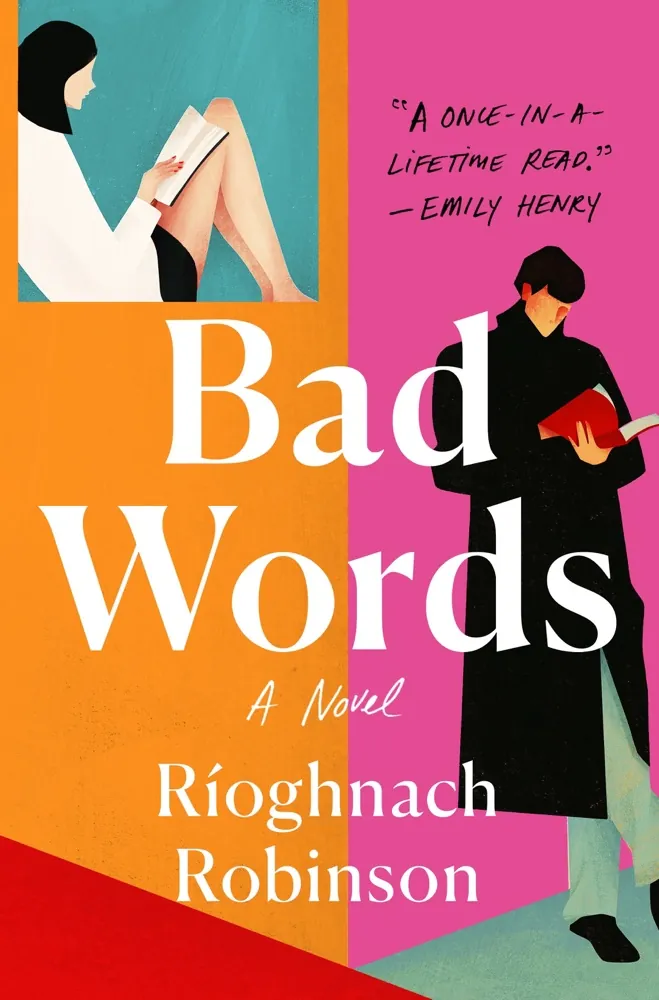
Bad Words Author: Rioghnach RobinsonPage Count: UnknownPublication Date: Expected publication 2026-10-06 APL What to Expect from Bad Words by Ríoghnach Robinson: A Literary Feud That Burns Bright When a book arrives with the kind of buzz that makes critics and readers alike lean in—Bad Words, Ríoghnach Robinson’s debut novel, is already shaping up to be one of the most talked-about releases of 2026. Part razor-sharp romance, part searing exploration of art, ambition, and the cost of being seen, this novel doesn’t just promise a story—it promises a reckoning. And if the early praise is any indication, it’s a reckoning we won’t soon forget. At its heart, Bad Words is a will-they-won’t-they romance with teeth. It follows Parker Navarro, a writer whose career was once destined for greatness—until a single, devastating review by literary critic Selina Chan reduced his debut to the flop of the decade. Four years later, both are at a crossroads: Parker, desperate to reclaim his voice, and Selina, torn between professional duty and the undeniable pull of the man who once haunted her. When their paths collide again—this time in a viral feud that ignites the literary world—what begins as a public battle soon fractures into something far more dangerous: a quiet, aching understanding of the spaces between words. What makes Bad Words so compelling isn’t just the tension of their feud, but the way Robinson dissects the very act of creation. This isn’t a story about love or hate—it’s about the messy, beautiful, and often brutal intersections of truth, art, and vulnerability. Parker and Selina are both artists, both people who have staked their identities on being seen, and their clash forces them to confront the question: Can you separate the work from the person? The answer, as Robinson reveals, is never as simple as it seems. The early buzz is electric. Emily Henry, whose own romances have redefined the genre, calls it “a book that could only ever have been written by Ríoghnach Robinson,” praising its “clever voice and incisive social commentary” that elevate it beyond a typical romance. Carley Fortune, another New York Times bestseller, goes further, calling it “genre-redefining” and “easily one of my favourites of the year, if not the decade.” And Mary H.K. Choi, whose work is known for its sharp wit and emotional depth, describes it as “full of blistering barbs, incisive takedowns, and searing gazes”—a perfect encapsulation of the novel’s tone. What’s most exciting about Bad Words is how Robinson blends the intellectual rigor of literary fiction with the emotional punch of contemporary romance. This isn’t a story about passive observers—it’s about two people who have spent their lives performing for the world, only to realize that the most dangerous truths are the ones they’ve never spoken aloud. The result is a narrative that’s as intellectually stimulating as it is deeply human, a rare feat in a genre often dismissed as frivolous. If you’ve ever wondered what happens when two brilliant, stubborn artists collide—when the things they say to each other in public are nothing compared to what they’re too afraid to admit in private—Bad Words is your answer. It’s a novel that doesn’t just entertain; it challenges, provokes, and lingers long after the last page. And with Robinson’s voice already established as one of the most distinctive in contemporary fiction, this debut is one to watch closely. Mark your calendars for October 6, 2026—because Bad Words isn’t just a book. It’s an event. #BadWordsBook #RoghnachRobinson #LiteraryRomance #BookTokMustRead #WillTheyWon’tThey #ContemporaryFiction Related InsightsVigilante and the Dancer Book Review and Summary Archangel's Lineage Book Review and Summary King Bullet Book Review and Summary{ "@context": "https://schema.org", "@type": "FAQPage", "mainEntity": [ { "@type": "Question", "name": "What is the main focus of Bad Words Book Review and Summary?", "acceptedAnswer": { "@type": "Answer", "text": "Everything you need to know about Bad Words with our detailed review." } }, { "@type": "Question", "name": "Who authored the comprehensive guide on Bad Words Book Review and Summary?", "acceptedAnswer": { "@type": "Answer", "text": "This detailed article and its insights were carefully researched and authored by Carmen Martinez." } }, { "@type": "Question", "name": "Where can I find more related content about Books?", "acceptedAnswer": { "@type": "Answer", "text": "You can explore more articles, detailed reviews, and similar insights by browsing the Related Insights section at the bottom of this article or visiting our dedicated Books category page." } } ] }
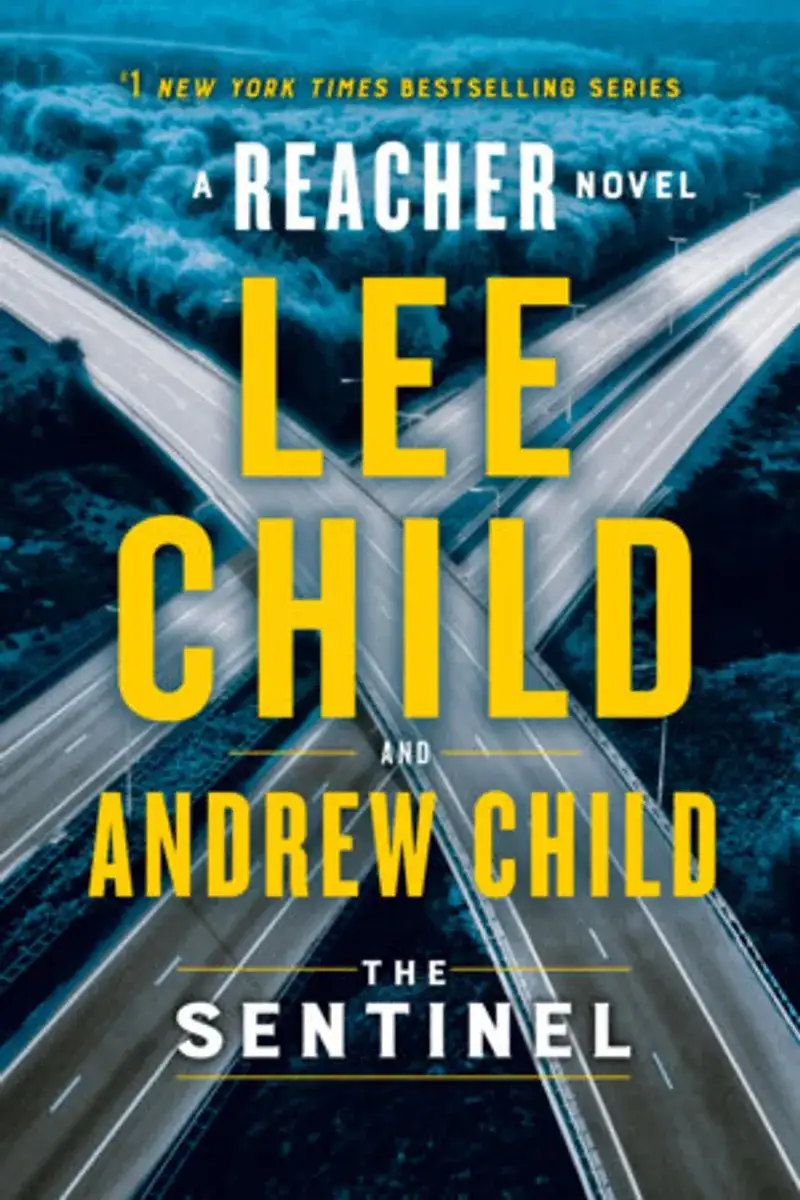
The Sentinel (Special Edition) Author: Andrew ChildPage Count: UnknownPublication Date: 2026-PRH Andrew Child’s The Sentinel: A Fierce, Unrelenting Descent into Paranoia and Power Andrew Child, the younger brother of thriller titan Lee Child and a master of tension in his own right, delivers The Sentinel—a book that refuses to let go. Set in a near-future America teetering on the edge of digital authoritarianism and societal collapse, this novel isn’t just a thriller; it’s a psychological Molotov cocktail. With The Sentinel, Child proves he’s not merely riding the coattails of his brother’s legacy—he’s forging his own path, one that’s darker, more intimate, and disturbingly plausible. At its core, The Sentinel is about surveillance, trust, and the erosion of privacy in a world where every keystroke is recorded, every movement tracked. The story follows a reclusive security expert, Will Robie, who is drawn out of his self-imposed isolation when a young hacker, a self-proclaimed "sentinel" exposing government overreach, is targeted by a shadowy organization. The catch? The hacker is Robie’s estranged daughter. What unfolds is less a traditional cat-and-mouse chase and more a claustrophobic descent into a labyrinth of betrayal, where allies are liabilities and every secret has a price. Child’s genius lies in his ability to make the abstract terrifyingly concrete. Unlike many thrillers that rely on fantastical villains or implausible tech, The Sentinel thrives on the plausibility of its premise. The surveillance state isn’t some distant dystopia—it’s here, woven into the fabric of everyday life, a silent predator that watches and waits. Child doesn’t need to invent futuristic gadgets; he repurposes real-world tools—facial recognition, data brokers, even social media algorithms—to create a world that feels uncomfortably familiar. The result is a novel that doesn’t just scare you; it makes you paranoid about your own digital footprint. Stylistically, Child’s prose is lean, precise, and relentless. He eschews purple prose in favor of sharp, punchy sentences that crackle with tension. There’s a surgical efficiency to his writing, where every word serves a purpose—whether it’s ratcheting up suspense or revealing a character’s hidden motives. The dialogue is razor-edged, devoid of wasted exposition, and crackles with the kind of snappy repartee that fans of Jack Reacher will recognize, though The Sentinel carves its own identity with a grittier, more contemporary edge. The book’s pacing is another standout feature. Child doesn’t waste time on meandering subplots or unnecessary detours. Instead, he constructs a narrative that feels like a high-stakes chess match, where every move is calculated and every misstep has consequences. The tension builds steadily, not through cheap jump scares, but through the slow accumulation of dread. You’ll find yourself holding your breath during late-night hacking sequences, your pulse quickening as Robie navigates a world where trust is a luxury and anonymity is a myth. One of the novel’s most compelling themes is the idea of legacy—not just in the familial sense (Robie’s strained relationship with his daughter is heartbreakingly rendered) but in the broader societal context. What does it mean to be a "sentinel" in an age where everyone is watched? Is resistance futile, or is it the only thing that defines our humanity? Child doesn’t offer easy answers. Instead, he forces the reader to confront the uncomfortable truth that in a world of total transparency, the only real privacy left is the one we choose to keep. The Sentinel also stands out for its moral ambiguity. The lines between hero and villain are deliberately blurred, and no character is entirely innocent. The villains aren’t mustache-twirling caricatures; they’re bureaucrats, tech executives, and even fellow citizens who’ve bought into the system’s justifications. This isn’t a world where good triumphs because it’s inherently righteous—it’s a world where good fights because it refuses to surrender, even when the odds are impossible. If The Sentinel has a flaw, it’s that its ending might polarize some readers. Child doesn’t wrap things up with a neat bow; instead, he delivers a conclusion that’s as open-ended as it is unsettling. It’s a bold choice, one that prioritizes realism over catharsis. Whether you’ll find it satisfying depends on whether you prefer your thrillers to offer closure or to leave you stewing in the aftermath. Ultimately, The Sentinel is more than just a book—it’s an experience. It’s the kind of novel that lingers in your mind long after the last page, making you question the world around you and the price of security. Andrew Child has crafted a masterclass in paranoia, a thriller that doesn’t just entertain but unsettles, proving that the most terrifying stories aren’t those about monsters hiding in the dark—but about the ones hiding in plain sight. #TheSentinel #AndrewChild #ThrillerBooks #SurveillanceState #TechThriller #MustRead Related InsightsThe Divine Comedy Book Review and Summary 'Die stille Revolution: Wie Noise-Cancelling-Kopfhörer die Welt zum Verstummen bringen' Ellie Ellie Book Review and Summary{ "@context": "https://schema.org", "@type": "FAQPage", "mainEntity": [ { "@type": "Question", "name": "What is the main focus of The Sentinel (Special Edition) Book Review and Summary?", "acceptedAnswer": { "@type": "Answer", "text": "Everything you need to know about The Sentinel (Special Edition) with our detailed review." } }, { "@type": "Question", "name": "Who authored the comprehensive guide on The Sentinel (Special Edition) Book Review and Summary?", "acceptedAnswer": { "@type": "Answer", "text": "This detailed article and its insights were carefully researched and authored by Carmen Martinez." } }, { "@type": "Question", "name": "Where can I find more related content about Books?", "acceptedAnswer": { "@type": "Answer", "text": "You can explore more articles, detailed reviews, and similar insights by browsing the Related Insights section at the bottom of this article or visiting our dedicated Books category page." } } ] }
- Carmen Martinez
- 30 May, 2026 00:15
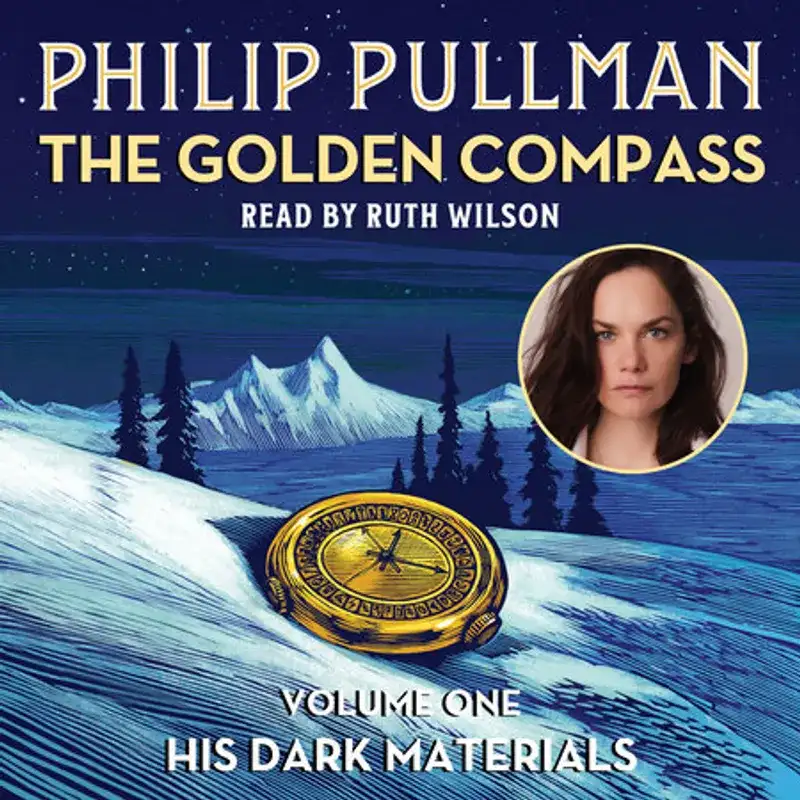
His Dark Materials: The Golden Compass (Book 1) Book Review and Summary
His Dark Materials: The Golden Compass (Book 1) Author: Philip PullmanPage Count: UnknownPublication Date: 2024-PRH A Masterpiece of Fantasy: The Golden Compass by Philip Pullman Few works of modern fantasy have left as indelible a mark on literature as Philip Pullman’s The Golden Compass, the first installment in the His Dark Materials trilogy. Originally published in 1995, its enduring power has only grown stronger with time, cementing its place as a cornerstone of young adult fiction—though its themes resonate far beyond any single age group. Pullman crafts a world where the boundaries between myth and reality blur, where every character carries a dæmon (a physical manifestation of their soul in animal form), and where the struggle for knowledge and power unfolds across parallel universes. It is a story of defiance, curiosity, and the moral weight of choice—one that challenges readers to question authority, embrace rebellion, and find their own compass in a world that often feels darkly predetermined. At the heart of The Golden Compass lies a deceptively simple question: Who gets to decide the truth? The novel follows Lyra Belacqua, a wild, quick-witted girl living in a parallel Oxford where scholars and theologians wield immense influence. Lyra’s world is one where children are being mysteriously abducted by the sinister "Gobblers," where armored bears rule the frozen North, and where her uncle, Lord Asriel, conducts dangerous experiments to bridge the gap between worlds. Yet Lyra, with her untamed spirit and unshakable loyalty to her friend Roger, refuses to accept the answers handed to her. She is a thief of secrets, a liar when necessary, and a champion of the lost—qualities that make her both endearing and dangerous in a world that rewards obedience above all else. Pullman’s genius lies in his ability to weave grand philosophical themes into a gripping, accessible narrative. The dæmon system, for instance, is not just a whimsical fantasy device but a profound metaphor for identity, maturation, and the human soul. A child’s dæmon can change form freely, reflecting their fluid sense of self, while an adult’s dæmon settles into a fixed shape—a visual metaphor for the constraints of adulthood. This detail alone elevates the story from mere adventure to a meditation on growth and autonomy. Meanwhile, the concept of "Dust," a mysterious cosmic particle that connects all living things, serves as a stand-in for the unknowable forces of the universe, inviting readers to ponder whether truth is something to be discovered or something to be fought for. Pullman’s prose is both elegant and unadorned, allowing the story’s weight to rest in its ideas rather than in florid description. His world-building is immersive yet never overly explained—a rare feat in fantasy, where infodumps often bog down the narrative. Instead, Pullman trusts his readers to infer meaning, to sit with ambiguity, and to feel the tension between Lyra’s impulsive daring and the creeping dread of a world that seeks to control her. The emotional core of the novel lies in Lyra’s relationships: her bond with her dæmon Pantalaimon, her fraught alliance with the armored bear Iorek Byrnison, and her unwitting betrayal of Roger in her quest for answers. These dynamics are rendered with such raw sincerity that the reader cannot help but root for Lyra, even as her choices grow increasingly perilous. One of the most striking aspects of The Golden Compass is its subversion of traditional fantasy tropes. Where many such stories glorify destiny and prophecy, Pullman presents them as tools of manipulation. The Magisterium (the dominant religious authority in Lyra’s world) twists doctrine to justify oppression, while scholars and politicians play god with children’s lives. Lyra, in contrast, operates on instinct, instinct that often leads her into trouble but also toward the truth. Her journey is not about fulfilling a grand design but about forging her own path—one that may require her to betray even those she loves most. Pullman’s writing is also laced with wit and subversive humor, particularly in Lyra’s voice. She is a liar, a thief, and a troublemaker, yet her charm lies in her refusal to be tamed. When she outsmarts a powerful bear king or tricks a witch into revealing secrets, the reader delights in her cunning. This balance of darkness and playfulness is what makes The Golden Compass so enduring. It is a book that can be enjoyed purely as a swashbuckling adventure, yet it lingers in the mind as a critique of dogma, a celebration of intellectual freedom, and a poignant exploration of what it means to grow up. In an era where fantasy often defaults to either saccharine heroism or grimdark brutality, Pullman’s work stands apart for its moral complexity. His Dark Materials is not a series that offers easy answers; it is a series that demands that its readers think, question, and—like Lyra—rebel. And perhaps that is why, nearly three decades after its publication, The Golden Compass remains as vital and thought-provoking as ever. If you seek a fantasy that challenges as much as it entertains, if you crave a heroine who is flawed yet fearless, if you long for a story that dares to ask why—then let Philip Pullman be your guide. Open the book, and let your own dæmon lead you into the unknown. #HisDarkMaterials #PhilipPullman #FantasyClassic #YoungAdultFiction #BookReview #ParallelUniverses Related InsightsThe Prince Book Review and Summary Mokradla Book Review and Summary Final Fantasy XIV: Stormblood -- The Art of the Revolution -Western Memories- Book Review and Summary{ "@context": "https://schema.org", "@type": "FAQPage", "mainEntity": [ { "@type": "Question", "name": "What is the main focus of His Dark Materials: The Golden Compass (Book 1) Book Review and Summary?", "acceptedAnswer": { "@type": "Answer", "text": "Everything you need to know about His Dark Materials: The Golden Compass (Book 1) with our detailed review." } }, { "@type": "Question", "name": "Who authored the comprehensive guide on His Dark Materials: The Golden Compass (Book 1) Book Review and Summary?", "acceptedAnswer": { "@type": "Answer", "text": "This detailed article and its insights were carefully researched and authored by Carmen Martinez." } }, { "@type": "Question", "name": "Where can I find more related content about Books?", "acceptedAnswer": { "@type": "Answer", "text": "You can explore more articles, detailed reviews, and similar insights by browsing the Related Insights section at the bottom of this article or visiting our dedicated Books category page." } } ] }
Hook, Line, and Sinker Author: Tessa BaileyPage Count: UnknownPublication Year: 2022-GB Tessa Bailey’s Hook, Line, and Sinker is a masterclass in blending sharp wit with heartfelt emotion, a signature style that has cemented her as one of contemporary romance’s most beloved voices. Published in 2022, this novel is a standout in her "It Happened One Summer" series, where she once again proves why her books are devoured by readers worldwide. With its irresistible blend of humor, steam, and genuine emotional depth, Hook, Line, and Sinker doesn’t just hook you—it reels you in until you’re completely submerged in its world. At its core, the novel explores the push-and-pull of desire versus danger, wrapped in a story that’s as much about self-discovery as it is about love. Bailey’s protagonist, Bailey Flanigan, is a relatable and fiercely independent woman who finds herself entangled with a man from her past—one whose charm is as infuriating as it is intoxicating. The tension between them isn’t just sexual; it’s a clash of values, a battle of wills, and a slow-burn realization that sometimes, the things we resist the most are exactly what we need. Bailey’s ability to craft characters who feel like real people—flawed, funny, and deeply human—makes their journey compelling from the very first page. What sets Bailey apart as a writer is her razor-sharp dialogue and effortless humor. Her banter is snappy, her innuendos clever, and her ability to balance raunchy charm with genuine tenderness is nothing short of genius. The chemistry between the leads crackles off the page, but it’s the emotional beats that linger. Bailey doesn’t shy away from vulnerability, and in doing so, she crafts scenes that resonate long after the last page is turned. Whether it’s a heated argument or a quiet moment of vulnerability, Bailey’s prose ensures that every interaction feels authentic and engaging. The novel’s setting also plays a crucial role, with Bailey’s vivid descriptions immersing the reader in a world that feels both escapist and grounded. The small-town vibe, the coastal backdrop, and the sense of community all contribute to the story’s charm, making it easy to lose yourself in the atmosphere. But it’s the emotional stakes that truly elevate the book. Bailey Flanigan isn’t just chasing love—she’s also confronting her past, her fears, and her own self-worth. The growth she undergoes is as satisfying as the romantic payoff, a testament to Bailey’s skill in crafting stories that are as much about personal transformation as they are about romance. Bailey’s writing style is unapologetically bold and unfiltered, which is part of what makes her work so addictive. She doesn’t shy away from steamy scenes, but she also doesn’t let them overshadow the emotional core of the story. Instead, she weaves them seamlessly into the narrative, ensuring that the romance feels earned rather than gratuitous. Her ability to balance humor, heat, and heart is what makes her books so widely adored, and Hook, Line, and Sinker is no exception. In a genre often criticized for being formulaic, Bailey brings fresh energy and a sense of unpredictability. Her characters are messy, her plots are unpredictable, and her endings—while satisfying—never feel too neat. This is a romance that understands the complexity of modern relationships, where love isn’t just about grand gestures but about the small, quiet moments that build trust and intimacy. For readers who love their romance with a side of wit, a dash of angst, and a whole lot of heart, Hook, Line, and Sinker is a must-read. Bailey doesn’t just tell a love story; she crafts an experience that lingers, leaving you hungry for more of her work. #RomanceBooks #TessaBailey #RomanceNovel #SmallTownRomance #SteamyRomance #BookLover Related InsightsThe Divine (Coven of Bones, 4) Book Review and Summary Eating Salad Drunk Book Review and Summary Charlaine Harris Gunnie Rose 4 Book Review and Summary{ "@context": "https://schema.org", "@type": "FAQPage", "mainEntity": [ { "@type": "Question", "name": "What is the main focus of Hook, Line, and Sinker Book Review and Summary?", "acceptedAnswer": { "@type": "Answer", "text": "Everything you need to know about Hook, Line, and Sinker with our detailed review." } }, { "@type": "Question", "name": "Who authored the comprehensive guide on Hook, Line, and Sinker Book Review and Summary?", "acceptedAnswer": { "@type": "Answer", "text": "This detailed article and its insights were carefully researched and authored by Carmen Martinez." } }, { "@type": "Question", "name": "Where can I find more related content about Books?", "acceptedAnswer": { "@type": "Answer", "text": "You can explore more articles, detailed reviews, and similar insights by browsing the Related Insights section at the bottom of this article or visiting our dedicated Books category page." } } ] }
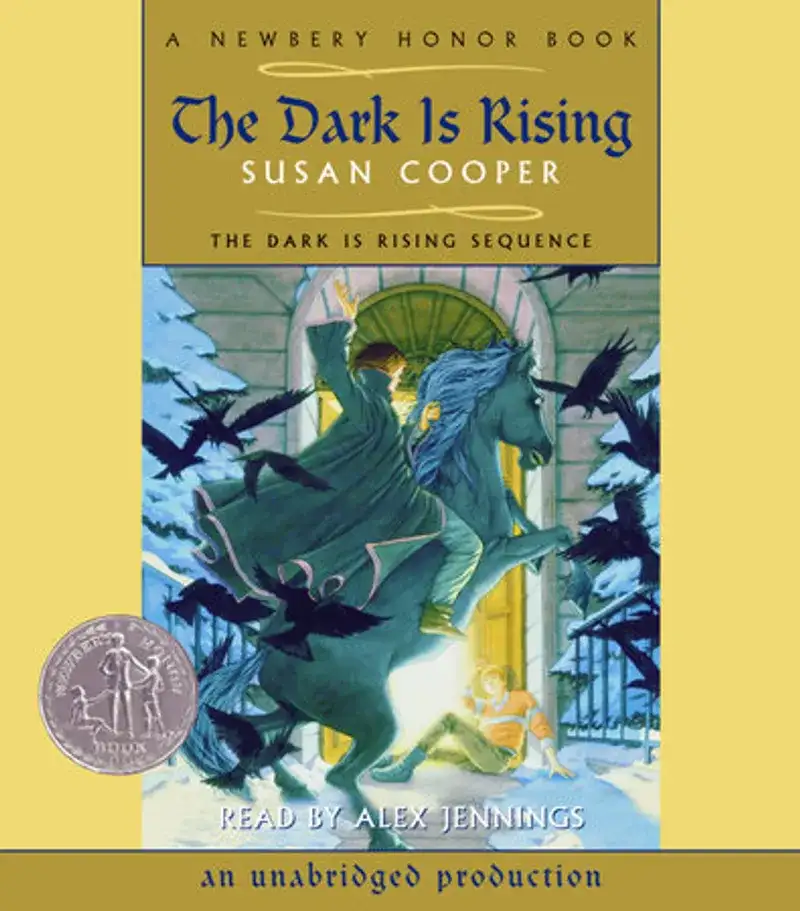
The Dark Is Rising Author: Susan CooperPage Count: UnknownPublication Date: 2005-PRH The Dark Is Rising by Susan Cooper is a masterclass in atmospheric storytelling, weaving ancient myth with modern childhood wonder to craft a timeless battle between light and dark. First published in 1973 (though the edition referenced here may vary), this Newbery Honor-winning novel stands as a cornerstone of children’s fantasy, its haunting lyricism and mythic grandeur lingering long after the final page. At its core, The Dark Is Rising explores the eternal struggle between good and evil, but Cooper doesn’t resort to simplistic moral binaries. Instead, she grounds this cosmic conflict in the intimate, almost mundane world of Will Stanton, an ordinary eleven-year-old boy on the cusp of discovering his extraordinary destiny. His journey—from reluctant hero to awakened Old One—mirrors the universal passage from childhood innocence to the weight of responsibility. The book’s true genius lies in how it makes the abstract tangible: the Dark isn’t just a force; it’s the creeping dread of winter’s longest night, the whisper of unseen things in the woods, the oppressive weight of silence when the wind dies. Cooper’s prose is rich with sensory detail, painting a Britain where the past is never far from the present, where standing stones hum with forgotten power and the Thames itself seems to guard ancient secrets. Cooper’s style is deceptively poetic. Her sentences flow like incantations, yet they never feel overwrought. Consider the opening lines: "The Dark is rising. The year is turning. The Light is turning too." In just three short sentences, she establishes the book’s central tension—balance, not outright victory, is the goal. The narrative unfolds with a dreamlike logic, where rules are hinted at rather than spelled out, and the reader must piece together the puzzle alongside Will. This ambiguity only deepens the immersion; the world feels alive with possibility, where every hedgerow and hollow could hide a sign—or a snare. The twelve days of Christmas frame the novel’s action, but Cooper uses the season less as a mere backdrop and more as a living character. The Midwinter solstice, with its ancient pagan echoes, becomes the battleground where time itself seems to fray at the edges. Will’s quest for the six Signs—each tied to elemental forces and deep folklore—feels less like a treasure hunt and more like a ritual, a necessary act to realign the world’s decaying order. The signs themselves are beautifully conceived: the Sign of Fire, the Sign of Bronze, the Sign of Stone. They’re not just objects but symbols of resilience, each forged in a different era of British history, binding Will to the land in a way that feels mythically inevitable. Cooper’s greatest achievement, however, is her portrayal of the Dark. It’s not a cartoonish villain with a mustache-twirling monologue, but a creeping, insidious presence that thrives on fear, apathy, and the slow erosion of human connection. The novel’s villains—Merlin, the Rider, the malevolent Miss Greythorne—are terrifying precisely because they’re plausible. They wear the faces of authority figures, of quiet neighbors, of the very institutions meant to protect. This makes The Dark Is Rising more than a fantasy adventure; it’s a meditation on how evil often masquerades as normalcy until it’s too late to resist. Will Stanton is a protagonist who earns his heroism. He’s not a chosen one who swoops in with effortless power; he’s a child who stumbles, doubts, and sometimes fails. His fear is palpable, his exhaustion relatable. When he finally claims the Signs, it’s not through brute strength but through understanding, through becoming part of something larger than himself. This emotional core elevates the story beyond mere spectacle. The book’s pacing is deliberate, almost hypnotic. Cooper lingers on moments—the taste of salt in the air as Will rides through the night, the way the snow muffles sound, the eerie stillness before a storm breaks. These details aren’t filler; they’re essential to the book’s spell. The climax, when Will must face the Dark in its most concentrated form, is a masterstroke of tension. The prose becomes sharper, the stakes clearer, and the reader’s heart pounds in time with Will’s racing thoughts. The resolution, though bittersweet, carries a quiet hope—because in Cooper’s world, light doesn’t banish darkness forever. It simply keeps the darkness at bay, for now. The Dark Is Rising endures because it taps into something primal: the belief that magic exists in the world, if only we know where to look. It’s a story about the power of memory, of tradition, and of the unbreakable bonds between people and place. Susan Cooper doesn’t just tell a story; she invites the reader into a living legend, where every stone and star has a voice. If you’ve ever stood in a quiet wood at dusk and felt the prickle of something otherworldly, this book will resonate. It’s a reminder that the oldest battles are still being fought—and that sometimes, the hero we need is the one who was there all along, waiting for the Dark to rise. #DarkIsRising #FantasyClassic #YAFantasy #MythicAdventure #ComingOfAge #SusanCooper Related InsightsCity of Fallen Angels Book Review and Summary Elfenthron Book Review and Summary Food Is Medicine: Healing Our Bodies, Nourishing Our Minds, and Transforming Our Food System Book Review and Summary{ "@context": "https://schema.org", "@type": "FAQPage", "mainEntity": [ { "@type": "Question", "name": "What is the main focus of The Dark Is Rising Book Review and Summary?", "acceptedAnswer": { "@type": "Answer", "text": "Everything you need to know about The Dark Is Rising with our detailed review." } }, { "@type": "Question", "name": "Who authored the comprehensive guide on The Dark Is Rising Book Review and Summary?", "acceptedAnswer": { "@type": "Answer", "text": "This detailed article and its insights were carefully researched and authored by Carmen Martinez." } }, { "@type": "Question", "name": "Where can I find more related content about Books?", "acceptedAnswer": { "@type": "Answer", "text": "You can explore more articles, detailed reviews, and similar insights by browsing the Related Insights section at the bottom of this article or visiting our dedicated Books category page." } } ] }
C1 And now you're speaking Author: Elisabeth Soltho DouglasPage Count: UnknownPublication Year: 2019-GB In the thought-provoking novel "And now you're speaking" by Elisabeth Soltho Douglas, the author delves into the complexities of human relationships and the power of communication. Published in 2019 to critical acclaim, this global bestseller has captured the hearts of readers worldwide with its poignant and relatable portrayal of love, loss, and self-discovery. At its core, "And now you're speaking" is a book about the intricacies of human connection. Douglas masterfully weaves together a narrative that explores the ways in which people interact with one another, often revealing more about themselves in the silences and misunderstandings than in the actual words they speak. Through her characters, the author shows us that true communication is not just about conveying thoughts and ideas, but also about listening, empathizing, and understanding. One of the standout features of Douglas's writing style is her ability to craft characters that are both deeply flawed and profoundly relatable. Her protagonists are multidimensional and authentic, with all the quirks and contradictions that make us human. As we follow their journeys, we are forced to confront our own vulnerabilities and biases, and to question the ways in which we navigate our relationships with others. Douglas's prose is equally impressive, with a lyrical quality that belies the complexity of her themes. Her writing is evocative and expressive, conjuring vivid images and emotions that linger long after the final page has been turned. Whether she is describing the beauty of a sunset or the pain of a broken heart, Douglas's language is always precise and powerful, capable of conveying the full range of human experience. If there is a criticism to be made, it is that the book's pacing can be somewhat uneven at times. Certain sections feel a bit rushed, while others meander along at a more leisurely pace. However, this is a minor quibble in an otherwise outstanding novel. Overall, "And now you're speaking" is a triumph of contemporary literature. Elisabeth Soltho Douglas has written a book that is both deeply personal and universally relatable, a novel that will resonate with readers long after they finish reading it. If you're looking for a story that will make you think, feel, and reflect on your own relationships, then this is the book for you. #CommunicationIsKey #HumanConnectionMatters #RelationshipGoals #EmotionalIntelligence #EmpathyInAction #UnderstandingTheUnspoken Related InsightsA Wall Is Also a Road Book Review and Summary Anji in Shadow (The Rising Tide, #2) Book Review and Summary The Idiot Book Review and Summary{ "@context": "https://schema.org", "@type": "FAQPage", "mainEntity": [ { "@type": "Question", "name": "What is the main focus of C1 And now you're speaking Book Review and Summary?", "acceptedAnswer": { "@type": "Answer", "text": "Everything you need to know about C1 And now you're speaking with our detailed review." } }, { "@type": "Question", "name": "Who authored the comprehensive guide on C1 And now you're speaking Book Review and Summary?", "acceptedAnswer": { "@type": "Answer", "text": "This detailed article and its insights were carefully researched and authored by Carmen Martinez." } }, { "@type": "Question", "name": "Where can I find more related content about Books?", "acceptedAnswer": { "@type": "Answer", "text": "You can explore more articles, detailed reviews, and similar insights by browsing the Related Insights section at the bottom of this article or visiting our dedicated Books category page." } } ] }
- Carmen Martinez
- 01 May, 2026 17:03
New Avengers Modern Era Epic Collection: The Initiative Book Review and Summary
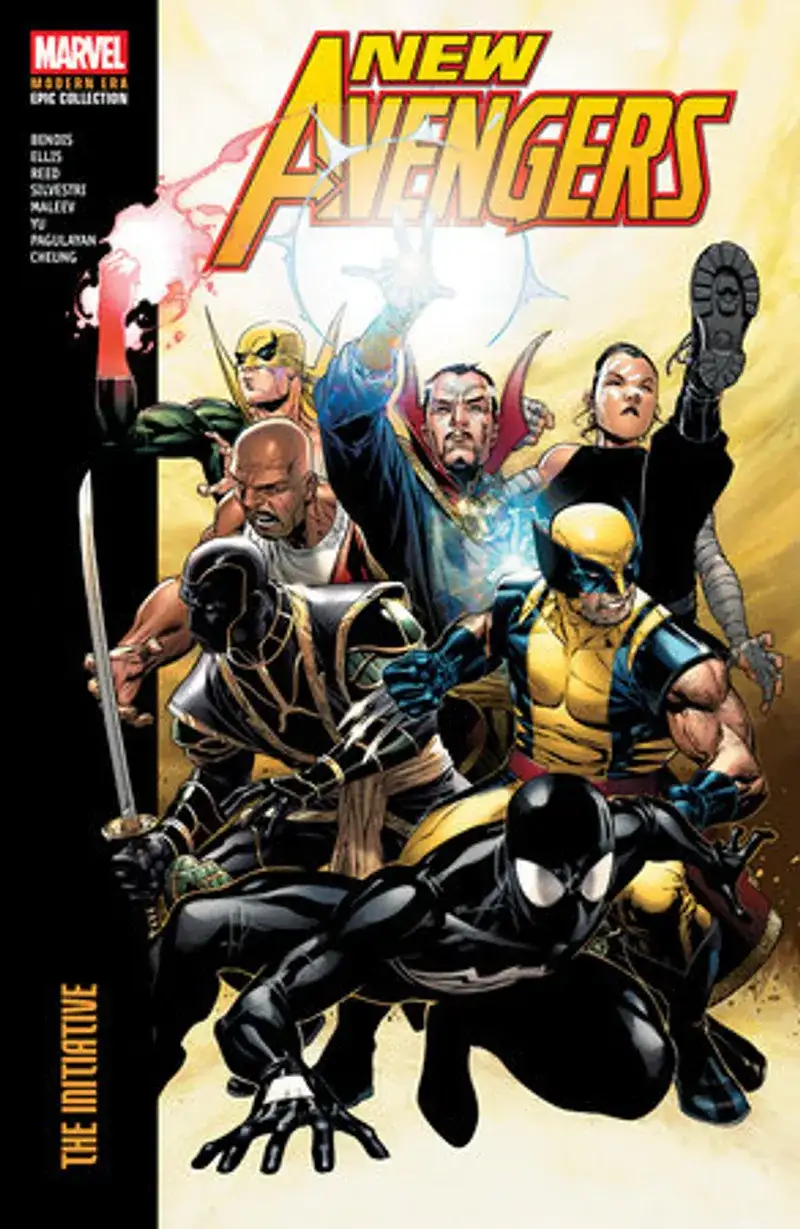
New Avengers Modern Era Epic Collection: The Initiative Author: Alex MaleevPage Count: UnknownPublication Date: 2025-PRH The New Avengers Modern Era Epic Collection: The Initiative is a gripping and intense installment in the Avengers saga, courtesy of the visionary author Alex Maleev. Set in the aftermath of the Civil War, this epic collection delves into the fragmented world of the Avengers, where the team is split in two and on opposite sides of the law. The Mighty Avengers, led by Iron Man, serve as the vanguard of the Initiative, a government-backed program aimed at regulating and controlling the actions of superheroes. On the other hand, a group of underground Avengers, comprising Luke Cage, Spider-Man, Wolverine, Spider-Woman, Doctor Strange, and Iron Fist, must navigate their new lives as outlaws, constantly evading capture and persecution. One of the standout aspects of this collection is its thought-provoking exploration of the themes of power, responsibility, and morality. The author masterfully weaves together a complex narrative that challenges the reader to question the true meaning of heroism and the consequences of playing by the rules. The character development is equally impressive, with each member of the rebel team bringing their unique personality and skills to the table. The dynamic between the characters is authentic and engaging, making it easy to become invested in their struggles and triumphs. The author's style is unmistakable, with a strong focus on character-driven storytelling and intricate plotlines. The pacing is well-balanced, with a mix of action-packed sequences and more introspective moments that add depth to the narrative. The inclusion of the Illuminati, a shadowy group that has shaped the history of the Marvel Universe, adds an extra layer of complexity to the story, raising questions about the nature of power and the responsibility that comes with it. The artwork, courtesy of Alex Maleev, is stunning, with bold lines and vibrant colors that bring the characters and their world to life. The panels are carefully crafted, with a focus on conveying the emotional intensity of each scene. The visual storytelling is seamless, making it easy to follow the action and become immersed in the world of the Avengers. Overall, the New Avengers Modern Era Epic Collection: The Initiative is a must-read for fans of the Avengers and the Marvel Universe. With its gripping storyline, well-developed characters, and stunning artwork, this collection is sure to captivate readers and leave them eager for more. The themes of power, responsibility, and morality are timely and thought-provoking, making this collection a great addition to any comic book library. The New Avengers Modern Era Epic Collection: The Initiative is a testament to the author's skill and craftsmanship, and a reminder of why the Avengers remain one of the most beloved and enduring franchises in the world of comics. With its richly detailed world-building and complex characters, this collection is sure to appeal to both longtime fans and new readers alike. #AvengersAssemble #MarvelComics #NewAvengers #TheInitiative #ComicBookReview #SuperheroFiction Related InsightsCity of Heavenly Fire Book Review and Summary To Die For Book Review and Summary The Fine Print Book Review and Summary{ "@context": "https://schema.org", "@type": "FAQPage", "mainEntity": [ { "@type": "Question", "name": "What is the main focus of New Avengers Modern Era Epic Collection: The Initiative Book Review and Summary?", "acceptedAnswer": { "@type": "Answer", "text": "Everything you need to know about New Avengers Modern Era Epic Collection: The Initiative with our detailed review." } }, { "@type": "Question", "name": "Who authored the comprehensive guide on New Avengers Modern Era Epic Collection: The Initiative Book Review and Summary?", "acceptedAnswer": { "@type": "Answer", "text": "This detailed article and its insights were carefully researched and authored by Carmen Martinez." } }, { "@type": "Question", "name": "Where can I find more related content about Books?", "acceptedAnswer": { "@type": "Answer", "text": "You can explore more articles, detailed reviews, and similar insights by browsing the Related Insights section at the bottom of this article or visiting our dedicated Books category page." } } ] }
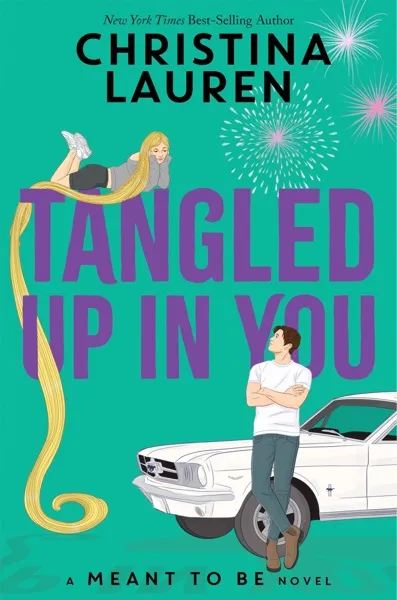
Tangled Up In You Author: Christina LaurenPage Count: UnknownPublication Year: 2024-GB Tangled Up In You: A Love Story Wrapped in Wit and Warmth Christina Lauren’s Tangled Up In You is a masterclass in modern romance—equal parts heart-fluttering, emotionally raw, and laugh-out-loud funny. As a global bestseller, it’s no surprise that the novel has captivated readers with its irresistible blend of chemistry, conflict, and the kind of emotional depth that lingers long after the last page. But what makes this book truly stand out isn’t just its premise; it’s the way Christina Lauren weaves together a love story that feels both timeless and urgently real. At its core, Tangled Up In You is a story about connection—how we find it, how we lose it, and how sometimes, the messiest moments lead us right back to where we’re meant to be. The novel follows two flawed, fiercely relatable characters whose lives collide in ways neither expects. What starts as a series of misunderstandings, misunderstandings, and reluctant proximity slowly unravels into something far more profound. Christina Lauren excels at crafting relationships that feel organic, where the push-and-pull isn’t just about attraction but about growth. Their banter is sharp, their vulnerabilities are exposed at just the right moments, and their emotional journey never feels forced or melodramatic. What sets Christina Lauren apart as a storyteller is their ability to balance humor with heartache. Their prose is effortlessly engaging, with a rhythm that makes the book nearly impossible to put down. The dialogue crackles with wit, the internal monologues are achingly honest, and the pacing ensures that every chapter leaves you craving more. Whether it’s a quiet moment of introspection or a heated confrontation, the writing never loses its spark. This is romance as it should be—messy, real, and deeply satisfying. The emotional depth of Tangled Up In You is its greatest strength. Christina Lauren doesn’t shy away from the complexities of love—jealousy, fear of abandonment, the struggle to trust. These aren’t just superficial obstacles; they’re integral to the characters’ development, making their eventual triumph feel earned. The novel’s strength lies in its refusal to simplify love into a neat, tidy package. Instead, it embraces the chaos, the setbacks, and the small victories that come with building something real. If there’s one critique to offer, it’s that some readers might long for a bit more resolution in certain subplots. Christina Lauren excels at keeping the focus tight on the central romance, but a few secondary characters occasionally feel underdeveloped. That said, this is a minor quibble in an otherwise flawless execution. The emotional payoff is worth every page, and the ending is nothing short of satisfying. Ultimately, Tangled Up In You is a love letter to those who believe in second chances—and to the messy, beautiful ways we find our way back to each other. Christina Lauren’s signature style—warm, witty, and deeply empathetic—shines on every page, making this not just a romance novel, but an experience. Whether you’re a longtime fan of the genre or a skeptic looking for something fresh, this book will remind you why love stories endure. #TangledUpInYou #ChristinaLauren #RomanceBooks #NewAdultRomance #BookTok #MustReadRomance Related InsightsThe Bronze Horseman Book Review and Summary Unwind Book Review and Summary Saga Crepúsculo Book Review and Summary{ "@context": "https://schema.org", "@type": "FAQPage", "mainEntity": [ { "@type": "Question", "name": "What is the main focus of Tangled Up In You Book Review and Summary?", "acceptedAnswer": { "@type": "Answer", "text": "Everything you need to know about Tangled Up In You with our detailed review." } }, { "@type": "Question", "name": "Who authored the comprehensive guide on Tangled Up In You Book Review and Summary?", "acceptedAnswer": { "@type": "Answer", "text": "This detailed article and its insights were carefully researched and authored by Carmen Martinez." } }, { "@type": "Question", "name": "Where can I find more related content about Books?", "acceptedAnswer": { "@type": "Answer", "text": "You can explore more articles, detailed reviews, and similar insights by browsing the Related Insights section at the bottom of this article or visiting our dedicated Books category page." } } ] }
- Carmen Martinez
- 06 Apr, 2026 08:15
Phineas and Ferb Classic Comics Collection Vol. 4 Book Review and Summary
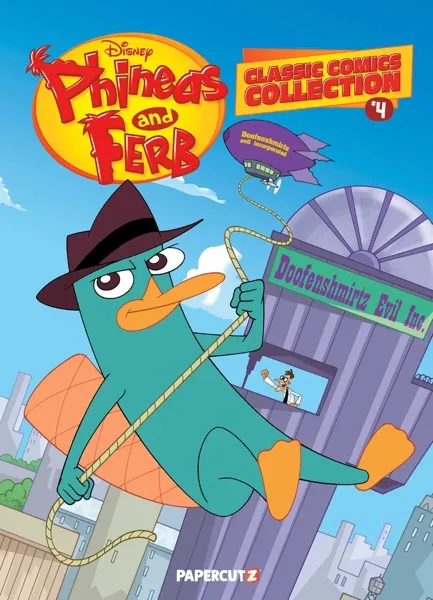
Phineas and Ferb Classic Comics Collection Vol. 4 Author: The Disney The Disney Comics GroupPage Count: UnknownPublication Year: 2025-GB In the realm of children's entertainment, few names shine as brightly as Phineas and Ferb, the ingenious stepbrothers who have captured the hearts of audiences worldwide. The Disney Comics Group has been instrumental in bringing their escapades to life in the form of comics, and their latest offering, Phineas and Ferb Classic Comics Collection Vol. 4, is a testament to the enduring appeal of these beloved characters. This volume is a masterclass in blending humor, creativity, and adventure, all of which are expertly woven together to create a narrative that is both entertaining and engaging. The Disney Comics Group's writers have done an exemplary job of staying true to the spirit of the original show, while also introducing fresh storylines and characters that add depth and variety to the collection. One of the standout aspects of this volume is its ability to balance lighthearted humor with more serious themes, such as the importance of family, friendship, and following one's passions. Phineas and Ferb's infectious enthusiasm and creativity are on full display, as they embark on a series of wild adventures that showcase their remarkable ingenuity and resourcefulness. The artwork is equally impressive, with vibrant colors and dynamic visuals that bring the characters to life in a way that is both authentic and visually stunning. The Disney Comics Group's artists have done a superb job of capturing the essence of the show's distinctive visual style, from the characters' expressive facial expressions to the intricate details of their fantastical creations. Throughout the volume, the authors' style is characterized by a sense of playful exuberance, as they revel in the absurdity and imagination of Phineas and Ferb's adventures. The writing is witty and engaging, with a keen sense of pacing that keeps the reader hooked from start to finish. The characters' interactions are full of humor and warmth, and the dialogue is both natural and authentic. In short, Phineas and Ferb Classic Comics Collection Vol. 4 is a must-read for fans of the show, as well as anyone who loves a good adventure story. With its winning blend of humor, creativity, and heart, this volume is sure to delight readers of all ages. #PhineasAndFerb #DisneyComics #ClassicComicsCollection #KidsLit #GraphicNovels #ChildrensEntertainment Related InsightsPoesía reunida César Vallejo (Edición conmemorativa de la RAE y la ASALE) / Collected Poems by César Vallejo (Commemorative Edition by the RAE and ASALE) Book Review and Summary Bajo la misma estrella / The Fault in Our Stars Book Review and Summary Mister Impossible Book Review and Summary{ "@context": "https://schema.org", "@type": "FAQPage", "mainEntity": [ { "@type": "Question", "name": "What is the main focus of Phineas and Ferb Classic Comics Collection Vol. 4 Book Review and Summary?", "acceptedAnswer": { "@type": "Answer", "text": "Everything you need to know about Phineas and Ferb Classic Comics Collection Vol. 4 with our detailed review." } }, { "@type": "Question", "name": "Who authored the comprehensive guide on Phineas and Ferb Classic Comics Collection Vol. 4 Book Review and Summary?", "acceptedAnswer": { "@type": "Answer", "text": "This detailed article and its insights were carefully researched and authored by Carmen Martinez." } }, { "@type": "Question", "name": "Where can I find more related content about Books?", "acceptedAnswer": { "@type": "Answer", "text": "You can explore more articles, detailed reviews, and similar insights by browsing the Related Insights section at the bottom of this article or visiting our dedicated Books category page." } } ] }
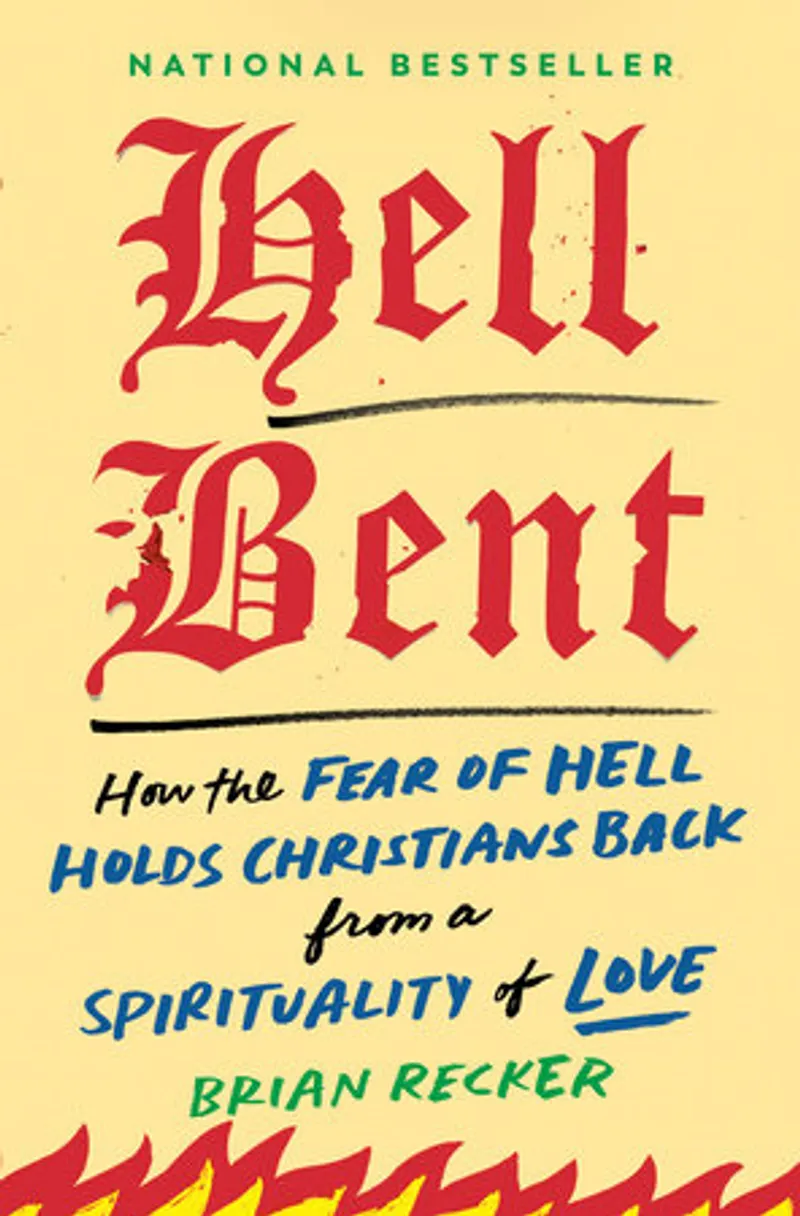
Hell Bent Author: Brian ReckerPage Count: UnknownPublication Date: 2025-PRH Hell Bent, the provocative new book by former evangelical pastor Brian Recker, is a breath of fresh air in the often-stagnant world of Christian spirituality. With unflinching honesty and a deep understanding of scripture, Recker tackles the daunting topic of hell and its implications on our understanding of God's love. The result is a thought-provoking and deeply personal exploration of the true heart of Christianity, one that is sure to resonate with anyone who has ever grappled with the concept of eternal damnation. At its core, Hell Bent is a book about the transformative power of love and the dangers of allowing fear to dictate our spiritual journeys. Recker argues convincingly that the traditional notion of hell as a place of eternal torment is not only unsupported by scripture but also fundamentally at odds with the radical inclusivity and compassion that Jesus embodied. By examining the historical and cultural context in which the concept of hell evolved, Recker reveals a more nuanced and loving picture of God, one that is concerned with healing and growth rather than punishment and condemnation. One of the most striking aspects of Hell Bent is Recker's fearless willingness to challenge the status quo and confront the harm that has been caused by the traditional doctrine of hell. With compassion and empathy, he acknowledges the pain and anxiety that this doctrine has inflicted on countless individuals, particularly those who have been marginalized or excluded by the church. At the same time, he offers a vision of Christianity that is centered on love, acceptance, and inclusivity, rather than fear, judgment, and division. Recker's writing style is engaging, accessible, and deeply personal, making Hell Bent feel more like a conversation with a trusted friend than a formal theological treatise. He draws on his own experiences as a former evangelical pastor, as well as the stories of others who have struggled with the concept of hell, to create a sense of connection and community that is rare in books on spirituality. His use of scripture is thoughtful and contextual, and he is careful to avoid simplistic or dogmatic interpretations that might alienate readers from different backgrounds or perspectives. Throughout the book, Recker emphasizes the importance of embracing a more expansive and loving understanding of God, one that is not limited by the constraints of traditional doctrine or dogma. He encourages readers to approach scripture with a sense of curiosity and openness, rather than trying to fit it into a predetermined framework or ideology. The result is a book that is both deeply rooted in Christian tradition and radically innovative in its approach to spirituality. In short, Hell Bent is a groundbreaking and deeply moving book that has the potential to transform the way we think about God, love, and redemption. Whether you are a lifelong Christian, a former evangelical, or simply someone who is seeking a more authentic and compassionate spirituality, this book is sure to resonate with you. Recker's message of hope and inclusivity is a balm to the soul, and his writing is a testament to the power of love and compassion to overcome even the deepest wounds. #ChristianityReimagined #HellIsNotReal #LoveWins #SpiritualDeconstruction #InclusiveFaith #RadicalLove Related InsightsNine Stories Book Review and Summary Bury Our Bones in the Midnight Soil Book Review and Summary Chateau Reverie Book Review and Summary{ "@context": "https://schema.org", "@type": "FAQPage", "mainEntity": [ { "@type": "Question", "name": "What is the main focus of Hell Bent Book Review and Summary?", "acceptedAnswer": { "@type": "Answer", "text": "Everything you need to know about Hell Bent with our detailed review." } }, { "@type": "Question", "name": "Who authored the comprehensive guide on Hell Bent Book Review and Summary?", "acceptedAnswer": { "@type": "Answer", "text": "This detailed article and its insights were carefully researched and authored by Carmen Martinez." } }, { "@type": "Question", "name": "Where can I find more related content about Books?", "acceptedAnswer": { "@type": "Answer", "text": "You can explore more articles, detailed reviews, and similar insights by browsing the Related Insights section at the bottom of this article or visiting our dedicated Books category page." } } ] }
The Heavenly Table Author: Donald Ray PollockPage Count: UnknownPublication Date: 2017-PRH The Heavenly Table: A Bloodsoaked Ballad ofFamily, Faith, and Fated Ruin Donald Ray Pollock’s The Heavenly Table is not a book for the faint of heart. It is a brutal, black-hearted romp through the backwoods of 1917 Georgia and Alabama, where the air smells of sweat, sin, and gunpowder, and where the line between salvation and damnation is drawn in the dirt of a dirt-poor farm. If Flannery O’Connor and Quentin Tarantino had ever collaborated on a Southern Gothic nightmare, this would be it—a novel that drips with the kind of violence and dark humor that feels both timeless and urgently immediate. At its core, The Heavenly Table is a story about two families hurtling toward each other like trains on the same track, their fates entwined by greed, grief, and the kind of reckless, almost biblical justice that only the poor and desperate can afford. On one side, the Jewetts: Pearl, a broken-down farmer clinging to his land like a drowning man to driftwood, and his three sons—Cane, Cob, and Chimney—who are less sons and more feral coyotes, hungry for blood and a quick buck. On the other, the Fiddlers, a family of simple, hardworking farmers who have been swindled out of everything they own, their youngest son, Eddie, lost to the horrors of World War I. When the Jewetts set out on a crime spree that will lead them straight to the Fiddlers’ doorstep, what follows is a collision of violence, vengeance, and a twisted form of redemption. Pollock’s genius lies in his ability to weave together the grotesque and the grotesquely funny, the sacred and the profane, with the ease of a man spinning tales around a campfire. His prose is raw, unpolished, and utterly immersive, as if the words themselves are caked in the grime of the era he’s describing. There’s a relentless rhythm to his sentences, a kind of hypnotic cadence that sucks you into the muck and mire of these characters’ lives. When he describes the Jewetts’ crimes, it’s with the matter-of-fact brutality of a man recounting the weather—no embellishment, no moralizing, just the cold hard facts of what happened. And yet, beneath the violence, there’s a dark humor, a streak of the absurd that makes the bloodshed feel almost cartoonish, if not for the fact that real people are the ones bleeding. The real triumph of The Heavenly Table is its characters—not the kind of people you’d invite to dinner, but the kind you can’t look away from. Pearl Jewett is a man who has given up on God, his land, and even his own sons, yet he clings to a fragile hope that his family might still find its way. His sons, meanwhile, are a trio of outlaws straight out of a folk ballad, each more unhinged than the last. Cane, the eldest, is a self-proclaimed prophet with a messiah complex; Cob is a brute with the IQ of a box of rocks; and Chimney is the youngest, the most volatile, and the most tragic of the bunch. On the other side, the Fiddlers are a family drowning in sorrow, their grief as palpable as the dust in the air. Eddie, their missing son, is a specter haunting every page, his absence as heavy as the weight of the sins about to be committed in his name. What makes this novel so gripping is its exploration of faith—both in its absence and its twisted presence. The Jewetts’ crimes are justified, in their minds, by a warped sense of divine right. Cane, in particular, sees himself as an instrument of God’s will, a bringer of justice to the corrupt and the wicked. Meanwhile, the Fiddlers’ faith is tested in the most brutal way possible, as they struggle to reconcile their belief in a just God with the senseless violence that threatens to consume them. Pollock doesn’t offer easy answers here. Instead, he presents a world where faith is as much a weapon as a crutch, where salvation is just another word for survival, and where the line between the holy and the horrific is thinner than a razor’s edge. The novel’s title, The Heavenly Table, is a sly nod to this theme. It refers to a mythical feast promised to the poor and the righteous, a table laden with abundance where the meek shall inherit. But in Pollock’s world, the heavenly table is always just out of reach, a cruel joke played on those who dare to hope. The Jewetts and the Fiddlers are all chasing after the same dream, only to find that the table is already set with knives instead of bread. If there’s a flaw in The Heavenly Table, it’s that Pollock’s world can feel a little too insular at times. The violence, while shocking, starts to blur together in the middle sections, and the sheer number of brutal acts can make the novel feel like a endurance test rather than a narrative. But this is a minor quibble in a book that otherwise crackles with energy, humor, and a deep, abiding sadness. The Heavenly Table is not a book for everyone. It’s too violent, too dark, too unflinching for those who prefer their Southern fiction served with a side of Southern charm. But for those who crave a story that’s as raw and unfiltered as a fresh wound, Donald Ray Pollock delivers in spades. This is a novel that will leave you breathless, bruised, and, if you’re lucky, a little wiser about the kind of people who haunt the edges of history—the ones who never quite make it to the heavenly table, but who sure as hell make their presence known. #DarkSouthernFiction #GritLit #BrutalFamilySaga #SouthernGothic #PollockStyle #FatedToDie Related InsightsRoyal Witch Book Review and Summary Crash Book Review and Summary Cold Empty Rooms Book Review and Summary{ "@context": "https://schema.org", "@type": "FAQPage", "mainEntity": [ { "@type": "Question", "name": "What is the main focus of The Heavenly Table Book Review and Summary?", "acceptedAnswer": { "@type": "Answer", "text": "Everything you need to know about The Heavenly Table with our detailed review." } }, { "@type": "Question", "name": "Who authored the comprehensive guide on The Heavenly Table Book Review and Summary?", "acceptedAnswer": { "@type": "Answer", "text": "This detailed article and its insights were carefully researched and authored by Carmen Martinez." } }, { "@type": "Question", "name": "Where can I find more related content about Books?", "acceptedAnswer": { "@type": "Answer", "text": "You can explore more articles, detailed reviews, and similar insights by browsing the Related Insights section at the bottom of this article or visiting our dedicated Books category page." } } ] }
Anxious People Author: Fredrik BackmanPage Count: UnknownPublication Year: 2020-GB Fredrik Backman’s Anxious People is a masterclass in blending humor, heartbreak, and humanity into a single, compulsively readable novel. Published in 2020, this global bestseller cements Backman’s reputation as a storyteller who can turn the mundane into the extraordinary, the tragic into the tender, and the ordinary into something unforgettable. At its core, Anxious People is a story about fear—fear of failure, fear of judgment, fear of the unknown—and how, in the most unexpected circumstances, we discover that we’re not alone in our struggles. The premise is deceptively simple: a failed open-house viewing for an apartment turns into a hostage situation when a desperate, masked intruder takes eight strangers captive. The catch? The intruder isn’t a criminal mastermind but a well-meaning, if deeply flawed, person who just wanted to prevent their own life from spiraling further into chaos. What unfolds is not a tense thriller but a series of interconnected vignettes, each revealing the hidden anxieties and quiet triumphs of the hostages—and the hostage-taker. Backman, ever the empathic observer, uses this absurd scenario to peel back the layers of his characters, exposing their vulnerabilities with a mix of sharp wit and profound compassion. Backman’s greatest strength lies in his ability to make the ordinary feel extraordinary. His characters are not heroes or villains but people—flawed, struggling, and deeply human. There’s the pregnant woman who’s terrified of becoming a mother because she doesn’t feel ready; the bank manager who’s drowning in debt and shame; the retired couple who’ve spent decades pretending their marriage is perfect. Each of them is carrying a weight they’ve never shared, and it’s only in the stifling confines of a failed apartment showing that they begin to let it go. Backman doesn’t just tell us about their anxieties—he makes us feel them, in all their messy, contradictory glory. It’s a testament to his skill that even the most unlikable characters—like the real estate agent with a savior complex—are rendered sympathetic by the end. The novel’s structure is another standout feature. Backman weaves together multiple perspectives, jumping between past and present, weaving in subplots that seem unrelated at first but gradually come together in a satisfying, cohesive tapestry. It’s a risky approach—many authors would struggle to maintain coherence—but Backman pulls it off with effortless grace. His prose is clean and unpretentious, yet it crackles with wit and insight. Dialogue is razor-sharp, often delivering both laughs and lumps in the throat within the same paragraph. Consider this exchange between two of the hostages: "‘I think I’m going to faint,’ the pregnant woman said. ‘You can’t faint,’ the bank manager said. ‘We’re being held hostage. Fainting is for people who are about to get good news.’" Backman’s humor is never cruel; it’s a tool to disarm his readers, to make them lower their guard before he hits them with something deeper. And hit them he does. Beneath the jokes and the quirky premises, Anxious People is a meditation on mental health, on the masks we all wear to survive, and on the quiet courage it takes to ask for help. The novel doesn’t offer easy answers or neat resolutions. Instead, it leaves us with a sense of hope—not because everything is fixed, but because we see that the people around us are fighting their own battles too. One of the most poignant themes is the idea that anxiety is universal. Backman doesn’t just acknowledge this; he celebrates it. In a world that often glorifies stoicism and self-reliance, Anxious People is a radical act of kindness. It reminds us that vulnerability is not a weakness but a shared human experience. The hostages in the apartment aren’t just trapped by a stranger’s actions; they’re trapped by their own minds. And yet, in the midst of this surreal situation, they find small moments of connection—laughter, tears, even love. It’s a reminder that sometimes, the people who save us aren’t the ones who fix our problems but the ones who sit with us in them. Backman’s writing is also deeply empathetic in its treatment of mental health. He never sensationalizes or stereotypes his characters’ struggles. The pregnant woman’s anxiety isn’t played for laughs or drama; it’s treated with the same gravity as the bank manager’s financial ruin. This respect for his characters’ inner lives is what makes Anxious People so resonant. It’s a book that doesn’t just entertain but also comforts, a rare feat in contemporary fiction. If there’s a criticism to be leveled, it’s that some readers might find the novel’s tone uneven at times. Backman balances humor and heartbreak so deftly that it can feel like whiplash—one minute you’re laughing at a character’s dry remark, the next you’re choking back tears at their raw confession. But this is also the book’s greatest strength. Life, after all, is a mix of both, and Backman refuses to shy away from that reality. Ultimately, Anxious People is a book about seeing the person behind the persona. It’s about the masks we wear—the professional, the parent, the put-together friend—and the relief of taking them off, even if just for a moment. In an era where we’re all too aware of how alone we can feel, Backman offers a small but powerful antidote: the knowledge that someone, somewhere, might be carrying a burden just like ours. And maybe, just maybe, they’re waiting for the right moment to set it down. This is a novel that lingers long after the last page, not because of its plot twists, but because of its humanity. It’s a book that makes you laugh, cry, and then laugh again—sometimes in the same breath. If you’ve ever felt anxious, judged, or simply human, this book will speak to you. And if you haven’t, it might just change the way you see the people around you. #AnxiousPeople #FredrikBackman #MentalHealthMatters #BookTok #FeelGoodReads #HostageSituationWithHeart Related InsightsSwann’s Way Book Review and Summary Beneath, It Sleeps Book Review and Summary An Ember in the Ashes Book Review and Summary{ "@context": "https://schema.org", "@type": "FAQPage", "mainEntity": [ { "@type": "Question", "name": "What is the main focus of Anxious People Book Review and Summary?", "acceptedAnswer": { "@type": "Answer", "text": "Everything you need to know about Anxious People with our detailed review." } }, { "@type": "Question", "name": "Who authored the comprehensive guide on Anxious People Book Review and Summary?", "acceptedAnswer": { "@type": "Answer", "text": "This detailed article and its insights were carefully researched and authored by Carmen Martinez." } }, { "@type": "Question", "name": "Where can I find more related content about Books?", "acceptedAnswer": { "@type": "Answer", "text": "You can explore more articles, detailed reviews, and similar insights by browsing the Related Insights section at the bottom of this article or visiting our dedicated Books category page." } } ] }
Sweep of the Heart Author: Ilona AndrewsPage Count: UnknownPublication Year: 2022-GB In the realm of urban fantasy, few authors have managed to captivate readers with the same level of mastery as Ilona Andrews, and their 2022 release, Sweep of the Heart, is a resounding testament to their skill. This global bestseller has been making waves in the literary world, and for good reason – it's a sweeping tale of magic, adventure, and romance that will leave you breathless and yearning for more. At its core, Sweep of the Heart is a story about the complexities of the human heart. Andrews weaves a intricate narrative that delves into the depths of love, loss, and self-discovery, all set against the backdrop of a richly imagined world where magic and mythology collide. The author's signature blend of wit, humor, and pathos is on full display here, making for a reading experience that's both deeply emotional and utterly entertaining. One of the standout aspects of Andrews' writing is their ability to craft relatable, well-rounded characters that leap off the page. The protagonist of Sweep of the Heart is no exception – a complex, multifaceted individual with a rich inner life and a deep sense of vulnerability. As they navigate the treacherous landscape of their world, they must confront their own demons and make impossible choices that will leave readers on the edge of their seats. Andrews' world-building is, as always, superb. The author's vision of a world where magic and technology coexist is both fascinating and meticulously detailed, with a depth and richness that's all too rare in modern fantasy. From the intricacies of magical politics to the mythology of the world's ancient cultures, every aspect of this realm is lovingly crafted and utterly immersive. But what truly sets Sweep of the Heart apart is its thoughtful exploration of the human condition. Andrews tackles themes of identity, community, and the power of love with sensitivity and nuance, never shying away from the tough questions or the difficult emotions that come with them. The result is a story that's both deeply personal and universally relatable, a true masterpiece of modern fantasy. In short, Sweep of the Heart is a triumph – a captivating, emotionally resonant tale that will appeal to fans of urban fantasy, romance, and adventure alike. If you're looking for a story that will sweep you off your feet and leave you breathless, look no further. Ilona Andrews has outdone themselves with this one, and it's an absolute must-read for anyone who loves great storytelling. #UrbanFantasy #RomanceNovels #MagicAndMythology #BestsellerBooks #FantasyBookLovers #IlonaAndrews Related InsightsZwischen Panels und Literatur: Die stille Revolution des Graphic Novels Grim Tidings (Ghosted, #2) Book Review and Summary A Simple Plan Book Review and Summary{ "@context": "https://schema.org", "@type": "FAQPage", "mainEntity": [ { "@type": "Question", "name": "What is the main focus of Sweep of the Heart Book Review and Summary?", "acceptedAnswer": { "@type": "Answer", "text": "Everything you need to know about Sweep of the Heart with our detailed review." } }, { "@type": "Question", "name": "Who authored the comprehensive guide on Sweep of the Heart Book Review and Summary?", "acceptedAnswer": { "@type": "Answer", "text": "This detailed article and its insights were carefully researched and authored by Carmen Martinez." } }, { "@type": "Question", "name": "Where can I find more related content about Books?", "acceptedAnswer": { "@type": "Answer", "text": "You can explore more articles, detailed reviews, and similar insights by browsing the Related Insights section at the bottom of this article or visiting our dedicated Books category page." } } ] }
Sword Catcher Author: Cassandra ClarePage Count: UnknownPublication Year: 2023-GB "Sword Catcher" by Cassandra Clare is a spellbinding addition to the literary world, weaving a captivating narrative that solidifies the author's position as a masterful storyteller. As a global bestseller, this book has garnered widespread acclaim, and for good reason – Clare's writing is nothing short of enchanting. One of the primary themes that emerges in "Sword Catcher" is the struggle for power and identity. Clare expertly crafts a world where characters are constantly navigating the complexities of their own strengths and weaknesses, all while facing formidable foes and unexpected allies. This delicate balance of internal and external conflicts creates a sense of tension that propels the reader forward, eager to uncover the fate of the characters. Clare's writing style is, as always, a highlight of the book. Her prose is rich and evocative, painting vivid pictures of the world and its inhabitants. The author's use of language is deliberate and masterful, with each word carefully chosen to create a specific atmosphere or convey a particular emotion. This attention to detail is a hallmark of Clare's writing and serves to immerse the reader in the world of the story. Throughout the book, Clare explores the complexities of human relationships, delving into the intricacies of love, loyalty, and friendship. The characters are multidimensional and relatable, with each one bringing their own unique perspective to the narrative. This diversity of voice and experience adds depth to the story, making it feel both personal and universal. One of the most striking aspects of "Sword Catcher" is its ability to blend elements of fantasy and adventure with more grounded, realistic themes. Clare's world-building is meticulous and engaging, with a clear sense of history and culture that underpins the narrative. This blend of the fantastical and the mundane creates a sense of wonder and excitement, drawing the reader into the world of the story. Overall, "Sword Catcher" is a compelling and engaging read, with a narrative that is both epic in scope and intimate in its characterizations. Clare's writing is, as always, a joy to read, and her masterful storytelling has created a book that will captivate readers of all ages. #SwordCatcher #CassandraClare #FantasyFiction #BestSeller #BookLovers #NewRelease Related InsightsThe Phantom of the Opera Book Review and Summary To Dream in Darkness Book Review and Summary You’re the One That I Haunt Book Review and Summary{ "@context": "https://schema.org", "@type": "FAQPage", "mainEntity": [ { "@type": "Question", "name": "What is the main focus of Sword Catcher Book Review and Summary?", "acceptedAnswer": { "@type": "Answer", "text": "Everything you need to know about Sword Catcher with our detailed review." } }, { "@type": "Question", "name": "Who authored the comprehensive guide on Sword Catcher Book Review and Summary?", "acceptedAnswer": { "@type": "Answer", "text": "This detailed article and its insights were carefully researched and authored by Carmen Martinez." } }, { "@type": "Question", "name": "Where can I find more related content about Books?", "acceptedAnswer": { "@type": "Answer", "text": "You can explore more articles, detailed reviews, and similar insights by browsing the Related Insights section at the bottom of this article or visiting our dedicated Books category page." } } ] }
The Shadow in the Garden Author: James AtlasPage Count: UnknownPublication Date: 2018-PRH In "The Shadow in the Garden," James Atlas masterfully weaves a tapestry of lives, exploring the intricate relationships between writers, their biographers, and the elusive nature of truth. This poignant and humorous memoir is a must-read for anyone fascinated by the art of biography and the lives of the literary giants who shaped our understanding of the world. Atlas's journey begins in suburban Chicago, where he first fell under the spell of literature and discovered his passion for documenting the lives of writers. With wit and candor, he recounts his transformative year at Oxford, where he studied under the tutelage of Richard Ellmann, the renowned biographer of James Joyce. It was during this period that Atlas began to develop his skills as a biographer, learning the delicate art of balancing fact and interpretation. One of the greatest strengths of "The Shadow in the Garden" lies in its cast of characters. Atlas brings to life a bygone era of intellectuals, including Edmund Wilson, Dwight Macdonald, and the enigmatic Saul Bellow. His portraits of these literary figures are both intimate and nuanced, revealing the complexities and contradictions that made them so fascinating. Through his encounters with these writers, Atlas sheds light on the often-overlooked world of biography, where the lines between fact and fiction are constantly blurred. Throughout the book, Atlas revisits the lives and works of classical biographers, from Samuel Johnson and James Boswell to Mrs. Gaskell and Thomas Carlyle. These excursions into the history of biography serve as a reminder of the enduring power of the genre, which has captivated readers for centuries with its unique blend of scholarship and storytelling. Atlas's own contributions to the field are, of course, a major focus of the book, and his reflections on the challenges and rewards of biographical writing are both insightful and engaging. One of the most striking aspects of "The Shadow in the Garden" is its use of language. Atlas's prose is elegant and precise, with a keen eye for detail and a deep love of literature. His writing is infused with a sense of wonder and curiosity, as if he is constantly discovering new secrets and surprises in the lives of the writers he has studied. The result is a book that is both a pleasure to read and a profound exploration of the human experience. Ultimately, "The Shadow in the Garden" is a book about the search for truth and the elusive nature of human identity. Through his portraits of writers and biographers, Atlas reveals the complexities and contradictions that make us who we are, and the ways in which our lives are shaped by the stories we tell about ourselves and others. It is a testament to the power of biography to capture the essence of a life, and to the enduring fascination of the human experience. #TheShadowInTheGarden #JamesAtlas #Biography #LiteraryMemoir #WritersLives #TheArtOfBiography Related InsightsWild EXPORT Book Review and Summary Everything is Illuminated Book Review and Summary El color púrpura / The Color Purple Book Review and Summary{ "@context": "https://schema.org", "@type": "FAQPage", "mainEntity": [ { "@type": "Question", "name": "What is the main focus of The Shadow in the Garden Book Review and Summary?", "acceptedAnswer": { "@type": "Answer", "text": "Everything you need to know about The Shadow in the Garden with our detailed review." } }, { "@type": "Question", "name": "Who authored the comprehensive guide on The Shadow in the Garden Book Review and Summary?", "acceptedAnswer": { "@type": "Answer", "text": "This detailed article and its insights were carefully researched and authored by Carmen Martinez." } }, { "@type": "Question", "name": "Where can I find more related content about Books?", "acceptedAnswer": { "@type": "Answer", "text": "You can explore more articles, detailed reviews, and similar insights by browsing the Related Insights section at the bottom of this article or visiting our dedicated Books category page." } } ] }