Showing Posts From
Magical
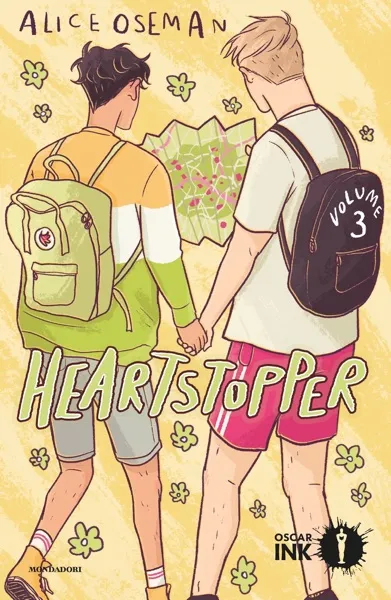
Heartstopper, Volume 3 Author: Alice OsemanPage Count: UnknownPublication Year: 2020-GB Heartstopper, Volume 3 continues Alice Oseman’s tender, heartfelt exploration of love, friendship, and self-discovery, this time diving deeper into the emotional lives of Nick and Charlie as they navigate the complexities of their relationship. Published in 2020, this installment of the beloved graphic novel series has cemented its place as a modern classic in LGBTQ+ storytelling, praised for its authenticity, warmth, and gentle yet powerful portrayal of young queer love. Oseman’s style remains one of the most distinctive and effective aspects of Heartstopper. Her clean, expressive linework and soft, pastel-heavy palette create an inviting, almost dreamlike atmosphere that perfectly complements the story’s themes of hope and tenderness. Unlike many graphic novels that rely on exaggerated expressions or dramatic visuals, Oseman’s art feels intimate and personal. The characters’ faces—often drawn with simple, rounded features—are incredibly expressive, conveying an entire spectrum of emotions from quiet joy to deep anxiety in just a few lines. This minimalist approach makes the rare moments of intensity—like a tense argument or a heartfelt confession—feel all the more impactful. The central theme of Volume 3 revolves around communication, honesty, and the fear of vulnerability. Nick and Charlie, now a couple, face their first major challenge when Nick struggles to come out to his rugby teammates. The moment is fraught with tension, not because of external homophobia—though that lurks in the background—but because of Nick’s own internalized fear of disappointing those he loves. Oseman handles this with remarkable nuance, avoiding simplistic resolutions and instead showing how growth often comes with discomfort. Nick’s journey isn’t about grand gestures but small, hesitant steps toward self-acceptance, and Charlie’s unwavering support serves as a quiet but powerful foundation for that growth. What makes Heartstopper so special is its refusal to shy away from the messiness of real relationships. Oseman doesn’t sugarcoat conflict; instead, she presents it as a natural part of love. A miscommunication between Nick and Charlie, rooted in Nick’s avoidance of a difficult conversation, leads to a raw and painful fight. The way Oseman depicts this—through fragmented panels and sparse dialogue—mirrors the disorientation of emotional turmoil. It’s uncomfortable to read, but that discomfort is what makes the eventual reconciliation so satisfying. When Nick finally opens up, not with a grand speech but with a simple, "I’m sorry," the relief is palpable. It’s a reminder that love isn’t about perfection but about showing up, even when it’s hard. Oseman also excels in her portrayal of friendship, particularly through the characters of Tao, Elle, and Tara. Their dynamic feels lived-in, with rivalries, inside jokes, and shared moments of vulnerability. The group’s support for Nick and Charlie isn’t performative; it’s woven into the fabric of their daily lives, making the story feel like a snapshot of real, evolving relationships. Volume 3 introduces new layers to their friendships, particularly as Elle navigates her own identity and relationships, adding depth to a cast that already feels like family. Another standout element is Oseman’s use of silence. In a medium often driven by dialogue, Heartstopper thrives in the quiet moments—Nick and Charlie sitting together in a park, a shared glance across a crowded room, the weight of a hand on a shoulder. These scenes are where the story’s emotional core shines brightest. Oseman understands that some feelings can’t be articulated, and her art conveys that beautifully, whether through a lingering gaze or the softness of a character’s posture. The pacing of Volume 3 is deliberate, allowing the story to breathe without feeling slow. Oseman balances introspective moments with lighter, humorous beats, ensuring the tone never feels overly heavy. The rugby subplot, for instance, injects a sense of normalcy and camaraderie, grounding the story in the everyday while still exploring deeper themes. Ultimately, Heartstopper, Volume 3 is a celebration of love in all its forms—romantic, platonic, and self-love. It’s a story that trusts its readers to sit with discomfort, to embrace imperfection, and to believe in the possibility of happiness. Oseman’s ability to capture the small, seemingly insignificant moments that define relationships is what makes Heartstopper so universally beloved. It’s not just a story about being queer; it’s a story about being human. For anyone who has ever felt the flutter of a first crush, the ache of miscommunication, or the relief of being truly seen, Heartstopper is a balm. It’s a reminder that love isn’t about grand declarations but about the quiet, steady choices we make to show up for one another. #Heartstopper #AliceOseman #LGBTQYA #GraphicNovels #NickAndCharlie #QueerLoveStories Related InsightsIdentity Book Review and Summary Never Let Me Go Book Review and Summary Angels & Demons Book Review and Summary{ "@context": "https://schema.org", "@type": "FAQPage", "mainEntity": [ { "@type": "Question", "name": "What is the main focus of Heartstopper, Volume 3 Book Review and Summary?", "acceptedAnswer": { "@type": "Answer", "text": "Everything you need to know about Heartstopper, Volume 3 with our detailed review." } }, { "@type": "Question", "name": "Who authored the comprehensive guide on Heartstopper, Volume 3 Book Review and Summary?", "acceptedAnswer": { "@type": "Answer", "text": "This detailed article and its insights were carefully researched and authored by Carmen Martinez." } }, { "@type": "Question", "name": "Where can I find more related content about Books?", "acceptedAnswer": { "@type": "Answer", "text": "You can explore more articles, detailed reviews, and similar insights by browsing the Related Insights section at the bottom of this article or visiting our dedicated Books category page." } } ] }

The Karmapa's Middle Way Author: The Ninth Karmapa Wangchuk DorjePage Count: UnknownPublication Date: 2019-PRH The Karmapa’s Middle Way is not merely a book—it is a revelation, a philosophical odyssey that invites the reader into the heart of one of Tibetan Buddhism’s most profound debates. Penned by the Ninth Karmapa Wangchuk Dorje, this work is a masterful synthesis of razor-sharp logic, poetic devotion, and unflinching insight, offering a rare glimpse into the Middle Way (Madhyamaka) tradition through the lens of one of its greatest exponents. At its core, the book is a commentary on Chandrakirti’s Madhyamakāvatāra (Entrance to the Middle Way), but it transcends mere exegesis to become a living transmission of wisdom, a bridge between centuries of contemplative thought and the modern seeker’s yearning for truth. Wangchuk Dorje’s style is nothing short of electrifying. Marked by eloquence that dances between rigorous analysis and heartfelt poetry, he dismantles the veils of confusion with a precision that feels both surgical and soaring. His prose is not dry scholasticism but a living dialogue, where every argument pulses with the urgency of liberation. He writes not as a detached scholar but as a realized master, guiding the reader through the labyrinth of conceptual mind with the patience of a seasoned guide and the clarity of a visionary. The text is dense, uncompromising in its depth, yet it never loses sight of its ultimate aim: to awaken the reader to the nature of reality itself. One of the book’s most striking features is its historical richness. Wangchuk Dorje situates Chandrakirti’s work within a vibrant tradition of Middle Way debate, offering readers a rare window into a philosophically charged era of Tibetan Buddhism. His commentary, Feast for the Fortunate, is an abridgement of the Eighth Karmapa’s own magnum opus, revealing the Karmapas’ lineage of insight and their unbroken thread of transmission. This lineage is not just academic heritage; it is a living current of realization, and Wangchuk Dorje ensures that its power is not lost on the reader. The book’s structure is meticulous yet accessible. It includes Chandrakirti’s root text, Wangchuk Dorje’s commentary, an illuminating introduction that contextualizes the Middle Way tradition, and even an annotated translation of Chandrakirti’s Lucid Words—a bonus for those eager to delve deeper. The appendices and reference materials are invaluable, turning the book into a veritable treasure trove for scholars and practitioners alike. Whether you are a philosopher, a meditator, or simply a curious mind, this book offers something irreplaceable: a direct encounter with the mind of a realized being. What makes The Karmapa’s Middle Way truly exceptional is its balance between intellectual rigor and devotional warmth. Wangchuk Dorje does not shy away from the most abstruse philosophical points, but he grounds them in the lived experience of awakening. His arguments are not just theoretical; they are invitations to see for oneself, to break through the fog of dualistic thinking. This is the essence of the Middle Way: not a middle ground between extremes, but the direct realization of the empty, luminous nature of all phenomena. For those familiar with Tibetan Buddhist literature, this book is a revelation. It is rare to find a commentary that is both philosophically rigorous and deeply personal, where the weight of centuries of debate does not overshadow the immediacy of spiritual truth. Wangchuk Dorje’s voice is distinct—urgent, poetic, and unapologetically direct. He writes as if the very fate of the reader’s mind depends on understanding these truths, and in a sense, it does. If you are seeking a book that will challenge your intellect, stir your heart, and transform your understanding of reality, The Karmapa’s Middle Way is an indispensable companion. It is not a casual read but a transformative one, a work that demands engagement and rewards it with the rarest of gifts: clarity. #Karmapa #MiddleWay #Madhyamaka #TibetanBuddhism #Chandrakirti #BuddhistPhilosophy Related InsightsPeregrine Hill Book Review and Summary El árbol del ahorcado Book Review and Summary Knight of the God King Book Review and Summary{ "@context": "https://schema.org", "@type": "FAQPage", "mainEntity": [ { "@type": "Question", "name": "What is the main focus of The Karmapa's Middle Way Book Review and Summary?", "acceptedAnswer": { "@type": "Answer", "text": "Everything you need to know about The Karmapa's Middle Way with our detailed review." } }, { "@type": "Question", "name": "Who authored the comprehensive guide on The Karmapa's Middle Way Book Review and Summary?", "acceptedAnswer": { "@type": "Answer", "text": "This detailed article and its insights were carefully researched and authored by Carmen Martinez." } }, { "@type": "Question", "name": "Where can I find more related content about Books?", "acceptedAnswer": { "@type": "Answer", "text": "You can explore more articles, detailed reviews, and similar insights by browsing the Related Insights section at the bottom of this article or visiting our dedicated Books category page." } } ] }
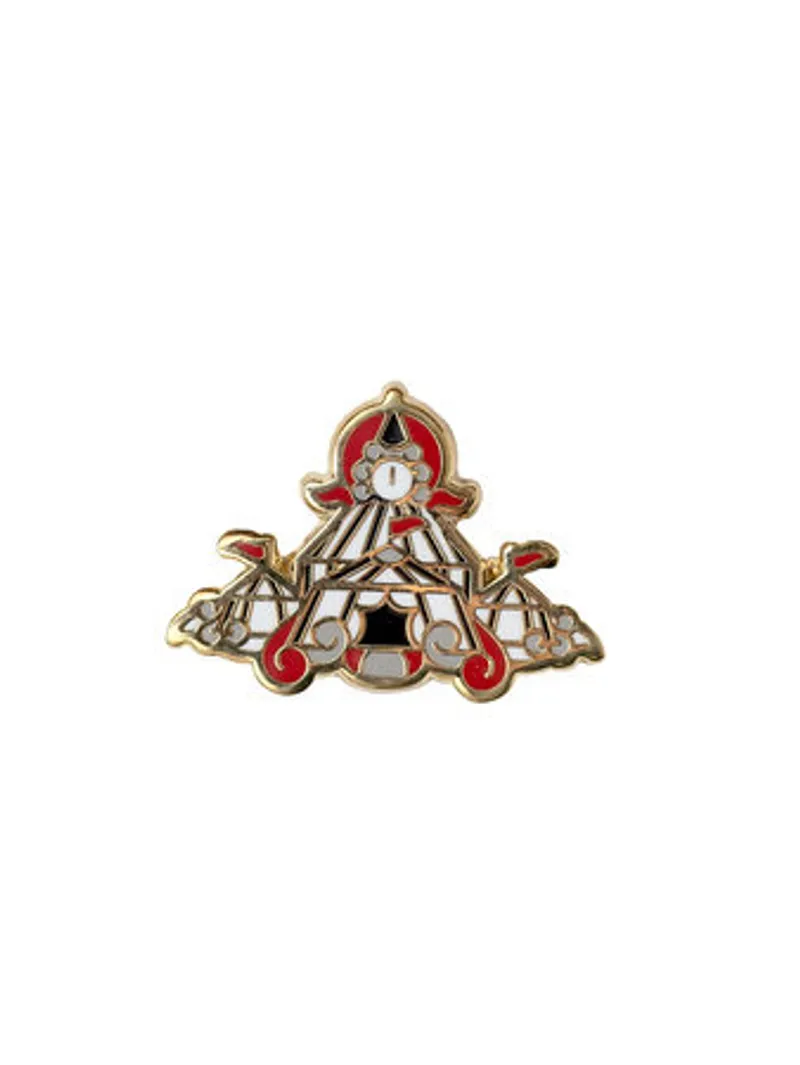
The Night Circus Enamel Pin Author: Out of PrintPage Count: UnknownPublication Date: 2020-PRH The Night Circus Enamel Pin by Out of Print is a captivating and imaginative tale that whisks readers away to a mystical realm of wonder and magic. Although the page count remains unknown, the essence of this enchanting book can be distilled into a mesmerizing critique that delves into the main theme and the author's distinctive style. At its core, The Night Circus Enamel Pin revolves around the mesmerizing and mysterious world of Le Cirque des Rêves, a mystical circus that appears at dusk and vanishes by dawn. The story is woven around the lives of two young magicians, Celia and Marco, who are bound together by a magical competition that spans years. This enchanting tale is a testament to the transformative power of imagination, love, and the magic that resides within us all. Out of Print's writing style is akin to a masterful illusionist, weaving a rich tapestry of words that transport readers to a world of wonder and awe. The author's use of language is deliberate and evocative, conjuring vivid images of the circus and its enchanting inhabitants. The narrative is layered with symbolism, mythology, and historical references, adding depth and complexity to the story. One of the most striking aspects of The Night Circus Enamel Pin is its exploration of the human experience. Through the characters of Celia and Marco, the author delves into the complexities of love, loss, and identity. The novel raises questions about the nature of reality, the power of imagination, and the blurred lines between fantasy and reality. The Night Circus Enamel Pin is also a testament to the enduring power of love and the human spirit. Despite the magical competition that drives the narrative, the story ultimately revolves around the redemptive power of love and the human connection. The author's portrayal of Celia and Marco's relationship is tender, nuanced, and deeply moving, making their story a compelling and unforgettable one. In conclusion, The Night Circus Enamel Pin by Out of Print is a captivating and imaginative tale that will enchant readers with its richly woven narrative, vivid imagery, and memorable characters. The author's distinctive style and masterful storytelling make this book a must-read for fans of fantasy, romance, and historical fiction. #TheNightCircus #LeCirquedesRêves #FantasyFiction #MagicalRealism #BookReview #OutOfPrint Related InsightsSerious Music Book Review and Summary Never Say War: Life in Russia Today Book Review and Summary D: Heavy Water (Bomb Light #2) Book Review and Summary{ "@context": "https://schema.org", "@type": "FAQPage", "mainEntity": [ { "@type": "Question", "name": "What is the main focus of The Night Circus Enamel Pin Book Review and Summary?", "acceptedAnswer": { "@type": "Answer", "text": "Everything you need to know about The Night Circus Enamel Pin with our detailed review." } }, { "@type": "Question", "name": "Who authored the comprehensive guide on The Night Circus Enamel Pin Book Review and Summary?", "acceptedAnswer": { "@type": "Answer", "text": "This detailed article and its insights were carefully researched and authored by Carmen Martinez." } }, { "@type": "Question", "name": "Where can I find more related content about Books?", "acceptedAnswer": { "@type": "Answer", "text": "You can explore more articles, detailed reviews, and similar insights by browsing the Related Insights section at the bottom of this article or visiting our dedicated Books category page." } } ] }

The Testaments Author: Margaret AtwoodPage Count: UnknownPublication Year: 2019-GB In the realm of dystopian fiction, few authors have managed to captivate readers quite like Margaret Atwood. Her 1985 classic, The Handmaid's Tale, left an indelible mark on the literary world, and its impact still resonates today. The Testaments, Atwood's 2019 sequel, is a masterful continuation of the story, offering a fresh perspective on the oppressive regime of Gilead. Set 15 years after the events of the original novel, The Testaments is a tale of resistance, rebellion, and the unyielding power of the human spirit. The narrative is presented through the eyes of three distinct characters: Aunt Lydia, a high-ranking official in Gilead's oppressive regime; Agnes, a young girl born into the oppressive society; and Daisy, a Canadian teenager who becomes embroiled in the resistance movement. Through these diverse perspectives, Atwood crafts a rich tapestry of experiences, weaving together a complex exploration of oppression, resistance, and survival. One of the most striking aspects of The Testaments is its exploration of the inner workings of Gilead's patriarchal society. Atwood's portrayal of the oppressive regime is both nuanced and unflinching, exposing the intricacies of its power structures and the ways in which it maintains control over its citizens. The character of Aunt Lydia, in particular, is a fascinating study in complexity, her backstory and motivations expertly woven throughout the narrative to create a sense of depth and understanding. Atwood's writing style is, as ever, masterful. Her prose is economical, yet evocative, conjuring vivid images of the world she has created. Her use of language is deliberate and precise, conveying the complexity of her characters' emotions and experiences with ease. The narrative is expertly paced, shifting seamlessly between the three perspectives to create a sense of tension and urgency. Throughout the novel, Atwood explores themes of resistance, rebellion, and the power of storytelling. The Testaments is, at its core, a novel about the ways in which individuals can challenge and subvert oppressive regimes, often through the simplest of acts. The characters' experiences serve as a testament to the enduring power of the human spirit, even in the face of overwhelming oppression. If there is one criticism to be made, it is that The Testaments feels, at times, somewhat predictable. The narrative follows a familiar arc, with the characters' experiences unfolding in a way that feels, if not entirely expected, then certainly unsurprising. However, this is a minor quibble in what is otherwise a masterful novel. In conclusion, The Testaments is a triumphant return to the world of Gilead, offering a fresh and compelling perspective on the oppressive regime that has captivated readers for decades. Atwood's writing is, as ever, masterful, and her exploration of themes is both nuanced and thought-provoking. This is a novel that will resonate with fans of The Handmaid's Tale, while also standing as a testament to the enduring power of storytelling. #TheTestaments #MargaretAtwood #TheHandmaidsTale #DystopianFiction #FeministLiterature #ResistanceAndRebellion Related InsightsCharlaine Harris Cemetery Girl Book Three Book Review and Summary Kissing Cowboys Book Review and Summary A Little Life Book Review and Summary{ "@context": "https://schema.org", "@type": "FAQPage", "mainEntity": [ { "@type": "Question", "name": "What is the main focus of The Testaments Book Review and Summary?", "acceptedAnswer": { "@type": "Answer", "text": "Everything you need to know about The Testaments with our detailed review." } }, { "@type": "Question", "name": "Who authored the comprehensive guide on The Testaments Book Review and Summary?", "acceptedAnswer": { "@type": "Answer", "text": "This detailed article and its insights were carefully researched and authored by Carmen Martinez." } }, { "@type": "Question", "name": "Where can I find more related content about Books?", "acceptedAnswer": { "@type": "Answer", "text": "You can explore more articles, detailed reviews, and similar insights by browsing the Related Insights section at the bottom of this article or visiting our dedicated Books category page." } } ] }
-
 Carmen Martinez
 - 08 Nov, 2025 05:12
Casa de flama y sombra / House of Flame and Shadow Book Review and Summary
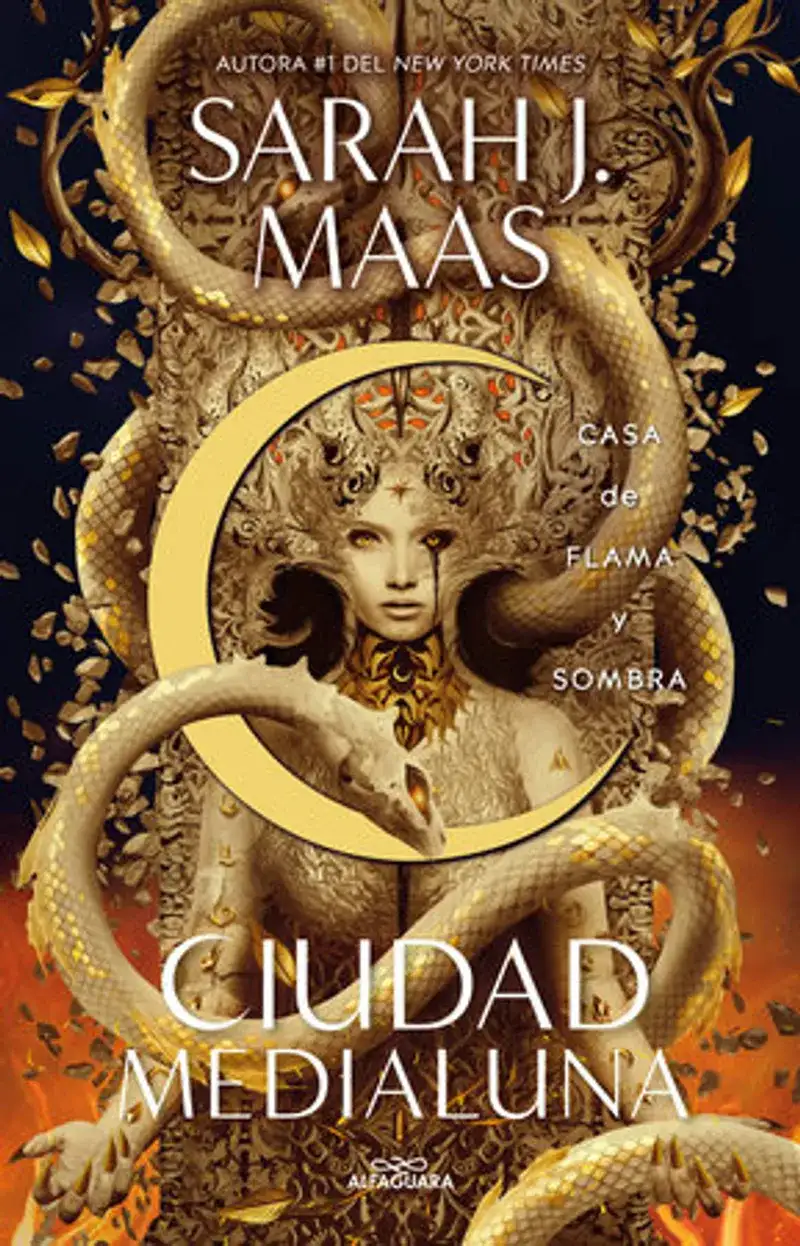
Casa de flama y sombra / House of Flame and Shadow Author: Sarah J. MaasPage Count: UnknownPublication Date: 2024-PRH "Casa de flama y sombra" or "House of Flame and Shadow" is the latest installment in Sarah J. Maas's Crescent City series, and it's a game-changer. This book is a masterclass in world-building, character development, and plot twists that will leave you breathless. Maas has outdone herself with this one, and fans of the series will not be disappointed. The story picks up where "House of Sky and Breath" left off, with Bryce Quinlan finding herself in a strange new world, desperate to get back to her loved ones in Midgard. Meanwhile, Hunt Athalar is trapped in the Asteri's dungeons, desperate to escape and help Bryce. The stakes are higher than ever, and the fate of their world hangs in the balance. One of the things that sets Maas apart from other authors in the fantasy genre is her ability to create complex, multi-dimensional characters. Bryce and Hunt are no exception - they're flawed, relatable, and utterly human, despite being a half-Fae party girl and a fallen angel, respectively. Their relationship is a highlight of the book, and Maas's portrayal of their love for each other is tender, passionate, and authentic. But what really makes "House of Flame and Shadow" stand out is its themes. This book is all about power, identity, and the true meaning of home. Bryce and Hunt are forced to confront their own strengths and weaknesses, and to navigate the treacherous landscape of their world. Along the way, they must confront their own demons - literal and metaphorical - and make difficult choices that will have far-reaching consequences. Maas's writing style is, as always, engaging and immersive. Her world-building is meticulous and detailed, with a richly imagined landscape that's both familiar and yet utterly unique. The pacing is breakneck, with twists and turns that will keep you on the edge of your seat. And the romance? Sizzling. If you're a fan of fantasy, romance, or just great storytelling in general, "House of Flame and Shadow" is a must-read. It's a sexy, action-packed, and emotionally resonant ride that will leave you breathless and eager for more. And if you're new to the series, don't worry - Maas does a great job of catching you up on the backstory, so you can jump right in. Overall, "House of Flame and Shadow" is a triumph. It's a testament to Maas's skill as a storyteller, and a reminder of why she's one of the most beloved authors in the fantasy genre. So what are you waiting for? Dive into the world of Crescent City, and get ready to be swept away. #CrescentCitySeries #HouseOfFlameAndShadow #SarahJMaas #FantasyRomance #BookLovers #NewRelease Related InsightsLectures on the Ethics of T. H. Green, Mr. Herbert Spencer, and J. Martineau Book Review and Summary Works of Edgar Allan Poe; Volume 5 Book Review and Summary The Invisible Canvas of the Digital Age: A Deep Dive into Silicon Wafers{ "@context": "https://schema.org", "@type": "FAQPage", "mainEntity": [ { "@type": "Question", "name": "What is the main focus of Casa de flama y sombra / House of Flame and Shadow Book Review and Summary?", "acceptedAnswer": { "@type": "Answer", "text": "Everything you need to know about Casa de flama y sombra / House of Flame and Shadow with our detailed review." } }, { "@type": "Question", "name": "Who authored the comprehensive guide on Casa de flama y sombra / House of Flame and Shadow Book Review and Summary?", "acceptedAnswer": { "@type": "Answer", "text": "This detailed article and its insights were carefully researched and authored by Carmen Martinez." } }, { "@type": "Question", "name": "Where can I find more related content about Books?", "acceptedAnswer": { "@type": "Answer", "text": "You can explore more articles, detailed reviews, and similar insights by browsing the Related Insights section at the bottom of this article or visiting our dedicated Books category page." } } ] }
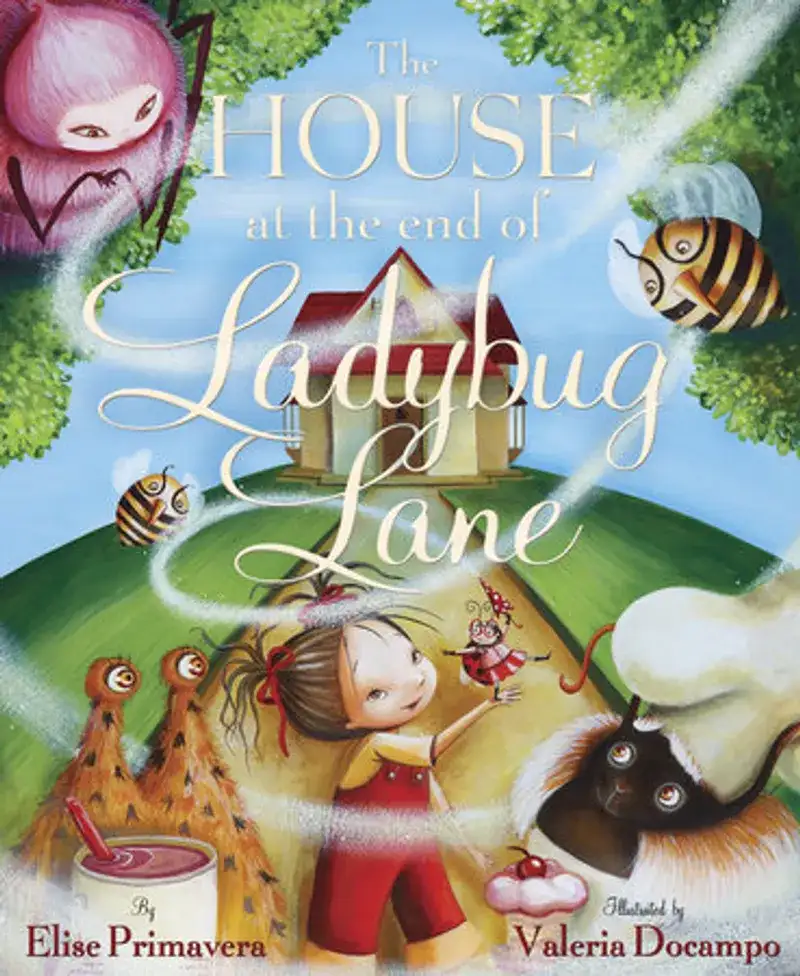
The House at the End of Ladybug Lane Author: Valeria DocampoPage Count: UnknownPublication Date: 2012-PRH The House at the End of Ladybug Lane is a whimsical delight that blends humor, heart, and a touch of magic to deliver a story about defying expectations and embracing the messiness of life. Valeria Docampo’s debut children’s book is a breath of fresh air—both literally and figuratively—celebrating individuality in a world that often prizes perfection. At its core, the story revolves around Angelina Neatolini, a spirited girl born into a family obsessed with order. Her ancestors invented the garbage can, her mother irons linguini, and her father vacuums the grass—all while Angelina, the rebellious black sheep, finds joy in rolling in the dirt. The contrast between her family’s rigid neatness and her love for chaos sets the stage for a charming battle of wills. When Angelina’s fairy godmother—a quirky, hard-of-hearing ladybug—grants her wish for a pet, the result is a delightful explosion of fur, feathers, and foliage that turns their pristine home into a playful disaster zone. What makes this book so endearing is its unapologetic celebration of imperfection. Angelina’s parents represent the stifling pressure to conform, while Angelina embodies the freedom of self-expression. Docampo’s narrative isn’t just about rejecting cleanliness; it’s about rejecting the idea that cleanliness equals happiness. The magic in the story isn’t just in the fairy godmother’s antics but in the way it validates a child’s need to make a mess—to explore, to play, and to be unapologetically themselves. Docampo’s art is a visual feast, perfectly complementing the story’s playful tone. Her whimsical illustrations, filled with exaggerated expressions and vibrant colors, bring Angelina’s world to life. The fairy godmother ladybug, with her daffy charm and misheard spells, is a standout character, adding layers of humor and warmth. The contrast between the Neatolini’s sterile, angular home and the wild, organic chaos of Angelina’s adventures is striking, reinforcing the book’s themes visually. The pacing is tight, with just enough mischief to keep young readers engaged without overwhelming them. The themes of tolerance and self-acceptance are woven seamlessly into the plot, making it more than just a funny story—it’s a gentle nudge toward embracing one’s quirks. Angelina’s journey is relatable, whether a child is struggling against parental expectations or simply learning to enjoy the beauty of imperfection. One of the book’s strengths is its ability to balance humor with deeper messages. The Neatolinis’ obsession with tidiness is played for laughs, but it also serves as a subtle critique of unrealistic standards. Angelina’s messiness isn’t portrayed as destructive but as a form of creativity, which is a refreshing perspective in a world that often glorifies cleanliness over spontaneity. In a market saturated with picture books about conformity, The House at the End of Ladybug Lane stands out for its fresh voice and joyful defiance. It’s a story that reminds both children and adults that life isn’t meant to be tidy—it’s meant to be lived. #ChildrensBooks #WhimsicalStories #EmbraceMessiness #FairyTales #KidsLit #BookReview Related InsightsThe Whispers Within Pages: Unearthing the Secret Art of Fore-Edge Painting Ready Player One Book Review and Summary The Heart of the Deal Book Review and Summary{ "@context": "https://schema.org", "@type": "FAQPage", "mainEntity": [ { "@type": "Question", "name": "What is the main focus of The House at the End of Ladybug Lane Book Review and Summary?", "acceptedAnswer": { "@type": "Answer", "text": "Everything you need to know about The House at the End of Ladybug Lane with our detailed review." } }, { "@type": "Question", "name": "Who authored the comprehensive guide on The House at the End of Ladybug Lane Book Review and Summary?", "acceptedAnswer": { "@type": "Answer", "text": "This detailed article and its insights were carefully researched and authored by Carmen Martinez." } }, { "@type": "Question", "name": "Where can I find more related content about Books?", "acceptedAnswer": { "@type": "Answer", "text": "You can explore more articles, detailed reviews, and similar insights by browsing the Related Insights section at the bottom of this article or visiting our dedicated Books category page." } } ] }
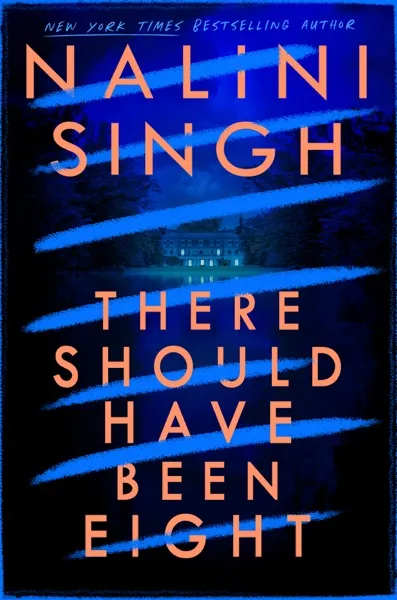
There Should Have Been Eight Author: Nalini SinghPage Count: UnknownPublication Year: 2024-GB There Should Have Been Eight: A Masterclass in Suspense and Humanity by Nalini Singh Nalini Singh has long been a name synonymous with gripping psychological thrillers, but with There Should Have Been Eight, she doesn’t just meet expectations—she shatters them. Released in 2024, this latest addition to her bibliography cements her status as a modern maestro of suspense, weaving a narrative that is as intellectually stimulating as it is emotionally raw. The book’s premise alone—a tightly woven mystery centered around a group of eight strangers whose lives unravel when one is murdered—screams of Singh’s signature style: meticulous plotting, razor-sharp character development, and a prose that lingers like a half-remembered nightmare. At its core, There Should Have Been Eight is a story about the fragility of trust and the darkness that lurks beneath even the most ordinary facades. Singh’s genius lies in her ability to take a premise that could easily devolve into a clichéd whodunit and elevate it into a psychological dissection of human nature. The novel follows eight individuals, each with their own secrets, who are brought together under the guise of a weekend retreat. When one of them is found dead, the remaining seven are thrust into a web of paranoia, where no one is above suspicion. What makes this premise so compelling is Singh’s refusal to rely on cheap gimmicks. Instead, she crafts a narrative where every interaction, every glance, every half-spoken word carries weight, forcing readers to question not just whodunit, but why—and what that reveals about the human condition. Singh’s prose is a study in precision and restraint. She doesn’t waste a single sentence on unnecessary exposition; every word is deliberate, every scene designed to ratchet up the tension. Her dialogue crackles with authenticity, whether it’s the brittle exchanges between strangers trying to mask their discomfort or the raw, unfiltered outbursts that reveal long-buried vulnerabilities. The result is a reading experience that feels less like consuming a book and more like witnessing a slow-motion unraveling—one that pulls you in and refuses to let go. One of the most striking aspects of There Should Have Been Eight is Singh’s exploration of isolation and connection. The novel’s setting—a remote, almost claustrophobic location—serves as a perfect metaphor for the emotional walls the characters have built around themselves. Each of the eight protagonists is a puzzle piece that doesn’t quite fit into the others’ lives, yet their fates become irrevocably entwined by the murder. Singh excels at making the reader care deeply about these characters, not just because of the mystery at hand, but because of their humanity. There’s the overworked lawyer who buries himself in cases to avoid his own emptiness, the reclusive artist whose past is a labyrinth of regrets, and the enigmatic host whose motives remain shrouded in ambiguity. By the time the truth begins to unravel, the reader is already emotionally invested, not just in solving the crime, but in understanding the people behind it. Singh’s ability to balance high-stakes suspense with deep emotional resonance is on full display here. The pacing is relentless, yet she never sacrifices depth for thrills. The mystery unfolds in layers, with each revelation peeling back another facet of the characters’ psyches. What makes There Should Have Been Eight so haunting is its exploration of how easily trust can be broken—and how even in the face of betrayal, there’s a desperate, almost primal need to connect. The novel’s climax is a masterstroke of tension, a moment where Singh’s skill as a storyteller reaches its zenith. If there’s any criticism to be leveled, it’s that the sheer brilliance of the novel makes it difficult to put down—meaning readers may find themselves neglecting sleep, meals, or basic human responsibilities in their haste to uncover the truth. But that’s a small price to pay for the sheer satisfaction of being immersed in a story this well-crafted. Nalini Singh has always been a force to reckon with, but There Should Have Been Eight is her most ambitious and accomplished work to date. It’s a book that lingers long after the final page, not just because of its twists, but because of the indelible mark it leaves on the reader’s psyche. In a genre often criticized for prioritizing shock over substance, Singh proves once again that the best thrillers are those that make us question not just the world around us, but ourselves. For fans of psychological suspense, intricate character studies, and stories that refuse to let go, There Should Have Been Eight is an absolute must-read. It’s a testament to Singh’s mastery of her craft—and a chilling reminder that the most dangerous secrets are often the ones we keep from ourselves. #ThereShouldHaveBeenEight #NaliniSingh #PsychologicalThriller #MysteryNovel #BookReview #MustRead2024
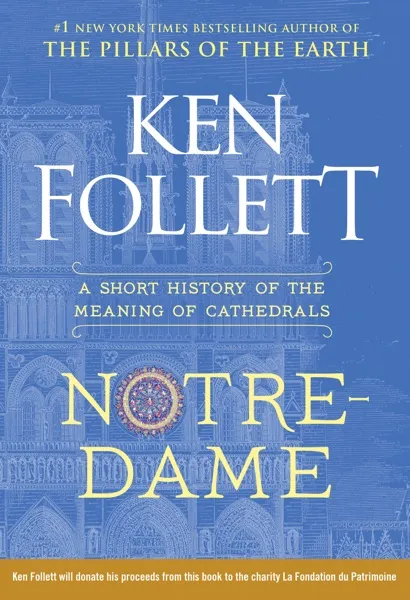
Notre-Dame Author: Ken FollettPage Count: UnknownPublication Year: 2019-GB Ken Follett’s Notre-Dame is more than a novel; it’s a sweeping love letter to the enduring spirit of human ingenuity, faith, and resilience. Published in 2019, this global bestseller weaves a rich tapestry of stories against the backdrop of the iconic Parisian cathedral—a symbol of both divine grandeur and human fragility. Follett, a master storyteller renowned for his meticulous research and immersive narratives, once again proves why he is a titan of historical fiction. Here, he doesn’t just recount the history of Notre-Dame; he breathes life into the stones, the people, and the centuries that shaped it. At its core, Notre-Dame is a meditation on the passage of time and the unyielding power of architecture to transcend eras. Follett structures his novel around the cathedral’s construction in the 12th century, its evolution over centuries, and its near-destruction in a modern fire that sent shockwaves around the world. But the true genius lies in how he intertwines these historical moments with deeply personal dramas. The book is divided into multiple sections, each focusing on different time periods and a cast of characters whose lives are inextricably linked to Notre-Dame. From medieval stonemasons and bishops to 19th-century romantics and 21st-century restorers, Follett crafts a chorus of voices that sing the cathedral’s praises in harmony. Follett’s style is unmistakable—clear, precise, and relentlessly engaging. He excels at making complex historical processes accessible without dumbing them down. The construction of Notre-Dame, for instance, is rendered with such vivid detail that readers can almost feel the weight of the limestone blocks and hear the rhythmic chiseling of the masons. Yet, he never sacrifices character depth for exposition. His protagonists—like the ambitious architect Maurice, the devout nun Agnès, or the modern-day architect Pierre—are flawed, compelling individuals whose personal struggles mirror the cathedral’s own trials. Follett’s ability to balance sweeping historical scope with intimate character studies is what elevates Notre-Dame from a mere historical epic to a profound exploration of what it means to build something that outlasts us. One of the novel’s most striking themes is the tension between destruction and creation. Notre-Dame has survived wars, revolutions, neglect, and now a catastrophic fire. Follett draws parallels between the cathedral’s resilience and the human capacity to rebuild, both literally and metaphorically. The modern fire that nearly consumes Notre-Dame in the book’s prologue and epilogue serves as a powerful framing device. It’s a reminder that even our greatest achievements are not invincible—but that the human spirit, much like the cathedral, can rise again with renewed purpose. Follett’s portrayal of the restoration efforts, filled with bureaucratic hurdles, emotional investment, and technical challenges, feels eerily prescient, given the real-world drama that unfolded in 2019. Another standout element is Follett’s treatment of faith—not as a dogmatic force, but as a living, breathing aspect of human experience. The cathedral is not just a building in his hands; it’s a sacred space where belief, doubt, and ambition collide. Whether through the eyes of the pious Agnès, who finds solace in the cathedral’s shadows, or the cynical Maurice, who sees it as a monument to his own genius, Follett explores how architecture shapes—and is shaped by—religious devotion. This is not a dry historical account but a living, breathing entity that shapes the lives of those who encounter it. Follett’s prose is economical yet evocative, his pacing relentless but never rushed. He understands that the best historical fiction doesn’t just inform—it immerses. The reader is transported to the bustling streets of medieval Paris, the candlelit interiors of 19th-century salons, and the smoldering ruins of Notre-Dame in the 21st century. His research is meticulous, yet it never clogs the narrative. Instead, it enriches the story, making the past feel immediate and urgent. Notre-Dame is ultimately a celebration of human creativity and perseverance. It’s a story about the things we build to outlast us, and the people who make those things possible. Follett doesn’t just write about a cathedral; he writes about the soul of a city, a nation, and a civilization. In an era where so many monuments and traditions are under threat, this novel feels like a defiant act of hope. If you’ve ever stood in awe of Notre-Dame’s towers, marveled at the intricacy of its gargoyles, or felt a pang of loss at its recent fire, this book will resonate deeply. It’s more than a novel—it’s an experience. Follett doesn’t just tell you about the cathedral; he lets you walk its halls, touch its stones, and witness its miracles. #NotreDame #KenFollett #HistoricalFiction #ArchitectureInFiction #ParisianLegacy #ResilienceThroughTime Related InsightsEl sueño de Sooley Book Review and Summary Kingdom of Ash Book Review and Summary Beautiful Creatures Book Review and Summary{ "@context": "https://schema.org", "@type": "FAQPage", "mainEntity": [ { "@type": "Question", "name": "What is the main focus of Notre-Dame Book Review and Summary?", "acceptedAnswer": { "@type": "Answer", "text": "Everything you need to know about Notre-Dame with our detailed review." } }, { "@type": "Question", "name": "Who authored the comprehensive guide on Notre-Dame Book Review and Summary?", "acceptedAnswer": { "@type": "Answer", "text": "This detailed article and its insights were carefully researched and authored by Carmen Martinez." } }, { "@type": "Question", "name": "Where can I find more related content about Books?", "acceptedAnswer": { "@type": "Answer", "text": "You can explore more articles, detailed reviews, and similar insights by browsing the Related Insights section at the bottom of this article or visiting our dedicated Books category page." } } ] }
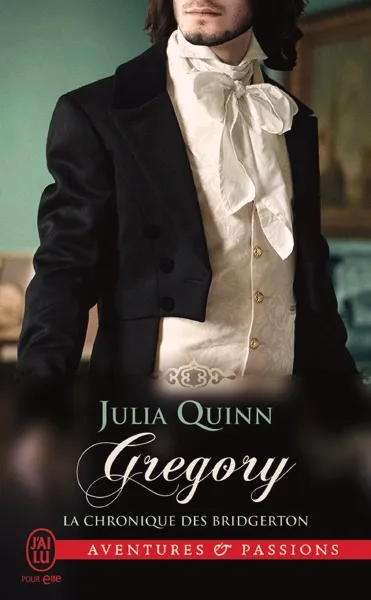
La chronique des Bridgerton Author: Julia QuinnPage Count: UnknownPublication Year: 2021-GB La Chronique des Bridgerton, penned by the inimitable Julia Quinn, is a sweeping romance that has captivated readers worldwide, and for good reason. This global bestseller is a masterclass in crafting a narrative that is at once both historically rich and intimately relatable. On the surface, La Chronique des Bridgerton appears to be a classic tale of love and family, set against the backdrop of Regency-era England. Yet, as Quinn's masterful storytelling weaves its spell, it becomes clear that this novel is, in fact, a nuanced exploration of the societal pressures that shape our choices and the enduring power of love to overcome even the most daunting obstacles. Quinn's writing is, as ever, a delight. Her prose is witty and engaging, with a keen eye for detail that transports the reader to the rarefied world of 19th-century high society. Her characters, too, are meticulously drawn, with all the complexity and depth one might expect from a seasoned author of her caliber. The Bridgertons, with their numerous siblings and endearingly eccentric family dynamics, are a particular joy to behold, and Quinn's skillful handling of their various storylines is a testament to her impressive narrative range. One of the most striking aspects of La Chronique des Bridgerton, however, is its thoughtful examination of the societal conventions that govern the lives of its characters. Quinn pulls no punches in her portrayal of the limited options available to women during this period, and the ways in which these restrictions can both empower and suffocate. At the same time, she also celebrates the resilience and determination of her female characters, who find ways to subvert and challenge the expectations placed upon them. If there is a flaw to be found in La Chronique des Bridgerton, it is perhaps that the novel's scope can sometimes feel overwhelming. With multiple plot threads and a large cast of characters, it's not uncommon for the reader to feel a little lost or disoriented. Quinn's writing, however, is more than up to the task of keeping everything on track, and even the most skeptical of readers will find themselves drawn into the world of the Bridgertons. In short, La Chronique des Bridgerton is a triumph – a rich, engaging, and ultimately uplifting romance that will appeal to fans of the genre and newcomers alike. Quinn's writing is, as ever, a joy to behold, and her thoughtful exploration of the societal pressures that shape our choices is both timely and timeless. #BridgertonSeries #RegencyRomance #JuliaQuinn #HistoricalFiction #RomanceNovels #LaChroniquedesBridgerton Related InsightsL'Eco del Silenzio e l'Ombra dell'Ingiustizia: L'Eterno Ritorno di 'To Kill a Mockingbird' A Walk to Remember Book Review and Summary The Four Wives and Five Deaths of Richard Milford Book Review and Summary{ "@context": "https://schema.org", "@type": "FAQPage", "mainEntity": [ { "@type": "Question", "name": "What is the main focus of La chronique des Bridgerton Book Review and Summary?", "acceptedAnswer": { "@type": "Answer", "text": "Everything you need to know about La chronique des Bridgerton with our detailed review." } }, { "@type": "Question", "name": "Who authored the comprehensive guide on La chronique des Bridgerton Book Review and Summary?", "acceptedAnswer": { "@type": "Answer", "text": "This detailed article and its insights were carefully researched and authored by Carmen Martinez." } }, { "@type": "Question", "name": "Where can I find more related content about Books?", "acceptedAnswer": { "@type": "Answer", "text": "You can explore more articles, detailed reviews, and similar insights by browsing the Related Insights section at the bottom of this article or visiting our dedicated Books category page." } } ] }

Go Tell the Bees That I Am Gone Author: Diana GabaldonPage Count: UnknownPublication Year: 2020-GB In the latest installment of Diana Gabaldon's iconic Outlander series, "Go Tell the Bees That I Am Gone" is a sweeping tale of love, war, and survival that will captivate fans and newcomers alike. Gabaldon's masterful storytelling weaves a complex narrative that delves into the intricacies of human relationships, the brutality of war, and the resilience of the human spirit. At its core, "Go Tell the Bees That I Am Gone" is a story about the power of love and connection in the face of adversity. Gabaldon's beloved characters, Claire and Jamie Fraser, are once again at the forefront of the narrative, their relationship tested by the trials of war, family secrets, and personal struggles. Through their story, Gabaldon explores the themes of loyalty, duty, and the unbreakable bonds that tie us to one another. Gabaldon's writing style is, as always, a character in its own right. Her vivid descriptions of 18th-century America are so immersive that readers will feel as though they are walking alongside the characters through the rolling hills and dense forests of the New World. Her attention to historical detail is meticulous, yet never overwhelming, and her ability to balance action, drama, and romance is unparalleled. One of the most striking aspects of Gabaldon's writing is her ability to create complex, multidimensional characters. Claire and Jamie are, of course, the heart of the series, but the supporting cast is equally well-developed. From the enigmatic Lord John Grey to the fiery Brianna Randall, each character is given their own distinct voice and agency, making it easy to become fully invested in their stories. The title "Go Tell the Bees That I Am Gone" is a reference to an old Scottish custom, where a person would inform the bees of a death in the family, lest they become agitated and swarm. It's a fitting title, given the themes of loss, grief, and transformation that run throughout the book. Gabaldon's characters are constantly facing their own mortality, whether it's the threat of war, illness, or the simple passage of time. In short, "Go Tell the Bees That I Am Gone" is a triumph, a masterful blend of historical fiction, romance, and adventure that will leave readers breathless and eager for more. With its richly detailed world-building, complex characters, and epic scope, it's a must-read for fans of the series and newcomers alike. #OutlanderSeries #DianaGabaldon #HistoricalFiction #TimeTravelRomance #BookLovers #GoTellTheBeesThatIAmGone Related InsightsThe Mercy of Gods Book Review and Summary Because of Winn-Dixie Book Review and Summary Mona: An Immodest Memoir of Race and Rebellion Book Review and Summary{ "@context": "https://schema.org", "@type": "FAQPage", "mainEntity": [ { "@type": "Question", "name": "What is the main focus of Go Tell the Bees That I Am Gone Book Review and Summary?", "acceptedAnswer": { "@type": "Answer", "text": "Everything you need to know about Go Tell the Bees That I Am Gone with our detailed review." } }, { "@type": "Question", "name": "Who authored the comprehensive guide on Go Tell the Bees That I Am Gone Book Review and Summary?", "acceptedAnswer": { "@type": "Answer", "text": "This detailed article and its insights were carefully researched and authored by Carmen Martinez." } }, { "@type": "Question", "name": "Where can I find more related content about Books?", "acceptedAnswer": { "@type": "Answer", "text": "You can explore more articles, detailed reviews, and similar insights by browsing the Related Insights section at the bottom of this article or visiting our dedicated Books category page." } } ] }
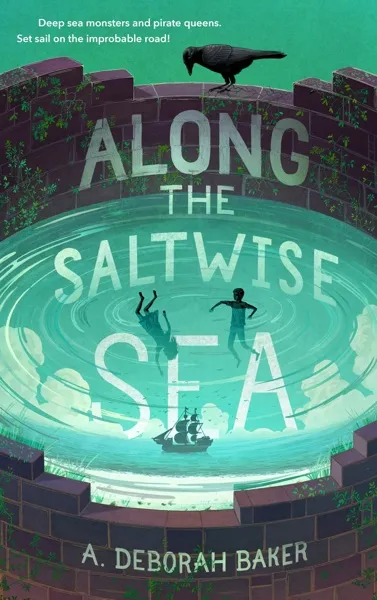
Along the Saltwise Sea Author: Seanan McGuirePage Count: UnknownPublication Year: 2021-GB In the realm of fantasy, few authors have managed to weave a narrative as enchanting and immersive as Seanan McGuire's "Along the Saltwise Sea". This global bestseller, published in 2021, is a testament to McGuire's masterful storytelling and her ability to transport readers to a world of wonder and magic. At its core, "Along the Saltwise Sea" is a tale of transformation, self-discovery, and the power of stories to shape our understanding of the world and ourselves. McGuire's writing is akin to a rich tapestry, intricately woven with threads of mythology, folklore, and fairy tales. Her prose is lyrical, evocative, and effortlessly engaging, making it easy to become fully invested in the lives of her characters. One of the most striking aspects of McGuire's style is her ability to balance lightness and darkness, humor and pathos. Her characters are multidimensional and relatable, with all the flaws and strengths that make us human. They navigate a world that is both familiar and strange, where the boundaries between reality and myth blur and blend. The author's use of language is equally impressive, with a keen attention to detail and a deep understanding of the nuances of human emotion. Her descriptions of the natural world are vivid and breathtaking, conjuring images of mist-shrouded coastlines, ancient forests, and the vast expanse of the ocean. Throughout the book, McGuire explores themes of identity, community, and the interconnectedness of all things. Her characters are on a journey of self-discovery, navigating the complexities of their own identities and the world around them. Along the way, they encounter a diverse cast of characters, each with their own stories, struggles, and triumphs. What sets "Along the Saltwise Sea" apart from other fantasy novels is its thought-provoking exploration of the power of stories to shape our understanding of the world. McGuire's characters are all storytellers in their own right, using their experiences and imagination to craft narratives that reflect and refract reality. This self-aware, metafictional approach adds a layer of depth and complexity to the narrative, inviting readers to consider the role of stories in their own lives. In short, "Along the Saltwise Sea" is a captivating and unforgettable read, a testament to Seanan McGuire's skill as a storyteller and her ability to craft a narrative that is both entertaining and thought-provoking. With its richly imagined world, complex characters, and exploration of the human condition, this book is sure to appeal to fans of fantasy, mythology, and folklore. #SaltwiseSea #SeananMcGuire #FantasyBestseller #MythologyAndFolklore #TransformativeFiction #StorytellingMatters Related InsightsHigh Sierra Book Review and Summary The Traveler's Atlas of the World Book Review and Summary Save a Horse Book Review and Summary{ "@context": "https://schema.org", "@type": "FAQPage", "mainEntity": [ { "@type": "Question", "name": "What is the main focus of Along the Saltwise Sea Book Review and Summary?", "acceptedAnswer": { "@type": "Answer", "text": "Everything you need to know about Along the Saltwise Sea with our detailed review." } }, { "@type": "Question", "name": "Who authored the comprehensive guide on Along the Saltwise Sea Book Review and Summary?", "acceptedAnswer": { "@type": "Answer", "text": "This detailed article and its insights were carefully researched and authored by Carmen Martinez." } }, { "@type": "Question", "name": "Where can I find more related content about Books?", "acceptedAnswer": { "@type": "Answer", "text": "You can explore more articles, detailed reviews, and similar insights by browsing the Related Insights section at the bottom of this article or visiting our dedicated Books category page." } } ] }

The Kaiju Preservation Society Author: John ScalziPage Count: UnknownPublication Year: 2022-GB In "The Kaiju Preservation Society," John Scalzi masterfully weaves a captivating narrative that delves into the intriguing world of monster conservation, raising essential questions about our relationship with the environment and the creatures that inhabit it. This thought-provoking novel not only showcases Scalzi's remarkable storytelling abilities but also cements his position as a leading voice in the science fiction genre. The story follows Jamie Gray, a young and ambitious biologist who finds herself at the forefront of a groundbreaking organization dedicated to the preservation of kaiju – colossal, city-destroying monsters that have become an integral part of our world. As Jamie navigates this uncharted territory, she must confront the challenges of working with these awe-inspiring creatures while facing the harsh realities of a world where humans and kaiju coexist. One of the most striking aspects of Scalzi's writing style is his ability to balance action, humor, and wit, making "The Kaiju Preservation Society" an absolute page-turner. His characters are multidimensional and relatable, with Jamie being a particularly well-crafted protagonist. Her growth and development throughout the novel are both authentic and engaging, making it easy for readers to become invested in her journey. Scalzi's world-building is another notable aspect of the novel. He seamlessly integrates the kaiju into our reality, creating a sense of familiarity and normalcy around these extraordinary creatures. The author's use of science and technology to explain the kaiju's existence and behavior adds a layer of depth to the narrative, making the world feel more real and immersive. At its core, "The Kaiju Preservation Society" is a novel about coexistence, conservation, and the importance of understanding and respecting the natural world. Scalzi raises essential questions about our responsibility towards the environment and the creatures that inhabit it, encouraging readers to think critically about the world we live in. Through Jamie's experiences, Scalzi highlights the challenges and rewards of working in conservation, emphasizing the need for dedication, perseverance, and compassion. The novel also touches on the consequences of playing with nature and the importance of finding a balance between human progress and environmental preservation. In conclusion, "The Kaiju Preservation Society" is a gripping and thought-provoking novel that will appeal to fans of science fiction, conservation, and adventure. Scalzi's unique blend of humor, action, and wit makes this book a compelling read, while its exploration of essential themes and ideas will leave readers reflecting long after they finish the novel. #KaijuPreservationSociety #JohnScalzi #ScienceFiction #MonsterConservation #EnvironmentalFiction #AdventureNovel Related InsightsDie Architektur des Schweigens: Wenn Worte zu Staatsfeinden wurden The Poisonwood Bible Book Review and Summary A Good Find Book Review and Summary{ "@context": "https://schema.org", "@type": "FAQPage", "mainEntity": [ { "@type": "Question", "name": "What is the main focus of The Kaiju Preservation Society Book Review and Summary?", "acceptedAnswer": { "@type": "Answer", "text": "Everything you need to know about The Kaiju Preservation Society with our detailed review." } }, { "@type": "Question", "name": "Who authored the comprehensive guide on The Kaiju Preservation Society Book Review and Summary?", "acceptedAnswer": { "@type": "Answer", "text": "This detailed article and its insights were carefully researched and authored by Carmen Martinez." } }, { "@type": "Question", "name": "Where can I find more related content about Books?", "acceptedAnswer": { "@type": "Answer", "text": "You can explore more articles, detailed reviews, and similar insights by browsing the Related Insights section at the bottom of this article or visiting our dedicated Books category page." } } ] }
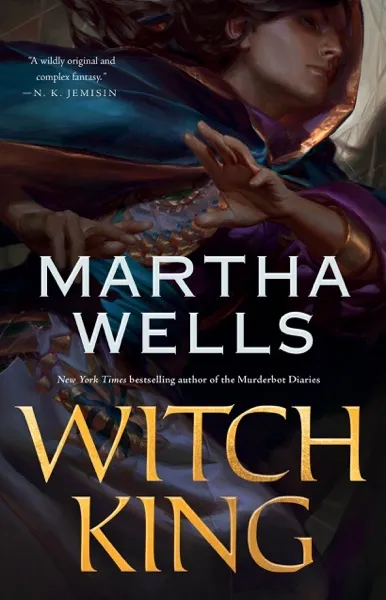
Witch King Author: Martha WellsPage Count: UnknownPublication Year: 2023-GB Martha Wells’ Witch King (2023) is a masterclass in blending dark fantasy with sharp, subversive wit—a book that feels both timeless and urgently modern. Building on the success of her Murderbot Diaries series, Wells once again crafts a protagonist who is as deeply human in their flaws as they are otherworldly in their power. But where the Murderbot stories thrived on existential dread and corporate absurdity, Witch King dives into the raw, visceral consequences of power, identity, and the lies we tell ourselves to survive. At its heart, Witch King is a story about reclaiming agency in a world that has tried to define you. The protagonist, a half-goblin witch named Arasaka, is a figure of both reverence and revulsion—a being whose very existence challenges the hierarchical structures of the empire that once enslaved her kind. Wells doesn’t just present Arasaka as a victim or a hero; she is a survivor who has internalized the brutality of her world, wielding her magic and cunning in a calculated dance of survival. The book’s central tension isn’t just about defeating an enemy (though there is that, in spades) but about whether Arasaka can break free from the cycles of violence she’s been trapped in—whether she can define herself outside the roles others have forced upon her. Wells’ prose is a study in precision and economy. She doesn’t waste words, yet her descriptions are vivid enough to make the world feel tangible. The goblin lands, with their mist-shrouded forests and ancient ruins, are rendered with a tactile richness that contrasts sharply with the cold, sterile halls of the empire. Her dialogue crackles with tension, whether it’s the brittle politeness of courtly intrigue or the raw, unfiltered rage of confrontation. There’s a musicality to her writing, too—a rhythm that pulls the reader along even in the quieter moments, when the real work is happening beneath the surface. What sets Witch King apart, though, is Wells’ ability to weave deep emotional stakes into what could have been a straightforward revenge fantasy. Arasaka’s journey isn’t just about power; it’s about the cost of power, and the ways in which it warps both the wielder and the world around them. The empire she fights against isn’t just a faceless monolith—it’s a system that has convinced itself of its own righteousness, and Arasaka’s defiance forces it to confront its hypocrisy. Wells doesn’t shy away from the moral ambiguity of rebellion; the line between liberation and destruction is deliberately blurred, and the book thrives in that gray area. The supporting cast is equally compelling. Wells excels at creating characters who are flawed but not caricatures—each with their own motivations that occasionally align with Arasaka’s, but just as often diverge. There’s a delicious tension in their interactions, especially in the way Wells plays with power dynamics. A mentor who might be more than they seem. A rival who is both ally and antagonist. A love interest whose loyalty is as fragile as it is fierce. These relationships are the engine of the story, driving Arasaka forward not just as a witch with a grudge, but as a woman (or something like one) trying to carve out a place for herself in a world that has tried to erase her. Wells’ style also shines in the way she handles magic. It’s not the flashy, spell-slinging spectacle of high fantasy, but something more insidious—a force that seeps into the bones of the world, altering reality in subtle, unsettling ways. Arasaka’s magic is tied to her emotions, to her pain, and that makes it both a weapon and a vulnerability. There’s a visceral quality to the magical moments, where the boundaries between the physical and the supernatural blur, and the cost of wielding such power becomes all too clear. If there’s a weakness in Witch King, it’s that Wells’ worldbuilding sometimes feels like it’s being revealed in fragments—just as the reader starts to piece together the larger picture, the story shifts its focus. But this is also part of the book’s strength. The world feels lived-in and organic, with history that stretches beyond the page. The empire’s fall and the goblin resistance aren’t just backdrops; they’re living, breathing forces that shape the present. At its core, Witch King is a story about the stories we tell ourselves. Arasaka is a witch, but she’s also a liar—about her past, about her motives, even about who she is. The empire is built on lies, too, and the only way to dismantle it is to confront those lies head-on. Wells doesn’t offer easy answers, but she does offer something more valuable: a protagonist who refuses to be defined by the narratives others impose on her. For readers who love fantasy that’s as intellectually rigorous as it is emotionally resonant, Witch King is a must-read. It’s a book that lingers, that makes you question not just the magic in its pages, but the systems we all live under. Martha Wells has done it again—crafted a story that is both a thrilling adventure and a sharp, necessary critique of power. #WitchKing #MarthaWells #DarkFantasy #GoblinWitch #FantasyRevenge #WitchKingReleases
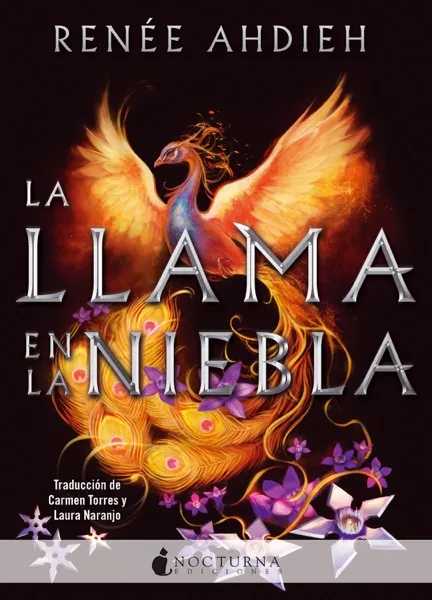
La llama en la niebla Author: Renée AhdiehPage Count: UnknownPublication Year: 2018-GB Renée Ahdieh’s La llama en la niebla (The Flame in the Mist) is a masterful blend of historical intrigue, mythological depth, and lush prose, transporting readers to feudal Japan where loyalty and destiny collide in a world shrouded by mist and deception. Originally published in 2018, this global bestseller cements Ahdieh’s reputation as a storyteller who weaves cultural richness with gripping suspense, crafting a narrative that is as intellectually stimulating as it is emotionally resonant. At its core, La llama en la niebla explores the tension between identity and expectation, set against the backdrop of a society where honor is both a shield and a cage. The protagonist, Mariko, is a young woman of noble birth whose intelligence and ambition defy the rigid gender norms of the Sengoku period. Her journey is not merely one of survival but of self-discovery, as she grapples with the weight of her family’s legacy and the fear of being perceived as an anomaly rather than a visionary. Ahdieh deftly uses Mariko’s internal conflict to interrogate the societal structures that suppress individuality, particularly for women, making the novel a sharp commentary on empowerment within constraint. The title itself—a metaphor for the flickering hope and peril that defines Mariko’s life—encapsitulates the book’s central theme: the struggle to ignite change in a world that prefers the comfort of darkness. The "mist" symbolizes both the uncertainty of fate and the obfuscation of truth, while the "flame" represents the indomitable spirit of those who dare to challenge the status quo. Ahdieh’s allegorical approach elevates the story beyond mere historical fiction, imbuing it with a timeless quality that resonates with modern readers. Stylistically, Ahdieh’s writing is a study in contrasts—lyrical yet precise, opulent yet understated. Her prose is steeped in sensory detail, painting the landscapes of Japan with vivid strokes that make the world feel tangible. The mist is not just a visual metaphor but a tactile presence, clinging to characters’ skin and obscuring their vision, both literally and metaphorically. This attention to detail extends to the dialogue, which is sharp and purposeful, reflecting the characters’ cultural and emotional nuances. Mariko’s internal monologues are particularly compelling, offering glimpses into her sharp wit and vulnerability, while the banter between her and other key characters—such as the enigmatic and morally ambiguous samurai Hiro—adds a layer of wit and tension that keeps the narrative dynamic. Ahdieh’s world-building is another standout feature. The Sengoku period is meticulously researched, with the political intrigues of warring clans, the hierarchical rigidity of the samurai class, and the spiritual beliefs of the time all woven seamlessly into the plot. The inclusion of mythological elements, such as the fox spirits (kitsune) and the lore surrounding the yōkai, adds a layer of mysticism that enhances the story’s atmosphere without overshadowing its historical grounding. This fusion of fact and folklore creates a rich, immersive tapestry that invites readers to lose themselves in the world. One of the novel’s greatest strengths is its ability to balance action with introspection. While La llama en la niebla features sword fights, political maneuvering, and high-stakes confrontations—elements that will appeal to fans of adventure—the heart of the story lies in Mariko’s psychological journey. Ahdieh avoids the pitfall of reducing her protagonist to a mere action hero; instead, Mariko’s strength is rooted in her intellect, her resilience, and her willingness to defy expectations. This makes her not just a compelling heroine but a relatable one, as readers are drawn into her struggles with self-doubt and the fear of failure. The supporting cast is equally well-developed, each character serving as a foil or catalyst for Mariko’s growth. Hiro, with his brooding intensity and hidden compassion, is a standout, embodying the duality of human nature. The antagonist, a complex figure driven by a mix of ambition and trauma, adds depth to the conflict, ensuring that the stakes feel personal rather than purely political. Even minor characters, from Mariko’s protective brother Kenshin to the cunning noblewoman Lady Satomi, are given enough nuance to feel like real people rather than plot devices. Ahdieh’s pacing is another triumph. The novel unfolds with a deliberate rhythm, allowing the tension to build gradually before erupting in moments of high drama. The climax is both satisfying and bittersweet, a testament to Ahdieh’s skill in balancing hope with realism. While the ending sets the stage for sequels—an aspect that may frustrate some readers—it also leaves Mariko’s journey feeling complete in its own right, with enough unresolved threads to ignite curiosity without leaving the story feeling incomplete. In La llama en la niebla, Renée Ahdieh has crafted more than just a historical fantasy; she has created a meditation on the power of defiance, the cost of ambition, and the quiet rebellion of those who refuse to be silenced. It is a novel that lingers in the mind long after the last page, its themes echoing in the reader’s own reflections on identity and agency. For anyone who has ever felt like an outsider in their own story, Mariko’s journey will resonate deeply. #TheFlameInTheMist #HistoricalFantasy #StrongFemaleProtagonist #FeudalJapan #SelfDiscovery #RenéeAhdieh Related InsightsI Know This Much Is True Book Review and Summary Shadows Reel Book Review and Summary The Lion, the Witch and the Wardrobe Book Review and Summary{ "@context": "https://schema.org", "@type": "FAQPage", "mainEntity": [ { "@type": "Question", "name": "What is the main focus of La llama en la niebla Book Review and Summary?", "acceptedAnswer": { "@type": "Answer", "text": "Everything you need to know about La llama en la niebla with our detailed review." } }, { "@type": "Question", "name": "Who authored the comprehensive guide on La llama en la niebla Book Review and Summary?", "acceptedAnswer": { "@type": "Answer", "text": "This detailed article and its insights were carefully researched and authored by Carmen Martinez." } }, { "@type": "Question", "name": "Where can I find more related content about Books?", "acceptedAnswer": { "@type": "Answer", "text": "You can explore more articles, detailed reviews, and similar insights by browsing the Related Insights section at the bottom of this article or visiting our dedicated Books category page." } } ] }
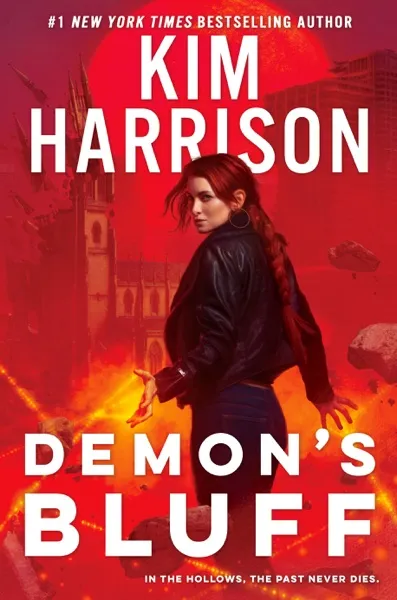
Demon's Bluff Author: Kim HarrisonPage Count: UnknownPublication Year: 2024-GB Kim Harrison’s Demon’s Bluff is a masterclass in blending supernatural intrigue with razor-sharp wit, delivering a story that crackles with energy from the first page to the last. As one of the most celebrated urban fantasy authors of our time, Harrison once again proves why her work resonates with millions of readers worldwide. With Demon’s Bluff, she doesn’t just revisit familiar terrain—she reinvents it, weaving a tale that’s as emotionally rich as it is action-packed, all while maintaining the signature style that has made her a genre icon. At its core, Demon’s Bluff explores the age-old tension between chaos and control, wrapped in a modern, morally gray world where supernatural beings lurk in the shadows of society. Harrison’s protagonist, Rachel Morgan—a witch with a bounty hunter’s instincts and a heart too big for her own good—finds herself entangled in a conspiracy that threatens to unravel the fragile peace between humans and the supernatural. The title itself hints at the high stakes: a demonic bluff, where the line between deception and truth blurs dangerously. Harrison excels at crafting narratives where nothing is as it seems, and Demon’s Bluff is no exception. The plot unfolds with relentless pacing, each twist more unexpected than the last, while the stakes escalate from personal survival to nothing short of global catastrophe. What sets Harrison apart from her peers is her ability to balance action with introspection. Her characters aren’t just archetypes—they’re deeply flawed, relatable individuals who grapple with their own demons (sometimes literally). Rachel Morgan is a case in point: a woman who’s spent her life fighting for survival, only to find herself forced into a role she never wanted—protector, leader, and ultimately, the key to preventing a supernatural war. Harrison’s dialogue crackles with sarcasm and humor, even in the darkest moments, which makes the emotional beats hit even harder. When Rachel’s wit falters, it’s because the weight of her choices finally catches up to her, and that’s where Harrison’s storytelling shines brightest. The world-building in Demon’s Bluff is another standout feature. Harrison’s Cincinnati is a city where vampires rub shoulders with witches in a jazz club, and ley lines hum with latent power beneath everyday streets. The supernatural hierarchy is as intricate as it is dangerous, and Harrison navigates it with deft precision, dropping readers into a world that feels lived-in and real. The supporting cast—from Rachel’s found family to her adversaries—are all vividly drawn, each with their own agendas and secrets. The villains, in particular, are chillingly plausible, their motivations rooted in a twisted sense of justice that makes them more than just one-dimensional antagonists. Harrison’s prose is sleek and engaging, effortlessly drawing readers into Rachel’s world without over-explaining. She trusts her audience to keep up, which gives the book a tight, immersive quality. The action sequences are visceral and well-paced, but it’s Harrison’s ability to weave in quieter, more intimate moments that truly elevates the story. Whether it’s a tender exchange between Rachel and her partner, Jenks, or a tense confrontation with a long-time rival, the emotional undercurrents give the book depth beyond its supernatural spectacle. If Demon’s Bluff has a flaw, it’s that the world sometimes feels too familiar—Harrison’s Rachel Morgan series has been around for years, and longtime fans will recognize the beats. But that’s a quibble, not a dealbreaker. What Harrison offers here isn’t just another entry in an established series; it’s a reaffirmation of why her work endures. Demon’s Bluff is a story about the cost of power, the weight of responsibility, and the bonds that keep us human (or, in Rachel’s case, the closest thing to it). It’s a tale of demons, both literal and metaphorical, and the bluffs we all have to call to survive. For fans of urban fantasy, Demon’s Bluff is a must-read—a book that delivers the thrills, the chills, and the heart that Harrison’s readers have come to expect. For newcomers, it’s an invitation into a world where the supernatural is just beneath the surface of the everyday, waiting to explode into chaos. Either way, you won’t put it down once you start. #Demon’sBluff #KimHarrison #UrbanFantasy #RachelMorgan #SupernaturalThriller #ParanormalRomance Related InsightsBad Company Book Review and Summary This Is What Happens When Women Read Book Review and Summary Atlas Shrugged Book Review and Summary{ "@context": "https://schema.org", "@type": "FAQPage", "mainEntity": [ { "@type": "Question", "name": "What is the main focus of Demon's Bluff Book Review and Summary?", "acceptedAnswer": { "@type": "Answer", "text": "Everything you need to know about Demon's Bluff with our detailed review." } }, { "@type": "Question", "name": "Who authored the comprehensive guide on Demon's Bluff Book Review and Summary?", "acceptedAnswer": { "@type": "Answer", "text": "This detailed article and its insights were carefully researched and authored by Carmen Martinez." } }, { "@type": "Question", "name": "Where can I find more related content about Books?", "acceptedAnswer": { "@type": "Answer", "text": "You can explore more articles, detailed reviews, and similar insights by browsing the Related Insights section at the bottom of this article or visiting our dedicated Books category page." } } ] }
Untitled Thriller Author: Simon ScarrowPage Count: UnknownPublication Year: 2022-GB Simon Scarrow’s Untitled Thriller: A Masterclass in High-Stakes Suspense Few authors can weave historical depth with modern thrills as seamlessly as Simon Scarrow, and his latest untitled thriller is no exception. Delivering yet another pulse-pounding narrative, Scarrow cements his reputation as a maestro of the genre, where tension simmers beneath every sentence and danger lurks in the unlikeliest of places. With his signature blend of meticulous research and relentless pacing, Untitled Thriller (2022) doesn’t just entertain—it ensnares, leaving readers breathless until the final, devastating revelation. At its core, Scarrow’s thriller is a meditation on trust—or more precisely, the erosion of it. The story unfolds against a backdrop of international espionage, where alliances are as fleeting as gunpowder in a storm. The protagonist, a disgraced intelligence operative with a haunted past, is thrust back into the fray when a cryptic message from a long-dead colleague implicates a high-ranking government official in a conspiracy that stretches from London to Moscow. The twist? The operative’s most trusted ally may be the very traitor they’re hunting. This theme of betrayal, both personal and institutional, permeates the novel, forcing readers to question every alliance and motive. Scarrow doesn’t just tell a story about espionage; he dissects the psychological toll of a world where no one is who they seem. What sets Scarrow apart is his ability to balance intricate plotting with visceral, cinematic action. His prose is taut, devoid of unnecessary flourish, yet rich with atmosphere. The thriller’s pacing is relentless, with chapters that end on cliffhangers so abrupt they feel like a gut punch. A chase through the labyrinthine streets of Berlin, a tense standoff in a derelict Stasi prison, and a climactic showdown aboard a moving train—each sequence is rendered with a precision that makes the reader’s pulse race. Scarrow doesn’t just describe action; he immerses you in it, making the tension almost palpable. The novel’s strength also lies in its characters, particularly the protagonist—a man burdened by regret and a skill set that makes him both valuable and dangerous. Scarrow excels at crafting protagonists who are flawed but compelling, their internal conflicts as gripping as the external threats they face. The antagonist, meanwhile, is a chilling study in manipulation, their motives layered and their loyalty as shifting as sand. Even minor characters feel vividly realized, their fates resonating long after their scenes fade. Yet, for all its high-octane thrills, Untitled Thriller is more than just a page-turner. Scarrow weaves in subtle commentary on the modern world—how technology both empowers and ensnares, how history’s ghosts refuse to stay buried, and how power corrupts even those sworn to protect it. The novel’s setting, too, is a character in its own right; whether it’s the rain-slicked streets of a European capital or the claustrophobic confines of a safe house, the environments feel lived-in, their details adding depth to the narrative. Scarrow’s research shines through, as it always does, grounding the fantastical elements in a grim plausibility. The thriller’s conspiracy feels eerily plausible, a testament to Scarrow’s knack for blending fact with fiction. The dialogue crackles with authenticity, whether it’s the clipped exchanges of spies or the raw, desperate pleas of those caught in the crossfire. If there’s a criticism to be leveled, it’s that the novel’s third act occasionally veers into the realm of the overly convenient, where coincidences pile up just a tad too neatly. Yet even this feels like a deliberate choice, a nod to the pulp traditions from which modern thrillers descend—a reminder that in the world of espionage, sometimes the wildest turns of fate are the only ones that make sense. Ultimately, Untitled Thriller is a triumph of the genre, a book that will leave readers questioning not just the characters’ loyalties, but their own. Simon Scarrow has done it again: crafted a thriller that’s as intellectually satisfying as it is relentlessly entertaining. This is a novel that lingers, its shadows clinging long after the last page is turned. #SimonScarrow #ThrillerBooks #EspionageFiction #CrimeThriller #BookReview #MustRead