Showing Posts From
Malaysian cuisine
-
 Eleanor Hughes
 - 22 Jul, 2026 03:58
Malaysian Laksa: The Spicy, Creamy Noodle Soup That Defines Southeast Asia’s Culinary Soul
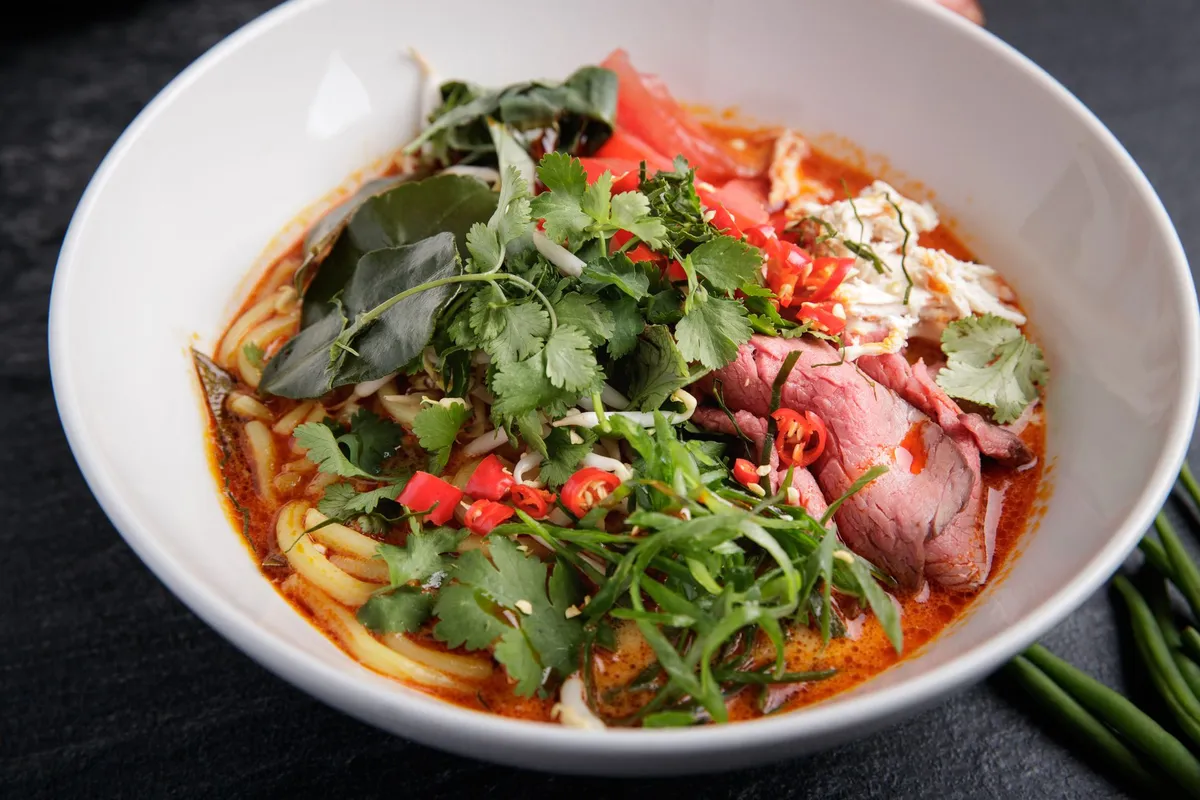
Malaysian Laksa is more than just a noodle soup—it’s a cultural phenomenon. A symphony of flavors where fiery chili pastes dance with creamy coconut milk, fragrant herbs, and tender seafood or meat, all tangled in slippery rice noodles. This dish isn’t just food; it’s a story of migration, colonialism, and the Peranakan community’s ingenuity. Born in the bustling streets of Penang and Malacca, Laksa reflects the fusion of Malay, Chinese, and Indian culinary traditions, creating a dish that’s uniquely Malaysian yet universally loved. Imagine walking into a hawker stall at dawn, the air thick with the scent of lemongrass, galangal, and shrimp paste. The sizzle of a wok, the rhythmic chopping of herbs, and the vibrant orange-red hue of the broth—this is Laksa. It’s a dish that demands attention, not just for its bold flavors but for its ability to transport you to the heart of Southeast Asia. Whether you’re a spice enthusiast or a comfort food lover, Laksa offers something unforgettable. Ready to uncover the secrets behind this iconic dish? Let’s dive in.The Origins of Laksa: A Dish Born from Migration and Fusion Laksa’s roots trace back to the Peranakan community, descendants of Chinese immigrants who settled in the Malay Archipelago centuries ago. These communities, particularly in Penang and Malacca, blended their culinary traditions with local Malay ingredients, giving birth to a dish that’s both familiar and exotic. The word "Laksa" itself comes from the Sanskrit word laksha, meaning "a hundred thousand," possibly referring to the myriad spices and ingredients used in the dish. Historical records and research, such as the OpenAlex study on The development of Nyonya cuisine in the Malay Archipelago, highlight how Peranakan women played a pivotal role in shaping this cuisine. Their culinary innovations were a response to the constraints and opportunities of colonialism, assimilation, and nationalism. For instance, the use of coconut milk—a staple in Malay cuisine—was combined with Chinese noodles and Indian spices to create Laksa’s signature creamy yet spicy broth.The dish’s evolution is also tied to the region’s geography. Penang, an island off the northwest coast of Peninsular Malaysia, became a melting pot of cultures due to its strategic location as a trading hub. Chinese, Malay, Indian, and European influences converged here, giving rise to dishes like Laksa. Meanwhile, Malacca, a historic port city, contributed its own variations, such as Asam Laksa, which features a tangy tamarind-based broth. Understanding Laksa’s origins isn’t just about appreciating its flavors—it’s about recognizing the resilience and creativity of the Peranakan women who perfected it. Their journey, as explored in studies like The Chinese Peranakan Women’s journey amidst tradition, colonialism, assimilation, and nationalism, underscores how food can be a form of cultural resistance and identity. Laksa isn’t just a meal; it’s a testament to the power of fusion cuisine.The Two Faces of Laksa: Curry Laksa vs. Asam Laksa Laksa isn’t a one-size-fits-all dish. It splits into two dominant styles: Curry Laksa and Asam Laksa, each with its own personality and regional pride. Curry Laksa, also known as Curry Mee, is a rich, coconut milk-based broth infused with spices like turmeric, lemongrass, and galangal. It’s often served with thick yellow noodles, rice vermicelli, prawns, fish cakes, and sometimes chicken or tofu. The broth is thick, fragrant, and slightly sweet, with a lingering heat from chili paste. Asam Laksa, on the other hand, is a lighter, tangier cousin. The name Asam means "sour" in Malay, referring to its tamarind-based broth. This version is packed with fresh herbs like Vietnamese coriander (daun kesum), torch ginger flower (bunga kantan), and pineapple slices for extra zing. The noodles are typically rice-based, and the dish is garnished with shredded fish, cucumber, and mint. Asam Laksa is a favorite in Penang, where it’s considered the city’s signature dish.The differences between these two styles highlight the diversity of Malaysian cuisine. Curry Laksa leans into the creamy, spicy comfort of coconut milk, while Asam Laksa offers a refreshing, herbaceous punch. Both are beloved, but they cater to different cravings—one for warmth and richness, the other for brightness and tang. To truly understand Laksa, you need to experience both.The Art of Making Laksa: A Step-by-Step Guide to Authentic Broth Making Laksa from scratch is a labor of love, but the results are worth every minute. The key to a great Laksa broth lies in the rempah—the spice paste that forms the base of the dish. This paste is a complex blend of ingredients like dried chilies, shallots, garlic, lemongrass, galangal, and shrimp paste (belacan). Each ingredient is toasted and ground into a paste, releasing its aromatic oils and flavors. For Curry Laksa, the rempah is fried in oil until fragrant, then simmered with coconut milk, chicken or fish stock, and spices like turmeric and cumin. The broth is simmered for hours to meld the flavors, resulting in a velvety texture. For Asam Laksa, the process starts with a tamarind-infused broth, often with added fish or prawn stock. Fresh herbs like torch ginger and Vietnamese coriander are added at the end to preserve their vibrant flavors.Here’s a simplified breakdown of the process:Prepare the Rempah: Toast dried chilies, shallots, garlic, lemongrass, galangal, and shrimp paste until fragrant. Grind into a smooth paste. Fry the Rempah: Heat oil in a pot and fry the rempah until the oil separates, releasing its aroma. Build the Broth: For Curry Laksa, add coconut milk and stock, then simmer. For Asam Laksa, add tamarind paste and stock, then bring to a boil. Add Protein: Simmer prawns, fish, or chicken in the broth until cooked. Assemble: Cook noodles separately, then ladle the broth over them. Garnish with fresh herbs, lime, and sambal.The secret to a perfect Laksa broth is patience. Rushing the process will result in a flat, underdeveloped flavor. The best Laksa broths are simmered for hours, allowing the spices to infuse every drop of liquid. It’s a dish that rewards time and effort, and the result is a bowl of noodles that’s nothing short of magical.Regional Variations: Where to Find the Best Laksa in Malaysia Malaysia’s diverse regions each put their own spin on Laksa, making it a dish worth traveling for. In Penang, Asam Laksa reigns supreme. The city’s version is tangy, herbaceous, and packed with fresh flavors. Stalls like Toh Soon Café and Restoran Line Clear are legendary for their Asam Laksa, often served with a side of otah (spicy fish mousse) for extra heat. In Malacca, Curry Laksa takes center stage. The broth here is richer, often featuring a blend of coconut milk and prawn stock. The noodles are thicker, and the dish is typically served with a variety of seafood, including prawns, cockles, and fish cakes. Nyonya Mak Wan is a must-visit for an authentic Malaccan Laksa experience.Ipoh, a city in Perak, is famous for its Sar Hor Fun—a Laksa-style dish with flat rice noodles in a prawn-based broth. The broth is lighter than Curry Laksa but packed with umami from prawn heads and dried shrimp. Lou Wong Tauge Ayam is a popular spot for this variation. In Kuala Lumpur, you’ll find modern twists on Laksa, such as Laksa Lemak—a creamier version with extra coconut milk—and White Laksa, which omits the chili paste for a milder broth. The city’s hawker stalls, like Jalan Alor Night Market, offer a mix of traditional and contemporary styles. Each region’s Laksa tells a story of local ingredients, cultural influences, and culinary innovation. Whether you’re a purist or an adventurous eater, Malaysia’s Laksa scene has something for everyone.Laksa Around the World: How This Dish Conquered Global Palates Laksa’s journey didn’t stop at Malaysia’s borders. Thanks to migration and globalization, this dish has found a home in kitchens and restaurants worldwide. In Singapore, Laksa is a staple in hawker centers, with both Curry and Asam versions widely available. The city-state’s multiculturalism has led to unique fusions, such as Laksa with laksa leaf—a herb native to Singapore. In Australia, Laksa has become a beloved comfort food, especially in cities with large Malaysian and Singaporean communities like Melbourne and Sydney. Restaurants like Chin Chin in Melbourne offer modern interpretations of Laksa, blending traditional flavors with contemporary techniques. The dish’s creamy, spicy profile makes it a hit with Australians, who often enjoy it as a late-night meal.In the United States, Laksa has gained traction in cities with diverse food scenes. In New York, restaurants like Laksa Lab and Mama Lu’s Dumpling House serve up authentic versions of the dish. The dish’s bold flavors and vibrant presentation make it a standout in the competitive NYC food scene. Meanwhile, in London, Laksa has become a favorite in Malaysian and Singaporean eateries, with spots like Kiln and Roti King offering their own takes. The global appeal of Laksa lies in its versatility. It can be adapted to local tastes—whether that means adding extra heat for spice lovers or incorporating local ingredients like seafood or vegetables. Its creamy, spicy broth is comforting yet exciting, making it a dish that transcends cultural boundaries.Laksa Nutrition: Health Benefits and Dietary Considerations While Laksa is undeniably delicious, it’s also a dish with nutritional benefits and considerations. The broth, particularly in Curry Laksa, is rich in healthy fats from coconut milk, which provides medium-chain triglycerides (MCTs) that can boost metabolism. The dish also includes protein from seafood or meat, as well as fiber from vegetables like beansprouts and kangkung (water spinach). However, Laksa isn’t without its drawbacks. The broth can be high in sodium, especially if store-bought pastes or stocks are used. The coconut milk, while nutritious, is calorie-dense, so moderation is key for those watching their calorie intake. Additionally, some versions of Laksa contain prawns or shellfish, which may not be suitable for those with allergies. Here’s a rough breakdown of the nutritional profile for a typical serving of Curry Laksa (per bowl):Nutrient AmountCalories 450-600 kcalProtein 20-30gFat 25-35gCarbohydrates 40-50gFiber 5-8gSodium 800-1200mgFor those looking to make Laksa healthier, consider these tips:Use low-sodium stock and reduce the amount of shrimp paste. Opt for lean proteins like chicken or tofu instead of fried fish cakes. Load up on fresh herbs and vegetables for added fiber and nutrients. Serve with a side of steamed greens or a light salad to balance the meal.Laksa can be part of a balanced diet, especially when enjoyed in moderation and with mindful ingredient choices.How to Make Laksa at Home: A Beginner’s Guide Making Laksa at home might seem daunting, but with the right ingredients and techniques, it’s entirely achievable. Here’s a simplified recipe to get you started: Ingredients:For the Rempah:10 dried chilies (soaked and deseeded) 5 shallots 4 cloves garlic 2 stalks lemongrass (white part only) 1-inch galangal 1 tbsp shrimp paste (belacan) 1 tsp turmeric powderFor the Broth:2 cups coconut milk 4 cups chicken or fish stock 1 tbsp tamarind paste (for Asam Laksa) or 1 tbsp curry powder (for Curry Laksa) 200g prawns or fish fillets 200g rice noodles or yellow noodles 1 cup beansprouts 1 cup kangkung (water spinach) Lime wedges, mint, and Vietnamese coriander for garnishInstructions:Prepare the Rempah: Blend all rempah ingredients into a smooth paste. Fry the Rempah: Heat 2 tbsp oil in a pot and fry the rempah for 5-7 minutes until fragrant. Build the Broth: Add coconut milk and stock, then simmer for 20 minutes. For Asam Laksa, add tamarind paste; for Curry Laksa, add curry powder. Cook the Protein: Add prawns or fish and simmer until cooked (5-7 minutes). Assemble: Cook noodles according to package instructions. Ladle the broth over the noodles, then top with beansprouts, kangkung, and herbs. Serve with lime wedges.Tips for success:Use fresh ingredients for the rempah—dried chilies and shrimp paste should be toasted before blending. Simmer the broth low and slow to develop deep flavors. Don’t skip the garnishes—fresh herbs and lime add brightness and balance to the dish.With a little practice, you’ll be making Laksa that rivals your favorite hawker stall!Pairing Laksa: Drinks and Sides to Complete the Meal Laksa is a dish that deserves to be paired thoughtfully. The right drink can enhance its flavors, while the right sides can round out the meal. In Malaysia, Laksa is often served with teh tarik—a pulled milk tea that’s sweet, creamy, and slightly spiced. The contrast between the rich, spicy Laksa and the cool, sweet tea is heavenly. For a non-caffeinated option, try bandung—a rose-flavored milk drink that’s light and refreshing. If you prefer something fizzy, a cold glass of sarsi (a Malaysian-style root beer) or limau ais (iced lime juice) can cut through the richness of the broth.As for sides, otah (spicy fish mousse wrapped in banana leaf) is a classic pairing for Asam Laksa, adding an extra layer of heat and umami. For Curry Laksa, kuih lapis (layered rice cakes) or cucur udang (shrimp fritters) make great accompaniments. These sides add texture and variety, making the meal even more satisfying. If you’re serving Laksa as part of a larger spread, consider adding:Sambal: A spicy chili paste for those who want extra heat. Kerupuk: Prawn crackers for crunch. Acar: Pickled vegetables for a tangy contrast.The key is to balance the meal’s richness with light, fresh, or spicy elements that keep every bite exciting.The Cultural Significance of Laksa: More Than Just a Dish Laksa is more than a meal—it’s a cultural artifact. It tells the story of the Peranakan community, their resilience, and their culinary ingenuity. The dish’s evolution reflects the broader history of the Malay Archipelago, where trade, colonialism, and migration shaped the region’s cuisine. For the Peranakan women, cooking Laksa was an act of cultural preservation. Their recipes were passed down through generations, each family adding its own twist. Today, Laksa is a symbol of Malaysian identity, celebrated in festivals, cookbooks, and even street art. It’s a dish that brings people together, transcending ethnic and social boundaries.Laksa also represents the fusion of flavors and techniques that define Southeast Asian cuisine. It’s a testament to the region’s diversity, where Chinese, Malay, Indian, and European influences coexist harmoniously. In a world where culinary traditions are often commodified, Laksa remains a humble yet powerful reminder of the region’s rich cultural tapestry.Conclusion: Why Laksa Should Be on Your Must-Try List Malaysian Laksa is a dish that defies easy description. It’s spicy, creamy, tangy, and comforting all at once. It’s a dish that tells a story—of migration, fusion, and cultural resilience. Whether you’re slurping it from a hawker stall in Penang or making it at home, Laksa offers an experience that’s as rich and complex as its flavors. So, why should Laksa be on your must-try list? Because it’s a dish that challenges your palate while warming your soul. It’s a dish that connects you to the history and culture of Southeast Asia. And most importantly, it’s a dish that’s undeniably delicious. Next time you’re craving something bold and unforgettable, seek out a bowl of Laksa. Let its vibrant colors, intoxicating aromas, and layers of flavor transport you to the streets of Malaysia. And who knows? You might just find yourself hooked on this spicy, creamy noodle soup for life.#MalaysianFood #NoodleSoupLove #SoutheastAsianCuisine #SpicyEats #FoodTravel Related InsightsThe Crystal Architecture of Chocolate: Mastering the Science of the Perfect Snap High‑Pressure Culinary Science: Exploring Hydrothermal Cooking Techniques Unraveling the Flavors of Greece: A Dive into the Iconic Moussaka{ "@context": "https://schema.org", "@type": "FAQPage", "mainEntity": [ { "@type": "Question", "name": "What is the main focus of Malaysian Laksa: The Spicy, Creamy Noodle Soup That Defines Southeast Asia’s Culinary Soul?", "acceptedAnswer": { "@type": "Answer", "text": "Dive into the rich history, diverse regional variations, and authentic recipes of Malaysian Laksa—a fiery, creamy noodle soup that captures the essence of Southeast Asian cuisine." } }, { "@type": "Question", "name": "Who authored the comprehensive guide on Malaysian Laksa: The Spicy, Creamy Noodle Soup That Defines Southeast Asia’s Culinary Soul?", "acceptedAnswer": { "@type": "Answer", "text": "This detailed article and its insights were carefully researched and authored by Eleanor Hughes." } }, { "@type": "Question", "name": "Where can I find more related content about Food?", "acceptedAnswer": { "@type": "Answer", "text": "You can explore more articles, detailed reviews, and similar insights by browsing the Related Insights section at the bottom of this article or visiting our dedicated Food category page." } } ] }