Showing Posts From
Maritime heritage
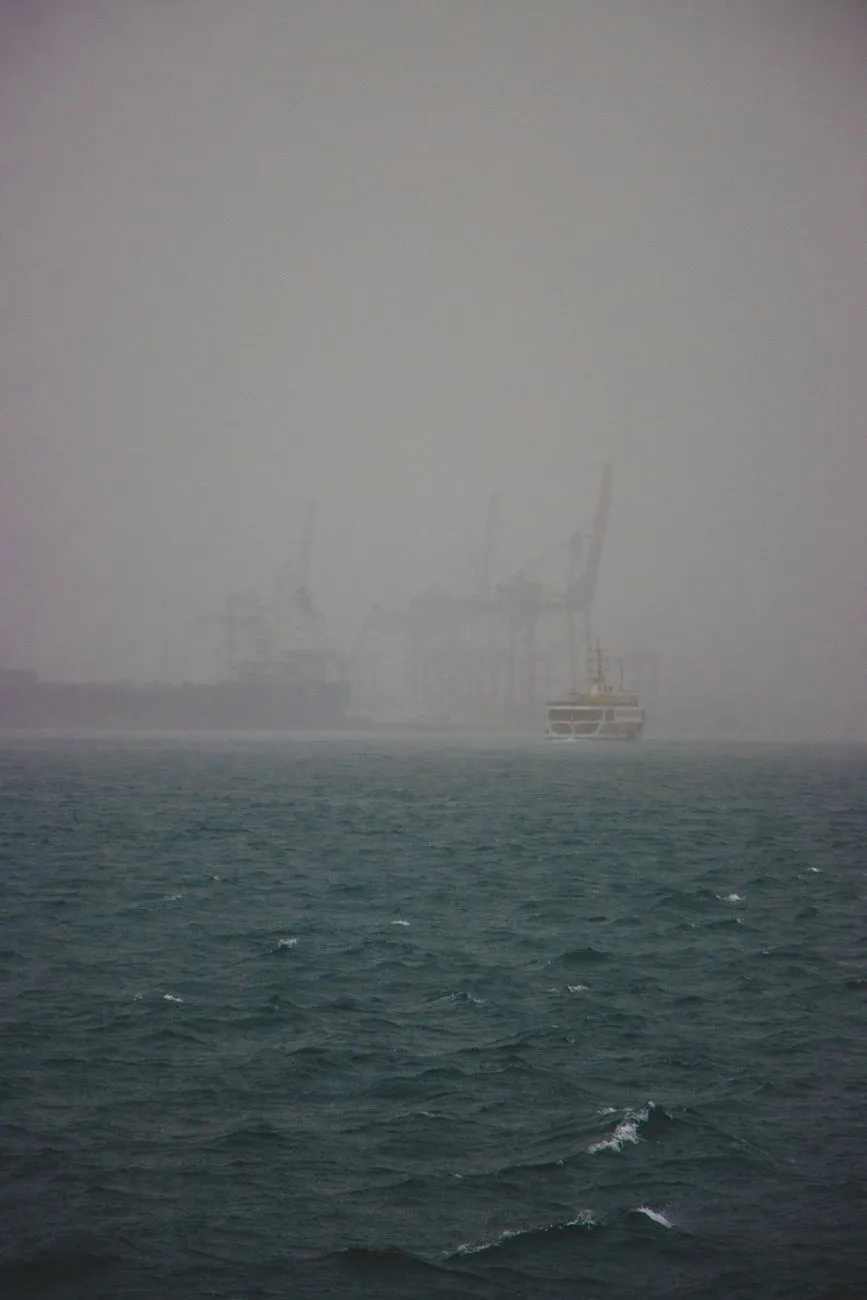

Silent Docks of Klaipėda Klaipėda, Lithuania’s only major seaport, wears its modern cargo cranes like a badge of commerce, yet a short walk north of the bustling container terminal reveals a world frozen in time. The old timber wharves that once received Hanseatic cog ships now lie half‑submerged, their pilings gnawed by brackish water and the relentless wind that sweeps across the Curonian Lagoon. Archaeological surveys conducted by the Lithuanian Institute of History have identified at least three distinct construction phases, the earliest dating to the 13th century when the Teutonic Order established Memel as a strategic foothold. Each phase corresponds to a shift in regional power — Danish, Swedish, Prussian, and finally Russian — leaving a palimpsest of architectural styles that can still be read in the weathered brick foundations and the rusted iron rings that once moored tall‑masted vessels. Walking the promenade at dawn, the only sounds are the cry of gulls and the low groan of timber settling under the tide. Local historians point to the “Old Port” district, where a series of warehouses built in the 1820s survived the 1919 fire that devastated much of the city center. Those warehouses, now roofless, once stored amber, flax, and timber destined for markets in Riga and Stockholm. The Lithuanian Maritime Museum, housed in a restored 19th‑century customs house, curates a collection of ship logs that document the port’s role in the 1905 Russian Revolution, when workers seized the harbor to block imperial troop movements. For the contemporary traveler, the area offers more than melancholy ruins. A network of cycling paths threads through the former shipyard, linking the ghostly docks to the vibrant art installations of the “Sea Festival” that animates the waterfront each summer. Accommodation options range from boutique hotels in restored merchant houses to budget hostels that cater to digital nomads taking advantage of Lithuania’s 183‑day tax residency rule. The cost‑of‑living data for 2025‑2026 shows that a mid‑range restaurant meal averages €12‑€15, while a night in a central guesthouse falls between €45‑€70, making an extended stay both affordable and immersive. Echoes of the Curonian Lagoon Beyond Klaipėda’s municipal limits, the Curonian Lagoon stretches like a silver mirror, its shores dotted with the skeletal remains of fishing stations that once fed the entire region. The lagoon’s unique hydrology — a brackish blend of Baltic seawater and the Nemunas River’s fresh outflow — created a natural harbor that required no artificial breakwaters. In the 16th century, the Grand Duchy of Lithuania granted exclusive fishing rights to the Curonian Spit communities, and the resulting “kurėnai” settlements built wooden jetties that extended far into the shallow waters. Today, those jetties are reduced to weathered pilings, their outlines visible only at low tide. The most haunting site is the abandoned village of Nida’s “Old Fishermen’s Quarter.” After World War II, the Soviet administration relocated the population to newly built concrete blocks, leaving the original thatched cottages to decay. The Lithuanian Cultural Heritage Department has documented over 120 structures in various states of collapse, each bearing the marks of traditional “kurenkai” construction — interlocking logs sealed with moss and tar. Oral histories collected by the University of Vilnius reveal that the lagoon’s ice roads, used for winter transport of amber and smoked fish, were critical lifelines during the harsh Baltic winters of the 19th century. Modern visitors can explore the lagoon’s ghostly perimeter by kayak, gliding past the rusted hulls of Soviet-era patrol boats that were deliberately scuttled in the 1990s to create artificial reefs. Guided tours, often led by former fishermen, explain how the lagoon’s salinity gradients shaped a unique ecosystem that still supports the endangered Baltic sturgeon. The 2025‑2026 cost breakdown indicates that a guided kayak excursion costs roughly €30‑€40 per person, while a simple lunch of smoked eel and rye bread at a local “kavinė” runs about €8‑€10. These modest expenses allow travelers to linger in a landscape where every tide whispers stories of trade routes that once linked Vilnius to the Hanseatic League. Forgotten Wharves of Šventoji North of the lagoon, the small coastal town of Šventoji hides a series of wharves that once served as the primary gateway for the Samogitian hinterland. In the 17th century, the Polish‑Lithuanian Commonwealth granted Šventoji a staple right, obliging all grain, timber, and flax from the interior to pass through its customs house before reaching the sea. The original stone quay, built with locally quarried limestone, stretched 300 meters and featured a series of crane foundations powered by horse‑drawn capstans. Today, only the foundations remain, their iron brackets corroded into abstract sculptures. The town’s decline began with the construction of the railway to Klaipėda in 1875, which diverted cargo traffic away from the shallow harbor. By the early 20th century, Šventoji’s wharves were repurposed for a modest herring fishery, but the Soviet collectivization of the 1940s nationalized the fleet and the port fell into complete disuse. Recent LiDAR surveys commissioned by the Lithuanian Ministry of Culture have revealed a network of submerged wooden pilings extending far beyond the visible shoreline, suggesting the harbor once accommodated vessels of up to 150 tons — far larger than previously assumed. For the intrepid explorer, Šventoji offers a rare blend of maritime archaeology and living culture. The annual “Šventoji Sea Festival” revives traditional boat‑building techniques, allowing visitors to watch craftsmen shape oak planks using hand tools unchanged since the 1600s. Accommodation in the town’s restored fisherman cottages averages €35‑€55 per night, and a hearty bowl of “šaltibarščiai” (cold beet soup) with dark rye bread costs under €7. The affordability, confirmed by the 2025‑2026 Numbeo dataset, makes Šventoji an ideal base for a multi‑day deep dive into Lithuania’s forgotten maritime corridors. Maritime Relics of the Nemunas Delta The Nemunas River, Lithuania’s longest waterway, fans into a sprawling delta before surrendering to the Baltic. This delta once hosted a constellation of minor ports — Ventė, Rusnė, and Uostadvaris — each serving a specific niche in the regional economy. Ventė Cape, the westernmost point, housed a lighthouse built in 1852 that guided vessels through the treacherous sandbanks. The lighthouse still operates, but the adjacent customs house and warehouses have been abandoned since the 1970s, when the Soviet regime centralized all river‑sea traffic at Klaipėda. Rusnė Island, accessible only by a narrow causeway, preserves a 19th‑century shipyard where flat‑bottomed “barges” were constructed for navigating the shallow delta channels. The shipyard’s slipways, now overgrown with reeds, reveal the ingenuity of local shipwrights who adapted Dutch designs to the delta’s unique hydrology. Uostadvaris, once a bustling grain transshipment point, retains a massive brick granary whose roof collapsed under the weight of winter snow in 1998. The granary’s interior still bears the faded stamps of the Russian Empire’s grain monopoly. Ecologically, the delta is a UNESCO Biosphere Reserve, and the abandoned ports have become inadvertent sanctuaries for migratory birds. Birdwatchers can observe the rare aquatic warbler nesting among the ruined pilings, while the Lithuanian Ornithological Society conducts annual counts from the old lighthouse tower. Travel logistics are straightforward: a regional bus from Klaipėda reaches Ventė in under two hours for €5, and bicycle rentals in Rusnė cost €10 per day. The 2025‑2026 cost data confirms that daily Related InsightsThe Azores: Europe’s Hidden Paradise Where Wild Volcanoes Meet Turquoise Oceans (Part 2) Gobeklitepe: The First Temple La Cathédrale Saint-Guy de Prague : Joyau de Bohême{ "@context": "https://schema.org", "@type": "FAQPage", "mainEntity": [ { "@type": "Question", "name": "What is the main focus of Ghost Ports of the Baltic: Uncovering Forgotten Maritime History in Lithuania?", "acceptedAnswer": { "@type": "Answer", "text": "Journey through Lithuania's abandoned harbors and discover the layered stories of trade, war, and nature that shaped the Baltic coast." } }, { "@type": "Question", "name": "Who authored the comprehensive guide on Ghost Ports of the Baltic: Uncovering Forgotten Maritime History in Lithuania?", "acceptedAnswer": { "@type": "Answer", "text": "This detailed article and its insights were carefully researched and authored by Wei Chen." } }, { "@type": "Question", "name": "Where can I find more related content about Travel?", "acceptedAnswer": { "@type": "Answer", "text": "You can explore more articles, detailed reviews, and similar insights by browsing the Related Insights section at the bottom of this article or visiting our dedicated Travel category page." } } ] }