Showing Posts From
Mezze
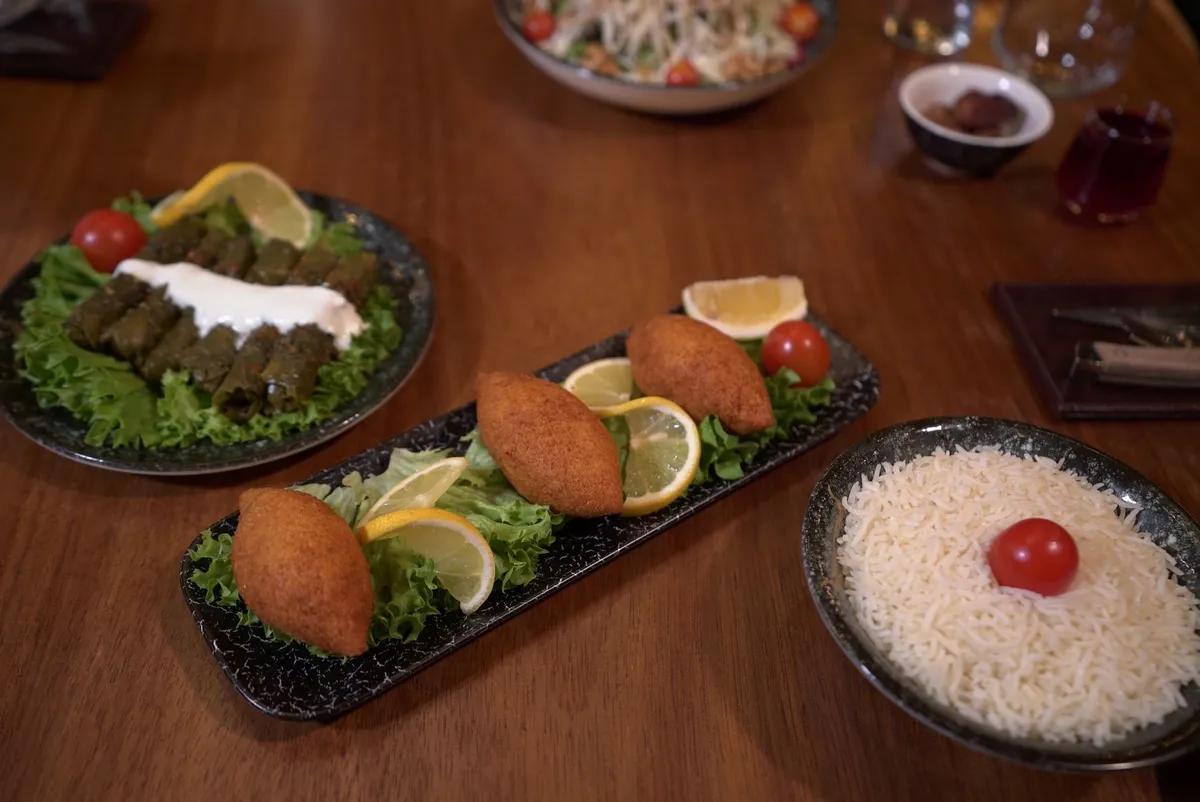

Le soleil décline sur les toits en pierre de taille, projetant des ombres allongées sur les plateaux cuivrés où s’entassent, dans un désordre savamment orchestré, les promesses d’une soirée mémorable. Ici, au cœur du Levant, manger n’est pas un acte solitaire, mais une liturgie partagée. Le Mezze n’est pas une simple entrée ; c’est une philosophie, une grammaire du goût où le sel, l’acidité et le gras s’entrelacent pour raconter l’histoire d’une terre qui a vu naître les premières civilisations et les routes commerciales les plus anciennes du monde. L'Héritage des Routes de la Soie et des Épices Le Mezze, du persan maza signifiant « savourer », porte en lui les échos des comptoirs phéniciens, des conquêtes romaines et du raffinement ottoman. C’est une mosaïque culturelle disposée sur une table. Chaque élément – du houmous onctueux au taboulé vibrant – agit comme un ambassadeur d’une région spécifique. Le Levant, ce carrefour entre l’Europe, l’Afrique et l’Asie, a su capturer l’essence des épices orientales pour les marier à la frugalité méditerranéenne : l’huile d’olive, les pois chiches, les aubergines et les herbes fraîches. En explorant ces saveurs, on ne se contente pas de nourrir son corps, on remonte le temps. Le pois chiche, base fondamentale du houmous, est cultivé dans la région depuis près de 10 000 ans, un pilier archéologique devenu aujourd'hui le symbole du partage universel.La Poésie des Textures : Au-delà du simple Houmous Si le houmous domine souvent les conversations, il ne constitue que la première note d’une partition complexe. Le Mutabal, ce caviar d’aubergines fumées au feu de bois, révèle la maîtrise du feu, un savoir-faire ancestral des populations nomades. La texture soyeuse du tahini, cette crème de sésame indispensable, apporte une profondeur noisettée qui équilibre l'acidité tranchante du citron, omniprésent dans ces contrées baignées de soleil. On ne saurait parler de Mezze sans évoquer le Taboulé traditionnel. Ici, point de montagne de semoule ; le persil plat est roi, finement haché, marié à une pointe de menthe et une pincée de boulgour. C’est la fraîcheur brute de la terre libanaise et syrienne, une salade qui nettoie le palais et prépare le convive aux richesses plus denses qui suivent. Le Rituel de la Table Partagée La force du Mezze réside dans sa capacité à briser les barrières. Dans une taverne de Beyrouth ou dans la cour d’une maison à Damas, le plateau est un espace démocratique. On pioche, on trempe, on échange. Le pain, souvent un pain plat type khubz, devient l'instrument indispensable, le prolongement de la main, capable de recueillir chaque goutte d'huile d'olive infusée au zaatar. Le zaatar, ce mélange iconique de thym, de sumac et de graines de sésame, est le véritable ciment spirituel de cette cuisine. Chaque famille possède sa propre recette, transmise oralement de génération en génération. C'est une signature olfactive, une madeleine de Proust pour quiconque a grandi sous le ciel azur du Levant.Les Joyaux Cachés : Kibbeh et Feuilles de Vigne Parmi les plats plus complexes, le Kibbeh occupe une place à part. Composé de boulgour, d'oignons hachés et de viande de bœuf ou d'agneau finement épicée, il représente la patience. Qu’il soit servi cru (kibbeh nayyeh), frit ou cuit au four, il témoigne de la maîtrise technique des chefs levantins, capables de transformer des ingrédients simples en une expérience gastronomique riche en omami. Les feuilles de vigne farcies, ou warak enab, sont quant à elles le témoignage de la patience. Rouler ces petits cigares végétaux demande une dextérité acquise dès l'enfance. Farcies de riz, de tomates et d'aromates, elles sont lentement mijotées dans un jus citronné qui confère à la feuille une tendreté incomparable. Chaque bouchée est un chapitre d'histoire : la vigne, présente dans le Levant depuis l'Antiquité, symbolise la fertilité et la convivialité des terres méditerranéennes. L'Équilibre Saisonnier : Un Art de Vivre Le Mezze est une ode au cycle des saisons. En automne, les grenades font leur apparition, apportant leurs grains rubis pour agrémenter les plats d'une acidité sucrée. Au printemps, les jeunes pousses et les fèves fraîches prennent le devant de la scène. Cette adaptation permanente au terroir fait de la cuisine levantine l'une des plus durables et saines au monde. Il ne s'agit pas d'une cuisine de transformation lourde, mais d'une cuisine de révélation. On sublime le produit brut, on souligne sa saveur naturelle avec quelques gouttes d'huile d'olive pressée à froid, récoltée dans les oliveraies séculaires qui ponctuent les paysages escarpés du Liban ou de la Palestine.Une Invitation à l'Hospitalité En conclusion, aborder le Mezze, c'est accepter une invitation à l'hospitalité légendaire du peuple levantin. C’est une invitation à ralentir. Dans un monde de plus en plus rapide, le Mezze nous force à nous arrêter, à savourer le temps qui passe entre deux discussions passionnées, un verre d'arak à la main. C’est une cuisine qui ne se mange pas seulement, elle se vit. Chaque petite assiette raconte une épopée, chaque ingrédient porte la mémoire d'un sol aride devenu fertile grâce à l'ingéniosité humaine. Alors, la prochaine fois que vous tremperez un morceau de pain dans un houmous onctueux ou que vous sentirez le parfum terreux du sumac, rappelez-vous : vous ne faites pas que manger, vous participez à une tradition millénaire qui, malgré les vicissitudes du monde, continue de rassembler les hommes autour de la table. Car au bout du compte, comme le disent les anciens de la région : « Une table sans Mezze est une table sans âme. » Que ce voyage à travers les saveurs levantines vous inspire à transformer votre propre table en un lieu de partage, où chaque ingrédient devient le prétexte à une belle histoire à raconter. #CuisineLevantine #Gastronomie #ArtDeVivre #VoyageCulinaire #Mezze Related InsightsDelving into the World of Anti-Inflammatory German Potato Salad with Dill and Apple Cider Vinaigrette (Vegan) Siu Mai: The Classic Open-Faced Pork Dumpling The Emerald Symphony of the Levant: Unveiling the Soul of Authentic Tabbouleh{ "@context": "https://schema.org", "@type": "FAQPage", "mainEntity": [ { "@type": "Question", "name": "What is the main focus of L'Alchimie du Levant : Quand l'Histoire se Déguste en Mezze?", "acceptedAnswer": { "@type": "Answer", "text": "Plongez dans l'art séculaire du Mezze, une symphonie culinaire où chaque bouchée narre les épices et les traditions du bassin méditerranéen." } }, { "@type": "Question", "name": "Who authored the comprehensive guide on L'Alchimie du Levant : Quand l'Histoire se Déguste en Mezze?", "acceptedAnswer": { "@type": "Answer", "text": "This detailed article and its insights were carefully researched and authored by Chloe Blanc." } }, { "@type": "Question", "name": "Where can I find more related content about Food?", "acceptedAnswer": { "@type": "Answer", "text": "You can explore more articles, detailed reviews, and similar insights by browsing the Related Insights section at the bottom of this article or visiting our dedicated Food category page." } } ] }
-
 Marcus Vance
 - 05 Aug, 2026 09:21
Middle Eastern Mezze: A Symphony of Small Plates and Unforgettable Flavors
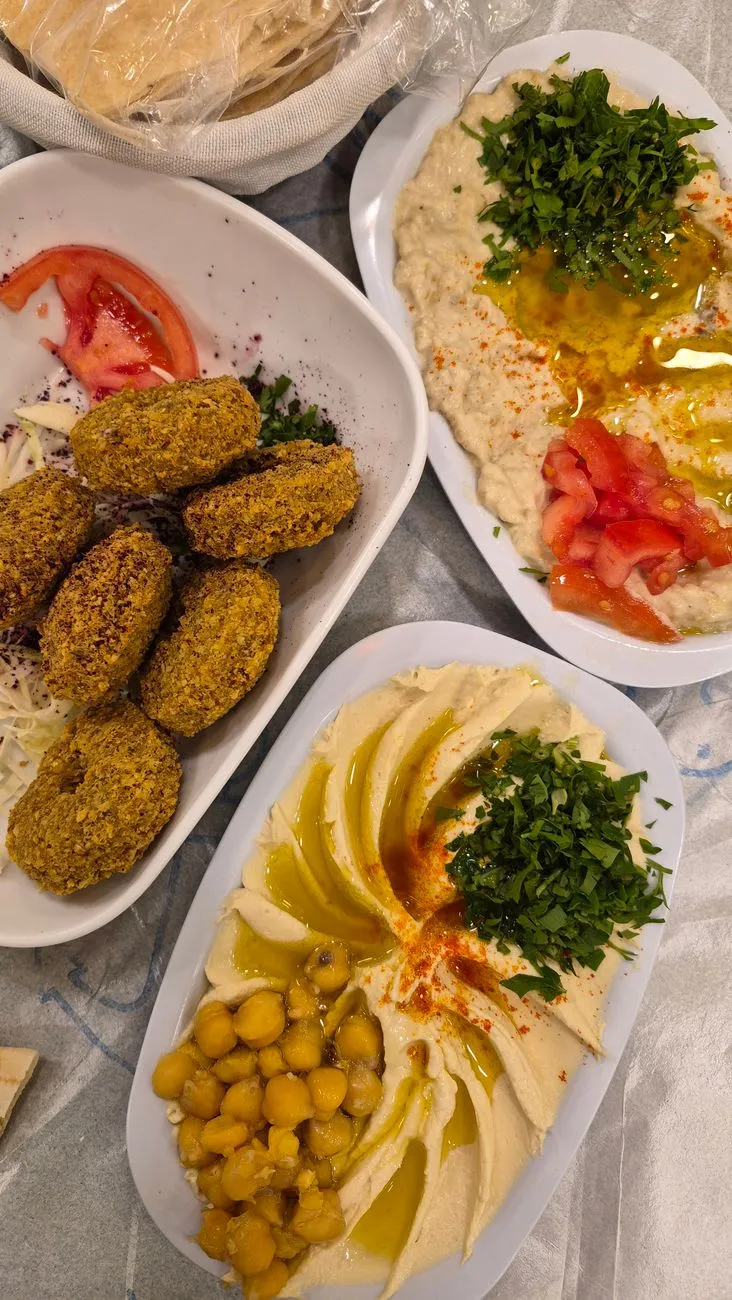
A Journey Through the Spice-Scented Souks of the Levant The first time I stepped into a bustling souk in Beirut, the air was thick with the scent of sizzling kebabs, crushed sumac, and freshly baked pita. My guide, an elderly man with hands stained golden from turmeric, handed me a small plate piled high with golden-brown falafel, still steaming from the fryer. "This," he said, "is mezze." It wasn’t just a meal; it was an experience, a cultural tapestry woven from centuries of trade, migration, and culinary innovation. Mezze, derived from the Arabic word for "taste," is more than a collection of small dishes—it’s a ritual, a celebration of community, and a testament to the Middle East’s rich gastronomic heritage. From the sun-baked terraces of Lebanon to the bustling streets of Damascus, mezze is the heartbeat of social dining. It’s a feast where no one leaves hungry, where every bite is an invitation to linger, converse, and savor. But what makes mezze so extraordinary? It’s the alchemy of simple ingredients—chickpeas, yogurt, eggplant, and spices like za’atar and sumac—transformed into dishes that dance on the palate. It’s the way hummus, once a humble chickpea dip, becomes a canvas for olive oil rivers and pomegranate molasses drizzles. It’s the crunch of fresh tabbouleh, the creamy tang of labneh, and the smoky depth of grilled halloumi. This is a cuisine that doesn’t just feed the body; it nourishes the soul.The Roots of Mezze: A Tapestry Woven by Trade and Tradition To understand mezze, we must travel back to the ancient trade routes that crisscrossed the Middle East. The region’s culinary identity was shaped by the spice trade, the Silk Road, and the empires that rose and fell along its paths. The Persians, Ottomans, and Arabs all left their mark, blending techniques and ingredients into a cuisine that is as diverse as it is unified. Mezze, in particular, reflects this history of cultural exchange. The word itself may derive from the Persian mazze, meaning "to taste," but its roots stretch even further back to the Levantine tradition of serving small dishes alongside wine—a practice documented in ancient texts. The Ottoman Empire, with its vast culinary repertoire, played a pivotal role in shaping mezze as we know it today. Dishes like muhammara (a fiery red pepper and walnut dip) and sigara böreği (crispy cheese-filled pastries) were born in the imperial kitchens of Istanbul but found their way into the homes and taverns of the Levant. Meanwhile, the Arab world contributed its own gems: fatayer (savory pastries stuffed with spiced meat or spinach), moujadara (lentils and rice with caramelized onions), and fatteh (a layered dish of bread, yogurt, and chickpeas). Even the Greeks, with their tzatziki and dolmades, added their own flair to the mezze table. But mezze is more than just a historical artifact—it’s a living tradition. In Palestine, for example, mezze is deeply tied to the land and its people. The OpenAlex Research Data on "Savory Politics: Land, Memory, and the Ecological Occupation of Palestine" highlights how food in the region is intertwined with identity and resistance. Palestinian mezze dishes like maqluba (an upside-down rice dish with meat and vegetables) and musakhan (roasted chicken with sumac and caramelized onions on flatbread) are not just meals; they are acts of defiance against erasure. They tell stories of resilience, of families gathering around a shared table despite the odds. In this way, mezze becomes a form of cultural preservation, a way to keep traditions alive in the face of adversity.The Art of Mezze: Crafting a Feast for the Senses Creating a mezze spread is like composing a symphony. Each dish must harmonize with the others, offering a balance of textures, temperatures, and flavors. The key is variety—warm and cold dishes, creamy and crunchy, spicy and mild. A well-curated mezze table might include:Dips and Spreads: Hummus, baba ghanoush, muhammara, and labneh are staples. Hummus, made from blended chickpeas, tahini, lemon, and garlic, is a global ambassador for mezze. In Lebanon, it’s often served with a drizzle of olive oil and a sprinkle of paprika. Baba ghanoush, a smoky eggplant dip, gets its depth from roasted eggplant, tahini, and pomegranate molasses. Muhammara, a Syrian red pepper and walnut dip, packs a punch with its blend of Aleppo pepper, cumin, and pomegranate syrup.Salads and Fresh Preparations: Tabbouleh, a parsley and bulgur salad, is a refreshing counterpoint to richer dishes. Fattoush, with its crispy pita croutons and sumac dressing, adds a tangy crunch. In Turkey, çoban salatası (shepherd’s salad) brings together tomatoes, cucumbers, and peppers in a light vinaigrette.Grilled and Fried Delights: Falafel, deep-fried chickpea fritters, are a mezze staple, often served with tahini sauce. Kibbeh, a mixture of bulgur, minced meat, and spices, can be baked, fried, or served raw (kibbeh nayyeh). Grilled halloumi, a salty Cypriot cheese, is a vegetarian favorite, often drizzled with honey or served with mint.Breads and Accompaniments: Warm pita, markook (a paper-thin Lebanese flatbread), or manakeesh (flatbread topped with za’atar and olive oil) are essential for scooping up dips and meats. Foul medames, a fava bean stew, is a hearty addition, often topped with cumin, lemon, and olive oil.Meats and Seafood: Kofta (spiced meatballs), shish tawook (grilled chicken skewers), and samak mashwi (grilled fish) add protein to the spread. In coastal regions, seafood mezze like sayadieh (spiced fish with rice) or sambousek (fried pastries stuffed with spiced fish) are popular.The magic of mezze lies in its flexibility. A simple gathering might feature just a few dishes, while a lavish feast could include dozens. The rule is to serve small portions, encouraging diners to try everything and share stories over the table.Mezze Around the World: From Beirut to Brooklyn While mezze is deeply rooted in the Middle East, its influence has spread far beyond its borders. In cities like London, New York, and Melbourne, Middle Eastern restaurants have introduced mezze to global audiences, adapting dishes to local tastes while staying true to their origins. In London’s Edgware Road, for example, you’ll find mezze plates that blend traditional recipes with British ingredients. A halloumi and mint salad might be topped with British watercress, while lamb kofta could be served with a side of minted yogurt and pickled red cabbage. In the United States, mezze has become a staple in fusion cuisine. Restaurants in Los Angeles and San Francisco offer "mezze boards" that pair Middle Eastern dips with artisanal cheeses, charcuterie, and local produce. The trend reflects a broader movement toward shared dining experiences, where small plates encourage conversation and connection. Even fast-casual chains have caught on, offering "mezze-style" platters with hummus, falafel, and tabbouleh as healthier alternatives to traditional appetizers. But the global spread of mezze isn’t just about adaptation—it’s also about preservation. In cities with large Middle Eastern diaspora communities, like Dearborn, Michigan, or Sydney, Australia, mezze remains a cultural anchor. Restaurants like Shawarma King in Dearborn or Bar Zini in Sydney serve up authentic dishes that remind immigrants of home. For many, mezze is a way to keep traditions alive, a taste of the homeland in a foreign land. The OpenAlex Research Data on "Stirring Words: Women and the Making of Modern Food Writing" underscores how women, often the keepers of culinary traditions, have played a crucial role in preserving mezze recipes. In many Middle Eastern cultures, recipes are passed down orally from mother to daughter, with each generation adding its own twist. This oral tradition ensures that mezze remains a living, evolving cuisine, even as it spreads across the globe.Mezze Dish Origin Key Ingredients Average Price (USD)Hummus Lebanon/Palestine Chickpeas, tahini, lemon, garlic $5–$8 per servingBaba Ghanoush Levant Eggplant, tahini, pomegranate molasses $6–$9 per servingFalafel Egypt/Levant Chickpeas, parsley, cumin, coriander $3–$5 per pieceTabbouleh Lebanon Parsley, bulgur, tomatoes, lemon $4–$7 per servingMuhammara Syria Red peppers, walnuts, Aleppo pepper $5–$8 per servingHalloumi Cyprus Halloumi cheese, olive oil, mint $6–$10 per servingFattoush Levant Lettuce, tomatoes, pita, sumac dressing $4–$7 per servingThe Ritual of Mezze: More Than Just a Meal Mezze is not just about the food—it’s about the experience. In the Middle East, mezze is a social ritual, a way to connect with others over shared plates. It’s common to spend hours at a table, nibbling on small bites, sipping on ayran (a yogurt drink) or arak (an anise-flavored spirit), and engaging in lively conversation. The pace is slow, the atmosphere relaxed, and the focus is on the people around the table rather than the food itself. This communal aspect of mezze is what makes it so special. Unlike Western dining, where courses are served sequentially, mezze encourages diners to graze, to try a bit of everything, and to linger. It’s a celebration of abundance, of generosity, and of the joy of sharing. In many cultures, mezze is served at gatherings like weddings, Eid celebrations, and family reunions. It’s a way to honor guests, to show love through food, and to create memories that last a lifetime. But mezze is also a reflection of the Middle East’s complex history. The OpenAlex Research Data on "Savory Politics" highlights how food in the region is intertwined with politics, identity, and resistance. In Palestine, for example, mezze dishes like maqluba and musakhan are not just meals—they are acts of defiance against erasure. They tell stories of resilience, of families gathering around a shared table despite the odds. In this way, mezze becomes a form of cultural preservation, a way to keep traditions alive in the face of adversity.Bringing Mezze Home: A Guide to Creating Your Own Feast You don’t need to travel to Beirut or Damascus to experience the magic of mezze. With a few key ingredients and a little patience, you can create your own mezze spread at home. Here’s how to get started: Step 1: Choose Your Dips and Spreads Start with the classics:Hummus: Blend cooked chickpeas, tahini, lemon juice, garlic, and a pinch of cumin in a food processor until smooth. Drizzle with olive oil and paprika before serving. Baba Ghanoush: Roast eggplants until charred, then blend with tahini, lemon juice, garlic, and a touch of pomegranate molasses. Garnish with parsley and olive oil. Labneh: Strain Greek yogurt until thick, then mix with salt, olive oil, and za’atar. Serve with warm pita.Step 2: Add Fresh SaladsTabbouleh: Finely chop parsley, tomatoes, and mint. Mix with bulgur, lemon juice, olive oil, and salt. Serve chilled. Fattoush: Toss lettuce, tomatoes, cucumbers, and radishes with a sumac-lemon dressing. Top with crispy pita croutons. Mujadara: Cook lentils and rice separately, then combine with caramelized onions and cumin. Serve warm.Step 3: Include Grilled and Fried DishesFalafel: Soak chickpeas overnight, then blend with herbs, garlic, and spices. Form into patties and deep-fry until golden. Serve with tahini sauce. Halloumi: Grill slices of halloumi until golden, then drizzle with honey and sprinkle with mint. Kofta: Mix ground lamb or beef with onions, parsley, and spices. Form into small patties and grill until cooked through.Step 4: Set the Table Use small plates and bowls to encourage sharing. Arrange the dishes in the center of the table, and provide plenty of warm pita or flatbread for scooping. Serve with beverages like ayran, arak, or mint lemonade. Step 5: Savor the Moment The key to mezze is to take your time. Encourage guests to try a bit of everything, to share stories, and to enjoy the experience. Don’t rush—mezze is about the journey, not the destination.Where to Find the Best Mezze: A Global Tour If you’re eager to taste authentic mezze, here are some of the world’s best spots to indulge:Beirut, Lebanon: Barbar – A modern take on classic Lebanese mezze, with dishes like fatayer and kibbeh nayyeh. Damascus, Syria: Naranj – A historic restaurant serving traditional Syrian mezze, including muhammara and sambousek. Istanbul, Turkey: 360 Istanbul – A rooftop restaurant offering mezze with a view, featuring dishes like sigara böreği and çoban salatası. London, UK: The Black Axe Mangal – A Turkish-inspired spot with creative mezze like lamb ribs and halloumi fries. New York, USA: Sahadi’s – A Lebanese market and restaurant serving classic mezze like hummus and tabbouleh. Melbourne, Australia: Charcoal Fish – A seafood-focused mezze spot with dishes like grilled octopus and sayadieh.For those who can’t travel, many Middle Eastern grocery stores sell pre-made mezze dishes, or you can order ingredients online to create your own spread at home.Mezze: A Feast for the Soul Mezze is more than just food—it’s a celebration of life, culture, and community. It’s a reminder that the best meals are the ones shared with others, where every bite tells a story and every dish carries the weight of history. Whether you’re enjoying a simple hummus and pita in your kitchen or indulging in a lavish spread at a Beirut souk, mezze invites you to slow down, savor, and connect. So the next time you gather around a table, consider creating your own mezze feast. Light some candles, pour a glass of arak or mint lemonade, and let the flavors transport you to the sun-drenched streets of the Middle East. Because mezze isn’t just a meal—it’s an experience, a tradition, and a taste of something truly extraordinary.#MiddleEasternFood #MezzeMagic #FoodieAdventure #CulinaryTravel #SharedPlates Related InsightsUnlocking Nature's Secret: How New Nordic Cuisine is Revolutionizing Health and Gastronomy Forever Ndambe: The Comforting Black-Eyed Pea Stew Sourdough Beyond Bread: The Art of Crafting Pizzas, Pastries, and Innovative Baked Delights{ "@context": "https://schema.org", "@type": "FAQPage", "mainEntity": [ { "@type": "Question", "name": "What is the main focus of Middle Eastern Mezze: A Symphony of Small Plates and Unforgettable Flavors?", "acceptedAnswer": { "@type": "Answer", "text": "Dive into the vibrant world of Middle Eastern mezze, where every bite tells a story of culture, tradition, and bold spices. Discover the must-try dishes and their rich histories." } }, { "@type": "Question", "name": "Who authored the comprehensive guide on Middle Eastern Mezze: A Symphony of Small Plates and Unforgettable Flavors?", "acceptedAnswer": { "@type": "Answer", "text": "This detailed article and its insights were carefully researched and authored by Marcus Vance." } }, { "@type": "Question", "name": "Where can I find more related content about Food?", "acceptedAnswer": { "@type": "Answer", "text": "You can explore more articles, detailed reviews, and similar insights by browsing the Related Insights section at the bottom of this article or visiting our dedicated Food category page." } } ] }
-
 Isabella Rossi
 - 16 Jul, 2026 21:17
Middle Eastern Mezze Beyond Turkish: Authentic Lebanese and Syrian Small Plates
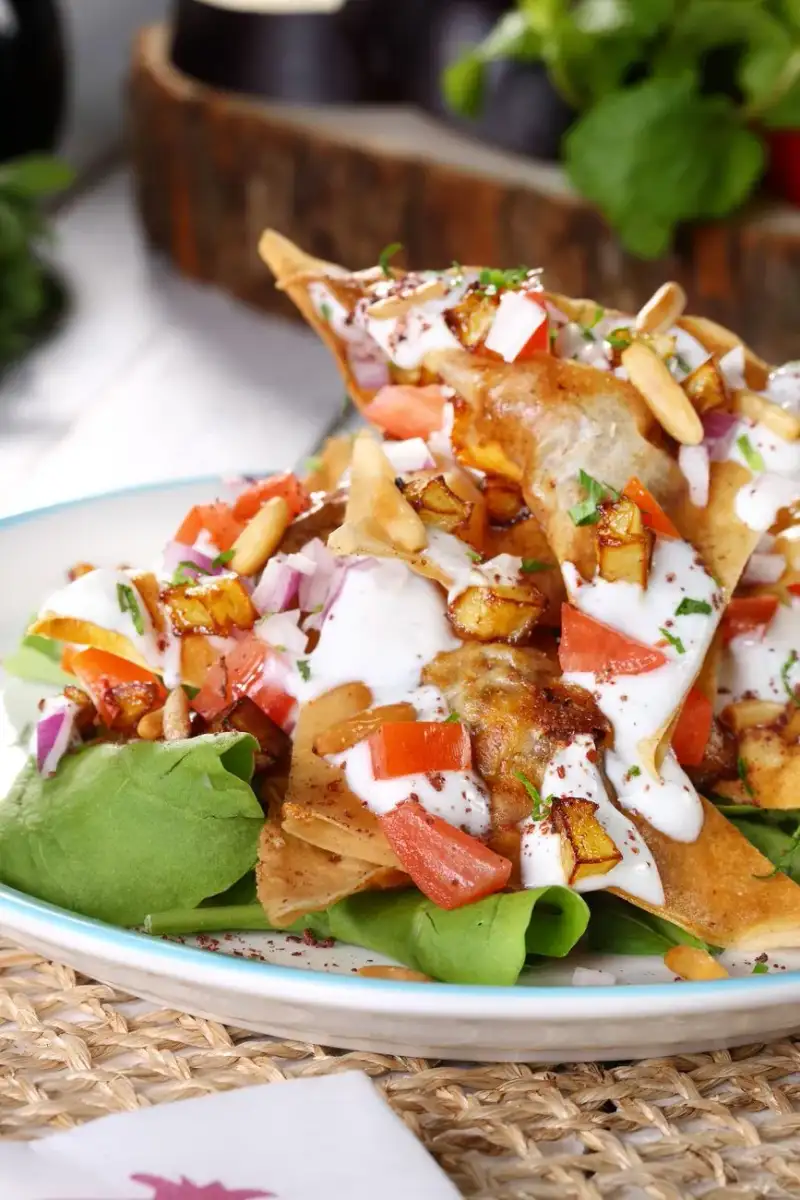
Middle Eastern Mezze Beyond Turkish: Lebanese and Syrian Small Plates Introduction The sun dips below the Mediterranean horizon, casting golden hues over the ancient souks of Damascus and Beirut. The air hums with the sizzle of grilled meats, the earthy aroma of za’atar, and the tang of fresh lemon. This is the world of mezze—not just a meal, but a cultural symphony where every small plate tells a story of history, trade, and tradition. While Turkish mezze often steals the spotlight, Lebanese and Syrian small plates offer a deeper, more nuanced exploration of Middle Eastern flavors. From the smoky char of muhammara to the creamy indulgence of mujaddara, these dishes are a testament to a region where food is both art and sustenance. Mezze, derived from the Arabic word tamazza (meaning "to taste"), is more than an appetizer spread—it’s a way of life. In Lebanon and Syria, mezze is a communal experience, a slow unfolding of flavors that invites conversation, laughter, and connection. Unlike the more structured Turkish meze, Lebanese and Syrian versions are fluid, adaptable, and deeply personal. They reflect the Mediterranean climate’s bounty—olive oil, citrus, fresh herbs, and pulses—while incorporating spices and techniques shaped by centuries of trade along the Silk Road. Whether you’re a seasoned foodie or a curious newcomer, exploring these small plates is like taking a culinary journey through time.The Cultural Significance of Mezze in Lebanon and Syria Mezze is the heartbeat of Lebanese and Syrian hospitality, a tradition that transcends mere dining. In these cultures, food is love, and mezze is the language of generosity. The practice of serving small plates stems from the region’s agricultural roots, where sharing limited resources fostered communal bonds. Even today, a Lebanese or Syrian host will insist you eat more, urging you to try "just one bite" of each dish—a ritual that can last for hours. Historically, mezze evolved from the need to stretch meals across large families and guests. Dishes like fatayer (savory pastries) and baba ghanoush (smoked eggplant dip) were born from resourcefulness, using simple ingredients to create complex flavors. The Ottoman Empire’s influence further enriched these traditions, introducing spices like sumac and pomegranate molasses, while the Mediterranean climate ensured an abundance of fresh produce. Syrian souks, as explored in research on artful marketing in Damascus, were not just marketplaces but cultural hubs where ingredients were traded, stories were shared, and culinary techniques were perfected.In Lebanon, mezze is a point of national pride. The country’s diverse topography—from the fertile Bekaa Valley to the coastal plains—provides a diverse palette of ingredients. Lebanese mezze often features more seafood, reflecting the coastal influence, while Syrian mezze leans toward heartier, meat-based dishes like kebbeh (spiced meat croquettes). Both, however, share a commitment to freshness and balance. A typical Lebanese mezze spread might include 20 or more dishes, each carefully prepared to complement the others. The concept of ‘ilm al-tabeekh (the science of cooking) is deeply ingrained, with recipes passed down through generations. The social aspect of mezze cannot be overstated. In Syria, before the civil war disrupted daily life, mezze was a daily ritual in homes and restaurants alike. In Lebanon, it’s a cornerstone of celebrations, from weddings to religious festivals. The act of sharing mezze fosters a sense of belonging, a reminder that food is a universal language. Even in modern times, as obesity rates in the Mediterranean region rise (as noted in research on obesity and Middle Eastern individuals), mezze remains a healthier alternative to Western-style feasting, emphasizing vegetables, legumes, and lean proteins.Essential Lebanese Mezze Dishes You Must Try Lebanese mezze is a masterclass in balancing flavors and textures. Here are the dishes that define this culinary tradition: 1. Hummus No mezze spread is complete without hummus, the creamy chickpea dip that has become a global phenomenon. Lebanese hummus stands out for its silky texture and bright, lemony flavor. Unlike its Turkish or Israeli counterparts, Lebanese hummus is often served with a generous drizzle of olive oil and a sprinkle of za’atar (a blend of thyme, sumac, and sesame seeds). The key to authentic Lebanese hummus lies in the tahini—it should be smooth, not gritty, and the chickpeas must be cooked until tender but not mushy. 2. Baba Ghanoush This smoky eggplant dip is a staple in every Lebanese mezze spread. The eggplants are charred over an open flame until the flesh is tender and the skin blisters, then blended with tahini, garlic, lemon juice, and olive oil. The result is a dip with a deep, earthy flavor and a velvety texture. In Lebanon, baba ghanoush is often served with warm pita bread or as part of a muqaddam (a platter of dips). 3. Fattoush A refreshing salad that embodies the Lebanese love for fresh herbs and crisp textures. Fattoush is made with mixed greens, radishes, cucumbers, and tomatoes, tossed with crispy pita bread (toasted with sumac and olive oil) and a tangy sumac-lemon dressing. The pita adds a delightful crunch, making it a perfect palate cleanser between richer dishes. 4. Fatayer These savory pastries come in two varieties: fatayer bi sbanakh (filled with spinach and sumac) and fatayer bi jibneh (filled with cheese). The dough is thin and flaky, similar to phyllo, and the filling is spiced with sumac for a tangy kick. Fatayer are often served warm, making them a comforting addition to any mezze spread. 5. Kibbeh Lebanese kibbeh is a versatile dish made from bulgur wheat and spiced ground meat (usually lamb or beef). It can be shaped into small croquettes (kibbeh nayyeh), fried balls (kibbeh lebneh), or baked in a tray (kibbeh bil sanieh). The key to great kibbeh is the balance of spices—cinnamon, allspice, and nutmeg add warmth, while parsley and onion provide freshness.6. Tabbouleh A refreshing parsley salad that is Lebanon’s national dish. Tabbouleh is made with finely chopped parsley, bulgur wheat, tomatoes, mint, and a lemon-olive oil dressing. The parsley should be the dominant flavor, with the bulgur providing a subtle chew. It’s often served alongside other mezze dishes to cleanse the palate. 7. Mujaddara A humble yet beloved dish made from lentils, rice, and caramelized onions. Mujaddara is a staple in Lebanese homes, often served as a main course but also included in mezze spreads for its hearty, comforting flavor. The onions are cooked until crispy, adding a sweet and savory contrast to the earthy lentils and rice. To create an authentic Lebanese mezze spread, start with a base of dips like hummus and baba ghanoush, then add salads like fattoush and tabbouleh. Follow with hot dishes like kibbeh and fatayer, and finish with a refreshing drink like ayran (yogurt drink) or mint lemonade. The key is variety—contrast creamy dips with crisp salads, and light bites with hearty pastries.Syrian Mezze: A Taste of Damascus Syrian mezze is a celebration of bold flavors and rustic charm. Unlike the more refined Lebanese mezze, Syrian small plates often feature heartier, meat-based dishes and a greater emphasis on spices. The cuisine of Damascus, in particular, reflects the city’s rich history as a crossroads of trade and culture. Syrian mezze is deeply rooted in the region’s agricultural traditions, with dishes like muhammara (a spicy red pepper dip) and mansaf (a lamb and rice dish) showcasing the use of local ingredients. 1. Muhammara This vibrant red dip is made from roasted red peppers, walnuts, pomegranate molasses, and spices like cumin and Aleppo pepper. Muhammara is sweet, smoky, and slightly spicy, with a thick, chunky texture. It’s often served with pita bread or as a condiment for grilled meats. The dish originated in the city of Aleppo but has become a staple in Syrian mezze. 2. Fattayer Jibneh Syrian fattayer are similar to their Lebanese counterparts but often feature a cheese filling, typically akawi (a mild, salty cheese). The dough is flaky and crisp, and the cheese is spiced with sumac for a tangy kick. These pastries are a popular breakfast item but also make a great addition to any mezze spread. 3. Kibbeh Bil Sanieh A baked kibbeh dish that is a specialty of Aleppo. Kibbeh bil sanieh is made by layering spiced ground meat and bulgur wheat in a tray, then baking it until golden and crispy. The top layer is often garnished with caramelized onions and pine nuts, adding a sweet and nutty contrast to the savory meat. 4. Mansaf While not a traditional mezze dish, mansaf is often served in Syrian homes as part of a larger feast. It consists of lamb cooked in a yogurt sauce (jameed) and served over rice, garnished with almonds and parsley. The dish is a symbol of Syrian hospitality and is often reserved for special occasions. 5. Shish Barak Tiny dumplings filled with spiced ground meat, cooked in a yogurt sauce. Shish barak is a comforting dish that is often served in the colder months. The dumplings are delicate and melt in the mouth, while the yogurt sauce adds a tangy richness. 6. Za’atar Manakeesh A Syrian flatbread topped with za’atar (a blend of thyme, sumac, and sesame seeds) and olive oil. Za’atar manakeesh is a popular breakfast item but can also be served as part of a mezze spread. The combination of earthy thyme, tangy sumac, and nutty sesame seeds is irresistible. 7. Makdous Stuffed baby eggplants preserved in olive oil and vinegar. Makdous are typically filled with walnuts, garlic, and red pepper flakes, then pickled for a tangy, spicy flavor. They are often served as part of a mezze spread, adding a burst of flavor and texture.Syrian mezze is all about bold flavors and rustic charm. To create an authentic spread, start with dips like muhammara and hummus, then add salads like fattoush and tabbouleh. Follow with hot dishes like kibbeh bil sanieh and shish barak, and finish with flatbreads like za’atar manakeesh. The key is to balance rich, meaty dishes with lighter, tangy flavors.The Art of Pairing Mezze with Drinks and Wines Mezze is not just about the food—it’s about the experience, and that includes the drinks. In Lebanon and Syria, mezze is often paired with a variety of beverages, from traditional non-alcoholic drinks to fine wines. The right pairing can elevate the flavors of the dishes and enhance the overall dining experience. Non-Alcoholic PairingsAyran: A refreshing yogurt drink made with yogurt, water, and a pinch of salt. Ayran is the perfect palate cleanser for rich, spicy dishes like muhammara and kibbeh. Jallab: A sweet syrup made from dates, grape molasses, and rose water, diluted with water and ice. Jallab is often served with pine nuts and raisins, making it a popular choice for balancing the flavors of mezze. Mint Lemonade: A classic Middle Eastern drink made with fresh lemon juice, sugar, and muddled mint leaves. The bright, citrusy flavor complements the tangy and spicy elements of mezze.Alcoholic PairingsArak: Lebanon’s national spirit, arak is an anise-flavored liquor that is typically diluted with water and ice. It pairs beautifully with mezze, especially seafood dishes like grilled shrimp and octopus. The anise flavor cuts through the richness of the food, while the alcohol enhances the spices. Lebanese Wine: Lebanon is one of the oldest wine-producing regions in the world, and its wines are a perfect match for mezze. White wines like Château Musar White or Kefraya Blanc de Blancs complement lighter dishes like tabbouleh and fattoush, while red wines like Château Ksara Reserve du Comte pair well with heartier dishes like kibbeh and mansaf. Beer: Lebanese and Syrian beers like Almaza and Al Shark are light and crisp, making them a great choice for balancing the flavors of mezze. They pair especially well with grilled meats and spicy dips.When pairing drinks with mezze, consider the dominant flavors of the dishes. For example, if your mezze spread includes a lot of spicy and tangy dishes, opt for a refreshing drink like ayran or mint lemonade. If you’re serving heartier, meat-based dishes, a glass of arak or a full-bodied red wine would be ideal. The key is to balance the flavors and enhance the dining experience.Health Benefits and Modern Adaptations of Mezze While mezze is undeniably delicious, it’s also a healthier alternative to many Western-style meals. The Mediterranean diet, which includes many mezze dishes, is renowned for its health benefits, including reduced risk of heart disease, diabetes, and obesity. However, modern adaptations and dietary restrictions have led to creative twists on traditional mezze. Health Benefits of MezzeRich in Vegetables: Mezze is packed with fresh vegetables like cucumbers, tomatoes, and parsley, which are high in fiber, vitamins, and antioxidants. Healthy Fats: Olive oil, a staple in mezze, is a source of monounsaturated fats, which are heart-healthy and can help reduce inflammation. Plant-Based Options: Many mezze dishes are naturally plant-based, such as hummus, baba ghanoush, and tabbouleh, making them suitable for vegetarians and vegans. Lean Proteins: Dishes like kibbeh and mansaf include lean proteins like lamb and lentils, which are high in protein and low in saturated fat.Modern AdaptationsGluten-Free Mezze: For those with gluten sensitivities, dishes like hummus, baba ghanoush, and makdous are naturally gluten-free. Flatbreads can be replaced with gluten-free pita or lettuce wraps. Vegan Mezze: Many traditional mezze dishes are already vegan, such as fattoush, tabbouleh, and mujaddara. For non-vegan dishes like kibbeh, plant-based alternatives like lentils or mushrooms can be used. Low-Carb Mezze: For those watching their carb intake, dishes like fattayer and kibbeh can be made with cauliflower rice or almond flour to reduce the carb content. Modern Twists: Chefs around the world are putting their own spin on mezze, incorporating ingredients like quinoa, avocado, and kale. For example, quinoa tabbouleh or avocado hummus adds a contemporary touch to traditional flavors.Despite these adaptations, the essence of mezze remains the same—a celebration of fresh, wholesome ingredients shared with loved ones. Whether you’re enjoying a traditional spread or a modern twist, mezze is a reminder that food is more than just sustenance; it’s a way to connect with others and honor cultural traditions.Mezze Etiquette and Serving Suggestions Mezze is not just about the food—it’s about the experience. In Lebanon and Syria, mezze is a communal affair, a time to gather with friends and family and savor the flavors of the region. Understanding mezze etiquette can enhance your dining experience and show respect for the culture. Mezze EtiquetteShare Everything: Mezze is meant to be shared. Dishes are placed in the center of the table, and everyone serves themselves. It’s common to try a little bit of everything, even if you’re not familiar with a dish. Use Your Hands: Many mezze dishes, like hummus and baba ghanoush, are traditionally eaten with pita bread or flatbread. Don’t be afraid to use your hands—it’s part of the experience! Compliment the Host: In Lebanese and Syrian culture, the host takes great pride in preparing the food. Complimenting the host on the flavors and presentation is a sign of respect and appreciation. ** Pace Yourself**: Mezze is meant to be enjoyed slowly. Take your time, savor each bite, and engage in conversation. Rushing through the meal is considered impolite.Serving SuggestionsOrder of Serving: Start with cold dishes like hummus, baba ghanoush, and tabbouleh, then move on to hot dishes like kibbeh and fatayer. Finish with sweet dishes like baklava or muhalabia (a milk pudding). Presentation: Mezze is as much about presentation as it is about flavor. Use large platters and bowls to create a visually appealing spread. Garnish dishes with fresh herbs, pomegranate seeds, or nuts for added color and texture. Accompaniments: Serve mezze with a variety of breads, like pita, manakeesh, or markook (a paper-thin flatbread). Offer a selection of dips and spreads, and don’t forget the olives and pickles for added flavor. Portion Sizes: Mezze is meant to be shared, so serve smaller portions to encourage guests to try a variety of dishes. If you’re hosting a large group, prepare multiple dishes to ensure there’s enough for everyone.By following these etiquette tips and serving suggestions, you can create an authentic mezze experience that honors the traditions of Lebanon and Syria. Whether you’re hosting a dinner party or enjoying a meal with friends, mezze is a celebration of food, culture, and community.Conclusion Mezze is more than just a meal—it’s a cultural experience that brings people together. From the smoky depths of baba ghanoush to the tangy sweetness of muhammara, Lebanese and Syrian small plates offer a journey through history, tradition, and flavor. These dishes are a testament to the region’s agricultural bounty, its rich culinary heritage, and its commitment to hospitality. Whether you’re savoring a traditional spread in Beirut or recreating it in your own kitchen, mezze is a reminder that food is a universal language that transcends borders. As you explore the world of mezze, remember that the key to authenticity lies in the ingredients and the care with which they’re prepared. Use fresh, seasonal produce, high-quality olive oil, and spices that are vibrant and aromatic. And most importantly, share the experience with others. Mezze is meant to be enjoyed slowly, with good company and lively conversation. So, gather your friends, set out a spread of dips and salads, and let the flavors of Lebanon and Syria transport you. Whether you’re dipping pita into creamy hummus or savoring the crispy layers of a fatayer, you’re not just eating—you’re participating in a tradition that has been passed down for generations. Until next time, may your mezze be plentiful and your company even more so. #MiddleEasternFood #MezzeMagic #LebaneseCuisine #SyrianFlavors #FoodieAdventures Related InsightsAndean Superfoods Unveiled: The Alchemical Power of Quinoa, Kiwicha, and Canihua Delicious Baked Sea Bass with Cherry Tomatoes and Capers L'Alchimie des Trottoirs : Voyage Sensoriel au Cœur de la Street Food de Mumbai{ "@context": "https://schema.org", "@type": "FAQPage", "mainEntity": [ { "@type": "Question", "name": "What is the main focus of Middle Eastern Mezze Beyond Turkish: Authentic Lebanese and Syrian Small Plates?", "acceptedAnswer": { "@type": "Answer", "text": "Explore the vibrant flavors of Lebanese and Syrian small plates, discovering the authentic, must-try mezze that goes far beyond Turkish cuisine." } }, { "@type": "Question", "name": "Who authored the comprehensive guide on Middle Eastern Mezze Beyond Turkish: Authentic Lebanese and Syrian Small Plates?", "acceptedAnswer": { "@type": "Answer", "text": "This detailed article and its insights were carefully researched and authored by Isabella Rossi." } }, { "@type": "Question", "name": "Where can I find more related content about Food?", "acceptedAnswer": { "@type": "Answer", "text": "You can explore more articles, detailed reviews, and similar insights by browsing the Related Insights section at the bottom of this article or visiting our dedicated Food category page." } } ] }