Middle Eastern Mezze: A Symphony of Small Plates and Unforgettable Flavors
-
 Marcus Vance
 - 05 Aug, 2026 09:21
A Journey Through the Spice-Scented Souks of the Levant
The first time I stepped into a bustling souk in Beirut, the air was thick with the scent of sizzling kebabs, crushed sumac, and freshly baked pita. My guide, an elderly man with hands stained golden from turmeric, handed me a small plate piled high with golden-brown falafel, still steaming from the fryer. “This,” he said, “is mezze.” It wasn’t just a meal; it was an experience, a cultural tapestry woven from centuries of trade, migration, and culinary innovation. Mezze, derived from the Arabic word for “taste,” is more than a collection of small dishes—it’s a ritual, a celebration of community, and a testament to the Middle East’s rich gastronomic heritage.
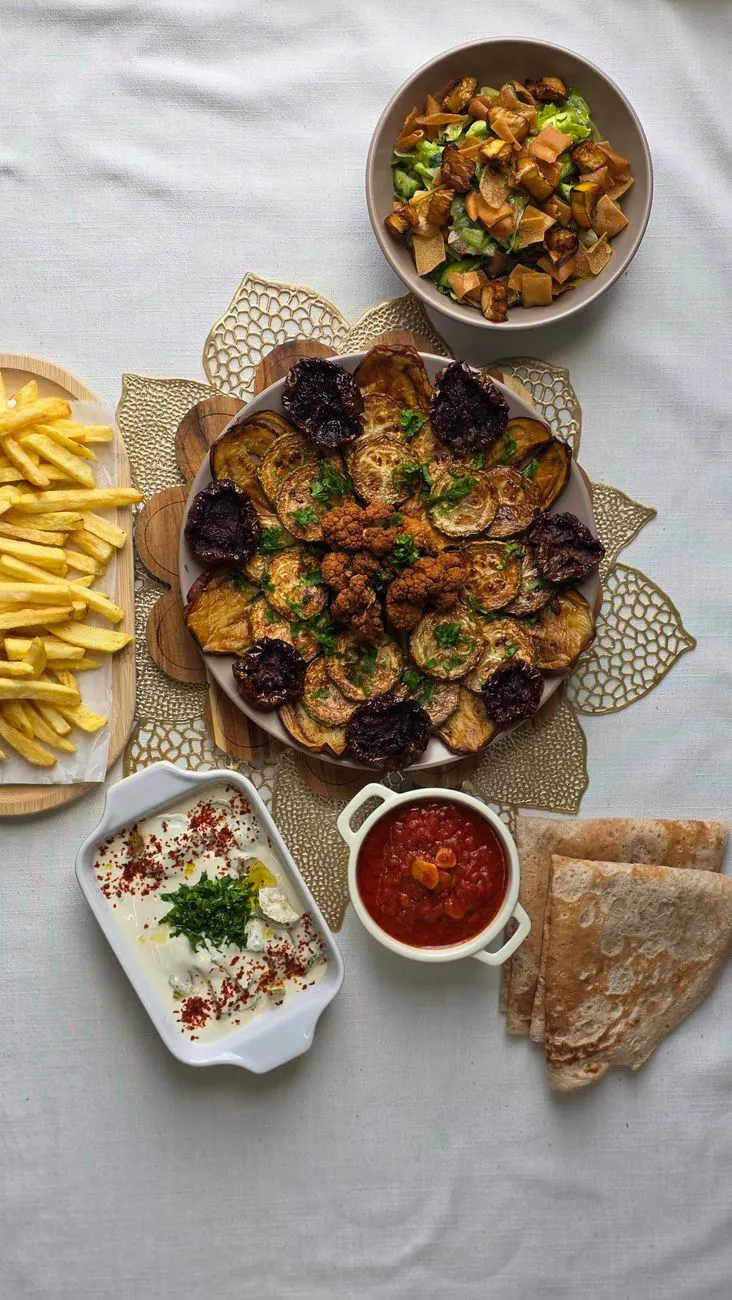
From the sun-baked terraces of Lebanon to the bustling streets of Damascus, mezze is the heartbeat of social dining. It’s a feast where no one leaves hungry, where every bite is an invitation to linger, converse, and savor. But what makes mezze so extraordinary? It’s the alchemy of simple ingredients—chickpeas, yogurt, eggplant, and spices like za’atar and sumac—transformed into dishes that dance on the palate. It’s the way hummus, once a humble chickpea dip, becomes a canvas for olive oil rivers and pomegranate molasses drizzles. It’s the crunch of fresh tabbouleh, the creamy tang of labneh, and the smoky depth of grilled halloumi. This is a cuisine that doesn’t just feed the body; it nourishes the soul.
The Roots of Mezze: A Tapestry Woven by Trade and Tradition
To understand mezze, we must travel back to the ancient trade routes that crisscrossed the Middle East. The region’s culinary identity was shaped by the spice trade, the Silk Road, and the empires that rose and fell along its paths. The Persians, Ottomans, and Arabs all left their mark, blending techniques and ingredients into a cuisine that is as diverse as it is unified. Mezze, in particular, reflects this history of cultural exchange. The word itself may derive from the Persian mazze, meaning “to taste,” but its roots stretch even further back to the Levantine tradition of serving small dishes alongside wine—a practice documented in ancient texts.
The Ottoman Empire, with its vast culinary repertoire, played a pivotal role in shaping mezze as we know it today. Dishes like muhammara (a fiery red pepper and walnut dip) and sigara böreği (crispy cheese-filled pastries) were born in the imperial kitchens of Istanbul but found their way into the homes and taverns of the Levant. Meanwhile, the Arab world contributed its own gems: fatayer (savory pastries stuffed with spiced meat or spinach), moujadara (lentils and rice with caramelized onions), and fatteh (a layered dish of bread, yogurt, and chickpeas). Even the Greeks, with their tzatziki and dolmades, added their own flair to the mezze table.
But mezze is more than just a historical artifact—it’s a living tradition. In Palestine, for example, mezze is deeply tied to the land and its people. The OpenAlex Research Data on “Savory Politics: Land, Memory, and the Ecological Occupation of Palestine” highlights how food in the region is intertwined with identity and resistance. Palestinian mezze dishes like maqluba (an upside-down rice dish with meat and vegetables) and musakhan (roasted chicken with sumac and caramelized onions on flatbread) are not just meals; they are acts of defiance against erasure. They tell stories of resilience, of families gathering around a shared table despite the odds. In this way, mezze becomes a form of cultural preservation, a way to keep traditions alive in the face of adversity.
The Art of Mezze: Crafting a Feast for the Senses
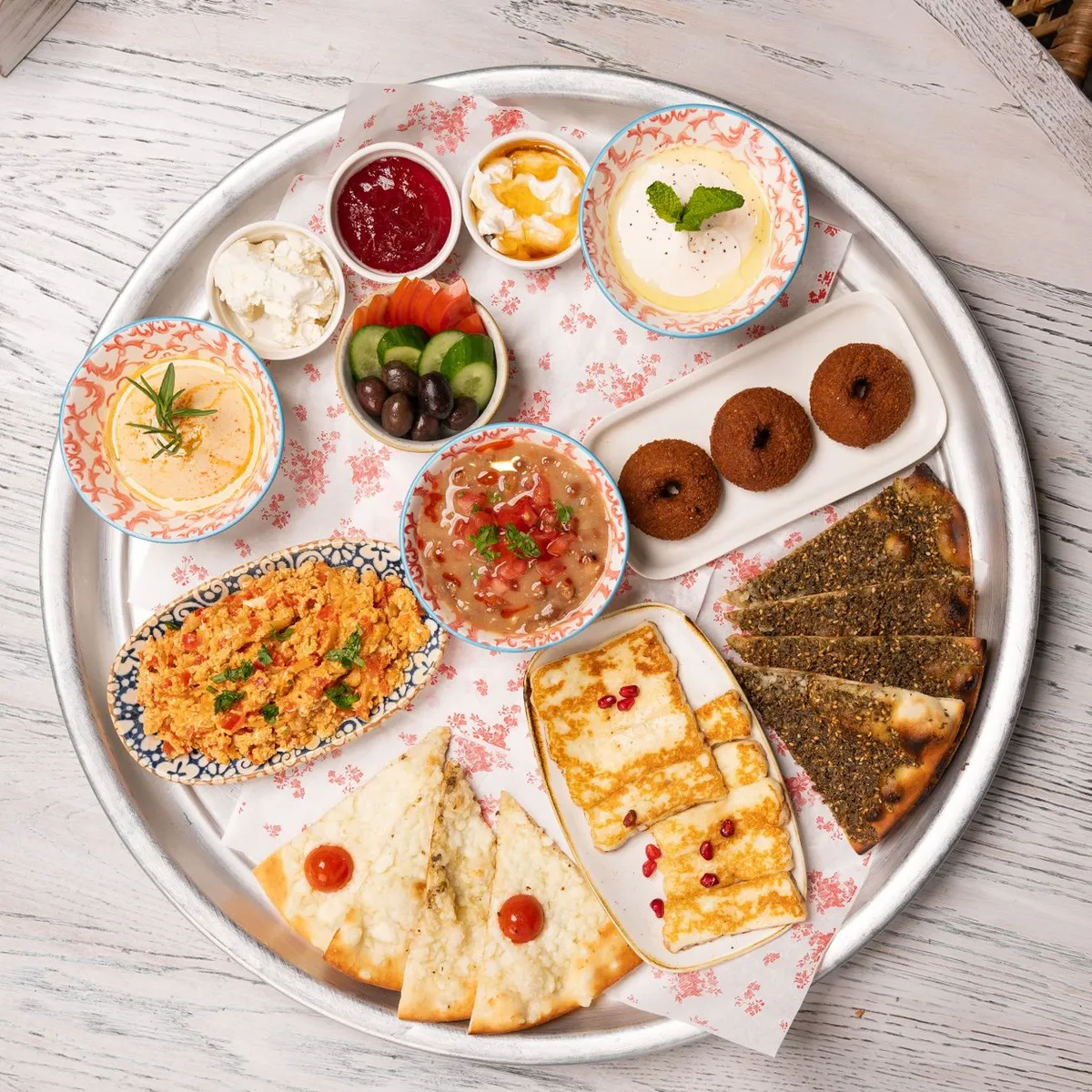
Creating a mezze spread is like composing a symphony. Each dish must harmonize with the others, offering a balance of textures, temperatures, and flavors. The key is variety—warm and cold dishes, creamy and crunchy, spicy and mild. A well-curated mezze table might include:
-
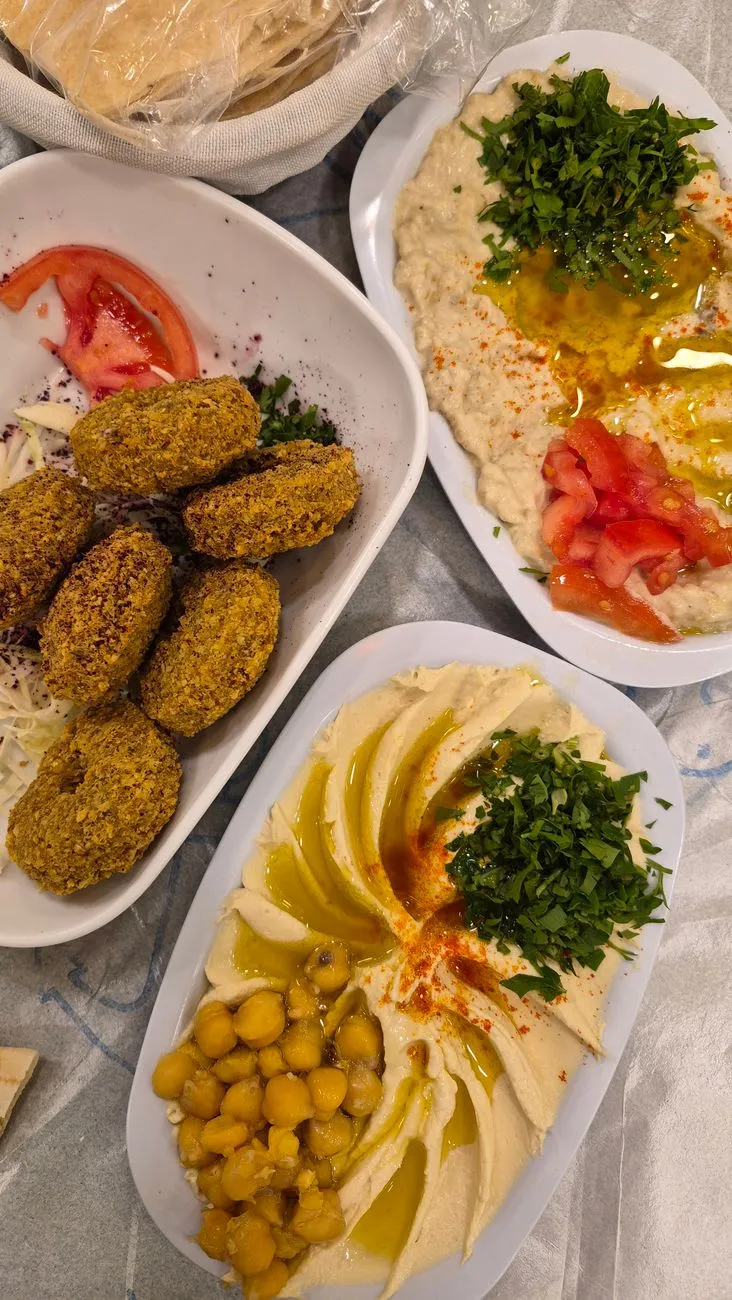
Dips and Spreads: Hummus, baba ghanoush, muhammara, and labneh are staples. Hummus, made from blended chickpeas, tahini, lemon, and garlic, is a global ambassador for mezze. In Lebanon, it’s often served with a drizzle of olive oil and a sprinkle of paprika. Baba ghanoush, a smoky eggplant dip, gets its depth from roasted eggplant, tahini, and pomegranate molasses. Muhammara, a Syrian red pepper and walnut dip, packs a punch with its blend of Aleppo pepper, cumin, and pomegranate syrup.
-
Salads and Fresh Preparations: Tabbouleh, a parsley and bulgur salad, is a refreshing counterpoint to richer dishes. Fattoush, with its crispy pita croutons and sumac dressing, adds a tangy crunch. In Turkey, çoban salatası (shepherd’s salad) brings together tomatoes, cucumbers, and peppers in a light vinaigrette.
-
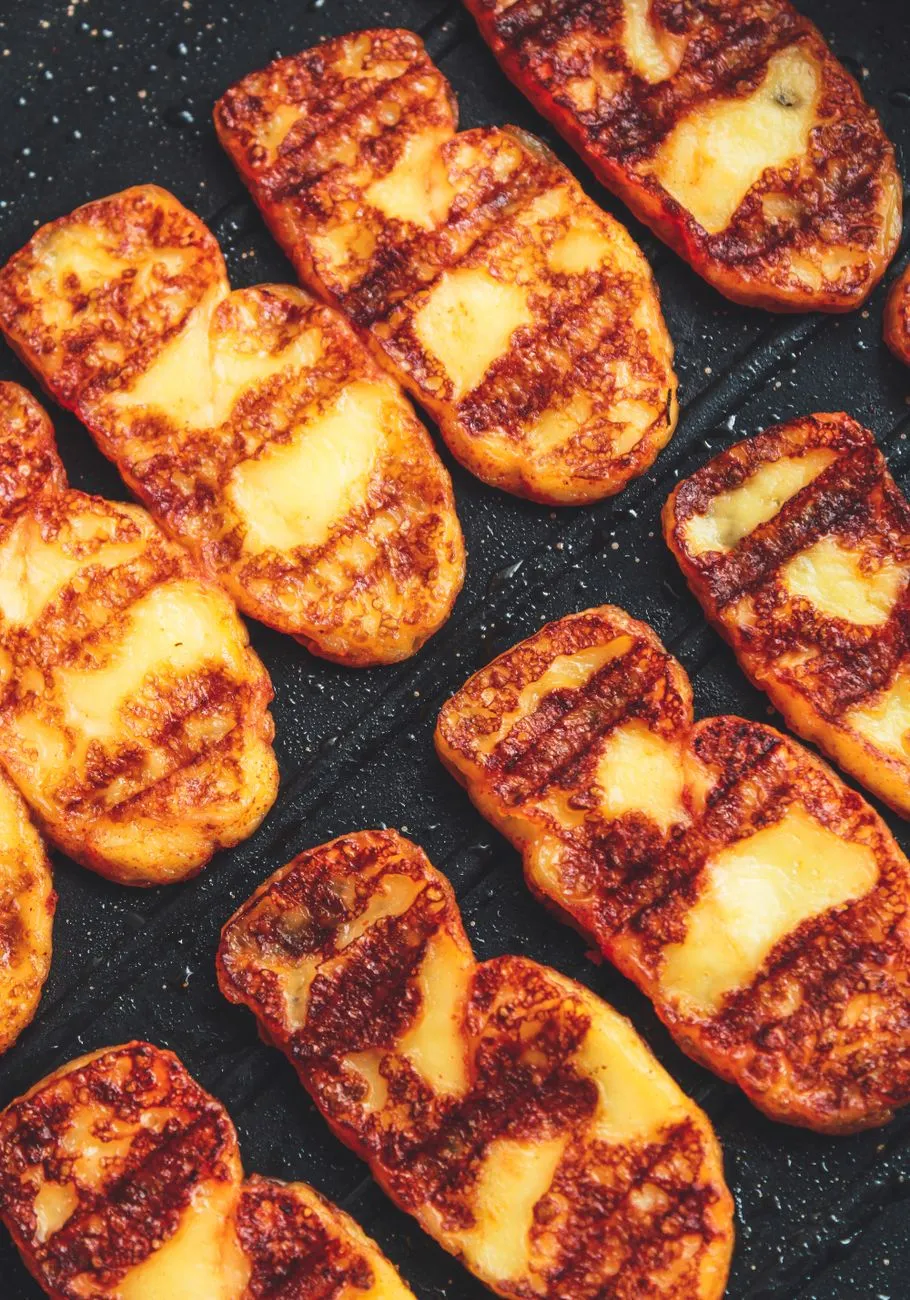
Grilled and Fried Delights: Falafel, deep-fried chickpea fritters, are a mezze staple, often served with tahini sauce. Kibbeh, a mixture of bulgur, minced meat, and spices, can be baked, fried, or served raw (kibbeh nayyeh). Grilled halloumi, a salty Cypriot cheese, is a vegetarian favorite, often drizzled with honey or served with mint.
-
Breads and Accompaniments: Warm pita, markook (a paper-thin Lebanese flatbread), or manakeesh (flatbread topped with za’atar and olive oil) are essential for scooping up dips and meats. Foul medames, a fava bean stew, is a hearty addition, often topped with cumin, lemon, and olive oil.
-
Meats and Seafood: Kofta (spiced meatballs), shish tawook (grilled chicken skewers), and samak mashwi (grilled fish) add protein to the spread. In coastal regions, seafood mezze like sayadieh (spiced fish with rice) or sambousek (fried pastries stuffed with spiced fish) are popular.
The magic of mezze lies in its flexibility. A simple gathering might feature just a few dishes, while a lavish feast could include dozens. The rule is to serve small portions, encouraging diners to try everything and share stories over the table.
Mezze Around the World: From Beirut to Brooklyn
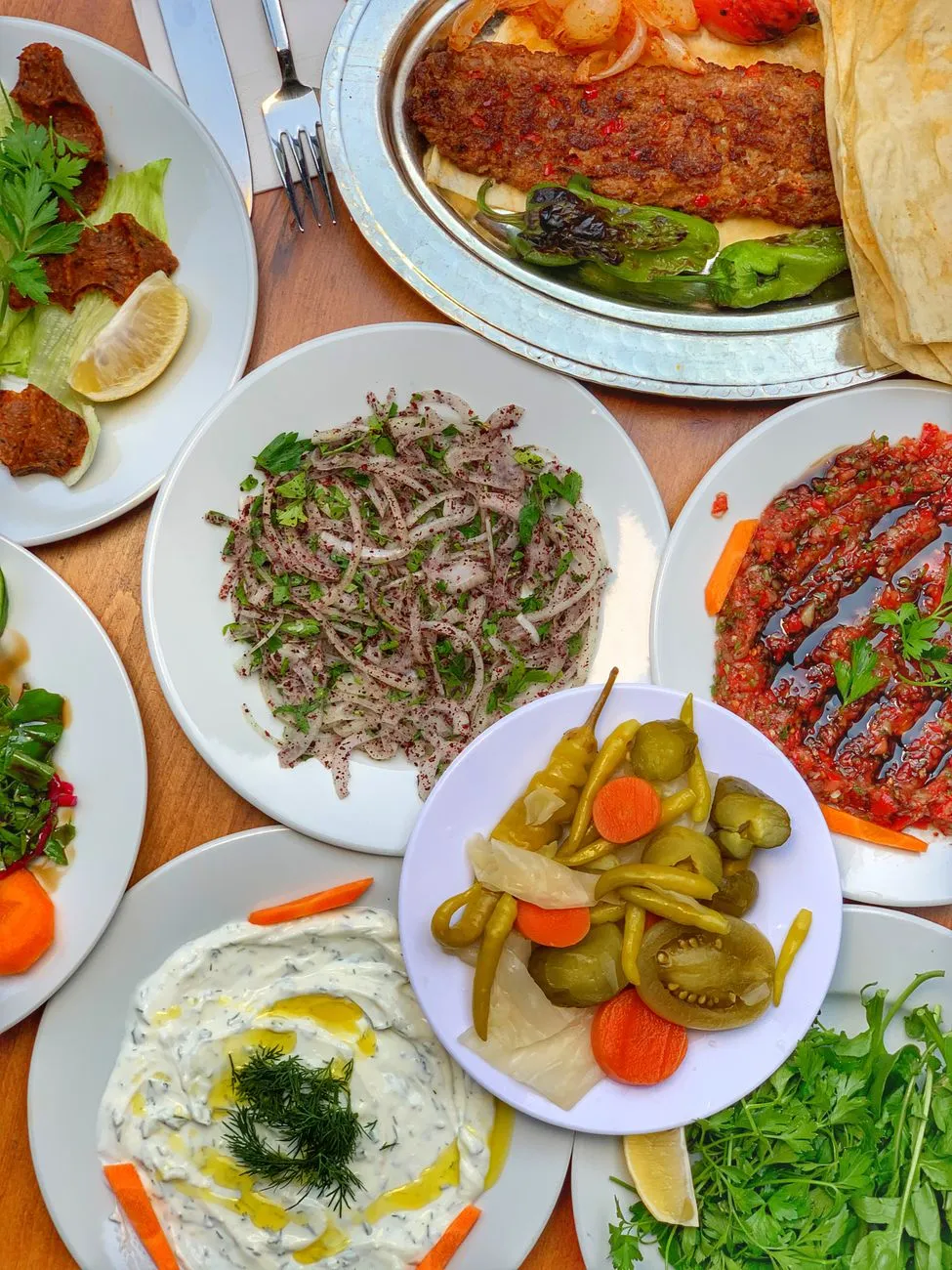
While mezze is deeply rooted in the Middle East, its influence has spread far beyond its borders. In cities like London, New York, and Melbourne, Middle Eastern restaurants have introduced mezze to global audiences, adapting dishes to local tastes while staying true to their origins. In London’s Edgware Road, for example, you’ll find mezze plates that blend traditional recipes with British ingredients. A halloumi and mint salad might be topped with British watercress, while lamb kofta could be served with a side of minted yogurt and pickled red cabbage.
In the United States, mezze has become a staple in fusion cuisine. Restaurants in Los Angeles and San Francisco offer “mezze boards” that pair Middle Eastern dips with artisanal cheeses, charcuterie, and local produce. The trend reflects a broader movement toward shared dining experiences, where small plates encourage conversation and connection. Even fast-casual chains have caught on, offering “mezze-style” platters with hummus, falafel, and tabbouleh as healthier alternatives to traditional appetizers.
But the global spread of mezze isn’t just about adaptation—it’s also about preservation. In cities with large Middle Eastern diaspora communities, like Dearborn, Michigan, or Sydney, Australia, mezze remains a cultural anchor. Restaurants like Shawarma King in Dearborn or Bar Zini in Sydney serve up authentic dishes that remind immigrants of home. For many, mezze is a way to keep traditions alive, a taste of the homeland in a foreign land.
The OpenAlex Research Data on “Stirring Words: Women and the Making of Modern Food Writing” underscores how women, often the keepers of culinary traditions, have played a crucial role in preserving mezze recipes. In many Middle Eastern cultures, recipes are passed down orally from mother to daughter, with each generation adding its own twist. This oral tradition ensures that mezze remains a living, evolving cuisine, even as it spreads across the globe.
| Mezze Dish | Origin | Key Ingredients | Average Price (USD) |
|---|---|---|---|
| Hummus | Lebanon/Palestine | Chickpeas, tahini, lemon, garlic | $5–$8 per serving |
| Baba Ghanoush | Levant | Eggplant, tahini, pomegranate molasses | $6–$9 per serving |
| Falafel | Egypt/Levant | Chickpeas, parsley, cumin, coriander | $3–$5 per piece |
| Tabbouleh | Lebanon | Parsley, bulgur, tomatoes, lemon | $4–$7 per serving |
| Muhammara | Syria | Red peppers, walnuts, Aleppo pepper | $5–$8 per serving |
| Halloumi | Cyprus | Halloumi cheese, olive oil, mint | $6–$10 per serving |
| Fattoush | Levant | Lettuce, tomatoes, pita, sumac dressing | $4–$7 per serving |
The Ritual of Mezze: More Than Just a Meal
Mezze is not just about the food—it’s about the experience. In the Middle East, mezze is a social ritual, a way to connect with others over shared plates. It’s common to spend hours at a table, nibbling on small bites, sipping on ayran (a yogurt drink) or arak (an anise-flavored spirit), and engaging in lively conversation. The pace is slow, the atmosphere relaxed, and the focus is on the people around the table rather than the food itself.
This communal aspect of mezze is what makes it so special. Unlike Western dining, where courses are served sequentially, mezze encourages diners to graze, to try a bit of everything, and to linger. It’s a celebration of abundance, of generosity, and of the joy of sharing. In many cultures, mezze is served at gatherings like weddings, Eid celebrations, and family reunions. It’s a way to honor guests, to show love through food, and to create memories that last a lifetime.
But mezze is also a reflection of the Middle East’s complex history. The OpenAlex Research Data on “Savory Politics” highlights how food in the region is intertwined with politics, identity, and resistance. In Palestine, for example, mezze dishes like maqluba and musakhan are not just meals—they are acts of defiance against erasure. They tell stories of resilience, of families gathering around a shared table despite the odds. In this way, mezze becomes a form of cultural preservation, a way to keep traditions alive in the face of adversity.
Bringing Mezze Home: A Guide to Creating Your Own Feast
You don’t need to travel to Beirut or Damascus to experience the magic of mezze. With a few key ingredients and a little patience, you can create your own mezze spread at home. Here’s how to get started:
Step 1: Choose Your Dips and Spreads
Start with the classics:
- Hummus: Blend cooked chickpeas, tahini, lemon juice, garlic, and a pinch of cumin in a food processor until smooth. Drizzle with olive oil and paprika before serving.
- Baba Ghanoush: Roast eggplants until charred, then blend with tahini, lemon juice, garlic, and a touch of pomegranate molasses. Garnish with parsley and olive oil.
- Labneh: Strain Greek yogurt until thick, then mix with salt, olive oil, and za’atar. Serve with warm pita.
Step 2: Add Fresh Salads
- Tabbouleh: Finely chop parsley, tomatoes, and mint. Mix with bulgur, lemon juice, olive oil, and salt. Serve chilled.
- Fattoush: Toss lettuce, tomatoes, cucumbers, and radishes with a sumac-lemon dressing. Top with crispy pita croutons.
- Mujadara: Cook lentils and rice separately, then combine with caramelized onions and cumin. Serve warm.
Step 3: Include Grilled and Fried Dishes
- Falafel: Soak chickpeas overnight, then blend with herbs, garlic, and spices. Form into patties and deep-fry until golden. Serve with tahini sauce.
- Halloumi: Grill slices of halloumi until golden, then drizzle with honey and sprinkle with mint.
- Kofta: Mix ground lamb or beef with onions, parsley, and spices. Form into small patties and grill until cooked through.
Step 4: Set the Table
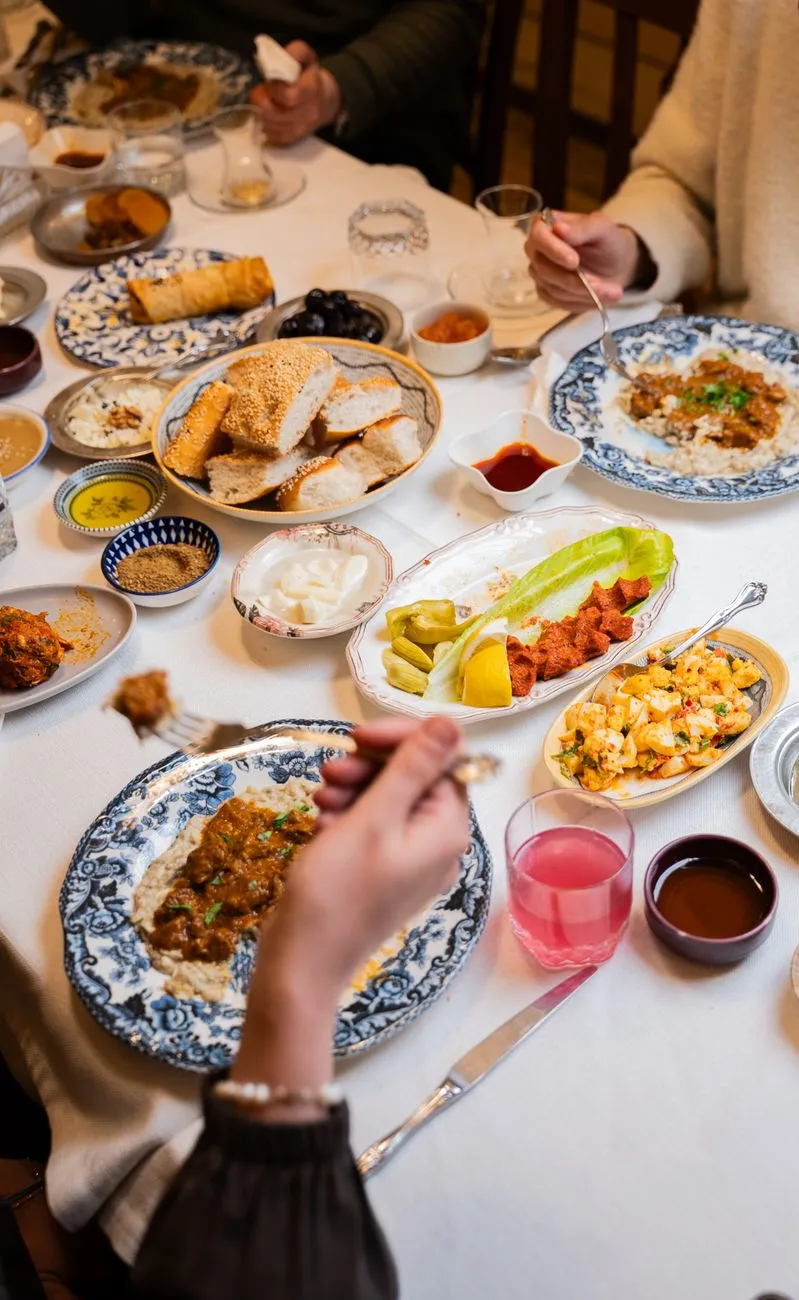
Use small plates and bowls to encourage sharing. Arrange the dishes in the center of the table, and provide plenty of warm pita or flatbread for scooping. Serve with beverages like ayran, arak, or mint lemonade.
Step 5: Savor the Moment
The key to mezze is to take your time. Encourage guests to try a bit of everything, to share stories, and to enjoy the experience. Don’t rush—mezze is about the journey, not the destination.
Where to Find the Best Mezze: A Global Tour
If you’re eager to taste authentic mezze, here are some of the world’s best spots to indulge:
- Beirut, Lebanon: Barbar – A modern take on classic Lebanese mezze, with dishes like fatayer and kibbeh nayyeh.
- Damascus, Syria: Naranj – A historic restaurant serving traditional Syrian mezze, including muhammara and sambousek.
- Istanbul, Turkey: 360 Istanbul – A rooftop restaurant offering mezze with a view, featuring dishes like sigara böreği and çoban salatası.
- London, UK: The Black Axe Mangal – A Turkish-inspired spot with creative mezze like lamb ribs and halloumi fries.
- New York, USA: Sahadi’s – A Lebanese market and restaurant serving classic mezze like hummus and tabbouleh.
- Melbourne, Australia: Charcoal Fish – A seafood-focused mezze spot with dishes like grilled octopus and sayadieh.
For those who can’t travel, many Middle Eastern grocery stores sell pre-made mezze dishes, or you can order ingredients online to create your own spread at home.
Mezze: A Feast for the Soul
Mezze is more than just food—it’s a celebration of life, culture, and community. It’s a reminder that the best meals are the ones shared with others, where every bite tells a story and every dish carries the weight of history. Whether you’re enjoying a simple hummus and pita in your kitchen or indulging in a lavish spread at a Beirut souk, mezze invites you to slow down, savor, and connect.
So the next time you gather around a table, consider creating your own mezze feast. Light some candles, pour a glass of arak or mint lemonade, and let the flavors transport you to the sun-drenched streets of the Middle East. Because mezze isn’t just a meal—it’s an experience, a tradition, and a taste of something truly extraordinary.
#MiddleEasternFood #MezzeMagic #FoodieAdventure #CulinaryTravel #SharedPlates