Showing Posts From
Military
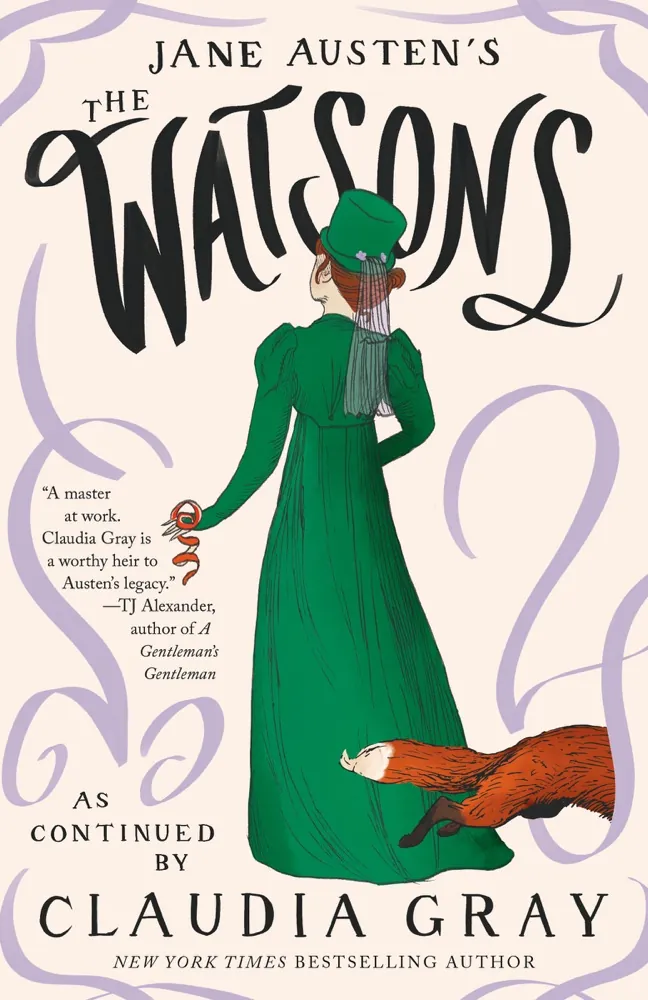
Author: Claudia GrayPage Count: UnknownPublication Date: Expected publication 2026-11-17 APL Smelling stale beer through the heavy fire exit door while flicking an ash into a puddle of October slush is preferable to listening to another thirty-something in a beanie explain the subtext of a podcast. Let us talk about Regency tropes instead. Specifically, Claudia Gray taking a crack at Jane Austen’s half-baked trunk scrap, The Watsons. The Ghost of Austen Past You already know the drill. Girl gets booted from her cushy upper-class digs back to the chaotic, impoverished biological family unit because her uncle kicked the bucket and her aunt made a catastrophically bad second marriage. Classic setup. It screams Sandra Cisneros meets early-period Georgette Heyer, except with the added pressure of finishing someone else's literary homework. Or wait, no, Heyer is entirely the wrong comparison here; this feels much closer to P.D. James tinkering with Pride and Prejudice bones. And honestly, why do we keep exhuming literary corpses just to slap a glossy modern cover on them? Are we reading the same book? No, because nobody has actually read the whole thing yet since the original is literally just a hundred pages of notes and false starts. Gray is leaning hard into the class anxiety and romantic push-and-pull between a haughty, eligible local lord and a sensible clergyman. Groundbreaking. Truly shocking stuff for a period piece. The Economics of Affection Look, I am just sitting here trying to stretch this out to meet a stupid word count because the rent is due and my editor is a ghost who only communicates via threatening emails about word processors. So let us dissect the synopsis like hungry vultures. The core tension relies entirely on whether our protagonist should chase bags or feelings. A tale as old as time. Or at least as old as 1804. Money talks, especially when you are a Regency woman with zero legal rights and a family financial safety net made entirely of wet tissue paper. Yet Gray promises humor and social commentary alongside the bodice-ripping angst. I take it back—maybe the clergy-versus-lord dynamic won't be entirely insufferable if the prose has enough bite. Austen always excelled at making pettiness look like high art. Can an author known for clever mystery tie-ins pull off that exact brand of social scalpel work? Questionable. Actually, scratch that last part. Gray usually knows how to pace a narrative better than the nineteenth-century masters ever did when they were getting paid by the word. Maybe the pacing will save us from the usual polite-society parlor boredom. Or maybe it will just be another bloated cash grab riding on the coattails of dead geniuses who cannot sue for copyright infringement. I am going to finish this cheap cigarette, ditch this terrible rooftop party where nobody knows how to roll their own tobacco, and go read a battered copy of Kerouac until the sun comes up. Related InsightsWhen the Pen Becomes a Mirror: The Secret Architecture of Self-Narration Beautiful Disaster Book Review and Summary Kingdom of Ash Book Review and Summary{ "@context": "https://schema.org", "@type": "FAQPage", "mainEntity": [ { "@type": "Question", "name": "What is the main focus of Jane Austen's The Watsons Book Review and Summary?", "acceptedAnswer": { "@type": "Answer", "text": "Everything you need to know about Jane Austen's The Watsons with our detailed review." } }, { "@type": "Question", "name": "Who authored the comprehensive guide on Jane Austen's The Watsons Book Review and Summary?", "acceptedAnswer": { "@type": "Answer", "text": "This detailed article and its insights were carefully researched and authored by Piotr Nowak." } }, { "@type": "Question", "name": "Where can I find more related content about Books?", "acceptedAnswer": { "@type": "Answer", "text": "You can explore more articles, detailed reviews, and similar insights by browsing the Related Insights section at the bottom of this article or visiting our dedicated Books category page." } } ] }
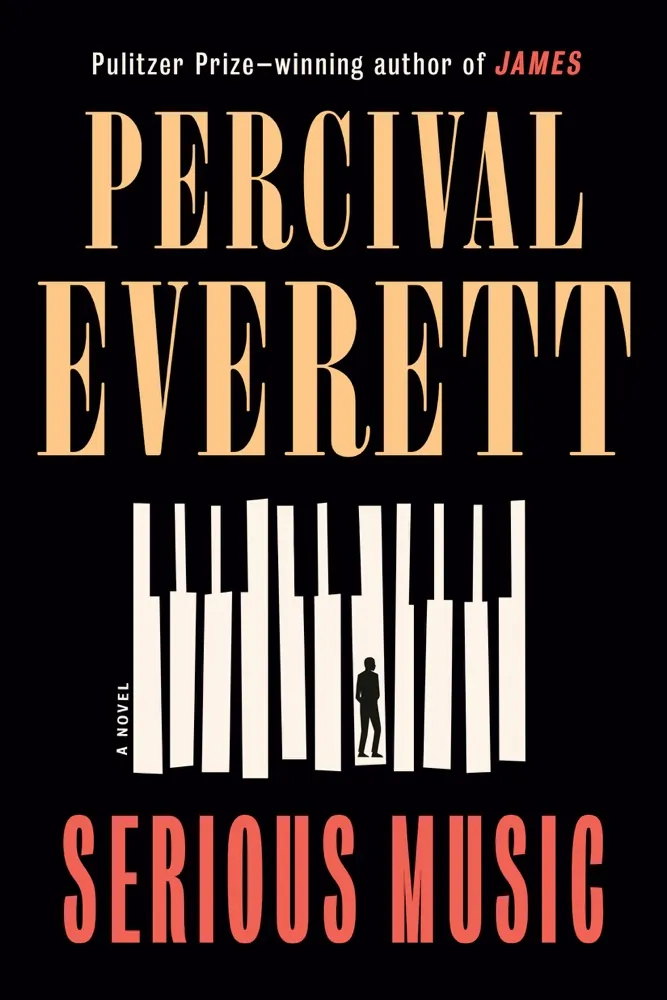
Author: Percival EverettPage Count: UnknownPublication Date: Expected publication 2026 APL Flicking ash onto the cracked pavement while the muffled bass thumps through the brick wall behind me, I am staring at a plot blurb that reads like a mad-lib designed by a syllabus committee hopped up on speed. Percival Everett is following up James with Serious Music — because apparently resting is for authors who didn't just spend the last two years rewriting Mark Twain through an ontological meat grinder. And honestly? I am here for the carnage. The Conservatory and the Trenches Arthur Champion gets booted from Oberlin straight into the Somme mud because some petty academic bigot couldn't handle getting checked. Pure, unadulterated bureaucratic spite. Everett does not do slow burns. He writes like he is trying to outrun a sniper. We are talking about a kinetic velocity that makes most historical fiction look like a corpse decomposing in slow motion. The man pivots a classically trained Black musician from French artillery craters to Harlem bandstands and finally to Woodrow Wilson’s clandestine Oval Office backrooms. Talk about tonal whiplash. It is historical maximalism on a sugar crash. Ownership, Jazz, and the White House Who actually owns a sound? Who owns the cultural capital extracted from the bleeding edge of Black artistry while the ruling class sips bourbon in the executive mansion? Everett is about to put the entire American mythology in a headlock. Think Colson Whitehead meeting Ishmael Reed with a dash of Thomas Pynchon’s paranoid architecture, but stripped of the masturbatory navel-gazing. This isn't just a book about the 1918 zeitgeist. It is a ruthless deconstruction of how power commodifies genius. The premise demands a level of biting, razor-sharp cynicism that very few writers possess without sounding like a tired Twitter thread. Everett handles institutional racism with the cold, surgical precision of a coroner who has seen it all before and missed his lunch break. Get ready for the literati to completely miss the joke while they clutch their pearls over the tonal shifts from the trenches of Europe to the smoke-filled corridors of Washington. They will call it audacious. They will call it a masterclass. I just call it another Tuesday night in the literary industrial complex. If this thing doesn't sweep every major award, I'll eat my own shoes. But right now, the fixer smells like stale menthols and bad decisions, and I have to develop photographs in my makeshift darkroom. Related InsightsThe Trial Book Review and Summary Carrying Book Review and Summary Ender's Shadow Book Review and Summary{ "@context": "https://schema.org", "@type": "FAQPage", "mainEntity": [ { "@type": "Question", "name": "What is the main focus of Serious Music Book Review and Summary?", "acceptedAnswer": { "@type": "Answer", "text": "Everything you need to know about Serious Music with our detailed review." } }, { "@type": "Question", "name": "Who authored the comprehensive guide on Serious Music Book Review and Summary?", "acceptedAnswer": { "@type": "Answer", "text": "This detailed article and its insights were carefully researched and authored by Piotr Nowak." } }, { "@type": "Question", "name": "Where can I find more related content about Books?", "acceptedAnswer": { "@type": "Answer", "text": "You can explore more articles, detailed reviews, and similar insights by browsing the Related Insights section at the bottom of this article or visiting our dedicated Books category page." } } ] }
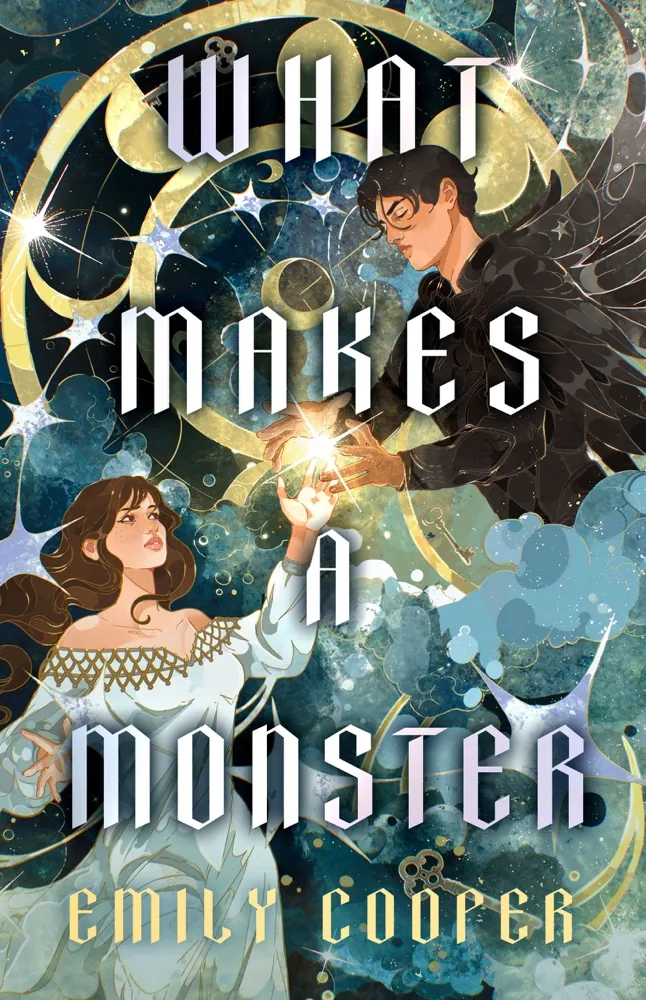
Author: Emily CooperPage Count: UnknownPublication Date: Expected publication 2026 APL Hold onto your metrocard because somebody shoved their backpack directly into my ribcage while I am trying to parse the promotional copy for What Makes a Monster. Emily Cooper is dropping this trainwreck—or masterpiece, who knows, the publishing industrial complex keeps feeding us the exact same cosmic-romance slurry—in 2026. Look. I am literally just writing this godforsaken text to hit a corporate word count so my editor stops emailing me about deadlines while this express train violently rattles my teeth out of my skull. Constellations and Criminals The pitch decks compare it to Heavenly Bodies and Divine Rivals. Classic marketing alchemy. Take two moderately successful YA properties, throw them into a blender with some astral magic, and boom. Instant pre-order spike for the TikTok girlies. Yet, what we actually have here is a protagonist named Celestine Savareau rotting in a cosmic slammer because she—oopsie—tried to commit literal omnicide. Relatable! We have all had bad Tuesdays. But now she has to save the very celestial zip code she attempted to vaporize. And naturally, she is forced to work with the Nightguard. Because nothing screams workplace synergy quite like being handed a clipboard and a sword by the guys whose mothers you indirectly barbecued. Kivessin hates her guts. Obviously. He wants her dead. But wait—there is a mandatory proximity clause! They are training together, which means the academic institution of enemies-to-lovers is operating at maximum velocity. The synopsis leans heavily on the fact that she is plotting to reunite with her ex-lover and co-conspirator, Aire, while simultaneously developing "undeniable tension" with Kivessin. Poly-adjacent treason? A love triangle fueled by impending geopolitical annihilation? The epistemological implications of celestial policing are truly wild here. The Aesthetics of Apocalypse Cooper is playing squarely in the sandbox of high-stakes, star-lit romantasy. But let us be entirely real for a second—the synopsis relies on the laziest trope in the modern speculative fiction canon: the reformed baddie whose villainy was merely a misunderstood vibe. The blurb literally spoils its own narrative arc by telling us, "Celestine might not be the monster they thought." Groundbreaking. Truly avant-garde character development in this economy. Yet, I am morbidly fascinated. The architectural framework of Velandor—magic ruled by constellations—offers plenty of room for purple prose about starlight and lingering gazes. If Cooper leans into the messy, morally bankrupt psychology of someone who genuinely tried to hit the reset button on reality instead of just giving us a sanitized, girlboss anti-heroine who is actually just misunderstood by the patriarchy, this might actually slap. Or it will be five hundred pages of recycled YA tropes wrapped in foil stamping. Honestly, my money is on a mid-tier BookTok obsession that gets optioned for a streaming service before the ink dries. Stop leaning your elbow on my shoulder, sir, we are underground. Also, my upstairs neighbor has decided right now is the optimal hour to practice the cello, and the screeching minor scales are utterly annihilating whatever microscopic shred of cognitive focus I had left.
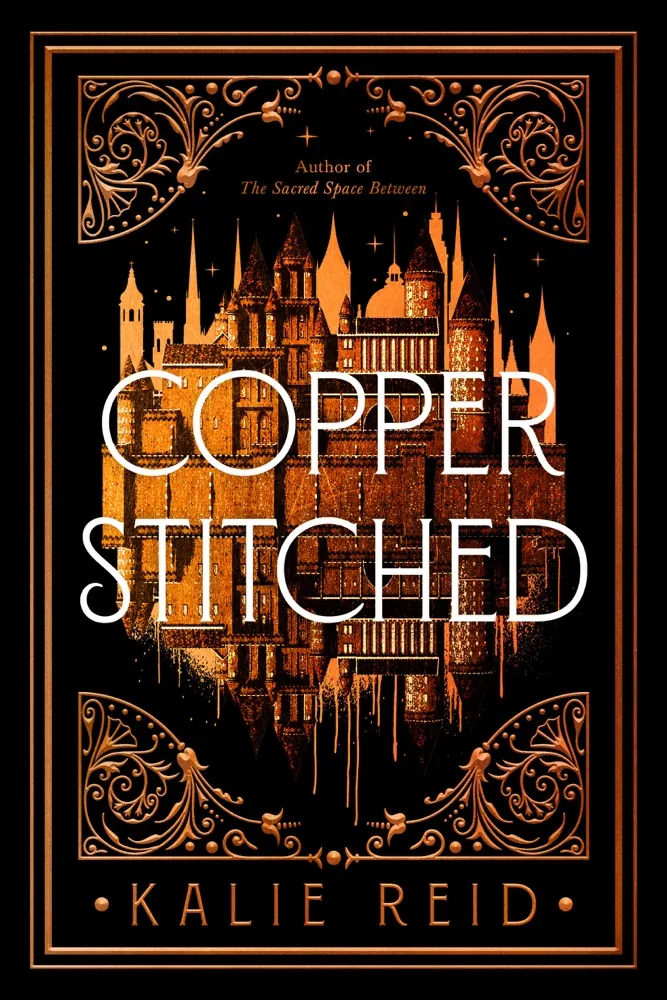
Author: Kalie ReidPage Count: UnknownPublication Date: Expected publication 2026 APL Somebody just dropped their half-eaten pretzel on my boot while the train lurched violently toward Chambers Street, and I am supposed to sit here drafting thoughts about Copperstitched because apparently someone decided my afternoon needed more anxiety. I hate writing these previews. I am literally just typing fast on my notes app to hit the word count so my editor stops emailing me every four minutes. Maps, Metals, and Extortion Kalie Reid is walking straight into the high-stakes corporate espionage trap with this one—except everyone is wearing velvet corsets and arguing over blueprints instead of signing NDAs. We get it. Magic guilds are the new tech startups. And the Cartographer's Guild sounds like a logistical nightmare run by people who probably hoard fountain pens. But the premise here isn't about geography; it's about blackmail. You poison the patriarch, you corner the successor, and suddenly everyone is playing high-stakes poker with rendered copper. What fascinates me—and by fascinates me, I mean I am squinting at this synopsis while holding onto a greasy metal pole for dear life—is the weaponized bureaucracy. Fantasy usually gives us glowing swords and ancient prophecies. Here? We have artisanal metals and deadly HR violations. The Coppersmiths holding an antidote over Saskia's head feels deliciously petty. It reminds me of the corporate ruthlessness in The Atlas Six mixed with the moody atmospheric dread of Holly Black’s adult work. The Chronically Exhausted Childhood Friend Enter Nicholas. The distractingly charming childhood friend. Because of course he is. You cannot have a cozy institutional sabotage plot without a guy who leans against doorframes and makes witty remarks while the building literally burns down around them. Reid is leaning hard into the friends-to-lovers pipeline, and honestly? Good. We need the emotional stakes to ground whatever convoluted copper-magic lore she is about to dump on us in chapter three. If Nicholas doesn't betray her or at least hide a massive, universe-shattering secret in his jacket pocket, I will eat my other boot. Anyway, I digress. The synopsis gives us just enough vagueness to keep us guessing whether this book is actually a slow-burn political thriller or just an excuse for two stressed twenty-somethings to make intense eye contact across map tables. I suspect the pacing is going to breakneck—people do not write books titled Copperstitched expecting quiet tea parties. They want ticking clocks. They want leveraged assets. They want toxic corporate culture translated into sword-and-sorcery stakes. Look out for the forced proximity trope working overtime here. When you give a fictional protagonist a ticking clock—poisoned dad, zero margin for error—and force her to team up with the one boy who knows all her childhood secrets, you are engineering absolute narrative chaos. And honestly? I am here for the disaster. Assuming the prose doesn't drown in exposition about guild taxes, Reid might actually deliver a fun, sharp-edged ride that doesn't take itself too seriously. The train is finally slowing down, my knees are locking up, and I am officially done staring at this screen. I am going to go sit on a park bench and aggressively people-watch. Related InsightsPressure Point (National Parks Thriller #3) Book Review and Summary Lust: Pleasure, Performance, Power Book Review and Summary False Value Book Review and Summary{ "@context": "https://schema.org", "@type": "FAQPage", "mainEntity": [ { "@type": "Question", "name": "What is the main focus of Copperstitched Book Review and Summary?", "acceptedAnswer": { "@type": "Answer", "text": "Everything you need to know about Copperstitched with our detailed review." } }, { "@type": "Question", "name": "Who authored the comprehensive guide on Copperstitched Book Review and Summary?", "acceptedAnswer": { "@type": "Answer", "text": "This detailed article and its insights were carefully researched and authored by Piotr Nowak." } }, { "@type": "Question", "name": "Where can I find more related content about Books?", "acceptedAnswer": { "@type": "Answer", "text": "You can explore more articles, detailed reviews, and similar insights by browsing the Related Insights section at the bottom of this article or visiting our dedicated Books category page." } } ] }
-
 Piotr Nowak
 - 03 Sep, 2026 17:35
Beautiful Things Betray (Beautiful Things #2) Book Review and Summary
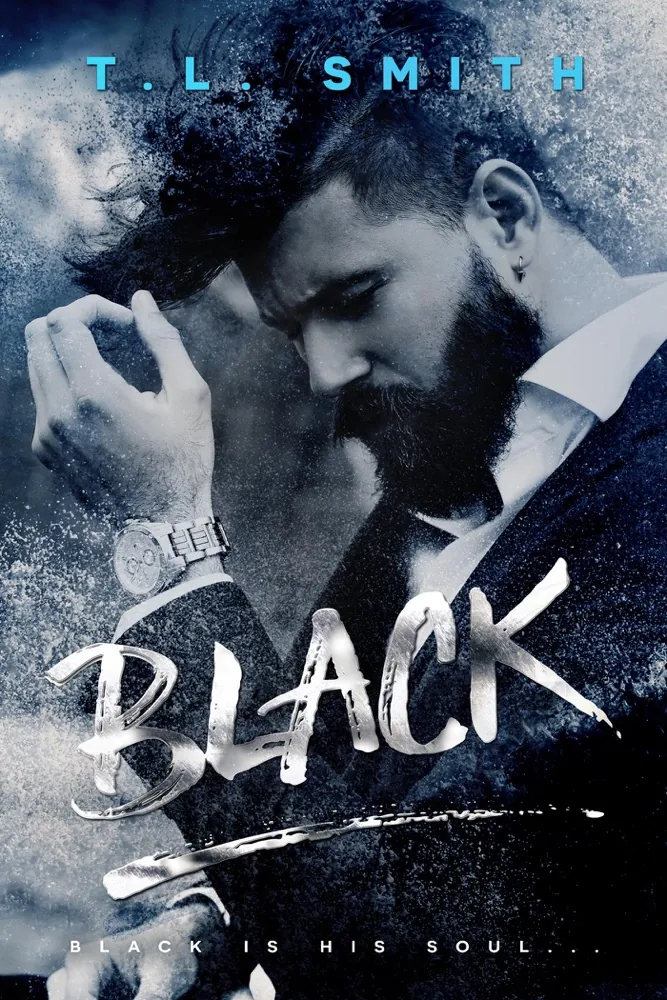
Author: T.L. SmithPage Count: UnknownPublication Date: Expected publication 2026 APL The desk’s surface is a warzone of half-empty coffee cups—some still warm, others cold enough to make you wonder if you’ve been here since last Tuesday. The synopsis for Beautiful Things Betray is a knife’s edge: sharp enough to cut, but not quite sharp enough to tell you what it’s cutting into. "I am loyal, but I will betray you."—that’s the kind of line that could belong in a Gone Girl afterparty or a You binge session, but the rest of it? It’s the kind of thing that makes you lean in, then immediately regret it because you’re already late for something. The first line is a flex—classic villain monologue, the kind that makes you think you’re in for a full-blown antihero origin story. But then the next lines? "I met her when I was sixteen, she was a breath of fresh air."—suddenly it’s not just a villain, it’s a broken villain, the kind who’s been waiting for a decade to drag someone back into the dark. The imagery here is chef’s kiss—"her smile could light up a room, making my black heart pitter patter"—it’s the kind of poetic violence that makes you wonder if the author’s been reading too much The Raven while chain-smoking in a dimly lit café. And then—then—the punch: "I found her again ten years later, with a syringe in her arm." That’s not just a plot beat. That’s a landmine. But here’s the thing—this synopsis is too vague. It’s like being handed a single playing card from a deck and being told it’s the entire hand. Is this a revenge thriller? A dark romance? A slow-burn psychological horror? The way it’s written, it could be all three, and none of them. The "angel, but the devil" line? That’s the kind of duality that works in The Girl with the Dragon Tattoo or Gone Girl, but it’s also the kind of thing that gets overused in YA and dark academia until it loses its bite. And yet—yet—the way it’s phrased, with that raw, unfiltered voice, makes you think the author knows exactly what they’re doing. But then—then—you realize the synopsis is doing something even more dangerous. It’s not just setting up a story; it’s setting up a feeling. The protagonist isn’t just a villain or a victim; they’re a character who’s been waiting for a decade to see if their past is worth destroying again. That’s the kind of emotional hook that could make this book feel like a True Detective episode written by a poet. But it could also feel like a Twilight knockoff if the execution isn’t tight. And that’s where the real question lies: Is this going to be the kind of book that makes you forget you’re reading, or the kind that makes you forget you’re alive? The synopsis suggests the latter, but without more context, it’s impossible to tell. The way it’s written, it could be the next The Silent Patient—a psychological unraveling disguised as a love story—or it could be the next Red, White & Royal Blue—a dark romance with a killer twist. But given the tone, I’m leaning toward the former. But—but—here’s where I have to pivot. Because the more I think about it, the more I realize this synopsis is too reliant on the "found family" trope. The "she was broken and I was glad she was broken" line? That’s the kind of thing that makes you think of The Last of Us—the kind of emotional manipulation that works in a survival story but feels exploitative in something like this. And yet—yet—the way it’s phrased, with that raw, unfiltered voice, makes you think the author knows exactly how to walk that line. This altered my brain chemistry. The desk’s thermostat is suddenly too hot, and you’re too distracted to care. The synopsis is a tease, a promise, a landmine—but it’s also a distraction. And that’s the problem with books like this. They make you want to read them before you’ve even finished the synopsis. But will it live up to the hype? Or will it be another one of those books that leaves you feeling like you’ve been played? #bookstagram #darkromance #thriller #literarycrime #anticipation Related InsightsUnfortunately Yours Book Review and Summary Proving Ground Book Review and Summary The Hero of Ages Book Review and Summary{ "@context": "https://schema.org", "@type": "FAQPage", "mainEntity": [ { "@type": "Question", "name": "What is the main focus of Beautiful Things Betray (Beautiful Things #2) Book Review and Summary?", "acceptedAnswer": { "@type": "Answer", "text": "Everything you need to know about Beautiful Things Betray (Beautiful Things #2) with our detailed review." } }, { "@type": "Question", "name": "Who authored the comprehensive guide on Beautiful Things Betray (Beautiful Things #2) Book Review and Summary?", "acceptedAnswer": { "@type": "Answer", "text": "This detailed article and its insights were carefully researched and authored by Piotr Nowak." } }, { "@type": "Question", "name": "Where can I find more related content about Books?", "acceptedAnswer": { "@type": "Answer", "text": "You can explore more articles, detailed reviews, and similar insights by browsing the Related Insights section at the bottom of this article or visiting our dedicated Books category page." } } ] }
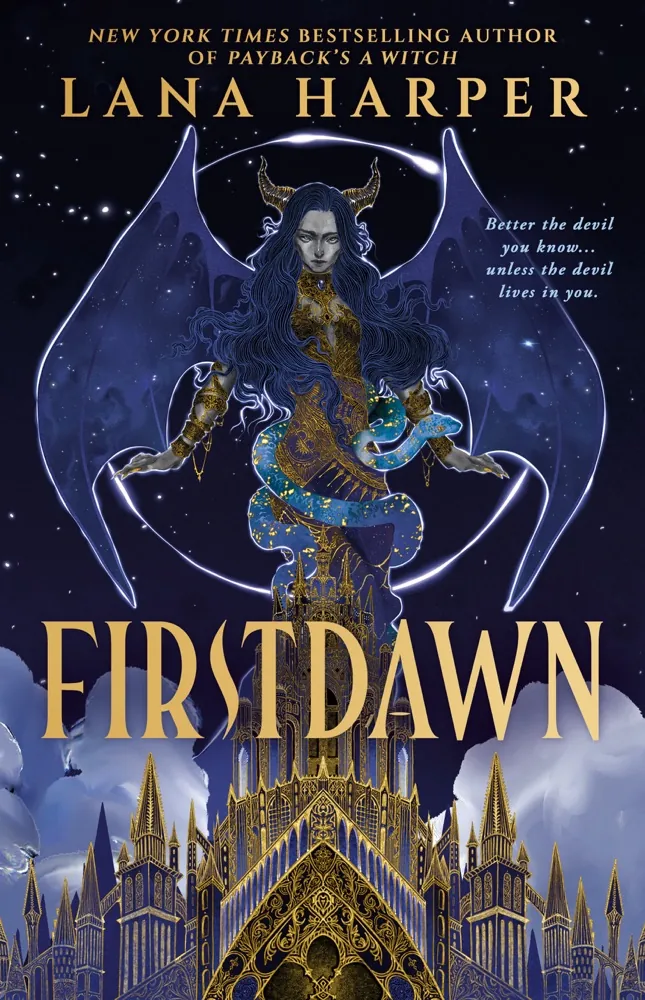
Author: Lana HarperPage Count: UnknownPublication Date: Expected publication 2026 APL The subway’s fluorescent glow bleeds through the gaps in the newspaper, casting a sickly yellow over the synopsis of Firstdawn—Lana Harper’s next move in the demonic love triangle chess game. And Christ, if this isn’t the kind of thing that makes you want to hurl your coffee into the tracks. Danica Marsden, Chicago’s most jaded PI, gets yanked into a hellscape where the only thing more intoxicating than the half-demons chasing her is the fact that she’s literally not human anymore. Shahara and Rhavin, those two serpentine heartthrobs, are basically the literary equivalent of a vampire romance where one of the leads is a feral witch and the other’s got a god complex—except here, the stakes are cosmic and the foreplay is definitely going to involve blood. The synopsis doesn’t tell you this is a book about identity theft on a supernatural scale—it shows you by way of Danica’s fractured reflection, her therapy bills, and the way her dreams bleed into her waking life like a bad acid trip. Harper’s got a knack for making the mundane feel like a pressure point before the world ends. Danica’s barfights and one-night stands aren’t just backstory; they’re the last gasps of a woman who’s spent her life pretending she’s in control. And then—poof—she’s not. The moment her reflection flickers, you know this isn’t going to be a cozy paranormal romance. This is The Girl with All the Gifts meets American Gods, but with the erotic tension of The Devil’s Daughter and the existential dread of a woman realizing she’s been lied to her whole life. The half-demons, Shahara and Rhavin, are the kind of characters that make you want to scream at the page: Why do they have to be so damn charming? Shahara’s lethal beauty is the kind of thing that would make a lesser writer lean into cliché, but Harper’s got the guts to make her feel like a predator who’s also a victim of her own lineage. Rhavin, meanwhile, is the golden boy with a secret—because of course he is. Their dynamic isn’t just a love triangle; it’s a power struggle disguised as romance, the kind that makes you think of The Lies of Locke Lamora’s political maneuvering but with more skin and less wit. And the fact that they’ve been vying for Danica’s love for centuries? That’s not just worldbuilding—it’s a middle finger to the whole "fated mates" trope. These guys have been playing the long game, and Danica’s just the latest pawn. The real question is whether Harper can pull off the balance between the gritty, grounded PI protagonist and the mythic, high-stakes demonic court. Because right now, the synopsis reads like a love letter to The First Fifteen Lives of Harry August, where the protagonist’s past is a labyrinth and the present is a ticking clock. But where Firstdawn might stumble is in the execution of Danica’s arc—will she be a reluctant heroine, or will she double down on her cynicism and burn it all down? The synopsis hints at both possibilities, but it’s the kind of ambiguity that could either elevate the book or leave readers feeling like they’re chasing ghosts. And let’s not forget the aesthetic—stenciled edges, interior cover art that’s presumably divine. This isn’t just a book; it’s a statement. The kind of thing you’d want to display on a shelf next to The Night Circus and The Shadow of the Wind, but with the edge of something darker, something that doesn’t just entertain but haunts. Harper’s got a reputation for blending eroticism with horror, and if Firstdawn delivers on the promise of Danica’s descent into the infernal, it’ll be the kind of book that lingers like the taste of something forbidden. But here’s the thing—you can’t read this on a crowded subway. Not without risking a panic attack or a spontaneous fight with the guy in the trench coat who’s been staring at you too long. The world Harper’s building is one where the line between human and demon is thinner than a razor’s edge, and Danica’s the kind of protagonist who’ll make you root for her even when she’s being a mess. And if she’s half as compelling as the synopsis suggests, you’ll be waiting for the next installment like it’s the only thing keeping you from losing your mind. Now, if you’ll excuse me, I’ve got to scavenge for parts to fix my French press before it becomes another relic of my failed attempts at adulting. #DemonicRomance #BookTokButMakeItDark #LanaHarperIsUnkillable Related InsightsMilkteeth Book Review and Summary The Woven Bag Book Review and Summary The Shadow of the Wind Book Review and Summary{ "@context": "https://schema.org", "@type": "FAQPage", "mainEntity": [ { "@type": "Question", "name": "What is the main focus of Firstdawn Book Review and Summary?", "acceptedAnswer": { "@type": "Answer", "text": "Everything you need to know about Firstdawn with our detailed review." } }, { "@type": "Question", "name": "Who authored the comprehensive guide on Firstdawn Book Review and Summary?", "acceptedAnswer": { "@type": "Answer", "text": "This detailed article and its insights were carefully researched and authored by Piotr Nowak." } }, { "@type": "Question", "name": "Where can I find more related content about Books?", "acceptedAnswer": { "@type": "Answer", "text": "You can explore more articles, detailed reviews, and similar insights by browsing the Related Insights section at the bottom of this article or visiting our dedicated Books category page." } } ] }
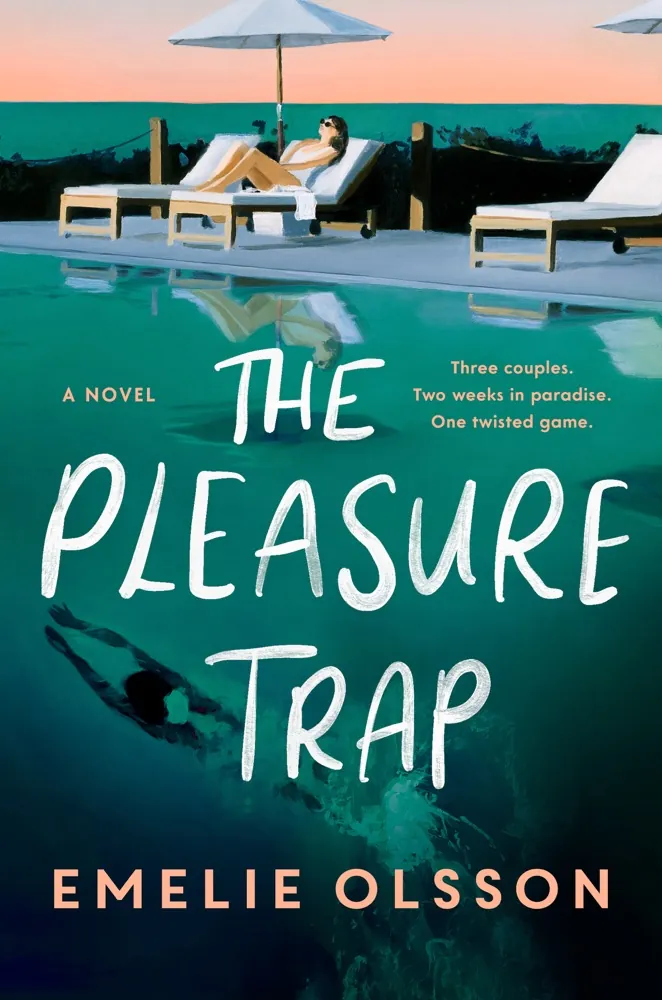
Author: Emelie OlssonPage Count: UnknownPublication Date: Expected publication 2026 APL Hold onto your metal pole because the screeching brakes of this packed morning commute are barely rattling my teeth compared to how hard Emelie Olsson’s upcoming The Pleasure Trap is about to scramble contemporary psychological thrillers. Look, I am only typing this frantically on my phone between lurches because my cynical editor demanded word-count blood before noon, treating my brain like an ATM for hot takes. But let us dissect the promotional anatomy of this 2026 release. Three couples. A sun-drenched Mexican resort. And a malicious psychological predation masquerading as a casual vacation friendship. The Architecture of Betrayal Consider the manipulative scaffolding here. Alice and Tom are drowning in barren, sixteen-year domesticity. Melissa and Callum are digital narcissists chasing algorithmic clout through matrimonial aesthetics. Rebecca and Ryan are the veteran sociopaths orchestrating the whole miserable ecosystem. Olsson is clearly leaning into a savage critique of modern partnership taxonomy—exposing how easily wedded bliss morphs into absolute transactional warfare. It gives off major early Gillian Flynn energy crossed with a sun-bleached season of White Lotus, yet the marketing boldly leans into explicit romance territory. Kate Storey promises "the hottest [spice] you’ll ever see on the page." What an absolute linguistic flashbang. Combining searing sociological deconstructions of marriage with high-octane erotica is a tightrope walk that usually ends in narrative splat, but if Olsson pulls it off, it will be an absolute cultural banger. Seduction as Weaponized Epistemology Power dynamics are the invisible architecture of every compelling domestic noir. Yet here, seduction is weaponized into an epistemological cage match. Rebecca and Ryan view their targets not as human beings with interior lives, but as low-key NPCs in their twisted relationship-maintenance game. It is peak psychological gaslighting, rendered in neon resort lighting. Do I know how this ends? Absolutely not, because the synopsis stops right at the precipice of narrative chaos, leaving us hanging like a wet towel on a hurricane-swept balcony. But I predict the third-act twist will involve a catastrophic boundary-shattering collapse where the hunters accidentally become the hunted, realizing too late that they played themselves. We are living in an era oversaturated with domestic thrillers featuring unreliable narrators drinking tepid Chardonnay in suburban kitchens. Olsson taking this exact exhausted trope and dragging it out into the glaring Mexican sun feels electric. It is messy, it is provocative, and frankly, I am entirely here for the ensuing dumpster fire. Now if you will excuse me, this train is pulling into my stop and I need to go drink absinthe and pretend I am in 1920s Paris. #ThePleasureTrap #BookTwitter #ThrillsAndSpills #EmelieOlsson Related InsightsDesert Star Book Review and Summary The Worst Is Yet to Come Book Review and Summary Find Me Where It Ends Book Review and Summary{ "@context": "https://schema.org", "@type": "FAQPage", "mainEntity": [ { "@type": "Question", "name": "What is the main focus of The Pleasure Trap Book Review and Summary?", "acceptedAnswer": { "@type": "Answer", "text": "Everything you need to know about The Pleasure Trap with our detailed review." } }, { "@type": "Question", "name": "Who authored the comprehensive guide on The Pleasure Trap Book Review and Summary?", "acceptedAnswer": { "@type": "Answer", "text": "This detailed article and its insights were carefully researched and authored by Piotr Nowak." } }, { "@type": "Question", "name": "Where can I find more related content about Books?", "acceptedAnswer": { "@type": "Answer", "text": "You can explore more articles, detailed reviews, and similar insights by browsing the Related Insights section at the bottom of this article or visiting our dedicated Books category page." } } ] }
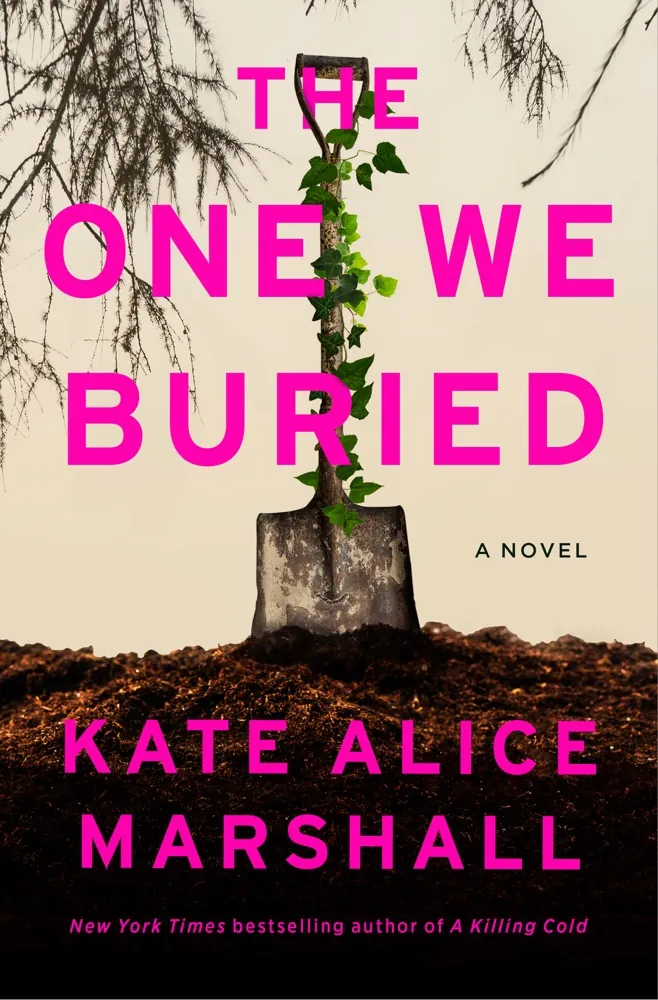
Author: Kate Alice MarshallPage Count: UnknownPublication Date: Expected publication 2026 APL The rain’s been falling sideways for three days now, like the sky’s trying to erase the subway’s grime with something more deliberate—something that might actually wash away the smell of wet concrete and regret. And here I am, hunched over a laptop in a seat that’s seen better decades, staring at this The One We Buried synopsis like it’s a half-eaten sandwich someone left on the bench beside me. Because let’s be honest, the fact that Kate Alice Marshall—who somehow turned What Lies in the Woods into a cult favorite for people who like their psychological horror served with a side of existential dread—is doing this again is either genius or a cry for help. Maybe both. The premise is the kind of thing that makes you pause mid-swipe on your feed, fingers hovering over the screen like you’re about to press “like” but instead you’re just waiting for the universe to confirm that yes, this is actually happening. Four girls, thirteen years ago, shipped off to some godforsaken wellness retreat in the hills—Sanctuary Springs, because of course it’s got a name that sounds like a Hallmark card for people who’ve already lost their souls. Dr. Elizabeth Sheffield and her daughter Rachel, the enigmatic duo running the show, promise these girls a rebirth. And what do you know? They get one. But not the kind where they just learn to meditate and stop eating their feelings. No, this is the kind of rebirth that comes with a side of ritual, transformation, and—oh yeah—murder. Because if you’re going to rewrite your life, you might as well do it with a little blood on your hands. The synopsis doesn’t give us the gory details, of course. It’s all vague, which is either a masterclass in leaving the reader hungry or just lazy writing. But the way it’s framed—“troubled girlhood, ritual, transformation—and murder”—sounds like it’s trying to be Yellowjackets meets Nine Perfect Strangers, which is either a brilliant mashup or a recipe for tonal whiplash. Marshall’s last book had that same air of suffocating intimacy, the kind where the reader is left wondering if they’re in on the secret or if they’re just another pawn in whatever game these characters are playing. And the fact that Nic returns to Sanctuary Springs after her fiancé’s murder? That’s the kind of setup that makes you lean in, because the question isn’t just what happened that summer, but what did they become? And more importantly, what are they willing to do to stay that way? The synopsis also drops hints about Talia’s wellness retreat, which is basically the sanitized, Instagram-friendly version of whatever dark magic happened back then. It’s the kind of thing that makes you think of The Secret History’s Baileys, only with more hot springs and less academic pretension. And the way the group “flirts with old rites and rituals”? That’s the kind of phrasing that makes you wonder if Marshall’s channeling something deeper, something about the way trauma gets rebranded as enlightenment. Because let’s face it, the wellness industry is just the modern-day equivalent of a cult, and if there’s one thing Marshall knows how to do, it’s make the ordinary feel like it’s hiding something monstrous beneath the surface. But here’s the thing—this synopsis is so vague that it’s almost too vague. It’s like reading a menu where every dish is just “meat” or “vegetables.” We don’t know if the murder is connected to the past or if it’s just another layer of the girls’ collective guilt. We don’t know if Rachel is the villain or if she’s just another victim of whatever system she helped create. And that’s where the real tension lies—not in the plot, but in the implications. Marshall’s strength has always been in the atmosphere, in the way she makes the reader feel like they’re standing at the edge of a cliff, looking down at something they can’t quite see. The synopsis doesn’t give us the cliff, but it gives us the vertigo. And that’s why I’m already invested. Because the best thrillers don’t just tell you what happened; they make you feel like you’re part of it. And if Marshall can pull off the same kind of psychological unraveling here that she did in What Lies in the Woods—where the reader is left questioning everything, including their own sanity—then this could be something special. But if it’s just another retread of the “troubled girls in a remote location” trope, then it’s just another book that’ll get lost in the shuffle of people who think they know what a cult looks like until they’re actually inside one. I need to go write a letter to an editor on a mechanical typewriter now, just to remember what it’s like to feel like I’m actually making something instead of just scrolling through the wreckage of my own thoughts. #bookstagram #psychologicalhorror #cultlit #wellnessindustry #typewriterlife Related InsightsTerms and Conditions Book Review and Summary Hello Stranger Book Review and Summary Anxious People Book Review and Summary{ "@context": "https://schema.org", "@type": "FAQPage", "mainEntity": [ { "@type": "Question", "name": "What is the main focus of The One We Buried Book Review and Summary?", "acceptedAnswer": { "@type": "Answer", "text": "Everything you need to know about The One We Buried with our detailed review." } }, { "@type": "Question", "name": "Who authored the comprehensive guide on The One We Buried Book Review and Summary?", "acceptedAnswer": { "@type": "Answer", "text": "This detailed article and its insights were carefully researched and authored by Piotr Nowak." } }, { "@type": "Question", "name": "Where can I find more related content about Books?", "acceptedAnswer": { "@type": "Answer", "text": "You can explore more articles, detailed reviews, and similar insights by browsing the Related Insights section at the bottom of this article or visiting our dedicated Books category page." } } ] }
- Piotr Nowak
- 26 Aug, 2026 04:22
Temper: Practicing Freedom in an Unfree World Book Review and Summary
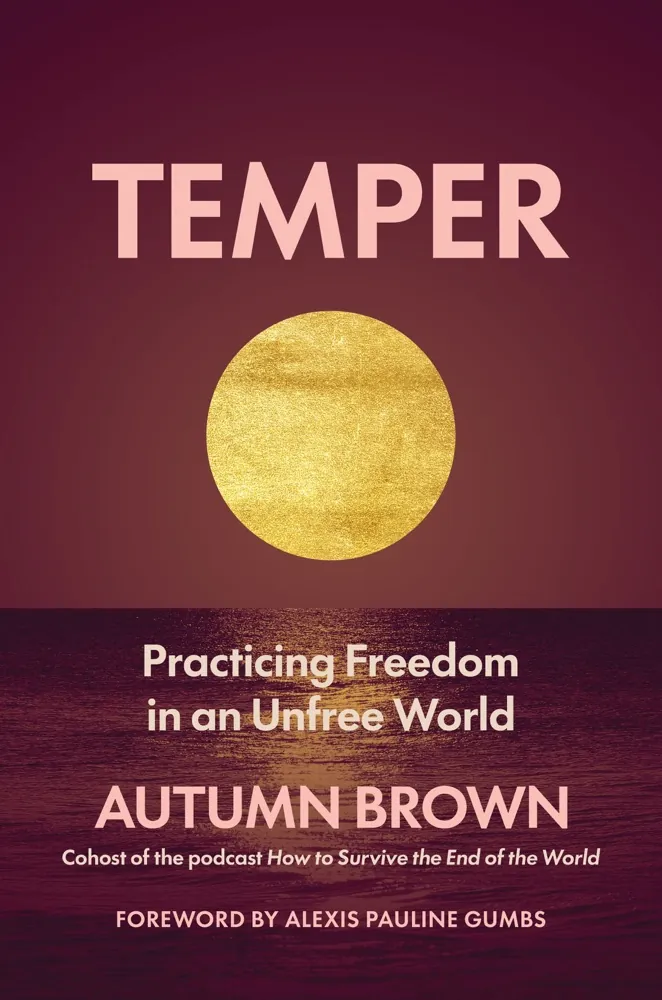
Author: Autumn BrownPage Count: UnknownPublication Date: Expected publication 2026-11-10 APL The subway car’s fluorescent lights buzz like a dying insect, the kind you step on without thinking—just another body in the rush, another face half-lit by the glow of a phone screen. You’re not supposed to read books like this on the subway. Not the ones that make your chest tighten, not the ones that whisper about freedom like it’s a muscle you can flex in the middle of a packed car. But here we are, Temper pressed against your ribs like a secret, its cover—some abstract swirl of black and gold—mocking you with the promise of something sharper than the edges of your seat. The synopsis doesn’t give you much to hold onto. It’s all metaphors and martial arts, fugitives and fugue states, like the author is trying to sell you a spiritual dojo where the sparring partners are systemic racism and your own damn nervous system. But the blurbs? Oh, the blurbs are chef’s kiss—Glennon Doyle calling it an "Emergency Exit" like it’s a last-resort Airbnb for the soul, Resmaa Menakem calling it "mystical and invitational" like it’s a cult text you’ll quote at your own funeral. That’s the kind of hype that makes you lean in, even when the book itself is still a ghost of a thing. The core idea—freedom as a practice, not a destination—isn’t new. Audre Lorde wrote about it in A Burst of Light, bell hooks in All About Love, but there’s something about the way Brown frames it here that feels like a direct middle finger to the self-help industry’s usual bullshit. No "12 Steps to Inner Peace" nonsense. Instead, it’s all about conditioning—like training for a marathon you didn’t sign up for, where the finish line keeps moving. The fugitive state isn’t just a historical reference; it’s a lifestyle. You’re supposed to be in a constant state of alertness, like your body’s always bracing for the next wrong turn, the next wrong look, the next system that decides you don’t belong. And yet—here’s the twist—it’s not about survival. It’s about thriving in the wreckage. But the vagueness is maddening. What does "falling apart together" even look like? Is this a communal practice, or a solo discipline? The synopsis hints at ancestral wisdom, but does that mean we’re supposed to channel Harriet Tubman’s spirit like a TikTok filter, or is it something deeper—something that requires you to sit with the weight of your own lineage, not just the glamour of it? And the martial arts angle? Is this a literal guide to using movement as resistance, or is it more metaphorical—like the way you have to move through the world even when it’s trying to stop you? The problem isn’t that the ideas are untested. It’s that they’re untested. There’s no framework here, no structure. It’s all promise and no process. You can feel the potential—this could be the The Body Keeps the Score for Black feminist resilience, the Me and White Supremacy for people who’ve already read Me and White Supremacy but still need a next step. But right now, it’s just a series of provocations, a dare to show up for yourself in a world that’s designed to make you disappear. And that’s the thing—you do have to show up. The book seems to be saying that freedom isn’t a political act, it’s a personal one. But where’s the roadmap? Where’s the "and then you do this"? The synopsis leaves you with more questions than answers, which is either genius or a cop-out, depending on how much you trust the author to deliver. You’re not supposed to like it yet. You’re not supposed to get it. You’re supposed to feel the tension, the pull of something that could be revolutionary if it’s done right. But right now, it’s just a spark in the dark, and you’re holding it like a match—one wrong breath and it’s gone. You’re going to read a battered copy of On the Road until the sun comes up instead. At least Kerouac didn’t promise you a spiritual breakthrough. He just promised you the road, and that’s enough. #bookstagram #literarycriticism #blackfeministthought #nonfictionaddiction #whatweretheythinking Related InsightsThe Fallen Woman Book Review and Summary The Last Unicorn Book Review and Summary Platform Decay Book Review and Summary{ "@context": "https://schema.org", "@type": "FAQPage", "mainEntity": [ { "@type": "Question", "name": "What is the main focus of Temper: Practicing Freedom in an Unfree World Book Review and Summary?", "acceptedAnswer": { "@type": "Answer", "text": "Everything you need to know about Temper: Practicing Freedom in an Unfree World with our detailed review." } }, { "@type": "Question", "name": "Who authored the comprehensive guide on Temper: Practicing Freedom in an Unfree World Book Review and Summary?", "acceptedAnswer": { "@type": "Answer", "text": "This detailed article and its insights were carefully researched and authored by Piotr Nowak." } }, { "@type": "Question", "name": "Where can I find more related content about Books?", "acceptedAnswer": { "@type": "Answer", "text": "You can explore more articles, detailed reviews, and similar insights by browsing the Related Insights section at the bottom of this article or visiting our dedicated Books category page." } } ] }
- Piotr Nowak
- 25 Aug, 2026 08:12
A Song of Sugar Sparrows (Wayward Children, #12) Book Review and Summary
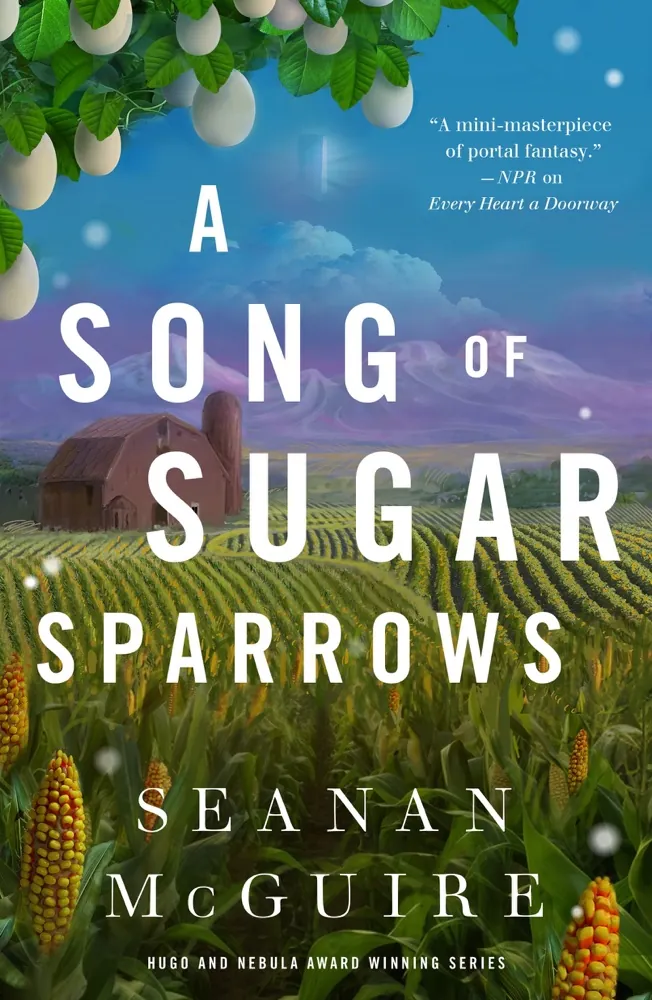
Author: Seanan McGuirePage Count: UnknownPublication Date: Expected publication 2026 APL A glimpse into the past of Sumi, the Promised Savior of Confection, and I'm already hooked - A Song of Sugar Sparrows is poised to become a masterclass in redefining the notion of a "chosen one" in the world of fantasy. The Wayward Children series, penned by the ingenious Seanan McGuire, has consistently pushed the boundaries of storytelling, and this latest installment promises to be no exception. The protagonist, Onishi Sumiko, is a character shrouded in mystery, her life predetermined by the expectations of those around her - until she stumbles upon a door that defies logic and catapults her into a realm of sugary wonder. This is where McGuire's genius truly shines: in crafting worlds that are at once fantastical and unsettling, she invites readers to question the very fabric of reality. But what truly sets A Song of Sugar Sparrows apart is its exploration of the immigrant experience - Sumiko's struggles to find her place in a world that seems determined to render her invisible are deeply relatable, and McGuire's nuanced portrayal of her inner turmoil is a testament to the author's skill in crafting complex, multidimensional characters. And yet, as I delve into the synopsis, I'm struck by the vagueness that pervades it - what, exactly, does this "candy-coated heart of darkness" entail? Is it a metaphor for the corrupting influence of power, or a literal manifestation of Sumiko's deepest fears? The ambiguity is tantalizing, to say the least, and I find myself drawn to the enigmatic world of Confection like a moth to a flame. But let's not forget the true magic of the Wayward Children series: its ability to subvert expectations and defy genre conventions. McGuire's writing is akin to a fever dream - unpredictable, visceral, and utterly captivating. She's the literary equivalent of a punk rock star, shattering the rules of traditional storytelling with every new installment. Yet, I find myself wondering - will A Song of Sugar Sparrows live up to the hype? Can McGuire continue to push the boundaries of the series, or will this latest installment feel like a rehashing of familiar themes? Only time will tell, but one thing is certain: I'll be devouring this book like a starving wolverine the moment it hits the shelves. As I scribble these thoughts in my makeshift notebook, the subway car lurches to a stop, and I'm jostled by the crowd - the perfect metaphor for the turbulent world of Confection, where nothing is as it seems, and the rules are constantly shifting. It's a world that's both terrifying and exhilarating, and I, for one, can't wait to immerse myself in its sugary depths. Now, if you'll excuse me, I have to develop some photographs in my makeshift darkroom - the city's neon lights are calling, and I have a feeling that A Song of Sugar Sparrows will be the perfect accompaniment to a long, sleepless night. #WaywardChildren #SeananMcGuire #FantasyFiction Related InsightsThe Pirate Queen Book Review and Summary The Handmaid's Tale and The Testaments Box Set Book Review and Summary The Boy From the Woods Book Review and Summary{ "@context": "https://schema.org", "@type": "FAQPage", "mainEntity": [ { "@type": "Question", "name": "What is the main focus of A Song of Sugar Sparrows (Wayward Children, #12) Book Review and Summary?", "acceptedAnswer": { "@type": "Answer", "text": "Everything you need to know about A Song of Sugar Sparrows (Wayward Children, #12) with our detailed review." } }, { "@type": "Question", "name": "Who authored the comprehensive guide on A Song of Sugar Sparrows (Wayward Children, #12) Book Review and Summary?", "acceptedAnswer": { "@type": "Answer", "text": "This detailed article and its insights were carefully researched and authored by Piotr Nowak." } }, { "@type": "Question", "name": "Where can I find more related content about Books?", "acceptedAnswer": { "@type": "Answer", "text": "You can explore more articles, detailed reviews, and similar insights by browsing the Related Insights section at the bottom of this article or visiting our dedicated Books category page." } } ] }
- Piotr Nowak
- 24 Aug, 2026 22:32
The Realist: Hans Morgenthau and the Purpose of American Power Book Review and Summary
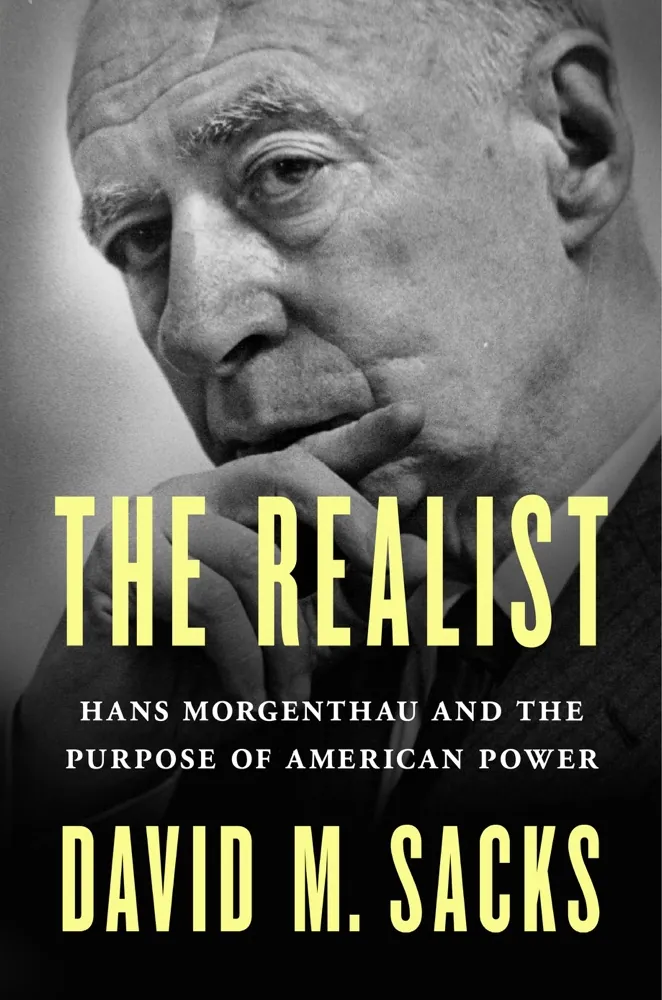
Author: David M. SacksPage Count: UnknownPublication Date: Expected publication 2026-11-10 APL A biography of Hans Morgenthau, the father of realist international relations theory—just what I needed to liven up my crowded subway commute. As I squeeze into a seat, wedged between a suited businessman and a harried mom, I find myself drawn to the story of this German émigré who defied the odds to become one of America's most influential thinkers. The Realist: Hans Morgenthau and the Purpose of American Power promises to be a meticulously researched and masterfully written account of Morgenthau's life and ideas. But as I scan the synopsis, I'm struck by how little I actually know about the man behind the theory. We're told that Morgenthau's experiences in post-World War I Germany, where he was ostracized and spat on by his classmates, shaped his worldview and led him to conclude that "power only yielded to countervailing power." But what about the nuances of his personality, the contradictions and complexities that make a person more than just a set of ideas? And then, of course, there's the elephant in the room: the Cold War. Morgenthau's book, Politics Among Nations, became the defining textbook on international relations in the country, shaping generations of scholars and policymakers. But how did Morgenthau's ideas influence the course of American foreign policy? Did he ever grapple with the moral implications of his realist worldview, or was he too focused on the grand game of geopolitics? As I flip through the pages of my mind, I'm reminded of other thinkers who have grappled with the complexities of power and morality. Henry Kissinger, Morgenthau's protégé, comes to mind, as does the great diplomat and historian George Kennan. But Morgenthau's story feels different, somehow. Perhaps it's the fact that he was an outsider, a German Jew who fled Nazi Germany and had to remake himself in America. Or maybe it's the fact that his ideas continue to shape the course of international relations to this day. As I near my subway stop, I find myself wondering: what secrets will The Realist reveal about Morgenthau's inner life? Will we see the man behind the theory, or just a series of abstract ideas and historical events? I'm willing to bet that David M. Sacks' book will be a page-turner, full of insights into the making of American foreign policy. But I'm also hoping for something more: a nuanced, multidimensional portrait of a man who helped shape the world we live in today. Time will tell, I suppose. For now, I'll just have to ride the waves of anticipation and speculation. And speaking of riding, I think it's time for me to grab my bike and hit the streets. There's nothing like a rainy day ride to clear the mind and get the creative juices flowing. #TheRealist #HansMorgenthau #InternationalRelations #Biography #ColdWar Related InsightsUntitled Baldacci 34 Book Review and Summary Blue Hour Book Review and Summary Falling Like Snow (Bramble Falls #2) Book Review and Summary{ "@context": "https://schema.org", "@type": "FAQPage", "mainEntity": [ { "@type": "Question", "name": "What is the main focus of The Realist: Hans Morgenthau and the Purpose of American Power Book Review and Summary?", "acceptedAnswer": { "@type": "Answer", "text": "Everything you need to know about The Realist: Hans Morgenthau and the Purpose of American Power with our detailed review." } }, { "@type": "Question", "name": "Who authored the comprehensive guide on The Realist: Hans Morgenthau and the Purpose of American Power Book Review and Summary?", "acceptedAnswer": { "@type": "Answer", "text": "This detailed article and its insights were carefully researched and authored by Piotr Nowak." } }, { "@type": "Question", "name": "Where can I find more related content about Books?", "acceptedAnswer": { "@type": "Answer", "text": "You can explore more articles, detailed reviews, and similar insights by browsing the Related Insights section at the bottom of this article or visiting our dedicated Books category page." } } ] }
- Piotr Nowak
- 23 Aug, 2026 17:16
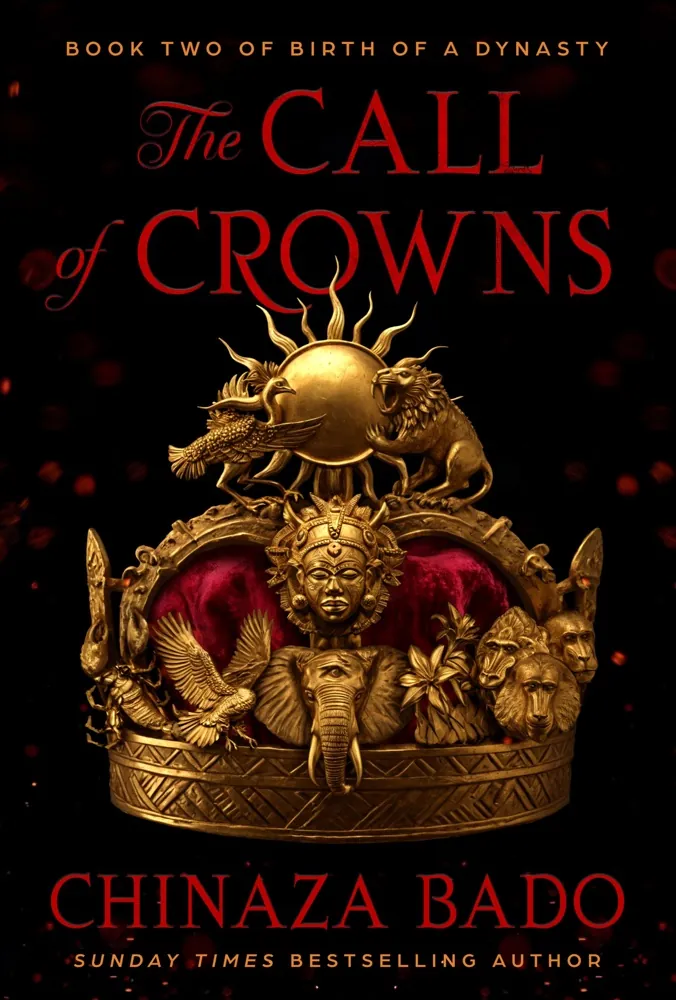
The Call of Crowns: Book Two of Birth of a Dynasty – Electrifying Fantasy Sequel Where a Kingdom Fractures and Loyalty Becomes a Dangerous Gamble Book Review and Summary
Author: Chinaza BadoPage Count: UnknownPublication Date: Expected publication 2026-11-24 APL The subway car’s fluorescent lights buzz like a dying insect—that’s the kind of atmosphere The Call of Crowns will need to sell itself. A throne room lit like a funeral parlor, where the air smells of iron and bad decisions. The synopsis doesn’t just hint at palace intrigue—it leans into it like a gambler at a rigged table, and that’s either genius or a trap. Either way, it’s the kind of setup that makes you wonder if the author’s read too much Game of Thrones and not enough The Shadow of the Wind—because this feels like a story that’s been designed to be dissected, not just read. Zikora’s secret? That’s the kind of line that could’ve been a full paragraph in a better synopsis. Instead, it’s buried in a sentence like a landmine with no warning. Khalil’s loyalty? Forced to choose between duty and morality—classic fantasy shorthand, but the execution here might either be the kind of razor-sharp prose that makes you forget you’re reading a book, or it might be the kind of cliché that makes you roll your eyes mid-commute. The princes eyeing the throne like vultures? Yes, yes, we’ve seen this before—but the way it’s framed as a "game" makes it feel less like a rehash and more like a high-stakes poker match where the stakes are your soul. And then there’s the blood oaths—oh god, blood oaths—because nothing says "epic fantasy" like a trope so overused it’s practically a meme. But here’s the thing: if Bado pulls it off with the same precision she did in the first book, it could be the kind of twist that makes you forget you’ve read this before. If not? Well, then we’re back to square one, aren’t we? The synopsis doesn’t even mention the first book’s ending—just drops us into the chaos like we’re supposed to remember the setup from a year ago. That’s either lazy or deliberately cryptic, and I’m leaning toward the latter because the fantasy world is built on mystery, right? The real question is whether this will feel like The Poppy War’s political grit or A Song of Ice and Fire’s slow-burn betrayal. The synopsis doesn’t give us enough to tell—just a viper’s nest of ambition, which is exactly what we’ve been promised for years. But here’s where it gets interesting: the mention of "ancient powers" awakening. That’s the kind of line that could either be a red herring or the foundation of something truly original. If Bado leans into it like The Priory of the Orange Tree, this could be the kind of book that redefines the genre. If she treats it like an afterthought? Well, then we’re just another entry in the "princess saves kingdom" graveyard. And Khalil—oh, Khalil—caught between warring factions. That’s the kind of moral dilemma that could either be the backbone of the story or the kind of contrived tension that makes you want to scream at the page. The problem with this synopsis isn’t that it’s vague—it’s that it’s too vague. It doesn’t tell us why the kingdom is fracturing, just that it is. It doesn’t explain how the princes are dividing, just that they are. That’s the kind of hand-wavy storytelling that makes you wonder if the author’s ever actually written a book before—or if they’ve just been reading too many synopses. But then again, maybe that’s the point. Maybe The Call of Crowns is supposed to be the kind of book that makes you feel like you’re in the middle of the chaos, like you’re the one trying to keep up. And if so, then it’s either going to be the kind of ride that leaves you breathless—or the kind that makes you question why you ever thought fantasy was your thing. The driver just took a wrong turn, and now I’m stuck in traffic with no way out. The book’s not even out yet, and I’m already late for something. Maybe that’s a metaphor. Maybe it’s just life. Either way, I’ll be waiting for The Call of Crowns like I’m waiting for the next train—because if it’s half as good as this synopsis promises, it’ll be worth the ride. If it’s not? Well, at least I’ll have a good story to tell. #FantasyBooks #BookTok #ComingSoon #PalaceIntrigue #DynastyFiction Related InsightsThe Confederacy Myth: How an Insurrection of Slaveholders Tried to Destroy the United States Book Review and Summary Betrayed Book Review and Summary Green Eggs and Ham Book Review and Summary{ "@context": "https://schema.org", "@type": "FAQPage", "mainEntity": [ { "@type": "Question", "name": "What is the main focus of The Call of Crowns: Book Two of Birth of a Dynasty – Electrifying Fantasy Sequel Where a Kingdom Fractures and Loyalty Becomes a Dangerous Gamble Book Review and Summary?", "acceptedAnswer": { "@type": "Answer", "text": "Everything you need to know about The Call of Crowns: Book Two of Birth of a Dynasty – Electrifying Fantasy Sequel Where a Kingdom Fractures and Loyalty Becomes a Dangerous Gamble with our detailed review." } }, { "@type": "Question", "name": "Who authored the comprehensive guide on The Call of Crowns: Book Two of Birth of a Dynasty – Electrifying Fantasy Sequel Where a Kingdom Fractures and Loyalty Becomes a Dangerous Gamble Book Review and Summary?", "acceptedAnswer": { "@type": "Answer", "text": "This detailed article and its insights were carefully researched and authored by Piotr Nowak." } }, { "@type": "Question", "name": "Where can I find more related content about Books?", "acceptedAnswer": { "@type": "Answer", "text": "You can explore more articles, detailed reviews, and similar insights by browsing the Related Insights section at the bottom of this article or visiting our dedicated Books category page." } } ] }
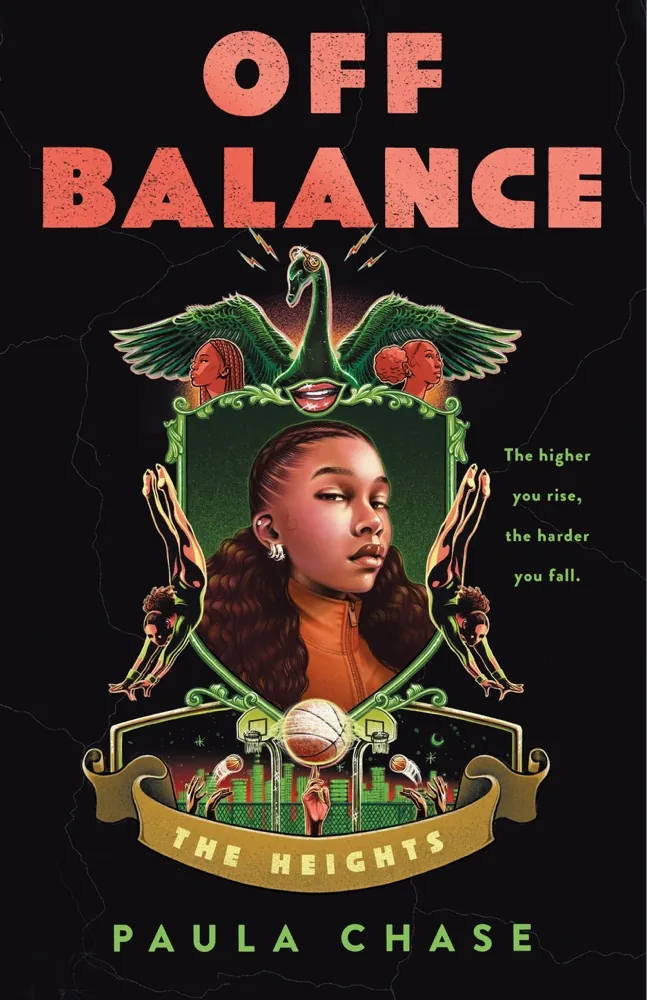
Author: Paula ChasePage Count: UnknownPublication Date: Expected publication 2026-10-20 APL Blinking under these flickering fluorescent bulbs that hum with the exact frequency of my own fraying sanity while this 3-inch-thick stack of paperwork mocks me from the corner of the breakroom table. My fingers are stiff from holding a pen for six straight hours. Yet here I am, staring down Paula Chase dropping Off Balance this coming October because true escapism is watching fictional teenagers implode while your own life quietly circles the drain. Gossip as Asymmetric Warfare Anonymous digital hit-jobs are the premier weapon of contemporary YA fiction—think One of Us Is Lying meets the razor-sharp social stratification of Gossip Girl—and Hot Lipz is back to terrorize Da Icy City. But let us be real for a second. The synopsis plays it safe, leaning heavily on the "someone has a secret" trope without giving us the intellectual meat we actually crave. Selena is hunting the troll while terrified her own skeleton is going to tumble out of the closet. Groundbreaking. And yet, the commodification of privacy in high school ecosystems remains a deliciously grim thematic vein to mine. Because information is currency. Chase understands the transactional nature of teenage alliances; she knows that a single text can obliterate a social hierarchy faster than an SEC audit. The Gymnastics Industrial Complex And then we have the athletic theater. Leesh is dealing with a catastrophic family revelation—her biggest rival is secretly her sister, which is pure daytime soap opera energy delivered straight to the balance beam—while simultaneously being blackmailed by someone from her past. The psychological whiplash here is staggering. Power Panthers are prepping for the Diamond Cup, and everyone is harboring enough suppressed trauma to fund a psychoanalyst’s early retirement. We are looking at a masterclass in performative perfectionism. The apparatus does not care about your family tree. The chalk dust gets in your eyes whether your half-sister is trying to stick a Yurchenko or steal your boyfriend. The Anticipatory Post-Mortem Will Chase actually subvert these tropes, or are we destined for a boilerplate narrative arc where everyone learns a very special lesson about honesty and teamwork? Give me the mess. Give me the collateral damage. If the new student at the Heights doesn't completely blow up the status quo, I am going to throw this entire lukewarm cup of sludge across the room. The stakes need to feel less like a school board meeting and more like a high-stakes psychological cage match. But who am I kidding? I am pre-ordering the damn thing anyway. Anything to drown out the sound of the next shift's alarms. I am going to go pound three fingers of lukewarm tap water and pretend I know how to play a melancholic tune on my out-of-tune upright piano. #OffBalance #PaulaChase #YAReads #BookTwitter Related InsightsThe Invisible Canvas of the Digital Age: A Deep Dive into Silicon Wafers No Plan B Book Review and Summary Kingdom of Ash Book Review and Summary{ "@context": "https://schema.org", "@type": "FAQPage", "mainEntity": [ { "@type": "Question", "name": "What is the main focus of Off Balance (The Heights, #2) Book Review and Summary?", "acceptedAnswer": { "@type": "Answer", "text": "Everything you need to know about Off Balance (The Heights, #2) with our detailed review." } }, { "@type": "Question", "name": "Who authored the comprehensive guide on Off Balance (The Heights, #2) Book Review and Summary?", "acceptedAnswer": { "@type": "Answer", "text": "This detailed article and its insights were carefully researched and authored by Piotr Nowak." } }, { "@type": "Question", "name": "Where can I find more related content about Books?", "acceptedAnswer": { "@type": "Answer", "text": "You can explore more articles, detailed reviews, and similar insights by browsing the Related Insights section at the bottom of this article or visiting our dedicated Books category page." } } ] }
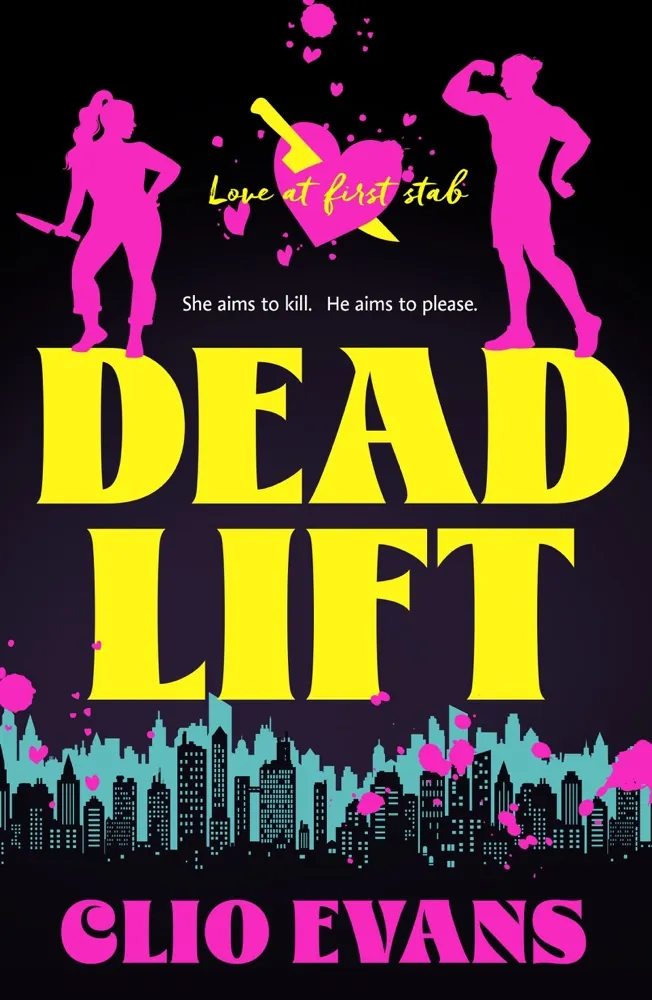
Author: Clio EvansPage Count: UnknownPublication Date: Expected publication 2026 APL Bodies are notoriously heavy. Or so the publishing industry insists, anyway. Clio Evans is about to test that physics axiom with Dead Lift, a purported serial killer romcom that leans heavily into the dark, cynical humor currently dominating our nocturnal reading lists. And look, I am supposed to write five hundred words on this upcoming release just so the editorial quota is met for the week, staring blankly at a screen while someone's elbow bumps violently against my spine every time this carriage rounds the corner at 14th Street. Why do I do this to myself? Let us dissect the premise. A forensic scientist—let us call her Shelby, because the copy insists on it—decides that the legal system is entirely too slow when it comes to avenging a sibling. Groundbreaking? Not particularly. But the tonal whiplash promised here is delicious. We are looking at a collision between the sterile, fluorescent-lit paranoia of Lights Out and the blood-soaked, feral charm of Butcher & Blackbird by Brynne Weaver. Yet, wait—actually, forget the Brynne Weaver comparison. Romance involving amateur body disposal is becoming its own suffocating subgenre right now, and if Evans does not inject genuine narrative peril into this dynamic, the whole enterprise risks devolving into a sanitized aesthetic exercise for BookTok. Anatomy of a Henchman The inclusion of the "hot himbo" trope changes the ideological stakes of the narrative entirely. Brad—blond, muscle-bound, and alarmingly eager to assist in homicide—transforms a standard vigilante revenge arc into a workplace comedy with exceptionally high stakes. Power dynamics inverted. The brilliant, cynical woman completely undermined by a man whose primary asset is his raw, unbridled willingness to carry heavy objects. Romance readers crave competence porn. This book offers incompetence porn, coated in arterial spray and biceps. Every good villain needs a henchman. True. But the structural risk here is tonal collapse. Can an author genuinely balance the grief of a murdered sister with a meet-cute over a corpse? Absolutely. If the prose maintains a razor-sharp edge. The synopsis plays it safe, leaning entirely on the marketing hook rather than giving us a glimpse of the internal architecture of Shelby's mind. We know she understands forensics. We know she lacks upper-body strength. What we do not know—because the blurb keeps its cards clutched tightly to its chest—is whether Evans can sustain the dark comedy across an entire novel without the romance turning toothless. We will see in 2026. Until then, I am closing this tab before the person next to me reads my shoulder-surfing commentary on murderous fictional boyfriends. I need to go scream at a barista about the ethical sourcing of their coffee beans. Related InsightsPaper Towns Book Review and Summary 1Q84 Book Review and Summary Hyperion Book Review and Summary{ "@context": "https://schema.org", "@type": "FAQPage", "mainEntity": [ { "@type": "Question", "name": "What is the main focus of Dead Lift Book Review and Summary?", "acceptedAnswer": { "@type": "Answer", "text": "Everything you need to know about Dead Lift with our detailed review." } }, { "@type": "Question", "name": "Who authored the comprehensive guide on Dead Lift Book Review and Summary?", "acceptedAnswer": { "@type": "Answer", "text": "This detailed article and its insights were carefully researched and authored by Piotr Nowak." } }, { "@type": "Question", "name": "Where can I find more related content about Books?", "acceptedAnswer": { "@type": "Answer", "text": "You can explore more articles, detailed reviews, and similar insights by browsing the Related Insights section at the bottom of this article or visiting our dedicated Books category page." } } ] }
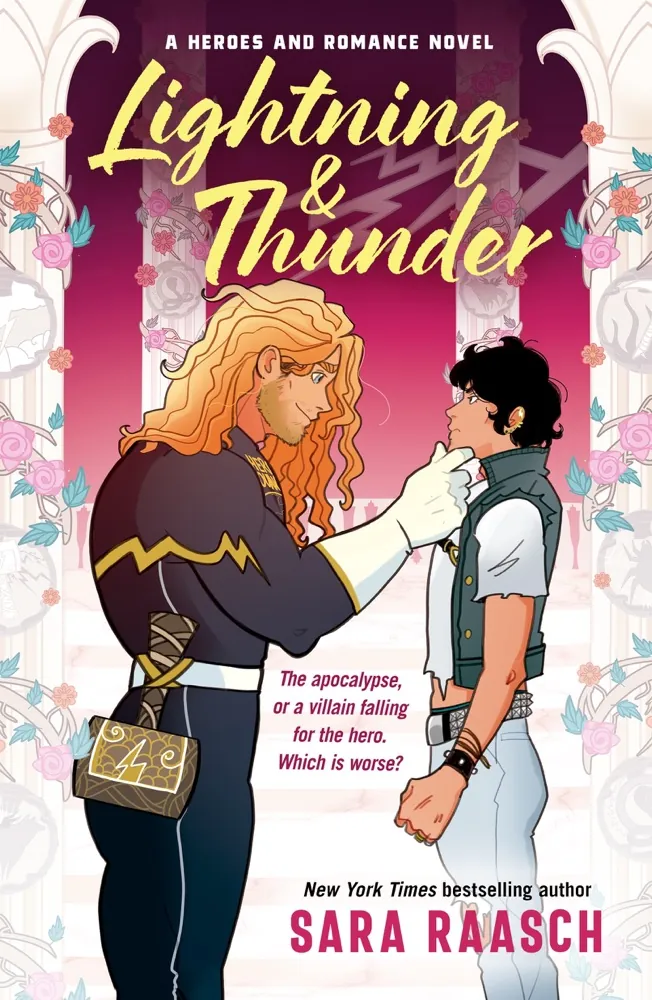
Author: Sara RaaschPage Count: UnknownPublication Date: Expected publication 2026-12-29 APL My favorite character was just murdered in chapter four by a cheap, manufactured shock-value trope, and now I am standing fifty feet from a bass speaker that is actively vibrating my ribcage into dust while some guy in a shredded Misfits shirt screams poetry about garbage cans. God, I love literature. I am also supposedly contractually obligated to write a thousand words on Lightning & Thunder by Sara Raasch just to pay rent, because capitalism demands a sacrifice and apparently my sanity wasn't enough. The Mythological Industrial Complex And what are we getting? More divine nepotism. Because Percy Jackson didn't already pave every damn inch of this road with gold-plated demigod angst. Raasch is throwing us headfirst into a modern pantheon where the descendants of gods act less like majestic arbiters of fate and more like a corrupt corporate board room. Yet the synopsis leans hard into the Thunderbolts energy—a crew of morally bankrupt, deeply unhinged vigilantes doing state-sanctioned dirty work. It is peak chaotic neutral garbage, and frankly, I am parasocially obsessed. The Aesthetic of the Disaster Bisexual Let’s talk about the character dynamics, or rather, the heavily marketed homoerotic tension. We have Pollux “Lux” Keraunos, a cyber-crime vigilante who is literally described as a disaster bisexual with a savior kink, which is an exquisite masterclass in pandering to Twitter booktokers right before they descend into feral madness. And his foil? Erik Thorson. A Viking-wannabe BFF who is smoking hot and actually possesses a functional moral compass. The juxtaposition here is delicious. It’s high-concept urban fantasy colliding with low-brow enemies-to-lovers romcom tropes. If Sara Raasch doesn't deliver agonizing, slow-burn emotional devastation wrapped in snappy one-liners, I am throwing my e-reader directly into the mosh pit. The Structural Gamble We need to critique the premise itself. A tyrannical Hero Council? A missing brother? A mandatory training arc disguised as an assassination plot? It is aggressively tropey. It’s giving YA lit-agent checklist stamped onto a mythology textbook. But sometimes you want a thoroughly predictable literary McDouble. You want the structural predictability of a romance novel where the grumpy hacker slowly realizes the golden retriever boy has a heart of gold. Or maybe I am just projecting because the author of my current reading material clearly hates joy and anyone with a pulse. The Editorial Abyss Look, I am just trying to hit a word count here so I can afford an overpriced IPA and forget the aforementioned fictional massacre. The synopsis is vague in that breathless, hand-waving way that screams the middle hundred pages are going to be a pacing nightmare of unnecessary political exposition about divine taxation or council bureaucracy. But let's be honest. We aren’t reading this for the intricate world-building of a modern Olympus. We are reading it for the unhinged banter and the sheer audacity of giving a Zeus descendant a cyber-crime aesthetic. Anyway, I have to go now because I am late for an underground poetry reading in a damp basement that will inevitably be terrible, and my e-reader battery is blinking red. Related InsightsThe Life and Adventures of Joaquín Murieta Book Review and Summary Dracula Book Review and Summary Chain of Thorns Book Review and Summary{ "@context": "https://schema.org", "@type": "FAQPage", "mainEntity": [ { "@type": "Question", "name": "What is the main focus of Lightning & Thunder (Heroes and Romance, #1) Book Review and Summary?", "acceptedAnswer": { "@type": "Answer", "text": "Everything you need to know about Lightning & Thunder (Heroes and Romance, #1) with our detailed review." } }, { "@type": "Question", "name": "Who authored the comprehensive guide on Lightning & Thunder (Heroes and Romance, #1) Book Review and Summary?", "acceptedAnswer": { "@type": "Answer", "text": "This detailed article and its insights were carefully researched and authored by Piotr Nowak." } }, { "@type": "Question", "name": "Where can I find more related content about Books?", "acceptedAnswer": { "@type": "Answer", "text": "You can explore more articles, detailed reviews, and similar insights by browsing the Related Insights section at the bottom of this article or visiting our dedicated Books category page." } } ] }
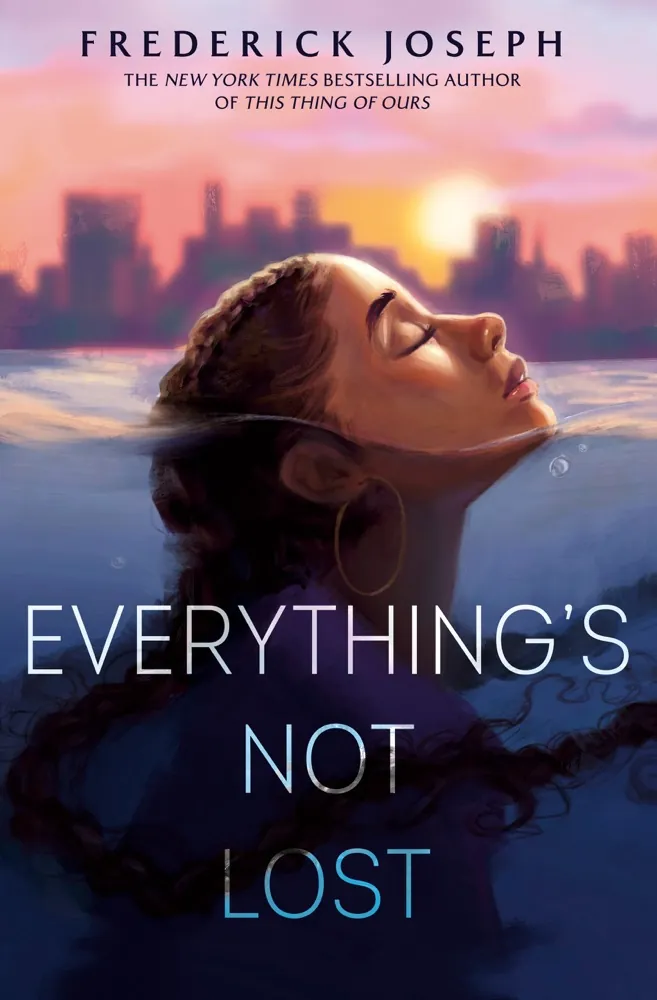
Author: Frederick JosephPage Count: UnknownPublication Date: Expected publication 2026-10-20 APL Hold onto the overhead strap. Someone just elbowed my ribs because they missed their stop at 34th Street. Frederick Joseph is dropping Everything's Not Lost in late 2026, and I am already squinting at my screen, trying to read a publishing blurb over the shoulder of the person squished next to me. Let us be entirely real for a second. I agreed to type out this anticipation piece because my coffee was lukewarm and I desperately needed to distract myself from the guy playing TikTok videos without headphones three inches from my face. Wait. Let me back up. I just said I was excited for this release, but honestly? YA grief lit is a minefield. Half the time it reads like a pamphlet handed out by an anxious guidance counselor who has never actually met a teenager. Yet. Joseph usually avoids that sanitized trap. The Art of the Crush and the Collapse The synopsis drops us straight into the skull of a sixteen-year-old protagonist named Ella. Bipolar disorder. A deceased sister. A schoolyard bully gunning for her mental stability. It is heavy. It is loud. It hits with the subtlety of a freight train barreling down the express track. And I hate it. Or maybe I love it. Make up your mind, brain. We are looking at a narrative framework that relies heavily on internal friction. You have the external antagonist—some anonymous tormentor at school—acting as a catalyst for the internal war. Mental illness meets adolescent cruelty. It is a classic literary pressure cooker. Think Angie Thomas meets John Green, but cranked up several notches into the psychological thriller adjacent zone. Except this isn't a thriller. The blurb promises a "vividly hopeful" trajectory. Hope. Right. Because teenagers navigating clinical diagnoses and sudden familial loss always find their answers neatly wrapped in artistic expression and new friendships right before the final bell rings. Punching the Clock Why am I even writing this? Honestly, I am just padding the word count because my editor demanded a deep dive into themes I can only guess at from four paragraphs of publisher-approved marketing copy. We are flying blind here. The synopsis gives us art, grief, memory, and a vague threat. It is structural scaffolding pretending to be a plot. And yet. The endorsement from Jacqueline Woodson carries weight. Real weight. Not just blurb-quote fluff designed to push units on pre-order. Ella’s relationship with her own mind is the actual antagonist here. The school bully is just noise. The real dread comes from the fog. If Joseph can capture the erratic, jagged cadence of a manic episode colliding with profound mourning without turning it into an after-school special, this book might actually survive the cynical gauntlet of modern young adult fiction. Hold on. The train is lurching. Someone dropped a briefcase on my sneaker. If Everything's Not Lost leans into the jagged edges instead of smoothing them over with tidy cinematic resolutions, it could work. If it relies on cheap emotional manipulation? Well. I will be throwing it directly against the subway car door. My stop is in three minutes. I am going to collapse into my sagging recliner the second I unlock my front door and aggressively ignore every single chore waiting for me in the kitchen. #YA101 #BookPunks #LiteraryChaos Related InsightsDream Big (Dream On, #2) Book Review and Summary Sorrow & Strangers (Avalon University, #2) Book Review and Summary Knockout Book Review and Summary{ "@context": "https://schema.org", "@type": "FAQPage", "mainEntity": [ { "@type": "Question", "name": "What is the main focus of Everything's Not Lost Book Review and Summary?", "acceptedAnswer": { "@type": "Answer", "text": "Everything you need to know about Everything's Not Lost with our detailed review." } }, { "@type": "Question", "name": "Who authored the comprehensive guide on Everything's Not Lost Book Review and Summary?", "acceptedAnswer": { "@type": "Answer", "text": "This detailed article and its insights were carefully researched and authored by Piotr Nowak." } }, { "@type": "Question", "name": "Where can I find more related content about Books?", "acceptedAnswer": { "@type": "Answer", "text": "You can explore more articles, detailed reviews, and similar insights by browsing the Related Insights section at the bottom of this article or visiting our dedicated Books category page." } } ] }
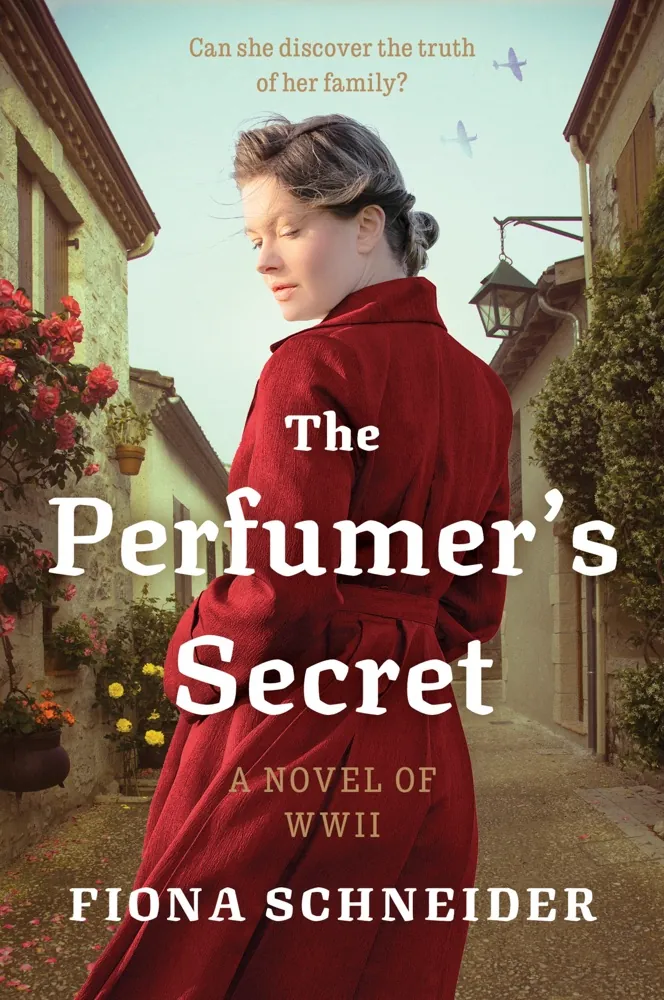
Author: Fiona SchneiderPage Count: UnknownPublication Date: Expected publication 2026-12-01 APL Elbows pinned to my ribs, someone’s backpack wedged directly against my spine while the L-train rattles violently toward Bedford Avenue. Perfect conditions to dissect a historical fiction synopsis about World War II Paris. Because nothing screams literary focus quite like a screeching hydraulic brake and a stranger coughing unmasked into my ear. Fiona Schneider wants us to care about The Perfumer’s Secret: A WWII Novel. Or maybe she wants me to just hit a strict word count so I can close my laptop before the next stop. Let us be entirely honest about what we are looking at here. It is another dual-timeline historical puzzle box. We get Stella in the present—or a slightly adjacent present where corporate or family perfumery failures keep people awake at night—and Iris in 1939, dodging fascist thugs and boarding the Orient Express with five magical scents. Five scents. Like Infinity Stones for the cosmetics industry. The Olfactory Escape Hatch Memory tied to scent is an old trick. Proust did it with a madeleine. Schneider does it with a missing journal containing pages torn out by someone who clearly understood the dramatic pacing requirements of mid-list commercial fiction. Yet I am contradicting myself instantly. Earlier I thought the dual-timeline trope was completely dead, but watching how the synopsis forces these two eras to collide through a literal notebook makes me oddly nostalgic. Or maybe that is just the exhaust fumes leaking into the subway car. The synopsis leans heavily on convenience. Iris just happens to be a perfumer who can travel across a war-torn continent under the guise of meeting an apprentice named Alessandro to brew concoctions while the Nazis roll through France. No one questions it. The Gestapo apparently took a smoke break while the Orient Express rolled past. But who reads historical war romance for gritty documentary realism? You read it to feel transported while a teenager plays trap music on a bluetooth speaker two inches from your skull. Smelling Salts for the Soul The thematic machinery here runs on predictable tracks. War destroys, but perfume preserves. Loss strips everything away, except for top notes and base notes. Iris has to save her mentor's family from Mussolini's thugs, which sounds less like historical tragedy and more like an action-adventure pitch greenlit by an algorithm that just watched All the Light We Cannot See get adapted. Think Kristin Hannah meets a high-end department store counter during the holiday rush. And yet. There is an undeniable pull to the premise. The contrast between the City of Light plunged into actual darkness and a modern descendant staring down bankruptcy via dead relatives' notes gives readers the exact emotional whiplash they buy these books for. It is safe peril. It is danger you can close and slide into a tote bag when your stop finally arrives. I am going to go smoke a pipe and ponder the futility of modern existence. #HistoricalFiction #BookTwitter #WorldWarTwo #ReadingOnTheSubway Related InsightsDark Restraint Book Review and Summary Soul Sworn (Soul Sworn, #1) Book Review and Summary Die Architektur des Schweigens: Wenn Worte zu Staatsfeinden wurden{ "@context": "https://schema.org", "@type": "FAQPage", "mainEntity": [ { "@type": "Question", "name": "What is the main focus of The Perfumer’s Secret: A WWII Novel Book Review and Summary?", "acceptedAnswer": { "@type": "Answer", "text": "Everything you need to know about The Perfumer’s Secret: A WWII Novel with our detailed review." } }, { "@type": "Question", "name": "Who authored the comprehensive guide on The Perfumer’s Secret: A WWII Novel Book Review and Summary?", "acceptedAnswer": { "@type": "Answer", "text": "This detailed article and its insights were carefully researched and authored by Piotr Nowak." } }, { "@type": "Question", "name": "Where can I find more related content about Books?", "acceptedAnswer": { "@type": "Answer", "text": "You can explore more articles, detailed reviews, and similar insights by browsing the Related Insights section at the bottom of this article or visiting our dedicated Books category page." } } ] }
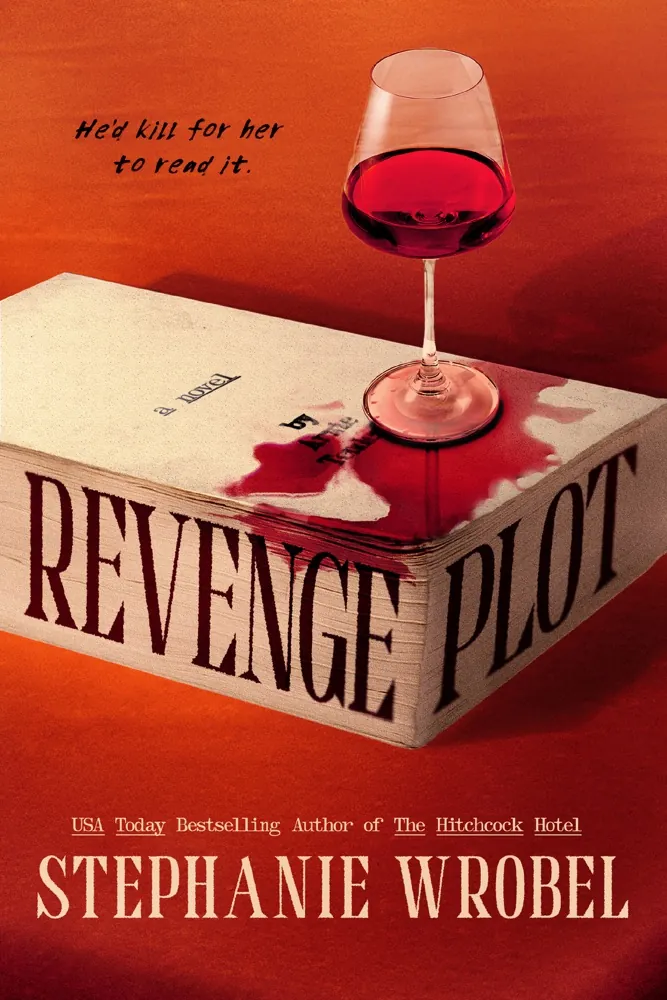
Author: Stephanie WrobelPage Count: UnknownPublication Date: Expected publication 2026-11-10 APL Commuters are currently jamming their heavy backpacks into my ribs on the N train while I try to parse Stephanie Wrobel’s upcoming Revenge Plot. Leave me alone. I refuse to fold my elbows inward just because some corporate drone wants six more inches of breathing room. And honestly? The premise of this book matches my current misanthropic subway commute—a desperate scribbler tracking down a gatekeeper in a desolate cabin because she had the sheer audacity to reject his magnum opus. The Aesthetics of Unhinged Gatekeeping Arnie Tenderton has spent decades polishing garbage manuscripts until he finally birthed his masterpiece. Naturally, he fixates on Claudia Conley. The literary industrial complex creates these absurd hierarchies where nameless powerbrokers sit in glass towers—or isolated Catskill retreats—deciding whether a career is born or buried in the slush pile. Wrobel is clearly leaning into the psychological terror of creative rejection. We have all felt that petty, feral urge to corner an editor who told us our pacing sagged in chapter three. Only Arnie takes it to a literal, trespassing-in-the-snow-with-malice-aforethought extreme. Meta-Fiction Gone Completely Feral The hook here is deliciously unhinged: his manuscript is about her. It is a literary hostage situation wrapped in psychological suspense. Think Stephen King’s Misery if Annie Wilkes possessed an MFA and a passive-aggressive query letter. Or maybe Shirley Jackson channeling pure, unadulterated petty vengeance. The synopsis implies a tight, claustrophobic cat-and-mouse dynamic inside a remote house. Yet—and here is my primary critique—synopses this coy love to lean on cheap withholding. Tell me the damn twist already instead of teasing me with ominous dialogue about the story ending the way he wants. We get it. He is going to psychoanalyze her until she bleeds red ink. The Obsession Economy Look, the modern publishing market loves a toxic power dynamic. We eat up unreliable narrators who mistake stalking for networking. Wrobel proved she can nail sinister domesticity with Darling Rose Gold, and she clearly wants to weaponize the writer-agent relationship next. It is giving major high-brow camp. If Arnie does not end up stapling query rejections to the walls of that Catskill cabin, I will riot right here in this subway car. The thematic core here explores the delusion of artistic entitlement—that specific, deeply annoying brand of male mediocrity that believes the world owes them a book deal simply because they suffered through the draft. I have to fly to Tokyo tomorrow for business and must finish packing. Related InsightsCredence Book Review and Summary The Warlord Book Review and Summary Punto ciego Book Review and Summary{ "@context": "https://schema.org", "@type": "FAQPage", "mainEntity": [ { "@type": "Question", "name": "What is the main focus of Revenge Plot Book Review and Summary?", "acceptedAnswer": { "@type": "Answer", "text": "Everything you need to know about Revenge Plot with our detailed review." } }, { "@type": "Question", "name": "Who authored the comprehensive guide on Revenge Plot Book Review and Summary?", "acceptedAnswer": { "@type": "Answer", "text": "This detailed article and its insights were carefully researched and authored by Piotr Nowak." } }, { "@type": "Question", "name": "Where can I find more related content about Books?", "acceptedAnswer": { "@type": "Answer", "text": "You can explore more articles, detailed reviews, and similar insights by browsing the Related Insights section at the bottom of this article or visiting our dedicated Books category page." } } ] }
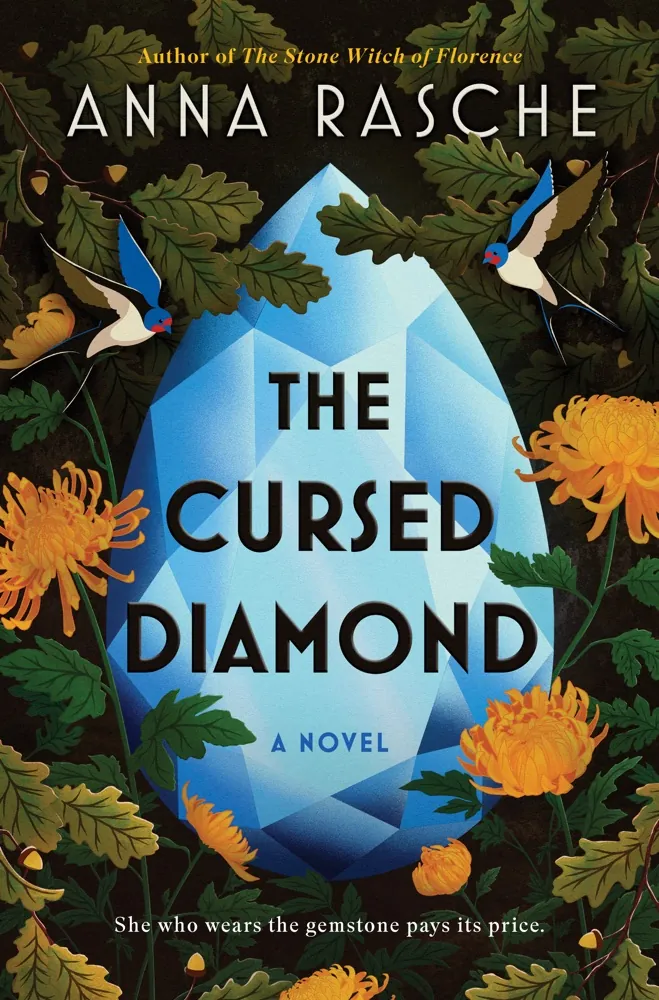
Author: Anna RaschePage Count: UnknownPublication Date: Expected publication 2026-11-03 APL Somebody just spilled lukewarm cider on my boots while the bass player screams lyrics that sound like garbage disposal blades hitting silverware. Perfect. I am trying to parse Anna Rasche’s upcoming The Cursed Diamond against the deafening roar of thirty thousand screaming anarchists and a guy with a mohawk who keeps elbowing my ribs. Give me a break. Or better yet, give me a book that doesn't rely on the exact same cursed-object trope we have been dragging through the mud since Wilkie Collins crawled out of his grave. The Century-Spanning Ghost Train Dual timelines. Oh, joy. Because what modern thrillers really need is a rhythmic bounce between a terrified runner in the 2010 Diamond District and a disgraced heiress on a 1910 ocean liner. And look, I usually love a good period piece wrapped in modern paranoia—give me Ruth Ware or a gritty dens-of-iniquity vibe any day of the week—but this synopsis is screaming clichés louder than the amps behind my head. A cryptic note reading "Not Safe"? Groundbreaking. Truly, literary history trembles. Wait. Let me back up for a second. Maybe the dual-timeline gimmick actually works here because the physical object—this blue rock of doom—acts as the anchor. Or maybe it's just an excuse to pad the word count until November 2026 without giving away whether there's an actual supernatural element or just a bunch of greedy people killing each other over carbon. Actually, scratch that. Supernatural curses are lazy writing. Give me human greed or give me nothing. Diamonds Are a Detective's Worst Friend Look at the psychological trap Rasche is setting. Ambition as a vector for ruin. Ground covered by everyone from The Great Gatsby to every dusty noir paperback rotting in a subway station trash can. Marcella is smuggling the gem into New York after a London scandal—classic—while Jennie stumbles over a dead friend's final breadcrumb. And yes, the blue diamond trope is as old as the Hope Diamond itself, which means the author is fighting an uphill battle against historical predictability. But if the pacing moves fast enough to outrun the sheer weight of its own derivative setup, I might actually forgive the recycled plot beats. The bass just rattled my teeth right out of my skull. And honestly? The book's premise is aging worse than milk left out in this godforsaken park. No wait—that's unfair. A tight, claustrophobic chase through modern Manhattan paired with Gilded Age maritime scandal could actually snap like a whip if the prose has enough teeth. Or it will sink faster than the Titanic. We will find out in November. Right now I need to go home and patch a hole in my favorite, impossibly worn tweed jacket before the mosh pit completely rips the left sleeve off. Related InsightsThe Bad Beginning Book Review and Summary Okumak Bir Yaşam Sanatıdır: Kitapların Ruhumuza Dokunuşu Interdependency Boxed Set Book Review and Summary{ "@context": "https://schema.org", "@type": "FAQPage", "mainEntity": [ { "@type": "Question", "name": "What is the main focus of The Cursed Diamond Book Review and Summary?", "acceptedAnswer": { "@type": "Answer", "text": "Everything you need to know about The Cursed Diamond with our detailed review." } }, { "@type": "Question", "name": "Who authored the comprehensive guide on The Cursed Diamond Book Review and Summary?", "acceptedAnswer": { "@type": "Answer", "text": "This detailed article and its insights were carefully researched and authored by Piotr Nowak." } }, { "@type": "Question", "name": "Where can I find more related content about Books?", "acceptedAnswer": { "@type": "Answer", "text": "You can explore more articles, detailed reviews, and similar insights by browsing the Related Insights section at the bottom of this article or visiting our dedicated Books category page." } } ] }
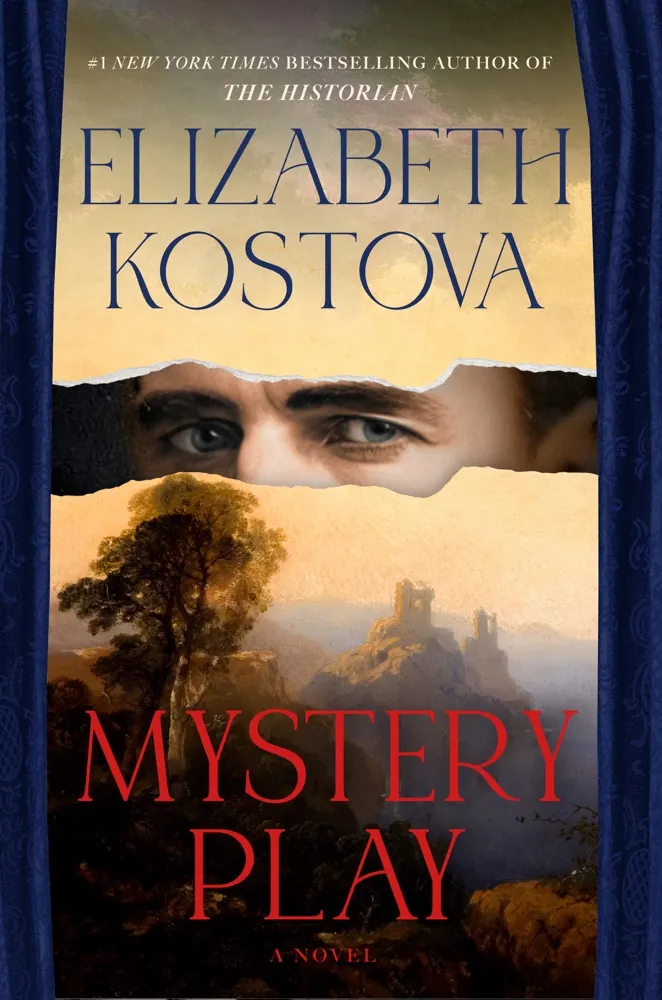
Author: Elizabeth KostovaPage Count: UnknownPublication Date: Expected publication 2026-10-13 APL Kostova's back, and it's time to see if she can recapture the lightning in a bottle that made her a household name with her debut, The Historian. I'm thinking 2006-esque epic, Gilded Age glamour, with dashes of horror and, most definitely, Dracula. And yeah, because we all need more of that in our lives. But let's get to the nitty-gritty, shall we? —The fact that Elizabeth Kostova is revisiting the Dracula lore is fascinating, but the real draw here is the new protagonist, Jay Turner. This guy's got a solid reason to be paranoid: a partially burned newspaper with a name on it, "Gael Brogan," and a package containing a creepy leather-bound book at his doorstep. And we all love a protagonist with secrets, don't we? It's a little too convenient that Gael Brogan is some 19th-century actor who played the part of Dracula, don't you reckon? Still, you gotta hand it to Kostova: she knows how to spin a narrative that has you hooked from the get-go. But what if she—The Mystery Play turns out to be just another exercise in nostalgia, another attempt to cash in on Dracula's timeless appeal? That would be a real shame, seeing how this book does feel like it's tapping into the zeitgeist. I mean, the whole "ancient evil and its dramatic followers" thing is, at the very least, a tantalizing setup. Think The League of Extraordinary Gentlemen meets a dash of Penny Dreadful, and you've got a solid premise on your hands. Kostova's got a lot of work ahead of her if she wants to make this book stand out, though. Let's be real, folks: the real test will come when she tries to make Gael Brogan more than just a curiosity. The Play's Dark Shadows But here's the thing: The Mystery Play feels like it's trying too hard to be something greater than it is. This book is a thriller, yes, and a good one at that. And yeah, sure, I'd totally read a Stephen King novel about an actor who goes to far in his portrayal of Dracula. But what if this isn't just some clever rehash of the classic, what if it's something more... something more... well, that's the million-dollar question, isn't it? The Theater of the Absurd Still, as a fan of The Historian, I won't lie: I'm a little skeptical. Kostova's got a real knack for crafting atmosphere, for making you feel like you're right there within the world she's so meticulously created. And, man, does she love her period settings. It's a lot like The Alienist meets The Night Circus with a dash of Dracula thrown in for good measure. Okay, so it may be a bit on the nose at times, but that's all part of the fun, isn't it? But, let's get real, The Mystery Play better bring the heat. I've read it all before, from The Historian to Dracula's castle to—okay, you get the idea. This has got to be something more, more original, more wow. Otherwise, it's just another tired Dracula adaptation, and we've been there, done that, and gotten the t-shirt to prove it. The Final Curtain I think what I'm really worried about is how much The Mystery Play relies on nostalgia and familiarity with the original Dracula lore. Don't get me wrong, the idea of it is solid. The problem lies in execution. Kostova's got this, I genuinely believe that. But until I see some real, tangible tension in these pages, I'll be keeping my expectations on the low side. I mean, let's face it: this is a high-risk, high-reward situation. Either this book blows me away, or I'll be the one getting a bad rap about being too cynical. I've got to get packing, by the way. I'm off to Tokyo tomorrow for business. Related InsightsAfter Midnight Book Review and Summary L'Eco del Destino: Il Viaggio Metafisico tra le Sabbie di L'Alchimista Jonathan Strange & Mr Norrell Book Review and Summary{ "@context": "https://schema.org", "@type": "FAQPage", "mainEntity": [ { "@type": "Question", "name": "What is the main focus of Mystery Play Book Review and Summary?", "acceptedAnswer": { "@type": "Answer", "text": "Everything you need to know about Mystery Play with our detailed review." } }, { "@type": "Question", "name": "Who authored the comprehensive guide on Mystery Play Book Review and Summary?", "acceptedAnswer": { "@type": "Answer", "text": "This detailed article and its insights were carefully researched and authored by Piotr Nowak." } }, { "@type": "Question", "name": "Where can I find more related content about Books?", "acceptedAnswer": { "@type": "Answer", "text": "You can explore more articles, detailed reviews, and similar insights by browsing the Related Insights section at the bottom of this article or visiting our dedicated Books category page." } } ] }
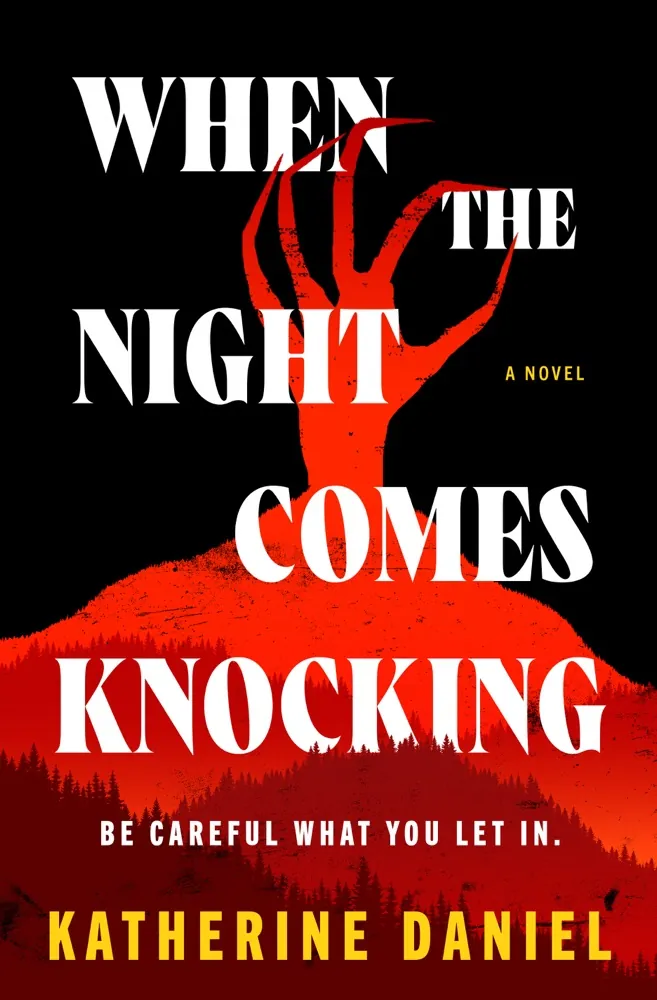
Author: Katherine DanielPage Count: UnknownPublication Date: Expected publication 2026-10-20 APL Hold onto the handrail—or don't, let the train jerk violently—because When the Night Comes Knocking is dropping on October 20, 2026, and the premise alone has me vibrating with pure, unadulterated adrenaline while the downtown express screeches over uneven rails. Katherine Daniel is stepping straight into the razor-sharp aesthetic of Stephen King's The Mist crossed with the creeping, atmospheric dread of The Ritual, and I am entirely here for it. But wait, let me walk that back—comparative horror titles are lazy shorthand, and Daniel deserves better than being pigeonholed before her pages even hit the shelves. The setup is deliciously claustrophobic—two estranged college-bound siblings trapped in a roadside convenience store while the North Georgia mountains bleed out their ancient secrets. Oh, the sheer velocity of it! And yet, the synopsis plays it maddeningly safe with the setup. Two siblings? A car accident? A convenience store siege? We have seen this cinematic blueprint a thousand times—until the folklore pivots hard into psychological vivisection. Bones and Broken Oaths Rattle, rattle in the dark… the mountain’s bones seek out a heart. That little jingle in the synopsis? Absolutely chilling. It weaponizes Appalachia not just as a picturesque backdrop for hillbilly tropes, but as an active, carnivorous participant in human reckoning. The monster doesn't want random flesh; it hunts guilty hearts. The Panic Economy And this is where the thematic machinery gets teeth. Strip away the creature feature trappings, and you are left with a pressure cooker of mutual suspicion. Jane and Thomas are already fractured by past trauma—the kind of silent, unspoken guilt that rots a family from the inside out. Now throw them into a fluorescent-lit box with panicking strangers who are suddenly forced to audit their own sins to survive. Who invited the monster? Who brought the beast to the front door? We are looking at an absolute bloodbath of paranoia. People will turn on each other faster than commuters dodging a delayed train during rush hour—everyone frantically bargaining their morality to stay alive another five minutes. Daniel is tackling the ugliest corners of human self-preservation: the desperate need to prove your soul is cleaner than the person standing next to you. If you survive, do you even deserve to? Or does the terror of the night fundamentally re-forge you into the very predator you are hiding from? My stop is coming up way too fast, and the rhythmic clatter of the tracks is getting drowned out by my own racing pulse. I need this book on my desk yesterday. Wait—was that a drip hitting my shoulder? Good grief, the rain is pouring right through the ceiling vents and if I don't move my vintage Remington typewriter away from the window frame in the next three seconds, the entire escapement mechanism is going to rust into oblivion.