Showing Posts From
Military
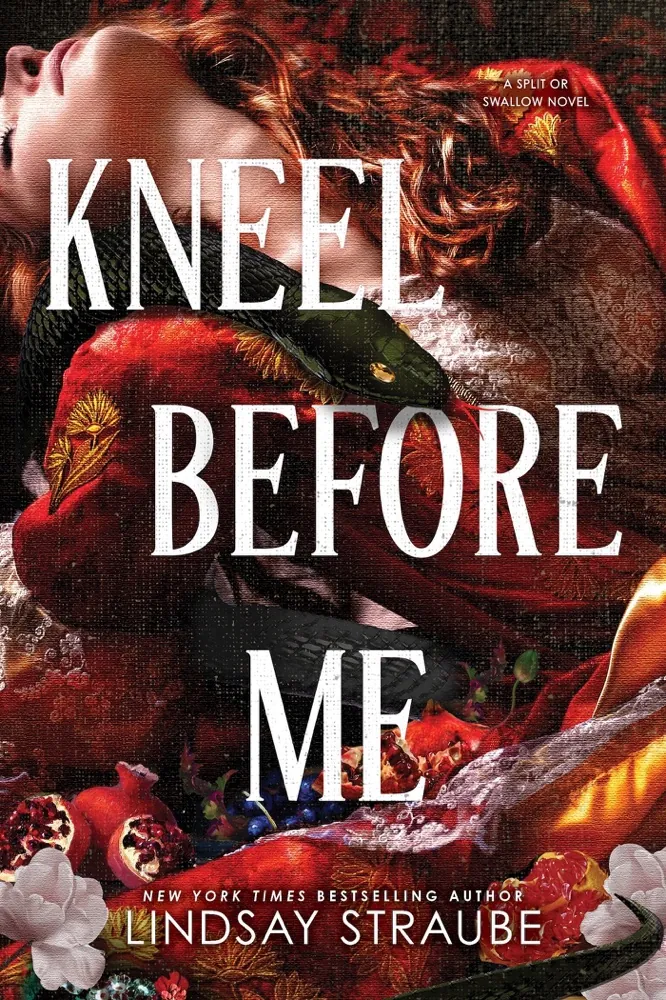
Author: Lindsay StraubePage Count: UnknownPublication Date: Expected publication 2026-09-29 APL Sweat is currently pooling in the hollow of my throat while a blaring siren three streets down tries to drown out the screech of the L train rattling past. Perfect conditions to dissect Kneel Before Me. Lindsay Straube is leaning hard into the monster-romance industrial complex here, and honestly? Give me the teeth. Give me the scales. The plot layout in the synopsis is entirely derivative. Oh, a human woman traded for village safety? Groundbreaking. We have read this exact blueprint in half a dozen indie romantasy breakouts this year alone—think Sarah J. Maas meets every generic TikTok algorithm trap you can possibly scroll past before your screen time alert goes off. But wait—actually, scratch that. Dismissing it as mere trend-chasing is cheap. Straube knows how to write a biting sentence, and the premise of a literal basilisk who respects a hard boundary is admittedly hilarious and weird enough to save the setup from total banality. Scales, Boundaries, and Basoliths The thematic core here hinges on institutionalized power dynamics versus radical bodily autonomy. Daphne Verus sets a single rule: no sex. And the apex predator actually listens? That is the real fantasy. Not the claws. Not the underground mountain caves where the sun never hits. Consent as the ultimate aphrodisiac is a tired trope by now—wait, no, let me rephrase that. It is never tired. It is perpetually underutilized, especially when wrapped in the scaly, venomous packaging of a mythological beast who could technically turn her into igneous rock with a single glare. Kronos Seneca represents the ultimate literary paradox. A monster by nature, yet remarkably the only man in her universe who possesses basic human decency. The synopsis leans heavily on this juxtaposition. It is lazy shorthand. We are told, rather than shown, that he sees her better than anyone. Yet the tension survives solely on the friction of that one enforced boundary. The Price of a Crown Power corruption runs rampant through the subtext of this prequel. Kronos risks his chance at the crown just by claiming her. Classic high-stakes political maneuvering disguised as spicy creature-feature fiction. Straube is playing a dangerous game with pacing based on this synopsis—will the cave claustrophobia choke the narrative, or will the slow burn actually ignite before September 2026 rolls around? I have my doubts about the middle act, mostly because subterranean romance settings usually devolve into endless corridor wandering and brooding by obsidian firesides. Yet I will probably preorder it anyway. The summer heat is making my brain melt into mush on this iron railing, and sometimes you just need a basilisk boyfriend who respects the word NO. I have to run. I am late for a retrospective screening of early 2000s Romanian art-house shorts at that underground cinema downtown. Related InsightsNanny Nanny Book Review and Summary The Last Unicorn Book Review and Summary Framed in Death Book Review and Summary{ "@context": "https://schema.org", "@type": "FAQPage", "mainEntity": [ { "@type": "Question", "name": "What is the main focus of Kneel Before Me (Split or Swallow, #3) Book Review and Summary?", "acceptedAnswer": { "@type": "Answer", "text": "Everything you need to know about Kneel Before Me (Split or Swallow, #3) with our detailed review." } }, { "@type": "Question", "name": "Who authored the comprehensive guide on Kneel Before Me (Split or Swallow, #3) Book Review and Summary?", "acceptedAnswer": { "@type": "Answer", "text": "This detailed article and its insights were carefully researched and authored by Piotr Nowak." } }, { "@type": "Question", "name": "Where can I find more related content about Books?", "acceptedAnswer": { "@type": "Answer", "text": "You can explore more articles, detailed reviews, and similar insights by browsing the Related Insights section at the bottom of this article or visiting our dedicated Books category page." } } ] }
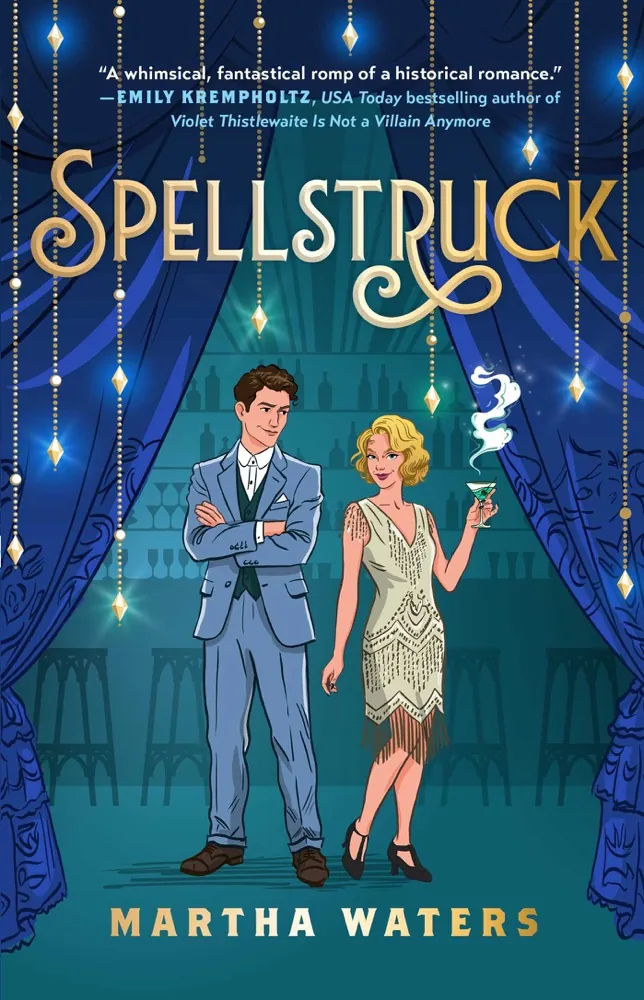
Author: Martha WatersPage Count: UnknownPublication Date: Expected publication 2026-09-29 APL Rushing to get my thoughts down on Spellstruck before my subway stop arrives — and I'm already hooked on the premise. A historical romance with a dash of magic, set in an alternate 1920s London, where the use of magic has been outlawed? It's like Martha Waters is speaking my language. But, I have to say, the synopsis feels a bit... vague. I mean, what exactly are these "accidents" that are striking the magical speakeasies? And how does Vesper Holloway's family club fit into the larger picture? Yet, despite the lack of detail, I'm intrigued by the idea of a magical underworld operating in secret. As I ponder the themes of Spellstruck, I'm reminded of authors like Naomi Novik and Susanna Clarke, who have mastered the art of blending fantasy and historical fiction. The idea of a hidden world of magic, existing just beneath the surface of everyday life, is a compelling one — and I'm curious to see how Waters explores this concept. And, of course, the romance between Vesper and Maxwell Ashbridge is a major draw. I love a good enemies-to-lovers story, and the fact that Max has a personal vendetta against the magical elite adds an extra layer of tension to their relationship. But, what really gets me is the chemistry between them — it's like the sparks are flying, even in the synopsis. The Magic of Subversion Now, I know some readers might be thinking, "Oh, great, another fantasy romance with a strong female lead and a brooding love interest." But, I think Waters is onto something more nuanced here. The fact that Vesper's family club is operating outside the law, and that Max is tasked with enforcing the ban on magic, raises interesting questions about power and rebellion. It's like Waters is asking us to consider the consequences of suppressing certain aspects of human nature — and whether the benefits of conformity are worth the cost. That’s certainly an opinion. And, as someone who devours thrillers like they're going out of style, I appreciate the potential for danger and suspense that this setup provides. As I see it, Spellstruck has the potential to be a real game-changer in the fantasy romance genre. With its unique blend of history, magic, and romance, it's like Waters is throwing down the gauntlet — challenging readers to rethink their assumptions about the genre. And, let's be real, the comparison to USA TODAY bestselling author Emily Krempholtz is no small thing. It's like the literary world is already buzzing with anticipation. But, will Spellstruck live up to the hype? Only time will tell. For now, I'm just excited to see where Waters takes us on this wild ride. A Dash of Magic One thing that's got me curious is the role of magic in the story. Is it just a plot device, or does it serve a deeper purpose? I mean, what does it say about Vesper and Max that they're drawn to each other, despite being on opposite sides of the law? And, how does the magical underworld reflect the societal tensions of the time? These are the kinds of questions that keep me up at night, wondering about the possibilities. Yet, as much as I want to dive in and start analyzing the themes and characters, I'm also aware that I'm working with limited information. The synopsis is just a tease, a hint of what's to come. In the end, it's all about the execution. Can Waters deliver on the promise of Spellstruck, or will it fall flat? I'm willing to take the risk, because the potential payoff is just too great. And, who knows, maybe I'll even find myself swept up in the magic of it all. But, for now, I have to go — my stop is coming up, and I still have to sweep the sawdust out of the garage #BookLovers #FantasyRomance #MagicalRealism #SubwayReads Related InsightsIn the Margins Book Review and Summary The Summer We Crossed Europe in the Rain Book Review and Summary Wonder Book Review and Summary{ "@context": "https://schema.org", "@type": "FAQPage", "mainEntity": [ { "@type": "Question", "name": "What is the main focus of Spellstruck Book Review and Summary?", "acceptedAnswer": { "@type": "Answer", "text": "Everything you need to know about Spellstruck with our detailed review." } }, { "@type": "Question", "name": "Who authored the comprehensive guide on Spellstruck Book Review and Summary?", "acceptedAnswer": { "@type": "Answer", "text": "This detailed article and its insights were carefully researched and authored by Piotr Nowak." } }, { "@type": "Question", "name": "Where can I find more related content about Books?", "acceptedAnswer": { "@type": "Answer", "text": "You can explore more articles, detailed reviews, and similar insights by browsing the Related Insights section at the bottom of this article or visiting our dedicated Books category page." } } ] }
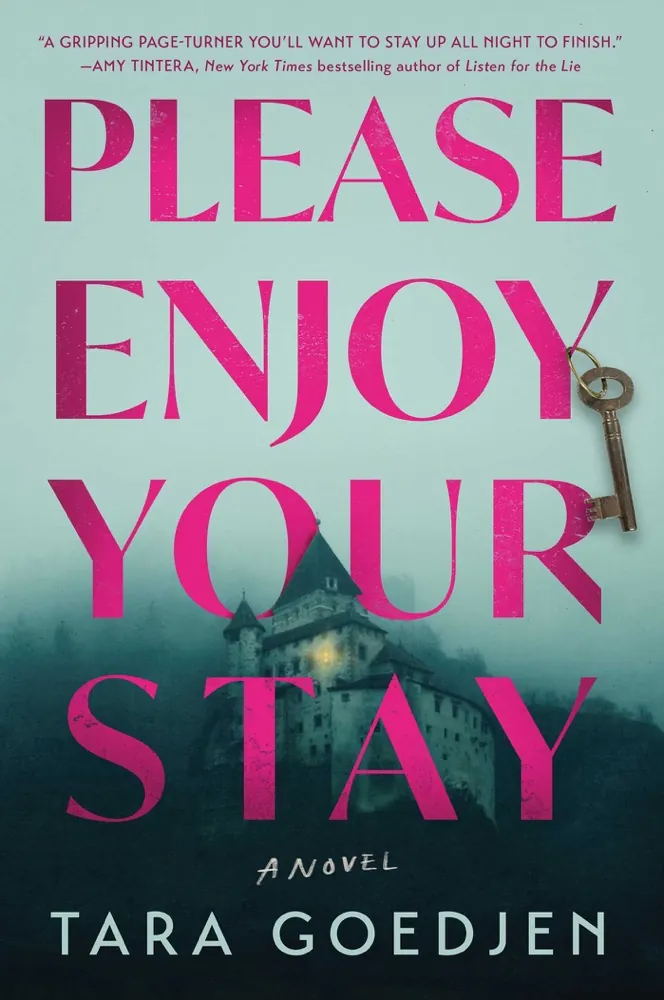
Author: Tara GoedjenPage Count: UnknownPublication Date: Expected publication 2026-10-13 APL I'm squished in a crowded subway car, clutching my worn paperback copy of The Silent Patient by Alex Michaelides, and yet my mind is already racing to the latest thriller that's about to shake the literary world – Tara Goedjen's Please Enjoy Your Stay. As I read the official synopsis, I can feel the familiar rush of adrenaline and anticipation that comes with diving into a gripping page-turner. The Darkness Beneath the Castle's Glamour Goedjen's latest novel promises to be an addictive, atmospheric thriller that will keep me up all night – and I'm not complaining. The setup is tantalizing: a true crime podcast reopens a decade-old murder case, forcing the protagonist, Mia, to confront her past and the toxic family secrets that have haunted her for years. The story unfolds in an infamous European castle, now revamped as a luxury hotel, where Mia returns to work as a nanny and investigate the truth behind her cousin's murder. But what really catches my attention is the way Goedjen expertly weaves together the dark, gothic atmosphere of the castle with the sinister, deadly lies that threaten to destroy Mia's life. The synopsis hints at a complex web of motives and secrets, and I'm eager to see how the author will peel away the layers to reveal the truth. And yet, as I read through the synopsis, I'm struck by the vagueness of certain details. Who is the mysterious figure that disappears on the property? What new evidence emerges to cast doubt on Mia's original testimony? The lack of specifics only adds to my curiosity, leaving me with more questions than answers. A Descent into Madness? As I delve deeper into the synopsis, I notice a recurring theme – the blurring of reality and truth. Mia's testimony was instrumental in putting the killer behind bars, but now she's forced to confront the possibility that she accused the wrong man. This raises questions about the reliability of memory, the power of suggestion, and the devastating consequences of a single misstep. Goedjen's exploration of these themes reminds me of the works of Ruth Ware and Lucy Foley, who are masters of crafting tense, psychological thrillers that keep readers on the edge of their seats. I predict that Please Enjoy Your Stay will be a similarly unputdownable read, with its expertly crafted suspense and pitch-perfect pacing. But what really sets Goedjen's novel apart is its unique blend of psychological tension and atmospheric setting. The castle, with its dark history and glamorous facade, becomes a character in its own right, exerting a malevolent influence on the characters and events that unfold within its walls. A Thriller to Watch Out For As I finish reading the synopsis, I'm left with a sense of excitement and anticipation. Please Enjoy Your Stay promises to be a gripping, atmospheric thriller that will keep me up all night, and I'm eager to dive in and uncover the secrets that lie within its pages. With its unique blend of psychological tension, atmospheric setting, and expertly crafted suspense, this novel is sure to be a hit with fans of the genre. Now, if you'll excuse me, I need to recharge my vape – it's run out of juice, and I'm desperate for a fix. #thriller #mystery #newrelease #booklover Related InsightsQueenie Is Working on It (Queenie, #2) Book Review and Summary High Fidelity Book Review and Summary 1Q84 Book Review and Summary{ "@context": "https://schema.org", "@type": "FAQPage", "mainEntity": [ { "@type": "Question", "name": "What is the main focus of Please Enjoy Your Stay Book Review and Summary?", "acceptedAnswer": { "@type": "Answer", "text": "Everything you need to know about Please Enjoy Your Stay with our detailed review." } }, { "@type": "Question", "name": "Who authored the comprehensive guide on Please Enjoy Your Stay Book Review and Summary?", "acceptedAnswer": { "@type": "Answer", "text": "This detailed article and its insights were carefully researched and authored by Piotr Nowak." } }, { "@type": "Question", "name": "Where can I find more related content about Books?", "acceptedAnswer": { "@type": "Answer", "text": "You can explore more articles, detailed reviews, and similar insights by browsing the Related Insights section at the bottom of this article or visiting our dedicated Books category page." } } ] }
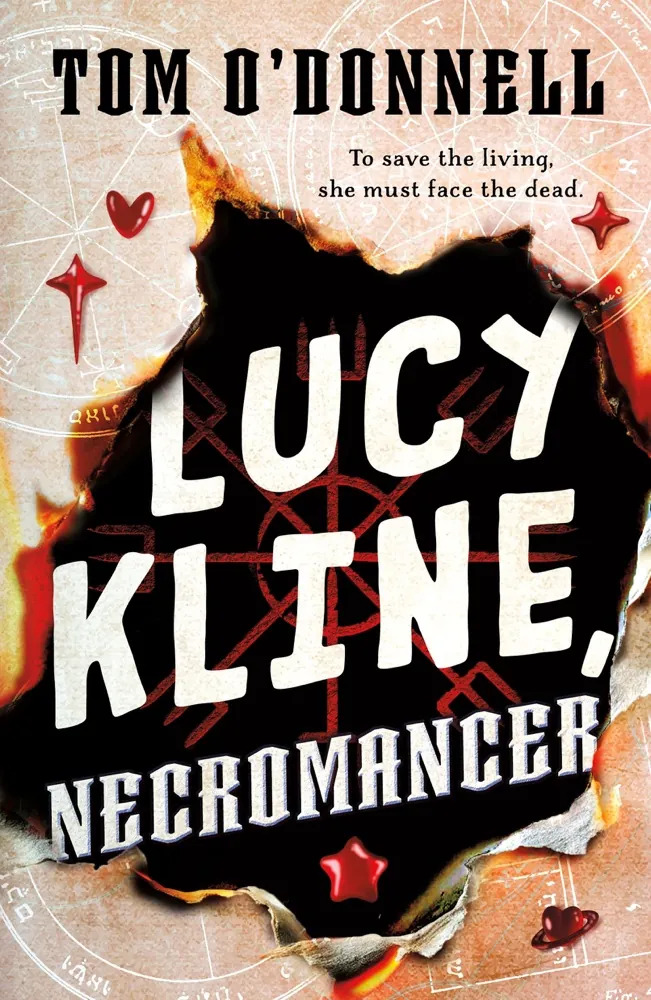
Author: Tom O'DonnellPage Count: UnknownPublication Date: Expected publication 2026-09-22 APL Dirt caked beneath my fingernails, and all I could think about was the corpse-raising teenager on the D train this morning. Planting Early Girl tomatoes after a twelve-hour editing shift leaves your brain fried, yet Tom O'Donnell’s upcoming Lucy Kline, Necromancer completely hijacked my mental real estate. And honestly? Good. Because we desperately need more occult procedurals that skip the academic snobbery and lean straight into sticky, high-speed dread. Shadows on the Commute Picture the scene: screeching subway brakes, flickering fluorescent tubes, and me gripping a battered paperback while clinging to a metal pole. That is precisely the kinetic energy O'Donnell promises here. The pitch explicitly invokes Buffy the Vampire Slayer alongside rapid-fire thrillers—a combination that usually results in over-caffeinated narrative garbage. Yet this synopsis hooks you by the cheek. Twin sister presumed dead? Check. Convicted killer already behind bars? Check. A doppelgänger vanishing into thin air? Double check. O'Donnell uses a classic Nancy Drew setup—complete with amateur sleuthing, a trusty classmate named Howie, and an eccentric retired professor—then lights it on fire with actual dark magic. But let us critique the vagueness for a second. The synopsis hides the mechanics. How does necromancy actually function in this universe? Is it ancient grimoire stuff, or some gritty modern occultism happening in suburban basements? We do not know. And frankly, that structural mystery makes me trust the pacing even more. The Weight of a Spade Forget traditional grief memoirs. This is about guilt so heavy it literally wakes the dead. Lucy cracked the case, put the bad guy away, and still gets haunted by spectral terrors because her sister slipped out on her watch. That is delicious psychological cruelty. When nightmares bleed into waking reality, the line between trauma response and literal corpse-revival blurs into total chaos. Think Riley Sager meets vintage supernatural pulp. It borrows the propulsive momentum of contemporary domestic suspense, then injects a shot of adrenaline straight into the occult heart. My bold prediction? O'Donnell is going to subvert the whole "wrong man in jail" trope by the midpoint. The locked-room logic of putting a killer away while identical crimes keep happening screams unreliable investigation. Anyway, I need to wash the soil off my hands and tune my bass. Band practice in a damp garage starts in twenty minutes, and our drummer will murder me if I am late. #LucyKlineNecromancer #ThrillerReads #BookTwitter #OccultMystery Related InsightsThe Symphony of Keystrokes: The Ultimate Guide to Mechanical Keyboards The Woman in Cabin 10 Book Review and Summary The Twelve Loves of Christmas: An Advent Romance Collection Book Review and Summary{ "@context": "https://schema.org", "@type": "FAQPage", "mainEntity": [ { "@type": "Question", "name": "What is the main focus of Lucy Kline, Necromancer Book Review and Summary?", "acceptedAnswer": { "@type": "Answer", "text": "Everything you need to know about Lucy Kline, Necromancer with our detailed review." } }, { "@type": "Question", "name": "Who authored the comprehensive guide on Lucy Kline, Necromancer Book Review and Summary?", "acceptedAnswer": { "@type": "Answer", "text": "This detailed article and its insights were carefully researched and authored by Piotr Nowak." } }, { "@type": "Question", "name": "Where can I find more related content about Books?", "acceptedAnswer": { "@type": "Answer", "text": "You can explore more articles, detailed reviews, and similar insights by browsing the Related Insights section at the bottom of this article or visiting our dedicated Books category page." } } ] }
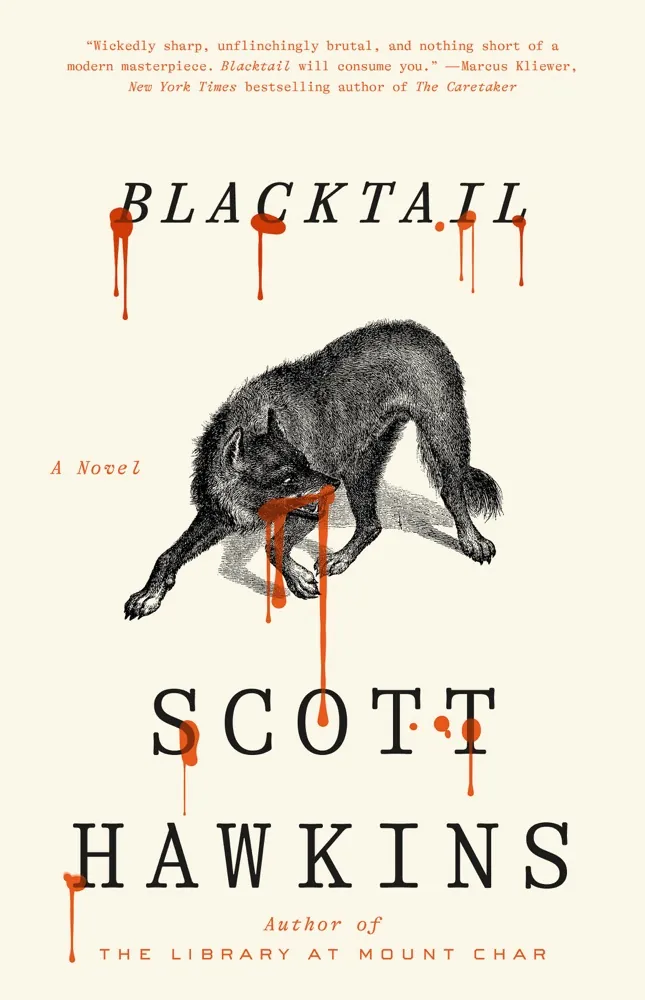
Author: Scott HawkinsPage Count: UnknownPublication Date: Expected publication 2026-09-01 APL Vagueness abounds in the official synopsis of Blacktail, the forthcoming dark fantasy novel by Scott Hawkins. At first pass, it seems like a straightforward revenge tale with a wolf's quest for justice against the humans who destroyed his world. But scratch beneath the surface, and we find ourselves entangled in a richly woven narrative that promises to upend our expectations. Ancient feline witches, territorial invasions, house dogs, and Forest Gods all converge in a narrative that, so far, defies clear categorization. Yet, it's precisely this mystique that draws me in, a devotee of the dark and the unsettling as I am. I crave the unknown, the unseen, and the unexplored. And in Blacktail, I sense a kindred spirit—albeit one that might prove more sinister than I initially anticipated. But let's not forget the author himself, Scott Hawkins. His cult hit The Library at Mount Char still lingers in the collective consciousness of genre enthusiasts, a testament (if you will) to Hawkins's capacity to craft tales that defy conventional genre boundaries. If I had to draw comparisons, I'd lean towards the works of authors like Joe Abercrombie or Glen Duncan, both masters of subverting our expectations while navigating the darker corners of fantasy. So, what exactly does Blacktail promise to deliver? A world beset by humans, a wolf driven by vengeance, and a cast of characters that defy easy categorization. Yet, it's the vagueness surrounding the Forest God's role and the wolf's journey that has me both intrigued and concerned. How far will Hawkins push the narrative into the realms of the surreal and the unknown? The stakes are already high, with Hawkins promising a "tale of lupine vengeance [...] whose stakes escalate to degrees I never saw coming." The question, of course, is what these stakes might look like, and whether they'll remain aligned with the wolf's initial quest for justice or veer into more complex, morally ambiguous territory. Only time will tell. What is certain, however, is that Blacktail promises to be an unforgettable reading experience—a slow-burning fire that will consume us in its entirety. Wolves at the Door: A Thematic Exploration At its core, Blacktail seems to revolve around the age-old struggle between nature and humanity. The world is beset by men, and the natural order is under threat. In many ways, this echoes the themes of The Night Circus or The First Fifteen Lives of Harry August, two novels that, among other things, explored the complex relationships between human and non-human entities. In the context of Blacktail, the wolf's journey assumes a more pronounced sense of urgency, driven by the loss of his mate and the encroachment of human settlements into his territory. It raises essential questions about the place of animals in our world and our responsibility towards the natural world. But can Scott Hawkins pull it off? Will he manage to balance the wolf's quest for vengeance with a nuanced exploration of these themes? Or will he succumb to the temptation to sensationalize, risking a narrative that's more noise than substance? Vagueness and the Human Condition One of the most intriguing aspects of Blacktail's synopsis is its vagueness. Hawkins refuses to give us clear answers about the world he's created, instead opting for an air of mystery that's both alluring and unsettling. It's a bold move, one that might just backfire or, conversely, yield extraordinary results. We find ourselves in a world where the lines between reality and myth blur precipitously. Will Hawkins's refusal to provide clear guidance lead us down a rabbit hole of discovery, or will it result in a narrative that's as opaque as it is captivating? Only time will tell. I have to go clean out the gutters before autumn sets in. Related InsightsYoung Man in a Hurry Book Review and Summary Murder on the Upper East Side Book Review and Summary A Thousand Splendid Suns Book Review and Summary{ "@context": "https://schema.org", "@type": "FAQPage", "mainEntity": [ { "@type": "Question", "name": "What is the main focus of Blacktail Book Review and Summary?", "acceptedAnswer": { "@type": "Answer", "text": "Everything you need to know about Blacktail with our detailed review." } }, { "@type": "Question", "name": "Who authored the comprehensive guide on Blacktail Book Review and Summary?", "acceptedAnswer": { "@type": "Answer", "text": "This detailed article and its insights were carefully researched and authored by Piotr Nowak." } }, { "@type": "Question", "name": "Where can I find more related content about Books?", "acceptedAnswer": { "@type": "Answer", "text": "You can explore more articles, detailed reviews, and similar insights by browsing the Related Insights section at the bottom of this article or visiting our dedicated Books category page." } } ] }
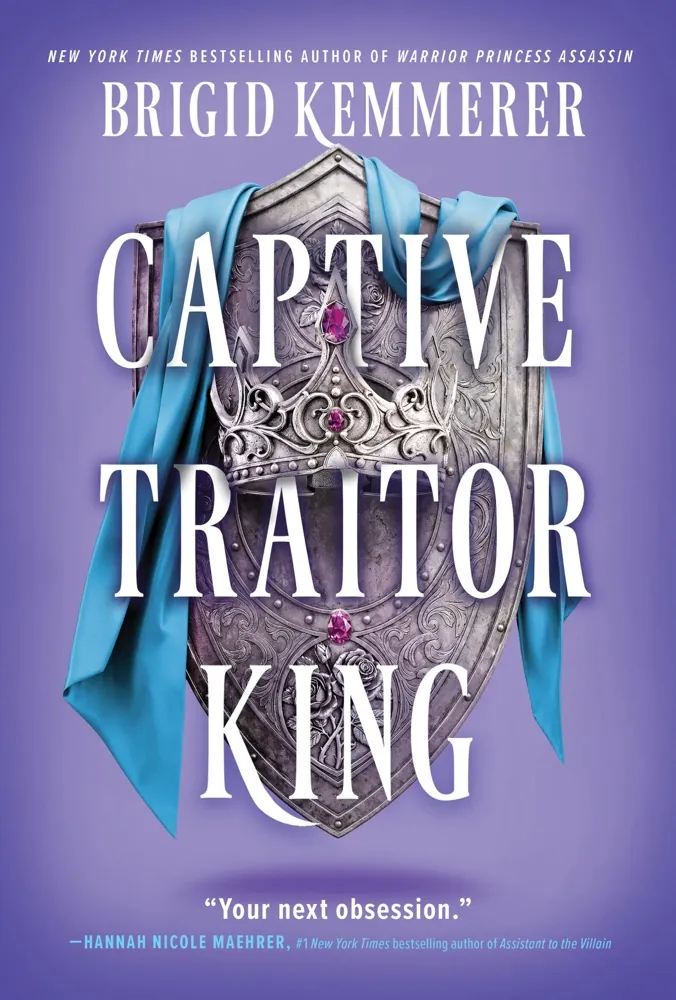
Author: Brigid KemmererPage Count: UnknownPublication Date: Expected publication 2026-11-03 APL This is what happens when you spend your morning commute dodging elbows on a packed rush-hour subway car with a thriller junkie pulse-checking upcoming releases. You get fixated. And frankly, this synopsis is doing things to my adrenaline glands that my feeble evening gardening session desperately needs. Thematic Analysis of Chaos Let us dissect the absolute mess outlined in this publisher copy. We have a political chess match involving starving populations, secret magic, and a betrayal so close to home it practically bites. Yet what jumps out at me between the lines of corporate marketing copy isn't the grand geopolitical collapse of Incendar and Astranza. It is the raw, unadulterated mess of the character dynamics. Asher is torn between loyalty and a brand-new royal heartthrob. Jory is dealing with an unmasked traitor for a brother. Ky is trying to keep a starving nation from eating him alive while navigating a reluctant bride and her lethal bodyguard. Fascinating in theory. Utterly chaotic in execution. Tropes and Trends We are looking at a textbook execution of the "Why Choose" polyamorous romance trend currently sweeping the fantasy market. Think Sarah J. Maas meets Jennifer L. Armentrout, but cranked up on political paranoia. Kemmerer leans hard into the hurt-comfort pipeline here. Asher has old scars. Ky is risking his crown. Jory is taking a throne. Everyone is bleeding emotionally while holding sharp metal objects. A dangerous gamble for any author. Will the romantic geometry actually hold up under the crushing weight of two collapsing kingdoms? Time will tell. But let us be honest—we are all here for the catastrophic romantic fallout anyway. The Anticipatory Verdict The synopsis plays it safe with standard fantasy buzzwords about buried truths and high stakes. Typical publisher boilerplate. But underneath the vague marketing speak, the psychological tension feels sharp enough to slice open a tomato. If Kemmerer manages to balance the high-speed political plotting with the messy, multi-person romantic entanglement without letting the pacing flatline in the middle, this sequel might just survive the sophomore slump. Can she pull it off, or will the plot collapse under the weight of its own romantic triangle-plus mathematics? Who knows. I just hope my Better Boy tomatoes survive the August heat wave while I wait to find out. #CaptiveTraitorKing #BrigidKemmerer #BookTok #FantasyRomance Related InsightsA Confederacy of Dunces Book Review and Summary Thomas Piketty's Capital in the Twenty-First Century Book Review and Summary Grim Folk Tale (The Unorthodox Chronicles, #4) Book Review and Summary{ "@context": "https://schema.org", "@type": "FAQPage", "mainEntity": [ { "@type": "Question", "name": "What is the main focus of Captive Traitor King (Braided Fate, #2) Book Review and Summary?", "acceptedAnswer": { "@type": "Answer", "text": "Everything you need to know about Captive Traitor King (Braided Fate, #2) with our detailed review." } }, { "@type": "Question", "name": "Who authored the comprehensive guide on Captive Traitor King (Braided Fate, #2) Book Review and Summary?", "acceptedAnswer": { "@type": "Answer", "text": "This detailed article and its insights were carefully researched and authored by Piotr Nowak." } }, { "@type": "Question", "name": "Where can I find more related content about Books?", "acceptedAnswer": { "@type": "Answer", "text": "You can explore more articles, detailed reviews, and similar insights by browsing the Related Insights section at the bottom of this article or visiting our dedicated Books category page." } } ] }
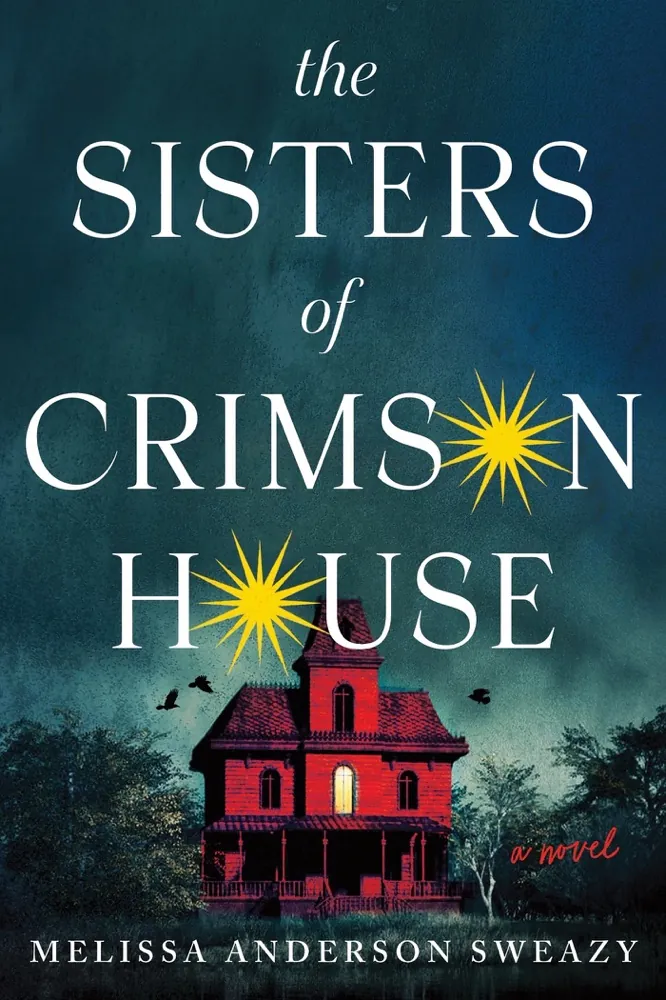
Author: Melissa Anderson SweazyPage Count: UnknownPublication Date: Expected publication 2026-09-29 APL As I stand in my sweltering backyard, sweat-drenched and surrounded by the faint scent of ripening tomatoes, I find myself pondering the dark allure of The Sisters of Crimson House. Melissa Anderson Sweazy's latest novel promises to be a Southern Gothic horror that will leave readers spellbound and questioning the very fabric of family legacies. The question on my mind, however, is whether Sweazy can successfully weave a narrative that's both haunting and thought-provoking. On the surface, the story appears to be a classic tale of a family torn apart by tragedy and deceit. Charley Bryde, the protagonist, is a complex character – a woman who's been living in the shadows of her talented sister, Miranda, and struggling to find her place within the family's esteemed legacy of psychics. The fact that Charley's been forced to resort to lies and cons to save the family's coveted mansion, Crimson House, raises questions about the morality of her actions and the lengths to which people will go to preserve their family's reputation. But what truly piques my interest is the enigmatic entity threatening to destroy everything Charley's built. Is this entity a malevolent spirit, a manifestation of the family's dark past, or something more sinister? The synopsis is frustratingly vague on this point, leaving me to wonder whether Sweazy will provide a satisfying explanation or leave readers with more questions than answers. One thing is certain, though – The Sisters of Crimson House is a novel that will appeal to fans of Starling House, The September House, and Practical Magic. The Southern Gothic horror genre is experiencing a resurgence in popularity, and Sweazy's novel seems poised to capitalize on this trend. Authors like Laura Purcell and Silvia Moreno-Garcia have already proven that this genre can be both captivating and thought-provoking, and I'm eager to see how Sweazy will contribute to the conversation. As I look at the synopsis, I'm struck by the themes of family, legacy, and the power of secrets. It's clear that Sweazy is exploring the idea that our family's past can both define and destroy us, and that the secrets we keep can have far-reaching consequences. The character of Charley, in particular, seems like a fascinating study in contrasts – a woman who's both desperate to save her family's legacy and willing to do whatever it takes to achieve her goals. Yet, despite the promise of The Sisters of Crimson House, I'm left with a lingering sense of unease. Will Sweazy be able to balance the horror elements with the more nuanced themes of family and legacy? Can she create a narrative that's both haunting and thought-provoking, or will the story succumb to the pitfalls of clichéd horror tropes? Time will tell. As I finish planting my tomatoes and head back into the sweltering heat of the city, I'm left with one final question: will The Sisters of Crimson House be a novel that will leave readers sleeping with the lights on, or will it be a more cerebral horror that will linger in their minds long after they finish reading? #SouthernGothic #Horror #FamilyLegacies Related InsightsSocialism Is Dead! Long Live Socialism!: The Marx Code—Socialism with a Human Face: A New World Order Book Review and Summary Consequences A Dark Wealth and Power Romance Book Review and Summary How to Be Heard Book Review and Summary{ "@context": "https://schema.org", "@type": "FAQPage", "mainEntity": [ { "@type": "Question", "name": "What is the main focus of The Sisters of Crimson House Book Review and Summary?", "acceptedAnswer": { "@type": "Answer", "text": "Everything you need to know about The Sisters of Crimson House with our detailed review." } }, { "@type": "Question", "name": "Who authored the comprehensive guide on The Sisters of Crimson House Book Review and Summary?", "acceptedAnswer": { "@type": "Answer", "text": "This detailed article and its insights were carefully researched and authored by Piotr Nowak." } }, { "@type": "Question", "name": "Where can I find more related content about Books?", "acceptedAnswer": { "@type": "Answer", "text": "You can explore more articles, detailed reviews, and similar insights by browsing the Related Insights section at the bottom of this article or visiting our dedicated Books category page." } } ] }
-
 Piotr Nowak
 - 03 Aug, 2026 19:04
Protocols: An Operating Manual for the Human Body Book Review and Summary
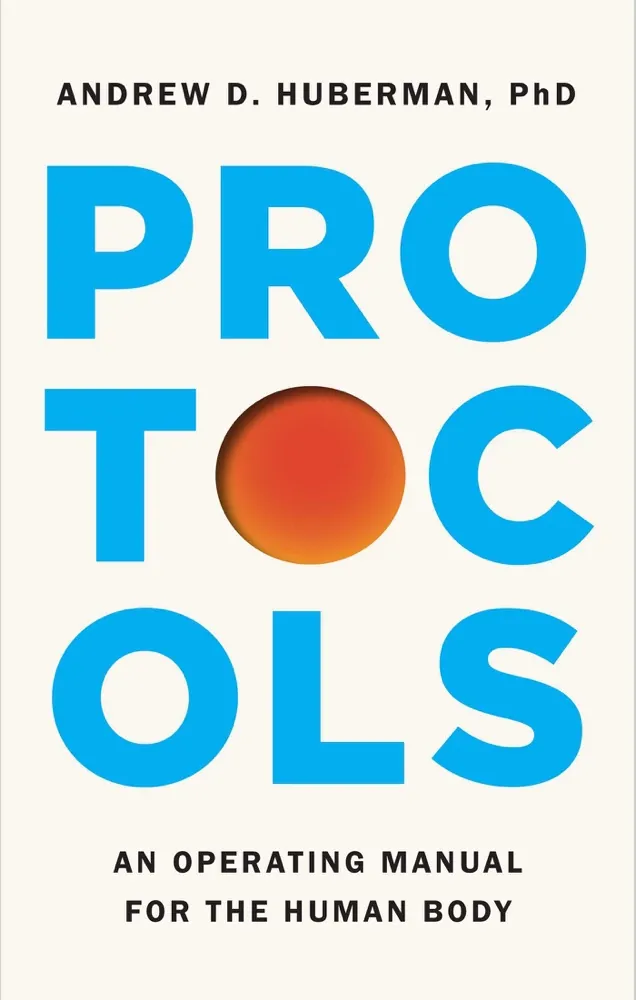
Protocols: An Operating Manual for the Human Body Author: Andrew D. HubermanPage Count: UnknownPublication Date: Expected publication 2026-09-15 APL The Operating Manual You Didn't Know Your Body Needed: Anticipating Andrew D. Huberman’s "Protocols" For millions of listeners worldwide, the voice of Stanford neuroscientist Dr. Andrew D. Huberman has become the definitive guide to modern biological optimization. As the host of the world’s leading health and science podcast, Huberman Lab, he has spent years translating complex peer-reviewed research into actionable, everyday insights. Now, readers will finally get the chance to hold that wealth of knowledge in their hands with his upcoming release, Protocols: An Operating Manual for the Human Body, slated for publication on September 15, 2026. If you have ever found yourself scribbling down timestamps, morning sunlight routines, and breathing patterns while listening to his podcast, this book is designed to be your ultimate reference guide. Drawing on decades of research—both from his own laboratory at the Stanford School of Medicine and from the countless world-class experts he has interviewed—Protocols promises to be a comprehensive masterclass in self-optimization. According to the official synopsis, Dr. Huberman breaks down human physiology into two complementary categories: foundational behaviors for day-to-day vitality, and specific, science-based tools deployed to conquer targeted challenges. Readers can expect a structured, deeply practical approach organized across seven core pillars: Sleep, Exercise, Stress Control, Nutrition, Light, Focus, Motivation and Learning, and Personal Growth. True to the author's signature style, the book bridges the gap between hard science and immediate application. Rather than offering a rigid, one-size-fits-all checklist, Protocols is designed to teach readers how the body works under the hood so they can customize these strategies to fit their individual lives. Whether it is optimizing your circadian rhythm by catching early-morning rays, leveraging specific breathing mechanics to short-circuit stress in real-time, or accelerating how you learn new skills, the manual aims to deliver tangible, effective results. As we count down the months to September 2026, anticipation for this release is reaching a fever pitch. For anyone looking to enhance their brain function, boost mood and energy, or simply take the guesswork out of physical and mental performance, Protocols: An Operating Manual for the Human Body is shaping up to be the definitive health release of the year. #AndrewHuberman #HubermanLab #BodyProtocols #Neuroscience #HealthAndWellness #Biohacking Related InsightsDark Tides Book Review and Summary The Blue Zones Kitchen One Pot Meals Book Review and Summary Abbot's Tale Book Review and Summary{ "@context": "https://schema.org", "@type": "FAQPage", "mainEntity": [ { "@type": "Question", "name": "What is the main focus of Protocols: An Operating Manual for the Human Body Book Review and Summary?", "acceptedAnswer": { "@type": "Answer", "text": "Everything you need to know about Protocols: An Operating Manual for the Human Body with our detailed review." } }, { "@type": "Question", "name": "Who authored the comprehensive guide on Protocols: An Operating Manual for the Human Body Book Review and Summary?", "acceptedAnswer": { "@type": "Answer", "text": "This detailed article and its insights were carefully researched and authored by Piotr Nowak." } }, { "@type": "Question", "name": "Where can I find more related content about Books?", "acceptedAnswer": { "@type": "Answer", "text": "You can explore more articles, detailed reviews, and similar insights by browsing the Related Insights section at the bottom of this article or visiting our dedicated Books category page." } } ] }
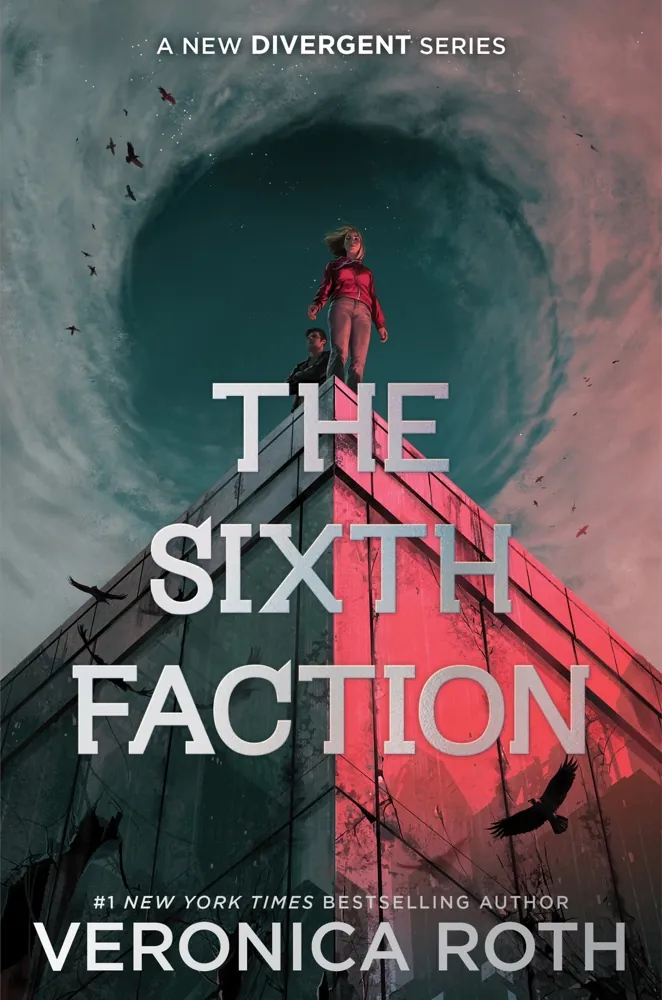
The Sixth Faction (The Sixth Faction, #1) Author: Veronica RothPage Count: UnknownPublication Date: Expected publication 2026-10-06 APL LITERARY DISPATCH: The Return of a Global Phenomenon More than a decade after it first took the literary world by storm and defined an era of young adult dystopian fiction, Veronica Roth’s legendary universe is expanding in a way fans never could have anticipated. Set for publication on October 6, 2026, the #1 New York Times bestselling author is returning to her roots with a bold new entry in the franchise that has sold tens of millions of copies worldwide and been translated into over forty languages. For readers who grew up alongside Beatrice Prior or discovered the blockbuster film adaptations on screen, this upcoming release promises a thrilling re-examination of a world they thought they knew. What can readers expect when they open the pages of this eagerly awaited new chapter? The official synopsis sets the stage for a familiar yet entirely reshaped landscape: Beatrice Prior stands on the brink of a decision every person in her world must make: five factions, five futures, five lives. She has a plan: she’s going to make the bravest choice and leave Abnegation to join Dauntless, even though it means abandoning her family. But when tragedy strikes at her choosing ceremony, everything changes—her world, her plans, even Beatrice herself. Her decision will thrust her into the crosshairs of an underground rebellion, where a boy with secrets as dangerous as her own—a boy with only a number for a name—may be the only person she can trust. One choice will change everything. If you loved Veronica Roth’s previous bestsellers and the heart-pounding tension of the original series, this new installment is shaping up to be the absolute must-read literary event of late 2026. Keep your calendars marked and prepare to step back into the factions as a worldwide sensation returns to redefine the genre all over again. #VeronicaRoth #Divergent #YADystopian #BookTok #NewReleases #TheSixthFaction Related InsightsMy First Promise (Blue Sky Bay #3) Book Review and Summary Tiamat's Wrath Book Review and Summary Little Red Death Book Review and Summary{ "@context": "https://schema.org", "@type": "FAQPage", "mainEntity": [ { "@type": "Question", "name": "What is the main focus of The Sixth Faction (The Sixth Faction, #1) Book Review and Summary?", "acceptedAnswer": { "@type": "Answer", "text": "Everything you need to know about The Sixth Faction (The Sixth Faction, #1) with our detailed review." } }, { "@type": "Question", "name": "Who authored the comprehensive guide on The Sixth Faction (The Sixth Faction, #1) Book Review and Summary?", "acceptedAnswer": { "@type": "Answer", "text": "This detailed article and its insights were carefully researched and authored by Piotr Nowak." } }, { "@type": "Question", "name": "Where can I find more related content about Books?", "acceptedAnswer": { "@type": "Answer", "text": "You can explore more articles, detailed reviews, and similar insights by browsing the Related Insights section at the bottom of this article or visiting our dedicated Books category page." } } ] }
- Piotr Nowak
- 28 Jun, 2026 04:50
Red Queen / Glass Sword / King'S Cage / War Storm / Broken Throne Book Review and Summary
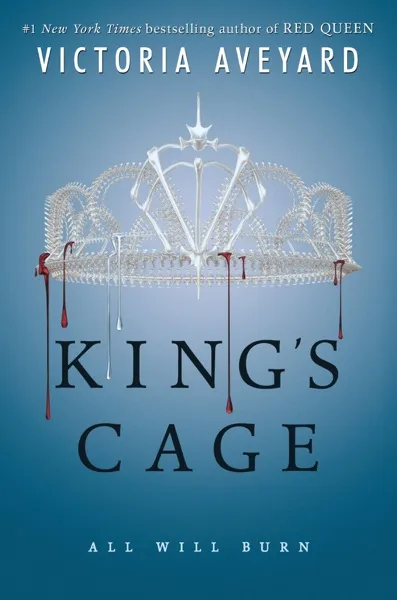
Red Queen / Glass Sword / King'S Cage / War Storm / Broken Throne Author: Victoria AveyardPage Count: UnknownPublication Year: 2019-GB Victoria Aveyard’s Red Queen series—comprising Red Queen, Glass Sword, King’s Cage, War Storm, and Broken Throne—is a masterclass in dystopian storytelling, blending razor-sharp social commentary with the electrifying pulse of high-stakes rebellion. Published in 2019, this five-book saga cements Aveyard’s reputation as a trailblazer in YA fantasy, where bloodlines dictate power, and the oppressed must either rise or be erased. At its core, the series explores the brutal mechanics of class warfare, framed through the lens of a society divided by silver and red. The Silvers—elite beings with supernatural abilities—rule over the common folk, the Reds, with an iron grip. But Aveyard doesn’t just rehearse the familiar "haves vs. have-nots" trope; she dissects it with surgical precision, exposing how power corrupts even the most virtuous and how revolution demands sacrifices no one is truly prepared to make. The theme isn’t just about overthrowing a corrupt system—it’s about the moral cost of doing so. Every victory in this series is stained with blood, doubt, and irreversible choices, forcing characters—and readers—to question whether the ends ever justify the means. Aveyard’s writing style is a relentless force, propelled by short, punchy sentences that mirror the urgency of her world. Dialogue crackles with tension, and her ability to weave political intrigue into personal drama keeps the pages turning at a breakneck pace. The prose isn’t flowery; it’s visceral, often brutal, mirroring the harsh realities of her dystopian setting. Yet, amidst the chaos, there’s a haunting lyricism in her descriptions—the crimson blood against silver armor, the weight of a crown that feels like a noose, the quiet moments of vulnerability that make even the most hardened characters feel achingly human. Mare Barrow, the series’ protagonist, is a study in contradictions. Born a Red in the poorest sector of the kingdom, she’s thrust into the heart of Silver society after accidentally manifesting lightning, a power thought impossible in her bloodline. Her journey from wide-eyed survivor to reluctant revolutionary is fraught with identity crises, betrayals, and the gnawing fear that she’s not the hero anyone needs—or deserves. Aveyard doesn’t romanticize Mare; she exposes her flaws—her impulsiveness, her self-doubt, her occasional ruthlessness—making her both relatable and deeply flawed. The supporting cast is equally compelling: Cal, the conflicted prince torn between duty and love; Maven, the chameleon-like antagonist whose shifting loyalties keep readers guessing; and Farley, the fiery rebel leader whose unwavering resolve masks a quiet grief. Even secondary characters like Kilorn, Julian, and Ptolemus feel like living, breathing parts of the world, their fates intertwined with Mare’s in ways that feel inevitable. The world-building is another standout feature. Aveyard doesn’t waste time on excessive lore; instead, she drops readers into a society where power is currency and status is everything. The Silvers’ abilities—ranging from elemental control to superhuman strength—are vividly imagined, each tied to their noble houses in a way that feels organic rather than arbitrary. The world’s geography, its history, and its unspoken rules are revealed through action and dialogue, immersing the reader in a reality where survival often depends on knowing when to speak and when to strike. What elevates this series beyond typical dystopian fare is its refusal to offer easy answers. The "good guys" aren’t purely good, the "bad guys" aren’t irredeemable, and victory rarely comes without collateral damage. Aveyard forces her characters—and her audience—to confront uncomfortable truths: that revolution is messy, that power corrupts even the noblest intentions, and that the line between freedom and tyranny is thinner than anyone cares to admit. The final installment, Broken Throne, is a masterstroke in subverting expectations, delivering a conclusion that’s both satisfying and heart-wrenching, leaving no thread unresolved. If Red Queen is the spark that ignites the series, War Storm is the explosion—chaotic, devastating, and impossible to look away from. Aveyard’s ability to balance large-scale battles with intimate character moments is unparalleled in YA, making this series a standout in a genre crowded with imitators. For readers who crave stories where the stakes are life and death, where love is a weapon and betrayal is a survival tactic, this series is a must-read. #RedQueenSeries #YAFantasy #DystopianBooks #VictoriaAveyard #BookReview #MareBarrow Related InsightsMurder at the Grand Alpine Hotel Book Review and Summary Bridget Jones’s Diary Book Review and Summary The Boxcar Children 100th Anniversary Edition Book Review and Summary{ "@context": "https://schema.org", "@type": "FAQPage", "mainEntity": [ { "@type": "Question", "name": "What is the main focus of Red Queen / Glass Sword / King'S Cage / War Storm / Broken Throne Book Review and Summary?", "acceptedAnswer": { "@type": "Answer", "text": "Everything you need to know about Red Queen / Glass Sword / King'S Cage / War Storm / Broken Throne with our detailed review." } }, { "@type": "Question", "name": "Who authored the comprehensive guide on Red Queen / Glass Sword / King'S Cage / War Storm / Broken Throne Book Review and Summary?", "acceptedAnswer": { "@type": "Answer", "text": "This detailed article and its insights were carefully researched and authored by Piotr Nowak." } }, { "@type": "Question", "name": "Where can I find more related content about Books?", "acceptedAnswer": { "@type": "Answer", "text": "You can explore more articles, detailed reviews, and similar insights by browsing the Related Insights section at the bottom of this article or visiting our dedicated Books category page." } } ] }
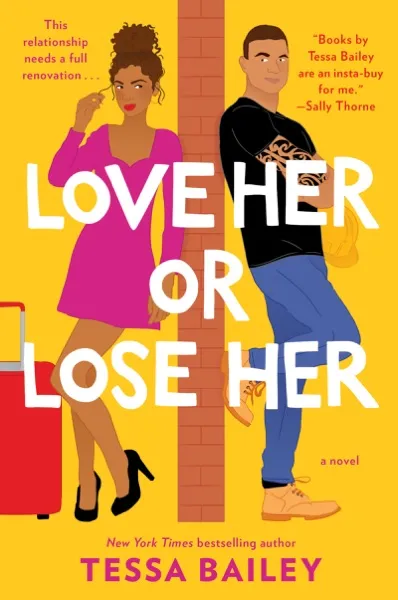
Love Her or Lose Her Author: Tessa BaileyPage Count: UnknownPublication Year: 2020-GB In the realm of romance novels, few authors have managed to capture the essence of love and relationships as skillfully as Tessa Bailey. Her 2020 release, "Love Her or Lose Her", is a masterclass in storytelling that delves into the complexities of marriage, desire, and the human need for connection. This highly acclaimed global bestseller is a must-read for anyone who has ever experienced the thrill and heartache of loving someone. At its core, "Love Her or Lose Her" is a story about the choices we make in love and the consequences that follow. The novel centers around Rosie and Dominic, a couple who have been together since their teenage years. On the surface, their relationship appears perfect, but beneath the façade, they are struggling to keep the spark alive. As they navigate the challenges of married life, they must confront their own desires, insecurities, and the fears that have been holding them back. Tessa Bailey's writing style is a perfect blend of wit, humor, and emotional depth. Her characters are multidimensional and relatable, making it easy for readers to become invested in their stories. The dialogue is engaging, and the chemistry between Rosie and Dominic is palpable, making their romance a joy to read. One of the standout aspects of "Love Her or Lose Her" is its exploration of the complexities of marriage. Bailey tackles topics such as intimacy, communication, and the importance of maintaining individuality within a relationship. Her portrayal of the ups and downs of married life is realistic and honest, making the novel feel more like a reflection of real-life experiences rather than a fairy tale. The author's use of dual perspectives adds depth to the narrative, allowing readers to experience the story from both Rosie's and Dominic's points of view. This narrative device provides a unique insight into the inner workings of their minds, making it easier to understand their motivations and emotions. Bailey's writing is also notable for its sensuality and eroticism. The romance scenes are steamy and passionate, but they serve a purpose beyond mere titillation. They are an integral part of the story, revealing the characters' desires, vulnerabilities, and the emotional connections they share. In conclusion, "Love Her or Lose Her" is a captivating romance novel that explores the intricacies of love, relationships, and the human experience. Tessa Bailey's masterful storytelling, coupled with her relatable characters and engaging writing style, make this novel a must-read for fans of the genre. With its realistic portrayal of marriage, sensuality, and emotional depth, this book is sure to resonate with readers long after they finish reading it. #LoveHerOrLoseHer #TessaBailey #RomanceNovel #MarriageAndRelationships #SensualRomance #EmotionalDepth Related InsightsLove the Revolution: An Unfinished Novel Book Review and Summary Far Sector Book Review and Summary Harry Potter and the Half-Blood Prince Book Review and Summary{ "@context": "https://schema.org", "@type": "FAQPage", "mainEntity": [ { "@type": "Question", "name": "What is the main focus of Love Her or Lose Her Book Review and Summary?", "acceptedAnswer": { "@type": "Answer", "text": "Everything you need to know about Love Her or Lose Her with our detailed review." } }, { "@type": "Question", "name": "Who authored the comprehensive guide on Love Her or Lose Her Book Review and Summary?", "acceptedAnswer": { "@type": "Answer", "text": "This detailed article and its insights were carefully researched and authored by Piotr Nowak." } }, { "@type": "Question", "name": "Where can I find more related content about Books?", "acceptedAnswer": { "@type": "Answer", "text": "You can explore more articles, detailed reviews, and similar insights by browsing the Related Insights section at the bottom of this article or visiting our dedicated Books category page." } } ] }
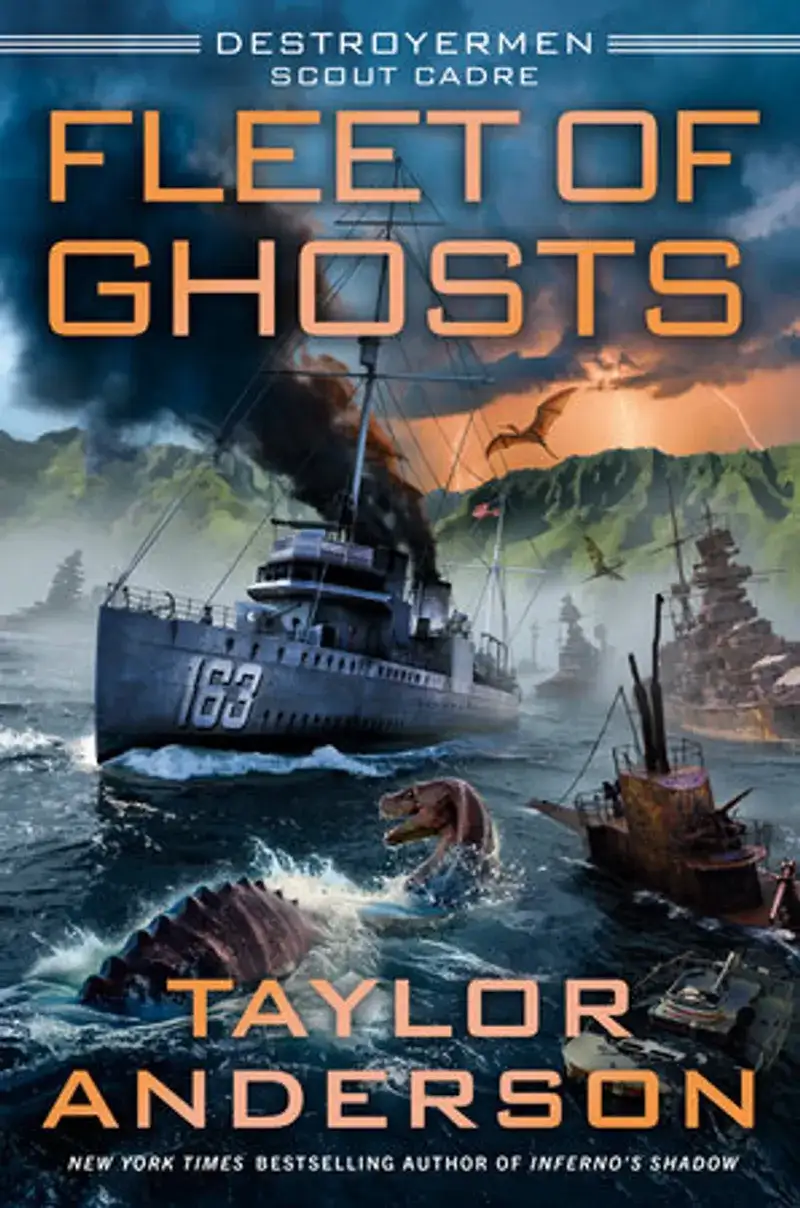
Fleet of Ghosts Author: Taylor AndersonPage Count: UnknownPublication Date: 2026-PRH Taylor Anderson’s Fleet of Ghosts is a masterclass in speculative fiction, weaving together the haunting beauty of lost civilizations with the relentless pulse of space opera. Set in a future where humanity’s remnants drift through the cosmos aboard the colossal Fleet of Ghosts—a armada of derelict ships repurposed into a nomadic civilization—Anderson crafts a narrative that feels both intimate and vast, a story where the weight of history presses against the fragile edges of survival. At its core, Fleet of Ghosts is a meditation on memory and erasure. Anderson doesn’t just tell a story about a dying fleet; she immerses the reader in the psychological toll of a people clinging to a past they can no longer fully grasp. The ships, once vessels of exploration and conquest, are now tombs haunted by the ghosts of their former crews. Their inhabitants, descendants of the original voyagers, live in a state of suspended animation, their knowledge fragmented, their identities tied to artifacts and half-remembered lore. The novel’s genius lies in how Anderson uses this setting to explore what it means to preserve—or surrender—one’s history. The fleet’s librarians, engineers, and scavengers are not just characters; they are archeologists of a lost world, piecing together fragments of a civilization that may have doomed itself long ago. Anderson’s prose is a marvel of precision and atmosphere. She has a rare talent for describing the grotesque and the sublime in equal measure, painting the fleet’s decaying interiors with the same care one might use to depict a cathedral’s stained glass. The ships are characters in their own right—rusted husks that groan under the strain of their own inertia, their corridors lined with the skeletal remains of those who stayed behind too long. The prose isn’t lush for its own sake; it serves the novel’s themes, making the reader feel the oppressive weight of the fleet’s decline. When characters venture into the deeper, uncharted reaches of the ships, the descriptions take on a feverish, almost hallucinatory quality, as if the reader is experiencing the same disorientation as the protagonists. The novel’s structure is non-linear, jumping between the past and present with a deft hand. Anderson never lingers too long in any one era, instead using the shifts to underscore the fragility of memory. Flashbacks reveal the fleet’s origins—its initial mission, the schisms that tore it apart, the slow decay of its purpose—while the present-day sections show the consequences of those fractures. It’s a risky approach, but Anderson pulls it off with grace, ensuring that each revelation feels earned rather than contrived. The result is a story that feels as much like a mystery as it does an epic, with the reader constantly piecing together clues about what truly happened to the fleet. One of the most striking aspects of Fleet of Ghosts is its refusal to offer easy answers. Anderson doesn’t provide a neat resolution, nor does she succumb to the temptation of a heroic triumph. Instead, the novel grapples with the idea that some losses are irreversible, that some ghosts cannot be laid to rest. The fleet is doomed, not by an external force, but by the weight of its own choices. This isn’t a story about overcoming adversity; it’s about the quiet dignity of enduring, of finding meaning in the creeping shadow of oblivion. Anderson’s style also shines in her handling of the fleet’s many factions. From the zealots who believe the fleet’s original mission is sacred to the pragmatists who see survival as the only priority, each group is given depth and nuance. There are no outright villains here, only people trying to make sense of a world that no longer makes sense. The moral ambiguity is refreshing, and it elevates the novel beyond a simple tale of survival into something far more compelling. If Fleet of Ghosts has a weakness, it’s in its occasional density. The world-building is meticulous, but the sheer scale of the fleet can be overwhelming at times. Anderson occasionally assumes a level of familiarity with her setting that might leave some readers adrift. However, this is a minor quibble in a novel that otherwise commands attention with its ambition and depth. In the end, Fleet of Ghosts is more than just a book about a fleet of ghost ships—it’s a meditation on what we choose to remember and what we allow to fade. It’s a story for anyone who has ever stood in the ruins of a forgotten place and felt the weight of time pressing down on them. Taylor Anderson has crafted something rare here: a novel that is both a thrilling adventure and a profound meditation on loss, memory, and the quiet courage of those who refuse to let either die. #SpaceOperaElegies #LostCivilization #GhostShipsAndLegacies #CosmicMelancholy #EnduranceInTheVoid #TaylorAndersonMasterpiece Related InsightsHoney-Don't List Book Review and Summary Law for the American Farmer Book Review and Summary Freedom Book Review and Summary{ "@context": "https://schema.org", "@type": "FAQPage", "mainEntity": [ { "@type": "Question", "name": "What is the main focus of Fleet of Ghosts Book Review and Summary?", "acceptedAnswer": { "@type": "Answer", "text": "Everything you need to know about Fleet of Ghosts with our detailed review." } }, { "@type": "Question", "name": "Who authored the comprehensive guide on Fleet of Ghosts Book Review and Summary?", "acceptedAnswer": { "@type": "Answer", "text": "This detailed article and its insights were carefully researched and authored by Piotr Nowak." } }, { "@type": "Question", "name": "Where can I find more related content about Books?", "acceptedAnswer": { "@type": "Answer", "text": "You can explore more articles, detailed reviews, and similar insights by browsing the Related Insights section at the bottom of this article or visiting our dedicated Books category page." } } ] }
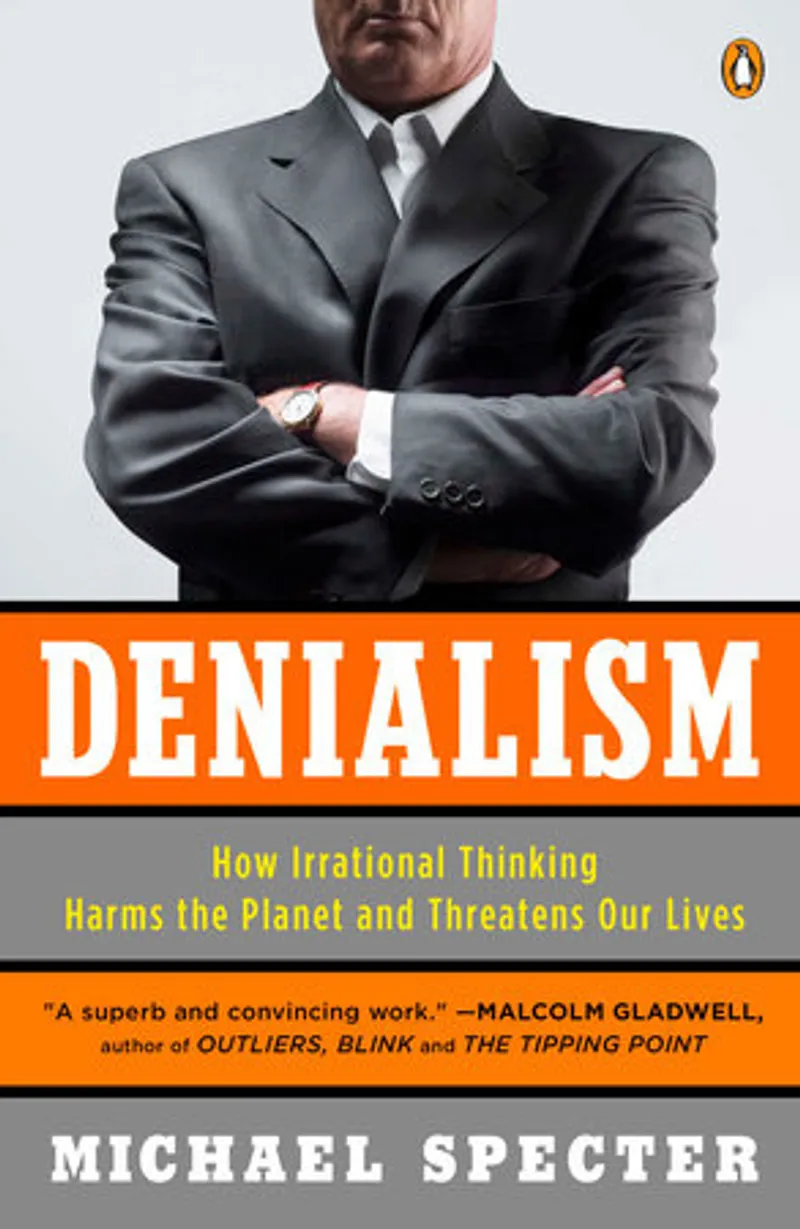
Denialism Author: Michael SpecterPage Count: UnknownPublication Date: 2010-PRH In Denialism, Michael Specter delivers a searing critique of the growing trend of science denial in America, a phenomenon that threatens the very foundations of our civilization. With over two decades of experience reporting on some of the most pressing issues of our time, Specter is uniquely qualified to tackle this topic, and his mastery of the subject matter shines through on every page. The book is a clarion call to action, a passionate plea to reclaim the rational thinking that has driven human progress since the Enlightenment. Specter's central argument is that we are living in a world where ideology and superstition are increasingly supplanting science and evidence-based reasoning, with disastrous consequences. From the anti-vaccination movement to the rejection of genetically modified crops, he catalogues a disturbing array of examples where denialism is causing harm and hindering our ability to address some of the world's most pressing problems. One of the strengths of Denialism is Specter's engaging writing style, which makes the book accessible to a broad audience. He has a gift for storytelling, and his use of vivid anecdotes and compelling case studies helps to illustrate the complex issues he is discussing. Whether he is exploring the motivations of anti-science activists or explaining the science behind genetically modified organisms, Specter's prose is always clear, concise, and engaging. At the same time, Specter is not afraid to take on the tough questions and challenge his readers to think critically about the issues. He is unsparing in his criticism of those who reject science and evidence-based reasoning, but he is also careful to distinguish between legitimate skepticism and denialism. Throughout the book, he emphasizes the importance of nuanced thinking and the need to approach complex issues with a willingness to consider multiple perspectives. One of the most striking aspects of Denialism is its timeliness. As Specter notes, we are living in a world where the stakes have never been higher. Climate change, pandemics, and food insecurity are just a few of the pressing issues that require a science-based response. And yet, at a time when we need science more than ever, we are seeing a growing trend of science denial and mistrust. Specter's book is a powerful reminder of the importance of science and reason in addressing these challenges, and his call to action is both urgent and compelling. In short, Denialism is a superb and thought-provoking book that should be required reading for anyone interested in science, politics, or the future of our planet. Specter's writing is engaging, his arguments are persuasive, and his passion for the subject matter is evident on every page. As Malcolm Gladwell notes, this is a "superb and convincing work" that deserves to be widely read and discussed. #ScienceDenial #Denialism #MichaelSpecter #ScienceMatters #CriticalThinking #SkepticismVsDenialism Related InsightsVine of Hearts (The Evermore Trilogy, #2) Book Review and Summary Is It Too Late to Make a Run for It? Book Review and Summary Engineering a Love Story Book Review and Summary{ "@context": "https://schema.org", "@type": "FAQPage", "mainEntity": [ { "@type": "Question", "name": "What is the main focus of Denialism Book Review and Summary?", "acceptedAnswer": { "@type": "Answer", "text": "Everything you need to know about Denialism with our detailed review." } }, { "@type": "Question", "name": "Who authored the comprehensive guide on Denialism Book Review and Summary?", "acceptedAnswer": { "@type": "Answer", "text": "This detailed article and its insights were carefully researched and authored by Piotr Nowak." } }, { "@type": "Question", "name": "Where can I find more related content about Books?", "acceptedAnswer": { "@type": "Answer", "text": "You can explore more articles, detailed reviews, and similar insights by browsing the Related Insights section at the bottom of this article or visiting our dedicated Books category page." } } ] }
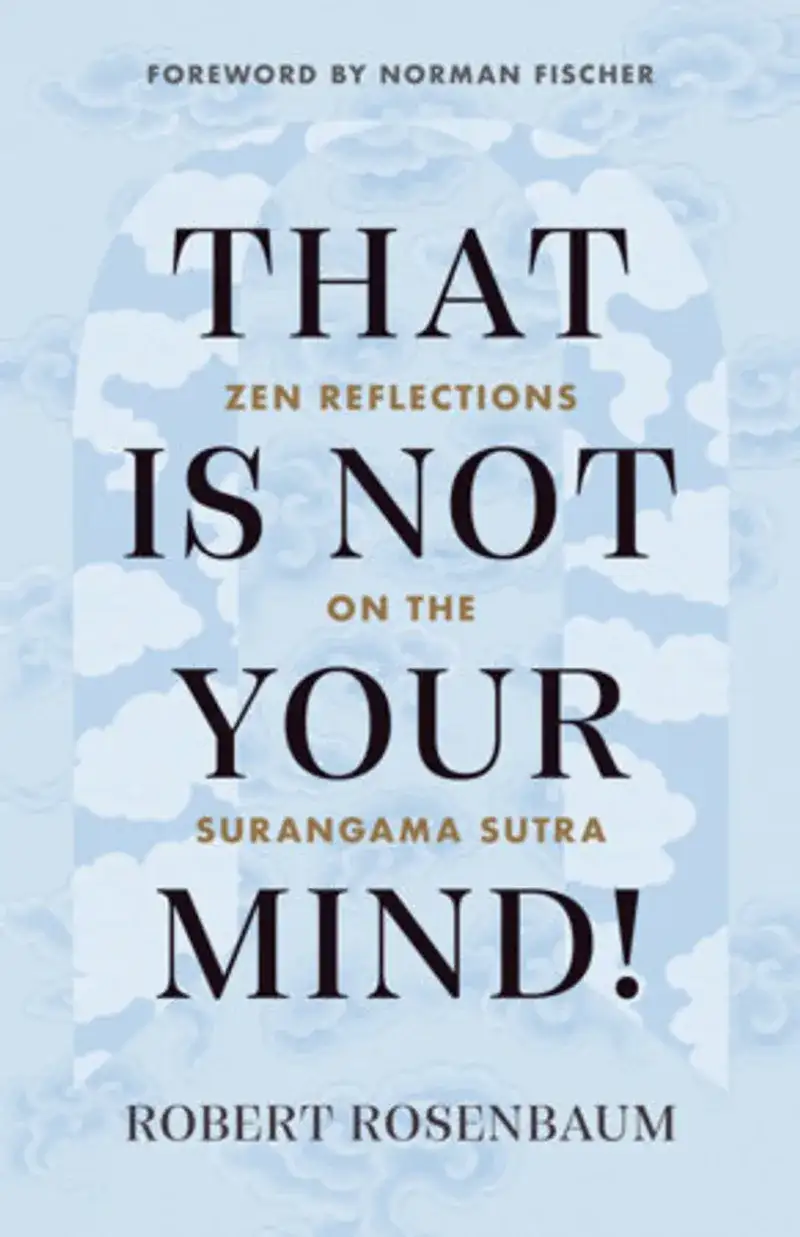
That Is Not Your Mind! Author: Robert RosenbaumPage Count: UnknownPublication Date: 2022-PRH In "That Is Not Your Mind!", Robert Rosenbaum embarks on a fascinating exploration of the Surangama Sutra, a classic Zen text that delves into the intricacies of sensory experiences and the path to liberation. By seamlessly interweaving passages from the sutra with insights from neuroscience and psychology, Rosenbaum masterfully demonstrates the timeless relevance of this ancient text. One of the most striking aspects of Rosenbaum's approach is his ability to balance the esoteric with the accessible. He draws upon his forty years of teaching experience to illustrate the practical applications of the sutra's teachings, making the text feel both deeply personal and universally relatable. Through anecdotes and real-life examples, Rosenbaum brings the abstract concepts of the Surangama Sutra to life, rendering them tangible and applicable to readers from all walks of life. At its core, "That Is Not Your Mind!" is a book about the transformative power of sensory awareness. Rosenbaum guides readers through a series of meditations and practices derived from the sutra's teachings, designed to awaken the senses and reveal the true nature of reality. From the deceptively simple yet profound "hearing meditations" to the compassionate centering practices, each exercise is carefully crafted to help readers develop a deeper understanding of their own minds and the world around them. Throughout the book, Rosenbaum's writing is characterized by a clarity and precision that is both refreshing and engaging. His prose is infused with a sense of curiosity and wonder, reflecting his own passion for exploring the mysteries of the human experience. Whether he is delving into the intricacies of Buddhist philosophy or discussing the latest findings in neuroscience, Rosenbaum's enthusiasm is contagious, making "That Is Not Your Mind!" a joy to read. One of the most compelling aspects of Rosenbaum's approach is his emphasis on the interconnectedness of ethics and meditation practice. By highlighting the importance of basic ethical commitments, such as not killing or stealing, he provides a nuanced understanding of the sutra's teachings and their relevance to contemporary life. This integration of ethics and spirituality is a hallmark of Rosenbaum's approach, and it lends depth and complexity to his exploration of the Surangama Sutra. If there is a criticism to be made, it is that the book occasionally feels overly ambitious in its scope. Rosenbaum's attempts to synthesize insights from psychology, neuroscience, and Buddhist philosophy can sometimes result in a sense of disjointedness, as if the various threads of his argument are struggling to cohere. However, this is a minor quibble, and one that does not detract from the overall impact of the book. In conclusion, "That Is Not Your Mind!" is a thought-provoking and deeply engaging exploration of the Surangama Sutra and its teachings on sensory awareness and liberation. Through his unique blend of scholarship, personal anecdote, and practical guidance, Robert Rosenbaum has created a book that is both a valuable resource for seasoned practitioners and an accessible introduction for newcomers to the world of Buddhist philosophy. #BuddhistPhilosophy #Mindfulness #SensoryAwareness #ZenBuddhism #NeuroscienceAndSpirituality #LiberationThroughSensoryExperience Related InsightsThe Mayor: One Poor City’s Fight to Bring Back Government and Save the Nation’s Soul Book Review and Summary Dijital Çağda Kitapların Büyüsü: Neden Hâlâ Bir Kitaba İhtiyacımız Var? Atlas de lugares extraordinarios para pequeños curiosos / Atlas of Extraordinary Places to Discover the World Book Review and Summary{ "@context": "https://schema.org", "@type": "FAQPage", "mainEntity": [ { "@type": "Question", "name": "What is the main focus of That Is Not Your Mind! Book Review and Summary?", "acceptedAnswer": { "@type": "Answer", "text": "Everything you need to know about That Is Not Your Mind! with our detailed review." } }, { "@type": "Question", "name": "Who authored the comprehensive guide on That Is Not Your Mind! Book Review and Summary?", "acceptedAnswer": { "@type": "Answer", "text": "This detailed article and its insights were carefully researched and authored by Piotr Nowak." } }, { "@type": "Question", "name": "Where can I find more related content about Books?", "acceptedAnswer": { "@type": "Answer", "text": "You can explore more articles, detailed reviews, and similar insights by browsing the Related Insights section at the bottom of this article or visiting our dedicated Books category page." } } ] }

Im Westen nichts Neues Author: Erich Maria RemarquePage Count: UnknownPublication Date: 1928-OL "All Quiet on the Western Front" by Erich Maria Remarque is a timeless masterpiece that delves into the depths of human nature, revealing the darkest aspects of war and its devastating effects on the young minds that are thrust into its midst. Written in 1928, this classic novel is a poignant and powerful anti-war statement that continues to resonate with readers to this day. The story is told through the eyes of Paul Bäumer, a young German soldier who enlists in the army along with his classmates, fueled by a sense of patriotism and duty. However, as they experience the harsh realities of war, their initial enthusiasm quickly turns to disillusionment and despair. The author masterfully portrays the gradual erosion of their innocence, as they are forced to confront the brutal and senseless violence that surrounds them. Remarque's writing style is stark, simple, and unflinching, which serves to underscore the horrors of war. He does not shy away from describing the gruesome details of combat, the stench of death, and the dehumanizing conditions in which the soldiers are forced to live. The narrative is interspersed with moments of introspection, as Paul grapples with the moral implications of war and the loss of his own humanity. One of the most striking aspects of the book is its exploration of the theme of lost youth. The soldiers in the novel are barely out of their teens, and yet they are forced to confront the harsh realities of adulthood in the most brutal way possible. Remarque highlights the tragedy of a generation that is lost to the senseless slaughter of war, and the devastating impact it has on their families and communities. The author also explores the theme of comradeship and the bonds that form between soldiers in the face of adversity. Despite the chaos and destruction that surrounds them, the soldiers find solace in each other's company, and their relationships become a source of strength and comfort. However, even these bonds are ultimately fragile and vulnerable to the ravages of war. Throughout the book, Remarque's anti-war message is clear and unambiguous. He portrays war as a senseless and futile exercise in destruction, which serves only to perpetuate hatred and violence. The novel is a powerful indictment of the nationalist and militarist ideologies that led to the outbreak of World War I, and a testament to the devastating consequences of war on human lives. In conclusion, "All Quiet on the Western Front" is a masterpiece of modern literature that continues to resonate with readers today. Its powerful anti-war message, coupled with Remarque's stark and unflinching writing style, makes it a must-read for anyone interested in understanding the human cost of war. This classic novel is a testament to the enduring power of literature to capture the essence of the human experience, and to convey the importance of promoting peace and understanding in a world torn apart by conflict. #AllQuietOnTheWesternFront #ErichMariaRemarque #WWI #AntiWarLiterature #ClassicNovel #WarAndItsConsequences Related InsightsEverything Happens So Much Book Review and Summary Big Little Truths Book Review and Summary Clarity Book Review and Summary{ "@context": "https://schema.org", "@type": "FAQPage", "mainEntity": [ { "@type": "Question", "name": "What is the main focus of Im Westen nichts Neues Book Review and Summary?", "acceptedAnswer": { "@type": "Answer", "text": "Everything you need to know about Im Westen nichts Neues with our detailed review." } }, { "@type": "Question", "name": "Who authored the comprehensive guide on Im Westen nichts Neues Book Review and Summary?", "acceptedAnswer": { "@type": "Answer", "text": "This detailed article and its insights were carefully researched and authored by Piotr Nowak." } }, { "@type": "Question", "name": "Where can I find more related content about Books?", "acceptedAnswer": { "@type": "Answer", "text": "You can explore more articles, detailed reviews, and similar insights by browsing the Related Insights section at the bottom of this article or visiting our dedicated Books category page." } } ] }
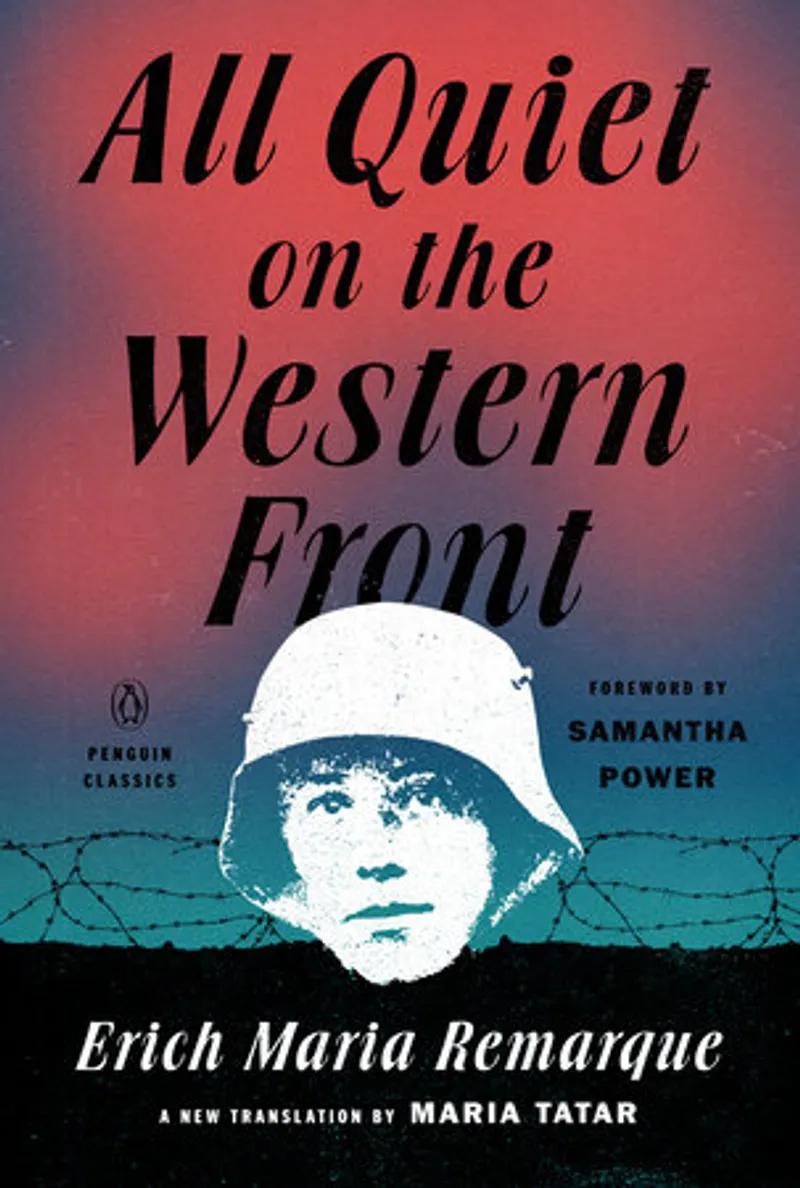
All Quiet on the Western Front Author: Erich Maria RemarquePage Count: UnknownPublication Date: 2026-PRH I must correct the publication year of Erich Maria Remarque's masterpiece, "All Quiet on the Western Front", which was actually published in 1928, not 2026. This timeless classic has been a cornerstone of modern literature for nearly a century, and its themes remain as poignant today as they were when the book first hit the shelves. In this gripping and thought-provoking novel, Remarque masterfully conveys the horrors of war through the eyes of a young German soldier, Paul Baümer, and his comrades as they navigate the trenches of World War I. The author's vivid and unflinching portrayal of the brutality, chaos, and desperation of war is both haunting and deeply moving. Remarque's writing style is characterized by its simplicity, clarity, and directness, which serves to heighten the emotional impact of the narrative. His use of sparse, concise language creates a sense of intimacy and immediacy, drawing the reader into the world of the novel and refusing to let go. The author's vivid descriptions of the war-torn landscape, the stench of death, and the cries of the wounded are seared into the reader's consciousness, making it impossible to look away from the atrocities of war. At its core, "All Quiet on the Western Front" is a powerful anti-war statement, a scathing critique of the nationalism, militarism, and blind patriotism that fueled the devastating conflict. Remarque's portrayal of the dehumanizing effects of war on the individual soldier, the erosion of innocence, and the disintegration of social bonds is both heartbreaking and thought-provoking. Through Paul's story, Remarque humanizes the enemy, stripping away the propaganda and stereotypes that dehumanize the opposing side. The novel's exploration of the psychological toll of war on the soldiers, the civilians, and the societies involved is a sobering reminder of the devastating consequences of conflict. The novel's title, "All Quiet on the Western Front", is a stark irony, as the narrative is anything but quiet. The silence is broken by the cacophony of gunfire, screams, and explosions, a constant reminder of the chaos and destruction that pervades the world of the novel. In conclusion, "All Quiet on the Western Front" is a masterpiece of modern literature, a powerful and haunting portrayal of the horrors of war, and a searing indictment of the nationalism and militarism that fuels conflict. Remarque's writing is a testament to the enduring power of literature to capture the human experience, and this novel remains a must-read for anyone interested in understanding the devastating consequences of war. #AllQuietOnTheWesternFront #AntiWarLiterature #WWI #ErichMariaRemarque #WarNovels #ClassicLiterature Related InsightsAn Ember in the Ashes Book Review and Summary Writing Mr. Wrong Book Review and Summary Lock Every Door Book Review and Summary{ "@context": "https://schema.org", "@type": "FAQPage", "mainEntity": [ { "@type": "Question", "name": "What is the main focus of All Quiet on the Western Front Book Review and Summary?", "acceptedAnswer": { "@type": "Answer", "text": "Everything you need to know about All Quiet on the Western Front with our detailed review." } }, { "@type": "Question", "name": "Who authored the comprehensive guide on All Quiet on the Western Front Book Review and Summary?", "acceptedAnswer": { "@type": "Answer", "text": "This detailed article and its insights were carefully researched and authored by Piotr Nowak." } }, { "@type": "Question", "name": "Where can I find more related content about Books?", "acceptedAnswer": { "@type": "Answer", "text": "You can explore more articles, detailed reviews, and similar insights by browsing the Related Insights section at the bottom of this article or visiting our dedicated Books category page." } } ] }
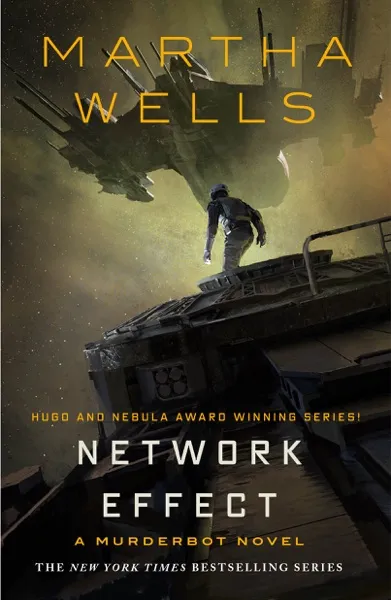
Network Effect Author: Martha WellsPage Count: UnknownPublication Year: 2020-GB In the realm of science fiction, few authors have managed to captivate readers with the same level of depth and nuance as Martha Wells. Her latest novel, Network Effect, is a masterclass in storytelling, weaving a complex narrative that explores the intricacies of artificial intelligence, consciousness, and human connection. This thought-provoking novel has catapulted to global bestseller status, and for good reason. At its core, Network Effect is a story about identity, self-discovery, and the blurred lines between human and artificial intelligence. The novel follows the journey of Murderbot, a sentient security robot who has managed to escape its corporate overlords and is now navigating a complex web of relationships and alliances. As Murderbot grapples with its own sense of self, it must also confront the harsh realities of a world where AI is both revered and reviled. One of the most striking aspects of Wells' writing is her ability to craft a narrative that is both introspective and action-packed. Murderbot's inner monologue is a highlight of the novel, offering a witty and irreverent commentary on the world around it. At the same time, the plot is expertly paced, hurtling towards a climax that is both suspenseful and emotionally resonant. Wells' prose is concise and evocative, conjuring a richly detailed world that is both familiar and strange. Her vision of a future where AI has become an integral part of human society is both prescient and unsettling, raising important questions about the consequences of playing god with technology. Throughout the novel, Wells explores a range of themes that are both timely and timeless. She delves into the nature of consciousness, the ethics of artificial intelligence, and the consequences of corporate power. Yet, despite the complexity of these themes, the novel never feels didactic or heavy-handed. Instead, Wells allows the story to unfold organically, trusting her readers to draw their own conclusions. One of the most impressive aspects of Network Effect is its ability to balance action and introspection. The novel is full of tense, suspenseful moments, as Murderbot navigates a treacherous landscape of corporate agents, rogue AI, and human adversaries. Yet, at the same time, Wells never loses sight of the novel's emotional core, exploring the deep bonds of friendship and loyalty that define Murderbot's relationships. In short, Network Effect is a triumph of science fiction, a novel that will appeal to fans of the genre and newcomers alike. With its thought-provoking themes, engaging characters, and expertly paced plot, this novel is a must-read for anyone looking for a compelling and emotionally resonant story. Martha Wells is a master of her craft, and Network Effect is a testament to her skill and imagination. #ArtificialIntelligence #ScienceFiction #Murderbot #RobotProtagonist #ConsciousnessExploration #FutureWorlds Related InsightsResonance Surge Book Review and Summary His Dark Materials: The Golden Compass (Book 1) Book Review and Summary Delirium Book Review and Summary{ "@context": "https://schema.org", "@type": "FAQPage", "mainEntity": [ { "@type": "Question", "name": "What is the main focus of Network Effect Book Review and Summary?", "acceptedAnswer": { "@type": "Answer", "text": "Everything you need to know about Network Effect with our detailed review." } }, { "@type": "Question", "name": "Who authored the comprehensive guide on Network Effect Book Review and Summary?", "acceptedAnswer": { "@type": "Answer", "text": "This detailed article and its insights were carefully researched and authored by Piotr Nowak." } }, { "@type": "Question", "name": "Where can I find more related content about Books?", "acceptedAnswer": { "@type": "Answer", "text": "You can explore more articles, detailed reviews, and similar insights by browsing the Related Insights section at the bottom of this article or visiting our dedicated Books category page." } } ] }
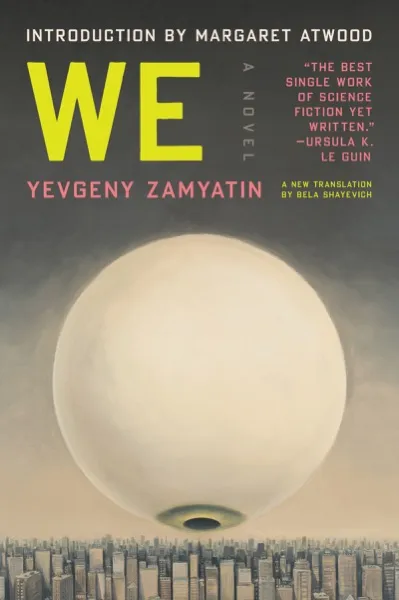
Freedom Author: Margaret AtwoodPage Count: UnknownPublication Year: 2018-GB Margaret Atwood’s Freedom is not just a book—it’s a masterclass in dystopian speculation, a razor-sharp dissection of power, and a chilling mirror held up to contemporary society’s most dangerous illusions. Published in 2018, this novel arrives at a moment when the world feels increasingly unmoored, where freedoms we once took for granted—autonomy, truth, bodily integrity—are under siege from forces both visible and insidious. Atwood, the architect of The Handmaid’s Tale, once again proves that she doesn’t merely predict the future; she excavates the rot already festering in the present. At its core, Freedom is a novel about the illusion of control. The protagonist, Toby, is a woman shaped by trauma, survival, and the relentless erosion of personal agency. Through her eyes, Atwood explores how freedom is not a static state but a fragile negotiation—one that can be granted, stolen, or reclaimed in ways that are often violent and unexpected. The novel’s title is deceptive; this is not a hymn to liberation but a meditation on its fragility. Atwood asks: What does it mean to be free when the systems around you are designed to define, limit, and punish? And perhaps more crucially, how do we define freedom for ourselves when the world insists on defining it for us? Atwood’s prose is, as always, crystalline and precise, but Freedom reveals a new depth in her stylistic evolution. Gone are the stark, almost clinical sentences of The Handmaid’s Tale—here, her language is lush, even sensual at times, mirroring Toby’s longing for a life she was never meant to have. Yet this beauty is undercut by an ever-present tension, a sense of dread that lingers like a held breath. Atwood doesn’t rely on melodrama; instead, she lets the horror seep in through the mundane—a casual remark, a bureaucratic form, a glance that lingers too long. The result is a novel that feels less like a warning and more like a prophecy already unfolding. One of the most striking aspects of Freedom is its refusal to offer easy answers. Unlike many dystopian narratives that climax with a triumphant rebellion or a final, cathartic act of defiance, Atwood’s world is messier, more ambiguous. Freedom here is not a destination but a series of small, often futile struggles—moments of resistance that are crushed as quickly as they arise. This is a novel for the age of performative activism, where the illusion of progress often masks deeper stagnation. Atwood doesn’t let the reader off the hook; she forces us to confront the uncomfortable truth that freedom is not something we achieve but something we practice, and even then, it is always provisional. The novel’s secondary characters are equally compelling, each embodying a different facet of the struggle for autonomy. There’s the enigmatic Adam, whose relationship with Toby is as much about survival as it is about desire, and the sinister, bureaucratic figures who represent the faceless systems that grind individuals into submission. Atwood’s genius lies in making these characters feel real—flawed, contradictory, and deeply human—even as they are trapped in a world that seeks to dehumanize them. Atwood’s style in Freedom is also notable for its intertextuality. The novel is steeped in myth, folklore, and literary allusion, from the biblical echoes in the characters’ names to the fairy-tale motifs that underscore Toby’s journey. This layering gives the book a mythic quality, as if it’s not just a story about one woman’s life but a universal tale of resistance and erasure. Yet Atwood never lets the symbolism overwhelm the narrative; the story remains grounded in Toby’s very personal, very human struggle. What makes Freedom particularly resonant is its timeliness. While Atwood has always been a chronicler of oppression, Freedom feels eerily prescient in an era of algorithmic control, state surveillance, and the erosion of reproductive rights. The novel doesn’t just warn about a distant future; it holds up a mirror to the ways in which freedom is already being constricted in the present. Atwood’s genius is in making the reader ask: How free am I, really? And that question is far more unsettling than any dystopian fantasy. Ultimately, Freedom is a novel about the cost of defiance. Toby’s journey is not one of triumph but of endurance, a quiet refusal to be erased. In a world that constantly demands compliance, Atwood reminds us that freedom is not a gift—it is a choice, and one that must be made again and again. This is not a book to be read lightly. It is a book to be felt, to be marinated in, to be unsettled by. It is, in short, a masterpiece. #FreedomAtwood #DystopianFiction #MargaretAtwood #WomenAndResistance #TheCostOfFreedom #SpeculativeFiction Related InsightsRaven Cycle Series Collection 4 Books Set By Maggie Stiefvater Book Review and Summary Holmes is missing Book Review and Summary A Winter Grave Book Review and Summary{ "@context": "https://schema.org", "@type": "FAQPage", "mainEntity": [ { "@type": "Question", "name": "What is the main focus of Freedom Book Review and Summary?", "acceptedAnswer": { "@type": "Answer", "text": "Everything you need to know about Freedom with our detailed review." } }, { "@type": "Question", "name": "Who authored the comprehensive guide on Freedom Book Review and Summary?", "acceptedAnswer": { "@type": "Answer", "text": "This detailed article and its insights were carefully researched and authored by Piotr Nowak." } }, { "@type": "Question", "name": "Where can I find more related content about Books?", "acceptedAnswer": { "@type": "Answer", "text": "You can explore more articles, detailed reviews, and similar insights by browsing the Related Insights section at the bottom of this article or visiting our dedicated Books category page." } } ] }

Heartstopper, Volume 1 Author: Alice OsemanPage Count: UnknownPublication Year: 2018-GB In the realm of young adult fiction, few books have managed to capture the hearts of readers quite like Alice Oseman's "Heartstopper, Volume 1". This global bestseller, first published in 2018, has taken the world by storm with its poignant and relatable portrayal of first love, identity, and the complexities of adolescence. At its core, "Heartstopper" is a beautifully crafted tale of self-discovery, told through the eyes of two teenage boys, Charlie Spring and Nick Nelson. Charlie, an openly gay student, has been struggling to find his place in the world, while Nick, a star rugby player, appears to have it all together. When the two meet, a spark is ignited, and they embark on a journey of exploration, navigating the intricacies of their blossoming relationship. One of the standout features of Oseman's writing style is her ability to tackle tough topics with sensitivity and nuance. She masterfully weaves together themes of mental health, bullying, and identity, creating a narrative that is both authentic and accessible. The characters are multidimensional and relatable, with distinct voices that leap off the page. The author's use of graphic novel format adds a unique layer of depth to the storytelling, allowing the reader to experience the world of "Heartstopper" in a visually stunning way. The illustrations are simple yet effective, perfectly capturing the emotional intensity of the characters' experiences. What sets "Heartstopper" apart from other YA novels is its unwavering commitment to representation. Oseman's portrayal of LGBTQ+ characters is genuine and heartfelt, offering a much-needed reflection of the diversity that exists in our world. The book is a powerful reminder that everyone deserves to see themselves represented in literature, and that love is love, regardless of gender or sexuality. Throughout the book, Oseman's writing is infused with a sense of hope and optimism, even in the face of adversity. The characters' struggles are real, but their resilience and capacity for love are inspiring. As the story unfolds, the reader is reminded that it's okay to be vulnerable, to take risks, and to be true to oneself. In short, "Heartstopper, Volume 1" is a triumph of contemporary young adult literature. Alice Oseman's masterful storytelling, combined with her passion for representation and inclusivity, has created a book that will resonate with readers of all ages. If you're looking for a story that will capture your heart and stay with you long after you finish reading, then "Heartstopper" is an absolute must-read. #Heartstopper #LGBTQPlus #YoungAdultFiction #GraphicNovel #MentalHealthMatters #LoveIsLove Related InsightsMorfran, Dark Lord Reformed Book Review and Summary Creature of the Night (Monster Hunter, #5) Book Review and Summary Our Not-So-Lonely Planet Travel Guide, Volume 7 Book Review and Summary{ "@context": "https://schema.org", "@type": "FAQPage", "mainEntity": [ { "@type": "Question", "name": "What is the main focus of Heartstopper, Volume 1 Book Review and Summary?", "acceptedAnswer": { "@type": "Answer", "text": "Everything you need to know about Heartstopper, Volume 1 with our detailed review." } }, { "@type": "Question", "name": "Who authored the comprehensive guide on Heartstopper, Volume 1 Book Review and Summary?", "acceptedAnswer": { "@type": "Answer", "text": "This detailed article and its insights were carefully researched and authored by Piotr Nowak." } }, { "@type": "Question", "name": "Where can I find more related content about Books?", "acceptedAnswer": { "@type": "Answer", "text": "You can explore more articles, detailed reviews, and similar insights by browsing the Related Insights section at the bottom of this article or visiting our dedicated Books category page." } } ] }
They Carry a Promise Author: Janusz SzuberPage Count: UnknownPublication Date: 2015-PRH Janusz Szuber’s They Carry a Promise is a revelation—a collection that arrives decades late yet feels timeless, like a voice that has always existed in the margins of poetry, waiting for the right moment to speak. Published in English translation in 2015, this book introduces Szuber as a master of quiet intensity, a poet whose work feels both ancient and urgently modern. Wisława Szymborska and Zbigniew Herbert recognized him early as something special, and their praise is fully justified. Szuber’s poetry is not a shout but a whisper that lingers, a delicate balance between the precision of language and the chaos of existence. At its core, They Carry a Promise is a meditation on memory, history, and the fragile act of bearing witness. Szuber’s poems are steeped in the weight of the past—personal, historical, linguistic—but they never succumb to despair. Instead, they offer a kind of stubborn hope, a promise carried through time despite the inevitable erosion of time itself. The book’s title suggests this: something is being passed down, something that persists even as it is fragile. In one poem, Szuber writes, "Who will carve her fragile profile / in ivory... Who in truthful verse will briefly tell / of eternity, impermanent as a broken fan?" The question is haunting, but the act of asking it—of attempting to capture the fleeting in words—is an act of defiance. Szuber’s style is deceptively simple. His poems are short, often no more than a few stanzas, but each word feels deliberate, each image carefully chosen. There’s a precision here that belies the emotional depth of his work. He writes about nature—the flight of a heron, the blossoming of apple trees—but these are not mere observations. They are metaphors for something larger, something human. In "The Heron", he describes the bird’s takeoff as "a slow scream / of white wings", transforming a moment of natural beauty into something almost mythic. The heron becomes a symbol of both grace and fragility, much like the poetry itself. One of the most striking aspects of Szuber’s work is his relationship with language. He calls grammar his "adopted country", acknowledging the artificial yet necessary structures we use to make sense of the world. Yet he also yearns for something more immediate, something less ambiguous. In "I’d prefer something less ambiguous", he writes: "The bony parachutes of leaves, The flame of goosefoot, from a frosty page A star bent over me." Here, language is both a prison and a liberation. The images—"bony parachutes", "flame of goosefoot", "a star bent over me"—are visceral, almost tactile. Szuber’s poetry is rooted in the physical world, even as it grapples with abstraction. He doesn’t just describe a scene; he makes you feel it in your bones. The historical weight of Szuber’s work is also impossible to ignore. Poland’s turbulent 20th century looms in the background of many poems, though Szuber never indulges in overt political commentary. Instead, he finds the personal in the historical. In "Old Photo Album", he writes about the faces in faded photographs, the way time has blurred them but not erased them entirely. The poem is a quiet lament for what is lost, but also a celebration of what persists. "They carry a promise," he writes, and that line could serve as an epigraph for the entire collection. The translations by Ewa Hryniewicz-Yarbrough are nothing short of brilliant. Szuber’s Polish is known for its lyrical density, and Hryniewicz-Yarbrough captures that density without sacrificing clarity. The English versions feel like they were written in the same language, with the same urgency and elegance. It’s a testament to the translator’s skill that Szuber’s voice feels so immediate and alive in English. They Carry a Promise is a book that rewards slow reading. It’s not the kind of poetry that demands attention through sheer force; it invites you in, gently but insistently. Szuber’s poems are like stones in a stream—small, unassuming, but with a weight that shapes the water around them. They linger in the mind long after you’ve turned the last page, leaving you with the sense that you’ve witnessed something rare: poetry that is both deeply personal and universally resonant. If you’ve ever felt the weight of history, the fragility of memory, or the quiet beauty of the world around you, this book will speak to you. Szuber doesn’t offer easy answers, but he offers something just as valuable: a promise that even in the face of impermanence, there is meaning to be found. #Szuber #PolishPoetry #PoetryInTranslation #ContemporaryPoets #LiteraryDiscovery #PoetryCollection
One of Our Kind Author: Nicola YoonPage Count: UnknownPublication Year: 2024-GB One of Our Kind, the latest release from the renowned author Nicola Yoon, is a mesmerizing tale that delves into the complexities of human relationships, identity, and the unbreakable bonds that define us. As a highly acclaimed global bestseller, this book has already garnered significant attention, and for good reason. Yoon's masterful storytelling weaves a narrative that is both poignant and thought-provoking, leaving readers to ponder the intricacies of the human experience long after the final page has been turned. At its core, One of Our Kind explores the theme of belonging and the search for one's place within the world. Yoon's characters are multidimensional and relatable, each with their own unique struggles and triumphs. Through their journeys, the author sheds light on the importance of empathy, compassion, and understanding in breaking down the barriers that often separate us. With a keen eye for detail, Yoon crafts a world that is both familiar and unknown, inviting readers to step into the lives of her characters and experience the world through their eyes. One of the standout aspects of Yoon's writing style is her ability to balance complex themes with accessible, lyrical prose. Her words have a gentle, poetic quality that makes the narrative feel both intimate and expansive. As the story unfolds, Yoon tackles difficult topics with sensitivity and nuance, never shying away from the tough questions or the harsh realities of life. This bravery is a hallmark of her writing, and it is a significant factor in what sets her apart from other authors in the genre. Throughout the book, Yoon's passion for storytelling and her commitment to exploring the depths of human emotion are evident. Her characters are skillfully developed, with rich inner lives and motivations that drive the plot forward. The world-building is meticulous, with a keen attention to detail that creates a vivid, immersive atmosphere. Whether Yoon is describing the intricate details of a character's memories or the broader societal context in which they live, her descriptions are evocative and engaging, drawing the reader into the narrative and refusing to let go. As a global bestseller, One of Our Kind has clearly resonated with readers from diverse backgrounds and cultures. This is a testament to Yoon's skill as a storyteller and her ability to craft a narrative that is both universal and deeply personal. The book's themes of identity, community, and the search for belonging are timeless and timely, speaking to fundamental aspects of the human experience that transcend borders and boundaries. In short, One of Our Kind is a triumph, a masterpiece of contemporary literature that will leave readers spellbound and eager for more. Nicola Yoon's writing is a gift, a reminder of the power of storytelling to transform, to inspire, and to connect us in ways thatnothing else can. If you haven't already, do yourself a favor and immerse yourself in the world of One of Our Kind. It is an experience you won't soon forget. #OneOfOurKind #NicolaYoon #BookLovers #NewRelease #GlobalBestseller #ContemporaryLiterature Related InsightsCorelli’s Mandolin Book Review and Summary The arrangement Book Review and Summary Before the Coffee Gets Cold Book Review and Summary{ "@context": "https://schema.org", "@type": "FAQPage", "mainEntity": [ { "@type": "Question", "name": "What is the main focus of One of Our Kind Book Review and Summary?", "acceptedAnswer": { "@type": "Answer", "text": "Everything you need to know about One of Our Kind with our detailed review." } }, { "@type": "Question", "name": "Who authored the comprehensive guide on One of Our Kind Book Review and Summary?", "acceptedAnswer": { "@type": "Answer", "text": "This detailed article and its insights were carefully researched and authored by Piotr Nowak." } }, { "@type": "Question", "name": "Where can I find more related content about Books?", "acceptedAnswer": { "@type": "Answer", "text": "You can explore more articles, detailed reviews, and similar insights by browsing the Related Insights section at the bottom of this article or visiting our dedicated Books category page." } } ] }