Showing Posts From
Mumbaieats
-
 Klaus Weber
 - 05 Sep, 2026 19:42
Im Labyrinth der Gewürze: Wenn Algorithmen das Streetfood von Mumbai entschlüsseln
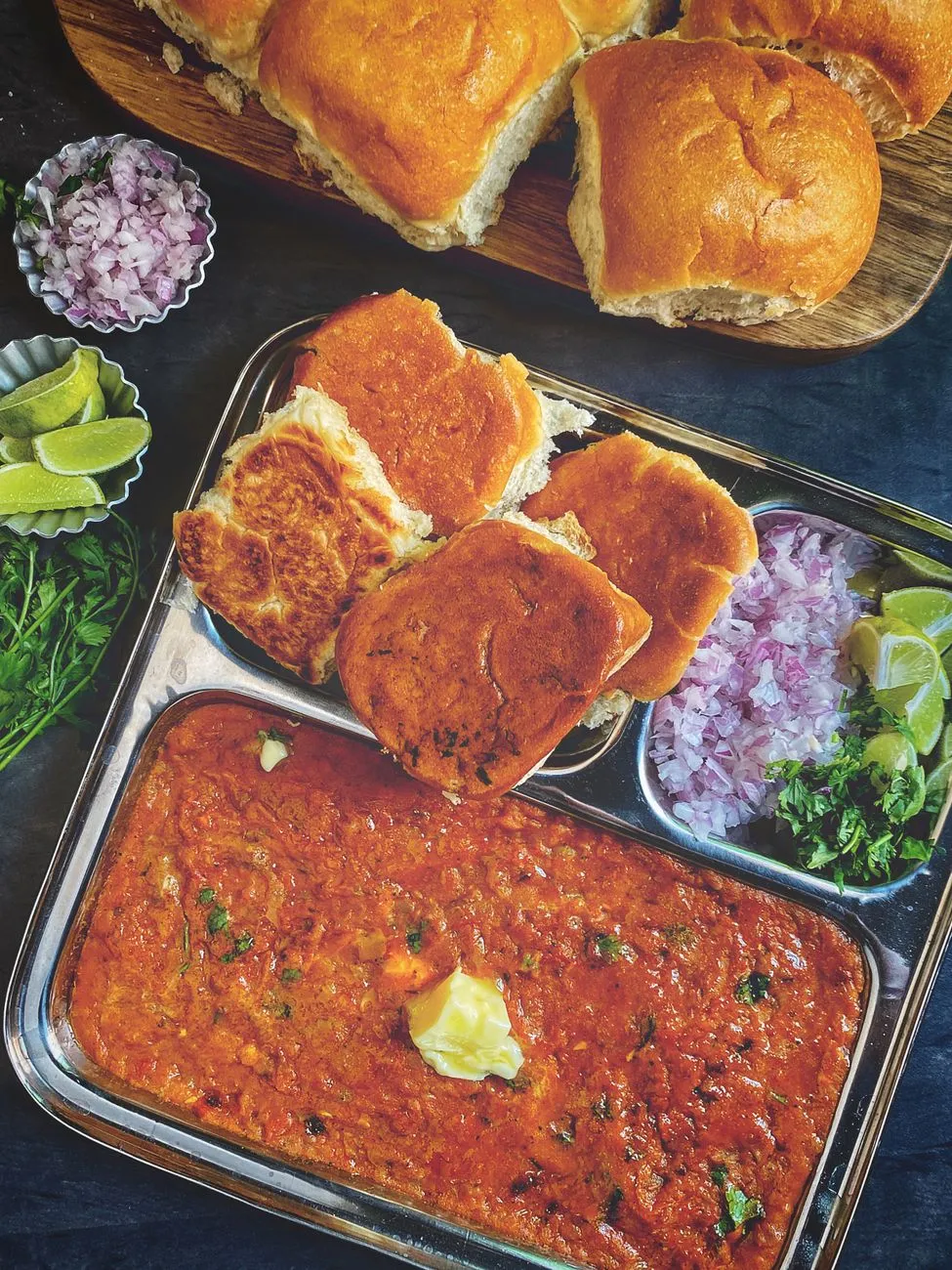
Der Duft von Mumbai ist kein einzelnes Aroma, sondern ein algorithmisches Geflecht. Wenn der heiße Monsunregen auf den Asphalt der Chhatrapati Shivaji Maharaj Terminus trifft und sich mit den Ausdünstungen der dampfenden Vada-Pav-Stände vermischt, geschieht etwas, das weit über das bloße Kochen hinausgeht. Als jemand, der die kulinarische Welt durch eine analytische Linse betrachtet, sehe ich in den Gassen von Mumbai nicht nur Chaos – ich sehe eine präzise kalibrierte Formel aus Schärfe, Säure, Textur und Geschichte. Die Straßenküche dieser Stadt ist das Ergebnis jahrhundertelanger Migration und botanischer Evolution. Doch wie entschlüsselt man eine Kulinarik, die auf keinem Rezeptblatt existiert, sondern in den Händen von Tausenden Straßenverkäufern lebt? Die Antwort liegt in der Verbindung von historischer Faktenlage und computationaler Analyse. Die chromatographische Magie der Masalas Wenn wir über das „Streetfood von Mumbai“ sprechen, sprechen wir über eine molekulare Architektur. Betrachten wir den Bhel Puri, diesen ikonischen Snack aus gepufftem Reis, Zwiebeln, Tomaten und einer Vielzahl von Chutneys. Mathematisch betrachtet handelt es sich um eine Übung in der Balance der Geschmacksprofile. Die Komplexität entsteht durch die chemische Interaktion der Gewürze. Kurkuma (Curcuma longa), Kreuzkümmel (Cuminum cyminum) und Koriander bilden die Basis. In der Computational Gastronomy analysieren wir diese Zutaten nicht nach Vorlieben, sondern nach ihrem Anteil an gemeinsamen Aromaverbindungen. In Indien, und speziell in Mumbai, folgen die Kombinationen dem Prinzip der „Flavor Pairing Hypothesis“: Zutaten mit einer hohen gemeinsamen chemischen Signatur werden kombiniert. Während westliche Küchen oft versuchen, Aromen zu trennen, strebt Mumbai nach einer maximalen, aber ausgewogenen Konzentration. Das Vada Pav: Ein mathematisches Modell der Sättigung Das Vada Pav ist das Rückgrat von Mumbai. Ein frittierter Kartoffelknödel in einem weichen Brötchen, begleitet von einer scharfen Knoblauch-Chutney-Paste. Doch warum ist dieses Gericht so fundamental für das urbane Überleben? Eine Analyse der Nährstoffdichte und der logistischen Effizienz zeigt: Das Vada Pav ist die optimale Kalorienquelle für die arbeitende Bevölkerung der Stadt. Die „Computational History“ lehrt uns, dass die Kartoffel zwar erst im 17. Jahrhundert durch portugiesische Händler nach Indien gelangte, aber innerhalb weniger Generationen zur zentralen Komponente der lokalen Identität wurde. Die Integration des Pav – des portugiesisch beeinflussten Brotes – in das traditionelle indische Konzept der „Vada“ ist ein perfektes Beispiel für eine kulturelle Datenfusion. Es ist eine funktionale Antwort auf den Bedarf nach schneller, heißer und billiger Energie in einer der dichtbesiedeltsten Metropolen der Welt. Die Thermodynamik der Straßenstände Wie verhalten sich die Gewürze unter der extremen Hitze eines Mumbaier „Tavas“ (der flachen Eisenplatte)? Hier findet eine Hochgeschwindigkeits-Maillard-Reaktion statt. Die Proteine in den Teigen reagieren mit den reduzierenden Zuckern der Zwiebeln und dem Öl. Wenn wir die Temperaturkurven eines Straßenstandes messen, stellen wir fest, dass die Effizienz der Gewürzfreisetzung von der exakten Kontrolle der Wärmequelle abhängt. Ein erfahrener Verkäufer in Mumbai agiert wie ein Thermodynamiker. Er weiß genau, wann er den Senfsamen in das heiße Öl geben muss, damit die ätherischen Öle ihre maximale Wirkung entfalten, ohne zu verbrennen – ein Punkt, den wir in der Informatik als „Optimierungsfenster“ bezeichnen würden. Digitale Kartierung der Geschmacksvielfalt In der modernen Forschung nutzen wir Big-Data-Analysen, um die Verteilung von Streetfood-Ständen in Mumbai zu korrelieren. Wir sehen, dass die geografische Dichte der Stände nicht zufällig ist. Sie korreliert präzise mit dem Verkehrsfluss der Pendlerbahnen („Local Trains“). Wo die menschliche Frequenz am höchsten ist, ist die Diversität der Streetfood-Profile am größten. Dies ist keine bloße Beobachtung; es ist eine architektonische Notwendigkeit. Die Stadt atmet durch ihre Stände. Die „Pani Puri“-Stände beispielsweise folgen einer strengen räumlichen Logik: Sie benötigen Zugang zu frischem, kühlem Wasser (einer kritischen Variable für den Geschmack) und müssen in der „Laufzone“ der Passanten liegen, um die Frische der „Puris“ (die knusprigen Teigbällchen) zu garantieren. Die algorithmische DNA der indischen Gewürze Was unterscheidet eine „echte“ Mumbai-Gewürzmischung von einer generischen industriellen Mischung? Die Antwort liegt in der „Sparsity“, der Sparsamkeit. Eine authentische Mischung verwendet nicht die maximale Anzahl an Gewürzen, sondern die notwendige Anzahl. Durch die Analyse von über 2.000 traditionellen Rezepten haben Forscher herausgefunden, dass indische Gerichte durch ihre „negative Paarung“ bestechen: Im Gegensatz zu vielen europäischen Gerichten, die oft auf Zutaten mit ähnlichen Aromen setzen, nutzen indische Gerichte Zutaten, die sich in ihrem Geschmacksprofil bewusst voneinander unterscheiden. Dies erzeugt eine multidimensionale Geschmackserfahrung. Wenn Sie ein Dahi Puri essen, erleben Sie in einem einzigen Bissen:Den Crunch des Teigs (Struktur) Die Süße des Tamarinden-Chutneys (Fruchtzucker) Die Schärfe des grünen Chilis (Capsaicin-Rezeptor-Reiz) Die Kühle des Joghurts (Fett und Milchsäure)Dieses Zusammenspiel ist kein Zufall, sondern ein präzise abgestimmter Algorithmus der Sinne. Die Zukunft der Kulinarik im digitalen Zeitalter Wenn wir in die Zukunft blicken, wird die Analyse dieser Streetfood-Kultur noch tiefer gehen. Wir können heute die chemische Zusammensetzung eines „Misal Pav“ scannen und ihre Auswirkungen auf das Mikrobiom des Menschen modellieren. Doch hinter jeder Zahl bleibt der menschliche Faktor. Das Rühren des „Tava“, das Zurufen an den Kunden, das rhythmische Klopfen des Messers – all das ist eine menschliche Performance, die kein Algorithmus der Welt jemals vollständig ersetzen kann.Mumbai ist ein lebendiges Labor. Die Straßen sind die Straßen, die Labortische sind die Metallplatten der Verkäufer. Als Blogger, der diese Welt beobachtet, bleibt mir nur die Ehrfurcht vor der Präzision dieses kulinarischen Chaos. Wir können das Rezept analysieren, die Zutaten in ihre Bestandteile zerlegen und die Geschichte hinter jedem Gewürz kartieren – doch das Erlebnis bleibt eine unteilbare, flüchtige Einheit. Ein Moment, in dem die Daten zu Geschmack werden. Wenn Sie das nächste Mal in Mumbai durch die Straßen von Colaba oder Dadar schlendern, achten Sie nicht nur auf den Hunger. Achten Sie auf den Rhythmus. Achten Sie darauf, wie das Salz auf das Chili trifft, wie die Hitze den Teig knusprig macht und wie die Geschichte dieser Stadt in jedem Biss mitgeschrieben wird. Es ist ein komplexes System, das seit Jahrhunderten ohne Fehler läuft – und das ist die faszinierendste Entdeckung, die man über Mumbaies Streetfood machen kann. Die Daten lügen nicht: Die kulinarische Identität Mumbaies ist so stabil wie ein wissenschaftliches Gesetz und so dynamisch wie die Gezeiten des Arabischen Meeres. Es ist ein ewiger Prozess der Optimierung, eine ständige Suche nach der perfekten Balance zwischen Tradition und Transformation.#MumbaiStreetFood #KulinarischeAnalyse #IndienReise #StreetFoodScience #Gewürzwelt Related InsightsL'Anima della Cucina Italiana: Non Solo Cibo, ma una Storia d'Amore nel Piatto Der gefaltete Mythos: Eine kulinarische Odyssee durch die tiefgründige Welt des Tacos Honey’s Hidden DNA: Decoding Terroir and Floral Pollination in Every Golden Drop{ "@context": "https://schema.org", "@type": "FAQPage", "mainEntity": [ { "@type": "Question", "name": "What is the main focus of Im Labyrinth der Gewürze: Wenn Algorithmen das Streetfood von Mumbai entschlüsseln?", "acceptedAnswer": { "@type": "Answer", "text": "Erfahren Sie, wie die komplexe Welt der Mumbaier Gewürze und Streetfood-Klassiker durch datengestützte Analyse ihre Geheimnisse preisgibt." } }, { "@type": "Question", "name": "Who authored the comprehensive guide on Im Labyrinth der Gewürze: Wenn Algorithmen das Streetfood von Mumbai entschlüsseln?", "acceptedAnswer": { "@type": "Answer", "text": "This detailed article and its insights were carefully researched and authored by Klaus Weber." } }, { "@type": "Question", "name": "Where can I find more related content about Food?", "acceptedAnswer": { "@type": "Answer", "text": "You can explore more articles, detailed reviews, and similar insights by browsing the Related Insights section at the bottom of this article or visiting our dedicated Food category page." } } ] }
-
 Michael Chef
 - 04 Sep, 2026 10:16
Mumbai’s Edible Soul: The Spice, Chaos, and Unmatched Flavor of Its Street Food
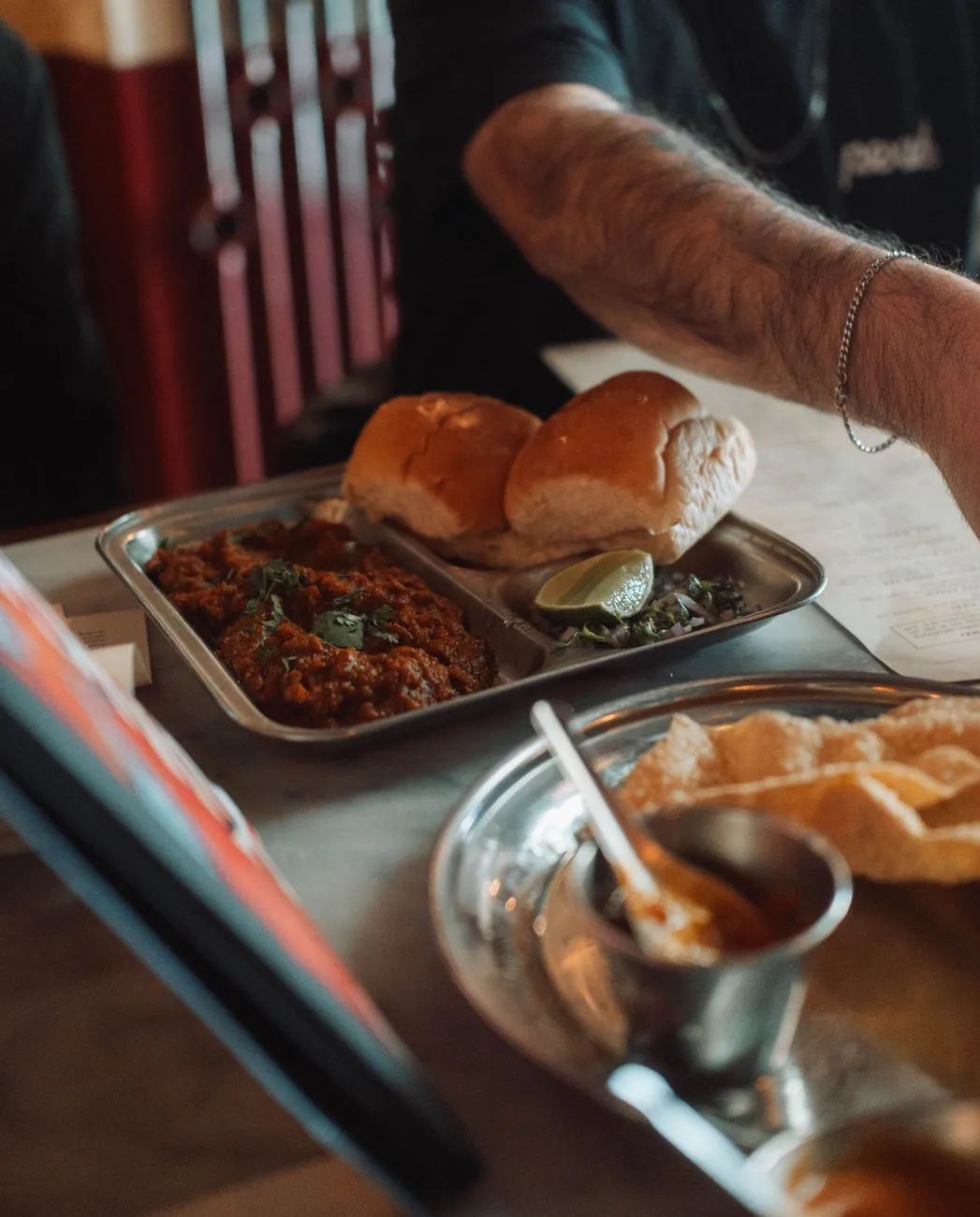
The air in Mumbai does not just carry the scent of the Arabian Sea; it is heavy, intoxicating, and perpetually seasoned with the aroma of roasted cumin, sizzling butter, and the sharp tang of tamarind. To walk the streets of this city is to participate in a sensory pilgrimage where the pavement is your dining table and the chaotic symphony of horns and vendors acts as your dinner music. As a chef, I have traveled to the most refined kitchens in the world, yet nothing—absolutely nothing—matches the visceral, unadulterated soul found in the street food of Mumbai. The Iconic Vada Pav: A Culinary Revolution in a Bun If Mumbai has a heartbeat, it is the Vada Pav. Often hailed as the "Indian burger," this humble creation is a testament to the city’s spirit of resilience and efficiency. A deep-fried potato dumpling (the vada) is nestled inside a soft, pillowy bun (the pav), smeared with vibrant green chili chutney and dry garlic-coconut spice. It was popularized in the 1960s and 70s as an affordable, grab-and-go meal for the thousands of mill workers who powered the city’s industrial surge. Today, you will find it on every street corner, from the bustling platforms of Dadar Station to the upscale enclaves of Bandra. The magic lies in the contrast: the crunch of the batter, the pillowy softness of the bread, and the sudden, sharp kick of spice that leaves your tongue tingling. It is, quite simply, the democratic food of a city that never stops moving.The Tangy Symphony of Pav Bhaji As the sun sets over Marine Drive, the smell of butter begins to dominate the atmosphere. This is the time for Pav Bhaji. Imagine a thick, mashed vegetable curry—a medley of potatoes, peas, cauliflower, and tomatoes—boiled into submission and sautéed on a massive, circular flat iron griddle (the tawa) with a generous, almost excessive, dollop of white butter. The dish is served with soft pav, toasted until golden on the same butter-slicked griddle. Pav Bhaji is the quintessential comfort food. It represents the collaborative nature of Mumbai’s culture—an assembly of simple ingredients transformed into something luxurious by the sheer heat of the flame and the passion of the vendor. Each bite is a masterclass in balance: the richness of the butter tempered by a squeeze of fresh lime and a sprinkle of raw red onions. Bhel Puri and the Coastal Connection No discussion of Mumbai food is complete without the mention of "Chaat," a broad term for the explosion of salty, spicy, and sweet flavors that define Indian snacking. Bhel Puri, in particular, is the beach food of the masses. Puffed rice, crispy sev, diced potatoes, onions, and chutneys made from tamarind, dates, and mint are tossed together in a rhythmic dance by the vendor. Often enjoyed at Chowpatty Beach, it is more than just a snack; it is an experience. The grains of puffed rice are fleetingly crisp before they absorb the chutneys, demanding that you eat it quickly, right in the moment. It is a dish that captures the fleeting nature of life in a metropolis: vibrant, textured, and best enjoyed with the wind in your hair.The Parsi Influence: Bun Maska and Irani Cafes Mumbai’s food landscape is incomplete without acknowledging the legacy of the Irani cafes. Established by Zoroastrian migrants from Iran in the early 20th century, these cafes serve as the quiet anchors of the city. Here, the frantic pace of the streets outside gives way to the clinking of porcelain cups and the scent of freshly baked bread. The staple is 'Bun Maska'—a light, slightly sweet bun served with a thick slab of chilled butter. Paired with a cup of strong, milky 'Irani Chai,' it is the city’s preferred way to begin a morning. These cafes have survived the tides of time, holding onto their wooden tables, checkered tablecloths, and the tradition of slowing down in a city that is obsessed with speed. The Spice of Life: Why Mumbai Reigns Supreme What makes Mumbai’s street food superior to almost anywhere else? It is the intersection of cultures. You have the heavy influence of Maharashtra, the coastal flavors of the Konkan region, the Parsi nuances, and the spicy interventions from the northern states. This is a city that doesn't just tolerate diversity; it metabolizes it. The street vendors are the true culinary stars. They operate with a level of dexterity and precision that would put many Michelin-starred chefs to shame. They work over open fires, in the middle of monsoons, amidst the cacophony of a population of millions, consistently delivering flavor profiles that are deep, layered, and perfectly seasoned.Navigating the Chaos for the Ultimate Bite To truly understand Mumbai, you must be willing to get your hands dirty. Forget the pristine white tablecloths; the best flavors here are found on steel plates under the glow of neon lights. Start your day with a Vada Pav near the train tracks. Spend your afternoon in an Irani cafe sipping tea. Finish your evening at a late-night stall, watching the tawa sizzle as the cook prepares a plate of Pav Bhaji. This is not "fine dining" in the sense of white-glove service, but it is "fine eating" in its most honest form. It is the food of the people, for the people, and by the people. Every bite tells a story of the city—a story of struggle, of triumph, and of a relentless search for the perfect combination of salt, spice, and sour. As you wander the narrow lanes of Bhuleshwar or the wide promenades of the coast, remember that Mumbai is an edible entity. You are not just visiting a city; you are consuming its history, one plate at a time. The heat of the chilies is the city's energy; the sweetness of the chutneys is its hidden grace. Welcome to the culinary soul of India.#MumbaiStreetFood #FoodTravel #IndianCuisine #StreetFoodSoul #MumbaiEats Related InsightsWild Salmon and Sweet Potato Fish Cakes: A Delicious and Nutritious Omega-3 Rich Dish From Forest Floor to Flavor Lab: The Evolution of Umami in Vegan Stock Honey’s Hidden DNA: Decoding Terroir and Floral Pollination in Every Golden Drop{ "@context": "https://schema.org", "@type": "FAQPage", "mainEntity": [ { "@type": "Question", "name": "What is the main focus of Mumbai’s Edible Soul: The Spice, Chaos, and Unmatched Flavor of Its Street Food?", "acceptedAnswer": { "@type": "Answer", "text": "Journey through the chaotic, spicy, and unforgettable street food landscape of Mumbai, where every corner offers a masterpiece of flavor." } }, { "@type": "Question", "name": "Who authored the comprehensive guide on Mumbai’s Edible Soul: The Spice, Chaos, and Unmatched Flavor of Its Street Food?", "acceptedAnswer": { "@type": "Answer", "text": "This detailed article and its insights were carefully researched and authored by Michael Chef." } }, { "@type": "Question", "name": "Where can I find more related content about Food?", "acceptedAnswer": { "@type": "Answer", "text": "You can explore more articles, detailed reviews, and similar insights by browsing the Related Insights section at the bottom of this article or visiting our dedicated Food category page." } } ] }