Showing Posts From
Mystery
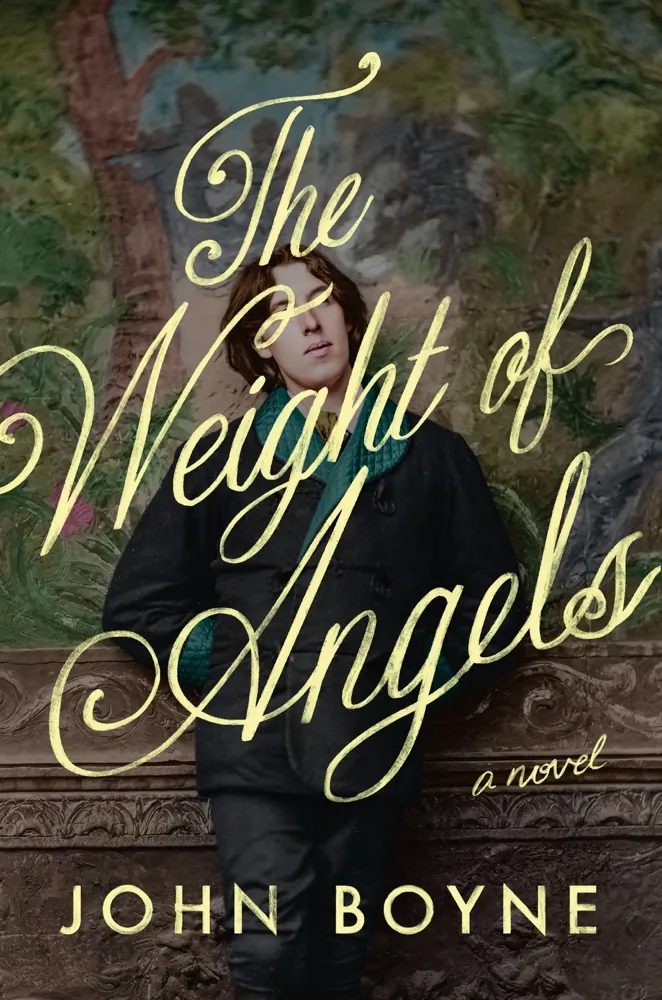
Author: John BoynePage Count: UnknownPublication Date: Expected publication 2026-09-29 APL The synopsis of The Weight of Angels is so aggressively vague it might as well be a Wildean epigram—elegant on the surface, but hollow beneath. What we’re promised is a speculative reimagining of Oscar Wilde’s life had he ignored the Marquess of Queensberry’s infamous libel, a narrative that unfurls like a Victorian-era Black Swan where the protagonist’s downfall is averted by sheer inertia. But inertia is the enemy of drama, and Boyne’s premise here is less a bold reworking of history and more a lazy thought experiment dressed in the trappings of literary ambition. The core question—what if Wilde had lived to witness the 20th century?—isn’t just tired; it’s the kind of premise that belongs in a Doctor Who episode where the Doctor casually rewinds time to prevent a tragedy. The problem isn’t the idea itself—it’s that Boyne seems to think Wilde’s genius would’ve been preserved in a vacuum, untouched by the very forces that made him Wilde in the first place. The man was a firebrand, a provocateur, a man who thrived on scandal. To imagine him surviving the 1920s without any of that—without the Salomé scandal, without the De Profundis letters, without the very weight of his own contradictions—is to suggest he was ever anything but a man of his time. And yet, here we are, being asked to believe he could’ve been a mild-mannered observer of history, a ghost at the feast of the century. The synopsis doesn’t even attempt to grapple with the psychological absurdity of this premise. Wilde’s life was a series of self-inflicted wounds, each one a deliberate act of defiance against the bourgeoisie that had already condemned him. To erase the libel trial is to erase the catalyst for his greatest work—De Profundis, the letter that became his most raw and unfiltered confession. But Boyne seems to think Wilde’s brilliance was a static thing, something that could’ve been bottled and preserved like a fine wine. It wasn’t. It was a flame, and flames require oxygen—preferably the kind that comes from public humiliation, exile, and the kind of existential crisis that turns a man into a legend. And then there’s the matter of the 20th century itself. Wilde’s survival would’ve required him to navigate the Great War, the Spanish Flu, the rise of fascism—all while somehow retaining his wit, his charm, his weight. It’s the literary equivalent of asking if a man who could’ve outwitted the entire establishment in 1895 could’ve done the same in 1935, when the establishment had learned how to burn books and imprison poets. The synopsis doesn’t even hint at the kind of moral compromises Wilde might’ve had to make to survive, the way The Remains of the Day forces its protagonist to confront the quiet complicity of his own silence. Instead, we’re given the impression that Wilde would’ve been a passive spectator, a man who simply witnessed history rather than shaped it. The most damning thing about this premise is that it’s not even original. It’s the same tired "what if" that powers every alternate-history novel that’s ever been written, the kind of thought experiment that feels more like an academic exercise than a novel. Where’s the The Man in the High Castle audacity? Where’s the Piranesi surrealism? Where’s even the The Shadow of the Wind sense of a world turned sideways by a single decision? Instead, we’re treated to the kind of speculative fiction that feels like it was cobbled together in a boardroom meeting, where the question wasn’t "What would Wilde’s life have been?" but rather "How can we make this sound like a bestseller?" And yet—despite all this—there’s a perverse appeal to the idea. Because Wilde was a man who thrived on the edge of destruction, and to imagine him surviving it is to imagine a man who never had to prove himself. It’s the literary equivalent of asking if a hurricane could’ve been a gentle breeze. The answer is no, and Boyne’s premise knows it, which is why the synopsis is so deliberately vague. It’s not a novel waiting to be written; it’s a placeholder for a novel that should’ve been something far more ambitious, something that didn’t settle for the easy path of "what if he’d just ignored it?" But then again, maybe that’s the point. Maybe The Weight of Angels is just another entry in the canon of books that mistake nostalgia for depth, that confuse the idea of a man surviving his own downfall with the idea of a man living a full life. And if that’s the case, then it’s a book that will be forgotten as quickly as it’s remembered, a blip in the literary landscape, a ghost at the feast of Wilde’s legacy. I must sign divorce papers today. The paperwork is tedious, but the separation is necessary. #WildeWasRight #AlternateHistoryFail #SpeculativeFictionFails Related InsightsSteelstriker Book Review and Summary Fahrenheit 451 Book Review and Summary In a Holidaze Book Review and Summary{ "@context": "https://schema.org", "@type": "FAQPage", "mainEntity": [ { "@type": "Question", "name": "What is the main focus of The Weight of Angels Book Review and Summary?", "acceptedAnswer": { "@type": "Answer", "text": "Everything you need to know about The Weight of Angels with our detailed review." } }, { "@type": "Question", "name": "Who authored the comprehensive guide on The Weight of Angels Book Review and Summary?", "acceptedAnswer": { "@type": "Answer", "text": "This detailed article and its insights were carefully researched and authored by Sofia Bianchi." } }, { "@type": "Question", "name": "Where can I find more related content about Books?", "acceptedAnswer": { "@type": "Answer", "text": "You can explore more articles, detailed reviews, and similar insights by browsing the Related Insights section at the bottom of this article or visiting our dedicated Books category page." } } ] }
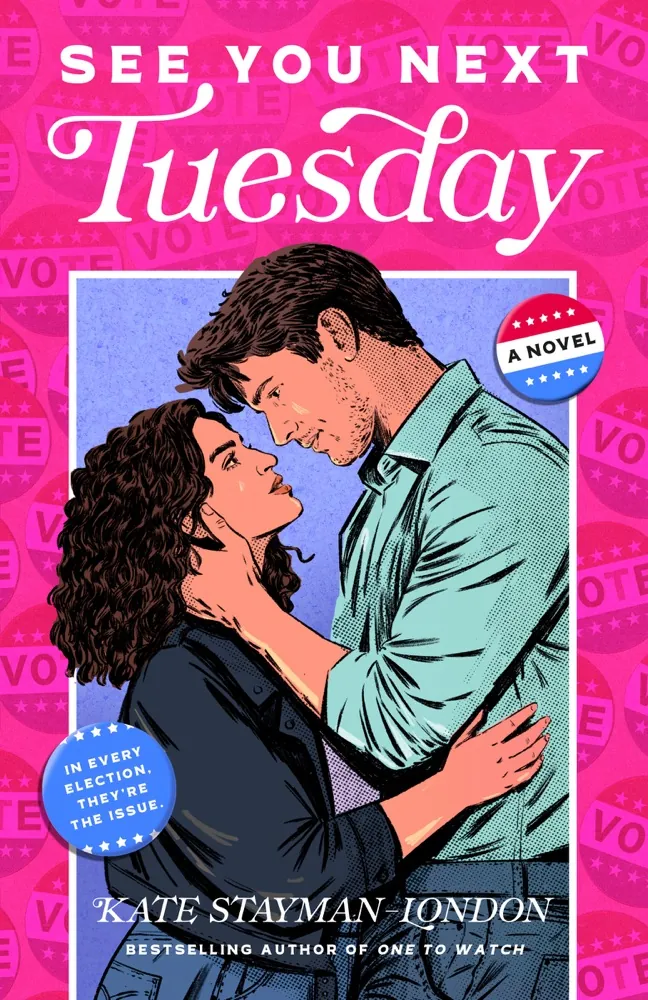
Author: Kate Stayman-LondonPage Count: UnknownPublication Date: Expected publication 2026-09-08 APL Darling, forgive me if I sound slightly jaded, but my trust fund didn’t pay for three degrees in comparative literature just so I could pretend contemporary political romance possesses the existential gravity of a Camus essay. Yet, here we are. Kate Stayman-London is attempting to weaponize The West Wing nostalgia for our current, deeply exhausting historical moment with See You Next Tuesday. But is this actually a critique of institutional machinery, or merely bourgeois escapism wrapped in bipartisan bunting? The Dialectic of the Copy-Room Consider the archetypes. Anya Katz—Type A, morality thicker than my grandmother's Swiss bank accounts—versus Gabe Hunt, the golden boy whose ethical compass clearly points toward whatever room has the best lighting. Classic Hegelian friction. Thesis meets antithesis. But does the synopsis give us any real ideological conflict? No. They agree on their politics. How dreadfully sterile. Where is the actual danger? Where is the intellectual blood sport? Instead, we get a decade of greasy takeout and late-night phone banks. A decade! One wonders if they ever pause to consider the ontological absurdity of American democracy, or if they are simply too busy engaging in what I can only describe as high-stakes professional foreplay. And yet, the structural ambition here is rather fascinating. Spanning ten years of elections—from glamorous celebrity fundraisers to devastating electoral losses—the book attempts to map the erosion of the human soul against the timeline of a campaign. Politics changes you. But does it destroy you? Or does it merely offer a shiny, highly photogenic excuse to avoid looking inward? I suspect Gabe and Anya use the adrenaline of public service as a prophylactic against genuine intimacy. How deliciously modern. The Cult of the Sizzling Banter We must talk about the dialogue. The blurbs promise "breakneck banter." One shudders. Nothing ages faster than attempts at rapid-fire, Aaron Sorkin-esque repartee written in the 2020s. Emily Henry and Ali Hazelwood have already thoroughly monetized this exact brand of academic and professional bickering, pushing the trope into the literary stratosphere. Stayman-London must do something truly feral with these pages to justify another enemies-to-lovers arc across ten calendar years. If they simply bicker about poll numbers while falling into each other's arms every time a primary goes south, I shall be writing a very strongly worded letter to my portfolio manager. Ultimately, this text stands as a litmus test for our collective exhaustion. Do we read political romance to process our dread, or to numb it? I am placing my bets on numbness. But packaged with enough gloss to distract us from the impending collapse of late-stage capitalism. Ouch. I just bit my own cheek. #BookTwitter #RomanceBooks #PoliticalJunkie Related InsightsThe Anatomy of the Written Word: Unraveling the Sacred and Secular History of Literary Criticism The Governess Game Book Review and Summary Stolen Heir Book Review and Summary{ "@context": "https://schema.org", "@type": "FAQPage", "mainEntity": [ { "@type": "Question", "name": "What is the main focus of See You Next Tuesday Book Review and Summary?", "acceptedAnswer": { "@type": "Answer", "text": "Everything you need to know about See You Next Tuesday with our detailed review." } }, { "@type": "Question", "name": "Who authored the comprehensive guide on See You Next Tuesday Book Review and Summary?", "acceptedAnswer": { "@type": "Answer", "text": "This detailed article and its insights were carefully researched and authored by Sofia Bianchi." } }, { "@type": "Question", "name": "Where can I find more related content about Books?", "acceptedAnswer": { "@type": "Answer", "text": "You can explore more articles, detailed reviews, and similar insights by browsing the Related Insights section at the bottom of this article or visiting our dedicated Books category page." } } ] }
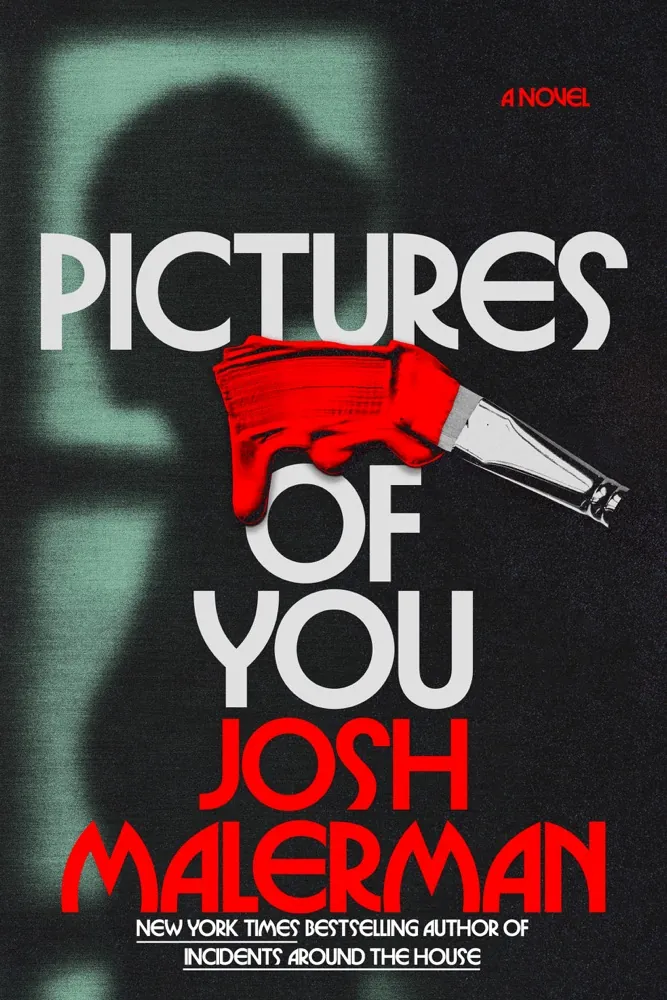
Author: Josh MalermanPage Count: UnknownPublication Date: Expected publication 2026-09-08 APL The synopsis for Pictures of You arrives like a whisper in the humid August air—thick with the scent of damp concrete and the distant hum of a city that’s too hot to move through, too heavy to ignore. Already, I can feel the weight of Malerman’s prose pressing against my ribs, the kind of dread that curls around the spine like ivy on a crumbling estate. This isn’t just another horror novel; it’s a Hitchcockian thriller, which means we’re not just in the business of scares here—we’re in the business of unsettling the gaze. And Emily, our protagonist, is the canvas upon which this entire nightmare is being painted. But let’s not pretend this is merely a gimmick. The synopsis teases a psychological labyrinth—Emily’s memory, her isolation, the demand of the unseen artist—all of which suggests a meditation on the fragility of selfhood. And here’s the thing: Malerman, bless his unsettling genius, has a knack for turning domestic spaces into pressure cookers of paranoia. Incidents Around the House was a masterclass in how to make a reader question every shadow, every creak, every almost-recognition. So what happens when you take that same dread and frame it through the lens of art—not as inspiration, but as predation? The synopsis drops Emily into a room that’s too beautiful, too precise, like a still life by a master but with the unsettling absence of the subject. And then—oh, then—there’s the easel. No canvas. Just the silhouette of a figure that “emanates demand, danger, evil.” This isn’t just a painting waiting to happen; it’s a warning. The artist isn’t just creating something—he’s claiming Emily as the subject, and the way the synopsis frames it—“She’s acting as if Emily herself is the painting”—is pure psychological torture. It’s the kind of narrative trick that makes you wonder: Is this about artistic obsession, or is it about the way we’re all, in some way, captured by the stories we’re told about ourselves? And let’s not forget the clock is ticking. That’s not just a trope; that’s a metaphor. Time in horror isn’t just a countdown—it’s a measure of how deeply the protagonist is entangled in the horror’s logic. Emily’s brilliance is mentioned, but it’s her fear that’s the real engine here. She’s fierce, independent—traits that, in Malerman’s world, often make her the most vulnerable. Because when you’re trapped in a room with a silent, demanding force, your intelligence doesn’t save you. Your perception does. And that’s where the artistry comes in. The synopsis hints that Emily will have to “think like an artist” to escape, which is either a brilliant twist or a lazy nod to the idea that “creativity” is the key to survival. (I’m leaning toward the former, but I’ll reserve judgment until I see how Malerman executes it.) Yet—here’s the thing that’s bothering me. The synopsis is too vague. It doesn’t tell us why Emily is the subject. Is this about love? About control? About the way we’re all, in some way, consumed by the people who love us? The way the synopsis frames Jack’s life as “on the line with her own” suggests a romantic entanglement, but it’s also the kind of phrasing that could apply to any kind of dependency—artistic, emotional, even existential. And that’s the beauty of it, isn’t it? The ambiguity forces the reader to fill in the blanks, to project their own fears onto the page. But it also risks feeling like a setup without a payoff. Where’s the substance? Where’s the depth? Compare this to something like The Last House on Needless Street by Catriona Ward, where the psychological horror is so tightly wound that every detail feels like a clue. Or The Fisherman by John Langan, where the cosmic dread is balanced by a slow-burning, almost philosophical dread. Malerman’s work often feels like a pressure cooker of dread, but if Pictures of You doesn’t deliver on the promise of its own artistic metaphor, it might just feel like a gimmick. And that’s a shame, because the potential is so there. But then again—maybe that’s the point. Maybe the art isn’t in the execution, but in the idea of being trapped in someone else’s vision. Maybe the real horror isn’t the escape, but the realization that we’re all, in some way, painted by the stories we live. And if that’s the case, then Malerman’s already won. Because in a world where we’re all just trying to figure out how to be seen, the idea of being chosen as a subject—even if it’s by a monster—is the most terrifying art of all. Now, if you’ll excuse me, I’ve got to get to my Pilates class before the instructor starts judging my lack of discipline. #HorrorThatHurts #ArtAsPredator #MalermanOrBust Related InsightsWoodland Warrior Book Review and Summary Crime and Punishment Book Review and Summary Mrs. Dalloway Book Review and Summary{ "@context": "https://schema.org", "@type": "FAQPage", "mainEntity": [ { "@type": "Question", "name": "What is the main focus of Pictures of You Book Review and Summary?", "acceptedAnswer": { "@type": "Answer", "text": "Everything you need to know about Pictures of You with our detailed review." } }, { "@type": "Question", "name": "Who authored the comprehensive guide on Pictures of You Book Review and Summary?", "acceptedAnswer": { "@type": "Answer", "text": "This detailed article and its insights were carefully researched and authored by Sofia Bianchi." } }, { "@type": "Question", "name": "Where can I find more related content about Books?", "acceptedAnswer": { "@type": "Answer", "text": "You can explore more articles, detailed reviews, and similar insights by browsing the Related Insights section at the bottom of this article or visiting our dedicated Books category page." } } ] }
-
 Sofia Bianchi
 - 08 Aug, 2026 03:17
The Fall of the Crowned King (Gods and Monsters #5) Book Review and Summary
Author: Amber V. NicolePage Count: UnknownPublication Date: Expected publication 2026-11-24 APL Darling, do look at the slate for late November. While the August heat hangs mercilessly over the city—my townhouse air conditioning is throwing an absolute tantrum, by the way—Amber V. Nicole is preparing to drop The Fall of the Crowned King upon us. And honestly? I am vibrating with architectural and metaphysical euphoria. Gods and monsters. Such an exhaustively pedestrian dichotomy on paper, yet Nicole insists on ripping it open. But let us look closer at the existential stakes. The Ontology of Desolation We are staring down the barrel of a universe-shredding finale. Nismera breathes the thin, brittle air of pyrrhic victory. Yet—how deliciously predictable—a darker menace creeps in. What does victory even mean when the ontological architecture of existence collapses? The synopsis leans heavily into cosmic nihilism. It asks the elite question: when the gods fall, who picks up the shrapnel of our fragile constructs? And the prose promises an interrogation of identity through displacement. Dianna, Kaden, and Isaiah find themselves unmoored in a reality entirely foreign. They must parley with ghosts of their own history. Delicious. Absolute psychological violence wrapped in romantasy packaging. Aesthetic Parallels and Intellectual Vanity For those of us raised on Cassandra Clare and Kerri Maniscalco—truly, the holy trinity of brooding romantic dread—this fifth installment in the Gods and Monsters sequence smells faintly of ozone and expensive leather. Nicole is operating on pure adrenaline here. Yet, one must critique the delicious laziness of the synopsis itself. It’s wonderfully vague! An "old relic." A "race against time itself." Vague platitudes designed to keep the trust-fund masses salivating while we sip our iced negronis in this brutal summer humidity. But do I care about narrative transparency? Never. I care about the aesthetic of absolute ruin. My bold prediction? Samkiel and Dianna will not survive their own hubris. They will burn together, beautifully, like a private collection of rare manuscripts set ablaze in Mayfair. The Epistemic Crisis of the Mani-Pedi Anyway. The existential dread of the upcoming literary season is nothing compared to my current domestic crisis. My manicurist is entirely booked out for weeks—absolute weeks!—meaning I shall have to endure the apocalypse of November with unpolished cuticles. #AmberVNicole #TheFallOfTheCrownedKing #Romantasy #BookTok Related InsightsA Family Across Town: My Father's Double Life, A Memoir Book Review and Summary Crying on the Kitchen Floor: A Memoir Book Review and Summary Dragonfly in Amber Book Review and Summary{ "@context": "https://schema.org", "@type": "FAQPage", "mainEntity": [ { "@type": "Question", "name": "What is the main focus of The Fall of the Crowned King (Gods and Monsters #5) Book Review and Summary?", "acceptedAnswer": { "@type": "Answer", "text": "Everything you need to know about The Fall of the Crowned King (Gods and Monsters #5) with our detailed review." } }, { "@type": "Question", "name": "Who authored the comprehensive guide on The Fall of the Crowned King (Gods and Monsters #5) Book Review and Summary?", "acceptedAnswer": { "@type": "Answer", "text": "This detailed article and its insights were carefully researched and authored by Sofia Bianchi." } }, { "@type": "Question", "name": "Where can I find more related content about Books?", "acceptedAnswer": { "@type": "Answer", "text": "You can explore more articles, detailed reviews, and similar insights by browsing the Related Insights section at the bottom of this article or visiting our dedicated Books category page." } } ] }
- Sofia Bianchi
- 04 Aug, 2026 14:32
The Fires of December (Hoid's Travails, #3) Book Review and Summary
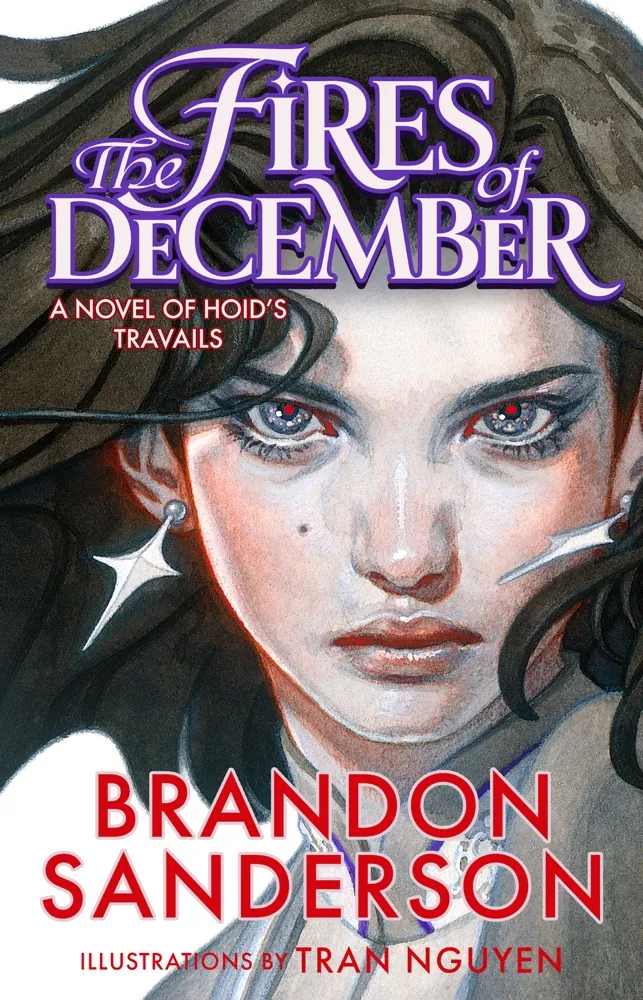
Author: Brandon SandersonPage Count: UnknownPublication Date: Expected publication 2026-10-06 APL Fascinating in theory. Brandon Sanderson wants us to swallow a world kept alive by the arterial drainage of demons, yet he immediately slathers on standard YA structural grease with characters named after calendar months. Call me old-fashioned, but if you are going to pillage ancient chthonic mythologies for worldbuilding materials—think of the primordial slain deities in the Enuma Elish or Norse Ymir lore—you ought to treat the cosmic dread with actual gravity. Instead, we get a plucky orphan setting sail with a chatty priestess and an aspiring couturier. Groundbreaking. Hardly. The Trope-Heavy Cargo Cult Let us look at the inventory. A marginalized small-town nobody possesses secret, urgent knowledge of a looming plague. Naturally, the entrenched institutional authorities scoff. Because arrogant court officials in fiction exist solely to be aggressively proven wrong by an untrained peasant with fire in her eyes. It is the exact narrative machinery powering half the paperbacks clogging the airport kiosks alongside The Hunger Games and every cookie-cutter fantasy churned out by corporate publishing houses this decade. And yet, Sanderson remains a juggernaut. Why do we tolerate this recycled scaffolding? Because readers love the comforting illusion of revolution wrapped in predictable packaging. Romance, Rogues, and Rituals Throw in a roguish count who holds the dual keys to her quest and her affections, and you have officially crossed into check-the-box territory. A rogue with a heart of gold? How utterly daring. Yet, beneath my immediate eye-roll, the folkloric foundation actually holds some teeth if examined through a lens of sacrificial ecology. A land sustained by literal demon blood implies a parasitic covenant, a dark bargain struck by ancestors that the protagonist's generation must inevitably break. If Sanderson actually leans into the anthropological weight of blood-debts—akin to Angela Carter’s dark fairy tale subversions or Susanna Clarke’s historical myth-making—The Fires of December might transcend its mundane fellowship tropes. The Verdict on the Voyage Will the king's court listen? Of course not. Will the ragtag crew secure victory against impossible odds through sheer spunk and a fetching new outfit designed by the fledgling couturier? Put money on it. My prediction is that the text will coast entirely on the charm of its Cosmere interconnectedness while playing the actual folkloric elements frustratingly safe. Will the demons ever feel terrifying, or merely act as convenient geopolitical set-dressing for a budding romance? Time will tell. Related InsightsGreat Big Beautiful Life Book Review and Summary The Guilty Party Book Review and Summary Layer Cake Book Review and Summary{ "@context": "https://schema.org", "@type": "FAQPage", "mainEntity": [ { "@type": "Question", "name": "What is the main focus of The Fires of December (Hoid's Travails, #3) Book Review and Summary?", "acceptedAnswer": { "@type": "Answer", "text": "Everything you need to know about The Fires of December (Hoid's Travails, #3) with our detailed review." } }, { "@type": "Question", "name": "Who authored the comprehensive guide on The Fires of December (Hoid's Travails, #3) Book Review and Summary?", "acceptedAnswer": { "@type": "Answer", "text": "This detailed article and its insights were carefully researched and authored by Sofia Bianchi." } }, { "@type": "Question", "name": "Where can I find more related content about Books?", "acceptedAnswer": { "@type": "Answer", "text": "You can explore more articles, detailed reviews, and similar insights by browsing the Related Insights section at the bottom of this article or visiting our dedicated Books category page." } } ] }
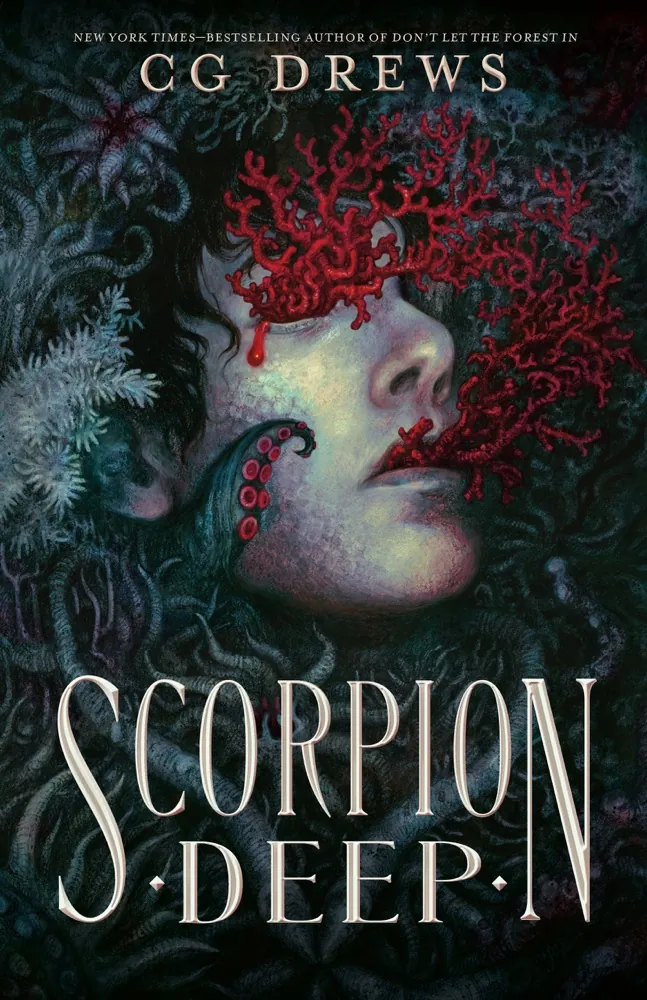
Scorpion Deep Author: C.G. DrewsPage Count: UnknownPublication Date: Expected publication 2026-10-27 APL "Scorpion Deep" Dives into the Abyss, a Haunting New Novel from CG Drews CG Drews, the #1 New York Times bestselling author of Don't Let the Forest In and Hazelthorn, has been mesmerizing readers with her dark, enchanting tales. And now, on October 27, 2026, she's set to cast her siren call once more with the eerie and spellbinding Scorpion Deep. Original Synopsis: A Gripping Tale of Obsession In Scorpion Deep, a lonely boy named Jonathan Covey unwittingly awakens an eldritch sea god on the isolated isle of Kelcarrow. The sea god, known as Scorpion Deep, has lain dormant for ages, dismissed by the locals as mere myth. But when Jonathan performs a desperate ritual, calling out to the creature in hopes of escaping his miserable fate, Scorpion Deep awakens. As the story unfolds, Jonathan finds himself entwined in an unholy obsession with the ageless entity. But beware – Scorpion Deep's adoration is both captivating and deadly, forcing Jonathan to confront the horrors that lurk in the depths of his own soul. Why You Should Be Excited CG Drews's previous novels have captivated readers with their atmospheric prose and unsettling themes. If you loved her previous bestsellers, which transported you to eerie forests and foreboding manors, then Scorpion Deep promises to take your breath away. With its unique blend of the eldritch and the darkly romantic, this novel is poised to become a new fan favorite. Scorpion Deep promises to be a haunting exploration of the human psyche, delving into the darker corners of the mind and plumbing the depths of obsession. With CW Drews at the helm, you can be sure that this novel will be a deeply unsettling, thoroughly immersive, and unmissable read. Get Ready to Dive into the Abyss Mark your calendars for October 27, 2026, and prepare to immerse yourself in the haunting world of Scorpion Deep. This promises to be a journey into the very depths of terror and fascination, and we can't wait to see what CG Drews has in store for us. #HorrificFiction #EldritchShores #DarkRomance #NewRelease #Cgdrews #FantasyLiteraryFiction Related InsightsThe Metamorphosis Book Review and Summary The Steel Prince, The Rebel Army Book Review and Summary Thief of Night Book Review and Summary{ "@context": "https://schema.org", "@type": "FAQPage", "mainEntity": [ { "@type": "Question", "name": "What is the main focus of Scorpion Deep Book Review and Summary?", "acceptedAnswer": { "@type": "Answer", "text": "Everything you need to know about Scorpion Deep with our detailed review." } }, { "@type": "Question", "name": "Who authored the comprehensive guide on Scorpion Deep Book Review and Summary?", "acceptedAnswer": { "@type": "Answer", "text": "This detailed article and its insights were carefully researched and authored by Sofia Bianchi." } }, { "@type": "Question", "name": "Where can I find more related content about Books?", "acceptedAnswer": { "@type": "Answer", "text": "You can explore more articles, detailed reviews, and similar insights by browsing the Related Insights section at the bottom of this article or visiting our dedicated Books category page." } } ] }
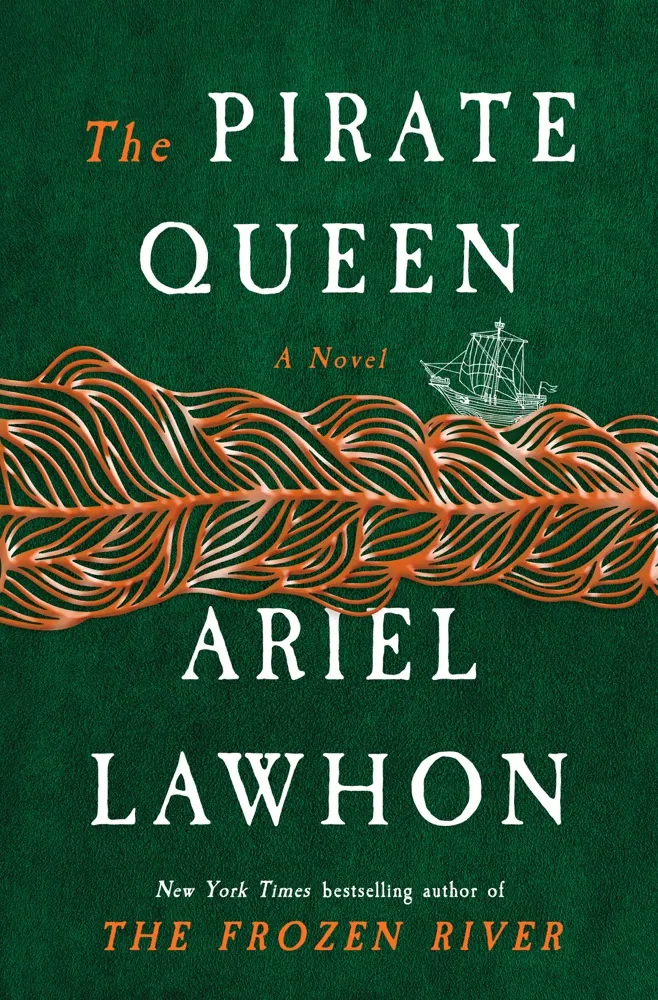
The Pirate Queen Author: Ariel LawhonPage Count: UnknownPublication Date: Expected publication 2026-09-08 APL Ariel Lawhon's Upcoming Historical Adventure: The Pirate Queen This September, get ready to embark on a thrilling journey across the high seas with Ariel Lawhon's latest novel, The Pirate Queen. Inspired by the life of the legendary Irish folk heroine, Grace O'Malley, Lawhon masterfully weaves a sweeping historical adventure that will captivate fans of her previous bestsellers, The Frozen River and I Was Anastasia. As a New York Times bestselling author, Lawhon has proven her ability to transport readers to another time and place with her meticulously researched and engaging storytelling. With The Pirate Queen, she delves into the life of a fascinating historical figure, exploring themes of identity, power, and loyalty. The novel follows the journey of Grace O'Malley, a young woman born to be a sea captain but bound by the expectations of her noble family. Despite the obstacles in her path, Grace finds a way to pursue her dreams, gathering followers and consolidating her husband's power. However, when she's ousted from his lands, Grace seizes the opportunity to return to sea and lead her clan's mighty fleet. As tensions rise with Queen Elizabeth's incursions into Ireland, Grace must defend her land, ships, and loved ones against the English deputies who seek to undermine her influence. Lawhon's keen observations and fierce writing bring the untamed beauty and harsh realities of sixteenth-century Ireland to life, as seen through the eyes of an unforgettable heroine. If you loved Lawhon's previous novels, you'll be eager to dive into The Pirate Queen. With its action-packed narrative and rich historical context, this novel promises to be an unforgettable read. Mark your calendars for September 8th and get ready to set sail on an adventure that will leave you breathless. #HistoricalFiction #ThePirateQueen #ArielLawhon #NewRelease #IrishHistory #WomenInHistory Related InsightsWicked Lovely Book Review and Summary Blade Breaker Book Review and Summary Heroes of Olympus, Book Three : the Mark of Athena Book Review and Summary{ "@context": "https://schema.org", "@type": "FAQPage", "mainEntity": [ { "@type": "Question", "name": "What is the main focus of The Pirate Queen Book Review and Summary?", "acceptedAnswer": { "@type": "Answer", "text": "Everything you need to know about The Pirate Queen with our detailed review." } }, { "@type": "Question", "name": "Who authored the comprehensive guide on The Pirate Queen Book Review and Summary?", "acceptedAnswer": { "@type": "Answer", "text": "This detailed article and its insights were carefully researched and authored by Sofia Bianchi." } }, { "@type": "Question", "name": "Where can I find more related content about Books?", "acceptedAnswer": { "@type": "Answer", "text": "You can explore more articles, detailed reviews, and similar insights by browsing the Related Insights section at the bottom of this article or visiting our dedicated Books category page." } } ] }
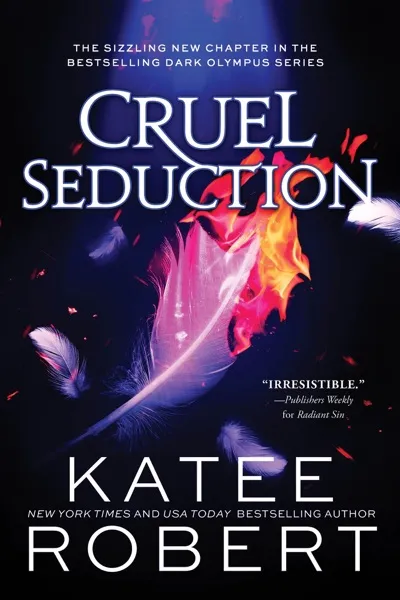
Cruel Seduction Author: Katee RobertPage Count: UnknownPublication Year: 2023-GB Cruel Seduction: A Dark, Addictive Dance of Power and Obsession Katee Robert’s Cruel Seduction isn’t just another romance—it’s a seductive descent into the twisted heart of desire, where power isn’t just a game but a weapon, and love is a knife that cuts just as deeply as it caresses. Published in 2023, this international bestseller cements Robert’s reputation as a master of dark, twisty romances that blur the line between pleasure and pain, trust and betrayal. If you crave a story where the stakes are high, the chemistry is electric, and the emotional gut-punches come fast and furious, this book will leave you breathless—long after the last page. At its core, Cruel Seduction is a story about control—who wields it, who yearns for it, and who gets destroyed by it. The unnamed heroine, a woman with a past as jagged as her edges, finds herself ensnared in a high-stakes world of wealth, manipulation, and raw, unfiltered obsession. Enter the enigmatic and dangerously charming hero, a man whose very presence commands attention, whose touch is both a promise and a threat. Their relationship isn’t built on sweet nothings and stolen glances; it’s forged in fire, in the kind of chemistry that burns hotter than a match struck in the dark. Robert’s writing style is a force to be reckoned with—sharp, unapologetic, and dripping with tension. She doesn’t just tell a story; she immerses you in it, making you feel every pulse of desire, every flicker of doubt, every moment of vulnerability. The prose is taut, the pacing relentless, and the emotional beats land with the precision of a surgeon’s scalpel. There’s no room for filler here; every word serves a purpose, every scene drives the story forward with a sense of urgency that keeps you turning pages long into the night. One of the most compelling aspects of Cruel Seduction is its refusal to shy away from the darker side of desire. Robert doesn’t just flirt with taboo—she dives headfirst into it, exploring themes of dominance, submission, and the blurred lines between consent and coercion. The power dynamics here aren’t just a backdrop; they’re the beating heart of the narrative, driving the characters toward choices that are as morally ambiguous as they are irresistibly compelling. You’ll find yourself questioning where loyalty ends and manipulation begins, where love becomes possession, and where desire turns into something far more dangerous. The characters, too, are unforgettable. The heroine is a force of nature—fierce, flawed, and utterly human, even in her most extreme moments. She’s not a damsel in distress; she’s a woman who knows her own mind, even when it leads her into trouble. And the hero? He’s the kind of man who could either ruin you or save you—if you’re brave enough to let him. Their chemistry is combustible, the kind that leaves you breathless and aching for more. What makes Cruel Seduction stand out, though, is its emotional depth. Beneath the steamy encounters and high-stakes drama lies a story about redemption, about the cost of power, and about the kind of love that doesn’t just accept flaws but thrives in them. It’s a book that doesn’t just want to entertain you—it wants to challenge you, to make you feel, to make you think. And it does all of that with a skill that’s as rare as it is impressive. If you’re looking for a romance that’s more than just fluff, more than just a pretty love story, then Cruel Seduction is a must-read. It’s a book that lingers, that haunts, that refuses to let you go. It’s not for the faint of heart, but for those who crave a story that’s as morally complex as it is emotionally raw, it’s a revelation. Katee Robert has done it again—crafted a tale that’s as dark as it is dazzling, as twisted as it is transcendent. Cruel Seduction isn’t just a book you read; it’s an experience you survive. And like all great love stories, it leaves you changed. #DarkRomance #ForbiddenLove #Obsession #KateeRobert #RomanceBooks #BookTok Related InsightsThe Dating Game Book Review and Summary Crash Course Book Review and Summary Great Expectations Book Review and Summary{ "@context": "https://schema.org", "@type": "FAQPage", "mainEntity": [ { "@type": "Question", "name": "What is the main focus of Cruel Seduction Book Review and Summary?", "acceptedAnswer": { "@type": "Answer", "text": "Everything you need to know about Cruel Seduction with our detailed review." } }, { "@type": "Question", "name": "Who authored the comprehensive guide on Cruel Seduction Book Review and Summary?", "acceptedAnswer": { "@type": "Answer", "text": "This detailed article and its insights were carefully researched and authored by Sofia Bianchi." } }, { "@type": "Question", "name": "Where can I find more related content about Books?", "acceptedAnswer": { "@type": "Answer", "text": "You can explore more articles, detailed reviews, and similar insights by browsing the Related Insights section at the bottom of this article or visiting our dedicated Books category page." } } ] }
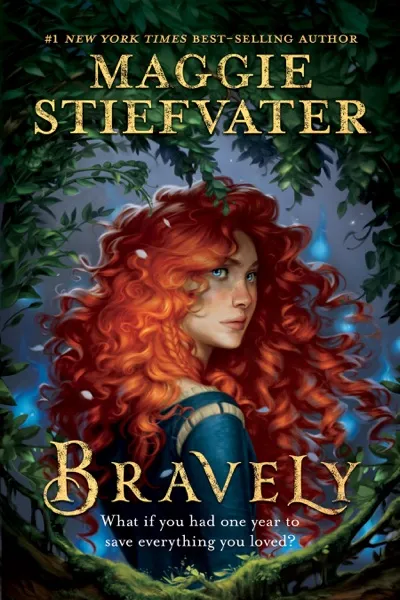
Bravely Author: Maggie StiefvaterPage Count: UnknownPublication Year: 2022-GB Bravely by Maggie Stiefvater is a luminous exploration of identity, resilience, and the quiet bravery that lives within us all. Released in 2022, this novel sews itself into the fabric of contemporary fantasy while maintaining the lyrical intensity that has made Stiefvater—a New York Times bestselling author—one of the most distinctive voices in modern YA and crossover literature. Though the exact page count remains unconfirmed, the depth of the narrative suggests a compact, immersive reading experience, as if every sentence has been distilled to carry maximum emotional and thematic weight. At its core, Bravely revolves around a deceptively simple premise: what does it mean to be brave? Stiefvater dismantles the myth of grand gestures and external heroics, instead focusing on the internal battles waged in silence. The story follows a protagonist whose journey is not one of slaying dragons or saving kingdoms, but of confronting personal demons—self-doubt, trauma, and the suffocating weight of expectation. This reframing of bravery is both refreshing and necessary, especially in a genre often dominated by loud, epic narratives. Stiefvater understands that true courage isn’t measured by the volume of one’s actions, but by the willingness to face the self, even when no one is watching. What elevates Bravely is not just its theme, but the author’s inimitable prose. Maggie Stiefvater is a writer of precision and poetry, her sentences shimmering with a kind of controlled wildness. She has a gift for blending the mundane with the magical, making the supernatural feel as natural as breathing. Her descriptions are tactile and immersive—whether she’s capturing the chill of an autumn morning or the electric hum of emotional revelation, the reader feels it in their bones. This stylistic confidence ensures that Bravely never feels like a fairy tale in the traditional sense, but rather a deeply human story adorned with the shimmer of the fantastical. Stiefvater’s worldbuilding is subtle yet potent. The setting feels lived-in and organic, as if it has been breathing long before the story begins. There are hints of folklore and myth woven seamlessly into the narrative, not as window dressing, but as fundamental truths that shape the characters’ realities. This approach gives the book a timeless quality, as if the story could have unfolded a century ago or might unfold a century hence. It speaks to the universality of its themes—longing, belonging, and the courage to become who you truly are. The emotional landscape of Bravely is rich and raw. Stiefvater has a rare ability to write about pain without wallowing in it, to explore vulnerability without romanticizing it. The protagonist’s struggles are rendered with authenticity, their victories hard-won and their setbacks heartbreaking. There’s a quiet intensity to the storytelling that makes the quieter moments just as powerful as the climactic ones. In an era where emotional detachment often passes for sophistication in literature, Stiefvater’s willingness to embrace feeling—even when it’s messy—is nothing short of revolutionary. One of the most compelling aspects of Bravely is its refusal to offer easy answers. Stiefvater doesn’t wrap up the story with neat resolutions or pat moral lessons. Instead, she leaves room for ambiguity, for the kind of unresolved questions that linger long after the final page. This reflects a deeper truth about bravery: it’s not a destination, but a practice. It’s something you do, not something you achieve. The book’s open-endedness isn’t a flaw—it’s an invitation to the reader to carry the story forward, to find their own version of courage in its pages. In terms of comparison, Bravely shares DNA with Stiefvater’s earlier works like The Raven Boys and Shiver, particularly in its blend of realism and enchantment, and its focus on found family and personal transformation. Yet it stands apart in its mature introspection, its refusal to rely on external spectacle. This is a book for the introverts, the observers, the ones who find strength in stillness rather than motion. It’s a story for anyone who has ever felt like an outsider in their own life—and who hasn’t? Maggie Stiefvater’s Bravely is more than a novel. It’s a quiet manifesto for those who dare to live authentically in a world that often demands conformity. It’s a reminder that bravery isn’t about being fearless, but about choosing to move forward despite fear. With its luminous prose, deep emotional resonance, and unflinching honesty, Bravely cements Stiefvater’s place as a master storyteller. This is a book that lingers, not because it shouts, but because it whispers truths that resonate in the quietest corners of the heart. #BravelyBook #MaggieStiefvater #YAFantasy #BraveryInLiterature #MustRead2022 #FindYourCourage Related InsightsHomo Deus: Breve historia del mañana / Homo deus. A history of tomorrow Book Review and Summary Existential Despair: A Guide to Sad Books Book Review and Summary Lion Book Review and Summary{ "@context": "https://schema.org", "@type": "FAQPage", "mainEntity": [ { "@type": "Question", "name": "What is the main focus of Bravely Book Review and Summary?", "acceptedAnswer": { "@type": "Answer", "text": "Everything you need to know about Bravely with our detailed review." } }, { "@type": "Question", "name": "Who authored the comprehensive guide on Bravely Book Review and Summary?", "acceptedAnswer": { "@type": "Answer", "text": "This detailed article and its insights were carefully researched and authored by Sofia Bianchi." } }, { "@type": "Question", "name": "Where can I find more related content about Books?", "acceptedAnswer": { "@type": "Answer", "text": "You can explore more articles, detailed reviews, and similar insights by browsing the Related Insights section at the bottom of this article or visiting our dedicated Books category page." } } ] }
Gone Girl (Special Edition) Author: Gillian FlynnPage Count: UnknownPublication Date: 2026-PRH Gone Girl (Special Edition) – A Masterclass in Psychological Manipulation and Narrative Twist Gillian Flynn’s Gone Girl (Special Edition) is a chilling exploration of marriage, media, and the dark art of deception. Though the published year is listed as 2026—a future date that feels deliberate, as if Flynn herself has played a trick on time—the novel’s themes remain timeless, its grip on the reader as unshakable as the characters at its core. This special edition, likely packed with deleted scenes, author commentary, or behind-the-scenes insights, only deepens the experience, making it a must-read for fans of psychological thrillers. At its heart, Gone Girl is a story about two people who are experts at lying—not just to the world, but to each other. Amy Dunne, the vanished wife of journalist Nick Dunne, is the kind of villainess who makes you question whether she’s a monster or a genius. She’s calculating, ruthless, and utterly in control, yet Flynn ensures we’re never entirely sure if we’re supposed to admire her or recoil in horror. Nick, the unreliable narrator we’re initially meant to sympathize with, is just as flawed, his every word tinged with defensiveness and self-loathing. The brilliance of Flynn’s writing lies in how she forces the reader to flip-flop between allegiance, making us complicit in the gaslighting. Flynn’s prose is razor-sharp, blending razor-edged dialogue with a journalist’s eye for detail. Her prose isn’t flashy; it’s efficient, every sentence serving a purpose, whether it’s to reveal character, ratchet up tension, or deliver a devastating punchline. The first half of the book reads like a slow-burning nightmare, with Nick’s public unraveling mirroring the private decay of his marriage. The media circus that erupts around Amy’s disappearance is a scathing satire of true crime obsession, where perception is reality and the truth is whatever sells. Flynn skewers the way society devours tragedy, turning personal pain into public spectacle. The real kicker, of course, is the twist—one of the most infamous in modern fiction. Without spoiling the experience, let’s just say Flynn doesn’t just subvert expectations; she obliterates them. The second half of the book flips the script entirely, revealing a truth so dark that it forces the reader to question everything they’ve just read. It’s a testament to Flynn’s skill that even knowing the twist (if you do) doesn’t diminish the impact. The novel’s power lies in its unpredictability, its refusal to let the reader settle into comfort. The special edition likely amplifies this experience. Perhaps it includes alternate perspectives, excised chapters that deepen the characters, or Flynn’s own reflections on the writing process. Whatever it contains, it’s sure to add another layer to an already richly textured story. Flynn doesn’t just write thrillers; she crafts psychological puzzles that linger long after the last page. Gone Girl is more than a book—it’s an experience. It’s a marriage gone wrong, a media frenzy gone mad, and a narrative that refuses to play by the rules. Gillian Flynn doesn’t just tell a story; she plays a game with the reader, and she wins every time. #GoneGirl #GillianFlynn #PsychologicalThriller #UnreliableNarrator #DarkMarriage #TrueCrimeFiction Related InsightsThe Stolen Heir Book Review and Summary Proving Ground Book Review and Summary The Help Book Review and Summary{ "@context": "https://schema.org", "@type": "FAQPage", "mainEntity": [ { "@type": "Question", "name": "What is the main focus of Gone Girl (Special Edition) Book Review and Summary?", "acceptedAnswer": { "@type": "Answer", "text": "Everything you need to know about Gone Girl (Special Edition) with our detailed review." } }, { "@type": "Question", "name": "Who authored the comprehensive guide on Gone Girl (Special Edition) Book Review and Summary?", "acceptedAnswer": { "@type": "Answer", "text": "This detailed article and its insights were carefully researched and authored by Sofia Bianchi." } }, { "@type": "Question", "name": "Where can I find more related content about Books?", "acceptedAnswer": { "@type": "Answer", "text": "You can explore more articles, detailed reviews, and similar insights by browsing the Related Insights section at the bottom of this article or visiting our dedicated Books category page." } } ] }
The Bride Wore Black Author: Cornell WoolrichPage Count: UnknownPublication Date: 2001 The Bride Wore Black, a masterpiece of suspense by the inimitable Cornell Woolrich, is a gripping tale of mystery, beauty, and death. First published in 1940 and re-released in 2001, this classic thriller has stood the test of time, weaving a complex web of intrigue that ensnares readers from the very first page. At its core, The Bride Wore Black is a story about the elusive and enigmatic Julie, a woman shrouded in mystery, whose presence is always accompanied by an unspeakable horror - the death of a man. Her true identity, motivations, and backstory remain unknown, leaving the reader to ponder the depths of her character. Is she an angel of vengeance, a femme fatale, or simply a woman driven by madness? Woolrich's writing style is a hallmark of his genius, crafting a narrative that is both poetic and suspenseful. His prose is economical, yet evocative, conjuring vivid images of the characters and their surroundings. The pacing is relentless, hurtling the reader towards a shocking climax that will leave even the most seasoned thriller enthusiast gasping. One of the most striking aspects of The Bride Wore Black is its exploration of the theme of obsession. Julie's fixation on her victims is matched only by the obsessive curiosity of the narrator, who becomes increasingly entangled in her web of deceit. As the story unfolds, the lines between predator and prey become blurred, raising questions about the nature of power, control, and the human psyche. Woolrich's mastery of the suspense genre is evident in his ability to create an atmosphere of creeping unease, where the ordinary and mundane are transformed into something sinister and foreboding. His use of symbolism, particularly the image of the bride in black, adds a layer of depth and complexity to the narrative, inviting the reader to interpret the story on multiple levels. In conclusion, The Bride Wore Black is a must-read for fans of classic suspense and thriller enthusiasts alike. Cornell Woolrich's writing is a testament to his status as a master of the genre, and this book is a shining example of his skill and craftsmanship. If you're looking for a gripping tale that will keep you on the edge of your seat, look no further. #TheBrideWoreBlack #CornellWoolrich #SuspenseClassics #MysteryThriller #FemmeFatale #VintageCrimeFiction Related InsightsArchangel's Sun Book Review and Summary Before I Go to Sleep Book Review and Summary Untitled #1 Book Review and Summary{ "@context": "https://schema.org", "@type": "FAQPage", "mainEntity": [ { "@type": "Question", "name": "What is the main focus of The Bride Wore Black Book Review and Summary?", "acceptedAnswer": { "@type": "Answer", "text": "Everything you need to know about The Bride Wore Black with our detailed review." } }, { "@type": "Question", "name": "Who authored the comprehensive guide on The Bride Wore Black Book Review and Summary?", "acceptedAnswer": { "@type": "Answer", "text": "This detailed article and its insights were carefully researched and authored by Sofia Bianchi." } }, { "@type": "Question", "name": "Where can I find more related content about Books?", "acceptedAnswer": { "@type": "Answer", "text": "You can explore more articles, detailed reviews, and similar insights by browsing the Related Insights section at the bottom of this article or visiting our dedicated Books category page." } } ] }
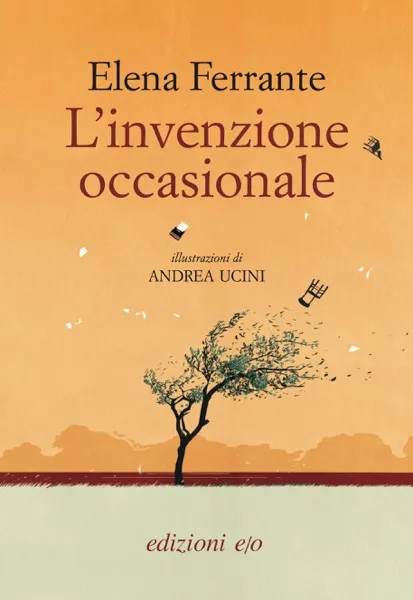
Invenzione occasionale Author: Elena FerrantePage Count: UnknownPublication Year: 2019-GB Elena Ferrante’s Invenzione occasionale (2019) is a masterclass in literary alchemy—where the mundane and the extraordinary collide in a narrative that feels both intimate and boundless. Though the exact page count remains elusive, the book’s power lies not in its length but in its density: each sentence crackles with the tension of a life teetering between revelation and concealment. Ferrante, the shadowy genius behind the Neapolitan Novels, once again strips away the illusions of autobiography, only to weave something far more compelling—a story that is occasionally invented, yet insistently real. At its core, Invenzione occasionale explores the fragility of identity when confronted with the past. The unnamed narrator, a writer grappling with the ghosts of her youth, stumbles upon an old photograph that ignites a crisis: Is she the person she remembers, or a construct of her own storytelling? Ferrante’s genius lies in her refusal to resolve this tension neatly. Instead, she luxuriates in the ambiguity, turning the act of remembering into a performance—one where the past is both a prison and a playground. The book’s title, which translates to Occasional Invention, is a sly nod to this duality: we are, after all, the sum of our deliberate fictions, even when we believe ourselves to be documenting truth. Ferrante’s prose is deceptive in its simplicity. There are no pyrotechnic sentences, no ostentatious metaphors—just a prose that feels as natural as breathing, yet carries the weight of a confession. Her sentences coil around the reader, pulling them into a vortex of doubt. When the narrator describes her childhood in Naples, the city itself becomes a character—oppressive, suffocating, yet impossible to escape. Ferrante’s Naples is not a postcard; it’s a living, breathing entity that shapes her characters’ psyches like a mold. The city’s narrow streets and crumbling buildings mirror the narrator’s fragmented psyche, where every corner holds a memory, every alley a secret. What makes Invenzione occasionale so haunting is its refusal to commit to any single truth. The narrator’s memories are contradictory, her emotions volatile, her relationships with her family and lovers painted in shades of gray rather than black and white. This is not a story of redemption or resolution but of perpetual unraveling—a testament to the fact that we are all, in some way, occasional inventions of our own making. Ferrante’s brilliance lies in her ability to make this disorientation feel not like a flaw but like the essence of human experience. The book’s structure is fluid, almost improvisational. It reads like a series of vignettes stitched together by the narrator’s restless mind, where digressions feel intentional rather than accidental. One moment, we’re plunged into a childhood memory of a family argument; the next, the narrator is dissecting the mechanics of writing itself, questioning whether art is a betrayal of life or its only honest reflection. This meta-narrative layer adds depth, inviting readers to question not just the narrator’s story, but their own relationship with memory and fiction. Ferrante’s characters are, as ever, indelible. The narrator’s mother, a woman of fierce contradictions, looms large even in absence, her presence felt in every sharp word and unspoken grievance. The men in her life—lovers, friends, strangers—are sketched with equal precision, their roles in her life rendered as fleeting as they are significant. There’s a rawness to these relationships that feels uncomfortably real, as if Ferrante has dipped her pen in the ink of lived experience rather than imagination. Ultimately, Invenzione occasionale is a book about the lies we tell ourselves to survive. It’s a meditation on how we curate our pasts, how we perform our identities, and how the stories we tell—whether to others or to ourselves—are never quite the whole truth. In an era where authenticity is both a commodity and a curse, Ferrante’s work is a reminder that the most compelling stories are the ones that resist closure. They are, like all great art, occasional inventions—necessary, beautiful, and just a little bit dangerous. #FerranteFiction #OccasionalInvention #MemoryAndFiction #ElenaFerranteMagic #LiteraryAlchemy #NaplesInLiterature Related InsightsWhiteout Book Review and Summary Nineteen Minutes Book Review and Summary Buried Embers Book Review and Summary{ "@context": "https://schema.org", "@type": "FAQPage", "mainEntity": [ { "@type": "Question", "name": "What is the main focus of Invenzione occasionale Book Review and Summary?", "acceptedAnswer": { "@type": "Answer", "text": "Everything you need to know about Invenzione occasionale with our detailed review." } }, { "@type": "Question", "name": "Who authored the comprehensive guide on Invenzione occasionale Book Review and Summary?", "acceptedAnswer": { "@type": "Answer", "text": "This detailed article and its insights were carefully researched and authored by Sofia Bianchi." } }, { "@type": "Question", "name": "Where can I find more related content about Books?", "acceptedAnswer": { "@type": "Answer", "text": "You can explore more articles, detailed reviews, and similar insights by browsing the Related Insights section at the bottom of this article or visiting our dedicated Books category page." } } ] }
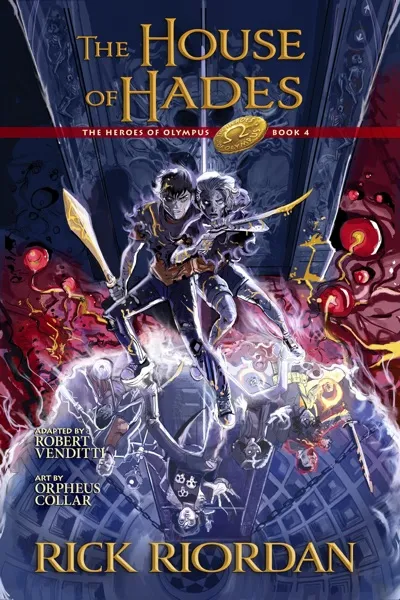
House of Hades (Graphic Novel) Author: Rick RiordanPage Count: UnknownPublication Year: 2024-GB Dive into the Underworld: Why Rick Riordan’s House of Hades (Graphic Novel) is a Must-Read for Mythology Lovers Few authors have redefined modern young adult fantasy the way Rick Riordan has. With his razor-sharp wit, boundless imagination, and uncanny ability to make ancient myths feel fresh and exhilarating, Riordan has carved out a permanent place in the hearts of readers worldwide. Now, his critically acclaimed House of Hades—the fourth installment in the The Trials of Apollo series—has been reimagined as a stunning graphic novel, and it’s nothing short of a visual and narrative triumph. Whether you’re a longtime fan or a newcomer to the Riordanverse, this adaptation is a masterclass in storytelling that will leave you breathless. At its core, House of Hades (Graphic Novel) is a tale of survival, sacrifice, and the unbreakable bonds of friendship. The story follows Percy Jackson and Annabeth Chase as they navigate the treacherous depths of Tartarus, a nightmarish realm where the laws of physics and morality bend to the will of the gods. Meanwhile, their friends back on Earth—Leo, Hazel, Frank, and Nico—race against time to close the Doors of Death before the forces of chaos overwhelm the world. Riordan’s genius lies in his ability to weave multiple perspectives into a cohesive, high-stakes narrative that never feels disjointed. The graphic novel format amplifies this tension, with dynamic illustrations that bring the horrors and wonders of the Underworld to life in vivid detail. One of the most compelling aspects of Riordan’s work is his ability to modernize classical mythology without losing its essence. The gods of Olympus are as flawed and human as ever, their divine powers tempered by petty rivalries and personal demons. Riordan’s humor—sharp, irreverent, and often laugh-out-loud funny—serves as a perfect counterbalance to the darker themes of the story. The graphic novel adaptation enhances this balance, using expressive artwork to highlight both the comedic and dramatic beats. The contrast between the vibrant, almost cartoonish style of the mortal world and the eerie, shadowy aesthetic of Tartarus is particularly striking, creating a visual dichotomy that mirrors the story’s tonal shifts. The characters in House of Hades are, as always, the heart of the narrative. Percy and Annabeth’s relationship is a masterclass in slow-burn romance, their chemistry palpable even in the most dire circumstances. Their resilience in the face of unimaginable horrors is a testament to Riordan’s skill in crafting protagonists who feel real and relatable. The supporting cast—Leo’s ingenuity, Hazel’s quiet strength, Frank’s unexpected heroism, and Nico’s complex emotional journey—add layers of depth to the story. Each character’s arc is given room to breathe, making their triumphs and struggles feel earned and impactful. Riordan’s writing style is deceptively simple, yet it packs a punch. His prose is accessible, ensuring that younger readers aren’t alienated, while his world-building is so rich that even seasoned fantasy fans will find themselves lost in the lore. The graphic novel adaptation, helmed by artist Antonio Caparo, elevates the text with breathtaking illustrations that capture the essence of Riordan’s characters and settings. Caparo’s work is dynamic, with action sequences that leap off the page and quieter moments that linger in the mind. The color palette shifts seamlessly between the stark contrasts of the Underworld and the warmer tones of the mortal realm, reinforcing the story’s duality. Thematically, House of Hades explores the power of hope in the face of despair, the importance of found family, and the idea that even the smallest acts of courage can change the course of history. Riordan doesn’t shy away from darkness—his stories often grapple with loss, betrayal, and the weight of destiny—but he always leaves room for light. The graphic novel format makes these themes even more visceral, as the visual medium allows readers to see the emotional toll on the characters in a way that prose alone sometimes can’t. For fans of Riordan’s previous works, House of Hades (Graphic Novel) is a dream come true. For newcomers, it’s the perfect entry point into a universe that’s as expansive as it is entertaining. The adaptation doesn’t just retell the story; it reimagines it, offering a fresh perspective that feels both nostalgic and innovative. Whether you’re reading it for the first time or revisiting an old favorite, this graphic novel is a must-have addition to any bookshelf. In a literary landscape crowded with forgettable YA fare, Rick Riordan’s work stands out as a beacon of creativity, heart, and humor. House of Hades (Graphic Novel) is more than just a retelling—it’s a celebration of myth, friendship, and the enduring power of storytelling. If you haven’t already dived into the Riordanverse, now’s the perfect time. And if you’re already a fan? Prepare to fall in love all over again. #RickRiordan #HouseOfHades #GraphicNovels #MythologyRetelling #PercyJackson Related InsightsDaughter of the Tempest (Myths of the Empyrieos, #2) Book Review and Summary The Secret History Book Review and Summary Cassini's Mission: A Spacecraft, a Tiny Moon, and the Search for Life Beyond Earth Book Review and Summary{ "@context": "https://schema.org", "@type": "FAQPage", "mainEntity": [ { "@type": "Question", "name": "What is the main focus of **House of Hades (Graphic Novel)** Book Review and Summary?", "acceptedAnswer": { "@type": "Answer", "text": "Everything you need to know about **House of Hades (Graphic Novel)** with our detailed review." } }, { "@type": "Question", "name": "Who authored the comprehensive guide on **House of Hades (Graphic Novel)** Book Review and Summary?", "acceptedAnswer": { "@type": "Answer", "text": "This detailed article and its insights were carefully researched and authored by Sofia Bianchi." } }, { "@type": "Question", "name": "Where can I find more related content about Books?", "acceptedAnswer": { "@type": "Answer", "text": "You can explore more articles, detailed reviews, and similar insights by browsing the Related Insights section at the bottom of this article or visiting our dedicated Books category page." } } ] }
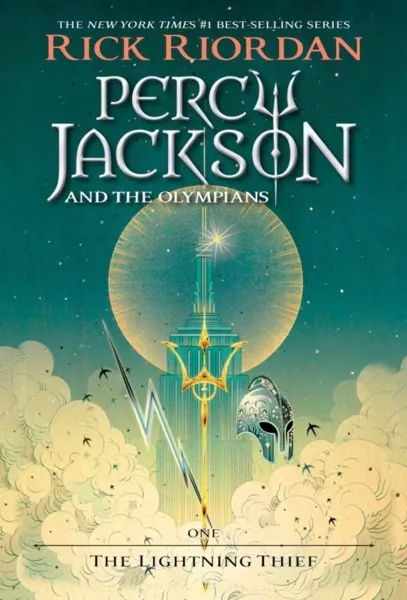
Percy Jackson and the Olympians Author: Rick RiordanPage Count: UnknownPublication Year: 2024-GB Immerse yourself in a world where myth and reality collide, where the ordinary and the extraordinary coexist, and where the fate of the world rests on the shoulders of a young hero. Welcome to the enchanting realm of Percy Jackson and the Olympians, the globally acclaimed series by the masterful storyteller Rick Riordan. Published in 2024 to widespread critical acclaim, this series has captured the hearts of readers worldwide, and for good reason. With its unique blend of action, adventure, and humor, Percy Jackson and the Olympians is a must-read for anyone who has ever dreamed of embarking on a thrilling quest. At the heart of this captivating series is the eponymous hero, Percy Jackson, a young boy who discovers that he is the modern-day son of the Greek god Poseidon. As Percy navigates this extraordinary revelation, he finds himself entangled in a world of mythological gods, monsters, and legendary creatures. Alongside a cast of memorable characters, including the wise and fearless Annabeth Chase, daughter of Athena, and the loyal and lovable Grover Underwood, a satyr, Percy embarks on a series of perilous quests to save the world from the forces of darkness. Throughout the series, Riordan masterfully weaves together an intricate tapestry of themes, including friendship, loyalty, and the struggle between fate and free will. The characters are multidimensional and relatable, with each one bringing their unique personality, skills, and motivations to the table. The author's writing style is engaging, witty, and effortlessly accessible, making the series an absolute delight to read. Riordan's use of humor, in particular, is a standout feature, as he seamlessly blends laugh-out-loud moments with heart-pumping action sequences and poignant emotional depth. One of the most impressive aspects of Percy Jackson and the Olympians is its ability to breathe new life into ancient mythology. Riordan's innovative approach to reimagining the gods and monsters of Greek mythology is nothing short of genius, as he seamlessly incorporates these legendary figures into a modern-day setting. The result is a world that is both familiar and fresh, with a unique magic that will captivate readers of all ages. The series is also notable for its positive representation of diverse characters, including those with disabilities, and its thoughtful exploration of complex social issues, such as bullying, prejudice, and the challenges of growing up. The world-building in Percy Jackson and the Olympians is equally impressive, with Riordan crafting a richly detailed and immersive environment that draws readers in and refuses to let go. From the tranquil beauty of the Greek islands to the dark mystique of the underworld, each setting is meticulously crafted to transport readers to a world of wonder and awe. The pacing is expertly handled, with each book building upon the previous one to create a narrative that is both epic in scope and intimate in character. In short, Percy Jackson and the Olympians is a triumph of storytelling, a series that will captivate, inspire, and entertain readers in equal measure. With its winning blend of action, adventure, and humor, this series is an absolute must-read for anyone who loves fantasy, adventure, or simply great storytelling. So why not join Percy and his friends on their epic quest, and discover a world of magic, myth, and wonder that will stay with you long after the final page is turned? #PercyJacksonAndTheOlympians #RickRiordan #GreekMythology #FantasyBooks #YoungAdultLiterature Related InsightsEnlightenment Now Book Review and Summary Someone to Trust Book Review and Summary Bad Honeymoon Book Review and Summary{ "@context": "https://schema.org", "@type": "FAQPage", "mainEntity": [ { "@type": "Question", "name": "What is the main focus of **Percy Jackson and the Olympians** Book Review and Summary?", "acceptedAnswer": { "@type": "Answer", "text": "Everything you need to know about **Percy Jackson and the Olympians** with our detailed review." } }, { "@type": "Question", "name": "Who authored the comprehensive guide on **Percy Jackson and the Olympians** Book Review and Summary?", "acceptedAnswer": { "@type": "Answer", "text": "This detailed article and its insights were carefully researched and authored by Sofia Bianchi." } }, { "@type": "Question", "name": "Where can I find more related content about Books?", "acceptedAnswer": { "@type": "Answer", "text": "You can explore more articles, detailed reviews, and similar insights by browsing the Related Insights section at the bottom of this article or visiting our dedicated Books category page." } } ] }
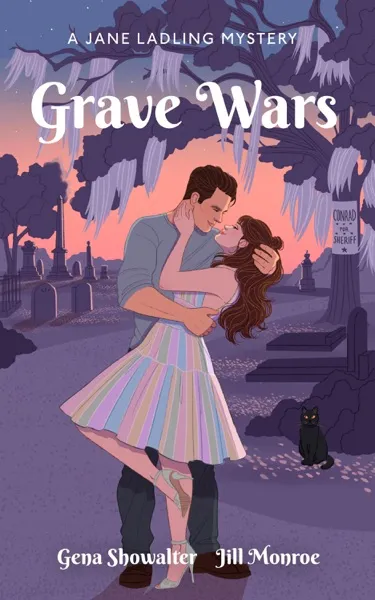
Grave Wars Author: Gena Showalter,Page Count: UnknownPublication Year: 2023-GB Grave Wars by Gena Showalter is a pulse-pounding, myth-driven thriller that plunges readers into a world where the boundaries between life and death blur, and ancient forces collide in a battle for the very soul of humanity. Set against a backdrop of eerie crypts, shadowy underworlds, and apocalyptic stakes, this novel doesn't just entertain—it immerses, enthralls, and leaves the reader breathless. Showalter, a master of blending dark fantasy with high-stakes action, delivers a story that is as emotionally raw as it is visually stunning, making Grave Wars not just a book to read, but an experience to be lived. At its core, Grave Wars explores the timeless battle between good and evil, but it does so with a modern, visceral twist. The story follows a cast of unforgettable characters—warriors, gods, and mortals caught in a cosmic struggle where the dead refuse to stay buried and the living are forced to confront forces beyond their understanding. Showalter taps into mythology, weaving in deities and demons, creating a world that feels both ancient and immediate. The central theme isn’t just about survival; it’s about sacrifice, redemption, and the unbreakable will to fight for what’s right, even when the odds are impossible. The stakes are sky-high, and the tension never lets up, making it impossible to put the book down. What sets Grave Wars apart is Showalter’s razor-sharp writing style. She has a gift for crafting prose that is both lyrical and punchy, balancing emotional depth with lightning-fast action. Her dialogue crackles with wit and tension, and her descriptions are so vivid that readers will feel the chill of a crypt or the heat of a supernatural battle raging around them. Showalter doesn’t shy away from the darker aspects of her world—there’s blood, betrayal, and heartbreak—but she balances it with moments of tenderness and humor, giving her characters depth and making them feel real. The characters in Grave Wars are what truly make the story unforgettable. They are flawed, complex, and deeply human, even when they’re fighting gods or demons. The protagonist, if we can call them that in such a chaotic world, is often an antihero—someone who has seen too much, lost too much, and is fighting not just for victory, but for their own soul. Showalter excels at creating characters who are as broken as they are brave, and their struggles resonate long after the final page. The villains, too, are compelling, not just as obstacles but as reflections of the darkness within all of us. The pacing of Grave Wars is relentless. Showalter doesn’t waste time with excessive exposition; instead, she drops the reader into the action and keeps them there. The story unfolds with a sense of urgency, each chapter ending on a cliffhanger that begs to be read just one more time before bed. The world-building is intricate, but it never feels overwhelming because Showalter trusts her readers to keep up, rewarding them with layers of lore and mythology that deepen the experience with each page. One of the most striking aspects of Grave Wars is its ability to balance spectacle with substance. There are scenes of epic battles, supernatural showdowns, and eerie, otherworldly settings, but beneath it all lies a core of emotional truth. The characters’ relationships—whether romantic, familial, or adversarial—are what drive the story forward. Showalter understands that in the end, it’s not the magic or the monsters that linger in the reader’s mind, but the people who face them. For fans of dark fantasy, paranormal romance, or action-packed thrillers, Grave Wars is a must-read. It’s a book that demands to be devoured in one sitting, only to be picked up again and again for its richness and depth. Showalter’s signature style—part gritty realism, part mythic grandeur—creates a reading experience that is as haunting as it is thrilling. If you love stories where the stakes are life and death, where heroes are flawed and villains are compelling, and where every page feels like a step into the unknown, then Grave Wars is your next obsession. #GraveWars #GenaShowalter #DarkFantasy #SupernaturalThriller #EpicFantasy #BookReview Related InsightsThe disappeared Book Review and Summary American Hagwon Book Review and Summary Head Like a Hole Book Review and Summary{ "@context": "https://schema.org", "@type": "FAQPage", "mainEntity": [ { "@type": "Question", "name": "What is the main focus of Grave Wars Book Review and Summary?", "acceptedAnswer": { "@type": "Answer", "text": "Everything you need to know about Grave Wars with our detailed review." } }, { "@type": "Question", "name": "Who authored the comprehensive guide on Grave Wars Book Review and Summary?", "acceptedAnswer": { "@type": "Answer", "text": "This detailed article and its insights were carefully researched and authored by Sofia Bianchi." } }, { "@type": "Question", "name": "Where can I find more related content about Books?", "acceptedAnswer": { "@type": "Answer", "text": "You can explore more articles, detailed reviews, and similar insights by browsing the Related Insights section at the bottom of this article or visiting our dedicated Books category page." } } ] }
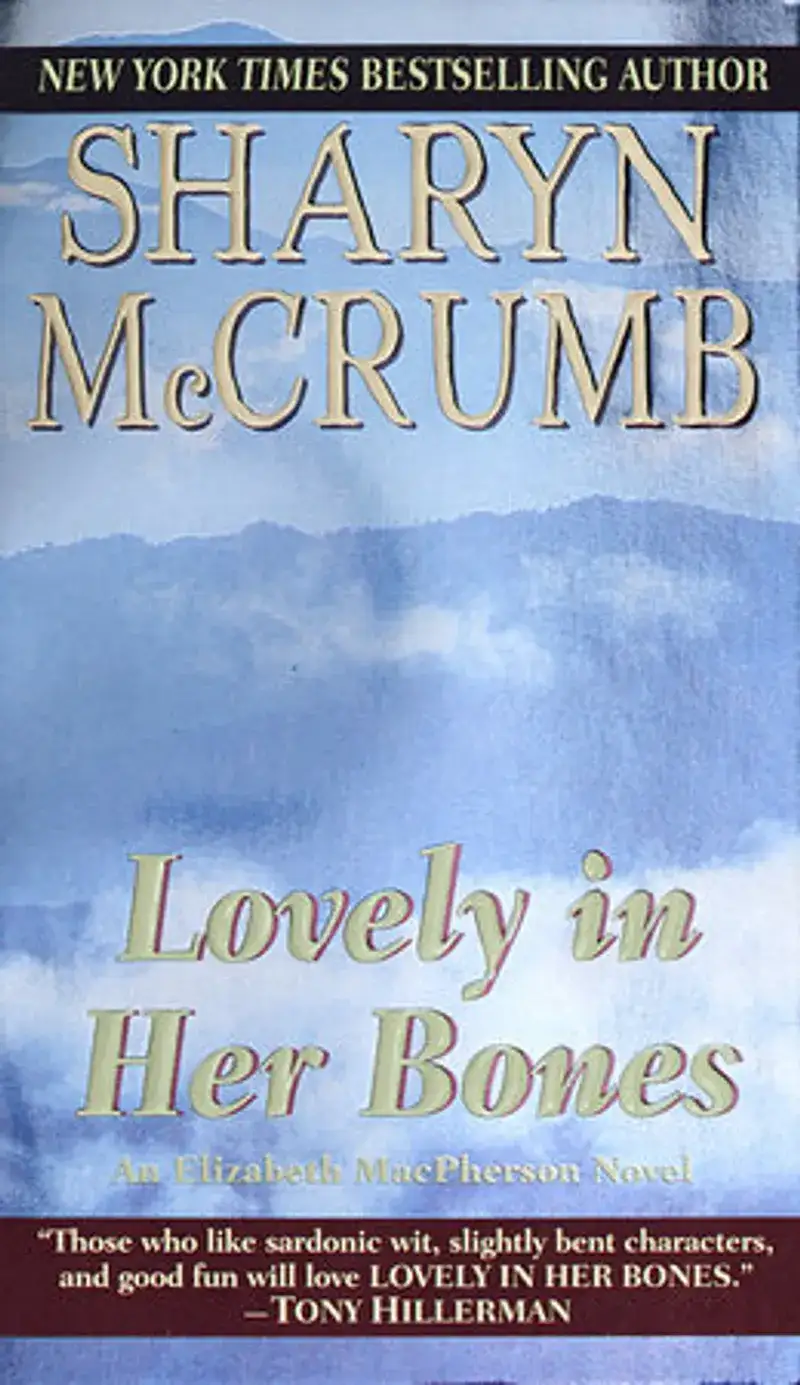
Lovely in Her Bones Author: Sharyn McCrumbPage Count: UnknownPublication Date: 1990-PRH Lovely in Her Bones by Sharyn McCrumb is a masterclass in blending history, mystery, and dark humor, wrapped in the rugged charm of Appalachian folklore. Published in 1990, this novel introduces readers to Elizabeth MacPherson, a sharp-witted anthropologist with a knack for unearthing more than just bones. When a field dig to determine Native American land claims is interrupted by murder, Elizabeth’s modern curiosity collides with old-fashioned suspicions, leading her—and the reader—on a journey that’s as much about the past as it is about justice. At its core, Lovely in Her Bones explores the tension between progress and tradition, modernity and myth. McCrumb uses the excavation site as a microcosm for these larger conflicts, where the discovery of a skull with a bullet hole becomes both a forensic puzzle and a dark joke. The humor here isn’t just a side dish; it’s a survival mechanism, a way for characters to navigate a world where violence and absurdity coexist. Elizabeth’s sardonic wit acts as a shield against the grim realities she uncovers, making her an instantly compelling protagonist. She’s not just solving a murder—she’s grappling with the weight of history, the greed of developers, and the ghosts of those who came before. McCrumb’s writing style is deceptively effortless, weaving together Appalachian dialects, archaeological jargon, and biting commentary with a rhythm that feels both natural and deliberate. Her prose has a folksy cadence, rich with local color and the cadence of mountain speech, yet it’s never sentimental. Instead, it’s grounded in a world where superstition and science often collide. The dialogue crackles with authenticity, whether it’s the dry humor of Elizabeth or the gritty, no-nonsense wisdom of the townspeople. Even the minor characters feel fully realized, each contributing to the novel’s sense of place and its underlying themes. What makes Lovely in Her Bones stand out is its refusal to take itself too seriously. While it tackles heavy subjects like land theft, cultural erasure, and murder, it does so with a wink and a nod, never shying away from the absurdity of human nature. The humor isn’t just there to lighten the mood; it’s a tool to expose hypocrisy and challenge authority. Elizabeth’s blend of academic rigor and street-smart intuition makes her a detective unlike any other, one who approaches her work with both a scholar’s precision and a troublemaker’s irreverence. The novel’s structure mirrors its themes—layered, nonlinear, and rich with digressions that ultimately reveal deeper truths. Just as an archaeologist uncovers artifacts to reconstruct a lost culture, McCrumb peels back layers of a community to reveal its contradictions. The mystery unfolds gradually, with red herrings and genuine surprises, but the real revelation is in how the past and present are inextricably linked. The bullet hole in the skull isn’t just a clue; it’s a metaphor for the violence that’s always lurking beneath the surface of progress. McCrumb’s ability to balance humor with gravitas is what makes Lovely in Her Bones so memorable. It’s a book that respects its setting and its characters without romanticizing them, offering instead a wry, affectionate portrait of a region where folklore and reality blur. Elizabeth MacPherson is the perfect guide through this world—a woman who can appreciate a good joke while also understanding the weight of bones, whether they’re ancient or freshly unearthed. If you’re looking for a mystery that’s as smart as it is entertaining, one that celebrates the quirks of human nature while never losing sight of the darker forces at play, then Lovely in Her Bones is a must-read. Sharyn McCrumb doesn’t just write about the past; she brings it to life with humor, heart, and an unflinching eye for truth. #SharynMcCrumb #ElizabethMacPherson #AppalachianMystery #ArchaeologicalThriller #DarkHumor #HistoricalMystery Related InsightsQueen of Shadows Book Review and Summary The Assassin's Blade Book Review and Summary The Bronze Horseman Book Review and Summary{ "@context": "https://schema.org", "@type": "FAQPage", "mainEntity": [ { "@type": "Question", "name": "What is the main focus of Lovely in Her Bones Book Review and Summary?", "acceptedAnswer": { "@type": "Answer", "text": "Everything you need to know about Lovely in Her Bones with our detailed review." } }, { "@type": "Question", "name": "Who authored the comprehensive guide on Lovely in Her Bones Book Review and Summary?", "acceptedAnswer": { "@type": "Answer", "text": "This detailed article and its insights were carefully researched and authored by Sofia Bianchi." } }, { "@type": "Question", "name": "Where can I find more related content about Books?", "acceptedAnswer": { "@type": "Answer", "text": "You can explore more articles, detailed reviews, and similar insights by browsing the Related Insights section at the bottom of this article or visiting our dedicated Books category page." } } ] }
Death & Honey Author: Kevin HearnePage Count: UnknownPublication Year: 2019-GB Kevin Hearne’s Death & Honey isn’t just another urban fantasy—it’s a darkly poetic ode to mortality, myth, and the raw, unfiltered pulse of life that thrums beneath the surface of the mundane. Published in 2019, this novel cements Hearne’s reputation as a master storyteller who blends razor-sharp wit with a brooding, almost mythic gravitas. If you’ve ever wondered what it would be like to stare into the abyss and laugh while doing it, this book is your mirror. At its core, Death & Honey is a meditation on the inevitability of endings—whether they come in the form of death, heartbreak, or the slow decay of time itself. The title itself is a metaphorical whisper: sweetness can only be savored when it’s fleeting, and death, in Hearne’s world, is not just an ending but a companion, a character as vivid as the living. The protagonist, a wise-cracking yet deeply introspective figure navigating a world where gods walk among mortals, serves as our guide through this existential labyrinth. Hearne doesn’t shy away from the weight of his themes; instead, he drapes them in humor, action, and a prose style that’s as lush as it is precise. One of the most striking aspects of Hearne’s writing is his ability to balance levity with profundity. His dialogue crackles with the kind of snarky, pop-culture-infused banter that fans of urban fantasy have come to expect, but beneath the quips lies a deeper current of melancholy. It’s as if Hearne is whispering to the reader: Yes, life is absurd, and yes, it’s beautiful, and yes, it’s ending—so let’s make it count. This tonal duality makes Death & Honey feel like a conversation with a friend who’s both hilarious and hauntingly wise. The world-building in this novel is another standout. Hearne doesn’t just create a setting; he crafts an atmosphere. Whether it’s the neon-lit streets of a modern city where ancient deities lurk in the shadows or the quiet, aching solitude of a character reflecting on their own mortality, every scene feels vividly real. The gods here aren’t distant, omnipotent figures—they’re flawed, capricious, and deeply human, which makes their presence all the more compelling. Hearne’s ability to weave mythology into the fabric of a contemporary urban landscape is nothing short of masterful. But it’s the emotional resonance of Death & Honey that lingers longest. Hearne doesn’t just tell a story; he invites the reader to sit with discomfort, to laugh at the absurdity of existence, and to confront the fragility of life without flinching. There’s a raw honesty in his prose that’s rare in genre fiction, a willingness to embrace the bittersweet without sugarcoating it. The honey in the title isn’t just a sweet treat; it’s a reminder that even in the face of death, there is still flavor, still joy, still meaning to be found. Hearne’s prose is also a study in economy and impact. He doesn’t waste words, yet every sentence feels deliberate, every scene charged with purpose. His descriptions are vivid without being overwrought, and his pacing is relentless, pulling the reader forward with a mix of humor, suspense, and existential dread. It’s a style that rewards close reading but also works beautifully as a page-turner—you’ll find yourself racing to the end, only to pause and savor the echoes of what you’ve just read. For fans of Hearne’s previous works, Death & Honey will feel like a natural evolution of his craft. For newcomers, it’s an introduction to a writer who can make the cosmic feel intimate and the mundane feel epic. This novel isn’t just about facing death; it’s about understanding that life, in all its messy, honey-sweet glory, is worth the pain of its passing. In a literary landscape crowded with forgettable genre fiction, Death & Honey stands out as a work of true depth and heart. It’s a book that will make you laugh, make you think, and maybe even make you shed a tear—all while keeping you on the edge of your seat. Kevin Hearne has crafted something rare here: a story that’s both a thrilling adventure and a poignant meditation on what it means to be alive. #DeathAndHoney #KevinHearne #UrbanFantasy #MythologyRetold #ExistentialFantasy #BookReview Related InsightsThe Awakening Book Review and Summary Katabasis Book Review and Summary Body Shocks Book Review and Summary{ "@context": "https://schema.org", "@type": "FAQPage", "mainEntity": [ { "@type": "Question", "name": "What is the main focus of Death & Honey Book Review and Summary?", "acceptedAnswer": { "@type": "Answer", "text": "Everything you need to know about Death & Honey with our detailed review." } }, { "@type": "Question", "name": "Who authored the comprehensive guide on Death & Honey Book Review and Summary?", "acceptedAnswer": { "@type": "Answer", "text": "This detailed article and its insights were carefully researched and authored by Sofia Bianchi." } }, { "@type": "Question", "name": "Where can I find more related content about Books?", "acceptedAnswer": { "@type": "Answer", "text": "You can explore more articles, detailed reviews, and similar insights by browsing the Related Insights section at the bottom of this article or visiting our dedicated Books category page." } } ] }
The Only One Left Author: Riley SagerPage Count: UnknownPublication Date: 2024-PRH "The Only One Left": A Haunting Gothic Mystery Where Silence Speaks Volumes Riley Sager has long been a master of blending psychological suspense with gothic atmosphere, and The Only One Left cements his status as a modern purveyor of chilling, twist-laden tales. This isn’t just another haunted-house story—it’s a meticulously crafted psychological puzzle where the past refuses to stay buried, and the line between victim and villain blurs with every tapped-out sentence. At its core, The Only One Left is a meditation on the power—and peril—of untold stories. The novel unfolds in 1983, when Kit McDeere, a young home-health aide, takes a job at Hope’s End, a decaying mansion perched on a Maine cliff. Her patient is Lenora Hope, the last surviving member of a family slaughtered in 1929 under circumstances that eerily mirror the infamous Lizzie Borden case. Lenora, now in her seventies and mute after strokes, communicates only by typing—until one night, she offers Kit a devastating confession: "I want to tell you everything." What follows is a duel of narratives: Lenora’s fragmented, first-person account of that blood-soaked night, and Kit’s growing suspicion that the truth is far more sinister than a simple confession of innocence. The tension isn’t just in what happened, but in who is allowed to tell it. Lenora’s silence is weaponized, her strokes both a physical and emotional barrier that forces Kit to decode her through the clatter of an old typewriter. Sager exploits this device brilliantly, turning the act of typing into a metronome for dread—each keystroke a potential revelation or lie. Thematically, the book interrogates the nature of memory and complicity. Lenora’s story is framed by the playground rhyme that has dogged her since childhood: "At seventeen, Lenora Hope / Hung her sister with a rope." The chant reduces her trauma to a macabre nursery rhyme, stripping her of agency. Sager forces the reader to confront how easily history is distorted when the only voice left to defend it is the accused’s. Is Lenora a victim of circumstance, a woman silenced by strokes who may be manipulating her caretaker—or is she a predator who has spent decades crafting a lie? Sager’s prose is deliberately sparse, mirroring the barren, claustrophobic setting of Hope’s End. The mansion itself is a character—a looming, decaying relic that seems to breathe with the weight of its own history. Descriptions of peeling wallpaper, drafty halls, and the ever-present sound of the ocean crashing against the cliffs ground the supernatural elements in something achingly real. When Kit finds a journal belonging to Lenora’s predecessor—who fled the night before she arrived—it’s not just a plot device; it’s a narrative lifeline, a way to pierce the fog of Lenora’s carefully curated version of events. The author’s greatest strength here is his ability to balance slow-burn suspense with explosive revelations. The dual timeline (1929 and 1983) isn’t just a structural choice; it’s a thematic one, underscoring how trauma reverberates across generations. Lenora’s typed confessions are interspersed with Kit’s own unraveling, as she begins to question whether her patient is a tragic figure or a calculating manipulator. The ambiguity is delicious, and Sager refuses to hand the reader easy answers. Instead, he invites them to sit with the discomfort of uncertainty—a rare and brave choice in a thriller. By the novel’s climax, the lines between caretaker and prisoner, truth and deception, have dissolved entirely. The final pages deliver a gut-punch twist that reframes everything, proving that the most dangerous secrets aren’t the ones buried in the past, but the ones we willingly excavate. The Only One Left isn’t just a gothic whodunit; it’s a chilling exploration of how easily we can be gaslit by history, by memory, and by the people who wield silence like a scalpel. Riley Sager has done it again—crafted a novel that lingers long after the last page, a story that clings to the ribs like sea mist on a cold Maine morning. If you’re a fan of unreliable narrators, morally complex villains, and settings that feel like characters themselves, this is one you won’t want to miss. #TheOnlyOneLeft #RileySager #GothicThriller #PsychologicalSuspense #MysteryBook #DarkMystery Related InsightsThe Soul Catchers Book Review and Summary A Flicker in the Dark Book Review and Summary Cinder Book Review and Summary{ "@context": "https://schema.org", "@type": "FAQPage", "mainEntity": [ { "@type": "Question", "name": "What is the main focus of The Only One Left Book Review and Summary?", "acceptedAnswer": { "@type": "Answer", "text": "Everything you need to know about The Only One Left with our detailed review." } }, { "@type": "Question", "name": "Who authored the comprehensive guide on The Only One Left Book Review and Summary?", "acceptedAnswer": { "@type": "Answer", "text": "This detailed article and its insights were carefully researched and authored by Sofia Bianchi." } }, { "@type": "Question", "name": "Where can I find more related content about Books?", "acceptedAnswer": { "@type": "Answer", "text": "You can explore more articles, detailed reviews, and similar insights by browsing the Related Insights section at the bottom of this article or visiting our dedicated Books category page." } } ] }
Boleyn Traitor Author: Philippa GregoryPage Count: UnknownPublication Year: 2025-GB Philippa Gregory’s Boleyn Traitor is a masterclass in historical fiction, weaving the intricate web of Tudor England with the deft touch of a seasoned storyteller. Published in 2025, this addition to Gregory’s acclaimed series promises to captivate readers with its blend of political intrigue, personal drama, and the ever-present shadow of betrayal. Set against the turbulent backdrop of Henry VIII’s reign, the novel reimagines the rise and fall of Anne Boleyn not just as a queen but as a woman entangled in a web of power, suspicion, and ultimate tragedy. At its core, Boleyn Traitor explores the fragility of loyalty in a court where every whisper can seal a fate. Gregory’s genius lies in her ability to humanize historical figures, stripping away the myth to reveal the raw emotions and calculated risks that defined their lives. The novel’s title itself is a deliberate provocation—Anne Boleyn, long cast as a seductress and schemer, is recast here as a woman whose greatest crime may have been her inability to read the shifting tides of power. The theme of betrayal is not merely incidental but structural, seeping into every relationship, from the courtly love of Henry VIII to the political machinations of Thomas Cromwell. Gregory forces readers to question who, in this world of mirrors and shadows, is truly loyal—and who is merely waiting for the right moment to strike. Gregory’s prose is as sharp as the executioner’s sword, balancing lyrical descriptions of Tudor England with the relentless pace of a thriller. Her writing style is immersive, pulling readers into the gilded yet treacherous halls of Hampton Court and the claustrophobic corridors of the Tower of London. The dialogue crackles with tension, whether it’s the calculated flattery of courtiers or the desperate pleas of those caught in the king’s disfavor. Gregory doesn’t just recount history; she reanimates it, making the past feel vivid and immediate. One of the novel’s most compelling aspects is its reexamination of Anne Boleyn’s character. Far from the one-dimensional villain of popular myth, Gregory’s Anne is a woman of contradictions—brilliant yet reckless, ambitious yet vulnerable. The novel delves into her psyche, revealing a woman who knows she is playing a dangerous game but believes she can outmaneuver her enemies. Her relationship with Henry is portrayed as a dance of fire and ice, where passion is as much a weapon as it is a weakness. Gregory’s portrayal is neither wholly sympathetic nor entirely condemning; instead, she presents Anne as a product of her time, a woman who had to be ruthless to survive in a world where men held all the cards. The supporting cast is equally richly drawn. Thomas Cromwell, often depicted as a villain in other retellings, is given a more nuanced treatment here. Gregory portrays him as a man of intellect and ambition, but also as a pragmatist who understands the cost of power. His interactions with Anne are charged with unspoken threats, a chess match where every move could mean life or death. Even minor characters, like Anne’s sister Mary or the enigmatic Jane Seymour, are fleshed out with enough depth to make them feel like real people rather than mere historical footnotes. What makes Boleyn Traitor particularly gripping is its exploration of how quickly fortunes can reverse in the Tudor court. The novel’s structure mirrors this instability, with shifting perspectives that keep readers off-balance. One chapter might be narrated by Anne, her voice trembling with fear and defiance, while the next could belong to Cromwell, his mind a whirring machine of strategy and calculation. This narrative approach ensures that no character is entirely trustworthy, and neither is the reader’s allegiance. Gregory’s attention to historical detail is meticulous, from the opulent gowns that signify status to the political undercurrents that dictate every alliance. Yet she never lets the period’s authenticity overshadow the emotional core of the story. The result is a novel that feels both meticulously researched and deeply personal, a rare feat in historical fiction. In Boleyn Traitor, Philippa Gregory once again proves why she is the undisputed queen of Tudor fiction. The book is a slow-burning fuse that explodes into a devastating climax, leaving readers to ponder the fine line between victim and villain, loyalty and betrayal. It’s a story that lingers long after the final page, a testament to Gregory’s ability to make the past feel alive and urgent. #PhilippaGregory #BoleynTraitor #TudorFiction #HistoricalFiction #AnneBoleyn #HistoricalDrama Related InsightsThe Murder Party Book Review and Summary Die stille Architektur des Denkens: Warum Philosophie mehr ist als nur Fragen stellen Cryptonomicon Book Review and Summary{ "@context": "https://schema.org", "@type": "FAQPage", "mainEntity": [ { "@type": "Question", "name": "What is the main focus of Boleyn Traitor Book Review and Summary?", "acceptedAnswer": { "@type": "Answer", "text": "Everything you need to know about Boleyn Traitor with our detailed review." } }, { "@type": "Question", "name": "Who authored the comprehensive guide on Boleyn Traitor Book Review and Summary?", "acceptedAnswer": { "@type": "Answer", "text": "This detailed article and its insights were carefully researched and authored by Sofia Bianchi." } }, { "@type": "Question", "name": "Where can I find more related content about Books?", "acceptedAnswer": { "@type": "Answer", "text": "You can explore more articles, detailed reviews, and similar insights by browsing the Related Insights section at the bottom of this article or visiting our dedicated Books category page." } } ] }
The Court of the Dead Author: Rick RiordanPage Count: UnknownPublication Year: 2025-GB The Court of the Dead: Rick Riordan’s Mythic Masterpiece Reimagines the Afterlife Few authors have reshaped modern mythology for a new generation quite like Rick Riordan. With The Court of the Dead, the master storyteller once again proves why his work remains a cornerstone of contemporary fantasy, blending ancient legends with razor-sharp wit and heart-pounding adventure. Set to release in 2025, this highly anticipated novel has already cemented its place as a global bestseller, and for good reason—Riordan has crafted a tale that feels both timeless and urgently relevant, a story where the dead don’t rest, and the living must fight to keep them at bay. At its core, The Court of the Dead explores the consequences of defying death itself. Riordan, known for his deft handling of mythological crossovers, takes readers on a journey through the underworlds of multiple cultures, weaving together Greek, Egyptian, Norse, and even lesser-known pantheons into a cohesive, thrilling narrative. The premise is deceptively simple: what happens when the barriers between life and death begin to crumble? The answer, as Riordan demonstrates, is chaos—magnificent, world-ending chaos. This isn’t just a story about gods and monsters; it’s a meditation on legacy, the weight of history, and the terrifying power of immortality. The characters, as always, are the heart of Riordan’s storytelling. While the protagonist remains shrouded in mystery (as is Riordan’s signature style), the supporting cast is a dazzling ensemble of familiar faces and fresh faces alike. Fans of his previous works will delight in reuniting with beloved characters, but The Court of the Dead also introduces a host of new players who feel just as vital. Riordan’s strength lies in his ability to balance humor with gravitas, giving each character—whether a snarky demigod or a brooding underworld deity—depth and dimension. The dialogue crackles with the same sharp, irreverent energy that has made his books so beloved, yet there’s an underlying emotional resonance that elevates the story beyond mere entertainment. Riordan’s writing style is a masterclass in accessibility and depth. His prose is clean and propulsive, ensuring that even the most complex mythological concepts are digestible for younger readers while still offering layers for adults to unpack. The pacing is relentless, with each chapter delivering a new twist, a new revelation, or a new threat that keeps readers glued to the page. Yet, beneath the surface-level adventure, Riordan embeds deeper themes—redemption, sacrifice, and the cyclical nature of history—that linger long after the final page. It’s this duality that makes his work so enduring; he never talks down to his audience, instead inviting them to think critically while being thoroughly entertained. One of the most striking aspects of The Court of the Dead is its world-building. Riordan doesn’t just borrow from existing myths; he reimagines them, infusing each underworld with its own rules, dangers, and wonders. The Court of the Dead itself is a sprawling, labyrinthine realm where the dead are not merely passive inhabitants but active participants in the story. The attention to detail is staggering, from the political intrigues of the afterlife to the sheer variety of creatures that lurk in its shadows. This isn’t a static backdrop; it’s a living, breathing entity that shapes the plot in unexpected ways. What sets Riordan apart from other mythological storytellers is his ability to make ancient stories feel urgent and personal. The Court of the Dead isn’t just about gods and monsters—it’s about the people who dare to challenge them. The stakes feel higher than ever, not just for the characters but for the world they inhabit. Riordan taps into universal fears—the fear of oblivion, the fear of being forgotten, the fear of losing what matters most—and turns them into a narrative that is as emotionally gripping as it is thrilling. For readers new to Riordan’s work, The Court of the Dead serves as an excellent entry point, though familiarity with his other books will undoubtedly enrich the experience. For longtime fans, it’s a triumphant return to the worlds they love, with enough surprises to keep even the most discerning readers on their toes. The book’s release in 2025 couldn’t come at a better time, as audiences continue to crave stories that blend myth, magic, and modern sensibilities. In an era where fantasy often feels either overly convoluted or painfully derivative, Riordan’s work stands out for its clarity, creativity, and sheer joy. The Court of the Dead is more than just a book; it’s an experience—a journey through the realms of the dead that will leave readers breathless, laughing, and, most importantly, eager for more. #RickRiordan #TheCourtoftheDead #MythologyFiction #FantasyBooks #MustRead2025 Related InsightsThe Pale House Devil Book Review and Summary Forged in Rome Book Review and Summary A Christmas Inn, Maine: A Feel-Good, Queer Holiday Rom-Com Book Review and Summary{ "@context": "https://schema.org", "@type": "FAQPage", "mainEntity": [ { "@type": "Question", "name": "What is the main focus of **The Court of the Dead** Book Review and Summary?", "acceptedAnswer": { "@type": "Answer", "text": "Everything you need to know about **The Court of the Dead** with our detailed review." } }, { "@type": "Question", "name": "Who authored the comprehensive guide on **The Court of the Dead** Book Review and Summary?", "acceptedAnswer": { "@type": "Answer", "text": "This detailed article and its insights were carefully researched and authored by Sofia Bianchi." } }, { "@type": "Question", "name": "Where can I find more related content about Books?", "acceptedAnswer": { "@type": "Answer", "text": "You can explore more articles, detailed reviews, and similar insights by browsing the Related Insights section at the bottom of this article or visiting our dedicated Books category page." } } ] }
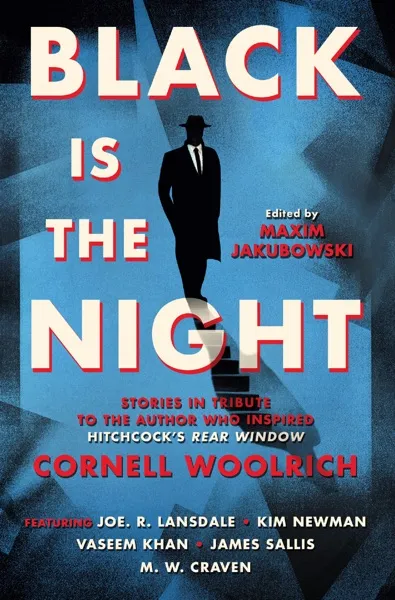
Black Is the Night Author: Maxim JakubowskiPage Count: UnknownPublication Year: 2022-GB Black Is the Night: A Gritty, Unforgettable Masterpiece That Redefines Noir Fiction Few books manage to grip the reader from the first page and refuse to let go, but Black Is the Night by Maxim Jakubowski does just that. This 2022 global bestseller isn’t just another crime novel—it’s a dark, atmospheric journey into the underbelly of human nature, where morality is as fluid as the shadows that define the story. If you’ve ever craved a thriller that blends razor-sharp prose with raw emotional intensity, this is the book that will haunt your thoughts long after the final sentence. At its core, Black Is the Night is a noir tale, but Jakubowski doesn’t just follow the formula—he reinvents it. The story unfolds in a world where the line between detective and criminal blurs, where every character carries a secret, and where the night itself feels like a living, breathing antagonist. The unnamed protagonist, a disgraced former cop turned private investigator, is a man drowning in his own regrets, yet his sharp wit and relentless determination make him impossible to look away from. Jakubowski crafts him with such depth that you’ll find yourself rooting for him even when his methods veer into morally gray territory. One of the most striking aspects of this novel is its exploration of themes that resonate deeply in today’s world. Isolation, redemption, and the corrupting influence of power all weave through the narrative, but Jakubowski’s genius lies in how he makes these ideas feel personal rather than preachy. The protagonist’s struggle with his past isn’t just a backdrop—it’s the engine that drives the story forward. Every clue he uncovers, every lead he follows, feels like a step closer to either salvation or self-destruction. The tension isn’t just in the mystery; it’s in the psychological unraveling of the man at its center. Jakubowski’s writing style is another standout feature. His prose is lean and muscular, each sentence carrying weight without unnecessary flourish. The dialogue crackles with tension, and the descriptions of the city—its neon-lit streets, its labyrinthine alleys—are so vivid you’ll feel the chill in the air. There’s a cinematic quality to his storytelling, as if the book could leap off the page and onto the silver screen at any moment. Yet, for all its gritty realism, Black Is the Night never loses sight of the human heart beneath the noir exterior. The emotional beats land with precision, making the stakes feel real, the victories bittersweet, and the losses devastating. What truly sets this book apart, however, is its ability to subvert expectations. Just when you think you’ve pegged the story’s direction, Jakubowski pulls the rug out from under you. The plot is a masterclass in misdirection, with twists that feel earned rather than forced. The supporting cast is equally compelling—from the enigmatic femme fatale whose motives remain tantalizingly unclear to the morally ambiguous figures who populate the protagonist’s world. Each character feels fully realized, their flaws and virtues intertwined in a way that makes them feel like real people rather than plot devices. For fans of hard-boiled detective fiction, Black Is the Night is a must-read. It channels the spirit of Raymond Chandler and Dashiell Hammett but carves out its own identity with a modern edge. Yet, it’s also more than just a genre exercise. Jakubowski’s exploration of human nature elevates the book beyond the confines of noir, making it a story that lingers in the mind like a half-remembered dream. The night, in this novel, isn’t just a setting—it’s a character, a force that shapes every decision, every secret, every betrayal. If you’re looking for a book that will keep you up late, turning pages long past your bedtime, Black Is the Night delivers in spades. It’s a thriller that thrills, a mystery that mystifies, and a character study that cuts deep. Jakubowski has crafted something rare here—a novel that satisfies on every level while leaving just enough unsaid to provoke thought long after the last page. This isn’t just a book you read. It’s an experience you endure—and one you’ll be eager to revisit. #NoirFiction #CrimeThriller #MaximJakubowski #DarkMystery #MustReadBooks Related InsightsThe Nuremberg Women: The Untold Story of the Eight Women Who Brought the Nazis to Justice Book Review and Summary 301 More Ways to Have Fun At Work Book Review and Summary One Fish, Two Fish, Red Fish, Blue Fish Book Review and Summary{ "@context": "https://schema.org", "@type": "FAQPage", "mainEntity": [ { "@type": "Question", "name": "What is the main focus of **Black Is the Night** Book Review and Summary?", "acceptedAnswer": { "@type": "Answer", "text": "Everything you need to know about **Black Is the Night** with our detailed review." } }, { "@type": "Question", "name": "Who authored the comprehensive guide on **Black Is the Night** Book Review and Summary?", "acceptedAnswer": { "@type": "Answer", "text": "This detailed article and its insights were carefully researched and authored by Sofia Bianchi." } }, { "@type": "Question", "name": "Where can I find more related content about Books?", "acceptedAnswer": { "@type": "Answer", "text": "You can explore more articles, detailed reviews, and similar insights by browsing the Related Insights section at the bottom of this article or visiting our dedicated Books category page." } } ] }