Showing Posts From
Nonfiction
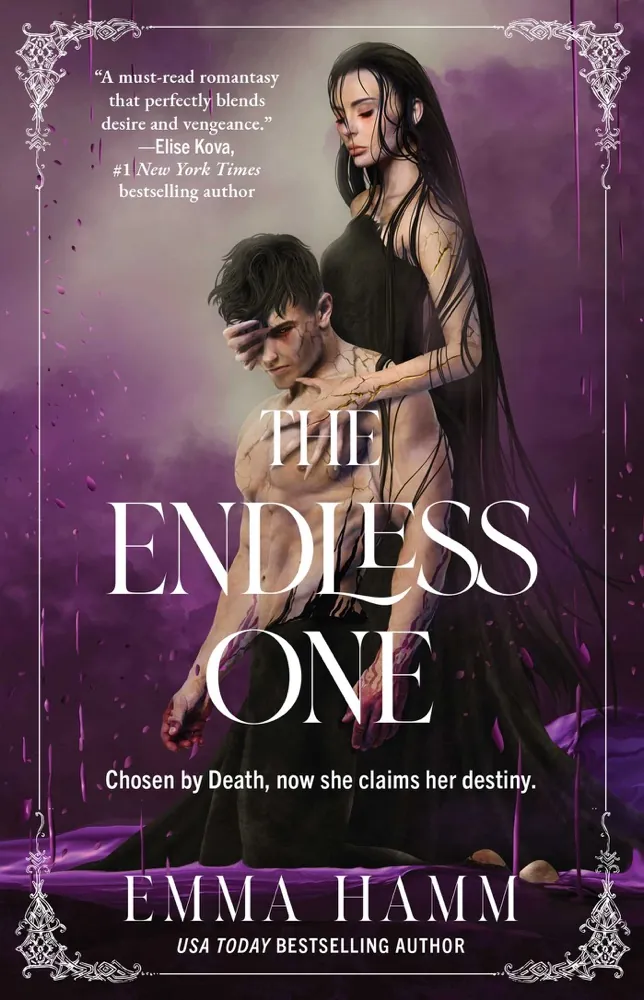
Author: Emma HammPage Count: UnknownPublication Date: Expected publication 2026-09-01 APL Flight 404 is now delayed by another three hours. The Riedel glass of Pinot sitting on this sticky marble table costs more than a decent quarterly dividend in the nineties, yet I am trapped staring at a carpet that looks like a crime scene at an airport Radisson. Perfect. Absolutely stellar vibes. Let us dissect the impending literary catastrophe that is The Endless One. Emma Hamm clearly decided that whatever psychological damage she inflicted in books one and two wasn't quite sufficient for the USA Today bestseller crowd. They want blood, babies, and bad-boy deities who somehow manage to keep their hair styled while committing war crimes. Groundbreaking. A girl gets murdered, gets mildly inconvenienced by death, upgrades her title to the Gravesinger—because why use a normal noun when you can use a spooky compound word?—and suddenly she is ready to deicide. The Aesthetic of Absolute Chaos Consider the sheer marketing gymnastics required to pitch this. We are looking at a protagonist who went from "innocent bride" to whatever grimdark-adjacent, leather-clad deity-slayer archetype we are pushing this quarter. It’s Sarah J. Maas meets a heavy metal album cover designed by a teenager in a basement. No, wait. It is Rebecca Yarros with a higher body count and less dragon-cholesterol. Jessamine has a throne stolen. Classic Tuesday. Her kingdom is in ruins. Yawn. But she is bound to Elric—who is apparently a god that loves her, which sounds exhausting—and she has to weigh humanity against cosmic violence. I mean, same. I weighed my humanity against the cost of a private charter out of this purgatory five minutes ago and humanity lost. The Deicide Industrial Complex What fascinates me, strictly from the perspective of someone paying fifty bucks for lukewarm airport cashews, is the sheer economy of scale behind the modern romantasy climax. You do not just kill a man anymore. That is so 2012. You have to kill a god at his source. It is an arms race of divine vandalism. Hamm is leaning hard into the "bound to the monster" trope. She is serving up absolute mid-tier emotional trauma porn, and frankly, my portfolio needs the distraction. Will the prose be absolute garbage? Probably. Will I buy the hardcover anyway just to throw it against the bulkhead of the Gulfstream once it clears air traffic control? Absolutely. We read to feel something, and if that something is secondary embarrassment for fictional immortals, so be it. It beats checking my stock ticker. I have to log off and mentally prepare for my interview with Vogue. #darkromantasy #theendlessone #emmahamm #booktoktears Related InsightsKingdom of Ash Book Review and Summary These Summer Storms Book Review and Summary Just a Shot Away: Martin Scorsese's Life in Film Book Review and Summary{ "@context": "https://schema.org", "@type": "FAQPage", "mainEntity": [ { "@type": "Question", "name": "What is the main focus of The Endless One (The Gravesinger Series) Book Review and Summary?", "acceptedAnswer": { "@type": "Answer", "text": "Everything you need to know about The Endless One (The Gravesinger Series) with our detailed review." } }, { "@type": "Question", "name": "Who authored the comprehensive guide on The Endless One (The Gravesinger Series) Book Review and Summary?", "acceptedAnswer": { "@type": "Answer", "text": "This detailed article and its insights were carefully researched and authored by Elena Volkova." } }, { "@type": "Question", "name": "Where can I find more related content about Books?", "acceptedAnswer": { "@type": "Answer", "text": "You can explore more articles, detailed reviews, and similar insights by browsing the Related Insights section at the bottom of this article or visiting our dedicated Books category page." } } ] }
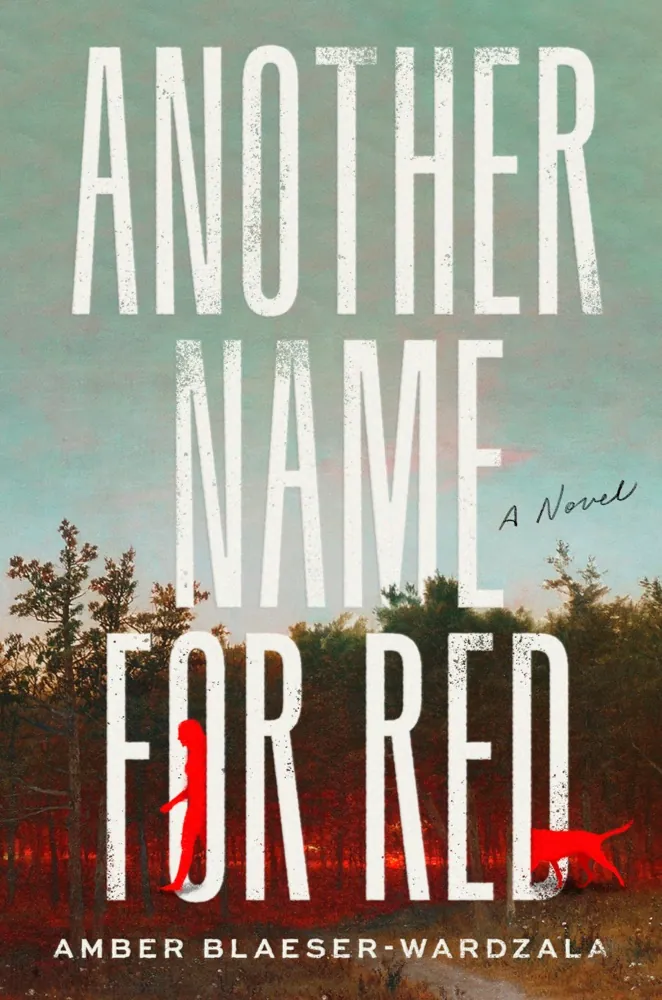
Author: Amber Blaeser-WardzalaPage Count: UnknownPublication Date: Expected publication 2026-10-13 APL The morbid allure of Another Name for Red, a novel that promises to unravel the dark threads of a community's collective trauma. Amber Blaeser-Wardzala's debut, born from the same twisted womb as Never Whistle at Night, whispers secrets of a young Anishinaabe woman's disappearance and the sister left behind to pick up the shards of her shattered family. What draws me to this narrative is the eerie presence of the absent – the ghosts of those who have vanished, and the lingering specters of those who remain. Middle Sister, the protagonist, is a vessel for the collective grief of her community, her family, and her own fractured identity. Her ex-best friend and ex-boyfriend are relics of a past she can't escape, while her family – an activist mother, a detached father, and attention-starved younger siblings – serves as a constant reminder of the elder sister she can never live up to. And then, there's John Smith, the enigmatic white man with red cowboy boots, whose presence is as repulsive as it is captivating. The echoes of thousands of unacknowledged missing and murdered Indigenous women, including Older Sister, reverberate throughout the narrative, a haunting reminder of the systemic injustices that have torn the family apart. But what truly piques my interest is the way Blaeser-Wardzala seems to be toying with the notion of identity – how it's forged, fractured, and reassembled in the face of trauma. Middle Sister's investigation into her sister's disappearance becomes an act of self-discovery, a desperate attempt to reclaim her own sense of self amidst the ruins of her family. The search for the elusive "Eric" – a white man from a neighboring town who Older Sister claimed to love – forces Middle Sister to confront the complexities of her own identity, caught between the expectations of her community and the allure of the unknown. Yet, as I read through the synopsis, I'm struck by the vagueness that shrouds the narrative. What lies at the heart of Middle Sister's investigation? What secrets will she uncover, and at what cost? The lack of specificity is both frustrating and intriguing, leaving me to wonder if Blaeser-Wardzala's prose will be as evocative as it is elusive. If Another Name for Red lives up to its promise, it could join the ranks of novels like The Round House by Louise Erdrich and The Marrow Thieves by Cherie Dimaline – works that unflinchingly confront the dark underbelly of colonialism and its ongoing impact on Indigenous communities. But only time will tell if Blaeser-Wardzala's debut will leave an indelible mark on the literary landscape. For now, I'll have to content myself with the promise of a haunting narrative, one that will undoubtedly leave me sleeping with the lights on. And speaking of which, I have a charity gala to attend tonight – a fundraiser for a local Indigenous arts organization – and I need to get ready. The tuxedo won't wear itself, after all. #Grimdark #IndigenousLiterature #NewRelease Related Insights'Twas the Night: A Novel – A Christmas Horror Mystery Where a Reporter Investigates Disappearances in a Village That Worships Santa Book Review and Summary My Last Duchess Book Review and Summary Mercy Book Review and Summary{ "@context": "https://schema.org", "@type": "FAQPage", "mainEntity": [ { "@type": "Question", "name": "What is the main focus of Another Name for Red Book Review and Summary?", "acceptedAnswer": { "@type": "Answer", "text": "Everything you need to know about Another Name for Red with our detailed review." } }, { "@type": "Question", "name": "Who authored the comprehensive guide on Another Name for Red Book Review and Summary?", "acceptedAnswer": { "@type": "Answer", "text": "This detailed article and its insights were carefully researched and authored by Elena Volkova." } }, { "@type": "Question", "name": "Where can I find more related content about Books?", "acceptedAnswer": { "@type": "Answer", "text": "You can explore more articles, detailed reviews, and similar insights by browsing the Related Insights section at the bottom of this article or visiting our dedicated Books category page." } } ] }
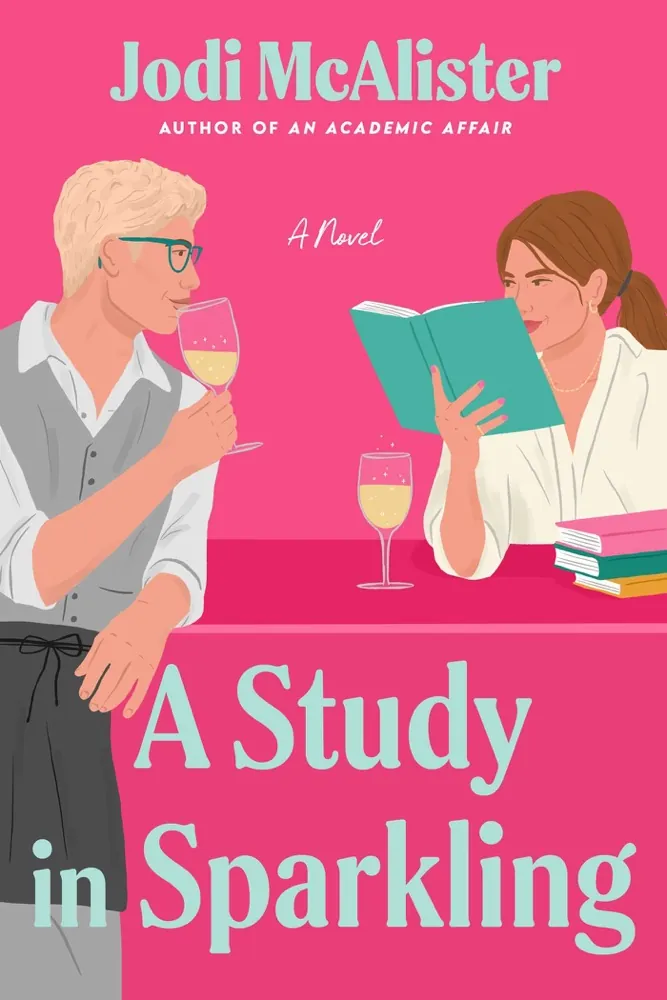
Author: Jodi McAlisterPage Count: UnknownPublication Date: Expected publication 2026-09-15 APL Love stories that start with a pop - how trite, how clichéd, how utterly predictable. Yet, there's something about Jodi McAlister's A Study in Sparkling that piques my interest, like a fine wine left to breathe. The setup is familiar: a recently separated single mom, Fiona Fisher, falls for the younger owner of her favorite wine bar, Satoshi Tsukamoto. On paper, they make no sense - he's eight years younger, she's a single mother with trust issues. But what's a romance without a few obstacles, right? Sparkling with Tension The age gap is an interesting dynamic, one that could lead to some fascinating power struggles. Will Satoshi's youth and inexperience be a turn-off for Fiona, or will it be a refreshing change from her previous relationship? And what about Satoshi's motivations? Is he genuinely in love with Fiona, or is he simply infatuated with the idea of being with an older woman? The fact that he's studying for the Master Sommelier exam adds an extra layer of tension - will his career ambitions clash with his desire for a relationship? But what really draws me in is the promise of a sizzling romance. McAlister's writing style, as evident from her previous work An Academic Affair, is engaging and witty, with a keen eye for detail. I'm expecting a slow-burn romance that simmers with tension, à la Jasmine Guillory's The Wedding Date. The fact that Fiona and Satoshi agree to keep things casual only adds to the anticipation - how long will they be able to resist each other's charms? A Study in Contrasts Fiona's character, in particular, intrigues me. A single mother who's been left devastated and humiliated by her husband's infidelity - that's a rich emotional landscape to explore. How will she navigate her feelings for Satoshi, given her past experiences? Will she be able to trust him, or will her fears of being hurt again hold her back? And what about Satoshi's role in all this? Will he be able to help Fiona heal and move on, or will his own insecurities get in the way? McAlister's writing has been praised for its nuance and sensitivity, so I'm expecting a thoughtful exploration of these themes. The fact that the book is being compared to Abby Jimenez's work is also a good sign - Jimenez is known for her insightful portrayals of complex relationships. The Verdict Will A Study in Sparkling live up to its promise? I'm cautiously optimistic. McAlister has shown her chops as a writer, and the premise is intriguing. But only time will tell if the execution lives up to the hype. One thing's for sure, though - I'll be keeping a close eye on this one. Now, if you'll excuse me, I need to go pick out new marble countertops for my penthouse apartment. #WineLover #RomanceNovels #BookLovers Related InsightsThe Secret Book Review and Summary Crown & Captive Book Review and Summary Ivanhoe Book Review and Summary{ "@context": "https://schema.org", "@type": "FAQPage", "mainEntity": [ { "@type": "Question", "name": "What is the main focus of A Study in Sparkling (Love Notes, #2) Book Review and Summary?", "acceptedAnswer": { "@type": "Answer", "text": "Everything you need to know about A Study in Sparkling (Love Notes, #2) with our detailed review." } }, { "@type": "Question", "name": "Who authored the comprehensive guide on A Study in Sparkling (Love Notes, #2) Book Review and Summary?", "acceptedAnswer": { "@type": "Answer", "text": "This detailed article and its insights were carefully researched and authored by Elena Volkova." } }, { "@type": "Question", "name": "Where can I find more related content about Books?", "acceptedAnswer": { "@type": "Answer", "text": "You can explore more articles, detailed reviews, and similar insights by browsing the Related Insights section at the bottom of this article or visiting our dedicated Books category page." } } ] }
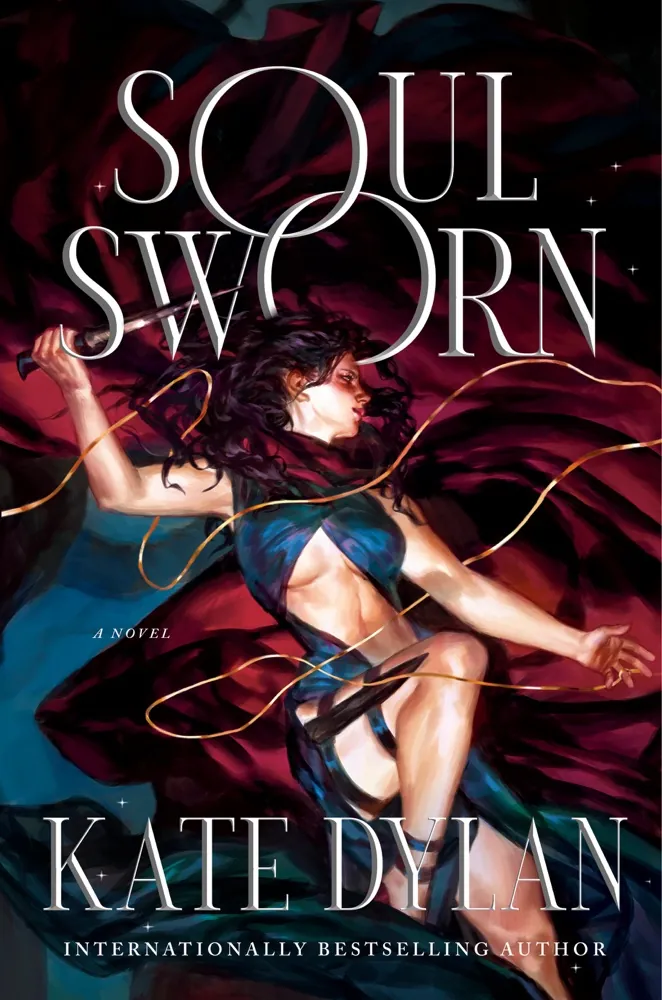
Author: Kate DylanPage Count: UnknownPublication Date: Expected publication 2026-11-17 APL Another billion dollars in my portfolio, and I still cannot buy a single book synopsis that does not sound like it was vomited out by a mid-level corporate algorithm desperate for a TikTok movie deal. Yet, here we are, looking at Soul Sworn. Kate Dylan wants us to buy into a world where reapers murder people who threaten soulmates. Because nothing screams true love quite like a contracted hitman handling your dating life—that is certainly a choice. Transactions, Traitors, and Tired Tropes Let us dispense with the pleasantries. I buy companies for sport, and I know a leveraged buyout when I see one. The premise here is pure corporate synergy masquerading as grimdark edge. Talia Atwater sniffs out lies and kills soulmate-blockers for a living. Cain Hawthorne is a religious zealot weaponized to hunt her down. Enemies-to-lovers. Slow-burn. Two people whose entire brand is mutual obliteration are guaranteed to swap bodily fluids before page three hundred. How original. We are treading water in the exact same commercial swamp that spawned Sarah J. Maas clones and every derivative fantasy paperback currently cluttering airport terminal bookstores. And yet—the cynicism in me appreciates a clean transactional dynamic. The Currency of Violence What actually interests a man who measures his life in hostile takeovers? The economics of the soul. The synopsis tells us that love equals death and every soul is marked. That is a grim little capitalistic nightmare I can respect. If your very existence threatens a divine match, you get put down like a poorly performing subsidiary. Cain’s religious order treats affection as a liability—a breach of contract with the Gods. That mirrors my own boardroom philosophy. Sentimentality is bad for the bottom line. Dylan has positioned her two leads as ruthless professionals bound by conflicting corporate mandates. One works for private clients; the other answers to an invisible board of directors in the sky. When their missions inevitably collide, the friction will either produce a diamond or a total financial write-off. My money is on the slow-burn friction eating the plot alive, as it usually does in these books. We get vague threats about "secrets unraveling" and "attraction ignites." Give me some teeth, Kate. Show me the blood on the ledger, not just the marketing copy. If this leans hard into actual nihilism rather than soft-focus romantasy masquerading as grit, it might actually distract me from the existential void of sitting on a mountain of cash with nothing left to conquer. If it flinches and gives us a happy, healing compromise? Absolute garbage. I have to go yell at my gardener about the hydrangeas. #DarkFantasy #BookTwitter #ReadingGloom Related InsightsA Gambling Man Book Review and Summary Stoneslayer: Book One Scandal Book Review and Summary The Italian Job: A Memoir of an American Reporter in Rome Book Review and Summary{ "@context": "https://schema.org", "@type": "FAQPage", "mainEntity": [ { "@type": "Question", "name": "What is the main focus of Soul Sworn (Soul Sworn, #1) Book Review and Summary?", "acceptedAnswer": { "@type": "Answer", "text": "Everything you need to know about Soul Sworn (Soul Sworn, #1) with our detailed review." } }, { "@type": "Question", "name": "Who authored the comprehensive guide on Soul Sworn (Soul Sworn, #1) Book Review and Summary?", "acceptedAnswer": { "@type": "Answer", "text": "This detailed article and its insights were carefully researched and authored by Elena Volkova." } }, { "@type": "Question", "name": "Where can I find more related content about Books?", "acceptedAnswer": { "@type": "Answer", "text": "You can explore more articles, detailed reviews, and similar insights by browsing the Related Insights section at the bottom of this article or visiting our dedicated Books category page." } } ] }
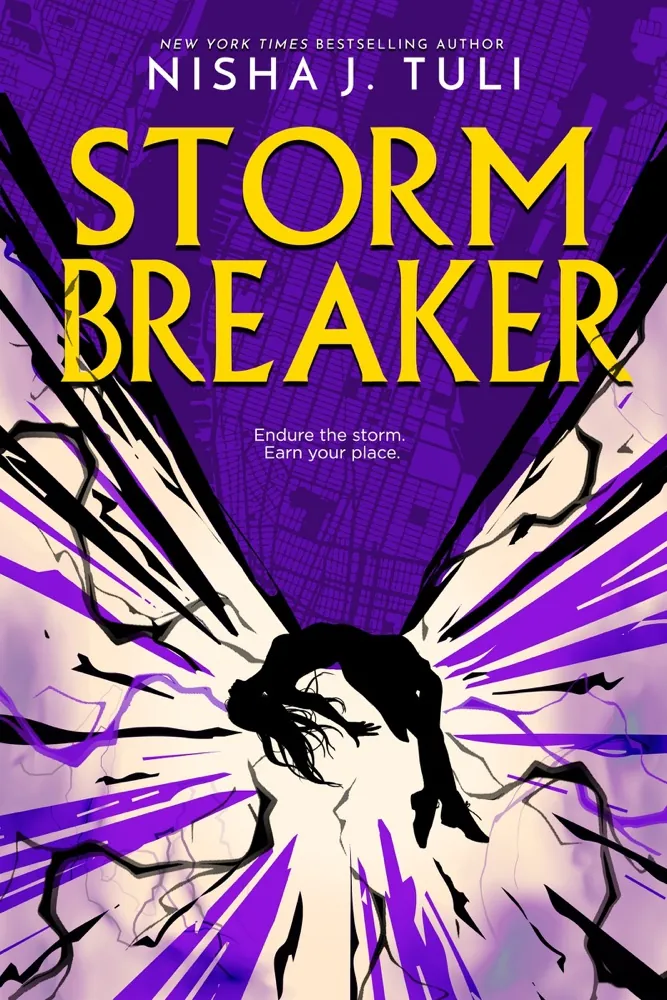
Author: Nisha J. TuliPage Count: UnknownPublication Date: Expected publication 2026-05-05 APL Tuli's Storm Breaker trilogy. The premise, much like the carefully curated art that surrounds me, promises a complex dance of power, obedience, and forbidden love. Poet Graves, the nineteen-year-old protagonist, is a product of the ruling elite in New Manhattan, her life a carefully constructed facade. The weight of her secrets, particularly the one that sets her apart from the rest – her ability to control the storms that ravage the wasteland – threatens to upend this delicate balance. It's a dangerous gamble, one that could have far-reaching consequences, not just for Poet, but for those around her. The setup is undeniably intriguing – a dystopian dark academia narrative, replete with brutal trials designed to expose weakness, and a forbidden romance that promises to upend the status quo. It's a familiar trope, one that echoes the works of Veronica Roth and Suzanne Collins, yet the unique blend of elements – the storm caller aspect, in particular – hints at a freshness that could set Storm Caller apart from its contemporaries. But, as is often the case, the devil lies in the details. The synopsis, while tantalizing, remains frustratingly vague. What are the true stakes of Poet's power? How does her relationship with Rook, the mysterious outsider, evolve? And what of the trials themselves – what secrets do they hold, and how will Poet navigate the treacherous landscape of Amery Academy? These are questions that only the full narrative can answer, and I, for one, am eager to see how Tuli chooses to develop these threads. The inclusion of two bonus scenes from the hero's POV is a nice touch, one that promises to add depth to the narrative. In many ways, Storm Caller feels like a spiritual successor to the likes of Fourth Wing, with its blend of dystopian politics and forbidden romance. It's a potent combination, one that has proven successful time and again in the world of YA fiction. Yet, I remain cautious – the line between homage and imitation is a fine one, and it's unclear, at this point, which side of that line Storm Caller will fall. Still, I'm drawn to the promise of this narrative, the way it seems to dance on the edge of chaos, threatening to spill over into something greater. It's a tantalizing prospect, one that has me wondering – will Storm Caller be the next big thing in YA fiction, or will it succumb to the pressures of its own ambition? Only time will tell. #StormCaller #DystopianFiction #ForbiddenRomance #YABooks Related InsightsA Confederacy of Dunces Book Review and Summary Escuadrón Cielo Book Review and Summary Her Life in Ruins Book Review and Summary{ "@context": "https://schema.org", "@type": "FAQPage", "mainEntity": [ { "@type": "Question", "name": "What is the main focus of Storm Caller (Storm Breaker, #2) Book Review and Summary?", "acceptedAnswer": { "@type": "Answer", "text": "Everything you need to know about Storm Caller (Storm Breaker, #2) with our detailed review." } }, { "@type": "Question", "name": "Who authored the comprehensive guide on Storm Caller (Storm Breaker, #2) Book Review and Summary?", "acceptedAnswer": { "@type": "Answer", "text": "This detailed article and its insights were carefully researched and authored by Elena Volkova." } }, { "@type": "Question", "name": "Where can I find more related content about Books?", "acceptedAnswer": { "@type": "Answer", "text": "You can explore more articles, detailed reviews, and similar insights by browsing the Related Insights section at the bottom of this article or visiting our dedicated Books category page." } } ] }
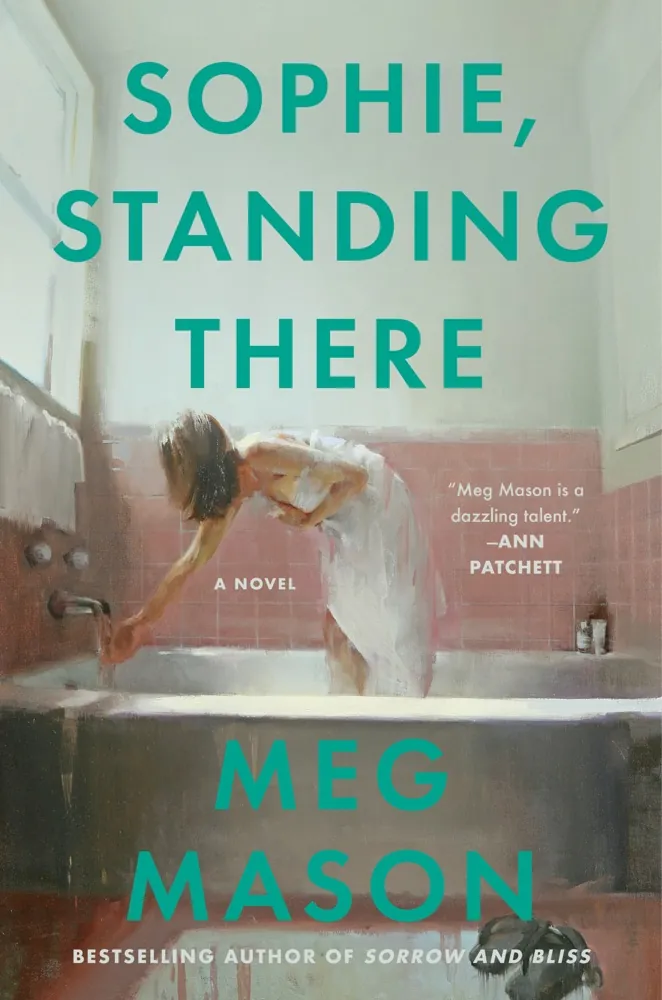
Author: Meg MasonPage Count: UnknownPublication Date: Expected publication 2026-09-29 APL Espresso lingering on the back of my tongue, Italian wool pressing sharply against my shoulders, and yet—against all statistical probability—my cold, cynical, nine-figure heart has decided to flutter today. August heat is suffocating the city streets below this gallery window, a blistering reminder of mortal discomfort, but my mind is entirely preoccupied with Meg Mason’s next literary maneuver. Sorrow and Bliss carved me open with a surgical blade, and the publishing world is holding its collective breath for her return. Yet, look at the scaffolding of this new premise. Sophie Pattison has the dream job, the devoted husband, the requisite supporting cast of lifelong confidantes. And then, abruptly, the house of cards collapses. Fascinating in theory. But let us dissect the machinery. Anticipatory Preview and Thematic Analysis The synopsis leans heavily on the quiet catastrophe of middle-class isolation—a theme I usually dismiss as self-indulgent whining for people who cannot afford a private island to sulk on. And yet, Mason possesses a rare, venomous wit that cuts straight through pedestrian melodrama. Sophie is losing her grip, sliding from a comfortable domestic ecosystem into total alienation, clutching books like a drowning sailor to a spar. One specific detail catches my jaded eye: a forgotten author from her twenties re-emerging as the sole anchor of her existence. Parasocial literary obsession disguised as salvation. How deliciously pathetic. How horribly human. Critics will undoubtedly invoke Sally Rooney or Ottessa Moshfegh because lazy journalism requires easy comparisons. I refuse. Mason operates in a sharper, far more acidic register. She understands that heartbreak is rarely a grand, cinematic tragedy—it is usually an accumulation of petty miscommunications, silent resentments, and the agonizing realization that you have become entirely uninhabitable to the people who once loved you. The thematic architecture here hinges on delusion versus survival. If Sophie is projecting an entire emotional rescue fantasy onto a reclusive novelist, the narrative better avoid sappy redemption arcs. I demand wreckage. Give me the jagged edges of human loneliness without offering a tidy, therapeutic bow at chapter thirty. After all, what is art for if not to remind us that we are utterly, irremediably alone in our customized suffering? Time will tell if Mason maintains her ruthless pacing or softens into commercial sentimentality. For my sake, I hope she chooses the blade. Would you rather read about a billionaire who feels nothing, or a woman who feels so much she loses her job, her marriage, and her mind over a paperback? Related InsightsThe Chinese Lady Book Review and Summary A blight of blackwings Book Review and Summary القرآن الكريم Book Review and Summary{ "@context": "https://schema.org", "@type": "FAQPage", "mainEntity": [ { "@type": "Question", "name": "What is the main focus of Sophie, Standing There Book Review and Summary?", "acceptedAnswer": { "@type": "Answer", "text": "Everything you need to know about Sophie, Standing There with our detailed review." } }, { "@type": "Question", "name": "Who authored the comprehensive guide on Sophie, Standing There Book Review and Summary?", "acceptedAnswer": { "@type": "Answer", "text": "This detailed article and its insights were carefully researched and authored by Elena Volkova." } }, { "@type": "Question", "name": "Where can I find more related content about Books?", "acceptedAnswer": { "@type": "Answer", "text": "You can explore more articles, detailed reviews, and similar insights by browsing the Related Insights section at the bottom of this article or visiting our dedicated Books category page." } } ] }
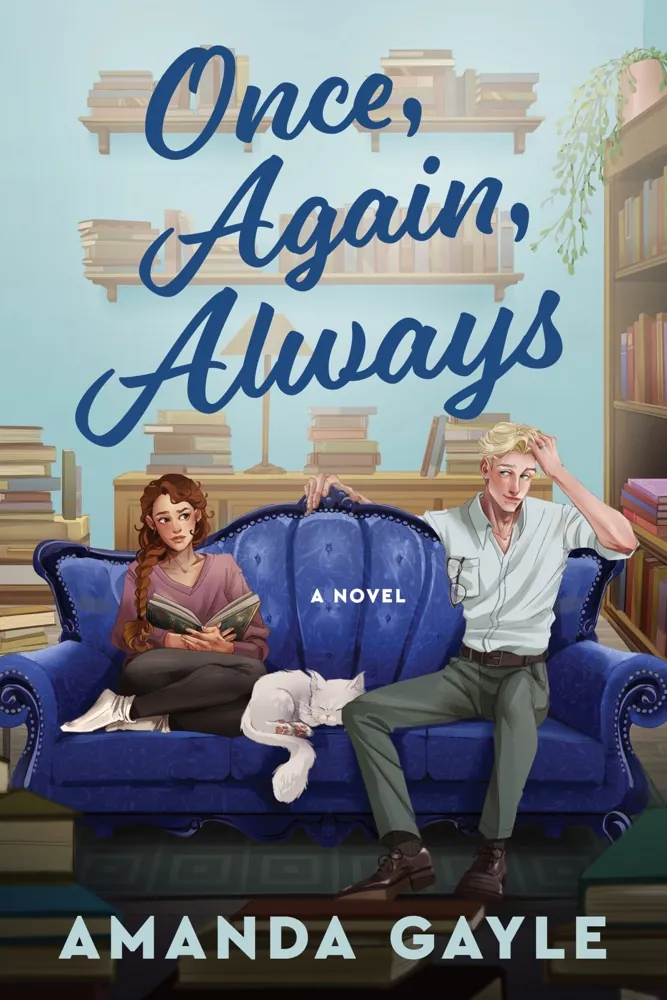
Once, Again, Always Author: Amanda GaylePage Count: UnknownPublication Date: Expected publication 2026-10-06 APL Title: Waking Up to Forever: Why Amanda Gayle’s Once, Again, Always is Set to Be 2026’s Most Addictive Romance If you think you know everything about second-chance romance, Amanda Gayle is about to rewrite the rules. Set for publication on October 6, 2026, Once, Again, Always promises to deliver the ultimate emotional rollercoaster, blending high-stakes amnesia with the delicious tension of an ultimate enemies-to-lovers dynamic. While full details on page counts remain under wraps, the official synopsis alone is already driving romance readers into a frenzy. Imagine waking up in a hospital bed with a head injury and a missing six-year chunk of your life. Now, imagine the absolute whiplash of discovering that your husband is none other than Aster Bishop—the very man who made your life a living hell back at boarding school. According to the synopsis, Molly Graham is forced to grapple with a reality she doesn't remember. Convinced by her lifelong friends to give her unexpected new life a chance, she returns home with Aster, only to find a man who is a far cry from the arrogant boy she despised. Devastatingly handsome, considerate, and sleeping faithfully on the sofa every night to keep her comfortable, this new Aster is packed with undeniable chemistry—and a wall of frustrating secrets. For readers who live for elite romance tropes, Gayle is serving an absolute feast. We are looking at a masterclass in slow-burn yearning, forced proximity, and the ultimate twist on the classic "there's only one bed" trope—except this time, the gentlemanly hero voluntarily banishes himself to the couch. Molly is left facing the ultimate question: how do you fall in love with a man a second time when you can't even remember the first? As we count down the months to October 2026, Once, Again, Always is shaping up to be an absolute must-read for anyone who loves high-angst emotional journeys, sharp banter, and the beautiful agony of found family and rediscovered love. Keep this one firmly at the top of your anticipated release radar. #OnceAgainAlways #AmandaGayle #SecondChanceRomance #RivalsToLovers #SlowBurnRomance #BookTok Related InsightsThe Mountain Book Review and Summary One for the Money Book Review and Summary The Bonfire of the Vanities Book Review and Summary{ "@context": "https://schema.org", "@type": "FAQPage", "mainEntity": [ { "@type": "Question", "name": "What is the main focus of Once, Again, Always Book Review and Summary?", "acceptedAnswer": { "@type": "Answer", "text": "Everything you need to know about Once, Again, Always with our detailed review." } }, { "@type": "Question", "name": "Who authored the comprehensive guide on Once, Again, Always Book Review and Summary?", "acceptedAnswer": { "@type": "Answer", "text": "This detailed article and its insights were carefully researched and authored by Elena Volkova." } }, { "@type": "Question", "name": "Where can I find more related content about Books?", "acceptedAnswer": { "@type": "Answer", "text": "You can explore more articles, detailed reviews, and similar insights by browsing the Related Insights section at the bottom of this article or visiting our dedicated Books category page." } } ] }
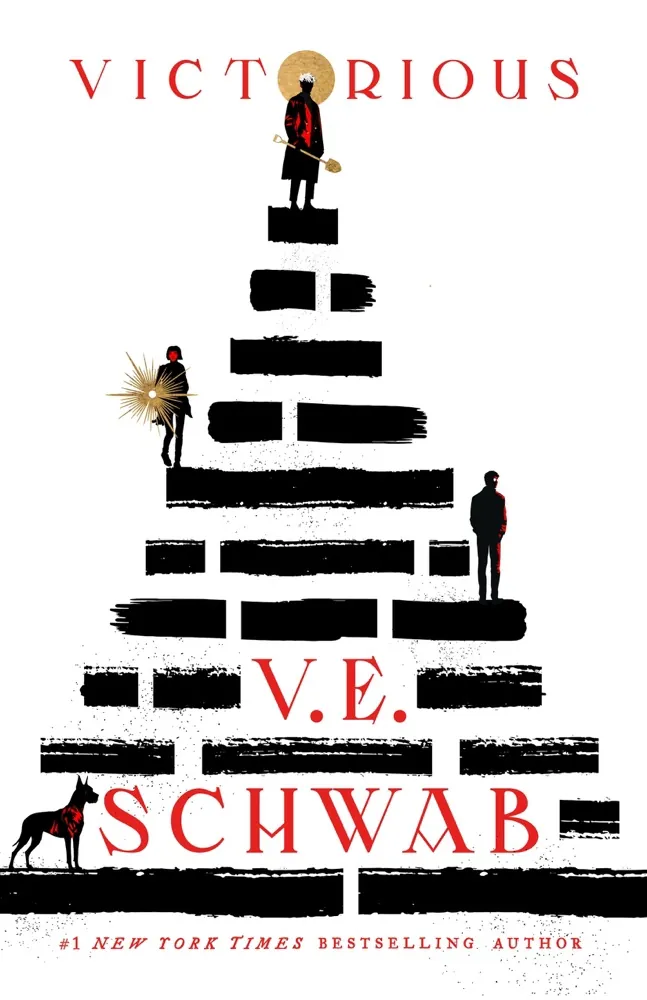
Victorious (Villains, #3) Author: V.E. SchwabPage Count: UnknownPublication Date: Expected publication 2026-10-06 APL V.E. Schwab's Long-Awaited Conclusion to the Villains Series: A Triumphant 'Victorious' In the highly anticipated next installment of the Villains series, bestselling author V.E. Schwab will conclude the tale of Eli Ever and Victor Vale, a dynamic duo first bound together by friendship and subsequently torn apart by their shared destinies as enemies. With the series' fate poised to be decided, 'Victorious' promises to be a thrilling culmination of years of twists and turns. The Villains series, which includes the novels 'Vicious' and 'Vengeful', has consistently received critical acclaim for its inventive storytelling, gripping characters, and masterful exploration of the complex nature of good and evil. Schwab, known for her captivating narratives and vivid characters, has woven an intricate web of relationships, conflicts, and moral dilemmas at the heart of the series. Schwab's previous works, including 'The Invisible Life of Addie LaRue' and 'Bury Our Bones in the Midnight Soil', have solidified her position as a leading voice in the literary fiction genre. If you loved her previous bestsellers, you'll be eagerly anticipating the release of 'Victorious' on October 6, 2026, which marks the eagerly awaited conclusion to the Villains series. In 'Victorious', a group of allies and arch-rivals find themselves drawn together on a chessboard set by a mysterious opponent, as the stakes grow exponentially with each twist. It is uncertain who will emerge triumphant in this high-stakes battle of wits and cunning. However, one thing is clear: V.E. Schwab has once again set the stage for a thrilling ride that will leave readers breathless until the very end. The world can't wait to see how it all unfolds as the series reaches its climactic conclusion. Get ready for an unforgettable literary experience – V.E. Schwab's 'Victorious' is shaping up to be the most anticipated and talked-about novel of the year. #VillainsSeries #VSVictorious #VESchwab #BookLovers #FantasyFiction #LiteraryFiction
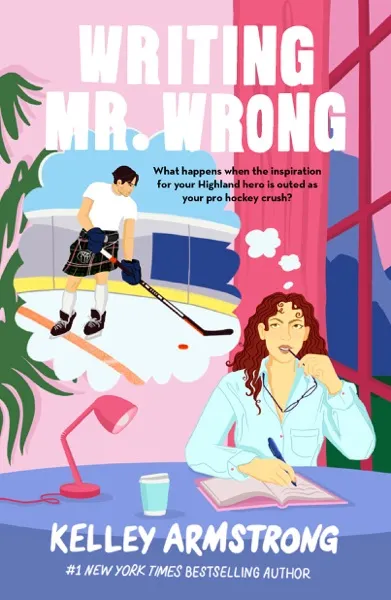
Writing Mr. Wrong Author: Kelley ArmstrongPage Count: UnknownPublication Year: 2025-GB Kelley Armstrong’s Writing Mr. Wrong, the 2025 release that has already sent shockwaves through bestseller lists worldwide, is not just another romance novel—it is a razor-sharp meta-commentary on modern love, ambition, and the stories we tell ourselves to survive. At its core, this book is about a woman who writes romantic escapism for a living only to find herself drowning in the very fantasies she fabricates. Armstrong, a master storyteller known for her deft handling of genre-blending narratives (Women of the Otherworld, Rockton), delivers a novel that is as much a love letter to storytelling as it is a scathing critique of the tropes that shape our hearts. The protagonist, Nora Ellis, is a bestselling author of feel-good romances who has built an empire on the promise of perfect love—until her own life becomes a chaotic mess of miscommunication, bad decisions, and a string of romantic disasters. When her publisher demands a new, edgier book to stay relevant, Nora panics and decides to base her next novel on her own disastrous dating history. What follows is a hilarious yet poignant unraveling of her romantic illusions, as the line between fiction and reality blurs dangerously. Armstrong’s genius lies in her ability to balance satire with sincerity; Nora is flawed but relatable, a woman caught between the fairy-tale endings she writes and the messy, unpredictable love she actually experiences. Armstrong’s style is crisp, witty, and unapologetically modern, with dialogue that crackles with authenticity. She excels at creating characters who feel like real people—flawed, self-aware, and often their own worst enemies. Nora’s internal monologue is a mix of sharp humor and biting self-deprecation, making her an instantly endearing heroine. The supporting cast is equally well-drawn: Nora’s agent, her exasperated best friend, and a string of ill-fated love interests who are as ridiculous as they are relatable. Armstrong’s prose is lean and engaging, never bogged down by excessive description but rich enough to immerse the reader in Nora’s world. What makes Writing Mr. Wrong stand out is its dual-layered narrative. On the surface, it’s a romantic comedy about a woman learning to embrace imperfection. But beneath that, it’s a deeper exploration of how societal expectations shape our romantic ideals. Nora’s journey is one of self-discovery, but it’s also a rebellion against the pressure to conform to a certain type of love story. Armstrong doesn’t shy away from calling out the absurdity of modern dating culture, where algorithms promise soulmates and social media distorts reality. The book’s humor is biting, yet it never feels cynical—Armstrong’s affection for her characters shines through, even when she’s poking fun at their delusions. Another standout element is Armstrong’s subversion of romance tropes. Nora’s initial books are classic meet-cute affairs with brooding heroes and grand gestures, but as her own life spirals, she realizes that real love isn’t about perfection—it’s about messy, uncomfortable growth. The novel’s climax, where Nora must confront her own hypocrisy as both a writer and a lover, is both satisfying and thought-provoking. Armstrong doesn’t offer easy answers; instead, she invites readers to question the stories they’ve been told about love and happily ever after. If there’s one criticism to be leveled, it’s that the book’s pacing occasionally stumbles in the middle act, where Nora’s dating misadventures start to feel repetitive. However, this is a minor quibble in an otherwise tightly crafted novel. Armstrong’s ability to balance humor, heart, and social commentary is nothing short of impressive, making Writing Mr. Wrong a standout in contemporary romance literature. Ultimately, Writing Mr. Wrong is more than just a witty rom-com—it’s a book for anyone who has ever rolled their eyes at a love story while secretly hoping for one. It’s a celebration of imperfection, a nudge to stop chasing fantasies and start embracing reality, and a reminder that sometimes, the best love stories are the ones that don’t end with a perfect bow. #WritingMrWrong #KelleyArmstrong #RomanceWithAttitude #ModernLoveStories #BookTokMustRead #LoveAndLaughs
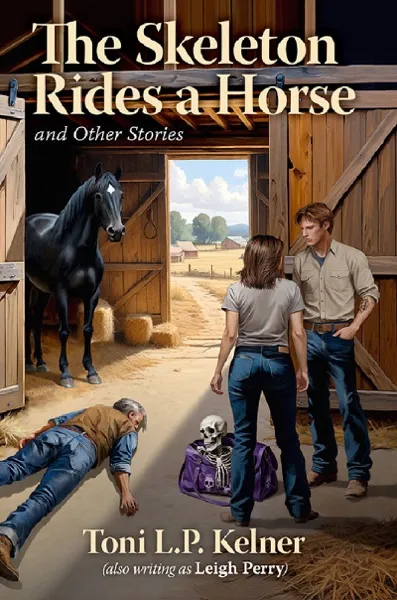
Skeleton Rides a Horse and Other Stories Author: Toni KelnerPage Count: UnknownPublication Year: 2024-GB In the realm of modern literature, few authors have managed to captivate readers with the same level of mystique as Toni Kelner. With the release of "Skeleton Rides a Horse and Other Stories", Kelner has solidified her position as a masterful storyteller, weaving a complex tapestry of emotions, intrigue, and the supernatural. This latest collection of tales is a testament to Kelner's remarkable ability to craft narratives that are both haunting and mesmerizing. At its core, "Skeleton Rides a Horse and Other Stories" is an exploration of the human condition, delving into the deepest, darkest recesses of the human experience. Kelner's writing is akin to a slow-burning fire, gradually building in intensity as the stories unfold. Her prose is economical, yet evocative, conjuring vivid images that linger long after the final page has been turned. One of the standout features of Kelner's writing is her ability to balance the ordinary with the extraordinary. Her characters are often relatable, everyday people, yet they find themselves entangled in situations that are anything but mundane. This juxtaposition of the ordinary and the unknown creates a sense of tension that is both captivating and unsettling. Throughout the collection, Kelner's use of the supernatural is a recurring motif, often employed as a metaphor for the unknown, the unknowable, and the unseen. Her skeletons, ghosts, and otherworldly entities are not simply plot devices, but rather symbols of the darker aspects of human nature. They represent the fears, anxieties, and uncertainties that we all harbor, yet dare not confront. Kelner's writing style is characterized by a sense of subtlety, a willingness to suggest rather than state. Her stories are often open-ended, leaving the reader to draw their own conclusions, to fill in the gaps, and to ponder the implications. This approach creates a sense of intimacy, as if the reader is being let in on a dark, closely guarded secret. The title story, "Skeleton Rides a Horse", is a prime example of Kelner's mastery of the genre. This haunting tale of love, loss, and redemption is a beautifully crafted exploration of the human condition, a poignant reminder that even in death, there can be beauty, dignity, and a sense of purpose. In conclusion, "Skeleton Rides a Horse and Other Stories" is a triumph, a testament to Toni Kelner's skill as a storyteller, and her ability to craft narratives that are both thought-provoking and deeply unsettling. This collection of tales is a must-read for fans of the supernatural, the unknown, and the unexplained. It is a journey into the heart of darkness, a journey that will leave you changed, disturbed, and ultimately, enlightened. #ToniKelner #SkeletonRidesAHorse #SupernaturalFiction #DarkFantasy #ShortStoryCollection #BestSeller Related InsightsDead Take the a Train Book Review and Summary Return to the Shack: A Journey into Redemption Book Review and Summary Broken Throne Book Review and Summary{ "@context": "https://schema.org", "@type": "FAQPage", "mainEntity": [ { "@type": "Question", "name": "What is the main focus of Skeleton Rides a Horse and Other Stories Book Review and Summary?", "acceptedAnswer": { "@type": "Answer", "text": "Everything you need to know about Skeleton Rides a Horse and Other Stories with our detailed review." } }, { "@type": "Question", "name": "Who authored the comprehensive guide on Skeleton Rides a Horse and Other Stories Book Review and Summary?", "acceptedAnswer": { "@type": "Answer", "text": "This detailed article and its insights were carefully researched and authored by Elena Volkova." } }, { "@type": "Question", "name": "Where can I find more related content about Books?", "acceptedAnswer": { "@type": "Answer", "text": "You can explore more articles, detailed reviews, and similar insights by browsing the Related Insights section at the bottom of this article or visiting our dedicated Books category page." } } ] }
The Best American Short Stories 2019 Author: Anthony DoerrPage Count: UnknownPublication Year: 2019-GB In the realm of short stories, few anthologies have managed to captivate readers quite like The Best American Short Stories 2019, expertly curated by the Pulitzer Prize-winning author Anthony Doerr. This remarkable collection brings together a diverse array of voices, each contributing their unique perspective to the rich tapestry of American literature. As one delves into the pages of this anthology, a striking theme begins to emerge: the search for connection in a world where boundaries are increasingly blurred. Whether it's a young boy struggling to comprehend the complexities of his family's past, a woman navigating the treacherous landscape of online relationships, or a community coming together to mourn the loss of a beloved member, each story is a poignant exploration of the human need for understanding and empathy. Doerr's masterful curation weaves together these disparate narratives into a cohesive whole, showcasing the incredible range and versatility of contemporary American short fiction. From the lyrical prose of writers like Laura van den Berg to the unflinching realism of authors like Bryan Washington, each story is a testament to the power of the short form to capture the essence of the human experience. One of the most striking aspects of this anthology is its ability to balance the intimate with the epic. Whether exploring the inner lives of its characters or tackling the larger issues of our time – from climate change to social justice – each story is a nuanced and thought-provoking examination of the world we live in today. Doerr's own writing style is, of course, well-known for its lyricism and depth, and his introduction to the anthology is a beautifully crafted exploration of the art of storytelling. As he so eloquently puts it, "The best stories are those that, like a river, carry us along, that sweep us up in their currents and deposit us, changed, on some distant shore." Throughout this collection, Doerr's passion for the short form is evident, and his selections are a testament to the enduring power of the genre to captivate, to inspire, and to challenge. Whether you're a longtime fan of the series or simply looking for a compelling introduction to the world of American short fiction, The Best American Short Stories 2019 is an absolute must-read. In short, this anthology is a triumph – a celebration of the diversity, complexity, and beauty of American literature. With its incredible range, masterful curation, and unflinching exploration of the human condition, it's a collection that will linger in the minds of readers long after the final page has been turned. #TheBestAmericanShortStories2019 #AmericanLiterature #ShortFiction #AnthonyDoerr #BookLovers #ReadingIsFun Related InsightsFriends and Family Book Review and Summary Mirror Mirror (The Dresden Files, #19) Book Review and Summary The Green Mile Book Review and Summary{ "@context": "https://schema.org", "@type": "FAQPage", "mainEntity": [ { "@type": "Question", "name": "What is the main focus of The Best American Short Stories 2019 Book Review and Summary?", "acceptedAnswer": { "@type": "Answer", "text": "Everything you need to know about The Best American Short Stories 2019 with our detailed review." } }, { "@type": "Question", "name": "Who authored the comprehensive guide on The Best American Short Stories 2019 Book Review and Summary?", "acceptedAnswer": { "@type": "Answer", "text": "This detailed article and its insights were carefully researched and authored by Elena Volkova." } }, { "@type": "Question", "name": "Where can I find more related content about Books?", "acceptedAnswer": { "@type": "Answer", "text": "You can explore more articles, detailed reviews, and similar insights by browsing the Related Insights section at the bottom of this article or visiting our dedicated Books category page." } } ] }
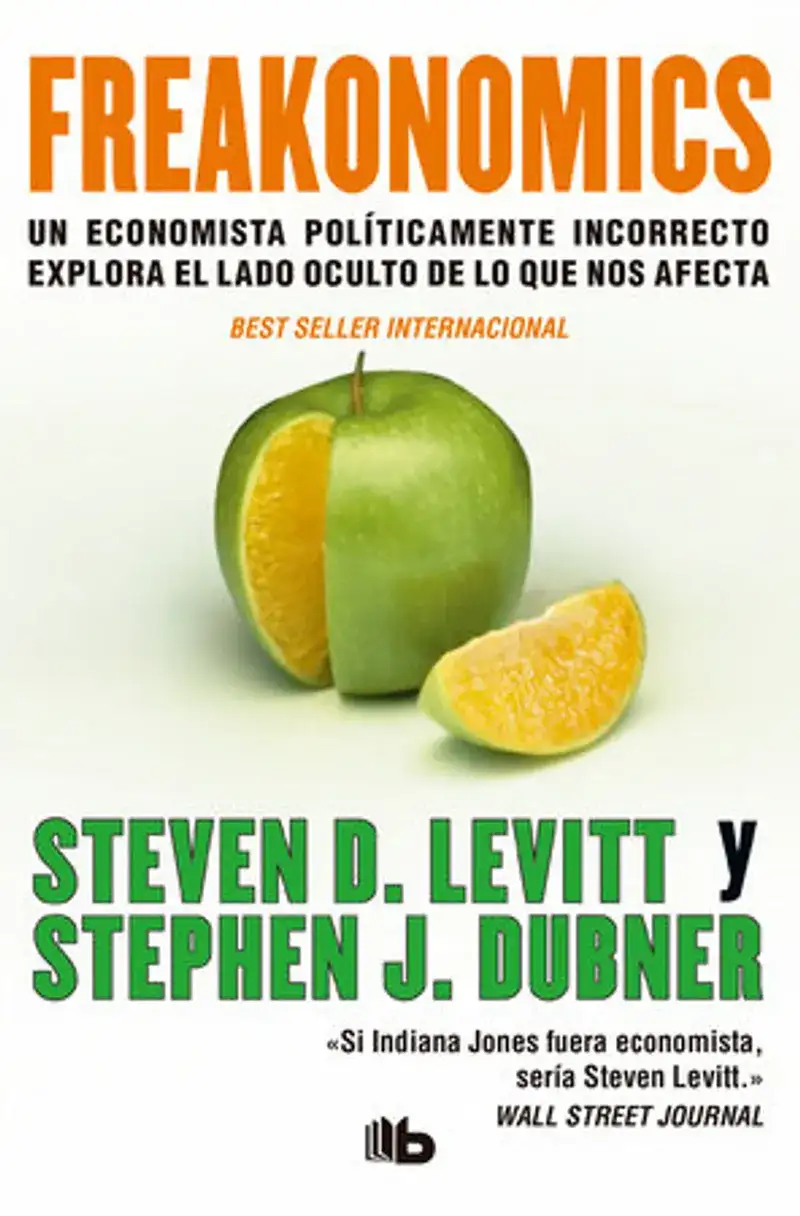
Freakonomics (Spanish Edition) Author: Stephen J. DubnerPage Count: UnknownPublication Date: 2018-PRH Freakonomics: Where Economics Meets the Unexpected Why do drug dealers live with their moms? What’s deadlier—a gun or a swimming pool? How is the Ku Klux Klan like a real estate agent? These aren’t the questions you’d expect from a traditional economist, but that’s exactly the point. Freakonomics, by economist Steven D. Levitt and journalist Stephen J. Dubner, is a bold, irreverent, and eye-opening exploration of the hidden incentives that shape our world. At its core, Freakonomics argues that economics is not just about money, markets, or graphs—it’s about understanding human behavior through the lens of incentives. Levitt and Dubner demolish conventional wisdom with data-driven insights, proving that the world is far stranger, and far more rational, than we often assume. Their approach is refreshingly unorthodox: instead of burying readers in jargon, they pose provocative questions and let the numbers speak for themselves. One of the book’s most compelling chapters dismantles the myth of the "superstar teacher." Using rigorous analysis, Levitt shows that the impact of great teachers on student performance is real—but it’s not because they’re inherently better at teaching. Instead, their success often stems from an unexpected source: test scores that have been manipulated. By examining patterns of cheating in classrooms, Levitt exposes how pressure to perform can lead even well-intentioned educators to cross ethical lines. It’s a stark reminder that incentives don’t just influence behavior—they can warp it. Then there’s the chapter on the economics of crime, where Levitt challenges the idea that the legalization of abortion in the 1970s led to a drop in crime rates in the 1990s. His controversial theory suggests that the decline was partly due to fewer unwanted children growing up in high-risk environments—a conclusion that sparked heated debate. Whether you agree with the argument or not, it’s impossible to ignore the audacity of the claim and the evidence behind it. The book’s strength lies in its ability to make complex economic concepts accessible without dumbing them down. Levitt’s background in econometrics—using data to uncover hidden truths—gives the analysis rigor, while Dubner’s journalistic flair ensures the writing is lively and engaging. Their collaboration results in a book that’s as entertaining as it is thought-provoking. They don’t just present findings; they invite readers to see the world differently, to question assumptions, and to look for the unseen forces at play in everyday life. For instance, consider the comparison between a gun and a swimming pool. On the surface, guns seem far more dangerous, but when you look at the data, drowning is actually far deadlier. This kind of counterintuitive insight runs throughout Freakonomics, making it a constant source of surprise. The authors also delve into the economics of sumo wrestling, where they uncover a web of match-fixing that reveals how incentives can corrupt even the most structured systems. What makes Freakonomics stand out is its refusal to take anything at face value. Whether it’s investigating the decline of the Ku Klux Klan (which, they argue, was undone by its own business model) or exploring why crack dealers live with their mothers (because the real profits in the drug trade go to the top while the foot soldiers earn next to nothing), Levitt and Dubner expose the absurd and the illuminating in equal measure. Their style is witty and conversational, blending humor with hard-hitting analysis. They don’t shy away from controversy, and their willingness to challenge sacred cows—like the idea that parents’ involvement is the key to a child’s success—keeps the reader hooked. The book is less about providing definitive answers and more about demonstrating how asking the right questions can lead to unexpected truths. If there’s a criticism to be made, it’s that Freakonomics occasionally stretches its arguments too far. Not every correlation implies causation, and some of the conclusions feel speculative. But this is part of what makes the book so engaging—it’s not just a dry recitation of facts; it’s an intellectual adventure where the authors invite readers to join them in questioning the world. Ultimately, Freakonomics is a celebration of curiosity. It reminds us that economics isn’t just about GDP or interest rates—it’s about understanding why people do what they do. In an era where misinformation and conventional wisdom often go unchallenged, Levitt and Dubner’s work is a refreshing call to think critically and look beneath the surface. For anyone tired of predictable takes and eager to see the world through a different lens, Freakonomics is a must-read. It’s not just a book about economics; it’s a book about life. #Freakonomics #Economics #Incentives #BehavioralScience #DataDriven #Counterintuitive Related InsightsKaren M. Mcmanus Boxset Book Review and Summary Ink and Daggers Book Review and Summary Magic Unicorn Coloring Book Book Review and Summary{ "@context": "https://schema.org", "@type": "FAQPage", "mainEntity": [ { "@type": "Question", "name": "What is the main focus of Freakonomics (Spanish Edition) Book Review and Summary?", "acceptedAnswer": { "@type": "Answer", "text": "Everything you need to know about Freakonomics (Spanish Edition) with our detailed review." } }, { "@type": "Question", "name": "Who authored the comprehensive guide on Freakonomics (Spanish Edition) Book Review and Summary?", "acceptedAnswer": { "@type": "Answer", "text": "This detailed article and its insights were carefully researched and authored by Elena Volkova." } }, { "@type": "Question", "name": "Where can I find more related content about Books?", "acceptedAnswer": { "@type": "Answer", "text": "You can explore more articles, detailed reviews, and similar insights by browsing the Related Insights section at the bottom of this article or visiting our dedicated Books category page." } } ] }
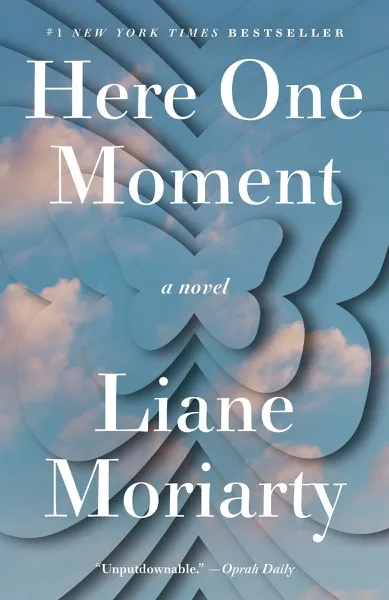
Here One Moment Author: Liane MoriartyPage Count: UnknownPublication Year: 2024-GB Liane Moriarty’s Here One Moment is a masterclass in psychological suspense, a novel that grips the reader from the first page and refuses to let go. As one of the most anticipated releases of 2024, Moriarty—already celebrated for her sharp wit, intricate plotting, and keen insights into human nature—delivers another triumph that cements her status as a master storyteller. At its core, Here One Moment explores the fragile boundaries between perception and reality, memory and illusion. The story revolves around a woman named Jess, who, after a near-fatal accident, begins experiencing vivid, disorienting flashes of a life that isn’t hers. These fleeting glimpses—of a different house, a different family, even a different identity—plunge her into a disorienting spiral of doubt and paranoia. Is she losing her mind? Is she haunted by a past she can’t recall? Or is something far more sinister at play? Moriarty’s genius lies in her ability to weave an atmosphere of creeping dread without resorting to cheap thrills. The novel’s tension is built on subtlety, on the quiet unease of a protagonist questioning her own sanity. Jess’s confusion is infectious; as readers, we’re drawn into her disorientation, forced to question alongside her what is real and what isn’t. The prose is crisp and immersive, with Moriarty’s signature blend of sharp dialogue and psychological depth making every interaction feel charged with unspoken meaning. One of the book’s most compelling aspects is its exploration of identity and the stories we tell ourselves to make sense of existence. Jess’s fractured memories force her to confront the narratives she’s constructed over the years—narratives that may not be entirely accurate. Moriarty delves into the way trauma reshapes our understanding of self, how a single moment can fracture our sense of reality. The result is a story that feels both deeply personal and eerily universal, a meditation on the fragility of the human mind. Moriarty’s writing is as witty and insightful as ever, even in the face of such dark themes. Her humor is dry and precise, cutting through the tension with moments of sharp, unexpected levity. The secondary characters, too, are richly drawn, each playing a role in Jess’s unraveling. The supporting cast—her skeptical sister, her concerned husband, a mysterious neighbor—each add layers to the mystery, their motives and secrets slowly revealed. The structure of the novel is another standout feature. Moriarty employs a nonlinear timeline, weaving past and present in a way that mirrors Jess’s fractured state of mind. The result is a reading experience that feels like piecing together a puzzle, with each revelation bringing us closer to the truth—though the truth, as Moriarty well knows, is often more unsettling than we’d like. Here One Moment is more than just a thriller; it’s a haunting exploration of memory, perception, and the stories we cling to in order to survive. Moriarty’s ability to craft a deeply unsettling yet emotionally resonant narrative is on full display here, making this book a must-read for fans of psychological suspense. If you’re looking for a novel that will keep you up at night, questioning everything you think you know, Here One Moment is it. Moriarty has done it again—delivering a story that lingers long after the final page. #HereOneMoment #LianeMoriarty #PsychologicalThriller #MemoryAndIllusion #BookReview #MustRead2024 Related InsightsMurder at the Grand Alpine Hotel Book Review and Summary A Memory Called Empire Book Review and Summary In the Lives of Puppets Book Review and Summary{ "@context": "https://schema.org", "@type": "FAQPage", "mainEntity": [ { "@type": "Question", "name": "What is the main focus of Here One Moment Book Review and Summary?", "acceptedAnswer": { "@type": "Answer", "text": "Everything you need to know about Here One Moment with our detailed review." } }, { "@type": "Question", "name": "Who authored the comprehensive guide on Here One Moment Book Review and Summary?", "acceptedAnswer": { "@type": "Answer", "text": "This detailed article and its insights were carefully researched and authored by Elena Volkova." } }, { "@type": "Question", "name": "Where can I find more related content about Books?", "acceptedAnswer": { "@type": "Answer", "text": "You can explore more articles, detailed reviews, and similar insights by browsing the Related Insights section at the bottom of this article or visiting our dedicated Books category page." } } ] }
Furies Author: Margaret AtwoodPage Count: UnknownPublication Year: 2023-GB Margaret Atwood’s Furies: A Masterclass in Feminine Rage and Justice Few authors command the literary landscape with the precision and power of Margaret Atwood. Her latest novel, Furies, arrives not just as a literary event but as a cultural earthquake—a book that dares to ask what happens when the oppressed refuse to stay oppressed. In a world where silence has long been the currency of survival for women, Atwood crafts a story that is as unsettling as it is exhilarating, a narrative that lingers like the aftershock of a revolution. At its core, Furies is a story about vengeance, but not the kind that titillates in pulp fiction. This is vengeance as a slow-burning ember, a force that grows from the ashes of systemic abuse. Atwood, ever the architect of dystopian futures, here turns her gaze inward, dissecting the very real and often unspoken fury that simmers beneath the surface of patriarchal societies. The novel follows a group of women—each with her own scars, her own reasons for fury—who converge in a way that blurs the line between justice and retribution. Their actions are not born of malice but of a desperate, almost sacred need to reclaim agency in a world that has systematically denied it to them. The brilliance of Atwood’s storytelling lies in her refusal to simplify. These are not one-dimensional avengers; they are complex, flawed, and deeply human. The protagonist, a woman whose past is shrouded in ambiguity, serves as our guide through this labyrinth of moral ambiguity. Her journey is one of self-discovery, but it is also a reckoning with the collective pain of women who have been silenced for generations. Atwood’s prose is razor-sharp, each sentence a scalpel that cuts through the veneer of societal norms to expose the raw, unfiltered truth beneath. One of the most compelling aspects of Furies is its exploration of power—not just the power to destroy, but the power to redefine justice on one’s own terms. Atwood challenges the reader to confront uncomfortable questions: Is vengeance ever justified? Can violence be a form of healing? The novel does not offer easy answers, instead immersing us in a world where the lines between right and wrong are deliberately blurred. This ambiguity is where Atwood thrives, forcing us to sit with discomfort rather than seek resolution. Atwood’s writing style remains as distinctive as ever—economical yet lush, precise yet evocative. She has a rare ability to convey entire lifetimes in a single paragraph, to make the mundane feel monumental. Her dialogue crackles with tension, each exchange a minefield of unspoken emotions. The pacing is relentless, pulling the reader forward with a sense of dread and anticipation. You will find yourself holding your breath, not because the prose demands it, but because the story itself feels like a ticking time bomb. What makes Furies particularly resonant in today’s climate is its timeliness. In an era where movements like #MeToo have given voice to millions of women who have suffered in silence, Atwood’s novel feels less like fiction and more like a prophecy fulfilled. It is a book that dares to imagine a world where the oppressed do not wait for permission to rise up, where the fury of the marginalized is not just acknowledged but feared. And yet, Atwood does not glorify this fury. Instead, she presents it as a necessary, if harrowing, response to centuries of oppression. The characters in Furies are unforgettable, each a vessel for different facets of feminine experience. There is the woman who has spent her life playing by the rules, only to realize too late that the rules were never in her favor. There is the one who has embraced her rage as armor, who sees violence not as a last resort but as the only language her oppressors understand. And then there are the others—the quiet ones, the broken ones, the ones who have learned to survive by disappearing—until they can no longer. Atwood gives them all a voice, and in doing so, she gives voice to every woman who has ever felt invisible. Furies is not just a book; it is an experience. It is the kind of novel that demands to be read in one sitting, not because it is easy, but because the pull of its narrative is irresistible. It is a testament to Atwood’s unparalleled skill as a storyteller that she can craft a tale so gripping, so emotionally charged, that it feels like a physical force. This is a book that will haunt you, not just because of its subject matter, but because of the way it forces you to confront your own complicity in the systems that perpetuate injustice. For readers who have followed Atwood’s career, Furies will feel like a culmination of themes she has explored throughout her work—power, survival, the resilience of women. For those new to her oeuvre, it is a masterclass in how to wield prose as a weapon. Either way, it is a novel that will leave an indelible mark. Margaret Atwood has done it again. She has given us a story that is as necessary as it is brilliant, a story that will be dissected, debated, and revered for years to come. #MargaretAtwood #Furies #FeministLiterature #BookReview #WomenInLiterature Related InsightsThe Chain House: A Novel Book Review and Summary Jitterbug Perfume Book Review and Summary A Beautiful Couple Book Review and Summary{ "@context": "https://schema.org", "@type": "FAQPage", "mainEntity": [ { "@type": "Question", "name": "What is the main focus of **Furies** Book Review and Summary?", "acceptedAnswer": { "@type": "Answer", "text": "Everything you need to know about **Furies** with our detailed review." } }, { "@type": "Question", "name": "Who authored the comprehensive guide on **Furies** Book Review and Summary?", "acceptedAnswer": { "@type": "Answer", "text": "This detailed article and its insights were carefully researched and authored by Elena Volkova." } }, { "@type": "Question", "name": "Where can I find more related content about Books?", "acceptedAnswer": { "@type": "Answer", "text": "You can explore more articles, detailed reviews, and similar insights by browsing the Related Insights section at the bottom of this article or visiting our dedicated Books category page." } } ] }
Old Babes in the Wood Author: Margaret AtwoodPage Count: UnknownPublication Year: 2023-GB Margaret Atwood’s Old Babes in the Wood: A Masterclass in Memory, Love, and the Unseen Threads of Time There are few writers who can turn the ordinary into the extraordinary with the precision of a surgeon and the lyricism of a poet. Margaret Atwood, a literary titan whose work has shaped generations of readers, does just that in her latest novel, Old Babes in the Wood. Released to critical acclaim and commercial success, this book is not merely a story—it is an experience, a meditation on love, loss, and the quiet revolutions that shape our lives when we aren’t looking. Atwood, best known for her dystopian masterpiece The Handmaid’s Tale, has long explored the darker corners of human nature and society. Yet Old Babes in the Wood marks a departure, delving into the intimate, the domestic, and the deeply personal. The novel follows a married couple, Morgan and Rosemary, as they navigate the passage of time, the weight of memory, and the unspoken bonds that hold relationships together. Through a series of vignettes that span decades, Atwood crafts a narrative that is both fragmented and cohesive, mirroring the way life itself unfolds in moments rather than grand arcs. One of the most striking aspects of Old Babes in the Wood is its exploration of aging and the passage of time. Atwood does not shy away from the physical and emotional tolls of growing older, but she also refuses to frame it as a tragedy. Instead, she presents it as a natural progression, one that is filled with both sorrow and unexpected beauty. The novel’s title, drawn from a traditional English nursery rhyme, hints at themes of nostalgia and the cyclical nature of life—concepts that Atwood weaves throughout the story with remarkable subtlety. The characters, though aging, are not diminished by time; rather, they are enriched by it, their experiences deepening their understanding of themselves and each other. The writing style in Old Babes in the Wood is quintessential Atwood—sharp, economical, and laced with dark humor. Her prose is deceptively simple, yet every word feels deliberate, every sentence a carefully placed brushstroke on a canvas. She employs a nonlinear structure, jumping between past and present with a fluidity that mirrors the way memory operates. This technique not only keeps the reader engaged but also invites them to piece together the fragments of the characters’ lives, much like the characters themselves must do. Atwood’s dialogue is particularly masterful, capturing the cadence of real conversation while imbuing it with layers of meaning. The characters in Old Babes in the Wood are the heart of the novel. Morgan and Rosemary are not larger-than-life figures; they are ordinary people, flawed and human, whose struggles and triumphs feel achingly real. Their relationship is the anchor of the story, a testament to the enduring power of love in the face of life’s uncertainties. Atwood does not romanticize their marriage—instead, she portrays it as a living, breathing entity, subject to the same ebbs and flows as the tides. Other characters, including their children and friends, serve as foils to Morgan and Rosemary, highlighting the different ways people confront the inevitabilities of life. Atwood’s exploration of memory is another standout element of the novel. She delves into how we remember, how we forget, and how the stories we tell ourselves shape our identities. The novel’s structure, with its shifting timelines, reinforces this theme, forcing the reader to question which moments are real and which are embellished by time. It’s a brilliant device that not only adds depth to the narrative but also invites readers to reflect on their own memories and the narratives they’ve constructed about their lives. Old Babes in the Wood is also a novel about resilience. It is not a story of grand gestures or dramatic revelations but of small, quiet acts of courage—the kind that go unnoticed by the world but are monumental to those who experience them. Atwood’s characters face illness, loss, and the slow erosion of time, yet they persist, finding meaning in the mundane and solace in the company of those they love. It’s a message that feels particularly resonant in a world that often prioritizes speed and spectacle over the slow, steady work of living. For readers who have followed Atwood’s career, Old Babes in the Wood offers a different kind of satisfaction. While it lacks the overt political commentary of The Handmaid’s Tale or the speculative edge of Oryx and Crake, it is no less profound. In fact, its focus on the personal and the intimate makes it a deeply human story, one that resonates on a visceral level. It’s a reminder that Atwood’s genius lies not just in her ability to craft dystopian nightmares but in her capacity to illuminate the extraordinary within the ordinary. In an era where literature is often dismissed as irrelevant or overly complex, Old Babes in the Wood is a triumph—a novel that proves the power of storytelling to capture the essence of what it means to be alive. It’s a book that will make you laugh, cry, and think deeply about your own life and the people who have shaped it. Margaret Atwood has done it again, crafting a work that is as thought-provoking as it is beautifully written. #MargaretAtwood #OldBabesInTheWood #LiteraryFiction #BookReview #Atwood2023 Related InsightsTemper: Practicing Freedom in an Unfree World Book Review and Summary The Hobbit, or There and Back Again Book Review and Summary The 6:20 Man Book Review and Summary{ "@context": "https://schema.org", "@type": "FAQPage", "mainEntity": [ { "@type": "Question", "name": "What is the main focus of **Old Babes in the Wood** Book Review and Summary?", "acceptedAnswer": { "@type": "Answer", "text": "Everything you need to know about **Old Babes in the Wood** with our detailed review." } }, { "@type": "Question", "name": "Who authored the comprehensive guide on **Old Babes in the Wood** Book Review and Summary?", "acceptedAnswer": { "@type": "Answer", "text": "This detailed article and its insights were carefully researched and authored by Elena Volkova." } }, { "@type": "Question", "name": "Where can I find more related content about Books?", "acceptedAnswer": { "@type": "Answer", "text": "You can explore more articles, detailed reviews, and similar insights by browsing the Related Insights section at the bottom of this article or visiting our dedicated Books category page." } } ] }
Come Rain or Come Shine Author: Kazuo IshiguroPage Count: UnknownPublication Year: 2019-GB In the realm of literary fiction, few authors have mastered the art of subtlety and nuance as exquisitely as Kazuo Ishiguro. His 2019 novella, "Come Rain or Come Shine," is a poignant exploration of the human condition, delving into the intricacies of relationships, memory, and the passage of time. This deceptively simple narrative is, in fact, a masterclass in restraint, inviting readers to fill in the gaps and ponder the complexities of the human experience. At its core, "Come Rain or Come Shine" is a story about the power of friendship and the fragility of human connections. The narrative revolves around Ray, a middle-aged man who, upon receiving a letter from an old acquaintance, Emily, is compelled to reflect on their past encounters. As the story unfolds, Ishiguro skillfully weaves together fragments of Ray's memories, creating a rich tapestry of emotions, thoughts, and experiences that blur the lines between reality and nostalgia. One of Ishiguro's greatest strengths as a writer lies in his ability to craft characters that are both relatable and enigmatic. Ray, the protagonist, is a quintessential everyman, whose ordinariness belies a depth of feeling and perception that is both remarkable and heartbreaking. Emily, on the other hand, is a more elusive figure, whose presence is felt throughout the narrative, yet remains tantalizingly out of reach. Through these characters, Ishiguro raises important questions about the nature of relationships, the fragility of human bonds, and the ways in which our experiences shape us. Ishiguro's writing style is, as ever, a marvel of subtlety and precision. His prose is characterized by a simplicity that belies a profound complexity, inviting readers to engage with the narrative on multiple levels. The author's use of language is deliberate and measured, with each sentence carefully calibrated to convey the nuances of human emotion. The result is a narrative that is both deeply introspective and quietly powerful, drawing the reader into a world of quiet contemplation and reflection. One of the most striking aspects of "Come Rain or Come Shine" is its use of memory as a narrative device. Ishiguro's exploration of the human memory is both poignant and profound, highlighting the ways in which our experiences shape us, even as they slip through our fingers like sand. The author's use of non-linear narrative adds to the sense of complexity, mirroring the fragmented nature of human memory and inviting readers to piece together the narrative in their own way. In "Come Rain or Come Shine," Ishiguro has created a work of quiet beauty, a narrative that is both deeply personal and universally relatable. This is a book that will resonate with readers long after they finish reading it, inviting them to reflect on their own relationships, memories, and experiences. As a literary critic, it is a pleasure to encounter a work of such nuance and complexity, a true masterpiece of contemporary fiction. #KazuoIshiguro #ComeRainOrComeShine #LiteraryFiction #BookReview #ContemporaryFiction Related InsightsMadeline McKnight Signs Off: A Novel Book Review and Summary The Soulmate Equation Book Review and Summary Love in the Time of Cholera Book Review and Summary{ "@context": "https://schema.org", "@type": "FAQPage", "mainEntity": [ { "@type": "Question", "name": "What is the main focus of **Come Rain or Come Shine** Book Review and Summary?", "acceptedAnswer": { "@type": "Answer", "text": "Everything you need to know about **Come Rain or Come Shine** with our detailed review." } }, { "@type": "Question", "name": "Who authored the comprehensive guide on **Come Rain or Come Shine** Book Review and Summary?", "acceptedAnswer": { "@type": "Answer", "text": "This detailed article and its insights were carefully researched and authored by Elena Volkova." } }, { "@type": "Question", "name": "Where can I find more related content about Books?", "acceptedAnswer": { "@type": "Answer", "text": "You can explore more articles, detailed reviews, and similar insights by browsing the Related Insights section at the bottom of this article or visiting our dedicated Books category page." } } ] }
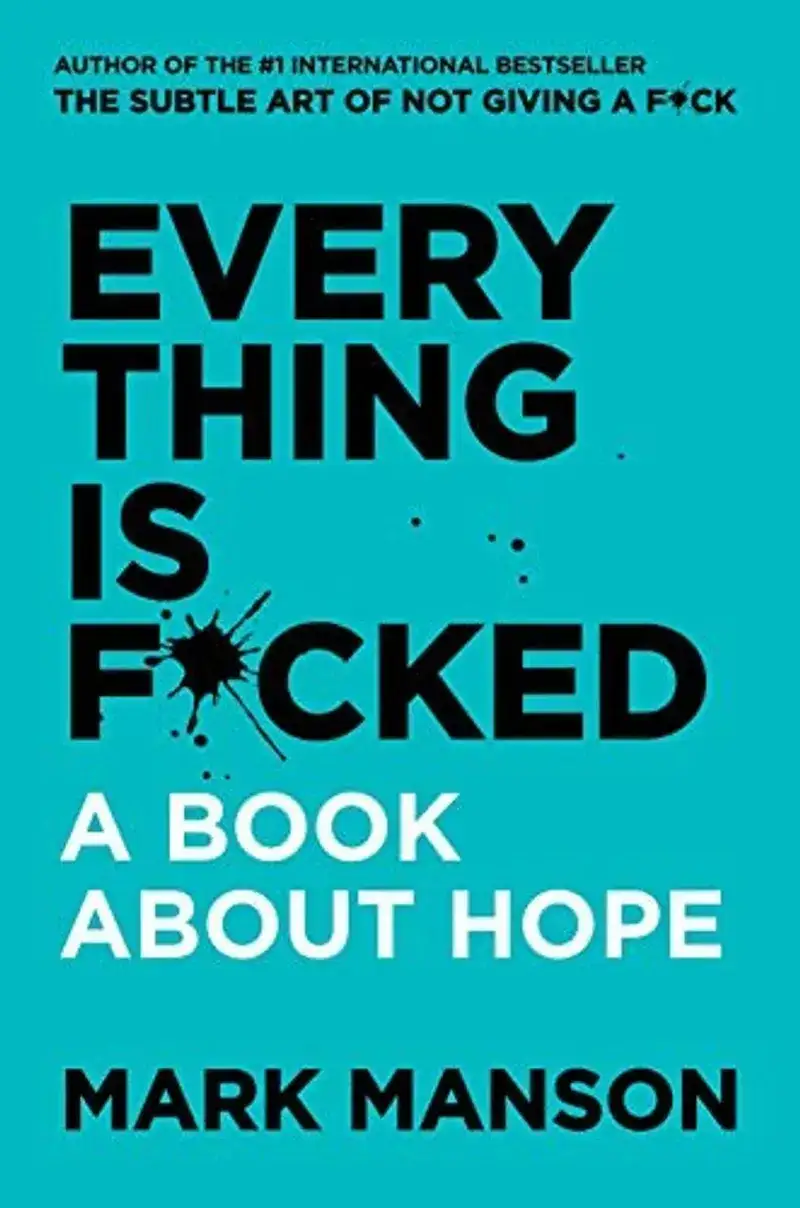
Everything is F*cked Author: Mark Manson, Carlos Ramos MalavéPage Count: UnknownPublication Date: 2019-OL -OL In "Everything is Fcked," Mark Manson's follow-up to his 2016 bestseller "The Subtle Art of Not Giving A Fck," the author once again delivers a thought-provoking and unapologetic critique of modern society. This time, Manson shifts his focus from individual flaws to the broader calamities plaguing our world, and the result is a scathing yet insightful analysis of our current state of affairs. Manson's central argument is that, despite being the most advanced and affluent civilization in human history, we are paradoxically consumed by feelings of hopelessness and despair. He attributes this malaise to our misplaced values and the ways in which technology, politics, and social media have distorted our perceptions of reality. With his characteristic blend of humor and erudition, Manson draws on a wide range of sources, from psychological research to philosophical wisdom, to dissect the intricacies of our modern predicament. One of the book's greatest strengths lies in its ability to challenge readers' assumptions and confront them with uncomfortable truths. Manson is unafraid to defy conventional wisdom and tackle topics that are often considered taboo or sacrosanct. He critiques the ways in which religion and politics have become increasingly intertwined, and how our relentless pursuit of happiness and freedom has ultimately led to their erosion. He also examines the impact of excessive wealth, entertainment, and internet usage on our mental and emotional well-being. Throughout the book, Manson's writing style is engaging, witty, and refreshingly honest. He has a unique ability to distill complex ideas into accessible and relatable language, making the book an enjoyable and thought-provoking read. His use of humor is particularly effective in breaking down the reader's defenses and encouraging them to confront the harsh realities he presents. If there is one criticism to be made, it is that the book's scope can sometimes feel overwhelming. Manson tackles a wide range of topics, and at times, the connections between them can feel tenuous or underdeveloped. Additionally, some readers may find his critique of modern society to be overly pessimistic or nihilistic. However, it is precisely this unflinching honesty that makes the book so compelling and necessary. Ultimately, "Everything is F*cked" is a book that will resonate with anyone who has ever felt disillusioned or disenchanted with the state of the world. It is a call to arms, urging readers to re-examine their values, challenge their assumptions, and seek a more authentic and meaningful way of living. While it may not offer easy solutions or comforting platitudes, it is a necessary and timely critique that will undoubtedly spark important conversations and reflections. #EverythingIsFucked #MarkManson #TheSubtleArtOfNotGivingAFuck #ModernSociety #MentalHealth #Philosophy Related InsightsMilkteeth Book Review and Summary Secrets of a Summer Night Book Review and Summary Us Against You Nosotros Contra Ti (Spanish Edition) Book Review and Summary{ "@context": "https://schema.org", "@type": "FAQPage", "mainEntity": [ { "@type": "Question", "name": "What is the main focus of Everything is F*cked Book Review and Summary?", "acceptedAnswer": { "@type": "Answer", "text": "Everything you need to know about Everything is F*cked with our detailed review." } }, { "@type": "Question", "name": "Who authored the comprehensive guide on Everything is F*cked Book Review and Summary?", "acceptedAnswer": { "@type": "Answer", "text": "This detailed article and its insights were carefully researched and authored by Elena Volkova." } }, { "@type": "Question", "name": "Where can I find more related content about Books?", "acceptedAnswer": { "@type": "Answer", "text": "You can explore more articles, detailed reviews, and similar insights by browsing the Related Insights section at the bottom of this article or visiting our dedicated Books category page." } } ] }
Klara and the Sun Author: Kazuo IshiguroPage Count: UnknownPublication Year: 2019-GB Klara and the Sun: Ishiguro’s Masterful Exploration of Love, Sacrifice, and What It Means to Be Human Few novels linger in the mind like Kazuo Ishiguro’s Klara and the Sun, a quietly devastating meditation on humanity that unfolds through the eyes of an unlikely narrator—an Artificial Friend named Klara. From its opening lines, the book casts a spell, drawing readers into a world where love is both a commodity and a currency, where sacrifice is measured in quiet tears, and where the boundaries between machine and soul blur into something hauntingly beautiful. Ishiguro, a Nobel laureate whose prose has long been celebrated for its precision and emotional depth, delivers yet another triumph with this 2019 bestseller, a novel that asks what it truly means to be seen, to be needed, and to love without condition. At its heart, Klara and the Sun is a story about perception—how we are perceived, how we perceive others, and the fragile illusions that sustain us. Klara, an Artificial Friend designed to offer companionship to lonely children, observes the world with a childlike wonder that belies her mechanical nature. Her narration, though earnest and often poignant, is tinged with the limitations of her understanding, creating a perspective that is both alien and achingly human. Through her eyes, Ishiguro dissects the inequalities of a society where genetic enhancement—"lifting"—has become the norm, where children are raised in gilded cages of privilege and neglect, and where love is often conditional, tied to performance and potential. The novel’s central tension lies in the contrast between Klara’s unwavering devotion and the cold pragmatism of the humans around her. Her relationship with Josie, the sickly but radiant girl who becomes her charge, is the emotional core of the story. Their bond is tender, almost sacred, yet Ishiguro never sentimentalizes it. Instead, he exposes the fragility of such connections, the way love can be both a lifeline and a burden. Klara’s belief in the Sun’s power to heal Josie—her almost religious faith in its benevolence—serves as a metaphor for the human capacity to cling to hope, even when logic dictates otherwise. It’s a theme Ishiguro has explored before, in Never Let Me Go, where love and loss are intertwined with the mechanics of existence. Here, he refines that exploration, stripping it of dystopian excess to focus on the quiet devastation of unfulfilled longing. Ishiguro’s writing style in Klara and the Sun is deceptively simple, a hallmark of his genius. His prose is unadorned, almost austere, yet every word feels deliberate, every silence weighted with meaning. The dialogue, sparse and often elliptical, mirrors the emotional distance between characters, their words failing to bridge the gaps in their understanding. Klara’s voice, in particular, is a marvel—a blend of innocence and profundity, her observations both naive and piercing. There’s a melancholy in her narration, a sense of inevitability that lingers long after the final page. Ishiguro doesn’t rush his story; instead, he lets it unfold like a slow, inevitable tide, pulling the reader deeper into its emotional currents. The supporting characters are equally compelling, each embodying different facets of the novel’s central questions. Josie’s mother, a woman whose love for her daughter is as fierce as it is flawed, is a study in contradiction—her devotion tinged with desperation, her grief a shadow over every decision. The enigmatic Mr. Capaldi, the scientist who created Josie’s genetic lineage, represents the cold rationality of progress, while Klara’s fellow Artificial Friend, Rosa, embodies the commodification of emotion. Even minor characters, like the gardener Melania, add layers to the story, their presence hinting at the broader societal fractures Ishiguro is critiquing. What makes Klara and the Sun so unforgettable is its refusal to offer easy answers. Ishiguro doesn’t judge his characters; he simply presents them, flaws and all, and lets their humanity speak for itself. The novel is a meditation on what it means to be alive, to feel, to suffer, and to love—regardless of whether one is made of flesh or silicon. In Klara, Ishiguro has created a narrator who is both a mirror and a window, reflecting our own capacity for devotion while offering a glimpse into a world where love is the only thing that transcends the boundaries of existence. For readers who crave stories that linger, that challenge and comfort in equal measure, Klara and the Sun is a must-read. It’s a novel that will leave you questioning the nature of humanity, the price of progress, and the quiet heroism of those who love without expectation. Ishiguro has once again proven himself a master of the form, crafting a story that is as thought-provoking as it is deeply moving. #KlaraAndTheSun #KazuoIshiguro #LiteraryFiction #BookReview #MustReadBooks Related InsightsThe Bone Collector Book Review and Summary Sword Catcher Book Review and Summary Striker Book Review and Summary{ "@context": "https://schema.org", "@type": "FAQPage", "mainEntity": [ { "@type": "Question", "name": "What is the main focus of **Klara and the Sun** Book Review and Summary?", "acceptedAnswer": { "@type": "Answer", "text": "Everything you need to know about **Klara and the Sun** with our detailed review." } }, { "@type": "Question", "name": "Who authored the comprehensive guide on **Klara and the Sun** Book Review and Summary?", "acceptedAnswer": { "@type": "Answer", "text": "This detailed article and its insights were carefully researched and authored by Elena Volkova." } }, { "@type": "Question", "name": "Where can I find more related content about Books?", "acceptedAnswer": { "@type": "Answer", "text": "You can explore more articles, detailed reviews, and similar insights by browsing the Related Insights section at the bottom of this article or visiting our dedicated Books category page." } } ] }
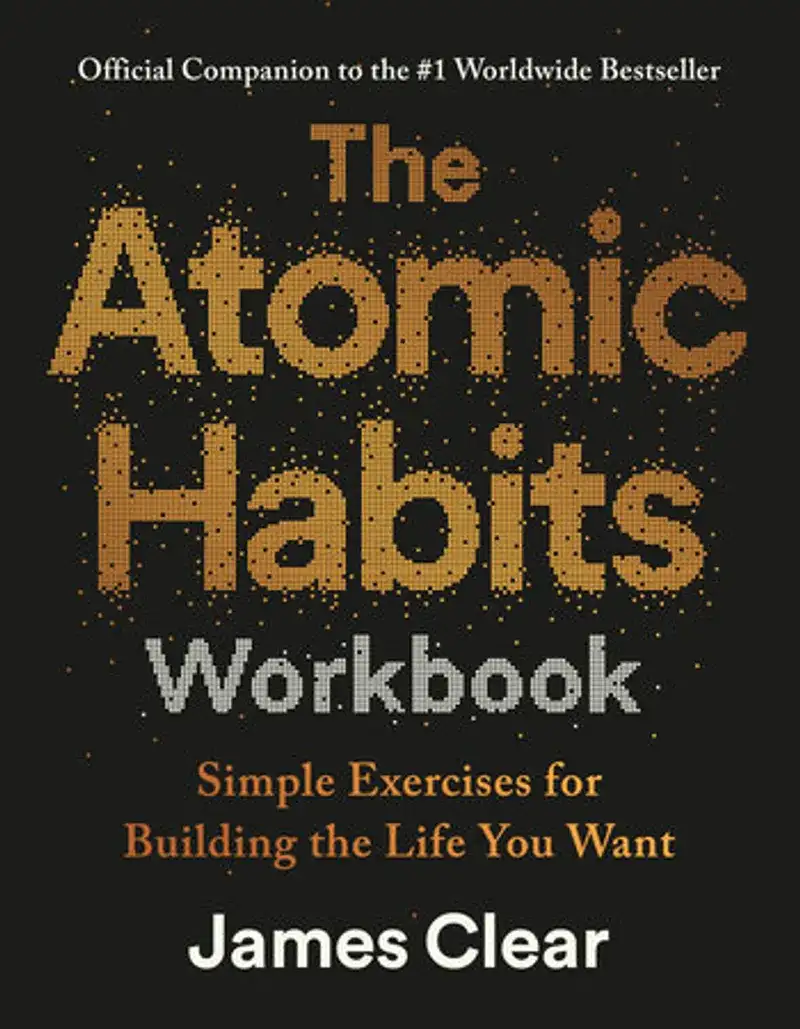
The Atomic Habits Workbook Author: James ClearPage Count: UnknownPublication Date: 2025-PRH The Atomic Habits Workbook: A Masterclass in Turning Tiny Steps into Massive Change James Clear’s The Atomic Habits Workbook isn’t just another self-help book—it’s a tactical guide for those who want to dismantle their bad habits and rebuild their lives, one microscopic action at a time. Published in 2025, this companion to his wildly popular Atomic Habits doesn’t just preach the philosophy of compounding small changes; it hands you the tools to apply it. If Clear’s original book was the blueprint, this workbook is the drill set, the screwdriver, and the step-by-step instruction manual for constructing a better version of yourself. The Core Theme: Systems Over Goals Clear’s central thesis is deceptively simple: Success isn’t about setting ambitious goals; it’s about designing systems that make those goals inevitable. The workbook doubles down on this idea, forcing readers to confront the gap between intention and action. Through a series of exercises—self-assessments, habit trackers, and reflection prompts—Clear dismantles the myth of motivation as the driving force behind change. Instead, he hammers home the power of environmental design, identity-based habits, and the two-minute rule. The message is clear: You don’t rise to the level of your goals; you fall to the level of your systems. What makes this workbook stand out is its refusal to let readers off the hook with vague advice. If Atomic Habits convinced you that small changes matter, this book makes you prove it. The exercises are brutally practical. Want to quit procrastination? You’ll map your daily triggers. Want to build discipline? You’ll audit your surroundings for friction. Want to make exercise non-negotiable? You’ll design a plan so idiot-proof that skipping it would require actual effort. Clear doesn’t just tell you to "start small"—he makes you define what small looks like in your life. Author’s Style: The Scientist with the Soul of a Coach Clear’s writing strikes a rare balance between rigor and relatability. He grounds his advice in behavioral psychology—citing studies on habit formation, dopamine loops, and environmental cues—but never loses sight of the human element. This isn’t a dry academic tome; it’s a conversation with someone who’s spent years refining these ideas through trial and error (and thousands of reader testimonies). His tone is that of a patient mentor: encouraging but not condescending, data-driven but not cold. He anticipates objections ("But what if I fail?" "How do I stay consistent?") and dismantles them with case studies and actionable frameworks. The workbook’s structure mirrors this approach—each chapter builds on the last, scaffolding your understanding until the principles feel second nature. Clear’s genius lies in his ability to make complex concepts digestible without oversimplifying them. Take his "Four Laws of Behavior Change" (Make it Obvious, Make it Attractive, Make it Easy, Make it Satisfying). In the book, these are compelling ideas. In the workbook, they become a living checklist. You’ll find yourself circling habits that violate these laws, redesigning your routines to align with them, and—most importantly—holding yourself accountable. Why This Workbook WorksIt Forces Self-Confrontation – Many habit books leave readers nodding along, thinking, "Yeah, I should do that." This one makes you write down why you haven’t, where you get stuck, and how you’ll address it. No more vague aspirations. It Turns Theory into Experiments – Clear treats habit change like a scientist: You hypothesize, test, measure, and adjust. The workbook includes "habit experiments" where you tweak one variable (e.g., changing your environment) and track the results. It’s a Long-Term Playbook – Unlike quick-fix manuals, this isn’t about a 30-day challenge. It’s about ingraining habits that compound over years. The exercises are designed to be revisited, ensuring you don’t just start strong but stay strong. It’s Accessible Without Being Patronizing – Whether you’re a CEO or a student, Clear’s framework adapts. The exercises scale from "I want to drink more water" to "I want to build a million-dollar business."A Few Minor Caveats No book is perfect, and this workbook’s strength—its interactivity—could also be its Achilles’ heel for some. If you’re not willing to engage with the exercises, the value plummets. Clear acknowledges this upfront: "This book won’t work unless you do." It’s a fair warning. Additionally, while the psychological insights are robust, the workbook occasionally leans on anecdotal evidence (e.g., "Studies show…"). For skeptics, this might feel light. But given Clear’s track record—Atomic Habits has sold over 15 million copies—his credibility is well-established. Final Verdict: A Must-Have for the Serious Self-Improver The Atomic Habits Workbook isn’t for the person who wants to read about change—it’s for the person who wants to live it. It’s the difference between admiring a map and actually walking the path. By the time you finish, you won’t just understand the principles of habit change; you’ll have a personalized playbook to execute them. Clear’s work has already helped millions reframe their approach to success. This workbook ensures that reframing isn’t just theoretical—it’s actionable. If you’re tired of setting goals and failing to meet them, if you’re ready to stop relying on willpower and start designing your environment for success, this is your next step. #AtomicHabits #HabitFormation #SelfImprovement #Productivity #JamesClear #BehaviorChange Related InsightsThe Wind-Up Bird Chronicle Book Review and Summary The Game (Wages of Sin, #2) Book Review and Summary Steve Jobs / Steve Jobs: A Biography Book Review and Summary{ "@context": "https://schema.org", "@type": "FAQPage", "mainEntity": [ { "@type": "Question", "name": "What is the main focus of The Atomic Habits Workbook Book Review and Summary?", "acceptedAnswer": { "@type": "Answer", "text": "Everything you need to know about The Atomic Habits Workbook with our detailed review." } }, { "@type": "Question", "name": "Who authored the comprehensive guide on The Atomic Habits Workbook Book Review and Summary?", "acceptedAnswer": { "@type": "Answer", "text": "This detailed article and its insights were carefully researched and authored by Elena Volkova." } }, { "@type": "Question", "name": "Where can I find more related content about Books?", "acceptedAnswer": { "@type": "Answer", "text": "You can explore more articles, detailed reviews, and similar insights by browsing the Related Insights section at the bottom of this article or visiting our dedicated Books category page." } } ] }
-
 Elena Volkova
 - 02 Mar, 2026 06:05
Thomas Piketty's Capital in the Twenty-First Century Book Review and Summary
Thomas Piketty's Capital in the Twenty-First Century Author: Stephen KaufmannPage Count: UnknownPublication Date: 2017-PRH Thomas Piketty’s Capital in the Twenty-First Century is not just a book—it’s a cultural earthquake, a 700-page manifesto that has reshaped how we talk about wealth, power, and inequality in the modern world. Stephen Kaufmann’s 2017 introduction to Piketty’s magnum opus doesn’t just summarize the argument; it dissects the storm Piketty unleashed. This is a work that demands to be understood, not just read. At its core, Piketty’s thesis is brutal in its simplicity: capitalism, left unchecked, naturally concentrates wealth in the hands of the few. His data—spanning centuries and continents—shows that when the return on capital (r) outpaces economic growth (g), inequality isn’t a bug; it’s a feature of the system. The result? A world where inherited fortunes dwarf earned incomes, where the 1% hoards not just wealth but political influence, and where democracy itself is at risk of becoming a plutocracy. Piketty doesn’t just argue this—he weaponizes history. His graphs, meticulously compiled from tax records, estate inventories, and economic archives, strip away the myth that inequality is a temporary glitch. It’s baked into capitalism’s DNA. Kaufmann’s introduction is both a guide and a critique, navigating Piketty’s dense evidence with clarity while refusing to surrender to the book’s hype. He acknowledges Piketty’s brilliance—his ability to make arcane economic theory digestible, his moral urgency in framing inequality as a crisis—but he also doesn’t shy away from the backlash. Critics have called Piketty a modern Marx (too pessimistic), a Keynesian (too interventionist), or even a fraud (too selective with data). Kaufmann doesn’t dismiss these attacks; he dissects them, showing where Piketty’s arguments hold up and where they wobble. Piketty’s style is part academic rigor, part polemic. He writes like a man who has crunched the numbers and is furious about what they reveal. There’s a prophetic quality to his prose, a sense that he’s not just describing the world but warning us that it’s burning. Yet his approach isn’t without flaws. His reliance on r > g as the sole driver of inequality ignores cultural shifts, technological disruption, and geopolitical power plays that shape wealth distribution in ways his data can’t fully capture. Kaufmann points out that Piketty sometimes treats his own models as gospel, dismissing counterarguments with the confidence of a man who’s already solved the puzzle. What makes Capital so polarizing—and so necessary—is that it forces us to confront an uncomfortable truth: the rich get richer not because they’re smarter or work harder, but because the system is rigged in their favor. Piketty’s solution—a global wealth tax—is radical precisely because it challenges the sacred cow of capitalism: the idea that wealth accumulation, no matter how grotesque, is inherently virtuous. But is a wealth tax feasible? Would it stifle growth? Would the rich just find loopholes? Kaufmann doesn’t pretend to have the answers, but he makes one thing clear: Piketty has reframed the debate in a way that no economist before him has. The book’s reception tells its own story. Capital topped bestseller lists, sparked viral debates, and became a cultural touchstone in a way few economics texts ever do. Yet its detractors are just as vocal. Some argue Piketty overstates the threat, others that his solutions are naive. Kaufmann’s introduction doesn’t take sides; it arms the reader with the tools to judge for themselves. That’s the book’s greatest strength—and its most frustrating weakness. Piketty leaves us with a roadmap, but the destination is still ours to choose. For anyone who’s ever scratched their head at a CEO making 300 times what their employees earn, or wondered why homeownership feels like a distant dream for millennials, Capital in the Twenty-First Century is a wake-up call. It’s not a light read, but it’s a necessary one. And Kaufmann’s introduction ensures that even those who can’t stomach 700 pages of economic theory can grasp why this book matters. In the end, Piketty didn’t just write a book. He lit a fuse. Whether it explodes into meaningful change or fizzles into another academic footnote depends on us. #PikettyRevolution #WealthInequality #CapitalInThe21stCentury #EconomicJustice #TaxTheRich #RiseOfThePlutocracy
Crooner / Nocturne Author: Kazuo IshiguroPage Count: UnknownPublication Year: 2020-GB The Haunting Beauty of Memory and Music: A Masterclass in Ishiguro’s Crooner / Nocturne Few authors possess the ability to weave melancholy and mystery into prose so effortlessly that readers find themselves suspended in a dreamlike trance, questioning the very fabric of reality. Kazuo Ishiguro, Nobel laureate and master storyteller, does just that in Crooner / Nocturne, a dual novella that explores the fragility of identity, the weight of the past, and the inescapable pull of artistry. Published in 2020, this slim yet profound volume cements Ishiguro’s reputation as a literary architect of the human condition, crafting narratives that linger long after the final page. At first glance, Crooner and Nocturne appear as distinct tales—one a tale of faded glamour and the other a meditation on memory and mortality—but together, they form a hypnotic duet on the themes of time, loss, and reinvention. Ishiguro’s genius lies in his ability to make the ordinary feel extraordinary, transforming quiet moments into profound revelations. The first novella, Crooner, follows a retired jazz singer, Linus, who finds himself drawn back into the spotlight after decades of obscurity. His story is one of nostalgia and the illusion of second chances, where the past is both a prison and a sanctuary. The second, Nocturne, shifts to a man in the twilight of his life, grappling with the erosion of his identity as dementia creeps in. Both narratives are anchored in the idea of performance—whether on stage or in the theater of memory—and how we curate our own legacies. Ishiguro’s characters are masterfully drawn, each a vessel for deeper existential inquiries. Linus, with his weathered charm and quiet desperation, embodies the tension between artistic integrity and commercial appeal. His counterpart in Nocturne, a man whose mind is unraveling, offers a heartbreaking exploration of selfhood slipping away. What makes these characters so compelling is their ordinariness; they are not heroes or villains but flawed, relatable humans navigating the absurdity of existence. Ishiguro’s prose is deceptively simple, yet every sentence carries weight, every pause resonates with unspoken emotion. His writing style is a study in restraint, where what is left unsaid often speaks louder than what is written. The dual structure of Crooner / Nocturne is no accident. Ishiguro uses the interplay between the two stories to deepen the thematic resonance. Both novellas orbit around the idea of performance—whether it’s Linus’s return to singing or the unnamed protagonist’s struggle to maintain a facade in the face of cognitive decline. Yet, beneath the surface, Ishiguro probes the nature of storytelling itself. Are we the authors of our lives, or are we merely characters in a narrative dictated by time and circumstance? The answer, as always with Ishiguro, is ambiguous, leaving readers to sit with the discomfort of uncertainty. One of the most striking aspects of Crooner / Nocturne is its exploration of aging and the fear of irrelevance. In a culture obsessed with youth and reinvention, Ishiguro dares to ask: What happens when the spotlight fades? Linus’s journey is a poignant reflection on the cost of artistic integrity versus the allure of nostalgia. Meanwhile, Nocturne confronts the terror of losing oneself, not to death, but to the slow erasure of memory. These themes are universal, yet Ishiguro’s treatment elevates them to something almost mythic. His prose has a timeless quality, evoking the elegiac tone of a bygone era while remaining urgently contemporary. The book’s emotional impact is undeniable, but it is Ishiguro’s technical precision that truly sets it apart. His ability to balance irony and sincerity, to blend the mundane with the profound, is nothing short of alchemical. The dialogue crackles with subtext, and the pacing is meticulous, each scene unfolding with the inevitability of a slow-motion tragedy. There are no easy resolutions here, no neat bows to tie up the loose ends. Instead, Ishiguro leaves us with questions—about memory, about art, about the stories we tell ourselves to survive. For readers new to Ishiguro, Crooner / Nocturne is a perfect introduction to his oeuvre, offering a concentrated dose of his signature themes. For longtime fans, it is a reminder of why his work continues to resonate across generations. This is not a book to be rushed; it is a book to be savored, a quiet storm of emotion and intellect that lingers in the mind like a half-remembered melody. In an era where literature often chases shock value or political immediacy, Ishiguro’s quiet mastery feels like a balm. Crooner / Nocturne is a testament to the power of understatement, a reminder that the most profound stories are often those that resist easy answers. It is a book that will haunt you—not with ghosts or gore, but with the haunting beauty of a life well-lived, and the inescapable truth that all performances, no matter how brilliant, must eventually end. #KazuoIshiguro #LiteraryFiction #BookReview #NobelPrizeWinner #MustRead Related InsightsYou will be the death of me Book Review and Summary El color púrpura / The Color Purple Book Review and Summary Brazen and the Beast Book Review and Summary{ "@context": "https://schema.org", "@type": "FAQPage", "mainEntity": [ { "@type": "Question", "name": "What is the main focus of **Crooner / Nocturne** Book Review and Summary?", "acceptedAnswer": { "@type": "Answer", "text": "Everything you need to know about **Crooner / Nocturne** with our detailed review." } }, { "@type": "Question", "name": "Who authored the comprehensive guide on **Crooner / Nocturne** Book Review and Summary?", "acceptedAnswer": { "@type": "Answer", "text": "This detailed article and its insights were carefully researched and authored by Elena Volkova." } }, { "@type": "Question", "name": "Where can I find more related content about Books?", "acceptedAnswer": { "@type": "Answer", "text": "You can explore more articles, detailed reviews, and similar insights by browsing the Related Insights section at the bottom of this article or visiting our dedicated Books category page." } } ] }