Showing Posts From
Off the beaten path
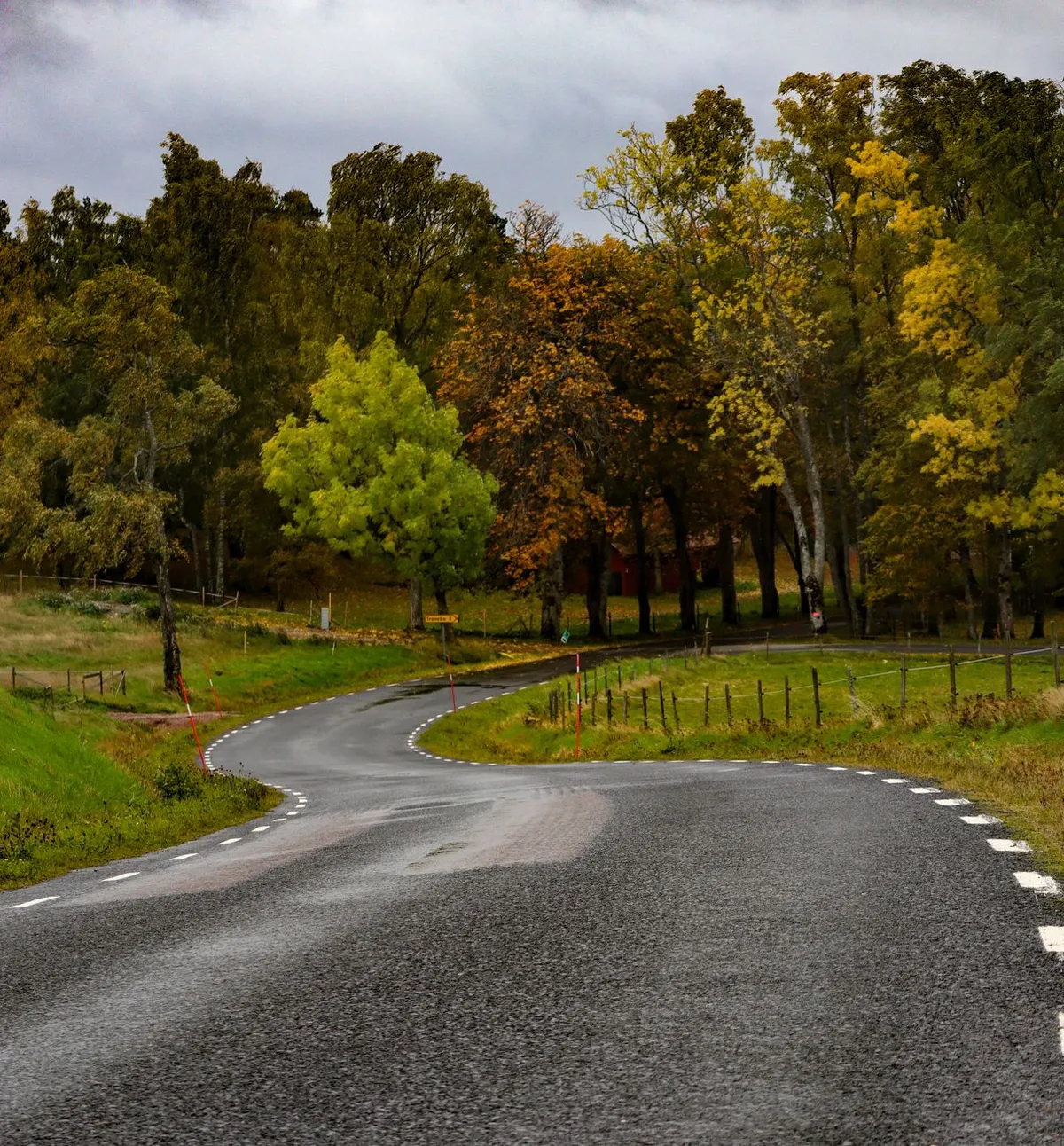
The train does not apologize for its rhythm. It clatters through the Po Valley at dawn, a steel serpent stitching Milan to Bologna, and I watch the fog eat the poplar trees whole. There is no Wi-Fi in this carriage, only the smell of damp wool and espresso from the thermos of the woman across the aisle. She offers me a biscotti. I accept. We do not speak the same language, but we share a vocabulary of patience. This—this suspension between departure and arrival—is where the map dissolves and the territory begins to breathe. We have been sold a lie for decades. The lie is that distance is an obstacle to be conquered, that the world is a checklist, and that the value of a journey is measured in stamps collected or peaks summited. The industry calls it "bucket listing." I call it a spiritual inflation: the more places you tick, the less any single place is worth. But out here, where the high-speed line ends and the regionale takes over, a different geometry applies. It is the geometry of stillness. The Tyranny of the Itinerary Modern tourism operates on the logic of extraction. We arrive, we mine the view for content, we refine the experience into a caption, and we ship it out before the dust settles on our boots. It is a colonial mindset wearing a Patagonia vest. We treat places as resources to be harvested—Instagram backdrops, bragging rights, data points for the algorithm. I remember standing in the Hall of Mirrors at Versailles ten years ago. The crowd was a river of selfie sticks. No one looked at the chandeliers; they looked at their screens to see if the chandeliers looked good on them. The history was loud, gilded, and entirely absent. I felt a profound homesickness for a place I had never been—a place where time moves like honey. Slow travel is not merely a budgeting strategy or a preference for trains over planes. It is a political act. It is a refusal to let the market dictate the tempo of your wonder. It asserts that presence is a non-renewable resource far more valuable than coverage. When you stay in a village for three weeks instead of three hours, the transaction flips. You are no longer the consumer; you are the neighbor. The baker learns how you take your coffee. The stray cat claims your windowsill. The map stops being a set of instructions and starts being a memoir.The Philosophy of the Flâneur Walter Benjamin wrote of the flâneur—the stroller, the lounger, the urban explorer who wanders the arcades of Paris with no destination but the rhythm of the crowd. The flâneur does not "do" the city; the city "does" him. He is the antidote to the commuter. The commuter knows the price of everything and the value of nothing. The flâneur knows the value of a shadow falling on cobblestones at 4 PM. I tried to import this species into the countryside last autumn. I rented a stone cottage in the Alentejo region of Portugal, fifty kilometers from the nearest highway. The plan was simple: no plan. I would walk the montados—the cork oak savannas—until the light changed. I would learn the difference between the call of the azure-winged magpie and the hoopoe. The first three days were withdrawal. My thumb twitched for the refresh button. I paced the kitchen tiles, inventing emergencies. I need to check the weather for next Tuesday. I should research the best pastel de nata in Lisbon. The addiction to utility is deep in the marrow. We have been trained to believe that unstructured time is wasted time. But on the fourth morning, the fog lifted off the cork trees like a held breath. I saw a fox trot along the dry stone wall, unbothered by my stillness. I realized the fox wasn't "doing" the landscape. The fox was the landscape. And for the first time in years, I wasn't a tourist in my own life. I was the terrain. The Logistics of Letting Go People ask: How do you afford the time? How do you plan the unplannable? The answer is boring, which is why it works. You strip the engine down to the chassis. Transport becomes the destination. I took a cargo bike across the Lofoten Islands last summer. Twenty kilometers a day. My legs knew the gradient of every fjord before my eyes did. I smelled the kelp drying on the racks in Reine before I saw the village. The effort was the arrival. When you move at muscle speed, the world resolves into high definition. You see the lichen on the rocks, the tracks of a ptarmigan in the sand, the way the Arctic light gilds the underside of a cloud. Accommodation becomes community. I stop looking for "unique stays" on platforms that monetize authenticity. I look for casas particulares in Cuba, pensioni run by nonnas in the Dolomites, farm stays in Hokkaido where breakfast is miso soup made from soybeans grown twenty meters from the table. You pay for the room, but you earn the stories. In a family-run guesthouse in the Val di Fassa, the owner, Marco, taught me to recognize the sound of the Marmotta whistle—a sharp, high pip that means "eagle overhead." Now, whenever I hear it in the Alps, I think of Marco’s wrinkled hands wrapping a wool scarf around my neck. That is a souvenir no airport shop sells. The schedule is written in pencil. I book the first night and the flight home. The middle is blank. This terrifies the planner in me. But the blank space is where the magic hides. In Georgia (the country, not the state), a broken-down marshrutka in the Tusheti mountains led to three days in a shepherd’s hut, drinking chacha and listening to polyphonic singing that predates Christianity. No guidebook lists "Shepherd's Hut, Day 3." You have to miss the connection to find the communion.The Ecology of Attention There is a hidden cost to fast travel, and it is paid in attention. The carbon footprint of a flight is calculated in tons of CO2. The cognitive footprint of a whirlwind tour is calculated in fragmented memories. We return home with full cameras and empty heads. Slow travel is an ecology of attention. It asks: What happens when you stare at the same olive tree for an hour? In Puglia, I did exactly that. An ancient tree, gnarled like a question mark, roots gripping the red soil. At minute fifteen, I saw the ants farming aphids on a low branch. At minute thirty, a Sardinian warbler nested in the hollow trunk. At minute forty-five, the light shifted, and the bark turned from grey to burnt umber, revealing the history of every drought and flood the tree had survived. I learned the tree’s name from a farmer leaning on a hoe: Ulivo della Regina. The Queen’s Olive. Planted by the Normans, maybe. Or the Byzantines. It has outlived empires. It will outlive me. Standing there, my petty anxieties—deadlines, emails, the noise of the feed—shrank to their actual size. The tree offered a perspective no wellness retreat can package: You are passing through. I remain. This is the gift of slowness. It restores proportion. It reminds you that you are a verb, not a noun. You are not a static entity "visiting" a place; you are a moving participant in an ancient conversation between geology, biology, and culture. The Art of the Deep Map Cartographers make maps to flatten the world. Slow travelers make "deep maps" to thicken it. A standard map of the Scottish Highlands shows the A82, Loch Ness, Fort William. A deep map shows: the spot where the midges don't bite because the wind funnels through the glen; the bothy where a climber left a tin of shortbread in 1998; the exact bend in the river where the salmon leap in October; the Gaelic name for the hill that means "Hill of the False Summit." I build deep maps wherever I linger. In a notebook—paper, because batteries die and screens glare—I record sensory coordinates.Smell: Petrichor on hot volcanic ash, Santorini, 6 AM. Sound: The rhythmic thock-thock of a woodpecker in the Black Forest, syncopated with a distant church bell. Touch: The cold slickness of a medieval keystone in a Toledo synagogue, worn smooth by centuries of fingers tracing the Star of David. Taste: Salt on fingertips after peeling percebes (gooseneck barnacles) in a Galician tavern, the taste of the Atlantic crash.These coordinates cannot be GPS-tagged. They are internal landmarks. Years later, closing my eyes, I can navigate back to that keystone in Toledo faster than I can find a file on my cloud drive. That is the true navigation. We do not travel to see places; we travel to become the kind of people who carry places inside them.The Return: Reverse Culture Shock The hardest part of slow travel is not the departure. It is the return. You land in your home airport. The air smells of jet fuel and sanitizer. The signs shout instructions: Queue here. Scan this. Remove belt. Hurry up. Wait. You move through the terminal, a ghost in your own life. The speed hurts. The volume hurts. The performative urgency of modern life—reply now, optimize this, scale that—looks like a collective panic attack. I remember stepping off the night train from Palermo into Milano Centrale. The station was a cathedral of velocity. Businessmen sprinted for Frecciarossa connections. Digital boards flickered with real-time delays measured in seconds. I still had sand in my shoes from Mondello. I still tasted the granita di mandorla on my lips. I sat on my suitcase and wept. Not from sadness. From the violence of the contrast. I had spent three weeks learning the dialect of a fisherman named Salvatore, learning which moon phase brings the triglie (red mullet) close to shore, learning to mend a net with fingers stiff from salt. I had acquired a competence that was useless in Milan. Useless in the economy. Essential to the soul. This is the tax you pay. Slow travel ruins you for the fast lane. It calibrates your internal clock to a geologic tempo. You become allergic to "efficiency." You start asking dangerous questions: Why am I rushing? Who profits from my haste? What am I not seeing because I am looking at my watch? The Resistance Is Local The revolution will not be televised. It will be walked. It will be cycled. It will be sat upon a stone wall in a village square, sharing a peach with an old man who teaches you the word for "twilight" in a dialect that has no dictionary. Slow travel is the practice of staying long enough to be changed. It is the courage to say "I don't know" when asked for your top five highlights. It is the humility to realize that the world is not a museum curated for your entertainment, but a living organism you are privileged to touch. Last week, I was in the Jura mountains, on the French-Swiss border. Mist clung to the spruce forests. I was walking a section of the Grande Traversée du Jura, a long-distance trail that takes weeks to complete. I had four days. I met a woman at a ferme-auberge making Comté cheese in a copper vat the size of a bathtub. She stirred the curds with a paddle the length of a canoe. The rhythm was hypnotic. Thwump. Thwump. Thwump. "Combien de temps?" I asked. How long? "Une heure," she said. "Mais le fromage, c'est des mois. La vache, c'est des années. L'herbe, c'est des siècles." One hour. But the cheese is months. The cow is years. The grass is centuries. She didn't look at a timer. She looked at the curd. She knew. That is the masterclass. The world reveals its texture only to those who wait for the curd to set. The map is not the territory. The itinerary is not the journey. The photograph is not the memory. So, put down the guidebook. Cancel the second reservation. Miss the train. Sit on the platform. Watch the light hit the tracks. Talk to the woman with the thermos. Eat the biscotti. The territory is waiting. It has all the time in the world. Do you?#SlowTravel #MindfulJourney #DeepTravel #IntentionalLiving #TravelPhilosophy Related InsightsShadow Trails of the Andes: Unveiling Peru's Hidden Sacred Valleys Chloe Tremblay’s Epic 10-Day Iceland Ring Road Adventure: A Budgeter’s Paradise and Luxury Dream L'Eterna Seduzione della Costa Azzurra: Tra Scogliere di Porfido e Misteri Belle Époque{ "@context": "https://schema.org", "@type": "FAQPage", "mainEntity": [ { "@type": "Question", "name": "What is the main focus of The Geometry of Stillness: Why the Map Is Not the Territory?", "acceptedAnswer": { "@type": "Answer", "text": "An exploration of slow travel as a resistance movement against the tyranny of the itinerary, revealing how stillness redraws the maps of our inner landscapes." } }, { "@type": "Question", "name": "Who authored the comprehensive guide on The Geometry of Stillness: Why the Map Is Not the Territory?", "acceptedAnswer": { "@type": "Answer", "text": "This detailed article and its insights were carefully researched and authored by John Explorer." } }, { "@type": "Question", "name": "Where can I find more related content about Travel?", "acceptedAnswer": { "@type": "Answer", "text": "You can explore more articles, detailed reviews, and similar insights by browsing the Related Insights section at the bottom of this article or visiting our dedicated Travel category page." } } ] }
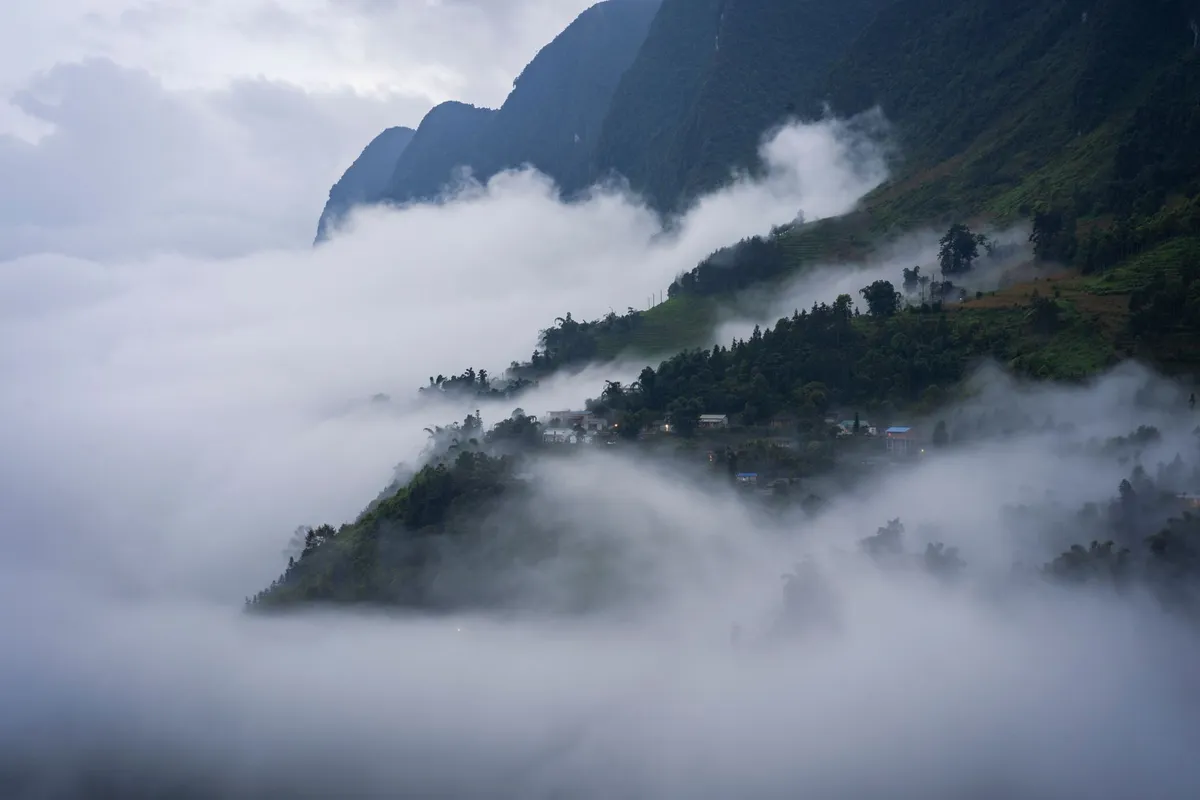

Siem Reap’s Secret Transformation: From Temples to a Nomad Paradise Siem Reap, Cambodia, has long been celebrated as the gateway to Angkor Wat, but in 2026, it has evolved into more than just a tourist stop—it’s a thriving digital nomad hub. The city’s rapid transformation is fueled by Cambodia’s new digital nomad visa, which offers a 12-month stay with minimal bureaucracy. Internet speeds in the city center now average 50-80 Mbps, a significant leap from just a few years ago, thanks to investments in fiber-optic infrastructure. Cafes like The Shop and Café L’Artisan now offer high-speed Wi-Fi alongside artisanal coffee, while coworking spaces like AngkorHub provide dedicated workstations for remote workers. The cost of living remains one of the lowest in Southeast Asia, with a monthly budget of $700-$1,000 covering rent in a modern studio apartment ($300-$500), meals at local eateries ($2-$5 per meal), and coworking space memberships ($50-$100). Unlike Bali or Chiang Mai, Siem Reap offers a quieter pace of life without sacrificing modern amenities. The visa’s tax treatment is also favorable—digital nomads are exempt from Cambodian income tax if they work for foreign employers. However, the city’s growth has led to rising rents in prime areas, so early arrivals secure the best deals.For those seeking balance, Siem Reap’s proximity to Tonlé Sap Lake offers weekend escapes into nature, while the night markets serve up some of Cambodia’s best street food, from amok trey (fish curry) to nom banh chok (Khmer noodles). The city’s digital nomad community is tight-knit, with monthly meetups at Pub Street and The Blue Pumpkin. If you’re looking for a destination where culture, affordability, and connectivity intersect, Siem Reap in 2026 is a no-brainer.Da Nang: Vietnam’s Coastal Escape for Remote Workers Da Nang, Vietnam, has quietly emerged as one of Southeast Asia’s most underrated digital nomad destinations. With a cost of living ranging from $700 to $1,100 per month, it offers a perfect blend of affordability, modern infrastructure, and stunning beaches. The city’s internet infrastructure is robust, with speeds averaging 60-90 Mbps in central districts like Hai Chau and Son Tra. Coworking spaces like DNC Coworking Space and The Hive Da Nang provide ergonomic workstations, while cafes like Cong Caphe offer reliable Wi-Fi and strong Vietnamese iced coffee. Unlike Ho Chi Minh City or Hanoi, Da Nang avoids the chaotic traffic and pollution, making it ideal for those who prioritize quality of life. The city’s digital nomad visa (available for up to 3 months, extendable) is straightforward, with no tax obligations for foreign income. Rentals are affordable—modern one-bedroom apartments in An Thuong or My An neighborhoods cost $400-$600 monthly, while local meals at banh mi stalls or seafood restaurants run $3-$7.Da Nang’s culinary scene is a highlight, with must-try dishes like mi quang (turmeric noodles) and bun cha ca (fish cake noodle soup). The city’s Marble Mountains and Golden Bridge offer quick getaways from work, while the nearby Hoi An ancient town (a 30-minute drive) provides a historic escape. For nomads craving a mix of urban convenience and coastal serenity, Da Nang is a hidden gem.Chiang Mai’s Rising Costs: Is It Still Worth the Nomad Hype? Chiang Mai, Thailand, has long been the poster child for Southeast Asian digital nomadism, but in 2026, its affordability is waning. According to Numbeo’s May 2026 data, Chiang Mai is now 11.7% pricier than Ho Chi Minh City, with a monthly budget of $900-$1,400. While the city retains its charm—with its Old City temples, night markets, and lush Doi Suthep surroundings—rising rents and inflation have pushed costs closer to Bali’s lower-tier range. The digital nomad visa (available for 50 days, extendable) remains attractive due to Thailand’s tax exemptions for foreign income. However, internet speeds (40-70 Mbps in central areas) lag behind competitors like Da Nang or Siem Reap. Coworking spaces like Punspace and CAMP are still high-quality, but prices have climbed to $80-$120 monthly. Rentals in Nimmanhaemin or Santitham now average $500-$800 for a modern studio, while local meals cost $2-$6.Chiang Mai’s food scene is unparalleled, with dishes like khao soi (coconut curry noodles) and sai oua (Northern Thai sausage) drawing crowds. However, the city’s air quality during burning season (February-April) can be a dealbreaker for some. For those willing to pay a premium for culture and community, Chiang Mai is still a top choice—but budget-conscious nomads may find better value elsewhere.Bali’s Budget Reality: Where Affordability Meets Paradise Bali, Indonesia, has long been a digital nomad magnet, but in 2026, its "budget" reputation is fading. The island’s lower-tier cost of living now starts at $1,170 monthly, with mid-range options pushing $1,500+. While Bali offers stunning landscapes—from Uluwatu’s cliffs to Ubud’s rice terraces—the reality is that popular areas like Canggu and Seminyak are becoming as expensive as Western cities. The digital nomad visa (available for 6 months) is straightforward, but Indonesia’s tax policies are less favorable than Cambodia’s or Thailand’s—foreign income is taxable if spent locally. Internet speeds (30-60 Mbps in central areas) are inconsistent, and coworking spaces like Dojo Bali or Hubud charge $100-$150 monthly. Rentals in Canggu now average $700-$1,200 for a villa, while meals at trendy cafes cost $5-$15.Bali’s food scene is diverse, with nasi campur (mixed rice) and babi guling (suckling pig) as must-tries. However, the island’s traffic and crowds can be overwhelming. For those seeking a tropical paradise with modern amenities, Bali is still a dream—but it’s no longer the budget-friendly escape it once was.Ho Chi Minh City: Vietnam’s Urban Jungle for Nomads Ho Chi Minh City (HCMC), Vietnam, is Southeast Asia’s most dynamic urban hub, offering a mix of skyscrapers, street food, and digital nomad opportunities. With a cost of living of $800-$1,300 monthly, HCMC is slightly pricier than Da Nang but still affordable compared to Bali or Chiang Mai. Internet speeds (50-80 Mbps) are reliable, and coworking spaces like The Hive HCMC or Dreamplex provide top-tier facilities. The digital nomad visa (3-month stay, extendable) is easy to obtain, with no tax obligations for foreign income. Rentals in District 1 or Thu Thiem average $500-$900 for a modern apartment, while meals at pho stalls or banh mi shops cost $1-$5. HCMC’s food scene is legendary, with dishes like hu tieu (noodle soup) and goi cuon (spring rolls) drawing crowds.However, HCMC’s chaotic traffic and pollution can be challenging. For nomads who thrive in fast-paced environments, the city’s energy is unmatched—but those seeking tranquility may prefer Da Nang or Siem Reap.The Ultimate Southeast Asia Digital Nomad Cost Breakdown (2026)Destination Monthly Budget (USD) Rent (USD) Coworking (USD) Meals (USD) Internet (Mbps) Visa Duration Tax TreatmentSiem Reap $700-$1,000 $300-$500 $50-$100 $2-$5 50-80 12 months No local taxDa Nang $700-$1,100 $400-$600 $60-$120 $3-$7 60-90 3 months No local taxChiang Mai $900-$1,400 $500-$800 $80-$120 $2-$6 40-70 50 days No local taxBali (Lower Tier) $1,170+ $700-$1,200 $100-$150 $5-$15 30-60 6 months Taxable if spent locallyHo Chi Minh City $800-$1,300 $500-$900 $70-$130 $1-$5 50-80 3 months No local taxBeyond the Crowds: The Nomad’s Guide to Uncharted Southeast Asia Southeast Asia in 2026 is a digital nomad’s playground, but the best destinations aren’t always the most obvious. While Bali and Chiang Mai remain iconic, rising costs and crowds are pushing savvy travelers toward hidden gems like Siem Reap and Da Nang. These cities offer the trifecta of affordability, connectivity, and culture—without the tourist traps. For those willing to venture off the beaten path, Southeast Asia’s lesser-known destinations provide a richer, more authentic experience. Whether it’s the temple-lined streets of Siem Reap, the coastal serenity of Da Nang, or the urban energy of Ho Chi Minh City, the region’s diversity ensures there’s a perfect fit for every nomad. The key is to act fast—Siem Reap’s rents are climbing, Da Nang’s beaches are filling up, and Chiang Mai’s charm is becoming pricier by the day. The future of Southeast Asian nomadism lies in balance: modern amenities without the chaos, affordability without the sacrifice. In 2026, the best-kept secrets are no longer secret—they’re the smart choices.#DigitalNomadLife #HiddenGemsAsia #WorkFromAnywhere #SoutheastAsiaTravel #2026TravelGuide Related InsightsL'Orizzonte Senza Fine: Viaggio nell'Anima e nel Motore del Turismo Australiano Ethiopia’s Danakil Depression: Where Earth’s Hellish Beauty Meets Alien Landscapes Angkor Wat: Il Cuore Cosmico di Pietra, Tra Devozione e Mistero nel Regno Khmer{ "@context": "https://schema.org", "@type": "FAQPage", "mainEntity": [ { "@type": "Question", "name": "What is the main focus of Hidden Gems of Southeast Asia: Where Adventure Meets Unspoiled Beauty in 2026?", "acceptedAnswer": { "@type": "Answer", "text": "Discover the most breathtaking and affordable hidden destinations in Southeast Asia for 2026, where digital nomads thrive and travelers escape the crowds." } }, { "@type": "Question", "name": "Who authored the comprehensive guide on Hidden Gems of Southeast Asia: Where Adventure Meets Unspoiled Beauty in 2026?", "acceptedAnswer": { "@type": "Answer", "text": "This detailed article and its insights were carefully researched and authored by Wei Chen." } }, { "@type": "Question", "name": "Where can I find more related content about Travel?", "acceptedAnswer": { "@type": "Answer", "text": "You can explore more articles, detailed reviews, and similar insights by browsing the Related Insights section at the bottom of this article or visiting our dedicated Travel category page." } } ] }
-
 John Explorer
 - 27 Jun, 2026 10:15
Echoes in Stone: Unearthing Sardinia's Lost Cyclopean Mysteries in the Wild Heart of Barbagia
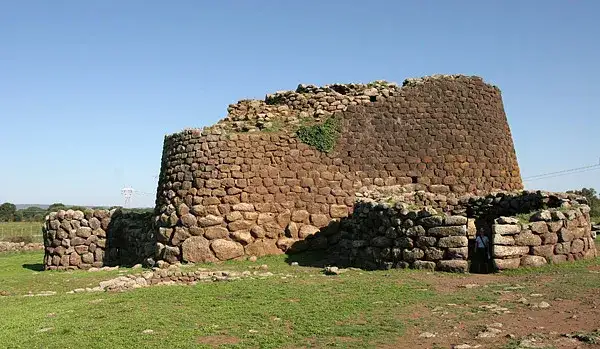
The world teems with whispers of forgotten civilizations, of monumental achievements carved from stone, often attributed to mythical giants or unknown forces. We've all seen the awe-inspiring pyramids, the colosseums, the acropolises. But what if I told you that in the rugged, untamed heart of an island beloved for its turquoise waters and celebrity beaches, lies a different kind of #ancient wonder – a network of colossal, enigmatic stone fortifications so vast and mysterious they defy easy explanation? Forget the glittering coastlines and tourist traps; we are venturing into the Barbagia, Sardinia's ancient soul, to chase the shadow of its lost builders and the secrets held within its formidable Cyclopean Walls. This isn't a story of sun-drenched ruins easily accessed. This is a tale of resilience, isolation, and a civilization that built with a scale and precision that still baffles modern engineers. These are the Mura Ciclopiche, the Cyclopean Walls, named by the ancient Greeks who believed only the one-eyed giants, the Cyclopes, could have moved such immense stones. They are not merely walls, but a testament to an advanced Bronze Age #culture, the Nuragic people, whose ingenuity shaped a landscape for millennia before #Rome ever rose. And to truly understand them, we must embrace the wildness of Barbagia, a region where time often seems to have forgotten to move on. Barbagia: Sardinia's Unyielding Core Before we delve into the stones, let's establish our setting. Barbagia is not just a geographical region; it's a state of mind, a historical fortress against invaders and modern incursions alike. Nestled within the mountainous spine of Sardinia, particularly the Gennargentu massif, Barbagia remains stubbornly authentic. Its name, derived from "Barbaria" by the Romans, reflects its perceived wildness and the fierce independence of its inhabitants, who resisted Romanization more fiercely than any other Sardinian population. This isolation, while historically challenging, inadvertently preserved not only unique cultural traditions but also an astounding concentration of archaeological treasures. Driving through Barbagia is an experience in itself. Winding roads snake through oak forests, past granite outcrops, and into valleys where the only sounds are the rustle of leaves and the distant bleating of sheep. Villages here cling to hillsides, their stone houses seemingly extensions of the mountains themselves. This is a land of shepherds, of ancient traditions like the Canto a Tenore (polyphonic singing), and of a deeply rooted respect for #history and the land. It’s here, amidst this rugged beauty, that the true scale and mystery of the Cyclopean Walls begin to reveal themselves. The Nuragic Legacy: Master Builders of Stone The architects of these monumental structures were the Nuragic people, a civilization unique to Sardinia, flourishing from roughly 1800 BC to 250 BC. Their most iconic creations are the nuraghi themselves – conical stone towers, often reaching several stories high, built without mortar. Over 7,000 nuraghi dot the Sardinian landscape, from the coast to the highest peaks, some standing alone, others forming parts of vast, complex village structures. But the Cyclopean Walls represent an even grander ambition, an often overlooked aspect of their engineering prowess. These walls were not just defensive perimeters; they were expressions of power, territorial markers, and perhaps even astronomical observatories. The sheer size of the stones used—some weighing many tons—and their precise fitting without any binding material speaks volumes about the Nuragic people's understanding of physics, geometry, and communal effort. How they quarried, transported, and lifted these megaliths remains a subject of ongoing debate and fascination, adding layers to the mystery that surrounds them.Tracing the Megalithic Footprints: Sites Worth the Trek While nuraghi are ubiquitous, dedicated Cyclopean wall systems are more concentrated and often harder to reach, demanding a sense of adventure and respect for the terrain. They are frequently found surrounding extensive Nuragic complexes, serving as their primary defense and definition. One of the most impressive examples, though still relatively underexplored by mainstream tourism, is the archaeological complex of Serra Orrios, near Dorgali. This site features a well-preserved Nuragic village with over a hundred huts and two nuraghi, all enclosed by a formidable Cyclopean wall. The wall here isn't just a simple barrier; it's a testament to urban planning, defining space and offering a clear demarcation between the settlement and the wild. Further into the heart of Barbagia, near the village of Fonni, one can find remnants of even grander scale. The area around Monte Tiscali (though Tiscali itself is a cave village, the surrounding region holds immense archaeological interest) and the Gennargentu foothills often reveal isolated sections of these walls, sometimes merely a few courses high, but with blocks so colossal they evoke immediate awe. These are not always easily signposted, requiring local knowledge or detailed topographical maps and a willingness to hike. The Nuraghe Arvu complex, also near Dorgali, offers another compelling experience. While the nuraghe itself is impressive, the surrounding defensive walls, built from massive, roughly hewn stones, illustrate the protective measures taken by these ancient communities. What strikes visitors most is the seamless integration of these structures into the natural landscape, often using natural rock formations as foundations, amplifying their formidable presence. Exploring these sites is more than just a walk through ruins; it’s a #journey into a different time, a confrontation with engineering marvels that predate classical antiquity by millennia. Each colossal stone whispers tales of a vibrant, complex society that mastered its environment in ways we are only just beginning to comprehend. The Journey Inward: Practicalities and Preparation Venturing into Barbagia to seek out these ancient wonders is not for the faint of heart or the unprepared. This is authentic, rugged #travel.Vehicle: A sturdy car, preferably with good ground clearance, is highly recommended. Many of the most interesting sites are accessed via unpaved or poorly maintained roads. Navigation: While GPS is helpful, physical maps and a compass can be invaluable, especially in areas with patchy mobile signal. Local advice is golden; the people of Barbagia are famously hospitable once trust is established. Hiking Gear: Comfortable hiking boots, plenty of water, sun protection, and appropriate clothing for varying weather conditions are essential. Some treks can be strenuous, involving steep climbs and uneven terrain. Respect the Land: These sites are often unfenced and lie on private land or within natural parks. Always respect private property, leave no trace, and do not disturb any archaeological remains. Accommodation: Stay in charming agriturismos (farm stays) or family-run guesthouses in towns like Oliena, Orgosolo, or Fonni. This not only supports local communities but also provides an authentic cultural immersion. Patience: Discovering these hidden gems requires patience. Some sites might be harder to find than anticipated, but the reward of standing before a wall built 3,500 years ago is immeasurable.Beyond the Stones: Culture and Myth The enduring legacy of the Nuragic civilization extends beyond its formidable architecture. The spirit of independence and connection to the land that characterizes Barbagia today is arguably a direct inheritance from these ancient people. Local myths and legends often intertwine with the presence of these colossal structures. Tales of giants, fairies (Janas), and benevolent spirits are often associated with the nuraghi and megalithic sites, reflecting a deep cultural memory of powerful, mysterious builders. The traditional Sardinian diet, centered around lamb, wild boar, pecorino cheese, and the flatbread pane carasau, sustained by shepherds and farmers, echoes ancient ways of life. Even the renowned bandits of Orgosolo, a historical phenomenon, can be seen as a modern manifestation of Barbagia's long-standing resistance to external authority, a trait perhaps etched into the very stones of their ancestral fortifications. Visiting Barbagia is not just an archaeological expedition; it’s a journey into a living culture that remains fiercely proud of its past. Engage with the locals, try their food, listen to their stories. You’ll find that the "barbarians" are some of the kindest and most welcoming people you’ll ever meet, eager to share the secrets of their ancient land, if approached with genuine interest and respect. Conservation and the Future of Sardinia's Megaliths Despite their grandeur, many of Sardinia's Nuragic sites, particularly the less accessible Cyclopean walls, face threats from natural erosion, neglect, and occasional illicit digging. While some major complexes are protected and maintained, countless smaller, equally significant sites remain vulnerable. There is a growing movement within Sardinia to further protect and promote these incredible testaments to their ancient heritage, balancing preservation with sustainable tourism. For the intrepid traveler, this offers a unique opportunity to witness these wonders in a raw, uncommercialized state. But it also places a responsibility on us, as visitors, to tread lightly, to respect the fragility of these sites, and to advocate for their continued preservation. By visiting responsibly, we contribute to their recognition and ensure that the echoes in stone continue to whisper their tales for generations to come. Conclusion: A Call to the Untamed Sardinia's Cyclopean Walls in the heart of Barbagia represent one of Europe's most overlooked archaeological treasures. They are a powerful reminder that history is not just found in textbooks or on well-trodden paths, but often in the most rugged, forgotten corners of our world. To stand before these immense, dry-stone structures, built by a people whose secrets are still being unravelled, is to feel a profound connection to the ancient human spirit – a spirit of ingenuity, resilience, and an unyielding will to build and to defend. This journey is an invitation to step beyond the picturesque postcard and plunge into the wild, untamed beauty of Sardinia's interior. It’s an adventure for those who seek not just sights, but stories; not just ruins, but echoes. Come, listen to the stones whisper their ancient lore, and discover a Sardinia you never knew existed.#SardiniaTravel #NuragicCivilization #BarbagiaAdventures #MegalithicStructures #HiddenHistory Related InsightsLe Dôme de Milan (Il Duomo) : L'Élégance de Marbre Blanc From Cliffside Villages to Fjord Horizons: Europe’s Most Breathtaking Coastal Drives Svalbard: Arctic Adventures Beyond the Northern Lights – A Remote Paradise for Explorers and Digital Nomads{ "@context": "https://schema.org", "@type": "FAQPage", "mainEntity": [ { "@type": "Question", "name": "What is the main focus of Echoes in Stone: Unearthing Sardinia's Lost Cyclopean Mysteries in the Wild Heart of Barbagia?", "acceptedAnswer": { "@type": "Answer", "text": "Journey deep into Sardinia's untamed Barbagia region to uncover the colossal, enigmatic Cyclopean Walls—a testament to a forgotten Bronze Age civilization and a breathtaking adventure for the intrepid explorer." } }, { "@type": "Question", "name": "Who authored the comprehensive guide on Echoes in Stone: Unearthing Sardinia's Lost Cyclopean Mysteries in the Wild Heart of Barbagia?", "acceptedAnswer": { "@type": "Answer", "text": "This detailed article and its insights were carefully researched and authored by John Explorer." } }, { "@type": "Question", "name": "Where can I find more related content about Travel?", "acceptedAnswer": { "@type": "Answer", "text": "You can explore more articles, detailed reviews, and similar insights by browsing the Related Insights section at the bottom of this article or visiting our dedicated Travel category page." } } ] }